
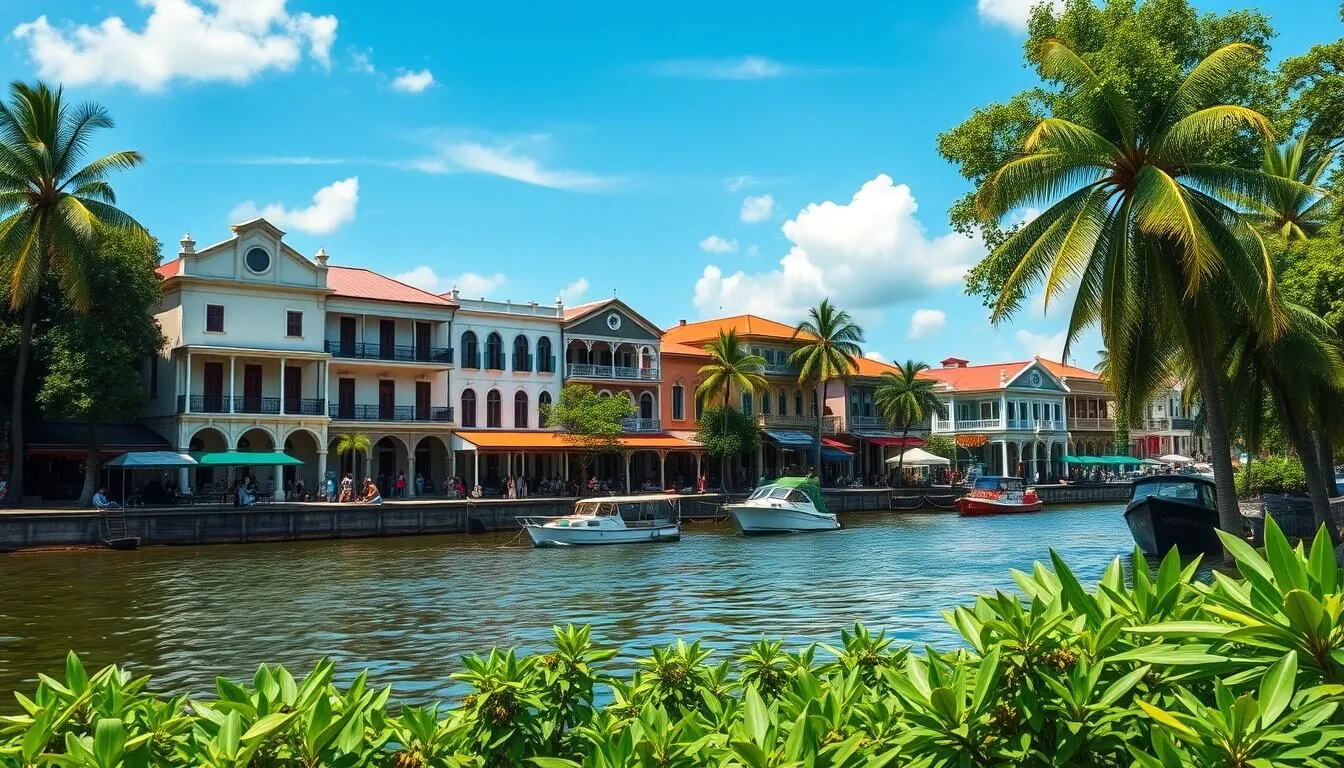
Did you know New Amsterdam, Guyana, was originally founded as a Dutch settlement in 1740, making it one of the oldest European-established towns in South America? This historic riverside town, nestled along the eastern bank of the Berbice River, offers a fascinating blend of colonial architecture, vibrant culture, and natural beauty that few travelers have discovered. As Guyana’s second-largest urban center, New Amsterdam provides an authentic glimpse into the country’s rich heritage away from the more touristed areas.
Getting There & Planning Your Journey
The closest international gateway to New Amsterdam is Cheddi Jagan International Airport (GEO) in Timehri, located about 125 km (78 miles) from New Amsterdam. After arriving in Georgetown, you have several options to reach New Amsterdam:
- By minibus: Regular minibuses run from Georgetown to New Amsterdam, taking approximately 2-3 hours and costing around 2,000-3,000 GYD ($10-15 USD).
- By taxi: Private taxis offer more comfort for the journey at about 15,000-20,000 GYD ($75-100 USD).
- By rental car: Self-driving gives you flexibility to explore at your own pace.
- By boat: For the adventurous, speedboats operate along the Demerara and Berbice Rivers (though less frequent than road options).
Best Time to Visit New Amsterdam
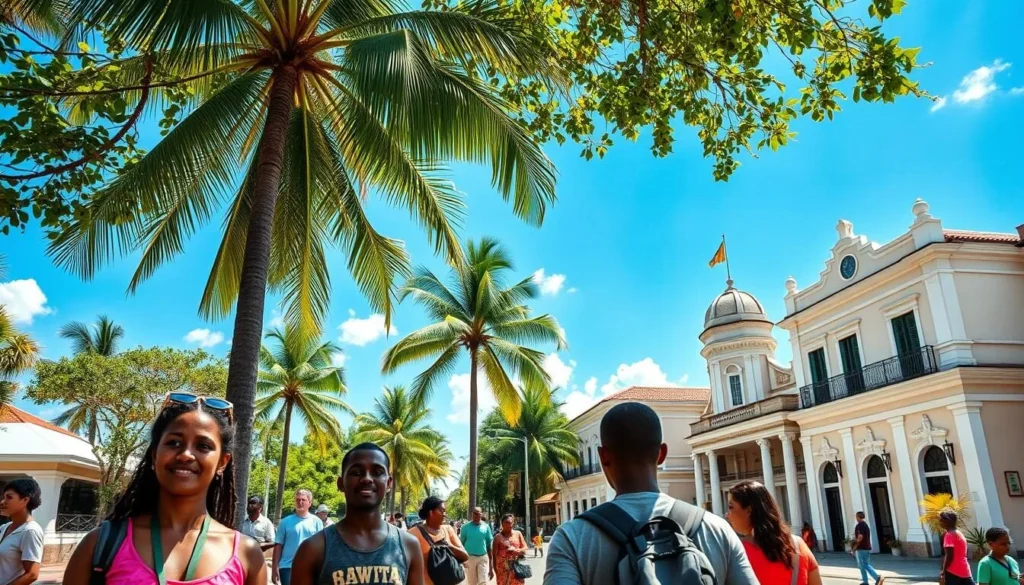
New Amsterdam experiences a tropical climate with distinct wet and dry seasons. The best time to visit is during the dry seasons from:
Recommended (Dry Season):
- December to April: Primary dry season with pleasant temperatures averaging 26-30°C (79-86°F) and lower humidity.
- August to October: Secondary brief dry period with slightly higher humidity but still good for travel.
Avoid (Rainy Season):
- May to July: Heavy primary rainy season with frequent downpours that can disrupt travel plans.
- November: Short secondary rainy period with occasional heavy showers.
Even during the dry season, pack light rain gear as brief afternoon showers can occur year-round in this tropical region. The ideal months for comfortable exploration are February and March when you’ll find the perfect balance of sunshine and manageable humidity.
Getting Around Locally
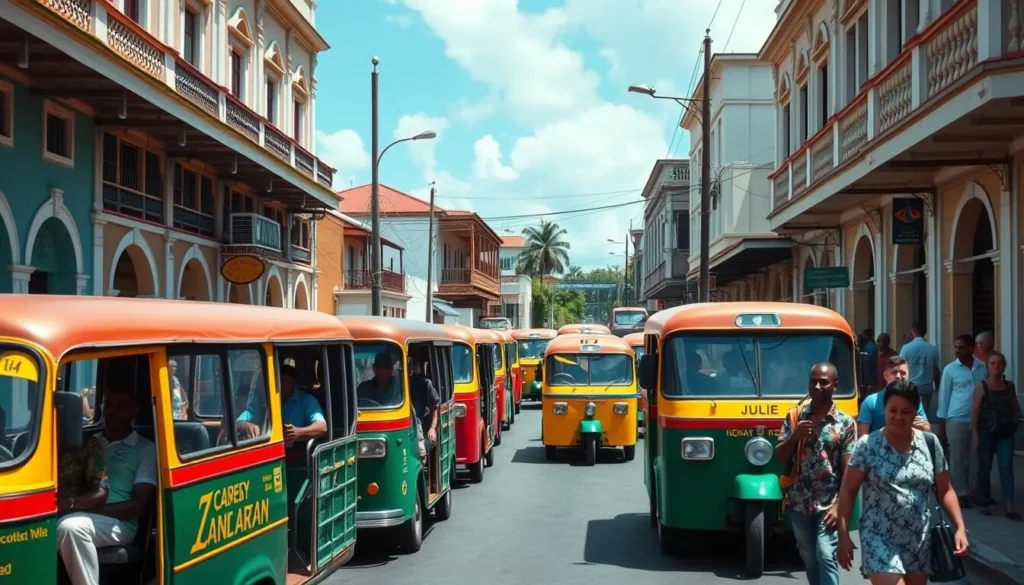
New Amsterdam is a relatively compact town that’s easy to navigate. Most attractions within the town center are within walking distance of each other, making it pleasant to explore on foot, especially in the cooler morning or late afternoon hours.
- Walking: The most enjoyable way to experience New Amsterdam’s colonial architecture and local life.
- Taxis: Affordable local taxis can be hailed on the street for longer distances, with most trips within town costing 500-1,000 GYD ($2.50-5 USD).
- Minibuses: Local minibuses connect different neighborhoods and are the most economical option at around 100-200 GYD ($0.50-1 USD) per trip.
- Bicycle rentals: Some guesthouses offer bicycle rentals, providing a fun way to explore the town and nearby areas.
- Boat taxis: For crossing the Berbice River or visiting nearby attractions like Fort Nassau, boat taxis are available at the stelling (wharf).
Where to Stay
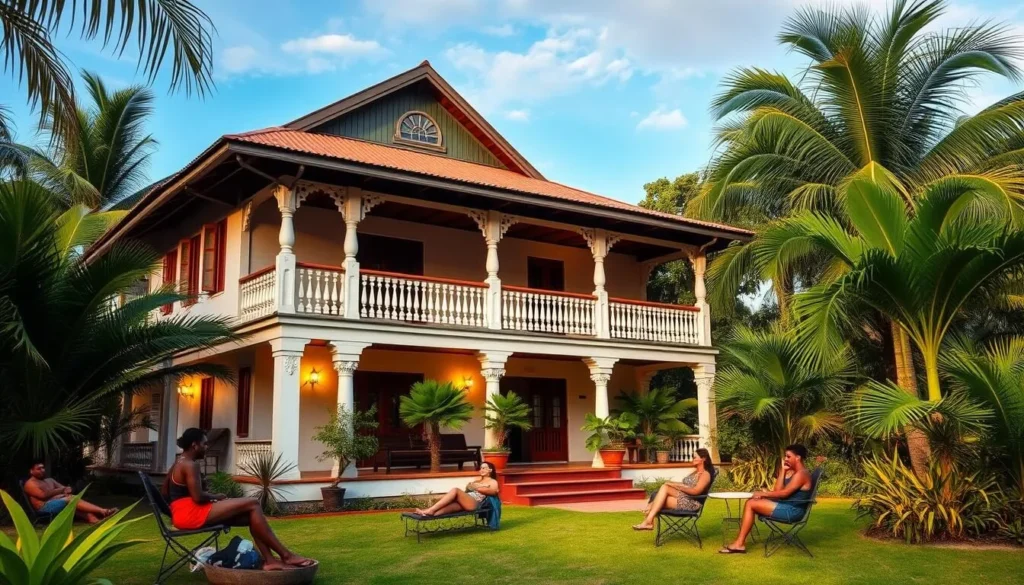
Accommodation options in New Amsterdam are limited but authentic, offering a chance to experience local hospitality. While luxury resorts are absent, you’ll find comfortable guesthouses and small hotels that provide clean, basic amenities and genuine Guyanese warmth.
Budget Options
Simple guesthouses and homestays offer basic rooms with fans, shared bathrooms, and sometimes communal kitchens. Prices range from 5,000-8,000 GYD ($25-40 USD) per night. Many are located near the central market area, providing convenient access to local food and transportation.
Mid-Range Options
Several small hotels and enhanced guesthouses offer private rooms with air conditioning, en-suite bathrooms, and basic amenities. Expect to pay 10,000-15,000 GYD ($50-75 USD) per night. The Church View Hotel and Astor Hotel are popular choices in this category.
Best Areas to Stay
The Main Street and Strand areas offer the best combination of safety, convenience, and access to attractions. Staying near the Berbice River provides pleasant views and cooling breezes. For a quieter experience, consider accommodations in the residential Republic Road area.
Dining & Local Cuisine
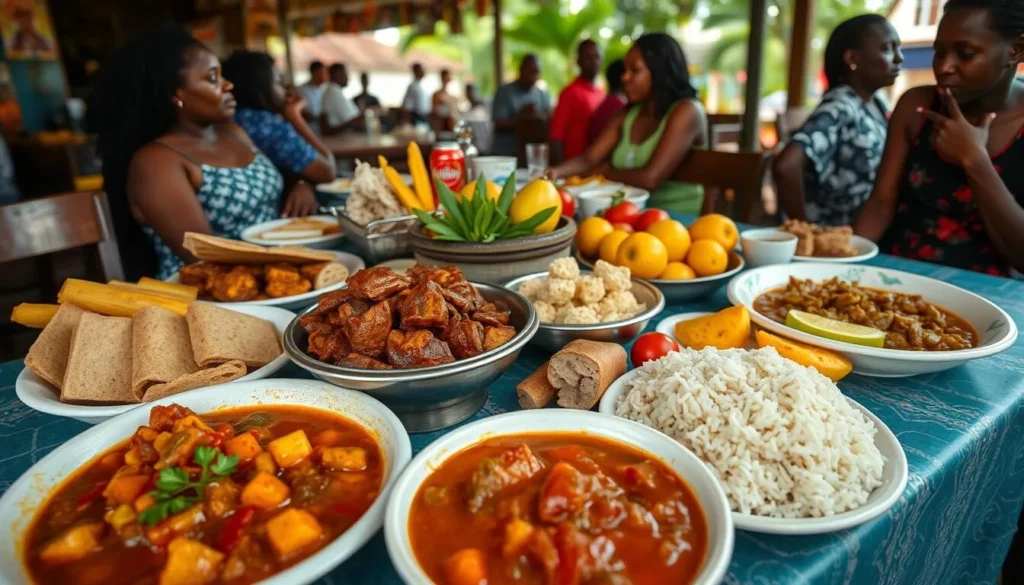
New Amsterdam offers an authentic taste of Guyanese cuisine, which blends African, East Indian, Amerindian, and European influences. Most dining options are small, family-run establishments where you can experience genuine local flavors at affordable prices.
Must-Try Local Dishes
- Pepperpot: A signature Guyanese dish of meat stewed with cinnamon, cassareep (cassava extract), and other spices. Traditionally served during holidays but available year-round.
- Cook-up Rice: A one-pot meal of rice, beans, and meat cooked with coconut milk and herbs – a weekend favorite among locals.
- Metemgee: A hearty stew of root vegetables, plantains, and dumplings in a coconut-based broth.
- Bake and Saltfish: A popular breakfast of fried bread served with sautéed saltfish, often accompanied by tomatoes and cucumbers.
- Curry with Roti: Reflecting the strong East Indian influence, various curries served with flatbread are staples throughout Guyana.
Where to Eat
The New Amsterdam Market area offers the most authentic food experiences, with small cookshops serving daily specials. For a more formal dining experience, try the restaurants at the local hotels. Don’t miss the street food vendors near the ferry stelling, who offer quick, flavorful snacks like egg balls, pholourie (fried split pea dough), and black pudding.
Local Tip: Ask for pepper sauce on the side – Guyanese cuisine can be spicy, and the homemade hot sauces pack serious heat!
Attractions, Sightseeing & Activities
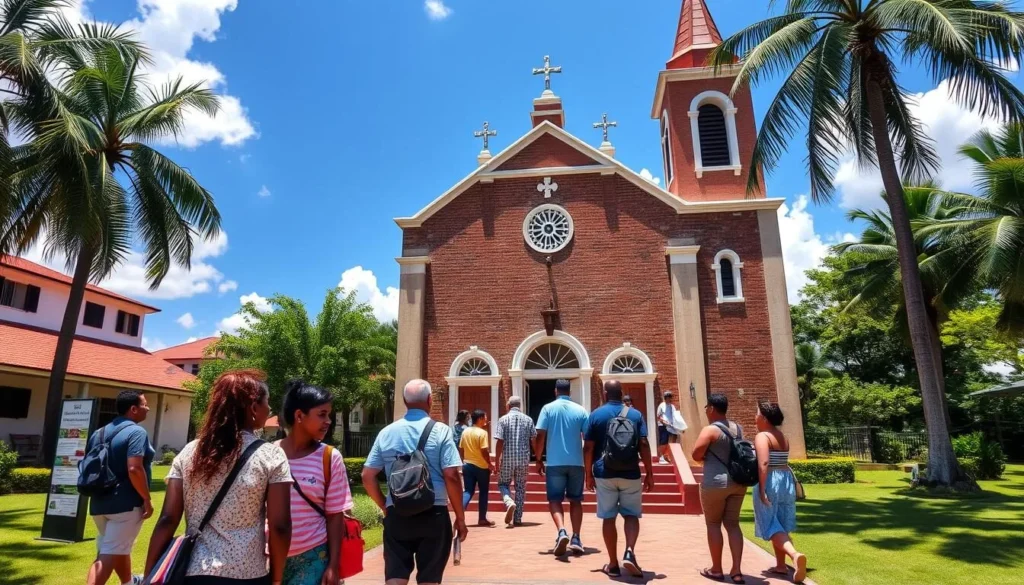
New Amsterdam’s charm lies in its historic buildings, riverside views, and glimpses into authentic Guyanese life. While not overflowing with tourist attractions, the town offers several noteworthy sites that provide insight into its colonial past and cultural heritage.
Historic Buildings
- Mission Chapel Congregational Church: Built in 1841, this historic church represents one of the finest examples of colonial architecture in Guyana.
- New Amsterdam Public Hospital: One of the oldest hospitals in the Caribbean, established in 1878, with distinctive Victorian architecture.
- Town Hall: A well-preserved colonial building that continues to serve as the administrative center.
Cultural Sites
- Berbice High School: Founded in 1916, it’s one of Guyana’s oldest educational institutions with beautiful grounds.
- New Amsterdam Market: The bustling heart of the town where locals trade produce, crafts, and everyday items.
- The Esplanade: A pleasant riverside area perfect for evening strolls and watching river traffic.
Nearby Attractions
- Fort Nassau: Located upriver, these ruins of an 18th-century Dutch fort offer a glimpse into the colonial era.
- Canje River: Take a boat trip to spot wildlife and visit the habitat of the rare Canje Pheasant (Hoatzin).
- Rose Hall Town: A nearby settlement with additional colonial heritage sites.
Museums, Cultural Spots & Festivals
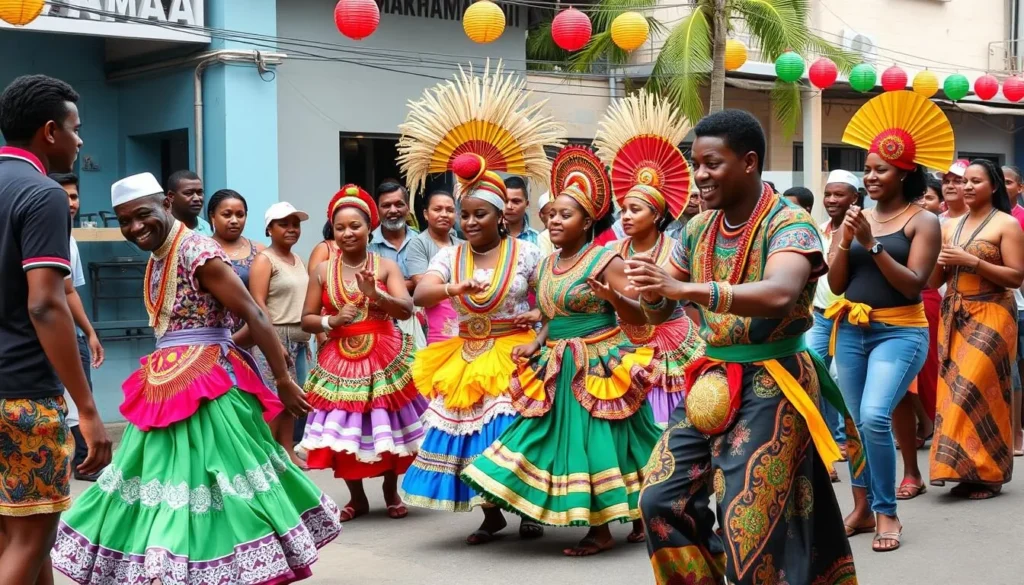
While New Amsterdam doesn’t have large museums, its cultural heritage is preserved through smaller exhibitions, community centers, and vibrant festivals that showcase Guyana’s diverse traditions.
Museums & Cultural Centers
- Berbice Cultural Center: Houses exhibits on the region’s history, including artifacts from the Dutch colonial period and the Berbice Slave Uprising of 1763.
- New Amsterdam Technical Institute Museum: A small collection showcasing the technological and industrial development of the region.
- Art Galleries: Look for rotating exhibitions by local artists at community centers and schools.
Major Festivals
- Mashramani (February): Guyana’s Republic Day celebrations feature colorful parades, music, and dance competitions throughout New Amsterdam.
- Phagwah/Holi (March): The Hindu festival of colors is widely celebrated in New Amsterdam, reflecting the significant East Indian cultural influence.
- Emancipation Day (August 1): Commemorates the abolition of slavery with cultural performances, exhibitions, and community events.
- Diwali (October/November): The Hindu festival of lights transforms New Amsterdam with beautiful diyas (oil lamps) and cultural programs.
- Christmas Season (December): Features unique Guyanese traditions including masquerade bands performing through the streets.
Cultural Tip: If your visit coincides with any festival, consider extending your stay – these celebrations offer the most authentic glimpse into Guyanese cultural traditions and community life.
Sports, Nature & Outdoor Experiences
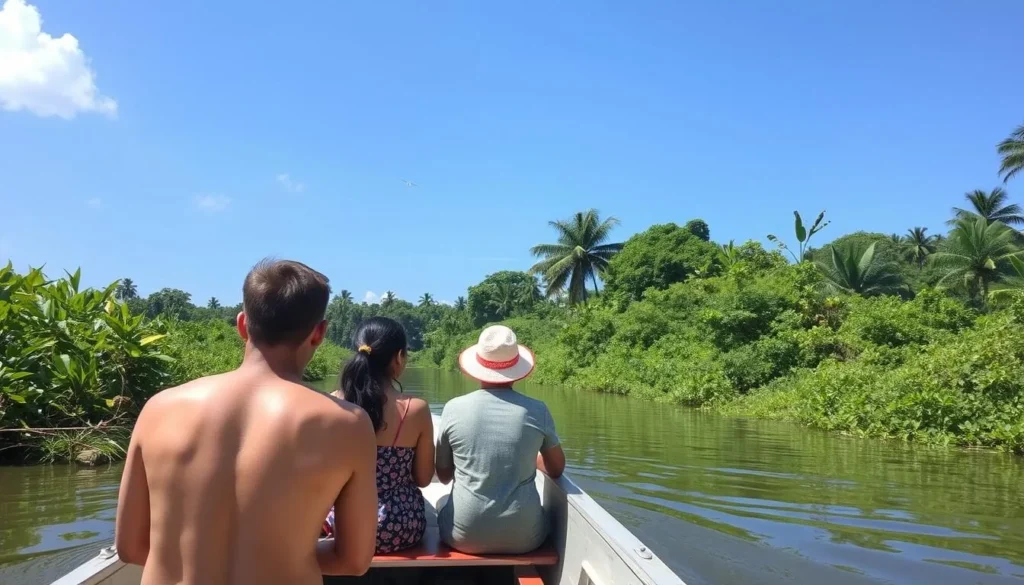
The natural surroundings of New Amsterdam offer excellent opportunities for outdoor enthusiasts. The confluence of the Berbice and Canje rivers creates a unique ecosystem that supports diverse wildlife and provides scenic settings for various activities.
River Experiences
- Berbice River Cruises: Take a boat tour to appreciate the town from the water and explore nearby settlements.
- Canje River Wildlife Watching: Guided boat trips offer opportunities to spot birds, monkeys, and occasionally river otters.
- Fishing Excursions: Join local fishermen for an authentic experience catching freshwater species.
Nature Areas
- Canje Creek: A tributary known for its populations of Hoatzin birds (locally called “canje pheasants”).
- Berbice River Wetlands: Rich ecosystems supporting numerous bird species and aquatic life.
- Community Nature Reserves: Small protected areas managed by local communities that welcome respectful visitors.
Sports & Recreation
Cricket is the dominant sport in New Amsterdam, as throughout Guyana. If you’re visiting during the cricket season, catch a local match at the New Amsterdam cricket ground. Soccer (football) is also popular, with informal games often taking place in the late afternoon at community fields.
Safety, Etiquette & Local Customs
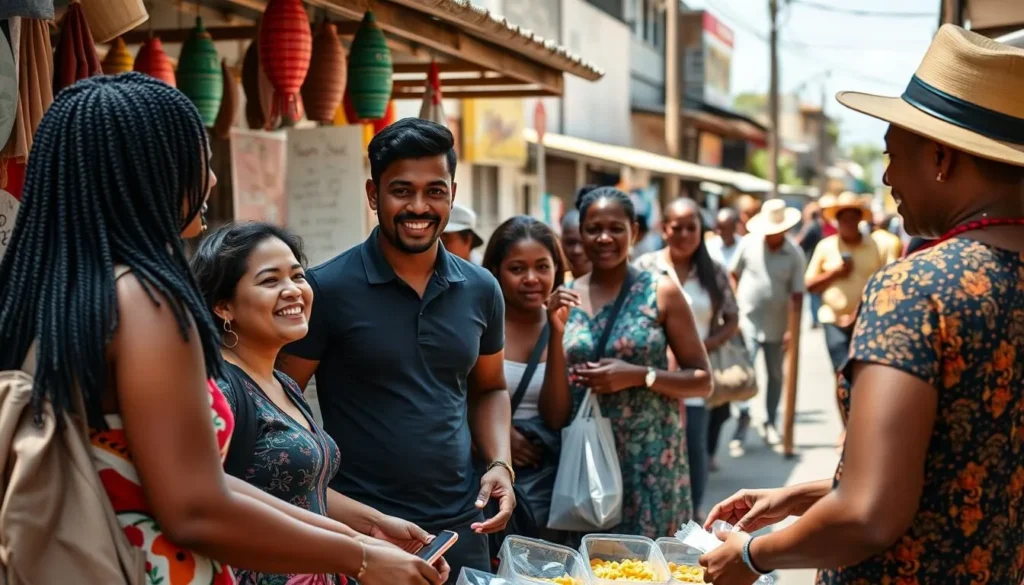
New Amsterdam is generally a safe destination for travelers who exercise common sense precautions. The town has a relaxed pace and friendly residents who are often curious about visitors to their less-touristed region.
Safety Tips
- Avoid displaying expensive jewelry, electronics, or large amounts of cash.
- Use registered taxis, especially at night, rather than walking in unfamiliar areas after dark.
- Keep a copy of your passport and important documents separate from the originals.
- Stay hydrated and use sun protection – the tropical sun can be intense.
- Be cautious when swimming in rivers due to strong currents and the occasional presence of caimans.
Local Etiquette
- Greetings are important – a friendly “good morning,” “good afternoon,” or “good night” (used after dark) is appreciated.
- Ask permission before taking photos of people, especially in rural communities.
- Dress modestly, particularly when visiting religious sites or rural areas.
- Remove shoes when entering someone’s home if you see shoes at the entrance.
- Tipping is not obligatory but appreciated for good service (10% is standard in restaurants).
Cultural Awareness
Guyana is a diverse society with significant populations of East Indian, African, Amerindian, and mixed heritage. Religious practices include Christianity, Hinduism, and Islam. Respect for this diversity is important. Political discussions can be sensitive and are best avoided unless initiated by locals who know you well.
Language Tip: While English is the official language, Guyanese Creole is widely spoken. Common phrases include “liming” (hanging out), “gaff” (chat), and “small up yourself” (make room).
Visitor Comments About New Amsterdam
“The blend of Dutch colonial architecture and Guyanese culture is absolutely fascinating! Walking through New Amsterdam feels like stepping back in time, yet the vibrant local life keeps you firmly in the present. Don’t miss the riverside walks at sunset.”
“The Berbice River sunset views from New Amsterdam are unforgettable. We took an evening boat ride and watched the sky turn brilliant shades of orange and pink. The peaceful atmosphere and friendly locals made our visit truly special.”
“Authentic local cuisine and incredibly friendly people made our visit special. Every meal was an adventure in flavors, especially the pepperpot and cook-up rice. The slower pace of life here is exactly what we needed to escape our busy lives.”
Practical Travel Tips
Money Matters
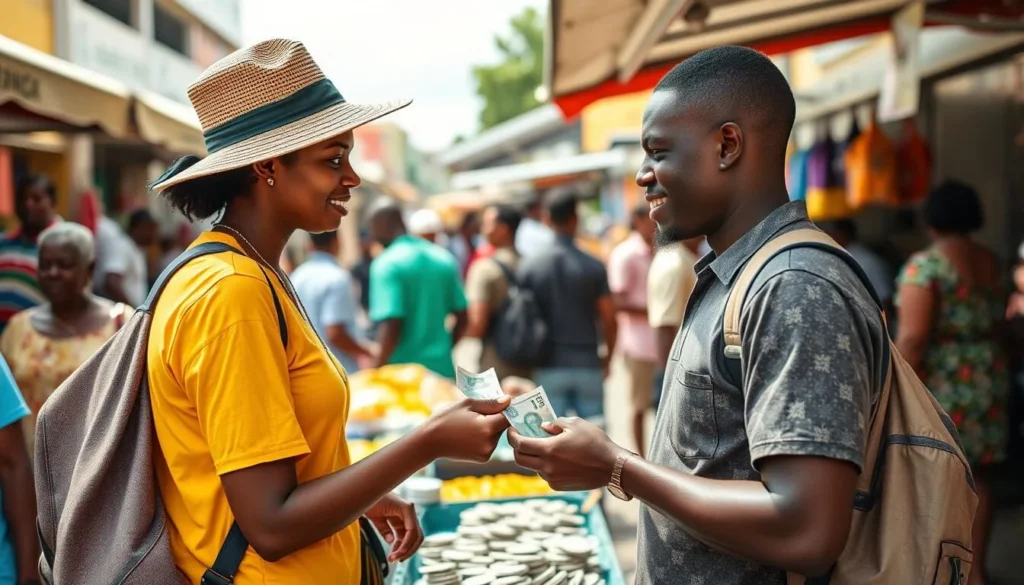
- The local currency is the Guyanese Dollar (GYD). ATMs are limited in New Amsterdam, so bring cash from Georgetown.
- Credit cards are accepted at larger hotels but not widely used in small shops or restaurants.
- Keep small denominations handy for taxis, market purchases, and small eateries.
- Current exchange rate: approximately 200 GYD = 1 USD (check for updates before travel).
Communication
- Purchase a local SIM card in Georgetown for better connectivity in New Amsterdam.
- Major providers include GTT and Digicel with reasonable data packages.
- Wi-Fi is available at most hotels but may be limited in speed and reliability.
- Download offline maps before arrival as internet access can be spotty.
Health & Essentials
- Bring insect repellent, sunscreen, and a hat for protection against the tropical elements.
- Drink bottled or purified water only.
- Pack basic medications as pharmacies may have limited supplies.
- Consider malaria prophylaxis after consulting with a travel health professional.
Your Guyanese Adventure Awaits!
New Amsterdam offers a rare opportunity to experience an authentic slice of Guyanese life away from the tourist crowds. Its blend of colonial history, cultural diversity, and natural beauty creates a destination that rewards curious travelers willing to venture beyond the ordinary. As you wander the historic streets, cruise the mighty rivers, and connect with the warm-hearted locals, you’ll discover a place where time moves at its own pace and genuine experiences await around every corner. Whether New Amsterdam serves as your primary destination or a fascinating stop on a broader Guyana itinerary, this riverside town promises memories that will stay with you long after you’ve returned home.
The above is subject to change.
Check back often to TRAVEL.COM for the latest travel tips and deals.



0 Comments