
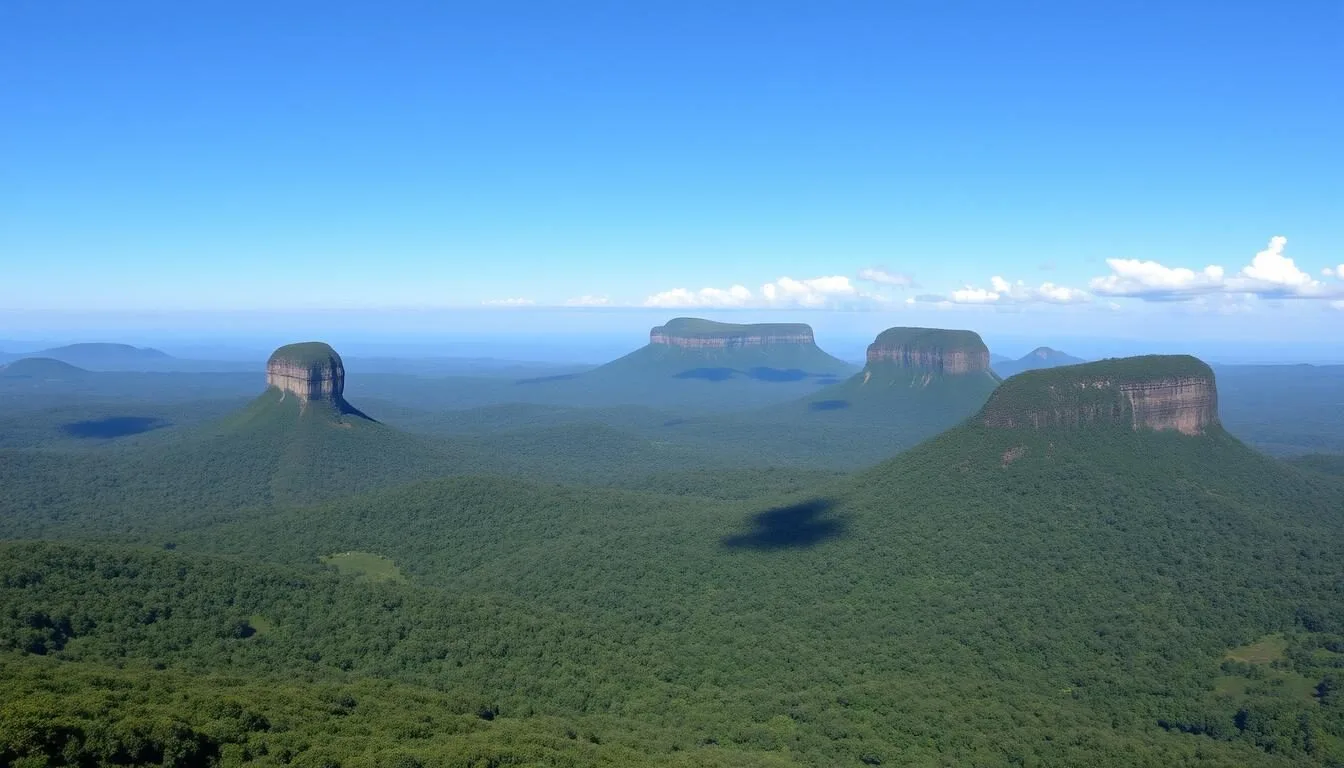
Did you know that the Pacaraima Mountains are home to some of Earth’s oldest geological formations? Dating back 1.7 billion years, these ancient table-top mountains (known locally as tepuis) form part of the Guiana Shield, one of the last truly wild places on our planet. This remote mountain range stretches across the borders of Guyana, Venezuela, and Brazil, offering adventurous travelers a rare glimpse into pristine ecosystems untouched by mass tourism.
Getting There & Planning Your Journey
Reaching the Pacaraima Mountains requires careful planning, as this is one of Guyana’s most remote regions. Your journey begins with an international flight to Cheddi Jagan International Airport (GEO) near Georgetown, Guyana’s capital. From there, you have several options to reach the mountains.
By Air
The most efficient way to access the region is by taking a domestic flight from Georgetown to Lethem or Kamarang, the gateway towns to the Pacaraima Mountains. Trans Guyana Airways and Roraima Airways operate small aircraft to these destinations. Flight time is approximately 1-2 hours, offering spectacular aerial views of the rainforest and savannahs below.
By Land
For the adventurous traveler, the overland route from Georgetown to Lethem via the Linden-Lethem road is an experience in itself. This 350-mile (563 km) journey takes 12-14 hours in the dry season and can be significantly longer during rainy periods. A 4×4 vehicle is absolutely essential, as parts of the road are unpaved and can become challenging.
Best Time to Visit Pacaraima Mountains
Seasonal Breakdown
The Pacaraima Mountains experience a tropical climate with distinct wet and dry seasons. Timing your visit correctly is crucial for an enjoyable experience.
Dry Season (Late January to April)
Recommended: This is the optimal time to visit. Temperatures range from 22°C to 32°C (72°F to 90°F), with lower humidity and minimal rainfall. Trails are accessible, rivers are calmer, and visibility for wildlife spotting is excellent.
- Clear skies enhance views of the dramatic landscapes
- Easier road access to remote villages
- Better conditions for hiking and photography
Wet Season (May to November)
Less Ideal: Heavy rainfall dominates, particularly in October and November. While temperatures remain consistent (23°C to 29°C/73°F to 84°F), many trails become muddy or impassable, and rivers can swell dramatically.
- Waterfalls are at their most spectacular
- Fewer visitors for those seeking solitude
- Lush, vibrant vegetation
Transition Period (December to Early January)
This period offers a balance between accessibility and fewer crowds. Rainfall tapers off, and conditions begin to stabilize, though some areas may still be recovering from the wet season.
Local Tip: Even during the dry season, pack rain gear. Brief afternoon showers can occur year-round in this tropical environment.
Getting Around Locally
Navigating the Pacaraima Mountains requires preparation and appropriate transportation. The region’s limited infrastructure adds to its charm but demands flexibility from travelers.
4×4 Vehicles
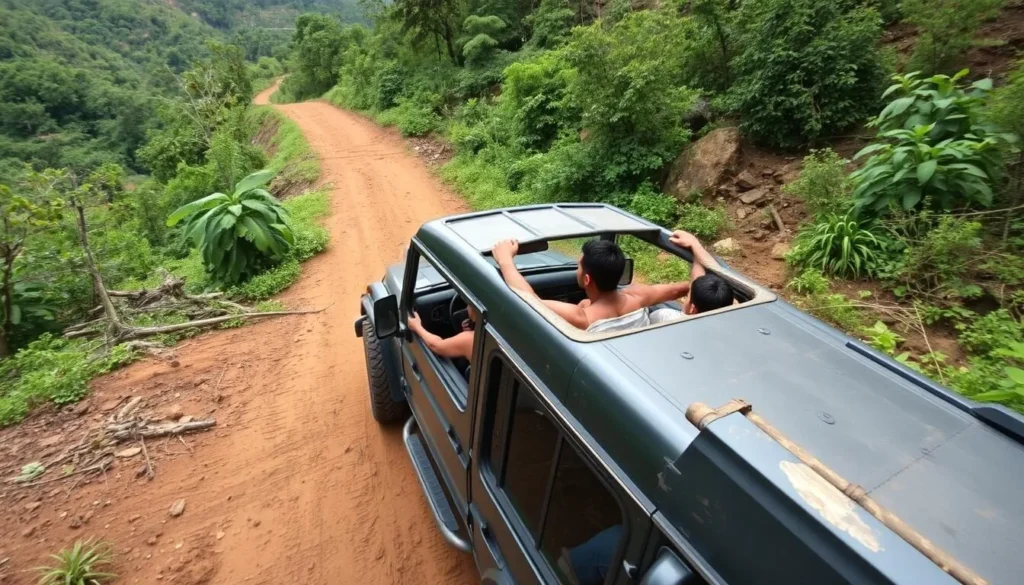
A sturdy 4×4 vehicle is essential for exploring the Pacaraima Mountains. Many sections of road are unpaved, uneven, and can become challenging, especially after rain. Vehicle rental options are limited in the region itself, so arrange your transportation in Georgetown or through a tour operator.
Guided Tours
For first-time visitors, joining an organized tour is highly recommended. Local guides are familiar with the terrain, know the best routes, and can provide cultural context for the indigenous communities you’ll encounter. The annual Pakaraima Mountain Safari, organized around Easter, offers a planned route with experienced guides.
On Foot
Many of the region’s most spectacular sites, including waterfalls and viewpoints, are accessible only by hiking trails. Bring sturdy footwear and be prepared for varied terrain.
Where to Stay
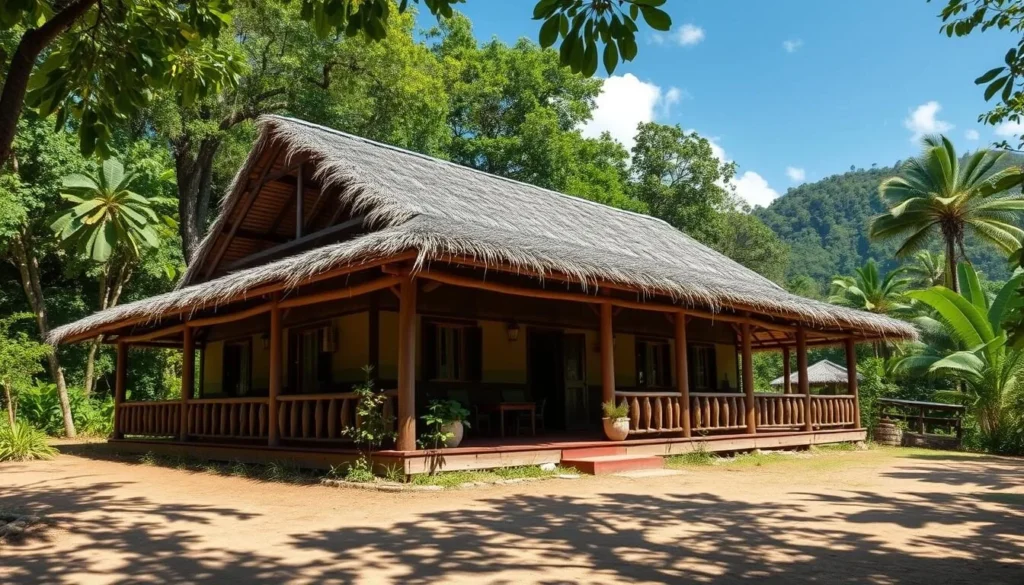
Accommodation in the Pacaraima Mountains ranges from basic guesthouses to community-run lodges. Don’t expect luxury amenities, but do anticipate warm hospitality and immersion in stunning natural surroundings.
Community Lodges
Several indigenous villages operate small guesthouses or lodges. These community-run accommodations offer an authentic experience and direct economic support to local people. Facilities are typically basic but clean, with shared bathrooms and simple meals prepared from local ingredients.
Eco-Lodges
A few eco-lodges operate in the region, offering slightly more comfortable accommodations while maintaining environmental sustainability. These lodges often feature private rooms with en-suite facilities, though electricity may be limited to certain hours via generator.
Camping
For the adventurous traveler, camping is an option in designated areas, usually near villages. Always seek permission from village leaders before setting up camp. Bring all necessary equipment, as supplies are limited in remote areas.
Important: Accommodation options are limited and basic in the Pacaraima Mountains. Book well in advance and be prepared for rustic conditions. Electricity may be intermittent, and hot water is not guaranteed.
Dining & Local Cuisine
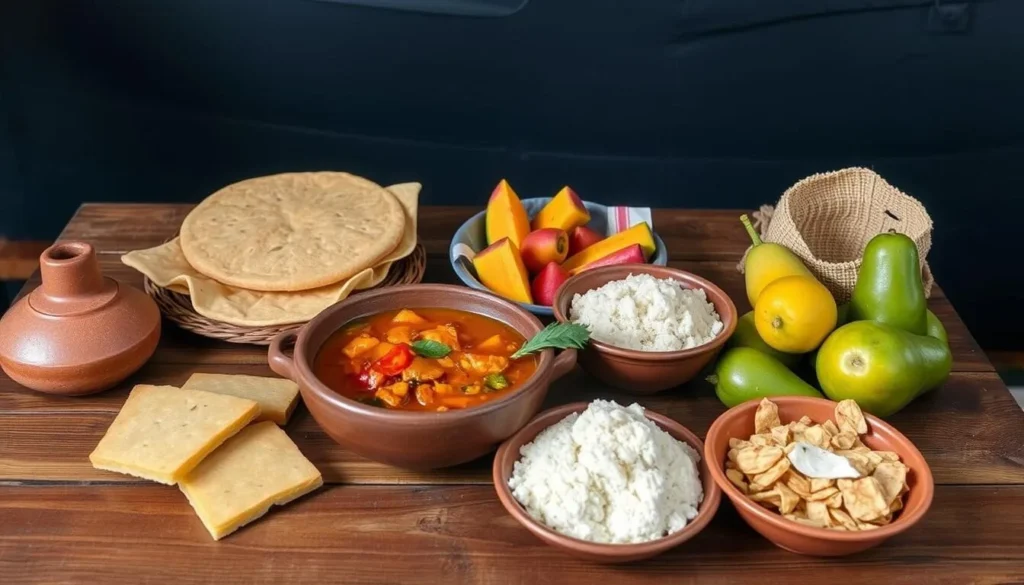
Culinary experiences in the Pacaraima Mountains reflect the region’s indigenous heritage and locally available ingredients. Meals are simple but flavorful, often prepared using traditional methods.
Local Specialties
- Cassava Bread – A staple food made from grated cassava, dried and baked on a large circular iron plate
- Pepperpot – A slow-cooked meat stew flavored with cinnamon, cassareep (a cassava extract), and other spices
- Farine – Toasted cassava flour, often eaten with smoked fish or game meat
- Parakari – A fermented cassava beer traditionally used in ceremonies
Dining Options
Formal restaurants don’t exist in the remote Pacaraima region. Instead, meals are typically provided at your accommodation or in local homes. Some villages have small shops selling basic supplies, but selection is limited. Bring snacks and any special dietary requirements with you.
“The food in the Pakaraimas connects you directly to the land. Everything is harvested locally and prepared with techniques passed down through generations.”
Attractions, Sightseeing & Activities
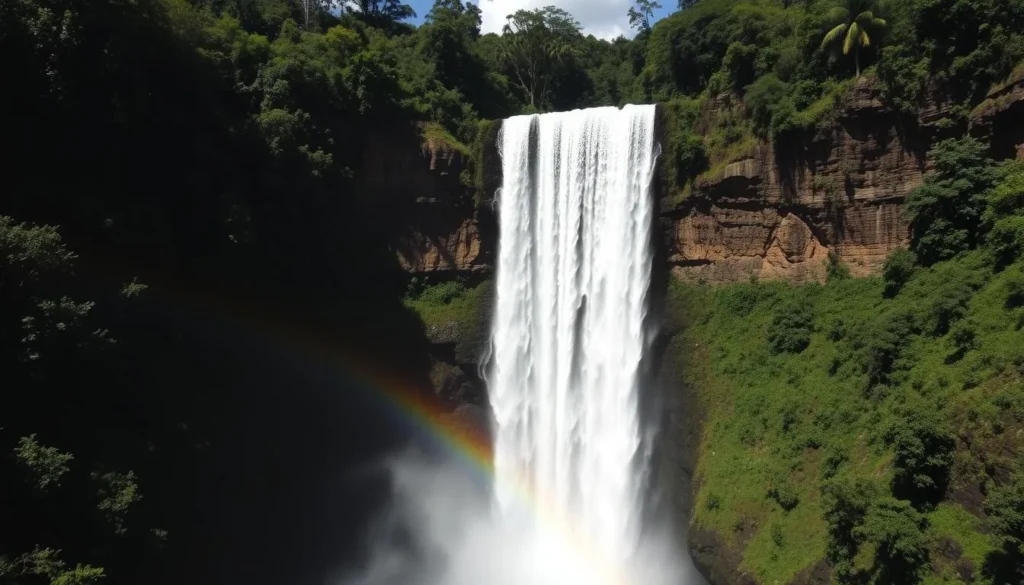
The Pacaraima Mountains offer some of South America’s most spectacular natural attractions, from towering waterfalls to unique tepui formations. Here are the must-see highlights of the region:
Kaieteur Falls
One of the world’s most powerful waterfalls, Kaieteur Falls plunges 741 feet (226 meters) in a single drop. Located on the Potaro River, this majestic waterfall is five times higher than Niagara Falls and is surrounded by pristine rainforest. The falls are the centerpiece of Kaieteur National Park, established in 1930.
Mount Roraima
Towering at 9,200 feet (2,800 meters), Mount Roraima is the highest peak in Guyana and one of the most distinctive tepuis in the Pacaraima range. While most of the mountain lies in Venezuela, its eastern escarpment is within Guyana’s borders. The mountain features dramatic cliffs, unique flora, and a network of caves carved into the quartzite rock.
Orinduik Falls
Located on the Ireng River, which forms the border between Guyana and Brazil, Orinduik Falls cascades over steps of jasper, a semi-precious stone. Unlike the powerful Kaieteur, these wide, terraced falls are perfect for bathing and relaxation.
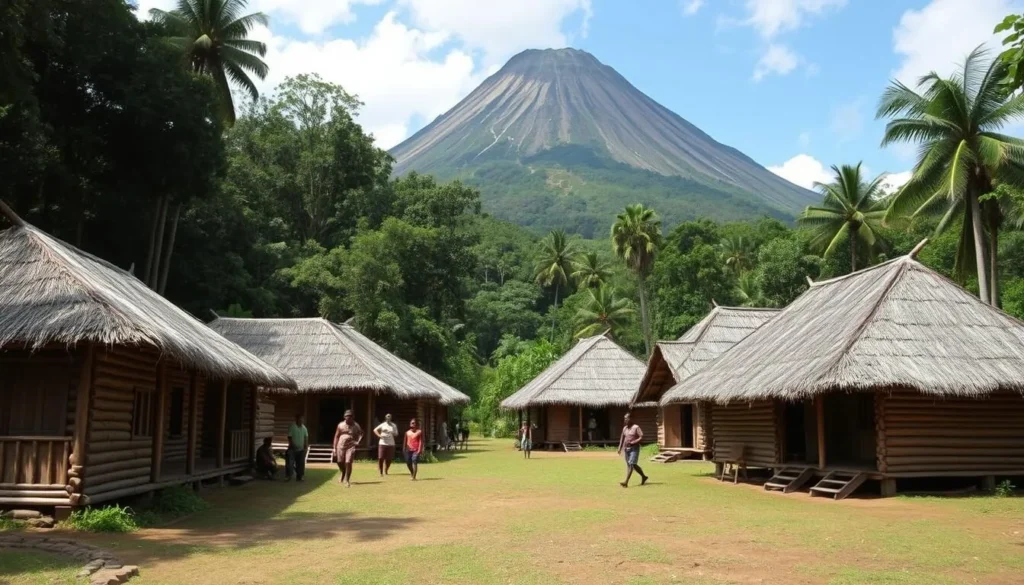
Indigenous Villages
The Pacaraima Mountains are home to several indigenous communities, primarily of the Patamona and Macushi peoples. Villages like Paramakatoi, Kato, and Monkey Mountain offer insights into traditional ways of life. Always approach these communities with respect and seek permission before taking photographs.
Museums, Cultural Spots & Festivals
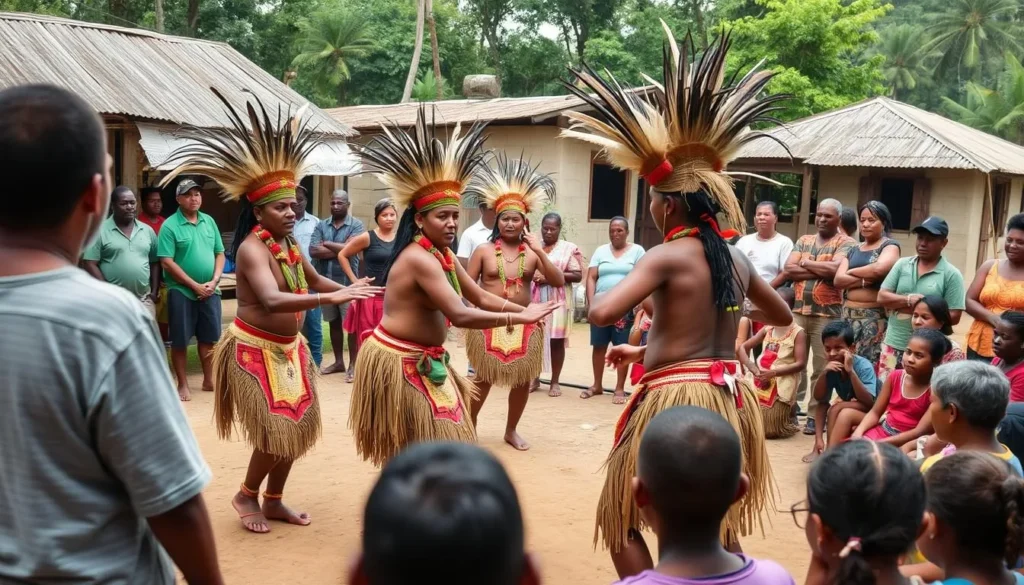
While formal museums are absent in this remote region, cultural experiences abound through community interactions and traditional practices.
Cultural Heritage
The Patamona people, whose name means “People of the Heavens,” maintain rich cultural traditions. Village elders serve as living repositories of knowledge, passing down stories, medicinal practices, and craft techniques through generations. Some communities welcome visitors to learn about traditional weaving, pottery, and hunting methods.
Rock Art Sites
Pre-Columbian petroglyphs can be found near villages like Paramakatoi. These ancient carvings, often depicting animals or celestial bodies, offer glimpses into the region’s long human history. Local guides can help locate and interpret these sites.
Local Festivals
Villages occasionally hold celebrations tied to harvests or cultural traditions. These events may feature traditional music played on instruments like the maraka (seed-filled gourd rattle) and ceremonial dances that mimic animal movements. If you’re fortunate enough to witness such a gathering, observe respectfully and participate only if invited.
“Our mountains are not just rocks and earth—they are the home of our ancestors and spirits. Every waterfall, every cave has a story.”
Sports, Nature & Outdoor Experiences
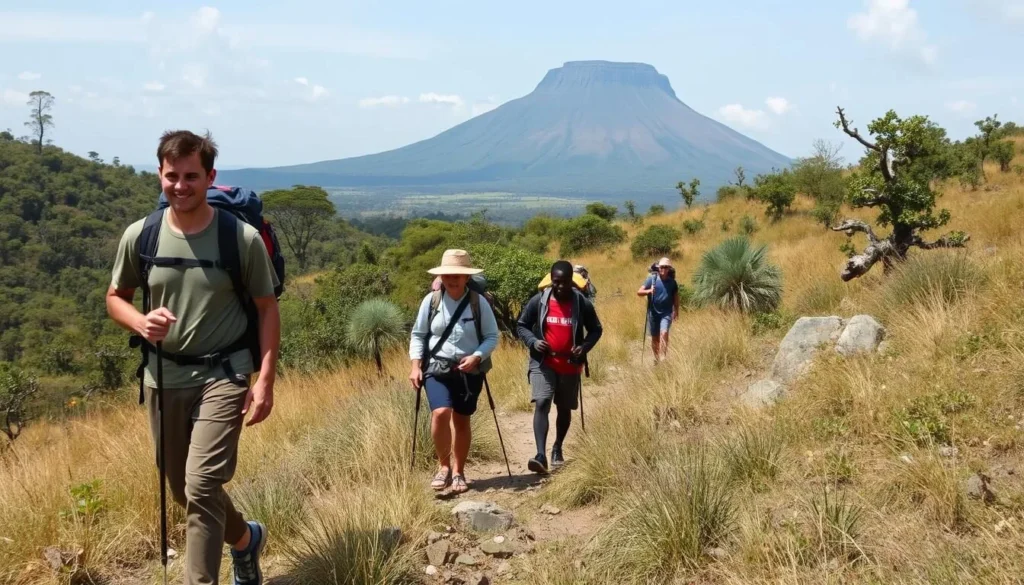
The Pacaraima Mountains offer exceptional opportunities for nature enthusiasts and adventure seekers. The region’s biodiversity and dramatic landscapes create the perfect setting for outdoor exploration.
Hiking & Trekking
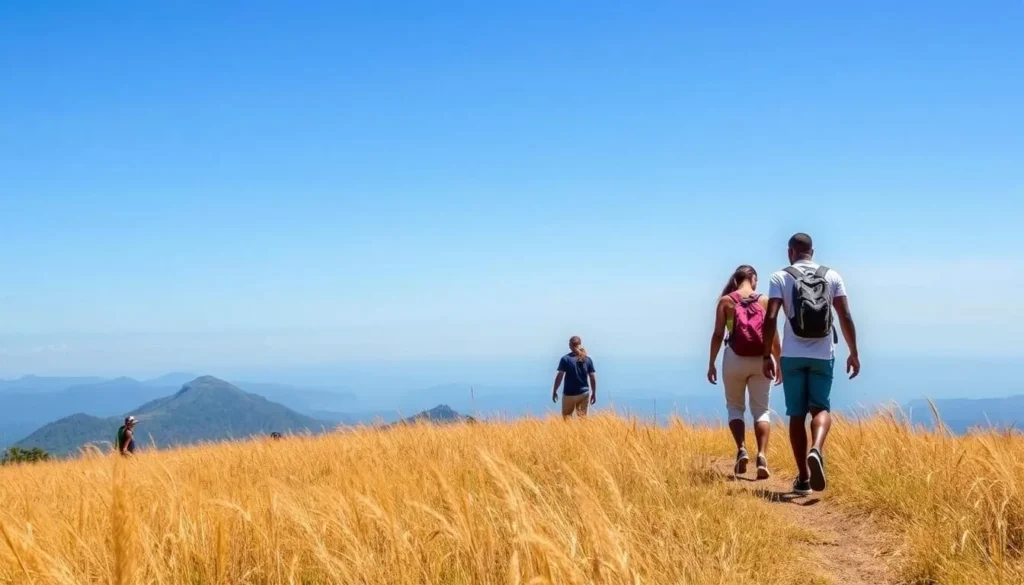
Numerous trails crisscross the Pacaraima Mountains, ranging from relatively easy day hikes to challenging multi-day treks. Popular routes include the trail to Chiung Falls near Kato village and paths connecting various indigenous communities. Always hike with a local guide who can navigate the terrain and identify potential hazards.
Wildlife Watching
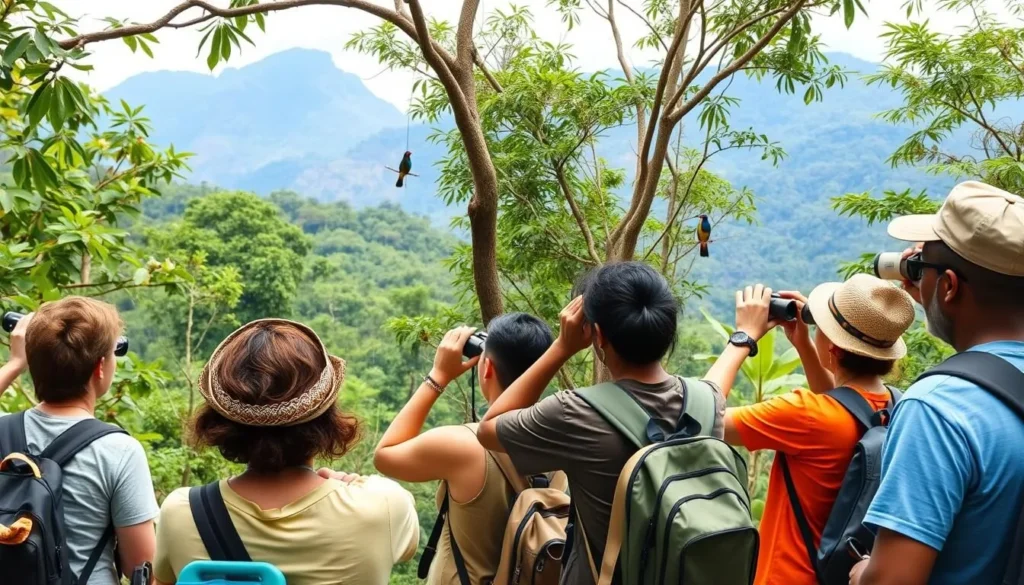
The Pacaraima region is home to remarkable biodiversity. Patient observers may spot jaguars, giant anteaters, black spider monkeys, and numerous bird species including the magnificent harpy eagle. The early morning hours offer the best wildlife viewing opportunities.
River Experiences
The rivers flowing through the Pacaraima Mountains offer opportunities for swimming, fishing, and boat trips. The pools beneath smaller waterfalls provide refreshing swimming spots after a hot day of hiking. Local guides can arrange fishing excursions to catch species like peacock bass and piranha.
Photography
The dramatic landscapes, unique flora, and cultural elements of the Pacaraima Mountains make it a photographer’s paradise. The golden hours of early morning and late afternoon offer the best light for capturing the region’s beauty.
Eco-Tip: Practice Leave No Trace principles. Pack out all trash, stay on established trails, and minimize your impact on this pristine environment.
Safety, Etiquette & Local Customs
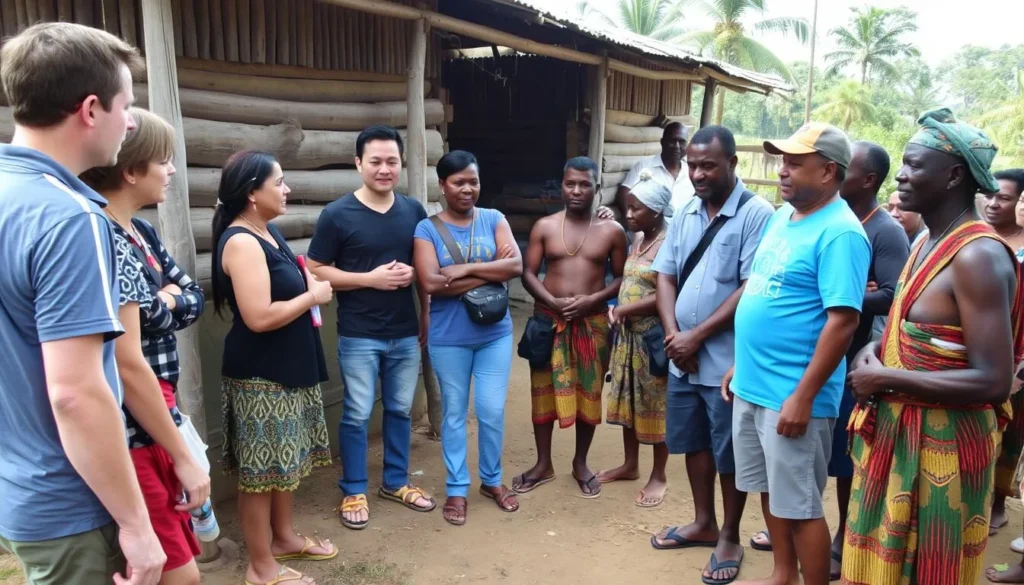
Visiting the Pacaraima Mountains requires preparation and cultural sensitivity. Following these guidelines will help ensure a safe and respectful journey.
Health & Safety
- Consult a travel health professional before your trip for recommended vaccinations and medications
- Bring a comprehensive first-aid kit, as medical facilities are extremely limited
- Use insect repellent with DEET to protect against mosquitoes that may carry diseases
- Purify all drinking water or bring bottled water
- Travel with a guide who knows the terrain and can communicate with local communities
Cultural Respect
- Always seek permission before entering indigenous villages
- Ask before taking photographs of people or cultural sites
- Dress modestly out of respect for local customs
- Learn a few basic greetings in English (the official language) or Patamona if possible
- Bring small gifts like fabric or fishing line rather than cash when visiting villages
Environmental Considerations
The Pacaraima Mountains are ecologically sensitive. Minimize your impact by staying on established trails, properly disposing of waste, and avoiding collection of plants or wildlife. Support conservation efforts by hiring local guides who understand sustainable practices.
Practical Travel Tips
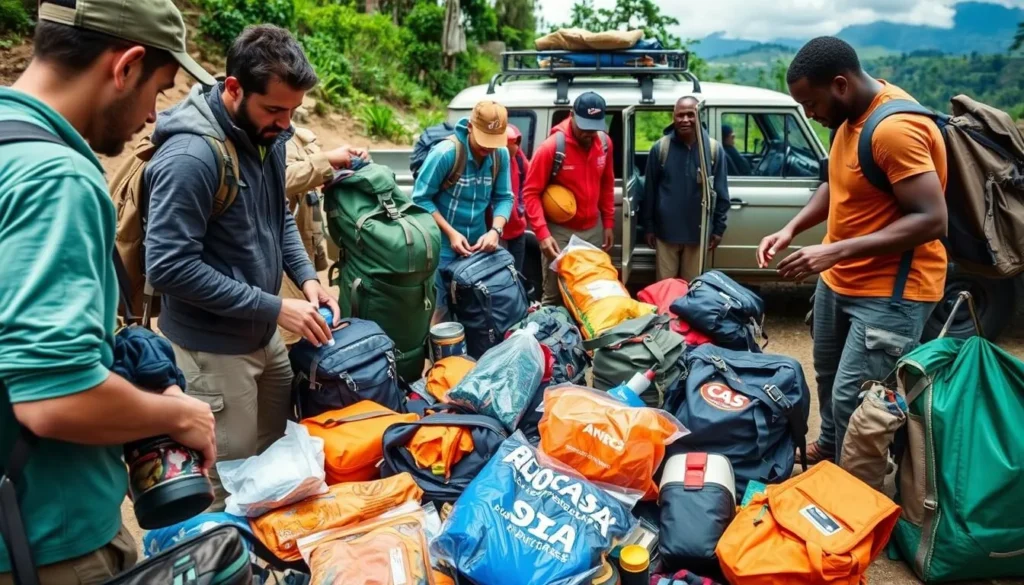
What to Pack
- Lightweight, quick-dry clothing (long sleeves and pants for sun/insect protection)
- Sturdy hiking boots with good ankle support
- Rain jacket and waterproof bag covers
- Wide-brimmed hat and UV-protective sunglasses
- High-DEET insect repellent and sunscreen
- Water purification tablets or filter
- Basic first-aid kit including blister treatment
- Headlamp with extra batteries (electricity is limited)
- Binoculars for wildlife spotting
- Cash in small denominations (no ATMs in remote areas)
Communication
Mobile phone coverage is extremely limited in the Pacaraima Mountains. Inform family or friends of your itinerary before departing, and don’t expect to maintain regular contact during your journey. Some tour operators and lodges have satellite phones for emergencies.
Permits & Permissions
Visiting certain protected areas and indigenous lands may require permits. Work with a reputable tour operator who can arrange necessary permissions. Respect any areas that are off-limits to visitors, as they may have cultural or environmental significance.
Planning Tip: Allow extra days in your itinerary for unexpected delays due to weather or transportation challenges. Flexibility is essential when traveling in remote regions.
The Call of the Wild: Your Pacaraima Adventure Awaits
The Pacaraima Mountains represent one of the last frontiers of authentic adventure travel. In an age where so many destinations have been transformed by tourism, this remote corner of Guyana offers a rare opportunity to experience nature at its most pristine and cultures at their most traditional. The challenges of reaching and navigating this region are part of its appeal—each waterfall glimpsed, each wildlife encounter, each cultural exchange feels earned and therefore more meaningful. As you plan your journey to the Pacaraima Mountains, embrace the spirit of exploration that has drawn travelers to these ancient peaks for generations. The memories you create here will be as enduring as the mountains themselves.
The above is subject to change.
Check back often to TRAVEL.COM for the latest travel tips and deals.

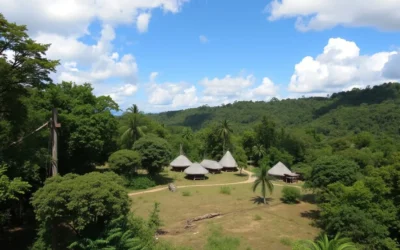


Visitor Comments About Pacaraima Mountains
“The journey to the Pacaraima Mountains was challenging but absolutely worth it. Standing at the base of Kaieteur Falls, feeling the mist on my face while surrounded by pristine rainforest, was one of the most profound moments of my travels. The Patamona people we met were incredibly welcoming and shared insights into their traditional way of life.”
E.S., The Hague
“As an avid photographer, the Pacaraima Mountains offered endless opportunities. The dramatic tepuis, diverse wildlife, and cultural elements created a visual feast. I recommend spending at least a week in the region to fully appreciate its beauty. Hiring a knowledgeable local guide made all the difference in accessing hidden spots and understanding what we were seeing.”
F.T., McKinney
“My trip to the Pacaraima Mountains was truly off the beaten path. The lack of tourist infrastructure is both a challenge and the region’s greatest asset. We stayed in community lodges, ate local food, and trekked to waterfalls that few outsiders have seen. Pack light but bring essentials—and an open mind. This is adventure travel at its most authentic.”
J.N., Essen