
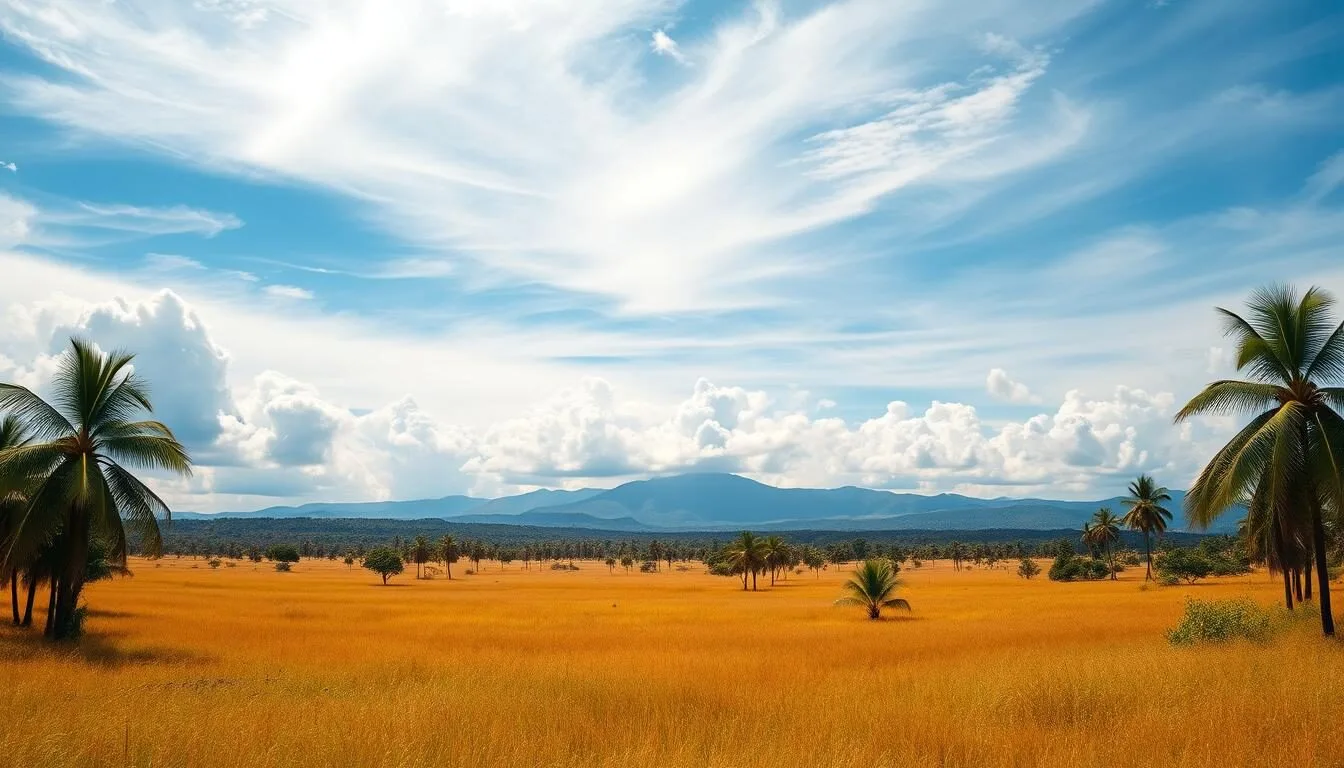
The Rupununi Savannahs cover approximately 15,000 sq km (5,792 sq miles) of Guyana’s landscape, yet fewer than 20,000 international visitors experience this vast wilderness annually. This pristine region remains one of South America’s best-kept secrets, offering adventurous travelers an authentic glimpse into untouched ecosystems and vibrant indigenous cultures far from the beaten tourist path.
Getting There & Planning Your Journey
Reaching the Rupununi Savannahs requires some planning, but the journey itself becomes part of the adventure. Most international travelers arrive at Cheddi Jagan International Airport near Georgetown, Guyana’s capital city.
From Georgetown, you have two main options to reach the Rupununi region:
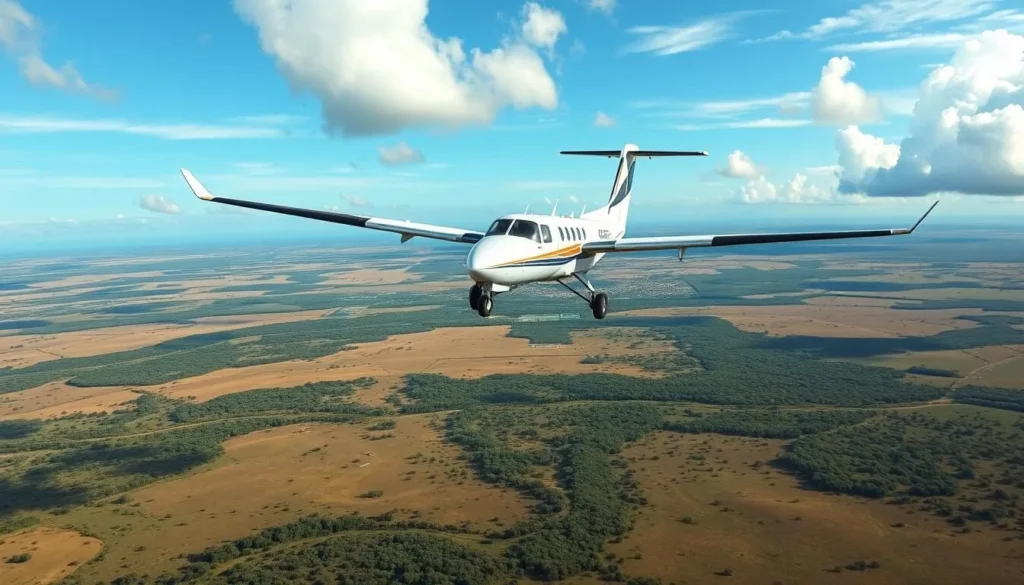
- Fly to Lethem: The most convenient option is taking a 1-hour flight from Georgetown to Lethem on Trans Guyana Airways or Air Services Limited. Flights operate daily but have limited capacity, so booking in advance is essential.
- Overland Journey: For the adventurous, a 12-14 hour journey by 4×4 vehicle across the Linden-Lethem road offers an immersive experience through changing landscapes. This option is weather-dependent and best attempted during the dry season.
Best Time to Visit Rupununi Savannahs
The Rupununi region experiences distinct wet and dry seasons that significantly impact travel conditions and wildlife viewing opportunities.
Recommended: December-April (Dry Season)
- Clear skies and minimal rainfall
- Easier road access throughout the region
- Concentrated wildlife around remaining water sources
- Comfortable temperatures averaging 26-32°C (79-90°F)
- Peak wildlife viewing as animals gather at shrinking water holes
Avoid: May-November (Rainy Season)
- Heavy rainfall making roads difficult or impassable
- Some lodges close or operate with limited services
- Dispersed wildlife due to abundant water sources
- Higher humidity levels
- Potential for flight delays or cancellations
For photographers, the transitional periods (November-December and April-May) offer dramatic skies and lush landscapes, though travel logistics may be more challenging.
Getting Around Locally
Navigating the Rupununi requires adaptability and a sense of adventure. The region’s infrastructure is limited, but that’s part of its untouched charm.
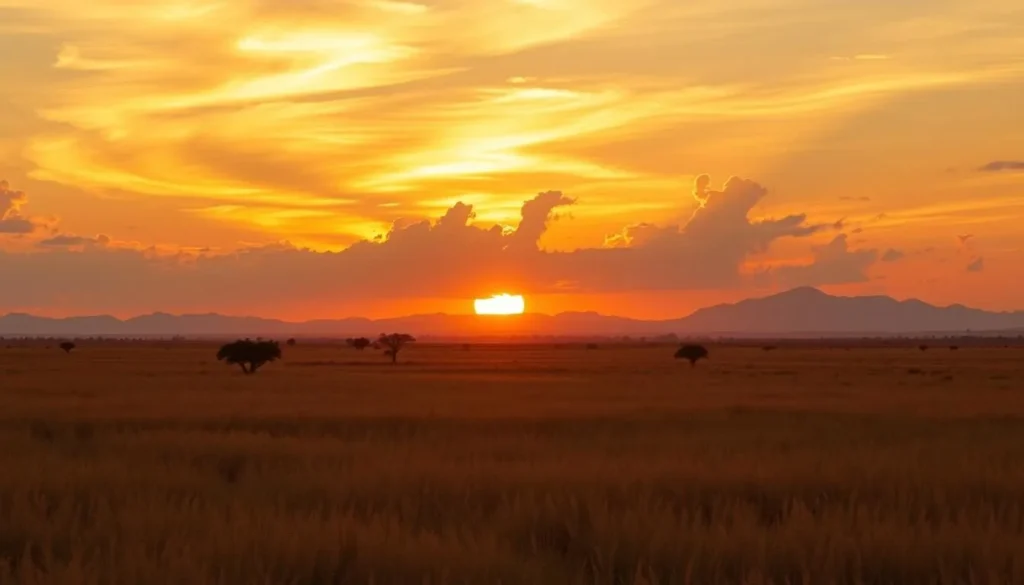
- 4×4 Vehicles: Essential for traversing the region’s unpaved roads and rugged terrain. Most lodges offer transportation services for guests, or you can arrange a driver through tour operators in Lethem.
- River Travel: The Rupununi River serves as a natural highway through parts of the savannah. Boat trips offer unique perspectives and access to otherwise unreachable areas.
- Horseback: Many ranches offer horseback riding as both an activity and a practical way to explore the savannah landscapes.
- Guided Tours: Local guides are invaluable for navigation and spotting wildlife. Their knowledge of the terrain and ecosystems enhances the experience tremendously.
Local Tip: Always carry extra water, sun protection, and insect repellent when exploring the savannah. Cell service is extremely limited, so don’t rely on mobile navigation.
Where to Stay
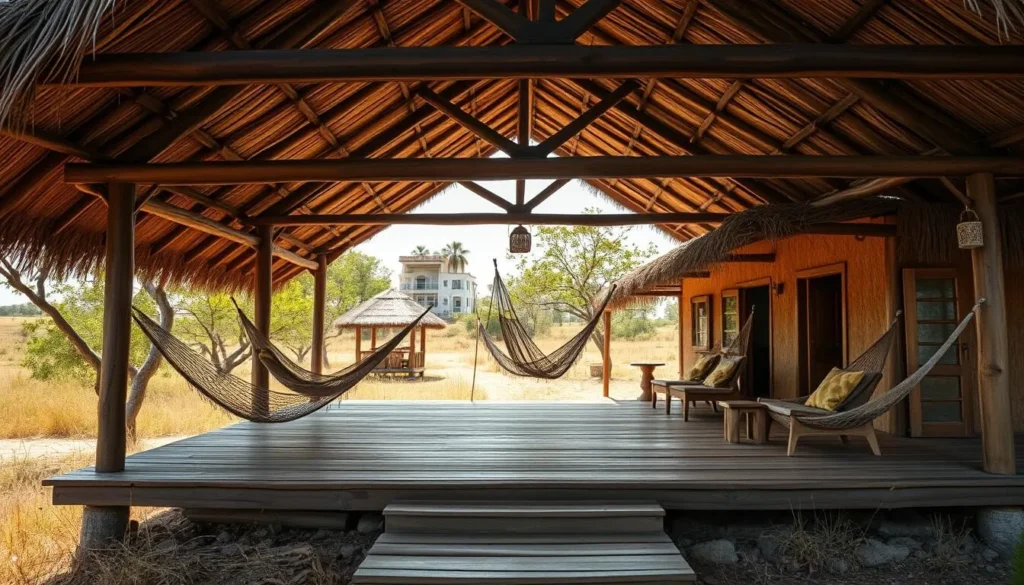
Accommodations in the Rupununi range from rustic eco-lodges to working ranches, each offering unique perspectives on savannah life. Most lodgings focus on sustainability and immersive experiences rather than luxury amenities.
Eco-Lodges
Environmentally conscious accommodations that blend with the natural surroundings. Many are solar-powered with limited electricity hours.
- Caiman House: Wildlife research station with guest accommodations in Yupukari Village
- Atta Rainforest Lodge: Located near the Iwokrama Canopy Walkway
- Karanambu Lodge: Famous for giant otter conservation
Working Ranches
Experience authentic cowboy culture while staying at active cattle ranches that have opened their doors to tourism.
- Wichabai Ranch: Family-owned ranch with horseback riding and wildlife viewing
- Saddle Mountain Ranch: Offers traditional ranching experiences and wildlife safaris
- Waikin Ranch: Comfortable accommodations with modern amenities near Lethem
Community-Based Lodging
Stay in indigenous communities for cultural immersion and direct economic support to local people.
- Surama Eco-Lodge: Operated by the Makushi community
- Rewa Eco-Lodge: Community-owned lodge on the Rupununi River
- Katoonarib Village Guesthouse: Simple accommodations in a Wapishana community
Dining & Local Cuisine
Rupununi cuisine reflects the region’s cultural diversity, blending indigenous Amerindian traditions with Caribbean and Brazilian influences. Most meals are prepared with locally sourced ingredients, creating fresh, flavorful dishes.
Must-Try Local Specialties:
- Cassava Bread: A staple made from grated cassava root, traditionally prepared by indigenous communities
- Pepperpot: Guyana’s national dish – a rich, spicy meat stew flavored with cassareep (cassava extract)
- Farine: Toasted cassava granules often served with tuma (a local cheese)
- Fresh Fish: Locally caught arapaima, lukanani, or hassar, typically grilled or in pepper pot
- Bush Meat: Sustainably hunted game like labba (paca) or powis (curassow) in season
- Cassava Casareep: A thick black sauce made from cassava juice, used as a flavoring and preservative
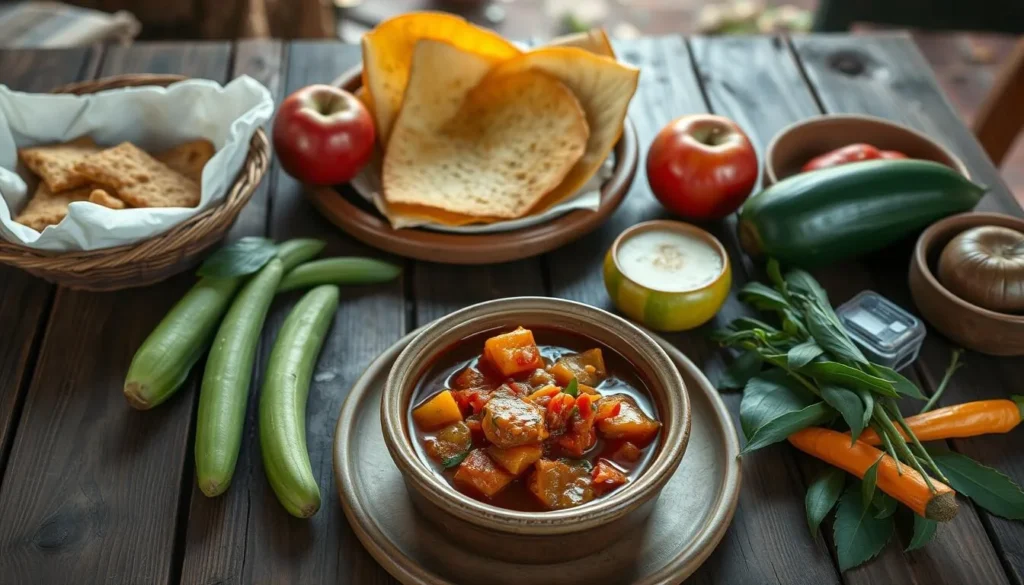
Most lodges and ranches serve meals family-style, with set menus based on seasonal availability. Vegetarian options are usually available with advance notice, though choices may be limited. Meals often become social experiences, with guests and hosts sharing stories around communal tables.
Dining Tip: Try local beverages like fresh fruit juices, mauby (made from tree bark), or El Dorado rum – Guyana’s famous export. Many lodges offer sundowners with spectacular savannah views.
Attractions, Sightseeing & Activities
The Rupununi’s attractions center around its natural wonders and cultural experiences. Here are the top sights and activities not to miss:
Natural Wonders
- Iwokrama Canopy Walkway: Suspended 30 m (98 ft) above the forest floor, this series of platforms offers unparalleled views of the rainforest canopy and opportunities to spot canopy-dwelling wildlife.
- Kaieteur Falls: Though technically outside the Rupununi, this spectacular waterfall (the world’s largest single-drop waterfall by volume) is accessible via chartered flights from Lethem.
- Pakaraima Mountains: The dramatic backdrop to the northern Rupununi, with hiking opportunities and indigenous communities.
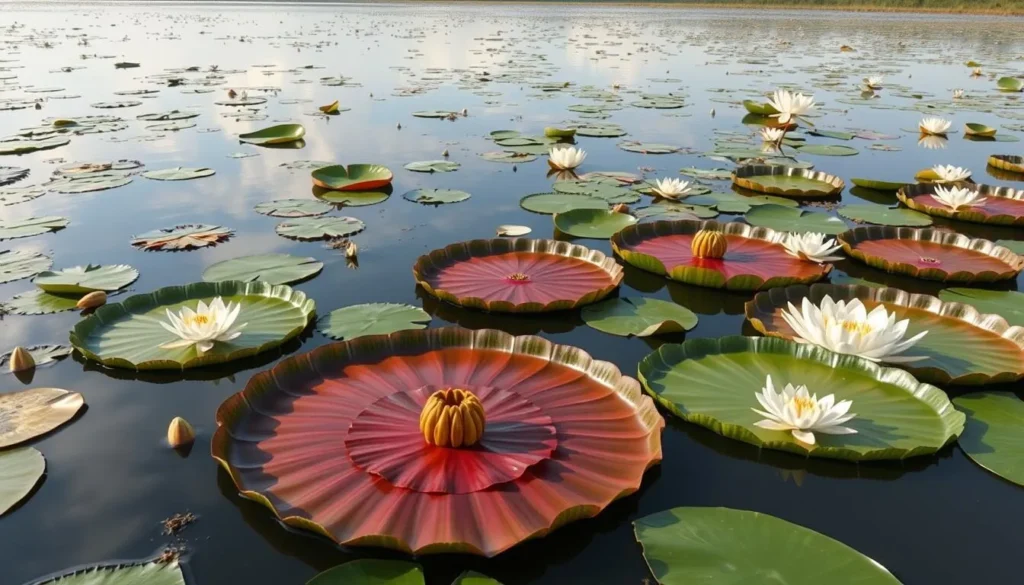
- Victoria Amazonica Water Lilies: The world’s largest water lilies can be seen on the lakes and ponds of the Rupununi, particularly at Karanambu.
Wildlife Encounters
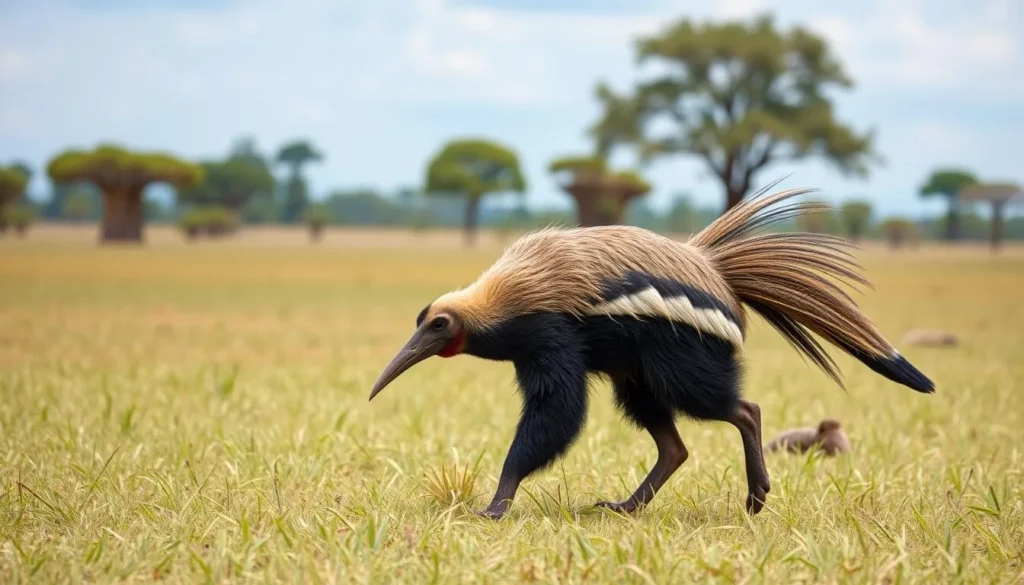
- Giant Anteater Safaris: Early morning or late afternoon excursions to spot these iconic mammals in the savannah.
- Black Caiman Spotting: Night boat trips along the Rupununi River to observe these massive reptiles.
- Giant River Otter Viewing: Karanambu Lodge specializes in giant otter rehabilitation and viewing opportunities.
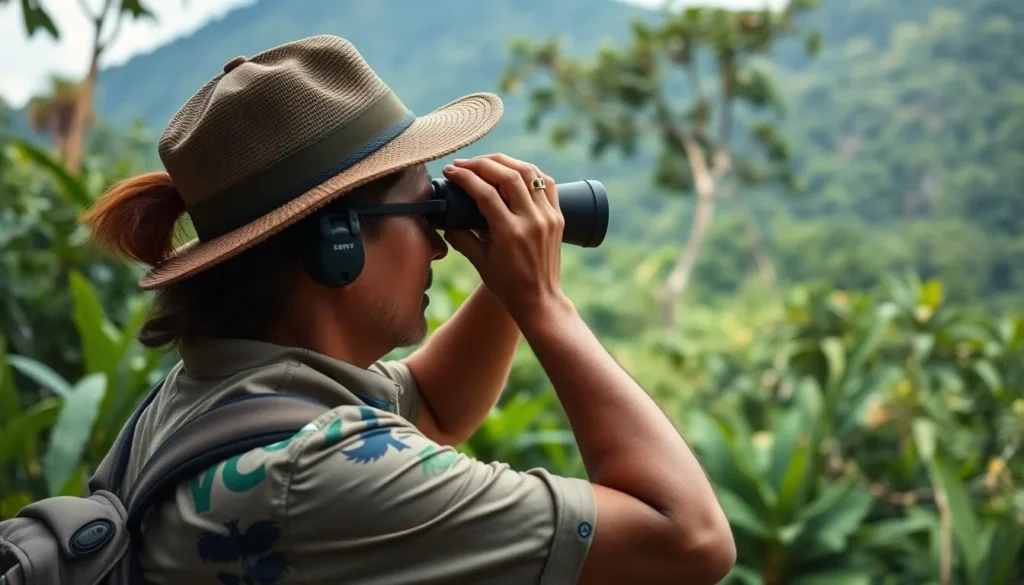
- Birdwatching: With over 500 bird species, the Rupununi is a birder’s paradise. Look for rarities like the Harpy Eagle, Guianan Cock-of-the-rock, and Sunbittern.
Museums, Cultural Spots & Festivals
The Rupununi’s cultural attractions center around living traditions rather than formal museums. Indigenous communities maintain their cultural heritage through daily practices and special events.
Cultural Experiences
- Indigenous Village Visits: Communities like Surama, Annai, and Katoonarib welcome visitors to learn about traditional ways of life.
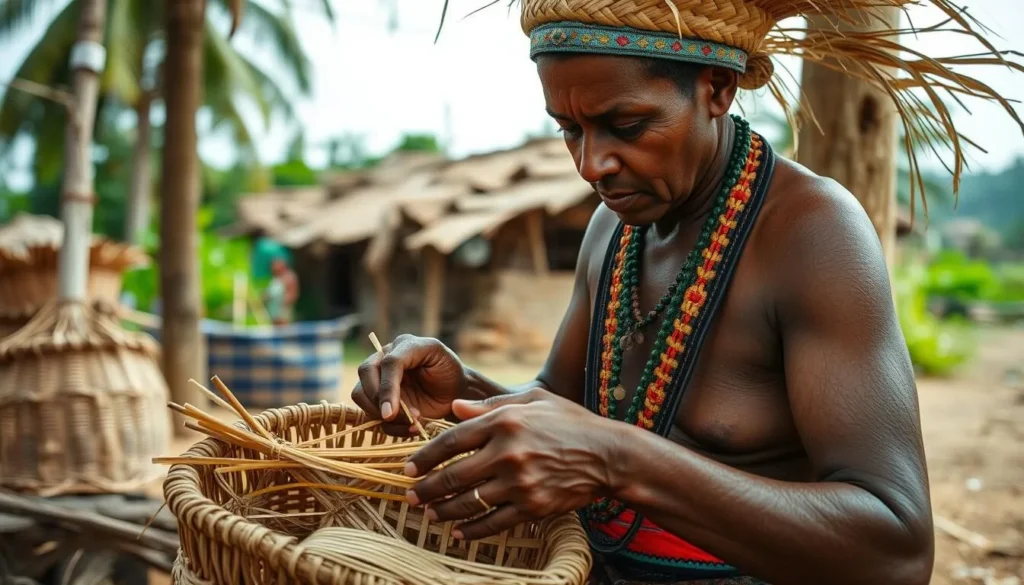
- Craft Demonstrations: Observe traditional skills like cassava processing, basket weaving, and bow making.
- Petroglyphs: Ancient rock carvings at Barawatau and WiiWiitau mountains offer glimpses into prehistoric Amerindian culture.
- Balata Craft Center: In Lethem, see how local artisans create figurines from natural rubber.
Annual Festivals & Events
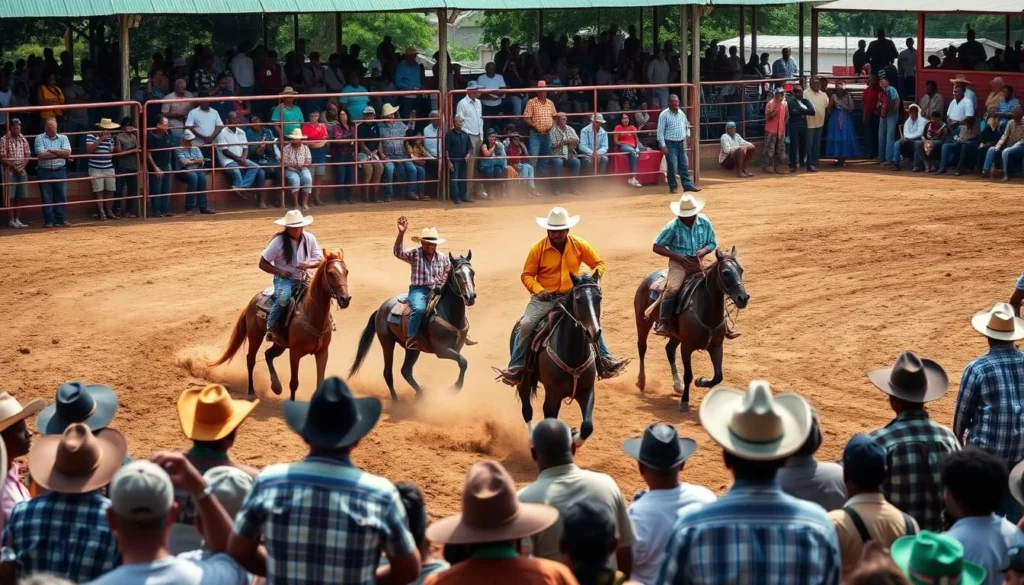
- Rupununi Rodeo (Easter weekend): The region’s biggest event, held in Lethem, featuring vaqueros (cowboys) competing in riding and roping events.
- Amerindian Heritage Month (September): Cultural celebrations throughout the region with music, dance, and food.
- Cashew Festival (May/June): Celebrating the cashew harvest with food, drinks, and cultural performances.
- Village Heritage Days: Individual communities host cultural days throughout the year to showcase their traditions.
Sports, Nature & Outdoor Experiences
The Rupununi’s vast open spaces and diverse ecosystems create the perfect playground for outdoor enthusiasts. From leisurely nature walks to adrenaline-pumping adventures, there’s something for every activity level.
Water Activities
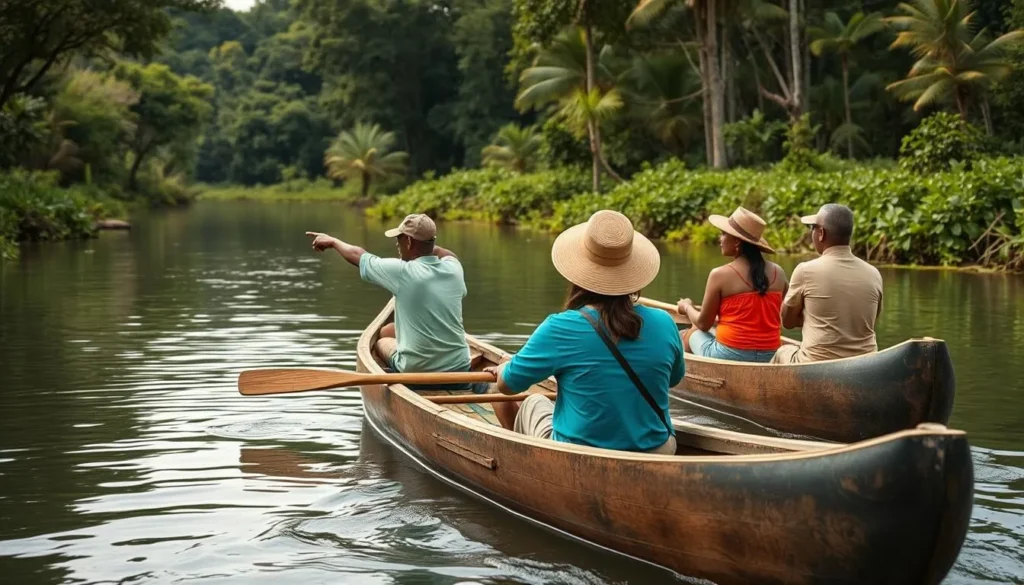
- Canoeing: Traditional dugout canoes offer a peaceful way to explore the Rupununi River and its tributaries.
- Fishing: Try your hand at catching peacock bass, arapaima, or piranha using traditional or modern techniques.
- River Swimming: Many lodges have designated swimming spots in rivers and creeks (always check with local guides about safety).
Land Adventures
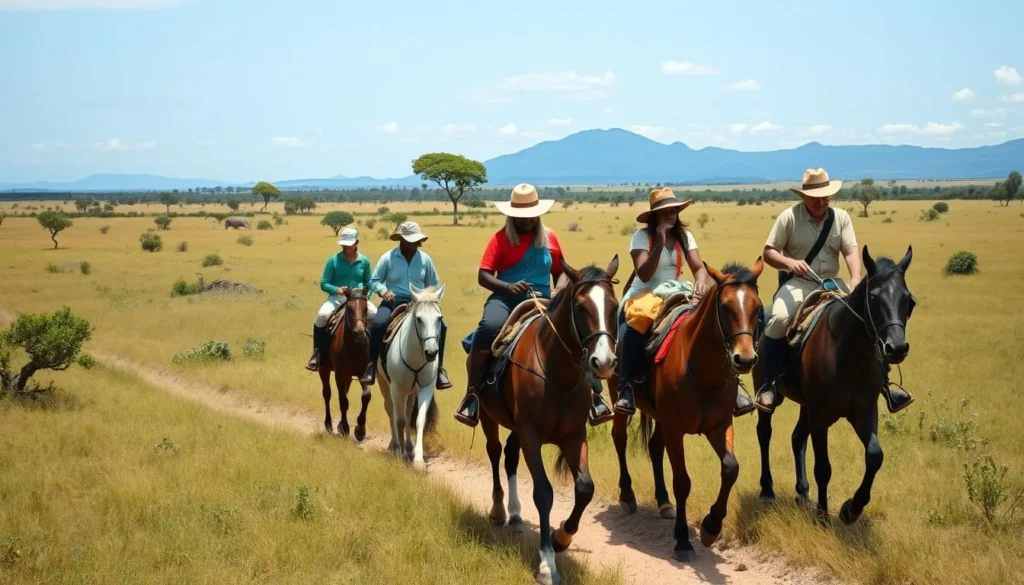
- Horseback Riding: Experience the savannah like a local vaquero (cowboy) on guided rides across the grasslands.
- Mountain Biking: Some lodges offer bikes to explore nearby trails and villages.
- Hiking: Trails range from easy walks to challenging climbs in the Pakaraima Mountains.
- Ranch Activities: Try your hand at cattle rounding, lassoing, or other traditional ranching skills.
Nature Immersion
- Night Walks: Guided excursions to spot nocturnal creatures like caimans, snakes, and frogs.
- Photography: The diverse landscapes and wildlife offer endless opportunities for nature photography.
- Stargazing: With minimal light pollution, the Rupununi offers spectacular views of the night sky.
- Birdwatching: Dawn chorus walks to spot some of the 500+ bird species in the region.
Safety, Etiquette & Local Customs
Visiting the Rupununi respectfully requires understanding local customs and preparing for the remote nature of the region.
Health & Safety
- Medical Preparation: Bring all necessary medications as pharmacies are scarce. Consider antimalarials and yellow fever vaccination (required for entry to Guyana).
- Sun Protection: The equatorial sun is intense. Wear high-SPF sunscreen, a wide-brimmed hat, and lightweight long sleeves.
- Hydration: Carry water at all times and drink regularly to prevent dehydration.
- Insect Protection: Use repellent with DEET, wear long clothing at dawn/dusk, and sleep under mosquito nets when provided.
- Wildlife Awareness: Always follow guide instructions around wildlife. Keep a safe distance from all animals.
Cultural Etiquette
- Photography: Always ask permission before photographing people, especially in indigenous communities.
- Dress Code: Modest dress is appreciated in villages. Cover shoulders and knees when visiting communities.
- Greetings: A handshake is the standard greeting. Learn a few words in the local language (often Makushi or Wapishana).
- Gifts: If visiting communities, useful items like school supplies or fishing hooks are more appropriate than candy or money.
- Environmental Respect: Follow “leave no trace” principles. The region has limited waste management facilities.
Important: The Rupununi is remote with limited communication. Consider purchasing a local SIM card in Georgetown or Lethem for emergency calls. Inform your accommodation of any medical conditions or allergies.
Visitor Comments About Rupununi Savannahs
“Our week in the Rupununi completely changed how I think about travel. The wildlife encounters were incredible—we saw giant anteaters, river otters, and more bird species than I could count. But what truly made the experience special was connecting with the local communities and learning about their sustainable way of life.”
“If you’re tired of overtourism and Instagram hotspots, the Rupununi is your answer. We stayed at a working ranch and learned to lasso cattle, made cassava bread with a local family, and watched the sunset over the savannah with nothing but the sounds of nature around us. It’s authentic travel at its finest.”
“The journey to the Rupununi isn’t easy, but that’s exactly what keeps it special. Our guide’s knowledge of the ecosystem was incredible—he could spot a giant anteater from seemingly impossible distances! The eco-lodges were comfortable without being intrusive to the environment. This is how responsible tourism should be.”
Practical Travel Tips
What to Pack
- Lightweight, quick-dry clothing in neutral colors
- Long-sleeved shirts and pants for sun/insect protection
- Sturdy hiking boots or trail shoes
- Sandals for relaxing at lodges
- Wide-brimmed hat and sunglasses
- High-SPF sunscreen and insect repellent with DEET
- Headlamp or flashlight with extra batteries
- Binoculars for wildlife viewing
- Dry bags to protect electronics
- Basic first aid kit with anti-diarrheal medication
Planning Essentials
- Book accommodations 3-6 months in advance
- Arrange internal flights early (they fill quickly)
- Bring sufficient cash (USD or GYD) as ATMs are scarce
- Purchase comprehensive travel insurance
- Arrange transportation between lodges beforehand
- Inform your bank of travel plans to avoid card blocks
- Download offline maps before arrival
- Pack essential medications (pharmacies are limited)
- Bring a universal power adapter
- Consider booking through a specialized tour operator
Your Rupununi Adventure Awaits
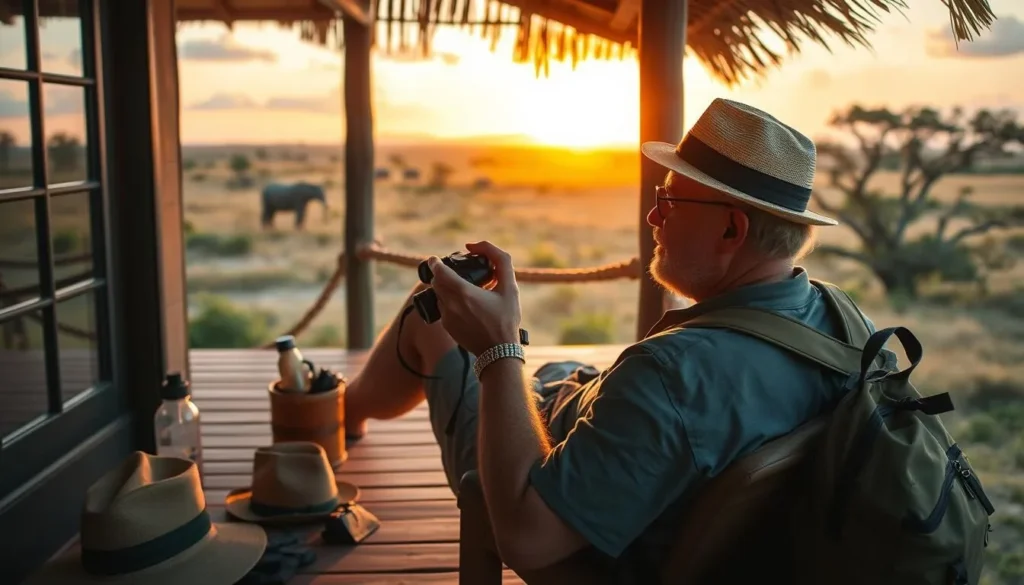
The Rupununi Savannahs offer a rare glimpse into a world where nature still reigns supreme and ancient traditions continue to thrive. In an age of overtourism and Instagram hotspots, this corner of Guyana remains refreshingly authentic—a place where wildlife roams freely, stars fill the night sky without light pollution, and local communities welcome visitors with genuine warmth.
Whether you’re tracking giant anteaters across golden grasslands, paddling alongside black caimans on the Rupununi River, or learning traditional skills from indigenous communities, the experiences you’ll have here can’t be replicated elsewhere. The journey may require more effort than typical destinations, but those who make the trip are rewarded with memories that will last a lifetime.
As you plan your visit to this extraordinary region, remember that its remoteness is both its challenge and its greatest asset. Come with an open mind, a spirit of adventure, and a willingness to disconnect from the digital world—and you’ll discover why the Rupununi Savannahs are truly one of South America’s most precious hidden treasures.
The above is subject to change.
Check back often to TRAVEL.COM for the latest travel tips and deals.



0 Comments