
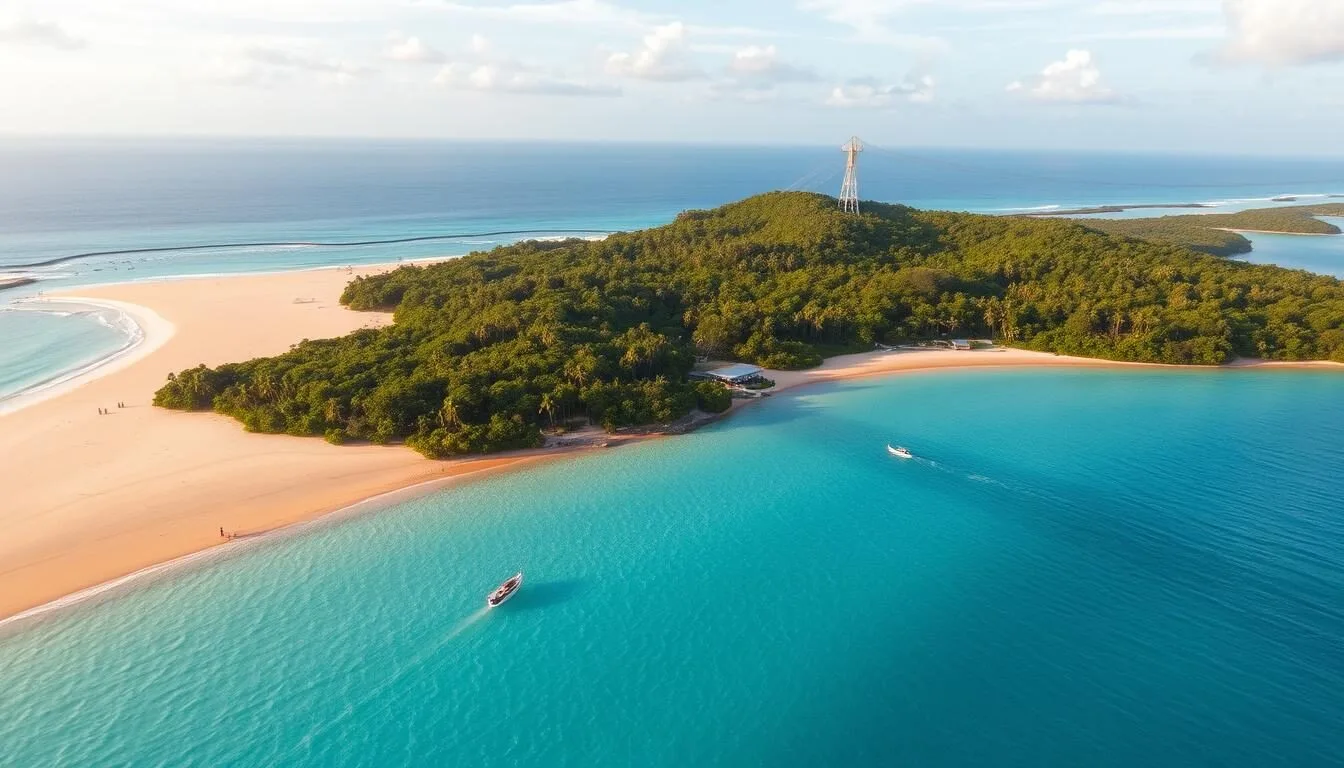
Did you know that Shell Beach Islands hosts one of the world’s most important nesting sites for four endangered sea turtle species, with over 20,000 turtles arriving annually to lay their eggs on its pristine shores? This 140 km (90-mile) stretch of coastline in northwestern Guyana remains one of South America’s best-kept secrets, offering travelers a rare glimpse into untouched ecosystems and authentic conservation efforts that few destinations can match.
Getting There & Planning Your Journey
Planning a trip to Shell Beach Islands requires some preparation, as this remote paradise is well off the beaten tourist path. The closest international gateway is Cheddi Jagan International Airport (GEO) near Georgetown, Guyana’s capital, which receives flights from North America, the Caribbean, and increasingly from Europe.
From Georgetown, you’ll need to arrange transportation to the northwestern region. Most visitors take either:
- A domestic flight from Eugene F. Correia International Airport (OGL) to Mabaruma, followed by boat transport
- A guided overland tour combining road travel and boat transfers (6-8 hours)
- A chartered boat journey along the coast (for the adventurous)
Due to the remote location, most travelers visit Shell Beach as part of an organized tour with local operators who have established relationships with the indigenous communities managing access to the protected area.
Best Time to Visit Shell Beach Islands

Timing your visit to Shell Beach Islands is crucial for both optimal weather conditions and wildlife encounters. The region experiences two distinct seasons that significantly impact your experience:
Recommended: February-April
The primary dry season offers the best overall conditions with:
- Pleasant temperatures averaging 26-30°C (79-86°F)
- Minimal rainfall and good trail conditions
- Beginning of leatherback turtle nesting season (March-April)
- Excellent wildlife viewing opportunities
Also Good: September-November
The secondary dry season provides:
- Slightly cooler temperatures around 25-28°C (77-82°F)
- Reduced rainfall compared to wet seasons
- Green turtle and hawksbill hatchlings emerging
- Fewer visitors and more solitude
Avoid: The primary rainy season (May-August) brings heavy downpours, difficult road conditions, and increased mosquito activity. December-January experiences a shorter wet season with unpredictable weather patterns.
For turtle enthusiasts, timing is everything. The nesting schedule varies by species:
- Leatherback turtles: March-August (peak: April-June)
- Green turtles: April-August
- Olive ridley turtles: May-August
- Hawksbill turtles: April-July
Getting Around Locally
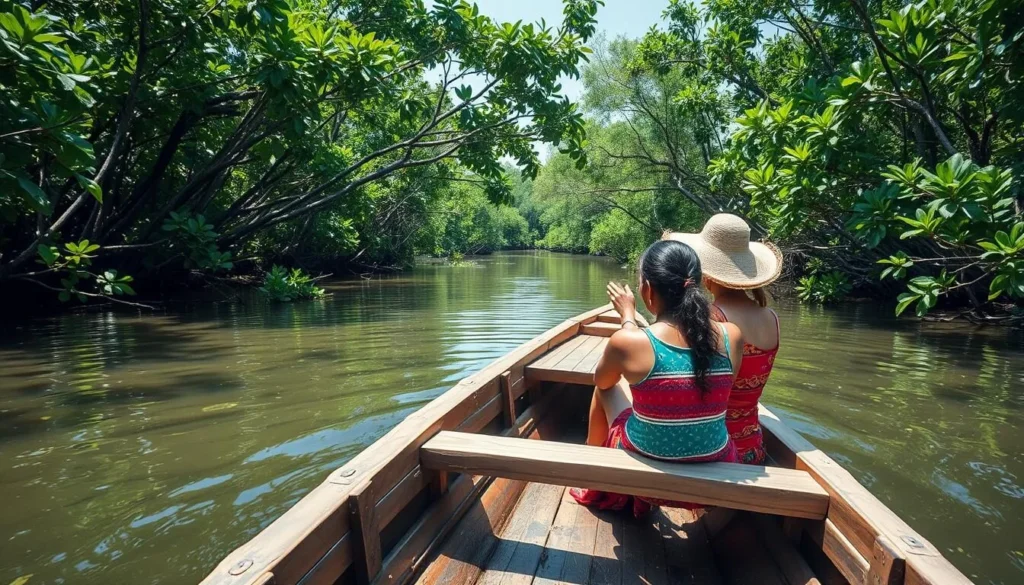
Navigating Shell Beach Islands requires local expertise and appropriate transportation methods. The area’s remote nature and protected status mean independent travel is limited, and most movement happens through organized excursions.
Local Transportation Options:
Boat Excursions
The primary mode of transportation along the coastline and through mangrove systems. Local guides use traditional wooden boats that can navigate shallow waters and access remote beaches.
Guided Walks
Exploring the beaches and nearby forest trails happens on foot with knowledgeable local guides who understand turtle nesting patterns and coastal ecology.
Community Transport
Travel between nearby indigenous villages often involves shared transportation arranged by community tourism coordinators.
Local Insight: Always arrange transportation through established community tourism initiatives or reputable tour operators. This ensures both safety and that your visit benefits local conservation efforts.
Where to Stay
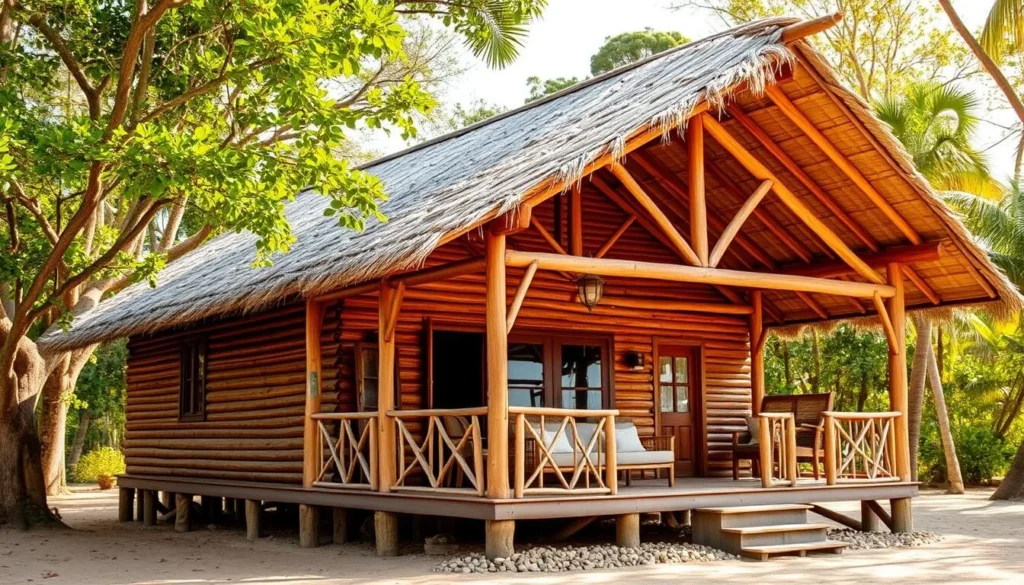
Accommodations at Shell Beach Islands embrace sustainable tourism principles, offering authentic experiences rather than luxury amenities. Most options are community-run and directly support local conservation initiatives.
Community Eco-Lodges
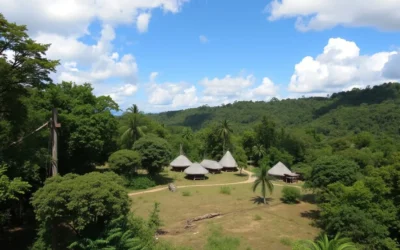
Basic but comfortable lodges operated by indigenous communities provide an immersive experience. Expect:
- Traditional wooden structures with thatched roofs
- Shared bathroom facilities with limited hot water
- Locally prepared meals featuring fresh seafood
- Solar-powered electricity (limited hours)
- Prices: $60-100 USD per night including meals
Research Station Accommodations
Some conservation organizations offer basic lodging for visitors interested in their work:
- Simple dormitory-style rooms
- Opportunity to interact with researchers
- Educational programs about sea turtles
- Communal dining with staff and volunteers
- Prices: $40-70 USD per night
Camping Options
For the adventurous traveler, guided camping experiences offer the most immersive option:
- Designated camping areas with basic facilities
- Equipment usually provided by tour operators
- Nighttime turtle watching opportunities
- Truly off-grid experience
- Prices: $30-50 USD per night with guide
Important: Accommodations must be arranged in advance as options are limited and fill quickly during turtle nesting season. Most lodgings have no online booking systems and require direct contact or booking through a tour operator.
Dining & Local Cuisine
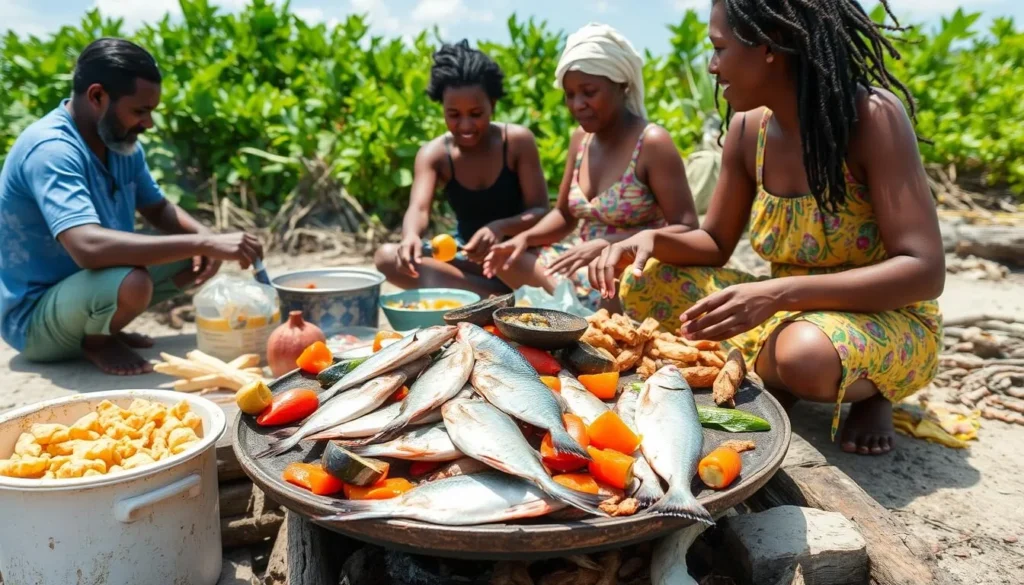
Dining at Shell Beach Islands is a genuine farm-to-table experience, with meals prepared using locally sourced ingredients and traditional cooking methods. Most accommodations include meals as part of your stay, as there are no standalone restaurants in this remote area.
What to Expect:
- Freshly caught seafood – including red snapper, grouper, and shrimp prepared with local spices
- Cassava-based dishes – including cassava bread and casareep (a preservative sauce essential to Guyanese cooking)
- Tropical fruits – papaya, pineapple, and watermelon harvested from community gardens
- One-pot meals – like cook-up rice with beans and coconut milk
- Limited menu options – meals are typically set with few choices, based on what’s available
“The simplicity of dining at Shell Beach is part of its charm. Watching your dinner being prepared over an open fire while the sun sets over the Atlantic creates memories that fancy restaurants simply can’t match.”
Dietary Restrictions: Vegetarian options can usually be accommodated with advance notice, but strict vegan, gluten-free, or other specialized diets may be challenging. Consider bringing supplementary snacks if you have specific dietary needs.
Attractions, Sightseeing & Activities
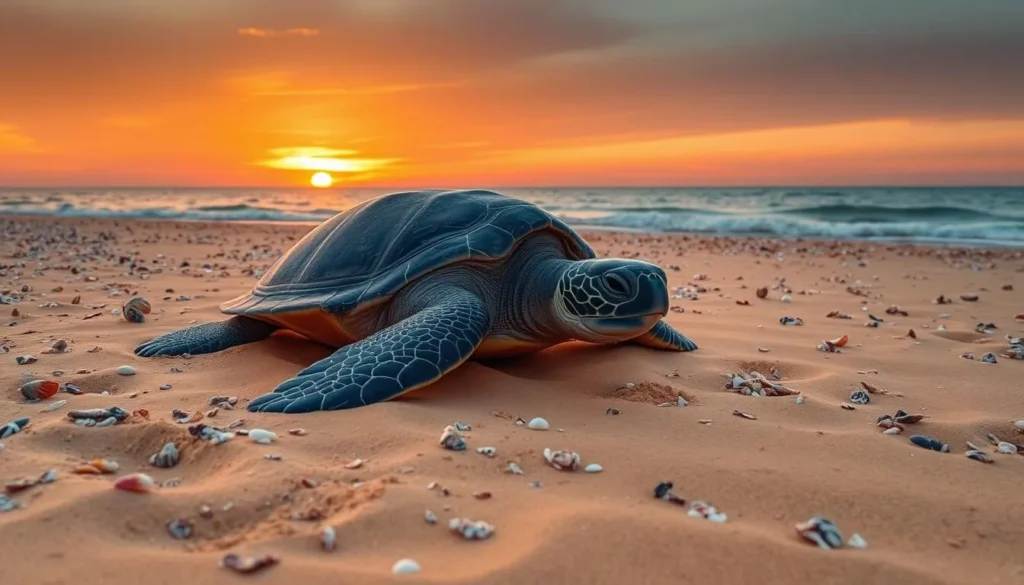
1. Turtle Nesting and Conservation
The primary attraction at Shell Beach Islands is witnessing the ancient ritual of sea turtle nesting. Four endangered species—leatherback, green, olive ridley, and hawksbill turtles—come ashore to lay their eggs under the cover of darkness. Guided nighttime patrols offer the chance to observe this remarkable process while supporting conservation efforts.
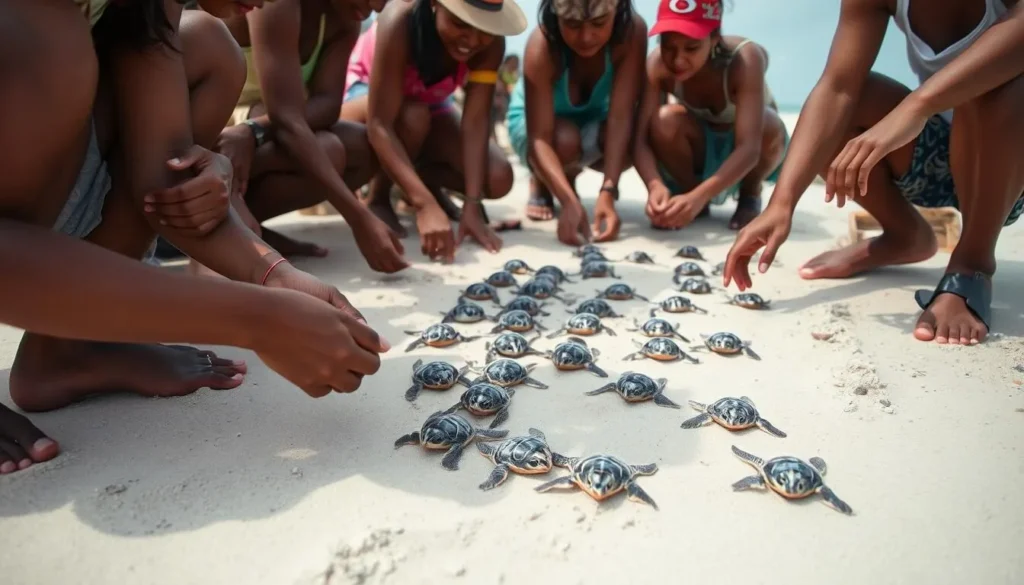
2. Hatchling Releases
During hatching season, visitors can participate in supervised hatchling releases. Watching dozens of tiny turtles scramble toward the ocean is both heartwarming and educational. These activities are carefully managed to minimize human impact while raising awareness about conservation challenges.
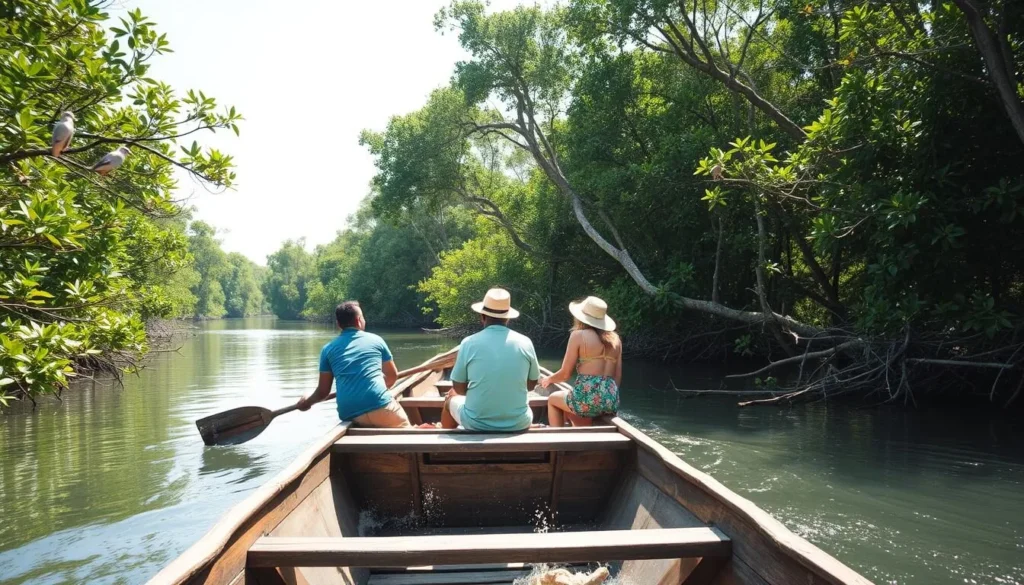
3. Mangrove Forest Explorations
The extensive mangrove ecosystems surrounding Shell Beach Islands harbor incredible biodiversity. Guided boat tours through these “nurseries of the sea” reveal a complex web of life, from colorful crabs and fish to numerous bird species. Early morning excursions offer the best wildlife viewing opportunities.

4. Indigenous Cultural Experiences
The indigenous communities around Shell Beach Islands offer authentic cultural exchanges. Visitors can learn about traditional fishing techniques, medicinal plant knowledge, and craft-making. These interactions provide valuable insights into sustainable living practices that have maintained this ecosystem for generations.
Museums, Cultural Spots & Festivals
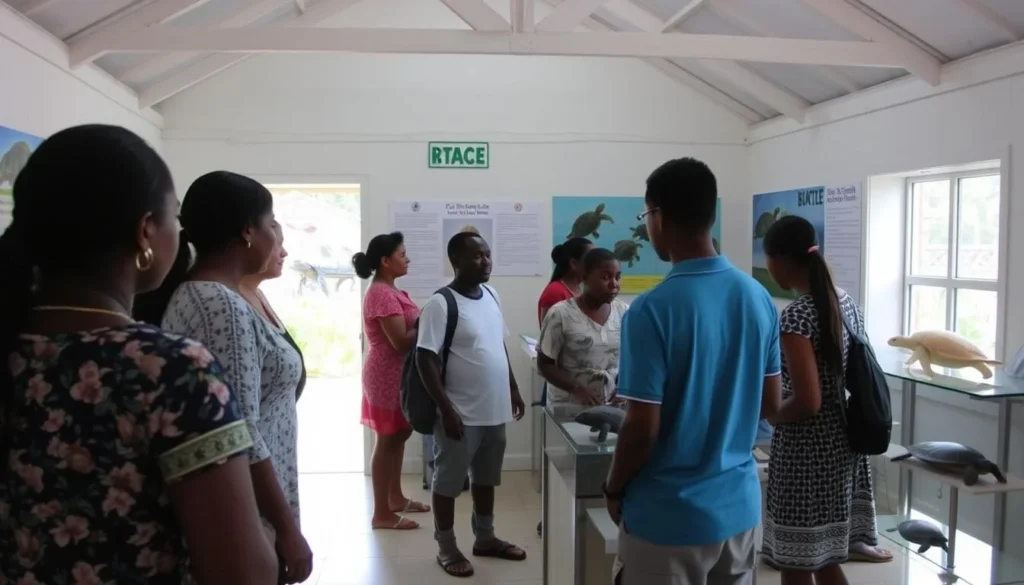
While Shell Beach Islands isn’t known for conventional museums or cultural institutions, the area offers unique opportunities to engage with natural history and local heritage:
Shell Beach Conservation Center
This modest but informative facility serves as the headquarters for local conservation efforts. Visitors can explore:
- Educational displays about sea turtle biology and conservation
- Exhibits showcasing the area’s unique shell formations and marine life
- Information about ongoing research and protection initiatives
- Opportunities to meet conservation staff and volunteers
Community Cultural Centers
Several indigenous villages maintain small cultural centers where visitors can learn about:
- Traditional crafts including basket weaving and pottery
- Local history and the community’s connection to the coastal ecosystem
- Sustainable fishing and farming practices
- Indigenous language and storytelling traditions
Seasonal Celebrations
Timing your visit might coincide with these special events:
- World Sea Turtle Day (June 16) – Special conservation activities and educational programs
- Harvest Festivals (October-November) – Community celebrations with traditional music, dance, and food
- Conservation Milestones – Impromptu celebrations marking significant hatchling releases or conservation achievements
“The Shell Beach Conservation Center may be small, but the passion of the staff is immense. Their dedication to protecting these endangered turtles is inspiring, and they share their knowledge in a way that makes you feel part of their mission.”
Sports, Nature & Outdoor Experiences
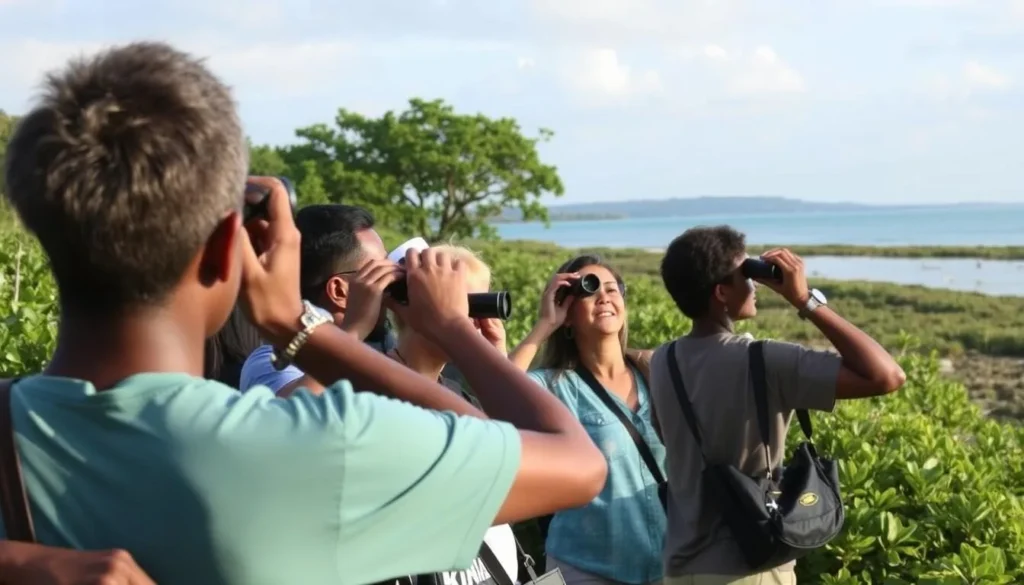
Shell Beach Islands offers a wealth of outdoor activities for nature enthusiasts, with experiences focused on low-impact exploration and wildlife observation:
Wildlife Watching
- Birdwatching – Over 200 species including scarlet ibis, magnificent frigatebirds, and ospreys
- Marine Life – Spotting dolphins, manatees, and various fish species
- Monkey Troops – Red howler and capuchin monkeys in coastal forests
Water Activities
- Guided Kayaking – Exploring mangrove channels and coastal waters
- Traditional Fishing – Learning techniques from local fishermen
- Swimming – At designated safe areas (seasonal, tide-dependent)
Land Explorations
- Nature Trails – Guided walks through coastal forests
- Shell Collecting – Learning about the unique shell formations
- Night Walks – Spotting nocturnal wildlife with guides
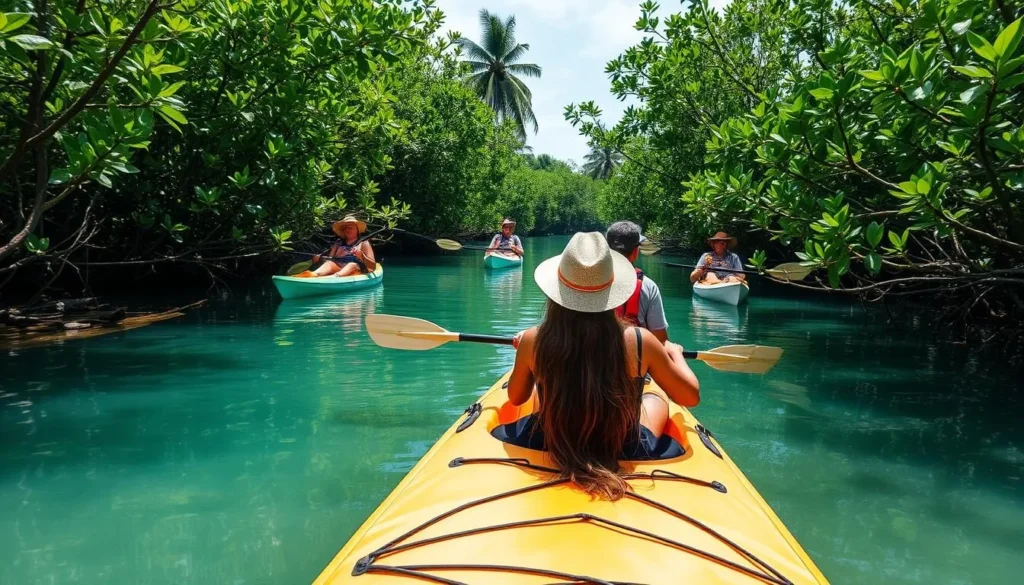
Eco-Friendly Reminder: All outdoor activities at Shell Beach Islands are conducted with strict adherence to conservation guidelines. Group sizes are kept small, and certain areas may be off-limits during sensitive nesting periods.
Safety, Etiquette & Local Customs
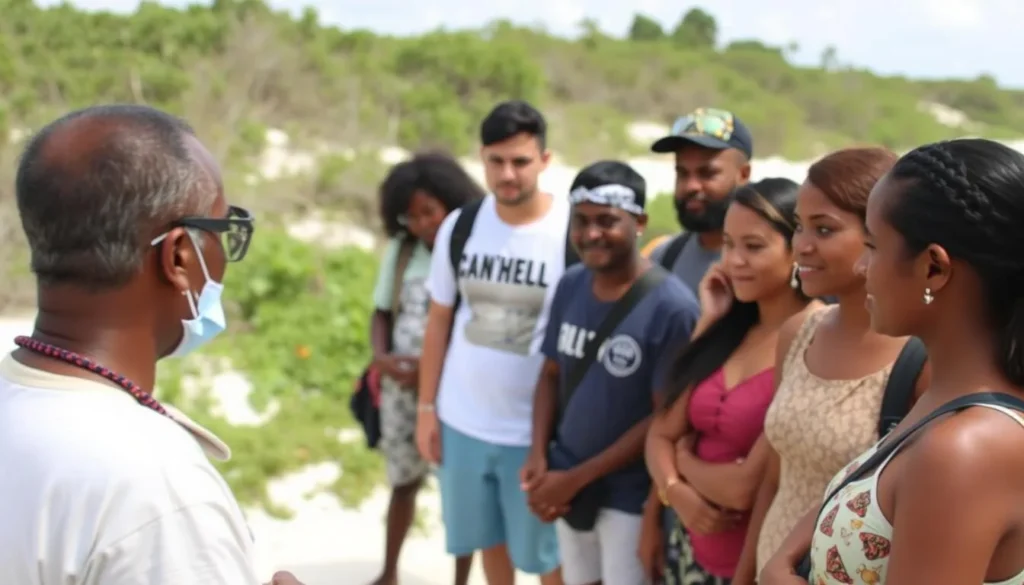
Safety Considerations
- Remote Location – Medical facilities are limited; bring a comprehensive first-aid kit and any necessary medications
- Sun Protection – The equatorial sun is intense; use high-SPF sunscreen, hats, and lightweight long-sleeved clothing
- Insect Protection – Mosquitoes and sand flies are prevalent; bring repellent containing DEET
- Water Safety – Strong currents can occur; swim only in designated areas and follow guide recommendations
- Wildlife Awareness – Maintain safe distances from all wildlife and follow guide instructions
Visitor Etiquette
- Conservation Rules – Never touch turtles or hatchlings; use red-filtered lights at night during turtle watching
- Photography – No flash photography near nesting turtles or hatchlings
- Waste Management – Pack out all trash; the area has no waste disposal facilities
- Noise Levels – Keep voices low, especially during wildlife observation and at night
- Shell Collection – While the beach is named for its shells, collection is discouraged to preserve the ecosystem
Cultural Respect
- Indigenous Communities – Ask permission before photographing people or cultural activities
- Dress Code – Modest attire when visiting communities (shoulders and knees covered)
- Local Economy – Purchase crafts and services directly from community members when possible
- Language – English is widely spoken, but learning a few Arawak or Warao phrases is appreciated
Important: Shell Beach Islands is a protected area with strictly enforced regulations. Visitors must be accompanied by authorized guides and follow all conservation protocols. Violations can result in significant fines.
Visitor Comments About Shell Beach Islands
“Our night patrol with the conservation team was unforgettable. Watching a massive leatherback turtle lay her eggs under the stars was a profound experience that connected us to something ancient and powerful. The guides were knowledgeable and passionate about protecting these creatures.”
“The simplicity of dining at Shell Beach is part of its charm. Watching your dinner being prepared over an open fire while the sun sets over the Atlantic creates memories that fancy restaurants simply can’t match. Just remember to bring cash as there are no ATMs for miles!”
“The Shell Beach Conservation Center may be small, but the passion of the staff is immense. Their dedication to protecting these endangered turtles is inspiring, and they share their knowledge in a way that makes you feel part of their mission.”
Practical Travel Tips
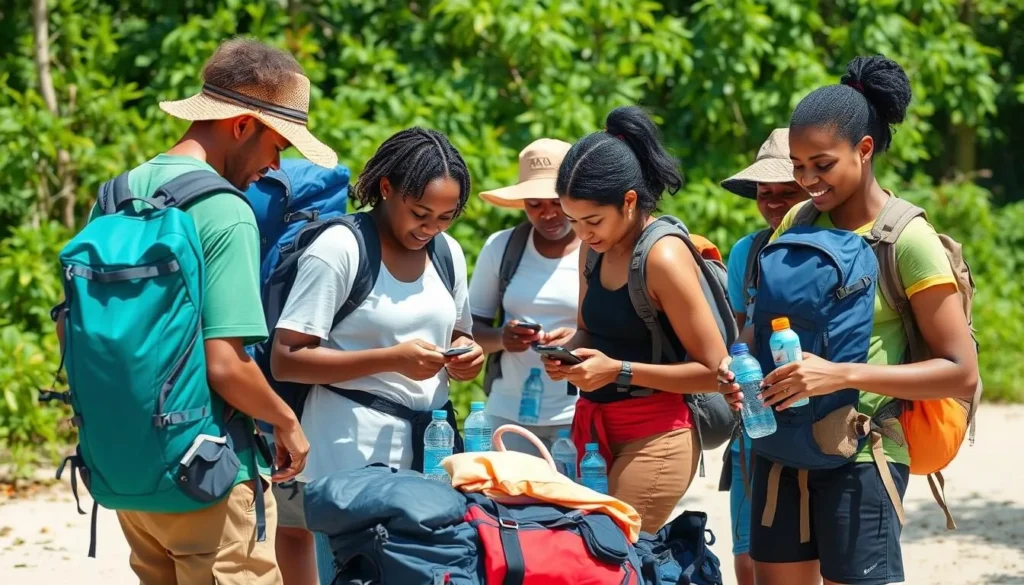
What to Pack
- Lightweight, quick-dry clothing – Long sleeves and pants for sun/insect protection
- Closed-toe water shoes – For boat trips and beach walking
- Headlamp with red light setting – Essential for turtle watching
- Binoculars – For wildlife observation
- Waterproof bag – To protect electronics during boat transfers
- Reusable water bottle – Reduce plastic waste
- Biodegradable toiletries – Minimize environmental impact
Practical Considerations
- Cash – No ATMs or card facilities; bring Guyanese dollars or US dollars
- Communication – Limited or no cell service; inform family of your itinerary
- Electricity – Intermittent or solar-powered; bring power banks
- Water – Bring a water purification system or purification tablets
- Booking – Arrange all transportation and accommodations in advance
- Travel Insurance – Essential for this remote destination
- Expectations – Embrace the rustic experience and unpredictability
Your Shell Beach Adventure Awaits: Where Wilderness Meets Wonder
Shell Beach Islands represents Guyana at its most authentic—a place where conservation, community, and natural wonder converge. Far from the well-trodden tourist paths, this special coastline offers transformative experiences that connect visitors to ancient natural rhythms and the dedicated people working to preserve them. Whether you’re witnessing the emotional moment a sea turtle hatchling begins its journey to the ocean, exploring pristine mangrove forests, or sharing stories with local conservationists under a star-filled sky, Shell Beach creates memories that resonate long after you’ve returned home. The journey may require extra planning and flexibility, but those who make the effort are rewarded with a genuine wilderness experience that few travelers will ever know.
The above is subject to change.
Check back often to TRAVEL.COM for the latest travel tips and deals.



0 Comments