
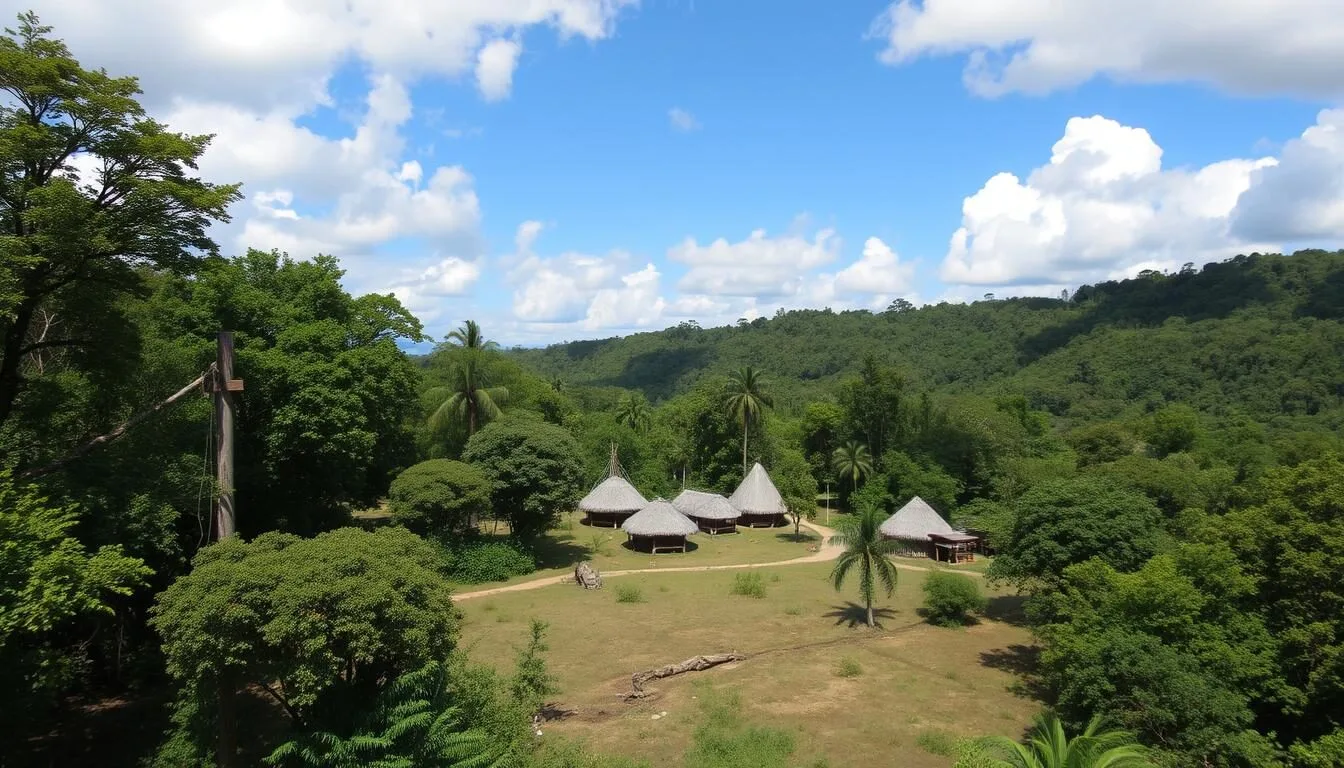
Did you know that Surama Village is one of the few indigenous communities in South America where over 95% of residents still speak their native Makushi language and maintain traditional hunter-gatherer practices alongside modern ecotourism? This remarkable blend of ancient wisdom and sustainable tourism makes Surama one of Guyana’s most authentic cultural experiences, offering visitors a rare glimpse into a way of life that has remained largely unchanged for centuries while providing modern comforts.
Getting There & Planning Your Journey
Reaching Surama Eco-Lodge requires some planning, but the journey is part of the adventure. Most international travelers arrive at Cheddi Jagan International Airport (GEO) near Georgetown, Guyana’s capital. From there, you have two main options:
Most visitors arrange their transportation through tour operators who specialize in Guyana’s interior. The overland route offers stunning scenery but can be challenging during the rainy season when roads may become difficult to navigate.
Best Time to Visit Surama
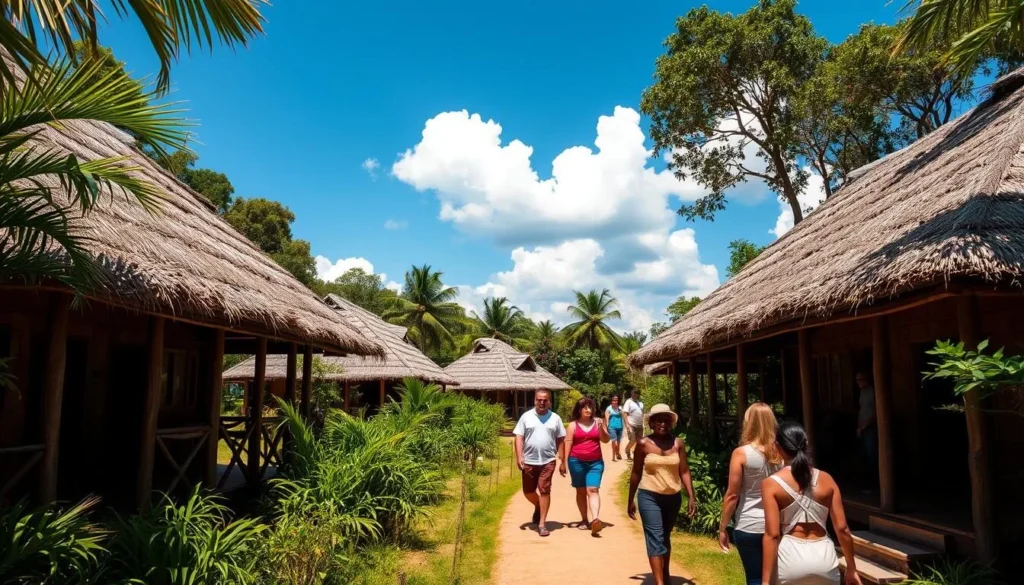
Guyana has two primary seasons: rainy and dry. Your experience at Surama will vary significantly depending on when you visit.
| Season | Months | Weather | Activities | Recommendation |
| Dry Season (Primary) | December-April | 25-32°C (77-90°F), minimal rainfall | All trails accessible, river levels optimal for canoeing | Highly Recommended |
| Rainy Season | May-August | 23-30°C (73-86°F), heavy rainfall | Limited trail access, challenging transportation | Not Recommended |
| Dry Season (Secondary) | September-November | 26-33°C (79-91°F), occasional showers | Most activities available, fewer visitors | Recommended |
The primary dry season (December-April) offers the most reliable weather and optimal conditions for wildlife viewing. During this period, forest trails are easily accessible, and the Burro Burro River maintains ideal water levels for canoeing expeditions. The secondary dry season (September-November) can also be pleasant, with fewer visitors and good wildlife spotting opportunities.
Getting Around Locally
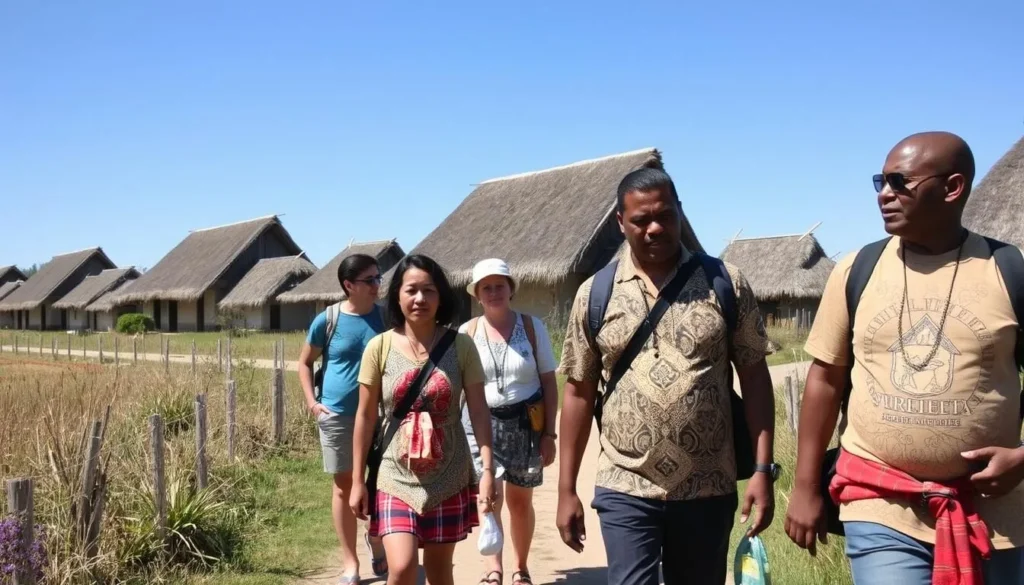
Transportation within and around Surama is refreshingly simple. The village and eco-lodge are designed for walking, with most attractions accessible by foot. For more distant excursions, local transportation options include:
On Foot
The village itself is compact and walkable. Many nature trails begin directly from the lodge, including the path to Surama Mountain (approximately 5 km or 3.1 miles round trip).
Canoe Expeditions
Traditional dugout canoes with outboard motors are used for excursions on the Burro Burro River. These trips are always guided by experienced local boatmen who know the waterways intimately.
4×4 Vehicles
For longer excursions to surrounding areas like the Iwokrama Forest or Canopy Walkway, the community operates 4×4 vehicles that can handle the rugged terrain.
Guided Hikes
All activities are accompanied by knowledgeable Makushi guides who provide cultural context and help spot wildlife that would be easily missed by untrained eyes.
The limited transportation options are part of Surama’s charm, allowing visitors to disconnect from the rush of modern life and experience the natural rhythms of the rainforest and savannah.
Where to Stay
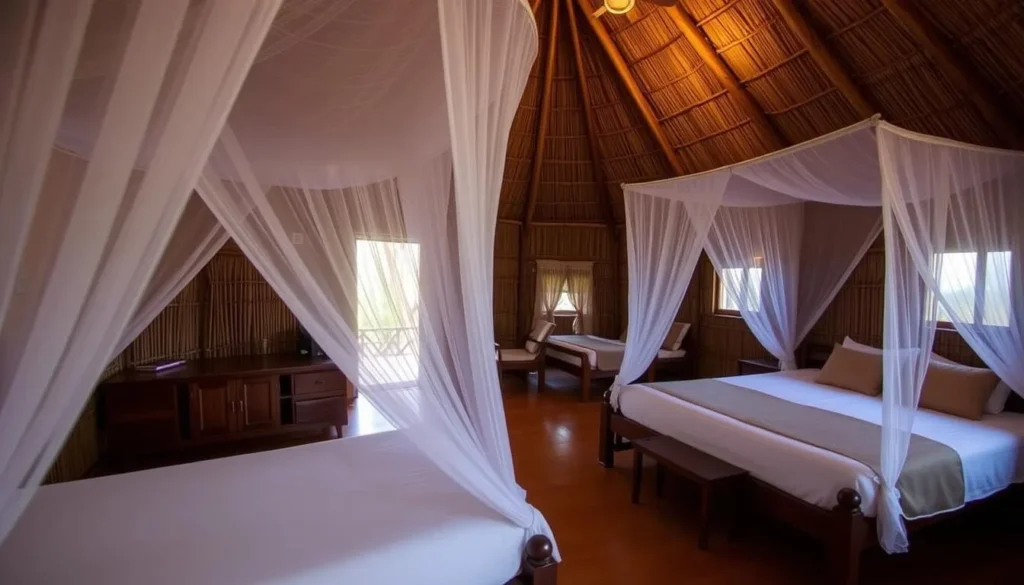
Accommodation at Surama is centered around the community-owned and operated Surama Eco-Lodge. The lodge offers a unique blend of traditional architecture with essential modern comforts:
Surama Eco-Lodge
The lodge features traditional circular “benab” buildings and cabin-style accommodations, all constructed using local materials and traditional building techniques. Each unit includes:
For more adventurous travelers, Surama also operates several satellite camps deeper in the rainforest:
Carahaa Landing Camp
Located on the banks of the Burro Burro River, this simple camp features thatched shelters where visitors can hang hammocks. It serves as a starting point for river expeditions and wildlife viewing.
Rock Landing Camp
Situated several hours upstream from Carahaa Landing, this remote camp offers a more immersive wilderness experience with opportunities to spot river otters, caiman, and numerous bird species.
Accommodations are intentionally simple but comfortable, focusing on authentic experiences rather than luxury amenities. The lodge accommodates small groups only, creating an intimate atmosphere where visitors are treated like family members rather than tourists.
Dining & Local Cuisine
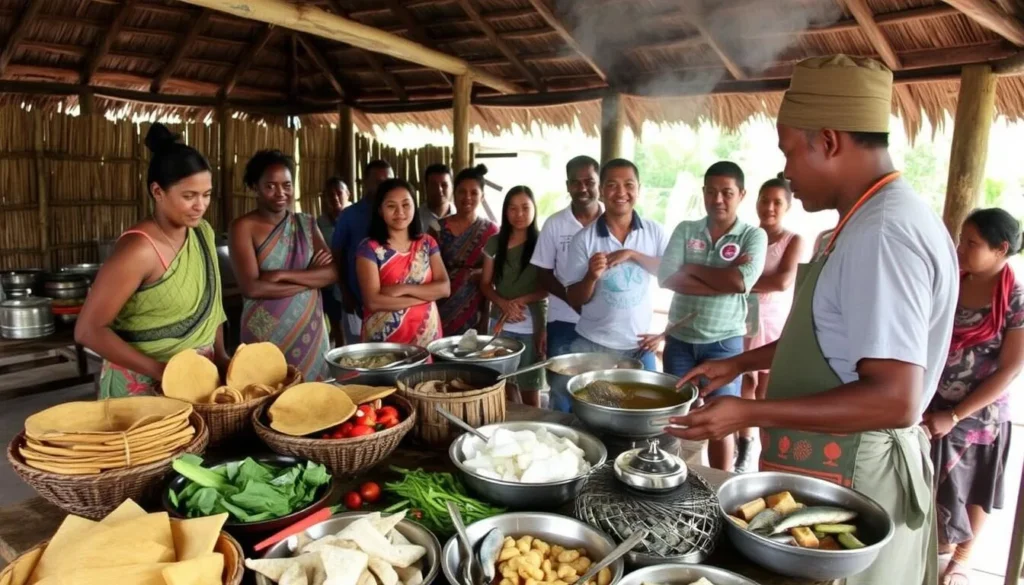
Dining at Surama offers a genuine taste of Makushi culinary traditions, with meals prepared using locally sourced ingredients, many grown in the community’s own gardens. The dining experience is communal, with guests and staff sharing meals in the central benab.
Local Specialties
Dining Arrangements
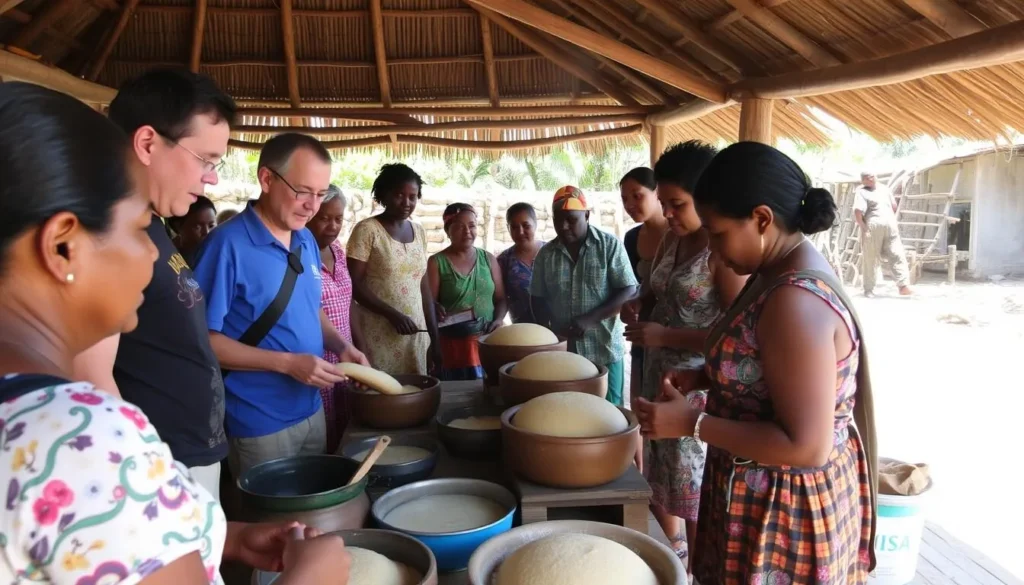
Meals are often accompanied by stories from village elders or guides, providing cultural context to the dining experience. Visitors are sometimes invited to participate in food preparation, learning traditional techniques for processing cassava or preparing other local dishes.
Traveler Tip: Let the lodge know about any dietary restrictions well in advance, as food supplies are brought in from Georgetown and special items may need to be ordered before your arrival.
Attractions, Sightseeing & Activities
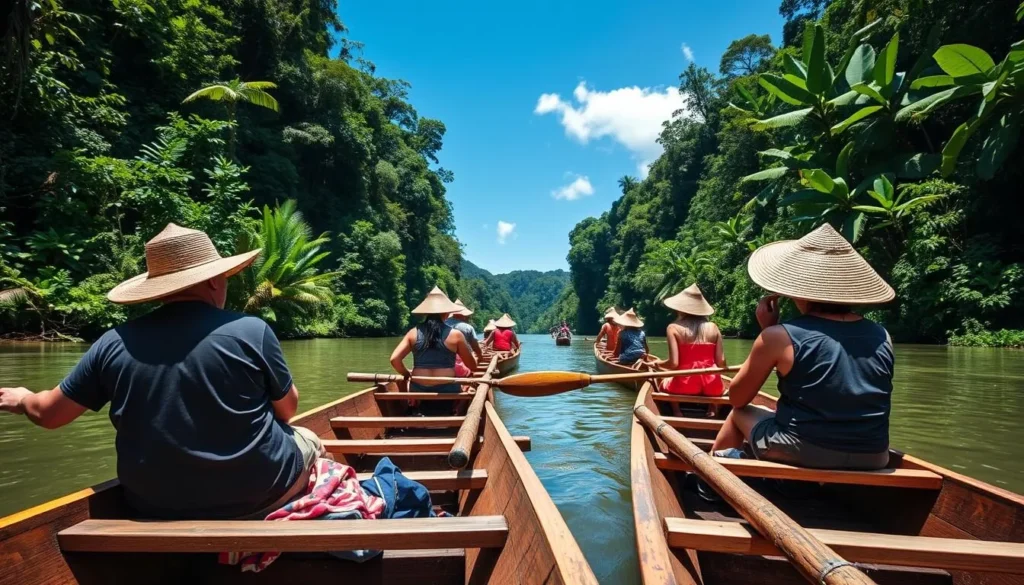
Surama offers a rich array of activities that showcase both the natural environment and the cultural heritage of the Makushi people. All excursions are led by knowledgeable local guides who provide insights that would be impossible to gain independently.
Burro Burro River Expeditions
Paddle along this pristine waterway in traditional dugout canoes, spotting wildlife such as giant river otters, black caiman, and countless bird species. Full-day and half-day trips are available, with some including fishing for peacock bass or piranha.
Surama Mountain Hike
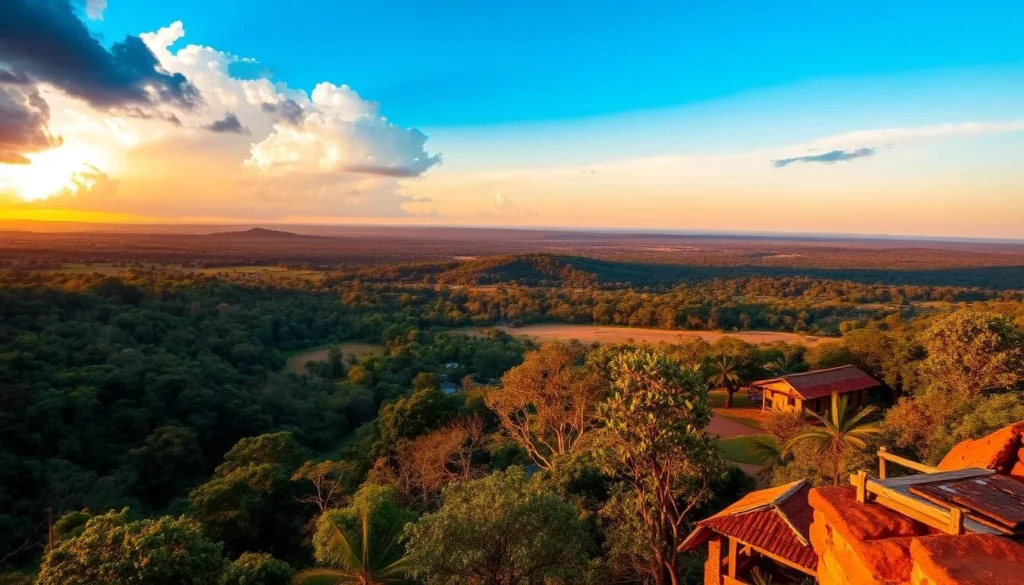
This moderate 5 km (3.1 mile) round-trip hike offers spectacular panoramic views of the village, savannah, and surrounding rainforest. Dawn hikes are particularly rewarding, with opportunities to witness the forest awakening.
Harpy Eagle Nesting Site
When active nests are identified, guides lead small groups to observe these magnificent birds of prey. Harpy eagles are among the world’s largest and most powerful eagles, with a wingspan reaching 2 meters (6.5 feet).
Night Walks
Explore the forest after dark with spotlights to discover nocturnal creatures like kinkajous, night monkeys, and various amphibians. The sounds of the rainforest at night create an unforgettable sensory experience.
Village Cultural Tour
Visit the community school, cassava processing facility, and traditional homes while learning about Makushi culture, language, and daily life from community members themselves.
Medicinal Plant Walks
Learn about traditional plant medicines with village elders who share knowledge passed down through generations about the healing properties of rainforest flora.
Museums, Cultural Spots & Festivals
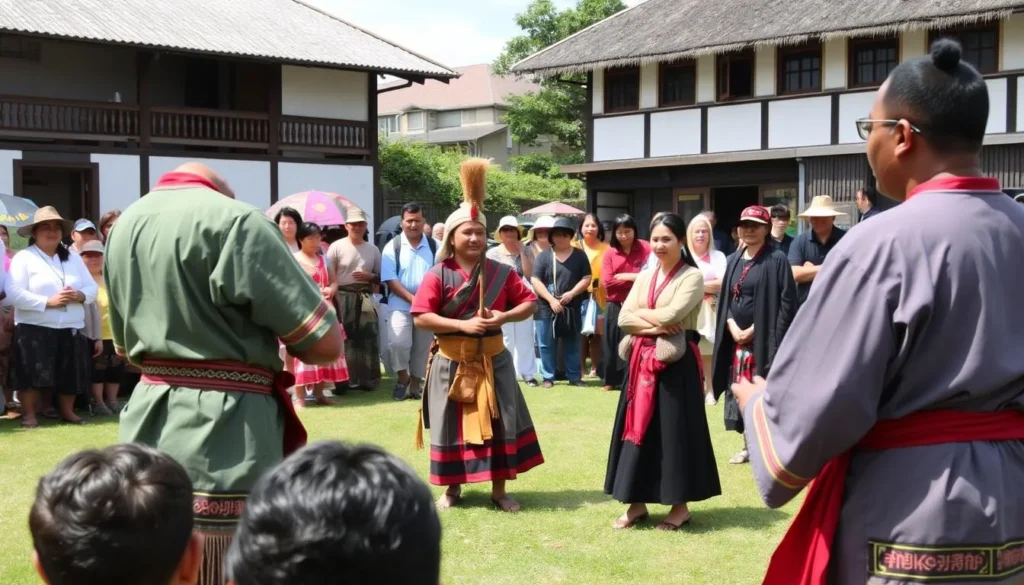
While Surama doesn’t have conventional museums, the entire village serves as a living cultural exhibit where traditions are actively practiced rather than simply displayed.
Cultural Heritage Center
The village maintains a small cultural center where traditional crafts, historical photographs, and artifacts are displayed. Here, visitors can learn about Makushi history and the community’s journey toward sustainable tourism.
Craft Demonstrations
Local artisans regularly demonstrate traditional skills such as basket weaving, bow and arrow making, and cotton spinning. These interactive sessions allow visitors to try their hand at these ancient crafts.
Seasonal Festivals
If your visit coincides with local celebrations, you may be invited to participate in traditional festivities:
These events aren’t staged for tourists but are authentic community gatherings where visitors are welcomed as guests. Participation offers genuine cultural exchange and deeper understanding of Makushi traditions.
Sports, Nature & Outdoor Experiences
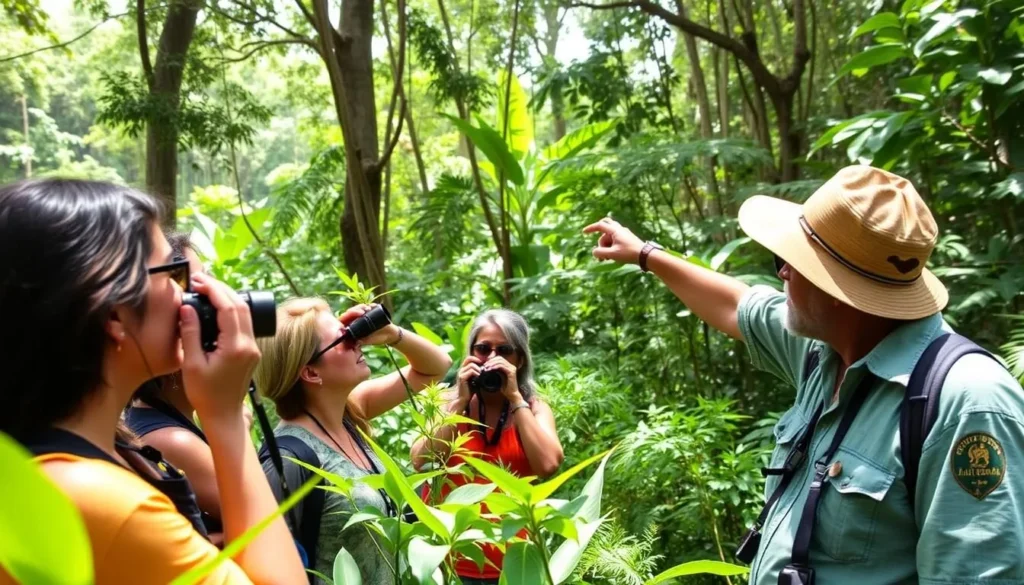
The pristine ecosystems surrounding Surama offer world-class nature experiences. The area sits at the transition zone between rainforest and savannah, creating diverse habitats that support an extraordinary range of wildlife.
Birdwatching
With over 500 bird species recorded in the region, Surama is a birdwatcher’s paradise. Look for Guianan cock-of-the-rock, crimson fruitcrow, harpy eagle, and numerous parrots and toucans. Early morning walks yield the best sightings.
Wildlife Tracking
Follow expert trackers as they identify animal signs that would be invisible to untrained eyes. Possible sightings include giant anteaters, capybara, several monkey species, and if you’re extremely lucky, jaguars.
Fishing Expeditions
Try traditional fishing techniques on the Burro Burro River, targeting species like peacock bass, piranha, and arawana. Guides demonstrate both modern and traditional Makushi fishing methods.
For the most adventurous visitors, overnight wilderness camping trips can be arranged to more remote areas where wildlife encounters are more frequent. These expeditions use hammocks with mosquito nets for sleeping and provide a truly immersive rainforest experience.
Safety, Etiquette & Local Customs
Visiting Surama is generally safe, but understanding local customs and following basic precautions will enhance your experience:
Health & Safety
Cultural Etiquette
The Makushi people are known for their hospitality, but they appreciate visitors who show interest in and respect for their culture. Taking time to learn about local traditions and participating in community activities will greatly enrich your experience.
Important: Surama operates on “Makushi time,” which is more relaxed than what many visitors are accustomed to. Embrace this different relationship with time as part of your cultural experience rather than expecting strict schedules.
Visitor Comments About Surama
“Our stay at Surama was the highlight of our South American travels. The Makushi guides showed us wildlife we would never have spotted ourselves, and the community’s commitment to sustainable tourism is inspiring. Sleeping in a traditional benab while hearing the sounds of the rainforest is an experience I’ll never forget.”
“The Burro Burro River expedition was incredible! We saw giant river otters, countless birds, and even a caiman. Our guide’s knowledge of the forest was remarkable—he could identify birds just by their calls and showed us medicinal plants his family has used for generations. The accommodations are simple but comfortable.”
“What makes Surama special is how genuinely the community welcomes visitors. This isn’t staged cultural tourism—it’s a chance to experience daily life in an indigenous village that has found a way to preserve traditions while adapting to the modern world. The night walk through the rainforest was magical.”
Practical Travel Tips

What to Pack
Practical Information
Your Authentic Amazon Adventure Awaits
Surama Eco-Lodge and Village offers a rare opportunity to experience the Amazon region through the eyes of its indigenous stewards. Here, tourism isn’t just about observing a different culture—it’s about meaningful exchange and supporting a community that has found a sustainable path forward while honoring ancient traditions. Whether you’re tracking wildlife along forest trails, learning traditional skills from village elders, or simply relaxing in a hammock listening to the sounds of the rainforest, Surama provides an authentic experience that goes far beyond ordinary tourism. As you plan your journey to this remarkable corner of Guyana, remember that you’re not just visiting a destination—you’re being welcomed into a community that has opened its doors to share its natural and cultural treasures with the world.
The above is subject to change.
Check back often to TRAVEL.COM for the latest travel tips and deals.


0 Comments