

Did you know that the Essequibo River is South America’s third-largest river, stretching over 1,014 km (630 miles) and home to Tiger Island, one of Guyana’s most biodiverse and least-explored destinations? This hidden gem in the mighty Essequibo River offers travelers a rare glimpse into pristine rainforest ecosystems, fascinating Dutch colonial history, and authentic indigenous culture that few outsiders have experienced.
Getting There & Planning Your Journey
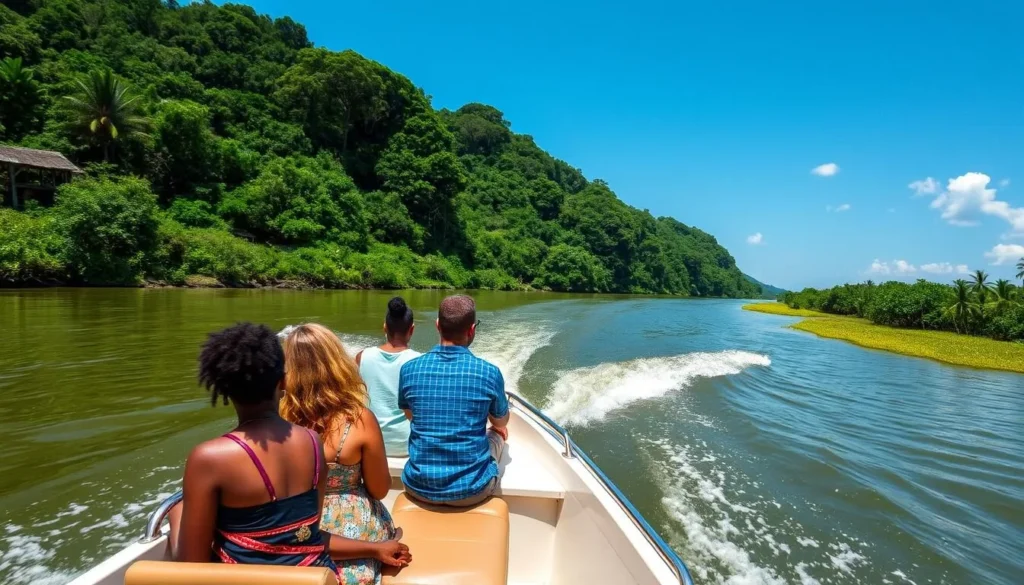
Reaching Tiger Island requires some planning, as it’s nestled deep within Guyana’s river network. The journey itself becomes part of the adventure, offering stunning views of the Essequibo’s expansive waters and glimpses of river life along the way.
Closest Airports
The journey to Tiger Island begins with a flight to one of Guyana’s international airports:
- Cheddi Jagan International Airport (GEO) – Located about 41 km (25 miles) south of Georgetown, this is Guyana’s main international gateway.
- Eugene F. Correia International Airport (OGL) – A smaller airport in Ogle, just east of Georgetown, handling regional flights.
From either airport, you’ll need to make your way to Georgetown, Guyana’s capital city, where you can arrange transportation to Parika, the main jumping-off point for river travel.
River Journey to Tiger Island
The route to Tiger Island follows these steps:
- Take a taxi or minibus from Georgetown to Parika (approximately 1 hour, 42 km)
- From Parika’s stelling (wharf), board a speedboat heading upriver
- The boat journey to Tiger Island takes approximately 1.5-2 hours, depending on water conditions
- Most travelers arrange this journey through a tour operator who can coordinate all transportation
Best Time to Visit Tiger Island
Guyana has a tropical climate with distinct wet and dry seasons. Timing your visit to Tiger Island is crucial for the most comfortable and rewarding experience.

Best Time to Visit
- December to April – Main dry season with sunny days and less rainfall
- August to November – Secondary dry season, slightly more humid but still good
- Average temperatures: 24-31°C (75-88°F) year-round
Times to Avoid
- May to July – Main rainy season with heavy downpours
- During rainy seasons, river levels rise significantly, and some trails may become impassable
- Boat journeys can be more challenging and occasionally delayed
Pro Tip: If visiting during the dry season, start your journey to Tiger Island early in the morning (around 8-9 AM) to avoid the strongest midday sun and to have ample time to explore before returning to the mainland.
Getting Around Locally
Tiger Island is relatively small and primarily explored on foot. The island’s network of trails takes you through diverse ecosystems, from riverbanks to interior rainforest.
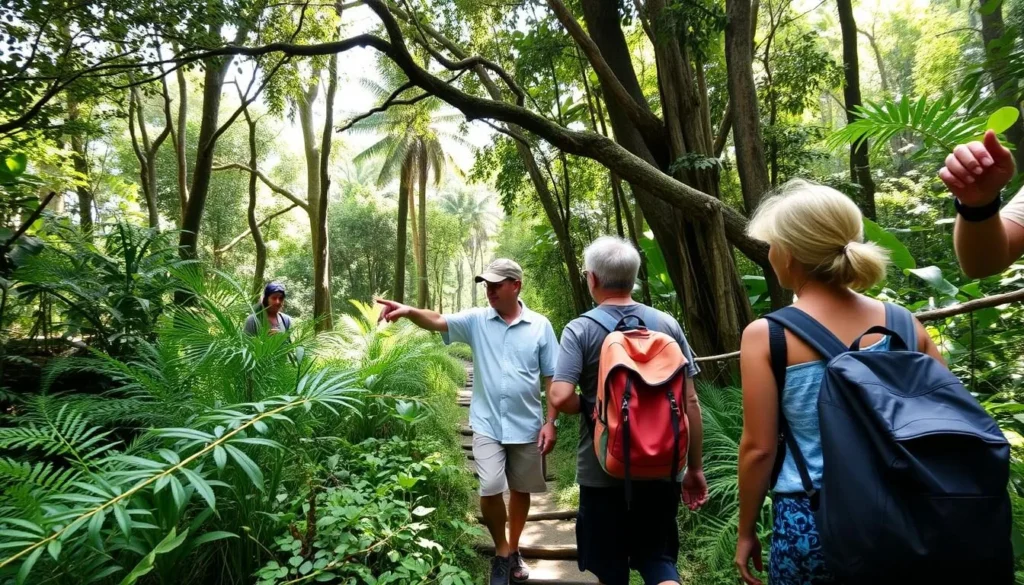
- Guided Walks – Local guides offer the most insightful way to explore, pointing out wildlife and explaining the island’s ecology
- Canoe Excursions – Small canoes can be arranged to explore the smaller channels around the island
- River Tours – Boat tours around the island provide different perspectives and access to otherwise difficult-to-reach areas
The terrain is mostly flat but can be muddy after rain. Wear comfortable walking shoes and bring water, as facilities are limited. The entire island can be explored in a day, but overnight stays allow for more in-depth exploration and wildlife viewing opportunities.
Where to Stay
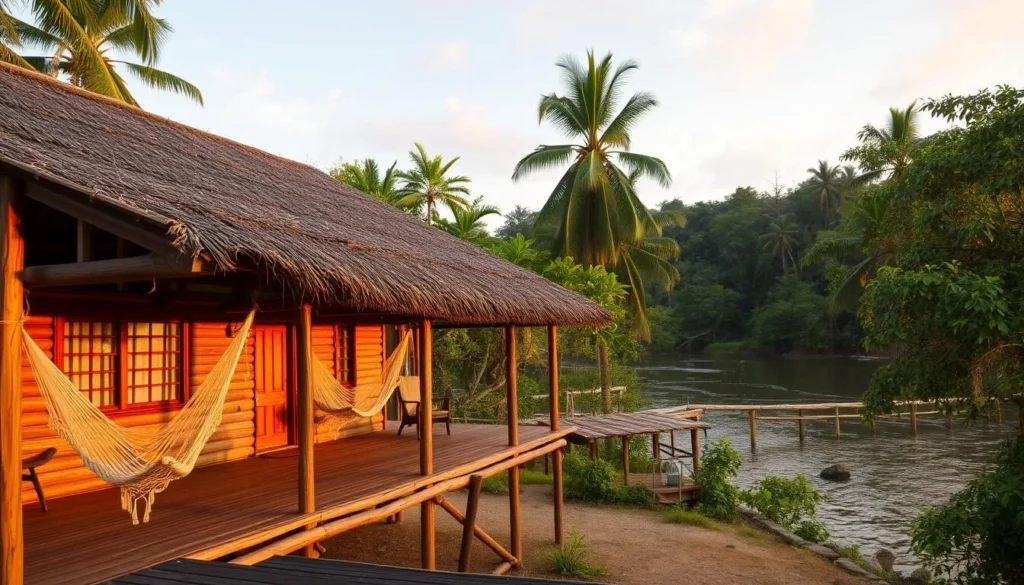
Accommodation options on Tiger Island itself are extremely limited, with most visitors experiencing the island as a day trip from nearby river communities or Georgetown.
Island Camping
For the adventurous, basic camping is permitted on Tiger Island with prior arrangement through tour operators. You’ll need to bring all supplies, and a guide is recommended for safety.
Nearby River Lodges
Several eco-lodges are located along the Essequibo River, particularly around Bartica. These provide more comfortable accommodations with boat transfers to Tiger Island.
Georgetown Hotels
Most visitors stay in Georgetown (1.5-2 hours away) where there are numerous hotels ranging from budget to luxury, and arrange a day trip to Tiger Island.
Dining & Local Cuisine
There are no restaurants or formal dining establishments on Tiger Island. Visitors should plan accordingly by either bringing their own food or arranging meals through their tour operator.

Food Options
- Packed Lunches: Most tour operators provide simple packed lunches for day trips to Tiger Island
- Cooking Services: For overnight stays, guides can prepare traditional Guyanese meals using local ingredients
- Parika Market: Before boarding your boat to Tiger Island, you can purchase fresh fruits, snacks, and drinks at the Parika market
Local Specialties to Try
If your guide offers cooking services, request these authentic Guyanese dishes:
- Pepperpot – A rich, spicy meat stew flavored with cinnamon, cassareep (cassava extract), and other spices
- Cook-up Rice – A one-pot dish with rice, beans, and various meats
- Metemgee – A hearty soup with dumplings, cassava, plantains, and fish
- Fresh River Fish – Often prepared grilled or in curry
Local Tip: Bring plenty of water (at least 1.5 liters per person) as there are limited places to purchase drinks on the island. A small cooler with ice is recommended if you’re bringing perishable foods.
Attractions, Sightseeing & Activities
Tiger Island offers a blend of natural wonders and historical sites that showcase Guyana’s diverse heritage and ecosystems.
Natural Attractions
- Pristine Beaches – Tiger Island features several small, secluded beaches with distinctive red-tinged sand
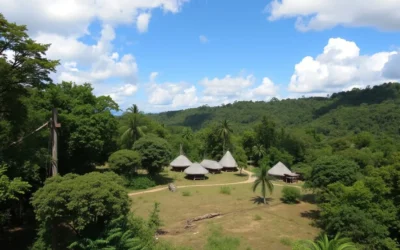
- Interior Rainforest – The island’s center contains primary rainforest with towering trees and diverse plant species
- Bird Watching Spots – Several clearings and riverbanks offer excellent opportunities to spot Guyana’s colorful avian residents
- Sunset Point – The western tip of the island provides spectacular sunset views over the Essequibo River
Historical Sites
Like nearby Fort Island, Tiger Island contains remnants of Guyana’s colonial past:
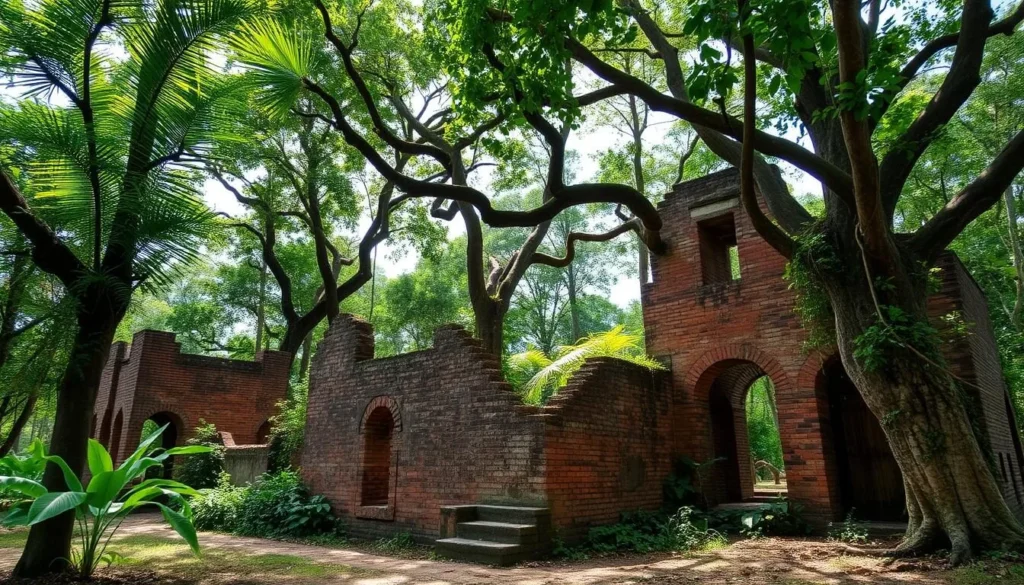
- Dutch Trading Post Ruins – Remains of a 17th-century Dutch outpost that once served as a minor trading center
- Colonial Cemetery – A small, partially overgrown cemetery with weathered tombstones dating back to the colonial era
- Former Plantation Structures – Traces of agricultural activities from the island’s plantation days
Museums, Cultural Spots & Festivals
While Tiger Island itself doesn’t have formal museums, the surrounding Essequibo region offers cultural experiences that complement your island visit.

Nearby Cultural Attractions
- Fort Island Dutch Museum – Located within the Court of Policy building on nearby Fort Island, this small museum contains Dutch colonial artifacts
- Fort Zeelandia – A well-preserved Dutch fort from 1743, located on Fort Island
- Indigenous Communities – Several Amerindian villages along the Essequibo welcome visitors to learn about their traditions
Cultural Events
While regular cultural events on Tiger Island are limited due to its remote location, occasional celebrations and heritage events occur in the broader Essequibo region:
- Mashramani (February 23) – Guyana’s Republic Day celebrations include events throughout the country
- Indigenous Heritage Month (September) – Celebrations of Amerindian culture throughout Guyana
- Essequibo River Festival (varies) – Occasional river-based celebrations in larger communities
Check with the Guyana Tourism Authority or local tour operators for any scheduled events during your visit.
Sports, Nature & Outdoor Experiences
Tiger Island’s pristine natural environment offers numerous opportunities for outdoor enthusiasts and nature lovers.
Wildlife Viewing
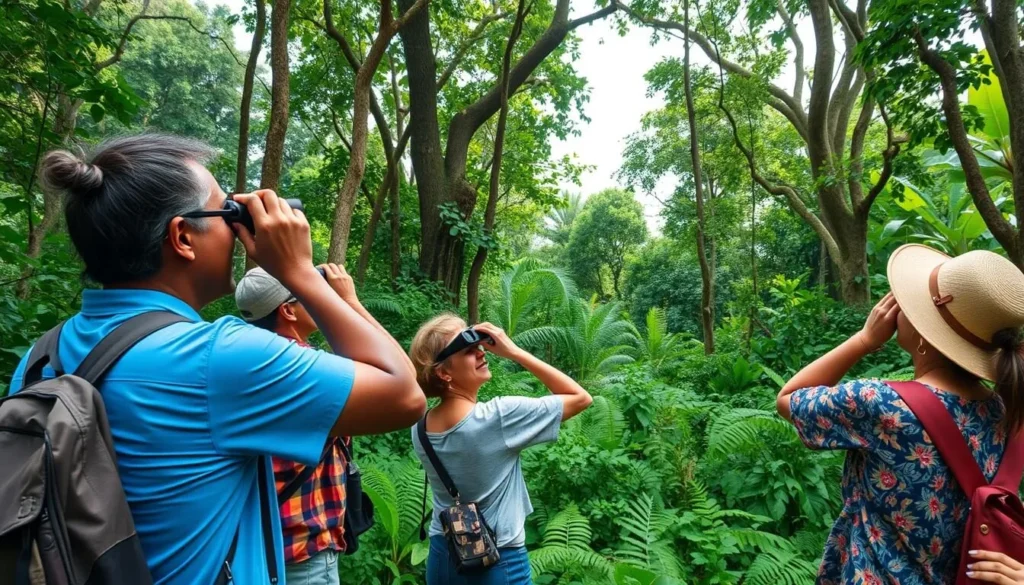
Tiger Island is a haven for wildlife enthusiasts, with numerous species inhabiting its forests and shores:
- Birdwatching – Spot species like the Guianan Cock-of-the-rock, toucans, parrots, and numerous waterbirds
- Primate Observation – Several monkey species inhabit the island, including red howlers and capuchins
- Reptile Spotting – Caiman, iguanas, and various snake species can be observed with a knowledgeable guide
Water Activities
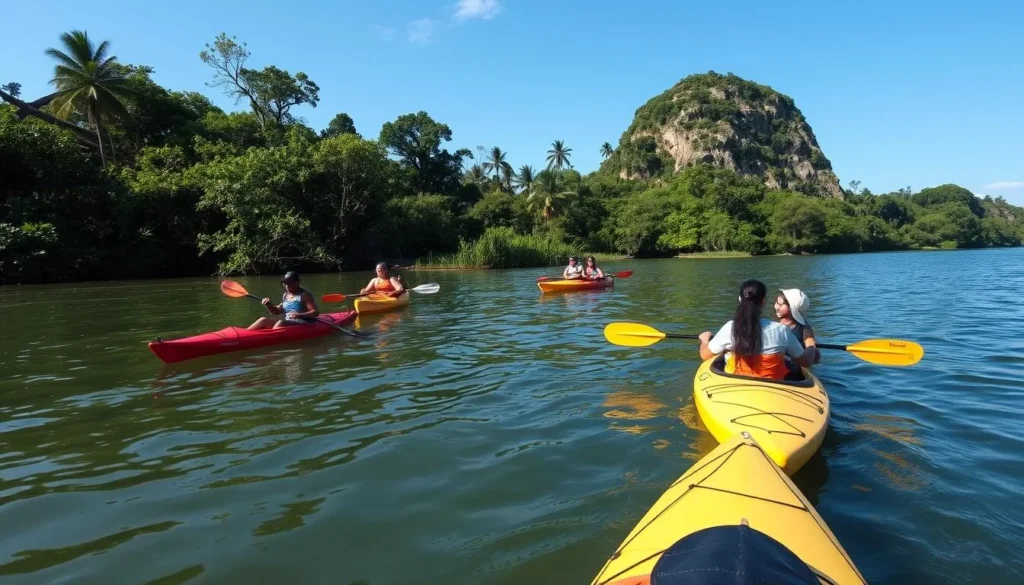
The Essequibo River surrounding Tiger Island offers several water-based activities:
- Kayaking – Explore the island’s perimeter and hidden coves by kayak
- Swimming – Designated swimming areas offer a refreshing break from the tropical heat
- Fishing – Try your hand at catching species like lukanani (peacock bass) and piranha
- River Cruises – Longer boat excursions can take you to other islands in the Essequibo
Safety, Etiquette & Local Customs
Visiting Tiger Island is generally safe, but as with any remote destination, it’s important to be prepared and respectful of local customs.
Safety Tips
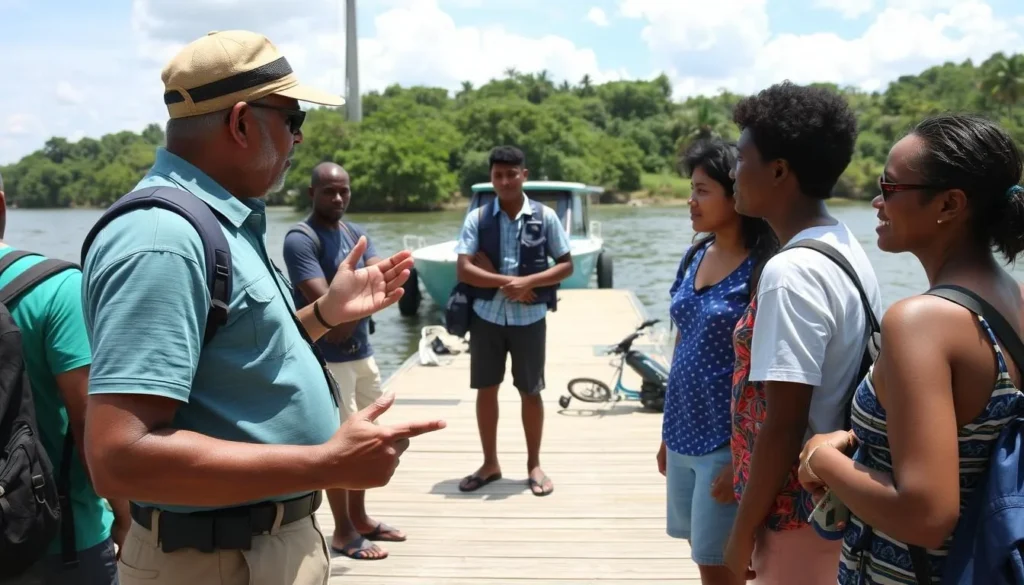
- Always travel with a guide or as part of an organized tour
- Bring sufficient water, sunscreen, insect repellent, and a hat
- Stay on established paths to avoid encounters with snakes or insects
- Inform your boat operator of your expected return time
- Bring basic first aid supplies as medical facilities are not available on the island
- Consider travel insurance that covers emergency evacuation
Etiquette & Customs
- Ask permission before photographing local residents
- Dress modestly out of respect for local communities (lightweight long pants and shirts with sleeves are appropriate)
- Remove shoes when entering local homes if invited
- Bring small gifts (school supplies, t-shirts) if planning to interact with local families
- Respect wildlife and plants – take only photographs, leave only footprints
Important: While exploring Tiger Island, avoid areas that are enclosed or overgrown, as these may harbor insects, snakes, or other wildlife seeking shelter from the sun.
Visitor Comments About Tiger Island
“Tiger Island was the highlight of our Guyana trip. The boat journey along the Essequibo River was spectacular, and exploring the island’s trails felt like stepping back in time. Our guide was incredibly knowledgeable about the local wildlife and history. Don’t miss the sunset from the western point – absolutely magical!”
“As someone interested in both wildlife and colonial history, I found Tiger Island fascinating. The diverse bird species were incredible – we spotted toucans, parrots, and even a harpy eagle! The Dutch ruins have survived remarkably well considering their age and the tropical climate. Bring water and snacks as there are no shops.”
“We almost skipped Tiger Island during our Guyana trip but I’m so glad we didn’t. It’s a bit of effort to get there, but the untouched nature and peaceful atmosphere make it worthwhile. The boat ride itself was an adventure, and swimming in the tea-colored waters of the Essequibo was a unique experience I’ll never forget.”
Practical Travel Tips
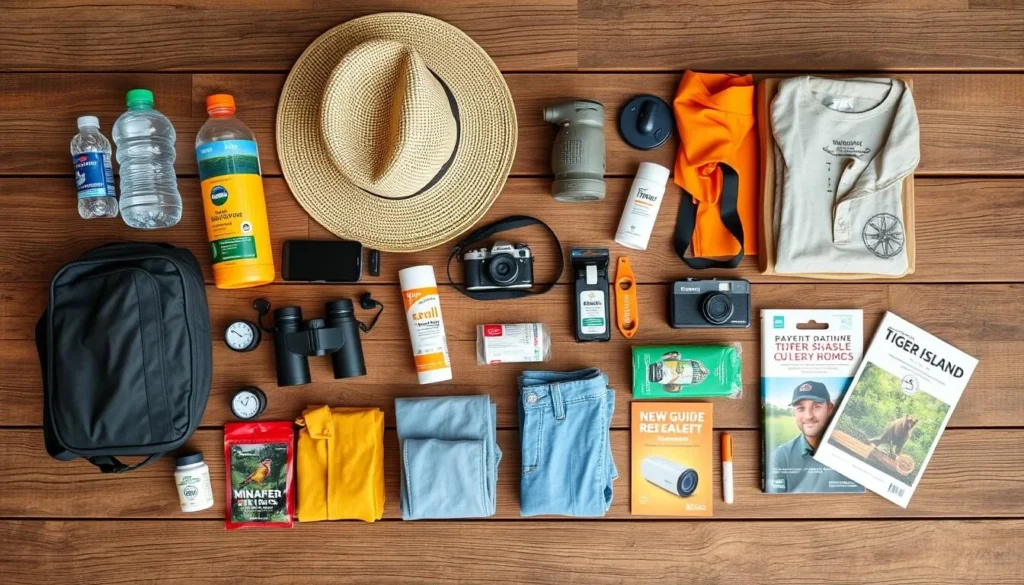
What should I pack for a trip to Tiger Island?
- Plenty of water (at least 1.5 liters per person)
- Sunscreen, hat, and sunglasses
- Insect repellent with DEET
- Light rain jacket (even in dry season)
- Quick-dry clothing (lightweight long sleeves and pants recommended)
- Sturdy walking shoes or hiking sandals
- Camera and extra batteries
- Binoculars for wildlife viewing
- Snacks or packed lunch
- Small amount of local currency for tips or unexpected purchases
- Basic first aid kit
- Waterproof bag for electronics
How much time should I allocate for visiting Tiger Island?
Plan for a full day excursion from Georgetown or Parika. The breakdown typically includes:
- Travel to Parika: 1-1.5 hours from Georgetown
- Boat ride to Tiger Island: 1.5-2 hours each way
- Exploring the island: 3-4 hours minimum
- Lunch break: 30-60 minutes
- Return journey: 2.5-3 hours
Starting early (around 7-8 AM from Georgetown) allows you to return before dark. For a more relaxed experience, consider an overnight stay with a tour operator that provides camping facilities.
Do I need a visa to visit Guyana?
Visa requirements for Guyana vary by nationality. Citizens of many countries, including the United States, Canada, UK, and most EU countries, can enter visa-free for up to 90 days. Always check the latest requirements with the Guyanese embassy or consulate in your country before traveling.
Is there an entrance fee for Tiger Island?
There is typically a small conservation fee (approximately 1,000-2,000 Guyanese dollars or $5-10 USD) to visit Tiger Island. This fee is often included in tour packages. If traveling independently, be prepared to pay this fee upon arrival.
Your Unforgettable Amazonian Adventure Awaits
Tiger Island may be small in size, but it offers an outsized glimpse into a fascinating chapter of South American history and ecology. As you stand beneath the towering rainforest canopy or cool off in the tea-colored waters of the Essequibo, you’re experiencing a place that few travelers have discovered.
The journey to this remote island adds to its charm – cruising the mighty Essequibo River, catching glimpses of river life, and finally arriving at a place where time seems to have slowed down. Whether you’re a wildlife enthusiast, a history buff, or simply seeking off-the-beaten-path destinations, Tiger Island rewards your effort with authentic experiences and stories that will become treasured memories of your Guyana adventure.
The above is subject to change.
Check back often to TRAVEL.COM for the latest travel tips and deals.



0 Comments