
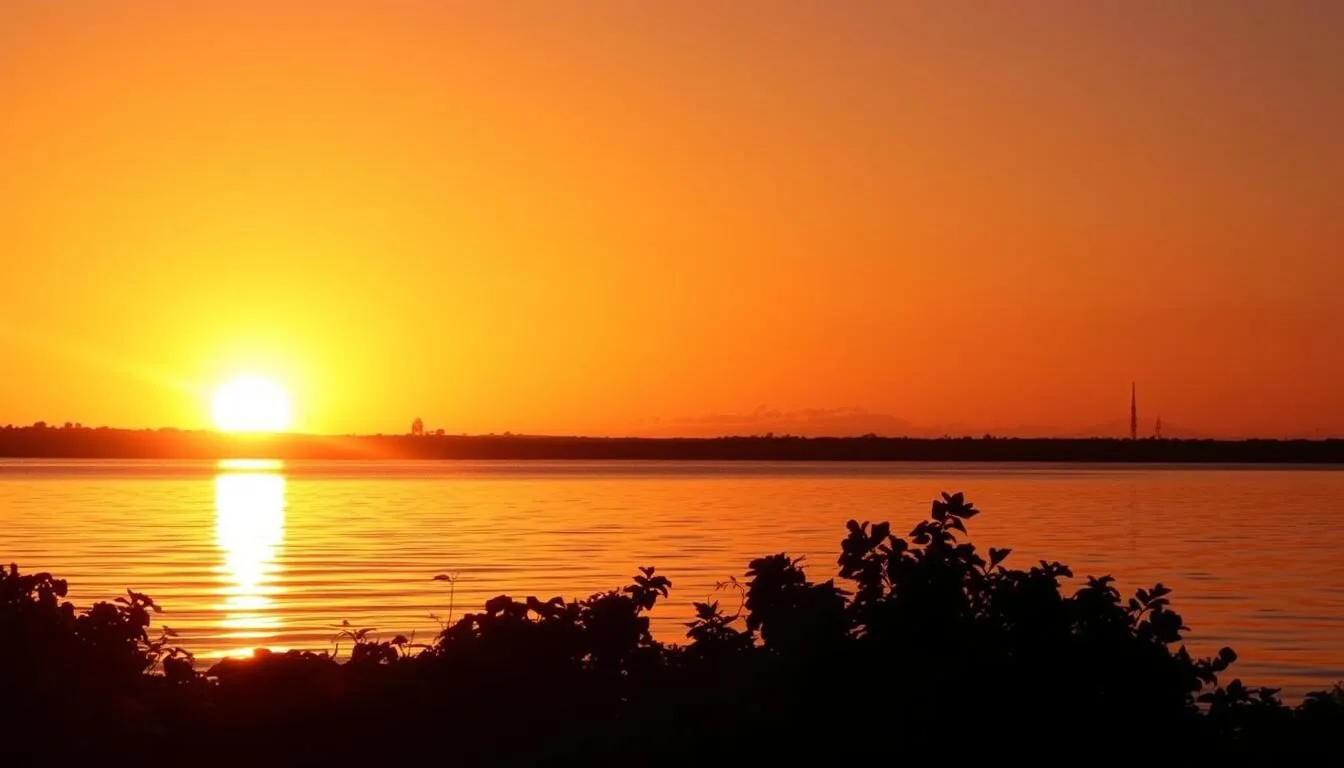
Did you know Wakenaam Island is actually an archipelago of 44 smaller islands formed by the intricate channels of the Essequibo River, South America’s third-largest river system? This hidden gem in Guyana offers travelers a rare glimpse into untouched Caribbean landscapes, authentic cultural experiences, and a peaceful escape from the typical tourist trail. Named by Dutch settlers as “waiting for a name,” Wakenaam today represents one of South America’s best-kept travel secrets.
Getting There & Planning Your Journey
International visitors to Wakenaam Island typically arrive through Guyana’s capital, Georgetown. The primary international gateway is Cheddi Jagan International Airport (GEO), located about 41 km (25 miles) south of Georgetown. Some regional flights also operate through Eugene F. Correia International Airport (OGL), which is closer to the city center.
From Georgetown, you’ll need to make your way to the port town of Parika, which serves as the main jumping-off point for Essequibo River adventures. Parika is approximately 42 km (26 miles) west of Georgetown and can be reached by minibus or taxi in about one hour. The journey crosses the Demerara Harbour Bridge, which itself offers spectacular views.
At Parika, speedboats depart regularly to Wakenaam Island. The journey across the mouth of the Essequibo River takes approximately 45 minutes. Boats typically operate from early morning until around 5:00 PM, with more frequent departures in the morning. The current one-way fare is approximately GYD $1,000 (USD $5).
It’s important to note that boats don’t operate after sunset due to safety concerns, so plan your arrival in Parika accordingly. If you’re carrying heavy luggage, be prepared for a potentially wet journey as these open speedboats can encounter spray from the river.
Best Time to Visit & Weather Tips
Guyana experiences a tropical climate with two distinct rainy seasons and two dry seasons. For the most pleasant experience on Wakenaam Island, timing your visit is crucial.
| Season | Months | Weather Conditions | River Conditions | Recommendation |
| Primary Dry Season | February-April | 25-30°C (77-86°F), low rainfall | Lower water levels, calmer river | Highly Recommended |
| Primary Rainy Season | May-August | 24-29°C (75-84°F), heavy rainfall | High water, faster currents | Not Recommended |
| Secondary Dry Season | September-November | 26-32°C (79-90°F), moderate rainfall | Moderate water levels | Good Alternative |
| Secondary Rainy Season | December-January | 25-30°C (77-86°F), unpredictable showers | Rising water levels | Acceptable |
The primary dry season (February-April) offers the most favorable conditions for exploring Wakenaam Island. During these months, you’ll enjoy clearer skies, less humidity, and more reliable boat transportation. The secondary dry season (September-November) is also a good option, with the added benefit of fewer tourists.
“The rhythm of life on Wakenaam follows the river and the rains. Visit during the dry season and you’ll see the island at its most accessible and vibrant.”
Getting Around Locally
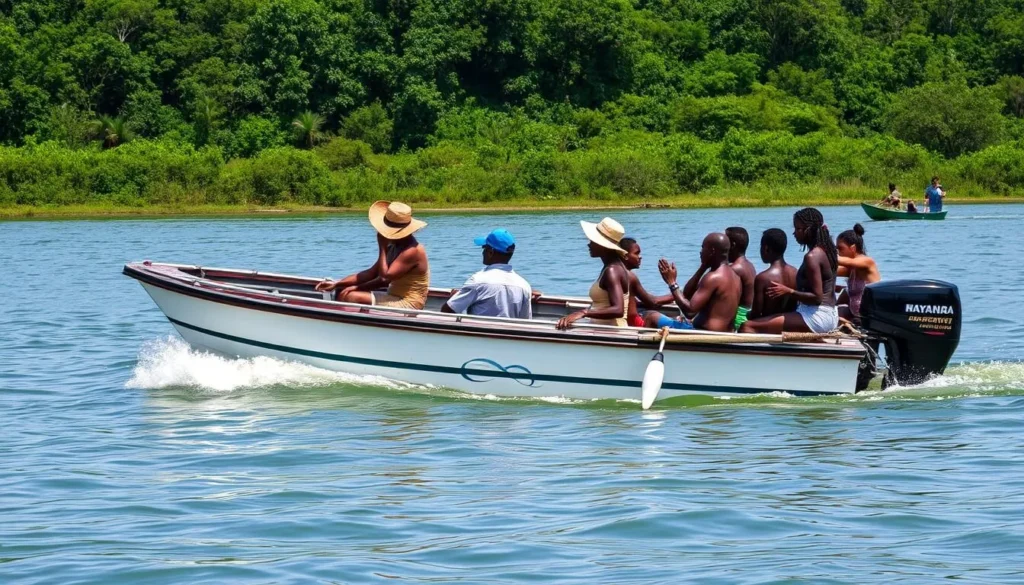
Once you arrive on Wakenaam Island, transportation options are limited but sufficient for exploring this 45 km² island. The main settlement, Sans Souci, is where boats from Parika dock, and it serves as the commercial center of the island.
Transportation Options on Wakenaam:
- Mini Buses: A few mini buses operate along the main road that circles the island. These run on irregular schedules and are primarily used by locals.
- Taxis: Several local taxi drivers offer their services for island tours. Expect to pay around GYD $3,000-5,000 (USD $15-25) for a complete tour of the island.
- Bicycles: Some guesthouses offer bicycle rentals, which is an excellent way to explore the flat terrain of Wakenaam at your own pace.
- Walking: The island is relatively small, and walking is a viable option for exploring the areas around Sans Souci.
The island has one main road that forms a loop around its perimeter, with several smaller roads cutting across the interior. Most of these roads are unpaved but generally in reasonable condition during the dry season.
For travel between Wakenaam and neighboring islands like Leguan or Fort Island, you’ll need to arrange boat transportation. Local boatmen at the Sans Souci stelling (wharf) can be hired for island-hopping excursions.
Where to Stay
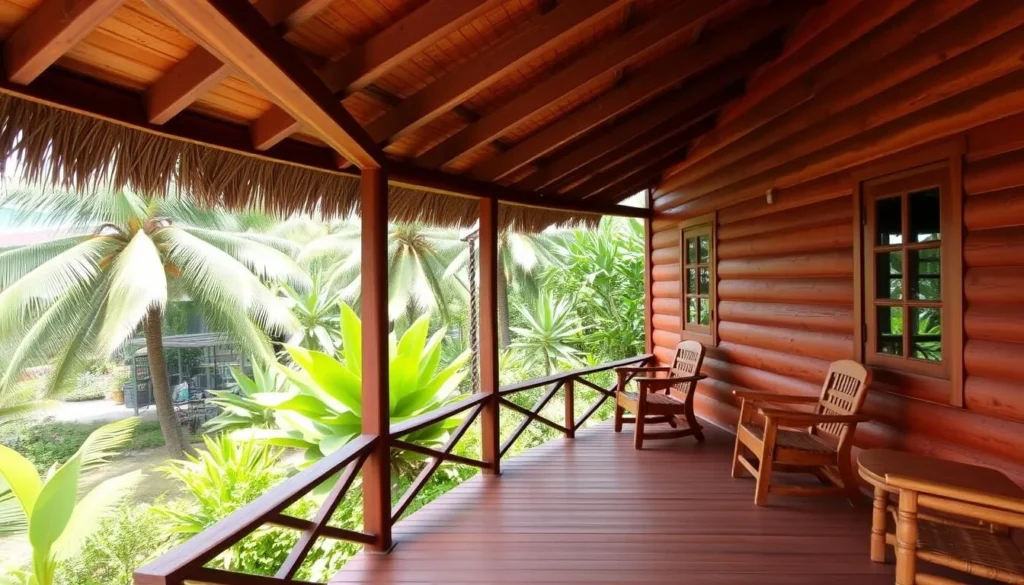
Accommodation options on Wakenaam Island are limited but authentic, offering visitors a genuine experience of local life. Don’t expect luxury resorts or international hotel chains; instead, prepare for a more intimate and culturally immersive stay.
Government Rest House
The most established accommodation on the island, offering basic but clean rooms with essential amenities. Located in Sans Souci near the stelling (wharf).
Price range: GYD $4,000-6,000 (USD $20-30) per night
Local Guesthouses
Several family-run guesthouses offer rooms to visitors. These provide an authentic experience and often include home-cooked meals.
Price range: GYD $3,000-5,000 (USD $15-25) per night
Homestays
Some island families open their homes to travelers, providing the most immersive cultural experience and genuine Guyanese hospitality.
Price range: GYD $2,000-4,000 (USD $10-20) per night
Traveler Tip: Most accommodations on Wakenaam Island don’t have online booking systems. It’s advisable to arrange your stay through a travel agency in Georgetown or by calling directly. Many places require cash payment as credit card facilities are limited on the island.
For those seeking more comfort, consider staying at one of the eco-resorts on nearby islands such as Sloth Island Nature Resort or Baganara Island Resort, and arrange day trips to Wakenaam Island.
Dining & Local Cuisine
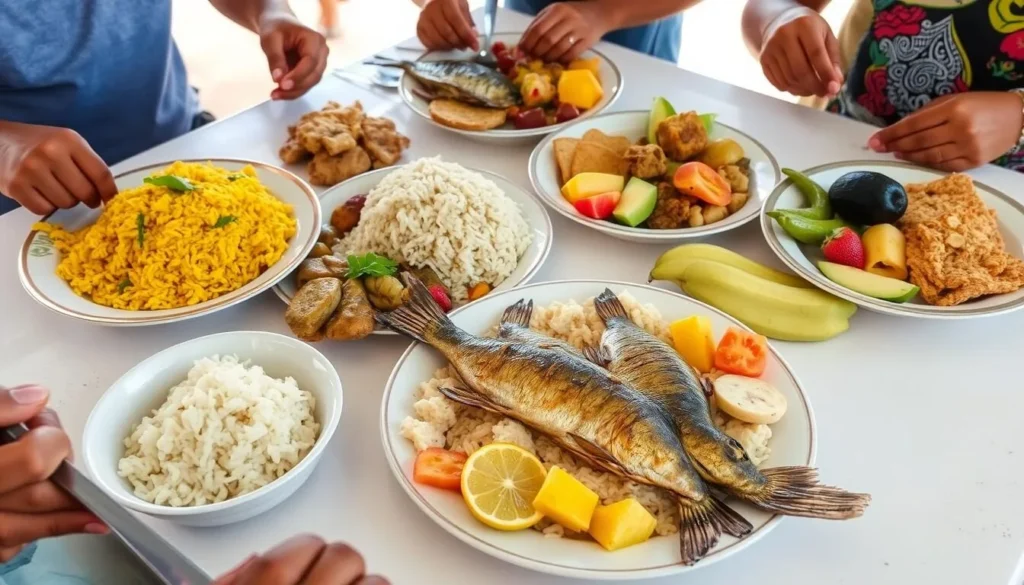
Dining on Wakenaam Island offers an authentic taste of Guyanese cuisine, with an emphasis on fresh, locally sourced ingredients. The island’s agricultural heritage means that many ingredients come straight from nearby farms and the surrounding river.
Must-Try Local Dishes:
- Cook-up Rice – A one-pot dish combining rice, beans, and various meats or fish
- Fresh River Fish – Locally caught fish from the Essequibo, typically prepared in curry or grilled
- Pepperpot – A rich, spicy meat stew slow-cooked with cassareep (a special sauce made from cassava)
- Metemgee – A hearty soup with dumplings, cassava, plantains, and fish
- Coconut-based dishes – Given the island’s coconut farming, many local dishes incorporate fresh coconut
Most dining options on Wakenaam Island are small, family-run establishments or “cook shops” that serve daily specials. Many guesthouses also provide meals for their guests, often featuring produce from their own gardens.
“The food on Wakenaam tells the story of the island’s cultural heritage – a delicious blend of Amerindian, African, East Indian, and Dutch influences that creates a uniquely Guyanese flavor profile.”
Sans Souci has a few small restaurants and food stalls near the stelling (wharf) where you can sample local cuisine. For the most authentic experience, ask locals for recommendations on where to find the best home-cooked meals.
Local Tip: Don’t miss trying fresh coconut water straight from the coconut – vendors can be found throughout the island, and it’s the perfect refreshment in the tropical heat.
Attractions, Sightseeing & Activities
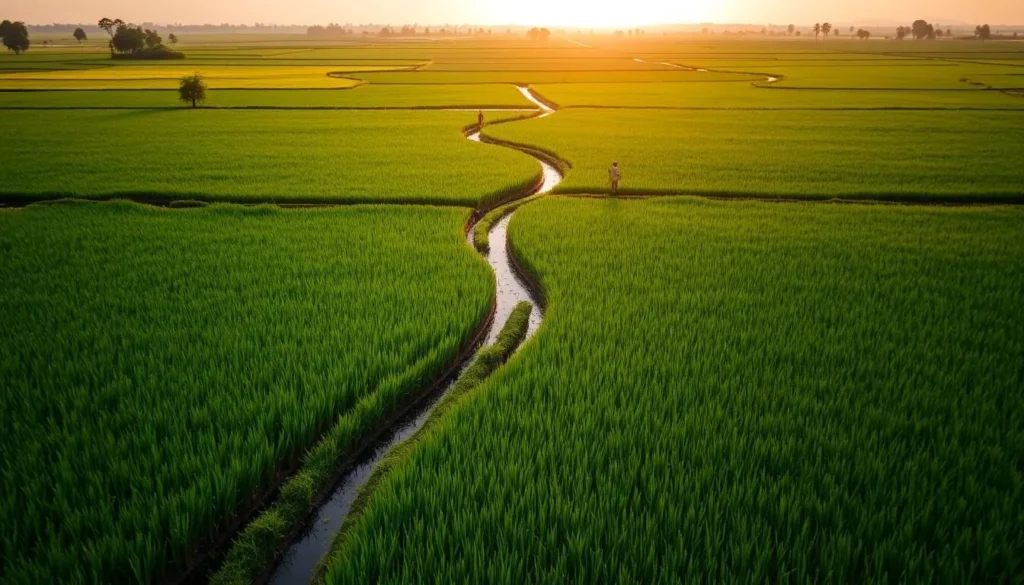
While Wakenaam Island may not offer the typical tourist attractions found in more developed destinations, its charm lies in its authentic rural Caribbean atmosphere, agricultural landscapes, and opportunities to experience local life.
Agricultural Landscapes
Wakenaam’s economy is primarily based on agriculture, with rice farming being the main occupation. The island is covered with beautiful emerald-colored rice paddies that create stunning landscapes, especially during the growing season. Coconut farming is also prevalent, with coconut palms lining many of the island’s roads.
River Beaches
Several small beaches can be found along the shores of the Essequibo River. These red-earth beaches offer pleasant spots for swimming and relaxation. Local guides can direct you to the best and safest swimming areas.
Historical Sites
While neighboring islands like Fort Island and Leguan have more prominent historical attractions, Wakenaam has its own historical significance as part of the Dutch colonial presence in Guyana. Look for old colonial-era structures and remnants of the island’s agricultural history.
Island Hopping
Wakenaam serves as an excellent base for exploring other islands in the Essequibo River. Consider day trips to:
- Fort Island – Home to the historic Fort Zeelandia and Court of Policy building
- Leguan Island – Known for the 52-foot statue of Lord Hanuman and historic St. Peter’s Anglican Church
- Hogg Island – Offering scenic beauty with savannahs and mangroves
Museums, Cultural Spots & Festivals
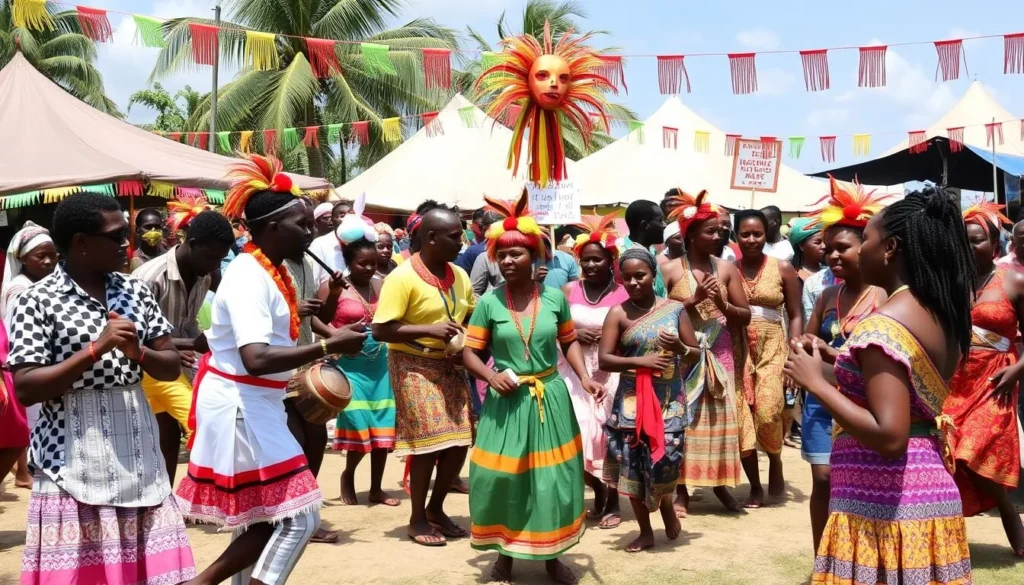
Wakenaam Island offers visitors a glimpse into authentic Guyanese culture, with a rich tapestry of traditions influenced by Amerindian, African, East Indian, and Dutch heritage.
Cultural Experiences
- Local Markets – The small market in Sans Souci provides insight into daily island life and commerce
- Religious Sites – Hindu temples and Christian churches reflect the diverse spiritual traditions of the island
- Agricultural Demonstrations – Some local farmers welcome visitors to observe traditional farming methods
- Craft Traditions – Look for opportunities to see local craftspeople creating traditional items
Festivals
Wakenaam Island celebrates several festivals throughout the year, offering visitors a chance to experience local culture at its most vibrant:
- Phagwah/Holi (March) – The Hindu festival of colors is widely celebrated throughout the island
- Mashramani (February) – Guyana’s Republic Day celebrations include colorful parades and music
- Diwali (October/November) – The festival of lights creates a magical atmosphere along the river
- Christmas (December) – Celebrated with unique Guyanese traditions and community gatherings
“To truly understand Wakenaam, you must experience its festivals. When the whole island comes together in celebration, you witness the heart and soul of this community.”
While Wakenaam doesn’t have formal museums, the island itself serves as a living museum of Guyanese rural life. Conversations with elders and long-time residents can provide fascinating insights into the island’s history and cultural evolution.
Sports, Nature & Outdoor Experiences
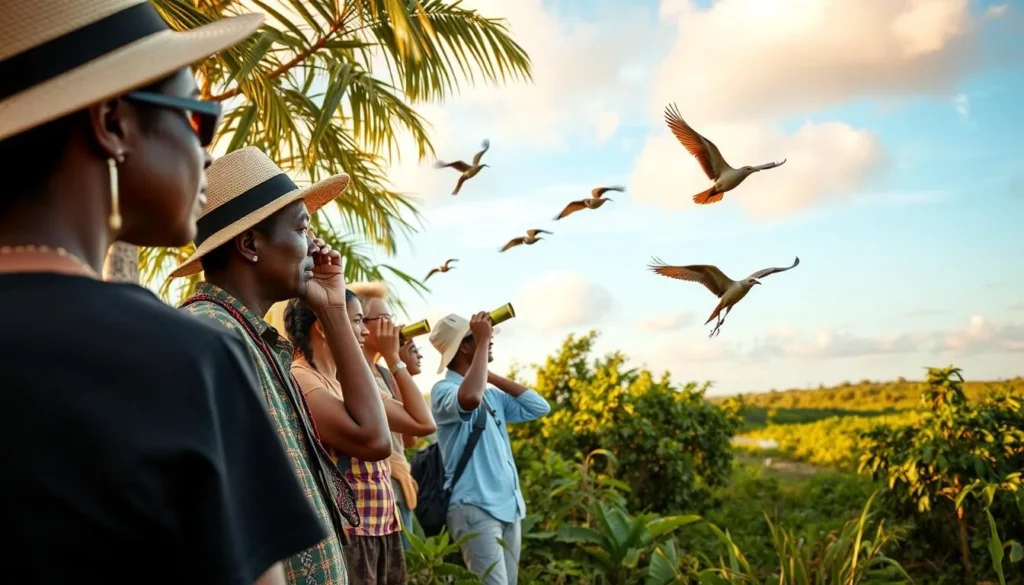
Wakenaam Island offers nature enthusiasts and outdoor adventurers plenty of opportunities to connect with the natural environment of the Essequibo region.
Wildlife Watching
The island is a paradise for birdwatchers, with numerous species inhabiting the rice paddies, coconut groves, and riverine areas. Common sightings include:
- Wattled Jacanas
- Great-tailed Grackles
- Yellow-headed Blackbirds
- Savannah Hawks
- Black-crowned Night Herons
- Pied Water-Tyrants
The water-filled trenches that line the rice paddies are home to caimans and various fish species. Butterfly enthusiasts will also find plenty to observe, including the striking Monarch and Isabella’s Long-wing butterflies.
Water Activities
The Essequibo River offers opportunities for:
- Swimming – at designated river beaches
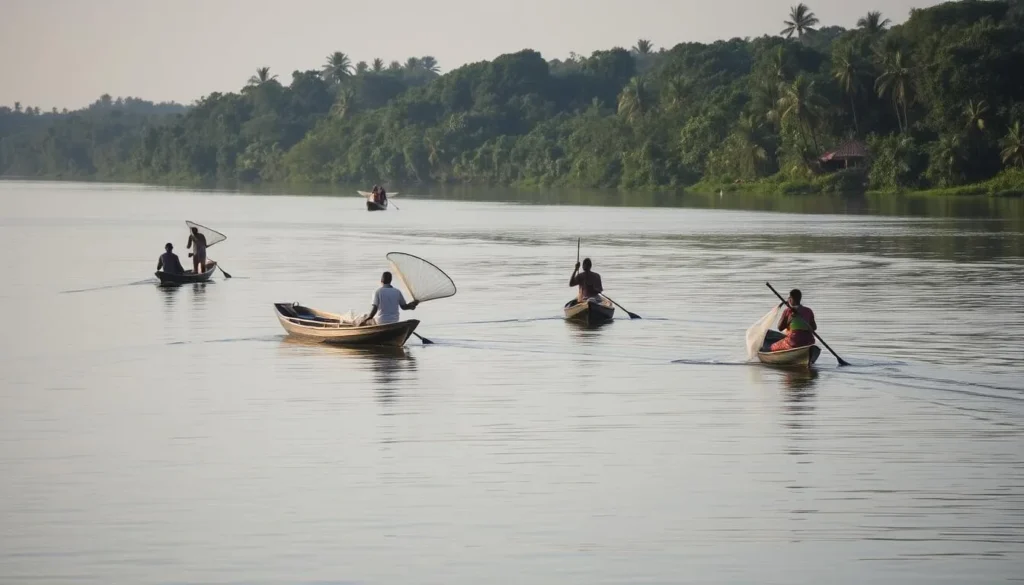
- Fishing – with local guides who know the best spots
- Boating – exploring the river’s channels and neighboring islands
Cycling and Walking
The flat terrain and quiet roads of Wakenaam make it ideal for exploration by bicycle or on foot. A complete circuit of the island’s main road is approximately 30 km (18.6 miles) and offers beautiful views of rice paddies, coconut groves, and the Essequibo River.
Adventure Tip: For a truly memorable experience, arrange an early morning boat trip around the island to witness the sunrise over the Essequibo River and observe birds and other wildlife at their most active.
Safety, Etiquette & Local Customs
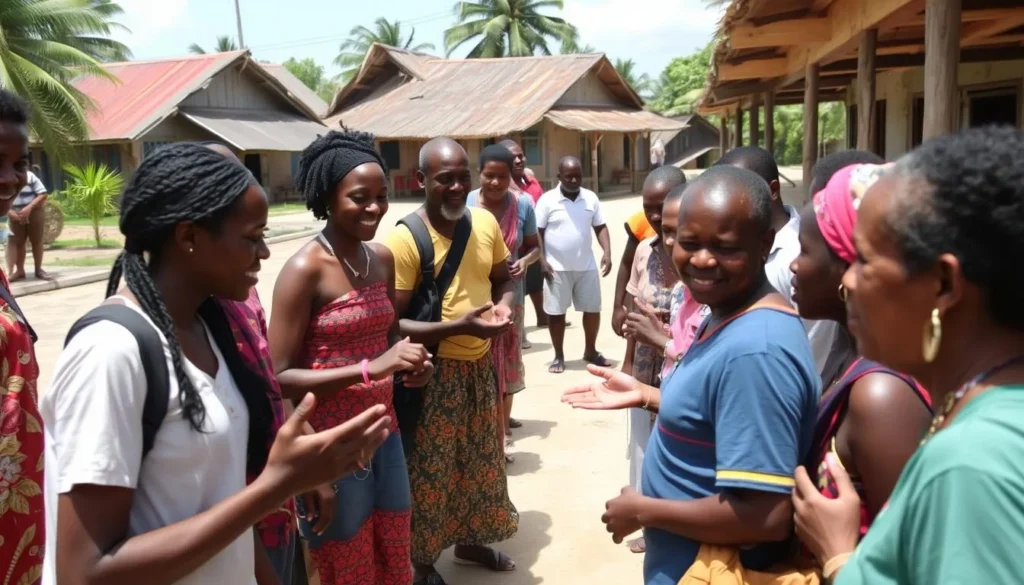
Wakenaam Island is generally a safe destination with low crime rates and friendly locals. However, as with any travel destination, it’s important to be aware of safety considerations and respect local customs.
Safety Tips
- Always wear life jackets during boat journeys (most boat operators provide these)
- Protect against mosquitoes with repellent and long sleeves, especially at dawn and dusk
- Stay hydrated in the tropical heat
- Be cautious when swimming in the river due to currents and underwater obstacles
- Inform your accommodation of your plans when exploring independently
- Carry a basic first aid kit as medical facilities on the island are limited
Cultural Etiquette
- Ask permission before photographing people
- Dress modestly when visiting religious sites and rural communities
- Remove shoes when entering someone’s home or religious buildings
- Greet people with a handshake and direct eye contact
- Accept offers of food or drink when visiting homes as a sign of respect
Guyanese culture is relaxed and friendly, with a strong emphasis on hospitality. “Liming” (socializing and relaxing) is an important part of local culture, often involving food, drinks, and music. Don’t be surprised if you’re invited to join local gatherings – accepting is a great way to experience authentic Guyanese culture.
“The people of Wakenaam Island practice a hospitality that comes from the heart. Their warmth and generosity toward visitors is not a tourism strategy – it’s simply their way of life.”
Visitor Comments About Wakenaam Island
“My week on Wakenaam was like stepping back in time to a simpler, more connected way of life. The highlight was definitely joining a local family for their harvest celebration – they treated me like one of their own, sharing stories, food, and laughter. The emerald rice paddies stretching to the horizon created some of the most peaceful landscapes I’ve ever photographed.”
“As a Venezuelan, I found Wakenaam Island to be a fascinating cultural crossroads. The Dutch colonial influences blend with African, Indian, and indigenous traditions to create something uniquely Guyanese. Don’t miss taking a boat around the entire island at sunset – the changing colors reflecting on the Essequibo River created memories I’ll treasure forever.”
“Birdwatching on Wakenaam exceeded all my expectations! In just three days, I spotted 37 different species in the rice paddies and along the river edges. The locals were incredibly knowledgeable about the wildlife and eager to share their island’s natural treasures. If you’re looking for an authentic, off-the-beaten-path destination in South America, this is it.”
Practical Travel Tips
Money Matters
- The local currency is the Guyanese Dollar (GYD)
- There are no ATMs on Wakenaam Island
- Bring sufficient cash from Georgetown or Parika
- US dollars are sometimes accepted but at unfavorable rates
- Credit cards have very limited acceptance on the island
Communication
- Purchase a local SIM card in Georgetown for better connectivity
- Major mobile providers include GTT and Digicel
- Wi-Fi is limited on the island and may be unreliable
- Download offline maps before traveling to the island
- English is the official language, though many locals speak Guyanese Creole
What to Pack
- Lightweight, breathable clothing
- Rain jacket or poncho (even in dry season)
- Insect repellent and sunscreen
- Water shoes or sandals for river activities
- Binoculars for wildlife watching
- Dry bags to protect electronics during boat journeys
- Reusable water bottle
- Basic medications and first aid supplies
Health Precautions
- Consult your doctor about malaria prophylaxis
- Ensure routine vaccinations are up to date
- Consider yellow fever vaccination (required if entering from certain countries)
- Drink only bottled or purified water
- Purchase comprehensive travel insurance
Your Untouched Caribbean Escape Awaits
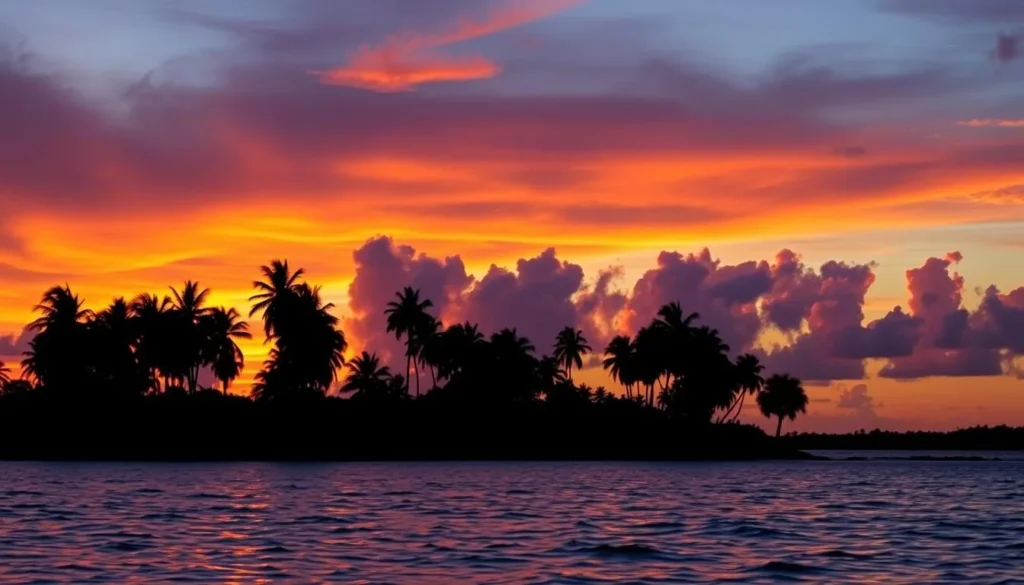
Wakenaam Island represents a rare opportunity to experience a corner of the Caribbean that remains largely untouched by mass tourism. From the emerald rice paddies that stretch across the landscape to the warm hospitality of its people, this hidden gem in the Essequibo River offers authentic experiences that are increasingly hard to find in our globalized world.
As you navigate the mighty Essequibo and step onto Wakenaam’s shores, you’ll discover a place where time moves at a different pace – where nature’s rhythms and community connections still form the foundation of daily life. Whether you come for the birdwatching, the cultural immersion, or simply to escape the familiar tourist trail, Wakenaam Island rewards the adventurous traveler with memories that will last a lifetime.



0 Comments