
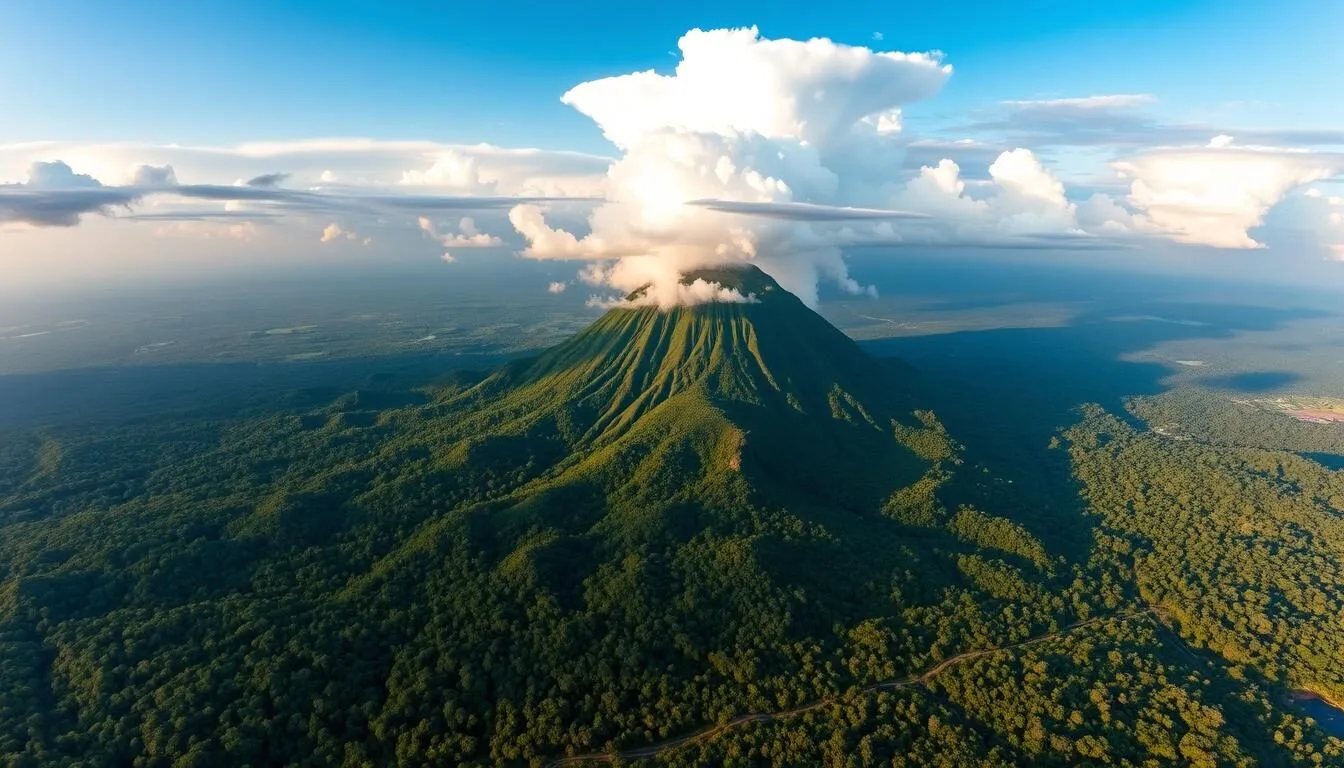
Did you know that Waukauyengtipu in Guyana receives fewer international visitors in an entire year than Machu Picchu welcomes in a single day? This hidden gem in South America’s only English-speaking country offers some of the most pristine rainforest experiences on the planet. With 80% of its territory covered by untouched tropical forest, Guyana represents one of the last frontiers for authentic eco-tourism and adventure travel.
Getting There & Planning Your Journey
Reaching Waukauyengtipu requires some planning, but the journey is part of the adventure. The closest international gateway is Cheddi Jagan International Airport (GEO) near Georgetown, Guyana’s capital. There are no direct flights from most European or North American cities, so you’ll typically connect through Caribbean hubs like Trinidad and Tobago or through Miami or New York from the US.

From Georgetown, you’ll need to arrange a domestic flight to Kamarang or Paruima, the closest airstrips to Waukauyengtipu. Trans Guyana Airways and Air Services Limited operate small aircraft to these remote locations. The flight itself is an experience, offering spectacular views of Guyana’s rainforest canopy and savannah landscapes.
After reaching the airstrip, you’ll continue by 4×4 vehicle and then on foot with local guides. This multi-stage journey is why most travelers opt to book through experienced tour operators who can handle all the logistics of reaching this remote destination.
Best Time to Visit & Weather Tips
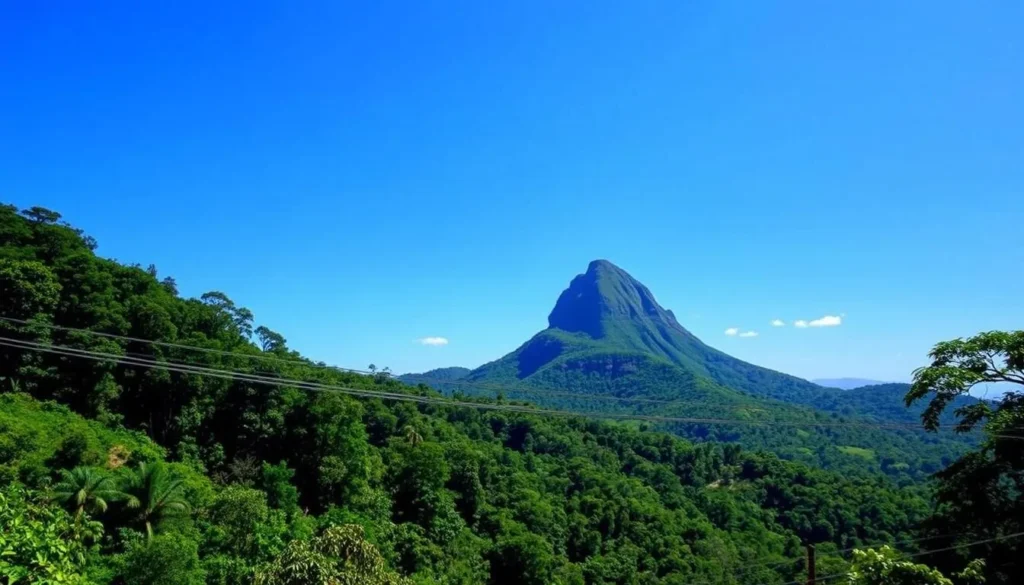
Guyana has a tropical climate with distinct wet and dry seasons that affect accessibility to Waukauyengtipu and the overall experience.
Recommended Months to Visit:
Best Period: Late August to November
- Dry season with minimal rainfall
- Trails are more accessible
- Better visibility for photography
- Temperatures average 26-30°C (79-86°F)
- Lower water levels make river crossings easier
Secondary Option: February to March
- Brief dry window between rainy seasons
- Fewer visitors than peak season
- Lush vegetation from previous rains
- Temperatures around 25-28°C (77-82°F)
- Good wildlife viewing opportunities
Months to Avoid:
- April to July: Main rainy season with heavy downpours making trails muddy and impassable
- December to January: Secondary rainy season with unpredictable weather patterns
Pack lightweight, quick-drying clothing regardless of when you visit. The humidity remains high year-round, hovering between 80-90%. Waterproof bags for electronics and important documents are essential even during the dry season, as brief afternoon showers can occur unexpectedly.
Getting Around Locally
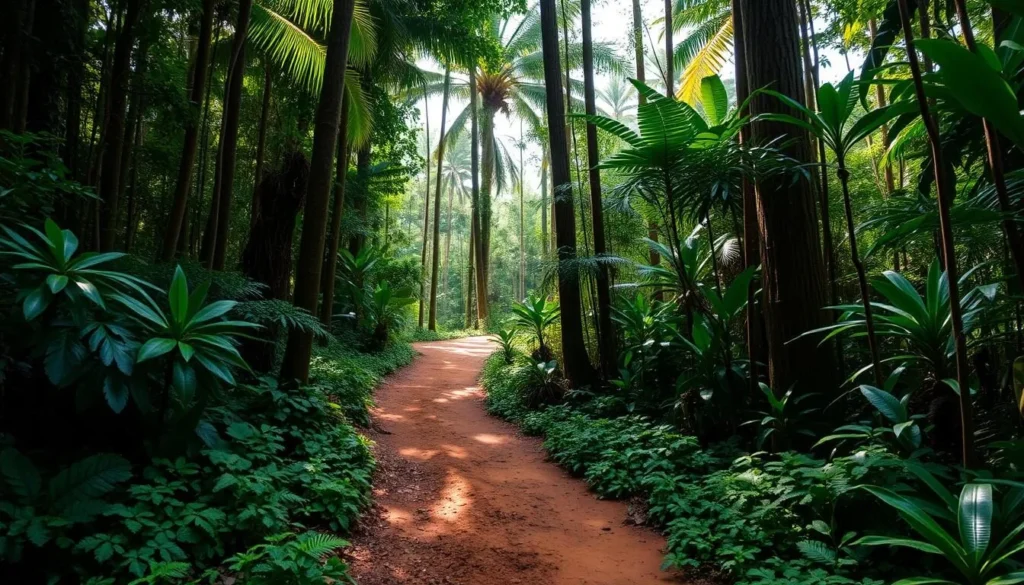
Transportation around Waukauyengtipu is primarily on foot along forest trails. The region’s remote nature means there are no public transportation options or rental vehicles available locally.
Local Transportation Options:
- Guided Hikes: The primary way to explore, with knowledgeable local guides leading you through forest trails
- River Travel: Dugout canoes (called “corials”) navigate smaller waterways, while larger motorized boats travel on the main rivers
- 4×4 Vehicles: Limited to the few existing roads between villages and airstrips
Most visitors explore with indigenous guides from nearby communities who know the terrain intimately. These guides not only ensure your safety but also provide valuable insights into the ecosystem and cultural significance of different areas within Waukauyengtipu.
For longer journeys between different regions of Guyana, domestic flights are the most practical option. These small aircraft connect Georgetown with airstrips near Waukauyengtipu and other remote destinations throughout the country.
Where to Stay
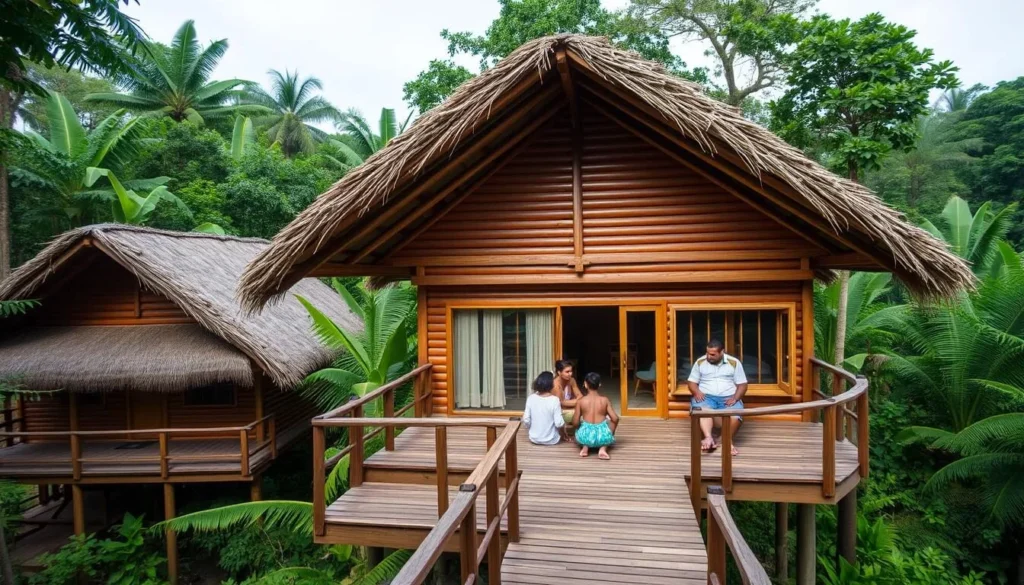
Accommodation options around Waukauyengtipu are limited but authentic, offering a genuine immersion into Guyana’s natural environment and indigenous cultures.
Lodging Options:
Community-Run Eco-Lodges
Basic but comfortable accommodations operated by indigenous communities. These lodges typically feature private rooms or bungalows with mosquito nets, shared bathroom facilities, and communal dining areas where locally-sourced meals are served.
Price range: $60-100 USD per night
Camping
For the adventurous traveler, guided camping expeditions allow you to sleep in hammocks under the stars. Tour operators provide all necessary equipment, including hammocks with mosquito nets, tarps for rain protection, and basic camping amenities.
Price range: Included in tour packages
Indigenous Village Homestays
Some local communities offer homestay experiences where visitors can stay with families in traditional dwellings. These provide the most authentic cultural immersion but come with very basic amenities.
Price range: $30-50 USD per night
Most accommodations must be booked as part of a tour package, as they’re not typically listed on standard booking platforms. Electricity is often limited to certain hours via generators, and Wi-Fi is rarely available, allowing for a true digital detox.
Dining & Local Cuisine
The food experience in Waukauyengtipu is centered around fresh, locally-sourced ingredients prepared with traditional methods. Most meals are included in tour packages and served at your accommodation.
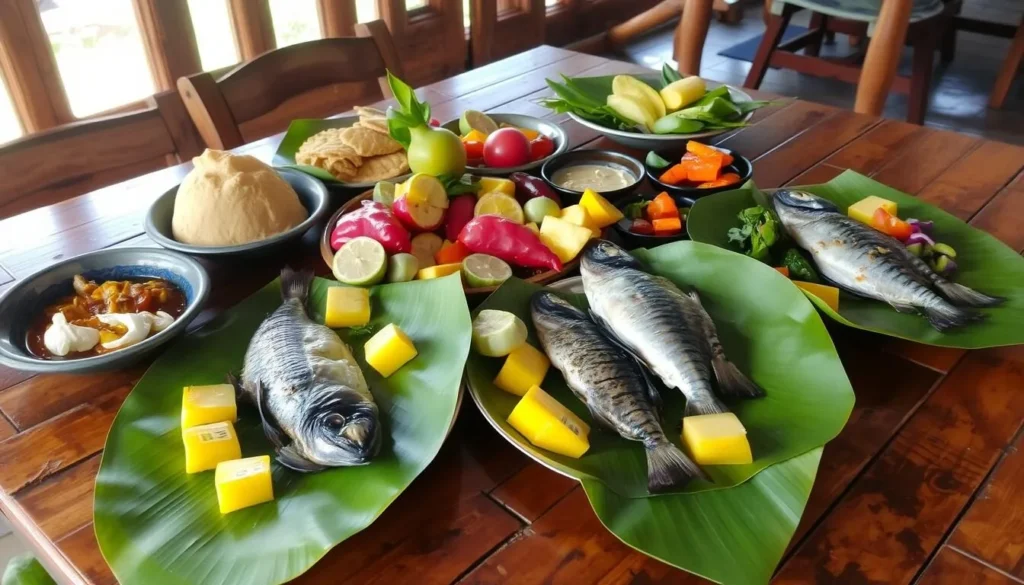
Must-Try Local Dishes:
- Cassava Bread: A staple made from grated cassava root, dried and baked into a flatbread
- Pepperpot: A rich, spicy stew made with meat, cassareep (cassava extract), and spices
- Fresh Fish: Locally caught fish prepared with indigenous herbs and spices
- Farine: Granulated cassava often added to soups or mixed with sugar and milk
- Tuma Pot: Fish cooked with onions, tomatoes, and local seasonings
- Bush Tea: Herbal teas made from local plants with medicinal properties
Meals are often communal affairs, bringing together travelers and guides to share stories and experiences. Many ingredients are harvested from the surrounding forest or grown in small gardens maintained by local communities. Fish is caught fresh from nearby rivers, and traditional preservation methods are used for meats and produce.
“The connection between food and culture is profound in Guyana. Every meal tells a story of the land, the people, and centuries of tradition.”
For those with dietary restrictions, it’s essential to communicate these well in advance when booking your tour. While accommodations can usually be made, the remote location means limited alternatives are available.
Attractions, Sightseeing & Activities
Waukauyengtipu offers a wealth of natural attractions and activities for the adventure-minded traveler. The region’s remoteness has preserved its pristine ecosystems and unique geological features.
Top Attractions in Waukauyengtipu:
Natural Wonders
- Waukauyengtipu Summit: The mountain’s flat-topped peak offers breathtaking panoramic views of the surrounding rainforest and savannah
- Hidden Waterfalls: Several spectacular waterfalls cascade down the mountain’s sides, many accessible only with local guides
- Oxbow Lakes: These crescent-shaped lakes host unique aquatic ecosystems and provide excellent wildlife viewing opportunities
Activities & Experiences
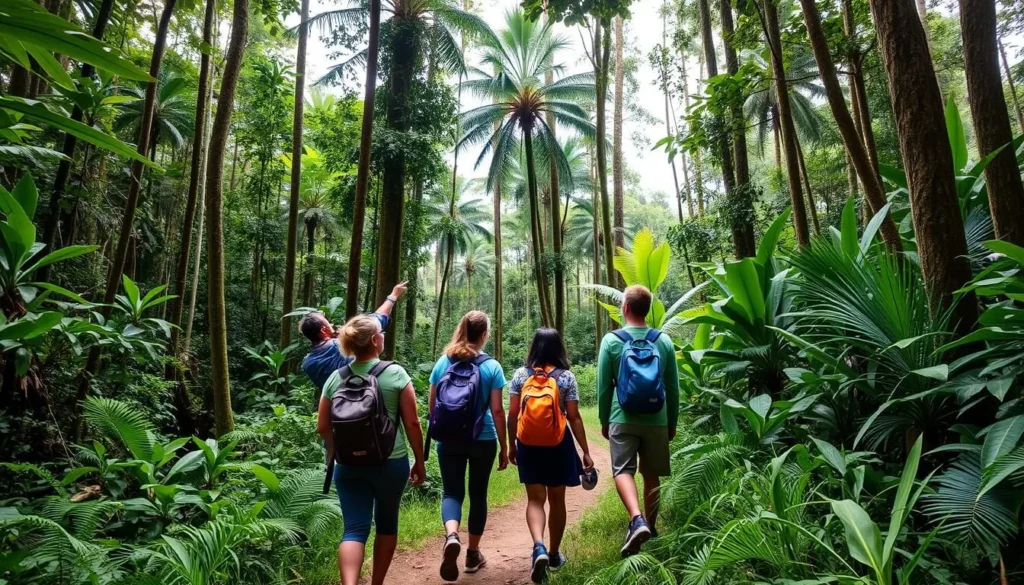
- Guided Rainforest Treks: Explore ancient trails through pristine forest with knowledgeable indigenous guides
- Bird Watching: Spot some of Guyana’s 800+ bird species, including the vibrant Guianan Cock-of-the-rock
- Night Spotting: Evening excursions to observe nocturnal wildlife like caimans, tree boas, and various amphibians
Must-Do Experiences:
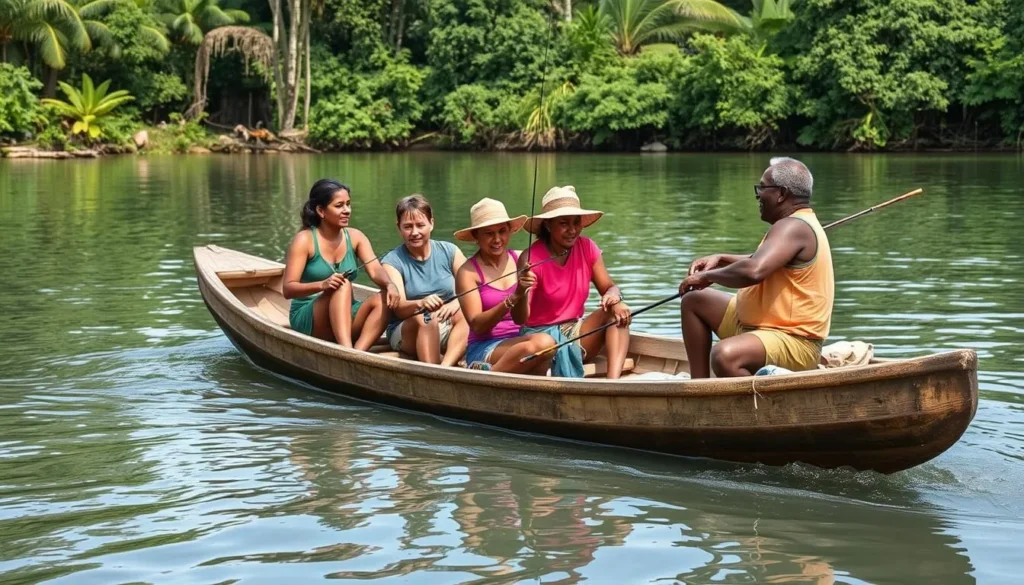
- Piranha Fishing: Try your hand at catching these famous fish using traditional techniques taught by local guides
- Canopy Walkway: Experience the rainforest from above on suspended bridges through the treetops
- Wildlife Tracking: Learn to identify animal tracks and signs with skilled indigenous trackers
- River Excursions: Navigate the waterways by traditional dugout canoe, spotting wildlife along the riverbanks
- Stargazing: With minimal light pollution, the night skies above Waukauyengtipu offer spectacular celestial views
Museums, Cultural Spots & Festivals
While traditional museums are not found in this remote region, the cultural experiences available provide deep insights into indigenous heritage and traditions.

Cultural Experiences:
- Indigenous Village Visits: Interact with Makushi or Patamona communities who maintain traditional ways of life
- Craft Demonstrations: Watch skilled artisans create intricate baskets, pottery, and beadwork using techniques passed down through generations
- Traditional Knowledge Workshops: Learn about medicinal plants, hunting techniques, and sustainable forest management from indigenous experts
- Cultural Performances: Experience traditional music, dance, and storytelling that preserve oral histories and cultural identity
Seasonal Festivals:
If your visit coincides with local celebrations, you may have the opportunity to witness or participate in traditional festivities:
- Harvest Celebrations: Usually held after cassava harvests, featuring traditional foods, music, and dance
- Heritage Month: September is Amerindian Heritage Month throughout Guyana, with cultural events in many indigenous communities
- Seasonal Rituals: Various ceremonies tied to natural cycles, hunting seasons, or spiritual practices
“Our traditions connect us to our ancestors and to the forest that sustains us. When visitors learn about our culture, they understand why protecting these lands is so important.”
Visitors should approach cultural experiences with respect and openness. Always ask permission before taking photographs of people or cultural activities, and be mindful of local customs and taboos explained by your guides.
Sports, Nature & Outdoor Experiences
Waukauyengtipu is a paradise for nature enthusiasts and adventure seekers, offering immersive outdoor experiences in one of the world’s most biodiverse regions.
Wildlife Encounters:
The region is home to an incredible diversity of species. With patience and the help of experienced guides, you may spot:
Mammals
- Giant river otters
- Howler monkeys
- Giant anteaters
- Capybaras
- Jaguars (rare but present)
Birds
- Harpy eagles
- Guianan Cock-of-the-rock
- Macaws and toucans
- Sunbittern
- Hoatzin (prehistoric-looking birds)
Adventure Activities:
- Hiking: Trails range from moderate walks to challenging multi-day treks through varied terrain
- Mountain Climbing: Guided ascents of Waukauyengtipu offer both challenge and reward
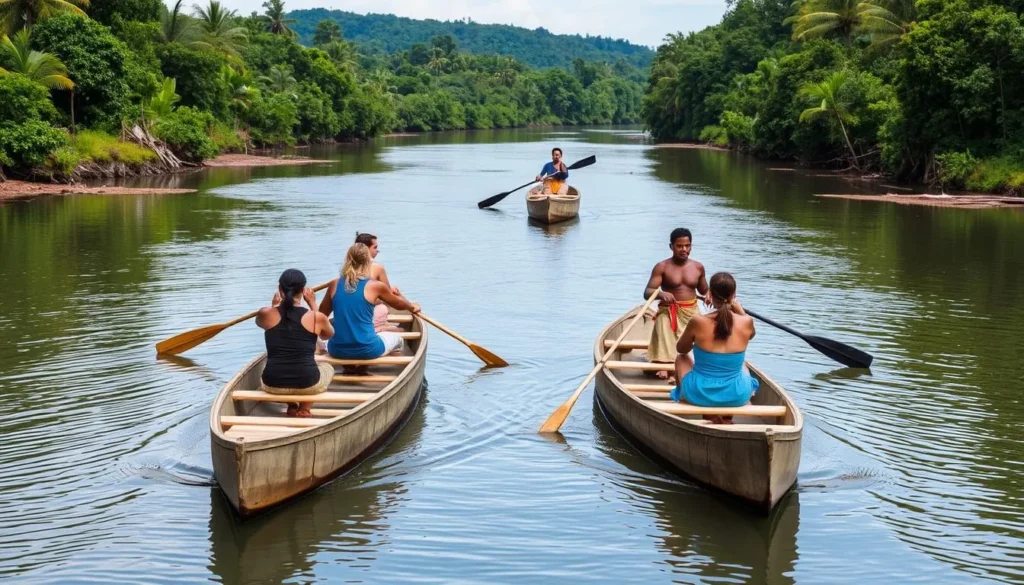
- Canoeing: Navigate the waterways in traditional dugout canoes, observing wildlife along the shores
- Swimming: Cool off in natural pools at the base of waterfalls (always check with guides for safety)
- Photography: Endless opportunities for nature, landscape, and wildlife photography
Ecological Highlights:
The Waukauyengtipu region features several distinct ecosystems:
- Tepui Habitat: The flat-topped mountain supports unique plant species adapted to its specific conditions
- Primary Rainforest: Ancient, undisturbed forest with towering trees and complex ecological relationships
- Riverine Environments: The waterways and their banks host specialized aquatic and semi-aquatic species
- Savannah Transitions: Where forest meets grassland, creating diverse edge habitats
Safety, Etiquette & Local Customs
Traveling responsibly in Waukauyengtipu means being prepared for remote conditions while respecting local communities and their traditions.
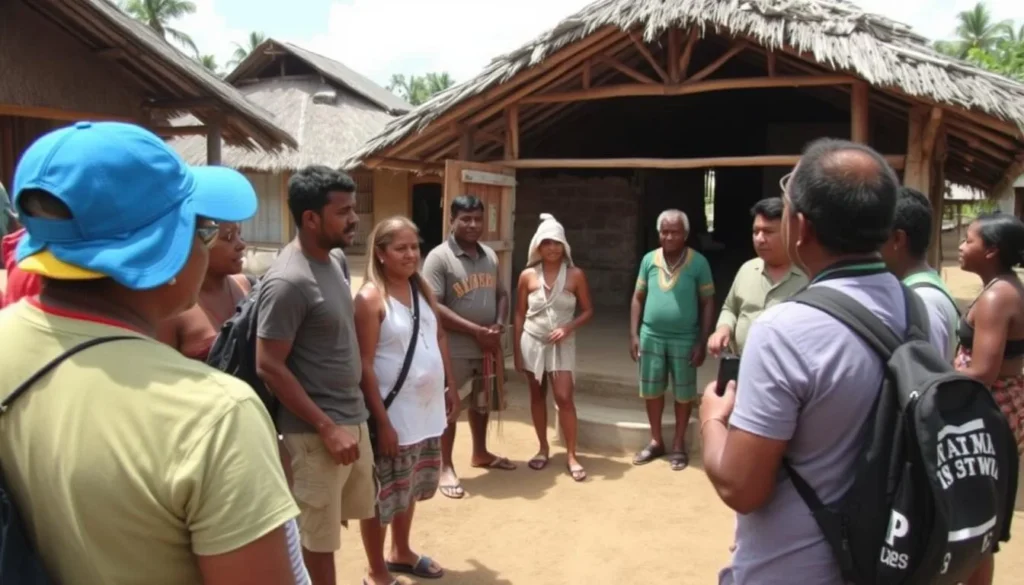
Safety Considerations:
- Medical Preparation: Bring basic medications, first-aid supplies, and any prescription medicines you need
- Vaccinations: Consult your doctor about recommended vaccinations for Guyana, which may include yellow fever, typhoid, and hepatitis A
- Insect Protection: Use effective insect repellent and wear long sleeves and pants, especially in evenings
- Hydration: Drink only purified or bottled water and stay well-hydrated in the tropical climate
- Guide Compliance: Always follow your guide’s instructions regarding wildlife, terrain, and safety procedures
Cultural Etiquette:
- Permission: Ask before photographing people, homes, or cultural activities
- Dress: Modest clothing is appropriate when visiting villages (shoulders covered, no short shorts)
- Gifts: If bringing gifts for communities, consult your tour operator about what’s appropriate and needed
- Resources: Be mindful of limited resources in remote communities (water, electricity, etc.)
- Language: Learn a few basic greetings in the local language as a sign of respect
Environmental Responsibility:
- Leave No Trace: Pack out all trash and minimize your impact on the environment
- Wildlife Distance: Maintain appropriate distances from wildlife for their safety and yours
- Conservation: Support local conservation initiatives through your tour choices
- Resource Use: Be conscious of water and energy consumption in this remote region
Important: Travel insurance with emergency evacuation coverage is essential when visiting remote areas like Waukauyengtipu. Medical facilities are extremely limited, and evacuation to Georgetown or beyond may be necessary in case of serious illness or injury.
Visitor Comments About Waukauyengtipu
“Our trek to Waukauyengtipu was the highlight of our South American adventures. The pristine rainforest and knowledgeable indigenous guides provided insights we couldn’t have gained anywhere else. Sleeping in hammocks under the stars while listening to the sounds of the forest is an experience I’ll never forget.”
“As a wildlife photographer, Waukauyengtipu exceeded all my expectations. In just four days, I spotted over 120 bird species and numerous mammals. The local guides have incredible knowledge of animal behavior and habitats. The journey is challenging but absolutely worth it for nature enthusiasts.”
“The cultural exchange with indigenous communities near Waukauyengtipu was profound. Learning traditional fishing techniques, medicinal plant uses, and participating in evening storytelling sessions gave us a deep appreciation for their sustainable way of life. This isn’t just a nature trip—it’s a life-changing perspective shift.”
Practical Travel Tips
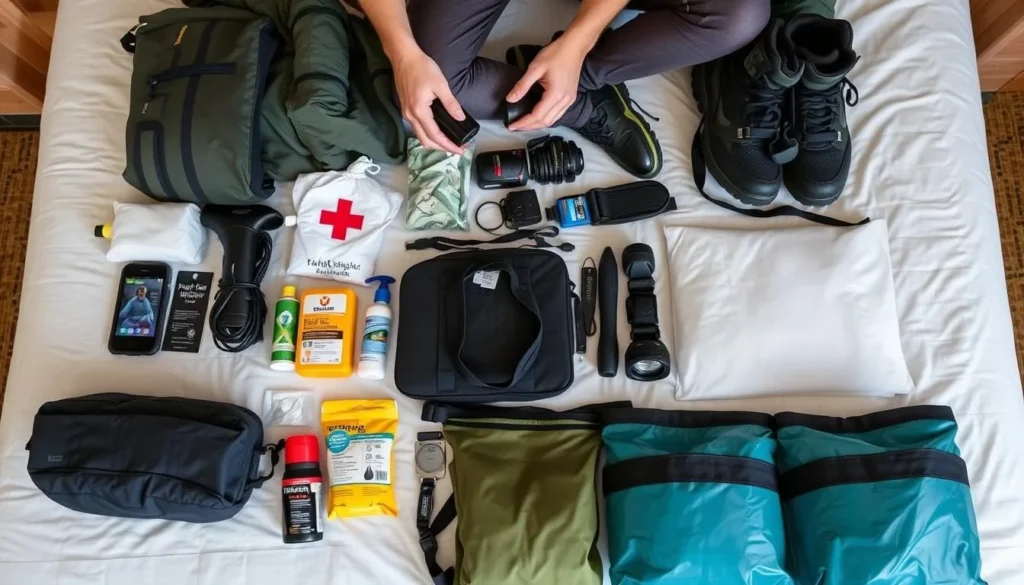
Essential Packing List:
Clothing & Gear
- Lightweight, quick-dry clothing (long sleeves/pants)
- Rain jacket or poncho
- Sturdy hiking boots (broken in before trip)
- Hat with brim for sun protection
- Bandanas or buffs (multiple uses)
- Headlamp or flashlight with extra batteries
- Dry bags for electronics and important items
Health & Safety
- High-quality insect repellent (with DEET)
- Sunscreen (reef-safe recommended)
- Personal first-aid kit
- Water purification tablets or filter
- Anti-malarial medication (if prescribed)
- Rehydration salts
- Hand sanitizer
Communication & Money:
- Connectivity: There is no cell service or internet in Waukauyengtipu. Inform family/friends of your itinerary before departing Georgetown
- Currency: Bring Guyanese dollars (GYD) in cash, as there are no ATMs in remote areas
- Tipping: Budget for tips for guides and lodge staff (10-15% is customary)
- Emergency Contact: Your tour operator should provide emergency protocols and contact information
Documentation:
- Passport: Valid for at least six months beyond your stay
- Visa: Check requirements based on your nationality (many Western countries receive visa-free entry)
- Travel Insurance: Essential, with coverage for emergency evacuation
- Vaccination Records: Carry proof of required vaccinations, especially yellow fever
The Call of the Untamed Wilderness
Waukauyengtipu represents one of the last truly pristine wilderness experiences available to modern travelers. In an age of overtourism and Instagram hotspots, this remote corner of Guyana offers something increasingly rare: genuine adventure, authentic cultural exchange, and the humbling experience of nature at its most magnificent and untamed.
The journey may not be easy, but those who make the effort to reach Waukauyengtipu are rewarded with experiences that few will ever know—dawn mists rising from ancient forests, the calls of creatures found nowhere else on Earth, and the wisdom of indigenous peoples who have lived in harmony with this land for countless generations.
As you plan your journey to this extraordinary destination, remember that you’re not just a visitor but a temporary guardian of one of our planet’s most precious and vulnerable ecosystems. Travel with respect, curiosity, and an open heart, and Waukauyengtipu will reveal its wonders in ways that will transform your understanding of the natural world and your place within it.
The above is subject to change.
Check back often to TRAVEL.COM for the latest travel tips and deals.


0 Comments