Hotels by Trip.com
Flights by Trip.com
Did you know that Salatiga is one of Indonesia’s oldest cities, with a founding date officially recognized as July 24, 750 AD? This charming small town in Central Java holds the distinction of being mentioned in a 1,200-year-old stone inscription, making it one of the earliest documented settlements in the region. Despite its rich history and strategic location between major Javanese cities, Salatiga remains a hidden gem that offers travelers a perfect blend of cultural experiences, natural beauty, and small-town hospitality away from Indonesia’s more crowded tourist destinations.
Salatiga, Indonesia: Best Things to Do – Top Picks
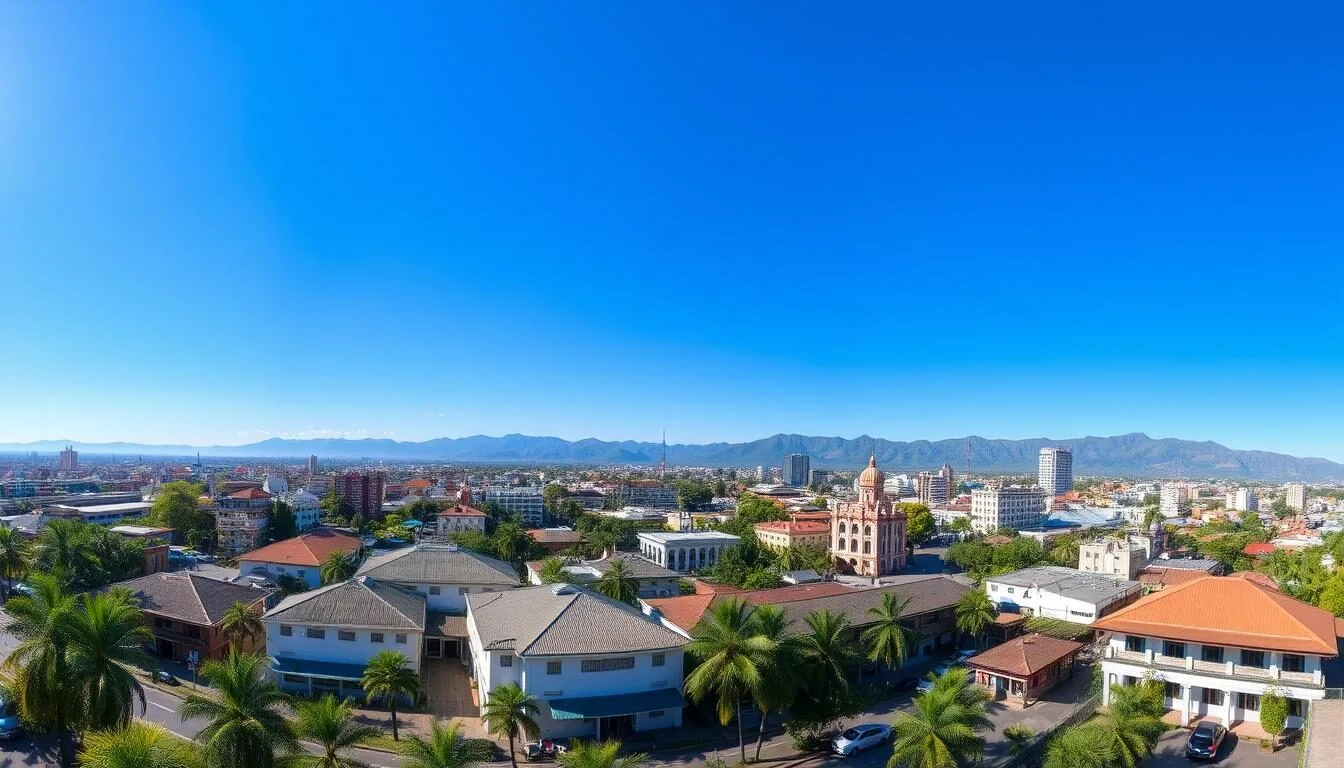
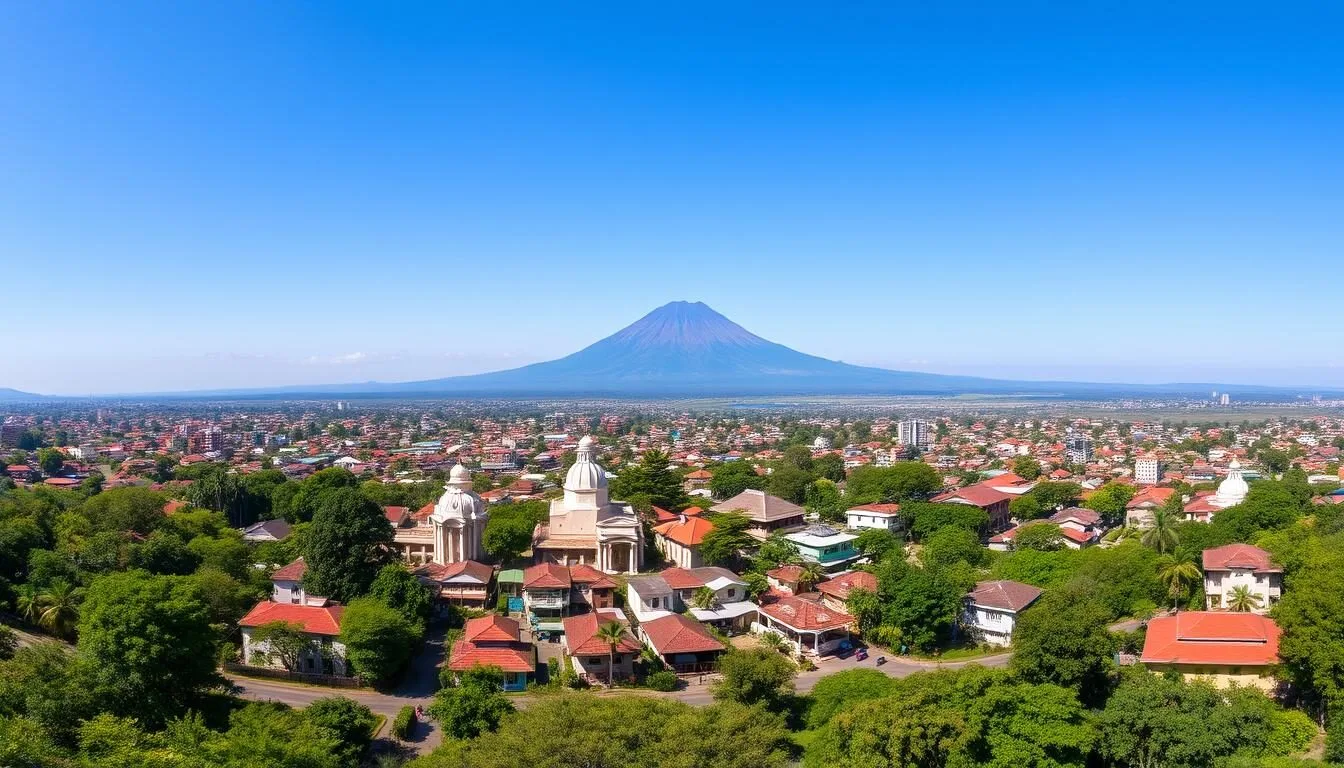
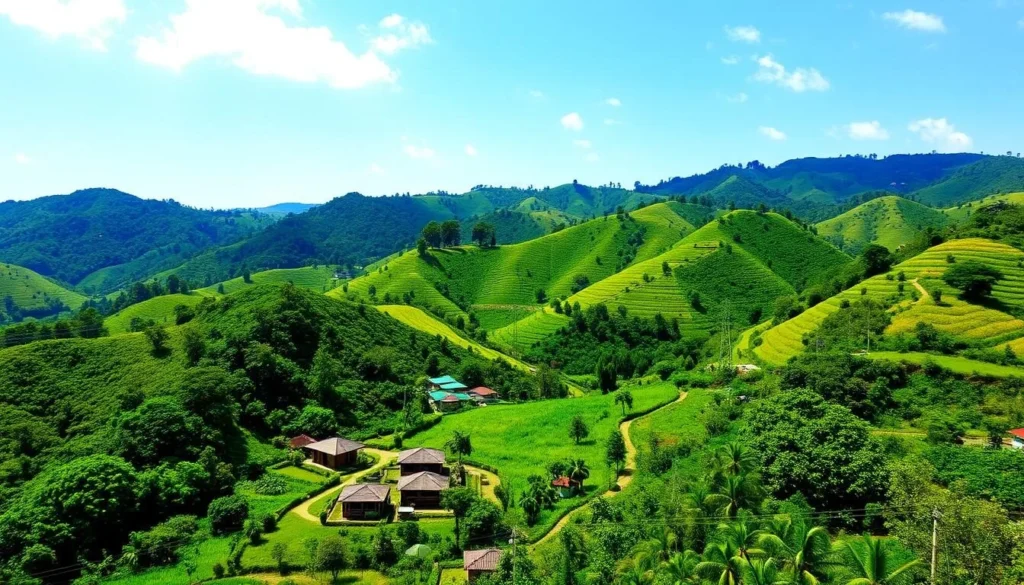
Nestled in the highlands of Central Java at an average altitude of 600 meters (1,968 feet) above sea level, Salatiga offers a refreshingly cool climate compared to Indonesia’s coastal cities. With a population of around 190,000, this compact city serves as an excellent base for exploring Central Java’s natural and cultural attractions while providing a glimpse into authentic Indonesian life outside the major tourist centers.
Known as both an “education town” thanks to its prestigious Universitas Kristen Satya Wacana and a “retirement town” for its pleasant living conditions, Salatiga balances small-town charm with enough amenities to keep visitors comfortable. Its strategic location—halfway between Semarang and Solo, and just two hours from Yogyakarta—makes it an ideal stopping point on a Central Java itinerary or a destination in its own right.
Getting There & Planning Your Journey
Salatiga is conveniently located in Central Java, making it accessible from several major Indonesian cities. While the town doesn’t have its own airport, several transportation options make reaching this highland gem relatively straightforward.
By Air
The closest airport to Salatiga is Ahmad Yani International Airport (SRG) in Semarang, approximately 40 kilometers (25 miles) away. From the airport, you can arrange a taxi at the exit hall counter for a fixed price to Salatiga. The journey takes about 1-1.5 hours depending on traffic. If you prefer to take the toll road, note that the toll fee will be added to your fare.
By Bus
Frequent buses connect Salatiga to major cities in Java. From Yogyakarta, the journey takes approximately three hours, while from Solo or Semarang, expect about one hour of travel time. Bus operators serving the Semarang-Solo route include Rajawali, Safari, Taruna, and Ismo. The main bus terminal in Salatiga is Tingkir Terminal, located in the southern part of town.
For those planning longer journeys, overnight services to Bali are available from Tingkir Terminal. Gunung Harta departs around noon with an estimated arrival in Denpasar by 8:00 AM, while Pahala Kencana leaves around 3:00 PM, arriving in Denpasar by 11:00 AM the next day.
By Car
Salatiga is located on the main road connecting Semarang and Solo, making it easily accessible by car. If you’re driving from Semarang via the Semarang-Solo Toll Road, take the Bawen exit rather than the Tingkir exit, as the latter is too far south from the town center.
Best Time to Visit & Weather Tips
Salatiga enjoys a milder climate than many Indonesian cities thanks to its elevation of 600 meters (1,968 feet) above sea level. This makes it a pleasant destination year-round, though certain seasons offer better conditions for specific activities.
Dry Season (May to October)
The dry season is generally considered the best time to visit Salatiga. During these months, you can expect:
- Less rainfall and more sunny days
- Temperatures ranging from 20-28°C (68-82°F)
- Excellent conditions for outdoor activities and mountain trekking
- Better visibility of Mount Merbabu and surrounding landscapes
- Busier tourist periods, especially in July and August
Wet Season (November to April)
The wet season brings regular rainfall to Salatiga, but visits are still possible with some considerations:
- Frequent afternoon showers, occasionally lasting several hours
- Slightly warmer temperatures, averaging 22-30°C (72-86°F)
- Lush, vibrant landscapes as vegetation thrives
- Fewer tourists and potentially lower accommodation rates
- Some outdoor activities may be limited or require flexible scheduling
Month-by-Month Climate
| Month | Avg. Temperature | Rainfall | Recommendation |
| January-February | 22-29°C (72-84°F) | Heavy | Indoor activities recommended |
| March-April | 22-29°C (72-84°F) | Moderate | Good with flexible plans |
| May-June | 20-28°C (68-82°F) | Light | Excellent for all activities |
| July-August | 19-27°C (66-81°F) | Minimal | Ideal (Peak Season) |
| September-October | 21-28°C (70-82°F) | Light | Excellent for all activities |
| November-December | 22-29°C (72-84°F) | Moderate to Heavy | Possible with indoor alternatives |
Regardless of when you visit, Salatiga’s highland climate means evenings can be cool, so packing a light jacket or sweater is advisable year-round.
Getting Around Locally
Navigating Salatiga is relatively straightforward due to its compact size. Several transportation options are available to help you explore the town and its surrounding attractions.
✓ Check 30,000+ Local Sightseeing Tours Worldwide
Public Transport
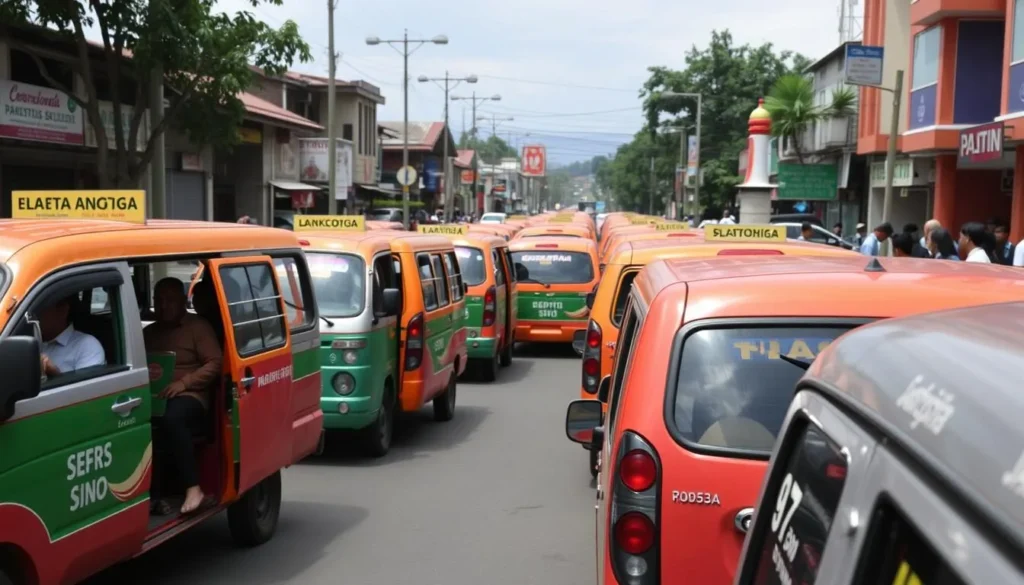
Salatiga has a network of angkota (mini-van) public transport lines that are numbered for different routes. A single ride costs approximately Rp3,000 for adults and Rp2,000 for students. Note that public transport is not permitted to travel through the main market road (Jalan Jenderal Sudirman) due to congestion, though the market and shops along this street are within walking distance from the minibus routes.
Taxis
Salatiga has its own taxi operator, Galaksi Taksi. Their main stand is located in front of Grand Hotel Wahid, and they can be contacted at 0298 326762 or 7182777. Taxis provide a convenient option for reaching destinations not served by public transport or when traveling with luggage.
Car Rental
Several car rental services in town offer vehicles with drivers, though most drivers may not speak English. Having your own vehicle provides flexibility to explore both the town and surrounding attractions like Mount Merbabu, Gedong Songo Temples, and Ambarawa Railway Museum.
Walking
Salatiga’s town center is compact enough to explore on foot. Walking allows you to experience the town’s colonial architecture, local markets, and everyday life at a leisurely pace. The main shopping area along Jalan Jenderal Sudirman and the town square (Lapangan Pancasila) are particularly suitable for walking tours.
Where to Stay: Accommodation Options
Salatiga offers a range of accommodation options to suit different budgets and preferences. From luxury resorts to budget-friendly guesthouses, visitors can find comfortable places to stay while exploring this charming Central Java town.
Luxury Accommodations
For travelers seeking premium experiences, Salatiga offers several upscale options:
- Kayu Arum Resort – A luxury resort hidden in a residential area with complete privacy. The owner made his fortune exporting furniture, and the property reflects this with exquisite wooden elements throughout.
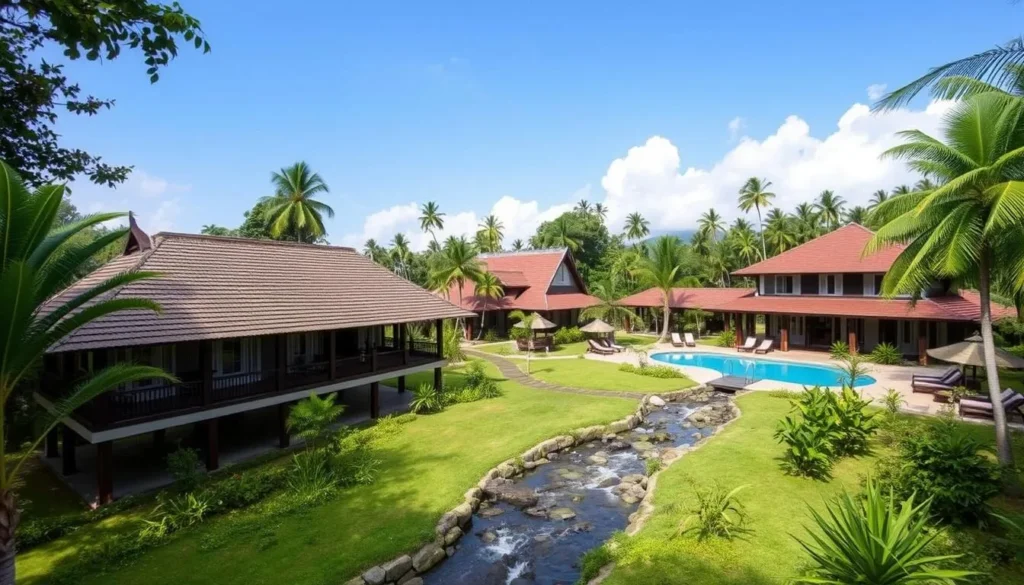
- Laras Asri Resort and Spa – Set on 2.4 hectares of land with a brook running through it, this beautifully designed resort features Javanese-style architecture, tropical gardens, and comprehensive facilities including a spa, swimming pools, and tennis courts.
- Griya Tetirah – A boutique hotel located halfway between the town square and the main shopping street, offering a more intimate luxury experience.
Mid-Range Options
Several comfortable mid-range accommodations provide good value:
- Grand Hotel Wahid – A high-rise city hotel near Ramayana mall and the post office, featuring an outdoor pool and convenient taxi stand in front.
- Le Beringin Hotel – Long considered Salatiga’s foremost hotel, it offers colonial-style rooms with verandas in the original building, plus newer rooms in a modern high-rise addition.
- Salib Putih Hotel – Originally announced as a youth hostel, this property has evolved into a comfortable hotel popular for meetings and leisure stays, located on the slope of Mount Merbabu.
Budget Accommodations
Budget-conscious travelers can find several affordable options:
- Hotel Kalimang – Built with Javanese style features adjacent to rice fields, offering a rustic cafe and rooftop gazebo with views of Mount Merbabu.
- Hotel Surya Indah – A well-renovated budget hotel on the main road to Semarang, about 1.5 kilometers from the university.
- Wisma Tamu UKSW – The university’s guesthouse, which also welcomes guests not connected to the university, centrally located between the town square and the main shopping street.
Unique Stays
For those seeking something different, consider these unique options:
- Oase van Java – Dutch and Indonesian-owned property in a traditional Javanese hamlet on the lower slopes of Mount Merbabu, featuring a lush garden with cozy gazebos and pool views over Rawa Pening lake.
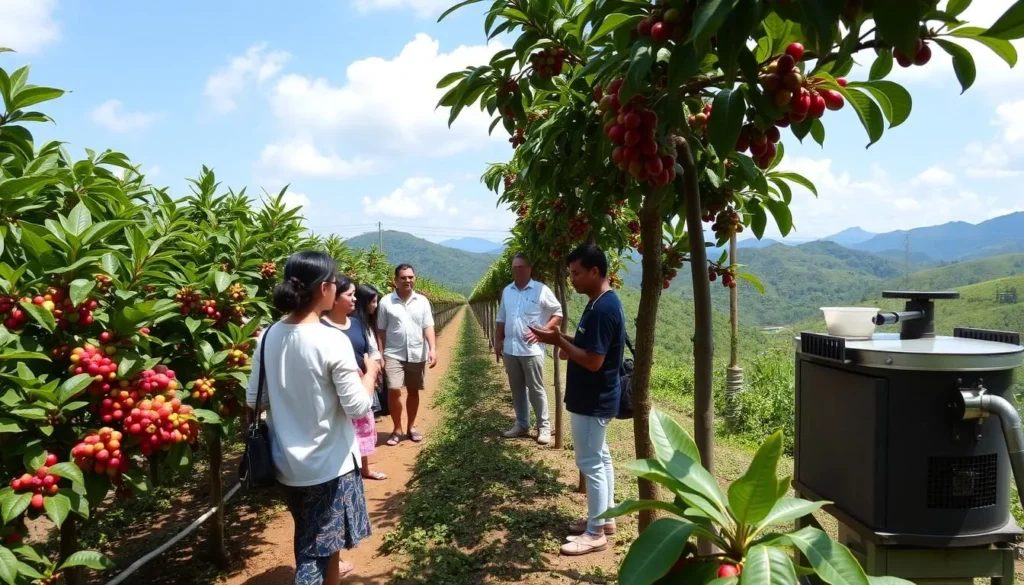
- Tlogo Agro Resort – Set in a 415-hectare coffee plantation, this resort offers bungalows among coffee shrubs and rooms in a two-story block. Room rates include a tour of the plantation and coffee-processing plant.
Dining & Local Cuisine
Salatiga offers a diverse culinary scene that ranges from authentic Javanese dishes to international cuisine. Food establishments are scattered throughout the town, with many affordable options concentrated around the university area.
Local Specialties
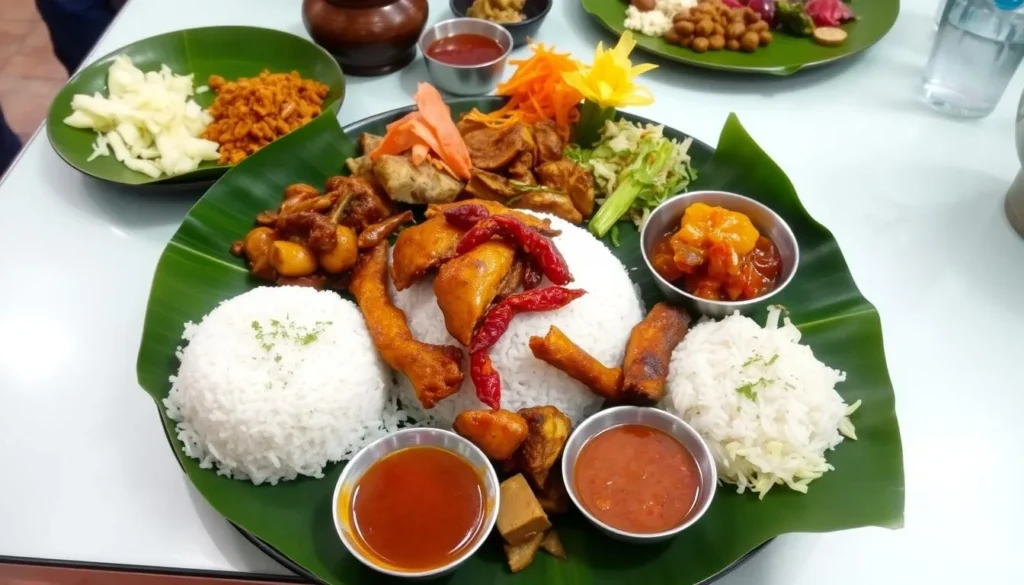
When visiting Salatiga, be sure to try these local and regional specialties:
- Nasi Liwet – Rice cooked in coconut milk with chicken and vegetables, a Central Javanese specialty.
- Mie Bandung – A local favorite at the restaurant of the same name on Jalan Pemotongan, serving chicken noodles and “nasi tim” (soft steamed rice with chicken and soy sauce topping).
- Es Campur – A sweet dessert drink consisting of tape (sweet fermented cassava), pearl balls, black “cincau” cubes, agar-agar, sometimes with mung beans, served with syrup, crushed ice, and sweetened condensed milk.
- Grilled Fish – In nearby Tuntang district, close to Rawa Pening lake, you’ll find a group of lesehan (sitting cross-legged on the floor) restaurants specializing in freshly grilled fish.
Recommended Restaurants
Salatiga offers a variety of dining establishments to suit different tastes and budgets:
Javanese & Indonesian Cuisine
- Warung Joglo “Bu Rini” – Popular among locals for tasty Javanese cuisine with modest prices and portions. Enjoy paddy field views despite being within town.
- Bale Raos – Javanese cuisine served in a traditional Javanese ambience, located on the ring road.
- Mina Kencana – The name means ‘goldfish’, specializing in various fish species fresh from their own ponds.
International & Fusion Options
- The Bizztro – Expat-run restaurant near the International School, offering special coffees and good western dishes.
- Manna Resto – Specializes in home-made pizza (though pasta dishes are less recommended).
- Nyonya King’s – Chinese restaurant belonging to Le Beringin Hotel.
Coffee & Unique Dining Experiences
Central Java is known for its coffee culture, and Salatiga offers several unique dining experiences:
- Kampoeng Kopi Banaran – Restaurant in a roadside recreational area run by a coffee plantation. Try their special Javanese coffee blend.
- Lotus Coffee and Resto – Garden restaurant on a hillside on the road to Kopeng, offering scenic views with your meal.
- Cafe Ole – Features a gorgeous in-town garden, though the food (Western, Indonesian, Chinese) may not match the setting’s quality.
Most restaurants in Salatiga serve non-alcoholic drinks, which tend to be sweet. For budget dining, the eateries around the university offer good value, with many meals costing under Rp30,000 ($2 USD).
Attractions, Sightseeing & Activities
Despite its small size, Salatiga and its surrounding areas offer a variety of attractions that showcase both natural beauty and cultural heritage. The town’s strategic location makes it an excellent base for exploring Central Java’s highlights.
Historical & Cultural Sites
Explore Salatiga’s rich history through these significant sites:
- Salatiga’s White House (Gedung Putih) – Perhaps the best-preserved colonial house in Salatiga, formerly the residence of the Javanese governor. Now used mainly for ceremonial purposes, it’s located on the southeastern corner of Lapangan Pancasila, the town square.
- Karesidenan – Another fine colonial building, the former official residence of the Dutch “assistent resident” and now the official residence of Salatiga’s mayor.
- Plumpungan Monolith – The oldest written record of people living in the Salatiga area, dating back to 750 AD. According to the inscription, King Bhanu designated the village Hampran to be exempt from taxes.
- Chinese Temple (Klenteng) – A traditional Chinese place of worship that reflects the cultural diversity of Salatiga.
Natural Attractions
The areas surrounding Salatiga boast impressive natural landscapes:
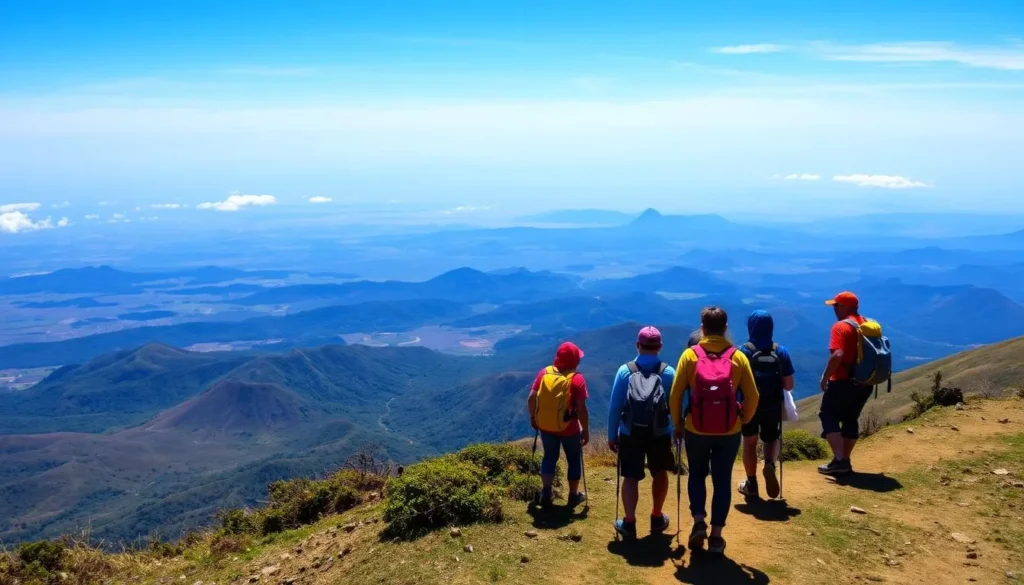
- Mount Merbabu – At 3,142 meters (10,308 feet), this dormant volcano offers rewarding hiking experiences. The most popular route starts from the mountain resort of Kopeng, a half-hour drive from Salatiga.
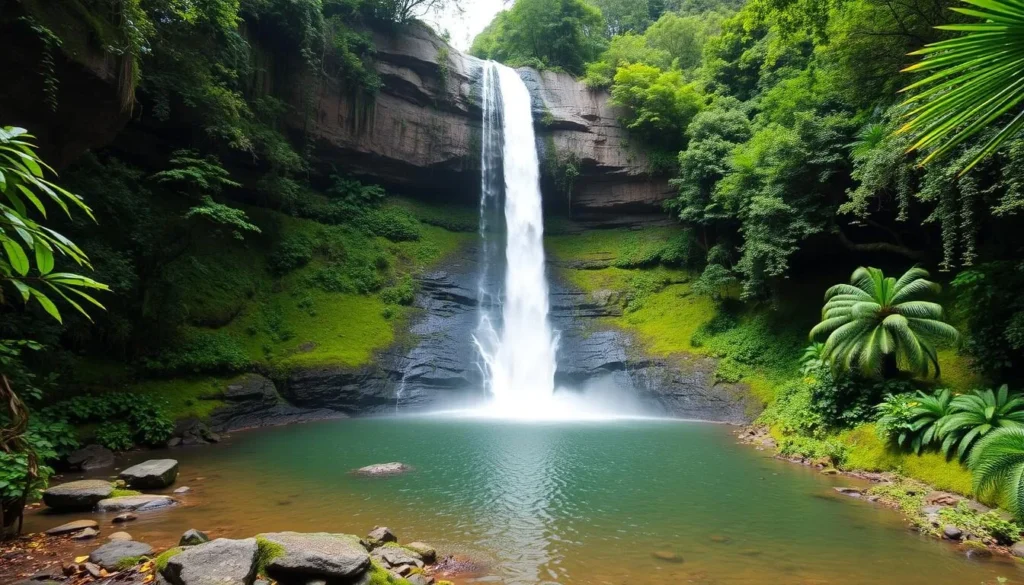
- Kali Pancur Waterfall – Located in a deep valley of Telomoyo mountain, this relatively unspoiled waterfall requires descending more than 850 steps. Best visited in the rainy season, early after sunrise.
- Rong Hill Lookout – Located within Tlogo Plantation, this lookout with restaurant offers great views over Rawa Pening lake towards nearby mountains and volcanoes.
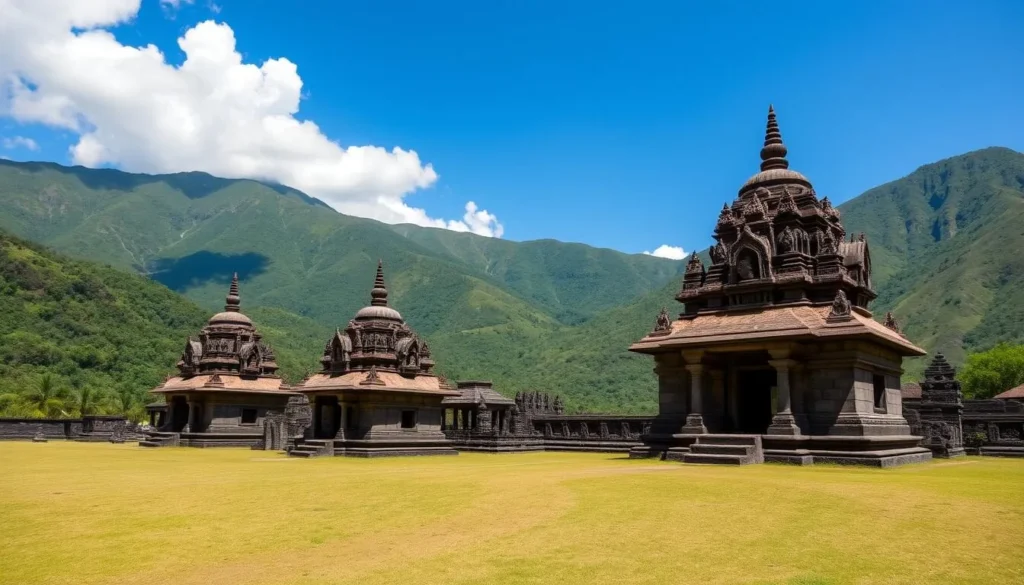
- Ngempon Temple and Hot Spring – Three nicely restored little temples similar to those of Gedong Songo, located in a valley at the confluence of two rivers. Cross the river by a steel bridge to reach a hot spring where locals come to bathe.
Day Trips from Salatiga
Salatiga’s central location makes it perfect for exploring these nearby attractions:
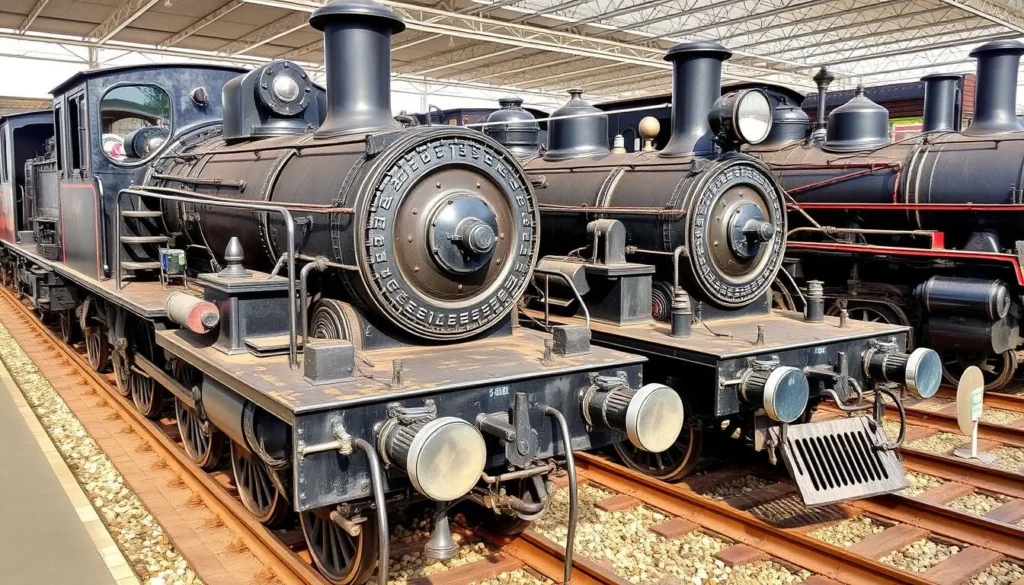
- Ambarawa Railway Museum – Officially named Indonesian Railway Museum (IRM), it’s the largest of its kind in Southeast Asia. The heritage collection includes 26 steam locomotives, 4 diesel locomotives, and 6 wagons, some maintained in serviceable condition for recreational rides.
- Gedong Songo Temples – These small Hindu temples are among the most ancient in Java, located in an Archaeological Park on the forested southern slope of Ungaran mountain.
- Mount Merapi – Indonesia’s most active volcano can be accessed from Salatiga, with travel time to the New Selo base camp about the same as from Yogyakarta.
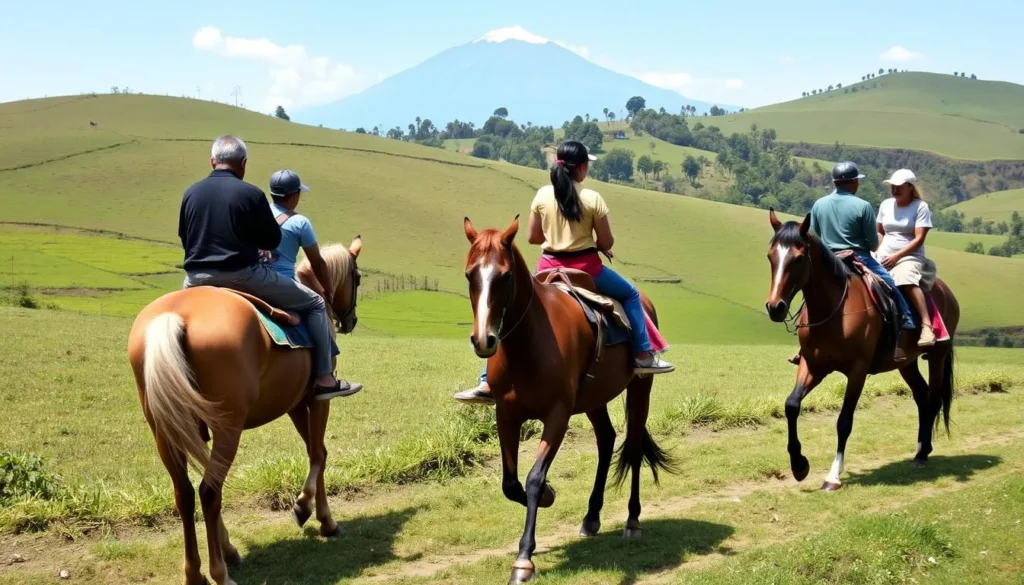
- Havana Horses – Discover Central Java’s countryside on horseback at this equestrian center that also offers lessons in grooming and natural horsemanship.
Museums, Cultural Spots & Festivals
Salatiga’s rich cultural heritage is reflected in its museums, educational institutions, and traditional celebrations. Visitors interested in Indonesian culture will find several opportunities to deepen their understanding of local traditions and history.
Museums & Educational Institutions
Explore these cultural and educational highlights:
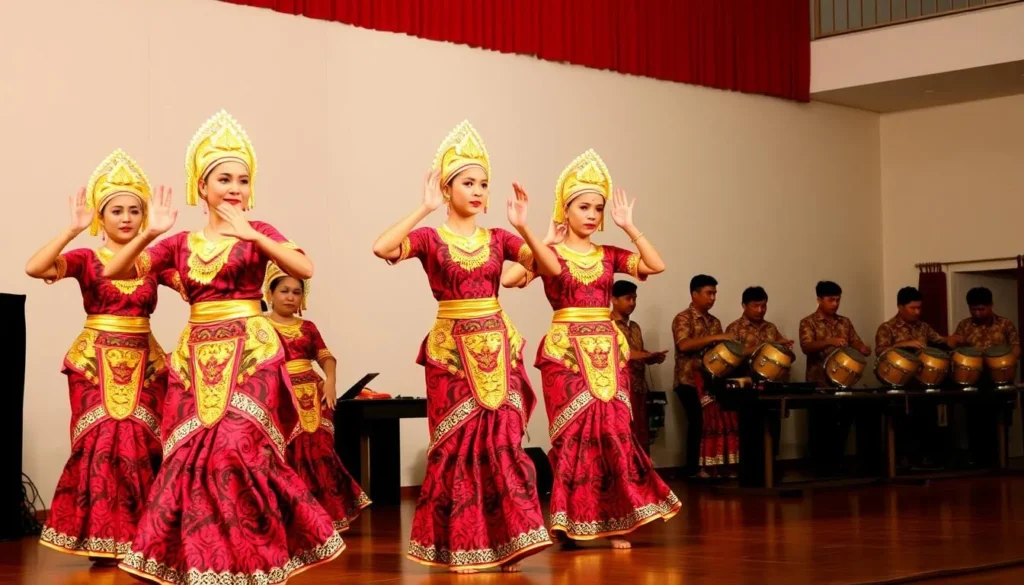
- Universitas Kristen Satya Wacana – Founded in 1956, this prestigious university is central to Salatiga’s identity as an “education town.” The university offers intensive Indonesian language courses for foreigners, and its Department of Performing Arts hosts several free music performances throughout the year.
- Ambarawa Railway Museum – Beyond its collection of locomotives, this museum provides insights into Indonesia’s railway history and colonial past. Located about 30 minutes from Salatiga.
- Colonial Architecture – While not formal museums, Salatiga’s preserved colonial buildings like the White House (Gedung Putih) and Karesidenan offer glimpses into the town’s history under Dutch influence.
Cultural Events & Festivals
Depending on when you visit, you might experience these cultural celebrations:
- Salatiga Anniversary – Celebrated on July 24th, commemorating the town’s founding in 750 AD. The festivities typically include parades, traditional performances, and special markets.
- University Performances – Throughout the year, Universitas Kristen Satya Wacana’s Department of Performing Arts hosts various cultural performances, including traditional Javanese dance, music, and theater.
- Traditional Ceremonies – The villages surrounding Salatiga occasionally hold traditional ceremonies following the Javanese calendar. These authentic cultural events offer insights into local beliefs and practices.
Local Arts & Crafts
Salatiga and its surrounding areas maintain several traditional crafts:
- Batik – While not as famous for batik as Yogyakarta or Solo, local artisans produce distinctive batik patterns that can be purchased as souvenirs.
- Woodworking – Reflecting Salatiga’s history in the furniture export business, skilled woodworkers create both traditional and contemporary pieces.
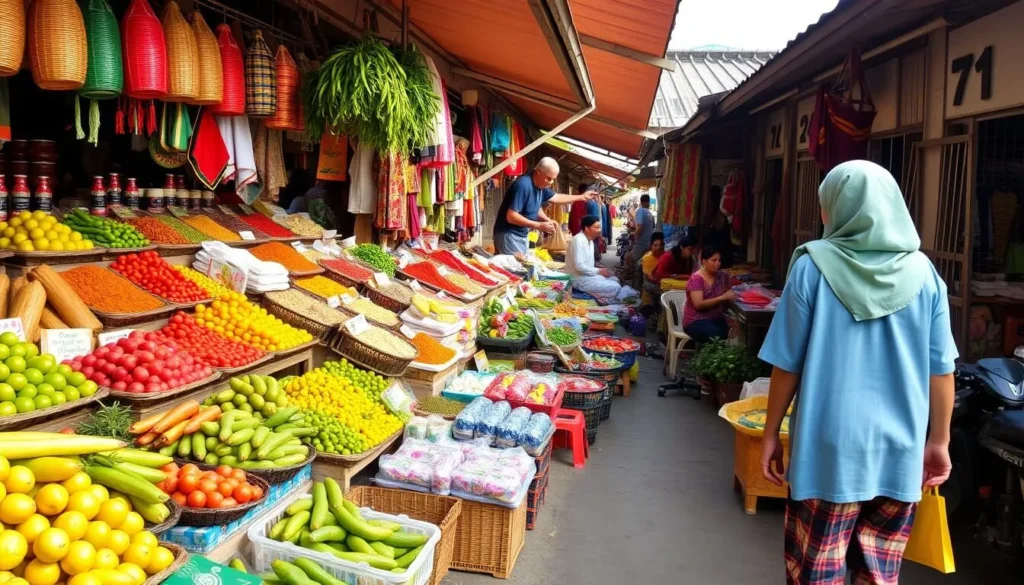
- Traditional Markets – Explore local markets to find handcrafted items, textiles, and food products that showcase regional specialties.
Sports, Nature & Outdoor Experiences
Salatiga’s pleasant climate and strategic location near several mountains make it an excellent destination for outdoor enthusiasts. From challenging volcano treks to gentle nature walks, the region offers diverse activities for all fitness levels.
Mountain Trekking & Hiking
The mountains surrounding Salatiga offer excellent trekking opportunities:
- Mount Merbabu – The most rewarding route to the summit (3,142 meters/10,308 feet) starts from Kopeng, just a half-hour drive from Salatiga. There are two base camps: Tekelan at 1,550 meters (5,085 feet) and Cuntel at 1,650 meters (5,413 feet). A trained climber should allow about five hours to reach the summit.
- Mount Merapi – Indonesia’s most active volcano can be accessed from Salatiga, with travel time to the New Selo base camp comparable to the journey from Yogyakarta. Take a bus to Boyolali, then a minibus to Selo village.
- Nature Trails – Several less strenuous hiking paths can be found around Salatiga, particularly in the foothills of the surrounding mountains, offering beautiful views and encounters with local flora and fauna.
Horseback Riding & Cycling
Explore Central Java’s countryside through these activities:
- Havana Horses – This equestrian center offers guided horseback rides through the countryside, as well as lessons in grooming and natural horsemanship. Their horses walk unshod and are ridden without bit or spurs.
- Cycling Routes – The roads connecting Salatiga to surrounding villages and natural attractions make for pleasant cycling excursions. The varied terrain offers options for both casual riders and more experienced cyclists.
Water Activities
Several water-based attractions are accessible from Salatiga:
- Kali Pancur Waterfall – While not large enough for swimming, this waterfall offers a refreshing natural bath after the challenging descent of over 850 steps.
- Ngempon Hot Spring – Located near the Ngempon temples, this natural hot spring is popular with locals for its therapeutic properties.
- Rawa Pening Lake – Visible from the Rong Hill lookout, this large lake offers fishing opportunities and boat rides through floating water hyacinth gardens.
Safety, Etiquette & Local Customs
Salatiga is generally a safe and welcoming destination, but understanding local customs and practicing appropriate etiquette will enhance your experience and show respect for the local culture.
Safety Considerations
Salatiga is relatively safe for travelers, but standard precautions are advisable:
- Keep valuables secure and be aware of your surroundings, especially in crowded areas like markets.
- When hiking in the surrounding mountains, always inform someone of your plans and ideally travel with a guide or group.
- Carry a copy of your identification documents and keep originals in a secure location.
- For health concerns, Salatiga has several clinics and pharmacies, though serious medical issues may require travel to larger cities like Semarang.
- The emergency number in Indonesia is 112, accessible through mobile phones.
Cultural Etiquette
Respecting local customs will enhance your interactions with Salatiga’s residents:
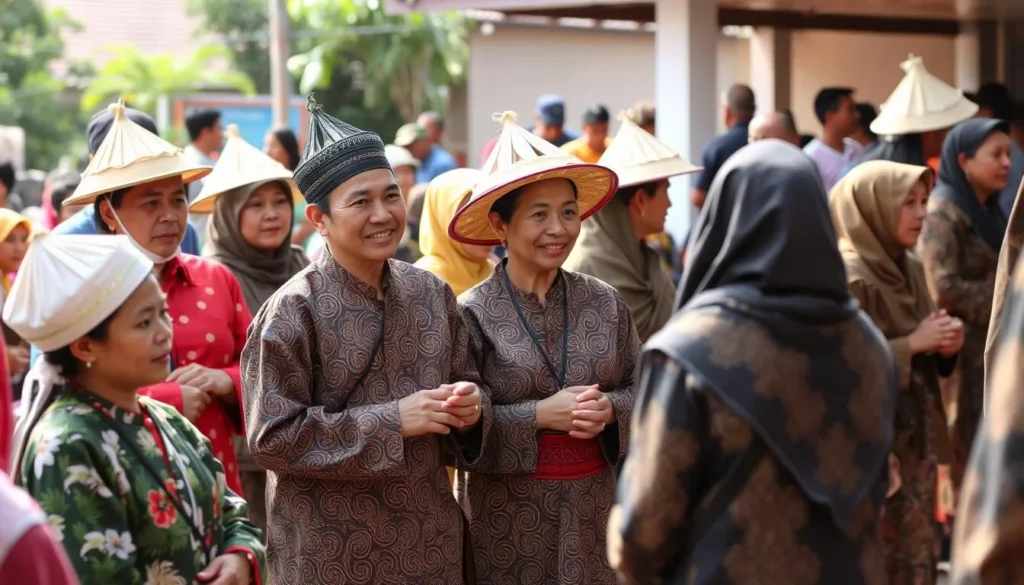
- Dress modestly, especially when visiting religious sites or rural villages. Shoulders and knees should generally be covered.
- Remove shoes before entering homes, temples, or certain buildings.
- Use your right hand for eating, giving, and receiving objects, as the left hand is considered unclean in Indonesian culture.
- A slight bow or nod when greeting people shows respect. Handshakes are common, though some conservative Muslims may avoid physical contact with the opposite gender.
- Speaking a few basic Indonesian phrases is greatly appreciated by locals, even if many in the education and tourism sectors speak some English.
Religious Considerations
Salatiga has a diverse religious population, with significant Muslim, Christian, and smaller Hindu and Buddhist communities:
- Respect prayer times and religious practices, particularly during holy months like Ramadan.
- When visiting religious sites, follow specific guidelines (covering hair in mosques, appropriate attire in temples and churches).
- Photography may be restricted in certain religious buildings; always ask permission before taking pictures.
- Salatiga is known for its religious harmony, with Christians and Muslims living peacefully side by side—a model that’s respected throughout Indonesia.
Practical Travel Tips
These final practical tips will help ensure your visit to Salatiga goes smoothly, from communication to money matters and essential services.
Communication
Staying connected in Salatiga:
- Language – Bahasa Indonesia is the official language, though Javanese is widely spoken locally. English is understood in tourist areas, hotels, and the university, but less so in rural areas.
- Mobile Coverage – Mobile coverage is generally good in Salatiga and surrounding areas. Major Indonesian providers include Telkomsel, XL Axiata, and Indosat.
- SIM Cards – Prepaid SIM cards are inexpensive and widely available. You’ll need your passport for registration.
- Internet – Many restaurants and cafes offer free Wi-Fi. Internet cafes (warnet) are also available throughout town.
Money Matters
Managing your finances in Salatiga:
- Currency – The Indonesian Rupiah (IDR) is the local currency. ATMs are available in town, but it’s advisable to carry some cash, especially when visiting rural areas.
- Banking – Several banks in Salatiga offer currency exchange services. ATMs accepting international cards are available at major banks and shopping areas.
- Costs – Salatiga is generally affordable by Western standards. Budget meals cost around Rp15,000-30,000 ($1-2 USD), mid-range accommodations range from Rp300,000-800,000 ($20-55 USD) per night.
- Tipping – Not strictly necessary in Indonesia, but appreciated for good service. Round up taxi fares or add 5-10% for restaurant service if not already included.
Essential Services
Important services for travelers:
- Post Office – Salatiga’s main post office is located near the town center. Opening hours typically follow general business hours: Monday to Friday from 8:00 AM to 4:00 PM, Saturdays from 8:00 AM to 1:00 PM, closed on Sundays.
- Healthcare – Several clinics and pharmacies are available in Salatiga. For serious medical issues, larger hospitals can be found in Semarang.
- Police – The emergency number for police is 110. Tourist police can provide assistance specifically for visitors.
- Tourist Information – While Salatiga doesn’t have a dedicated tourist office, hotels and the university can provide information about local attractions and services.
Is Salatiga worth visiting if I’m already going to Yogyakarta?
Yes, Salatiga offers a different experience from Yogyakarta. While Yogyakarta is known for its major cultural attractions like Borobudur and Prambanan temples, Salatiga provides a glimpse into authentic Central Javanese small-town life with fewer tourists. Its cooler climate, colonial architecture, and proximity to natural attractions like Mount Merbabu make it a worthwhile addition to your Central Java itinerary, especially if you’re looking to escape the heat and crowds of larger cities.
How many days should I spend in Salatiga?
A stay of 2-3 days is ideal for exploring Salatiga and its immediate surroundings. This allows time to experience the town itself, visit nearby attractions like the Ambarawa Railway Museum or Gedong Songo Temples, and perhaps undertake a day hike on Mount Merbabu. If you’re interested in a more comprehensive exploration of Central Java using Salatiga as a base, consider extending your stay to 4-5 days.
Do I need a guide to climb Mount Merbabu from Salatiga?
While not strictly necessary for experienced hikers, hiring a local guide is recommended for climbing Mount Merbabu, especially if you’re unfamiliar with the area or hiking in Indonesia. Guides typically cost around Rp500,000-700,000 ($35-50 USD) per day and can be arranged through your accommodation in Salatiga or at the base camps in Kopeng. They provide valuable knowledge about the trail conditions, weather patterns, and can enhance your experience with cultural and natural insights.
Conclusion
Salatiga may be small in size, but it offers travelers a rich tapestry of experiences that showcase the best of Central Java. From its pleasant highland climate and colonial architecture to its strategic location near volcanoes, temples, and natural attractions, this historic town provides an authentic glimpse into Indonesian life away from the well-trodden tourist path.
Whether you’re seeking outdoor adventures on Mount Merbabu, cultural insights at the university and colonial buildings, or simply a comfortable base to explore Central Java’s highlights, Salatiga welcomes visitors with its unique charm and hospitality. As one of Indonesia’s oldest documented settlements, the town bridges past and present, offering a journey through time alongside modern comforts and conveniences.
As you plan your Indonesian adventure, consider adding Salatiga to your itinerary—this hidden gem in Central Java might just become one of your most memorable destinations.