
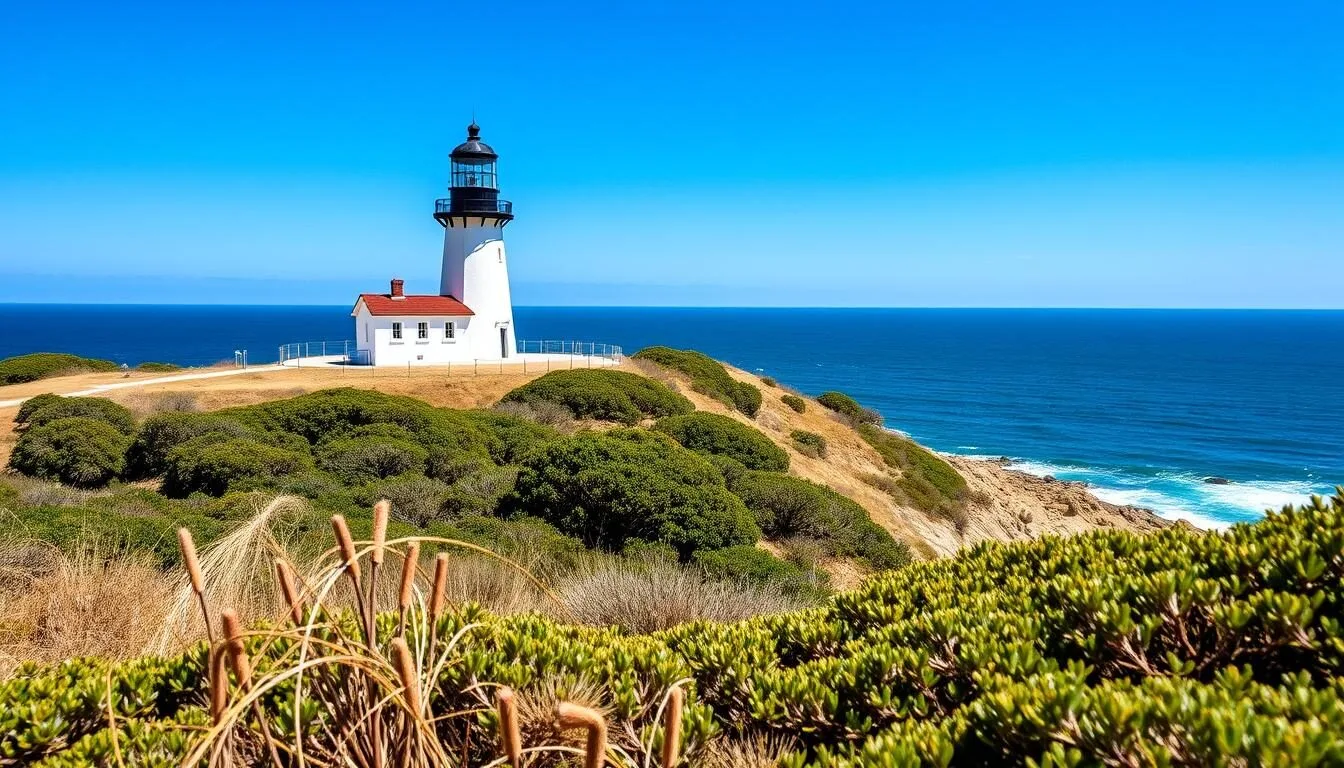
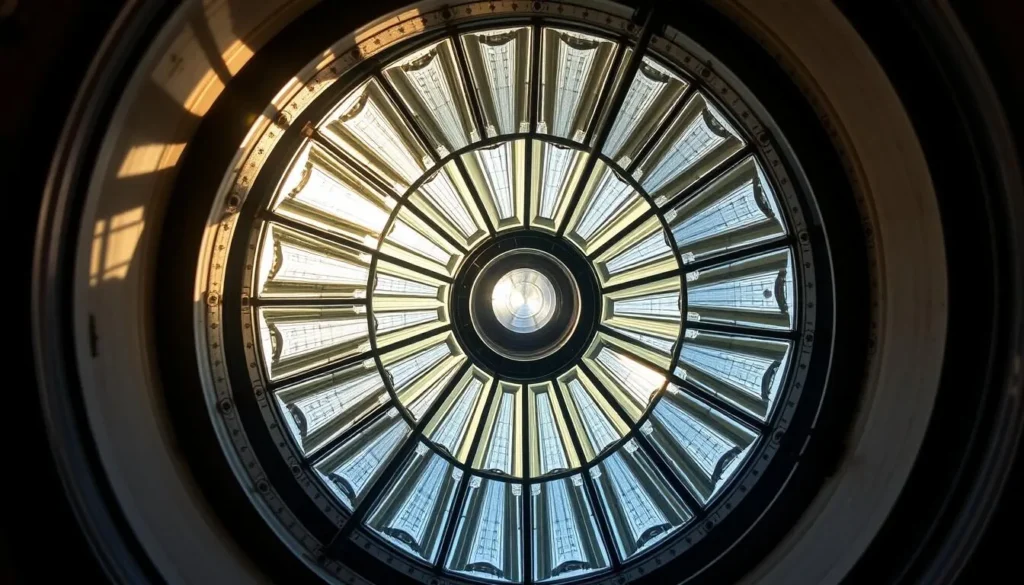
Did you know that the Point Cabrillo Light Station’s third-order Fresnel lens weighs a staggering 6,800 pounds and contains 90 handcrafted lead glass prisms? This engineering marvel has been guiding ships safely along California’s treacherous Mendocino coastline since 1909, flashing its distinctive beam every 10 seconds and visible up to 22 nautical miles (41 km) out to sea. Standing on this windswept headland today, you can experience one of the most complete and well-preserved light stations in the United States.
Getting There & Planning Your Journey
Point Cabrillo Light Station State Historic Park is located approximately 6.5 km (4 miles) north of the town of Mendocino on California’s northern coast. The nearest major airports are San Francisco International Airport (SFO) and Oakland International Airport (OAK), both about 280 km (175 miles) south of the park.
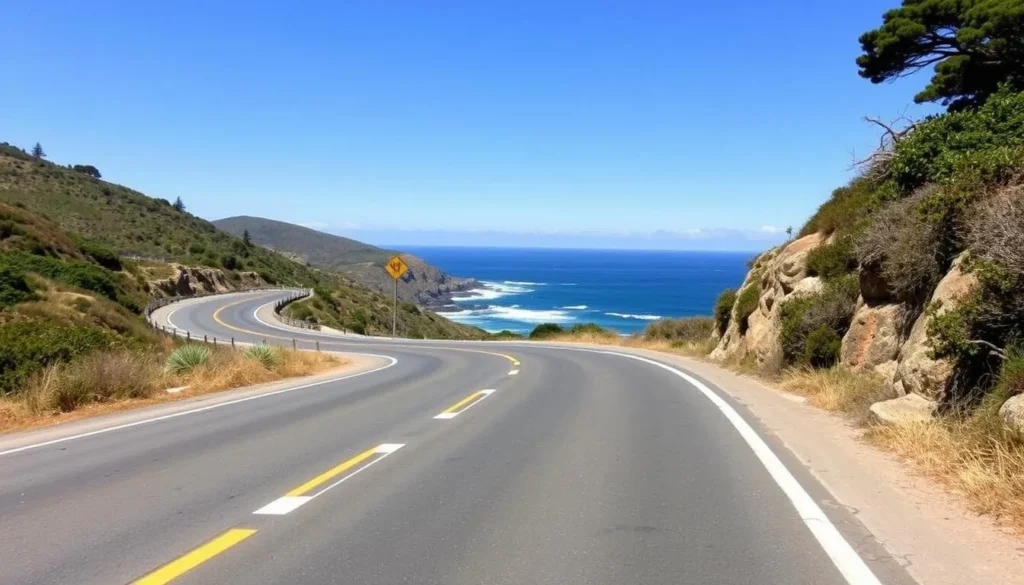
From San Francisco, take Highway 101 North to Highway 128 West at Cloverdale. Follow Highway 128 through the Anderson Valley to Highway 1 at the coast, then head north to Mendocino. From there, continue north on Highway 1 for about 6.5 km (4 miles) and look for the Point Cabrillo Drive turnoff on the coastal side.
Visitor Tip: The park has two parking areas. The upper lot requires a half-mile walk to the lighthouse, while visitors with disabled placards can drive down to the lower lot much closer to the lighthouse. The walk from the upper lot offers beautiful coastal views and is worth the extra time if you’re able.
Best Time to Visit & Weather Tips
The Mendocino coast enjoys a moderate maritime climate year-round, with average temperatures ranging from 10-18°C (50-65°F). Each season offers a different experience at Point Cabrillo Light Station State Historic Park.
Recommended Seasons:
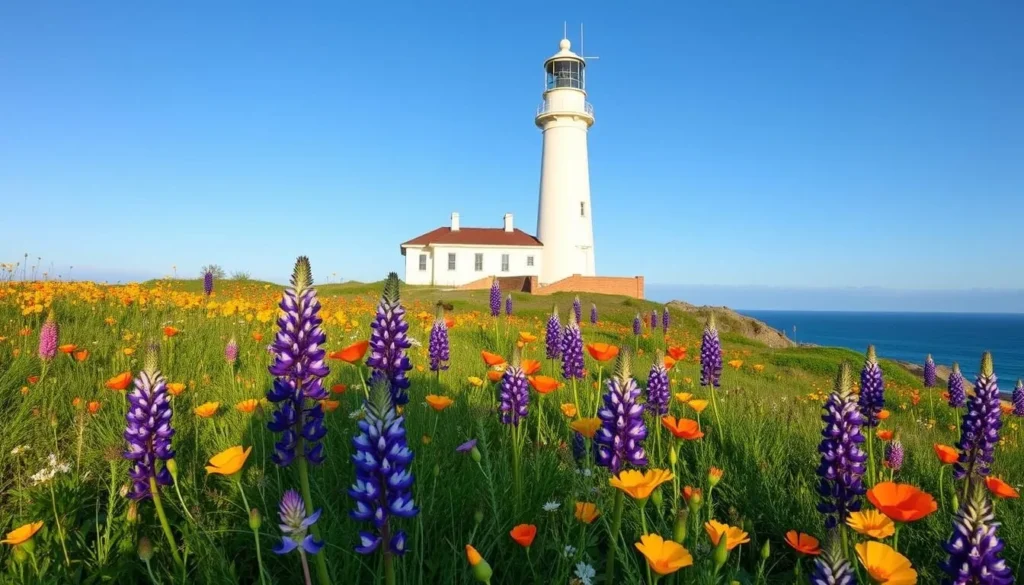
- Late Spring (May-June): Wildflowers bloom across the coastal prairie, creating a colorful landscape. Weather is typically mild with less fog.
- Summer (July-August): Peak tourist season with the warmest temperatures, though morning fog is common and typically burns off by midday.
- Fall (September-October): Often the clearest weather with fewer crowds. This is an excellent time for photography and whale watching as the first gray whales begin their southern migration.
Seasons to Avoid:
- Winter (December-February): While the dramatic storm-watching can be spectacular, heavy rains and strong winds can make visiting less pleasant. Some trails may be muddy or temporarily closed.
- Early Spring (March-April): Unpredictable weather with potential for heavy rainfall, though you might catch early wildflower blooms.
Regardless of when you visit, bring layers. The coastal weather can change quickly, and even summer days can be cool with strong ocean breezes. Fog can roll in unexpectedly, so check weather forecasts before your visit.
Getting Around Locally
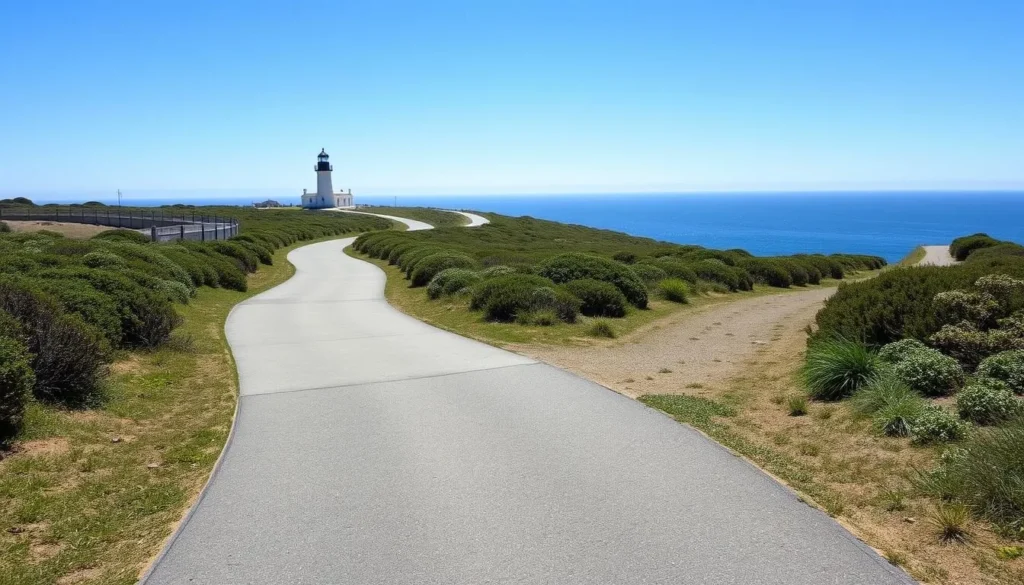
Point Cabrillo Light Station State Historic Park covers 270 acres of coastal bluffs and prairie. The main lighthouse complex is accessible via a half-mile walk from the upper parking lot on a gently sloping paved road. Those with mobility challenges can obtain permission to drive to the lower parking lot, which is much closer to the lighthouse.
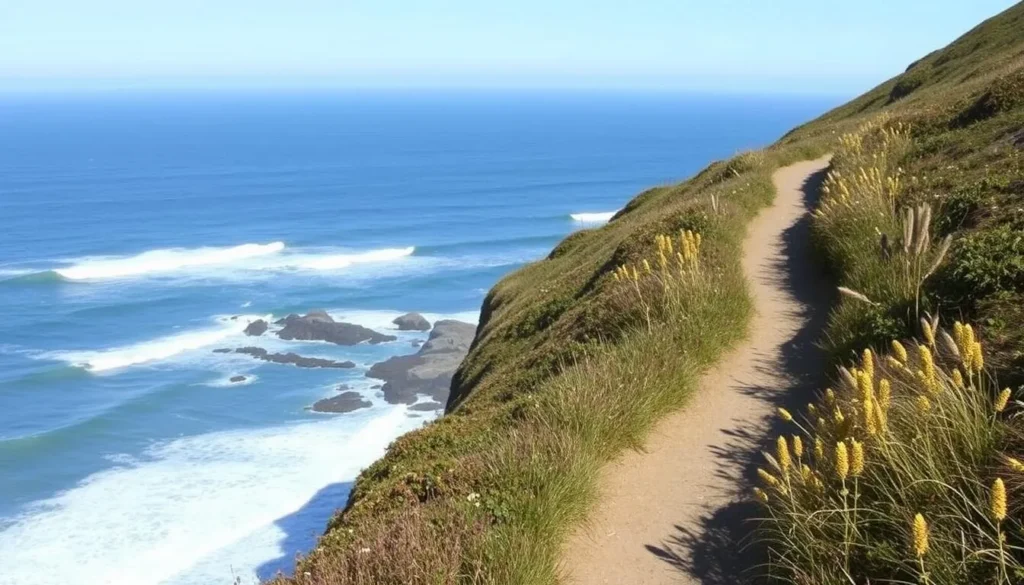
Within the park, several hiking trails allow you to explore the coastal prairie and bluffs. The South Trail and North Trail offer scenic views but are not fully wheelchair accessible. For those with limited mobility, the paved areas around the lighthouse complex provide the best access.
Accessibility Note: The main lighthouse visitor center has a ramped entry with a 3-inch threshold. The path from the lower parking lot to the lighthouse is paved and relatively flat, making it accessible for most visitors. Several accessible picnic tables are available near the lighthouse.
Where to Stay
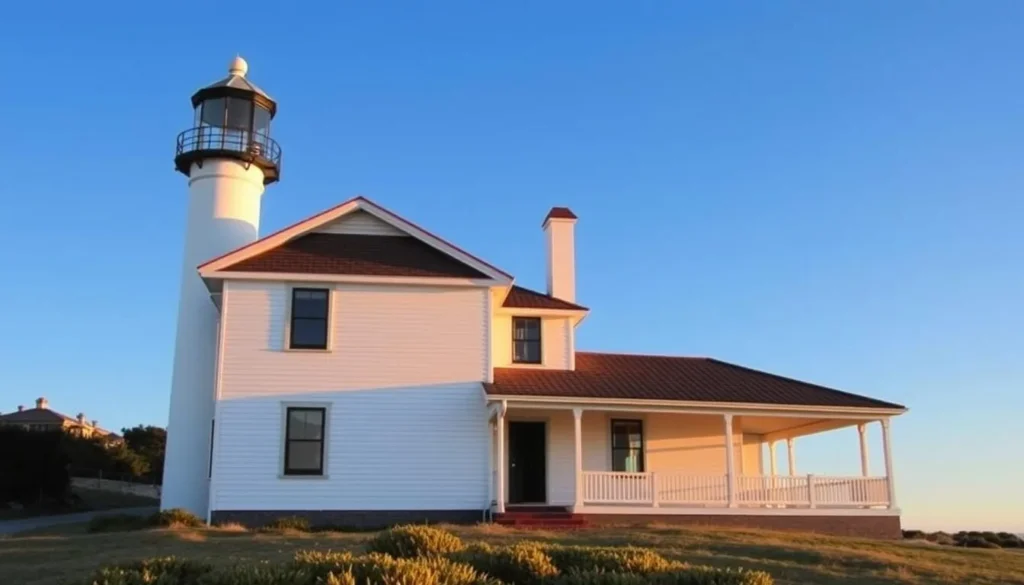
One of the most unique aspects of Point Cabrillo Light Station is the opportunity to stay overnight in the historic keeper’s houses. These accommodations allow you to experience the magic of the lighthouse after the day visitors have departed.
On-Site Accommodations:
- Head Lightkeeper’s House: A two-story house with period furnishings that sleeps up to 8 people. Perfect for families or groups.
- West Cottage & East Cottage: Smaller accommodations ideal for couples or small families, with the East Cottage being wheelchair accessible.
Nearby Options:
- Mendocino Village: Just 6.5 km (4 miles) south, offering charming B&Bs, inns, and vacation rentals.
- Fort Bragg: About 15 km (9 miles) north, with more budget-friendly hotel options and amenities.
- Caspar: The closest community, with limited but cozy accommodation options.
Booking well in advance is essential, especially for the on-site accommodations, which are managed by the Point Cabrillo Lightkeepers Association and can be reserved up to a year ahead.
Dining & Local Cuisine
There are no dining facilities within Point Cabrillo Light Station State Historic Park, so you’ll need to plan accordingly. Many visitors bring picnic lunches to enjoy at the designated picnic areas near the lighthouse.
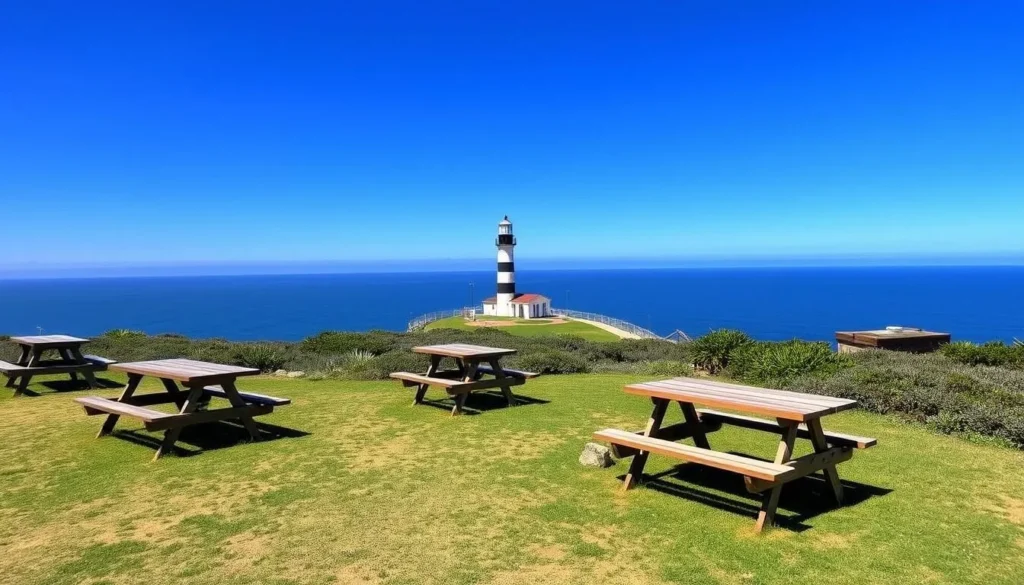
The nearby towns offer excellent dining options featuring fresh local seafood, organic produce from nearby farms, and wines from the Anderson Valley. Mendocino and Fort Bragg have the widest selection of restaurants, cafes, and markets.
Local Specialties:
- Dungeness Crab: A local delicacy when in season (typically November through July).
- Wild-Caught Salmon: Available fresh during fishing season.
- Abalone: Once abundant in these waters (now protected in the marine conservation area).
- Anderson Valley Wines: Particularly known for Pinot Noir and Alsatian varieties.
Practical Tips:
- Pack water and snacks for your visit to the park.
- Consider bringing a picnic lunch to enjoy the scenic views.
- Mendocino markets offer pre-made sandwiches and picnic supplies.
- Restaurants in the area often close early, especially mid-week.
Attractions, Sightseeing & Activities
The centerpiece of Point Cabrillo Light Station State Historic Park is, of course, the lighthouse itself, but there’s much more to explore throughout the 270-acre preserve.
Main Attractions:
- Lighthouse & Fresnel Lens: Tour the restored 1909 lighthouse and see the original British-made third-order Fresnel lens, one of only three still operating in the United States.
- Lighthouse Museum: Exhibits on maritime history, the Frolic shipwreck, and lighthouse technology.
- Historic Buildings: Explore the restored keeper’s houses, blacksmith shop, carpentry shop, and oil house.
- Marine Conservation Area: The waters around the headland are protected, offering glimpses of rich marine life.
Activities:
- Hiking: Several trails wind through coastal prairie and along bluffs.
- Wildlife Watching: Harbor seals, sea lions, and migrating whales (December-April and April-May).
- Birdwatching: Over 150 species of birds have been documented in the area.
- Photography: Stunning vistas and historic architecture provide endless opportunities.
- Tidepooling: Explore the rich intertidal zones (check tide tables and never turn your back on the ocean).
Museums, Cultural Spots & Festivals
The lighthouse itself serves as a museum with exhibits on maritime history, the Pomo Indians who once harvested from these waters, and the 1850 shipwreck of the brig Frolic that indirectly led to the development of the local timber industry.
While there are no regular festivals at the light station itself, the surrounding communities host several events throughout the year that celebrate the region’s natural beauty, maritime heritage, and cultural traditions.
Nearby Cultural Attractions:
- Kelley House Museum (Mendocino): Local history museum with exhibits on the lumber industry and maritime heritage.
- Ford House Visitor Center (Mendocino): Information on the history and natural features of Mendocino Headlands State Park.
- Mendocino Art Center: Gallery featuring works by local artists inspired by the coastal landscape.
- Temple of Kwan Tai: Historic Chinese temple in Mendocino dating from the 1850s.
Annual Events:
- Mendocino Whale Festival (March): Celebrating the gray whale migration.
- Mendocino Coast Writers Conference (August): Gathering of writers in a beautiful setting.
- Mendocino Music Festival (July): Two weeks of concerts in various genres.
- Lighthouse Anniversary (June 10): Special tours and events marking the lighthouse’s first lighting in 1909.
Sports, Nature & Outdoor Experiences
The natural setting of Point Cabrillo Light Station State Historic Park offers numerous opportunities to connect with the coastal environment. The park’s 270 acres encompass coastal prairie, marine terraces, and dramatic bluffs overlooking the Pacific Ocean.
Nature Experiences:
- Whale Watching: Gray whales migrate past the point from December through April (southbound) and April through May (northbound).
- Harbor Seal Colony: A small colony often rests on offshore rocks visible from the bluffs.
- Wildflower Displays: Spring brings colorful blooms to the coastal prairie.
- Night Sky Viewing: Minimal light pollution makes for excellent stargazing, especially for overnight guests.
Outdoor Activities:
- California Coastal Trail: A section connects the light station to Caspar Headlands State Beach.
- Photography: The historic buildings, dramatic coastline, and changing light offer endless opportunities.
- Painting/Sketching: Many artists visit to capture the scenic beauty.
- Meditation/Yoga: Find a quiet spot on the bluffs for peaceful contemplation.
The Point Cabrillo State Marine Conservation Area protects the waters surrounding the headland. No fishing or collection of marine life is permitted, preserving this ecosystem that was once an important food source for the Pomo Indians.
Safety, Etiquette & Local Customs
Visiting Point Cabrillo Light Station State Historic Park is generally safe, but being on the rugged California coast requires some precautions and awareness of local expectations.
Safety Tips:
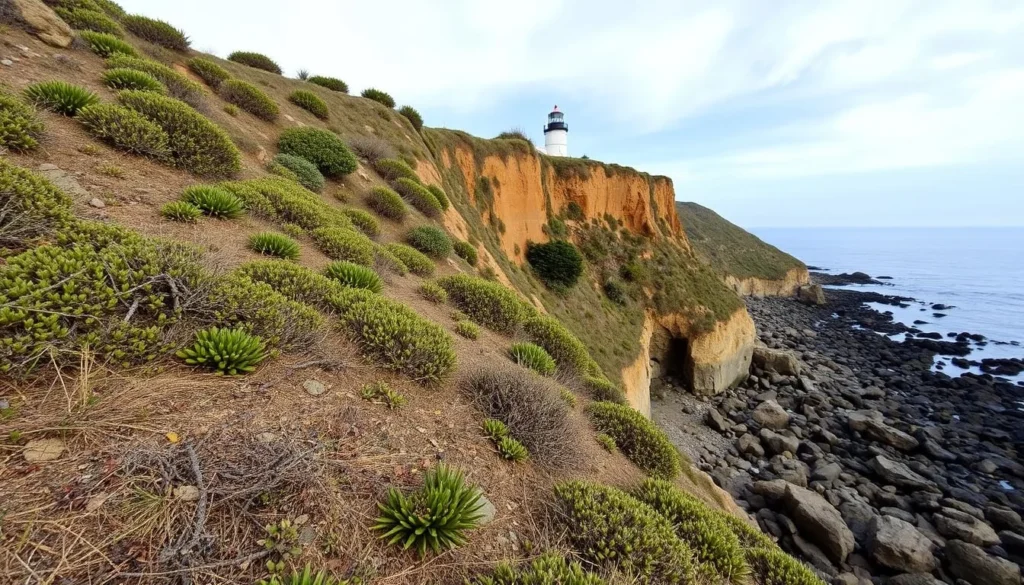
- Cliff Awareness: Stay back from cliff edges, which can be unstable and dangerous.
- Ocean Safety: Never turn your back on the ocean. Sneaker waves can occur without warning.
- Weather Preparation: Bring layers, as coastal weather can change rapidly.
- Sun Protection: Even on foggy days, UV exposure can be significant.
- Wildlife Distance: Maintain a respectful distance from all wildlife.
Etiquette & Customs:
- Conservation: Take nothing but photos, leave nothing but footprints.
- Stay on Trails: Help protect the fragile coastal ecosystem.
- Quiet Enjoyment: Keep noise levels down to preserve the peaceful atmosphere.
- No Drones: Drones are not permitted in California State Parks without special permission.
- No Dogs: Pets are not allowed in the park to protect wildlife and habitat.
Cell phone coverage can be spotty in the area, so download maps and information before your visit. The nearest emergency services are in Fort Bragg, about 15 km (9 miles) north.
Visitor Comments About Point Cabrillo Light Station State Historic Park
“We timed our visit for sunset and were rewarded with the most spectacular golden light on the lighthouse. Staying overnight in the East Cottage gave us the rare opportunity to experience the lighthouse after all the day visitors had left. Hearing the foghorn and seeing the beam sweep across the night sky was magical. Don’t miss the short hike to Frolic Cove to learn about the shipwreck that changed the region’s history.”
“The third-order Fresnel lens is an engineering marvel that shouldn’t be missed. The volunteer docents were incredibly knowledgeable and passionate about the lighthouse’s history. We visited during whale migration season and spotted several spouts from the bluffs. The half-mile walk from the parking lot to the lighthouse is easy and scenic – don’t drive down unless you really need to, as the walk is part of the experience.”
“As an international visitor, I found Point Cabrillo to be quintessentially Californian – dramatic coastline, fascinating history, and well-preserved architecture. The museum exhibits on the Pomo Indians and the Frolic shipwreck provided important context about how this remote lighthouse came to be. Bring a picnic lunch and spend the day exploring the trails and tidepools. The wildflowers in late spring were spectacular!”
Practical Travel Tips
Essential Information:
- Hours: Park grounds are open from sunrise to sunset daily.
- Lighthouse Museum: Generally open 11:00 AM to 4:00 PM (hours may vary seasonally).
- Entrance Fee: None, though donations are appreciated.
- Parking: Available at the upper lot; limited accessible parking at the lower lot.
- Restrooms: Available near the lighthouse and at the upper parking lot.
Visitor Recommendations:
- Time Needed: Allow 2-3 hours for a complete visit.
- Photography: Early morning and late afternoon offer the best light.
- Binoculars: Bring them for whale watching and birdwatching.
- Footwear: Comfortable walking shoes recommended for trails.
- Water: Bring your own, as there are no water fountains.
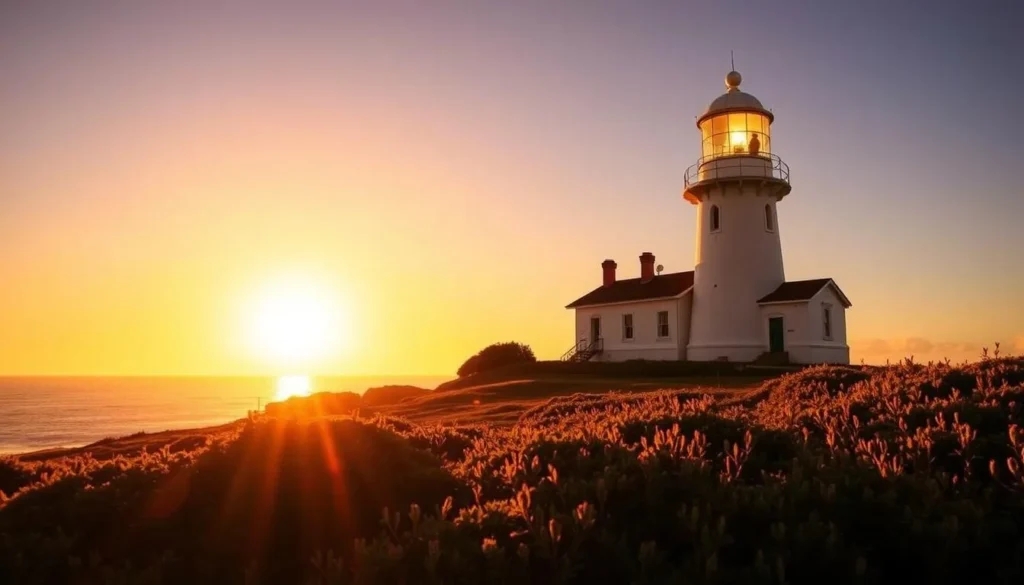
Insider Tip: The lighthouse lens is still active and rotates continuously. Visit at dusk to see it illuminated and operating as it has for over a century, creating a flash every 10 seconds that can be seen up to 22 nautical miles (41 km) out to sea.
The Timeless Beacon: Your Turn to Experience History
Point Cabrillo Light Station State Historic Park stands as a living monument to California’s maritime heritage, where history, nature, and breathtaking coastal beauty converge. Whether you’re watching migrating whales from the windswept bluffs, exploring the perfectly preserved lighthouse with its magnificent Fresnel lens, or simply soaking in the tranquility of this special place, a visit here connects you to generations of lightkeepers who maintained this vital beacon through storms and clear skies alike. As the light continues its faithful rhythm—flashing every 10 seconds just as it has since 1909—it invites you to become part of its ongoing story, a timeless reminder of our connection to the sea and those who have navigated its challenges before us.
Related Posts
Chinatown Los Angeles, California: Best Things to Do – Top Picks
Chinatown San Francisco, California: Best Things to Do – Top Picks

Zuma Beach, Malibu, California: Best Things to Do – Top Picks
Yerba Buena Island, California: Best Things to Do – Top Picks
Woodson Bridge State Recreation Area, California: Best Things to Do – Top Picks
Woodland Opera House State Historic Park, California: Best Things to Do – Top Picks
Coming Soon: Clickable Maps