Hotels by Trip.com
Flights by Trip.com
Every year, Kagawa Prefecture consumes more udon noodles per capita than any other place in Japan. This tiny prefecture produces over 200,000 tons of sanuki udon annually. Despite being Japan’s smallest prefecture by area, Kagawa packs extraordinary experiences into its compact 1,877 square kilometers.
The name Kagawa translates to “fragrant river” in Japanese. It reflects the region’s abundant waterways and coastal beauty along the Seto Inland Sea. Today, this prefecture serves as the gateway to Shikoku Island. It offers visitors a perfect blend of art, culture, natural scenery, and culinary traditions.
Kagawa Prefecture sits nestled between mountains and sea. The region showcases stunning panoramic views at every turn. Ancient gardens meet contemporary art museums. Traditional udon shops operate alongside modern attractions. The islands dotting the Seto Inland Sea have transformed into open-air art galleries.
This comprehensive Kagawa Prefecture Japan travel guide will help you discover hidden spots and popular attractions. You will learn about the best time to visit, where to stay, and how to experience authentic Japanese culture. From Ritsurin Garden to Naoshima Art Island, from mountain temples to coastal scenery, Kagawa offers diverse experiences for every traveler.
Getting There & Planning Your Journey
Reaching Kagawa Prefecture involves several convenient options. The closest airport to the area is Takamatsu Airport. This regional airport receives domestic flights from major Japanese cities. Direct flights connect Tokyo Haneda Airport to Takamatsu in approximately 80 minutes.
International travelers typically fly into Kansai International Airport near Osaka. From Kansai, the journey to Kagawa takes about three hours by train and bus combination. Alternatively, Okayama Airport serves as another gateway, located roughly 90 minutes from central Kagawa by car.
The JR Marine Liner train offers the most scenic route from Honshu to Shikoku. This service crosses the impressive Seto Ohashi Bridge, connecting Okayama to Takamatsu in one hour. The bridge spans 13.1 kilometers (8.1 miles) across the Seto Inland Sea. Passengers enjoy breathtaking views of islands and water during the crossing.
Highway buses provide economical travel from major cities. Overnight buses from Tokyo take approximately nine hours. Daytime services from Osaka require about three and a half hours. These buses arrive at Takamatsu Station, the prefecture’s main transportation hub.
Planning your journey requires minimal advance booking during off-peak seasons. However, the spring cherry blossom season and autumn foliage period demand early reservations. Most visitors allocate three to five days to explore Kagawa Prefecture thoroughly. This timeframe allows you to visit the main city, venture to art islands, and experience mountain temples.
Best Time to Visit & Weather Tips
Best Time to Visit Kagawa Prefecture
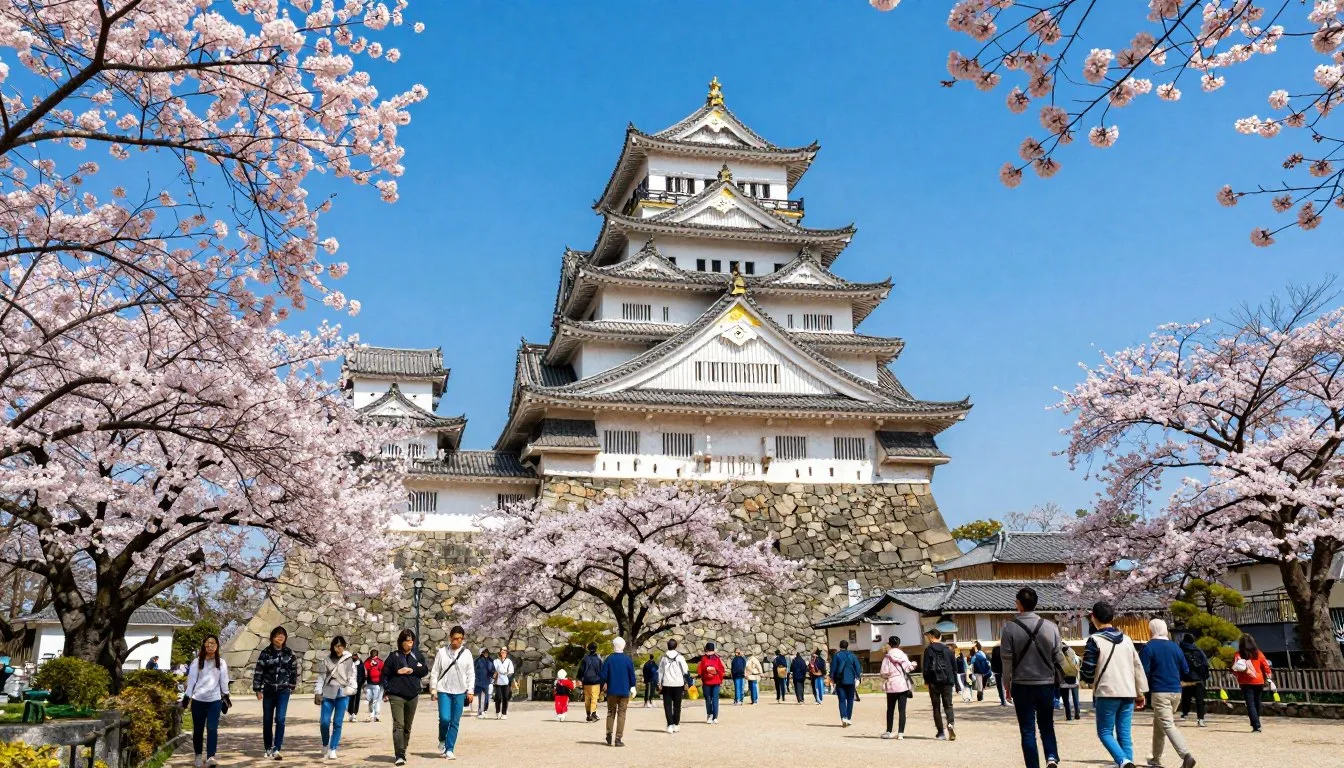
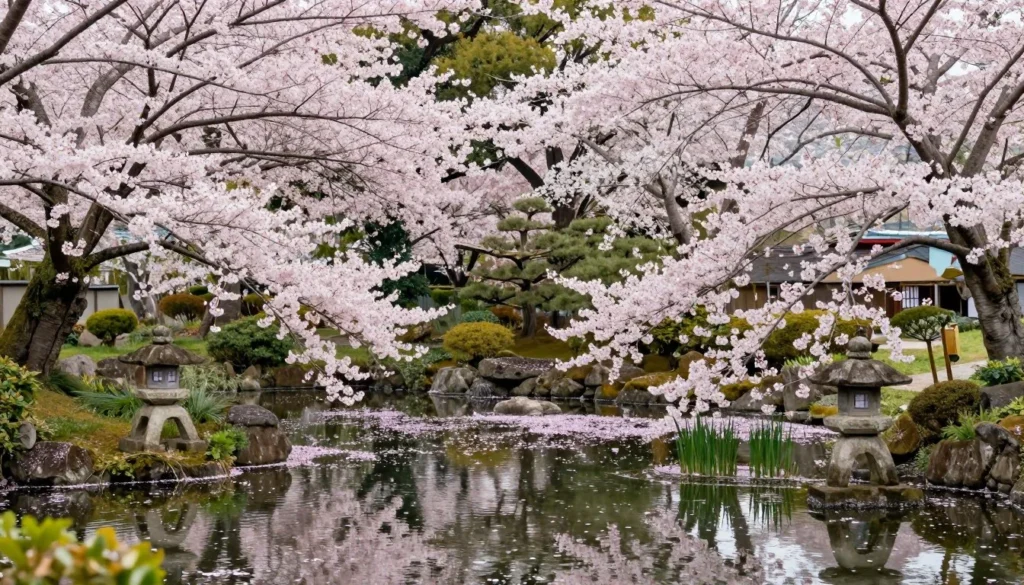
Spring ranks as the most popular season to visit Kagawa Prefecture. March through May brings mild temperatures and spectacular cherry blossoms. The scenery throughout the region transforms into pink and white canopies. Parks and gardens become particularly photogenic during this time.
Autumn offers equally stunning experiences from September through November. Comfortable temperatures range from 15°C to 23°C (59°F to 73°F). The fall foliage creates vibrant displays across mountain areas. This season provides ideal conditions for outdoor activities and sightseeing.
Summer months from June through August bring hot and humid weather. Temperatures climb to 30°C to 35°C (86°F to 95°F). The rainy season typically occurs in June. However, summer offers the advantage of fewer crowds at major attractions. The islands in the Seto Inland Sea experience refreshing sea breezes.
Winter spans December through February with cooler temperatures between 5°C and 12°C (41°F to 54°F). Snow rarely falls in coastal areas. The season sees the fewest visitors, making it perfect for budget travelers. Indoor attractions like museums and udon shops remain enjoyable year-round.
✓ Check 30,000+ Local Sightseeing Tours Worldwide
Weather Considerations
The Seto Inland Sea climate pattern creates relatively stable weather conditions. Kagawa receives less rainfall compared to other Japanese regions. Annual precipitation averages around 1,100 millimeters (43 inches). The area enjoys more than 2,000 hours of sunshine annually.
Typhoon season runs from August through October. Most storms pass quickly without major disruption. Checking weather forecasts before island trips proves essential. Ferry services occasionally suspend operations during severe weather.
Pack layers regardless of the season you visit. Morning and evening temperatures can vary significantly. Comfortable walking shoes are essential for exploring gardens and temple grounds. An umbrella or light rain jacket serves you well during unexpected showers.
Months to Avoid
Late June and early July coincide with the rainy season. Heavy downpours can limit outdoor activities and sightseeing opportunities. Humidity levels peak during this period, making travel less comfortable.
The first week of May during Golden Week sees domestic tourism surge. Hotels raise prices and popular spots become crowded. Transportation becomes congested throughout the prefecture.
Notable Annual Festivals
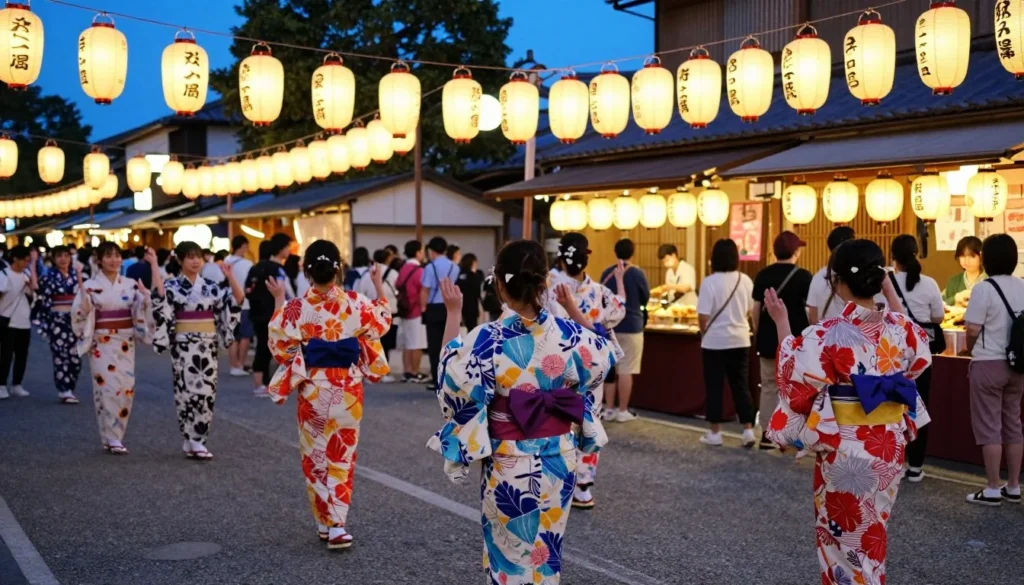
Kagawa Prefecture hosts numerous festivals throughout the year. These celebrations showcase traditional culture and local customs. Participating in these events provides authentic cultural experiences beyond typical tourist activities.
Setouchi Triennale
The Setouchi Triennale represents one of Asia’s largest art festivals. This international art island event occurs every three years across multiple islands. The festival spans three seasons during the triennial year. Contemporary artists from around the world display installations throughout the Seto Inland Sea islands.
Previous editions attracted over one million visitors. The event transforms entire islands into outdoor art museums. Naoshima, Teshima, and other islands participate in this massive cultural celebration. Planning around the Setouchi Triennale requires booking accommodations many months in advance.
For current information contact: Setouchi Triennale Executive Committee at +81-87-813-0853.
Takamatsu Summer Festival
This vibrant celebration takes place in mid-August each year. The festival features traditional dancing, music performances, and spectacular fireworks. Thousands of dancers parade through central Takamatsu in colorful yukatas. The finale includes massive fireworks displays over Takamatsu Port.
The festival attracts locals and visitors alike. Street vendors sell traditional foods and games line the celebration route. The atmosphere captures the essence of Japanese summer traditions.
Festival coordination: Takamatsu City Tourism Association at +81-87-839-2416.
Kotohira Grand Festival
Held annually in October, this historic festival honors the deity at Konpira Shrine. The celebration dates back over 800 years. Elaborate processions feature participants in historical costumes. Traditional music and ceremonial rituals occur throughout the multi-day event.
The festival coincides with beautiful autumn weather. The mountain setting provides stunning scenery as backdrop to the cultural performances. Visitors can witness ancient traditions preserved through centuries.
Information available through: Kotohira Tourism Association at +81-877-75-3500.
Cherry Blossom Festivals
Multiple hanami celebrations occur throughout Kagawa in late March and early April. Ritsurin Garden hosts evening illuminations during peak bloom. Shiude Cherry Blossom Festival showcases over 1,500 trees along a scenic hillside path.
These seasonal festivals offer opportunities to experience Japanese hanami culture. Local families gather for picnics beneath blooming trees. Food stalls and live performances enhance the festive atmosphere.
Getting Around Locally
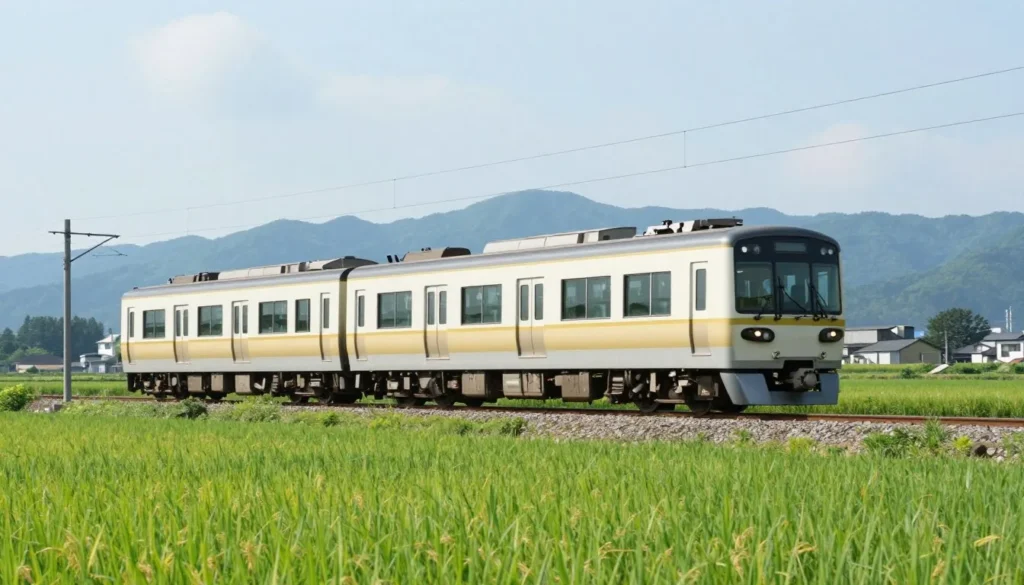
Navigating Kagawa Prefecture presents various transportation options. The compact size makes travel between attractions manageable. Understanding local transport systems helps maximize your time and experience.
Train Network
JR Shikoku operates the main railway lines throughout Kagawa. The Yosan Line connects major towns along the northern coast. The Kotoku Line provides access to eastern areas. Trains run frequently between Takamatsu and other cities.
The JR Shikoku All-Line Pass offers unlimited travel for visitors. This pass includes ferry connections to nearby islands. Three-day and five-day options suit different itinerary lengths. Purchase these passes at major JR stations or online before arrival.
Local trains may have limited English announcements. Station names appear in Roman letters at most stops. Download offline maps or translation apps for easier navigation. Train staff generally assist foreign travelers despite potential language barriers.
Bus Services
Kotoden buses serve areas not reached by trains. The network connects rural attractions and smaller towns. Bus schedules reduce frequency on weekends and holidays. Check timetables carefully when planning day trips to remote locations.
Many buses accept IC cards like Suica and Pasmo. Cash payment remains common on local routes. Keep small bills available as drivers may not carry extensive change. Bus route maps in English exist at major tourist information centers.
Rental Car
Renting a car provides maximum flexibility for exploring Kagawa. International driving permits work in Japan for up to one year. Car rental agencies operate at Takamatsu Airport and major train stations. Rates start around 5,000 yen per day for compact vehicles.
Driving offers advantages for visiting mountain temples and coastal areas. Parking facilities exist at most attractions, often free or inexpensive. Navigation systems with English interfaces come standard in most rental cars. Road signs include Roman letters alongside Japanese characters.
Traffic flows on the left side in Japan. Rural roads can be narrow with limited passing areas. GPS navigation proves essential for finding smaller attractions. Gas stations become sparse in mountainous regions, so fuel up in cities.
Bicycle Rental
Cycling represents an excellent way to explore Takamatsu city and nearby areas. Rental shops offer standard bikes and electric-assist models. Daily rates range from 500 to 1,500 yen depending on bike type. Some accommodations provide free bicycle use for guests.
The Shimanami Kaido cycling route partially passes through Kagawa. This famous course connects islands via bridges. Dedicated cycling paths ensure safe, scenic rides. Rental bikes can be dropped at different locations along the route.
Ferry Services
Regular ferry connections link the mainland to art islands in the Seto Inland Sea. Ferries depart from Takamatsu Port, Uno Port, and other coastal terminals. High-speed vessels reach Naoshima in about one hour. Traditional ferries take longer but cost less.
Purchase tickets at port terminals before boarding. Some ferries accept bicycles for small additional fees. Ferry schedules vary by season and weather conditions. Confirm departure times, especially for last boats returning to the mainland.
Where to Stay
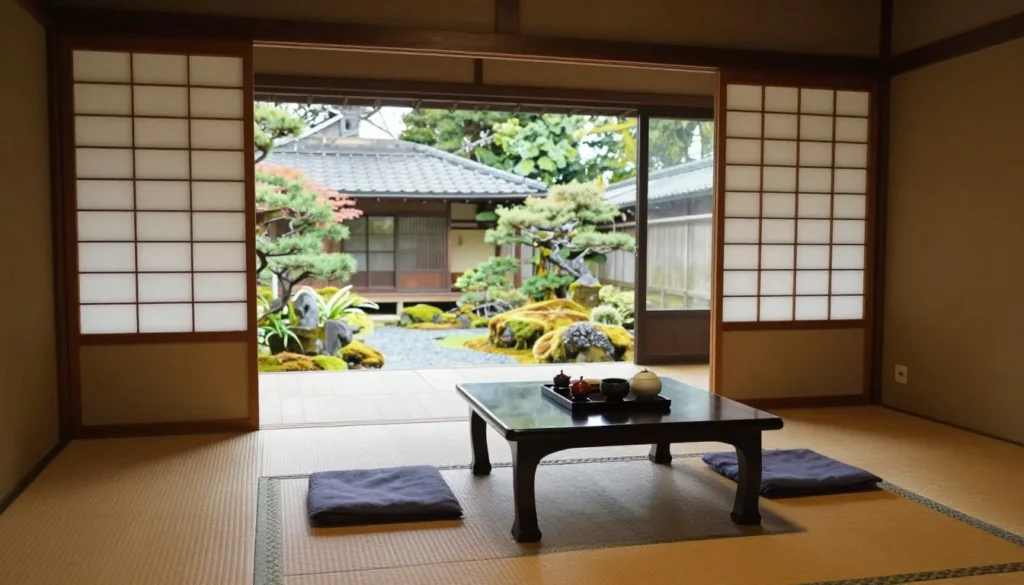
Kagawa Prefecture provides diverse accommodation options fitting various budgets and preferences. From traditional ryokans to modern hotels, the area caters to different traveler needs. Location choice significantly impacts your daily travel convenience.
Takamatsu City
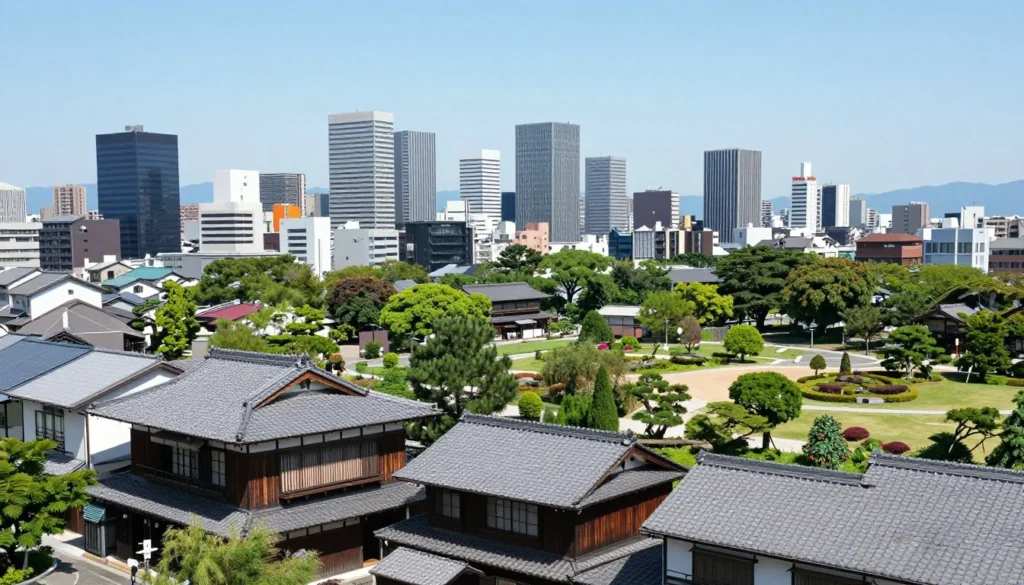
The prefectural capital serves as the most convenient base for exploration. Takamatsu offers the widest selection of hotels, restaurants, and services. The area around JR Takamatsu Station provides easy access to public transportation. Hotels here range from business hotels to upscale properties.
Mid-range hotels cost between 7,000 and 15,000 yen per night. These properties offer comfortable Western-style rooms with modern amenities. Many include breakfast buffets featuring local specialties. Business hotels near the station provide basic but clean accommodations from 5,000 yen.
Luxury options include properties with onsen facilities and ocean views. These hotels charge 20,000 to 40,000 yen per night. Rooftop baths overlook the Seto Inland Sea. Premium service and kaiseki dining elevate the experience.
Traditional Ryokans
Experiencing a traditional Japanese inn remains a highlight for many visitors. Ryokans in Kagawa feature tatami mat rooms and communal baths. Some properties date back over 100 years, preserving historic architecture and customs.
Rates typically include elaborate multi-course kaiseki dinners and breakfast. Expect to pay 15,000 to 30,000 yen per person including meals. The experience includes wearing yukata robes and sleeping on futon bedding. Staff at traditional ryokans may have limited English ability.
Mountain ryokans near Kotohira provide peaceful settings away from urban areas. Some feature natural hot springs fed by underground volcanic sources. These properties offer tranquil experiences surrounded by nature.
Island Accommodations
Staying overnight on art islands creates unique experiences. Naoshima and Teshima offer several lodging options from guesthouses to boutique hotels. Benesse House combines museum and hotel in one architectural masterpiece. Rooms here start around 35,000 yen per night.
Smaller guesthouses on islands provide budget-friendly alternatives. These family-run establishments charge 5,000 to 8,000 yen per night. Shared facilities and simple Japanese or Western rooms keep costs low. Advance booking proves essential as island accommodations have limited capacity.
Budget Options
Hostels and capsule hotels serve budget-conscious travelers. Takamatsu has several hostels with dormitory beds from 2,500 to 4,000 yen. Private rooms in hostels cost 6,000 to 8,000 yen. These properties foster social atmospheres and provide travel information.
Capsule hotels offer individual sleeping pods with shared facilities. Rates start around 3,000 yen per night. While compact, capsules provide privacy and security. Most modern capsule hotels include amenities like lounges and showers.
Vacation Rentals
Entire apartments and houses available through rental platforms suit families and groups. These accommodations provide kitchens and living spaces. Costs vary widely based on location and size. Expect to pay 10,000 to 25,000 yen per night for properties sleeping four to six people.
Vacation rentals offer flexibility for longer stays. Local neighborhoods provide authentic residential experiences. However, guests miss the personalized service of hotels and ryokans. Self-check-in systems require following detailed instructions.
Dining & Local Cuisine
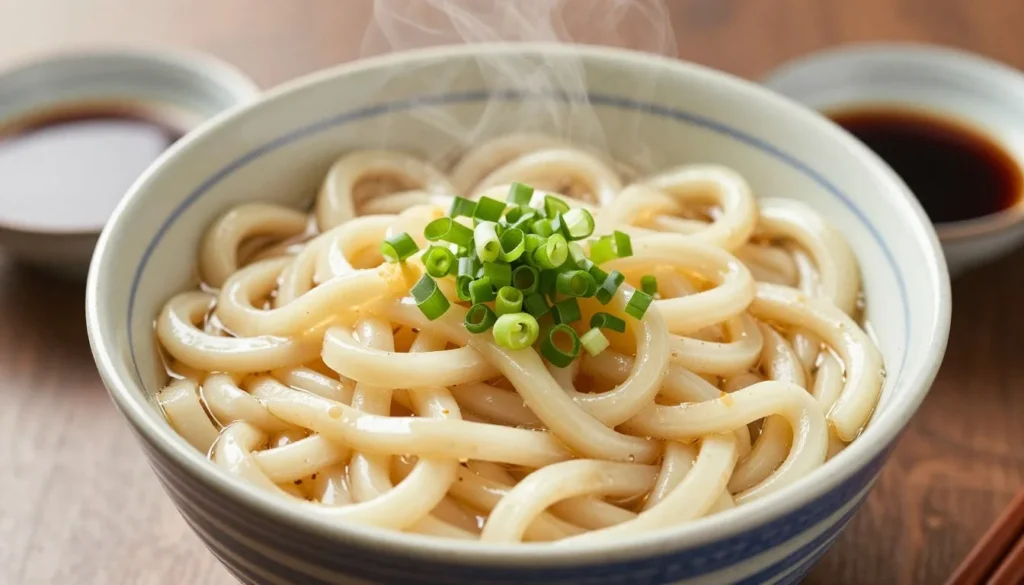
Kagawa Prefecture earned the nickname “Udon Prefecture” for good reason. The local Sanuki udon ranks among Japan’s best regional specialties. Beyond udon, the area offers fresh seafood, seasonal produce, and unique local dishes.
Sanuki Udon
These thick wheat noodles define Kagawa’s culinary identity. Sanuki udon features firm, chewy texture achieved through specific preparation techniques. Traditional shops serve udon in various styles from hot soup to cold dipping variations.
Self-service udon shops called “self udon” offer authentic experiences at budget prices. Customers order their portion size, add tempura or other toppings, then carry bowls to their table. Meals cost between 300 and 800 yen. These casual establishments capture local dining culture.
Famous udon shops often have waiting lines during lunch hours. Many close early afternoon once noodles sell out. Some traditional shops operate only for breakfast and lunch service. Visitors should plan udon experiences for morning or midday meals.
Popular toppings include fried tofu, tempura, raw egg, and grated daikon radish. Each shop has signature preparations and broth recipes. Trying multiple shops reveals subtle differences in texture and flavor. Udon tours visiting several establishments in one day attract serious food enthusiasts.
Seafood Specialties
The Seto Inland Sea provides abundant fresh seafood year-round. Octopus from local waters appears in many dishes. Hamachi yellowtail farming originated in this region. Sashimi and grilled fish showcase the quality of marine products.
Small local restaurants along the coast serve the day’s catch. These family-owned establishments offer excellent value and freshness. Set meals combining multiple seafood items start around 1,500 yen. Harbor-side locations provide scenic dining experiences with ocean views.
Bone-Tsuki Chicken
This local specialty features chicken pieces grilled with bone-in for extra flavor. The preparation originated in Marugame city. Crispy skin and juicy meat make this dish popular among locals. Many izakayas and yakitori restaurants serve this regional favorite.
Olives and Olive Products
Shodoshima Island produces Japan’s first domestically grown olives. The mild Seto Inland Sea climate creates ideal growing conditions. Olive oil, pickled olives, and olive-infused products appear in local cuisine. Specialty shops sell premium olive oils and unique olive ice cream.
Seasonal Specialties
Spring brings bamboo shoots and mountain vegetables to menus. Summer features cool noodle dishes perfect for hot weather. Autumn showcases matsutake mushrooms in traditional preparations. Winter offers warming hot pot dishes with local ingredients.
Citrus fruits from nearby islands provide refreshing flavors. Sudachi citrus adds tartness to many dishes. Local sake breweries craft beverages pairing well with regional cuisine. Wine production has recently expanded on Shodoshima.
Dining Experiences
Takamatsu’s covered shopping arcades contain numerous restaurants and food stalls. The Marugamemachi area offers modern dining options and traditional establishments. Evening brings lively izakaya atmosphere with small plates and drinks.
Reservation requirements vary by restaurant type. High-end kaiseki restaurants require advance booking. Casual udon shops welcome walk-in customers. English menus exist at major tourist areas but remain rare at local spots. Photo menus or pointing helps overcome language barriers.
Typical lunch costs range from 800 to 1,500 yen. Dinner at mid-range restaurants runs 2,000 to 4,000 yen per person. Fine dining experiences start around 8,000 yen. Street food and market vendors offer budget-friendly options under 500 yen.
Attractions, Sightseeing & Activities
Ritsurin Garden
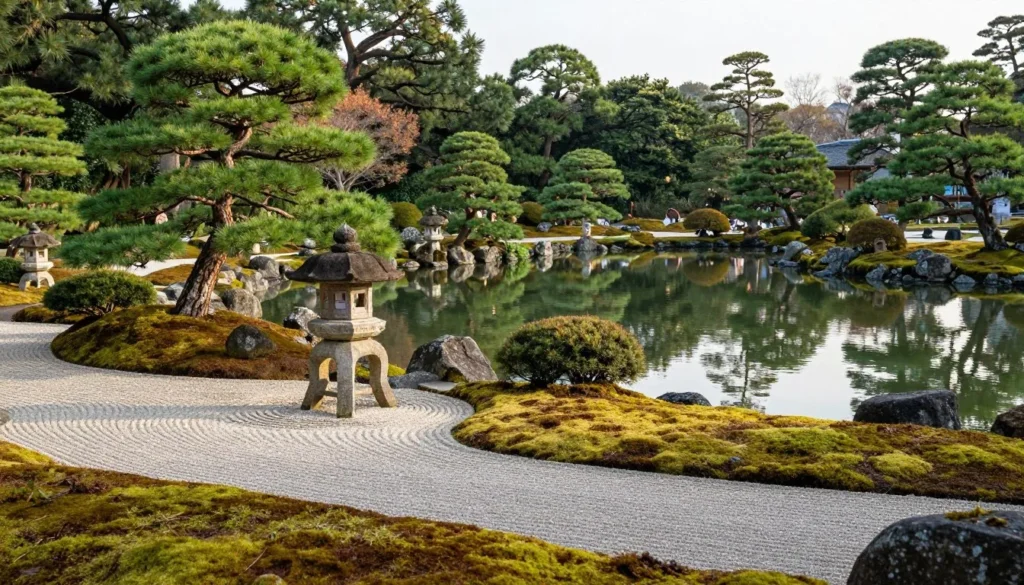
This nationally designated Place of Scenic Beauty represents one of Japan’s finest landscape gardens. The garden covers 75 hectares (185 acres) at the base of Mount Shiun. Development began in the 1600s under feudal lords who spent over 100 years perfecting the design.
Six ponds and thirteen landscaped hills create diverse scenery within the grounds. Walking paths lead through carefully composed views. Each season transforms the garden’s atmosphere and color palette. Spring cherry blossoms and autumn maple leaves attract the most visitors.
The garden opens daily from sunrise to sunset. Admission costs 410 yen for adults. Traditional teahouses within the grounds serve matcha and Japanese sweets. Early morning visits before tour groups arrive offer the most peaceful experience. Photography enthusiasts find endless composition opportunities throughout the extensive grounds.
Konpira Shrine
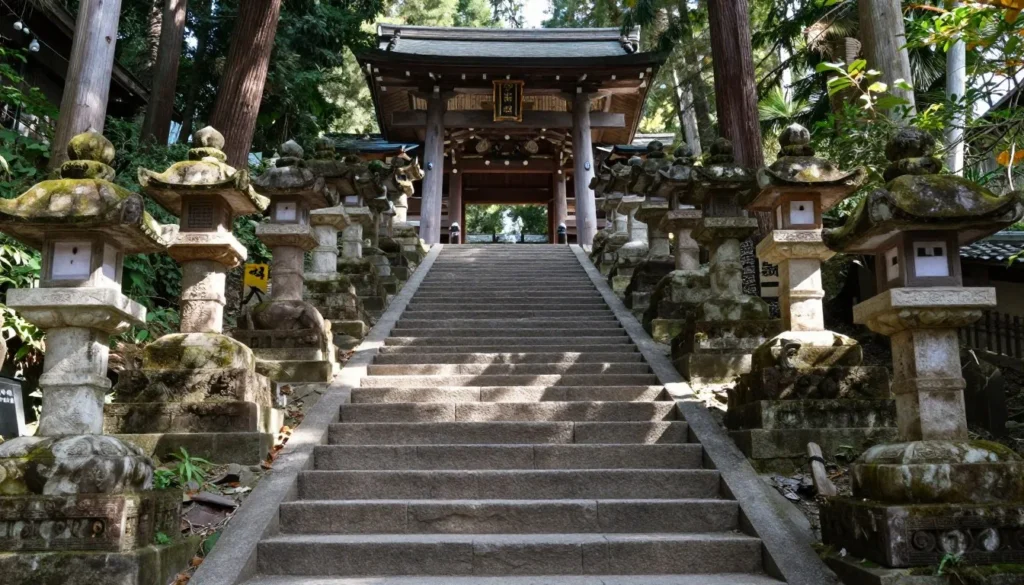
This historic Shinto shrine sits atop Mount Zozu at 521 meters (1,709 feet) elevation. Reaching the main shrine requires climbing 785 stone steps. The journey continues another 583 steps to the inner shrine. The long climb rewards visitors with panoramic views across the Sanuki Plain.
The shrine complex dates back over 1,000 years. Sailors traditionally visited to pray for safe sea voyages. Today the site attracts visitors seeking good fortune and cultural experiences. Rest stations along the climbing route provide breaks and refreshments.
Plan at least two to three hours for the round-trip climb. Wear comfortable walking shoes with good grip. The descent challenges tired legs as much as the ascent. Traditional shops line the approach selling souvenirs and local specialties. The area comes alive during festivals with processions and ceremonies.
Art Islands
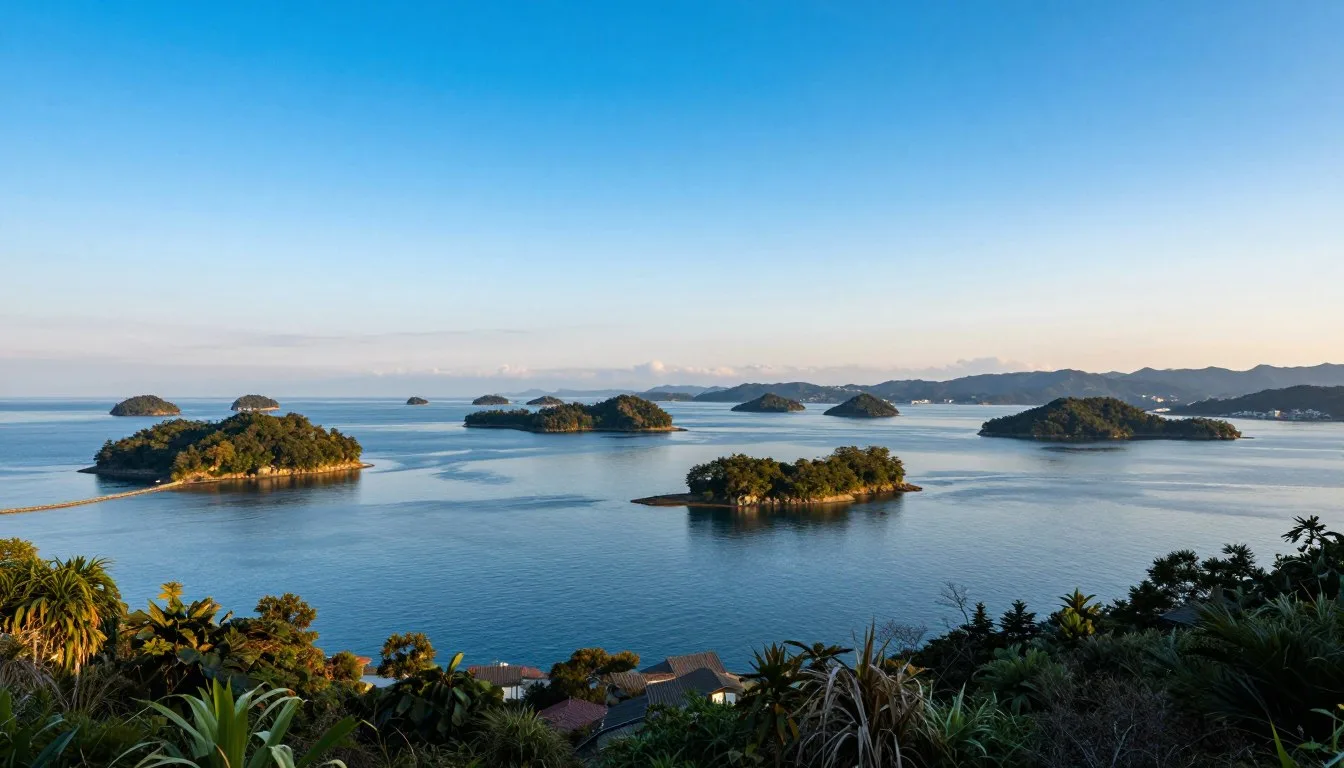
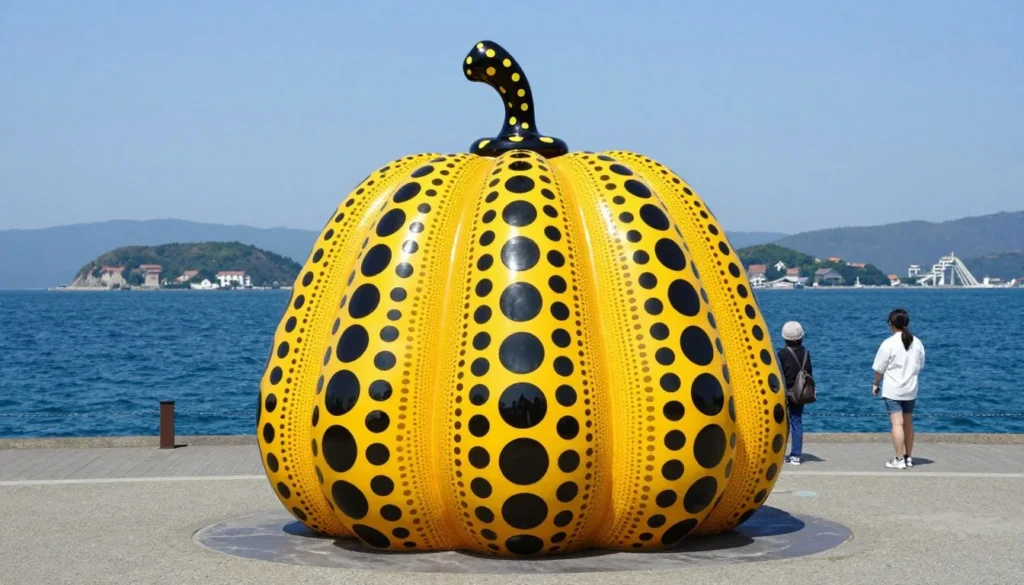
The Seto Inland Sea islands have transformed into international art destinations. Naoshima stands as the most famous art island. The island houses multiple museums designed by renowned architect Tadao Ando. Permanent installations by Claude Monet and James Turrell occupy purpose-built structures.
Teshima Art Museum features a single artwork in organic concrete architecture. The building allows natural elements to interact with the interior space. Wind, rain, and light change the experience throughout the day. This contemplative site requires advance reservations during peak periods.
Shodoshima combines art with natural attractions. The island features olive groves, scenic gorges, and quirky art installations. A small replica of Greece’s windmills overlooks olive plantations. The island spans larger area requiring car or bicycle for exploration.
Island hopping requires planning around ferry schedules. Each island deserves at least half a day of exploration. Some attractions maintain specific opening hours and close certain weekdays. Museum admission fees range from 500 to 1,500 yen per site. Combined tickets offer savings when visiting multiple venues.
Takamatsu Castle
The ruins of this coastal castle occupy waterfront parkland in central Takamatsu. Only stone walls and moats remain from the original structure. The location allowed seawater to fill the castle moats directly from the ocean. This unique feature created Japan’s first saltwater moat castle.
The castle park provides peaceful green space in the urban area. Cherry trees bloom spectacularly in spring. Evening illuminations during seasonal events create romantic atmosphere. The site offers free admission and stays open until sunset.
Yashima Temple and Plateau
This mountain temple sits atop a distinctive flat-topped plateau. The summit reaches 292 meters (958 feet) above sea level. Historical battles occurred here during feudal periods. The temple belongs to the Shikoku 88 Temple Pilgrimage route.
✓ Check 30,000+ Local Sightseeing Tours Worldwide
Panoramic views from the plateau encompass Takamatsu city and the Seto Inland Sea. Interpretation boards explain the historical significance of the site. A small aquarium near the temple houses local marine life. Drive or take a bus to the summit, as the steep approach challenges most walkers.
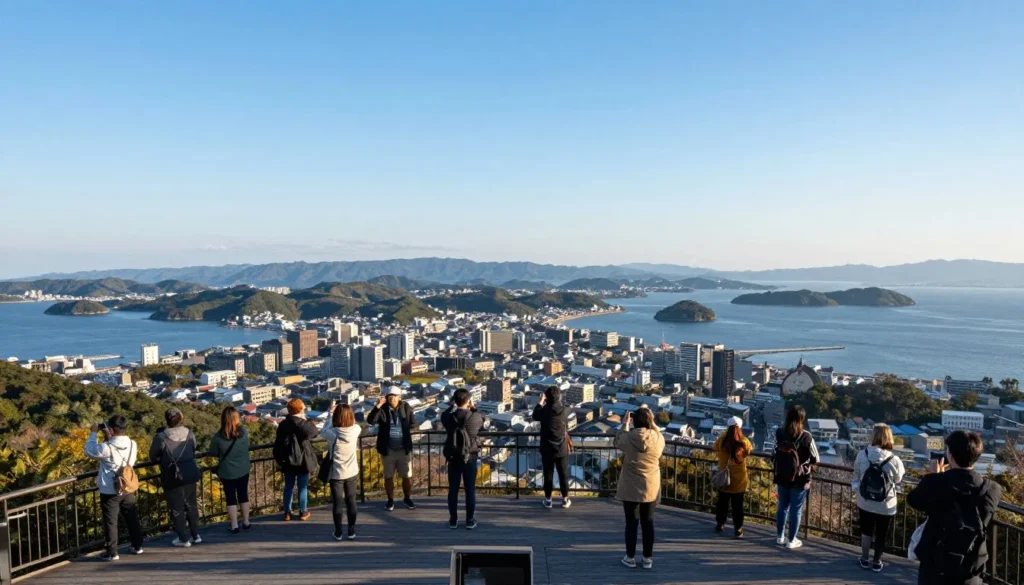
Museums, Cultural Spots & Festivals
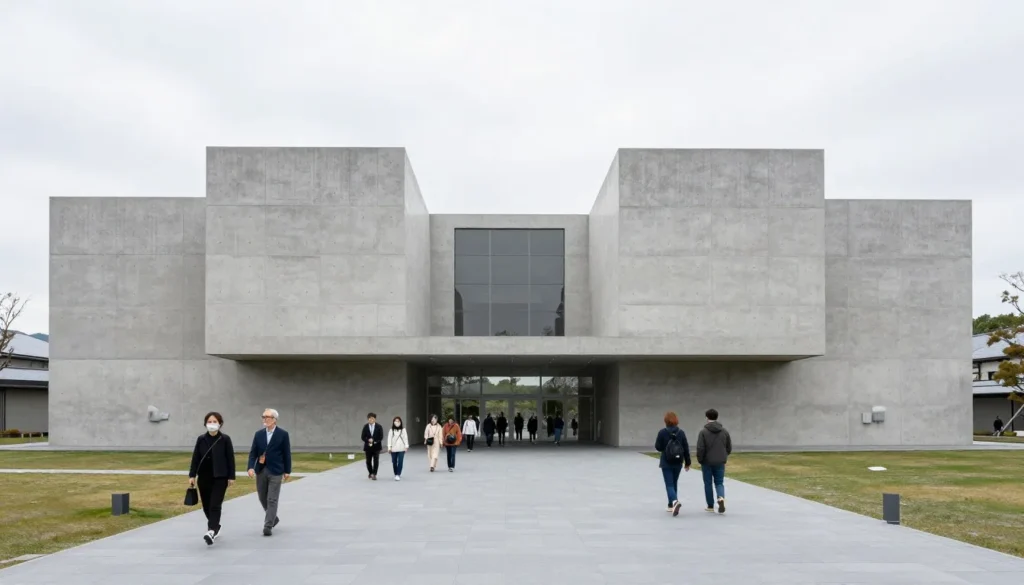
Chichu Art Museum
This underground museum on Naoshima represents architectural and artistic achievement. Tadao Ando designed the structure mostly below ground to preserve the island’s landscape. Natural light illuminates interior galleries through precise geometric openings. The museum houses permanent works by Claude Monet, James Turrell, and Walter De Maria.
Advanced reservations become necessary during busy periods. The museum limits visitor numbers to preserve the contemplative atmosphere. Admission costs 2,100 yen. Photography is prohibited inside the galleries. Plan at least two hours to experience the art and architecture fully.
Benesse House Museum
This combination museum and hotel blurs boundaries between art viewing and daily living. Contemporary artworks occupy both indoor galleries and outdoor spaces. Guests staying at the hotel enjoy 24-hour access to the collection. Day visitors can tour the museum for 1,300 yen admission.
The waterfront location provides stunning sea views. Outdoor sculptures interact with the natural environment. The museum shop sells exclusive art books and design objects. A cafe overlooks the Seto Inland Sea, perfect for reflection after viewing exhibits.
Kagawa Museum
This prefectural museum covers regional history, culture, and natural history. Exhibits explain Kagawa’s development from ancient times through modern periods. Traditional crafts demonstrations occur regularly. The museum provides comprehensive English explanations.
Admission costs 410 yen for permanent exhibitions. Special exhibitions require additional fees. The facility includes a planetarium and hands-on learning areas. Located near Ritsurin Garden, combining both attractions works well for a full day of cultural immersion.
George Nakashima Memorial Hall
This museum celebrates the famous Japanese-American woodworker and furniture designer. Nakashima’s family maintains his studio and showroom. Original furniture pieces and woodworking tools fill the exhibition spaces. The natural setting reflects Nakashima’s philosophy connecting craft with nature.
Entry costs 500 yen. The memorial hall opens limited days, so verify schedules before visiting. Design enthusiasts and woodworking fans find particular value in this specialized museum. The peaceful mountain location adds to the reflective experience.
Traditional Craft Centers
Kagawa produces several traditional crafts worth exploring. Marugame produces distinctive round fans using bamboo and paper. Workshops allow visitors to observe craftspeople at work. Some centers offer hands-on experiences creating simple craft items.
Lacquerware from Takamatsu continues centuries-old techniques. Specialized shops display contemporary pieces alongside traditional designs. Demonstrations reveal the meticulous multi-step processes. These crafts represent living cultural heritage passed through generations.
Nature & Outdoor Experiences
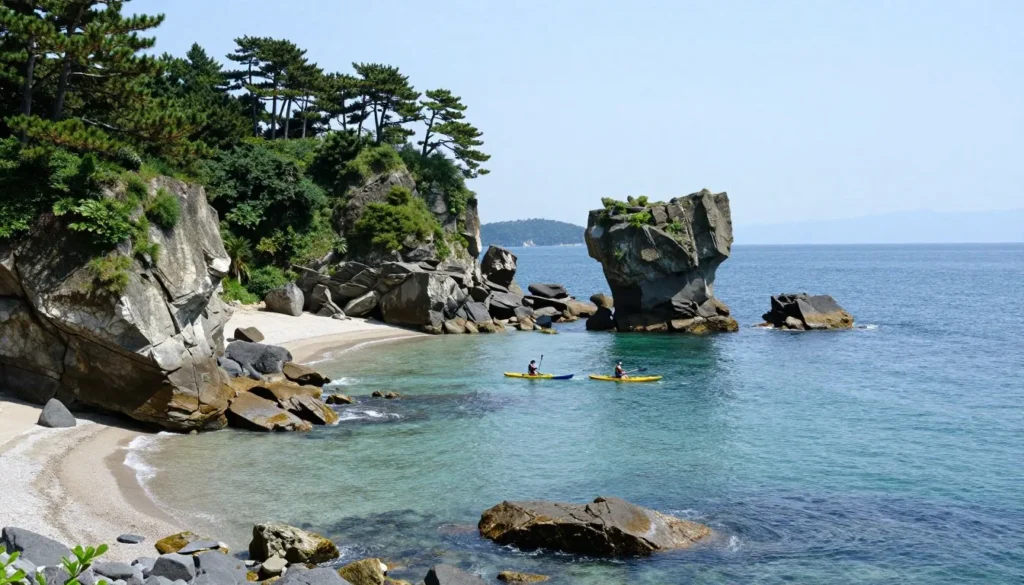
Seto Inland Sea Activities
The calm waters of the Seto Inland Sea create ideal conditions for water activities. Kayaking tours explore hidden coves and small uninhabited islands. The gentle waves suit beginners while providing scenic journeys. Tours typically last two to four hours with equipment and instruction provided.
Stand-up paddleboarding has grown popular around the art islands. Rental shops operate near ferry terminals during warmer months. The peaceful waters allow paddlers to explore at their own pace. Morning sessions offer the calmest conditions and best light for photography.
Fishing charters take small groups to productive spots around the islands. Local captains know where seasonal fish gather. Half-day trips include equipment and bait. Some charters prepare the catch for passengers to take home or enjoy at nearby restaurants.
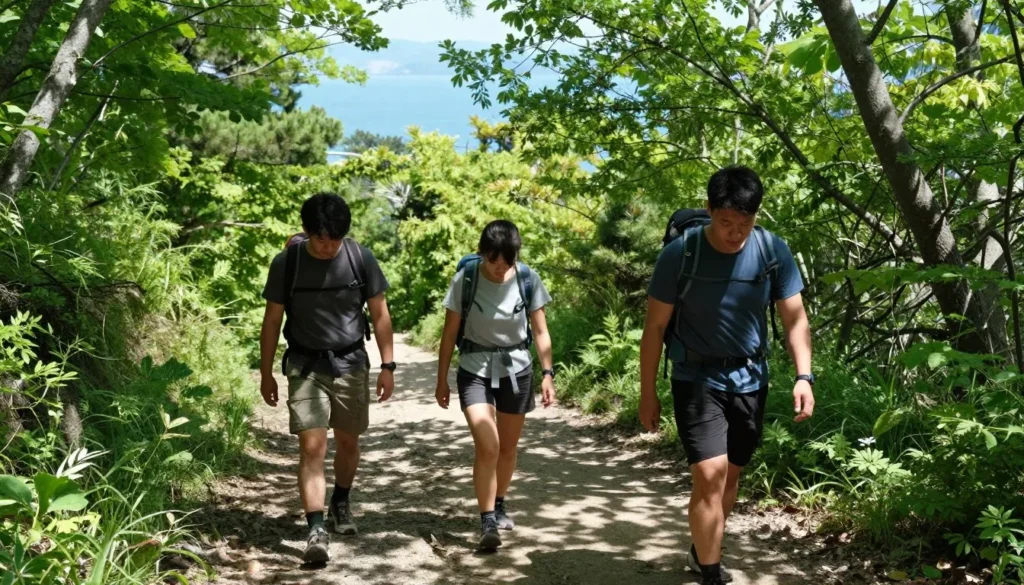
Mountain Hiking
Several mountains provide hiking opportunities with rewarding views. Mount Shiude reaches 355 meters (1,165 feet) and features a trail through cherry tree groves. Spring brings thousands of pink blossoms along the hiking course. The relatively easy climb takes about one hour to the summit.
Mount Iino at 957 meters (3,140 feet) offers more challenging terrain. Multiple trails of varying difficulty lead to the peak. The summit provides 360-degree panoramic views encompassing mountains and sea. Clear days reveal views extending to distant Shikoku peaks.
Hiking season extends from spring through autumn. Summer heat makes early morning starts advisable. Carry plenty of water as few facilities exist on mountain trails. Proper hiking boots help navigate occasionally steep and rocky sections.
Kankakei Gorge
This scenic ravine on Shodoshima features dramatic rock formations and lush vegetation. A ropeway carries visitors 612 meters (2,008 feet) from the base to the summit observation area. The journey takes about five minutes, ascending through changing forest zones.
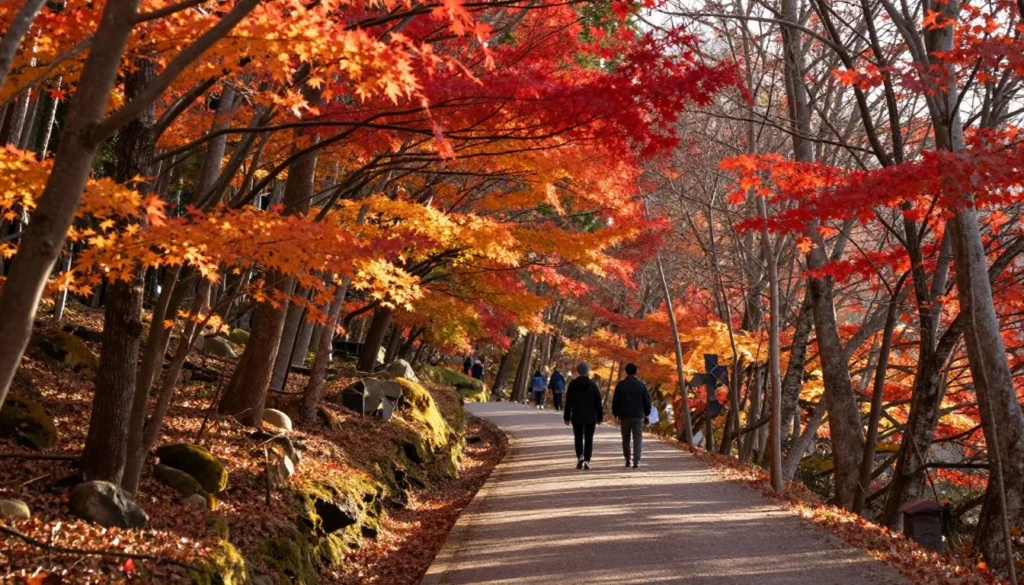
Walking trails wind through the gorge floor and along ridgetops. Autumn foliage transforms the scenery into vibrant reds and golds. Spring brings fresh green leaves and wildflowers. The area provides numerous photo opportunities at every season.
The ropeway operates year-round except during severe weather. Round-trip tickets cost 1,890 yen for adults. Hiking the trails below the ropeway offers free nature experiences. Some paths require moderate fitness levels due to elevation changes.
Beach Areas
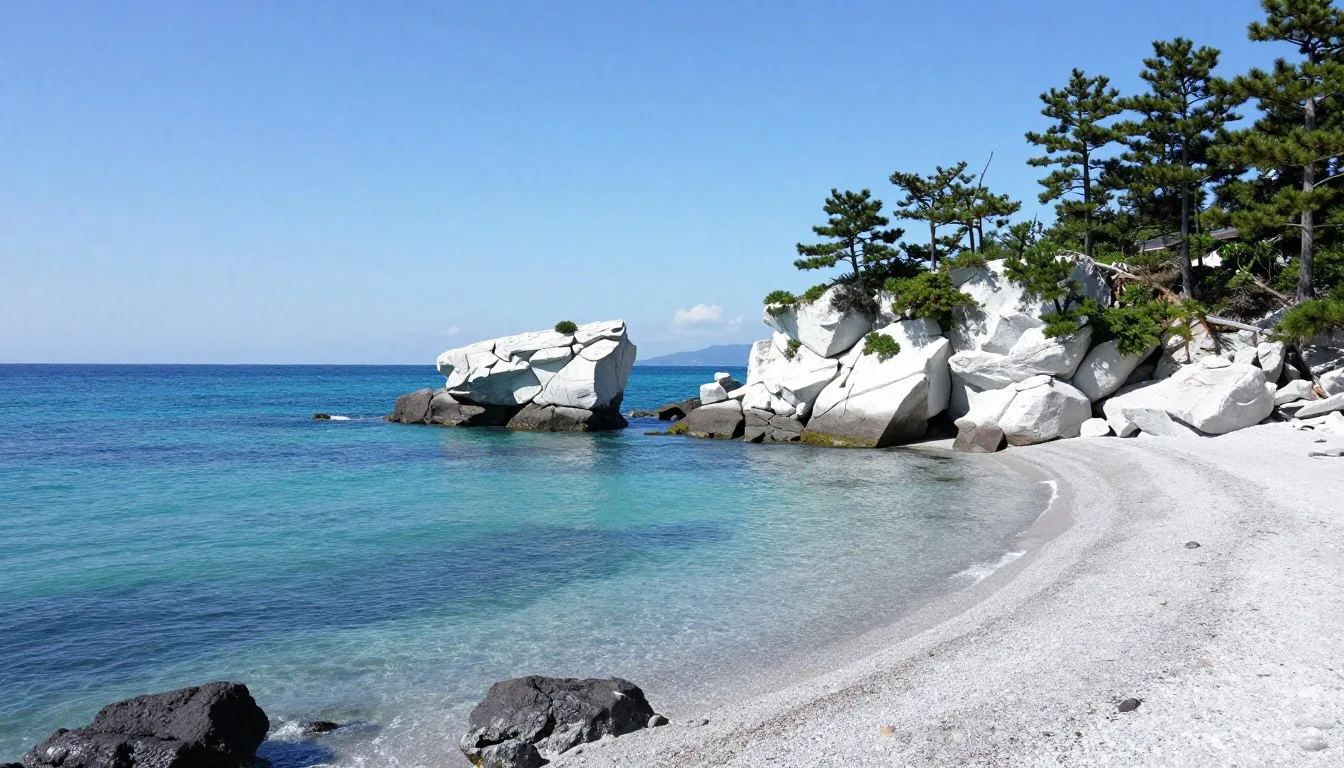
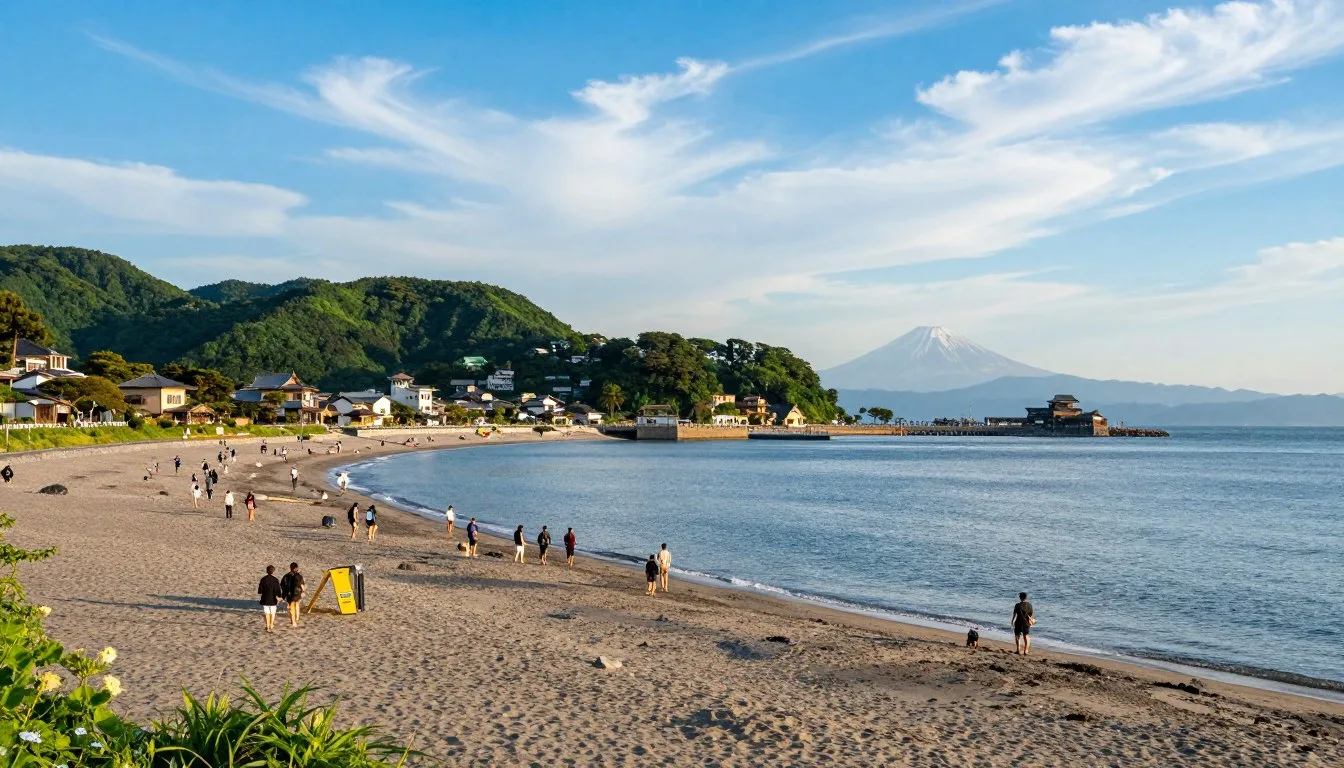
Several beaches along the Seto Inland Sea coast provide swimming and relaxation spots. The calm inland sea creates gentle conditions suitable for families. Most beaches operate during July and August with lifeguards on duty. Facilities include changing rooms and simple food vendors.
Water temperatures reach comfortable levels by early July. The swimming season extends through early September. Beaches rarely become extremely crowded compared to ocean-facing areas. Some hotels near beaches offer private access for guests.
Cycling Routes
Dedicated cycling paths connect various coastal areas. The routes follow relatively flat terrain suitable for casual riders. Rental bicycles including electric-assist models make touring accessible to most fitness levels. Many paths provide separated lanes away from vehicle traffic.
Island cycling offers unique experiences combining art viewing with outdoor activity. Naoshima and Shodoshima have designated cycling routes passing major attractions. The combination of cultural sites and natural scenery creates memorable journeys. Rental shops exist near ferry terminals on each island.
Travel With Children
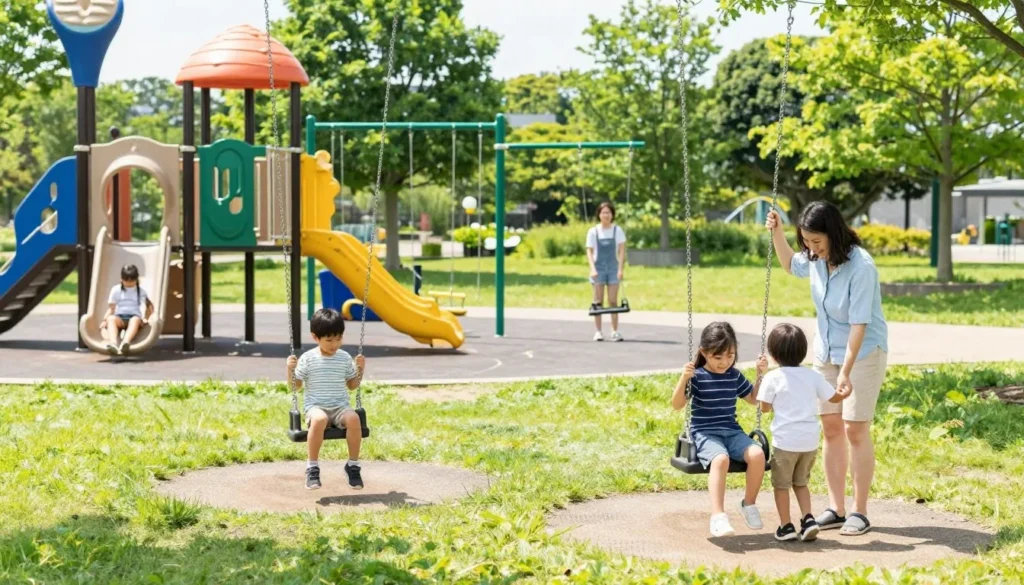
Kagawa Prefecture welcomes families with children of all ages. The compact area reduces long travel times between attractions. Many sites offer hands-on activities appealing to younger visitors. Japanese culture’s child-friendly nature ensures smooth family travel experiences.
Family-Friendly Attractions
New Yashima Aquarium houses marine life from the Seto Inland Sea and beyond. Interactive touch pools allow children to safely handle sea creatures. Daily dolphin shows entertain audiences. The facility maintains comfortable indoor environments regardless of weather.
Sanuki Children’s Land provides extensive playground equipment and activity areas. Admission remains free for this government-operated facility. Space-themed attractions include a planetarium and flight simulators. Picnic areas allow families to bring their own meals.
Ritsurin Garden offers wide paths suitable for strollers. Children enjoy feeding carp in the ponds. The extensive grounds provide space for kids to explore safely. Seasonal events sometimes include activities designed for young visitors.
Practical Considerations
Most public facilities include baby changing tables in restrooms. Nursing rooms exist in major shopping areas and train stations. Convenience stores stock baby supplies including diapers and formula. Many restaurants provide children’s menus and high chairs.
Public transportation accommodates families well. Children under six ride trains free when accompanied by adults. Strollers can board buses and trains during off-peak hours. Priority seating areas assist parents with young children.
Beach areas operate lifeguarded sections during summer. Shallow water zones suit small children learning to swim. Beach toys and floats available for rent or purchase. Changing facilities and showers help families stay comfortable.
Accommodation Tips
Family rooms in hotels typically include extra beds or futons. Some ryokans welcome children with special meal options. Vacation rentals provide space for families to spread out. Kitchen facilities allow preparing familiar foods for picky eaters.
Request rooms away from noisy areas when booking. Ground floor rooms eliminate stair-climbing with luggage and children. Hotels near parks give kids outdoor play opportunities. Some properties offer children’s activity programs during holiday periods.
Dining With Kids
Udon shops naturally appeal to children who enjoy noodles. Simple preparations without complex flavors suit young palates. Self-service style allows families to customize meals. Quick service keeps impatient children from waiting too long.
Family restaurants serve Western and Japanese options. Picture menus help children point to desired items. Many establishments provide crayons and coloring sheets. Casual atmospheres welcome families without formal dining pressure.
Money Saving Tips
Traveling in Kagawa can fit various budgets with strategic planning. Several approaches reduce costs while maintaining quality experiences. Understanding local pricing and alternatives helps maximize your travel budget.
Transportation Savings
The JR Shikoku Pass delivers significant value for multi-day rail travel. A three-day pass costs approximately 11,000 yen, versus single tickets adding up quickly. Calculate your planned routes to determine if the pass saves money. Purchase online before arrival for discounted rates.
Renting bicycles costs less than cars while providing adequate transportation in compact areas. Daily bicycle rental runs 500 to 1,500 yen compared to 5,000 plus yen for cars. Free parking for bicycles eliminates that expense. The exercise adds health benefits to financial savings.
Local buses often cost less than taxis for shorter distances. A bus ride typically ranges 200 to 500 yen. Walking between nearby attractions eliminates transport costs entirely. The compact nature of Takamatsu makes walking feasible for many trips.
Accommodation Strategies
Booking accommodations well in advance secures lower rates. Last-minute bookings during peak seasons carry premium prices. Weekday stays cost less than weekends at many properties. Consider staying slightly outside central Takamatsu where hotels charge lower rates.
Hostels and guesthouses provide budget options starting around 2,500 yen per night. Shared facilities reduce costs significantly. Many hostels include breakfast and have kitchens for preparing meals. The social atmosphere adds value beyond just savings.
Longer stays sometimes qualify for weekly discounts. Some vacation rentals reduce nightly rates for bookings over three days. Negotiate directly with smaller properties for extended stay deals.
Dining Economically
Self-service udon shops offer authentic meals for 300 to 500 yen. These establishments provide the same quality as pricier restaurants. Eating your main meal at lunch saves money as lunch sets cost less than dinner. Many restaurants offer substantial lunch specials for 800 to 1,200 yen.
Convenience stores sell ready-to-eat meals, sandwiches, and snacks at reasonable prices. Onigiri rice balls cost around 100 to 150 yen each. These make convenient, inexpensive breakfast or lunch options. Supermarkets discount prepared foods near closing time.
Local markets sell fresh produce and snacks cheaper than tourist areas. Bringing snacks and water reduces expensive purchases at attractions. Picnicking in parks costs nothing and creates pleasant experiences.
Attraction Access
Many natural attractions charge no admission fees. Beaches, hiking trails, and scenic viewpoints remain free. Parks and temples often request small donations rather than fixed entrance fees. Combining free attractions with paid museums balances the budget.
Some museums offer free admission days monthly. Check websites before visiting to catch these opportunities. Student discounts apply at many sites with valid identification. Senior citizens often receive reduced rates at attractions.
Purchase combination tickets when visiting multiple related sites. Art island passes cover several museums at discounted rates. Cumulative savings increase when visiting numerous attractions. Some passes include ferry transportation between islands.
Off-Season Travel
Visiting during winter or early spring reduces costs across all categories. Hotels lower rates during slow periods. Fewer crowds mean shorter wait times and better experiences. Weather remains mild enough for most activities except beach swimming.
Shoulder seasons in May-June and September-November offer good weather at moderate prices. Avoid Golden Week in early May when domestic tourism peaks. Japanese holiday periods drive up prices and create crowds.
Shopping Smart
Tax-free shopping saves eight to ten percent on purchases over certain amounts. Bring passport to qualify for tax exemption. Designated tax-free shops display clear signage. The savings add up on larger purchases like crafts or electronics.
Local supermarkets sell souvenirs cheaper than tourist shops. Generic regional products cost less than branded items. Buying snacks and simple gifts at regular stores rather than specialty shops reduces expenses.
Safety & Local Customs
General Safety
Kagawa Prefecture maintains extremely low crime rates. Violent crime against tourists remains exceptionally rare. Petty theft occurs infrequently compared to many international destinations. However, maintaining awareness of belongings in crowded areas remains wise practice.
Emergency services respond quickly throughout the prefecture. The nationwide emergency number 110 reaches police. Dial 119 for fire and medical emergencies. English-speaking operators may not always be available immediately. Major hospitals in Takamatsu have some English-capable staff.
Natural disaster preparedness matters in Japan. Earthquakes can occur, though major events remain uncommon. Familiarize yourself with evacuation procedures at your accommodation. Tsunami warning systems exist along coastal areas. Follow local instructions during any emergency alerts.
Typhoons potentially affect the area between August and October. Weather services provide advance warning. Transportation suspends during severe storms. Monitor weather forecasts and adjust plans if typhoons approach.
Health Considerations
No special vaccinations are required for visiting Kagawa. Tap water throughout Japan remains safe to drink. The subtropical climate brings hot, humid summers. Stay hydrated during outdoor activities in warm months.
Pharmacies stock common over-the-counter medications. Bring prescription medications in original containers with documentation. International clinics in Takamatsu can assist foreign visitors. Travel insurance covering medical care provides peace of mind.
Allergy sufferers should research ingredients if concerned about food sensitivities. Many restaurants struggle to guarantee complete allergen-free preparations. Carrying translation cards explaining dietary restrictions helps communicate needs.
Cultural Etiquette
Removing shoes when entering homes, some restaurants, and traditional accommodations shows respect. Look for shoe racks or slippers at entrances as indicators. Temple and shrine grounds may require removing shoes before entering certain buildings.
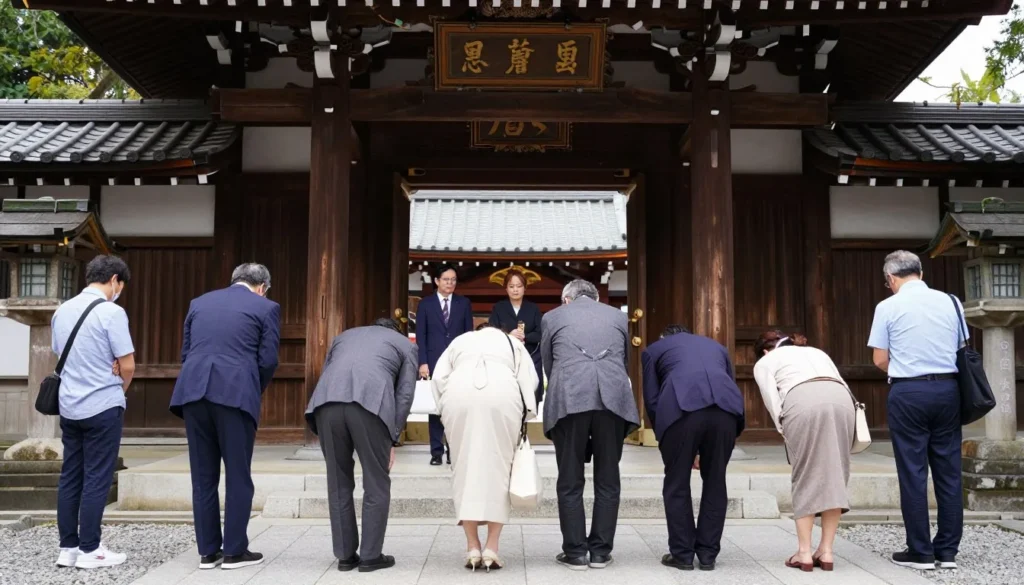
Bowing serves as standard greeting and thanks. A slight nod suffices for casual situations. Deeper bows show greater respect or formality. Don’t feel pressured to master complex bowing protocol as a foreign visitor.
Noise levels in public spaces remain generally low in Japan. Speak quietly on trains and in restaurants. Phone conversations on public transportation are considered rude. Set devices to silent mode in public areas.
Tipping does not exist in Japanese culture. Leaving money can confuse or offend service workers. Exceptional service deserves verbal thanks. Price includes service at restaurants, taxis, and hotels.
Dining Customs
Use chopsticks properly at restaurants. Never stick chopsticks upright in rice, as this resembles funeral rites. Pass food from chopstick to chopstick is also taboo. Rest chopsticks on provided holders between bites.
Slurping noodles is acceptable and even expected with hot noodle soups. The sound indicates enjoyment. Finishing your entire meal shows appreciation. Leaving small amounts signals you’re satisfied.
✓ Check 30,000+ Local Sightseeing Tours Worldwide
Pour drinks for others before filling your own glass. This gesture demonstrates consideration. Someone will reciprocate and fill your glass. Wait for a group “kanpai” (cheers) before drinking.
Temple and Shrine Etiquette
Bow slightly before passing through torii gates at shrines. These gates mark the transition to sacred space. Purify hands and mouth at water basins near entrances. Specific washing procedures involve rinsing left hand, right hand, then mouth.
Photography is generally permitted in outdoor shrine areas. Some indoor spaces prohibit photos. Look for posted signs or ask permission when uncertain. Never photograph ceremonies or priests without explicit approval.
Make offerings at shrines by tossing coins into collection boxes. Bow twice, clap twice, then bow once when praying. This standard procedure shows respect. No requirement exists to participate if you prefer simply observing.
Social Interactions
Direct eye contact is less common than in Western cultures. Extended staring may make people uncomfortable. A brief glance and nod acknowledges others appropriately. Personal space bubbles tend to be smaller in crowded situations.
English proficiency varies widely among locals. Younger people and those in tourism typically speak more English. Patience and simple language help communication. Learn basic Japanese phrases like “arigatou gozaimasu” (thank you) and “sumimasen” (excuse me).
Punctuality matters greatly in Japanese culture. Arrive on time for reservations and scheduled tours. Transportation runs precisely on schedule. Being late without communication shows disrespect.
Visitor Comments About Kagawa Prefecture
M.I., Kecskemét: “The art islands completely exceeded my expectations. Naoshima felt like stepping into another world where creativity touches everything. The combination of contemporary art and traditional island life creates something magical. We spent three days island hopping and wished we had planned for more time. The local udon shops became our daily ritual. Every bowl tasted different but equally delicious. Kagawa offers experiences you simply cannot find elsewhere in Japan.”
H.J., Makkah: “Ritsurin Garden provided the most peaceful morning of our entire Japan trip. We arrived right at opening before the crowds and had the paths almost to ourselves. The careful design of every view amazed us. You could spend hours discovering new perspectives. The autumn colors reflected perfectly in the ponds. Our family also loved climbing to Konpira Shrine. The kids complained about the steps at first but felt so proud reaching the top. The views made every step worthwhile.”
F.W., Chelmsford: “We chose Kagawa specifically to avoid the typical tourist crowds in Tokyo and Kyoto. The decision proved perfect for our travel style. Everything felt more authentic and relaxed. The locals seemed genuinely happy to share their culture with us. Getting around was easier than expected even with limited Japanese. The Seto Inland Sea scenery reminded us why we love traveling to beautiful places. We’re already planning to return and explore the islands we missed this time.”
Additional Nearby Destinations
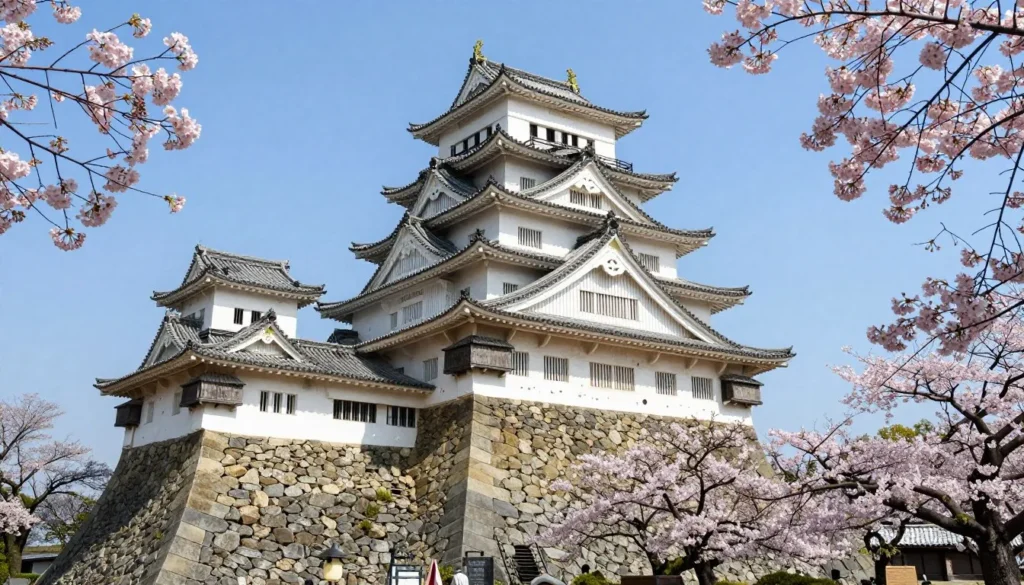
Kagawa’s location provides convenient access to other Shikoku destinations and western Honshu. Combining regions creates comprehensive travel experiences. Transportation connections make multi-destination trips feasible within reasonable timeframes.
Tokushima Prefecture
The neighboring prefecture lies about 90 minutes from Takamatsu by train. Tokushima hosts the famous Awa Odori dance festival each August. The Naruto Whirlpools create dramatic natural phenomena where tidal currents collide. Observation boats and a bridge walkway provide viewing opportunities. The area also features hiking in the Iya Valley gorge system.
Ehime Prefecture
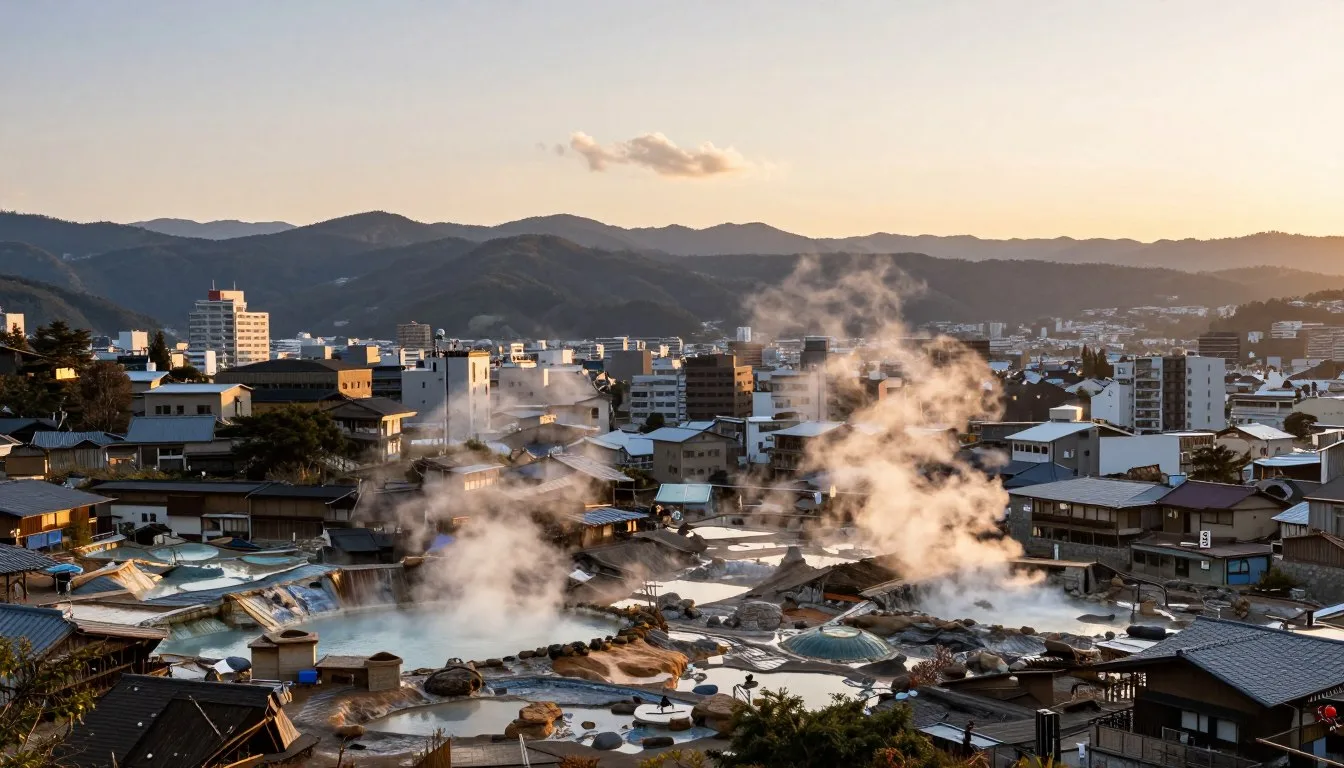
Western Shikoku’s Ehime contains Matsuyama, home to Japan’s oldest hot spring. Dogo Onsen inspired the bathhouse in the animated film Spirited Away. The impressive Matsuyama Castle overlooks the city from a hilltop. The journey from Kagawa takes about two hours by train. Day trips work well, though overnight stays allow soaking in the historic baths.
Kurashiki
This historic city in Okayama Prefecture preserves beautiful canal-side architecture. White-walled warehouses line waterways creating photogenic scenes. The Ohara Museum houses Western art in traditional Japanese buildings. Travel time from Takamatsu spans approximately 90 minutes. The preserved district makes Kurashiki popular for day visits.
Hiroshima
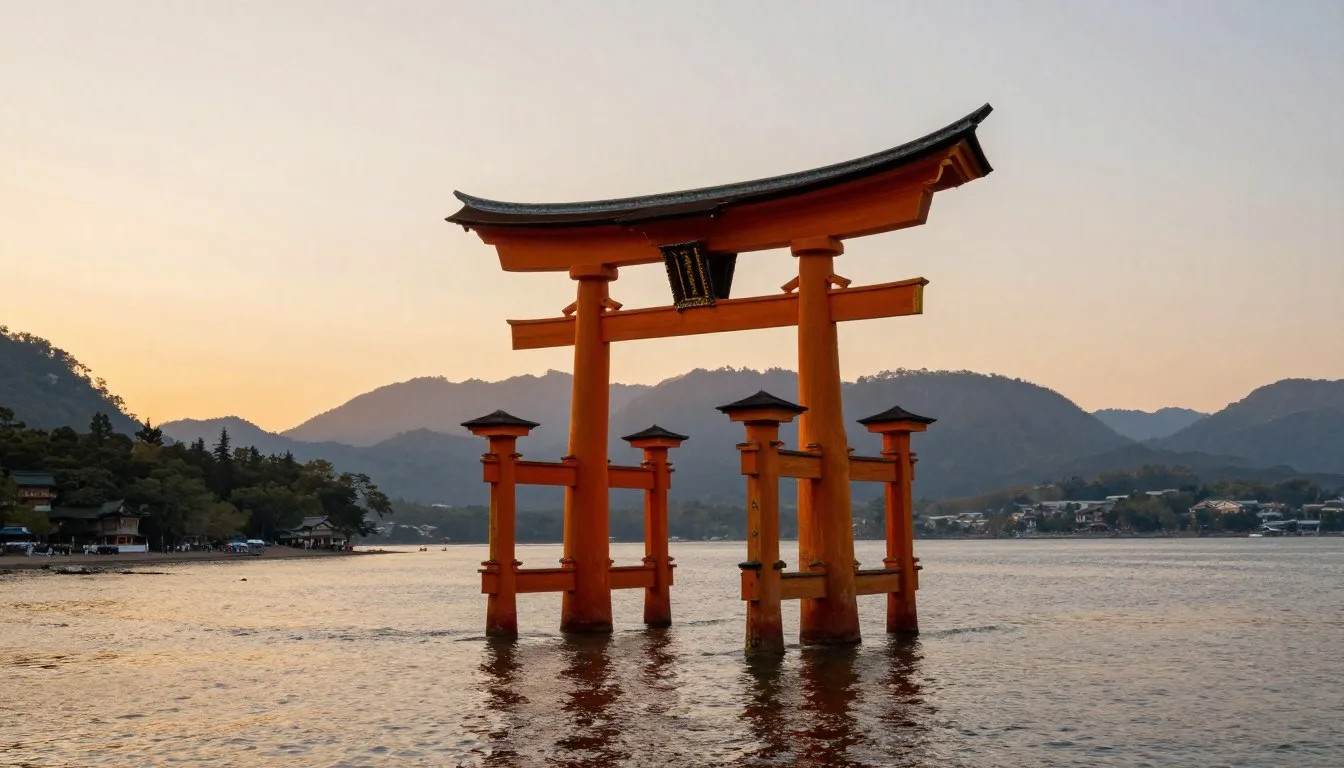
The Peace Memorial Park and Museum provide powerful historical experiences. Miyajima Island near Hiroshima features the famous floating torii gate. Both sites rank among Japan’s most significant attractions. The journey from Kagawa requires three to four hours by train. Many travelers combine Shikoku visits with Hiroshima stops.
Kobe
This sophisticated port city offers international atmosphere and famous beef. The harbor area features modern architecture and waterfront parks. Mount Rokko provides mountain scenery overlooking Osaka Bay. Travel time from Takamatsu runs about two and a half hours. Kobe makes an interesting contrast to rural Kagawa experiences.
Naoshima Neighboring Islands
Beyond the main art island, several smaller islands host unique attractions. Inujima Island features an art museum in a repurposed copper refinery. Megijima and Ogijima offer quieter atmospheres with scattered art installations. These smaller islands see fewer visitors than Naoshima. Ferry connections link these islands into possible day-trip routes.
Shikoku Pilgrimage Temples
The 88-temple pilgrimage circuit spans all four Shikoku prefectures. Kagawa contains the final temples numbered 66 through 88. Many pilgrims complete the circle here. Even non-pilgrims appreciate visiting several temples to experience this spiritual journey. Each temple offers distinct architecture and historical significance.
Practical Travel Tips
Money and Banking
Japan remains largely cash-based despite modernization. Many smaller restaurants and shops accept only yen cash. ATMs at 7-Eleven convenience stores accept most international cards. Post office ATMs also work with foreign cards during business hours. Withdraw sufficient cash in larger cities before visiting rural areas.
Credit cards see acceptance at major hotels, department stores, and chain restaurants. Visa and Mastercard work more reliably than American Express or Discover. Always carry cash backup. Notify your bank before traveling to prevent card blocks.
Currency exchange counters exist at the airport and major hotels. Exchange rates at airports typically offer less favorable rates. Banks provide better exchange rates but keep limited hours. Withdrawing from ATMs often gives competitive rates with minimal fees.
Language Tips
Download translation apps with offline capability before arrival. Google Translate’s camera function helps read signs and menus. Many signs include English in tourist areas. Learning basic Japanese phrases improves interactions and shows respect.
Writing down destinations in Japanese characters helps when asking directions. Hotel staff can write addresses for taxi drivers. Pronunciation apps help you learn proper speaking. Don’t feel embarrassed about communication challenges as most locals appreciate any effort.
Internet and Connectivity
Rent a portable WiFi device at the airport or order online for delivery. These devices provide unlimited data for multiple devices. Daily rates run 500 to 1,000 yen depending on data speed. SIM cards for unlocked phones offer another option for data access.
Free WiFi exists at many accommodations, train stations, and cafes. Connection quality and speed vary considerably. Tourist information centers often provide free internet access. Download offline maps before traveling to areas with limited connectivity.
Packing Suggestions
Bring comfortable walking shoes as you will cover significant distances. Temple and shrine visits involve uneven stone paths. Slip-on shoes simplify the frequent shoe removal in Japan. Pack modest clothing that covers shoulders and knees for temple visits.
Layers work best for variable temperatures and air conditioning. A light rain jacket serves multiple purposes. Sunscreen and hats protect against strong summer sun. Insect repellent helps during humid months near water.
Many hotels provide basic toiletries. Bring specific brands if you have preferences. Electrical outlets use Japanese Type A plugs at 100V. Universal adapters work though voltage converters may be necessary for some devices.
Local Resources
Tourist information centers at major train stations offer free maps and advice. English-speaking staff can help with transportation questions. Some centers book accommodations and tours. These resources prove invaluable for solving unexpected travel issues.
Download the Japan Official Travel App for updated information. The app includes offline maps and emergency contacts. Tourist board websites provide current attraction hours and seasonal information.
Time Zone and Business Hours
Japan operates on Japan Standard Time, nine hours ahead of UTC. No daylight saving time adjustments occur. Most shops open around 9:00 or 10:00 AM. Restaurants often close between lunch and dinner service. Convenience stores operate 24 hours providing late-night options.
Mondays see many museums closed. Restaurants around temples close early afternoon. Check specific attraction hours before planning daily itineraries. National holidays affect opening schedules throughout the prefecture.
Luggage and Storage
Coin lockers exist at all major train stations. Sizes accommodate various luggage dimensions. Large lockers cost 500 to 700 yen per day. Some hotels store luggage before check-in or after checkout. This service allows you to explore without carrying bags.
Consider shipping luggage between hotels using takkyubin delivery services. This option costs reasonable rates and arrives reliably. Traveling light on day trips significantly increases comfort and mobility.
Your Kagawa Adventure Awaits
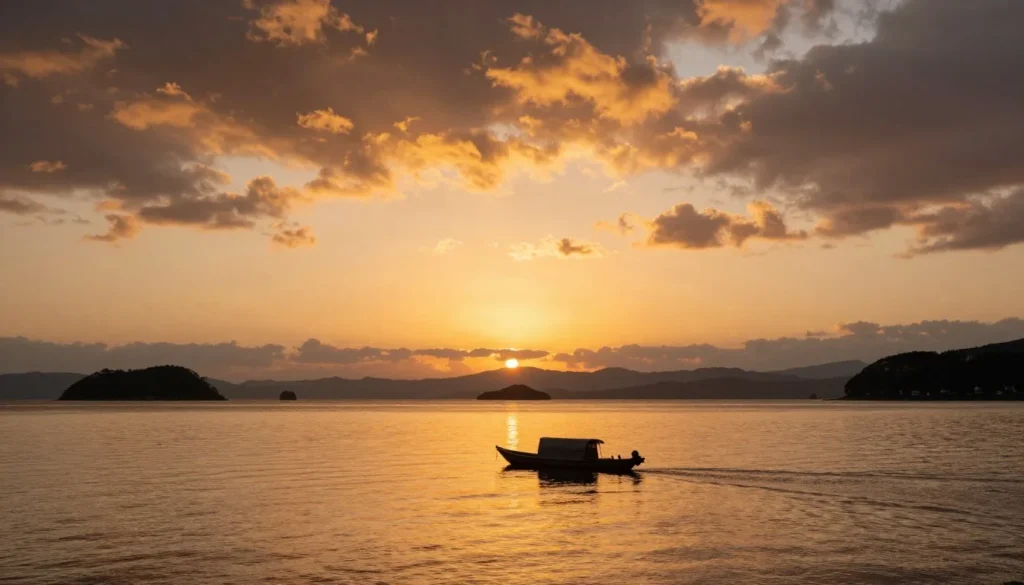
Kagawa Prefecture reveals Japan beyond the typical tourist trail. This compact region delivers extraordinary diversity from contemporary art to ancient traditions. The Seto Inland Sea provides stunning scenery at every turn. World-class museums coexist with simple udon shops serving generations-old recipes.
Every visitor discovers their own Kagawa experience. Art enthusiasts find inspiration across island galleries. Food lovers embark on udon pilgrimages. Nature seekers explore mountains and coastlines. History buffs climb temple stairs walked by pilgrims for centuries. The prefecture accommodates every travel style and interest.
The warm hospitality of local people enhances every experience. Smaller crowds allow genuine connections and discoveries. You will encounter Japan at a more relaxed, authentic pace. These moments create travel memories that last far beyond your journey home.
Start planning your Kagawa adventure today. This hidden corner of Japan promises to surprise and delight you. The perfect blend of culture, nature, art, and cuisine awaits your exploration. Your journey through Kagawa will change how you see Japan forever.