Hotels by Trip.com
Flights by Trip.com
Oita Prefecture produces more hot spring water than any other region in Japan—an astonishing 280,000 liters per minute flows from over 4,500 springs across this remarkable prefecture. This volcanic bounty has shaped Oita into a wellness paradise where ancient bathing traditions meet dramatic natural landscapes. The prefecture’s name derives from “Oita,” meaning “large rice field,” reflecting the agricultural heritage that once defined these coastal plains before hot springs transformed the region into one of Japan’s premier travel destinations.
This comprehensive Oita Prefecture Japan travel guide reveals everything travelers need to explore this captivating corner of Kyushu Island. From the steaming baths of Beppu to the tranquil charm of Yufuin Onsen, Oita offers experiences that blend natural wonders with rich cultural heritage. Visitors discover a place where traditional onsen culture thrives alongside modern attractions, where countryside beauty meets accessible urban convenience.
Getting There & Planning Your Journey
Reaching Oita Prefecture is straightforward thanks to excellent transport connections. The primary gateway is Oita Airport, located approximately 60 km (37 miles) from Oita City. International travelers typically connect through Tokyo Narita, Osaka Kansai, or Fukuoka airports before taking domestic flights to Oita.
Alternative airports include Fukuoka Airport, roughly 130 km (81 miles) away. From Fukuoka, travelers can take the Sonic Limited Express train directly to Oita Station in approximately two hours. This scenic route offers glimpses of coastal landscapes and rural countryside. Kumamoto Airport serves as another option, though it requires longer travel time.
By Air
- Oita Airport receives domestic flights from major Japanese cities
- Airport buses connect to Beppu and Oita City in 45-60 minutes
- Pre-booking airport transfers ensures smooth arrival
- Rental car services available at airport terminal
By Train
- Sonic Limited Express connects Fukuoka and Oita Prefecture
- Japan Rail Pass covers most train routes
- Oita Station serves as central transportation hub
- Local trains link smaller onsen towns effectively
Planning your trip to Oita Prefecture requires considering travel pace and interests. Most visitors allocate three to five days to experience the main attractions adequately. This timeframe allows exploration of both Beppu and Yufuin Onsen, plus additional sites. Longer stays enable deeper countryside exploration and relaxation at various hot spring towns across the prefecture.
Best Time to Visit & Weather Tips
Best Time to Visit Oita Prefecture
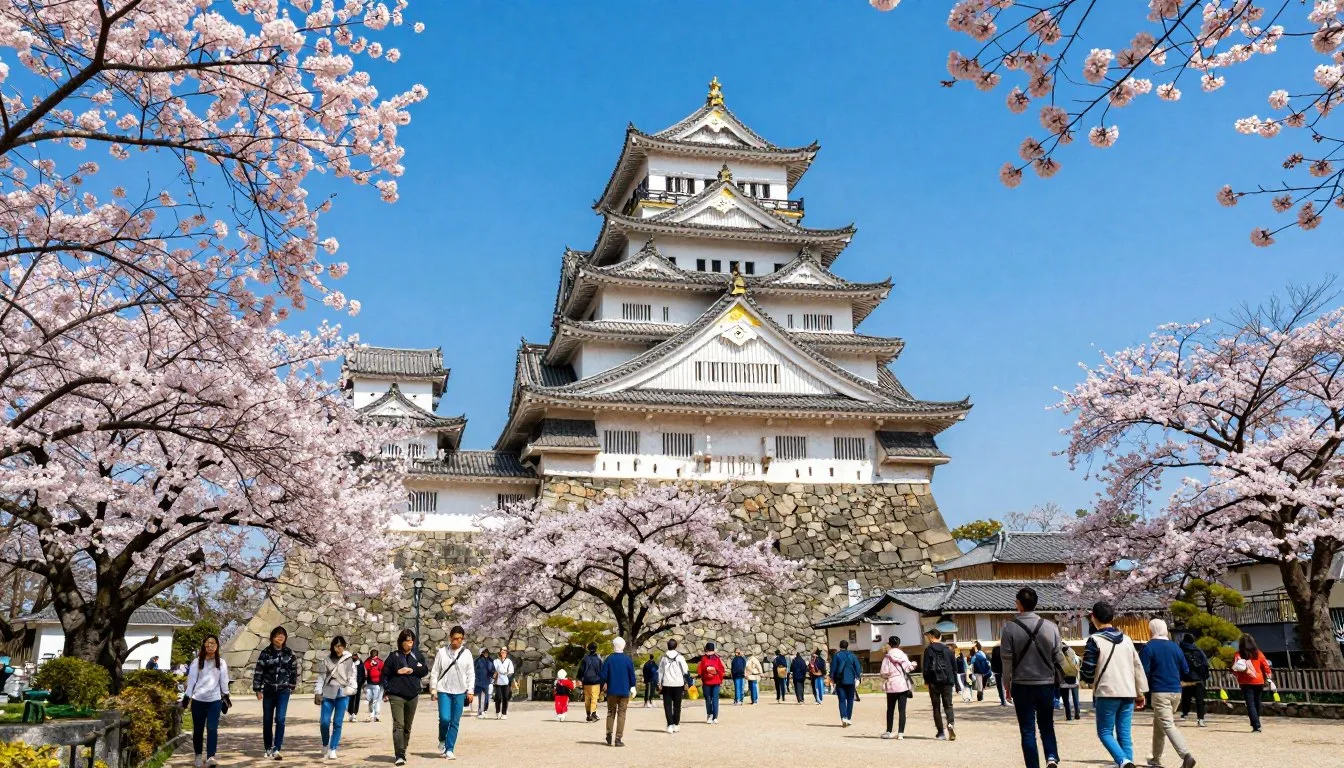
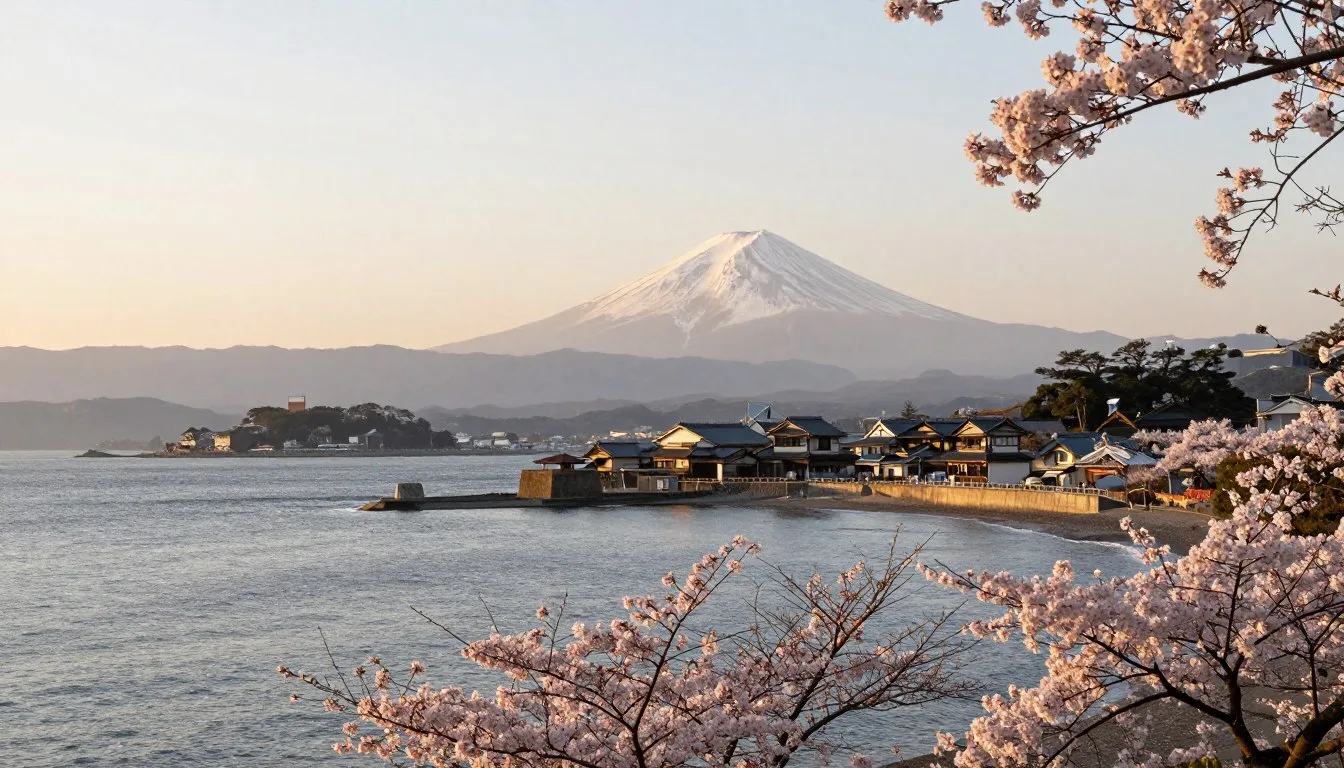
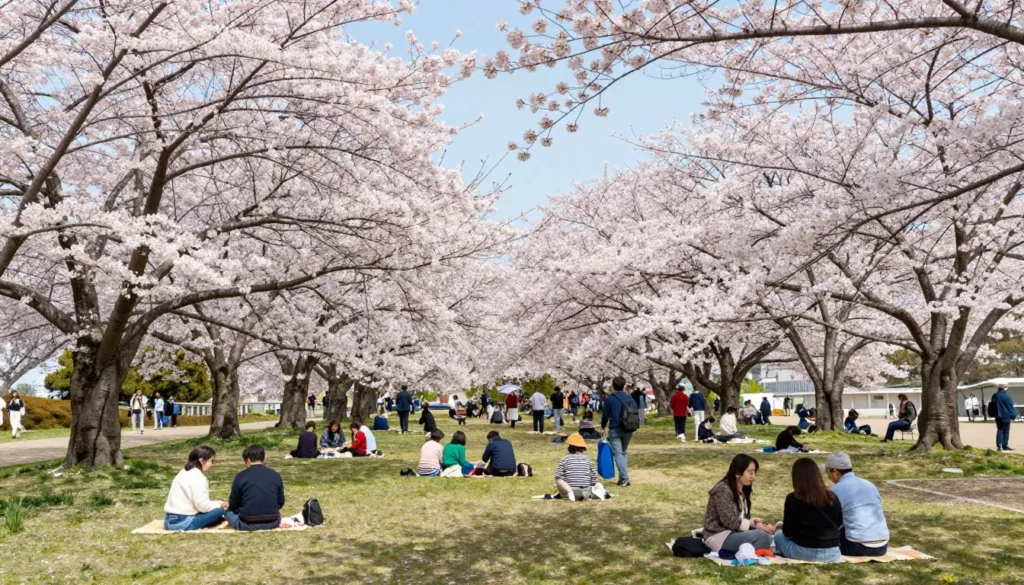
Spring (March through May) and autumn (September through November) offer ideal conditions for exploring Oita. Spring brings cherry blossoms to parks and temple grounds, with temperatures ranging from 15°C to 20°C (59°F to 68°F). Autumn delivers brilliant foliage, particularly stunning in mountainous areas around Yufuin, with similar comfortable temperatures perfect for outdoor activities.
Summer (June through August) brings warmth and humidity, with temperatures climbing to 28°C to 32°C (82°F to 90°F). Despite the heat, this season suits hot spring experiences as cooler evening baths provide refreshing relief. The rainy season typically occurs during June and early July, bringing increased precipitation but fewer crowds.
Avoid Visiting: Late July and August see peak domestic tourism, resulting in crowded attractions and higher accommodation prices. Golden Week (late April-early May) also brings significant crowds. Winter months (December-February) offer fewer visitors but temperatures drop to 5°C to 10°C (41°F to 50°F), though onsen experiences remain delightful.
Notable Annual Festivals
Oita Prefecture celebrates numerous festivals throughout the year, showcasing local traditions and community spirit. These events offer travelers authentic cultural experiences beyond typical tourist activities.
✓ Check 30,000+ Local Sightseeing Tours Worldwide
- Beppu Hatto Onsen Festival (April): Week-long celebration of hot spring culture featuring parades, traditional performances, and special bathing events. Contact: +81-977-21-1111
- Usuki Stone Buddha Festival (August): Honors the ancient Buddhist stone carvings with lantern displays and cultural performances. Contact: +81-972-65-3300
- Taketa Lantern Festival (November): Thousands of bamboo lanterns illuminate the historic castle town, creating magical evening atmosphere. Contact: +81-974-63-2638
- Kunisaki Fire Festival (February): Ancient ritual on Kunisaki Peninsula featuring dramatic fire ceremonies and traditional dances. Contact: +81-978-62-2367
Getting Around Locally
Navigating Oita Prefecture becomes manageable once you understand the available transportation options. The region offers various ways to travel between hot spring towns, attractions, and natural sites scattered across the countryside.
Public transportation works well for major routes. Buses connect Oita City, Beppu, and Yufuin regularly, with services running approximately every 30 to 60 minutes during peak hours. The Sonic Limited Express train provides comfortable travel along the coast, while local train lines reach smaller towns. Purchase day passes for unlimited travel on specific bus routes, offering excellent value for active explorers.
Public Transport Benefits
- Cost-effective for major routes
- No parking concerns
- Environmentally friendly option
- Connects all main onsen towns
Car Rental Advantages
- Access remote countryside locations
- Flexible schedule and spontaneous stops
- Convenient for families and groups
- Easier transport for shopping and luggage
Renting a car provides maximum flexibility, especially for exploring the Kunisaki Peninsula or reaching secluded hot springs. International driving permits are required alongside your home country license. Roads are well-maintained and signage often includes English. Navigation apps work reliably throughout the prefecture. Reserve rental cars in advance during peak seasons.
Where to Stay
Accommodation options in Oita Prefecture range from traditional ryokan inns to modern hotels, each offering distinct experiences. Your choice shapes your overall trip, particularly regarding onsen access and cultural immersion.
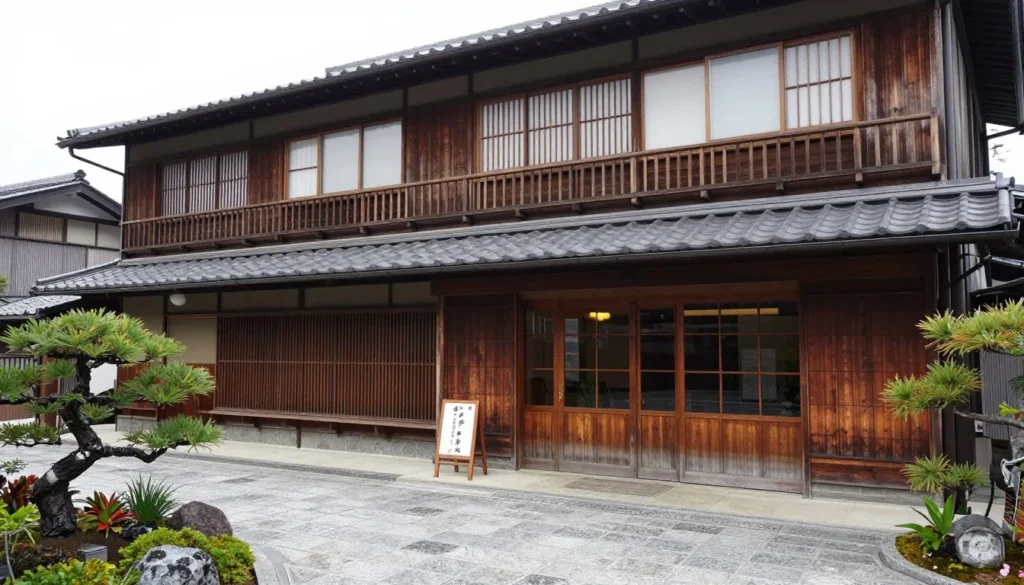
Beppu offers the widest accommodation selection, from budget business hotels near the station to luxurious onsen resorts. The city makes an excellent base for exploring multiple attractions. Yufuin attracts visitors seeking tranquil charm, with numerous upscale ryokan featuring private hot spring baths and mountain views. Oita City provides convenient access to transport connections and urban amenities.
Traditional Ryokan
Experience authentic Japanese hospitality with tatami rooms, kaiseki meals, and private or shared onsen baths. Staff provide exceptional service, and many properties occupy scenic locations. Expect to spend ¥15,000 to ¥40,000 per person per night including meals.
Modern Hotels
Contemporary accommodations near stations and city centers offer Western-style rooms, restaurants, and convenient access to transportation. Many feature their own hot spring facilities. Prices typically range from ¥8,000 to ¥20,000 per night without meals.
Guesthouses & Hostels
Budget-conscious travelers find comfortable options in guesthouses and hostels, particularly in Beppu and Oita City. These provide basic accommodations, communal spaces, and opportunities to meet fellow travelers. Expect ¥3,000 to ¥6,000 per night.
Booking accommodation well in advance proves essential during spring cherry blossom season and autumn foliage periods. Many popular ryokan in Yufuin fill up months ahead. Consider staying in multiple locations to experience different onsen towns and reduce daily travel time between attractions.
Dining & Local Cuisine
Oita Prefecture boasts distinctive culinary traditions that reflect its coastal location and agricultural heritage. Local specialties showcase fresh seafood, premium beef, and unique regional preparations that delight food enthusiasts.
Bungo beef stands out as Oita’s premium offering, featuring exceptionally marbled wagyu raised in the prefecture’s favorable climate. Restaurants throughout the region serve this delicacy as yakiniku (grilled meat) or in hot pots. The rich flavor and tender texture justify the higher price, making it a must-try for meat lovers visiting the area.
- Toriten: Oita’s signature chicken tempura, lighter and crispier than standard tempura, served with ponzu dipping sauce
- Seki Aji & Seki Saba: Premium mackerel and horse mackerel from Saganoseki, prized for firm texture and rich taste
- Dangojiru: Hearty soup featuring flat wheat flour dumplings with vegetables in miso broth
- Kabosu: Local citrus fruit used to season dishes, refresh drinks, and enhance hot pot broths
- Jigoku-mushi: Ingredients steamed using natural hot spring vapor, popular in Beppu’s onsen district
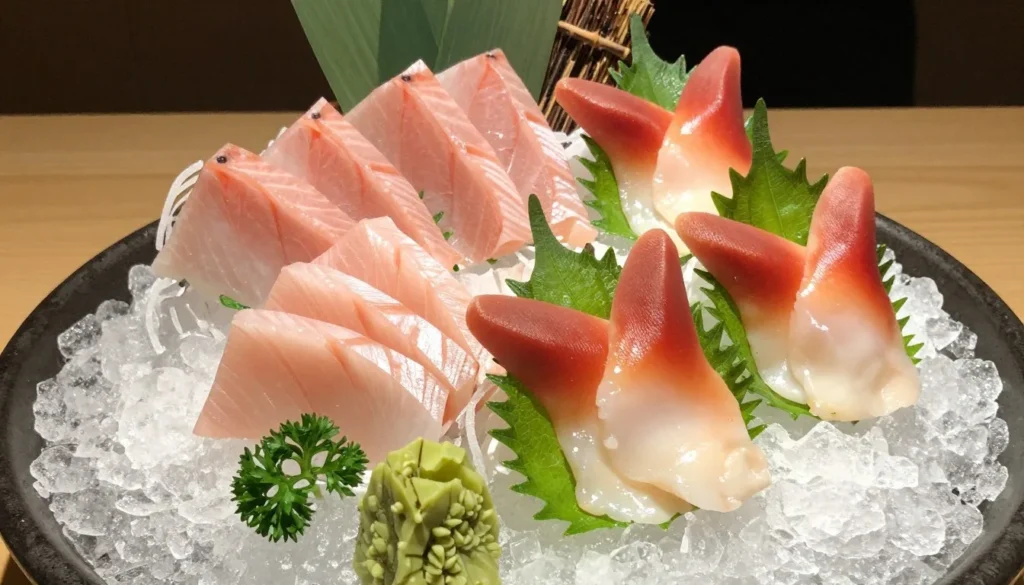
Izakaya pubs provide casual dining experiences where locals and travelers mingle over small plates and drinks. These establishments serve various regional dishes at reasonable prices. Department store basement food halls, called depachika, offer excellent prepared foods, bento boxes, and local specialties perfect for picnics or train travel meals.
Attractions, Sightseeing & Activities
Oita Prefecture delivers diverse attractions that appeal to different interests and travel styles. The region’s offerings extend far beyond its famous hot springs, encompassing natural wonders, cultural sites, and unique experiences found nowhere else in Japan.
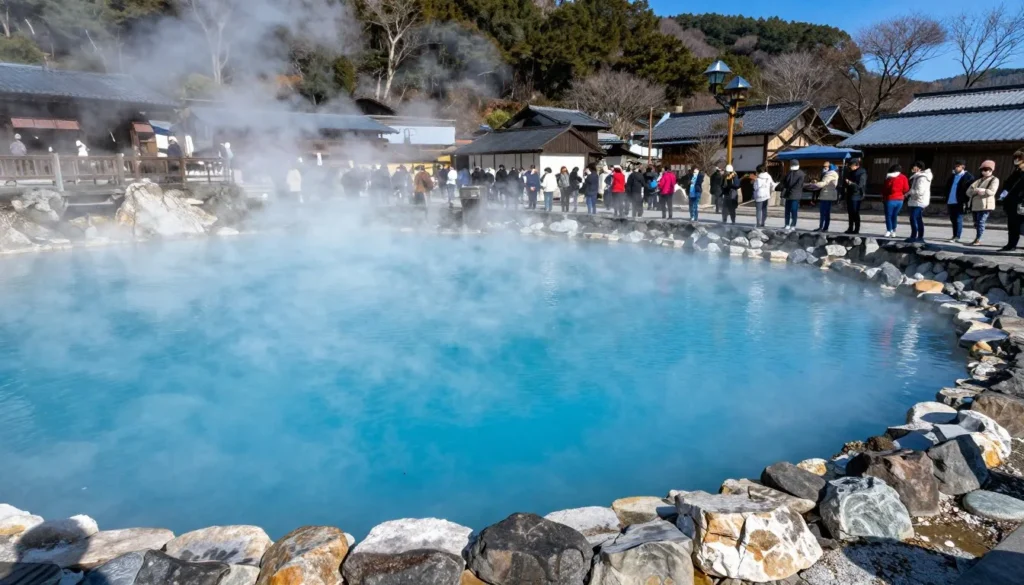
Beppu Onsen & the Hells Tour
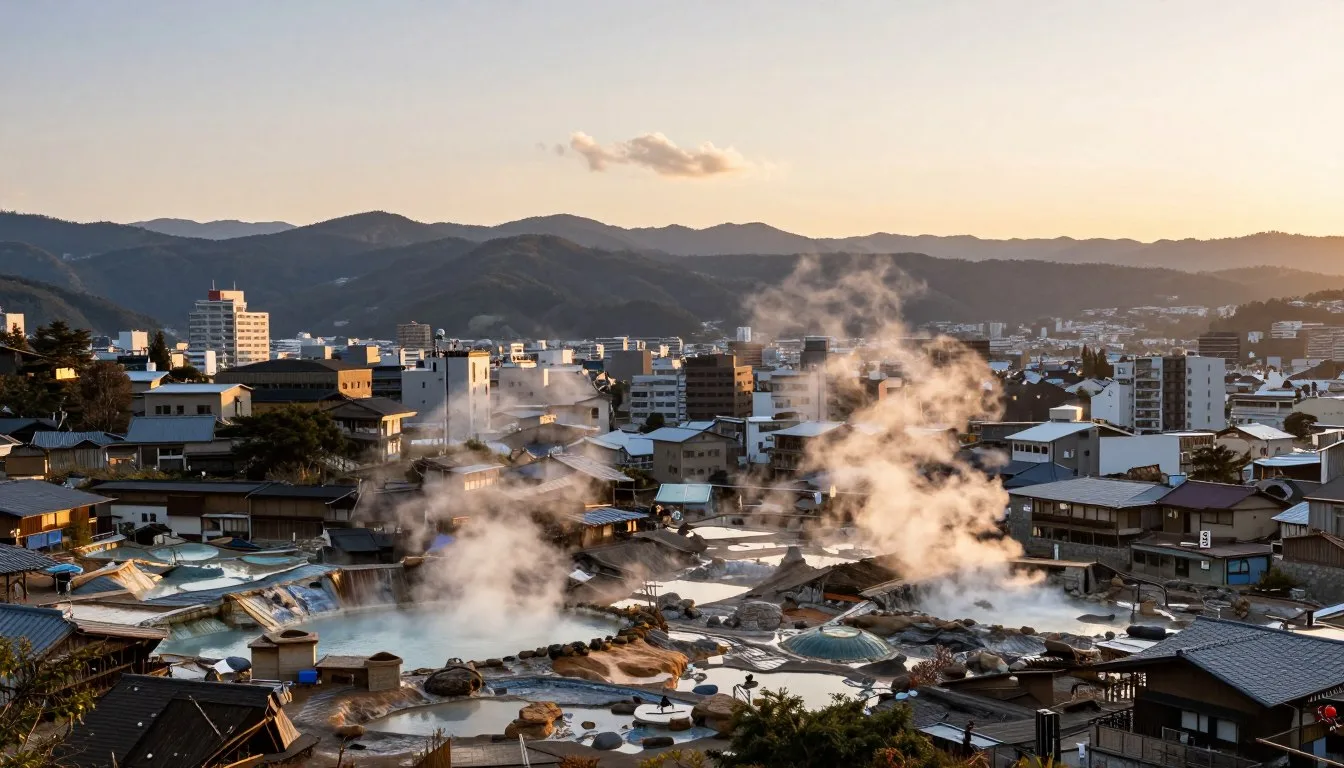
Beppu ranks among the world’s most productive hot spring sources, with distinct districts each offering different mineral compositions and bathing experiences. The famous “Hells of Beppu” (Jigoku Meguri) showcases spectacular geothermal phenomena where hot spring water reaches temperatures too extreme for bathing. These eight colorful hot springs display remarkable hues from cobalt blue to blood red, created by various minerals and geological processes.
Visitors spend two to three hours touring the hells by bus or car. Each site offers unique characteristics worth photographing. Umi Jigoku (Sea Hell) features stunning blue water at 98°C (208°F). Chi-no-Ike Jigoku (Blood Pond Hell) displays deep red water from iron oxide. Tatsumaki Jigoku erupts like a geyser every 30 to 40 minutes. Combined tickets provide admission to all eight locations at reduced rates.
Yufuin Town
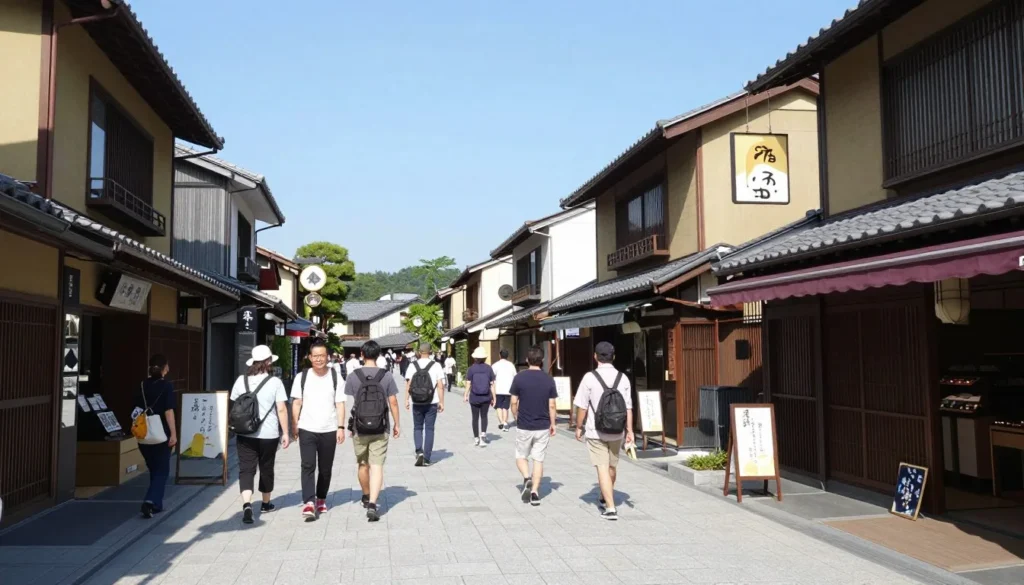
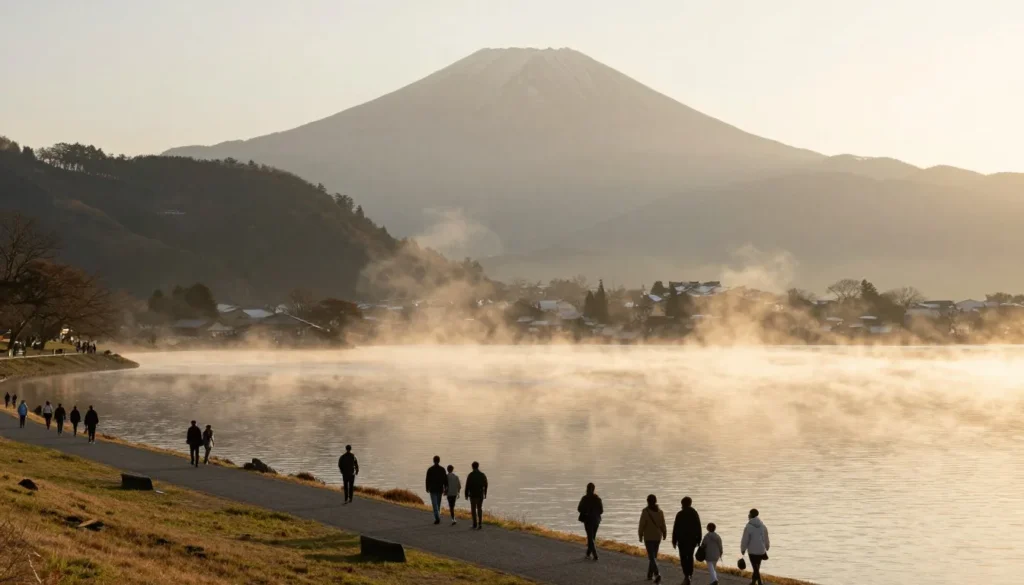
This charming onsen town nestles at the base of Mount Yufu, offering a more refined atmosphere than bustling Beppu. The main street features boutique shops, art galleries, cafes, and restaurants occupying renovated traditional buildings. Lake Kinrinko provides scenic walking opportunities, particularly beautiful during early morning when mist rises from its warm spring-fed waters.
Takasakiyama Monkey Park
Over 1,500 wild Japanese macaques inhabit this mountain sanctuary near Beppu. These monkeys roam freely throughout the forested slopes, though feeding areas attract large groups. Visitors observe natural behaviors, social hierarchies, and family interactions up close. Baby monkeys appear during spring months, adding extra charm. The park sits adjacent to Oita Marine Palace Aquarium, allowing combined visits.
Kunisaki Peninsula
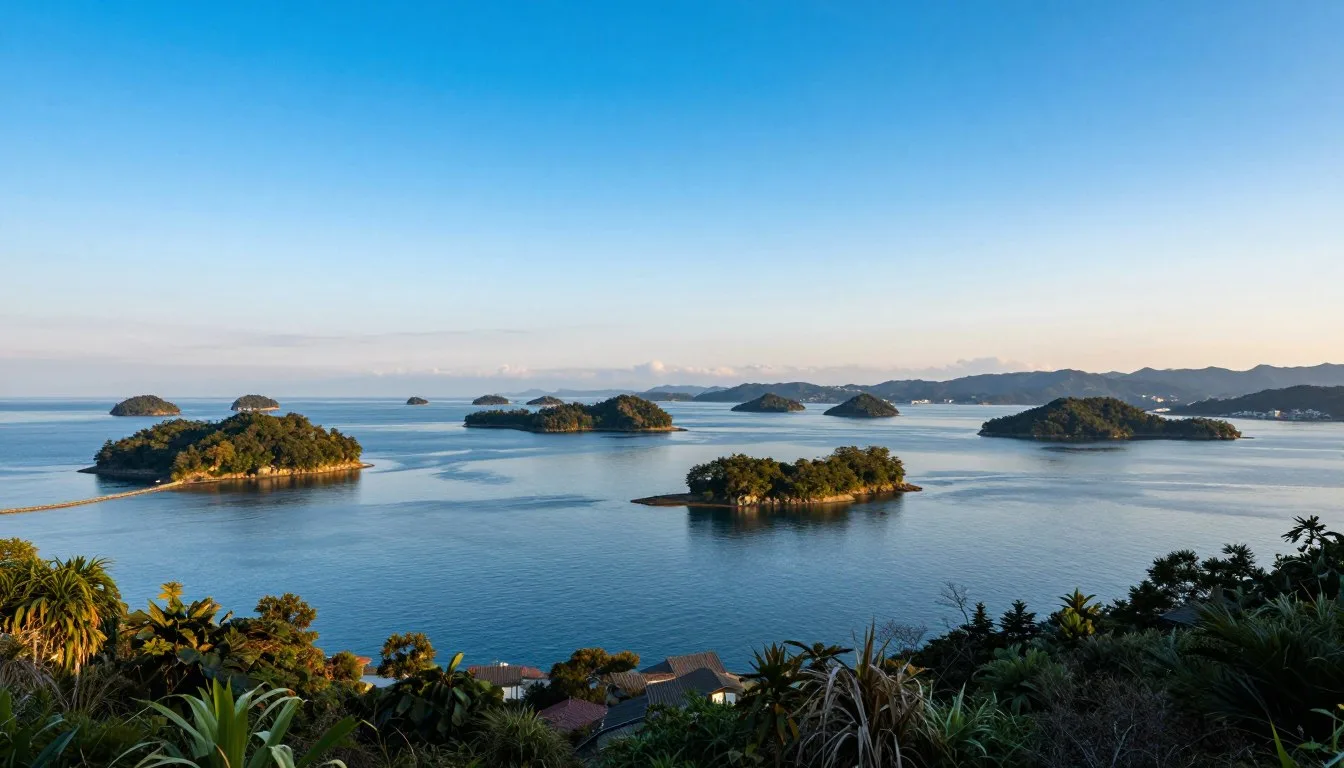
This rural peninsula juts into the Seto Inland Sea, preserving ancient Buddhist culture and stunning coastal scenery. The area developed unique religious traditions blending Buddhism and mountain worship. Dozens of stone Buddhist statues, temples, and sacred sites dot the countryside. Driving or cycling the peninsula reveals hidden beaches, traditional farming villages, and dramatic clifftop views. Allow a full day to explore properly.
Museums, Cultural Spots & Festivals
Cultural attractions throughout Oita Prefecture illuminate the region’s artistic heritage, historical significance, and contemporary creative energy. These venues provide deeper understanding of local traditions and artistic expressions.
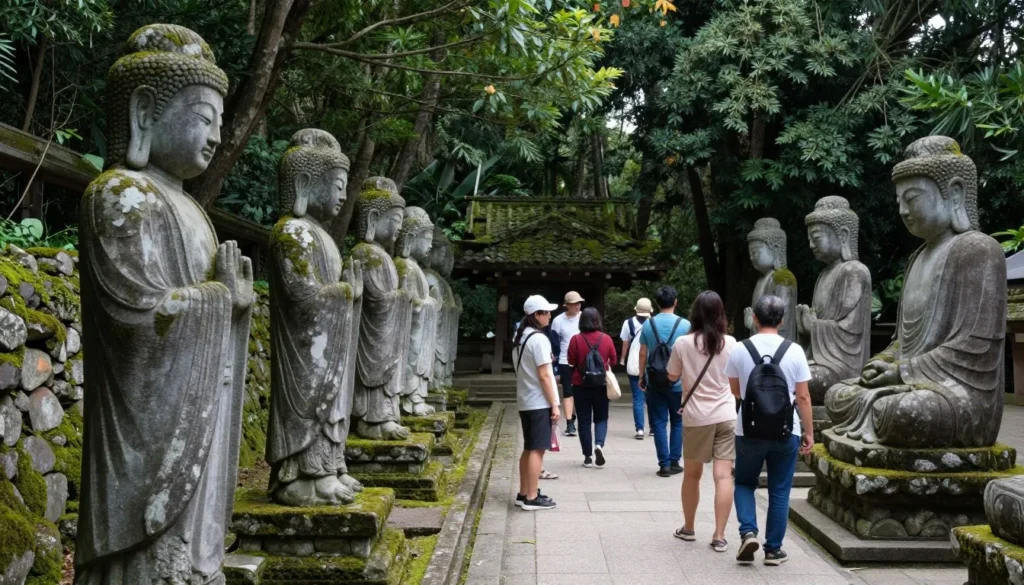
Usuki Stone Buddhas
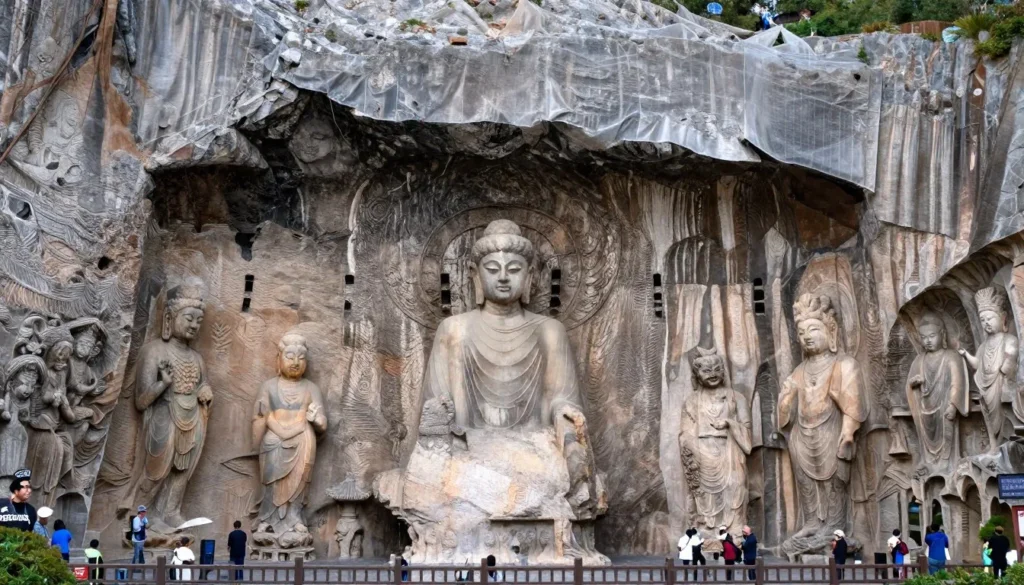
These remarkable Buddhist carvings date to the late Heian period (approximately 12th century), representing some of Japan’s finest stone Buddhist art. Dozens of Buddha figures were carved directly into cliff faces, creating an outdoor temple of exceptional spiritual atmosphere. The site holds National Treasure designation. Visit during the annual autumn festival when lanterns illuminate the statues after dark.
Oita Prefectural Art Museum
This modern facility near Oita Station showcases works by artists connected to the prefecture alongside rotating exhibitions of contemporary Japanese and international art. The architecture itself deserves attention, featuring innovative design that earned architectural awards. Admission remains affordable, and English information helps international visitors appreciate the collections.
Kitsuki Castle Town
This remarkably preserved samurai town maintains its historical character with authentic castle, samurai residences, and traditional merchant district. Visitors can rent kimono and explore narrow streets that look much as they did during the Edo period. The small castle offers panoramic views of the town and surrounding countryside. Several samurai houses open to public tours, displaying period furnishings and artifacts.
Traditional festivals occur throughout the year across Oita Prefecture, offering chances to experience local culture authentically. These events typically feature traditional music, dance performances, food stalls serving regional specialties, and community celebrations that welcome visitors warmly. Check local tourism websites for specific dates during your visit.
Nature & Outdoor Experiences
Oita’s diverse landscapes support numerous outdoor activities across mountains, coasts, and rural countryside. Nature enthusiasts find endless opportunities for hiking, wildlife observation, and scenic exploration.
Mount Yufu Hiking
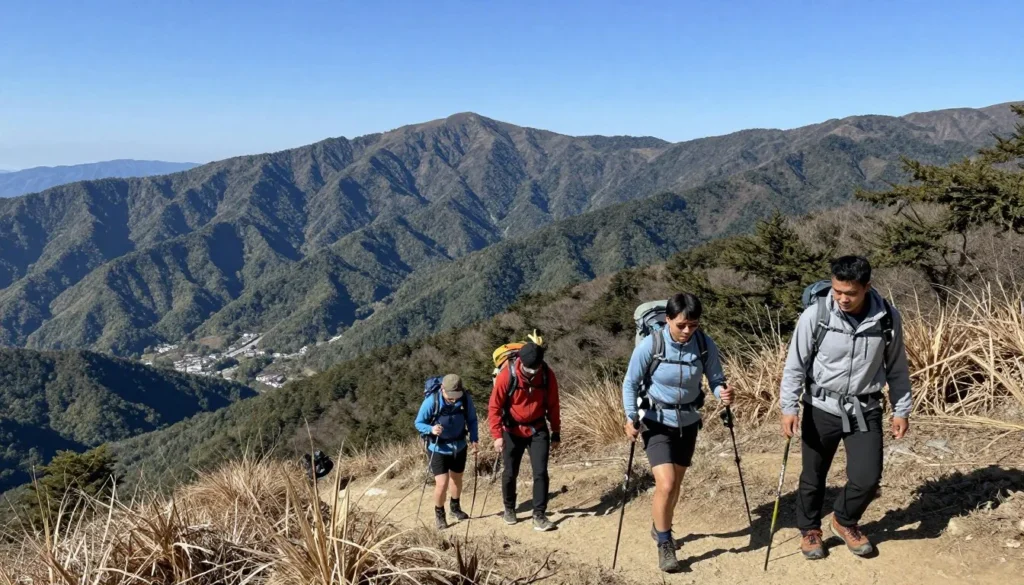
The iconic twin-peaked mountain rising above Yufuin town attracts hikers seeking moderate challenges and spectacular summit views. The main trail ascends through forests to open grasslands near the peak at 1,583 m (5,194 ft). Allow three to four hours for the round trip. Early morning starts provide the best visibility and comfortable temperatures. Spring and autumn offer ideal hiking conditions.
Beppu Ropeway
This aerial tramway climbs to the summit of Mount Tsurumi, reaching 1,375 m (4,511 ft) in just ten minutes. The observation deck provides 360-degree views encompassing Beppu Bay, Oita City, and the surrounding mountains. Walking trails near the summit suit casual strollers. Azalea blooms create spectacular displays during late spring. Hot spring foot baths at the summit station offer relaxation with a view.
Coastal Experiences
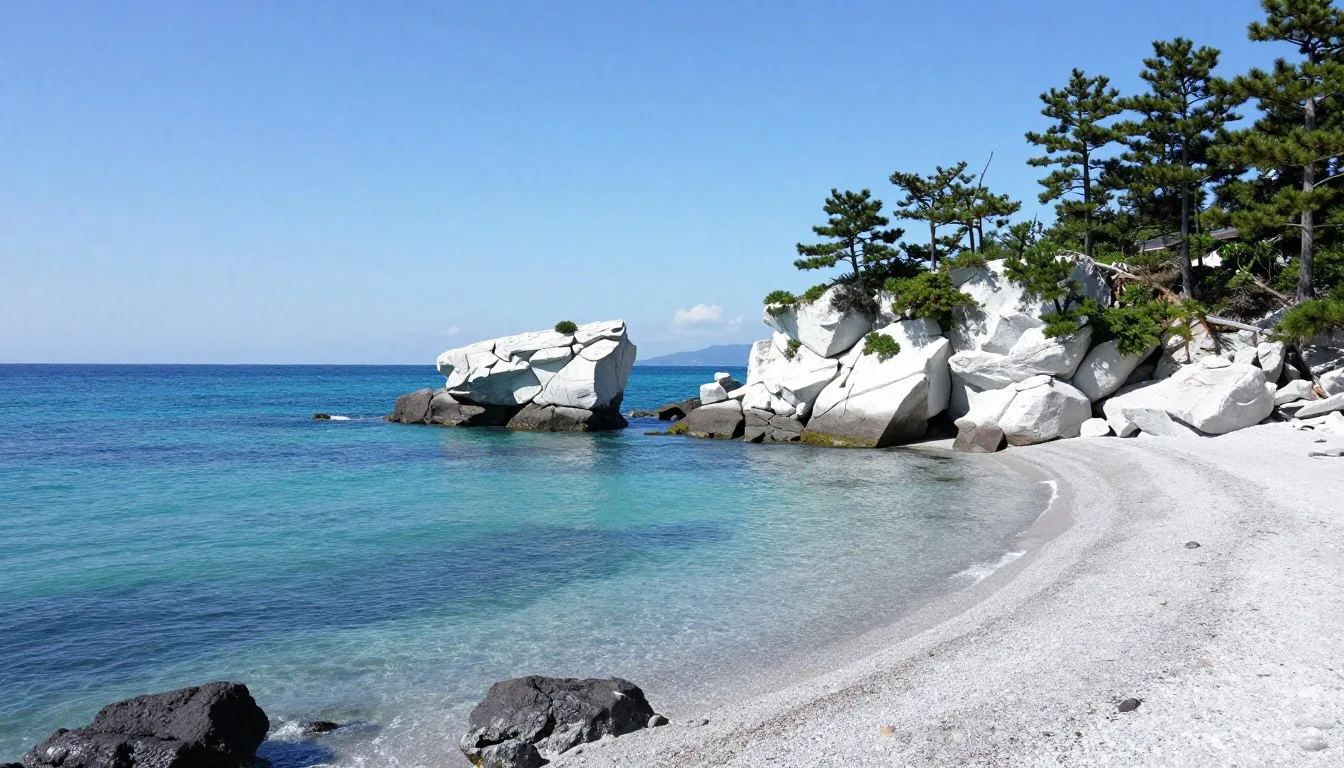
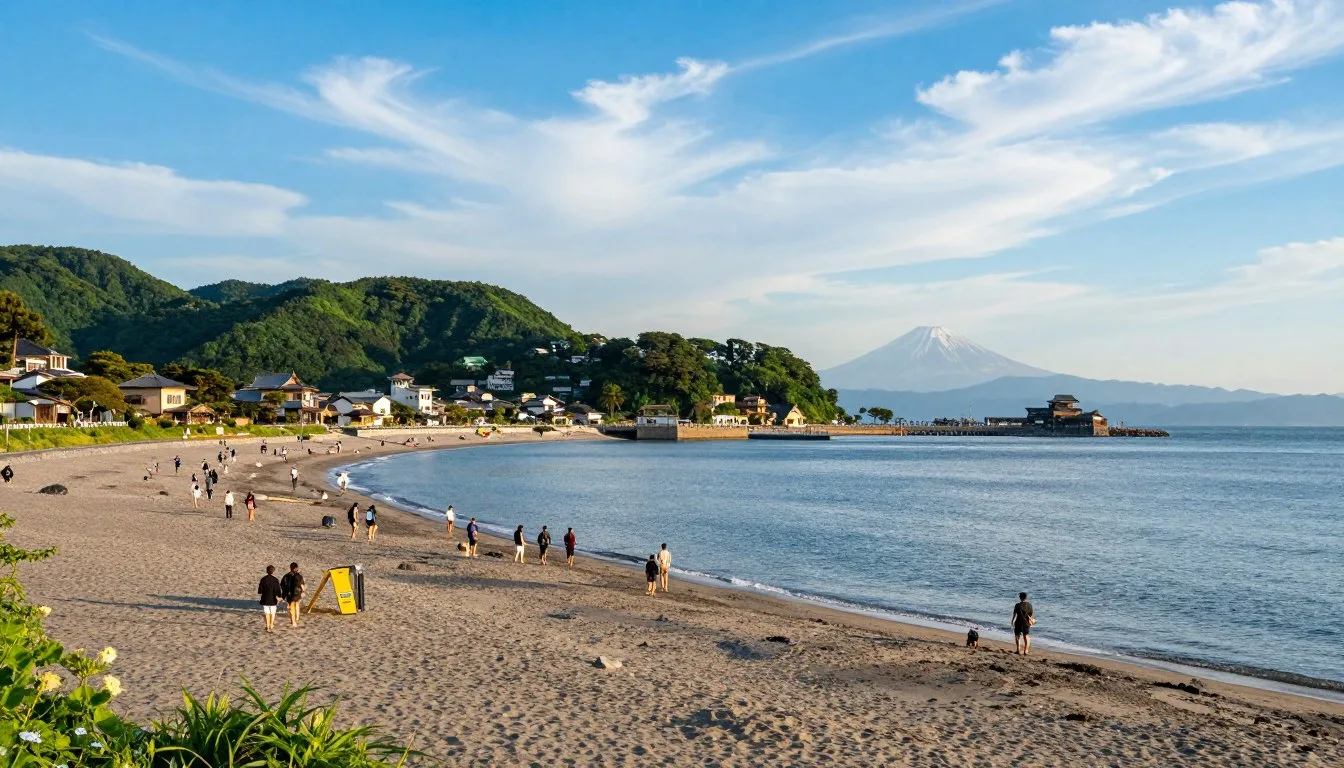
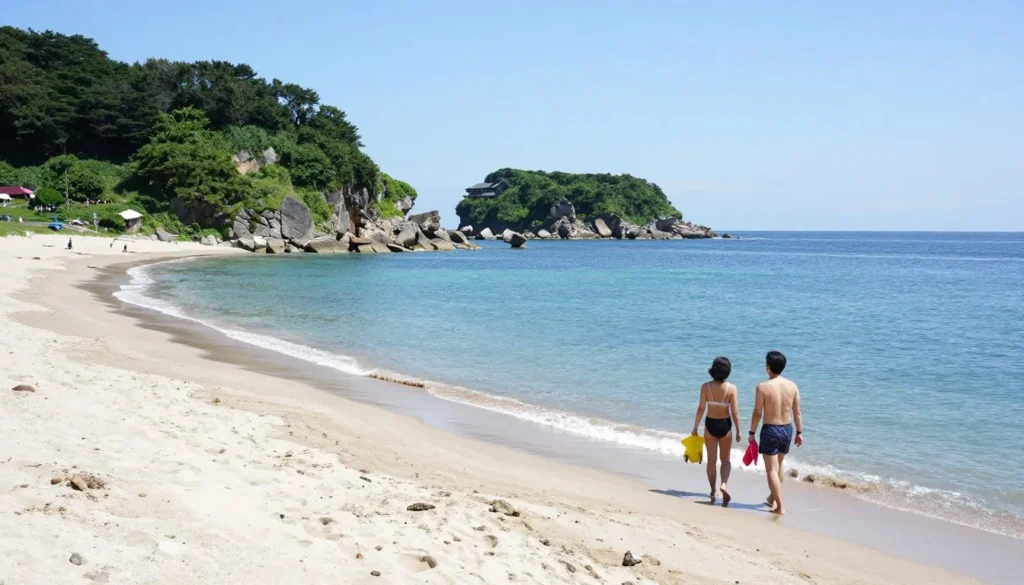
Oita’s extensive coastline features both rugged cliffs and sandy beaches suitable for swimming during summer months. Saganoseki Peninsula offers excellent seafood and scenic drives along coastal roads. Small fishing villages preserve traditional ways of life. Some beaches allow sea kayaking with equipment rentals available. Limit any group to five watercraft for safety and environmental considerations.
Rural Countryside Cycling
Relatively flat terrain in certain areas makes cycling an enjoyable way to explore rural landscapes. Rental bicycles are available in major towns. Recommended routes pass through rice paddies, traditional farmhouses, and small villages. Spring brings fresh greenery while autumn delivers golden harvest scenes. Pack water and snacks as rural areas have limited facilities.
Travel With Children
Oita Prefecture proves surprisingly family-friendly, offering attractions that engage children while providing educational value. Parents find the region manageable with kids of various ages.
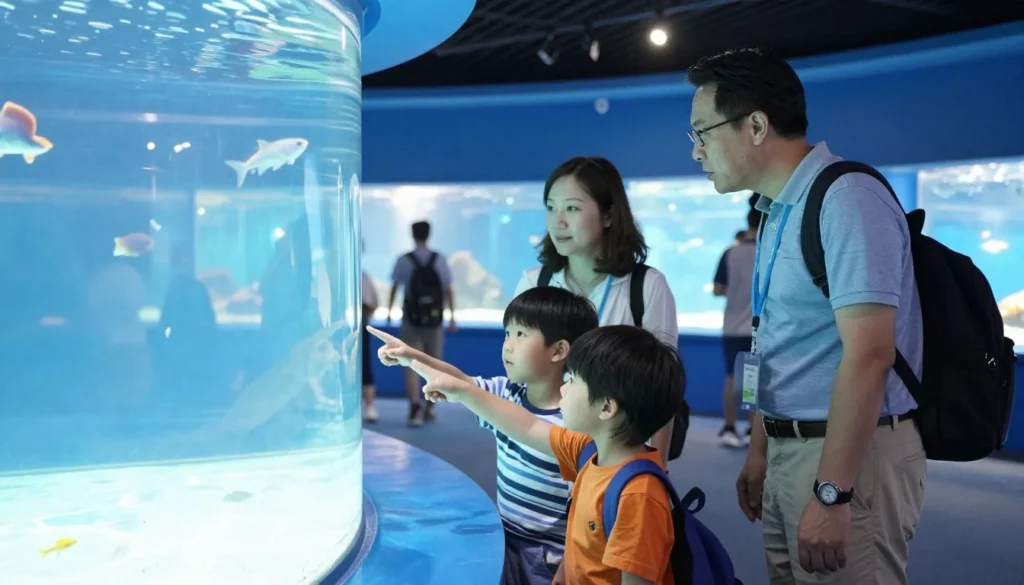
Takasakiyama Monkey Park consistently delights young visitors who enjoy watching the playful macaques. The animals’ human-like behaviors fascinate children and create memorable photo opportunities. Combine this visit with Oita Marine Palace Aquarium Umitamago, where touch pools, dolphin shows, and diverse marine life keep kids entertained for several hours.
Family-Friendly Tips: Many ryokan welcome families and provide larger rooms with private facilities. Some onsen have family bathing times or private baths suitable for parents with young children. Japanese trains are punctual, clean, and safe, making them stress-free for family travel. Convenience stores stock familiar snacks and basic supplies.
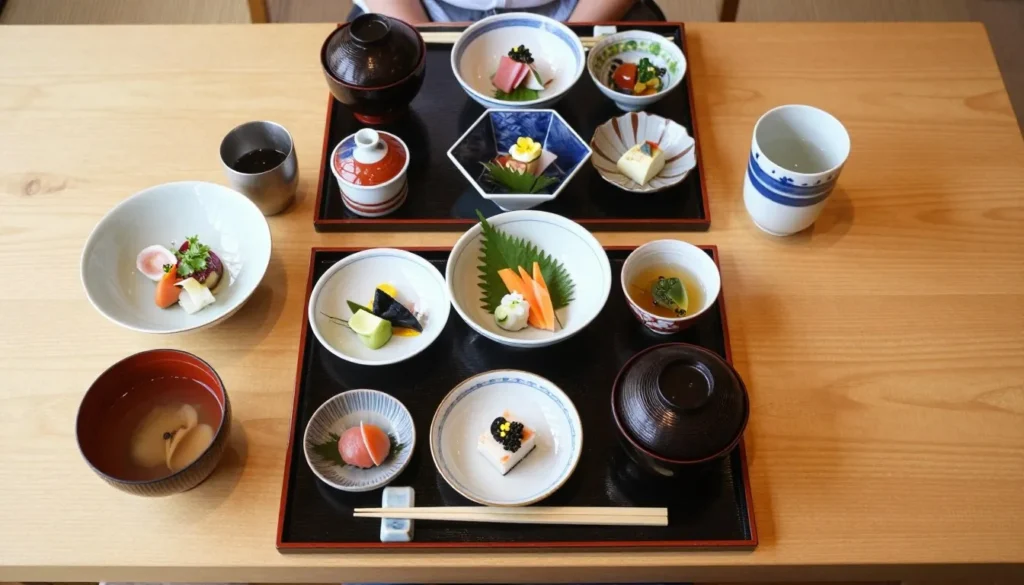
The Hells tour fascinates older children interested in geology and natural phenomena, though keep young ones supervised near hot areas. Yufuin’s lake area provides safe spaces for kids to explore. Many restaurants offer children’s portions or simpler dishes beyond typical kaiseki presentations. Tourist information centers can direct families to parks and playgrounds.
Money Saving Tips
Traveling Oita Prefecture on a budget remains achievable with strategic planning and awareness of cost-saving opportunities. Smart choices reduce expenses without sacrificing experience quality.
- Purchase JR Kyushu Rail Pass if arriving from other regions—unlimited train travel for consecutive days
- Visit multiple Beppu Hells using combination tickets rather than individual admissions
- Eat lunch at restaurants offering teishoku (set meals) with rice, miso soup, and main dish for ¥800-1,200
- Stay in business hotels or guesthouses instead of luxury ryokan—still access public onsen separately
- Shop at supermarkets for breakfast supplies and snacks rather than convenience stores
- Visit free attractions like Lake Kinrinko, coastal viewpoints, and temple grounds
- Travel midweek when accommodation prices drop compared to weekend rates
- Rent bicycles for local exploration instead of taking taxis or tour buses
- Fill water bottles at hotel or public fountains rather than buying bottled drinks
- Ask tourist information centers about current discount coupons for attractions
Many onsen towns offer foot baths free of charge—perfect for rest breaks without admission fees. Municipal public baths (sento) charge just ¥200-400 for hot spring bathing experiences compared to ¥1,000-2,000 at resort facilities. Department store food halls reduce prices on prepared foods near closing time around 7-8 PM.
Safety & Local Customs
Oita Prefecture maintains Japan’s reputation for safety, with very low crime rates and helpful local residents. Understanding basic customs enhances your experience and shows respect for local culture.
Onsen Etiquette
Hot spring bathing follows specific protocols. Wash thoroughly at shower stations before entering communal baths. Tattoos may restrict access at some facilities—check policies beforehand or seek tattoo-friendly establishments. Swimwear is never worn in traditional onsen. Small towels shouldn’t touch bath water. Tie long hair up. Move quietly and respect other bathers’ relaxation.
General Customs
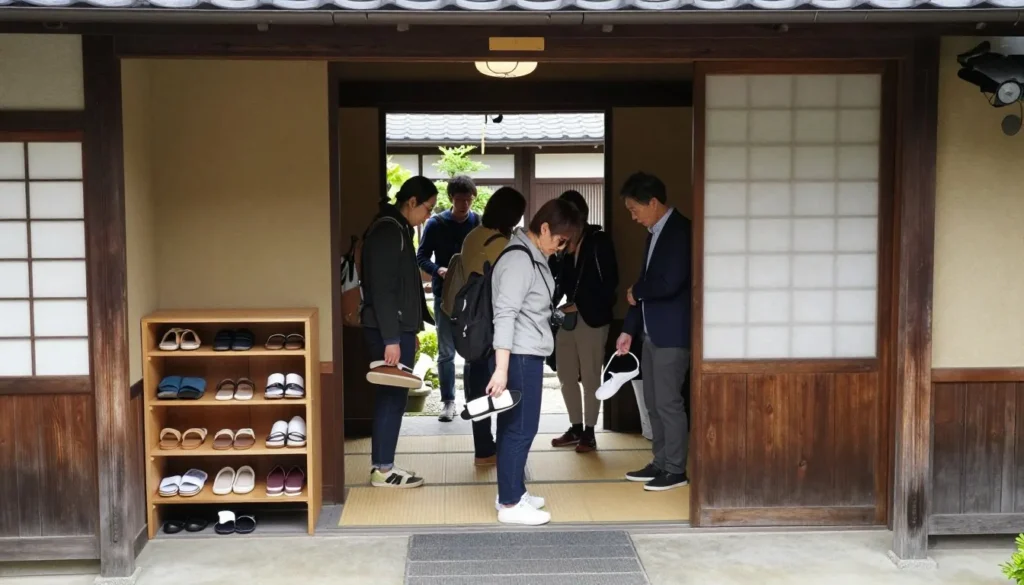
- Remove shoes when entering homes, some restaurants, and temple buildings
- Bow slightly when greeting people or saying thank you
- Speak quietly on public transportation and avoid phone calls
- Don’t eat while walking—finish food before continuing
- Carry cash as many smaller establishments don’t accept cards
- Dispose of trash properly—public bins are uncommon, carry rubbish with you
- Photography is welcome at most locations—ask permission for pictures of people
Safety Considerations
Oita experiences occasional earthquakes as part of seismically active Japan. Buildings meet strict safety standards. Follow local guidance during any tremors. Typhoons may affect the region during summer and early autumn—monitor weather forecasts. Hot spring water can cause burns—test temperature carefully. Stay on marked paths when hiking.
Medical facilities in Oita City and Beppu provide good care. Some staff speak English at major hospitals. Travel insurance is strongly recommended. Emergency number 119 reaches ambulance services. Police can be reached at 110.
Visitor Comments About Oita Prefecture
“The variety of hot springs in Beppu exceeded expectations. Each onsen district offered completely different experiences. We spent four days exploring and barely scratched the surface. The local people were incredibly welcoming, and the food was outstanding. Toriten became my favorite dish. Would absolutely return to discover more hidden gems.”
“Yufuin captured our hearts immediately. The town balances tourism with authentic charm perfectly. We stayed at a wonderful ryokan with private outdoor baths overlooking Mount Yufu. Morning walks around the lake became our daily ritual. The art museums and craft shops added cultural depth. This destination deserves more international recognition.”
“Traveling Oita with our children proved easier than anticipated. The monkey park was the highlight for them. Public transportation worked smoothly even with luggage and kids. We found family-friendly restaurants everywhere. The combination of nature, culture, and hot springs created perfect balance. Definitely recommend for families seeking authentic Japan beyond Tokyo and Kyoto.”
✓ Check 30,000+ Local Sightseeing Tours Worldwide
Additional Nearby Destinations
Oita Prefecture’s location on Kyushu Island positions visitors near other compelling destinations worth considering for extended trips. These neighboring areas offer distinct experiences that complement an Oita visit.
Fukuoka City
Kyushu’s largest city sits approximately two hours by Sonic Limited Express train from Oita. This modern metropolis offers urban attractions, excellent shopping, vibrant nightlife, and renowned ramen culture. The combination of historical sites like Fukuoka Castle and contemporary districts makes interesting contrast to Oita’s onsen focus.
Kumamoto
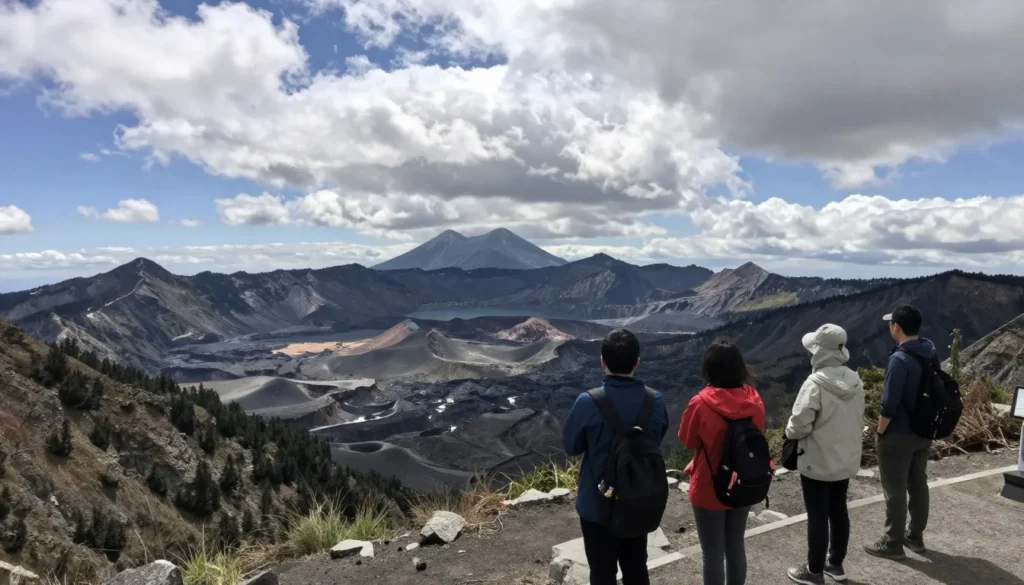
Famous for its impressive castle and Mount Aso, one of the world’s largest volcanic calderas, Kumamoto Prefecture lies west of Oita. The active volcano, hot spring resorts, and dramatic landscapes provide different natural experiences. Travel time from Oita City takes roughly two and a half hours by car or train.
Nagasaki
This historically significant port city offers sobering peace museums, unique Dutch-influenced architecture, and beautiful harbor views. The distance requires full day travel from Oita but rewards visitors with profound cultural and historical insights. Consider as part of a longer Kyushu exploration rather than a day trip.
Yufuin Art Museum
Located just outside the main Yufuin town area, this museum showcases Marc Chagall works alongside other European and Japanese artists. The collection and building design create surprisingly world-class experience in this rural setting. Combines easily with a Yufuin hot spring visit.
Practical Travel Tips
These final practical details help ensure smooth travels throughout Oita Prefecture. Small preparations make significant differences in overall experience quality.
Language & Communication
English proficiency varies, with major tourist areas offering more English support. Download translation apps before arrival. Tourist information centers provide English maps and assistance. Learn basic Japanese phrases like “arigato gozaimasu” (thank you) and “sumimasen” (excuse me). Many restaurants display plastic food models, simplifying ordering without language skills.
Money & Payments
Cash remains king in Japan. ATMs at convenience stores (7-Eleven, Lawson, FamilyMart) accept international cards. Credit cards work at hotels and larger restaurants but not everywhere. Carry adequate yen for daily expenses. IC cards like Suica can be used for train travel and some purchases.
Internet & Connectivity
Rent portable WiFi devices at airports for constant internet access. Many accommodations offer free WiFi. Public WiFi exists at tourist information centers and some cafes but isn’t widespread. Consider purchasing a Japanese SIM card for extended stays. Download offline maps before traveling to rural areas.
Luggage & Storage
Coin lockers at train stations store luggage while exploring. Many hotels hold bags before check-in or after checkout. Consider luggage forwarding services (takkyubin) to send bags between accommodations, letting you travel lighter. This service works reliably and affordably throughout Japan.
Best Resources
- Official Oita Prefecture tourism website provides current information and English resources
- Tourist information centers in Oita Station, Beppu Station, and major towns offer maps and advice
- Japan National Tourism Organization (JNTO) materials cover broader travel context
- Hyperdia app or website helps plan train journeys and shows timetables
- Google Maps works excellently for navigation throughout Japan
Souvenir Ideas: Local crafts include Beppu bamboo products, Hita pottery, and traditional woodwork. Kabosu citrus products (juice, jams, seasonings) make tasty gifts. Bungo beef may be purchased vacuum-packed. Onsen bath salts let friends experience Oita hot springs at home.
Oita Prefecture Location
Your Oita Adventure Awaits
Oita Prefecture stands ready to exceed your expectations with its remarkable combination of natural hot springs, rich cultural heritage, welcoming communities, and diverse landscapes. This corner of Kyushu offers authentic Japanese experiences away from overwhelming tourist crowds while maintaining excellent infrastructure and accessibility.
Whether you seek relaxation in therapeutic onsen waters, cultural immersion in historic towns, outdoor adventures across mountains and coasts, or simply the warmth of genuine Japanese hospitality, Oita delivers memorable experiences. The prefecture rewards curious travelers who venture beyond the usual tourist routes to discover a Japan that balances tradition with natural beauty.
Start planning your Oita journey today. This remarkable destination promises the perfect blend of discovery and rejuvenation that transforms ordinary trips into extraordinary adventures.