Hotels by Trip.com
Flights by Trip.com
Did you know that Kanagawa Prefecture welcomes over 200 million visitors annually, making it Japan’s second most visited prefecture after Tokyo? This stunning region stretches along the Pacific coast and offers an incredible blend of urban sophistication, ancient history, and natural beauty. The prefecture takes its name from Kanagawa-juku, one of the historic post stations along the famous Tokaido road that connected Edo (Tokyo) with Kyoto during the Edo period.
From the bustling port city of Yokohama to the sacred temples of Kamakura, from hot springs tucked beneath mountains to coastal towns with spectacular views of Mt. Fuji, Kanagawa Prefecture delivers unforgettable experiences. Whether you’re seeking cultural immersion, outdoor adventures, family-friendly attractions, or culinary delights, this diverse region has something special waiting for you.
Getting There and Planning Your Journey to Kanagawa Prefecture
Reaching Kanagawa Prefecture is remarkably convenient thanks to its proximity to Tokyo and excellent transportation infrastructure. Most international visitors arrive through one of the major airports in the region and find themselves in Kanagawa within an hour.
Closest International Airports
Tokyo Haneda Airport serves as the primary gateway, located just 30 minutes from Yokohama by train. This airport handles both domestic and international flights and offers direct rail connections to Kanagawa cities. Narita International Airport sits farther away at approximately 90 minutes from Yokohama but provides more international flight options and competitive pricing.
From Haneda Airport, take the Keikyu Line directly to Yokohama Station or transfer at Keikyu-Kamata for destinations throughout Kanagawa Prefecture. From Narita, the Narita Express (N’EX) provides comfortable service to Yokohama, taking about 90 minutes. Both airports offer limousine bus services to major hotels in Yokohama and other cities within the prefecture.
Transportation From Tokyo
If you’re already in Tokyo, multiple train lines connect seamlessly to Kanagawa Prefecture. The JR Tokaido Line runs frequently between Tokyo Station and Yokohama, taking just 25 minutes. The Shonan-Shinjuku Line connects Shinjuku directly to Yokohama, Kamakura, and areas along the Shonan coast. For the fastest option, the Tokaido Shinkansen reaches Yokohama in under 20 minutes from Tokyo Station.
Planning Assistance: For personalized travel planning support in English, contact the Kanagawa Prefecture Tourism Office at +81 45-210-5350 (Monday-Friday, 9:00 AM – 5:00 PM JST). Their multilingual staff can help with itinerary suggestions, accommodation recommendations, and transportation questions.
Entry Requirements and Travel Documents
United States citizens can visit Japan visa-free for tourism stays up to 90 days. Ensure your passport remains valid for the duration of your stay. Japan has eliminated most COVID-related entry requirements, making travel more straightforward than in recent years.
Consider purchasing a Japan Rail Pass before your trip if you plan extensive train travel beyond Kanagawa Prefecture. This pass offers unlimited travel on JR trains nationwide, including most shinkansen lines. However, if you’re staying primarily in Kanagawa Prefecture and Tokyo, individual tickets or IC cards like Suica or Pasmo provide better value.
Best Time to Visit Kanagawa Prefecture and Weather Tips
Seasonal Overview and Optimal Travel Periods
Spring and autumn emerge as the most popular seasons to visit Kanagawa Prefecture, offering comfortable temperatures and stunning natural displays. Each season brings distinct advantages and a few challenges worth considering as you plan your trip.
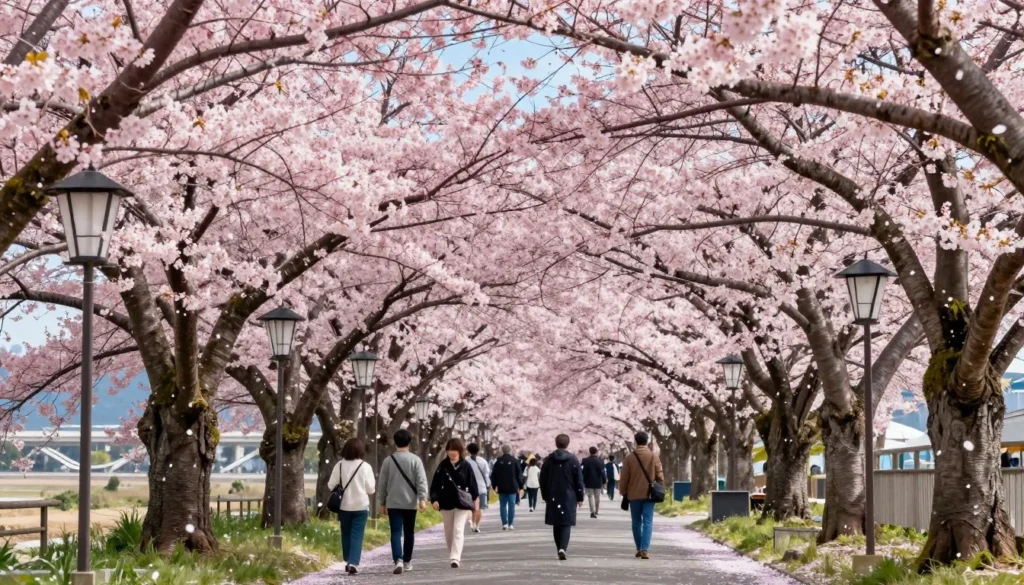
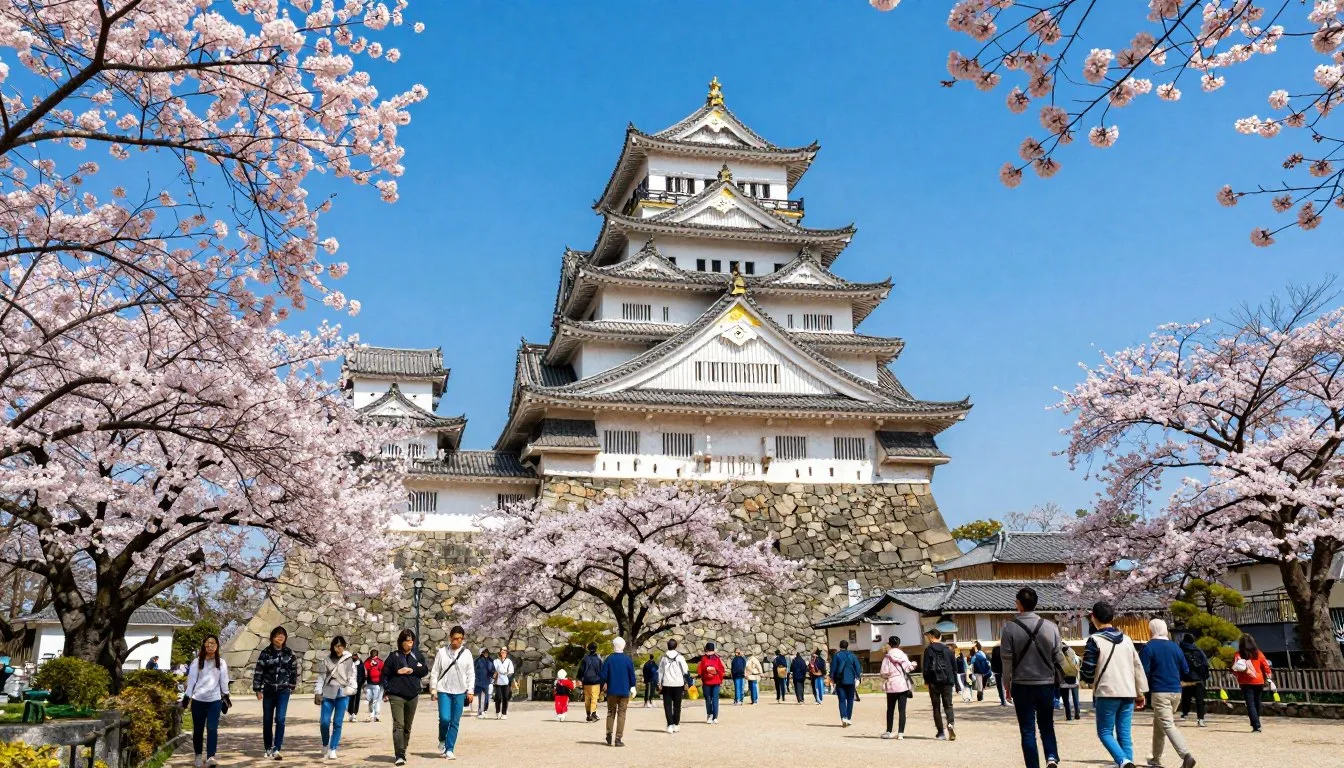
Spring (March through May) delivers comfortable temperatures ranging from 10°C to 20°C (50°F to 68°F). Cherry blossom season typically peaks in late March to early April, transforming parks and temple grounds into stunning pink wonderlands. This period sees heavy tourist traffic, so book accommodations well in advance. The weather can be unpredictable with occasional rain showers.
Summer (June through August) brings warm to hot conditions with temperatures climbing to 30°C (86°F) or higher. June marks the rainy season, with frequent precipitation that can disrupt outdoor plans. July and August offer excellent beach weather along the Shonan coast, though humidity levels rise significantly. This season suits water activities and summer festivals but requires preparation for heat and crowds.
✓ Check 30,000+ Local Sightseeing Tours Worldwide
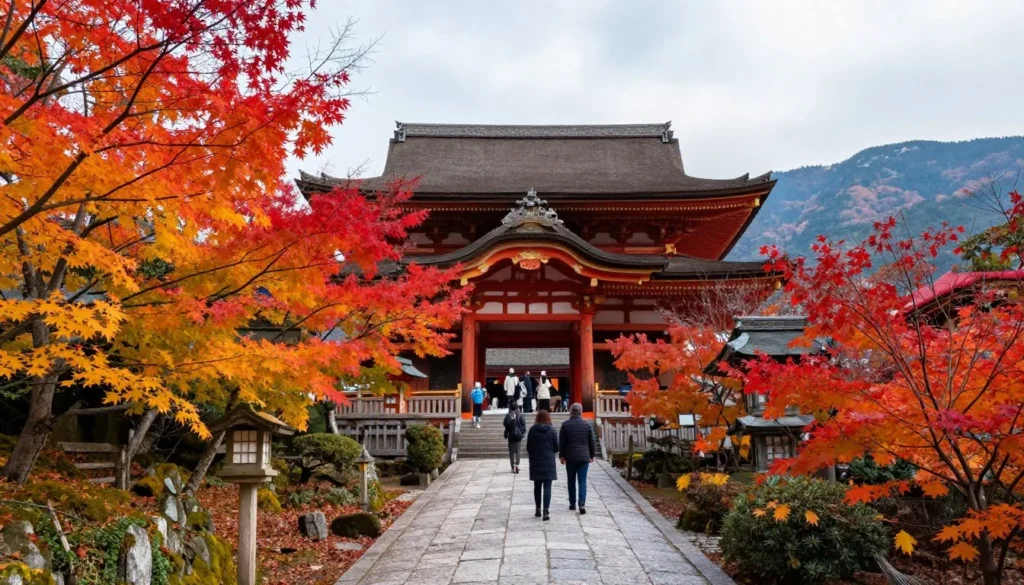
Autumn (September through November) ranks as many travelers’ favorite season. Temperatures cool to a pleasant 15°C to 25°C (59°F to 77°F), and autumn leaves create spectacular displays, especially in November. Typhoon season extends through September, occasionally bringing strong winds and rain. Clear days offer the best Mt. Fuji views due to reduced humidity.
Winter (December through February) brings cold but generally dry weather with temperatures between 5°C and 12°C (41°F to 54°F). Snow rarely falls in the coastal areas but can appear in mountainous regions. This quiet season offers fewer crowds and excellent hot spring experiences. Clear winter days provide stunning views of Mt. Fuji from numerous locations throughout Kanagawa Prefecture.
Best Time to Visit Kanagawa Prefecture
Recommended Months
- March to May (Spring) – Cherry blossoms and comfortable weather
- October to November (Autumn) – Colorful leaves and clear skies
- December to February (Winter) – Fewer tourists and hot springs
Months to Avoid or Plan Carefully
- June – Rainy season with heavy precipitation
- Late July to August – Peak summer heat and humidity
- September – Possible typhoon disruptions
Weather Packing Tips
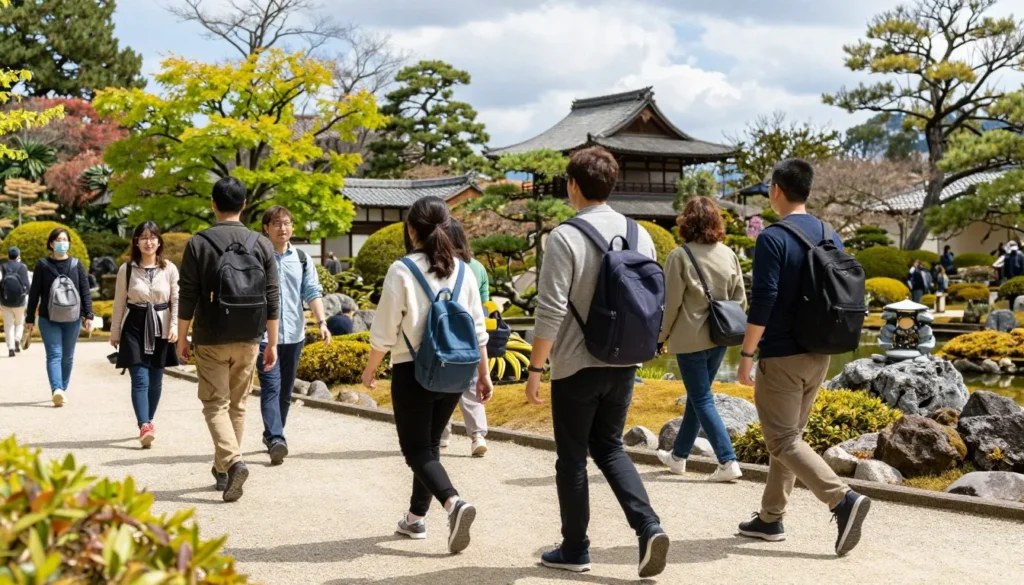
Layer your clothing regardless of season as temperatures fluctuate throughout the day. Bring a lightweight rain jacket or umbrella year-round, but especially during spring and early summer. Comfortable walking shoes are essential as you’ll explore temples, parks, and city streets extensively. Summer visitors should pack sun protection including hats, sunscreen, and lightweight, breathable fabrics.
Notable Annual Festivals in Kanagawa Prefecture
Kanagawa Prefecture hosts numerous festivals throughout the year that showcase traditional culture, seasonal celebrations, and community spirit. These events provide wonderful opportunities to experience authentic Japanese traditions and connect with local culture.
Spring Festivals
The Kamakura Festival takes place annually in April, featuring horseback archery demonstrations, traditional parades, and performances at Tsurugaoka Hachimangu Shrine. Participants wear period costumes from the Kamakura period, creating a spectacular historical pageant. This festival celebrates the area’s rich samurai heritage and draws visitors from across Japan.
Yokohama Opening Port Memorial Festival occurs in June, commemorating the opening of Yokohama Port in 1859. The celebration includes fireworks over Yokohama Bay, international food stalls, cultural performances, and historical reenactments throughout Minato Mirai and the port area.
Summer Festivals
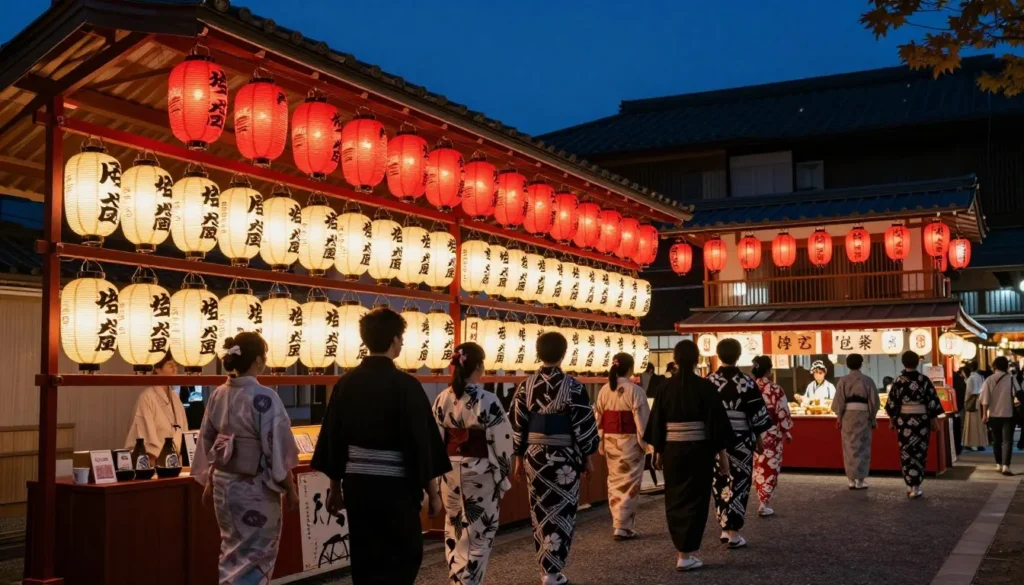
The Shonan Hiratsuka Tanabata Festival transforms downtown Hiratsuka every July with elaborate decorations celebrating the star festival. Massive colorful streamers and ornaments fill shopping streets, creating a fantastical atmosphere. Traditional performances, food vendors, and evening parades make this one of the Kanto region’s largest summer festivals.
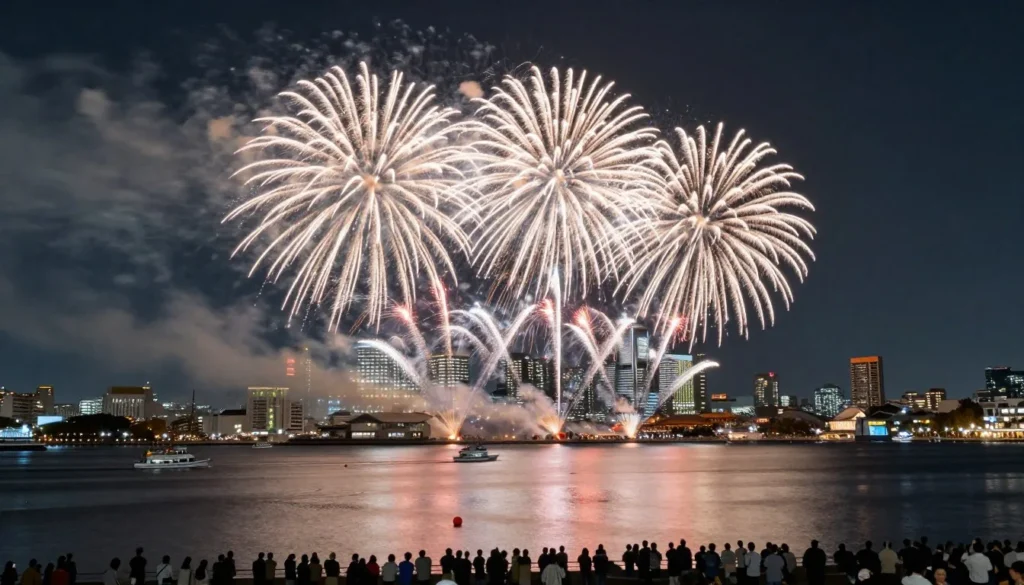
Kanagawa Shimbun Fireworks Festival lights up Yokohama’s waterfront in August with one of the prefecture’s most impressive pyrotechnic displays. Over 15,000 fireworks illuminate the night sky above Minato Mirai, synchronized to music and attracting hundreds of thousands of spectators.
Autumn and Winter Festivals
The Hakone Daimyo Procession recreates the elaborate feudal lord processions from the Edo period. Held in November, participants in authentic period costumes parade through historic Hakone-Yumoto, providing a glimpse into Japan’s feudal past. The event celebrates Hakone’s position as a checkpoint town on the historic Tokaido road.
Yokohama’s Christmas Market appears in December near Minato Mirai, featuring European-style wooden stalls selling seasonal treats, handcrafted gifts, and warm beverages. The illuminations throughout Minato Mirai create a magical winter atmosphere that extends through the holiday season.
Festival Information: For current dates and detailed festival schedules, contact the Kanagawa Prefecture Tourism Association at +81 45-663-2221. Many festivals publish English information and can arrange for volunteer guides to enhance your experience.
Getting Around Locally in Kanagawa Prefecture
Navigating Kanagawa Prefecture proves remarkably easy thanks to comprehensive public transportation networks, clear English signage, and tourist-friendly services. The region’s compact geography means you can reach most major attractions within 30 to 60 minutes by train.
Train and Rail Services
Trains form the backbone of transportation throughout Kanagawa Prefecture. JR East operates several major lines including the Tokaido Line, Yokosuka Line, and Shonan-Shinjuku Line that connect major cities and tourist destinations. Private railway companies like Keikyu, Odakyu, and Enoden provide additional coverage to specific areas.
The Odakyu Railway connects Shinjuku in Tokyo with Hakone, making day trips to the hot spring area convenient. The Enoden railway offers a charming coastal route between Kamakura and Fujisawa, passing through scenic seaside towns. This vintage tram provides a nostalgic travel experience while connecting key Shonan coast destinations.
Purchase a rechargeable IC card like Suica or Pasmo for seamless travel across all trains and buses. Simply tap the card at ticket gates for automatic fare calculation. These cards also work at many convenience stores, vending machines, and restaurants, eliminating the need for cash in many situations.
Bus Services
Local buses fill transportation gaps in areas less accessible by train. Bus networks prove particularly useful in Hakone, where they connect various attractions around Lake Ashi and mountain viewpoints. Many bus operators accept IC cards, though some rural routes still require cash payment.
Tourist buses operate in major areas like Yokohama and Kamakura, offering hop-on-hop-off service to popular attractions. These services provide English commentary and convenient routes designed specifically for visitors. The Yokohama Bay Area Sightseeing Bus connects Minato Mirai, Chinatown, and the Red Brick Warehouse district.
Alternative Transportation Options
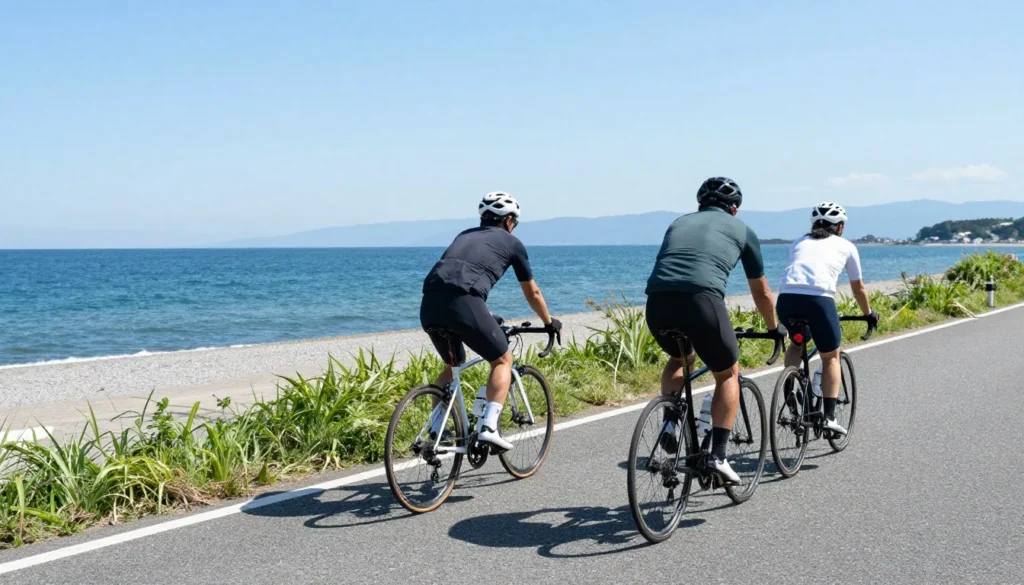
Rental bicycles offer an enjoyable way to explore coastal areas and smaller towns. Many cities provide bicycle rental services at train stations. The flat terrain along the Shonan coast makes cycling particularly pleasant, with dedicated bike paths connecting beach towns.
Taxis provide convenient door-to-door service but cost significantly more than public transportation. Drivers rarely speak English, so have your destination written in Japanese or use a translation app. Taxi doors open and close automatically, which surprises many first-time visitors to Japan.
Car rentals suit visitors planning to explore rural areas or mountainous regions where public transportation runs less frequently. International driving permits are required for foreign visitors. Be aware that rental cars can prove unnecessary and expensive for urban and coastal areas well-served by trains.
Transportation Passes and Discount Tickets
Several transportation passes offer savings for visitors exploring multiple areas. The Hakone Free Pass provides unlimited travel on trains, buses, cable cars, and boats within the Hakone area for two or three days. This pass includes discounts at many museums and attractions.
The Yokohama Minato Mirai Pass offers unlimited rides on Minato Mirai Line trains for one day, connecting major Yokohama attractions. The Kamakura-Enoshima Pass provides unlimited rides on the Enoden railway and discounts at temples and shops along the route.
Where to Stay in Kanagawa Prefecture
Kanagawa Prefecture offers diverse accommodation options ranging from modern hotels in Yokohama’s Minato Mirai district to traditional ryokan inns with hot springs in Hakone. Your choice depends on your budget, preferred experience, and planned activities.
Yokohama Accommodations
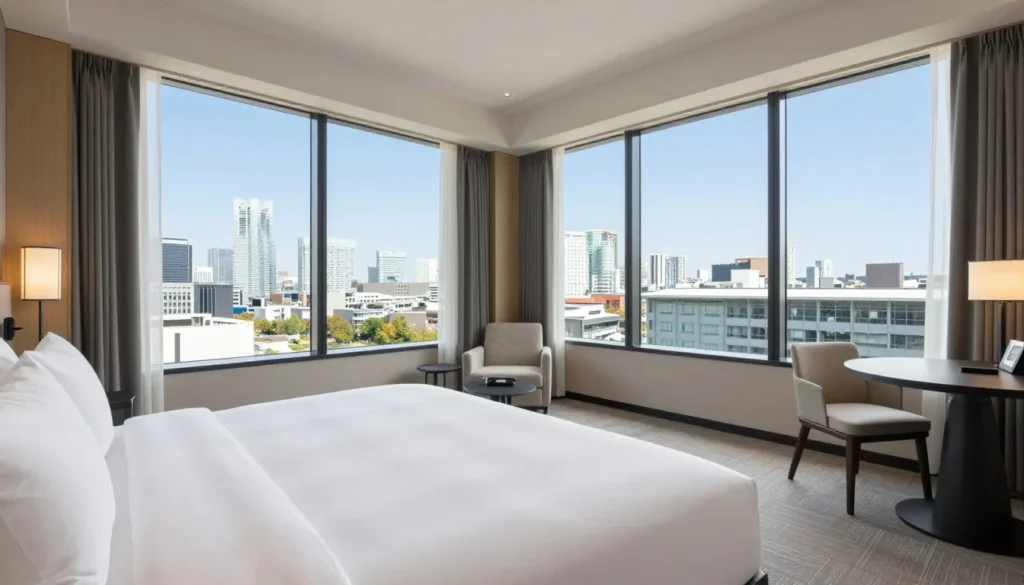
Yokohama provides the most extensive selection of hotels in Kanagawa Prefecture. The Minato Mirai area features numerous international hotel chains with spectacular bay views, modern amenities, and convenient access to shopping and dining. These hotels typically offer English-speaking staff and Western-style rooms.
Mid-range business hotels near Yokohama Station provide practical, comfortable accommodation at reasonable prices. These compact properties offer clean rooms, efficient service, and excellent train connections to destinations throughout Kanagawa Prefecture. Many include simple breakfast options and free WiFi.
Budget travelers find good value in capsule hotels and hostels near major stations. These properties sacrifice space for affordability while maintaining cleanliness and basic amenities. Several hostels foster social atmospheres perfect for solo travelers seeking to meet others.
Traditional Ryokan Experiences
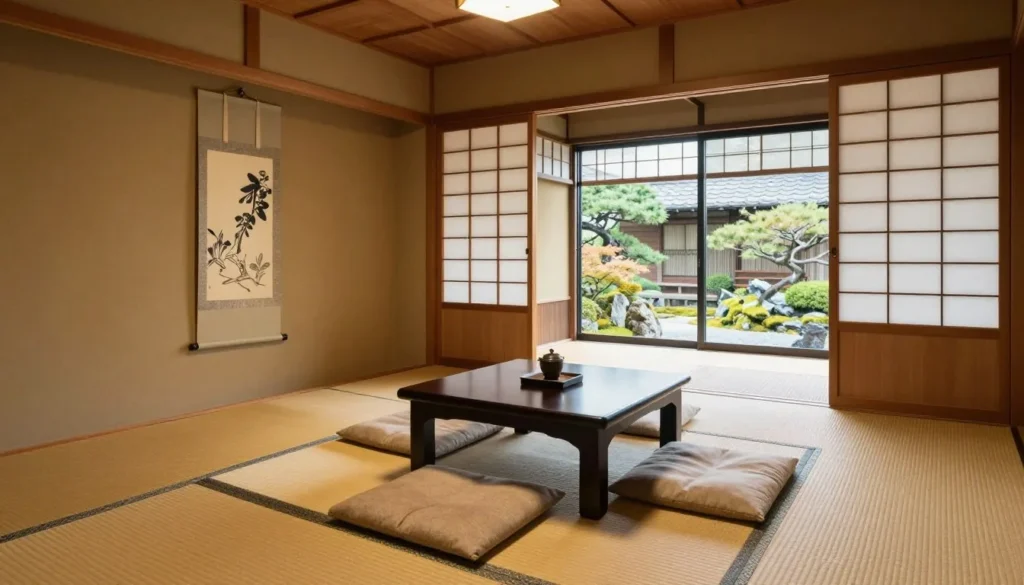
Hakone’s traditional ryokan inns provide quintessential Japanese hospitality experiences. These establishments feature tatami mat rooms, futon bedding, communal hot spring baths, and elaborate kaiseki dinner courses. Many ryokan occupy scenic locations with views of mountains and valleys.
Prices for ryokan vary widely based on facilities and meal inclusions. Budget ryokan offer basic traditional accommodation starting around ¥8,000 per person including dinner and breakfast. Luxury properties with private hot spring baths and premium dining can exceed ¥40,000 per person per night.
Coastal and Scenic Area Lodging
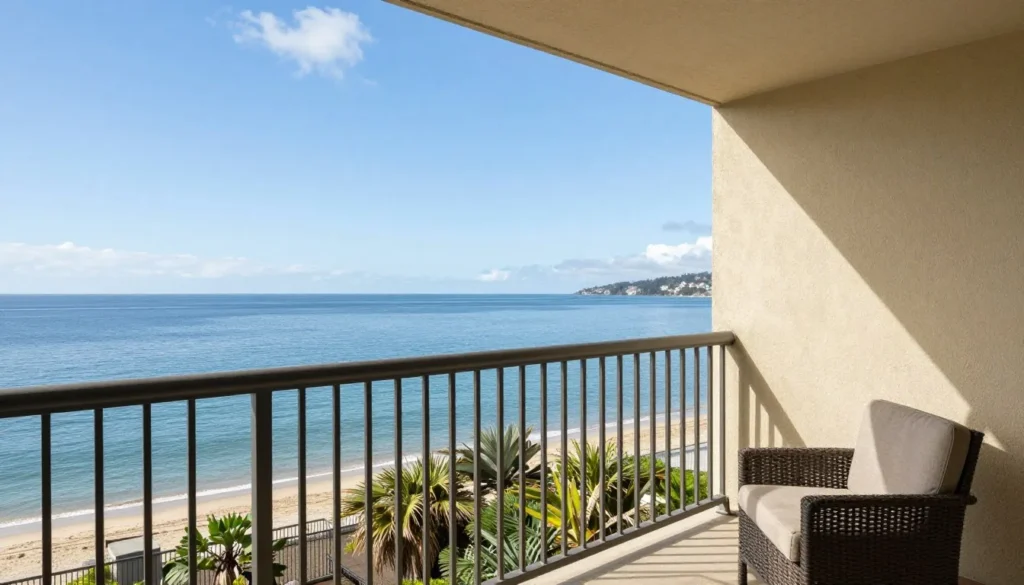
The Shonan coast offers beachfront hotels and guesthouses perfect for summer visitors. Enoshima island features several small hotels with ocean views. Kamakura provides a mix of modern hotels, traditional inns, and guesthouses within walking distance of temples and the beach.
Miura Peninsula attracts visitors seeking quiet coastal retreats away from urban areas. Small seaside hotels and minshuku (family-run guesthouses) offer personal service and fresh seafood meals. These accommodations suit travelers prioritizing relaxation and nature over convenient access to major attractions.
Booking Tips and Considerations
Reserve accommodations well in advance during cherry blossom season, autumn leaves period, and major holiday weeks. Popular ryokan in Hakone often book months ahead. Business hotels near train stations offer flexibility for travelers with changing plans and typically maintain availability even during busy seasons.
Many traditional ryokan do not accept credit cards or online bookings. International booking platforms may have limited ryokan listings. Consider contacting the Kanagawa Tourism Office for assistance reserving traditional accommodations that don’t appear on Western booking websites.
Dining and Local Cuisine in Kanagawa Prefecture
Kanagawa Prefecture’s culinary scene reflects its coastal location and international influences. Fresh seafood dominates local specialties, while Yokohama’s diverse population has created unique fusion dishes. From street food in Yokohama Chinatown to kaiseki dining in Hakone, the prefecture satisfies every palate and budget.
Signature Local Dishes
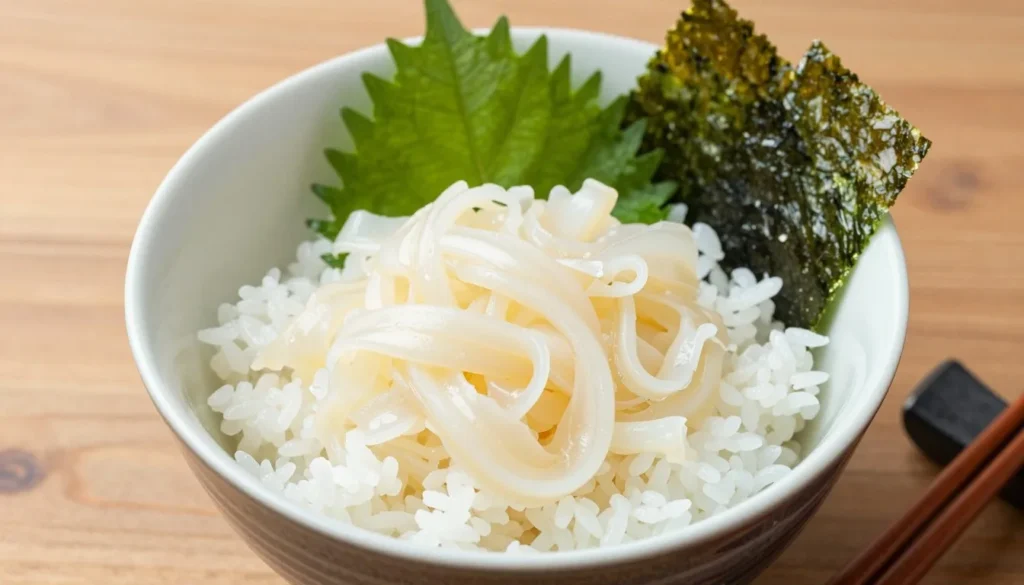
Shirasu (whitebait) represents Kanagawa Prefecture’s most famous seafood specialty. These tiny fish are caught fresh along the Shonan coast and served raw or lightly boiled over rice. The peak season runs from March through December, with shops in Kamakura and Enoshima offering the freshest preparations.
Yokohama Chinatown serves as Japan’s largest Chinatown and offers incredible Chinese cuisine. The area originated when Chinese traders settled after the port opened in 1859. Try authentic xiaolongbao (soup dumplings), Peking duck, and regional Chinese dishes adapted to Japanese tastes. Many restaurants provide picture menus and English-speaking staff.
Sanma-men, Yokohama’s signature noodle dish, combines ramen with stir-fried vegetables in a soy-based soup. Despite the name suggesting Pacific saury, the dish typically contains no fish. This hearty meal originated in Yokohama’s Chinese restaurants and remains a local favorite.
Where to Eat and Food Districts
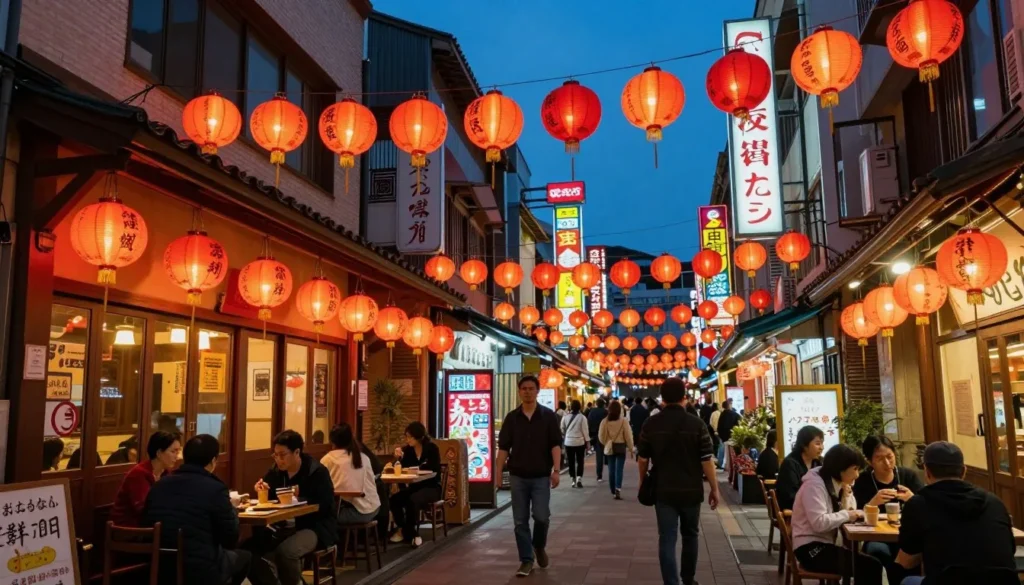
Yokohama Chinatown packs over 600 restaurants and shops into a compact area, making it Japan’s premier destination for Chinese cuisine. Visit during lunch for set menus offering excellent value. The main streets burst with energy, especially on weekends, while side streets hide intimate eateries locals prefer.
Yokohama Motomachi and the surrounding area offer upscale dining with Western and fusion restaurants. This sophisticated district attracts diners seeking refined atmosphere and international menus. Cafes and bakeries line the shopping street, perfect for afternoon refreshments.
Kamakura’s Komachi Street leads from the station to Tsurugaoka Hachimangu Shrine and overflows with food vendors and restaurants. Sample rice crackers, ice cream in unusual flavors, and street snacks while browsing shops. Small restaurants serve traditional Japanese dishes including tempura, soba noodles, and seasonal specialties.
Seafood and Coastal Dining
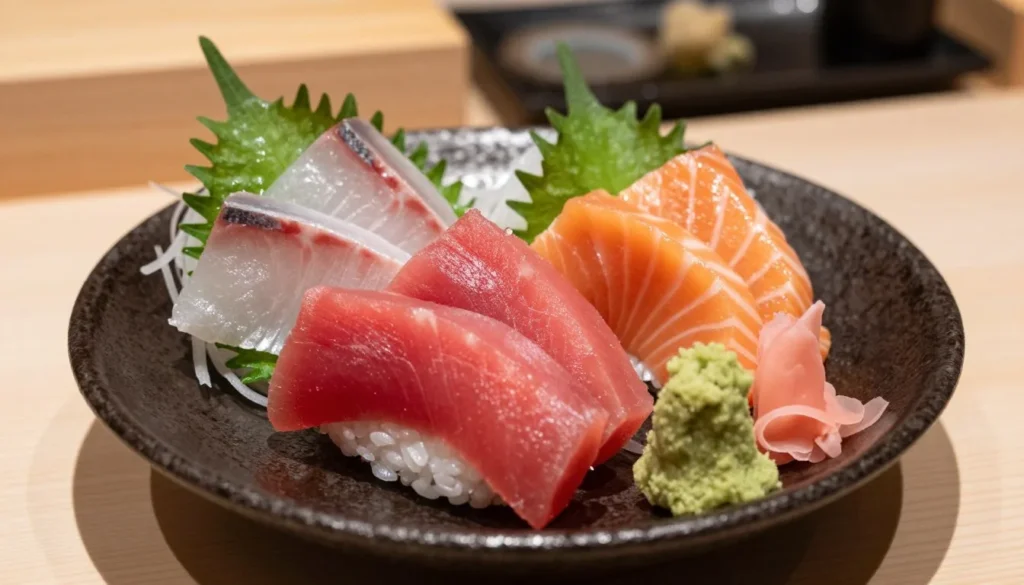
The Miura Peninsula specializes in fresh tuna, which fishing boats bring directly to local markets and restaurants. Misaki Port operates a fish market where you can purchase ultra-fresh seafood or dine at market restaurants serving the morning’s catch. The experience combines shopping with exceptional sushi and sashimi meals.
Odawara and coastal towns along Sagami Bay offer restaurants specializing in local fish preparations. Try kamaboko (fish cake), a local specialty made from ground fish paste. Odawara’s traditional kamaboko shops have operated for generations and welcome visitors to observe the manufacturing process.
Dining Tips and Etiquette
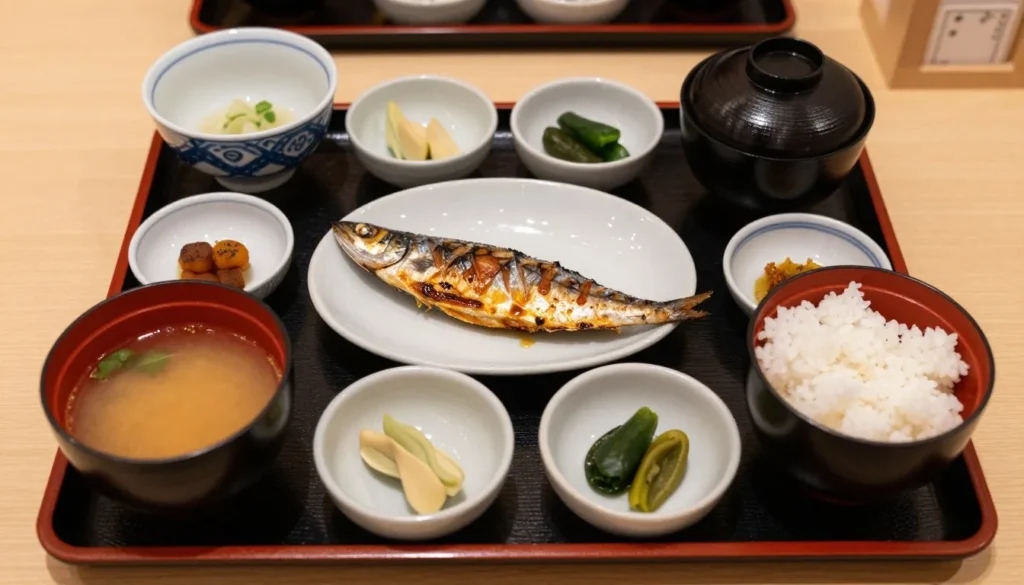
Many restaurants display plastic food models in windows, making ordering easier despite language barriers. Point to what looks appealing or take photos to show servers. Lunch sets (teishoku) provide excellent value with multiple dishes at reasonable prices, typically served until 2:00 PM.
Tipping is not customary in Japan and can cause confusion or offense. Bills include all charges, and exceptional service is standard rather than something requiring extra payment. Pay at the cashier near the entrance rather than leaving money on the table.
Vegetarians and those with dietary restrictions should prepare phrases or cards explaining requirements in Japanese. While vegetarian options have increased, many dishes contain fish-based dashi stock even when appearing vegetarian. International areas like Yokohama offer more diverse options accommodating various dietary needs.
Attractions, Sightseeing, and Activities in Kanagawa Prefecture
Kanagawa Prefecture packs remarkable diversity into a compact area, offering everything from ancient temples to cutting-edge urban attractions. Plan at least several days to experience the prefecture’s highlights without rushing.
Yokohama Urban Attractions
Minato Mirai 21 stands as Yokohama’s futuristic waterfront district featuring shopping, dining, entertainment, and spectacular architecture. The Landmark Tower reaches 296 m (971′) high and contains a sky garden observatory offering 360-degree views across the city, Tokyo Bay, and Mt. Fuji on clear days. The observation deck stays open until 10:00 PM, allowing visitors to witness stunning night views.
Yokohama Chinatown creates an immersive experience with ornate gates, narrow streets packed with restaurants and shops, and temples dedicated to Mazu and Guan Yu. This vibrant district pulses with energy, especially during Chinese New Year and weekend evenings. Fortune tellers, exotic ingredient shops, and traditional craft stores add to the atmosphere.
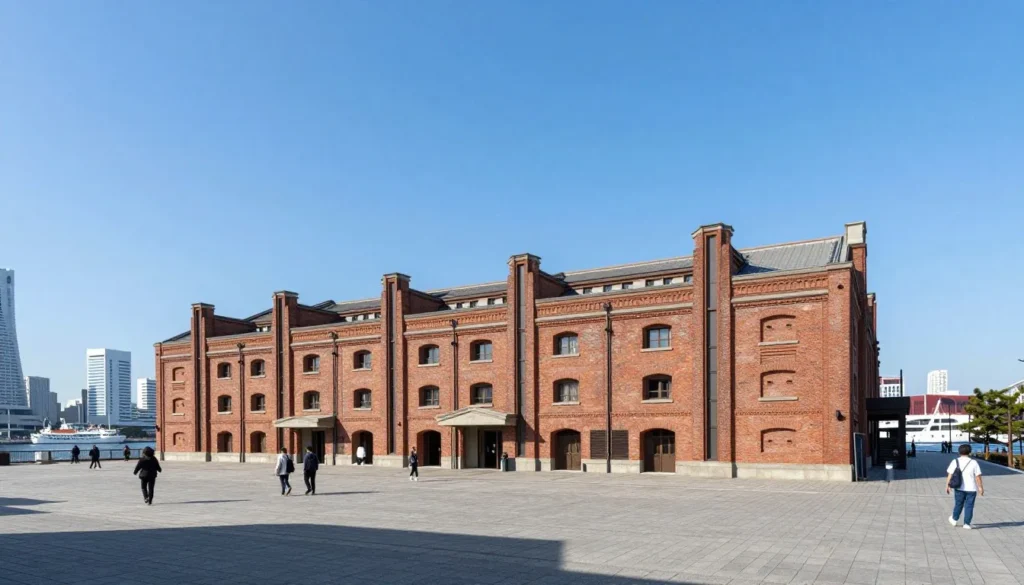
The Yokohama Red Brick Warehouse preserves two historic buildings from 1911 now converted into shopping and entertainment complexes. The complex hosts seasonal events including outdoor Christmas markets and beer gardens. The waterfront plaza provides excellent views of the bay and creates a popular gathering spot, particularly during evening illuminations.
Kamakura Historical Sites
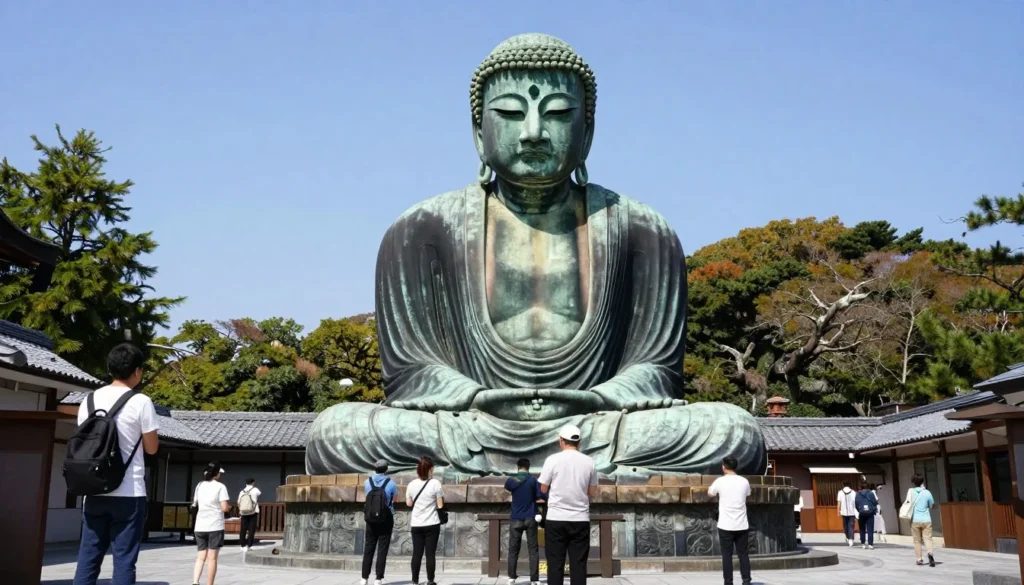
The Great Buddha of Kamakura (Daibutsu) sits peacefully at Kotoku-in Temple and stands as one of Japan’s most iconic images. Cast in 1252, this bronze statue measures 13.35 m (43.8′) tall and weighs approximately 121 tonnes. Visitors can enter inside the statue for a small additional fee to observe the casting techniques from over 750 years ago.
Tsurugaoka Hachimangu Shrine serves as Kamakura’s most important Shinto shrine and was established in 1063. The approach begins at the beach and extends 1.8 km through the city center along a cherry tree-lined path. Stone steps lead to the main shrine buildings overlooking the town. The shrine hosts numerous festivals throughout the year and traditional wedding ceremonies most weekends.
Hase-dera Temple contains a massive wooden statue of Kannon, the goddess of mercy, standing 9.18 m (30.1′) tall. The temple grounds offer spectacular views over Kamakura and Sagami Bay. Thousands of small Jizo statues create a moving memorial to deceased children. The temple gardens showcase seasonal flowers including hydrangeas that bloom spectacularly in June.
Hakone and Lake Ashi Area
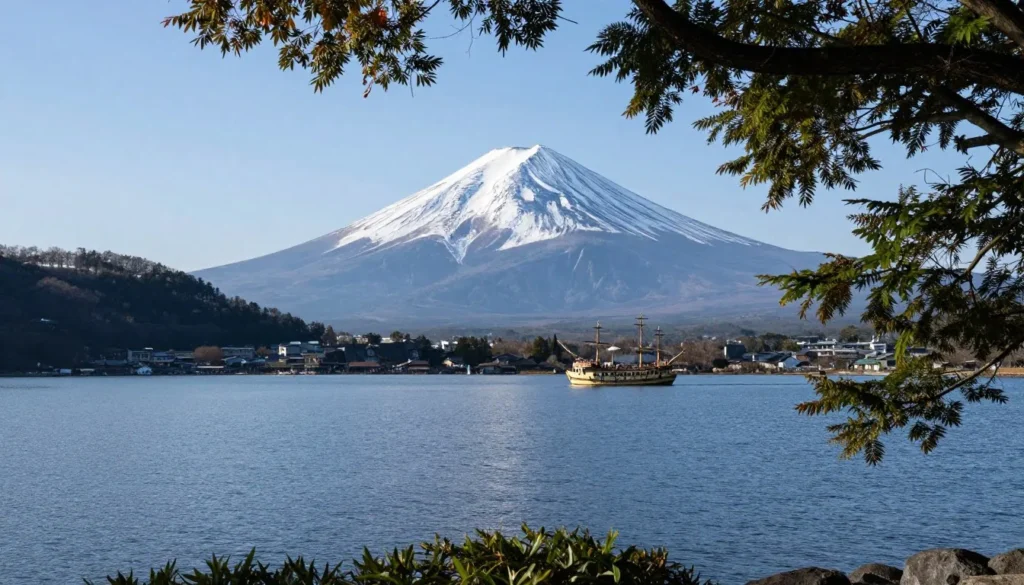
Lake Ashi (Ashinoko) fills a volcanic crater formed by Mt. Hakone’s eruption 3,000 years ago and covers 703 ha (1,737 acres). Sightseeing boats styled as pirate ships traverse the lake, connecting Hakone-machi, Moto-Hakone, and Togendai ports. On clear days, Mt. Fuji reflects perfectly in the lake’s waters, creating iconic photographic opportunities.
The Hakone Ropeway provides breathtaking views while crossing Owakudani valley to Lake Ashi. The 4-kilometer route passes over volcanic landscapes releasing sulfurous steam from vents in the earth. The journey takes about 30 minutes and connects to cable cars and buses for convenient Hakone tour loops.
Owakudani volcanic valley demonstrates active volcanic activity with bubbling hot springs and sulfurous fumes rising from fissures in the earth. Visitors can walk designated paths through this otherworldly landscape and purchase kuro-tamago (black eggs) boiled in the hot springs. Local legend claims eating one of these sulfur-blackened eggs adds seven years to your life.
Enoshima Island
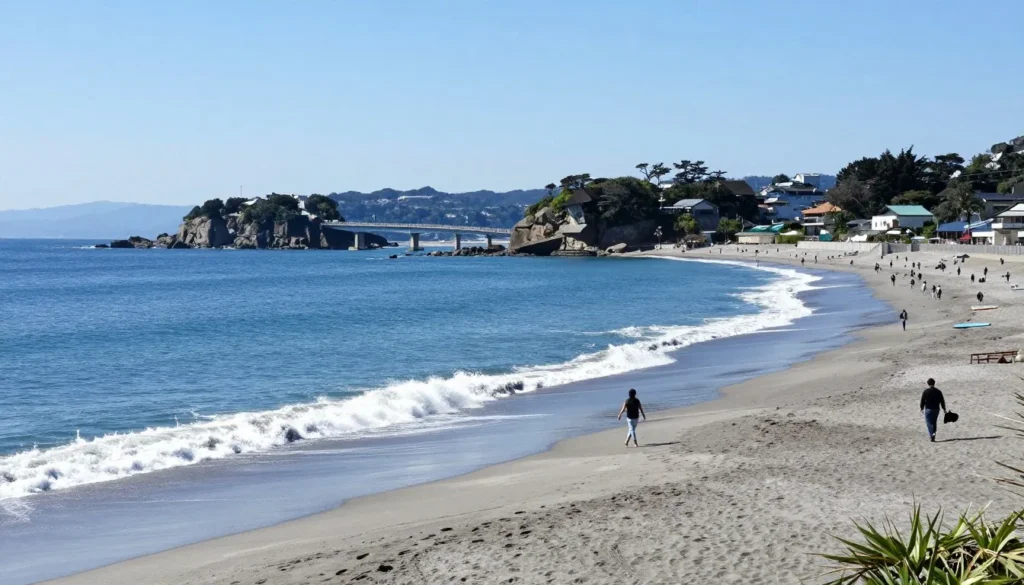
Enoshima island connects to the mainland via a 600 m bridge and offers beaches, shrines, caves, and spectacular coastal views. The island’s shrine complex honors Benzaiten, goddess of music and entertainment. Climbing to the observation tower provides panoramic views across Sagami Bay to the Izu Peninsula and Mt. Fuji.
The Iwaya Caves penetrate deep into the island’s rocky foundation and feature illuminated formations and religious statues. These natural caves hold spiritual significance and were explored by Buddhist monks centuries ago. The path down involves stairs carved into the cliff face, so wear comfortable shoes.
Viewing Mt. Fuji
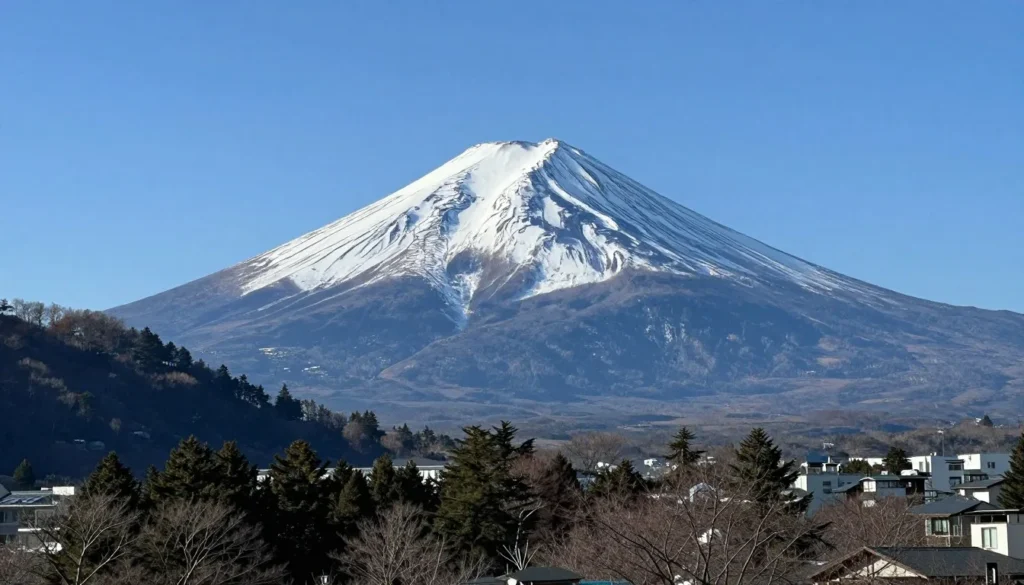
Kanagawa Prefecture offers numerous excellent vantage points for viewing Mt. Fuji, standing at 3,776 m (12,388′) tall. The mountain appears most clearly during winter months and early mornings when atmospheric conditions provide maximum visibility. Spring and autumn also offer good viewing opportunities, while summer’s humidity often obscures the view.
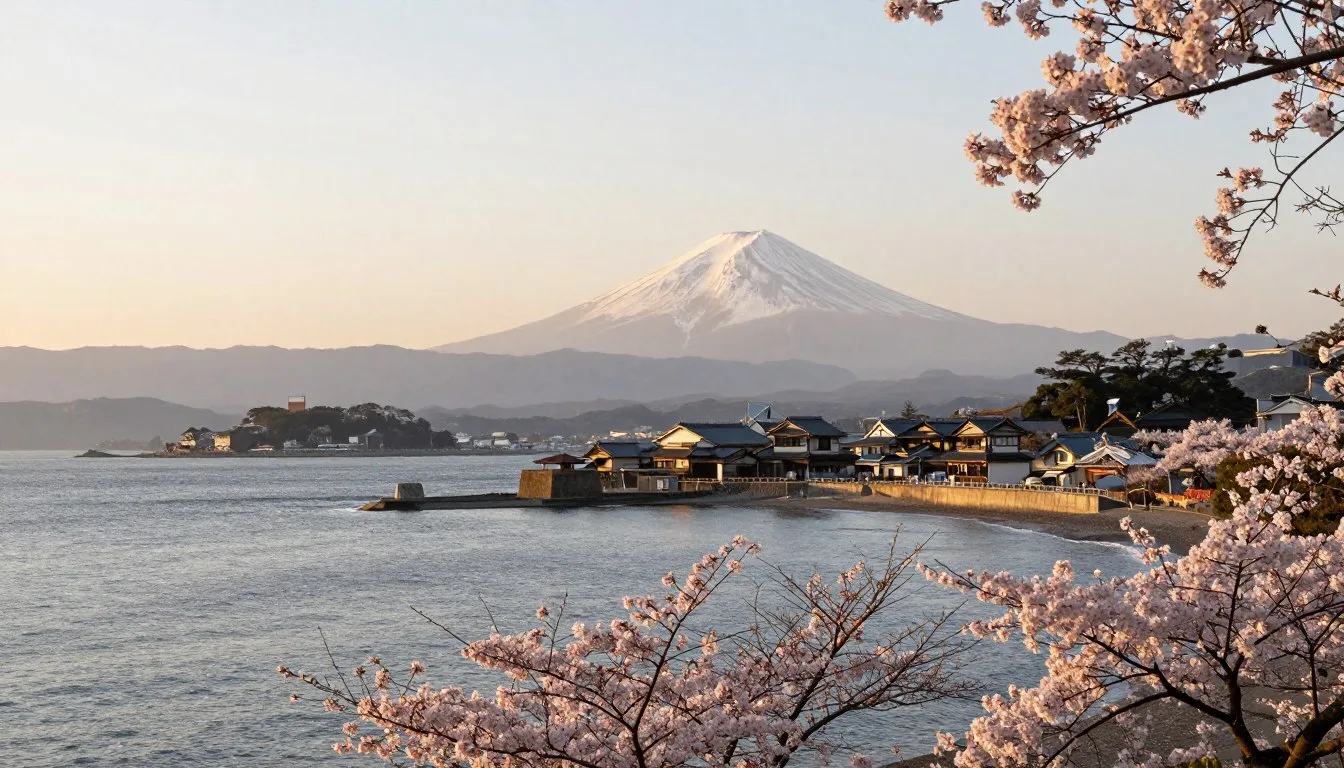
Hakone provides the prefecture’s most famous Mt. Fuji views, particularly from Lake Ashi and various observation points along the Hakone ropeway route. The Miura Peninsula’s southern coast offers distant but spectacular views across Sagami Bay. Shonan beaches and Enoshima create foreground interest for Mt. Fuji photography, especially during sunset.
Museums, Cultural Spots, and Festival Experiences
Kanagawa Prefecture maintains numerous world-class museums and cultural facilities that preserve history, showcase art, and celebrate innovation. These institutions provide enriching experiences regardless of weather conditions.
Yokohama Museums
The Cup Noodles Museum celebrates instant ramen’s invention in 1958 by Momofuku Ando. Interactive exhibits let visitors create custom cup noodle packages and learn about food innovation history. The museum includes a tasting room serving ramen varieties from around the world and a factory floor where you can make your own fresh noodles.
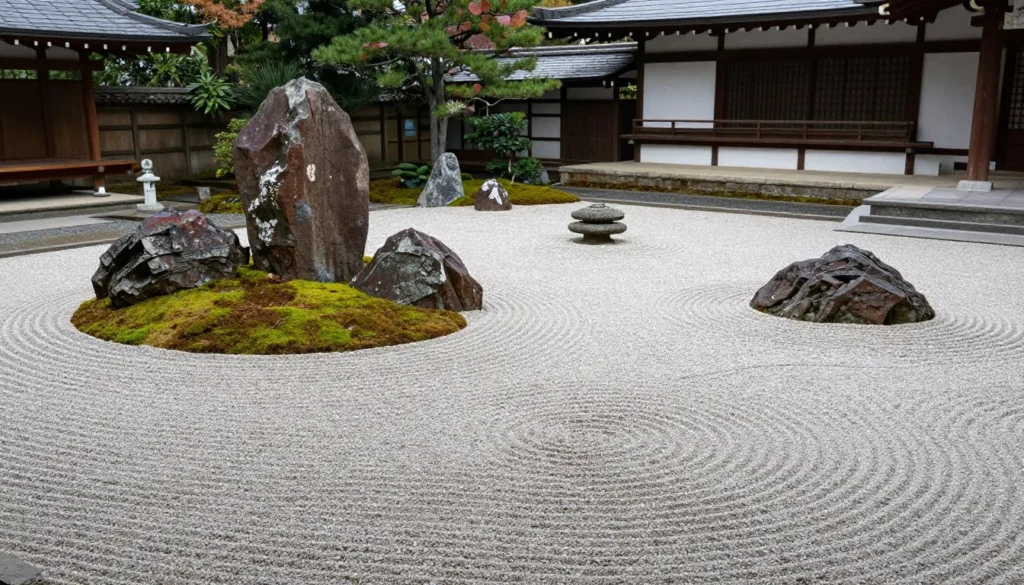
Sankeien Garden spans 17.5 ha (43.2 acres) and contains historic buildings relocated from Kyoto and Kamakura, including temples, tea houses, and merchant residences. Designed by Tomitaro Hara, a wealthy silk merchant, the garden opened to the public in 1906. The landscape showcases traditional Japanese garden design principles while preserving important architectural heritage. Cherry blossoms in spring and autumn leaves create seasonal highlights.
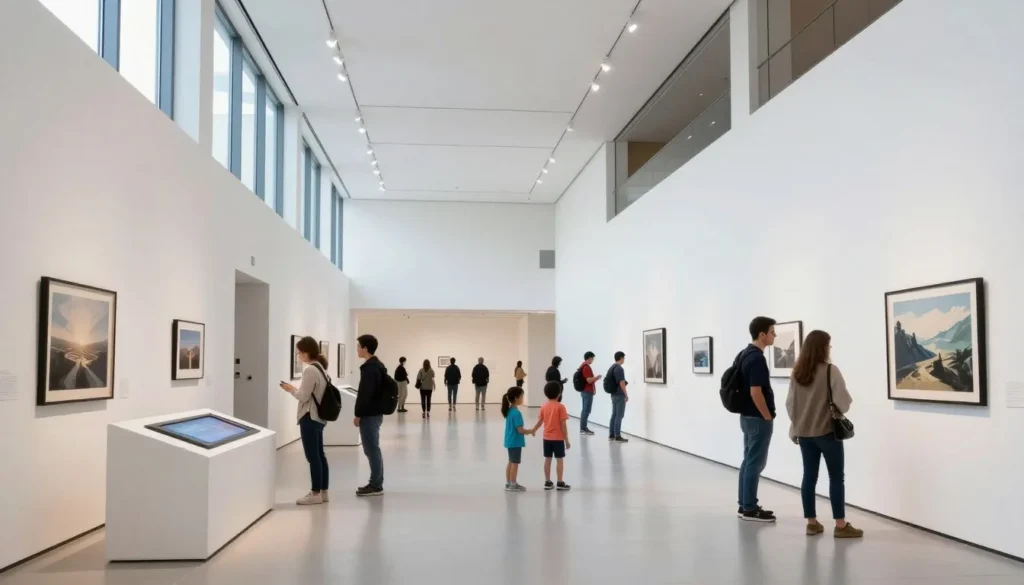
The Yokohama Museum of Art houses an extensive collection of modern and contemporary works by both Japanese and international artists. The building itself represents a masterpiece of modern architecture. Special exhibitions rotate regularly, showcasing everything from classical European paintings to cutting-edge installation art.
Kamakura Cultural Experiences
Numerous Zen temples in Kamakura offer meditation sessions and cultural experiences for visitors. Engaku-ji and Kencho-ji temples, both founded in the 13th century, welcome guests to join morning meditation sessions. These experiences provide insight into Zen Buddhist practices that developed during the Kamakura period when the city served as Japan’s political capital.
The Kamakura National Treasure Museum displays Buddhist statues, paintings, and artifacts from temples throughout the region. The collection illustrates the artistic achievements of the Kamakura period when warrior culture flourished. Religious art from this era shows unique characteristics different from earlier Heian period styles.
Hakone Art Museums
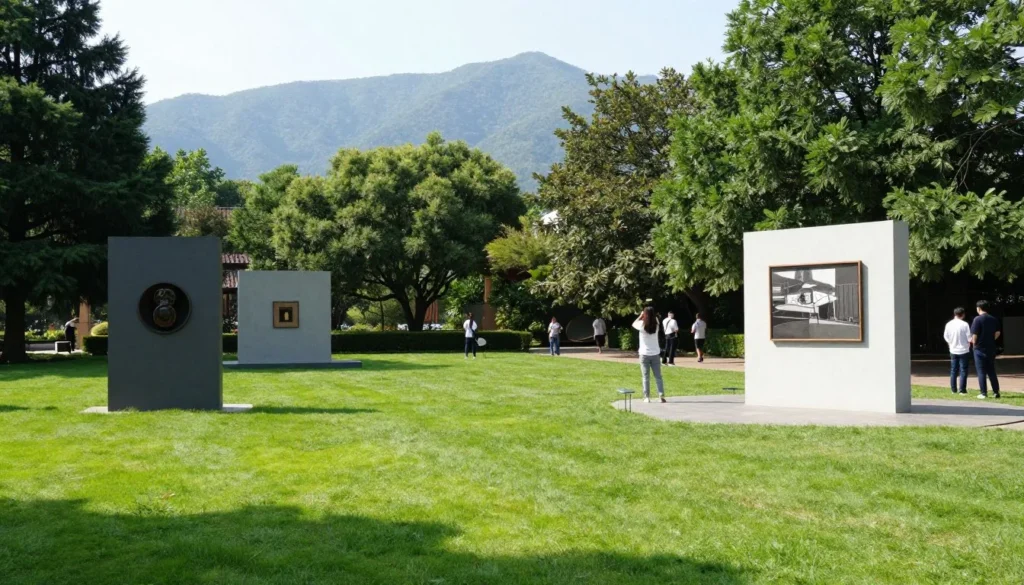
The Hakone Open-Air Museum combines sculpture gardens with indoor galleries across 70,000 square meters. Over 120 sculptures by masters including Rodin, Moore, and Miro dot the landscape. The museum includes a dedicated Picasso pavilion housing one of Japan’s largest collections of his works. A natural hot spring foot bath lets visitors relax while contemplating art and mountain views.
The Pola Museum of Art houses an impressive collection of Impressionist and modern Japanese paintings in a stunning building designed to blend with the forest surroundings. The architectural design allows natural light to illuminate galleries while preserving the forest environment through elevated construction that left trees intact.
Traditional Crafts and Workshops
Odawara Castle town maintains traditional craft workshops where artisans practice centuries-old techniques. Visitors can observe or participate in experiences including woodblock printing, kamaboko making, and traditional sweet crafting. These hands-on activities provide deeper appreciation for Japanese craftsmanship traditions.
Several pottery studios in Kamakura and Hakone offer classes for beginners. Create your own ceramic pieces under guidance from experienced potters, then have them fired and shipped to your home. These workshops accommodate English speakers and provide a unique souvenir of your visit.
✓ Check 30,000+ Local Sightseeing Tours Worldwide
Nature and Outdoor Experiences in Kanagawa Prefecture
Beyond urban attractions and historical sites, Kanagawa Prefecture offers diverse natural environments perfect for outdoor enthusiasts. Mountains, coastlines, and countryside provide opportunities for hiking, beach activities, and nature appreciation.
Hiking and Mountain Activities
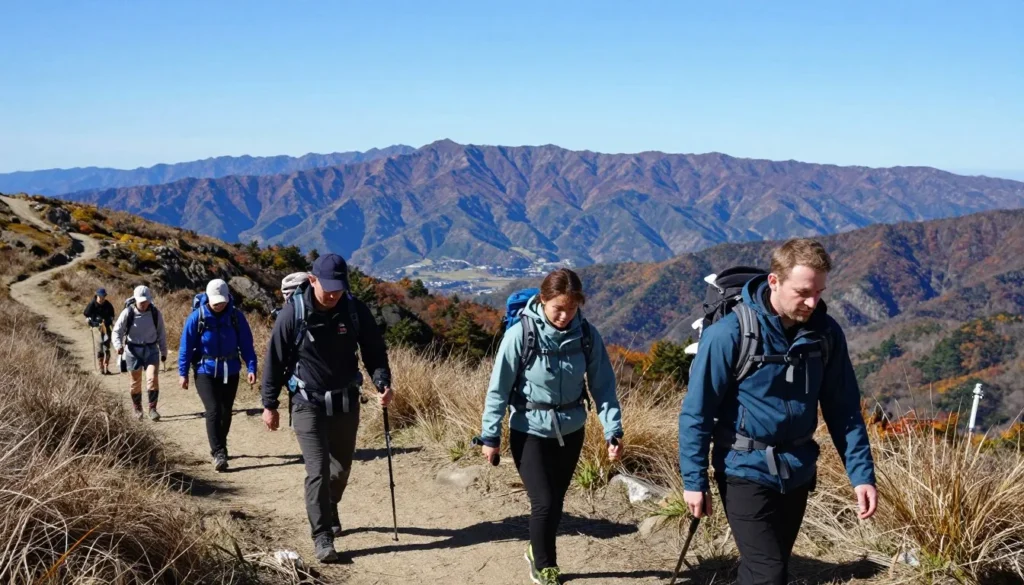
The Hakone area offers numerous hiking trails ranging from easy nature walks to challenging mountain climbs. The Old Tokaido Road follows the historic route travelers used during the Edo period, passing through beautiful forest and past preserved checkpoints. Stone-paved sections remain from the original road constructed over 400 years ago.
Mt. Kintoki rises to 1,212 m (3,976′) and provides one of Hakone’s most rewarding hikes. The trail takes about 2-3 hours to reach the summit, which offers spectacular 360-degree views including Mt. Fuji, Lake Ashi, and Suruga Bay. The mountain connects to Ashigara mythology and local folk tales about the legendary strong boy Kintaro.
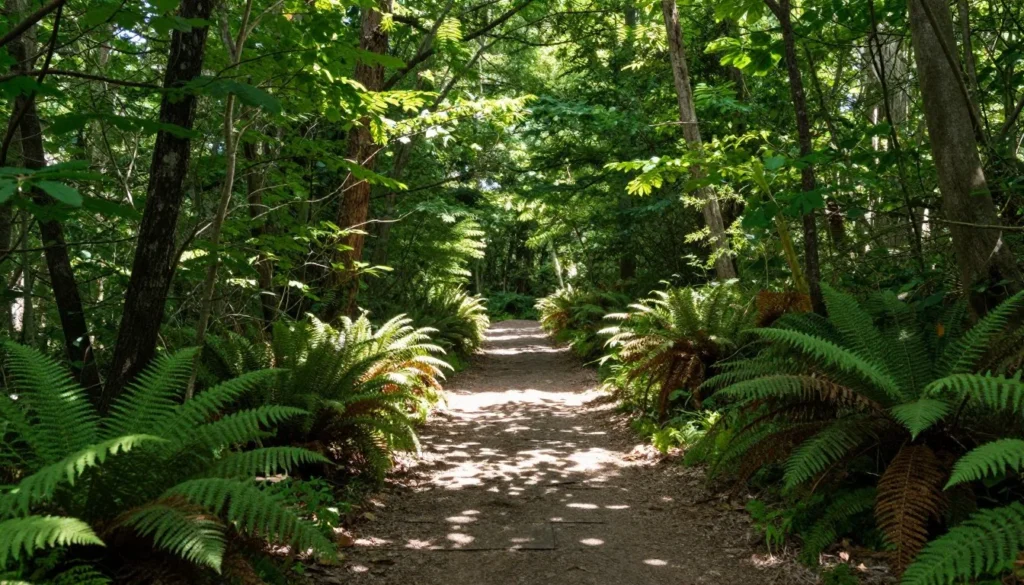
The Daimonji-yama hiking course in Kamakura provides gentle trails through forested hills with viewpoints overlooking the city and coast. Multiple routes crisscross the hills, allowing you to create loops of various lengths. Trail maps are available at the tourist information center near Kamakura Station.
Beach and Coastal Activities
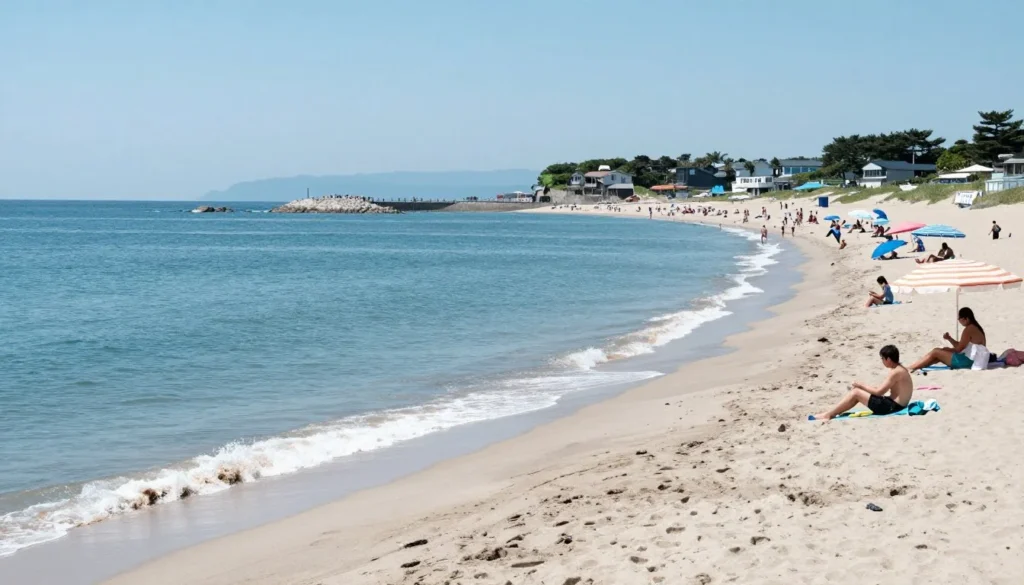
The Shonan coast stretches for miles along Sagami Bay and hosts numerous beaches popular during summer months. Yuigahama Beach in Kamakura offers convenient access from the station and facilities including showers, restaurants, and equipment rentals. Swimming season officially runs from early July through August when lifeguards are present.
Enoshima area beaches attract surfers year-round, particularly at Kugenuma Beach and Shichirigahama. Surf schools operate during summer offering lessons for beginners. The consistent waves and relatively warm water make this region one of Japan’s premier surf destinations.
Stand-up paddleboarding has grown popular in Hayama and Zushi, where calm bays provide ideal conditions for beginners. Rental shops provide equipment and instruction. Early morning sessions offer the calmest water and opportunities to spot local marine life including sea turtles occasionally.
Hot Springs and Nature Relaxation
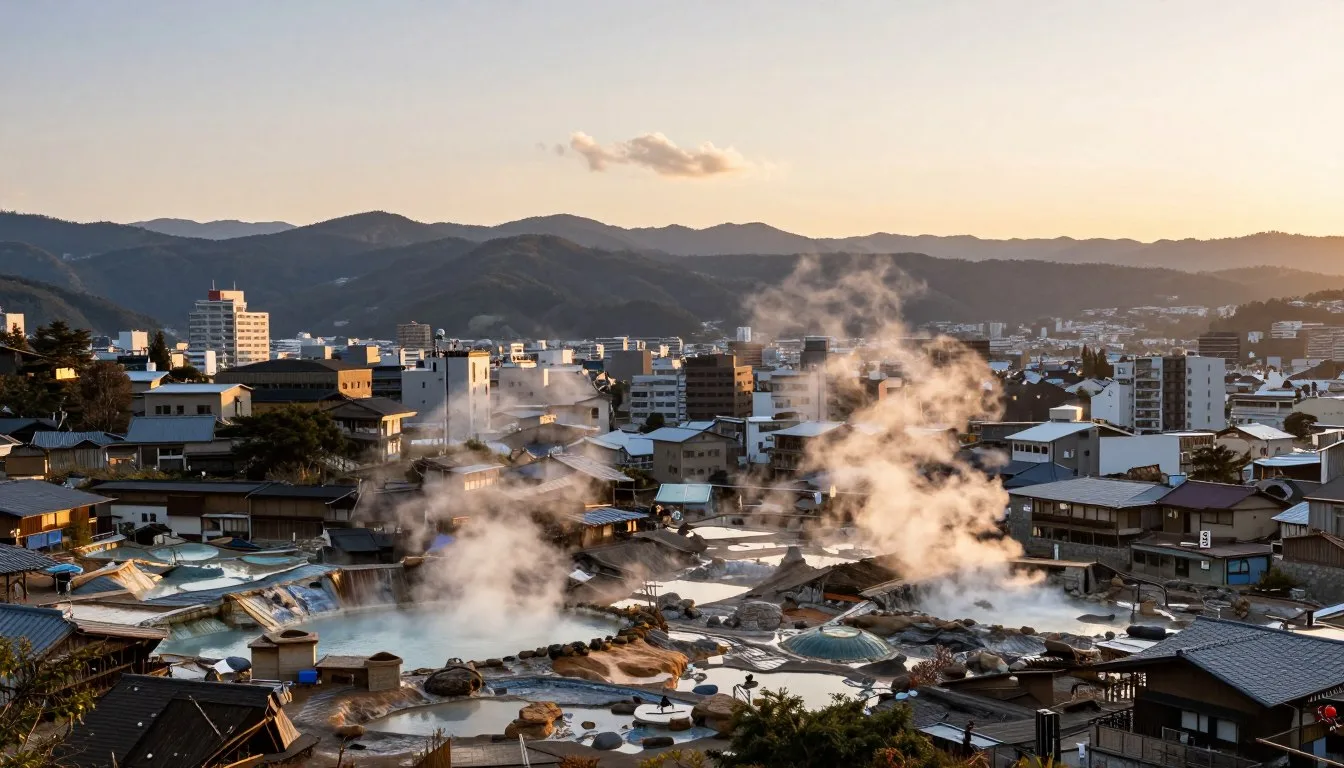
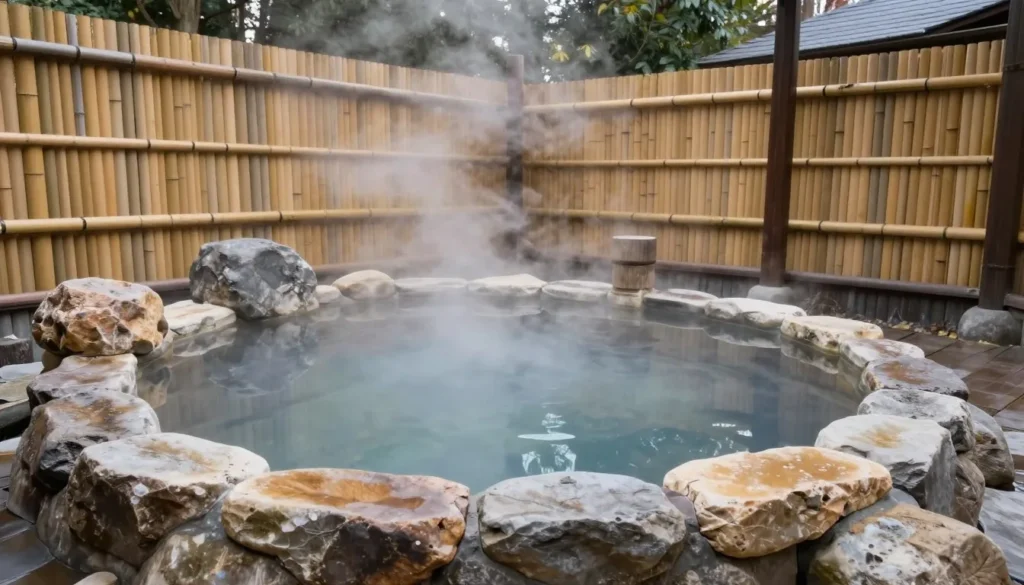
Hakone’s hot springs flow from volcanic activity beneath the mountains and have attracted visitors for over 1,000 years. The area contains numerous types of spring water, each with different mineral compositions and purported health benefits. Many ryokan welcome day visitors to their hot spring baths, allowing you to experience onsen culture without overnight stays.
Outdoor hot springs (rotenburo) provide the most memorable experiences, allowing you to soak while surrounded by forest or mountain views. Some facilities separate by gender while others require swimwear. Check specific facility rules before visiting to avoid confusion.
Parks and Gardens
Yamashita Park runs along Yokohama’s waterfront for nearly 750 m and was one of Japan’s first Western-style seaside parks. The park offers spectacular views of the bay and is particularly beautiful during evening illuminations. The historic Hikawa Maru ship permanently docked here serves as a museum you can tour.
The Kanagawa Prefectural Flower Center in Odawara showcases tropical and subtropical plants in greenhouses and outdoor gardens. The facility specializes in orchids and features displays that bloom year-round regardless of season. This attraction suits visitors seeking peaceful garden walks away from crowds.
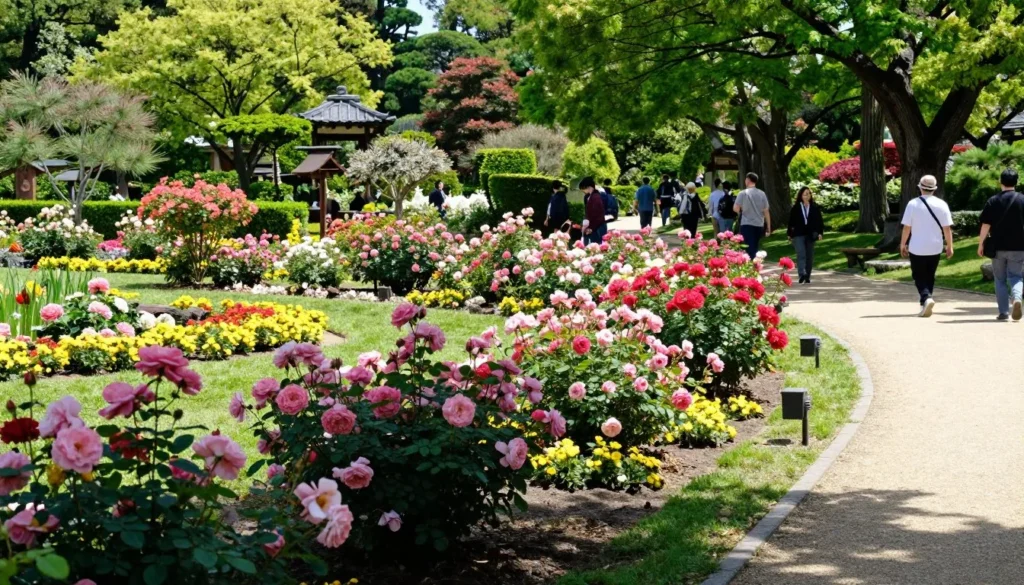
Seasonal Nature Highlights
Cherry blossoms transform Kanagawa Prefecture each spring, with prime viewing spots including Sankeien Garden, Odawara Castle, and the Meguro River in Yokohama. The brief blooming period typically lasts 7-10 days in late March or early April. Many locations offer evening illuminations during peak season.
Autumn leaves create spectacular displays throughout November, particularly in Hakone’s mountainous areas. The combination of colorful foliage with views of Lake Ashi and Mt. Fuji creates postcard-perfect scenes. Temple grounds in Kamakura also showcase beautiful autumn colors, especially at Engaku-ji and Kencho-ji temples.
Hydrangea season in June brings millions of visitors to temples and parks throughout Kanagawa Prefecture. Meigetsu-in Temple in Kamakura earned the nickname “Hydrangea Temple” for its thousands of blue hydrangea bushes. The flowers provide color during the rainy season when other blooms are less prominent.
Travel With Children in Kanagawa Prefecture
Kanagawa Prefecture welcomes families with numerous child-friendly attractions, excellent safety standards, and convenient facilities. The region’s compact size allows young travelers to experience diverse activities without exhausting transportation time.
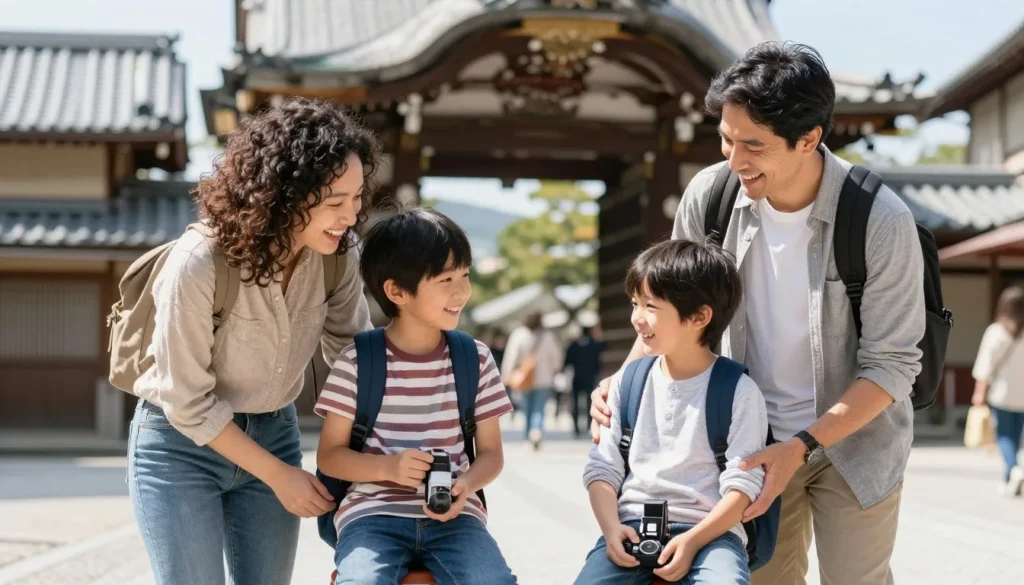
Kid-Friendly Attractions
Yokohama Cosmo World amusement park sits in the heart of Minato Mirai and offers rides suitable for various ages. The iconic Cosmo Clock 21 Ferris wheel reaches 112.5 m (369′) high and provides spectacular views day and night. Admission to the park is free, with individual ride tickets purchased as needed, making it budget-friendly for families.
Hakone Kowakien Yunessun combines hot springs with water park attractions in a unique facility. Children enjoy water slides, outdoor pools, and unique baths including coffee, wine, and green tea pools. The separate conventional hot spring section accommodates parents seeking traditional onsen experiences. Swimwear is required in the water park areas, removing the cultural barrier some families face with traditional hot springs.
Yokohama Anpanman Children’s Museum celebrates Japan’s beloved cartoon character through interactive exhibits, performances, and play areas. The museum targets younger children and includes a shopping mall with character-themed restaurants and shops. Even children unfamiliar with Anpanman enjoy the colorful environment and hands-on activities.
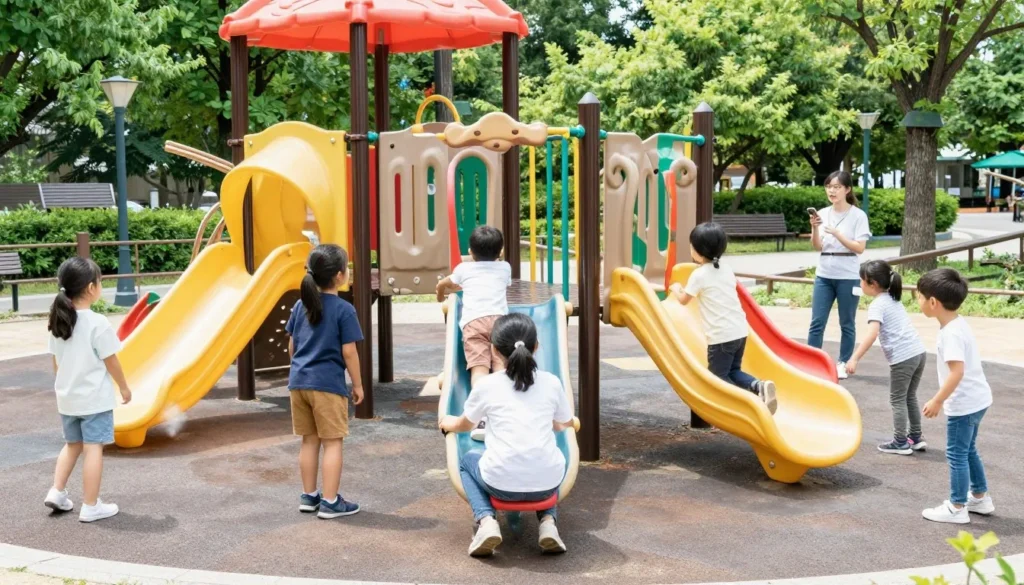
Educational Experiences
The Cup Noodles Museum offers hands-on activities that entertain and educate simultaneously. Children design their own cup noodle packages and select ingredients, creating personalized souvenirs to take home. The museum presents food history and innovation concepts through engaging displays that capture young imaginations.
Enoshima Aquarium displays marine life from Sagami Bay including jellyfish, dolphins, and deep-sea creatures. Daily shows feature sea lions and dolphins performing tricks that delight audiences of all ages. The jellyfish fantasy hall creates a mesmerizing environment that captivates children and adults equally.
Practical Tips for Family Travel
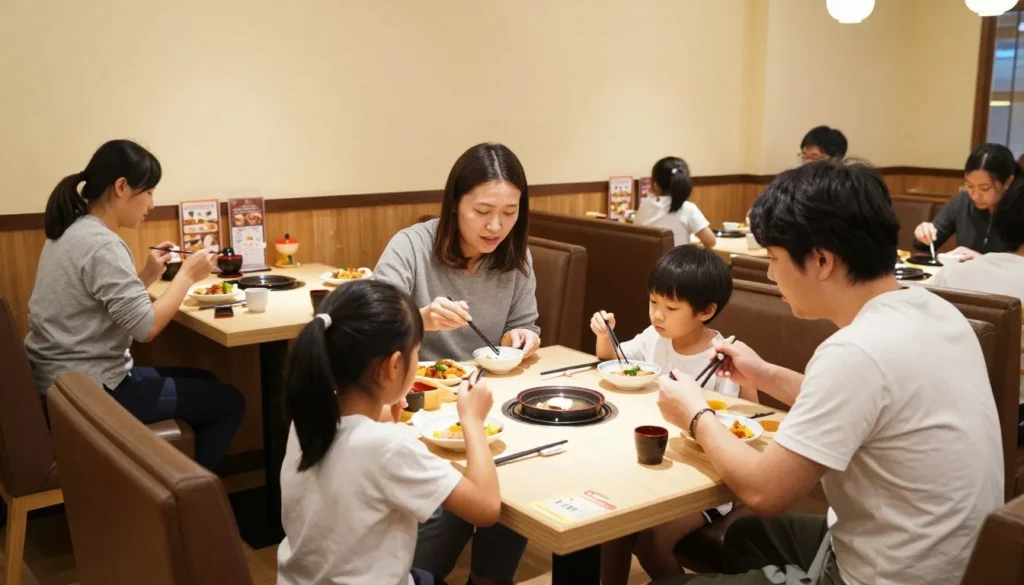
Most restaurants welcome children and provide high chairs, though availability varies. Family restaurants (famiresu) offer extensive picture menus, reasonable prices, and familiar foods that even picky eaters enjoy. Convenience stores stock basic baby supplies including diapers and formula in emergency situations.
Public transportation accommodates strollers, though crowded trains during rush hours prove challenging. Many stations now include elevators, making access easier than in the past. Consider baby carriers for navigating temples and areas with many steps. Most major attractions provide coin lockers for storing strollers during visits.
Nursing rooms and diaper changing facilities appear in department stores, major stations, and shopping centers. These clean, private spaces often include hot water dispensers for preparing formula. Look for signs showing a baby icon or ask staff for directions to baby rooms.
Seasonal Activities for Families
Summer beach trips to the Shonan coast create memorable family experiences. Choose beaches with lifeguards and rental facilities that provide umbrellas and beach equipment. Apply generous sunscreen as the sun proves surprisingly strong despite ocean breezes.
Winter illumination events throughout Yokohama transform the city into a magical wonderland. The Minato Mirai area creates elaborate light displays that enchant children without requiring ticket purchases. These free attractions provide entertainment during cold evening hours when indoor activities grow repetitive.
Money Saving Tips for Kanagawa Prefecture
While Japan has a reputation for expensive travel, strategic planning allows you to experience Kanagawa Prefecture without breaking your budget. The region offers numerous ways to reduce costs while still enjoying quality experiences.
Transportation Savings
Purchase multi-day transportation passes when visiting multiple areas. The Hakone Free Pass covers all transportation within Hakone for two or three days and includes most attraction discounts. This pass typically pays for itself if you visit even a few major sites. Similar passes exist for Kamakura-Enoshima and Yokohama areas.
Walk whenever practical as many attractions cluster within walkable distances. Kamakura’s temples, Yokohama’s Minato Mirai, and Enoshima island all reward exploration on foot. This approach saves money while allowing you to discover hidden spots and local neighborhoods that bus tours bypass.
Accommodation Strategies
Business hotels near major stations provide clean, comfortable rooms at significantly lower prices than resort hotels. These properties include free WiFi and often basic breakfast. Booking directly with hotels sometimes yields better rates than international booking platforms, particularly for Japanese business hotel chains.
Consider staying in Yokohama rather than Hakone if visiting both areas. Yokohama’s accommodation costs less while maintaining excellent train connections to Hakone for day trips. This strategy works well for visitors prioritizing budget over traditional ryokan experiences.
Dining on a Budget
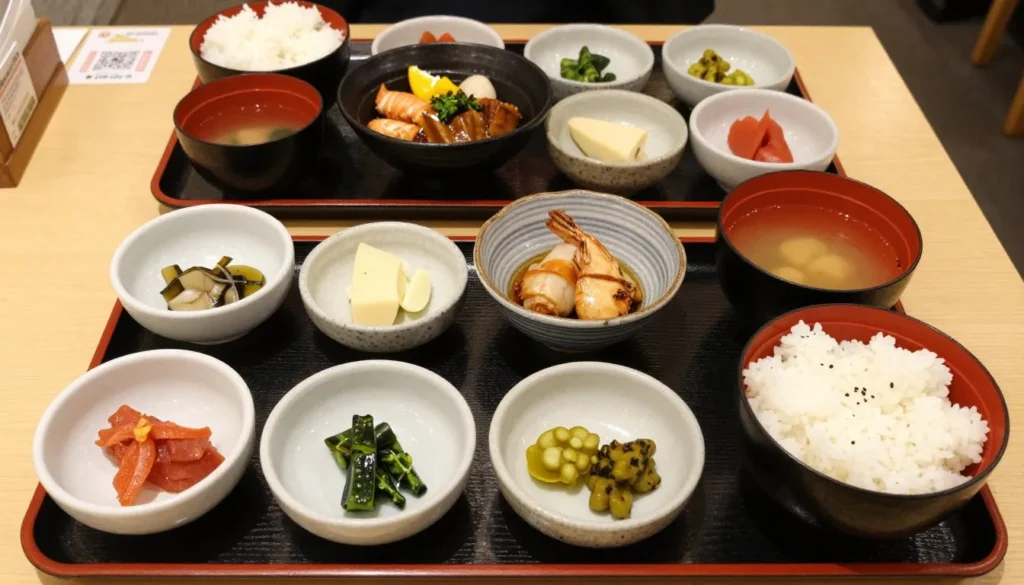
Lunch sets (teishoku) at restaurants provide the best value, offering multiple dishes at prices significantly lower than dinner. Many restaurants serve identical items at lunch for half the dinner price. Visit higher-end restaurants during lunch to experience quality cuisine affordably.
Convenience stores offer surprising quality and variety at low prices. Onigiri (rice balls), bento boxes, and sandwiches provide filling meals for ¥500-800. This option works particularly well for picnic lunches in parks or on beach trips. Convenience stores also sell beverages much cheaper than vending machines.
Standing sushi restaurants and conveyor belt sushi chains deliver quality seafood at reasonable prices. These casual establishments charge by the plate, allowing you to control spending precisely. Look for lunch specials and avoid expensive specialty items to keep costs down.
Free and Low-Cost Attractions
Many of Kanagawa Prefecture’s best experiences cost nothing. Walking around Kamakura, strolling through Yokohama’s waterfront parks, exploring Chinatown’s streets, and hiking in Hakone require only transportation costs. Temple entrance fees range from ¥300-500, remaining affordable even when visiting multiple sites.
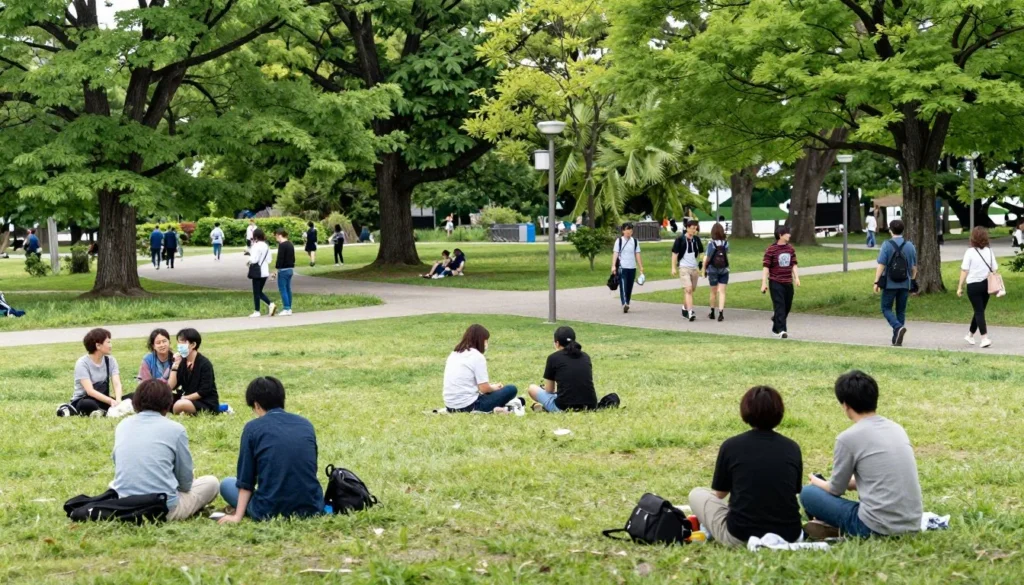
Public parks and beaches provide free entertainment, particularly during summer. Yamashita Park, Sankei-en Garden’s outer grounds, and all public beaches charge no admission. These spaces offer hours of enjoyment without any expense beyond transportation and food.
Shopping Smart
Tax-free shopping benefits foreign tourists on purchases over ¥5,000 at participating stores. Bring your passport when shopping and look for “Tax Free” signs at department stores and major retailers. The 10% savings adds up quickly, particularly on electronics or souvenirs.
Local supermarkets offer Japanese snacks, beverages, and local products at much lower prices than tourist shops. Visit supermarkets for omiyage (souvenir gifts) that locals actually buy. You’ll find the same regional specialties at fraction of tourist area prices.
Safety and Local Customs in Kanagawa Prefecture
Japan ranks among the world’s safest travel destinations, and Kanagawa Prefecture maintains this excellent reputation. Understanding local customs enhances your experience and helps you navigate social situations comfortably.
Safety Considerations
Violent crime remains extremely rare in Kanagawa Prefecture. Visitors can walk through any neighborhood at any hour with minimal safety concerns. However, maintain normal precautions regarding belongings in crowded areas. Pickpocketing occurs occasionally in busy tourist zones, though far less frequently than in most major cities worldwide.
Natural disasters represent the primary safety concern. Earthquakes occur regularly, though most are minor tremors causing no damage. Familiarize yourself with earthquake safety procedures and locate evacuation routes in your accommodation. Hotel rooms include emergency information in English explaining what to do during earthquakes.
Typhoon season extends from June through October, with September seeing the highest activity. Monitor weather forecasts during this period as strong typhoons can disrupt transportation and force temporary attraction closures. Most typhoons are predicted days in advance, allowing time to adjust plans.
Health and Medical Considerations
Japan’s healthcare system provides excellent service, though costs can be high for travelers without insurance. Purchase comprehensive travel insurance before your trip. Major hotels can arrange English-speaking doctors if needed. Pharmacies stock limited medications compared to Western countries, so bring necessary prescription medicines with documentation.
Tap water throughout Kanagawa Prefecture is perfectly safe to drink. The summer heat and humidity can cause dehydration, so carry water and drink regularly, especially during outdoor activities. Convenience stores and vending machines are everywhere, making bottled beverages easily accessible.
Cultural Etiquette
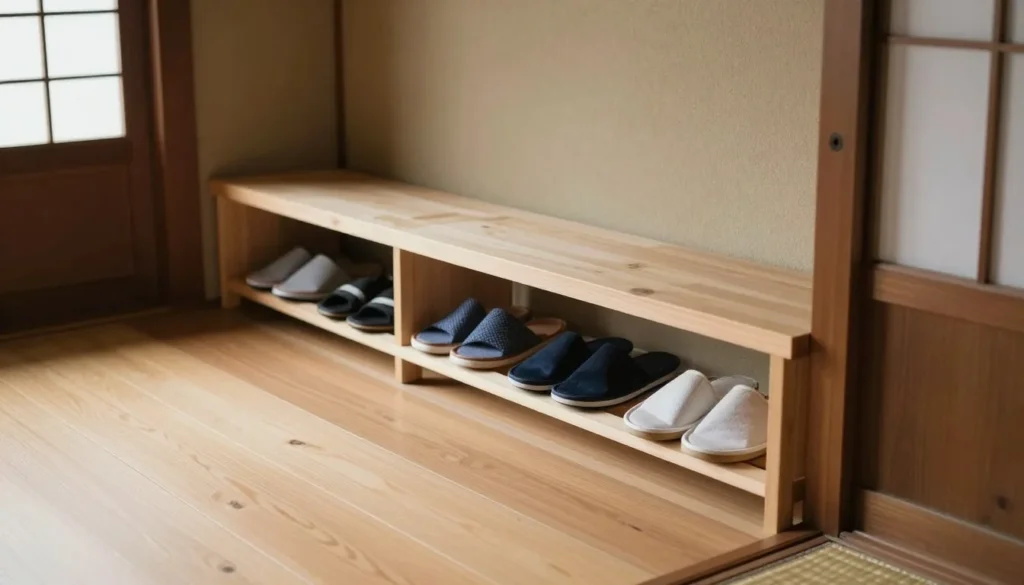
Remove shoes when entering homes, some restaurants, temples, and ryokan. Look for shoe racks or slippers at entrances indicating the custom. Hotels provide slippers for use inside rooms and hallways. Never wear bathroom slippers outside the bathroom as this represents a significant faux pas.
Bowing serves as the standard greeting in formal situations, though simple nods work fine for casual interactions. Service staff bow to customers frequently, and returning a slight nod shows appreciation. Handshakes are becoming more common in international contexts but remain less universal than in Western cultures.
Speak quietly on trains and avoid phone conversations. Priority seating areas exist for elderly, pregnant, or disabled passengers near train doors. Standing passengers should move toward the center of cars to allow others to board efficiently. These unwritten rules maintain the pleasant atmosphere despite crowded conditions.
Hot Spring Etiquette
Traditional onsen require complete nudity as swimwear is prohibited in gender-separated baths. Wash thoroughly at provided stations before entering the hot spring water. Small towels can be brought into the bathing area but should not touch the water. These customs ensure hygiene and respect other bathers.
Tattoos remain controversial in Japan due to historical associations with organized crime. Some onsen prohibit entry to anyone with visible tattoos, while others are more accepting. Check specific facility policies before visiting or seek tattoo-friendly establishments that increasingly cater to international visitors.
Dining Customs
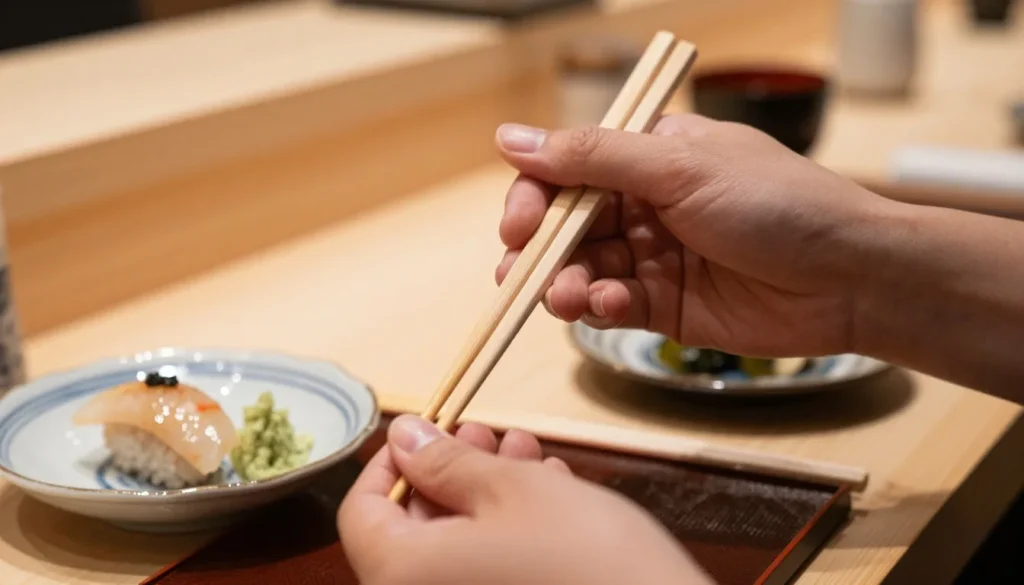
Saying “itadakimasu” before eating and “gochisosama deshita” after finishing shows appreciation for the meal. No one expects perfect Japanese from foreigners, but attempting these phrases is appreciated. Chopstick etiquette prohibits sticking them vertically in rice or passing food directly between chopsticks as these actions relate to funeral rites.
Slurping noodles is perfectly acceptable and even considered appreciative of the food. This sound might feel awkward initially but represents normal behavior in Japan. Conversely, blowing your nose at the table is considered rude, excuse yourself to the restroom if necessary.
Photography Considerations
Some temples and museums prohibit photography inside buildings, indicated by signs or staff instructions. Always respect these rules as they protect cultural treasures and maintain spiritual atmospheres. Photography is generally welcome in outdoor areas, but avoid photographing people without permission, particularly at shrines during religious ceremonies.
Visitor Comments About Kanagawa Prefecture
Real travelers share their experiences visiting Kanagawa Prefecture, offering insights into what makes this destination special and memorable.
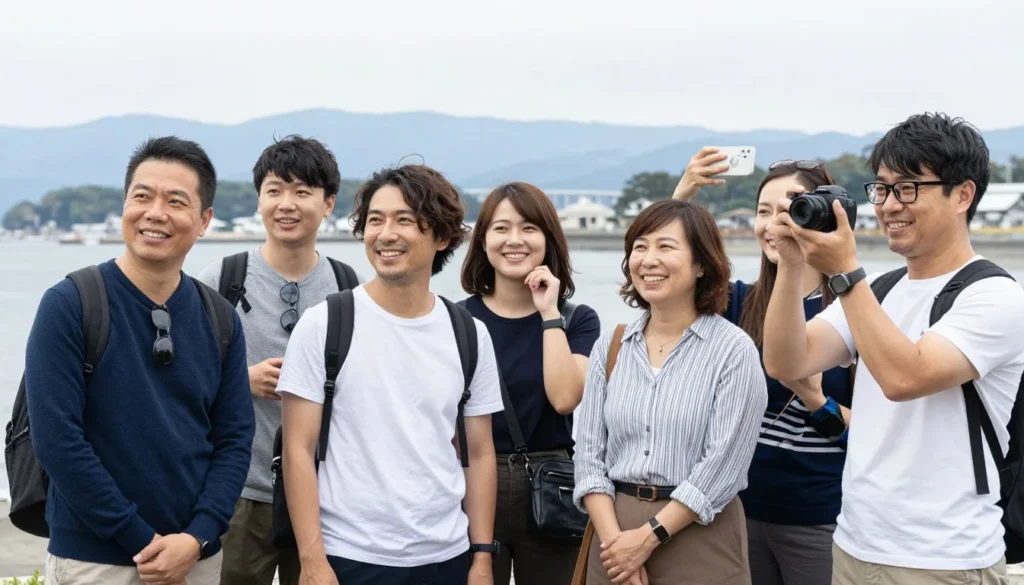
“Kanagawa completely exceeded my expectations! I planned to spend just one day in Yokohama but ended up staying three nights. The combination of modern city life in Minato Mirai and traditional culture in Kamakura made every day feel different. My highlight was the early morning at the Great Buddha Kamakura before crowds arrived. The peaceful atmosphere was unforgettable. Don’t miss trying shirasu at a small restaurant near Kamakura Station.”
“We visited Kanagawa Prefecture with our two children ages 6 and 9, and they loved every minute. Hakone was the family favorite, especially the pirate ships on Lake Ashi and black eggs at Owakudani. The kids still talk about the Cup Noodles Museum months later. Public transportation proved easier than expected even with children. Our only regret was not staying longer in the area. We covered a lot but there’s so much more to see.”
“As a solo traveler, I found Kanagawa Prefecture incredibly welcoming and safe. I stayed in a budget hostel in Yokohama and made day trips throughout the region. The Kamakura hikes offered exactly the nature experience I needed after busy Tokyo. Views of Mt. Fuji from Lake Ashi took my breath away. Even with limited Japanese language skills, I navigated everything easily. The tourism information staff were patient and helpful. This region deserves more recognition as a destination.”
Additional Nearby Destinations From Kanagawa Prefecture
Kanagawa Prefecture’s central location provides easy access to numerous other destinations in the Kanto region and beyond. Consider extending your trip to explore these nearby areas that complement your Kanagawa experience.
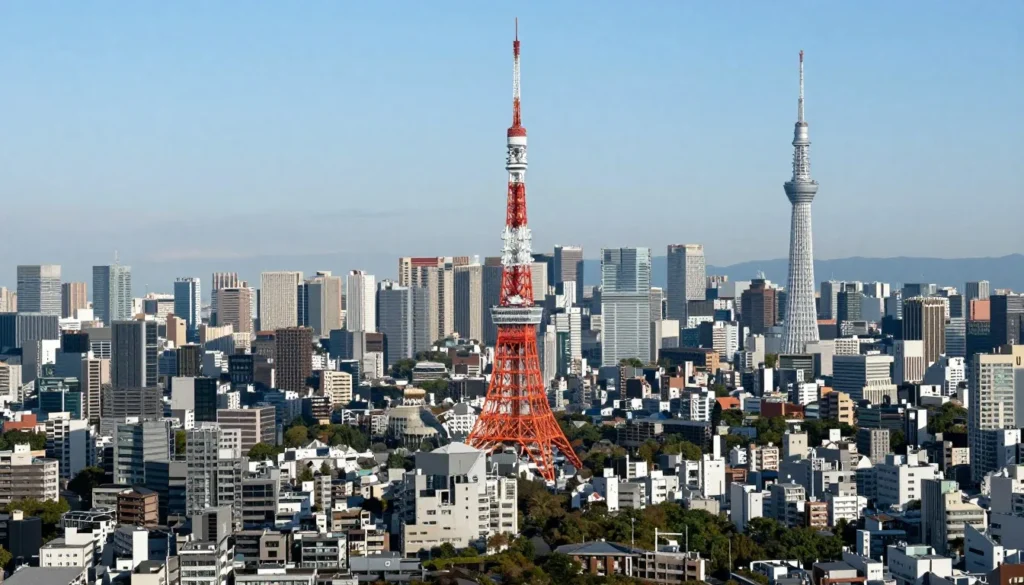
Tokyo
Japan’s capital sits just 30 minutes from Yokohama by train and offers unlimited urban exploration opportunities. Districts like Shibuya, Harajuku, and Asakusa each present distinct experiences from cutting-edge fashion to traditional temples. Tokyo’s exhaustive restaurant scene, shopping districts, and entertainment options could fill weeks of exploration. The city serves as an excellent complement to Kanagawa’s more relaxed atmosphere.
Mt. Fuji and Fuji Five Lakes
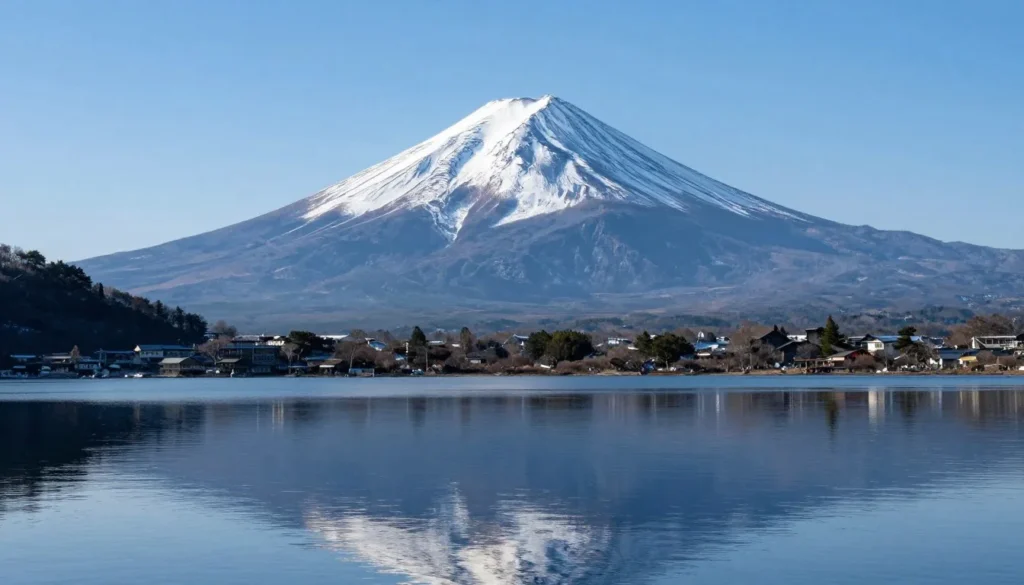
While Mt. Fuji views from Kanagawa Prefecture are spectacular, visiting the mountain’s northern side reveals different perspectives and experiences. The Fuji Five Lakes region offers resort towns, museums dedicated to Mt. Fuji, and numerous outdoor activities. Direct bus services connect Hakone with the Fuji Five Lakes area, taking about 2 hours. This combination makes an excellent extended trip.
Izu Peninsula
The Izu Peninsula extends south from Kanagawa Prefecture into the Pacific Ocean and features rugged coastlines, hot spring resorts, and seafood specialties. The peninsula offers a more rural experience compared to Kanagawa’s developed areas while maintaining good transportation connections. Popular destinations include Atami, Ito, and Shimoda, each with distinct character and attractions.
✓ Check 30,000+ Local Sightseeing Tours Worldwide
Nikko
This mountain town north of Tokyo houses some of Japan’s most ornate shrines and temples, including the famous Toshogu Shrine dedicated to Tokugawa Ieyasu. Nikko’s mountainous setting provides excellent hiking and spectacular natural scenery. The area requires a full day trip from Kanagawa Prefecture but rewards the journey with UNESCO World Heritage sites and stunning autumn foliage.
Kawagoe
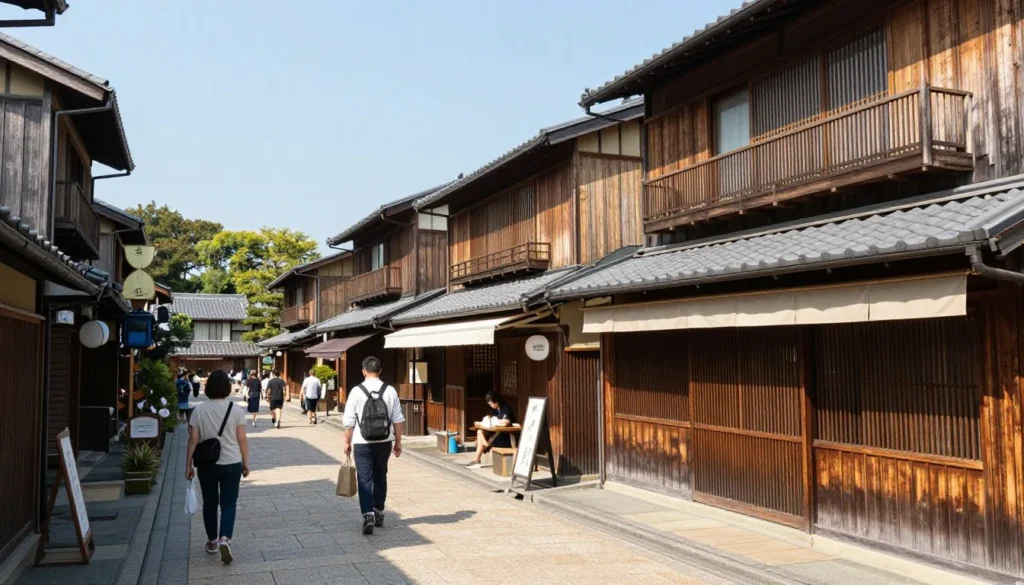
Known as “Little Edo,” Kawagoe preserves the atmosphere of the Edo period in its historic merchant district. Traditional clay-walled warehouse buildings line the streets housing shops, cafes, and museums. This charming city makes an easy day trip from Yokohama or Tokyo and offers a glimpse into Japan’s past without tourist crowds that pack Kyoto.
Practical Travel Tips for Kanagawa Prefecture
These essential practical details help ensure smooth travels throughout Kanagawa Prefecture. Understanding these basics before arrival saves time and prevents common frustrations.
Money and Currency
Japanese yen (¥) is the only accepted currency. Credit cards are increasingly accepted in Kanagawa’s urban areas and major attractions, but cash remains essential for smaller shops, restaurants, and rural areas. ATMs at 7-Eleven convenience stores and post offices accept most international cards and provide English menu options.
Withdraw larger amounts when accessing ATMs as many charge per-transaction fees rather than percentage-based fees. Inform your bank of travel plans before departure to prevent card blockages. Keep cash secure but accessible as you’ll use it throughout each day.
Communication and Internet
Rent a pocket WiFi device at the airport or arrange for delivery to your accommodation. These small devices provide unlimited high-speed internet access for multiple devices and cost ¥600-1,000 per day. Alternative options include purchasing a Japanese SIM card if your phone is unlocked, or relying on free WiFi at stations, cafes, and accommodation.
Google Translate’s camera function proves invaluable for reading menus, signs, and information in Japanese. Download offline translation data before your trip. The app works remarkably well and helps navigate situations where English is unavailable.
Language Considerations
English proficiency varies significantly throughout Kanagawa Prefecture. Tourist information centers, major hotels, and popular attractions usually have English-speaking staff. Smaller restaurants and shops outside tourist areas may have no English support. Learn basic Japanese phrases for greetings, thanks, and essential requests. Residents appreciate any attempt to speak Japanese, even if pronunciation is imperfect.
Written Japanese uses three scripts, making reading challenging for non-speakers. Most train stations and major attractions include English signage. Carry a business card from your hotel written in Japanese to show taxi drivers or ask for directions if lost.
Electricity and Charging
Japan uses 100V electricity with Type A or Type B outlets (same as United States). Most modern electronics handle this voltage automatically, but check your devices. Bring a power adapter if your devices use different plug types. Many accommodations provide limited outlets, so a power strip with USB ports proves useful.
Business Hours and Timing
Most attractions open around 9:00 or 10:00 AM and close between 4:00 and 6:00 PM. Temples and shrines generally allow access during daylight hours. Restaurants typically serve lunch from 11:30 AM to 2:00 PM and dinner from 6:00 to 9:00 PM, with some closing between these periods.
Last entry to museums and attractions is usually 30-60 minutes before closing time. Plan to arrive well before closing if you want sufficient time to explore. Many popular restaurants stop accepting customers 30-60 minutes before posted closing times.
Luggage and Storage
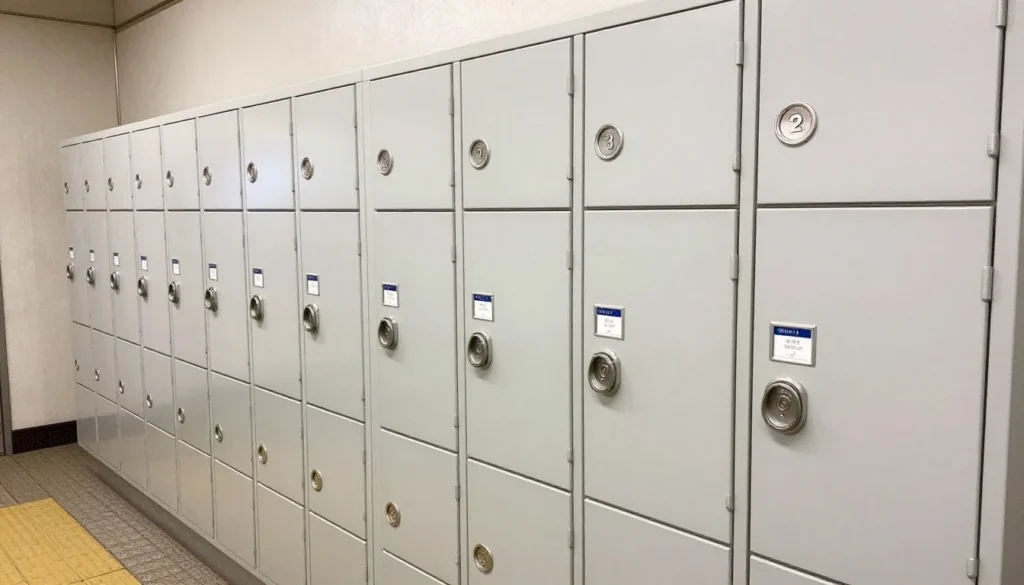
Coin lockers are available at all major train stations in various sizes. Large lockers accommodate standard suitcases and cost ¥500-700 per day. Some tourist areas offer luggage forwarding services, allowing you to send bags to your next accommodation while you explore unencumbered. This service typically costs ¥2,000-3,000 per bag and delivers by next day.
Emergency Contacts
Emergency phone numbers in Japan are 110 for police and 119 for fire or ambulance. These services are gradually adding English support. The Japan Helpline +81 570-000-911 provides 24-hour English assistance for emergencies and can help communicate with emergency services if needed.
Tourist Assistance: For non-emergency help during your visit, the Kanagawa Prefecture International Tourism Information Center provides English support at +81 45-211-4995 (Daily 9:00 AM – 7:00 PM JST). They can assist with directions, recommendations, and problem-solving.
Seasonal Packing Recommendations
Spring and autumn require layers as temperatures fluctuate throughout the day. Bring light sweaters or jackets for morning and evening coolness. Summer demands breathable clothing, sun protection, and cooling items like portable fans. Winter requires warm coats, though heating is excellent indoors making heavy layers unnecessary inside.
Comfortable walking shoes are essential year-round as you’ll cover significant distances daily. Temple and shrine visits involve steps and uneven surfaces. Bring shoes you can easily remove and put on for establishments requiring shoe removal.
Location Map
Kanagawa Prefecture is located in the Kanto region of Japan, bordered by Tokyo to the north and the Pacific Ocean to the south.
Your Kanagawa Prefecture Adventure Awaits
Kanagawa Prefecture delivers an extraordinary variety of experiences that showcase the best of Japan in a compact, accessible region. From the moment you step off the train in Yokohama’s futuristic Minato Mirai to your first glimpse of the Great Buddha Kamakura, from soaking in Hakone’s volcanic hot springs to watching sunset over Mt. Fuji from the Shonan coast, every day brings new discoveries.
This remarkable destination balances urban sophistication with natural beauty, ancient history with modern innovation, and local tradition with international influences. Whether you have just a few days or several weeks, Kanagawa Prefecture offers experiences that will create lasting memories and leave you planning your return visit before you’ve even departed.
The warmth of local hospitality, the efficiency of transportation, the quality of food, and the depth of cultural experiences all combine to make Kanagawa Prefecture an ideal destination for first-time Japan visitors and seasoned travelers alike. Start planning your journey today and discover why this special region continues to captivate millions of visitors year after year.