

Hotels by Trip.com
Flights by Trip.com
Did you know that Dubrovnik’s majestic city walls have never been breached by a hostile army in over 1,200 years of history? This remarkable fact speaks volumes about the Pearl of the Adriatic’s resilience and strategic importance throughout the centuries. Today, these same impenetrable walls welcome over a million visitors annually who come to experience one of Europe’s most perfectly preserved medieval cities.
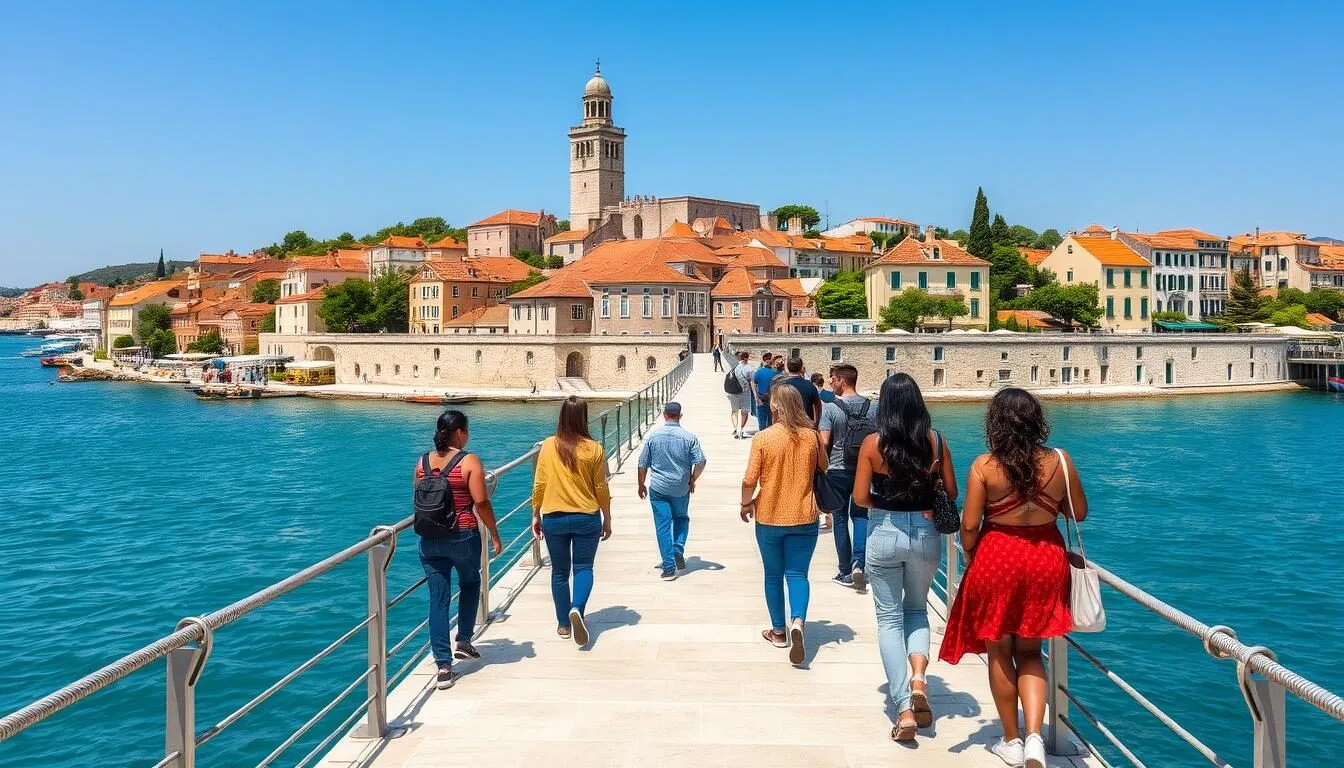
Perched dramatically on Croatia’s southern Dalmatian coast, Dubrovnik captivates visitors with its limestone streets, terracotta rooftops, and crystal-clear azure waters. Whether you’re a history enthusiast, Game of Thrones fan, beach lover, or culinary explorer, this UNESCO World Heritage site offers unforgettable experiences that will leave you planning your return before you’ve even departed.
In this comprehensive guide, we’ll walk you through everything you need to know to make the most of your Dubrovnik adventure – from the must-see attractions and hidden gems to practical travel tips that will help you navigate this popular destination like a seasoned traveler.
Getting There & Planning Your Journey
Dubrovnik is served by Dubrovnik Airport (DBV), located approximately 20 km (12.4 miles) southeast of the city center. During peak summer season, the airport welcomes direct flights from numerous European cities, while off-season connections typically route through Zagreb, Croatia’s capital.
From the airport, you have several transfer options:
- Airport Shuttle Bus: The most economical option at around €7 one-way, running approximately every 30 minutes and stopping at Pile Gate (Old Town) and the main bus station.
- Taxi: Expect to pay about €35-40 for the 30-minute journey to the Old Town.
- Private Transfer: Pre-booked services cost approximately €40-50 and offer the convenience of door-to-door service.
- Rental Car: Available at the airport, though not recommended if you’re staying in or near the Old Town due to limited and expensive parking.
If you’re arriving by sea, Dubrovnik is a popular port of call for Mediterranean cruises. The main cruise port is located at Gruž, about 3 km (1.9 miles) from the Old Town, with regular shuttle buses connecting the two.
Best Time to Visit & Weather Tips
Best Time to Visit Dubrovnik
Timing your visit to Dubrovnik can significantly impact your experience. Here’s a seasonal breakdown to help you plan:
| Season | Months | Pros | Cons | Recommendation |
| Spring | April-May | Pleasant temperatures (15-22°C/59-72°F), blooming vegetation, fewer crowds | Some attractions may have limited hours, sea still cool for swimming | Highly recommended for sightseeing and photography |
| Early Summer | June | Warm weather, beach-friendly temperatures, longer days | Beginning of cruise ship season, prices rising | Good balance of weather and manageable crowds |
| Peak Summer | July-August | Hot sunny days (25-30°C/77-86°F), perfect for beaches, vibrant atmosphere | Extreme crowds, highest prices, hot for sightseeing | Only if you must; requires strategic planning |
| Fall | September-October | Warm sea, fewer crowds, pleasant temperatures | Occasional rain, shorter days | Ideal time to visit; best overall experience |
| Winter | November-March | Few tourists, lowest prices, authentic local experience | Many businesses closed, cooler temperatures (9-12°C/48-54°F), limited activities | Good for budget travelers and photographers |
Pro Tip: If visiting during peak season (July-August), plan your Old Town explorations for early morning (before 9 AM) or evening (after 4 PM) to avoid both the cruise ship crowds and the midday heat.
Dubrovnik receives approximately 2,600 hours of sunshine annually, making it one of Europe’s sunniest destinations. Summer temperatures regularly reach 30°C (86°F), while winter rarely dips below 5°C (41°F). Rain is most common in November and December, though brief afternoon thunderstorms can occur in summer months.
For the optimal balance of pleasant weather, swimming opportunities, and manageable crowds, mid-September to early October is widely considered the sweet spot for visiting Dubrovnik.
Getting Around Locally
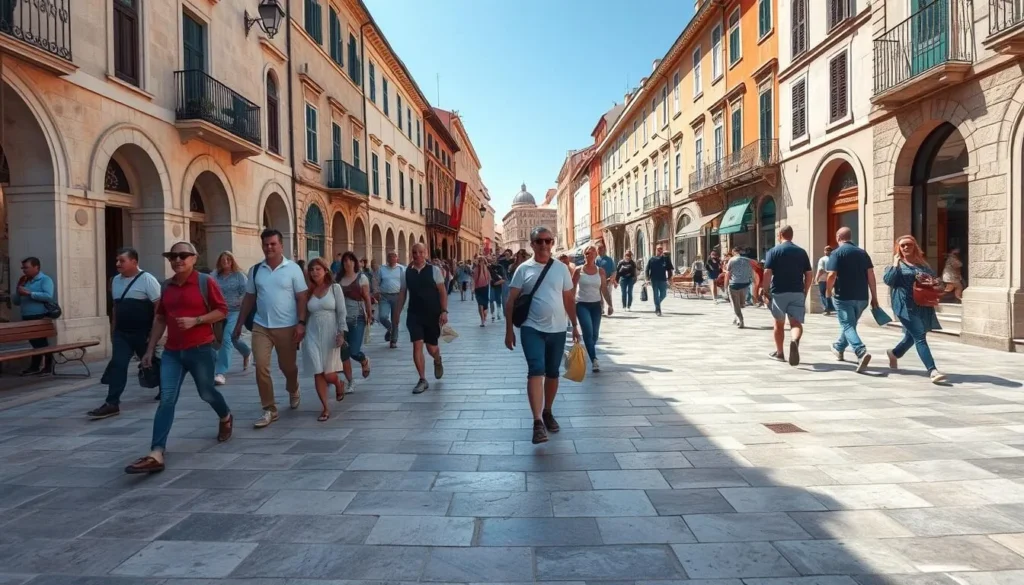
Dubrovnik’s compact size makes it relatively easy to navigate, especially if you’re staying in or near the Old Town. Here are your best options for getting around:
On Foot
The Old Town is entirely pedestrianized and relatively small – you can walk from one end to the other in about 10 minutes. Walking is not only the most practical way to explore the historic center but also the most rewarding, allowing you to discover hidden corners, charming cafes, and breathtaking viewpoints.
Note: Dubrovnik is known as the “City of Stairs” for good reason. The Old Town and surrounding areas feature numerous steep staircases, so comfortable walking shoes are essential. Those with mobility issues should be aware that many parts of the city present accessibility challenges.
Check 30,000+ Local Sightseeing Tours Worldwide
✓ Numerous languages and currencies are available
Public Bus
Dubrovnik’s efficient bus network connects all major areas of the city. Key routes for tourists include:
- Bus #1A, #1B, #3: Connect the main bus station (near the port in Gruž) with the Old Town
- Bus #4: Runs between the Old Town and Babin Kuk (hotel area)
- Bus #8: Connects the Old Town with Gruž Port
A single ride costs approximately €2, while a daily pass is around €5. Tickets can be purchased from the driver (slightly more expensive) or at newspaper kiosks (slightly cheaper).
Taxi & Ride-Sharing
Taxis are readily available but relatively expensive. A short ride from Lapad to the Old Town typically costs €10-15. Official taxis are white with a “TAXI” sign and should use a meter. Ride-sharing apps like Uber also operate in Dubrovnik.
Cable Car
While primarily an attraction, the Dubrovnik Cable Car also serves as transportation to Mount Srđ, offering spectacular panoramic views of the Old Town and surrounding islands. A round-trip ticket costs approximately €27 for adults and €10 for children.
Boat Taxis
Water taxis connect the Old Town harbor with nearby beaches and islands like Lokrum. These are seasonal (typically operating April-October) and provide a scenic alternative to land transportation.
Pro Tip: If staying outside the Old Town, check if your accommodation offers shuttle services. Many hotels provide complimentary transfers to and from the historic center at scheduled times throughout the day.
Where to Stay
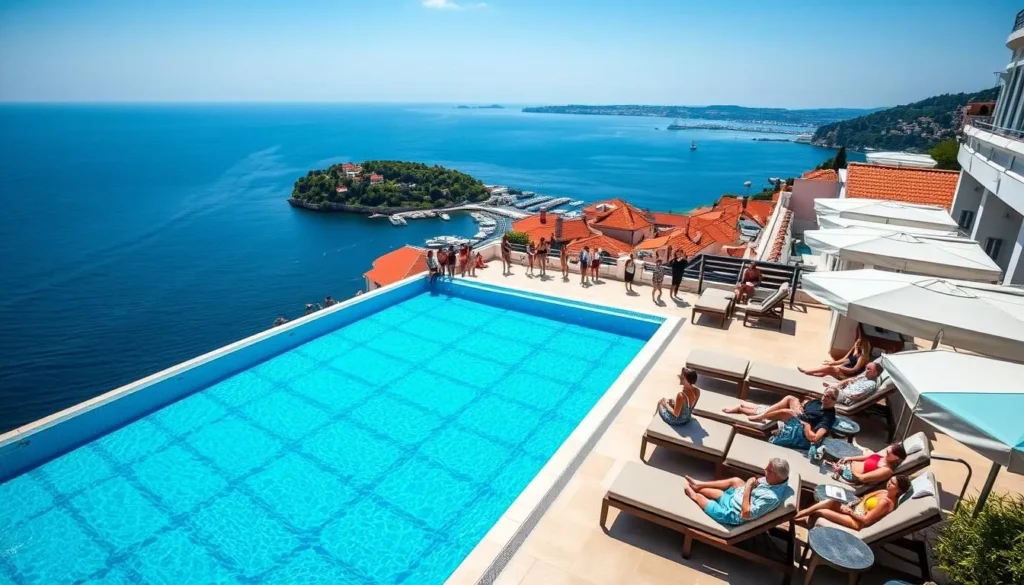
Choosing where to stay in Dubrovnik depends on your budget, preferences, and what you want from your visit. Each area offers a distinct experience:
Old Town
Staying within the ancient walls puts you in the heart of Dubrovnik’s historic center, with all major attractions at your doorstep.
Pros: Unbeatable atmosphere, no transportation needed, magical early mornings and evenings after day-trippers leave
Cons: Most expensive area, can be noisy, limited accommodation options, many stairs, no vehicle access (you’ll need to carry luggage from the gates)
Best for: History enthusiasts, photographers, first-time visitors willing to splurge
Ploče
Located just east of the Old Town, Ploče offers stunning views of the city walls and easy access to Banje Beach.
Pros: Walking distance to Old Town (5-15 minutes), sea views, quieter than staying in the Old Town itself
Cons: Steep terrain, limited dining options compared to Old Town
Best for: Those wanting proximity to both the historic center and beaches
Lapad
This peninsula about 3 km (1.9 miles) from the Old Town offers a resort-like atmosphere with numerous hotels, beaches, and a lovely seaside promenade.
Pros: Better value accommodations, beautiful beaches, more relaxed atmosphere
Cons: Requires transportation to reach the Old Town (15-20 minutes by bus)
Best for: Families, beach lovers, longer stays
Babin Kuk
The northernmost part of the Lapad peninsula features several large resort hotels with extensive facilities.
Pros: Modern accommodations, good amenities, peaceful environment
Cons: Furthest from Old Town, limited local character
Best for: Resort-style vacationers, those prioritizing facilities over location
Gruž
The area around Dubrovnik’s main port offers more affordable options and a glimpse of local life.
Pros: Lower prices, authentic neighborhood feel, good transport connections
Cons: Less scenic, 30-minute walk or bus ride to Old Town
Best for: Budget travelers, those arriving by ferry
Pro Tip: Book accommodation well in advance, especially if visiting during peak season (June-September). The best properties in prime locations often sell out months ahead.
Dining & Local Cuisine
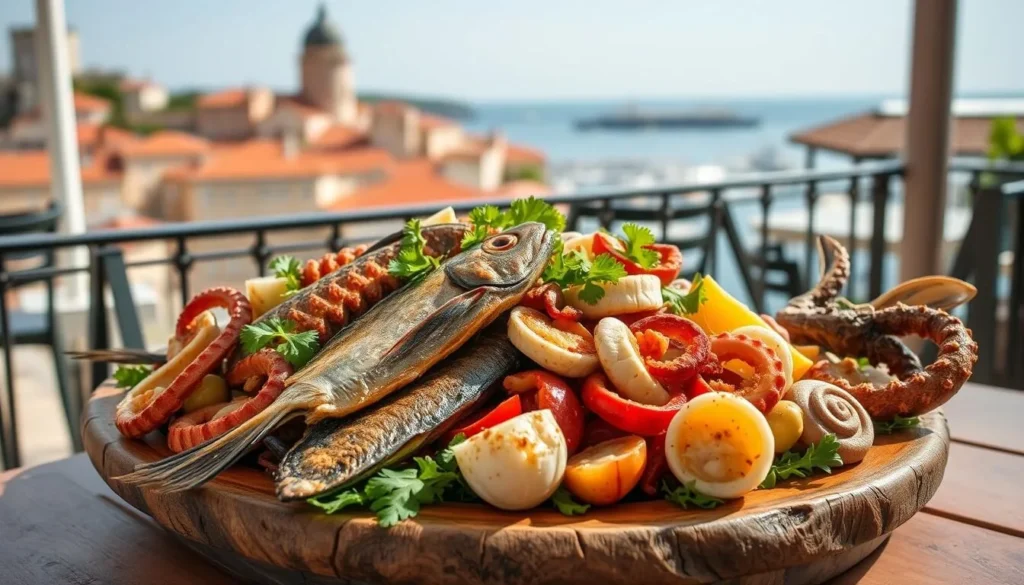
Dubrovnik’s cuisine reflects its coastal location and historical influences, blending Mediterranean flavors with Eastern European traditions. Here’s what you should know about dining in the Pearl of the Adriatic:
Local Specialties to Try
- Black Risotto (Crni Rižot): A dramatic seafood risotto colored with squid ink
- Peka: Meat or seafood slow-cooked under a bell-shaped dome with vegetables and herbs
- Fresh Oysters: Particularly from the nearby Ston region, known for their exceptional quality
- Zelena Menestra: A traditional cabbage and meat stew unique to the Dubrovnik region
- Rozata: Dubrovnik’s take on crème caramel, flavored with rose liqueur
- Pašticada: Marinated beef cooked in a rich sauce, typically served with gnocchi
Where to Eat
Old Town Restaurants: The historic center offers numerous dining options, from upscale establishments to casual eateries. Be aware that restaurants directly on the main street (Stradun) or with prime views tend to charge premium prices that don’t always reflect the quality.
Hidden Gems: For better value and more authentic experiences, explore the narrow side streets and alleys branching off from the main thoroughfares. Look for places where locals are dining – always a good sign.
Seaside Dining: Restaurants along the harbor and outside the city walls offer beautiful views and fresh seafood. These make for memorable dinner settings, especially at sunset.
Dining Tips
- Reservations are highly recommended for dinner, especially during high season and at popular restaurants.
- Tipping around 10% for good service is customary, though not obligatory.
- Many restaurants offer a “catch of the day” that is priced by weight (per kilogram). Ask about the cost before ordering to avoid surprises.
- The local wine region of Pelješac produces excellent reds (particularly Plavac Mali) that pair perfectly with Dalmatian cuisine.
- Lunch is typically served from noon to 3 PM, while dinner starts around 7 PM, with locals often dining later in the evening.
Budget-Saving Tip: Consider having your main meal at lunch when many restaurants offer set menus (marenda or gablec) at significantly lower prices than their dinner offerings. For a quick, affordable meal, try burek (savory pastry) or ćevapi (grilled minced meat) from bakeries and casual eateries.
Attractions, Sightseeing & Activities
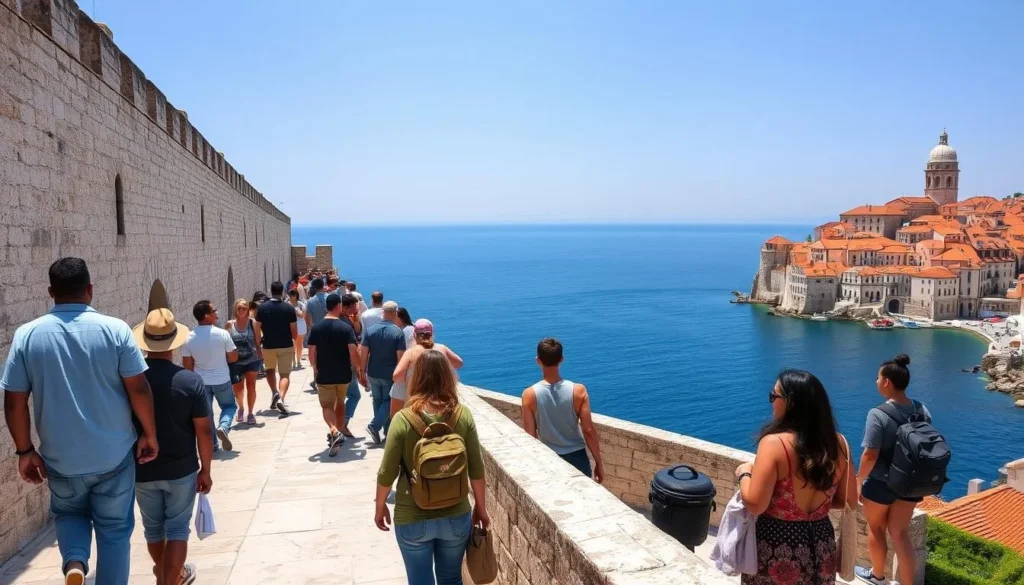
Dubrovnik City Walls
The crown jewel of Dubrovnik’s attractions, these impressive fortifications encircle the Old Town and offer spectacular views at every turn. Stretching 1,940 meters (6,365 feet) in length and reaching heights of up to 25 meters (82 feet), the walls feature forts, towers, and bastions that tell the story of the city’s defensive past.
Tips for visiting:
- Allow 1.5-2 hours to complete the full circuit
- Visit early morning (opening time) or late afternoon (2-3 hours before closing) to avoid both crowds and midday heat
- Bring water, sun protection, and wear comfortable shoes
- The main entrance is near Pile Gate, but you can also start from Ploče Gate or St. John’s Fortress
- The walls are one-way only, so you cannot backtrack once you’ve started
Entrance fee: Approximately €35 for adults, including access to Fort Lovrijenac
Stradun (Placa)
The main thoroughfare of the Old Town, this limestone-paved street runs 300 meters (984 feet) from Pile Gate to the Old Port. Lined with shops, cafes, and historic buildings, Stradun is the social heart of Dubrovnik and a must-visit for any first-time visitor.
Fort Lovrijenac
Perched on a 37-meter (121-foot) high cliff just outside the western wall, this impressive fortress offers some of the best views of the Old Town. Game of Thrones fans will recognize it as the Red Keep in King’s Landing. Your city walls ticket includes entry to this fortress, so be sure to visit both on the same day.
Dubrovnik Cathedral
Officially the Cathedral of the Assumption of the Virgin Mary, this Baroque church houses an impressive Treasury with relics, including fragments believed to be from Jesus’s cross and a portion of St. Blaise’s skull, the city’s patron saint.
Rector’s Palace
Once the seat of the Rector who governed Dubrovnik, this Gothic-Renaissance palace now houses the Cultural History Museum. The elegant atrium often hosts classical music performances during the Dubrovnik Summer Festival.
Franciscan Monastery
Home to one of Europe’s oldest functioning pharmacies (established in 1317), this monastery features a beautiful cloister and a small museum displaying ancient pharmaceutical tools and manuscripts.
Sponza Palace
This 16th-century palace combines Gothic and Renaissance styles and houses the State Archives. The atrium often hosts exhibitions and cultural events.
Dubrovnik Cable Car
For breathtaking panoramic views, take the cable car to Mount Srđ, rising 405 meters (1,329 feet) above the city. The upper station features viewing platforms, a restaurant, and the Homeland War Museum.
Game of Thrones Locations
Fans of the hit HBO series will recognize Dubrovnik as King’s Landing. Key filming locations include:
- Jesuit Staircase (Cersei’s Walk of Shame)
- Fort Lovrijenac (Red Keep)
- Island of Lokrum (City of Qarth)
- Pile Gate and Fort Bokar (Battle of Blackwater scenes)
Museums, Cultural Spots & Festivals
Museums
Beyond the palaces and religious sites, Dubrovnik offers several specialized museums worth exploring:
- Maritime Museum: Housed in St. John’s Fortress, this museum chronicles Dubrovnik’s naval history with ship models, navigational instruments, and maritime paintings.
- Ethnographic Museum: Located in a 16th-century granary, this museum displays traditional costumes, textiles, and household items that offer insights into rural life in the Dubrovnik region.
- War Photo Limited: A powerful gallery featuring photojournalism from conflicts worldwide, with a particular focus on the 1990s wars in former Yugoslavia.
- Red History Museum: A newer addition to Dubrovnik’s museum scene, this interactive exhibition explores everyday life during Yugoslavia’s communist era.
- Rupe Ethnographic Museum: Set in a former granary with massive grain storage pits (rupe), this museum showcases traditional crafts and agricultural practices.
Cultural Spots
Dubrovnik’s rich cultural heritage extends beyond its museums:
- Dubrovnik Synagogue: The second-oldest Sephardic synagogue still in use in Europe, dating from the 14th century.
- Orlando’s Column: A stone column featuring the carved figure of the legendary knight Orlando (Roland), symbolizing Dubrovnik’s freedom and independence.
- Onofrio’s Fountain: A large 15th-century fountain near Pile Gate that once supplied the city with fresh water.
- Dominican Monastery: Features a beautiful Gothic cloister and a museum with valuable paintings, including works by Dubrovnik’s own Nikola Božidarević.
- Lazareti: Former quarantine buildings now serving as creative spaces for exhibitions, performances, and workshops.
Festivals & Events
Dubrovnik’s cultural calendar is packed with events throughout the year:
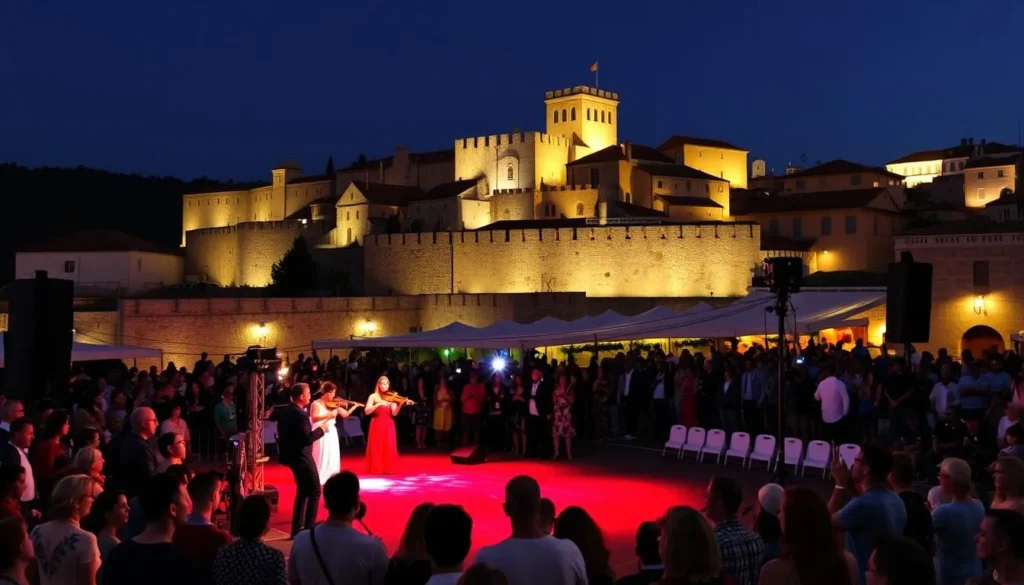
- Dubrovnik Summer Festival (July-August): The city’s premier cultural event featuring theater, music, and dance performances in historic venues around the Old Town.
- Feast of St. Blaise (February 3): Honoring the city’s patron saint with processions, ceremonies, and festivities.
- Dubrovnik Carnival (February): Traditional pre-Lenten celebrations with masked balls and parades.
- Good Food Festival (October): A celebration of local cuisine with special menus, cooking workshops, and food-related events.
- Dubrovnik Film Festival (October): Showcasing international and regional films in unique settings around the city.
- Dubrovnik Winter Festival (December-January): Holiday markets, concerts, and festive activities throughout the winter season.
Pro Tip: If your visit coincides with the Dubrovnik Summer Festival, book tickets for performances in advance. Watching a play in the fortress or a concert in a historic palace courtyard creates unforgettable memories.
Sports, Nature & Outdoor Experiences
Sea Kayaking
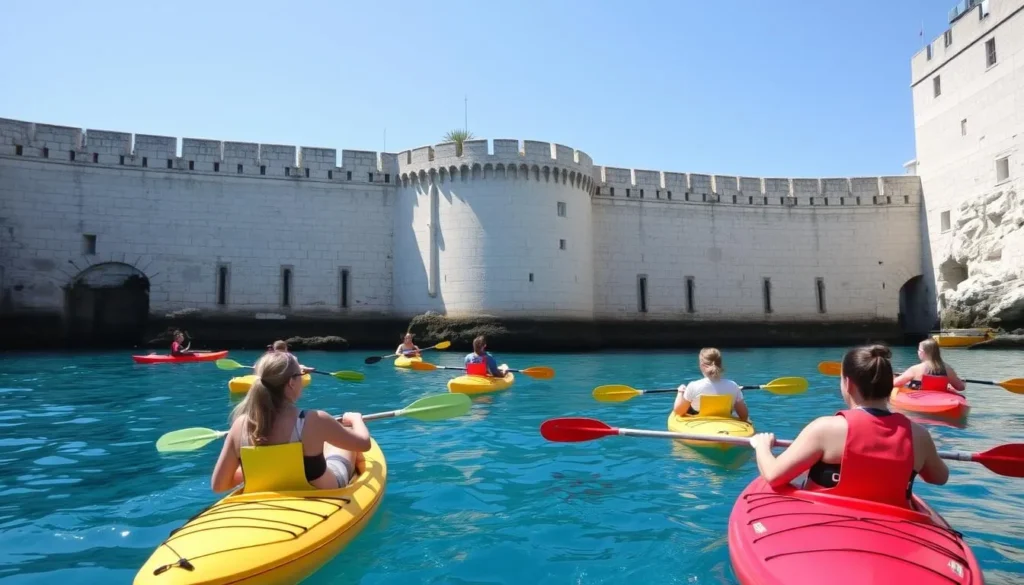
One of the most popular outdoor activities in Dubrovnik, sea kayaking offers a unique perspective of the city walls from the water. Guided tours typically circle the Old Town and Lokrum Island, with stops for swimming and snorkeling in secluded caves and coves.
Beaches
While not known for sandy shores, Dubrovnik offers several beautiful beaches for swimming and sunbathing:
- Banje Beach: The most famous and accessible beach, just outside the Old Town’s eastern gate.
- Lapad Beach: A popular pebble beach in the Lapad peninsula with facilities and activities.
- Sveti Jakov: A local favorite about 20 minutes’ walk from the Old Town, offering great views and fewer crowds.
- Šulić Beach: A small pebble beach near Fort Lovrijenac, popular with locals.
- Danče: A rocky bathing area with concrete platforms, offering crystal-clear water and a laid-back atmosphere.
Note: Most of Dubrovnik’s beaches are pebble or rocky rather than sandy. Water shoes can make your beach experience more comfortable.
Island Hopping
The waters around Dubrovnik are dotted with picturesque islands worth exploring:
- Lokrum: Just a 10-minute ferry ride from the Old Town harbor, this nature reserve features botanical gardens, peacocks, a small saltwater lake called the “Dead Sea,” and the remains of a Benedictine monastery.
- Elafiti Islands: This archipelago includes the inhabited islands of Koločep, Lopud, and Šipan, each with its own character and charm. Regular ferries and organized boat tours are available.
- Mljet: A bit further afield, this verdant island is home to a national park with two saltwater lakes, a 12th-century Benedictine monastery, and excellent hiking trails.
Hiking & Biking
The areas surrounding Dubrovnik offer excellent opportunities for active exploration:
- Mount Srđ: Hike up the zigzagging trail for panoramic views (allow 45-60 minutes) or take the cable car up and hike back down.
- Konavle Valley: This picturesque region south of Dubrovnik features cycling routes through vineyards, olive groves, and traditional villages.
- Park Orsula: A short hike from the city leads to this park with stunning views, particularly at sunset.
Water Sports
Beyond kayaking, Dubrovnik offers numerous water-based activities:
- Stand-up Paddleboarding: A relaxing way to explore the coastline, suitable for beginners.
- Jet Skiing: Available at several beaches and marinas around Dubrovnik.
- Parasailing: Soar above the Adriatic for a bird’s-eye view of the city and coastline.
- Scuba Diving: Discover underwater caves, shipwrecks, and marine life with guided diving excursions.
- Sailing: Charter a skippered yacht or join a sailing tour to explore the Dalmatian coast.
Pro Tip: For a truly memorable experience, book a sunset kayaking tour that allows you to paddle as the sun dips below the horizon, casting a golden glow on the city walls.
Safety, Etiquette & Local Customs
Safety
Dubrovnik is generally a very safe destination with low crime rates. However, as with any tourist hotspot, it’s wise to take standard precautions:
- Be aware of pickpockets in crowded areas, particularly in the Old Town during peak season.
- Secure your valuables and don’t leave belongings unattended on beaches.
- Use official taxis or reputable ride-sharing apps, especially at night.
- When swimming, be aware of sea urchins on rocky areas and respect any warning flags on beaches.
- The limestone streets can become very slippery when wet – walk carefully after rain.
- Tap water is safe to drink throughout Croatia, saving you money on bottled water.
Emergency numbers: 112 (general emergency), 192 (police), 194 (ambulance), 193 (fire)
Etiquette & Customs
Understanding local customs will enhance your experience and show respect for the local culture:
- Greetings: A handshake is the standard greeting. Close friends may greet with a kiss on each cheek.
- Dress Code: While beach attire is fine at the coast, cover up when entering the Old Town. Churches require covered shoulders and knees.
- Tipping: Service is not typically included in restaurant bills. Tipping 10% for good service is appreciated but not mandatory.
- Language: The official language is Croatian, but English is widely spoken in tourist areas. Learning a few basic Croatian phrases is always appreciated:
- Hello = Bok (bohk)
- Thank you = Hvala (HVAH-lah)
- Please = Molim (MOH-leem)
- Yes/No = Da/Ne (dah/neh)
- Cheers = Živjeli (ZHEE-vye-lee)
- Smoking: Smoking is prohibited in enclosed public spaces but common in outdoor cafes and restaurants.
- Photography: Always ask permission before photographing locals, especially in less touristy areas.
Local Customs & Traditions
Dubrovnik has several unique traditions that reflect its rich history:
- Feast of St. Blaise: The city’s most important festival honors its patron saint with processions, traditional costumes, and religious ceremonies.
- Klapa Singing: This traditional a cappella singing is often performed in public spaces around the Old Town, especially during summer evenings.
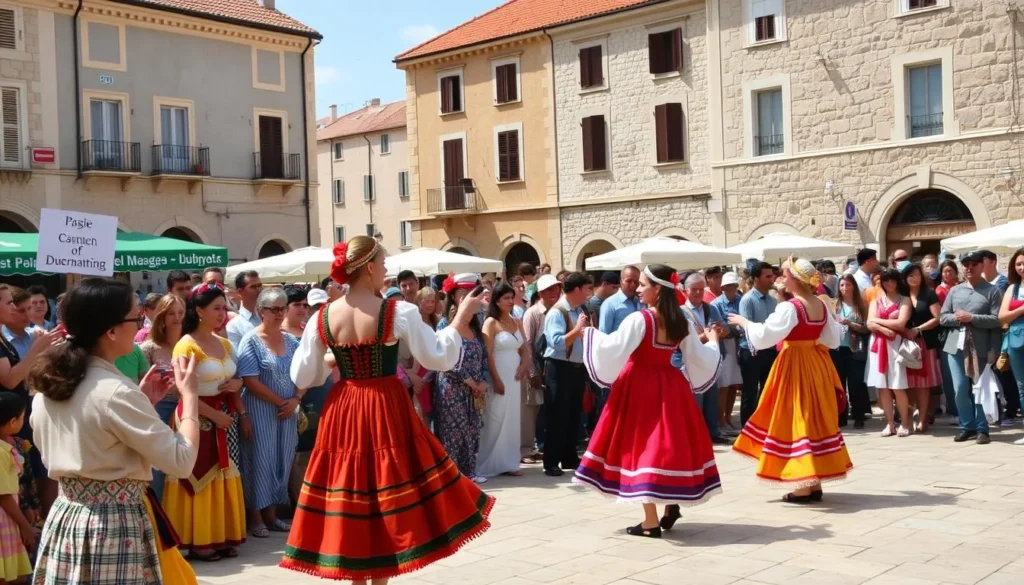
- Linđo: A traditional folk dance from the Dubrovnik region, often performed at cultural events and festivals.
- Coffee Culture: Croatians take their coffee seriously and often spend hours in cafes socializing. Don’t rush this experience – it’s part of the local lifestyle.
Respect for History: Dubrovnik suffered significant damage during the 1991-1992 siege during the Croatian War of Independence. While the city has been beautifully restored, this recent history remains sensitive. Approach the topic respectfully if discussing it with locals.
Visitor Comments About Dubrovnik
“Walking the city walls at sunset was the highlight of our Croatian adventure. The way the golden light bathes those terracotta rooftops is simply magical. My tip: start at Pile Gate and walk counterclockwise to catch the best light on the harbor side. Don’t forget to visit Buža Bar afterward – that cliffside drink with the sound of waves below is the perfect reward after all those steps!”
“We visited in early May and it was perfect – warm enough for swimming but without the crushing summer crowds. The kayaking tour around the city walls and to Lokrum Island was unforgettable. Our guide shared fascinating stories about Dubrovnik’s maritime history while we paddled through crystal clear waters. Just be prepared for a workout – it’s more challenging than it looks in photos!”
“Game of Thrones brought me to Dubrovnik, but the city’s real history kept me captivated. I recommend splurging on a private guide for at least one day – ours showed us hidden corners we would never have found on our own and explained the significance behind architectural details we would have otherwise missed. And don’t skip Lokrum Island – the botanical gardens and peacocks make for a peaceful break from the Old Town bustle.”
Practical Travel Tips
Money Matters
- Croatia adopted the Euro (€) as its official currency in January 2023.
- ATMs are widely available throughout Dubrovnik, offering better exchange rates than currency exchange offices.
- Credit cards are accepted in most establishments, but it’s advisable to carry some cash for smaller purchases and in case of technical issues.
- When using ATMs, select to be charged in the local currency (Euro) rather than your home currency to avoid unfavorable conversion rates.
Dubrovnik Card
The Dubrovnik Card offers excellent value for visitors planning to see multiple attractions. It includes:
- Entry to the City Walls and major museums
- Public transportation
- Discounts at various restaurants and shops
Available in 1-day (€40), 3-day (€50), and 7-day (€60) versions, the card typically pays for itself with just a visit to the City Walls (€35) and one or two museums.
Internet & Connectivity
- Free Wi-Fi is available in most accommodations, restaurants, and cafes.
- Several public areas in the Old Town also offer free Wi-Fi.
- If you need constant connectivity, consider purchasing a local SIM card or an international data plan before your trip.
Cruise Ship Schedule
Dubrovnik can receive several thousand cruise passengers in a single day, significantly impacting crowd levels in the Old Town. Check the and plan your visits to popular attractions accordingly, avoiding peak hours when multiple ships are docked.
Packing Essentials
- Comfortable walking shoes with good grip for the slippery limestone streets
- Sun protection (hat, sunglasses, high-SPF sunscreen)
- Water bottle to refill at public fountains
- Swimwear and water shoes for rocky beaches
- Light layers for evening temperature drops, even in summer
- Power adapter (Croatia uses the standard European two-pin plug, type C/F)
Accessibility
Dubrovnik presents significant challenges for travelers with mobility issues due to its numerous stairs, narrow streets, and historic preservation restrictions. The Old Town is entirely pedestrianized, with limited flat areas mainly along the Stradun. Some accommodations and restaurants outside the walls offer better accessibility options.
Check 30,000+ Local Sightseeing Tours Worldwide
✓ Numerous languages and currencies are available
Popular Day Trips from Dubrovnik
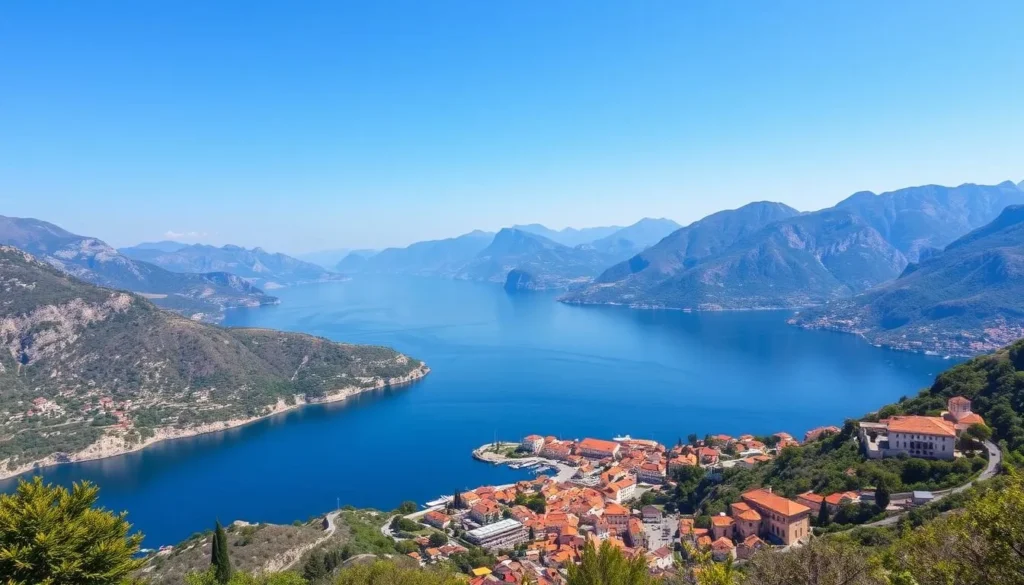
Dubrovnik’s strategic location makes it an excellent base for exploring the surrounding region. Here are some of the most rewarding day trips:
Lokrum Island
Just a 10-minute ferry ride from the Old Town harbor, this forested island offers botanical gardens, swimming spots, and a small “Dead Sea” salt lake. Game of Thrones fans can sit on a replica Iron Throne in the former Benedictine monastery.
Elafiti Islands
This archipelago of 13 islands (only three inhabited) makes for a perfect day of island-hopping. Koločep, Lopud, and Šipan each have their own character, with Lopud boasting one of the few sandy beaches in the region at Šunj Bay.
Cavtat
This charming coastal town, about 20 km (12.4 miles) south of Dubrovnik, offers a more relaxed atmosphere with a beautiful seaside promenade, Roman ruins, and excellent restaurants. It’s easily reached by local bus or boat.
Kotor, Montenegro
About a two-hour drive from Dubrovnik, the medieval town of Kotor sits at the end of southern Europe’s deepest fjord. Its walled Old Town and the climb up to St. John’s Fortress for panoramic views make for an unforgettable day trip.
Mostar, Bosnia and Herzegovina
Famous for its iconic Stari Most (Old Bridge), this historic city offers a glimpse into Bosnia’s Ottoman heritage. The drive from Dubrovnik takes about 2.5 hours each way, passing through stunning mountain scenery.
Pelješac Peninsula
Wine enthusiasts shouldn’t miss this peninsula known for producing some of Croatia’s finest reds, particularly the robust Plavac Mali. The area also boasts excellent seafood, particularly the oysters of Ston, where you can also see Europe’s longest stone walls.
Pro Tip: If visiting Montenegro or Bosnia and Herzegovina, remember to bring your passport for border crossings. During peak season, border queues can be lengthy, so organized tours often provide a smoother experience than self-driving.
The Timeless Allure of the Pearl of the Adriatic
Dubrovnik is more than just a beautiful coastal city – it’s a living museum where centuries of history unfold around every corner. From the grandeur of its impenetrable walls to the simple pleasure of a sunset swim in the crystal-clear Adriatic, Dubrovnik offers experiences that appeal to all senses and remain etched in memory long after you’ve returned home.
While its popularity has soared in recent years, thoughtful planning allows you to experience the magic that has captivated visitors for generations. Rise early to walk the walls in solitude, venture beyond the Old Town to discover local favorites, or visit during shoulder season to enjoy more relaxed exploration – however you choose to experience Dubrovnik, you’ll understand why this resilient city has enchanted travelers for centuries.
As Lord Byron once proclaimed, Dubrovnik is truly the “Pearl of the Adriatic” – a precious gem that reveals new facets with each visit. Whether you’re standing atop Mount Srđ gazing at the perfect harmony of terracotta and turquoise below, navigating narrow limestone alleys polished by centuries of footsteps, or simply savoring fresh seafood as the sun dips into the horizon, Dubrovnik promises moments of wonder that define what travel is all about.
Related Posts




Coming Soon: Clickable Maps