

Hotels by Trip.com
Flights by Trip.com
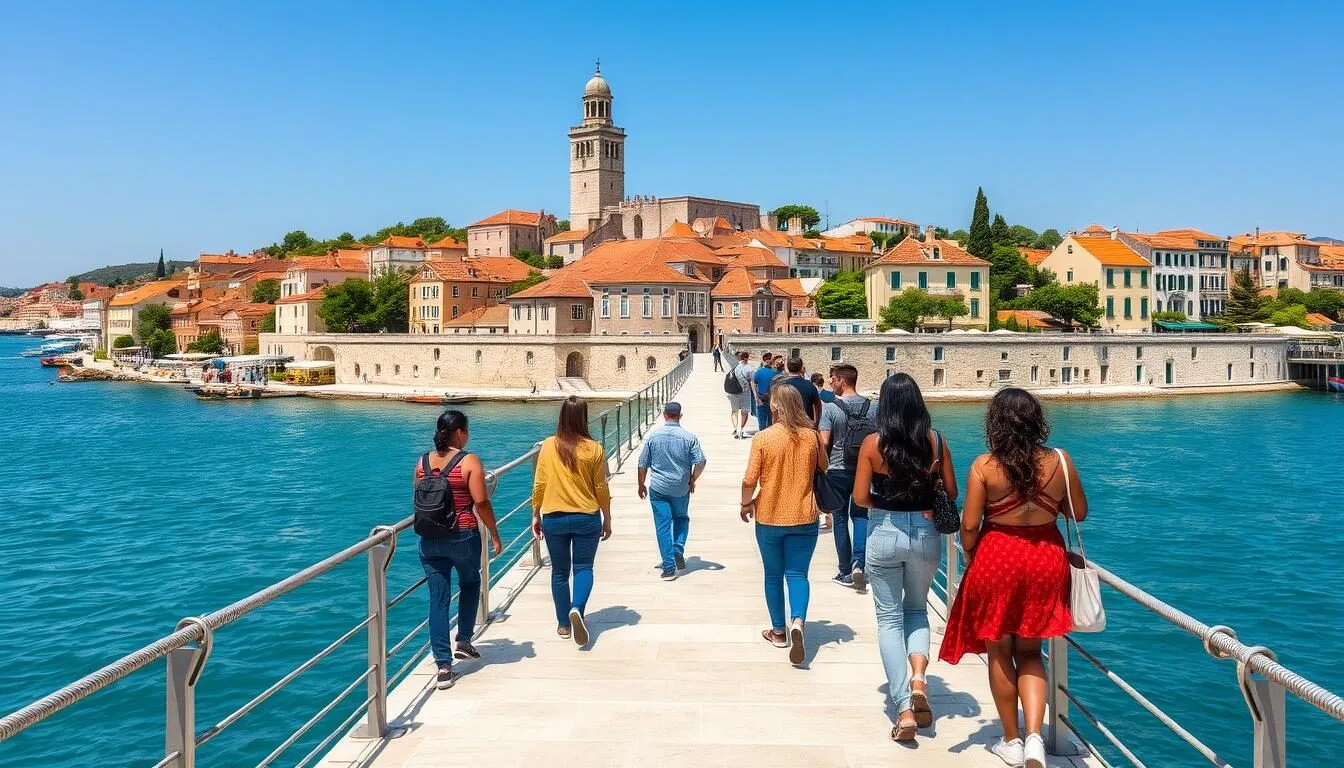
Did you know that despite its Italian appearance, Rovinj (often misspelled as “Roinj”) was actually under Venetian rule until the 18th century? This explains why you’ll hear just as much Italian spoken on the streets as Croatian, and why the local dialect has a distinct Italian accent. This charming coastal gem on Croatia’s Istrian peninsula offers a unique blend of Croatian and Italian influences that creates an atmosphere unlike anywhere else along the Adriatic coast. While Dubrovnik might get all the glory, many travelers consider Rovinj to be even more beautiful with its pastel-colored buildings, cobblestone streets, and stunning sea views from every corner.
Getting There & Planning Your Journey
Reaching Rovinj is relatively straightforward, with several options depending on where you’re coming from. The closest airport is Pula Airport, located approximately 40 km (25 miles) south of Rovinj. From Pula Airport, you can rent a car, take a taxi (approximately €50-70), or catch a shuttle bus to Rovinj.
Other nearby airports include:
- Trieste Airport (Italy) – 120 km (75 miles)
- Ljubljana Airport (Slovenia) – 190 km (118 miles)
- Zagreb Airport – 250 km (155 miles)
- Venice Airport (Italy) – 260 km (162 miles)
If you’re already in Europe, you can also reach Rovinj by ferry from Venice, Italy. The journey takes approximately 3.5 hours and operates seasonally from April to October. This makes for a unique arrival experience as you’ll approach Rovinj from the sea, giving you a spectacular first impression of the town’s picturesque peninsula setting.
When planning your journey, consider renting a car if you intend to explore the surrounding Istrian region. The peninsula is relatively small, with most attractions within a 90-minute drive from Rovinj, making it an ideal base for day trips.
Best Time to Visit Rovinj
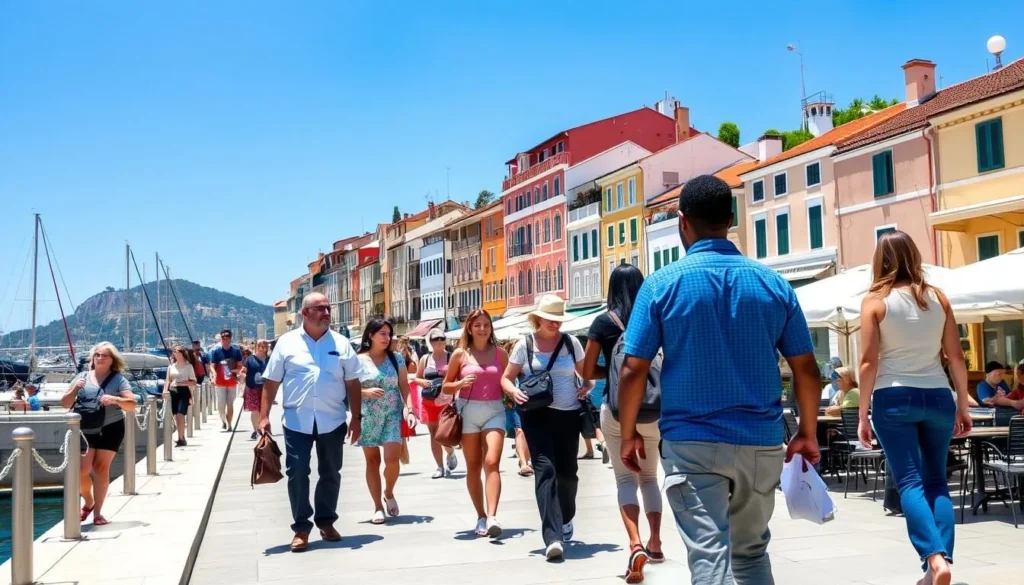
Rovinj enjoys a Mediterranean climate with warm, dry summers and mild, rainy winters. The best time to visit depends on your preferences for weather, crowds, and activities.
| Season | Months | Temperature | Crowds | Recommendation |
| Spring | May-June | 18-25°C (64-77°F) | Moderate | Highly Recommended |
| Summer | July-August | 25-30°C (77-86°F) | Very Crowded | Busy but Lively |
| Fall | September-October | 15-23°C (59-73°F) | Moderate to Low | Highly Recommended |
| Winter | November-April | 5-15°C (41-59°F) | Very Low | Not Recommended |
The shoulder seasons of late May to early June and September to early October offer the perfect balance of pleasant weather, fewer crowds, and lower prices. During these months, you can enjoy swimming in the Adriatic Sea, which remains warm enough for comfort, while avoiding the intense heat and tourist crowds of July and August.
If you visit during peak summer months (July-August), expect higher prices, crowded beaches, and the need to book accommodations well in advance. However, this is also when the town is most lively, with various festivals and events taking place.
Winter months see many restaurants and attractions close or operate on reduced hours, making it less ideal for a visit unless you’re specifically looking for a quiet getaway.
Getting Around Locally
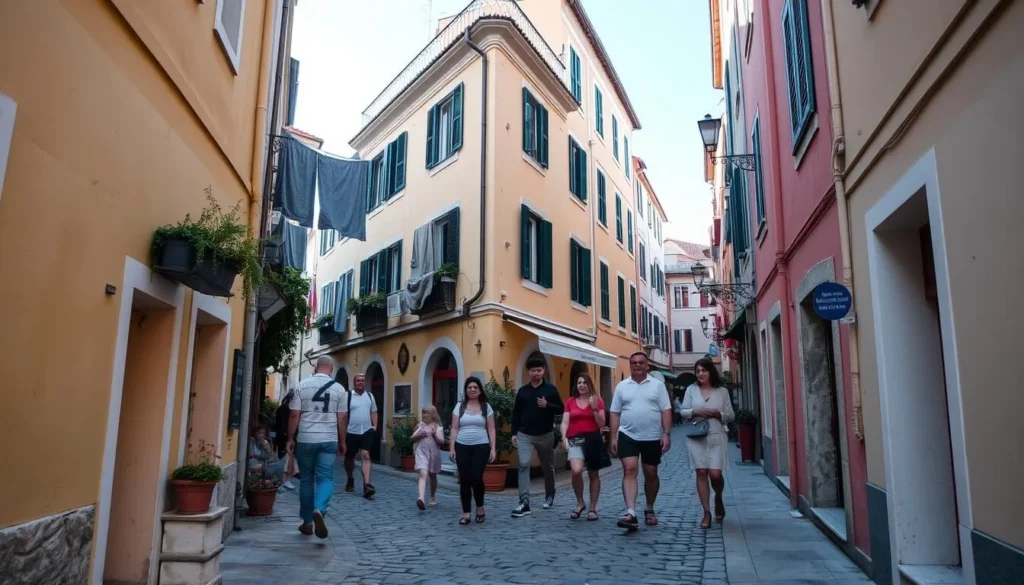
Rovinj’s old town is completely pedestrianized, with narrow cobblestone streets and steep inclines that are best explored on foot. The compact nature of the town means you can walk from one end to the other in about 20-30 minutes, making it perfectly suited for walking tours.
Here are the main ways to get around Rovinj and its surroundings:
Walking
The most practical and enjoyable way to explore Rovinj’s old town. Wear comfortable shoes with good grip, as the polished cobblestones can be slippery, especially after rain. The old town features many steep streets and staircases, which may be challenging for those with mobility issues.
Bicycles
Renting a bicycle is an excellent option for exploring the coastline and nearby parks like Golden Cape Forest Park (Zlatni Rt). Numerous rental shops in town offer daily rates around €10-15. The coastal paths are relatively flat and well-maintained, making for pleasant cycling.
✓ Check 30,000+ Local Sightseeing Tours Worldwide
Taxis
Taxis are available for longer distances or trips to nearby towns. You can find taxi stands near the main square or call for pickup. Expect to pay around €10-15 for short trips within the Rovinj area.
Boats
Small boats operate between Rovinj’s harbor and nearby islands like St. Catherine and Red Island during the tourist season. These water taxis run frequently throughout the day and cost approximately €5-10 round-trip.
If you’ve rented a car, note that the old town is car-free. Several parking lots are available around the perimeter of the old town, with rates varying from €1-2 per hour depending on the season and proximity to the center. Most hotels outside the old town offer parking for guests, often at an additional charge.
Where to Stay in Rovinj
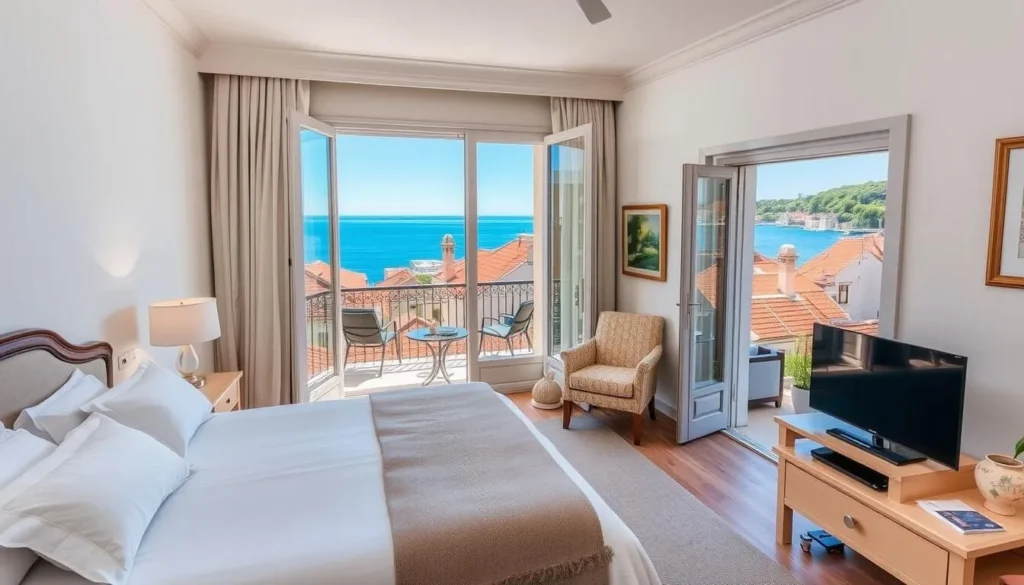
Rovinj offers a range of accommodation options to suit various budgets and preferences. From luxury hotels with stunning sea views to charming boutique properties in the old town and private apartments for a more local experience, you’ll find something that fits your needs.
Luxury Hotels
For those seeking premium accommodations, Rovinj has several outstanding options:
- Grand Park Hotel – A modern luxury hotel with an incredible rooftop infinity pool overlooking the old town. The rooms feature contemporary design and sea-view terraces.
- Hotel Lone – An award-winning design hotel set in Golden Cape Forest Park, offering a unique Y-shaped architecture, multiple restaurants, and a wellness center.
- Hotel Monte Mulini – An elegant five-star property with spacious rooms, excellent dining options, and a beautiful beachfront location.
Boutique Hotels
For a more intimate experience with personalized service:
- Hotel Adriatic – Located in the heart of the old town, this art-focused boutique hotel offers stylish rooms with contemporary artwork and a lively bar.
- The Melegran – A quirky boutique hotel tucked away in a narrow old town lane, featuring bold colors and unique design elements.
- Angelo d’Oro Hotel – Set in a restored 17th-century bishop’s palace in the old town, offering charming rooms with period features.
Apartments & Guesthouses
For a more authentic or budget-friendly stay:
- Apartments Cvek – Well-located apartments just outside the old town with parking available.
- Casa Garzotto – Charming guesthouse in a 16th-century building in the heart of the old town.
- Airbnb rentals – Numerous private apartments are available throughout Rovinj, often at more affordable rates than hotels, especially for longer stays.
When choosing where to stay, consider that accommodations in the old town offer charm and convenience but may involve carrying luggage up steep streets and stairs. Properties outside the old town often provide easier access, parking, and more modern facilities, with the trade-off of a short walk to the main attractions.
Dining & Local Cuisine in Rovinj
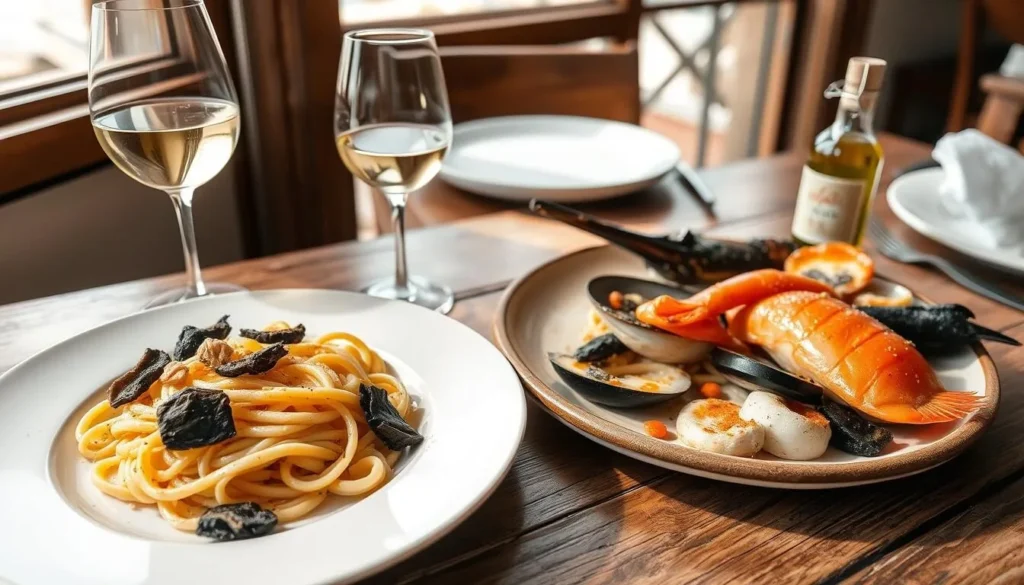
Rovinj’s culinary scene reflects its unique position at the crossroads of Croatian and Italian influences. The Istrian peninsula is renowned for its exceptional olive oil, truffles, wine, and fresh seafood, all of which feature prominently in local dishes.
Must-Try Local Specialties
- Fuži with truffles – Homemade pasta shaped like small rolled tubes, served with black or white truffles and olive oil.
- Fresh seafood – From grilled fish to seafood risotto and octopus salad, the catch of the day is always a good choice.
- Istrian prosciutto (pršut) – Air-dried ham similar to Italian prosciutto but with a distinctive flavor from the local climate and preparation methods.
- Maneštra – A hearty vegetable soup made with beans, potatoes, and seasonal vegetables.
- Boškarin – Dishes made from the meat of the indigenous Istrian ox, often slow-cooked and served with pasta or polenta.
- Olive oil – Sample the local extra virgin olive oils, which consistently win international awards.
Recommended Restaurants
Fine Dining
- Monte – Rovinj’s Michelin-starred restaurant offering creative tasting menus inspired by Istrian ingredients with a modern twist.
- Cap Aureo – Located in the Grand Park Hotel, serving inventive small plates with stunning views of the old town.
- La Puntulina – Perched on the rocks with sea views, offering excellent seafood in a romantic setting.
Traditional Cuisine
- Kantinon Tavern – Serving hearty Istrian dishes by the harbor, including excellent slow-cooked beef with gnocchi and black truffle.
- Konoba Jure – A family-run tavern offering authentic local dishes in a rustic setting.
- Agroturizam Valrosa – A farm just outside the city serving farm-to-table Istrian specialties in a rustic setting.
Casual Dining
- Pizzeria Da Sergio – Serving excellent thin-crust pizzas in a casual setting in the old town.
- Gelateria Italia – For some of the best homemade gelato in town, with unique flavors like fig.
- Mediterraneo Bar – A cozy seaside retreat serving coffee and specialty cocktails with a bohemian atmosphere.
For the best dining experience, try to venture beyond the main tourist areas. Some of the most authentic and reasonably priced restaurants are found in the side streets away from the waterfront. Also, consider making reservations for dinner, especially at more popular restaurants during the high season.
Attractions, Sightseeing & Activities in Rovinj Croatia
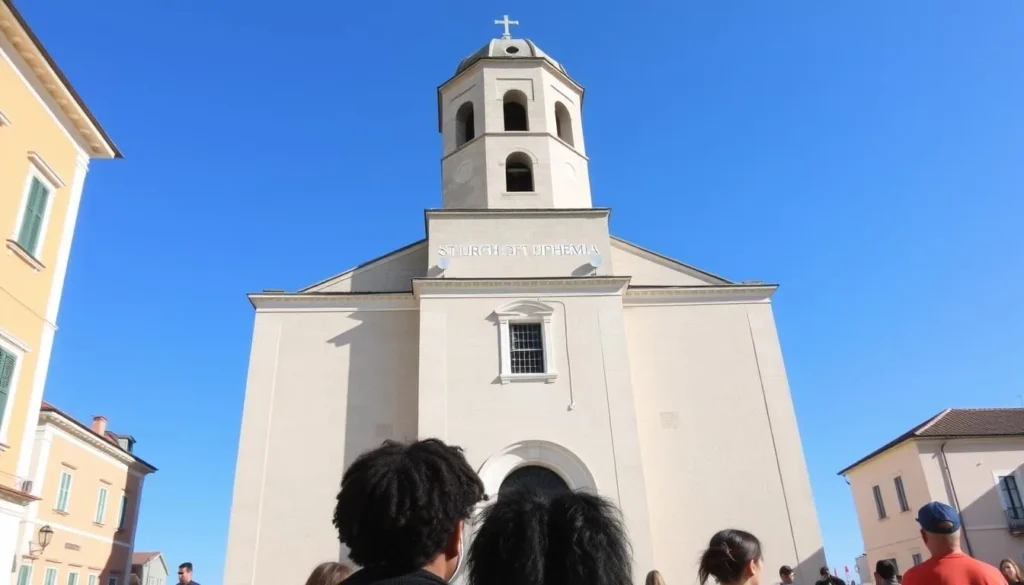
Rovinj may be small, but it’s packed with charm and things to do. From wandering through the old town’s maze-like streets to enjoying the natural beauty of the surrounding coastline, here are the top attractions and activities you shouldn’t miss.
Old Town Exploration
The car-free old town of Rovinj is a delight to explore on foot. Get lost in the labyrinth of narrow cobblestone streets, discover hidden squares, and admire the colorful buildings with their characteristic chimneys. Don’t miss Grisia Street, known as the artists’ street, lined with galleries and art shops showcasing local talent.
Church of St. Euphemia
Dominating Rovinj’s skyline, this 18th-century Baroque church sits at the highest point of the old town. Climb the 60-meter (197-foot) bell tower for panoramic views over Rovinj and the surrounding islands. Inside the church, you’ll find the sarcophagus of St. Euphemia, the town’s patron saint.
Balbi Arch
This 17th-century stone gate marks the entrance to the old town from the main square. Look for the carved Venetian lion, a reminder of Rovinj’s history under Venetian rule.
Batana Eco-Museum
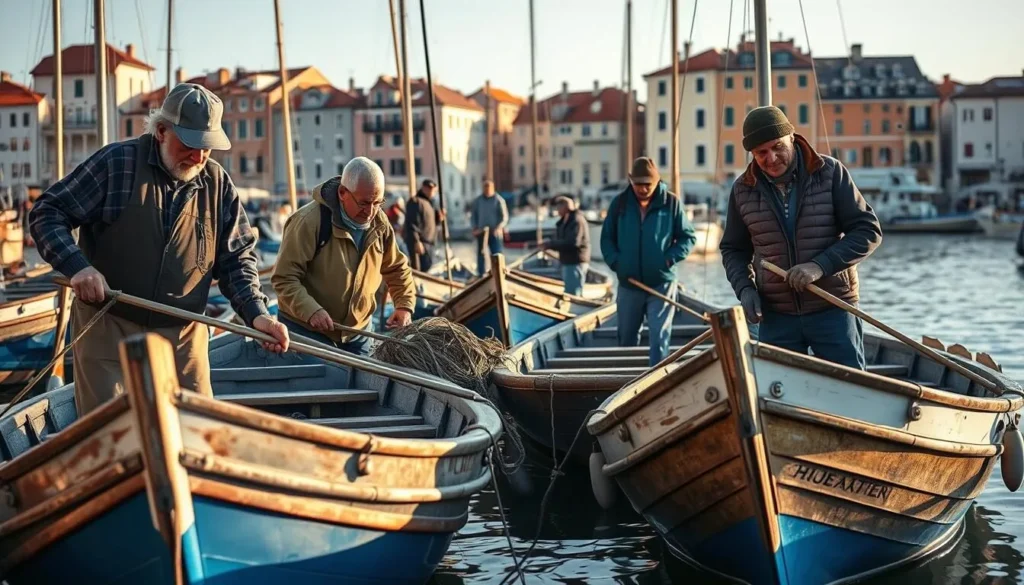
Learn about Rovinj’s maritime heritage at this small but fascinating museum dedicated to the batana, a traditional wooden fishing boat that has been used by local fishermen for centuries. The museum offers insights into the town’s fishing traditions and cultural identity.
Rovinj Heritage Museum
Housed in a 17th-century Baroque palace, this museum displays archaeological findings, paintings, sculptures, and ethnographic collections that tell the story of Rovinj’s rich history and cultural development.
Farmer’s Market
Visit the local market to sample fresh produce, Istrian specialties like truffles and olive oil, and interact with friendly vendors. Unlike many European markets that only operate in the morning, Rovinj’s market stays open until around 10 pm, making it accessible throughout the day.
Beaches and Swimming Spots in Rovinj
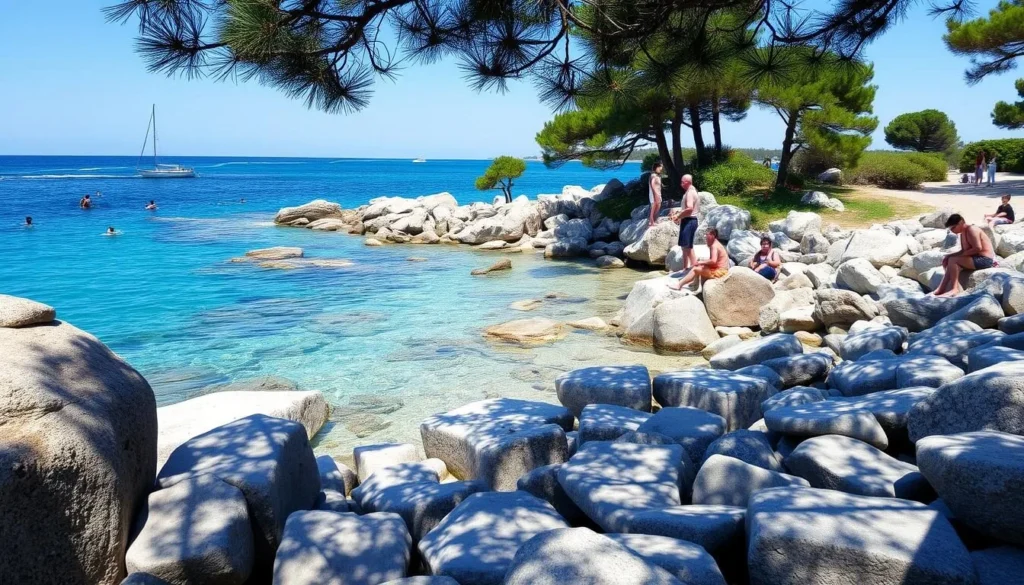
While Rovinj isn’t known for sandy beaches, it offers numerous beautiful spots to swim and sunbathe. Most beaches are rocky or pebbly, with exceptionally clear water that’s perfect for swimming and snorkeling.
Monte Beach
Located just a short walk from the old town center, this isn’t a traditional beach but rather a rocky cove where locals and visitors alike come to sunbathe on the smooth rocks and swim in the crystal-clear water. It offers stunning views of the old town and is a popular spot for watching the sunset.
Lone Bay
Part of the Golden Cape Forest Park, Lone Bay features a combination of pebble beaches and concrete platforms for sunbathing. The shallow entry makes it suitable for families with children, and the surrounding pine forest provides welcome shade on hot summer days.
Cuvi Beach
Located about 3 km (1.9 miles) south of the old town, Cuvi is one of the larger beaches in the area. It’s a mix of pebbles and gravel with good facilities including showers, changing rooms, and beach bars.
Beaches on St. Catherine Island
A short 5-minute boat ride from the town harbor, St. Catherine Island offers several small beaches with beautiful views back toward Rovinj. The eastern side has pebble beaches with facilities, while the western side features more rugged, rocky areas popular with those seeking privacy.
Tip: Water shoes are highly recommended for all Rovinj beaches due to the rocky terrain and sea urchins that can sometimes be found on the seabed. Most souvenir shops in town sell affordable water shoes if you don’t bring your own.
Sports, Nature & Outdoor Experiences
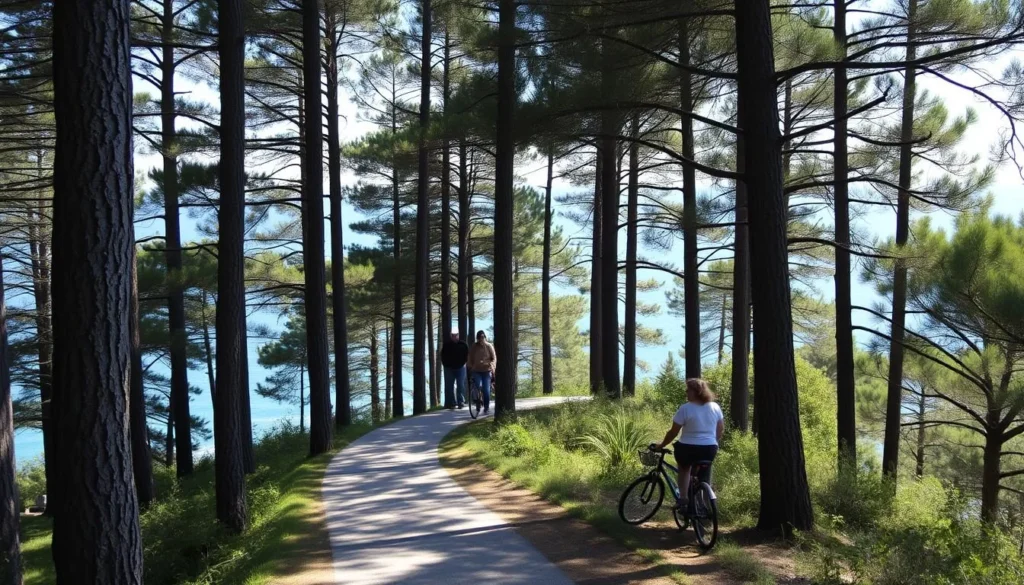
The natural beauty surrounding Rovinj provides plenty of opportunities for outdoor activities and adventures. From exploring protected forest parks to water sports and cycling, there’s something for every nature lover.
Golden Cape Forest Park (Zlatni Rt)
This protected natural area just south of Rovinj is a paradise for outdoor enthusiasts. The park features:
- Well-maintained walking and cycling trails through pine forests
- Beautiful coves and swimming spots along the coastline
- Rock climbing areas with routes suitable for various skill levels
- A diverse ecosystem with Mediterranean vegetation
Water Activities
The clear waters of the Adriatic around Rovinj are perfect for various water sports:
- Kayaking – Rent a kayak to explore the coastline and nearby islands at your own pace.
- Stand-up Paddleboarding – Perfect for calm mornings, offering a unique perspective of Rovinj from the water.
- Snorkeling and Diving – Discover the underwater world with good visibility and interesting marine life.
- Boat Tours – Take a boat tour to explore the Lim Fjord, a 10 km (6.2 miles) long estuary with rich biodiversity.
Cycling
The Istrian peninsula is a cyclist’s dream with numerous marked trails ranging from easy coastal routes to more challenging inland rides. Rent a bike in Rovinj and explore:
- The coastal path connecting Rovinj to nearby beaches and coves
- The countryside routes through olive groves and vineyards
- The dedicated cycling paths in Golden Cape Forest Park
Sunset Watching
Rovinj is perfectly positioned for spectacular sunsets over the Adriatic Sea. Find a spot along the western rocks of the old town peninsula, grab a drink from one of the bars, and enjoy nature’s daily show. Popular sunset spots include:
- The rocks near Mediterraneo Bar
- The waterfront promenade
- The pier near the harbor
Day Trips from Rovinj
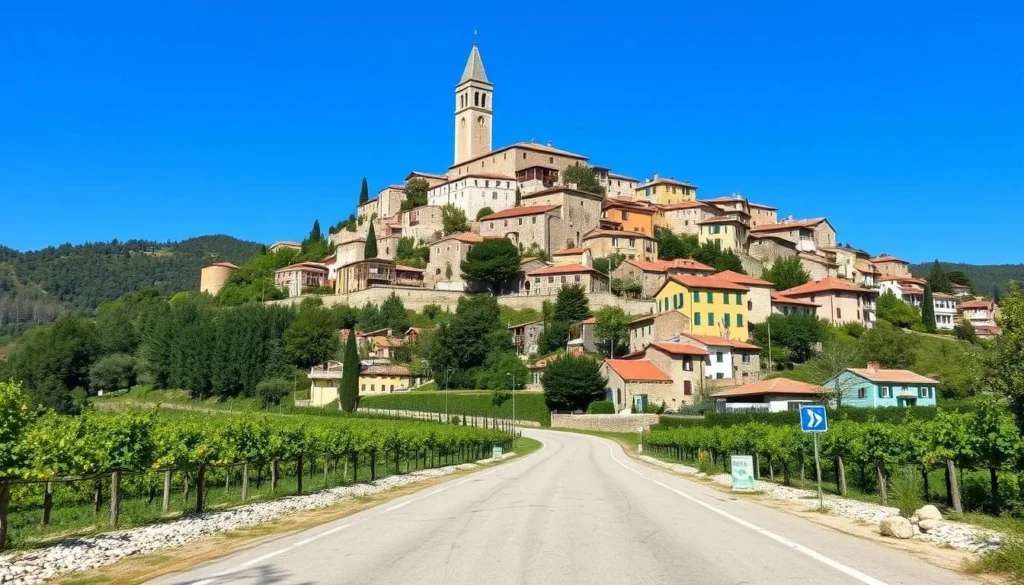
Rovinj’s central location on the Istrian peninsula makes it an ideal base for exploring the region. Most attractions are within a 90-minute drive, allowing for easy day trips without changing accommodations.
Pula (30 km / 19 miles)
Visit Istria’s largest city, known for its well-preserved Roman amphitheater (Arena), one of the six largest surviving Roman arenas in the world. Other attractions include the Temple of Augustus, the Triumphal Arch of Sergius, and a vibrant market.
Motovun & Grožnjan (40 km / 25 miles)
Explore these charming hilltop towns in inland Istria. Motovun sits dramatically atop a hill overlooking vineyards and truffle forests, while Grožnjan is known as an artists’ colony with numerous galleries and a summer music school.
Poreč (35 km / 22 miles)
Visit this coastal town to see the UNESCO-listed Euphrasian Basilica with its stunning 6th-century Byzantine mosaics. Poreč also offers a well-preserved old town and pleasant beaches.
Lim Fjord (15 km / 9 miles)
This 10 km (6.2 miles) long estuary resembles a Scandinavian fjord and is known for its oyster and mussel farms. Take a boat tour from Rovinj or drive to one of the viewpoints along the channel.
Brijuni National Park
Take a ferry from Fažana to this archipelago of 14 islands that served as President Tito’s summer residence. The main island features a safari park, Roman ruins, and beautiful Mediterranean landscapes.
Kamenjak Cape
Located at the southern tip of Istria, this nature park offers dramatic cliffs, crystal-clear water, and secluded beaches. It’s perfect for swimming, cliff jumping (for the adventurous), and enjoying untouched nature.
If you have your own car, these day trips are easy to arrange independently. Alternatively, various tour operators in Rovinj offer guided excursions to the most popular destinations, often with the added benefit of local insights and convenient transportation.
Museums, Cultural Spots & Festivals
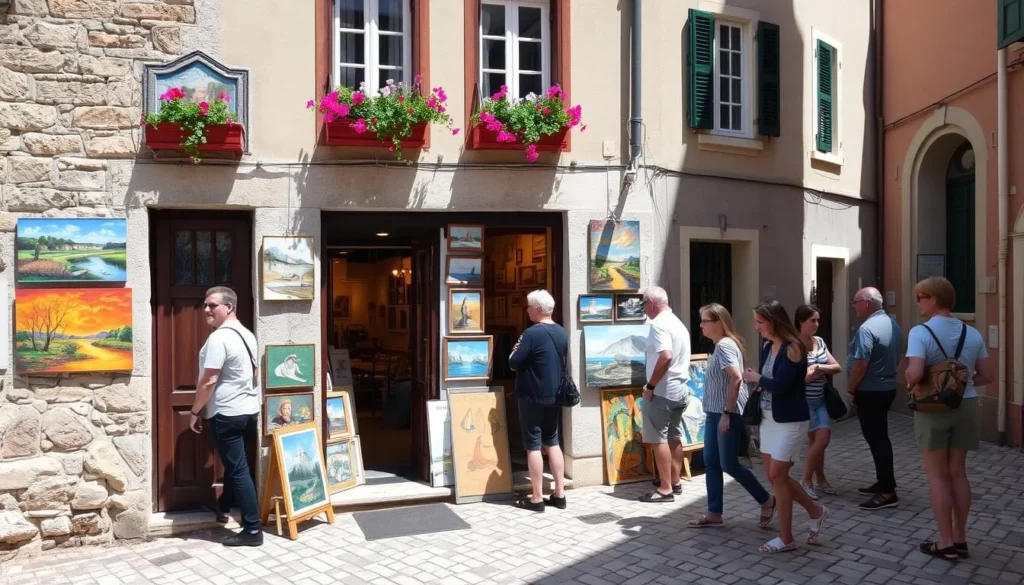
While Rovinj may not have as many museums as larger cities, it offers a rich cultural experience through its heritage sites, art galleries, and vibrant festival scene.
Museums and Cultural Institutions
- Rovinj Heritage Museum – Located in a Baroque palace, featuring archaeological artifacts, paintings by old masters, contemporary art, and ethnographic collections.
- Batana Eco-Museum – Dedicated to preserving the maritime heritage of Rovinj, particularly the traditional batana fishing boat. The museum includes an interpretive center and the spacio, a traditional tavern where fishermen gathered.
- House of Batana – An extension of the Eco-Museum, offering interactive exhibits about local fishing traditions.
- St. Euphemia’s Church Treasury – A collection of religious artifacts, paintings, and relics housed within the church.
Art Galleries
Rovinj has a thriving art scene with numerous galleries throughout the old town:
- Grisia Street – Known as the artists’ street, lined with galleries and studios showcasing local and international artists.
- Trani Gallery – Features contemporary Croatian art in a beautifully restored old town building.
- Adris Gallery – Hosts rotating exhibitions of contemporary art in a modern space.
Annual Festivals and Events
- Rovinj Summer Festival (July-August) – A series of classical music concerts, theater performances, and cultural events held in atmospheric venues throughout the town.
- Grisia Open-Air Art Exhibition (August) – A one-day event where Grisia Street transforms into an open-air gallery with artists displaying their work along the street.
- St. Euphemia’s Day (September 16) – The town’s biggest celebration honoring its patron saint, featuring processions, traditional music, and festivities.
- Weekend Media Festival (September) – A regional communications industry event held in the former tobacco factory.
Cultural Experiences
For a deeper understanding of local culture, consider these experiences:
- Batana Night Experience – An evening boat ride on a traditional batana boat, followed by dinner at a spacio (traditional tavern) with local music.
- Cooking Classes – Learn to prepare Istrian specialties like fuži pasta and truffle dishes from local chefs.
- Wine and Olive Oil Tastings – Sample the region’s award-winning products with expert guidance on their production and characteristics.
Check with the Rovinj Tourist Office for current exhibitions and events during your visit, as many smaller cultural happenings take place throughout the year, especially during the summer season.
Safety, Etiquette & Local Customs
Rovinj is generally a very safe destination with low crime rates. As with any tourist destination, basic precautions are advisable, but visitors rarely encounter serious safety issues.
Safety Tips
- Be careful on the slippery cobblestone streets, especially after rain or when they’ve been polished smooth by centuries of foot traffic.
- Wear appropriate footwear when swimming, as most beaches are rocky and sea urchins can sometimes be found near the shore.
- Apply sunscreen regularly, even on cloudy days, as the Mediterranean sun can be intense.
- Keep valuables secure and be aware of your surroundings in crowded tourist areas, though pickpocketing is uncommon.
- The emergency number throughout Croatia is 112, connecting you to police, ambulance, and fire services.
Local Etiquette
Croatians are generally warm and welcoming people who appreciate when visitors make an effort to respect local customs:
- Greetings are important – a simple “Dobar dan” (Good day) when entering small shops or restaurants is appreciated.
- Tipping is customary but not obligatory. In restaurants, rounding up the bill or leaving 10% for good service is common practice.
- Dress modestly when visiting churches – shoulders and knees should be covered.
- When invited to a local’s home, it’s customary to bring a small gift like wine, chocolates, or flowers.
Language
The official language is Croatian, but Rovinj’s unique position means you’ll hear multiple languages:
- Many locals speak Italian due to the region’s history and proximity to Italy.
- English is widely spoken in tourist areas, hotels, and restaurants.
- German is also common due to the significant number of Austrian and German tourists.
- The local dialect in Rovinj has a distinct Italian influence and differs from standard Croatian.
Cultural Notes
- Rovinj has a strong fishing tradition, and the batana boat is an important cultural symbol of the town.
- Coffee culture is important – locals often spend hours over a single coffee, using it as a time for socializing.
- Meal times tend to be later than in northern Europe or North America, with dinner typically starting around 8 pm.
- Istrians are proud of their regional identity and local products, particularly olive oil, wine, and truffles.
Practical Travel Tips
Money Matters
- Croatia’s currency is the Euro (€).
- ATMs are widely available throughout Rovinj.
- Major credit cards are accepted in most establishments, but it’s good to carry some cash for smaller shops and cafes.
- Prices in Rovinj tend to be higher than in other parts of Croatia, especially during high season.
Connectivity
- Free Wi-Fi is available in most accommodations, restaurants, and cafes.
- There are several public Wi-Fi hotspots throughout the town.
- If you need constant connectivity, consider purchasing a local SIM card for affordable data.
- The country code for Croatia is +385.
Health & Accessibility
- Rovinj has a tourist medical center open during the summer season.
- Pharmacies (marked with a green cross) are available in town.
- The old town’s steep streets and stairs make it challenging for those with mobility issues.
- Tap water is safe to drink throughout Croatia.
Opening Hours
- Most shops are open from 8 am to 8 pm during tourist season.
- Supermarkets typically open from 7 am to 10 pm, with some open 24 hours in summer.
- Banks usually operate from 8 am to 7 pm on weekdays, with limited hours on Saturdays.
- Many restaurants serve food throughout the day during high season.
Packing Essentials
- Water shoes for rocky beaches
- Comfortable walking shoes with good grip for cobblestone streets
- Sun protection (hat, sunglasses, high SPF sunscreen)
- Light layers for evening temperature drops
- Modest clothing for church visits
Local Resources
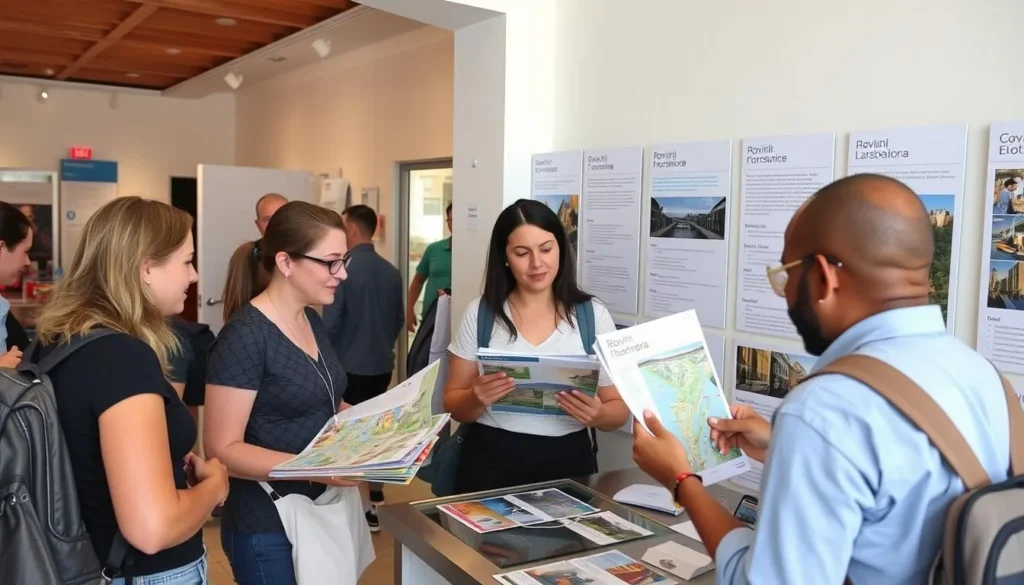
- Tourist Information Office: Located near the main square, offering maps, brochures, and advice.
- Rovinj Heritage Museum: Provides cultural and historical context for your visit.
- Local markets: Great for fresh produce and authentic souvenirs.
- Pharmacy: Several in town, including one near the main square.
For the best experience, consider waking up early to explore the old town before the day-trippers arrive, and stay out late to enjoy the magical atmosphere after they leave. The light in Rovinj is particularly beautiful during the “golden hours” around sunrise and sunset, making these ideal times for photography and leisurely walks.
The Adriatic Jewel Awaits Your Discovery
Rovinj captivates visitors with its perfect blend of Croatian and Italian influences, creating a unique atmosphere that’s hard to find elsewhere. From the moment you set foot in its charming old town, with its winding cobblestone streets and colorful buildings, you’ll understand why many consider it the most beautiful coastal town in Croatia.
Whether you’re wandering through the artist-filled alleys, enjoying fresh seafood by the harbor, swimming in crystal-clear waters, or watching the sunset paint the sky in vibrant hues, Rovinj offers experiences that linger in your memory long after you’ve returned home. Its strategic location also makes it the perfect base for exploring the treasures of the Istrian peninsula, from hilltop towns to truffle forests and ancient Roman ruins.
As you plan your visit to this Adriatic jewel, remember that Rovinj isn’t just a place to see – it’s a place to experience slowly, savoring each moment like the locals savor their coffee or wine. Take your time, get lost in the narrow streets, strike up conversations with locals, and allow yourself to fall under the spell of this enchanting Croatian gem.
Related Posts
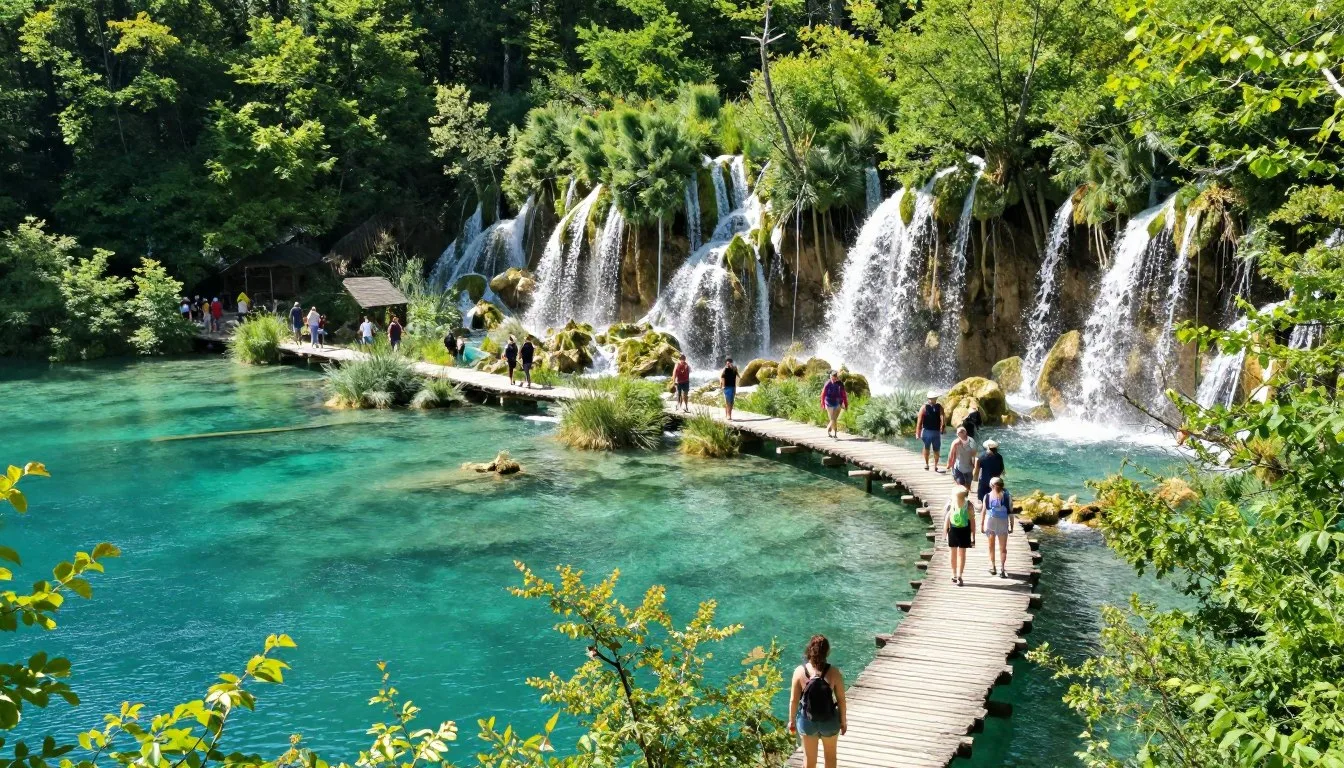
Plitvice Lakes National Park, Croatia: Best Things to Do – Top Picks

Krk Island, Croatia: Best Things to Do – Top Picks

Split, Croatia: Best Things to Do – Top Picks
Trogir, Croatia: Best Things to Do – Top Picks

Ston, Croatia: Best Things to Do – Top Picks

Peljesac Peninsula, Croatia: Best Things to Do – Top Picks
Coming Soon: Clickable Maps
Visitor Comments About Rovinj
“Rovinj completely surprised me with its beauty and charm. The old town feels like a perfect blend of Croatia and Italy, with its colorful buildings and winding streets. Don’t miss watching the sunset from the rocks near Mediterraneo Bar – it was the highlight of our trip! We also loved using Rovinj as a base to explore the hilltop towns of Istria. The food was exceptional everywhere we went, especially the truffle dishes.”
C.Y., Lausanne
“We visited Rovinj in September and found it to be the perfect time – warm enough for swimming but without the summer crowds. The old town is incredibly photogenic, with something beautiful to capture around every corner. We particularly enjoyed the boat trip to St. Catherine Island and the walk through Golden Cape Forest Park. If you’re a foodie, don’t miss the local olive oil and wine tastings. Rovinj was definitely the highlight of our Croatia trip.”
J.G., Hong Kong
“Rovinj exceeded all our expectations. We stayed in a small apartment in the old town and loved being able to wander the narrow streets early in the morning before the day visitors arrived. The climb to St. Euphemia Church is absolutely worth it for the views. We rented bikes one day to explore the coastline and found some beautiful quiet spots for swimming. The locals were incredibly friendly, and we felt welcome everywhere we went. We’re already planning our return trip!”
C.R., Linköping