

Hotels by Trip.com
Flights by Trip.com
Did you know that the Peljesac Peninsula is home to the longest defensive stone walls in Europe? At 5.5 kilometers long, the 14th-century Walls of Ston were built to protect valuable salt pans that were once as precious as gold. This fascinating historical treasure is just one of many hidden gems waiting to be discovered on this stunning Croatian peninsula.
Often overshadowed by its more famous neighbors like Dubrovnik, the Peljesac Peninsula offers a refreshing escape from the tourist crowds while delivering authentic Croatian experiences. With its award-winning wineries, pristine beaches, historic towns, and fresh seafood, this 40-mile-long peninsula provides the perfect blend of relaxation and adventure.
Getting There & Planning Your Journey
The Peljesac Peninsula is conveniently located about 50 km north of Dubrovnik and 175 km south of Split in southern Croatia. While the peninsula itself doesn’t have an airport, it’s easily accessible from several nearby transportation hubs.
Closest Airports
- Dubrovnik Airport (DBV) – Approximately 60 km from Ston (the gateway to Peljesac)
- Split Airport (SPU) – About 180 km from Ston
- Zadar Airport (ZAD) – For travelers coming from northern destinations
From these airports, you can rent a car or take public transportation to reach the peninsula. The recently completed Peljesac Bridge has made access even easier, eliminating the need for ferry crossings when coming from Split or other northern destinations.
By Car
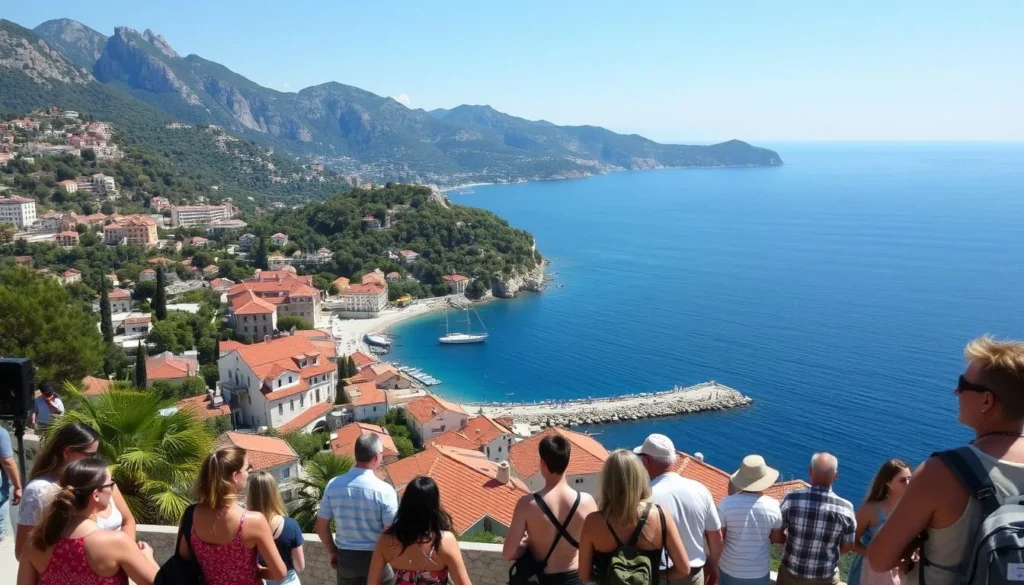
Driving is the most convenient way to explore the peninsula. From Dubrovnik, take the D8 coastal road north to Ston, which serves as the gateway to Peljesac. The journey takes approximately one hour. From Split, drive south along the D8 and cross the new Peljesac Bridge to reach the peninsula, a journey of about 2.5 hours.
By Bus
Regular bus services connect Dubrovnik to Ston (1 hour) and other towns on the peninsula. From Split, you can take a bus to Orebic (approximately 4 hours), with several daily departures.
By Ferry
If you’re coming from the islands, there are ferry connections from:
- Korcula Island to Orebic (15-minute crossing, frequent departures)
- Mljet Island to Trstenik (seasonal service)
- Ploce (mainland) to Trpanj (45-minute crossing)
Best Time to Visit Peljesac Peninsula
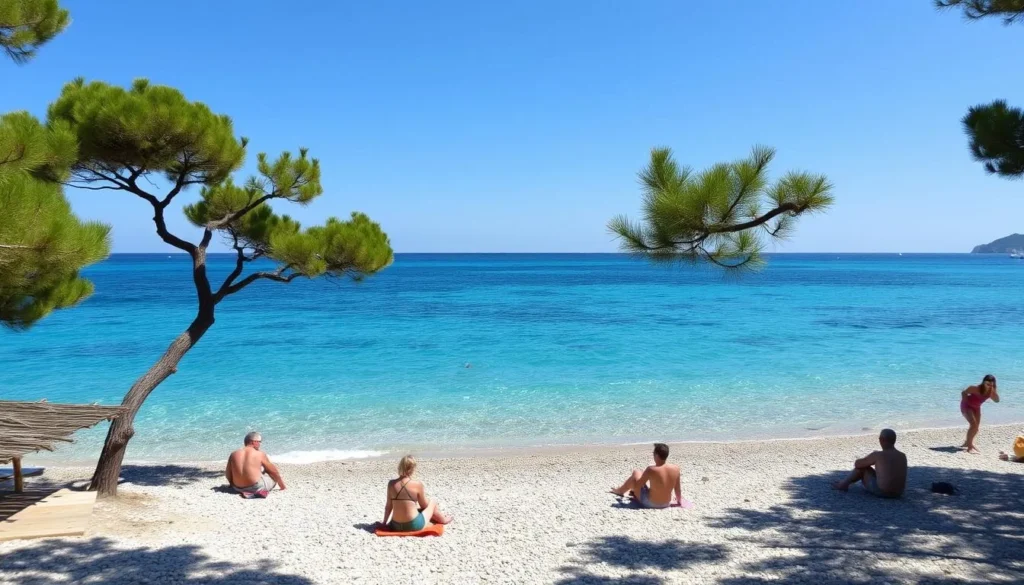
The Peljesac Peninsula enjoys a typical Mediterranean climate with hot, dry summers and mild, rainy winters. The timing of your visit can significantly impact your experience, so it’s worth planning accordingly.
Recommended Seasons
June (Early Summer)
Warm temperatures around 26°C (79°F) with fewer crowds than peak season. The sea is warm enough for swimming, and all attractions are open. This is an ideal time for wine tours and outdoor activities.
Early September (Late Summer)
Still pleasantly warm at around 25°C (77°F) with the sea temperature at its peak of about 24°C (75°F). The summer crowds have thinned, making it perfect for a more relaxed experience.
May (Late Spring)
Comfortable temperatures around 22°C (72°F) with blooming landscapes. While the sea might be a bit cool for swimming at 18°C (64°F), it’s perfect for hiking, wine tasting, and cultural exploration.
October (Early Fall)
Mild weather around 20°C (68°F) with fewer tourists. This is harvest season in the vineyards, making it an excellent time for wine enthusiasts.
✓ Check 30,000+ Local Sightseeing Tours Worldwide
Seasons to Avoid
- July and August (Peak Summer): While the weather is perfect for beach activities at 30°C (86°F), these months bring the largest crowds and highest prices. If you do visit during this time, book accommodations well in advance.
- November through March (Winter): Many restaurants, wineries, and attractions operate on reduced hours or close entirely. Temperatures range from 8-14°C (46-57°F) with increased rainfall, making outdoor activities less enjoyable.
Local Tip: If you’re interested in participating in the traditional salt harvest in Ston, plan your visit for July or August when this centuries-old practice takes place.
Getting Around Locally
The Peljesac Peninsula is approximately 40 miles (65 km) long and relatively narrow, making it manageable to explore thoroughly over a few days. Having your own transportation is highly recommended to fully appreciate all the peninsula has to offer.
By Car
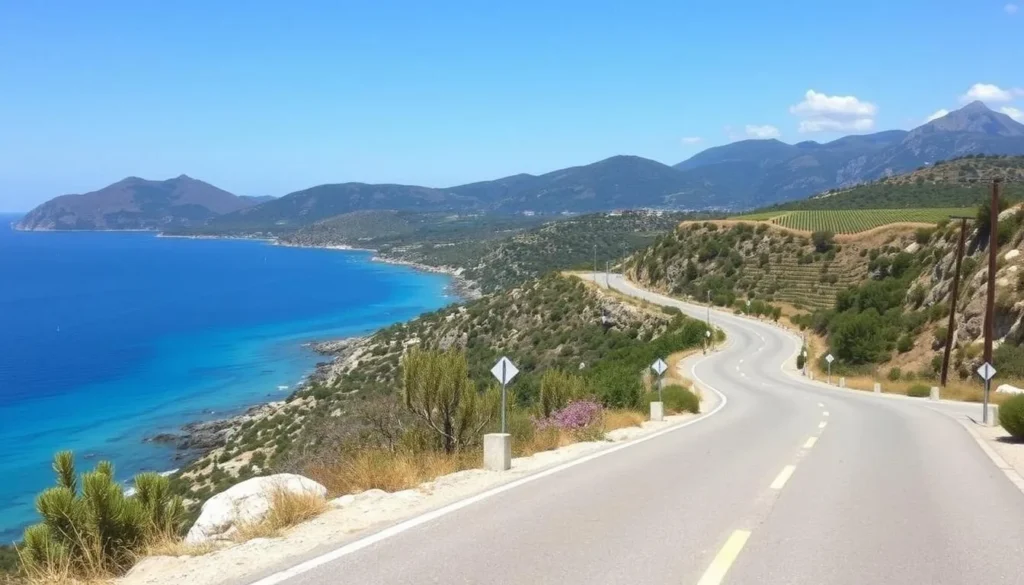
A rental car offers the most flexibility for exploring the peninsula’s scenic roads and hidden coves. The main road (D414) runs the length of the peninsula from Ston to Loviste, with smaller roads branching off to coastal villages and beaches. Some of the most scenic drives include:
- The winding road from Trstenik to Potomje through the famous Dingac wine region
- The coastal route from Orebic to Podobuce with stunning sea views
- The picturesque drive around Drace with views of small islands
By Bicycle
For active travelers, cycling is an excellent way to experience the peninsula. Many towns offer bicycle rentals, and the relatively quiet roads make for pleasant riding. Be prepared for some challenging hills, especially in the interior regions.
By Boat
Water taxis and small boat rentals are available in coastal towns like Orebic, Trpanj, and Ston, allowing you to explore the coastline from a different perspective or visit nearby islands.
On Foot
Many coastal towns have lovely seaside promenades (locally called “lungo mare”) that connect neighboring villages. These make for pleasant walks with beautiful views. For more adventurous hikers, there are numerous trails, including those leading to St. Ilija mountain, the peninsula’s highest peak at 961 meters (3,153 feet).
“The Peljesac Peninsula is best experienced at a leisurely pace, with time to stop at viewpoints, swim in hidden coves, and sample local wines along the way.”
Where to Stay
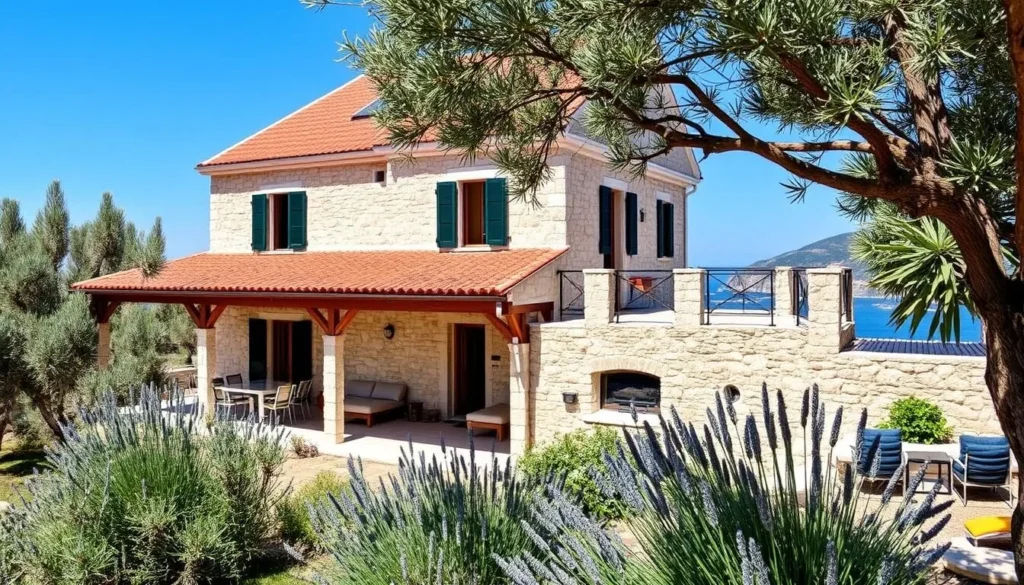
The Peljesac Peninsula offers a range of accommodation options, from small family-run guesthouses to boutique hotels and private apartments. Unlike some other parts of Croatia, you won’t find large resort complexes here, which helps maintain the peninsula’s authentic charm.
Popular Areas to Stay
Orebic
The largest town on the peninsula offers the widest selection of accommodations, restaurants, and amenities. It’s an excellent base for exploring the western part of Peljesac and taking day trips to Korcula Island.
Recommended for: First-time visitors, families, and those who prefer having services nearby.
Ston
The historic gateway to the peninsula provides a strategic location for exploring both Peljesac and the mainland. Stay here to be close to the famous walls, salt pans, and excellent seafood restaurants.
Recommended for: History enthusiasts and food lovers.
Coastal Villages
Smaller settlements like Trpanj, Viganj, Loviste, and Zuljana offer a more relaxed atmosphere with beautiful beaches and authentic local experiences.
Recommended for: Those seeking tranquility and a genuine connection with local life.
Accommodation Types
- Boutique Hotels: Small, character-filled properties like Boutique Hotel Adriatic in Orebic or Aminess Grand Azur Hotel offer comfort with local charm.
- Wine Estate Stays: Several wineries like Korta Katarina and Saints Hills offer luxurious accommodations where you can sleep among the vineyards.
- Agroturizams: Farm stays where you can experience rural life, often with home-cooked meals featuring products from the property.
- Private Apartments: Abundant throughout the peninsula, these offer good value and often include kitchens for self-catering.
- Campsites: For outdoor enthusiasts, campgrounds like Prapratno near Ston provide affordable options with beautiful natural settings.
Booking Tip: Accommodations fill quickly during the summer months (July-August). Book at least 3-4 months in advance if traveling during peak season.
Dining & Local Cuisine
The Peljesac Peninsula is a gastronomic paradise, particularly renowned for its fresh seafood, locally produced wines, and Mediterranean ingredients. The food here reflects the peninsula’s rich maritime history and agricultural traditions.
Must-Try Local Specialties
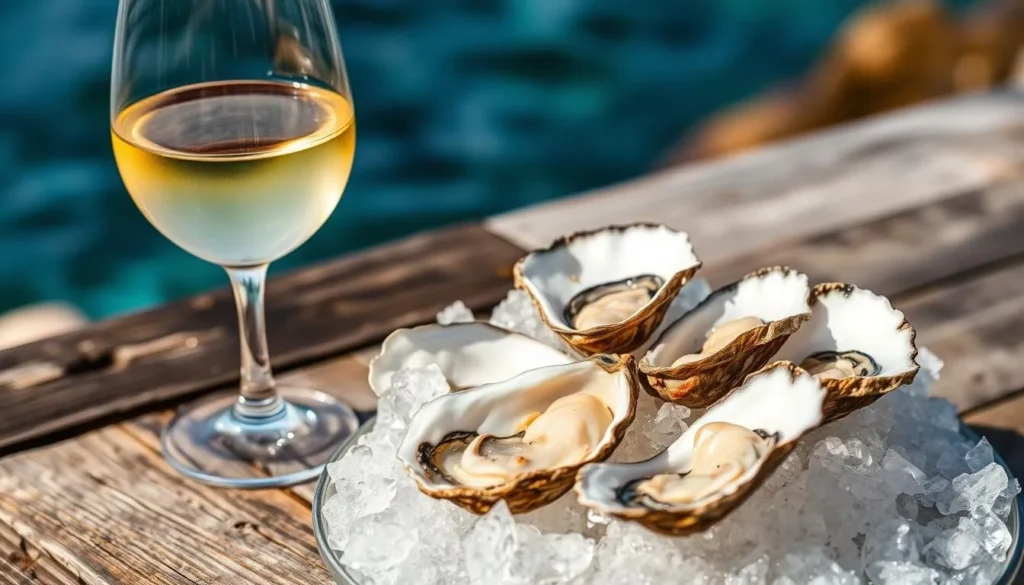
- Ston Oysters: Considered some of the best in Europe, these are cultivated in the clean waters of Mali Ston Bay.
- Mussels Buzara: Fresh mussels cooked in white wine, garlic, parsley, and olive oil.
- Black Risotto: Squid ink risotto, a Dalmatian classic.
- Peka: Meat or octopus slow-cooked under an iron bell with vegetables and herbs.
- Local Cheeses: Try sheep and goat cheeses produced in the interior villages.
- Olive Oil: The peninsula produces excellent extra virgin olive oil.
Where to Eat
Mali Ston
This small village is the epicenter of Peljesac’s seafood scene, particularly famous for its oyster and mussel farms. Top restaurants include:
- Kapetanova Kuca – An upscale dining experience with impeccably fresh seafood
- Bota Sare – Known for their oyster tasting platters
Orebic & Western Peninsula
The western part offers a mix of traditional konobas (taverns) and more modern establishments:
- Stari Kapetan – Seafood with beach views
- Panorama – A rural inn with hearty local dishes and stunning vistas
Hidden Gems
Some of the best dining experiences are found in unexpected places:
- Gastro Mare in Kobas – Creative Mediterranean cuisine using garden-fresh ingredients
- Ficovic in Hodilje – Authentic local food at reasonable prices
- Sutvid near Drace – A simple roadside shack serving incredibly fresh shellfish
Wine Tasting
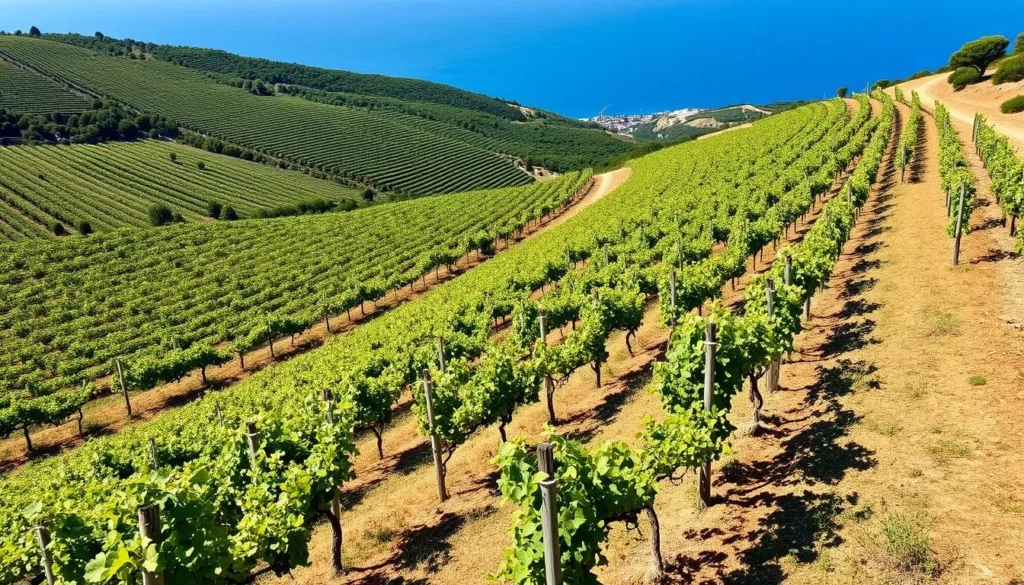
No visit to Peljesac would be complete without sampling the local wines. The peninsula is Croatia’s premier red wine region, particularly known for its robust Plavac Mali variety, a relative of Zinfandel. Key wine areas include:
- Dingac: A steep, south-facing wine region producing Croatia’s first protected wine.
- Postup: Another prestigious wine region with excellent reds.
- Potomje: Home to several notable wineries including Matusko and Madirazza.
Many wineries offer tastings and tours, often with stunning views of the vineyards and sea. Some standout wineries include Milos, Korta Katarina, Saints Hills, and Grgich.
Attractions, Sightseeing & Activities
The Peljesac Peninsula offers a diverse range of attractions that appeal to history buffs, nature lovers, and culture enthusiasts alike. Here are the must-see sights and experiences that should be on every visitor’s itinerary.
Historical Attractions
The Walls of Ston
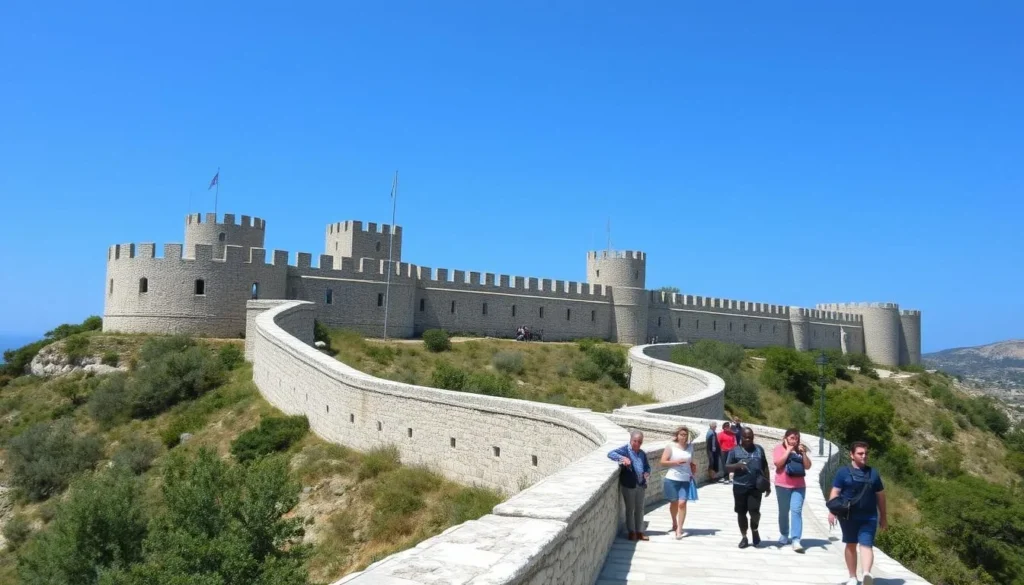
Often called “Europe’s Great Wall,” this impressive 5.5 km fortification system was built in the 14th century by the Dubrovnik Republic. The walls include 40 towers and 5 fortresses. Walking the walls offers spectacular views of the town, salt pans, and surrounding countryside.
Visiting info: Open year-round with seasonal hours. Adult admission is €10 ($11).
Salt Pans of Ston
These ancient salt works have been in continuous operation since the 14th century, using traditional methods to harvest sea salt. You can tour the facility and learn about the historical importance of salt production.
Unique experience: During July and August, visitors can participate in the traditional salt harvest.
Towns and Villages
- Ston and Mali Ston: These twin historic towns offer well-preserved medieval architecture and are connected by the famous walls.
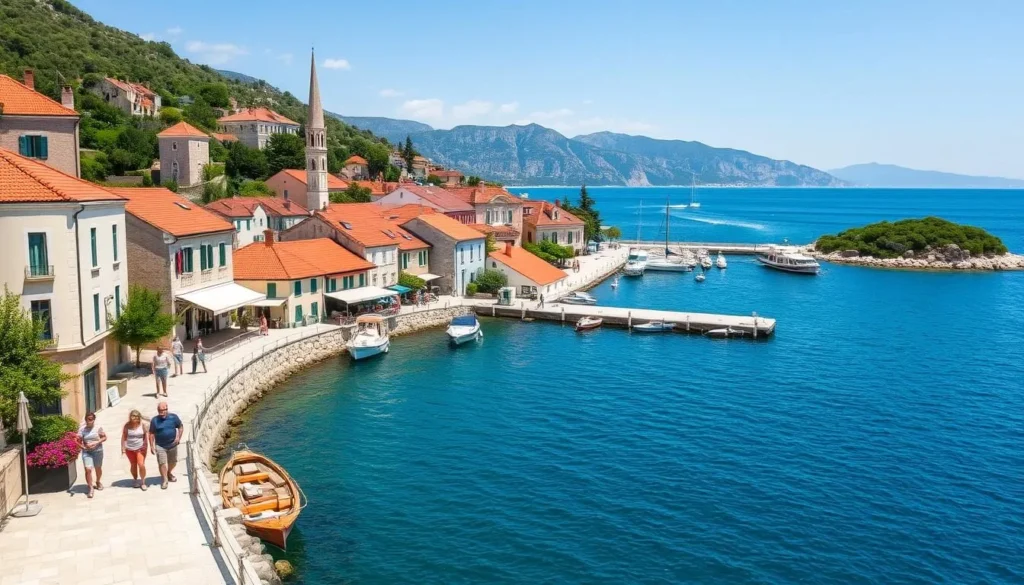
- Orebic: Once a maritime center, this charming coastal town features captain’s villas with exotic gardens and a rich seafaring heritage.
- Trpanj: A picturesque fishing village with Renaissance palaces and ancient fortresses.
- Zuljana: Known for its beautiful bay and one of the largest pebble beaches on the Adriatic.
- Loviste: A tranquil village at the western tip of the peninsula, perfect for escaping the crowds.
Religious and Cultural Sites
- Franciscan Monastery in Orebic: Perched on a hill above town, this 15th-century monastery offers stunning views of the Adriatic and houses valuable art collections.
- Church of Our Lady of Loreta in Kuna: The most monumental Baroque structure in the Dubrovnik region outside the Old Town.
- Maritime Museum in Orebic: Housed in an old municipal building, it showcases the peninsula’s rich seafaring history with ship models, maps, and maritime artifacts.
- Mato Celestin Medovic Gallery in Kuna: Dedicated to one of Croatia’s most important modern painters, who was born on the peninsula.
Natural Attractions
The peninsula’s diverse landscape offers numerous natural attractions:
- St. Ilija Mountain: The highest peak on the peninsula at 961 meters (3,153 feet), offering panoramic views for hikers.
- Divna Beach: True to its name (divna means “gorgeous” in Croatian), this pebble beach features crystal-clear waters.
- Prapratno Bay: Home to one of the peninsula’s few sandy beaches, surrounded by olive groves and pine forests.
- Dingac Slopes: The steep, south-facing vineyards offer not only great wine but also breathtaking vistas.
Museums, Cultural Spots & Festivals
While the Peljesac Peninsula may not have as many formal museums as larger Croatian cities, it offers rich cultural experiences that provide insight into local traditions, history, and artistry.
Museums and Galleries
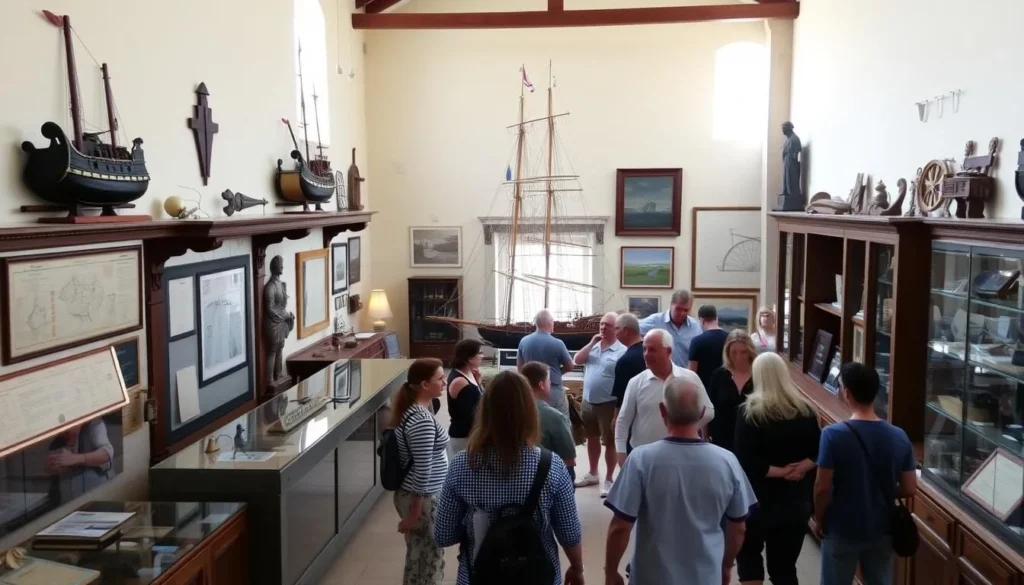
- Maritime Museum (Orebic): Housed in a historic building, this museum documents the peninsula’s impressive maritime heritage with exhibits of ship models, navigation instruments, and captains’ logs. The collection includes portraits of famous captains and artifacts from sailing vessels that once connected Peljesac to distant ports.
- Mato Celestin Medovic Gallery (Kuna): Located in the artist’s former home and studio, this gallery showcases works by one of Croatia’s most influential modern painters. Medovic (1857-1920) was a pioneer of Croatian modern art, and the gallery displays his landscapes, seascapes, and religious paintings.
- Salt Works Museum (Ston): Learn about the traditional salt-making process that has remained largely unchanged for centuries at this small but informative museum adjacent to the active salt pans.
- Franciscan Monastery Museum (Orebic): The monastery houses a collection of votive paintings from the 17th-19th centuries, depicting ships in peril under the protection of the Virgin Mary, as well as religious artifacts and art.
Cultural Experiences
Traditional Crafts
Several villages maintain traditional craftsmanship. In Ston, you can observe stone masonry techniques used to maintain the historic walls. Throughout the peninsula, you’ll find artisans creating handmade olive oil soaps, lavender products, and local handicrafts.
Donkey Farm in Kuna
Visit the Antunovic family’s donkey farm where you can learn about these animals that were once essential to agricultural life on the peninsula. Visitors can interact with the donkeys and even try donkey milk products, which are considered to have health benefits.
Festivals and Events
The peninsula comes alive with festivals celebrating local traditions, produce, and culture throughout the year:
- Peljesac Wine Marathon (September): Not an actual running marathon, but a wine tasting journey through the peninsula’s finest wineries.
- Ston Wall Marathon (September): A challenging race along the historic walls and surrounding countryside.
- Salt Festival (July/August): Celebrating the traditional salt harvest in Ston with demonstrations, music, and food.
- Days of Oysters (March): A gastronomic event in Mali Ston highlighting the region’s famous shellfish.
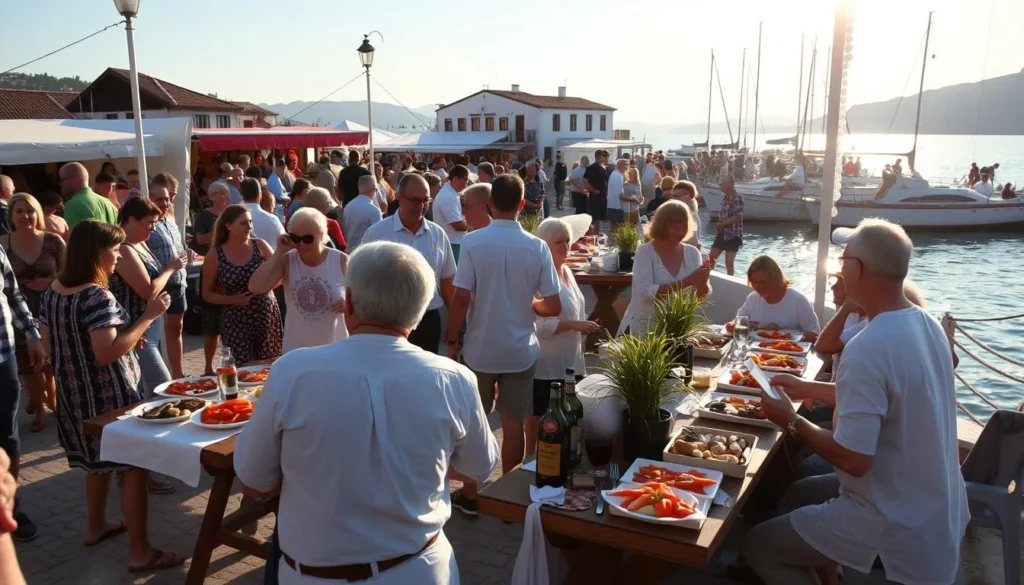
- Fishermen’s Nights (Summer): Various coastal towns host evening celebrations with fresh seafood, local wine, and traditional music.
- St. Liberan Festival (July): Celebrated in Viganj with boat processions, sports competitions, and cultural performances.
Religious Heritage
The peninsula is dotted with churches and religious monuments that reflect its Catholic heritage:
- Church of Our Lady of Angels: Perched on a hill above Orebic, this 15th-century church offers both spiritual significance and spectacular views.
- Church of St. Blaise (Ston): A Gothic-Renaissance cathedral named after Dubrovnik’s patron saint.
- Church of Our Lady of Loreta (Kuna): Built in 1681, this is considered the most monumental Baroque structure in the Dubrovnik region outside the Old Town.
“The cultural heritage of Peljesac tells the story of a peninsula shaped by the sea, wine, and centuries of tradition.”
Sports, Nature & Outdoor Experiences
The diverse landscape of the Peljesac Peninsula makes it a playground for outdoor enthusiasts. From water sports along the coast to hiking in the rugged interior, there’s an adventure waiting for every type of nature lover.
Water Activities
Windsurfing & Kitesurfing
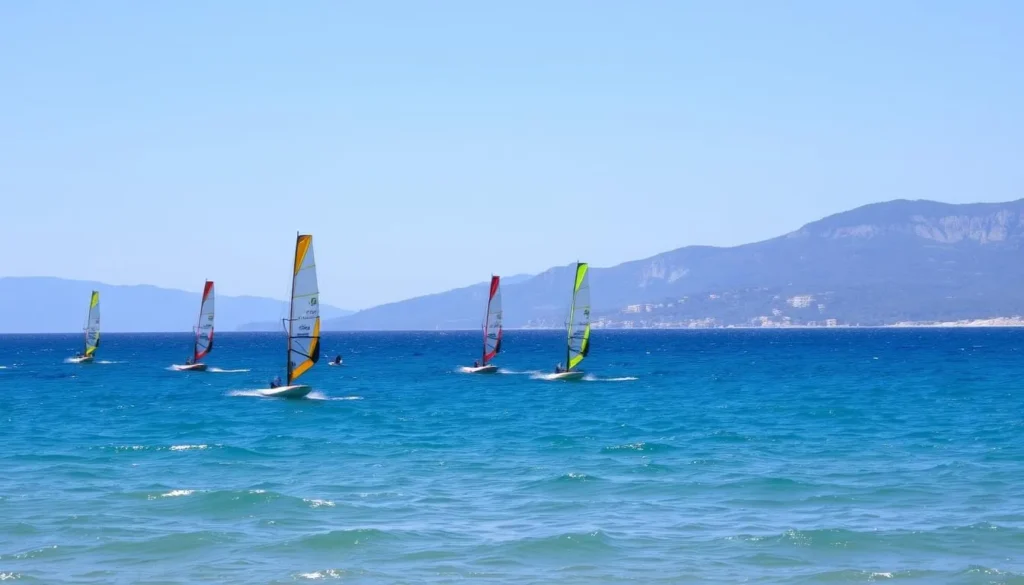
Viganj is renowned as one of Croatia’s premier windsurfing destinations. The channel between Peljesac and Korcula creates ideal wind conditions, with gentle morning breezes perfect for beginners and stronger afternoon winds (the Maestral) challenging enough for advanced surfers.
Several schools offer equipment rental and lessons for all levels, with prices starting around €10 ($11) per hour for basic equipment rental.
Swimming & Beaches
The peninsula boasts numerous stunning beaches, each with its own character:
- Divna Beach: A picturesque pebble beach with crystal-clear waters
- Prapratno: One of the few sandy beaches, ideal for families
- Zuljana: Home to one of the largest pebble beaches on the Adriatic
- Trstenica (Orebic): A lively beach with facilities and water sports
Scuba Diving
The waters around Peljesac offer excellent diving opportunities with good visibility and interesting underwater features:
- Explore shipwrecks like the Boka ship (15m depth) and a German torpedo boat
- Discover underwater caves and passages teeming with marine life
- Marvel at a 2,000-year-old Roman shipwreck (for experienced divers)
Diving centers in Zuljana and Orebic offer guided dives and equipment rental.
Land Activities
Hiking & Walking
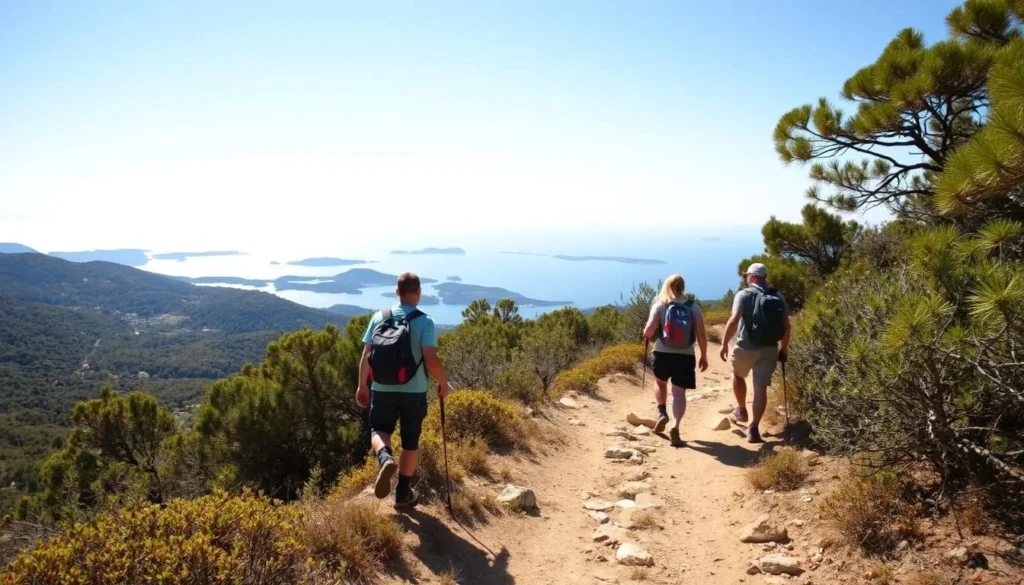
The peninsula offers numerous hiking trails for all ability levels:
- Mount St. Ilija: The highest peak (961m/3,153ft) offers several routes of varying difficulty, all rewarding hikers with spectacular panoramic views.
- Coastal Paths: Many towns feature seaside promenades (lungo mare) that make for pleasant walks connecting neighboring villages.
- Wine Region Trails: Paths through the Dingac and Postup wine regions combine exercise with stunning vineyard vistas.
- Peljesac Hiking Trail: A long-distance path connecting various parts of the peninsula.
Cycling
With its varied terrain and relatively quiet roads, Peljesac is excellent for cycling enthusiasts. Rental shops in Orebic and other towns provide bikes and route recommendations. Popular routes include:
- The coastal road from Ston to Orebic
- The challenging climb to St. Ilija
- The scenic loop around Trpanj
Rock Climbing
The Hrid climbing site near Orebic offers seven routes for climbers of different skill levels. The Grljusic family, who runs a nearby rural inn, manages the site and can provide equipment and guidance for beginners.
Wildlife & Nature
Nature lovers will appreciate the peninsula’s biodiversity:
- Bird watching opportunities, especially in the wetlands near Ston
- Mediterranean flora including olive groves, vineyards, pine forests, and aromatic herbs
- Marine life observation through snorkeling or glass-bottom boat tours
Safety, Etiquette & Local Customs
The Peljesac Peninsula is generally a very safe destination with low crime rates and friendly locals. However, as with any travel destination, it’s good to be aware of local customs and safety considerations to ensure a smooth and respectful visit.
Safety Tips
- Swimming Safety: Most beaches don’t have lifeguards. Be aware of sea conditions and underwater currents, particularly during windy days.
- Sun Protection: The Mediterranean sun can be intense, especially in summer. Use sunscreen, wear a hat, and stay hydrated.
- Hiking Precautions: If hiking in the mountains, bring sufficient water, wear appropriate footwear, and inform someone of your route. The rocky terrain can be challenging and summer temperatures can make strenuous activity dangerous during midday.
- Wildlife Awareness: While rare, you might encounter hornets, snakes, or scorpions in rural areas. Most are harmless but exercise caution.
- Driving: Roads on the peninsula can be narrow and winding. Drive cautiously, especially at night or during rainy conditions.
Local Etiquette
Greetings & Interactions
Croatians are generally warm and hospitable. A simple “Dobar dan” (Good day) goes a long way when entering shops or restaurants. In smaller villages, it’s common to greet people you pass on the street.
English is widely spoken in tourist areas, but learning a few basic Croatian phrases is always appreciated.
Dining Customs
Tipping is customary but not mandatory. A 10% tip for good service is standard. In restaurants, it’s common to round up the bill or leave small change.
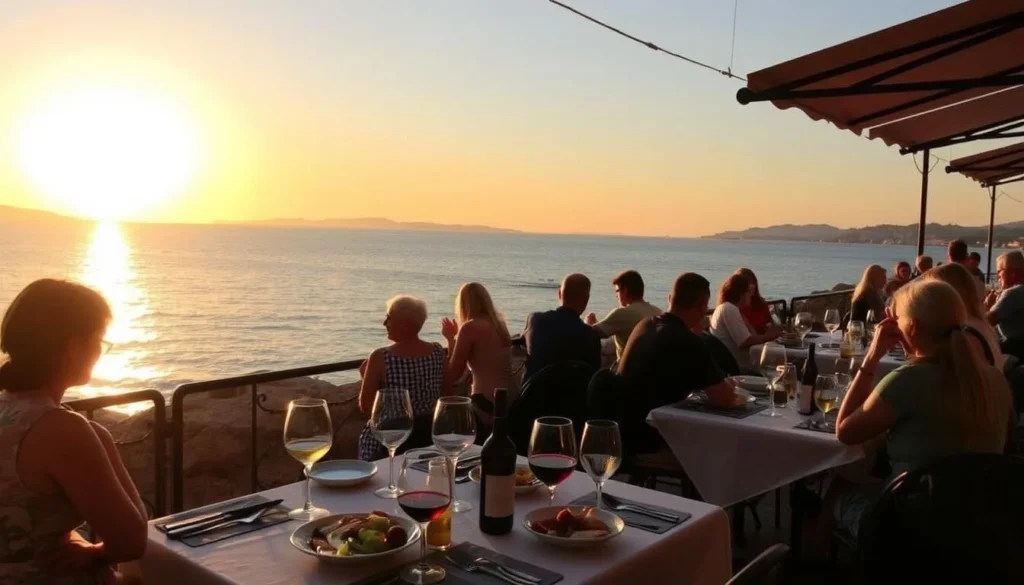
Meals are often leisurely affairs, especially dinner. Don’t rush and don’t expect hurried service – it’s part of the relaxed Mediterranean lifestyle.
✓ Check 30,000+ Local Sightseeing Tours Worldwide
Cultural Considerations
- Religious Respect: When visiting churches or monasteries, dress modestly (cover shoulders and knees) and speak quietly.
- Photography: Ask permission before photographing locals, especially in small villages where people may be more traditional.
- Conservation: The peninsula’s natural beauty is carefully preserved. Don’t litter, pick wildflowers, or disturb wildlife.
- Local Pride: Residents are proud of their wine, seafood, and cultural heritage. Showing genuine interest and appreciation is always welcome.
Practical Information
- Emergency Numbers: 112 (General Emergency), 194 (Ambulance), 192 (Police), 193 (Fire Department)
- Healthcare: There are health centers in Ston and Orebic for minor issues. For serious medical concerns, larger facilities are available in Dubrovnik.
- Currency: Croatia uses the Euro (€). ATMs are available in larger towns, but it’s advisable to carry some cash when visiting smaller villages.
- Business Hours: Many shops and some attractions observe a midday break (typically 1-5 PM), especially in smaller towns and during summer.
Local Insight: The concept of “fjaka” (a relaxed state of body and mind) is part of Dalmatian culture. Embrace the slower pace and don’t expect everything to run with clockwork precision.
Visitor Comments About Peljesac Peninsula
“We discovered Peljesac by accident while looking for a less crowded alternative to Dubrovnik, and it turned out to be the highlight of our Croatian adventure. The combination of world-class wines, fresh seafood, and uncrowded beaches was perfect. Don’t miss the sunset views from the Franciscan Monastery in Orebic – absolutely breathtaking!”
“As a wine enthusiast, Peljesac was paradise. We spent three days touring wineries, and each one offered something unique. The winemakers were passionate about sharing their craft, and the Plavac Mali wines were exceptional. The steep vineyards of Dingac are a must-see – the views alone are worth the trip, but the wines make it unforgettable.”
“We stayed in a small stone house in Zuljana with our family and had the most relaxing week. The beach was perfect for our children, and we loved exploring the peninsula’s hidden coves. The walls of Ston were impressive, and our kids enjoyed counting the towers as we walked. The oysters in Mali Ston were the freshest I’ve ever tasted!”
Practical Travel Tips
Make the most of your visit to the Peljesac Peninsula with these helpful tips from experienced travelers and locals.
Planning Your Trip
- Duration: Allow at least 3-4 days to properly explore the peninsula. A week is ideal if you want to include day trips to nearby islands.
- Itinerary Planning: Divide your exploration by region – spend one day in the Ston area, another in the central peninsula, and a third around Orebic.
- Reservations: Book accommodations well in advance for summer visits (July-August). The same applies to popular restaurants in high season.
- Connectivity: Mobile coverage is generally good throughout the peninsula, but some remote beaches and hiking areas may have limited service.
Getting the Most from Your Visit
Money-Saving Tips
- Visit during shoulder season (May-June or September) for lower prices and fewer crowds
- Consider self-catering accommodations and shop at local markets
- Many beaches and natural attractions are free to enjoy
- Some wineries offer complimentary tastings if you purchase bottles
Local Insights
- Ask locals for restaurant recommendations – they know where to find the best value
- The best swimming spots are often the ones without facilities – bring what you need
- Early morning or late afternoon are the best times to visit popular attractions like the Walls of Ston
- Many wineries require appointments for tastings – call ahead
Packing Essentials
- Beach Gear: Water shoes are recommended for pebble beaches, along with the usual sun protection items.
- Outdoor Activities: Sturdy walking shoes for exploring the walls or hiking trails, and a reusable water bottle.
- Evening Attire: While casual dress is acceptable almost everywhere, bring one smart-casual outfit for dining at upscale restaurants.
- Driving: If renting a car, bring a valid driver’s license and consider downloading offline maps for navigation.
Day Trips
The peninsula’s strategic location makes it perfect for exploring nearby destinations:
- Korcula Island: Just a 15-minute ferry ride from Orebic, offering medieval architecture and beautiful beaches.
- Mljet Island: Accessible by ferry from Prapratno, known for its national park with saltwater lakes.
- Dubrovnik: The famous walled city is only an hour’s drive from Ston.
- Neretva Delta: This unique wetland area north of the peninsula offers boat safaris through mandarin orchards and wildlife-rich channels.
Insider Tip: Many visitors rush through Peljesac on their way to more famous destinations. The peninsula rewards those who slow down and take time to discover its hidden corners, from secluded beaches to family-run wineries not found in guidebooks.
The Timeless Charm of Croatia’s Wine Peninsula
As your journey through the Peljesac Peninsula comes to an end, you’ll likely find yourself already planning a return visit. This special corner of Croatia offers a rare combination of authentic experiences that engage all your senses – from the taste of freshly harvested oysters and robust red wines to the sight of sun-drenched vineyards cascading down to the azure Adriatic.
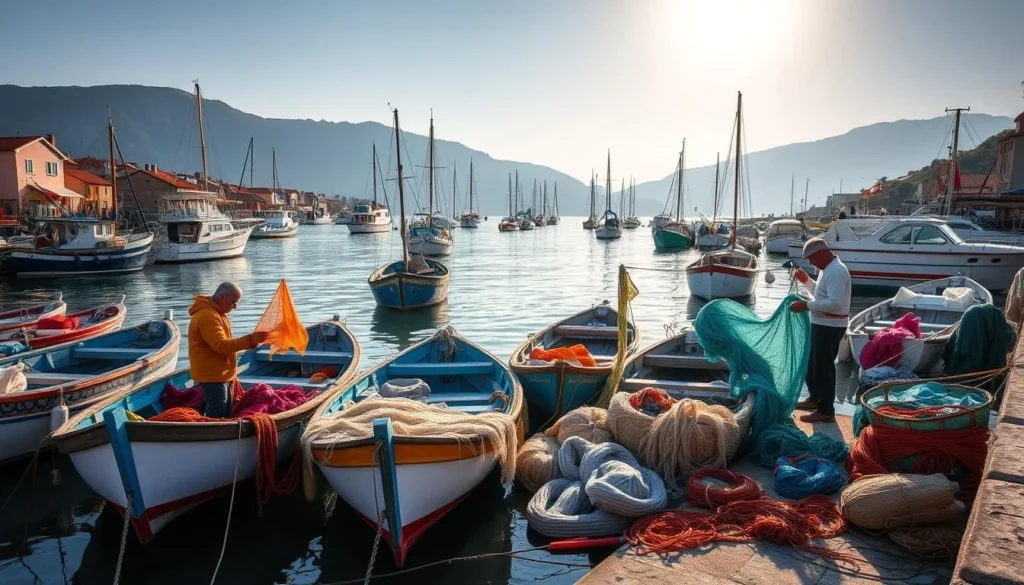
What makes Peljesac truly special is its ability to remain genuine in an increasingly commercialized world. Here, traditions aren’t maintained for tourists but are living parts of daily life. Winemakers still tend their steep slopes by hand, fishermen head out at dawn to bring in the day’s catch, and families gather at konobas to share meals that have been prepared the same way for generations.
Whether you came for the history, the wine, the beaches, or simply to escape the crowds, Peljesac offers a glimpse of Mediterranean life as it once was and, thankfully, as it continues to be on this remarkable peninsula. As the locals might say, “Živjeli!” (Cheers!) – to discovering one of Croatia’s most authentic treasures.
Related Posts




Coming Soon: Clickable Maps