
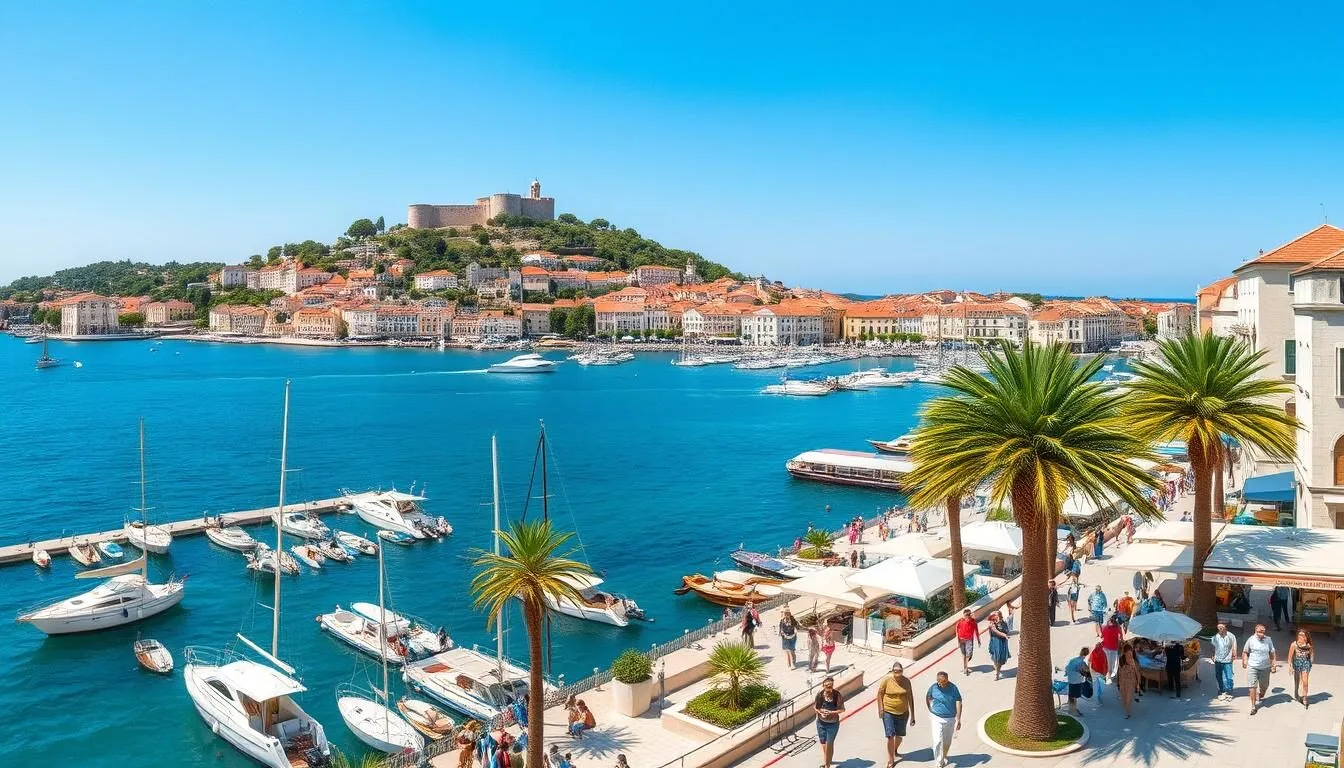
Did you know that Hvar Island enjoys over 2,718 hours of sunshine annually, making it Croatia’s sunniest spot and one of the brightest places in all of Europe? This Mediterranean paradise, often mistakenly spelled as “Har,” combines stunning natural beauty with rich history—its inhabited history stretches back to 3500 BC, making it one of the earliest populated islands in the Adriatic. From crystal-clear waters and hidden coves to lavender fields and ancient fortresses, Hvar offers an irresistible blend of relaxation and adventure that captivates visitors year after year.
Getting There & Planning Your Journey
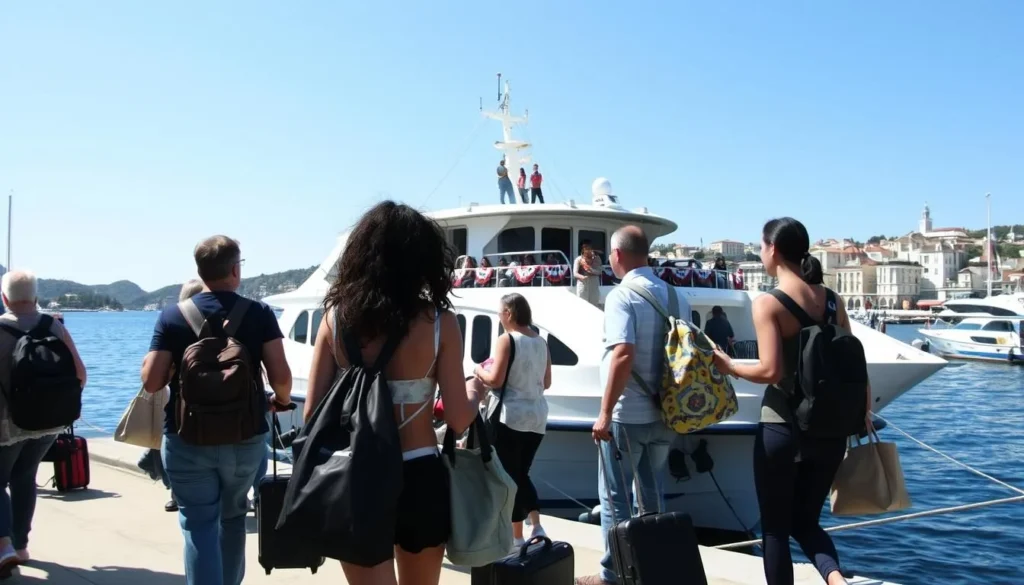
The closest major airport to Hvar is Split Airport (SPU), located on the mainland about 30 km from Split’s ferry port. From there, you’ll need to take a ferry or catamaran to reach Hvar Island. for the best rates and schedules.
Ferry Options to Hvar
Several ferry companies operate routes from Split to Hvar, with varying journey times:
- Fast catamarans to Hvar Town (50-60 minutes)
- Car ferries to Stari Grad (2 hours)
- Passenger ferries to Jelsa (2 hours)
Companies like Jadrolinija, Kapetan Luka, and Adriatic Fast Ferries offer regular connections, especially during the summer season. In peak season (July-August), up to 20 daily departures are available, while off-season may have only 2-3 options.
For those arriving from Dubrovnik, seasonal catamarans operate directly to Hvar Town (3-4 hours). Alternatively, you can reach Hvar from other Croatian islands like Korčula, Brač, or Vis via regular ferry connections.
If you’re coming from Italy, there are international ferry routes from Ancona to Split, from where you can connect to Hvar.
Best Time to Visit Hvar
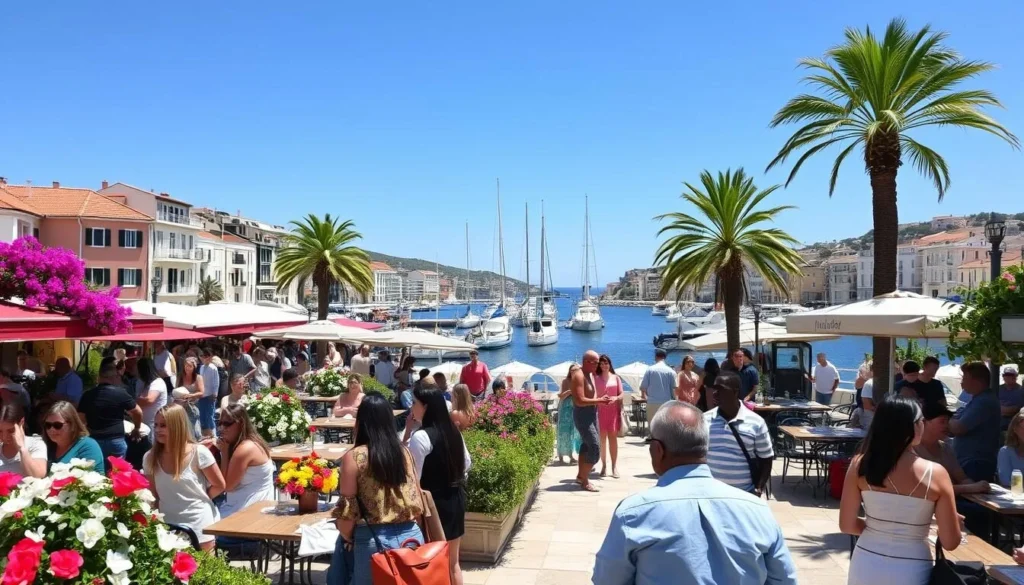
Timing your visit to Hvar is crucial for the perfect experience. The island experiences a typical Mediterranean climate with hot, dry summers and mild, wet winters.
Recommended Seasons
Best Months to Visit
- May to June: Pleasant temperatures (20-25°C/68-77°F), fewer crowds, and lower prices. Lavender fields begin blooming in June.
- September: Still warm (22-26°C/72-79°F) with comfortable swimming temperatures and fewer tourists.
- Early October: Mild weather (18-22°C/64-72°F) and the quietest period with authentic local experiences.
Seasons to Avoid
- July to August: Peak season brings crowds, highest prices, and intense heat (often exceeding 30°C/86°F).
- November to March: Many businesses close, ferry schedules are limited, and weather can be unpredictable with occasional rain.
Seasonal Highlights
- Late June: Lavender fields in full bloom, perfect for photography.
- Early July: Lavender Festival in Velo Grablje village.
- August: Hvar Summer Festival with cultural performances.
- September: Wine harvest season with special events at local wineries.
Weather Tip: Hvar boasts an average of 7.7 hours of sunshine per day year-round. Even in winter months, you can expect around 4-5 hours of sunshine daily, though temperatures are cooler and swimming isn’t recommended.
Getting Around Locally
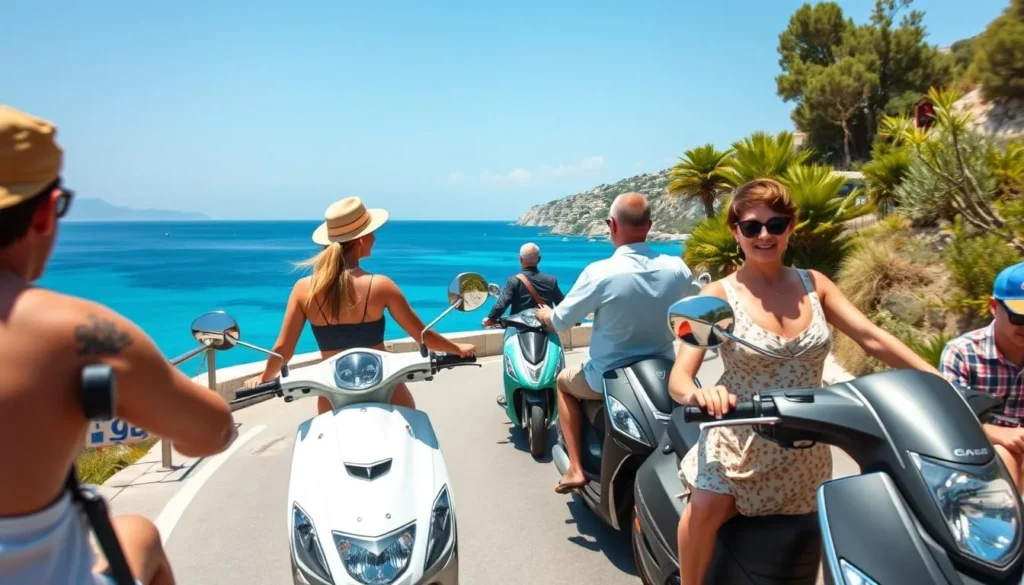
Navigating Hvar Island is relatively straightforward, with several transportation options to help you explore its 68 km (42 miles) length.
Transportation Options
Rental Vehicles
Renting a car, scooter, or ATV gives you the most flexibility for exploring the island. Daily car rentals start from €35, while scooters can be rented by the hour for shorter trips.
Public Buses
Public buses connect major towns like Hvar Town, Stari Grad, and Jelsa. Schedules are limited, especially in off-season, so plan accordingly. Tickets can be purchased directly from the driver.
Water Taxis
Water taxis are available in Hvar Town harbor for trips to nearby beaches and the Pakleni Islands. Regular departures run hourly during summer months.
Getting Around Hvar Town
Hvar Town itself is compact and pedestrian-friendly. The historic center is car-free, with most attractions within easy walking distance. For the uphill climb to the fortress, you can take a taxi if you prefer to avoid the stairs.
Local Tip: If renting a vehicle, be aware that some roads to remote beaches can be narrow and unpaved. Scooters are popular but require previous riding experience for safety.
Where to Stay
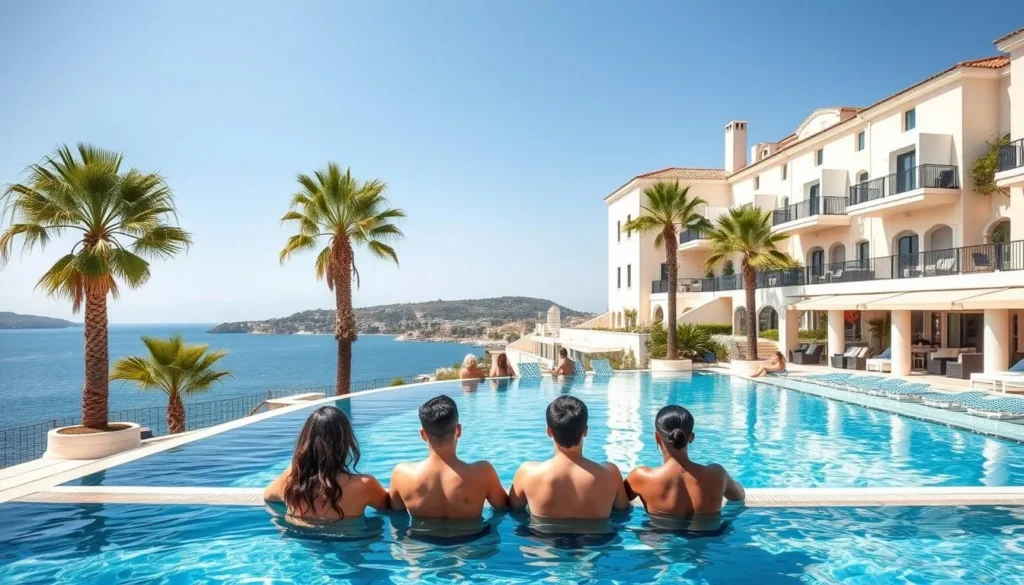
Hvar offers accommodation options for every budget and preference, from luxury hotels to family-run guesthouses. Where you stay will significantly impact your experience, so choose based on your priorities—whether that’s nightlife, beaches, or tranquility.
Hvar Town Accommodations
As the island’s main hub, Hvar Town offers the widest range of lodging options and is ideal for those who want to be close to restaurants, nightlife, and historical attractions.
Luxury Options
- Palace Elisabeth: A 5-star heritage hotel in a historic building with sea views and an indoor pool.
- Adriana Hvar Spa Hotel: Modern luxury with a rooftop pool and the best sunset views in town.
Mid-Range Choices
- Heritage Hotel Dea Hvar: Family-run hotel with excellent hospitality in the heart of Old Town.
- Villa Nora Hvar: Boutique hotel in a 14th-century palace with authentic charm.
Budget-Friendly
- The White Rabbit Hostel: Clean, centrally located hostel with fast Wi-Fi.
- Apartments Gordana: Affordable apartments on the Riva waterfront.
Other Areas to Consider
- Stari Grad: More laid-back atmosphere with historic charm and lower prices than Hvar Town.
- Jelsa: Family-friendly area with beautiful beaches and a more authentic local feel.
- Vrboska: Picturesque “Little Venice” with canals and a relaxed atmosphere.
- Sveta Nedilja: Perfect for wine enthusiasts and those seeking quiet beaches.
Dining & Local Cuisine
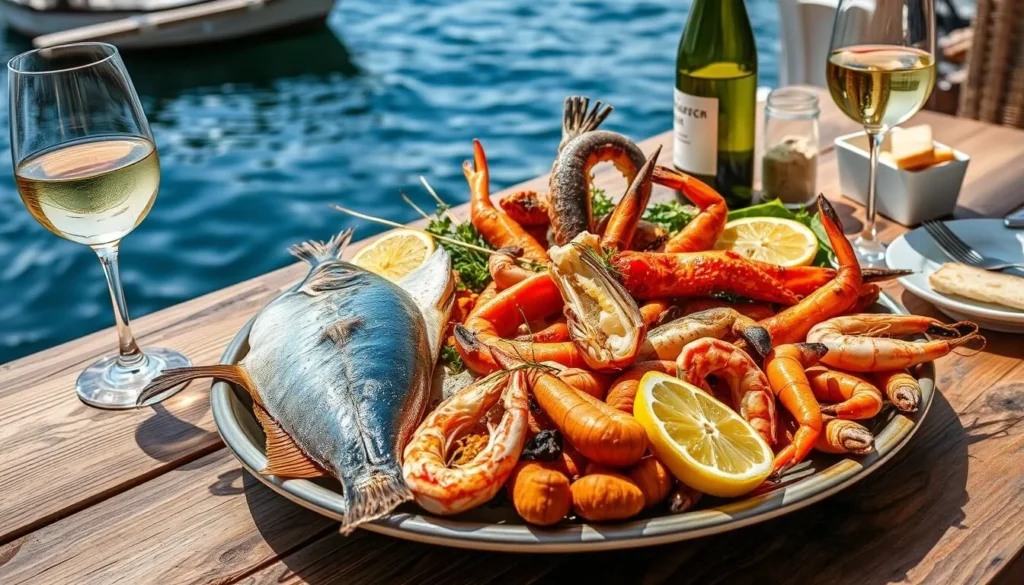
Hvar’s cuisine reflects its Mediterranean location with an emphasis on fresh seafood, olive oil, and locally grown produce. Dining experiences range from upscale restaurants to family-run konobas (traditional taverns) serving authentic Dalmatian dishes.
Must-Try Local Specialties
- Black Risotto (Crni Rižot): Squid ink risotto with cuttlefish or squid.
- Gregada: Traditional fisherman’s stew with white fish, potatoes, and olive oil.
- Peka: Meat or octopus slow-cooked under a bell-shaped lid with vegetables.
- Pašticada: Marinated beef stew served with gnocchi.
- Lavender Ice Cream: A unique local treat reflecting the island’s lavender production.
Where to Eat in Hvar Town
Fine Dining
- Gariful: Upscale seafood restaurant on the waterfront.
- Laganini: Exclusive beach restaurant on Palmižana (Pakleni Islands).
Traditional Konobas
- Konoba Menego: Authentic tavern serving traditional dishes in the old town.
- Konoba Luviji: Rooftop restaurant with views of the old town and fortress.
Casual Dining
- Fig: Popular spot for flatbreads and casual fare in a cobbled alley.
- Lungomare: Family-owned fish restaurant with reasonable prices.
Wine & Local Drinks
Hvar has a 2,400-year-old winemaking tradition, with several indigenous grape varieties. Don’t miss trying:
- Plavac Mali: Bold red wine grown on the steep southern slopes.
- Bogdanuša: Crisp white wine unique to Hvar.
- Prošek: Sweet dessert wine made from dried grapes.
- Travarica: Herb-infused grappa (brandy).
Dining Tip: Restaurants on the main square and waterfront tend to be more expensive. For better value and more authentic experiences, explore the narrow streets of the old town.
Attractions, Sightseeing & Activities
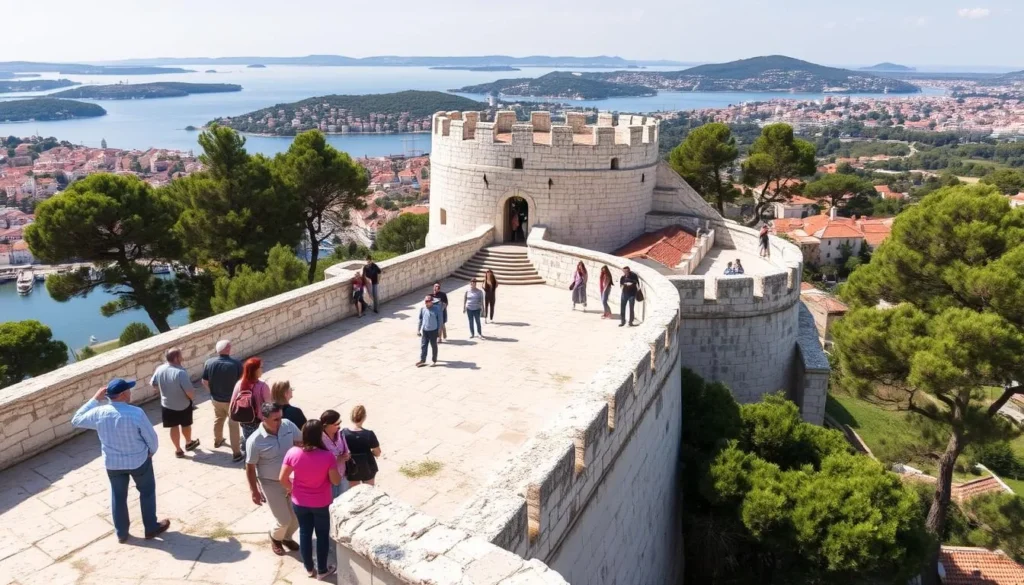
Hvar offers a perfect blend of historical sites, natural beauty, and vibrant experiences. Here are the top attractions and activities you shouldn’t miss during your visit.
Top Har Croatia Things to Do
1. Explore the Spanish Fortress (Fortica)
Perched high above Hvar Town, this 16th-century Venetian fortress offers the most spectacular views of the town, harbor, and Pakleni Islands. The uphill walk takes about 20 minutes from the main square, with the reward being breathtaking panoramas and a small museum showcasing artifacts from the seabed around Hvar.
2. Wander Through St. Stephen’s Square
The largest public square in Dalmatia, St. Stephen’s Square (Hvarska pjaca) is the heart of Hvar Town. Admire the Renaissance and Baroque architecture, including St. Stephen’s Cathedral with its impressive bell tower. The square is lined with cafés perfect for people-watching.
3. Visit Europe’s Oldest Public Theater
Located in the historic Arsenal building on the main square, Hvar’s theater dates back to 1612 and was the first public theater in Europe open to all citizens regardless of social standing. Inside, you can admire preserved frescoes from 1819.
4. Explore the Pakleni Islands
This stunning archipelago just off Hvar Town offers crystal-clear waters and secluded beaches. Take a water taxi or join a boat tour to visit islands like Sveti Klement (home to Palmižana Beach) or Marinkovac (with the peaceful Mlini Beach).
5. Discover the Franciscan Monastery
This 15th-century monastery houses a museum with an impressive collection of ancient coins, amphoras, and nautical charts. The highlight is a magnificent 8×2 meter “Last Supper” painting by a Venetian artist. The monastery’s peaceful garden overlooks a picturesque cove.
6. Visit the Lavender Fields
Hvar is known as the “lavender island,” and the fields near Brusje village (best in mid-June) offer both stunning views and aromatic experiences. The annual Lavender Festival in Velo Grablje in early July celebrates this important local crop.
7. Explore Stari Grad
The oldest town on the island (and one of the oldest in Europe), Stari Grad features narrow stone streets, historic churches, and the Renaissance Tvrdalj Castle. The UNESCO-listed Stari Grad Plain nearby showcases agricultural plots laid out by ancient Greeks in the 4th century BC.
Museums, Cultural Spots & Festivals
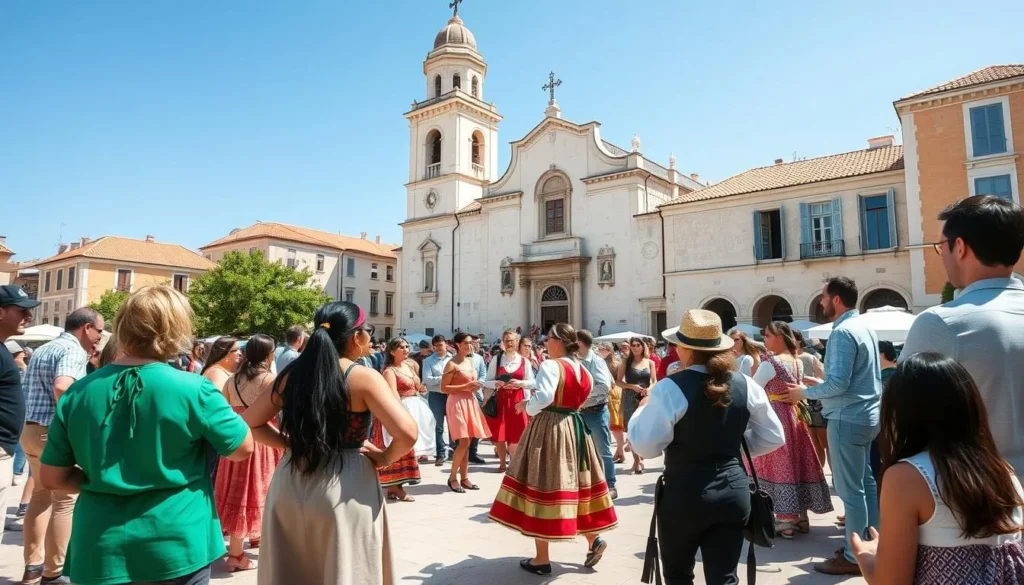
Beyond its beaches and natural beauty, Hvar offers rich cultural experiences through its museums, historic sites, and vibrant festivals that celebrate the island’s heritage.
Museums & Cultural Sites
- Hvar Heritage Museum: Located in the former Rector’s Palace, this museum showcases the island’s history through archaeological finds, traditional costumes, and maritime exhibits.
- St. Stephen’s Cathedral: This 16th-century cathedral features nine Baroque altars and works by Venetian artists. The treasury houses valuable religious artifacts.
- Benedictine Monastery: Famous for its unique agave lace made by the nuns, recognized by UNESCO as Intangible Cultural Heritage.
- Archaeological Collection: Displays artifacts from prehistoric times through the Roman period, housed in a Renaissance palace.
- Tvrdalj Castle: In Stari Grad, this Renaissance summer residence of poet Petar Hektorović features a fish pond, garden, and inscriptions of the poet’s verses.
Annual Festivals & Events
Cultural Festivals
- Hvar Summer Festival (July-August): Music, theater, and dance performances in historic venues.
- Lavender Festival (Early July): Celebration of lavender harvest in Velo Grablje with workshops and traditional products.
- Following the Cross (Holy Week): A 500-year-old UNESCO-recognized religious procession.
Food & Wine Events
- Wine & Jazz Festival (August): Combines local wines with jazz performances.
- Fishermen’s Night (Summer): Traditional seafood, music, and dancing in harbor towns.
- Puhijada (May): Celebration of local snails as cuisine in Dol village.
Cultural Tip: Many cultural events take place in historic settings like the Arsenal Theater or St. Stephen’s Square. Check local event calendars upon arrival, as smaller festivals may not be widely advertised online.
Sports, Nature & Outdoor Experiences
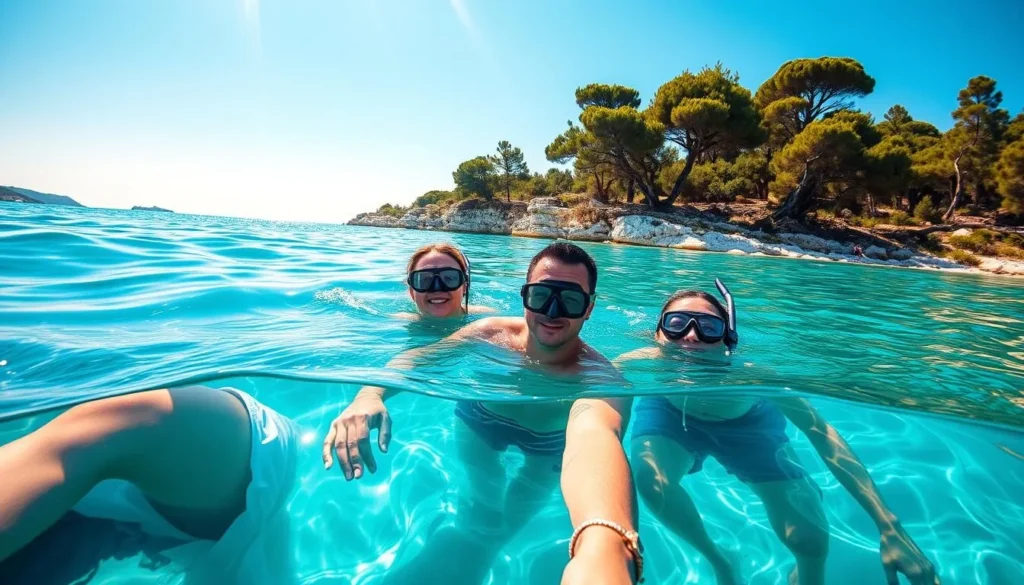
Hvar’s natural environment provides the perfect playground for outdoor enthusiasts. From water activities to hiking trails and natural wonders, there’s something for every adventure level.
Water Activities
Swimming & Beaches
Hvar boasts numerous beautiful beaches and coves. Don’t miss:
- Pokonji Dol: Pebble beach with crystal-clear water, 20 minutes from Hvar Town.
- Dubovica: Picturesque bay with a pebble beach and historic stone house.
- Mlini Beach: Peaceful beach on Marinkovac island with natural shade.
Boating & Kayaking
Explore the coastline and nearby islands:
- Rent a small boat to discover hidden coves around the Pakleni Islands.
- Join a kayaking tour to explore the coastline from a different perspective.
- Take a sailing trip around the island for spectacular views.
Diving & Snorkeling
The clear waters offer excellent visibility:
- Several diving centers offer courses and guided dives to underwater caves and reefs.
- Snorkel around the Pakleni Islands to discover colorful marine life.
- Explore the Blue Cave and Green Cave on a boat tour.
Land Activities
- Hiking: The island offers numerous trails with spectacular views, including the path to Napoleon Fortress above Hvar Town or the Robinson Trail along the coast.
- Cycling: Rent a bicycle to explore the UNESCO-listed Stari Grad Plain or take a guided cycling tour through lavender fields and vineyards.
- Rock Climbing: The southern coast offers challenging limestone cliffs for experienced climbers.
- Jeep Safari: Explore the island’s rugged interior and abandoned villages on a 4×4 tour.
Natural Attractions
- Blue Cave (Modra Špilja): Located on nearby Biševo Island, this natural sea cave glows with an otherworldly blue light due to sunlight reflecting through an underwater entrance.
- Green Cave: On Ravnik Island, where sunlight creates emerald reflections in the water.
- Red Rocks: Distinctive red cliffs on Hvar’s southern coast, accessible by boat.
- Grapčeva Cave: Ancient cave with stalactites and archaeological significance dating back to Neolithic times.
Adventure Tip: For the best snorkeling experience, bring your own gear. While rental options are available, having your own mask and snorkel ensures a perfect fit for exploring Hvar’s underwater world.
Wine Tasting Experiences
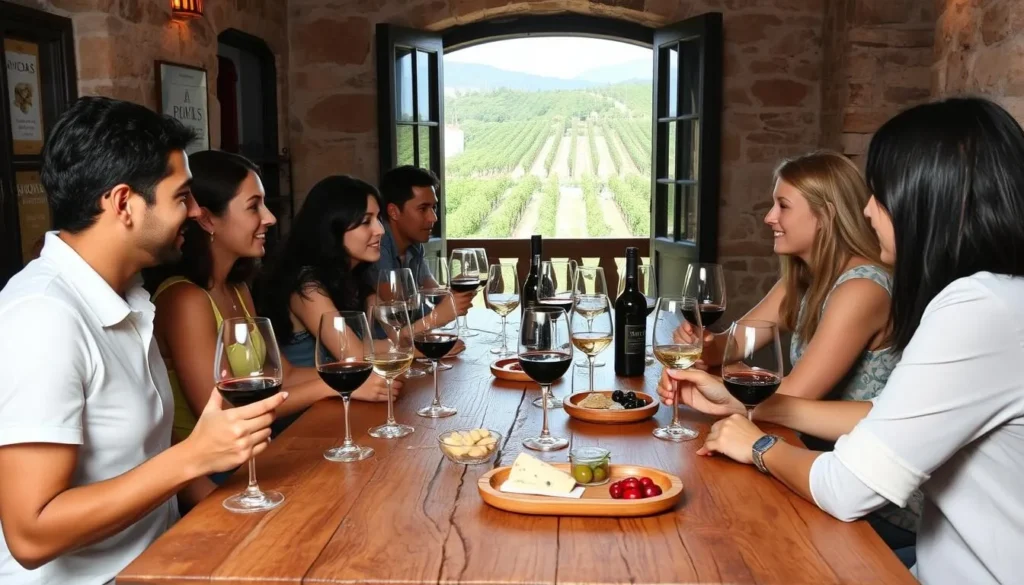
With a winemaking tradition dating back to ancient Greek settlers in 384 BC, Hvar offers exceptional wine experiences. The island’s unique terroir—steep south-facing slopes, Mediterranean climate, and distinctive soil—produces remarkable wines, particularly robust reds from the native Plavac Mali grape.
Top Wineries to Visit
- Zlatan Otok: Located in Sveta Nedjelja, this winery features an underwater wine cellar and restaurant with spectacular views. Their Plavac Mali wines have won international awards.
- Tomić Winery: In Jelsa, this winery’s atmospheric cellar resembles a Roman dining room. Try their Prošek (traditional sweet dessert wine) and Plavac Mali.
- Duboković Winery: A small family operation in Jelsa producing limited quantities of high-quality wines. Their tasting experience is intimate and educational.
- PZ Svirče: A wine cooperative producing excellent value wines, including the indigenous white Bogdanuša.
- Lacman Family Winery: One of the few organic vineyards on Hvar, offering unique orange wines and traditional varieties.
Wine Tours
For the full Hvar wine experience, consider joining a guided tour that includes:
- Transportation between wineries (allowing you to sample without driving)
- Expert commentary on local wine traditions and production methods
- Tastings paired with local specialties like cheese, olives, and prosciutto
- Visits to vineyards with spectacular views
Wine Tip: The steep southern slopes of Hvar between Sveta Nedjelja and Ivan Dolac produce some of Croatia’s most prestigious wines. The challenging terrain requires manual harvesting, contributing to the wines’ quality and character.
Day Trips from Hvar
While Hvar offers plenty to keep you occupied, its central location in the Adriatic makes it an excellent base for exploring nearby islands and attractions. Here are the best day trips from Hvar:
Island Hopping
Brač Island
Home to the famous Zlatni Rat (Golden Horn) beach, which changes shape with the currents. Visit the charming town of Bol and enjoy some of Croatia’s best windsurfing conditions.
Vis Island
The most remote inhabited island in Croatia offers unspoiled nature, historic sites, and was a filming location for “Mamma Mia: Here We Go Again.” Don’t miss the Blue Cave on nearby Biševo Island.
Korčula Island
Explore the medieval walled town said to be the birthplace of Marco Polo. Known for its white wines (particularly Grk) and traditional sword dance performances.
Mainland Excursions
- Split: Visit Diocletian’s Palace, a UNESCO World Heritage site, and explore the vibrant waterfront promenade. Regular ferries connect Hvar Town to Split (approximately 1 hour by catamaran).
- Makarska: Enjoy the spectacular beaches beneath the dramatic Biokovo mountain range. The town offers a beautiful promenade and lively atmosphere.
Natural Wonders
- Blue Cave Tour: The most popular day trip combines visits to the Blue Cave on Biševo Island, Green Cave on Ravnik, and swimming stops at Stiniva Cove and the Pakleni Islands.
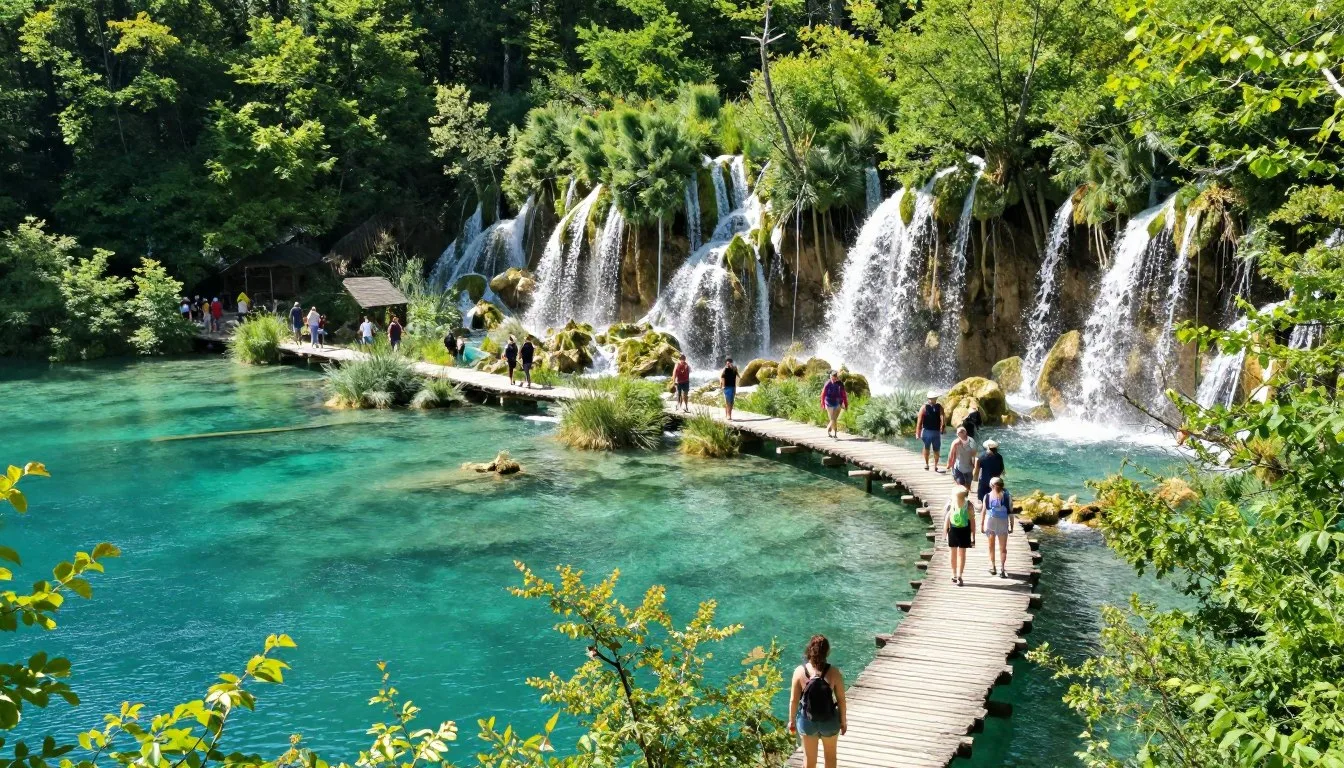
- Krka National Park: Though requiring an early start, this mainland excursion offers spectacular waterfalls where you can swim in the crystal-clear freshwater.
Planning Tip: Book Blue Cave tours at least a day in advance as they often sell out, especially in high season. Be aware that the cave may close if sea conditions are unfavorable.
Safety, Etiquette & Local Customs
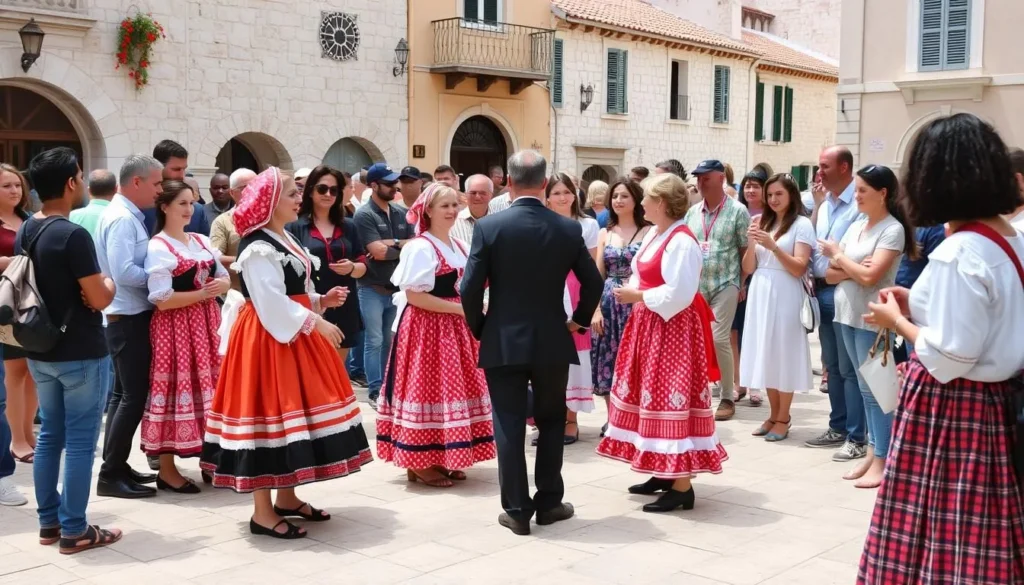
Hvar is generally a very safe destination with low crime rates. However, as with any tourist destination, it’s wise to take standard precautions and be aware of local customs and expectations.
Safety Considerations
- Sun Protection: The Mediterranean sun is intense, especially in summer. Use high SPF sunscreen, wear a hat, and stay hydrated.
- Water Safety: Be cautious of sea urchins on rocky areas when swimming. Wearing water shoes can help prevent painful stings.
- Road Safety: If renting a scooter or car, be aware that some roads are narrow and winding. Drive defensively and wear a helmet on scooters.
- Nightlife: While generally safe, the party scene in Hvar Town can get rowdy in peak season. Drink responsibly and be aware of your surroundings.
- Fire Risk: During dry summer months, fire risk is high. Never discard cigarettes outdoors or light fires in nature.
Local Etiquette
- Dress Code: While beach attire is fine at the beach, cover up when entering towns, restaurants, or churches. Hvar Town has actually implemented fines for walking in the town center in swimwear.
- Greetings: A handshake is the standard greeting. “Dobar dan” (good day) is a polite greeting in Croatian.
- Tipping: Service is usually not included in restaurant bills. A tip of 10% is appreciated for good service.
- Respect for Locals: Remember that while Hvar is a tourist destination, it’s also home to year-round residents. Keep noise levels reasonable, especially late at night in residential areas.
Cultural Customs
Croatians are generally proud of their heritage and appreciate visitors who show interest in their culture:
- Coffee Culture: Coffee is more than a drink—it’s a social ritual. Don’t rush a coffee meeting; it’s meant to be savored and enjoyed over conversation.
- Family Values: Family is central to Croatian culture. Sunday is traditionally family day, and many businesses may close early.
- Religious Traditions: Croatia is predominantly Catholic, and religious festivals are important cultural events. The Easter procession “Following the Cross” is a 500-year-old tradition on Hvar.
Travel Insurance: We recommend getting comprehensive travel insurance that covers medical emergencies, trip cancellations, and activities like boating and water sports. Croatia has good medical facilities, but costs for visitors can be high without insurance.
Visitor Comments About Hvar
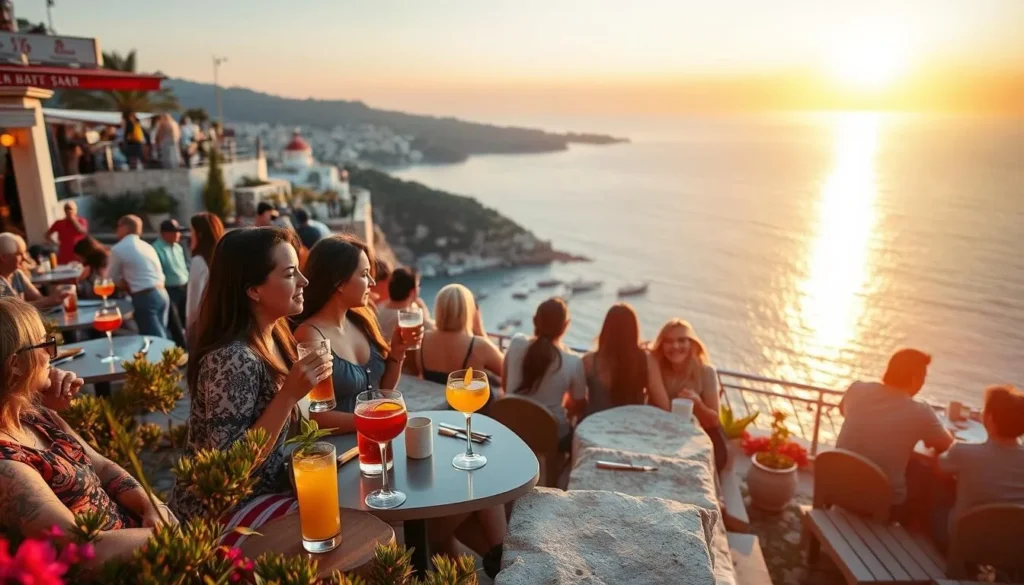
“We spent a week exploring Hvar and found it to be the perfect balance of relaxation and adventure. The fortress views were breathtaking, and renting a small boat to explore the Pakleni Islands was the highlight of our trip. Don’t miss the wine tasting at Tomić Winery—their cellar is like stepping back in time, and the wines were exceptional!”
“Hvar surprised me with its rich history and culture. I expected beautiful beaches (which it definitely has!), but the historic theater, monasteries, and local traditions added so much depth to our visit. We hired a local guide for a day who took us to lavender fields and small villages in the interior that we would have never found on our own. September was the perfect time to visit—warm enough to swim but without the summer crowds.”
“As a solo traveler, I found Hvar to be safe and welcoming. I stayed in Hvar Town which was perfect for meeting other travelers, but also took day trips to Stari Grad and Jelsa for a more authentic experience. The Blue Cave tour was expensive but absolutely worth it—seeing that ethereal blue glow was magical! My advice: rent a scooter for at least one day to discover hidden beaches and viewpoints around the island.”
Practical Travel Tips
Money Matters
- Currency: Croatia uses the Euro (€) as of January 2023.
- ATMs: Available in all major towns on the island, but smaller villages may not have them.
- Credit Cards: Widely accepted in hotels, restaurants, and larger shops, but always carry some cash for smaller establishments and markets.
- Costs: Hvar is one of Croatia’s more expensive destinations. Budget approximately €80-150 per day per person, depending on your accommodation and dining choices.
Communication
- Language: Croatian is the official language, but English is widely spoken in tourist areas.
- Wi-Fi: Most accommodations, restaurants, and cafes offer free Wi-Fi.
- Mobile Coverage: Generally good throughout the island, but may be limited in remote coves.
- Useful Phrases:
- Hello = Bok
- Thank you = Hvala
- Please = Molim
- Yes/No = Da/Ne
- Cheers = Živjeli
Practical Essentials
- Electricity: 230V, European-style plugs (types C and F).
- Drinking Water: Tap water is safe to drink throughout the island.
- Opening Hours: Many shops close for a midday break (typically 12:00-16:00), especially outside of peak tourist season.
- Pharmacy: Look for signs saying “Ljekarna.” Hvar Town has pharmacies with extended hours during summer.
- Emergency Number: 112 for all emergency services.
Packing Tip: Bring water shoes for rocky beaches, a hat and high SPF sunscreen for sun protection, and a light jacket for evening sea breezes, even in summer. If visiting in shoulder seasons, pack layers as temperatures can vary.
Island Dreams Await: Your Hvar Adventure Begins
Hvar Island captivates visitors with its perfect blend of natural beauty, rich history, and Mediterranean charm. Whether you’re watching the sunset from the Spanish Fortress, swimming in secluded coves around the Pakleni Islands, or savoring local wines in a centuries-old cellar, Hvar creates memories that linger long after your tan fades. The island’s unique combination of relaxation and adventure, tradition and modernity, makes it a destination that appeals to every type of traveler. As you plan your journey to this Adriatic gem, remember that Hvar’s true magic lies in its ability to surprise you—around every corner of its ancient streets, beneath every crystal-clear wave, and within every moment shared with its warm-hearted locals. Your Croatian island dream awaits.
Related Posts




Coming Soon: Clickable Maps