

Hotels by Trip.com
Flights by Trip.com
Did you know that Istria produces some of the world’s finest truffles, with the record-breaking white truffle weighing 1.31 kg (2.89 lbs) discovered here in 1999? This heart-shaped peninsula in Croatia’s northwest corner is a treasure trove of experiences waiting to be discovered. From ancient Roman ruins and medieval hilltop towns to pristine beaches and world-class cuisine, Istria offers a perfect blend of history, culture, and natural beauty that rivals its more famous Mediterranean neighbors—but with fewer crowds and better value.
Getting There & Planning Your Journey
Istria is easily accessible by air, land, and sea. The most convenient gateway is Pula Airport (PUY), located near the peninsula’s southern tip. International flights connect Pula with major European cities, especially during the summer season. to nearby Trieste Airport in Italy (about 1 hour from the Istrian border) or Venice Marco Polo Airport (2.5 hours away) offer additional options year-round.
If you’re already in Europe, driving to Istria is straightforward via well-maintained highways from Slovenia, Italy, or other parts of Croatia. Regular bus services also connect Istria with major cities like Zagreb, Ljubljana, and Trieste. For those arriving by sea, ferries operate between Venice and coastal towns like Poreč, Rovinj, and Pula during summer months.
Best Time to Visit Istria
The ideal time to visit Istria is during the shoulder seasons of May to June and September to early October. During these months, you’ll enjoy pleasant temperatures of 20-26°C (68-79°F), fewer crowds, and still find most attractions and restaurants open. The sea is warm enough for swimming from late May through September.
Recommended Months
- May: Spring blooms, mild weather, pre-season prices
- June: Warm days, uncrowded beaches, perfect hiking weather
- September: Warm sea, wine harvest festivals, ideal for outdoor activities
- Early October: Beautiful autumn colors, truffle season begins
Months to Avoid
- July-August: Peak season with crowds, high prices, and temperatures often exceeding 30°C (86°F)
- November-March: Many coastal establishments close, though inland towns remain charming for winter visits
If you’re a food enthusiast, consider visiting during truffle season (October-November) when white truffles are harvested and celebrated in festivals throughout the region, particularly around Motovun and Buzet.
Getting Around Locally

Having your own vehicle is highly recommended for exploring Istria. The peninsula’s charm lies in its scattered hilltop towns, hidden beaches, and rural wineries that are difficult to reach by public transportation. Roads are well-maintained and signposted, making navigation straightforward even for first-time visitors.
If you prefer not to drive, public buses connect major towns and cities, though services to smaller villages may be limited, especially outside the summer season. Taxis and ride-sharing services are available in larger towns like Pula, Rovinj, and Poreč.
Cycling is another excellent option for exploring Istria, with numerous dedicated bike paths including the famous Parenzana Trail, a 123 km (76.5 mile) route following a former railway line through picturesque landscapes and charming villages.
Where to Stay in Istria

Istria offers accommodations for every preference and budget, from luxury seaside resorts to charming boutique hotels in medieval towns and rustic agritourism estates in the countryside.
Coastal Stays
Rovinj, Poreč, and Pula offer the widest selection of beachfront hotels and resorts. Rovinj is particularly romantic with its Venetian-style old town and upscale accommodations like Hotel Lone and Hotel Adriatic.
Hilltop Towns
For a more authentic experience, consider staying in one of Istria’s medieval hilltop towns like Motovun, Grožnjan, or Bale. These offer boutique hotels and apartments with stunning countryside views.
Rural Retreats
Agritourism estates and villa rentals in Istria’s interior provide a peaceful retreat with opportunities to sample homemade wine, olive oil, and farm-to-table cuisine.
Dining & Local Cuisine

Istrian cuisine represents a delicious blend of Mediterranean and Central European influences, with Italian flavors particularly prominent. The peninsula is renowned for its culinary treasures, including award-winning olive oils, truffles, fresh seafood, and distinctive wines.
Check 30,000+ Local Sightseeing Tours Worldwide
✓ Numerous languages and currencies are available
Must-Try Istrian Specialties:
- Truffles – Found in the forests around Motovun and Buzet, these prized fungi appear in everything from pasta to steak to ice cream
- Fuži with game sauce – Handmade pasta quills traditionally served with venison, boar, or beef ragout
- Pršut – Air-dried ham similar to Italian prosciutto, often served as an appetizer with local cheese and olives
- Fresh seafood – Especially squid, sardines, and shellfish prepared simply with olive oil and herbs
- Malvasia and Teran wines – Istria’s signature white and red varieties, perfectly complementing local cuisine
For an authentic dining experience, look for traditional konobas (taverns) in small villages or family-run restaurants in the countryside. Many wineries and olive oil producers also offer tastings paired with local specialties.
Attractions, Sightseeing & Activities

1. Explore Roman Heritage in Pula
Pula boasts some of the best-preserved Roman architecture outside Italy. The magnificent 1st-century Arena amphitheater is the city’s crown jewel and one of the six largest surviving Roman arenas in the world. Still used for concerts and events, it offers a glimpse into ancient entertainment. Don’t miss the well-preserved Temple of Augustus, Arch of the Sergii (Golden Gate), and Roman mosaics scattered throughout the old town.
2. Wander Through Rovinj’s Enchanting Old Town

Often described as Istria’s most beautiful coastal town, Rovinj captivates visitors with its Venetian-era architecture, winding cobblestone streets, and artistic atmosphere. Climb to St. Euphemia’s Church for panoramic views, then explore the harbor area with its colorful fishing boats and seafood restaurants. At sunset, find a spot along the rocky coastline for breathtaking views as the old town glows golden in the fading light.
3. Discover Medieval Hilltop Towns
Istria’s interior is dotted with picturesque fortified towns perched dramatically atop hills. Motovun is perhaps the most famous, with its massive defensive walls offering sweeping views of truffle-rich forests and vineyards. Artsy Grožnjan attracts musicians and painters with its galleries and summer jazz festival. Don’t miss tiny Hum, officially recognized as the world’s smallest town, or the well-preserved medieval architecture of Bale and Oprtalj.
4. Visit the UNESCO-listed Euphrasian Basilica
In Poreč, step inside the 6th-century Euphrasian Basilica, a UNESCO World Heritage site and one of Europe’s finest examples of Byzantine architecture. Marvel at the glittering gold mosaics in the apse, explore the ancient baptistery and episcopal palace, and climb the bell tower for views over the old town’s terracotta rooftops.
5. Relax on Istria’s Beautiful Beaches

While Istria’s beaches are typically rocky or pebbly rather than sandy, they boast exceptionally clear water perfect for swimming and snorkeling. Cape Kamenjak Nature Park at Istria’s southern tip offers wild, unspoiled coves with turquoise waters. The Rovinj archipelago features secluded swimming spots accessible by taxi boat, while family-friendly beaches with facilities can be found near Poreč, Pula, and in the resort town of Rabac on the eastern coast.
Museums, Cultural Spots & Festivals

Museums & Galleries
Istria’s rich history is showcased in numerous museums throughout the peninsula. The Archaeological Museum of Istria in Pula houses artifacts spanning prehistoric times through the Roman and medieval periods. Art lovers should visit Grožnjan, known as the “Town of Artists,” where dozens of galleries showcase contemporary Croatian and international works. In Rovinj, the Batana Eco-Museum celebrates the town’s maritime heritage and traditional wooden boats.
Cultural Festivals
Istria’s cultural calendar is packed with events throughout the year. Summer brings open-air film screenings at Pula Arena and the Motovun Film Festival, which transforms the medieval hilltop town into a cinema lover’s paradise. Music enthusiasts can enjoy classical concerts in historic churches, jazz performances in Grožnjan, and electronic music festivals along the coast. In autumn, numerous food festivals celebrate the truffle harvest, olive oil pressing, and wine production.
“Istria isn’t just a destination; it’s a cultural crossroads where Roman, Venetian, and Slavic influences blend to create something uniquely magical.”
Historical Sites Beyond the Romans
While Roman ruins often steal the spotlight, Istria’s complex history offers much more to discover. Explore Venetian-era fortifications in coastal towns, Habsburg-period villas and promenades in Opatija, and ancient frescoes in tiny churches scattered throughout the countryside. The medieval frescoes in the Church of St. Mary on the Rocks near Beram are particularly impressive, featuring a remarkable “Dance of Death” painting from 1474.
Sports, Nature & Outdoor Experiences
Hiking & Cycling
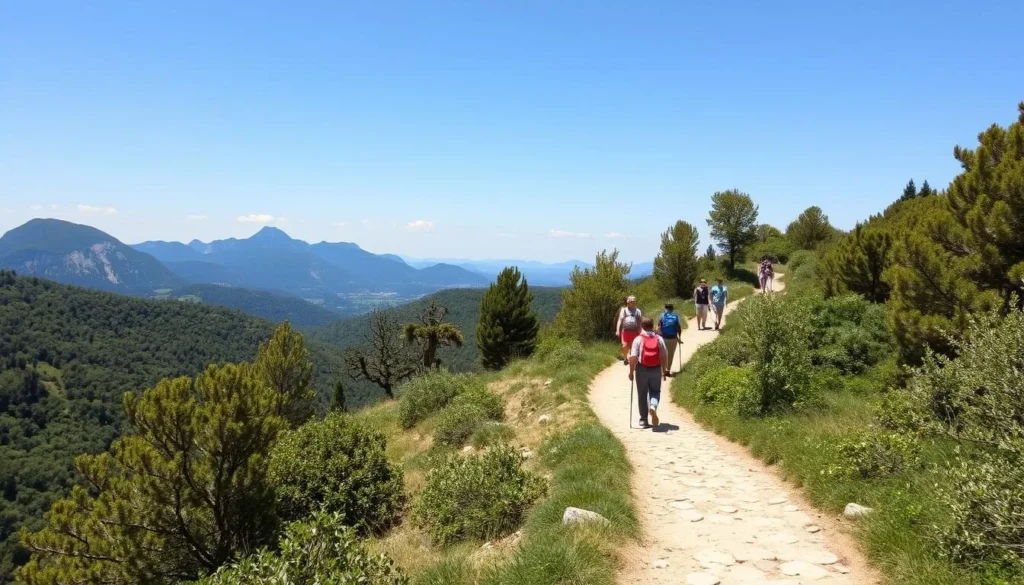
Istria’s diverse landscape offers excellent opportunities for outdoor enthusiasts. The Parenzana Trail, following a former narrow-gauge railway, provides 123 km (76.5 miles) of scenic cycling through vineyards, olive groves, and medieval towns. Učka Nature Park, with its 1,401 m (4,596 ft) peak, offers hiking trails with spectacular views of the Kvarner Bay and, on clear days, even the Italian Alps. Coastal paths connect many seaside towns, perfect for morning jogs or sunset strolls.
Water Activities

With its extensive coastline, Istria is a paradise for water sports enthusiasts. Kayaking tours explore hidden caves and secluded beaches inaccessible by land. Windsurfing and sailing are popular in the Medulin Bay area, while diving reveals underwater caves, shipwrecks, and abundant marine life. For a more relaxed experience, numerous boat excursions depart from coastal towns, offering dolphin watching or visits to the Brijuni Islands National Park.
Truffle Hunting
For a uniquely Istrian experience, join a truffle hunting expedition in the forests around Motovun. Accompanied by trained dogs and experienced hunters, you’ll search for these prized culinary treasures before enjoying a truffle-themed meal at a local family restaurant. Several agritourism estates and specialized agencies offer this unforgettable activity year-round, though autumn brings the most prized white truffles.
Safety, Etiquette & Local Customs

Istria is generally very safe for travelers, with low crime rates and friendly locals. As with any destination, take normal precautions with valuables, especially in crowded tourist areas. The region’s healthcare facilities are good, though travel insurance is recommended. If hiking in remote areas, be aware of potential hazards like dehydration in summer heat or slippery trails after rainfall.
Local Etiquette
- Greetings are important – a simple “Dobar dan” (good day) when entering small shops or restaurants is appreciated
- Tipping around 10% in restaurants is customary for good service
- Dress modestly when visiting churches – shoulders and knees should be covered
- Ask permission before photographing locals, especially in small villages
- When visiting homes, removing shoes is common practice
Language
Croatian is the official language, but Istria’s proximity to Italy and history as part of the Venetian Republic means Italian is widely spoken, especially in coastal areas. Many locals in the tourism industry speak excellent English and German. Learning a few basic Croatian phrases will be appreciated, though you’ll rarely encounter significant language barriers.
Visitor Comments About Istria
“We spent a week exploring Istria’s hilltop towns and were blown away by the views, food, and friendly locals. Don’t miss truffle hunting near Motovun—it was the highlight of our trip!”
“Rovinj captured our hearts with its romantic atmosphere and amazing seafood. We rented bikes and explored the coastline, finding secluded swimming spots that felt like our own private paradise.”
“The mix of cultures in Istria makes it unique—you can feel Italian, Croatian, and Austrian influences everywhere. The local wines were a delightful surprise, especially the orange wines we discovered in a tiny family winery.”
Practical Travel Tips

- Currency: Croatia uses the Euro (€) as of January 2023. ATMs are widely available in towns and cities, though carrying some cash is recommended for small villages.
- Internet & Mobile: Wi-Fi is readily available in accommodations and restaurants. EU visitors can use their mobile plans without roaming charges; others should consider purchasing a local SIM card.
- Driving: A vignette is not required for Croatian highways, but you’ll need one if driving through Slovenia. Headlights must be on at all times when driving, even during daylight.
- Opening Hours: Many coastal businesses operate seasonally, with limited options from November to April. Inland towns and restaurants often close on Mondays, even during high season.
- Beach Essentials: Pack water shoes for rocky beaches, and note that beach chairs and umbrellas typically require rental fees at organized beaches.
- Booking Ahead: Reserve accommodations and restaurants well in advance during July and August, as well as for truffle hunting experiences in autumn.
Your Istrian Adventure Awaits
Istria offers a rare blend of experiences that satisfy every traveler’s desires—from history buffs and foodies to nature lovers and beach enthusiasts. This heart-shaped peninsula may be small enough to explore in a week, but its diverse attractions and authentic charm will leave you planning your return before you’ve even departed. Whether you’re savoring truffle-infused pasta in a medieval hilltop town, swimming in crystal-clear coves, or wandering through Roman ruins bathed in golden light, Istria promises memories that will linger long after your tan has faded.
Related Posts




Coming Soon: Clickable Maps