Hotels by Trip.com
Flights by Trip.com
Did you know that Korčula is one of the few places in the world where the famous Moreska sword dance—a dramatic choreographed battle between kings representing good and evil—is still performed live for visitors? This ancient tradition is just one of the many cultural treasures awaiting you on this enchanting Croatian island, often called “Little Dubrovnik” for its medieval charm but offering experiences all its own.
Getting There & Planning Your Journey
Korcula doesn’t have its own airport, so you’ll need to fly into either Dubrovnik or Split and then take a ferry or catamaran to the island. Both airports offer international connections, making Korcula accessible from most European cities with just one connection.
From Dubrovnik to Korcula
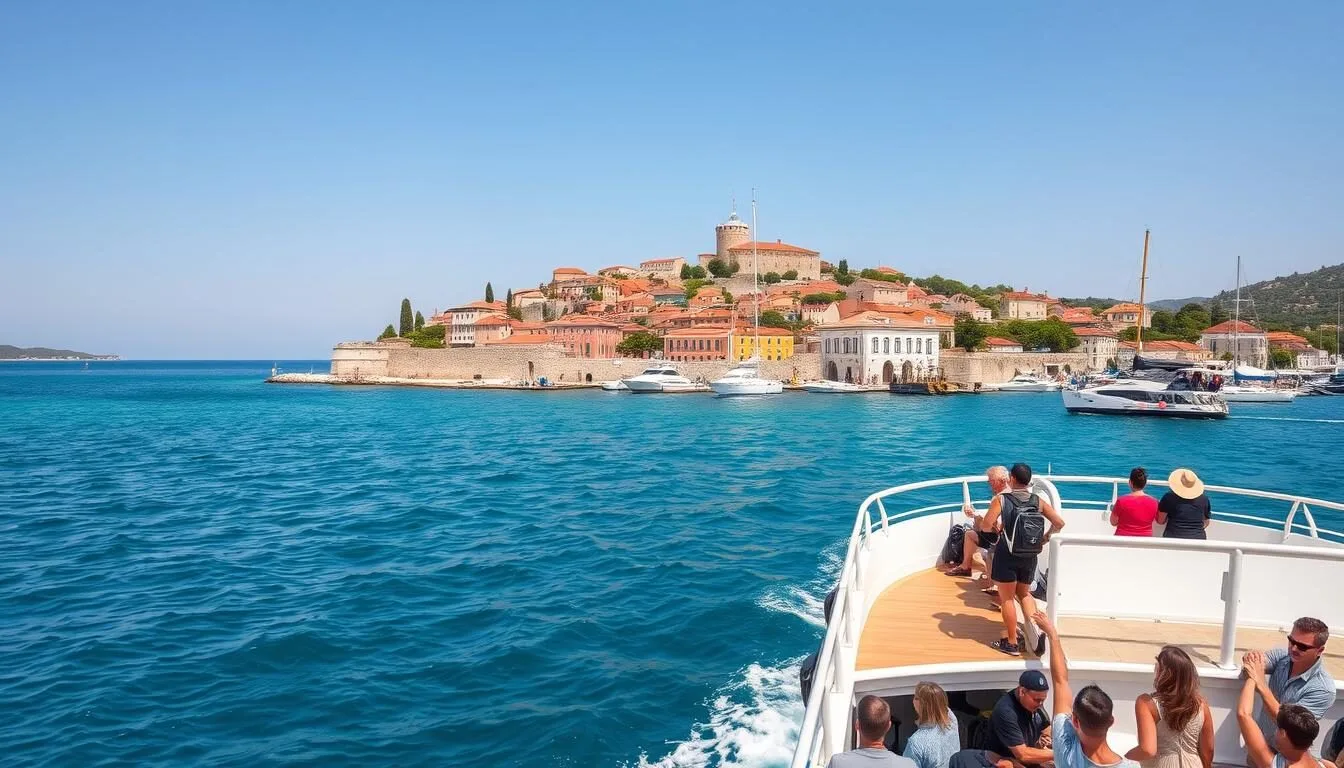
The ferry from Dubrovnik to Korcula departs from Gruz Port, about 10 minutes from Dubrovnik’s old town. The journey takes approximately 2 hours on the fast catamaran service. During peak season (June-September), ferries run daily, while off-season schedules are more limited.
From Split to Korcula
Ferries from Split to Korcula depart from Split’s main port, just a short walk from the city center. The journey takes around 2.5-3 hours, depending on whether the ferry makes stops at other islands like Hvar or Brač along the way.
For the most up-to-date ferry schedules and to book tickets in advance (highly recommended during summer), check the official websites of the main ferry operators: Jadrolinija, Krilo, and TP Line.
Best Time to Visit Korcula
Korcula enjoys a typical Mediterranean climate with hot, dry summers and mild, wetter winters. The island’s position creates a pleasant microclimate with cooling breezes, making even summer heat more bearable than on the mainland.
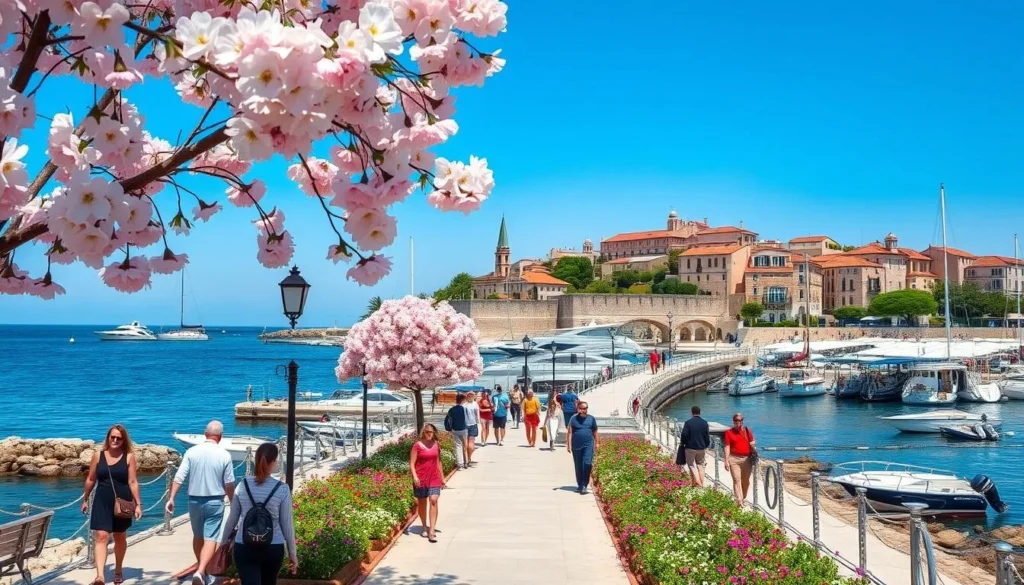
Recommended Months to Visit
May to June
Perfect weather with temperatures between 20-26°C (68-79°F), fewer crowds, and lower prices. The sea is warm enough for swimming by late May, and you’ll find most attractions and restaurants open but not overcrowded.
September to Early October
Another ideal time with pleasant temperatures around 22-27°C (72-81°F). The summer crowds have dispersed, but the sea remains warm from the summer heat. Most establishments remain open, and you can enjoy wine harvests and local festivals.
Months to Avoid
July and August are peak tourist season with temperatures often exceeding 30°C (86°F). The island becomes crowded, prices soar, and you’ll need to book accommodations and ferry tickets well in advance. If you must visit during this period, book everything early and prepare for crowds.
November through April is the off-season when many restaurants, accommodations, and attractions close. Ferry connections become limited, and while you’ll have the island largely to yourself, your options for activities and dining will be restricted.
Local Tip: If you’re interested in the famous Moreska sword dance, performances typically take place on Mondays and Thursdays at 9:00 PM from June through September in Korcula Town.
Getting Around Locally
Korcula is a relatively small island, making it easy to explore even without your own vehicle. However, having transportation gives you the freedom to discover hidden beaches and inland villages at your own pace.
By Foot
Korcula Town itself is compact and pedestrianized, making walking the best way to explore the old town. The unique herringbone street layout was designed to reduce wind and provide shade, creating pleasant walking conditions even on hot days.
Check 30,000+ Local Sightseeing Tours Worldwide
✓ Numerous languages and currencies are available
By Bicycle
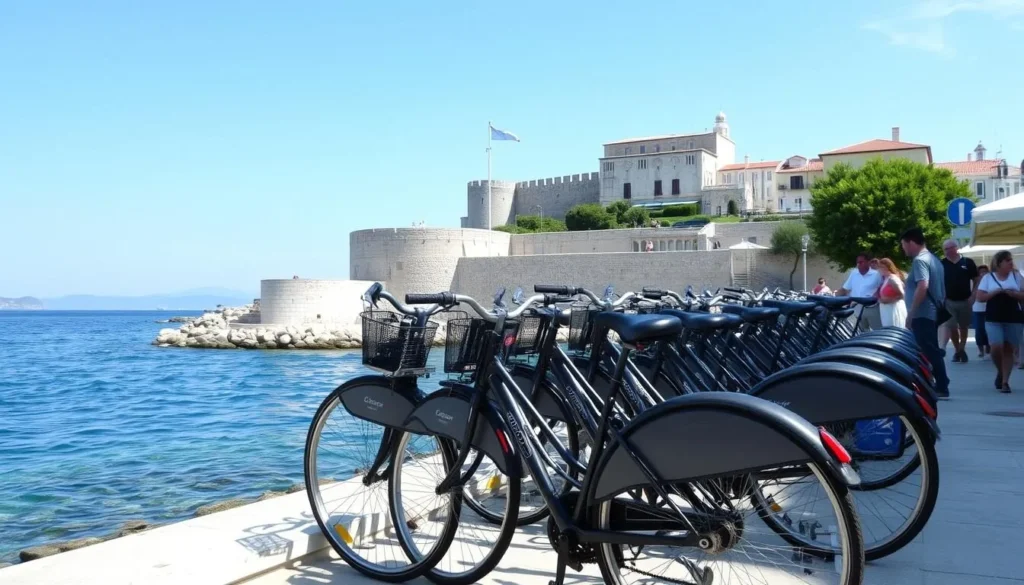
Cycling is popular on Korcula, with rental shops available in Korcula Town and Lumbarda. The island offers scenic cycling routes through vineyards and olive groves, particularly around Lumbarda. A bike ride from Korcula Town to Lumbarda takes about 20-30 minutes and offers beautiful coastal views.
By Bus
Local buses connect Korcula Town with other settlements on the island, including Lumbarda, Račišće, and Vela Luka. Schedules are limited, especially outside the summer season, so check timetables in advance.
By Taxi
Taxis are readily available in Korcula Town and can be a convenient option for reaching destinations not served by public transport. Expect to pay around 100-150 kuna (€13-20) for a trip from Korcula Town to Lumbarda.
By Car
Renting a car gives you the most flexibility for exploring the island. Several rental agencies operate in Korcula Town, but booking in advance is recommended, especially during summer.
By Water Taxi
Water taxis operate from Korcula Town harbor to nearby islands and beaches. This is a fun way to reach swimming spots and provides beautiful views of the coastline. A popular route is the yellow water taxi that connects Korcula Town with the small islands of Badija, Vrnik, and Stupe.
Where to Stay
Korcula offers a range of accommodation options to suit different budgets and preferences. Most visitors choose to stay in or near Korcula Town for its amenities and central location, but other areas offer their own unique charm.
Korcula Town
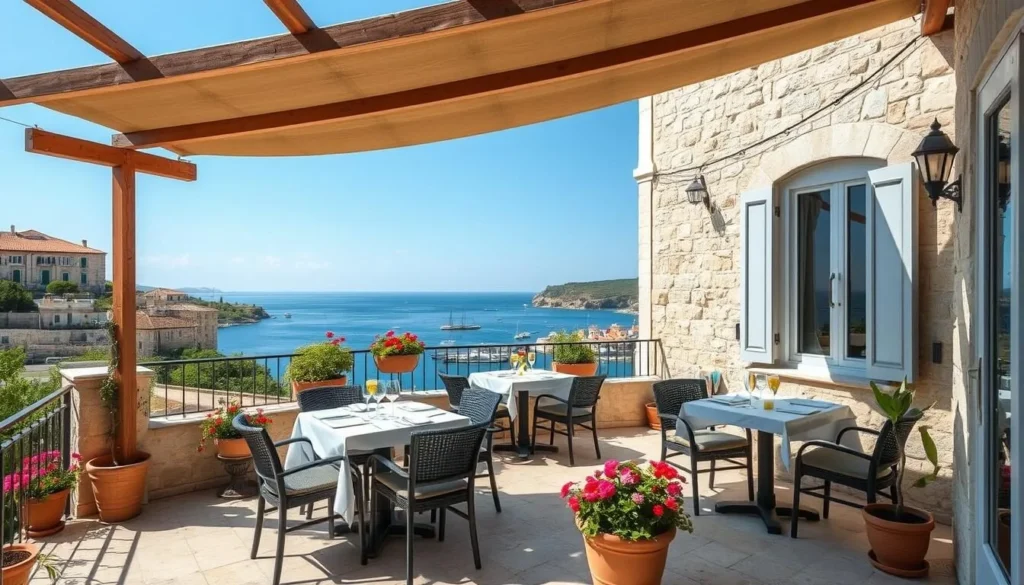
Staying within the medieval walls of Korcula Town puts you in the heart of the action, with restaurants, shops, and main attractions just steps away. Accommodations here tend to be boutique hotels in renovated historic buildings or apartments in private homes.
Luxury: Hotel Korcula De La Ville and Lesic Dimitri Palace offer five-star experiences with sea views and elegant rooms.
Mid-range: Hotel Korcula and Hotel Fabris provide comfortable rooms in historic buildings with character.
Budget: Look for private apartments and rooms (known locally as “sobe”) advertised throughout town.
Lumbarda
Located about 6 km from Korcula Town, Lumbarda is known for its sandy beaches and vineyards. It offers a more relaxed atmosphere while still being close enough to Korcula Town for evening outings.
Best for: Families with children (due to sandy beaches), wine enthusiasts, and those seeking a quieter stay.
Notable options: Hotel Borik, Apartments Korcula, and various family-run guesthouses.
Vela Luka
On the western end of the island, Vela Luka is a working fishing town with fewer tourists. It’s a good base if you’re arriving from Split by ferry or want to experience authentic island life.
Best for: Budget travelers and those seeking an authentic local experience.
Booking Tip: Accommodations in Korcula fill up quickly for the summer season. Book at least 3-6 months in advance if you plan to visit between June and September.
Dining & Local Cuisine
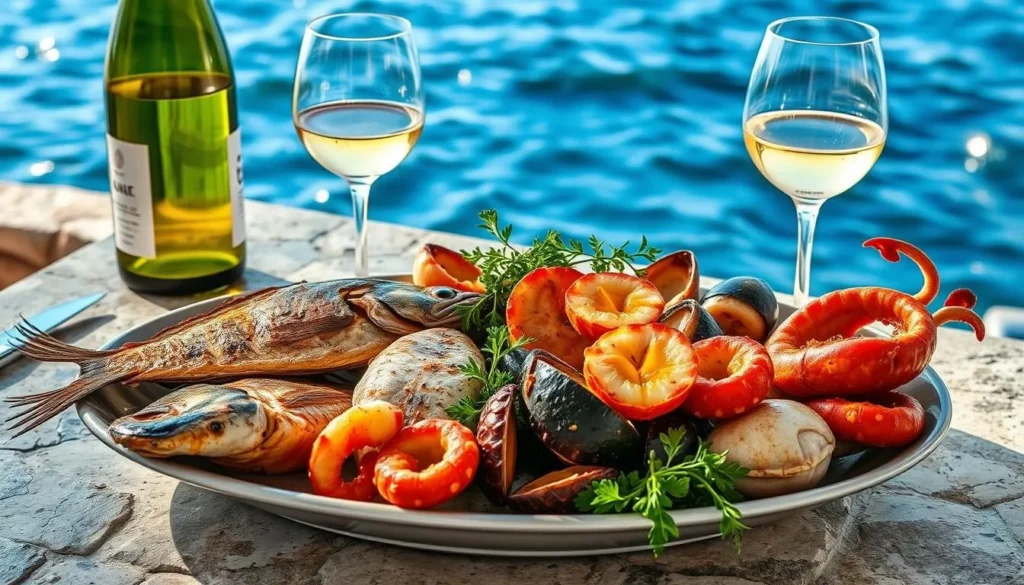
Korcula’s cuisine reflects its Mediterranean location, with fresh seafood, locally grown produce, and Italian influences. The island is also known for its wines, particularly the white Grk variety that’s grown only in the sandy soils of Lumbarda.
Must-Try Local Dishes
Best Restaurants in Korcula Town
LD Restaurant
Part of the Lesic Dimitri Palace, this Michelin-recommended restaurant offers innovative dishes using local ingredients. The tasting menu with wine pairings showcases the best of Dalmatian cuisine.
Price range: €€€€
Filippi
Perched on the eastern walls with stunning sea views, Filippi serves refined Mediterranean cuisine with an emphasis on seafood. Their black risotto and seafood platters are particularly good.
Price range: €€€
Konoba Mate
Located in the village of Pupnat, this family-run tavern offers authentic home cooking in a rustic setting. Their slow-cooked lamb and homemade pasta are worth the 15-minute drive from Korcula Town.
Price range: €€
Wine Tasting
No visit to Korcula is complete without sampling the local wines. The island has a 2,000-year winemaking tradition, with several family-run wineries offering tastings.
Wine Lover’s Tip: Visit Bire Winery or Popić Winery in Lumbarda to taste Grk, a white wine variety grown only in this village’s sandy soil. Call ahead to book a tasting, as these small family operations may have limited hours.
Attractions, Sightseeing & Activities
Korcula blends historical sites, natural beauty, and cultural experiences to create a diverse range of attractions. The compact old town can be explored in half a day, leaving plenty of time for beaches, boat trips, and countryside excursions.
Korcula Old Town
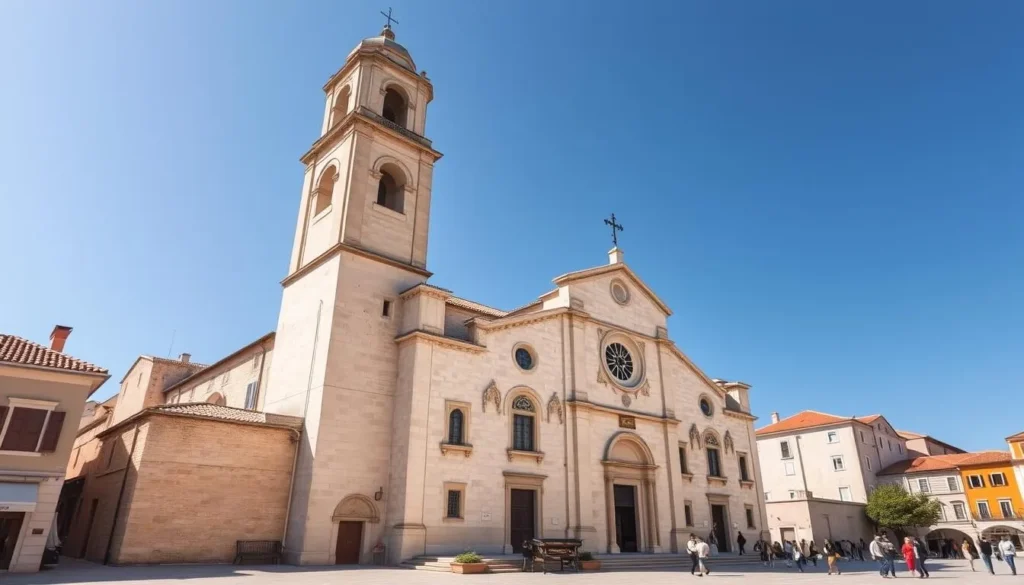
The medieval walled town is Korcula’s crown jewel, with its distinctive herringbone layout designed to maximize air circulation while minimizing wind effects. Start your exploration at the Land Gate (Kopnena Vrata) with its imposing Revelin Tower, then wander the narrow streets radiating from the central square.
Beaches
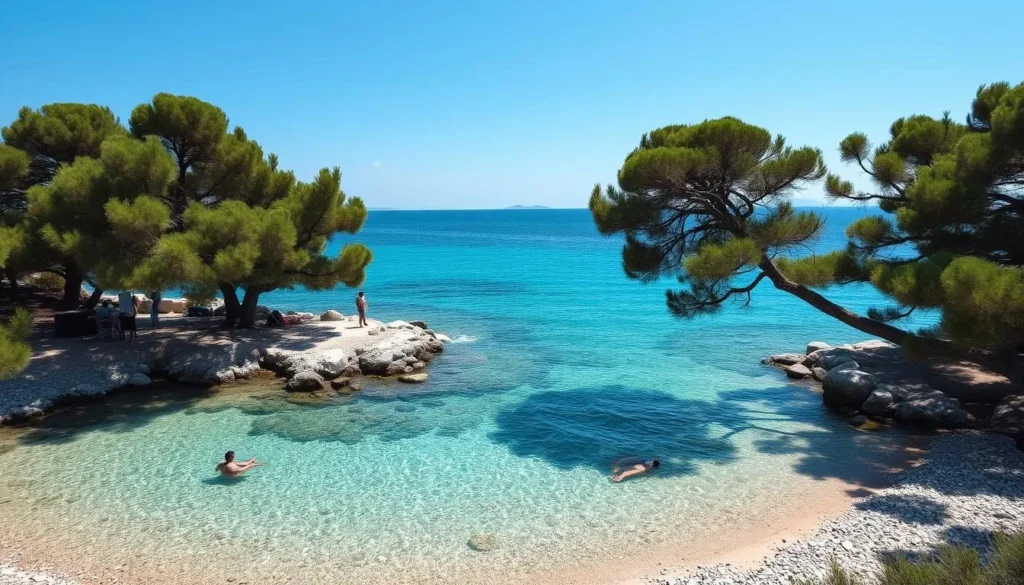
While Korcula doesn’t have many sandy beaches, it offers numerous beautiful spots for swimming in crystal-clear waters.
Boat Trips
The waters around Korcula are perfect for exploration by boat, with numerous small islands, hidden coves, and snorkeling spots.
Museums, Cultural Spots & Festivals
Despite its small size, Korcula maintains rich cultural traditions that reflect its Venetian heritage and island identity. From sword dances to religious processions, these traditions remain an important part of local life.
Moreska Sword Dance
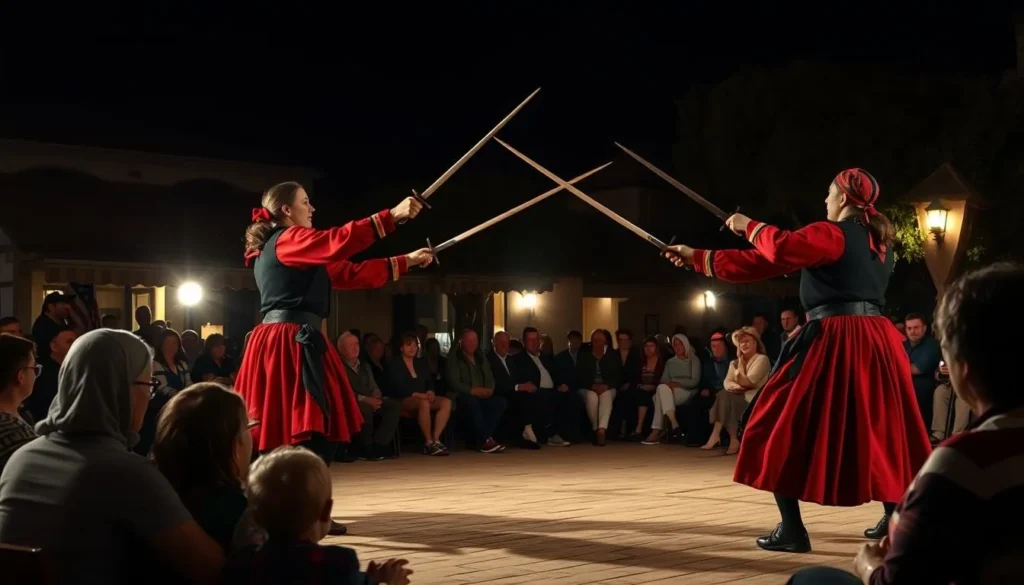
This traditional dance-drama depicts a battle between the Red King (representing Christians) and the Black King (representing Moors) over a maiden. Once performed throughout the Mediterranean, today Korcula is one of the few places where this tradition continues.
Performances take place in an open-air theater near Revelin Tower on Mondays and Thursdays at 9:00 PM from June through September. Tickets cost 100 kuna (€13) and can be purchased at the Korcula Tourist Office or at the venue.
Marco Polo Museum
While historians debate whether Marco Polo was actually born in Korcula, the island embraces the connection with this small museum dedicated to the famous explorer. Interactive exhibits illustrate his journeys along the Silk Road and his time in China.
Icon Collection
The Abbey Treasury next to St. Mark’s Cathedral houses an impressive collection of Byzantine icons, religious artifacts, and works by Venetian masters. The small museum provides insight into Korcula’s religious heritage and artistic connections with Venice.
Festivals
Cultural Tip: If you can’t attend a scheduled Moreska performance, visit the Moreska Cultural Centre in Korcula Town, where you can learn about the tradition’s history and sometimes catch rehearsals.
Sports, Nature & Outdoor Experiences
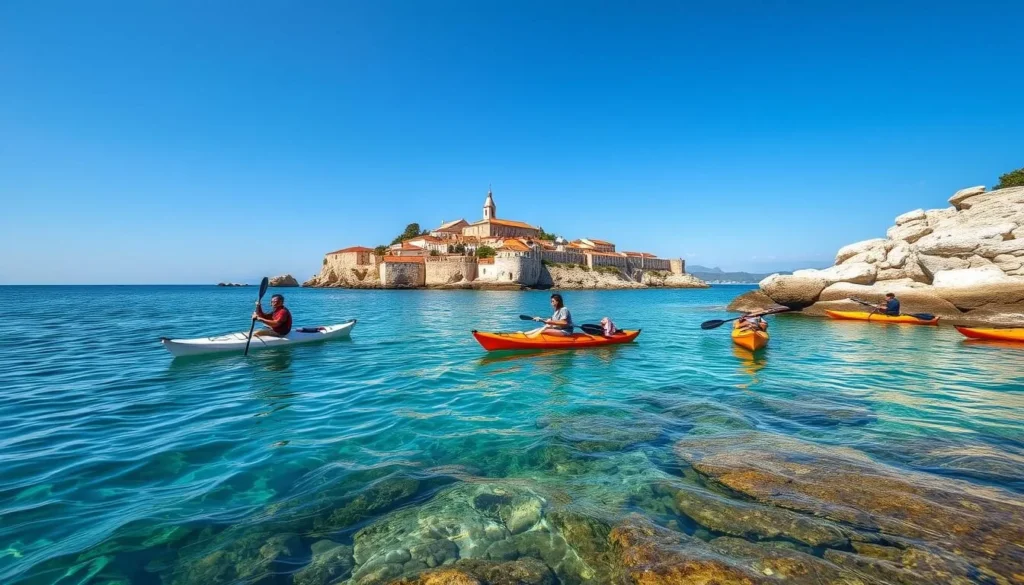
Korcula’s natural beauty extends beyond its beaches, with lush forests, olive groves, and vineyards covering much of the island. The reliable summer winds and clear waters also make it ideal for water sports.
Water Sports
The channel between Korcula and the Pelješac peninsula creates ideal conditions for windsurfing and kiteboarding, particularly near Viganj on the mainland side. Equipment rental and lessons are available in Korcula Town and Lumbarda.
Hiking & Cycling
Korcula offers numerous hiking and cycling trails that wind through vineyards, olive groves, and pine forests, connecting villages and viewpoints.
Wine Tours
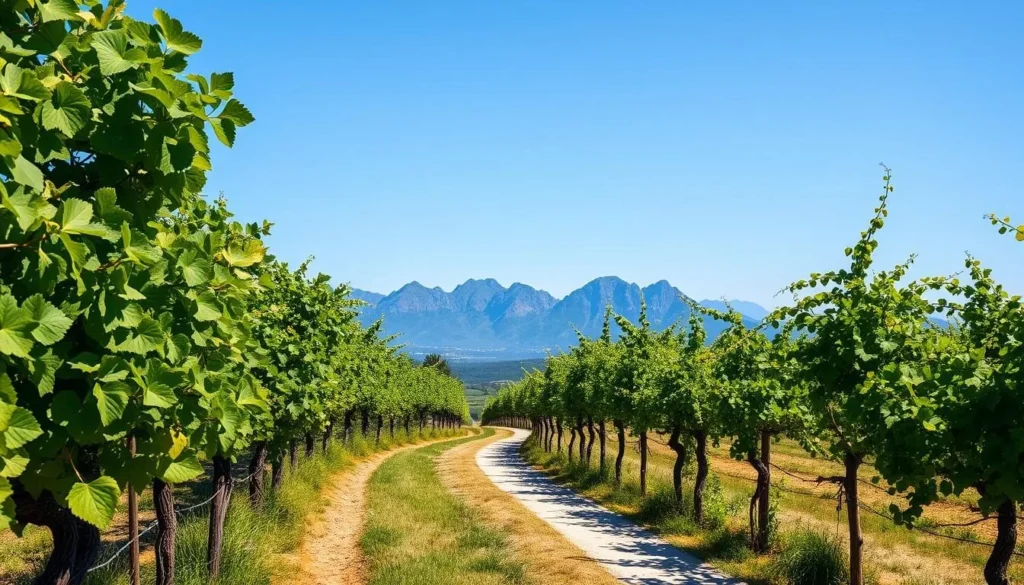
Combine outdoor activity with culinary pleasure by cycling or walking between wineries in Lumbarda. The gentle terrain makes for an easy ride, and the reward of wine tasting makes any effort worthwhile.
Safety, Etiquette & Local Customs
Korcula is generally a very safe destination with low crime rates. Most visits are trouble-free, but it’s always good to be aware of local customs and potential hazards.
Safety
Etiquette & Customs
Local Customs
Korcula maintains several unique traditions that reflect its history and island identity:
Cultural Tip: Croatians are proud of their country and its heritage. They generally appreciate visitors who show interest in their culture, history, and language. Even learning a few basic Croatian phrases can go a long way in creating positive interactions.
Visitor Comments About Korcula
“We spent four days in Korcula and wished we had planned for a week! The old town is like a miniature Dubrovnik but without the crowds. Don’t miss the Moreska sword dance performance—it was the highlight of our trip. We rented bikes and explored the vineyards in Lumbarda, sampling the unique Grk wine that you can’t find anywhere else in the world.”
A.G., Miskolc
“Korcula surprised us with its beauty and relaxed atmosphere. We stayed in a small apartment in the old town and loved waking up to the sound of church bells. The beaches are mostly pebbly, but the water is incredibly clear. We took a boat tour to the small islands nearby and had an amazing seafood lunch at a konoba (tavern) in a tiny fishing village. Perfect escape from the busier Croatian destinations!”
I.E., Porto Alegre
“As a solo traveler, I found Korcula to be safe and welcoming. The island has a great balance of history, beaches, and food experiences. I particularly enjoyed hiking to viewpoints above the town and watching the sunset from Massimo Cocktail Bar on top of the tower (though climbing the ladder with a drink in hand was a challenge!). The local buses made it easy to explore other parts of the island without renting a car.”
R.C., Grand Island
Practical Travel Tips
Money
Croatia’s currency is the Euro (€). ATMs are available in Korcula Town and larger villages. Credit cards are widely accepted in hotels, restaurants, and larger shops, but it’s advisable to carry some cash for smaller establishments and markets.
Language
Croatian is the official language, but English is widely spoken in tourist areas, particularly by younger people. Italian is also common due to the region’s historical connections with Venice. Learning a few basic Croatian phrases is appreciated by locals:
Hello – Bok (informal)
Good day – Dobar dan
Please – Molim
Thank you – Hvala
Yes – Da
No – Ne
Excuse me – Oprostite
Cheers – Živjeli
Internet & Connectivity
Wi-Fi is available in most accommodations, restaurants, and cafes. Mobile coverage is good throughout the island. If you’re from outside the EU, consider purchasing a local SIM card for data access.
Opening Hours
Many shops and businesses observe a midday break, typically closing from 12:00 or 13:00 until 16:00 or 17:00, especially outside the peak tourist season. Restaurants generally serve lunch from 12:00 to 15:00 and dinner from 18:00 to 23:00.
Packing Tips
Planning Tip: If you’re visiting during the peak summer season (July-August), book your ferry tickets, accommodation, and any special dining experiences well in advance. The island gets busy, and the best options fill up quickly.
Your Adriatic Adventure Awaits
Korcula offers a perfect blend of history, culture, natural beauty, and culinary delights that capture the essence of Mediterranean life. Whether you’re wandering the medieval streets of Korcula Town, sipping unique wines in Lumbarda’s vineyards, or swimming in crystal-clear coves, this enchanting island creates memories that linger long after your tan fades.
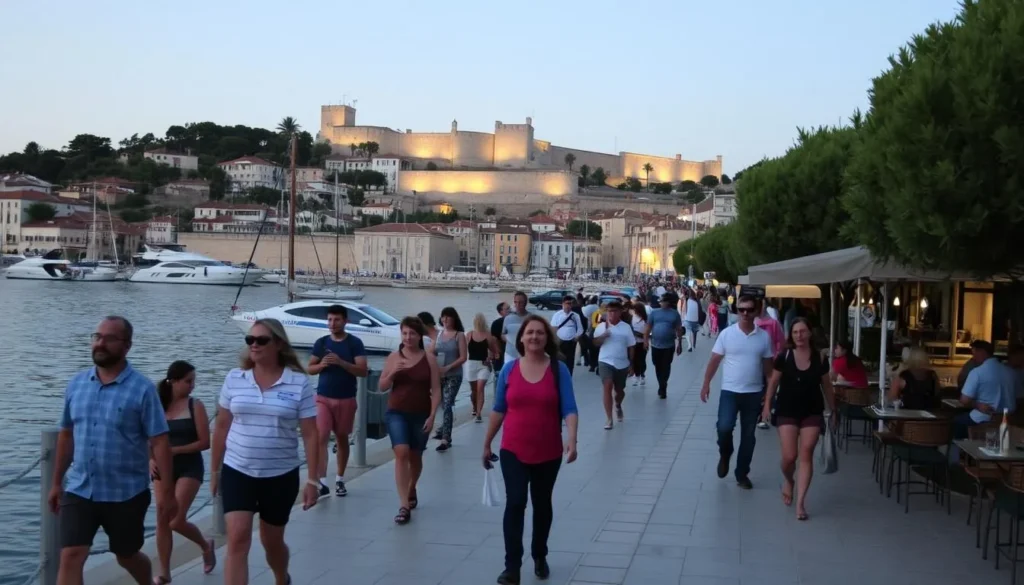
Unlike its more famous neighbors, Korcula maintains an authentic charm and relaxed pace that allows you to truly disconnect and experience the simple pleasures of island life. From the dramatic Moreska sword dance to the evening promenade along the waterfront, the traditions that have shaped this island for centuries continue to thrive alongside modern comforts.
As you plan your visit to Korcula, remember that the island’s greatest treasure is its ability to slow you down and help you appreciate the moment—whether that’s a perfect sunset, a delicious meal, or the simple joy of swimming in the Adriatic’s transparent waters. This is the magic of Korcula, waiting to be discovered at your own pace.