
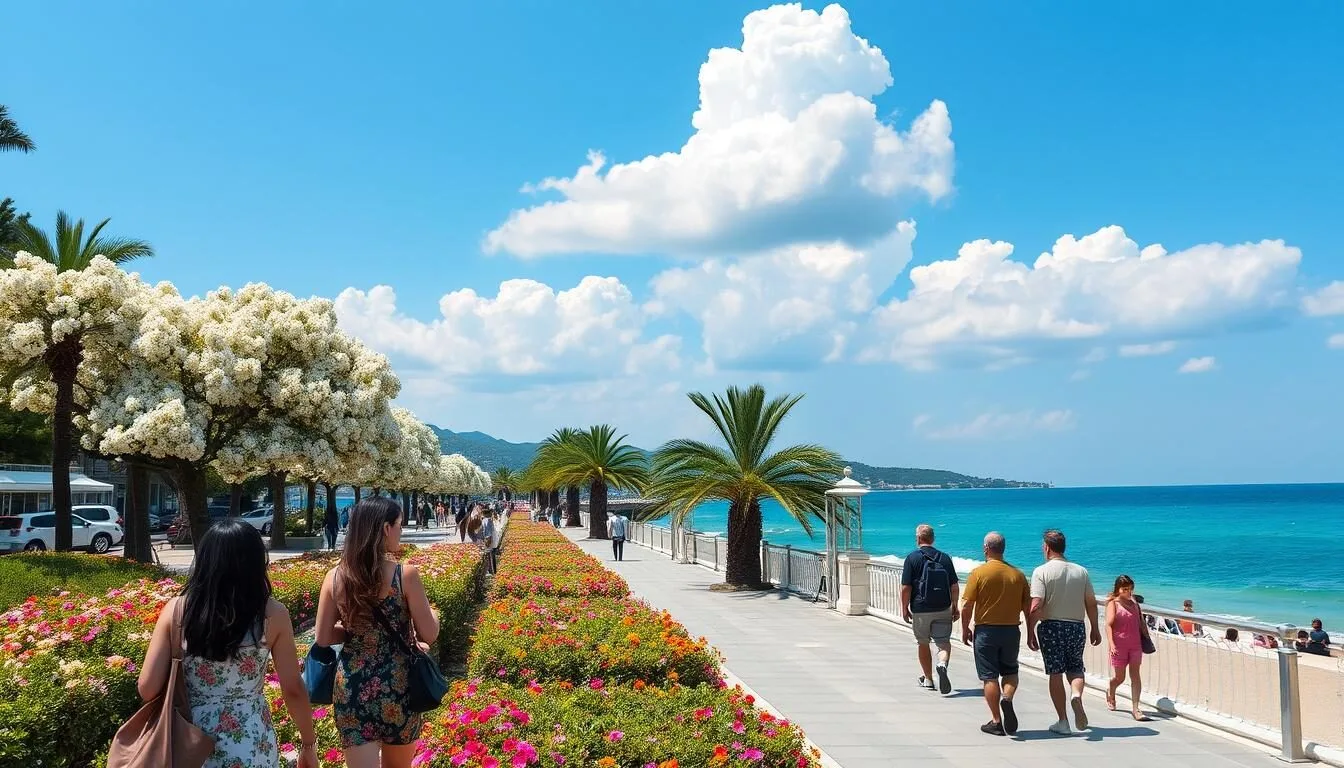
Did you know Opatija was the first seaside resort in Croatia, attracting European aristocracy since the 19th century? Its elegant villas and lush parks were once the playground of emperors and artists, creating a legacy of luxury that still defines this Adriatic gem today. This charming town combines Habsburg-era grandeur with Mediterranean beauty, offering visitors a unique blend of cultural heritage and coastal splendor.
Getting There & Planning Your Journey
Opatija is conveniently located in the northern part of Croatia’s Adriatic coast, making it accessible through several transportation options. The closest airports are:
- Rijeka Airport (27 km) – The nearest option with seasonal flights
- Pula Airport (85 km) – More flight options, especially in summer
- Zagreb Airport (145 km) – Croatia’s main international airport
From these airports, you can reach Opatija by bus, taxi, or rental car. The town is also well-connected by bus routes from major Croatian cities and neighboring countries.
Best Time to Visit Opatija
| Season | Months | Weather | Crowds | Recommendation |
| Spring | May-June | 15-25°C (59-77°F) | Moderate | Highly Recommended |
| Summer | July-August | 25-30°C (77-86°F) | High | Good (peak season) |
| Fall | September-October | 15-25°C (59-77°F) | Low-Moderate | Highly Recommended |
| Winter | November-March | 5-15°C (41-59°F) | Very Low | For spa & relaxation |
The ideal times to visit Opatija are late spring (May-June) and early autumn (September-October) when you’ll enjoy pleasant temperatures, fewer crowds, and lower prices. Summer brings warmer weather and more activities but also more tourists. Unlike many Croatian coastal towns, Opatija remains open year-round, with winter offering a unique experience focused on wellness and relaxation in the town’s many spa facilities.
Getting Around Locally
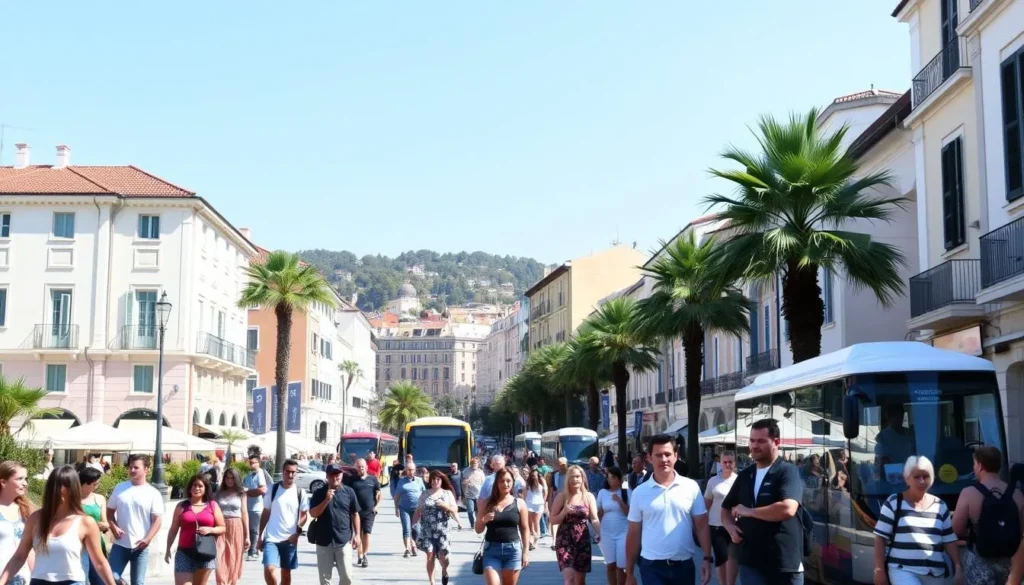
Opatija is a compact town that’s perfect for exploring on foot. The famous Lungomare promenade connects Opatija with neighboring towns and offers a scenic walking route along the coast.
Walking
The best way to experience Opatija is by walking. The town center is pedestrian-friendly, and most attractions are within easy walking distance of each other. The 12 km Lungomare coastal path is perfect for leisurely strolls.
Public Transportation
Local bus line 32 connects Opatija with Rijeka and runs frequently throughout the day. Buses also connect Opatija with neighboring towns like Lovran, Ičići, and Volosko. Tickets can be purchased from kiosks or directly from the driver.
Where to Stay in Opatija
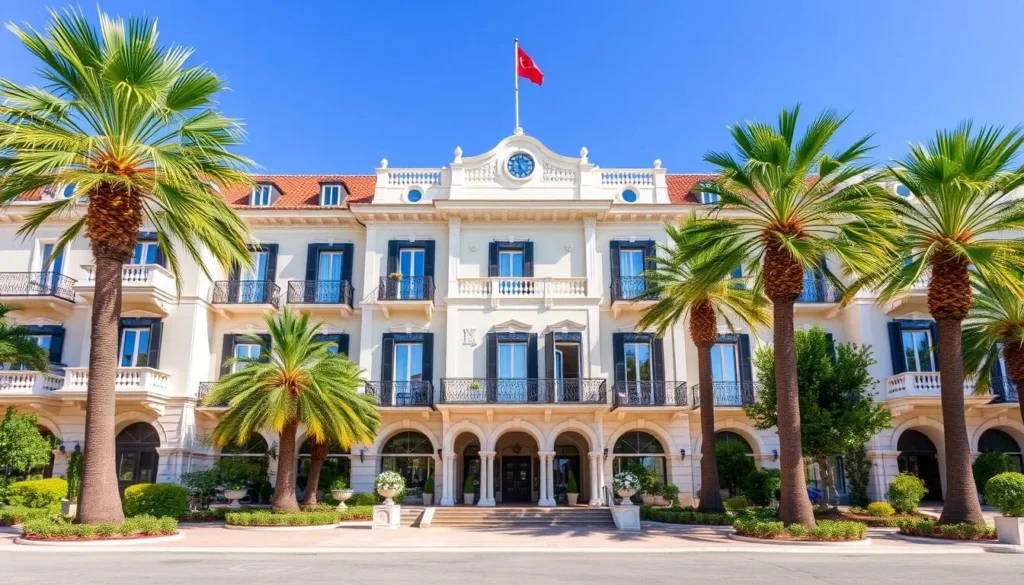
Opatija offers a range of accommodation options, from historic luxury hotels to private apartments. Many of the town’s most impressive buildings are actually hotels that were built during the Habsburg era when Opatija was the premier resort of the Austro-Hungarian Empire.
Luxury Hotels
Experience the grandeur of Habsburg-era architecture in Opatija’s 4 and 5-star hotels. Many feature wellness centers, sea-view restaurants, and elegant rooms. Hotel Milenij and Design Hotel Royal are excellent choices for luxury travelers.
Boutique Accommodations
For a more intimate experience, Opatija offers several boutique hotels and villas. These properties often feature personalized service and unique design elements while maintaining the town’s historic charm.
Apartments & Villas
For longer stays or family trips, consider renting an apartment or villa. Many are located in historic buildings and offer kitchen facilities and more space than traditional hotel rooms.
Dining & Local Cuisine
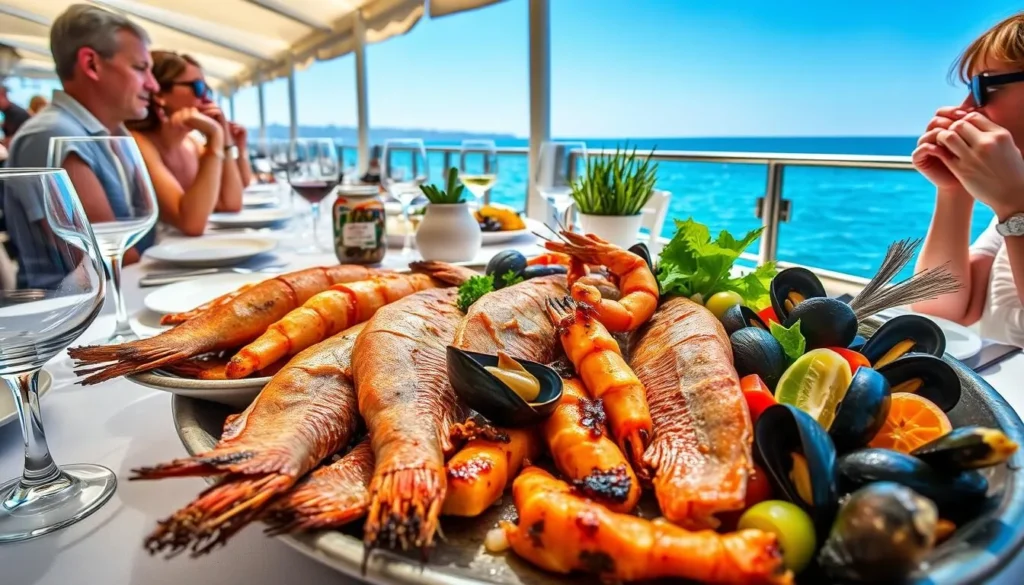
Opatija’s culinary scene blends Mediterranean and Central European influences, creating a unique gastronomic experience. The town offers everything from upscale restaurants to casual taverns serving local specialties.
Must-Try Local Specialties
- Kvarner Scampi – The region is famous for its delicious scampi, often prepared buzara-style (in a tomato and wine sauce)
- Istrian Truffles – Nearby Istria is renowned for its truffles, which feature in many pasta and risotto dishes
- Fresh Seafood – Try the catch of the day, often simply grilled with olive oil, garlic, and herbs
- Šurlice – Hand-rolled pasta typical of the Kvarner region
- Žlahtina Wine – A local white wine from the nearby island of Krk
Many restaurants in Opatija offer spectacular sea views, especially those along the Lungomare promenade. For the best experience, try dining at one of the restaurants in Volosko, a small fishing village at the northern end of Opatija that’s known for its excellent seafood establishments.
Attractions, Sightseeing & Activities
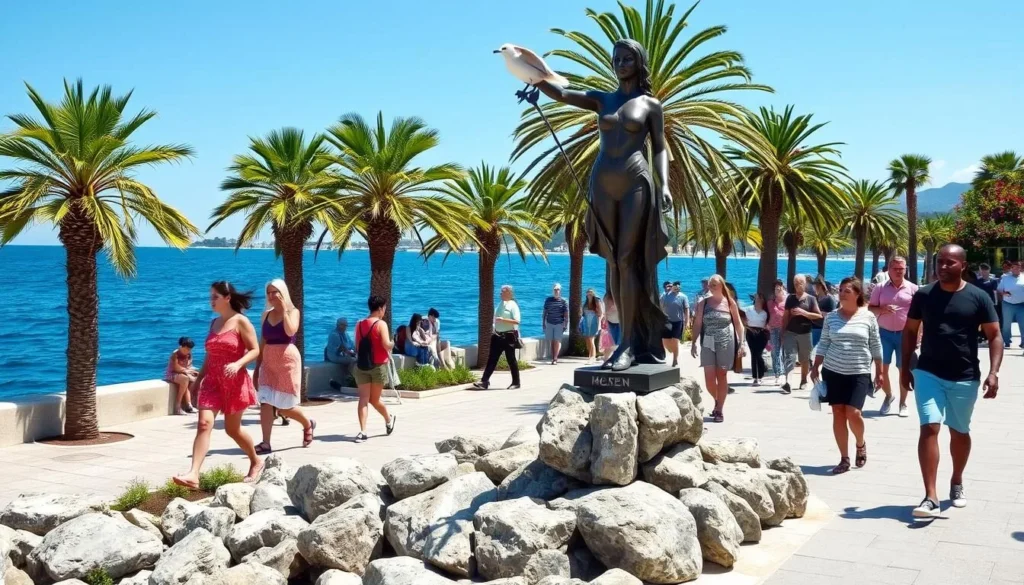
Lungomare Coastal Promenade
The 12-kilometer Lungomare is Opatija’s most famous attraction. This seaside promenade stretches from Volosko to Lovran, offering stunning views of the Adriatic Sea and passing by many of the town’s historic villas and landmarks. Don’t miss the iconic Maiden with the Seagull statue, which has become a symbol of Opatija.
Historic Villas and Architecture
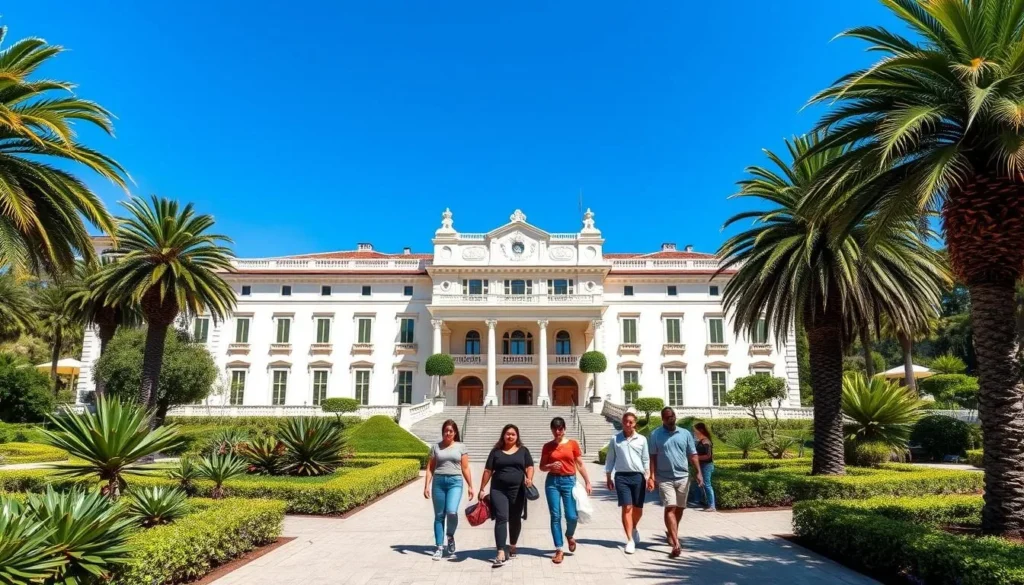
Opatija is famous for its elegant Habsburg-era architecture. Villa Angiolina, built in 1844, was the catalyst for Opatija’s development as a resort town and now houses the Croatian Tourism Museum. The neo-renaissance building is surrounded by a beautiful park featuring exotic plants from around the world.
St. Jacob’s Church
Located on the site of the original Benedictine abbey that gave Opatija its name (“opatija” means “abbey” in Croatian), this church dates back to the 15th century and is worth visiting for its historic significance and beautiful location.
Angiolina Park
This lush park surrounding Villa Angiolina features more than 150 plant species from around the world, including sequoias, Japanese bananas, and various Mediterranean plants. It’s a perfect spot for a relaxing stroll or a moment of tranquility.
Museums, Cultural Spots & Festivals
Croatian Tourism Museum
Housed in Villa Angiolina, this museum traces the history of tourism in Croatia with a focus on Opatija’s pioneering role. Exhibits include vintage photographs, posters, and artifacts that tell the story of how tourism developed along the Adriatic coast.
Croatian Walk of Fame
Similar to Hollywood’s Walk of Fame, this promenade features stars dedicated to notable Croatians who have made significant contributions to the country’s culture, science, and sports. Look for names like inventor Nikola Tesla and tennis player Goran Ivanišević.
Opatija Carnival
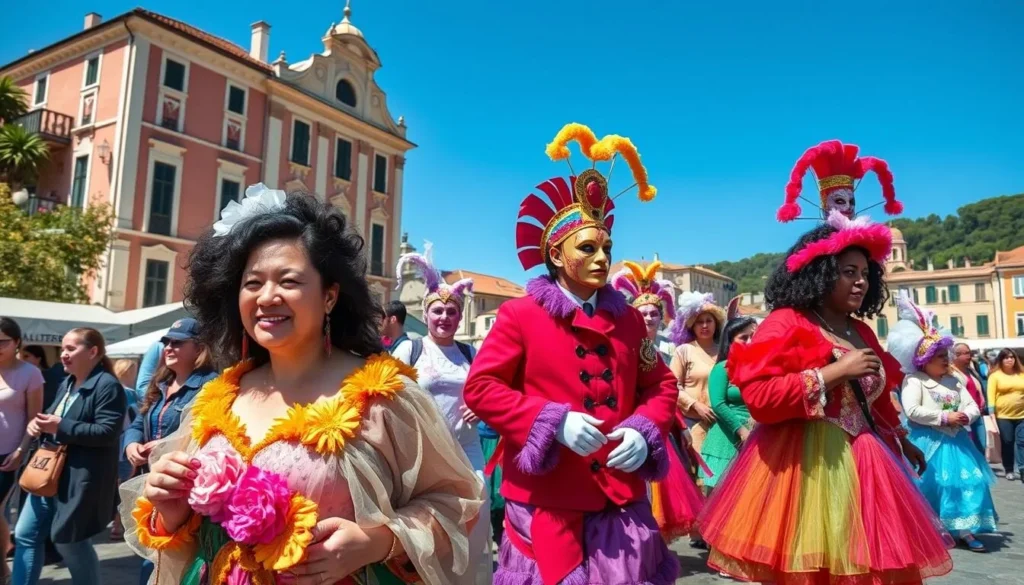
If you visit in January or February, don’t miss the Opatija Carnival (known locally as “karneval”). This traditional celebration features colorful parades, masked balls, and unique events like the Balinjerada, where participants race down the street in homemade vehicles.
Summer Festivals
During summer months, Opatija hosts numerous cultural events, including classical music concerts, art exhibitions, and food festivals. The RetrOpatija Festival celebrates the golden age of Opatija with vintage fashion, music, and dance.
Sports, Nature & Outdoor Experiences
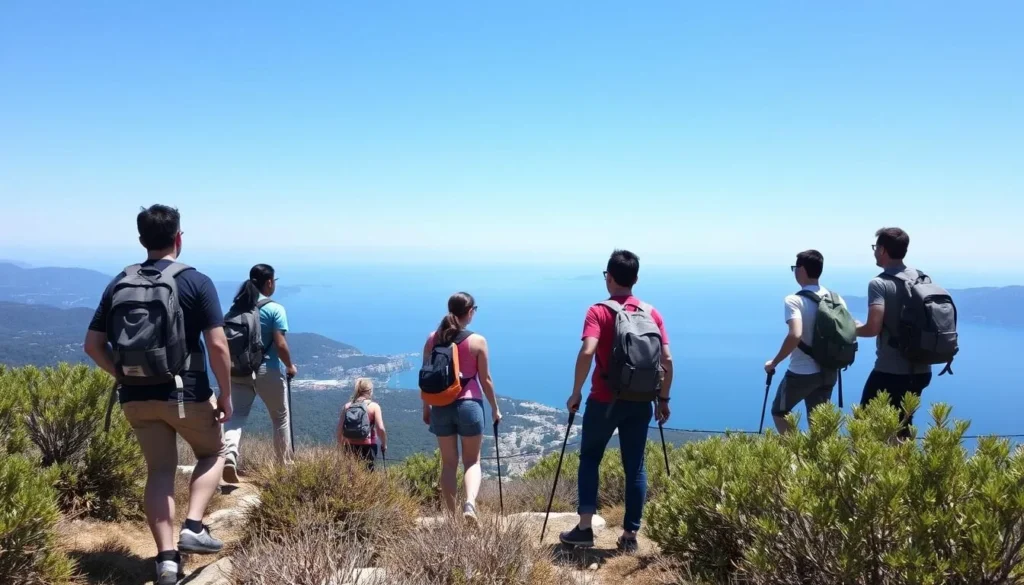
Učka Nature Park
Rising behind Opatija, Učka mountain offers excellent hiking opportunities with trails for all fitness levels. From the summit (1,401 m/4,596 ft), you’ll enjoy breathtaking views of Kvarner Bay, Istria, and on clear days, even the Italian Alps.
Swimming and Beach Activities
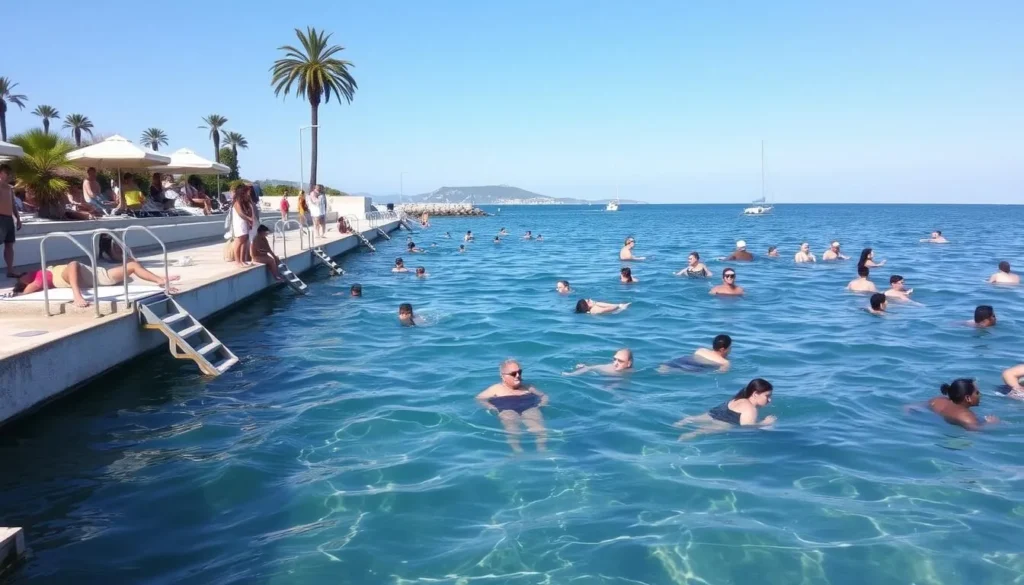
While Opatija doesn’t have sandy beaches, it offers numerous concrete bathing areas and small pebble beaches along the coast. Slatina Beach in the center of town is the most popular, while Tomaševac and Črnikovica beaches offer a quieter experience.
Water Sports
During summer, you can enjoy various water activities including kayaking, paddleboarding, and sailing. Several rental shops along the coast offer equipment and lessons for beginners.
Wellness and Spa
Opatija has a long tradition as a health resort, and today many hotels offer excellent wellness facilities. Take advantage of thalassotherapy treatments that use seawater and local ingredients for rejuvenation.
Safety, Etiquette & Local Customs
Opatija is generally a very safe destination with low crime rates. As with any tourist destination, take normal precautions with your belongings, especially in crowded areas.
Local Etiquette
- Greetings are important – a simple “Dobar dan” (Good day) is appreciated
- Tipping in restaurants is customary (10-15% is standard)
- Dress code is generally casual, but more formal attire is appropriate for upscale restaurants
- Croatians are proud of their country – showing interest in local culture is appreciated
Practical Information
- Currency: Euro (€)
- Language: Croatian, though English is widely spoken in tourist areas
- Emergency number: 112
- Tap water is safe to drink
- Electricity: 230V, European-style plugs
Visitor Comments About Opatija
“The Lungomare promenade is absolutely breathtaking at sunset. We walked for miles along the coast every evening!”
“The combination of Austro-Hungarian architecture and Mediterranean atmosphere makes Opatija uniquely charming.”
“We loved the beautiful parks and gardens throughout the town. Perfect place to relax and enjoy the coastal vibe.”
Practical Travel Tips
Money Matters
- ATMs are widely available throughout Opatija
- Major credit cards are accepted in most establishments
- Keep some cash for smaller businesses and market purchases
- Prices are generally lower than in Western Europe but higher than in other parts of Croatia
Transportation Tips
- Bus tickets are cheaper when purchased at kiosks rather than from the driver
- Consider the Opatija Tourist Card for discounts on attractions and transportation
- Taxis should use meters – confirm before starting your journey
- Parking can be challenging in summer – consider using public transportation
Useful Croatian Phrases
- Hello – Bok
- Thank you – Hvala
- Please – Molim
- Yes/No – Da/Ne
- Excuse me – Oprostite
- Do you speak English? – Govorite li engleski?
Your Opatija Adventure Awaits
Opatija offers a perfect blend of historical elegance and Mediterranean charm that few destinations can match. From strolling the scenic Lungomare promenade to exploring Habsburg-era villas, from hiking in the nearby mountains to indulging in wellness treatments, this Adriatic gem provides a multifaceted experience for every type of traveler.
Whether you’re seeking cultural immersion, outdoor adventure, culinary delights, or simply a beautiful place to relax by the sea, Opatija delivers with a distinctive style that reflects its unique history as the birthplace of Croatian tourism. As you plan your visit to this enchanting coastal town, you’ll be following in the footsteps of emperors, artists, and aristocrats who recognized Opatija’s special appeal more than a century ago – and found it just as irresistible as travelers do today.
Related Posts




Coming Soon: Clickable Maps