

Did you know that Pula’s magnificent amphitheater is the only Roman arena in the world with all four side towers and outer walls almost completely preserved? This 2,000-year-old marvel once hosted gladiator fights for up to 23,000 spectators and now stands as one of Croatia’s most impressive ancient monuments. But the Arena is just the beginning of what makes this coastal gem on the Istrian Peninsula worth exploring.
Getting There & Planning Your Journey
Pula is conveniently located at the southern tip of Croatia’s Istrian Peninsula, making it accessible by various transportation methods.
By Air
Pula Airport (PUY) is just 8 km northeast of the city center, with direct flights from major European cities, especially during summer months. Airport shuttles (€6) connect to the main bus station, timed with flight arrivals and departures.
By Bus
The bus network in Croatia is excellent, with regular connections to Pula from Zagreb (4-5 hours), Rijeka (2 hours), and other Croatian cities. The Pula bus station is conveniently located near the famous Arena.
By Car
Driving to Pula is straightforward via the modern A9 highway that connects to the rest of Croatia and neighboring countries. The journey from Zagreb takes approximately 3 hours.
By Ferry
During summer, passenger ferries connect Venice, Italy to Pula (approximately 3.5 hours), offering a scenic approach to the city.

Best Time to Visit & Weather Tips
Pula enjoys a Mediterranean climate with hot, dry summers and mild, rainy winters. Your experience will vary significantly depending on when you visit.
Best Time to Visit Pula
The ideal times to visit Pula are May to June and September to early October. During these shoulder seasons, you’ll enjoy warm temperatures (20-26°C/68-79°F), swimmable sea waters, fewer crowds, and more affordable accommodation rates.
Recommended Seasons:
- Late Spring (May-June): Warm days, blooming landscapes, and pre-season tranquility
- Early Fall (September-October): Pleasant temperatures, warm sea, and harvest festivals
Seasons to Avoid:
- Peak Summer (July-August): Extremely hot (often above 30°C/86°F), crowded, and highest prices
- Winter (November-March): Many attractions have limited hours, and some restaurants close
Weather Tip: Summers in Pula can be scorching. If visiting during July or August, plan outdoor activities for early morning or late afternoon, and always carry water and sun protection.
Getting Around Locally
Pula is a relatively compact city with most major attractions concentrated in and around the Old Town, making it easy to explore on foot.
Walking
The best way to experience Pula is by walking. The Old Town is pedestrian-friendly, and most major attractions like the Arena, Temple of Augustus, and Forum are within a 15-minute walk of each other.
Local Buses
Pula’s public bus network is efficient and affordable. Single tickets cost approximately €1.50 and can be purchased from the driver. Buses run regularly to beaches, suburbs, and nearby towns.
Taxis & Ride-sharing
Taxis are readily available throughout Pula. Uber also operates in the city, offering a convenient alternative for longer journeys or trips to beaches outside the center.
Bicycle Rental
Pula is increasingly bicycle-friendly, with rental shops offering daily hires from approximately €10-15 per day. This is an excellent option for exploring coastal paths and reaching beaches.
Where to Stay
Pula offers accommodation options for every budget and preference, from luxury resorts to budget-friendly guesthouses.
City Center
Stay in the heart of Pula for easy access to historical sites, restaurants, and nightlife. Perfect for first-time visitors and those without a car.
- Guest House ZoNa
- Porta d’Oro
- Preziosa Rooms
Verudela Peninsula
Located 5 km from the center, this area offers beautiful beaches, pine forests, and resort amenities. Ideal for families and beach lovers.
- Park Plaza Verudela
- Splendid Golden Rocks Resort
- Grand Hotel Brioni
Budget Options
Pula offers excellent value accommodations that won’t break the bank but still provide comfort and convenience.
- Apartment Diana
- Hostel Antique
- Riva Hostel

Dining & Local Cuisine
Pula’s culinary scene reflects its unique position at the crossroads of Mediterranean and Central European influences, with strong Italian undertones thanks to its Venetian history.
Must-Try Local Dishes
- Fuži with truffles – Handmade Istrian pasta tossed with rich truffle sauce
- Crni rižot – Black risotto colored with squid ink and loaded with seafood
- Istrian pršut – Air-dried ham similar to prosciutto but with a distinctive flavor
- Buzara – Mussels or shellfish cooked in white wine, garlic, and parsley
- Boškarin – Dishes made from native Istrian ox, often slow-cooked
- Istrian olive oil – Some of the world’s finest, available for tasting

Where to Eat in Pula
Fine Dining
- Konoba Boccaporta
- Farabuto
- Piazza Nove
Mid-Range
- Konoba Taj
- Bistro Alighieri
- Restoran Furia
Budget-Friendly
- Pizzeria Jupiter
- Fresh Sandwiches & Salads
- Agrippina Street Food
Local Tip: Visit the Pula Market Hall in the morning to see locals shopping for fresh produce, fish, and artisanal products. The upstairs restaurants serve incredibly fresh seafood at reasonable prices.
Attractions, Sightseeing & Activities
Pula boasts an impressive collection of ancient Roman ruins and historical sites that rival those found in Italy, along with charming streets and coastal views.
1. Pula Arena
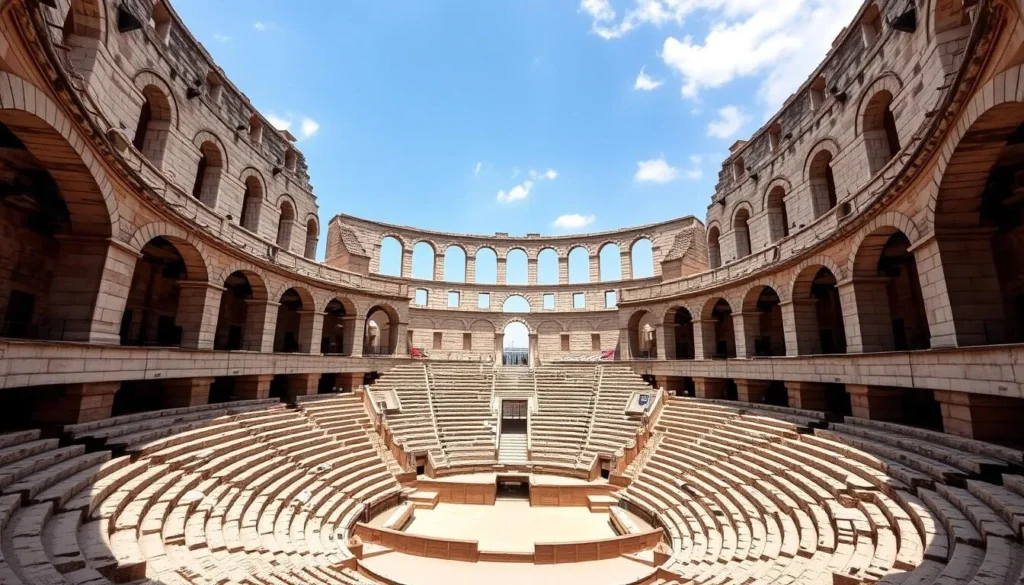
The crown jewel of Pula is its magnificent Roman amphitheater, dating back to the 1st century AD. One of the best-preserved ancient monuments in Croatia, the Arena once hosted gladiatorial contests for up to 23,000 spectators. Today, it hosts concerts, film festivals, and cultural events. The underground chambers house exhibitions on olive oil and wine production in ancient times.
2. Temple of Augustus
Located on Forum Square, this remarkably preserved Roman temple dates back to between 2 BC and 14 AD. Dedicated to the first Roman emperor, it’s one of the finest examples of Roman architecture outside Italy. Inside, you’ll find a small collection of Roman sculptures and artifacts.
3. Arch of the Sergii
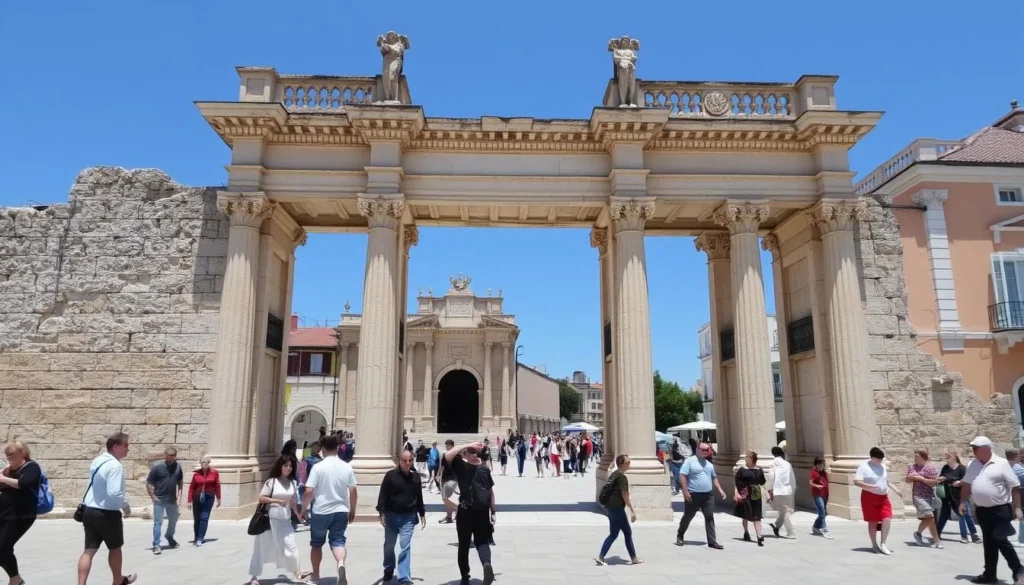
This triumphal arch from the 1st century BC was built to commemorate the Sergii family, whose members fought in the Battle of Actium. Known locally as the “Golden Gate,” it marks the entrance to Pula’s pedestrian zone and features beautiful Corinthian columns and decorative reliefs.
4. Pula Old Town
Wander through the charming narrow streets of Pula’s Old Town, where Roman ruins stand alongside medieval and Venetian buildings. The main pedestrian street, Sergijevaca, is lined with shops, cafes, and galleries. Don’t miss the hidden corners and picturesque squares that reveal the city’s layered history.
5. Church and Monastery of St. Francis
This peaceful 14th-century Franciscan monastery offers a tranquil escape from the busy streets. The Gothic cloister surrounds a serene garden, and the simple church interior features interesting frescoes. Entry costs just €1 and provides a moment of calm reflection.
Museums, Cultural Spots & Festivals
Beyond its ancient ruins, Pula offers a variety of museums and cultural experiences that showcase the region’s rich heritage.
Museums Worth Visiting
- Historical and Maritime Museum of Istria – Located in the Kaštel fortress, this museum chronicles the region’s complex history with exhibits on military, maritime, and everyday life.
- Archaeological Museum of Istria – Housing artifacts from prehistoric times through the Roman era and beyond, this museum provides context for the ancient sites you’ll visit.
- Olive Oil Museum – Learn about Istria’s olive oil tradition through interactive exhibits and tastings of award-winning local oils.
- MEMO Museum – A nostalgic look at everyday life in Pula from the 1950s to 1980s through interactive exhibits.

Cultural Events & Festivals
Pula’s cultural calendar is packed with events throughout the year, with summer being particularly lively:
- Pula Film Festival (July) – One of Europe’s oldest film festivals, screening movies under the stars in the magnificent Arena.
- Outlook Festival (September) – A renowned electronic music festival held in Fort Punta Christo.
- Days of Antiquity (June-July) – Historical reenactments bringing Roman Pula back to life.
- Istrian Food Festival (October) – Celebrating the region’s culinary traditions with tastings and demonstrations.
Zerostrasse Underground Tunnels
Explore Pula’s fascinating network of underground tunnels, built during WWI as air raid shelters. The main tunnel complex beneath Kaštel fortress stretches for 400 meters and could shelter up to 6,000 people. Today, the tunnels host exhibitions and cultural events, offering a unique glimpse into the city’s wartime history.
Sports, Nature & Outdoor Experiences
While Pula’s historical attractions are impressive, the surrounding natural beauty offers plenty of opportunities for outdoor adventures and relaxation.
Beaches Near Pula
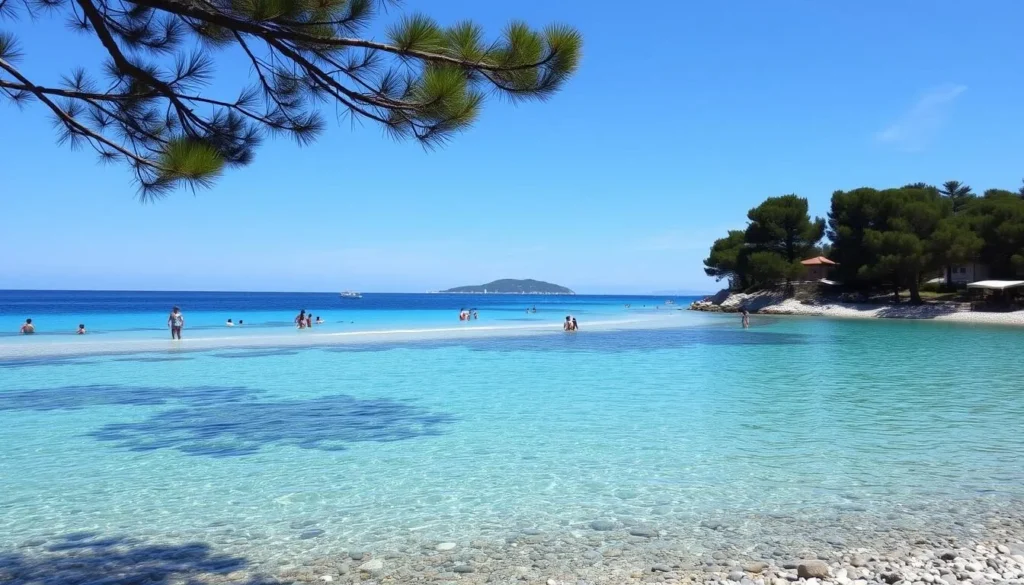
Pula’s coastline features crystal-clear waters and a variety of beaches, from rocky coves to pebble shores:
- Hawaii Beach – Located on the Verudela Peninsula, this popular spot offers clear turquoise waters and facilities like sunbeds and cafes.
- Ambrela Beach – A Blue Flag beach with shallow waters, making it perfect for families.
- Stoja Beach – A more secluded option with pine forests providing natural shade.
- Valkane Beach – Close to the city center and popular with locals, with good facilities and beach bars.
Water Activities
The clear Adriatic waters around Pula are perfect for various water sports and activities:
- Kayaking – Explore hidden caves and coves along the coastline.
- Snorkeling & Diving – Discover underwater Roman ruins, shipwrecks, and marine life.
- Stand-up Paddleboarding – A relaxing way to explore the calm coastal waters.
- Boat Tours – Join a sunset cruise or dolphin-watching excursion.
Nature Parks Near Pula
The area surrounding Pula offers beautiful natural landscapes worth exploring:
- Cape Kamenjak Nature Park – Located at the southernmost tip of Istria, this protected area features dramatic cliffs, hidden beaches, and over 30 species of orchids. Perfect for hiking, cycling, or cliff jumping for the adventurous.
- Brijuni National Park – A stunning archipelago of 14 islands accessible by boat from nearby Fažana. Once the summer residence of President Tito, it now houses a safari park, Roman ruins, and beautiful Mediterranean landscapes.

Best Day Trips from Pula
Pula makes an excellent base for exploring the Istrian Peninsula. Here are some of the best day trips within easy reach:
Rovinj
Just 40 minutes north of Pula, this picturesque fishing town is often called the “Pearl of Istria.” Its colorful Venetian buildings, cobbled streets, and stunning St. Euphemia Church make it one of Croatia’s most photogenic destinations.
Brijuni National Park
This archipelago of 14 islands combines natural beauty with fascinating history. Visit the safari park, Roman villa ruins, and dinosaur footprints. Accessible by boat from Fažana, a small town 8 km from Pula.
Motovun & Truffle Country
Head inland to discover Istria’s medieval hilltop towns and famous truffle region. Motovun’s impressive walls offer spectacular views of the surrounding countryside and vineyards.
Safety, Etiquette & Local Customs
Pula is generally a very safe destination for travelers, with low crime rates and friendly locals. Here are some tips to ensure a smooth and respectful visit:
Safety Tips
- Pula is very safe, but exercise normal precautions regarding personal belongings, especially in crowded tourist areas.
- The healthcare system is good, but travel insurance is strongly recommended to cover any medical emergencies.
- Tap water is safe to drink throughout Croatia.
- When swimming, be aware of sea urchins on rocky areas – water shoes are recommended.
- Summer heat can be intense – stay hydrated and use sun protection.
Local Etiquette & Customs
- Croatians typically greet with a handshake and maintain eye contact.
- Tipping around 10% is customary in restaurants and cafes if service is good.
- Dress modestly when visiting churches (cover shoulders and knees).
- Learning a few basic Croatian phrases like “Hvala” (thank you) and “Dobar dan” (good day) is always appreciated.
- Istrians are proud of their regional identity and culinary traditions – showing interest in local culture is welcomed.
Language Tip: While Croatian is the official language, many people in Pula speak excellent English, especially in the tourism industry. Italian is also widely understood due to the region’s history and proximity to Italy.
Visitor Comments About Pula
“The Pula Arena completely blew me away – it’s just as impressive as the Colosseum in Rome but with far fewer crowds! We took the guided tour and learned fascinating details about gladiator fights and the underground chambers. Don’t miss the sunset view when the stone glows golden. The local seafood at Konoba Boccaporta afterward was the perfect end to a perfect day.”
“We spent three days in Pula and found it to be the perfect mix of history and natural beauty. The beaches at Verudela Peninsula were stunning with crystal clear water, and the Roman ruins throughout the city made every walk feel like a journey through time. The locals were incredibly welcoming, and the food scene surprised us with its quality and value. Definitely rent a car to explore Cape Kamenjak – those cliffs are unforgettable!”
“Pula was the highlight of our Croatia trip! We stayed in the Old Town and loved being able to walk to all the main attractions. The underground tunnels (Zerostrasse) were a fascinating discovery, and the olive oil tasting at the Istrian Olive Oil Museum was educational and delicious. For families considering a visit – my children loved the Aquarium and the safari park on Brijuni Island. Pula offers incredible value compared to other European destinations.”
Practical Travel Tips
Money Matters
- Croatia adopted the Euro (€) as its currency on January 1, 2023.
- ATMs are widely available throughout Pula.
- Most establishments accept credit cards, but smaller shops and some restaurants may prefer cash.
- Tipping 10% is customary for good service.
Connectivity
- Free WiFi is available in most cafes, restaurants, and hotels.
- Consider purchasing a local SIM card for data if staying longer.
- Croatia is part of the EU, so European visitors can use their data without roaming charges.
Useful Resources
- Tourist Information Center: Forum Square
- Emergency number: 112
- Pula Bus Station: Near the Arena
- Pula Hospital: +385 52 376 000
Your Istrian Adventure Awaits
Pula offers a rare blend of ancient history, Mediterranean beauty, and authentic local culture that makes it a standout destination on Croatia’s increasingly popular tourist map. From standing in awe before the mighty Arena to swimming in the crystal-clear waters of secluded coves, this Istrian gem delivers experiences that will linger in your memory long after you’ve returned home.
Whether you’re a history enthusiast, a beach lover, a culinary explorer, or simply seeking a less crowded alternative to Croatia’s more famous coastal cities, Pula rewards visitors with its unpretentious charm and remarkable diversity of attractions. As you plan your Croatian adventure, give Pula the time it deserves – this ancient city at the tip of the Istrian Peninsula might just become the unexpected highlight of your journey.
The above is subject to change.
Check back often to TRAVEL.COM for the latest travel tips and deals.


0 Comments