Hotels by Trip.com
Flights by Trip.com
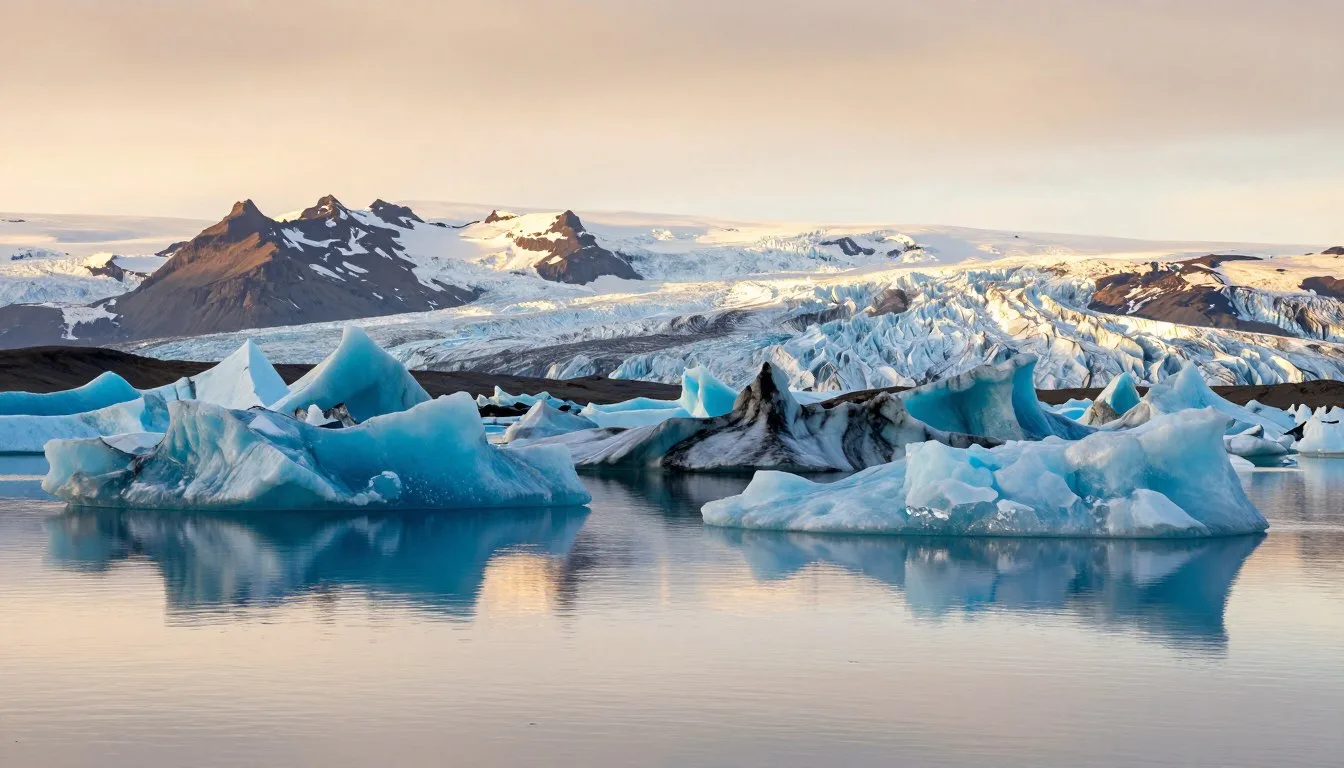
Each year, over 1 million visitors make the journey to witness what many call Iceland’s most breathtaking natural wonder. Yet here’s the surprising part: Jokulsarlon Glacier Lagoon didn’t exist until 1934. Before that, this stunning 18 square kilometers (7 square miles) expanse was simply part of the massive Breiðamerkurjökull glacier. The lagoon formed as the glacier retreated due to rising temperatures, creating Iceland’s deepest lake at 248 meters (814 feet).
The name “Jokulsarlon” translates directly to “glacial river lagoon” in Icelandic. It perfectly describes this magnificent body of water where ancient ice meets the sea. Located on Iceland’s spectacular south coast, this glacier lagoon offers experiences unlike anywhere else on Earth.
This comprehensive Jokulsarlon Glacier Lagoon Iceland travel guide covers everything you need to plan your visit. From the best time to see the northern lights dancing over icebergs to practical tips for visiting diamond beach, you’ll find all the essential information here.
Getting There & Planning Your Journey

Reaching Jokulsarlon Glacier Lagoon requires some planning. The lagoon sits approximately 370 kilometers (230 miles) southeast of Reykjavik along Iceland’s famous Ring Road. Most visitors arrive through Keflavik International Airport, located about 50 kilometers (31 miles) from Reykjavik.
The drive from Reykjavik takes approximately 5 hours under good conditions. However, weather can change rapidly in Iceland. Always check road conditions before departure, especially during winter months.
Travel Routes and Options
The primary route follows Route 1, also known as the Ring Road. This well-maintained highway circles the entire country. The journey from Reykjavik passes through several notable towns including Selfoss, Hvolsvollur, and Vik.
Many travelers choose to break up the distance over multiple days. This approach allows time to explore attractions along Iceland’s south coast. Popular stops include Seljalandsfoss waterfall, Skogafoss waterfall, and the black sand beaches near Vik.
Distance from Major Points
- Keflavik Airport: 380 km (236 miles)
- Reykjavik: 370 km (230 miles)
- Vik: 130 km (81 miles)
- Hofn: 80 km (50 miles)
- Skaftafell (Vatnajokull National Park): 60 km (37 miles)
Driving Time Estimates
- From Reykjavik: 5 hours
- From Keflavik Airport: 5.5 hours
- From Vik: 1.5 hours
- From Hofn: 1 hour
- From Skaftafell: 45 minutes
Transportation Methods
Self-driving offers the most flexibility for visiting the glacier lagoon. Rental cars are readily available at Keflavik Airport and throughout Reykjavik. During summer months, a standard two-wheel drive vehicle suffices for the ring road journey.
Winter travel requires more consideration. A four-wheel drive vehicle provides better handling in snow and ice. Many rental agencies offer vehicles equipped with studded tires during winter months.
Tour buses provide an alternative for visitors who prefer not to drive. Multiple companies operate day trips and multi-day tours from Reykjavik. These tours typically include stops at various attractions along the south coast.
Important Travel Note: Gas stations become less frequent as you travel east from Reykjavik. Fill up your tank in Vik or earlier. The next reliable fuel stop after Vik is in Hofn, approximately 200 kilometers (124 miles) away.
Parking at Jokulsarlon
The glacier lagoon features a large parking area right off Route 1. Parking is free year-round. The lot accommodates cars, camper vans, and tour buses. During peak summer months, the parking area fills quickly between 10 AM and 4 PM.
✓ Check 30,000+ Local Sightseeing Tours Worldwide
A separate parking area serves diamond beach, located directly across the ring road from the main lagoon. Both parking areas offer easy walking access to viewing areas.
Best Time to Visit & Weather Tips

Best Time to Visit Jokulsarlon Glacier Lagoon
The glacier lagoon welcomes visitors throughout the year. Each season offers distinct experiences and unique photo opportunities. Your ideal visit time depends on your priorities and tolerance for cold weather.
Summer months from June through August provide the most comfortable weather. Temperatures range from 10°C to 15°C (50°F to 59°F). Daylight extends nearly 24 hours during peak summer, allowing flexibility in your schedule.
This season sees the highest visitor numbers. The lagoon’s boat tours operate daily during summer. Wildlife spotting improves significantly, with seals frequently visible on ice floes.
Summer Season (June – August)
Summer offers several advantages for visiting the glacier lagoon. The weather remains relatively mild and stable. All facilities operate at full capacity. Road conditions are generally excellent throughout the south coast.
However, expect crowds during this peak season. Parking fills quickly, especially between 11 AM and 3 PM. Booking boat tours in advance becomes essential. Prices for accommodation in nearby areas reach their highest levels.
Winter Season (November – March)
Winter transforms Jokulsarlon into an otherworldly landscape. The contrast between white icebergs and dark winter skies creates dramatic photography opportunities. This season offers the best chance to witness the northern lights dancing over the lagoon.
Ice caves in the nearby Vatnajokull National Park are only accessible during winter months. These natural ice formations attract photographers and adventure seekers worldwide.
Winter temperatures range from -5°C to 5°C (23°F to 41°F). Daylight lasts only 4 to 6 hours during December and January. Road conditions require careful attention, and four-wheel drive vehicles are strongly recommended.
Shoulder Seasons (April-May, September-October)
Spring and fall offer compelling compromises between summer crowds and winter challenges. September remains particularly popular among photographers. The early autumn light creates stunning conditions for capturing the glacier lagoon.
Weather becomes less predictable during shoulder seasons. Temperatures range from 5°C to 10°C (41°F to 50°F). Some tour operators reduce their schedules. However, accommodation prices drop significantly compared to summer.
| Season | Best For | Temperature Range | Crowd Level | Road Conditions |
| June – August | Boat tours, wildlife, midnight sun | 10-15°C (50-59°F) | Very High | Excellent |
| September – October | Photography, fewer crowds | 5-10°C (41-50°F) | Moderate | Good |
| November – March | Northern lights, ice caves | -5 to 5°C (23-41°F) | Low | Challenging |
| April – May | Spring scenery, value pricing | 5-10°C (41-50°F) | Moderate | Improving |
Weather Considerations
Iceland’s weather changes rapidly regardless of season. Wind represents the most consistent challenge at Jokulsarlon Glacier Lagoon. The open landscape offers little protection from Atlantic storms.
Bringing multiple clothing layers proves essential. Even summer visitors should pack warm jackets. Waterproof outer layers protect against sudden rain showers. Wind can create surprisingly cold conditions even when temperatures seem mild.
Summer Weather Patterns
- Average high: 13°C (55°F)
- Average low: 7°C (45°F)
- Rainfall: Moderate, 60-80mm monthly
- Wind: Can be strong from ocean
- Daylight: 20-24 hours
Winter Weather Patterns
- Average high: 2°C (36°F)
- Average low: -3°C (27°F)
- Snowfall: Regular throughout winter
- Wind: Strong storms common
- Daylight: 4-6 hours
Notable Annual Festivals
While no major festivals occur directly at the glacier lagoon itself, several regional events enhance visits to the area throughout the year.
Jokulsarlon Ice Festival (February)
This winter celebration focuses on the ice caves and glacier experiences. Local guides organize special tours showcasing the area’s winter beauty. The festival typically runs during the last week of February.
Iceland Airwaves (November)
Though based in Reykjavik, this internationally renowned music festival draws visitors who often extend trips to explore the south coast and glacier lagoon. The event occurs in early November.
Northern Lights Season (September – April)
While not a formal festival, the northern lights season brings special evening tours to Jokulsarlon. Several tour operators organize specialized photography workshops during peak aurora activity.
Festival Contact Information: For current year dates and information about Jokulsarlon area events, contact the Vatnajokull National Park Visitor Center at +354 470 8300. Staff can provide details about seasonal programs and guided activities.
Getting Around Locally

The immediate Jokulsarlon area is compact and easy to navigate on foot. Walking paths connect the parking area to the lagoon shore. These paths are well-maintained and accessible year-round, though winter ice requires careful footing.
The main viewing area sits directly adjacent to the parking lot. A short 2-minute walk brings you to the water’s edge. Additional paths extend along the lagoon shore, offering various vantage points for photography and observation.
Accessing Diamond Beach
Diamond beach lies directly across Route 1 from the glacier lagoon parking area. A clearly marked pedestrian crossing allows safe road crossing. The beach sits approximately 200 meters (656 feet) from the main lagoon parking.
Many visitors prefer driving the short distance between sites. A dedicated parking area serves diamond beach. This approach proves especially practical when carrying photography equipment or traveling with small children.
Local Transportation Options
No public transportation operates within the immediate Jokulsarlon area. Having your own vehicle provides maximum flexibility. This allows visits to both the glacier lagoon and diamond beach at your preferred pace.
Tour buses from Reykjavik typically allocate 1 to 2 hours at Jokulsarlon. This timeframe allows for boat tours and brief diamond beach visits. Independent travelers can spend as much time as desired.
Exploring the Surrounding Region
Several significant attractions lie within easy driving distance of the glacier lagoon. Skaftafell, part of Vatnajokull National Park, sits 60 kilometers (37 miles) west. This area offers numerous hiking trails and glacier walks.
The town of Hofn, located 80 kilometers (50 miles) east, serves as the regional center. This fishing village provides full services including restaurants, accommodations, and fuel stations. Many visitors base themselves in Hofn when exploring the glacier lagoon area.
Fjallsarlon Glacier Lagoon, a smaller but equally beautiful glacial lake, lies just 10 kilometers (6 miles) west of Jokulsarlon. This site receives far fewer visitors and offers a more intimate glacier experience.
Walking Safety: Paths around the glacier lagoon can become slippery, especially near the water. Wear sturdy shoes with good grip. Never walk on the icebergs or venture onto the lagoon ice, regardless of how solid it appears. Conditions change constantly.
Where to Stay

Accommodation options near Jokulsarlon Glacier Lagoon range from budget hostels to upscale hotels. Most properties concentrate in nearby towns rather than directly at the lagoon itself. The closest significant lodging cluster sits in the town of Hofn.
Hotels and Guesthouses
Fosshotel Glacier Lagoon stands as the premier accommodation closest to Jokulsarlon. Located approximately 10 kilometers (6 miles) from the lagoon, this hotel offers comfortable rooms with glacier views. The property features a restaurant and provides easy access to both Jokulsarlon and Fjallsarlon.
Hofn, 80 kilometers (50 miles) east, provides the widest selection of hotels and guesthouses. Options include Hotel Hofn, Milk Factory, and numerous smaller guesthouses. Staying in Hofn allows for exploring the glacier lagoon as a day trip while enjoying town amenities.
Vik, located 130 kilometers (81 miles) west, offers another accommodation base. This town provides good options for visitors planning to explore both Jokulsarlon and attractions along the south coast. The drive from Vik takes approximately 90 minutes.
Farm Stays and Country Hotels
Several working farms in the region offer accommodation. These farm stays provide authentic Icelandic experiences. Guests often enjoy home-cooked meals featuring local ingredients. Many farm properties offer stunning views of the surrounding landscape.
Hali Country Hotel, situated about 20 kilometers (12 miles) from Jokulsarlon, operates on a historic farm property. This family-run accommodation combines country charm with modern comfort. The location proves convenient for early morning or sunset visits to the glacier lagoon.
Budget Options
Hostels provide economical alternatives for budget-conscious travelers. Hofn Hostel and several guesthouses in the area offer dormitory-style rooms and private rooms at lower price points. These properties typically include shared kitchen facilities.
Camping represents the most budget-friendly option during summer months. Several campgrounds operate along the south coast. The closest organized campground to Jokulsarlon sits in Hofn. Wild camping is prohibited in Iceland, so always use designated campgrounds.
| Accommodation Type | Price Range (per night) | Best For | Distance to Jokulsarlon |
| Fosshotel Glacier Lagoon | $200-350 | Convenience, views | 10 km (6 miles) |
| Hofn Hotels | $150-250 | Services, dining options | 80 km (50 miles) |
| Farm Stays | $120-200 | Authentic experience | 15-30 km (9-19 miles) |
| Hostels/Guesthouses | $40-100 | Budget travel | 80-130 km (50-81 miles) |
| Camping | $15-30 | Maximum savings | 80+ km (50+ miles) |
Booking Considerations
Summer accommodation in the Jokulsarlon area books months in advance. Making reservations 3 to 6 months ahead ensures availability at preferred properties. Winter booking windows can be shorter, but popular northern lights season dates still require advance planning.
Properties closest to the glacier lagoon command premium prices due to limited supply. Staying in Hofn or Vik reduces costs while adding only 1 to 1.5 hours of driving time. This trade-off works well for budget-conscious travelers.
Accommodation Tip: Many properties in the area lack 24-hour reception. Confirm check-in procedures when booking, especially if arriving late. Some hosts provide key codes or lockbox access for after-hours arrivals.
Dining & Local Cuisine
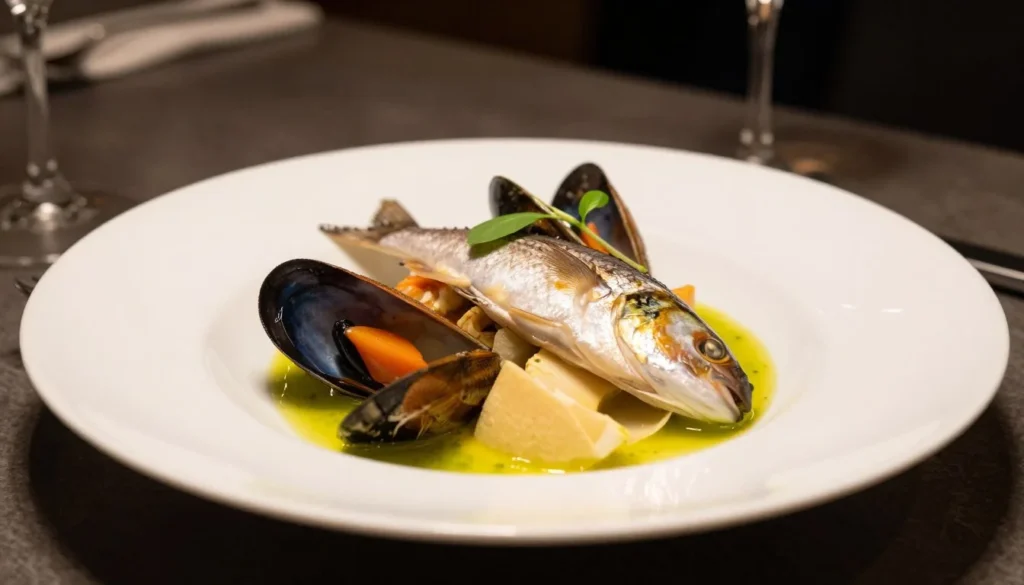
Dining options near Jokulsarlon Glacier Lagoon remain limited due to the remote location. Most visitors pack snacks or meals for their lagoon visit. The nearest restaurants operate in Hofn, known throughout Iceland for exceptional seafood.
Hofn Dining Scene
Hofn has built its reputation around langoustine, also called Norway lobster. This sweet, delicate seafood is caught fresh daily in nearby waters. Virtually every restaurant in town features langoustine prominently on menus.
Pakkhus Restaurant sits in a restored warehouse overlooking Hofn harbor. This establishment serves traditional Icelandic dishes with modern presentations. The langoustine soup here has achieved legendary status among food enthusiasts.
Humarhofnin specializes in langoustine prepared various ways. Grilled, fried, or in pasta dishes, the seafood quality remains consistently excellent. Reservations are strongly recommended during summer months.
Casual Dining Options
Several cafes and casual restaurants serve quick meals in Hofn. These establishments offer fish and chips, burgers, and traditional Icelandic lamb soup. Prices run lower than fine dining establishments while maintaining good quality.
Kaffi Hornid operates as a popular local gathering spot. This cafe serves breakfast, lunch, and dinner in a relaxed atmosphere. The menu includes both Icelandic specialties and international favorites.
Food at the Glacier Lagoon
A small cafe operates at Jokulsarlon during summer months. This seasonal establishment serves hot drinks, soups, and light snacks. Prices reflect the remote location. The cafe provides welcome warmth after exploring in windy conditions.
No restaurants or cafes operate directly at diamond beach. Bringing your own food and drinks for extended visits proves practical. Weather can change quickly, so hot beverages in a thermos become especially appreciated.
Local Specialties to Try
Beyond langoustine, several Icelandic dishes deserve attention during your visit to the region. Icelandic lamb, raised on mountain pastures, offers exceptional flavor. Many restaurants feature lamb prepared in traditional stews or modern grilled preparations.
Skyr, Iceland’s famous yogurt-like dairy product, appears on breakfast menus throughout the area. This high-protein food has sustained Icelanders for over 1,000 years. Modern preparations include it in smoothies and parfaits.
Arctic char, caught in nearby rivers and lakes, provides a delicious alternative to ocean fish. This pink-fleshed fish offers mild flavor and works beautifully in various preparations.
Traditional Dishes
- Langoustine soup and preparations
- Icelandic lamb stew (kjötsúpa)
- Smoked or cured fish
- Arctic char preparations
- Skyr with berries
Dining Tips
- Make reservations in advance
- Expect higher prices in tourist areas
- Try langoustine in Hofn
- Bring snacks to the lagoon
- Restaurant hours vary seasonally
Grocery Stores and Self-Catering
Hofn has several grocery stores for travelers preparing their own meals. Netto and Bonus represent Iceland’s budget-friendly chains. Prices remain significantly lower than restaurants, making self-catering attractive for budget travelers.
Fresh produce selection can be limited in smaller towns. However, staples, dairy products, and packaged goods are readily available. Stock up before heading to the glacier lagoon area if planning multiple picnic meals.
Dining Note: Restaurant reservations become essential during peak summer season in Hofn. Many establishments operate with limited seating. Calling ahead avoids disappointment, especially for dinner service between 7 PM and 9 PM.
Attractions, Sightseeing & Activities
Boat Tours on the Glacier Lagoon
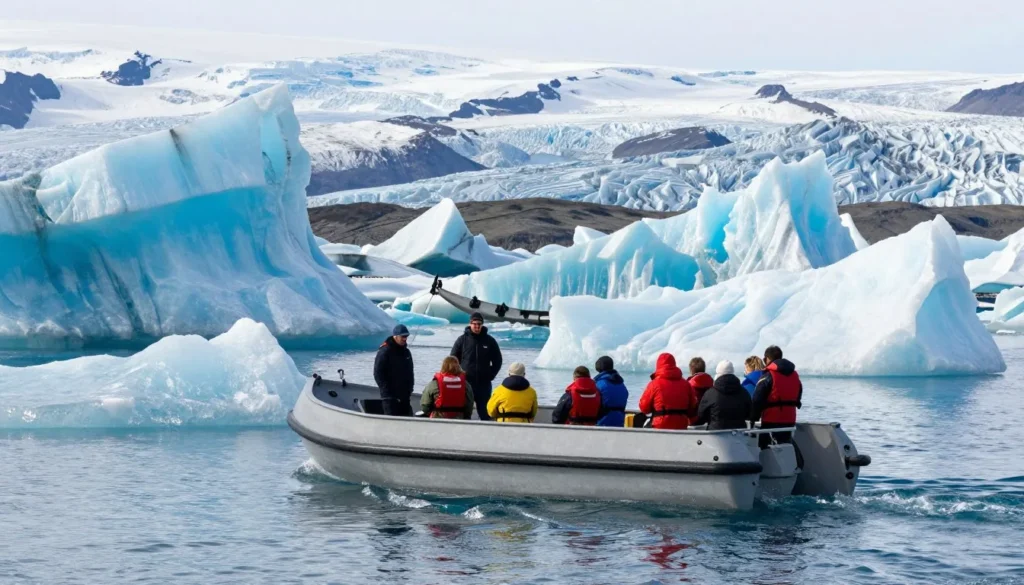
Boat tours represent the premier activity at Jokulsarlon. Two types of vessels operate on the lagoon: large amphibious boats and smaller zodiac boats. Each offers distinct advantages for experiencing the icebergs up close.
Amphibious boat tours accommodate approximately 40 passengers. These stable vessels provide comfortable seating and excellent views. Tours last about 30 to 40 minutes, navigating among the larger icebergs. Guides share information about glacier formation and local wildlife.
Zodiac boat tours carry 10 to 15 passengers in inflatable vessels. These tours venture closer to icebergs and can navigate narrower channels. The smaller group size creates a more intimate experience. Tours run approximately 1 hour.
Both tour types operate from May through October, weather permitting. Advance booking during summer months is strongly advised. Tours fill quickly, especially between 11 AM and 3 PM.
| Tour Type | Duration | Group Size | Age Minimum | Approximate Price |
| Amphibious Boat | 30-40 minutes | Up to 40 people | All ages | $40-50 |
| Zodiac Boat | 60 minutes | 10-15 people | 6 years | $90-110 |
Exploring Diamond Beach
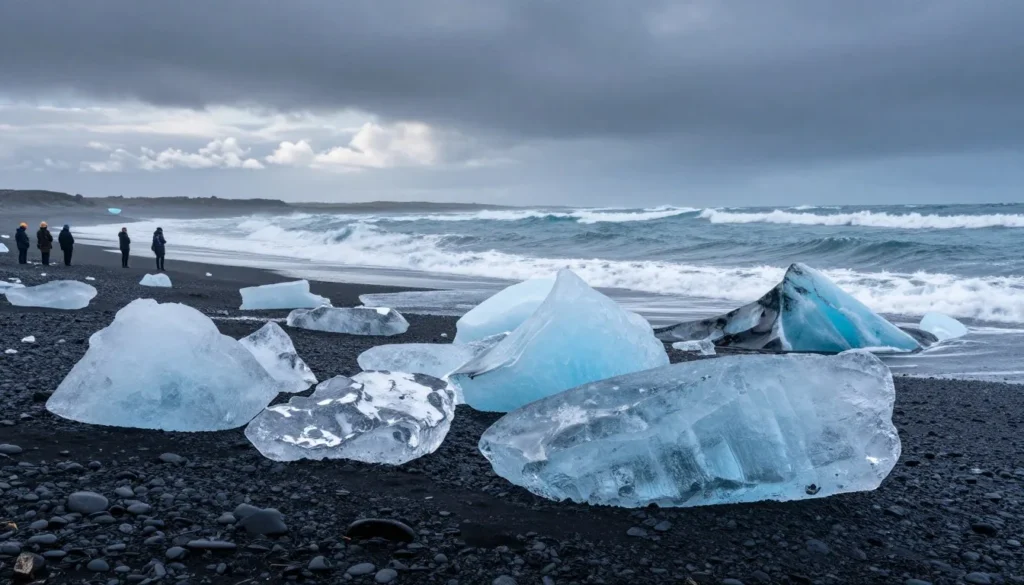
Diamond beach sits directly across Route 1 from the glacier lagoon. This black sand beach earned its name from the ice chunks that wash ashore. The contrast between dark volcanic sand and translucent blue ice creates stunning photographic opportunities.
Icebergs flow from the lagoon into the Atlantic Ocean. Waves and currents break off pieces that wash back onto the beach. These ice fragments range from fist-sized chunks to massive boulders several meters tall.
Walking the beach requires attention to wave patterns. Atlantic waves can be powerful and unpredictable. Never turn your back to the ocean. Rogue waves occasionally catch unsuspecting visitors.
The beach stretches for several hundred meters. Ice distribution varies constantly based on tides and currents. Sometimes hundreds of ice pieces cover the sand, while other times only scattered chunks appear.
Photography Opportunities
Jokulsarlon Glacier Lagoon ranks among the world’s premier landscape photography destinations. The combination of blue ice, black sand at diamond beach, and dramatic skies creates endless compositional possibilities.
Early morning and late evening provide the best light for photography during summer months. The low angle sun illuminates icebergs beautifully. Midday light can appear harsh, though dramatic clouds sometimes create interesting conditions.
Winter photography requires additional preparation. Short daylight hours mean planning becomes critical. However, the potential for capturing northern lights over the lagoon draws photographers worldwide.
✓ Check 30,000+ Local Sightseeing Tours Worldwide
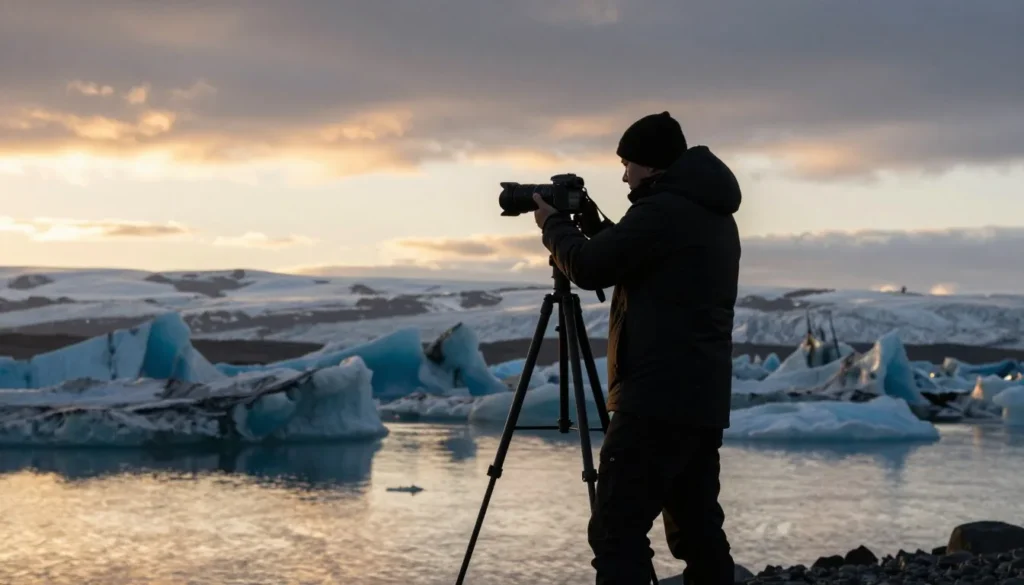
Tripods prove essential for serious photography, especially in low light conditions. Bring protective gear for your camera equipment. Salt spray from the ocean at diamond beach can damage electronics.
Wildlife Watching
Seals frequently appear in Jokulsarlon Glacier Lagoon. These marine mammals use ice floes as resting platforms. Patient observation often reveals multiple seals lounging on icebergs or swimming through the lagoon.
Arctic terns nest around the lagoon area during summer months. These aggressive birds dive-bomb visitors who approach their nesting areas. Giving these birds wide berth avoids unwanted encounters.
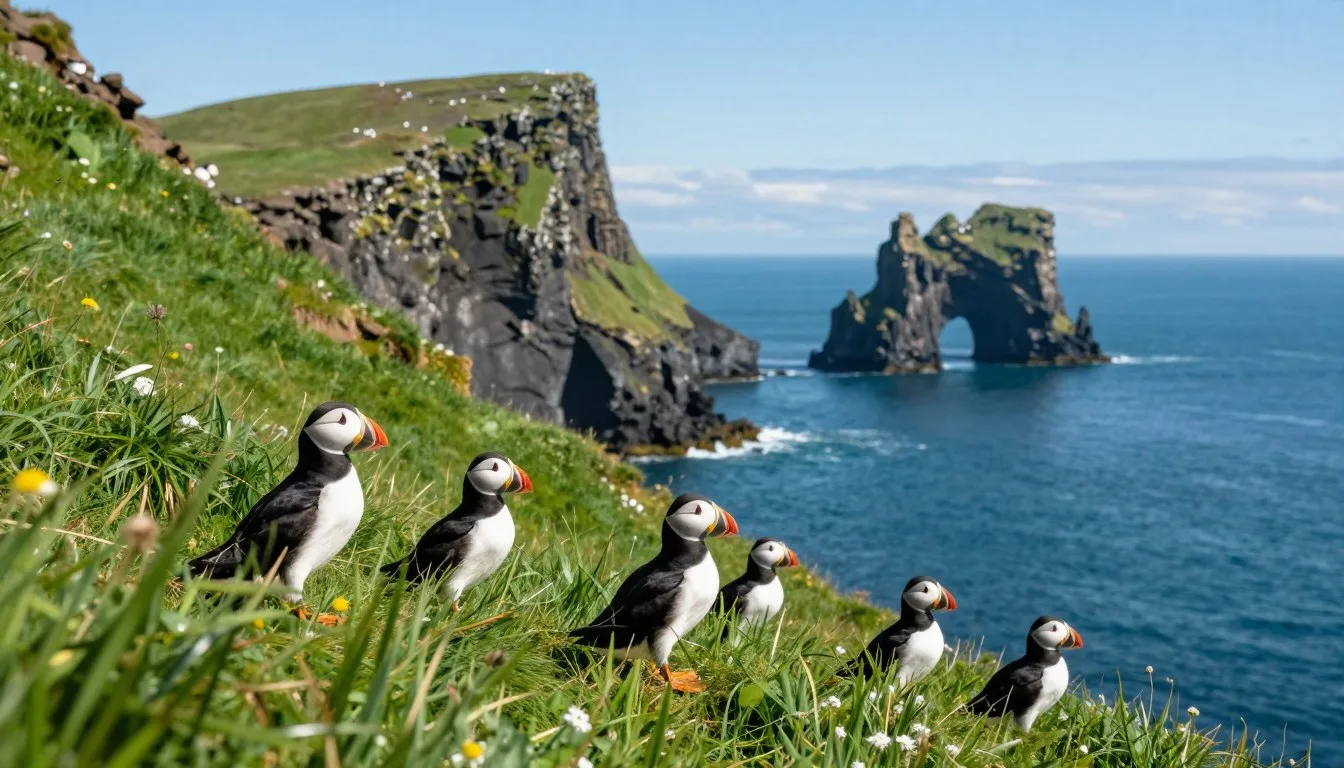
Various seabirds including gulls, skuas, and occasionally puffins can be spotted in the region. The mixing of glacial meltwater with ocean water creates rich feeding grounds.
Nearby Glacier Experiences
Fjallsarlon Glacier Lagoon, located 10 kilometers (6 miles) west, offers a quieter alternative to Jokulsarlon. This smaller lagoon receives far fewer visitors. Boat tours operate here as well, providing similarly stunning iceberg encounters with more solitude.
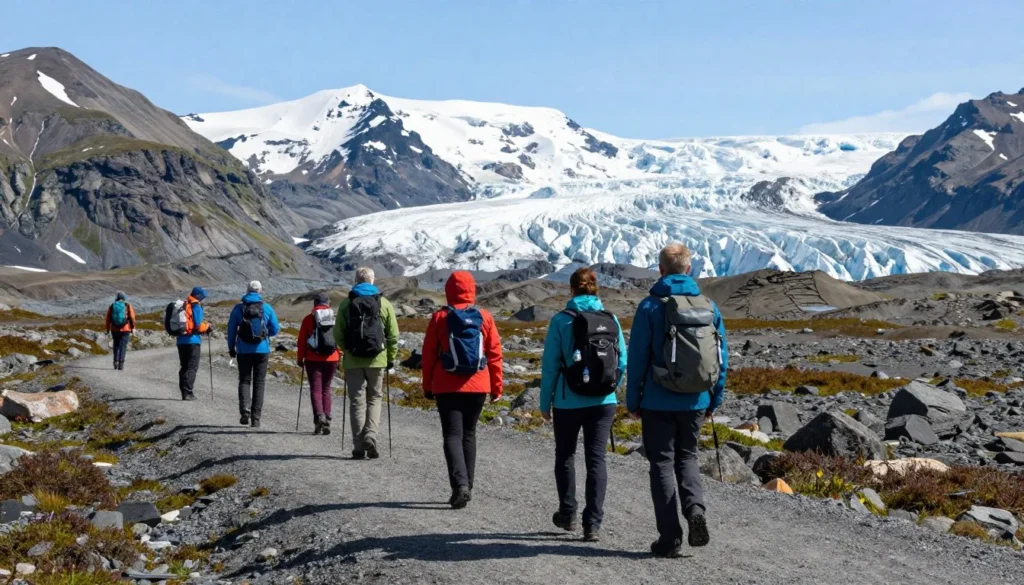
Vatnajokull National Park encompasses the entire glacier area. The park’s Skaftafell sector, 60 kilometers (37 miles) west, provides numerous hiking trails. Many visitors combine Jokulsarlon with Skaftafell exploration during multi-day south coast trips.
Tour Information: For current boat tour schedules and availability, contact the Jokulsarlon boat tour operators directly. During peak season, tours depart every 15-30 minutes throughout the day. Tickets can often be purchased on-site, but advance booking guarantees your preferred time slot.
Museums, Cultural Spots & Festivals

The Jokulsarlon area itself contains no museums or cultural centers. However, several institutions in nearby towns provide context about Iceland’s glacial environment and local culture. These stops enhance understanding of the region’s natural phenomena.
Vatnajokull National Park Visitor Centers
Multiple visitor centers operate throughout Vatnajokull National Park. The closest center to Jokulsarlon sits at Skaftafell, 60 kilometers (37 miles) west. This facility features exhibits about glacier formation, climate change impacts, and the park’s ecosystems.
Rangers staff the visitor center year-round. They provide trail maps, weather updates, and advice about exploring the national park. Interactive displays explain how glaciers shape landscapes. Short films showcase the park’s geological history.
The Skaftafell Visitor Center opens daily during summer months. Winter hours become more limited. Admission to the center is free, though some programs and guided walks require fees.
Cultural Sites in Hofn
The town of Hofn houses Gamlabud, a small cultural history museum. This institution preserves artifacts and stories from the region’s fishing heritage. Exhibits cover traditional boat building, fishing methods, and daily life in this isolated coastal area.
The museum occupies one of Hofn’s oldest buildings, a restored warehouse from the early 1900s. Visiting provides insight into how communities survived and thrived in this challenging environment. Summer opening hours run from 1 PM to 6 PM daily.
Regional Cultural Events
The Jokulsarlon area participates in Iceland’s broader cultural calendar. Summer months bring various events celebrating Icelandic heritage and the midnight sun.
Lobster Festival in Hofn
The annual Humarhátíð or Lobster Festival occurs in Hofn each June. This weekend celebration highlights the region’s famous langoustine. Events include cooking demonstrations, music performances, and abundant seafood sampling.
The festival typically takes place during the first or second weekend of June. Thousands of visitors descend on this small town. Booking accommodation months in advance becomes essential. The festival atmosphere creates a lively introduction to local culture.
Cultural Day (Menningarnótt)
Iceland’s national Culture Night occurs annually in late August. While the main celebrations concentrate in Reykjavik, smaller events happen throughout the country. Hofn typically organizes local performances, art exhibitions, and community gatherings.
Winter Light Festival
Several communities along Iceland’s south coast participate in winter light festivals during the darkest months. These events celebrate the return of longer days. Light installations, concerts, and community meals mark the occasions.
Cultural Venues
- Vatnajokull Visitor Center at Skaftafell
- Gamlabud Museum in Hofn
- Local cultural centers in regional towns
- Outdoor exhibitions about glacier history
Annual Events
- Lobster Festival, Hofn (June)
- Culture Night celebrations (August)
- Winter Light Festivals (January-February)
- Northern Lights photography workshops (Winter)
Learning About Glaciers
Understanding glacial processes enhances appreciation of Jokulsarlon. Several organizations offer educational programs about Iceland’s glaciers and climate change impacts. These programs range from short presentations to multi-day courses.
The Vatnajokull National Park offers occasional guided talks at various locations. Topics include glacier formation, volcanic activity under ice, and wildlife adapted to glacial environments. Check current schedules at visitor centers.
Educational Resources: For information about ranger-led programs and educational events at Vatnajokull National Park, contact the park office at +354 470 8300. Staff can provide schedules for guided walks, talks, and special programs throughout the year.
Nature & Outdoor Experiences
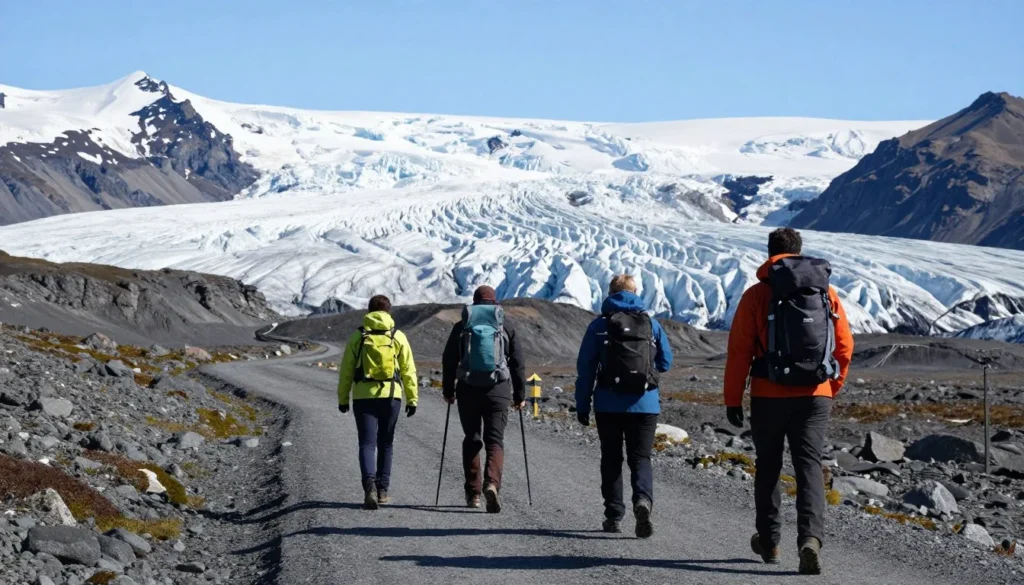
The area surrounding Jokulsarlon Glacier Lagoon offers spectacular outdoor experiences beyond the lagoon itself. From glacier hikes to ice cave exploration, active visitors find numerous ways to engage with Iceland’s dramatic landscape.
Ice Cave Tours
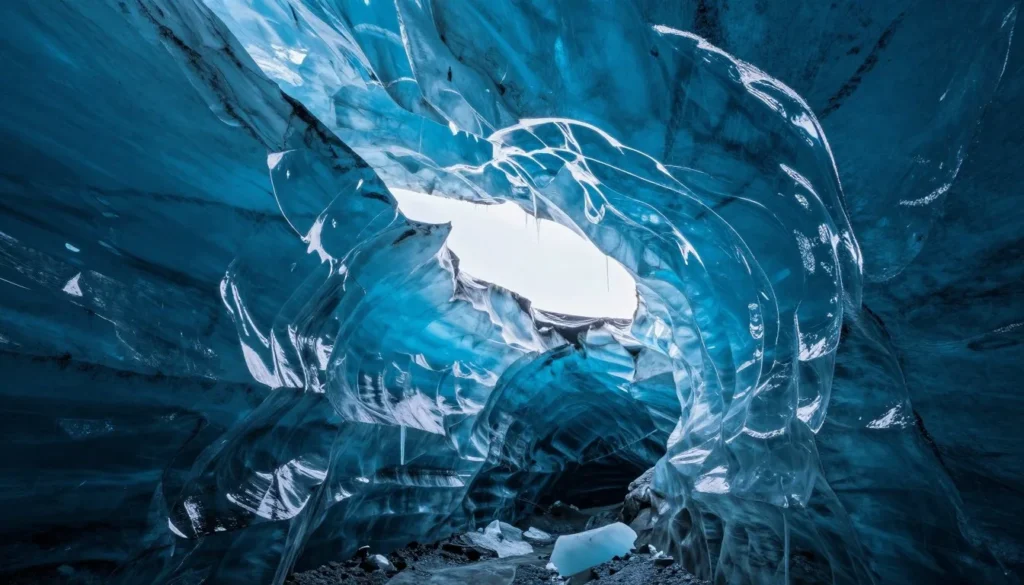
Natural ice caves form within Vatnajokull glacier each winter. These temporary formations create otherworldly blue chambers carved by meltwater. Access is only possible from November through March when ice remains stable.
Professional guides lead all ice cave tours. These experts assess safety conditions daily and know the stable cave locations. Never attempt to enter ice caves without qualified guides. Conditions change constantly, and the risk of collapse is real.
Ice cave tours typically last 3 to 4 hours including transportation to the cave entrance. Super jeeps carry visitors across glacial terrain. Inside the caves, the deep blue ice creates surreal lighting effects that photographers treasure.
Popular ice cave tour operators include Glacier Guides, Ice Explorers, and several companies based in Hofn. Booking several weeks in advance ensures availability during peak winter season. Tours range from $150 to $200 per person.
Glacier Hiking
Guided glacier walks operate year-round on Vatnajokull and its outlet glaciers. These excursions introduce visitors to the glacier environment safely. Guides provide all necessary equipment including crampons, ice axes, and safety gear.
Walks range from easy 2-hour introductory experiences to challenging full-day expeditions. Beginning glacier walks typically stay on the lower, more accessible ice. Advanced tours venture into crevasse fields and higher elevations.
The most accessible glacier hiking operates from the Skaftafell area. Multiple tour companies offer daily departures during summer. Winter glacier walks require more advanced skills and experience due to ice conditions.
Hiking Trails in Vatnajokull National Park
Numerous hiking trails wind through Vatnajokull National Park. The Skaftafell sector provides the densest concentration of marked trails. Difficulty levels range from easy valley walks to strenuous mountain ascents.
The trail to Svartifoss waterfall represents one of the park’s most popular hikes. This 1.5-kilometer (0.9-mile) route gains 150 meters (492 feet) elevation. The waterfall is surrounded by distinctive hexagonal basalt columns. The round-trip hike takes approximately 1.5 hours.
Longer trails lead to glacier viewpoints and mountain peaks. The Kristinartindar ridge offers panoramic views of the glacier and surrounding mountains. This challenging hike requires a full day and solid fitness levels.
Photography Expeditions
Specialized photography tours cater to serious photographers seeking optimal conditions at Jokulsarlon and surrounding areas. These tours time visits for the best light and provide guidance on composition and camera settings.
Winter photography workshops focus on northern lights over the glacier lagoon. Summer workshops emphasize midnight sun photography and long exposure techniques with icebergs.
Private photography tours offer flexibility in timing and locations. Guides with extensive local knowledge lead participants to lesser-known viewpoints. These personalized experiences typically cost $300 to $500 per day.
Kayaking and Water Activities
Limited water activities occur at Jokulsarlon due to cold water temperatures and unpredictable ice movement. However, some operators offer guided kayak tours during calm summer conditions. These specialized tours provide unique perspectives of the icebergs from water level.
Kayaking tours require participants to wear dry suits due to the near-freezing water. Groups remain small, typically 2 to 4 kayaks maximum. Tours last approximately 2 hours and include all safety equipment and instruction.
The calmer waters of Fjallsarlon sometimes offer better conditions for kayaking. This smaller lagoon sees less ice flow and wave action. However, all kayaking near glaciers carries inherent risks from ice calving and cold water.

Summer Activities
- Boat tours on the glacier lagoon
- Hiking in Vatnajokull National Park
- Glacier walking tours
- Photography expeditions
- Limited kayaking experiences
Winter Activities
- Ice cave exploration tours
- Northern lights photography
- Winter glacier hikes
- Specialized winter photography
- Snowmobile tours on glacier
Wildlife Observation
The Jokulsarlon area supports limited but fascinating wildlife. Harbor seals and occasionally grey seals use the lagoon icebergs as resting platforms. Early morning and evening hours provide the best seal viewing opportunities.
Birdwatchers appreciate the variety of species around the lagoon and coast. Arctic terns nest in the area during summer, though they aggressively defend nesting sites. Great skuas patrol the coastline. Lucky observers occasionally spot puffins fishing offshore.
The glacial rivers flowing into Jokulsarlon attract various wading birds. Redshanks, oystercatchers, and occasionally phalaropes feed in the shallows. Binoculars enhance wildlife observation significantly.
Activity Bookings: Most outdoor activities require advance booking, especially during summer months. For ice cave tours and glacier hiking, contact tour operators at least 2-3 weeks ahead. Winter activities book even further in advance due to limited tour availability and weather-dependent operations.
Travel With Children
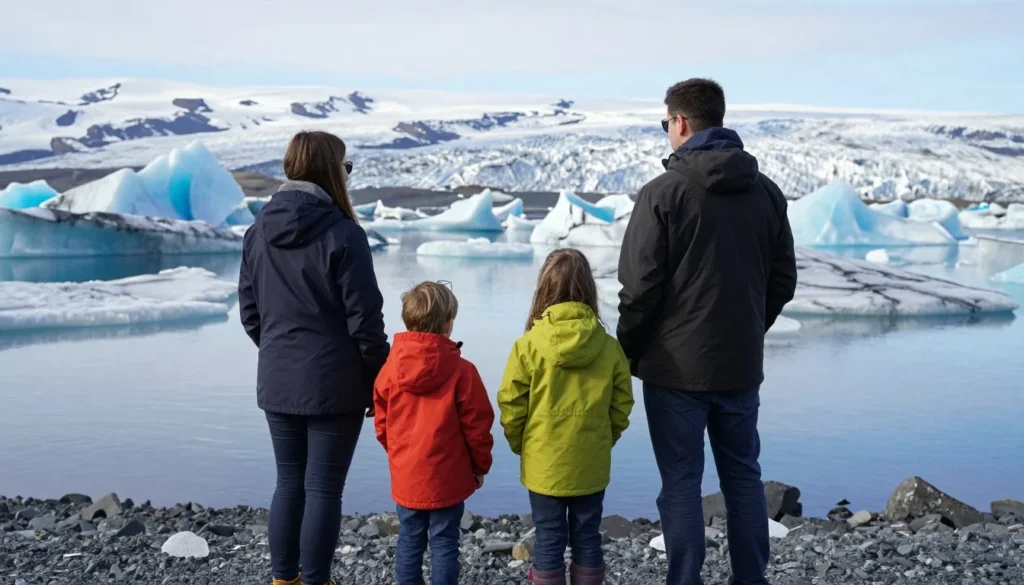
Jokulsarlon Glacier Lagoon makes an excellent destination for families traveling with children. The dramatic scenery captivates young visitors, and the area offers both educational value and adventure. However, some practical considerations ensure safe and enjoyable family experiences.
Age-Appropriate Activities
Children of all ages can enjoy viewing the glacier lagoon from shore. The short walk from parking to viewing areas accommodates strollers, though uneven ground requires sturdy wheels. Young children find endless fascination watching seals and icebergs.
The amphibious boat tour welcomes children of all ages. These stable vessels provide comfortable seating, and the 30-minute duration suits shorter attention spans. Life jackets are provided for all passengers regardless of age.
Zodiac boat tours require minimum age of 6 years. The smaller boats move more quickly and may feel less stable to young children. The hour-long duration also challenges some younger participants.
Diamond beach exploration works well for families, though close parental supervision becomes essential. Waves can be unpredictable, and the temptation to climb on ice chunks poses risks. Establish clear safety boundaries before letting children explore.
Safety Considerations
The glacier lagoon environment presents several hazards for unsupervised children. Deep, cold water lies immediately adjacent to walking paths. Ice chunks along the shore can be slippery and unstable. Never allow children to walk on icebergs or venture onto lagoon ice.
Strong winds frequently blow across the open landscape. Securing hats and ensuring warm clothing prevents discomfort. The wind can knock small children off balance, especially near the water’s edge.
At diamond beach, ocean waves demand constant attention. Rogue waves occasionally surge far up the beach. Hold children’s hands near the water and never turn your back to the ocean. The powerful Atlantic surf can pull even adults off their feet.
Family Safety Priority: Establish clear boundaries with children before exploring the lagoon area. The cold water temperature, approximately 1°C (34°F), means even brief immersion poses serious risks. Constant supervision near all water areas is essential.
Family-Friendly Facilities
The Jokulsarlon visitor facilities include restrooms, though these are basic portable units during much of the year. A small seasonal cafe operates during summer months, providing snacks and hot drinks that children often appreciate.
No playground or dedicated children’s area exists at the site. The natural environment provides the entertainment. Bringing binoculars allows children to observe seals and icebergs more closely, enhancing their engagement.
Towns like Hofn offer more family-friendly infrastructure. Restaurants provide high chairs and children’s menus. Some accommodations cater specifically to families with connecting rooms or family suites available.
Educational Opportunities
The glacier lagoon provides outstanding educational experiences. Children can observe geological processes firsthand, watching icebergs calve from the glacier and melt in the lagoon. The visible impact of climate change makes abstract concepts tangible.
Seal watching introduces children to Arctic marine mammals. Patient observation often reveals seals swimming, fishing, and resting on ice. These encounters create lasting memories and foster environmental awareness.
Many tour guides excel at engaging young audiences. They share stories about glacier formation, iceberg creation, and the animals that live in this environment. Boat tour guides often encourage children’s questions and observations.
Planning Tips for Families
Timing visits during midday hours in summer provides the warmest conditions for children. Morning and evening can be quite cold even in July and August. Packing extra layers ensures comfort as weather changes.
✓ Check 30,000+ Local Sightseeing Tours Worldwide
Breaking up the long drive from Reykjavik with playground stops keeps children happier. Towns along Route 1 typically have small parks or open spaces. The journey becomes more enjoyable with regular breaks.
Bringing snacks and drinks proves practical since dining options are limited near the lagoon. Children often need more frequent food breaks than adults. Having supplies on hand prevents hunger-related meltdowns.
Best Activities for Young Children
- Shore viewing of icebergs and seals
- Amphibious boat tours (all ages)
- Beach exploration at diamond beach
- Wildlife observation with binoculars
- Photography projects
Family Preparation Checklist
- Warm, waterproof clothing layers
- Snacks and hot drinks
- Binoculars for wildlife viewing
- Camera for family photos
- Extra dry clothes in vehicle
Accommodations for Families
Several hotels in the region offer family rooms or connecting rooms. Fosshotel Glacier Lagoon provides family-friendly accommodations closest to Jokulsarlon. Hofn’s hotels typically welcome families and can arrange cribs or rollaway beds.
Self-catering accommodations work well for families needing flexible meal times. Having kitchen facilities allows preparation of familiar foods for picky eaters. Several guesthouses in the region provide this option.
Money Saving Tips

Iceland ranks among Europe’s most expensive destinations. However, strategic planning reduces costs significantly when visiting Jokulsarlon Glacier Lagoon. These practical money-saving strategies help travelers experience this spectacular destination without overspending.
Free Experiences
Viewing Jokulsarlon from shore costs nothing. The spectacular scenery, seal watching, and iceberg observation are completely free. Many visitors spend hours photographing and exploring without paying for any activities.
Diamond beach access is also entirely free. Walking the beach and exploring the ice chunks costs nothing beyond the time and fuel to reach the location. Sunrise and sunset visits provide the same views that professional photographers pay hundreds of dollars to access.
Hiking in Vatnajokull National Park carries no entrance fees. The trails around Skaftafell and other park sectors remain free to explore. Only guided glacier walks and specialized tours require payment.
Transportation Savings
Renting a car and self-driving provides the most economical way to visit Jokulsarlon compared to organized tours from Reykjavik. Day tours from the capital cost $150 to $300 per person. A rental car for multiple days costs less when split among several travelers.
Fuel costs represent the primary driving expense. Gasoline prices in Iceland typically run $2.00 to $2.50 per liter. The round trip from Reykjavik consumes approximately 75 liters, costing around $150 to $190 total.
Carpooling or traveling with others dramatically reduces per-person costs. Four people sharing a rental car and fuel expenses each pay roughly $40 to $50 for transportation, compared to $150 or more for a bus tour.
Accommodation Strategies
Staying in Hofn or even further from Jokulsarlon saves money compared to properties near the lagoon. Fosshotel Glacier Lagoon commands premium prices. Hofn hotels cost 30% to 40% less while adding only an hour of driving.
Hostels and guesthouses provide the best value for budget travelers. Dormitory beds in Hofn cost $30 to $50 per night. Private rooms in guesthouses run $80 to $120, still significantly cheaper than full-service hotels.
Camping represents the most economical accommodation option during summer. Organized campgrounds charge $15 to $30 per tent per night. Campers also save on restaurant meals by cooking their own food.
Food and Dining Savings
Restaurant meals in Iceland are expensive, typically costing $20 to $40 per person for casual dining. Self-catering dramatically reduces food costs. Shopping at budget grocery chains like Bonus or Netto in Reykjavik or Hofn saves money.
Preparing picnic lunches to eat at Jokulsarlon eliminates expensive cafe charges. The seasonal cafe at the lagoon charges premium prices for basic food. Bringing sandwiches, snacks, and drinks from grocery stores costs a fraction of cafe prices.
Making breakfast at accommodations with kitchen facilities saves $15 to $20 per person daily. Many guesthouses and hostels provide basic breakfast ingredients. Even preparing simple meals yields significant savings over restaurant dining.
| Expense Category | Budget Option | Cost Range | Premium Option | Cost Range |
| Transportation | Rental car (shared) | $40-60 per person | Organized tour | $150-300 per person |
| Accommodation | Hostel/camping | $15-50 per night | Hotel near lagoon | $200-350 per night |
| Meals | Self-catered | $15-25 per day | Restaurants | $60-100 per day |
| Activities | Free shore viewing | $0 | Boat tours | $40-110 |
Activity and Tour Savings
Booking boat tours and activities online in advance sometimes offers discounts compared to on-site purchases. Some operators provide early-bird pricing or multi-activity packages. Checking company websites directly often reveals better prices than third-party booking sites.
Visiting during shoulder seasons reduces tour costs. Many operators lower prices in May and September compared to peak summer rates. Accommodation costs also drop significantly outside June through August.
Group discounts apply for some activities when traveling with family or friends. Asking about group rates when booking can yield savings, especially for larger parties.
Timing Your Visit
Traveling in September or May instead of July or August can cut costs by 30% to 40%. Accommodation, car rentals, and some tours charge significantly less during shoulder seasons. Weather remains generally acceptable, though slightly less predictable than peak summer.
Visiting Jokulsarlon as part of a longer road trip along the ring road maximizes value. The per-day cost of car rental decreases with longer rental periods. Spreading the driving over multiple destinations justifies the transportation investment.
Free or Low-Cost Activities
- Shore viewing at Jokulsarlon
- Diamond beach exploration
- Hiking in Vatnajokull National Park
- Seal and bird watching
- Photography opportunities
- Visitor center exhibits
Worth the Splurge
- At least one boat tour experience
- Ice cave tour in winter
- One nice seafood meal in Hofn
- Quality warm/waterproof clothing
- Binoculars for wildlife viewing
What to Skip
Expensive gift shops at tourist locations offer little unique value. Souvenirs purchased in Reykjavik or online after your trip cost less. Avoid impulse purchases at the limited shops near Jokulsarlon.
Multiple boat tours provide similar experiences. One tour suffices for most visitors. Spending on multiple tours rarely adds proportional value to the experience.
Budget Planning: A budget-conscious traveler can experience Jokulsarlon for approximately $100 to $150 total by camping, self-catering, sharing transportation costs, and focusing on free activities. Mid-range travelers spending $300 to $400 can add a boat tour and modest hotel accommodation while still economizing.
Safety & Local Customs
Water Safety
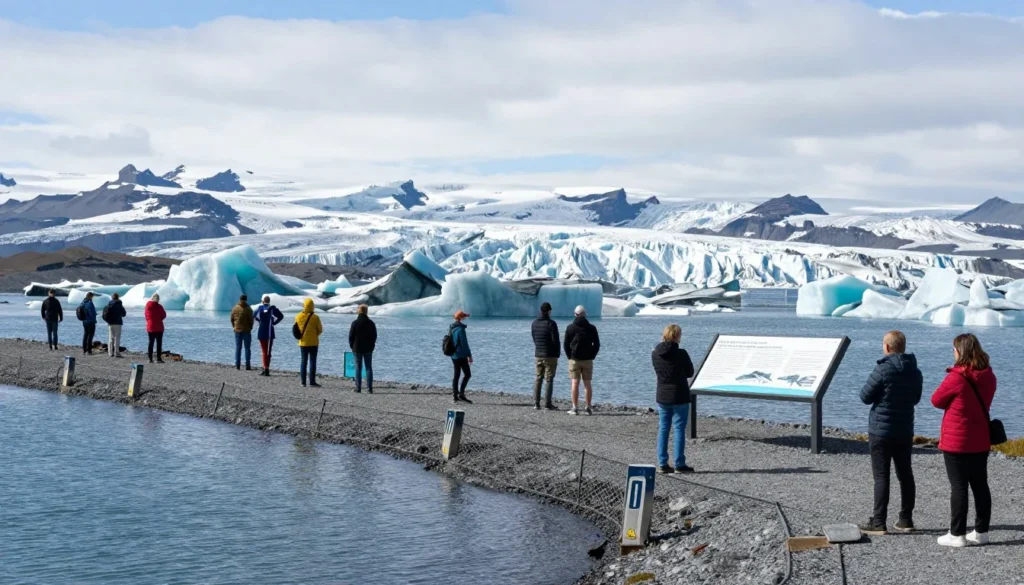
Water safety represents the primary concern at Jokulsarlon Glacier Lagoon. The water temperature remains near freezing year-round, typically 1°C to 3°C (34°F to 37°F). Immersion in water this cold causes rapid loss of muscle control. Even strong swimmers cannot survive more than minutes without rescue.
Never walk on icebergs or lagoon ice regardless of how solid it appears. Ice constantly breaks and shifts. What seems stable can flip or collapse without warning. Several accidents have occurred when visitors ignored these dangers.
At diamond beach, powerful Atlantic waves create additional hazards. Rogue waves sometimes surge unexpectedly far up the beach. Never turn your back to the ocean. Hold children’s hands near the water. The strong undertow can pull even adults off their feet.
Climbing on ice chunks at diamond beach poses multiple risks. The ice can be unstable and tip over. Sharp edges can cause cuts. The ice surface is extremely slippery. Many preventable injuries occur when visitors climb on ice for photos.
Weather Hazards
Iceland’s weather changes rapidly, often within minutes. Clear conditions can transform to rain, wind, or fog quickly. Always check weather forecasts before traveling. The Icelandic Meteorological Office provides detailed forecasts and warnings.
Strong winds frequently blow across the glacier lagoon area. Gusts can exceed 80 kilometers per hour (50 mph). These winds create dangerous conditions, especially near water or when walking on ice. Secure all loose items and exercise extra caution.
Hypothermia risk exists year-round at Jokulsarlon, even during summer. Wind chill significantly reduces effective temperature. Wet clothing accelerates heat loss. Always pack warm, waterproof layers. Wool and synthetic fabrics maintain warmth even when damp.
Emergency Contacts
Iceland uses a single emergency number for all services. Dial 112 for police, ambulance, or rescue services. This number works from any phone, including mobiles without network coverage in some cases.
Cell phone coverage exists at Jokulsarlon and along most of Route 1. However, service can be spotty in remote areas. Inform someone of your travel plans, especially when venturing away from main roads.
The nearest hospital to Jokulsarlon is in Hofn, approximately 80 kilometers (50 miles) away. For serious emergencies, helicopter evacuation to Reykjavik may be necessary. Ensure travel insurance covers emergency medical transport.
Emergency Services: For all emergencies, dial 112 from any phone. The ICE-SAR (Icelandic Association for Search and Rescue) coordinates rescue operations. For non-emergency assistance, contact Vatnajokull National Park at +354 470 8300.
Road Safety
Route 1 around Jokulsarlon is generally well-maintained. However, single-lane bridges appear regularly. These bridges require vehicles to yield. Slow down and check for oncoming traffic before crossing.
Sheep often wander onto roads in Iceland. These animals can appear suddenly, especially in fog or around curves. Reduce speed in rural areas and remain alert. Hitting livestock creates legal liability in Iceland.
Winter driving requires special attention. Ice and snow create challenging conditions. Icelandic law requires winter tires from November through April. Studded tires provide the best traction. Drive slowly and allow extra following distance.
Icelandic Customs and Etiquette
Icelanders value environmental protection deeply. Leave no trace principles apply everywhere. Pack out all trash. Stay on marked paths. Never disturb wildlife or remove natural objects like rocks or ice.
Icelanders typically speak excellent English. However, learning a few Icelandic words shows respect. “Takk” (thank you) and “Góðan daginn” (good day) are appreciated.
Tipping is not expected in Iceland. Service charges are included in prices. Restaurant bills, taxi fares, and tour costs require no additional tip. Rounding up is acceptable but not necessary.
Photography Etiquette
Popular viewpoints at Jokulsarlon can become crowded during peak hours. Be considerate of other photographers. Don’t block prime spots for extended periods. Take your photos and allow others access.
Drones require permits in Iceland. Flying drones in Vatnajokull National Park is prohibited without special permission. Violations carry significant fines. Always check regulations before flying any drone.
Commercial photography and videography may require permits at Jokulsarlon. Contact park authorities if planning commercial shoots. Personal photography for private use requires no permit.
Essential Safety Rules
- Never walk on lagoon ice or icebergs
- Stay back from edge at diamond beach
- Watch for rogue waves constantly
- Dress in warm, waterproof layers
- Check weather before traveling
- Inform someone of travel plans
Local Customs
- Practice leave no trace principles
- Stay on marked paths
- Respect wildlife from distance
- No tipping expected
- Remove shoes when entering homes
- Keep noise levels moderate
Environmental Protection
Jokulsarlon exists within Vatnajokull National Park. Protected area regulations apply. Camping is only permitted in designated campgrounds. Fires are prohibited except in designated areas. Disturbing vegetation, rocks, or wildlife violates park regulations.
The fragile ecosystem around the glacier lagoon faces threats from climate change and tourism impact. Visitors play a crucial role in preservation. Stay on established paths. Don’t leave marks or graffiti. Respect all closures and restricted areas.
Human waste must be disposed of properly. Use toilet facilities when available. In emergencies, follow proper backcountry waste disposal methods. Never leave toilet paper or waste visible.
Visitor Comments About Jökulsárlón
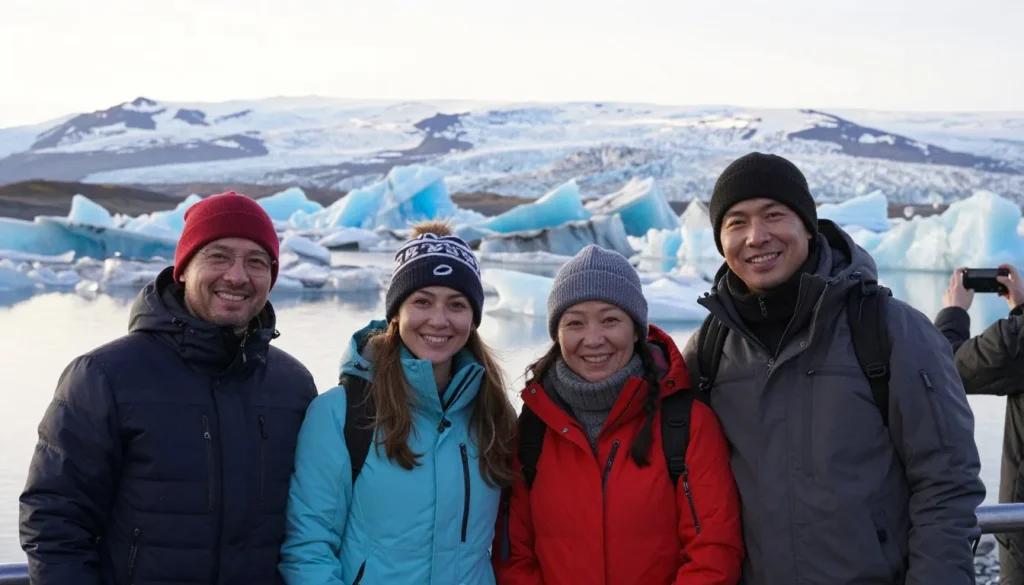
“The glacier lagoon exceeded every expectation. We spent three hours just watching the icebergs and seals. The boat tour brought us incredibly close to the ice. Diamond beach across the road was equally stunning. The contrast between black sand and blue ice creates photos that look almost unreal. This was absolutely the highlight of our entire Iceland trip.”
— M.W., Memphis
“Jokulsarlon is spectacular but come prepared for wind and cold. We visited in July and still needed heavy jackets. The scenery is absolutely worth the long drive from Reykjavik. I recommend staying in Hofn to allow more time at the lagoon during better light. Early morning had far fewer crowds. The seals putting on a show made our children absolutely delighted.”
— W.Y., High Wycombe
“We visited during winter specifically to photograph northern lights over the icebergs. The combination was magical beyond description. The ice caves tour the next day completed an unforgettable experience. Winter requires serious warm clothing and proper footwear. Road conditions were challenging but manageable with care. This natural wonder deserves its reputation as Iceland’s crown jewel.”
— A.F., Parañaque
Additional Nearby Destinations
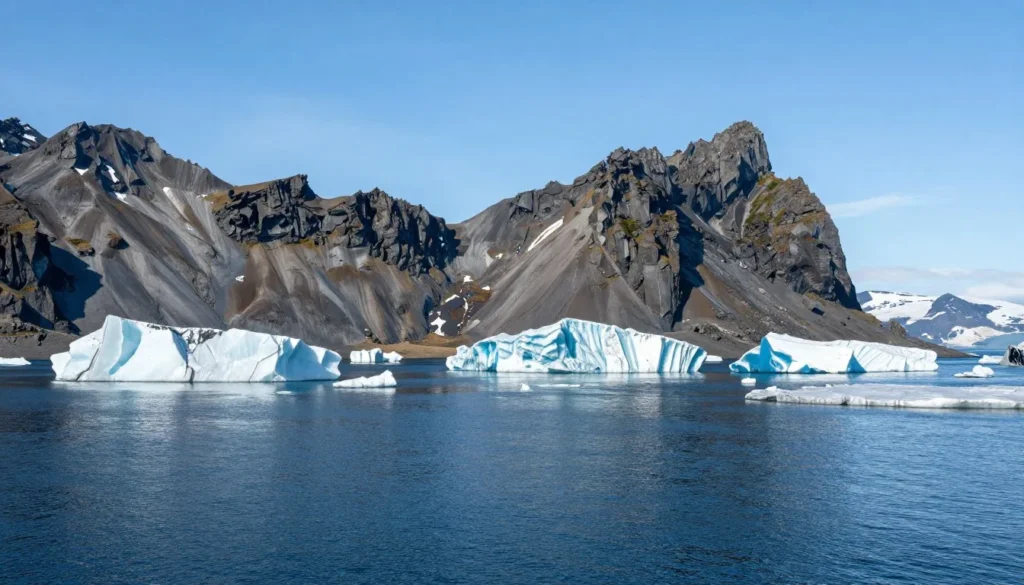
The area surrounding Jokulsarlon Glacier Lagoon offers numerous attractions worth exploring. Many visitors spend several days touring Iceland’s spectacular south coast. These nearby destinations complement a Jokulsarlon visit perfectly.
Vatnajokull National Park – Skaftafell Sector
Located 60 kilometers (37 miles) west of Jokulsarlon, Skaftafell represents one of Iceland’s premier hiking destinations. This sector of Vatnajokull National Park features numerous trails ranging from easy walks to challenging mountain routes.
The Svartifoss waterfall trail is the park’s most popular hike. This 1.5-kilometer (0.9-mile) walk leads to a waterfall surrounded by distinctive hexagonal basalt columns. The round-trip takes approximately 90 minutes.
Glacier walks and ice climbing tours depart regularly from Skaftafell. These guided experiences provide safe access to Vatnajokull glacier. Multiple tour operators maintain bases here, offering various difficulty levels and durations.
Fjallsarlon Glacier Lagoon
Just 10 kilometers (6 miles) west of Jokulsarlon sits Fjallsarlon, a smaller glacier lagoon. This site receives far fewer visitors despite offering similar stunning scenery. The intimate setting provides a quieter alternative to busy Jokulsarlon.
Boat tours operate at Fjallsarlon during summer months. The smaller lagoon allows close approaches to the glacier terminus. Kayaking tours also operate here when conditions permit. The parking area sits right off Route 1.
Hofn Town
Hofn, 80 kilometers (50 miles) east of Jokulsarlon, serves as the regional hub. This fishing town of approximately 2,200 residents provides full services including supermarkets, restaurants, gas stations, and medical facilities.
The town is famous for langoustine, locally called “humarsúpa.” Numerous restaurants specialize in seafood, particularly during the annual Lobster Festival in June. The harbor area offers pleasant walking and photo opportunities.
Hofn serves as an excellent base for exploring the Jokulsarlon area. Accommodation options here exceed those closer to the lagoon, and prices typically run lower.
Vestrahorn Mountain and Stokksnes Peninsula
Located approximately 30 kilometers (19 miles) east of Jokulsarlon, Vestrahorn ranks among Iceland’s most photographed mountains. The dramatic peaks rise directly from black sand beaches. The reflection in tidal pools creates iconic compositions.
Access to the Stokksnes Peninsula requires a small entrance fee paid at the Viking Cafe. The fee includes access to the beach and Viking movie set. The mountain views justify the modest cost, especially during golden hour.
South Coast Waterfalls
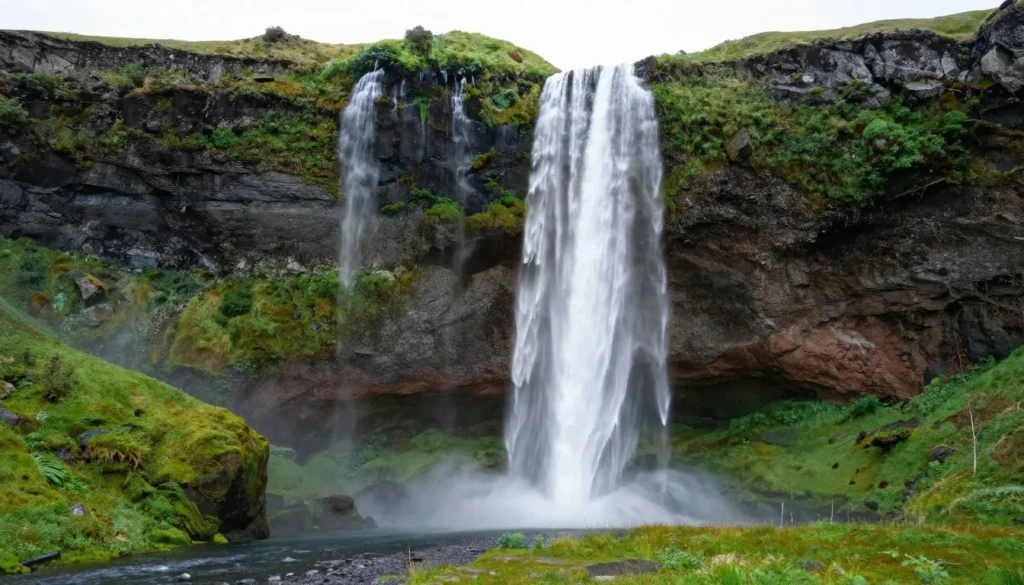
The journey from Reykjavik to Jokulsarlon passes several spectacular waterfalls. Seljalandsfoss allows visitors to walk behind the falling water. Skogafoss, one of Iceland’s largest waterfalls, drops 60 meters (197 feet).
Both waterfalls sit directly off Route 1, requiring minimal detours. Including these stops extends the Reykjavik to Jokulsarlon drive by approximately 2 hours total. Most travelers find the extra time worthwhile.
Vik and Black Sand Beaches
The village of Vik, 130 kilometers (81 miles) west of Jokulsarlon, marks a convenient stopping point. Reynisfjara black sand beach near Vik features dramatic basalt columns and sea stacks. The powerful waves create spectacular but dangerous conditions.
Vik offers accommodation, restaurants, and services. The town serves as a logical overnight stop when traveling between Reykjavik and Jokulsarlon over multiple days.
| Destination | Distance from Jokulsarlon | Drive Time | Top Attractions |
| Fjallsarlon | 10 km (6 miles) west | 10 minutes | Smaller glacier lagoon, boat tours |
| Skaftafell | 60 km (37 miles) west | 45 minutes | Hiking trails, Svartifoss waterfall |
| Hofn | 80 km (50 miles) east | 1 hour | Seafood, services, accommodations |
| Vestrahorn | 30 km (19 miles) east | 25 minutes | Mountain photography, black beaches |
| Vik | 130 km (81 miles) west | 1.5 hours | Black sand beaches, sea stacks |
Multi-Day Itinerary Suggestions
A thorough exploration of the Jokulsarlon area and south coast requires at least 3 to 4 days. This timeframe allows proper stops at major attractions without feeling rushed.
✓ Check 30,000+ Local Sightseeing Tours Worldwide
Day 1 could focus on the drive from Reykjavik with stops at Seljalandsfoss and Skogafoss waterfalls, overnighting in Vik. Day 2 might include Skaftafell hiking and reaching Jokulsarlon by evening. Day 3 allows thorough exploration of the glacier lagoon, diamond beach, and possibly Fjallsarlon. Day 4 could include Vestrahorn before beginning the return journey.
This itinerary provides balance between driving and exploring. Travelers with more time can add glacier hiking, ice cave tours, or additional coastal exploration.
Planning Tip: When visiting multiple south coast attractions, consider the direction of sunlight for photography. Morning light favors waterfalls and inland sites, while evening light often works better for the glacier lagoon and coastal areas. Plan your daily route with lighting conditions in mind.
Practical Travel Tips

What to Pack
Packing appropriate clothing makes or breaks a Jokulsarlon visit. Iceland’s weather demands layers regardless of season. The unpredictable conditions require preparation for rain, wind, and cold even during summer.
A waterproof outer jacket represents the single most important clothing item. Wind and rain occur frequently at the glacier lagoon. Quality waterproof protection allows comfortable exploration even in poor weather. Breathable fabrics like Gore-Tex work better than budget plastic rain jackets.
Warm middle layers provide insulation. Fleece jackets or wool sweaters trap body heat effectively. Multiple thin layers work better than one thick layer, allowing adjustment as activity level and weather change.
Base layers should be wool or synthetic fabrics. Cotton clothing should stay home. Cotton loses all insulating value when wet and dries slowly. Wool maintains warmth even when damp.
Sturdy waterproof hiking boots prove essential. The terrain around Jokulsarlon includes uneven ground, potentially wet conditions, and sometimes muddy paths. Good ankle support prevents injuries. Broken-in boots prevent blisters during extended walking.
Essential Clothing
- Waterproof jacket and pants
- Warm fleece or wool layers
- Wool or synthetic base layers
- Waterproof hiking boots
- Warm hat and gloves
- Sunglasses and sunscreen
Recommended Gear
- Camera with extra batteries
- Binoculars for wildlife
- Thermos for hot drinks
- Snacks and water
- Small backpack
- Phone charger and power bank
Photography Equipment
Serious photographers should bring tripods to Jokulsarlon. The dramatic scenery deserves careful composition. Long exposures work beautifully for capturing smooth water and moving icebergs. A sturdy tripod proves essential for these techniques.
Extra camera batteries are crucial. Cold weather drains battery power quickly. Keeping spare batteries warm inside jacket pockets extends their life. Some photographers carry 4 or 5 batteries for day-long shoots in winter.
Lens cleaning supplies become necessary at Jokulsarlon. Wind blows sand and salt spray. A lens cloth and cleaning solution prevent scratched optics. Protect cameras when not actively shooting.
Polarizing filters enhance ice and water photography. These filters reduce reflections and increase color saturation. The dramatic blue of icebergs appears even more vivid with polarizer use.
Health and Comfort Items
Sunscreen proves necessary year-round in Iceland. The northern latitude creates deceptive sun exposure. Snow and ice reflect UV rays, intensifying sunburn risk. Even overcast days require sun protection.
Lip balm with SPF prevents painful chapped lips. The constant wind at Jokulsarlon dries lips quickly. Reapply frequently throughout the day.
Hand warmers provide welcome comfort during winter visits. These chemical heat packs slip into gloves or pockets. They make extended photography sessions tolerable even in freezing conditions.
Vehicle Supplies
Road maps or GPS navigation are essential for driving in Iceland. Cell service works along Route 1 but can be unreliable in some areas. Offline maps provide backup navigation.
A first-aid kit belongs in every rental car. Minor injuries like cuts or scrapes happen during outdoor activities. Basic supplies handle most situations until professional help is available if needed.
Bringing extra food and water in your vehicle provides security. Iceland’s long distances between services mean self-sufficiency matters. Emergency supplies could prove vital if weather forces unexpected delays.
Money Matters
Iceland operates as a nearly cashless society. Credit cards are accepted virtually everywhere, including the smallest shops and cafes. Carrying minimal cash suffices for the rare vendor who doesn’t accept cards.
Notify your bank before traveling to Iceland. International transactions sometimes trigger fraud alerts. Ensuring cards work prevents payment problems far from home.
ATMs in Hofn and other towns provide Icelandic kronur if cash becomes necessary. However, most visitors complete entire Iceland trips using only credit cards.
Communication and Connectivity
Cell phone service covers Route 1 and the Jokulsarlon area. The major Icelandic networks provide good coverage along main roads. Remote areas still lack service, so don’t rely entirely on phones for navigation.
European SIM cards work in Iceland without additional roaming charges. North American and Asian visitors should check roaming costs with their providers. Purchasing a local Icelandic SIM card often saves money for longer stays.
WiFi is available at most hotels, guesthouses, and cafes. However, accommodation near Jokulsarlon may have limited or slow internet. Don’t expect streaming quality in remote areas.
Timing Your Visit
Allowing adequate time at Jokulsarlon prevents rushed experiences. Budget at least 2 to 3 hours minimum for shore exploration and diamond beach. Adding a boat tour requires another hour. Photographers often spend entire days capturing different light conditions.
Sunrise and sunset provide the best photography light during summer months. The midnight sun period from late May through July offers extended golden hour. Winter’s short days require careful timing to maximize limited daylight.
Midday crowds peak between 11 AM and 3 PM during summer. Arriving early morning or staying into evening provides more solitude. The seals often appear more active during quieter times as well.
Weather Resources: Check weather and road conditions before traveling. The Icelandic Meteorological Office website provides detailed forecasts. The road conditions website road.is offers real-time updates on Route 1 and all Icelandic roads. Both resources are available in English.
Environmental Responsibility
Respecting the environment ensures Jokulsarlon remains pristine for future visitors. Pack out all trash without exception. No waste bins exist at many viewpoints, so plan to carry out everything you bring in.
Stay on established paths and designated areas. Fragile vegetation suffers from trampling. Creating new paths contributes to erosion. The marked areas provide excellent access without damaging the environment.
Never feed wildlife including seals and birds. Human food harms animals and creates dangerous dependency. Observe wildlife from respectful distances. Binoculars allow close views without disturbing animals.
Take only photographs, leave only footprints. This timeless advice applies perfectly to Jokulsarlon. Don’t remove ice, rocks, or any natural objects. Everything at the glacier lagoon serves important ecological functions.
Location Map
Jokulsarlon Glacier Lagoon is located in southeastern Iceland along Route 1, approximately 370 km (230 miles) from Reykjavik.
Your Jokulsarlon Adventure Awaits
Jokulsarlon Glacier Lagoon stands as one of Earth’s most extraordinary natural wonders. The stunning blue icebergs, dramatic diamond beach, and intimate wildlife encounters create memories that last a lifetime. Whether you visit during the endless summer days or the magical northern lights season, this glacier lagoon delivers experiences unlike anywhere else.
Planning makes the difference between a good visit and an unforgettable adventure. Understanding the best times to visit, knowing what to expect, and preparing properly ensures maximum enjoyment. The journey to Iceland’s south coast requires effort, but Jokulsarlon rewards that effort many times over.
The glacier lagoon continues evolving as climate change reshapes Iceland’s landscape. Visiting soon means witnessing this natural marvel in its current magnificent form. Pack your warmest clothes, charge your camera batteries, and prepare for the adventure of a lifetime at Jokulsarlon Glacier Lagoon.