Hotels by Trip.com
Flights by Trip.com
Every year, more than 2 million visitors land at Keflavik International Airport on the Reykjanes Peninsula, yet remarkably few venture beyond the airport boundaries to explore this extraordinary volcanic wonderland. The peninsula derives its name from the Icelandic words “reykja” (smoke) and “nes” (peninsula), aptly describing the steam that rises continuously from its geothermal vents and hot springs.
This dramatic landscape sits directly atop the Mid-Atlantic Ridge, where the North American and Eurasian tectonic plates meet and slowly drift apart. Visitors walk between continents here, witnessing geological forces that shape our planet in real time.
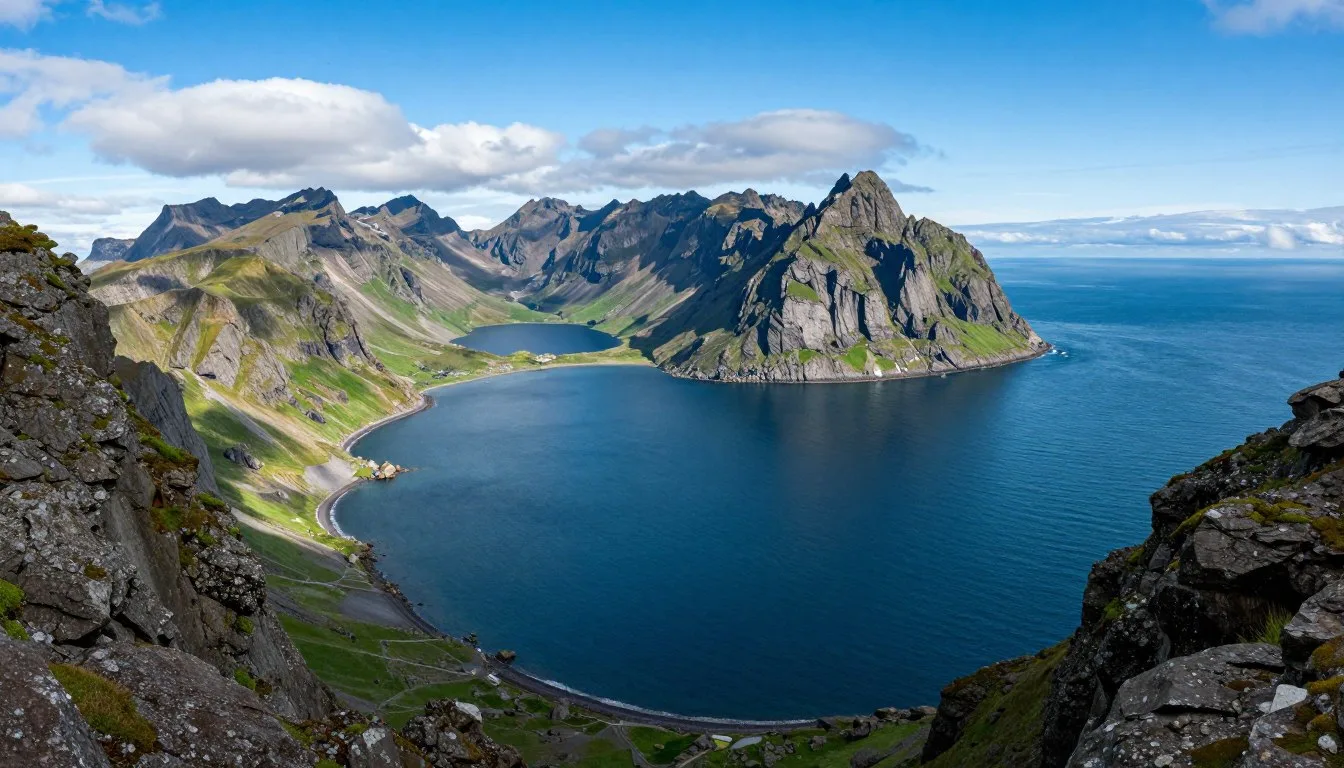
The area offers an authentic introduction to Iceland’s raw natural beauty. Bubbling mud pools, vast lava fields, towering coastal cliffs, and powerful geothermal activity create an otherworldly experience just minutes from the international airport. Whether you have a few hours between flights or several days to explore, the peninsula delivers unforgettable encounters with nature’s most dramatic elements.
Getting There and Planning Your Journey
Keflavik International Airport serves as Iceland’s primary gateway and sits on the northwestern tip of the Reykjanes Peninsula. This strategic location makes the area incredibly accessible for international visitors. The airport receives flights from North America, Europe, and other destinations year-round.
Most travelers arrive in Iceland through Keflavik, which places them immediately within the peninsula’s boundaries. The airport is located approximately 50 km (31 miles) southwest of Reykjavik, Iceland’s capital city. This proximity means visitors can explore significant portions of the peninsula within an hour’s drive from either the airport or Reykjavik.
Road connections throughout the peninsula are excellent. Route 41 circles the peninsula’s perimeter, providing access to most major attractions. Route 43 cuts across the interior, offering alternative routing options. Most roads are paved and well-maintained, though some secondary routes leading to specific sites may be gravel.
The compact size of the peninsula makes day trips entirely feasible. Many visitors incorporate Reykjanes into their arrival or departure day itinerary, maximizing their Iceland experience without adding extra travel days. Others dedicate two to three days to thoroughly explore the area and its numerous attractions.
Visitor Information: The Reykjanes Peninsula Visitor Center provides comprehensive information about the area, current volcanic activity updates, and safety guidelines. Contact them for current conditions and recommendations.
Best Time to Visit and Weather Tips
The Reykjanes Peninsula welcomes visitors throughout the year, though each season offers distinct experiences. Understanding seasonal variations helps you plan the optimal visit for your preferences and interests.
Recommended Visiting Seasons
Summer months from June through August bring the most favorable weather conditions. Temperatures typically range from 10°C to 15°C (50°F to 59°F), with extended daylight hours providing ample time for exploration. The midnight sun phenomenon creates nearly 24 hours of daylight in June, perfect for photographers and outdoor enthusiasts.
September through October offers autumn colors and fewer crowds. Temperatures cool to 5°C to 10°C (41°F to 50°F), but the landscape transforms with golden hues. This period also marks the beginning of Northern Lights season, adding another dimension to evening visits.
Winter months from November through March present challenges but reward hardy visitors. Temperatures hover around 0°C to 5°C (32°F to 41°F). Snow can cover lava fields, creating stark beauty. Aurora borealis viewing reaches peak probability during these months. However, weather conditions can change rapidly, and some roads may become temporarily impassable.
Spring from April through May brings renewal to the landscape. Temperatures gradually rise from 5°C to 10°C (41°F to 50°F). Days lengthen significantly, and visitor numbers remain moderate. This shoulder season offers excellent value and comfortable exploration conditions.
Check 30,000+ Local Sightseeing Tours Worldwide
✓ Numerous languages and currencies are available
Seasons to Approach with Caution
Deep winter months of December through February can prove challenging for inexperienced travelers. Extreme weather events occur more frequently, including powerful storms with winds exceeding 100 km/h (62 mph). Road conditions deteriorate quickly, and daylight lasts only four to five hours.
These months require appropriate clothing, vehicle preparation, and flexibility in planning. Many visitors still enjoy winter experiences but should prepare thoroughly and monitor weather forecasts constantly.
Weather Preparation
Essential Weather Gear
- Waterproof outer layers with sealed seams
- Insulating mid-layers for temperature regulation
- Wind-resistant clothing for coastal areas
- Sturdy waterproof hiking boots with ankle support
- Warm hat and gloves even in summer
Weather Considerations
- Conditions change rapidly throughout the day
- Coastal areas experience stronger winds
- Geothermal areas create localized microclimates
- Rain can occur during any season
- Always check forecasts before departing
The peninsula’s coastal exposure creates unique weather patterns. Winds blow stronger near the ocean, particularly at cliff sites. Geothermal areas generate their own microclimates with warmer temperatures and increased humidity. Dress in layers to adapt to these varying conditions throughout your visit.
Notable Annual Festivals
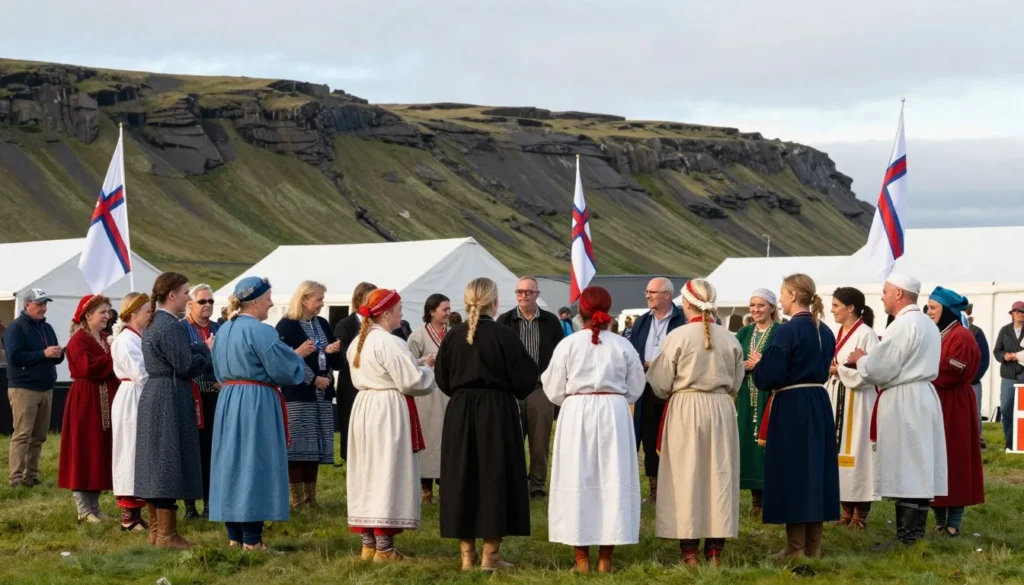
The Reykjanes Peninsula hosts several distinctive festivals that showcase local culture, history, and natural wonders. These events provide deeper insight into the area and create memorable experiences beyond standard sightseeing.
Viking Festival
Each June, the peninsula celebrates its Viking heritage with a multi-day festival featuring historical reenactments, traditional crafts, and authentic Norse cuisine. The event takes place in Hafnir and includes demonstrations of Viking-age skills, storytelling sessions, and family-friendly activities. Dates typically fall in mid-June to coincide with the summer solstice.
Fisheries Day
August brings Fisheries Day celebrations to coastal communities throughout the peninsula. Grindavik hosts one of the largest events, honoring the region’s fishing traditions with fresh seafood tastings, boat tours, maritime exhibitions, and live music. The festival usually occurs during the first weekend of August.
Northern Lights Season Opening
September marks the unofficial start of aurora viewing season. Several towns organize evening events combining aurora education, photography workshops, and guided night walks to optimal viewing sites. The Reykjanes Geopark coordinates many of these activities throughout September and October.
Winter Solstice Celebration
December 21st brings special solstice events to the peninsula. Communities gather for traditional celebrations combining ancient Icelandic customs with modern festivities. The shortest day of the year features candlelit walks, storytelling, and communal meals featuring traditional winter foods.
Festival timing varies slightly year to year. Contact organizers directly for specific dates and booking requirements, especially for events with limited capacity or special access opportunities.
Getting Around Locally
Transportation options on the Reykjanes Peninsula accommodate various travel styles and budgets. The area’s compact size and good road infrastructure make navigation straightforward for most visitors.
Rental Vehicles
Self-driving offers maximum flexibility for exploring the peninsula. Numerous rental agencies operate at Keflavik International Airport, making vehicle pickup convenient upon arrival. Standard two-wheel-drive cars suffice for paved roads and major attractions during summer months.
Four-wheel-drive vehicles become advisable for winter travel or when accessing remote sites on gravel roads. These vehicles handle changing conditions better and provide increased ground clearance for rougher terrain. Book vehicles in advance during peak summer season or winter holiday periods to ensure availability.
Organized Tours
Guided tours provide expert knowledge and eliminate navigation concerns. Multiple tour operators offer half-day and full-day excursions covering major peninsula highlights. Tours typically depart from Reykjavik and include transportation, guide services, and sometimes meals or admission fees.
Specialized tours focus on specific interests such as geology, photography, or birdwatching. These smaller group experiences provide deeper engagement with particular aspects of the peninsula. Private tours accommodate custom itineraries for those seeking personalized experiences.
Public Transportation
Bus services connect major towns on the peninsula with Reykjavik. Route 55 links Keflavik International Airport to Reykjavik, stopping at several peninsula communities. However, buses do not reach most natural attractions directly. This option works best when combined with other transportation methods or for travelers staying in peninsula towns.
Cycling
Bicycle touring appeals to adventurous visitors during summer months. Relatively flat terrain and paved roads create decent cycling conditions, though constant winds pose challenges. Several accommodations offer bike rentals or allow guests to bring their own bicycles. Plan routes carefully, as distances between services can be substantial.
Navigation Tips: Download offline maps before exploring remote areas. Cell coverage varies throughout the peninsula. GPS coordinates prove helpful for locating specific geothermal areas and coastal sites.
Where to Stay
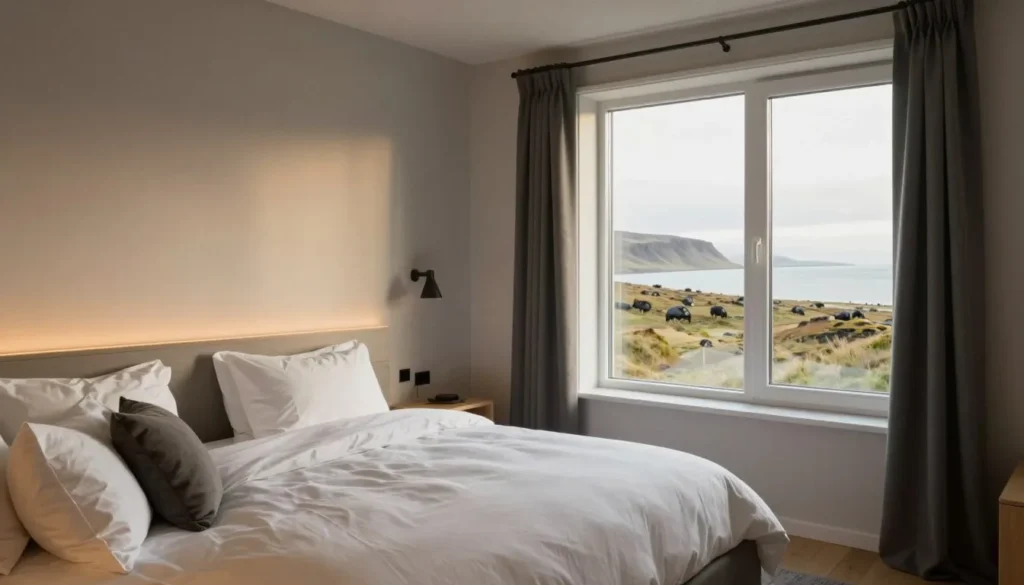
Accommodation options span the spectrum from budget-friendly guesthouses to luxury hotels. The peninsula’s growing popularity has expanded lodging choices significantly in recent years.
Hotels and Resorts
Full-service hotels cluster around Keflavik and Grindavik. These properties offer amenities including restaurants, spas, and tour booking services. The Blue Lagoon area features upscale resorts with direct access to geothermal waters, though prices reflect premium positioning.
Mid-range hotels provide comfortable rooms with standard amenities at more accessible prices. Many include breakfast and offer good value for money. Properties near the airport serve travelers with early flights or those arriving late in the evening.
Guesthouses and Bed & Breakfasts
Family-run guesthouses dot smaller communities throughout the peninsula. These intimate properties provide personal service and local knowledge. Hosts often share insider recommendations for lesser-known sites and current conditions.
Rooms typically include private or shared bathrooms. Many guesthouses serve homemade breakfast featuring local ingredients. This option suits travelers seeking authentic connections and personalized experiences.
Vacation Rentals
Self-catering cottages and apartments offer independence and flexibility. These properties work well for families or groups staying multiple nights. Full kitchens allow meal preparation, reducing dining costs. Many rentals feature distinctive architecture and stunning views of surrounding landscapes.
Camping
Designated campsites operate in Grindavik and several other locations during summer months. Facilities range from basic tent sites to spots accommodating campervans with electrical hookups. Camping requires appropriate equipment for potentially cold, windy conditions even in summer.
Booking Strategy: Reserve accommodations well in advance for summer visits from June through August. Winter travelers often find better availability and lower rates, though some properties close seasonally.
Location considerations matter when choosing where to stay. Properties near Keflavik offer airport proximity but less scenic surroundings. Grindavik provides seaside atmosphere and good access to Blue Lagoon and southern peninsula sites. Smaller villages deliver quieter experiences with dramatic natural settings.
Dining and Local Cuisine
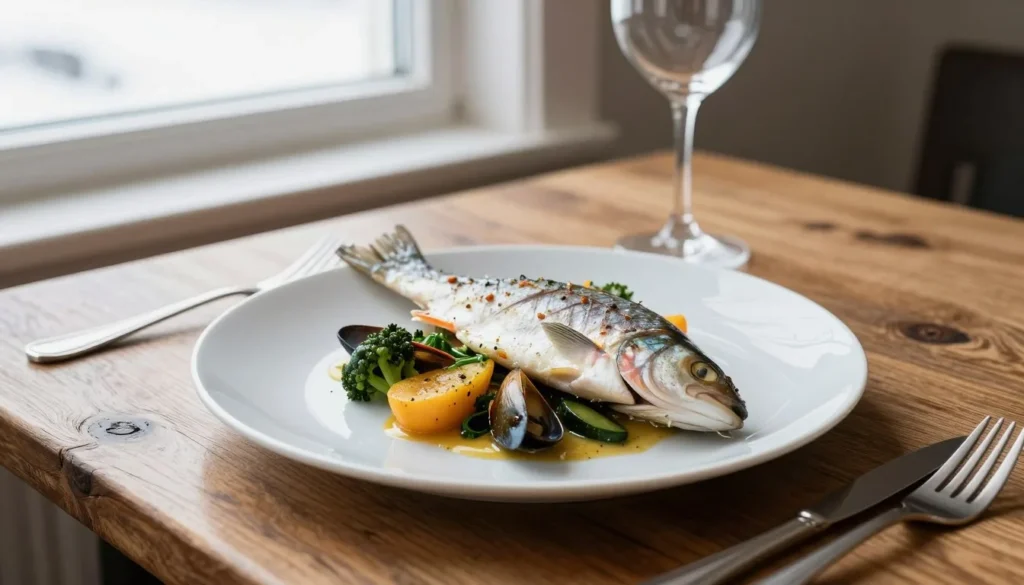
The Reykjanes Peninsula’s culinary scene reflects its maritime heritage and volcanic landscape. Fresh seafood dominates menus, while geothermal cooking methods add unique character to dining experiences.
Local Specialties
Seafood features prominently in peninsula cuisine. Grindavik’s fishing fleet supplies restaurants with exceptionally fresh catch daily. Cod, haddock, and halibut appear prepared in traditional and contemporary styles. Langoustine, caught in nearby waters, represents a local delicacy worth seeking out.
Geothermal bread baking demonstrates the area’s innovative use of natural resources. Chefs bury dough pots in hot ground near steam vents, where earth heat slowly bakes dense rye bread over several hours. Some restaurants and bakeries offer this traditional bread alongside butter and smoked fish.
Lamb raised on peninsula farms grazes on vegetation flavored by sea air and mineral-rich soil. The meat develops distinctive taste appreciated in both traditional preparations and modern interpretations. Slow-roasted lamb appears on many restaurant menus, particularly during autumn and winter months.
Restaurant Options
Grindavik hosts several excellent seafood restaurants where fishing boats dock within view of dining rooms. These establishments emphasize fresh, simply prepared fish that showcases quality ingredients. Prices reflect the premium nature of ultra-fresh seafood but deliver memorable meals.
Keflavik offers more diverse dining choices including international cuisines alongside Icelandic specialties. The town’s restaurants cater to various budgets and preferences. Several cafes provide lighter fare, homemade soups, and excellent coffee for casual meals.
The Blue Lagoon complex contains multiple dining venues ranging from casual cafes to fine dining. The signature restaurant incorporates geothermal cooking methods and locally sourced ingredients into its tasting menus. Reservations become essential for premium dining experiences.
Budget-Friendly Eating
Grocery stores in Keflavik and Grindavik stock ingredients for self-catering. Preparing some meals keeps costs manageable while allowing sampling of Icelandic products. Skyr, Iceland’s protein-rich dairy product, makes an excellent breakfast or snack.
Gas stations throughout the peninsula offer hot food counters serving soup, sandwiches, and basic meals. Quality often exceeds expectations, providing convenient refueling stops during day trips. Prices remain reasonable compared to sit-down restaurants.
Bakeries sell fresh bread, pastries, and packaged sandwiches suitable for picnic lunches. This option works particularly well when exploring areas without restaurant facilities.
Attractions, Sightseeing and Activities
The Reykjanes Peninsula concentrates remarkable attractions within a relatively small area. Volcanic activity, geothermal wonders, and coastal beauty create diverse sightseeing opportunities suitable for various interests and energy levels.
Blue Lagoon
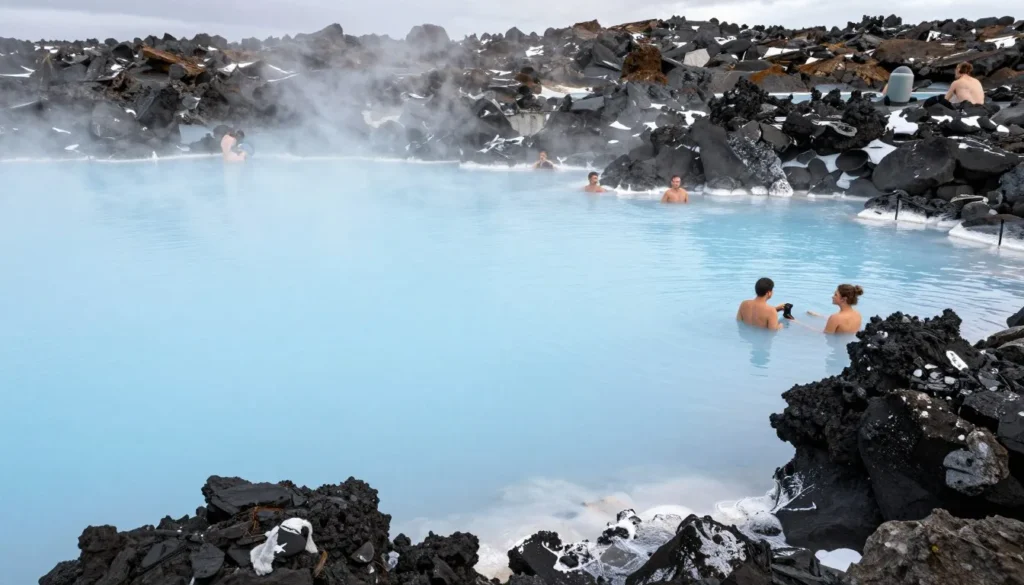
This world-famous geothermal spa represents the peninsula’s most visited attraction. Milky blue water rich in silica and minerals fills a former volcanic crater, creating a surreal bathing experience. Water temperature maintains comfortable levels around 37°C to 39°C (99°F to 102°F) year-round.
The facility offers multiple experience levels from basic admission to premium packages including private changing facilities, bathrobes, and spa treatments. The in-water bar serves refreshments while you soak. Reservations are mandatory and should be made weeks in advance during peak season.
The lagoon sits approximately 20 km (12 miles) from Keflavik International Airport. Many visitors schedule stops either arriving or departing Iceland. The site provides luggage storage for this purpose. Allow minimum three hours for the full experience including changing and bathing time.
Bridge Between Continents
A small footbridge spans a fissure where the North American and Eurasian tectonic plates meet. This symbolic crossing represents one of few places on earth where the Mid-Atlantic Ridge rises above sea level. The plates drift apart approximately 2 cm (0.8 inches) annually.
The site requires only 15 to 20 minutes to visit but provides powerful connection to plate tectonics. Information panels explain the geological significance. The bridge offers excellent photo opportunities with dramatic rift valley views. Access is free and the site remains open year-round.
Gunnuhver Hot Springs
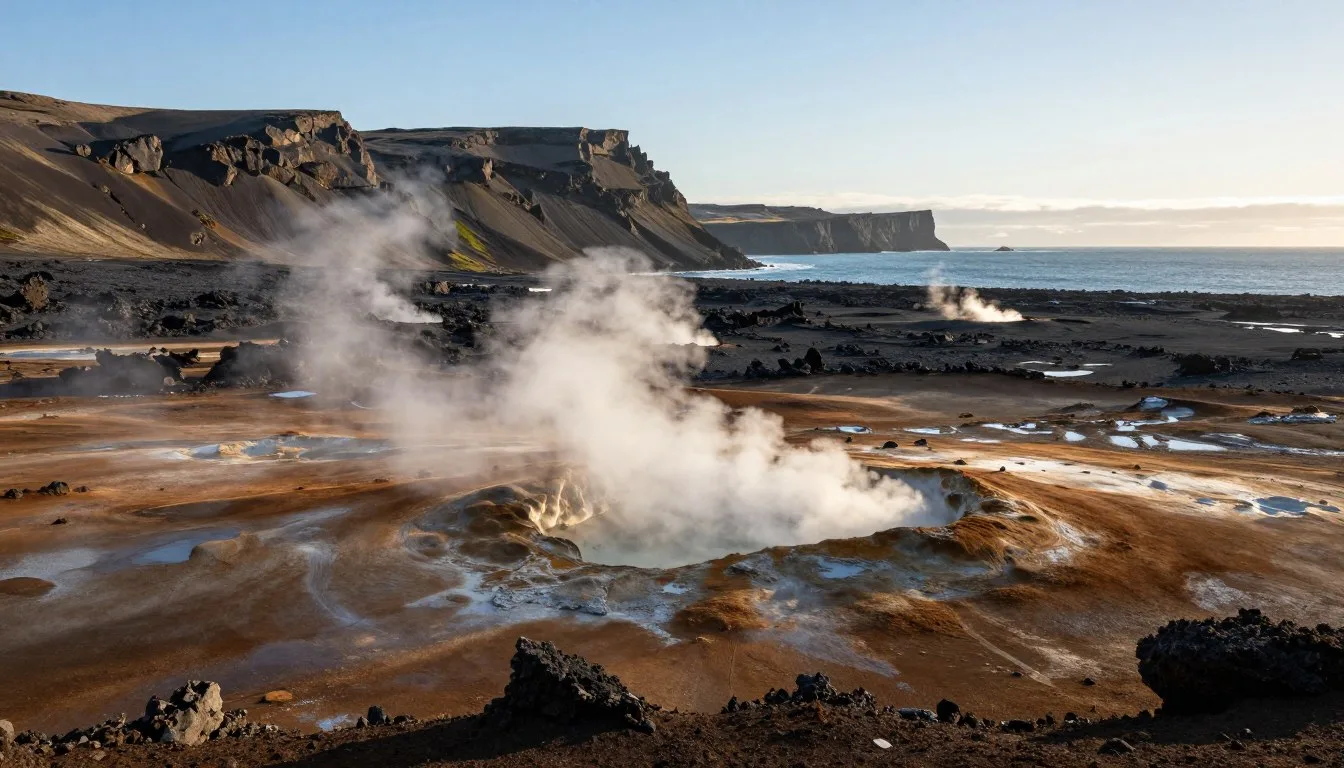
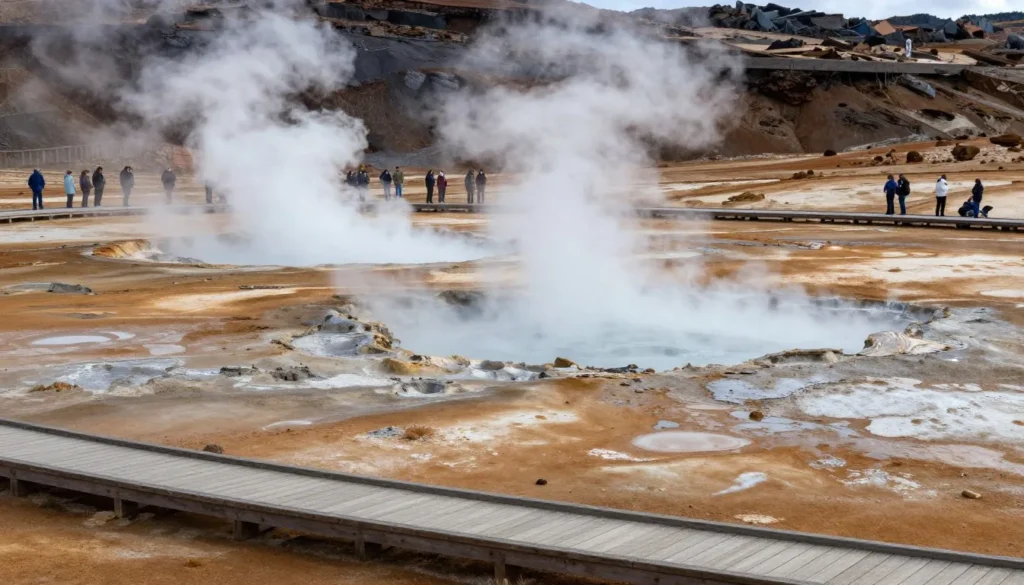
This massive geothermal area produces Iceland’s most powerful hot springs. Boiling mud pools bubble violently while steam vents release tremendous energy with thunderous sounds. The area demonstrates raw volcanic power in dramatic fashion.
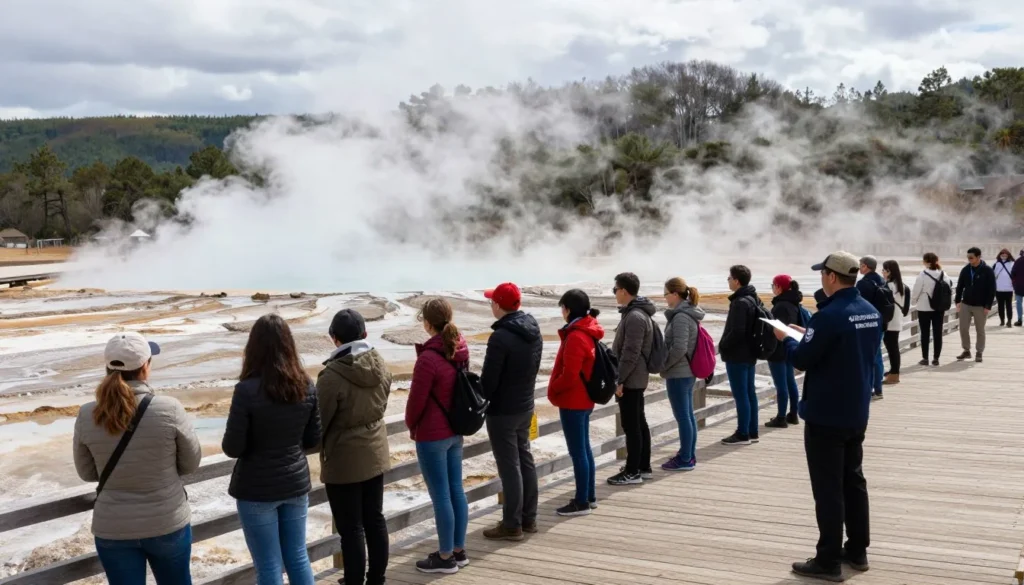
Wooden walkways allow safe viewing of thermal features. The walkways remain well-maintained but surfaces can become slippery when wet. Stay on designated paths as ground temperature exceeds safe levels in many areas. The site takes its name from the ghost Gunna, according to local folklore.
Reykjanesviti Lighthouse
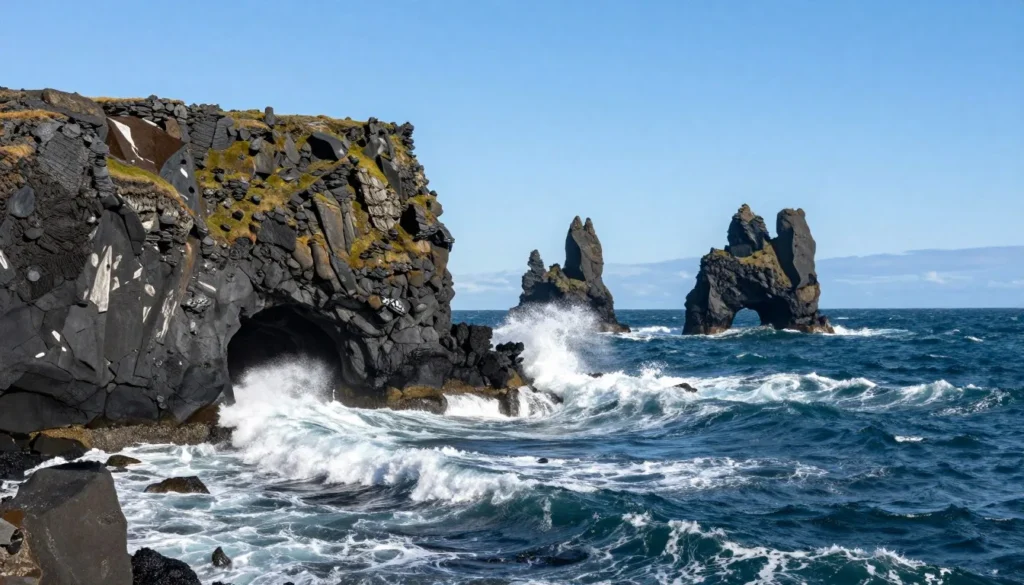
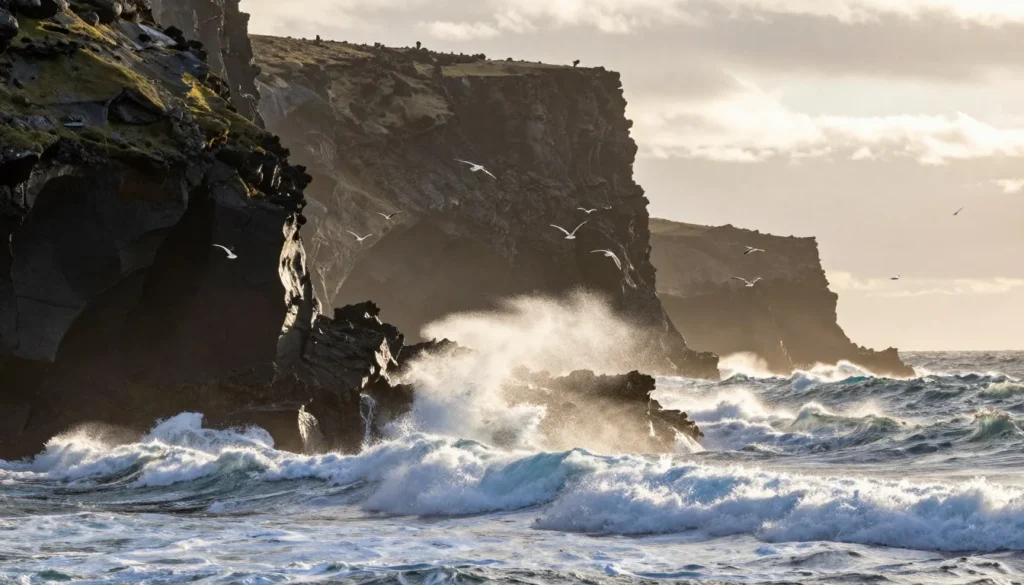
Iceland’s oldest lighthouse stands on the peninsula’s southwestern tip, surrounded by dramatic coastal cliffs and powerful surf. The current structure dates to 1929, though lighthouses have guided ships from this location since 1878. The tower rises 31 m (102 feet) above sea level.
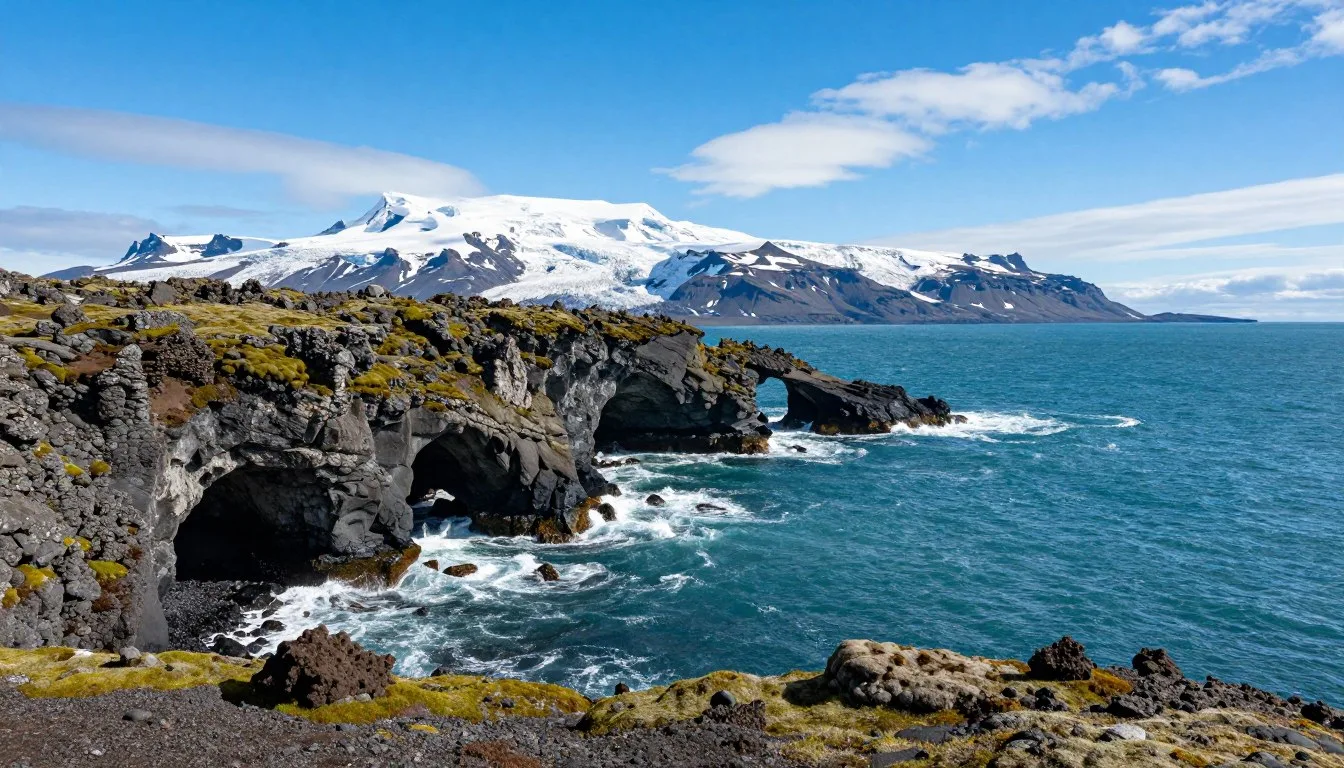
The surrounding area offers spectacular coastal scenery with numerous sea stacks, arches, and bird colonies. Waves crash against black volcanic rocks with impressive force, particularly during stormy weather. Exercise caution near cliff edges as wind gusts prove unpredictable.
Kleifarvatn Lake
This deep lake covering 8 square kilometers (2,000 acres) sits within a volcanic fissure zone. The water level fluctuates significantly due to underground connections with geothermal systems. Earthquake activity in 2000 created new fissures that drained substantial water volume.
The lake’s dark waters contrast beautifully with surrounding mountains and lava fields. The area provides excellent hiking opportunities with trails following the shoreline. The remote location offers solitude often lacking at more popular sites.
Seltun Geothermal Area
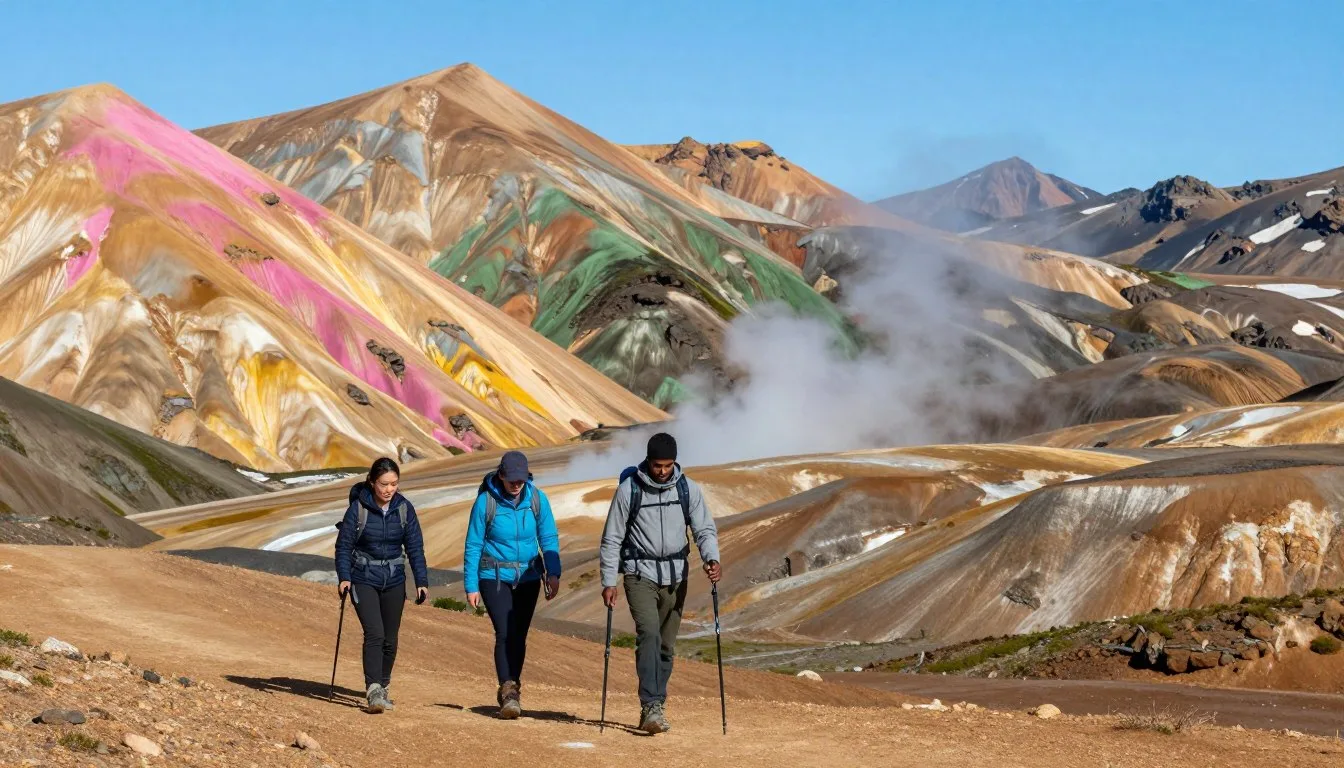
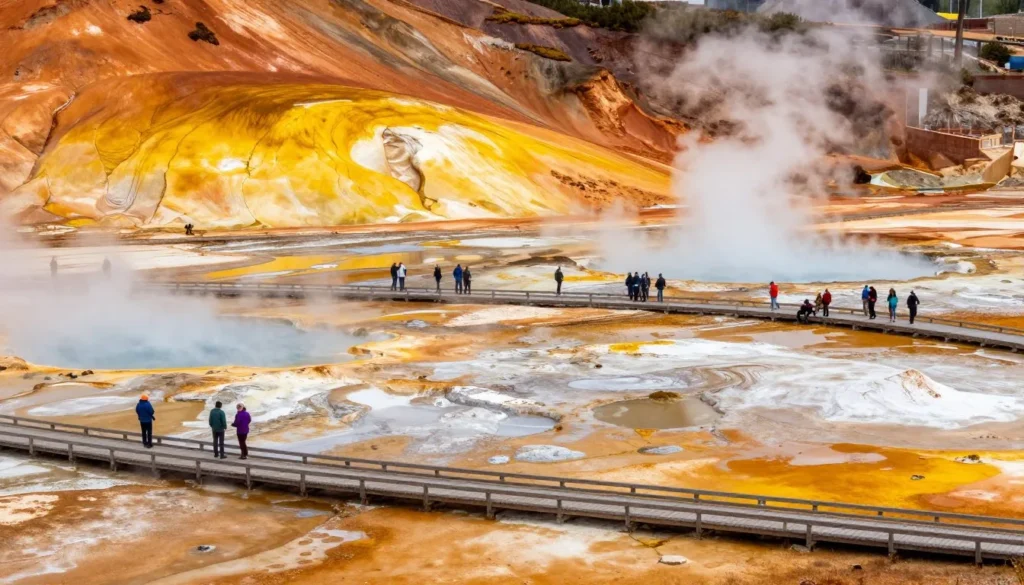
Seltun presents colorful geothermal features including boiling mud pots, fumaroles, and mineral deposits in vivid yellows, oranges, and reds. Boardwalks wind through the area allowing close viewing while protecting fragile ground.
The site demonstrates various geothermal phenomena in concentrated space. Steam vents hiss continuously while mud pools bubble and plop rhythmically. The mineral-rich ground creates rainbow-like colors absent in most volcanic landscapes. Visit early morning or late evening for the best light and smaller crowds.
Fagradalsfjall Volcanic Site
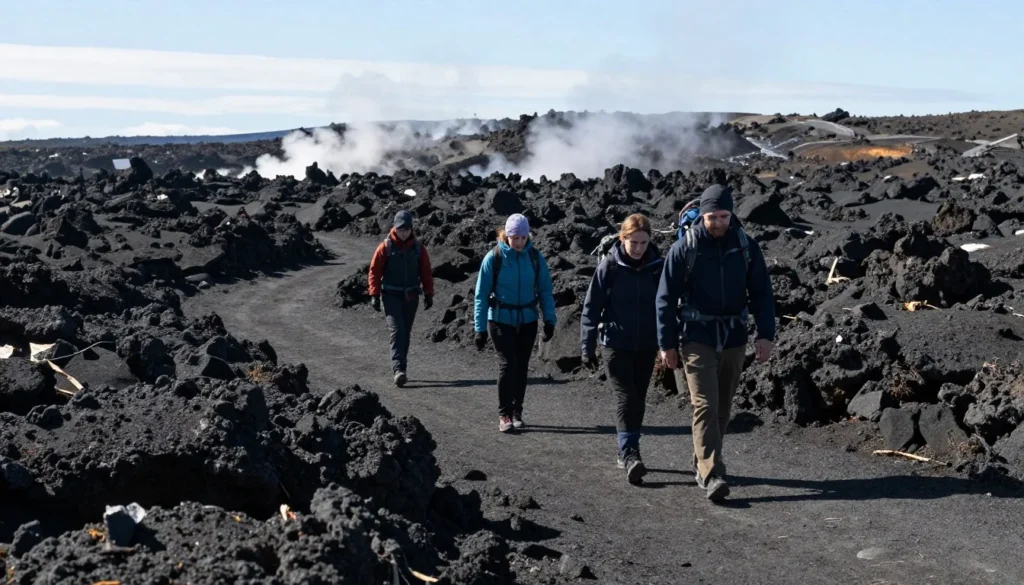
The 2021 and 2022 volcanic eruptions created new lava fields and craters accessible to visitors. This area demonstrates recent volcanic activity and allows walking across terrain formed within the past few years. The fresh lava fields contrast sharply with older formations.
Hiking to viewpoints requires moderate fitness and proper footwear. Trails cross rough lava rock and can be challenging to navigate. Check current volcanic activity before visiting as eruptions can resume with little warning. When no active eruption occurs, the site remains safe for exploration.
Krýsuvík
This geothermal field encompasses multiple features including hot springs, mud pools, and steam vents spread across a larger area. The name applies to both the geothermal zone and a nearby abandoned farm settlement. The thermal features demonstrate less intensity than Gunnuhver but offer more varied terrain.
Walking trails connect different geothermal areas, allowing visitors to experience multiple features during one visit. The remote location means fewer crowds compared to sites closer to main roads. The area remains geologically active with ongoing monitoring of underground systems.
Museums, Cultural Spots and Festivals
Beyond natural attractions, the Reykjanes Peninsula preserves important cultural heritage through museums and historical sites. These venues provide context for understanding the area’s human history and ongoing relationship with its dramatic environment.
Reykjanes Geopark Visitor Center
This modern facility in Grindavik explains the peninsula’s unique geology through interactive exhibits and multimedia presentations. Displays cover plate tectonics, volcanic activity, and geothermal systems. The center serves as an excellent first stop for understanding what makes the area geologically significant.
Knowledgeable staff provide information about current conditions, recent volcanic activity, and safe exploration guidelines. The facility houses a small cafe and gift shop featuring local products. Admission fees remain modest, supporting ongoing educational programming.
Icelandic Museum of Rock ‘n’ Roll
Located in Keflavik, this unexpected museum chronicles Iceland’s vibrant music scene. Exhibits trace the evolution of Icelandic rock and pop music from the 1960s to present day. Interactive displays allow visitors to play instruments and mix tracks.
The museum celebrates Iceland’s disproportionate musical influence given its small population. Exhibits highlight internationally successful Icelandic artists while also documenting local music culture. The venue hosts occasional live performances and special events.
Viking World Museum
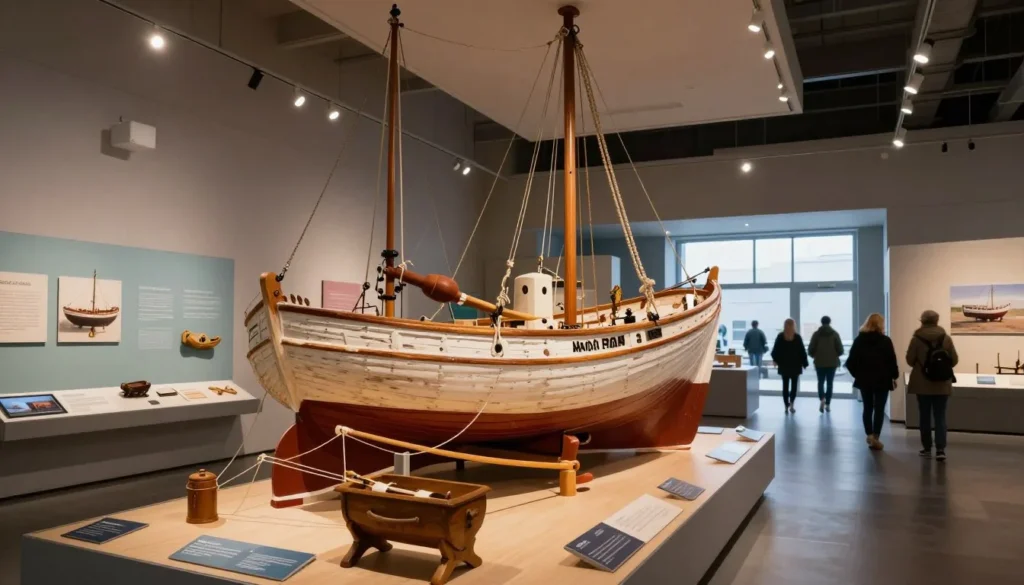
This museum in Njardvik focuses on Viking Age history and culture. The centerpiece is Icelander, a full-scale replica Viking ship that sailed to North America in 2000, commemorating Leif Erikson’s voyage 1,000 years earlier. The impressive vessel dominates the main exhibition hall.
Additional exhibits explore Viking navigation, shipbuilding, daily life, and settlement of Iceland. Archaeological artifacts from local excavations provide tangible connections to the past. The museum appeals to families with interactive elements designed for younger visitors.
Duus Museum
This cultural center in Keflavik occupies a restored early 20th-century building. Exhibits rotate but typically focus on local history, art, and maritime traditions. The building itself represents important architectural heritage from the town’s development period.
The museum hosts temporary exhibitions featuring contemporary Icelandic artists. A small cafe serves coffee and light meals in a historic setting. The venue also functions as a community gathering space for cultural events and performances.
Historical Churches
Several charming churches dot the peninsula, representing various architectural periods. These buildings serve active congregations while welcoming respectful visitors. The churches often occupy dramatic settings with ocean or mountain backdrops.
Notable examples include the distinctive modern church in Grindavik and traditional turf-roofed churches in smaller communities. These buildings reflect Iceland’s religious heritage and architectural adaptation to harsh environmental conditions.
Nature and Outdoor Experiences
The peninsula’s raw landscapes invite active exploration through hiking, birdwatching, and coastal activities. Outdoor experiences range from gentle walks to challenging treks across volcanic terrain.
Hiking Opportunities
Numerous trails cross the peninsula, varying from short nature walks to full-day expeditions. The coastal path from Grindavik toward Reykjanesviti offers stunning ocean views and geological features. This moderate hike covers approximately 12 km (7.5 miles) one way across lava fields and along clifftops.
The Fagradalsfjall hike to recent volcanic sites presents more challenging terrain. The route ascends approximately 300 m (984 feet) over 6 km (3.7 miles). Fresh lava rock requires careful footing and sturdy boots. The reward includes close-up views of recent volcanic activity and panoramic peninsula vistas.
Trails around Kleifarvatn Lake provide gentler options suitable for most fitness levels. The lake circuit covers roughly 8 km (5 miles) on relatively flat terrain. The route passes through varied landscapes including lava formations, hot springs, and shoreline environments.
Trail Safety: Bring adequate water as few trails pass natural water sources. Wear sturdy footwear with ankle support for lava rock terrain. Check weather forecasts before departing as conditions change rapidly. Inform someone of your hiking plans when exploring remote areas.
Check 30,000+ Local Sightseeing Tours Worldwide
✓ Numerous languages and currencies are available
Birdwatching
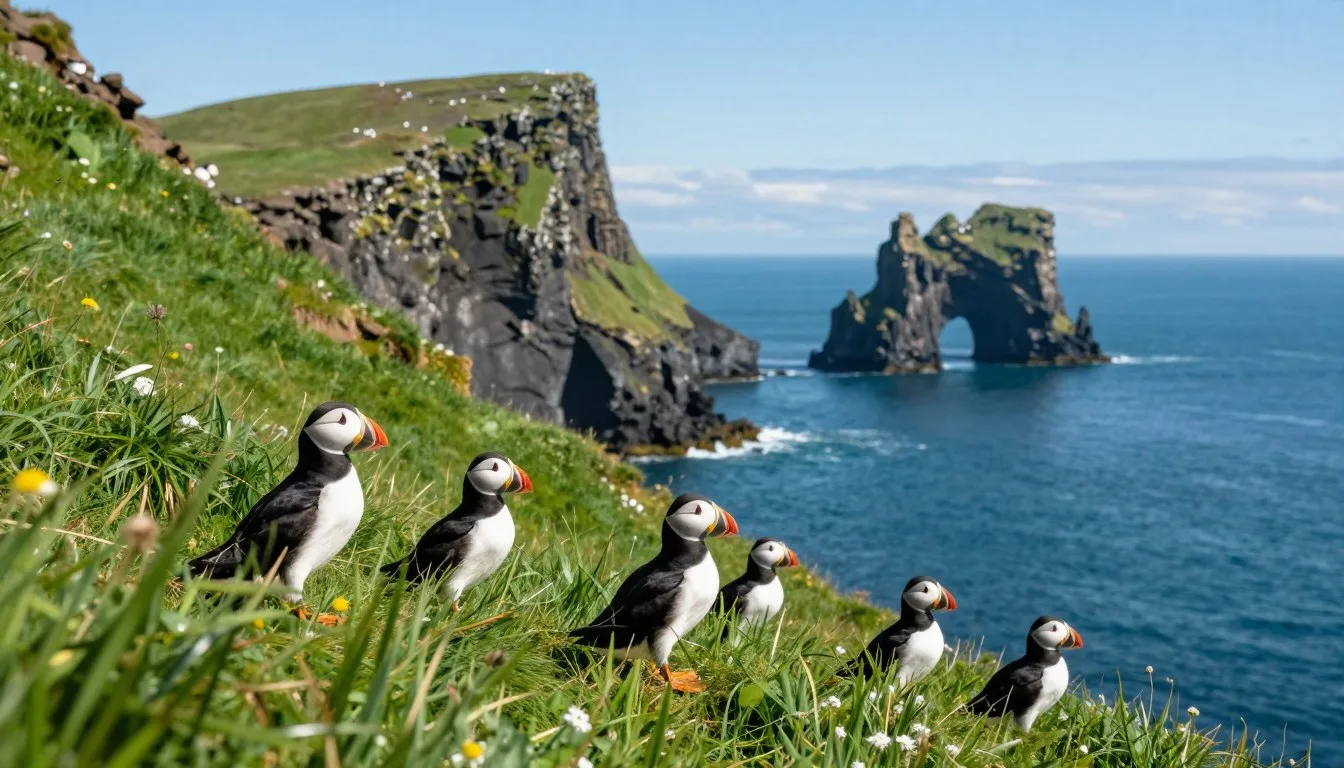
The peninsula’s coastal cliffs host significant seabird colonies during breeding season from May through August. Species include puffins, razorbills, guillemots, and kittiwakes. Reykjanesviti area provides excellent viewing opportunities without disturbing nesting sites.
Inland areas attract different species including Arctic terns, which defend nesting territories aggressively. Give these birds wide berth during breeding season to avoid dive-bombing behavior. The diverse habitats support year-round bird populations though species composition changes seasonally.
Coastal Exploration
The peninsula’s coastline offers dramatic scenery and opportunities for shore-based activities. Tide pools teem with marine life during low tide, though water remains cold year-round. Rock formations create natural arches, caves, and blowholes where waves produce spectacular displays.
Strong currents and cold water temperatures make swimming inadvisable except in designated geothermal areas. The coast rewards careful exploration but demands respect for powerful surf and slippery rocks. Never turn your back on the ocean as wave sets vary in height and can catch observers off-guard.
Geothermal Bathing
Beyond the Blue Lagoon, several less-developed hot springs offer bathing opportunities. These natural pools require more adventurous spirit and offer fewer amenities. Water quality varies, and some pools prove too hot for safe bathing. Local knowledge helps identify appropriate sites.
Respect closures and warning signs as geothermal areas pose legitimate dangers. Test water temperature before entering and never put your head underwater in geothermal pools. These experiences provide authentic connection to Iceland’s volcanic nature without commercial development.
Lava Tube Exploration
Ancient lava flows created underground tunnels accessible to visitors. These formations demonstrate how flowing lava creates hollow tubes when the surface cools while molten rock continues moving underneath. Several caves near Grindavik welcome exploration with proper equipment and guidance.
Guided cave tours provide safe access with helmets, headlamps, and safety equipment. Independent exploration requires spelunking experience and appropriate gear. The underground environment maintains constant cool temperature year-round regardless of surface conditions.
Travel With Children
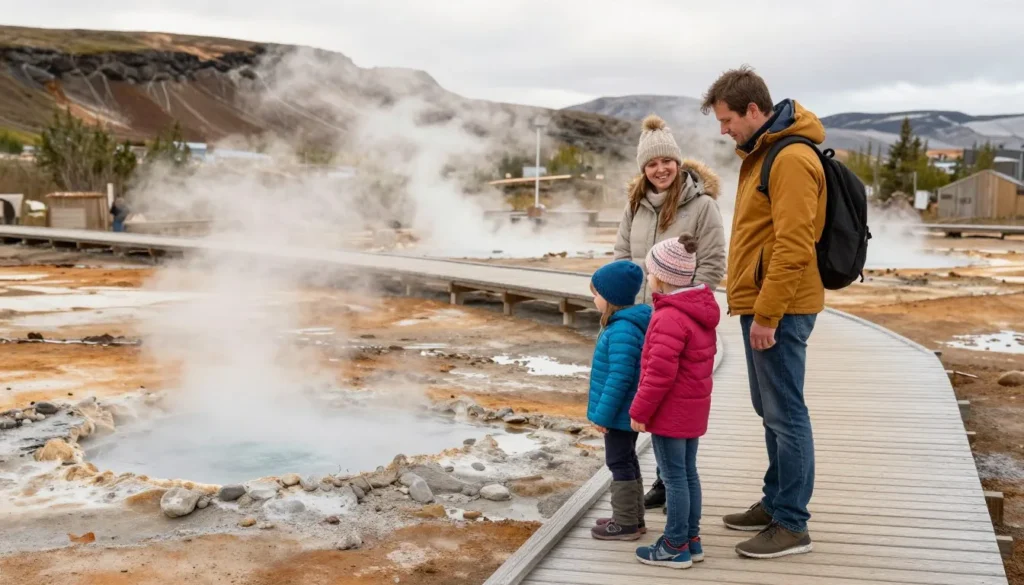
The Reykjanes Peninsula accommodates family travel well with attractions suitable for various ages. However, the volcanic environment requires extra supervision and age-appropriate activity selection.
Family-Friendly Attractions
The Bridge Between Continents makes an excellent family stop. The short visit duration suits shorter attention spans, while the concept of standing between continents captures children’s imagination. The site allows running around safely away from dangerous thermal features.
The Viking World Museum engages children through interactive exhibits and the impressive ship replica. Young visitors enjoy trying on Viking helmets and learning about navigation techniques. The museum paces well for families, offering educational value without overwhelming younger children.
Coastal areas provide opportunities for beach exploration, though water remains too cold for swimming. Children enjoy examining tide pools, collecting interesting rocks, and watching waves crash against cliffs from safe viewing distances. These activities require minimal special equipment while offering hours of entertainment.
Age Considerations
Geothermal areas pose particular dangers for young children. Boiling water and unstable ground create serious hazards. Very young children may lack understanding of danger despite warning signs and verbal cautions. Consider skipping intense geothermal sites like Gunnuhver with toddlers.
Hiking trails across lava fields prove challenging for small legs. Rough terrain and distances may exceed young children’s capabilities. Shorter, flatter trails near Kleifarvatn Lake work better for elementary-age children. Consider carrying systems for toddlers on longer walks.
The Blue Lagoon welcomes children of all ages. Special family-friendly areas provide shallower water and age-appropriate amenities. However, the facility’s relaxation atmosphere may not suit very energetic young children. Some families prefer shorter visits or adult-only experiences while children stay with caregivers.
Practical Family Tips
- Pack extra layers for children as they feel cold more quickly than adults
- Bring snacks and drinks as services are limited in remote areas
- Allow extra time for bathroom breaks and rest stops
- Choose accommodations with kitchen facilities for meal flexibility
- Rent vehicles with appropriate car seats meeting Iceland’s requirements
- Plan shorter itineraries accounting for children’s energy levels and patience
Many restaurants offer children’s menus though options tend toward familiar international dishes rather than traditional Icelandic cuisine. Grocery stores stock familiar snacks and foods when children prove reluctant to try new items. Formula, diapers, and baby supplies are readily available in Keflavik and Grindavik.
Money Saving Tips
Iceland ranks among Europe’s most expensive destinations. However, strategic planning reduces costs without sacrificing experience quality on the Reykjanes Peninsula.
Timing Your Visit
Shoulder seasons of May and September offer significant savings compared to peak summer months. Accommodation costs drop substantially while most attractions remain accessible. Weather proves slightly less predictable but generally remains suitable for outdoor activities.
Winter months from November through March bring the lowest prices but also the harshest conditions. This strategy works for hardy travelers prioritizing budget over comfort. Northern Lights viewing potential offsets some weather challenges during these months.
Accommodation Strategies
Book guesthouses or vacation rentals instead of hotels for lower nightly rates. Properties in smaller communities cost less than those near the Blue Lagoon or international airport. The peninsula’s compact size makes location less critical when you have rental transportation.
Consider staying in Reykjavik and making day trips to the peninsula if you find better accommodation values in the capital. The 50 km (31 mile) distance takes less than an hour to drive.
Food and Dining
Self-catering dramatically reduces meal expenses. Shop at grocery stores in Keflavik or Grindavik where prices beat convenience stores and gas stations. Prepare picnic lunches for days exploring areas without restaurants.
Take advantage of hotel breakfast when included in room rates. Stock up at breakfast buffets to minimize lunch costs. Save restaurant dining for one special meal rather than all meals during your stay.
Fill water bottles from taps as Icelandic water quality is excellent. Avoid purchasing bottled water which adds unnecessary expense and environmental impact.
Attraction Costs
Many peninsula attractions charge no admission fee. Geothermal areas, coastal viewpoints, and hiking trails offer free access. These natural wonders provide the area’s main appeal without entry costs.
The Blue Lagoon represents a significant expense but alternatives exist. Smaller, less-developed hot springs offer bathing experiences at no cost. Sky Lagoon near Reykjavik provides a middle-ground option with amenities but lower prices than Blue Lagoon.
Museum admission costs remain modest compared to other expenses. Take advantage of these cultural experiences which offer good value for money. Some museums offer family tickets reducing per-person costs.
Transportation Savings
Compare rental car costs against tour prices carefully. When traveling solo or as a couple, organized tours sometimes cost less than vehicle rental, fuel, and parking. For families or groups, rental vehicles usually prove more economical.
Fuel costs in Iceland exceed most travelers’ home countries. Plan efficient routes to minimize driving distances and fuel consumption. Many attractions cluster together allowing comprehensive visits without excessive driving.
Budget-Friendly Activities
- Hiking trails across lava fields and along coasts
- Visiting geothermal areas like Gunnuhver and Krýsuvík
- Exploring the Bridge Between Continents
- Birdwatching at coastal cliffs
- Photographing landscapes and geological features
- Viewing the Reykjanesviti lighthouse area
Where to Splurge
- One quality seafood meal in Grindavik
- Blue Lagoon visit if it fits budget
- Guided cave exploration tour
- Quality waterproof outerwear for comfort
- Detailed hiking maps for safety
- Photography workshop if passionate about images
Safety and Local Customs
The Reykjanes Peninsula’s volcanic nature creates unique safety considerations. Understanding hazards and local expectations ensures enjoyable, responsible travel.
Geothermal Safety
Geothermal areas pose serious dangers despite their attraction. Boiling water and steam can cause severe burns in seconds. Ground that appears solid may only be a thin crust over boiling mud or water. Stay on marked paths and obey all warning signs without exception.
Never put your hands or feet into hot springs without testing temperature first. Even pools that look inviting may be dangerously hot. If no other people are bathing in a pool, assume it is unsafe until you verify temperature carefully.
Steam vents obscure visibility and can cause disorientation. Move away from dense steam to maintain awareness of your position relative to safe walkways. Supervise children constantly in any geothermal area as they may not understand dangers despite warnings.
Coastal Hazards
Powerful waves strike coastal areas with little warning. Never turn your back on the ocean when near cliff edges or shorelines. “Sneaker waves” significantly larger than preceding waves can sweep observers off rocks or beaches.
Cliff edges may be unstable, particularly after storms or during wet conditions. Stay behind barriers and warning signs. Wind gusts near cliff tops prove unpredictable and can knock people off balance.
Weather Preparedness
Weather conditions change rapidly throughout the peninsula. Always bring waterproof layers even on seemingly nice days. Hypothermia remains possible year-round when wet and exposed to wind.
Check weather forecasts before venturing into remote areas. Postpone activities if severe weather approaches. Icelandic weather forecasts prove generally accurate and should be taken seriously.
Emergency Contacts
Emergency Services: Dial 112 for police, medical, or rescue assistance anywhere in Iceland. This number works from any phone including mobiles without service.
Inform someone of your plans when hiking or visiting remote areas. Leave word at your accommodation about where you are going and expected return time. Cell phone coverage varies throughout the peninsula with dead zones in some areas.
Environmental Responsibility
Iceland strongly emphasizes environmental protection. Stay on designated paths to prevent damage to fragile vegetation and geological features. Lava fields contain delicate mosses that take decades to recover from foot traffic.
Pack out all trash as facilities are limited in remote areas. Do not disturb wildlife, particularly nesting birds during breeding season. Drones require special permits and are prohibited in many areas including near airports and most natural areas.
Cultural Considerations
Icelanders value directness and practicality. Service interactions tend to be efficient rather than effusive. This reflects cultural norms rather than unfriendliness. Tipping is not customary as service charges are included in prices.
Remove shoes when entering private homes or some guesthouses. This custom reflects both cleanliness and respect. Most Icelanders speak excellent English, though making an effort with basic Icelandic greetings is appreciated.
Photography is generally welcomed but ask permission before photographing people close-up. Respect private property boundaries even in areas that appear undeveloped. Much land remains privately owned despite lacking obvious development.
Visitor Comments About Reykjanes Peninsula
“The raw power of the geothermal areas took my breath away. Gunnuhver’s bubbling mud pools and steam vents made me feel like I was standing on a different planet. We spent hours exploring the lava fields and couldn’t believe such incredible landscapes existed so close to the airport. The peninsula completely exceeded our expectations.”
“What impressed me most was how uncrowded the peninsula felt compared to other Icelandic destinations. We had entire geothermal areas nearly to ourselves in late September. The coastal cliffs near the lighthouse were spectacular, and watching the waves crash against the black rocks became a daily highlight. I’ll definitely return to explore more thoroughly.”
“Visiting Reykjanes changed how I think about geology and volcanic activity. The Bridge Between Continents made plate tectonics tangible rather than abstract. Our children loved exploring the lava formations and spotting birds along the cliffs. The fresh seafood in Grindavik was exceptional. This area deserves far more attention than it receives.”
Additional Nearby Destinations
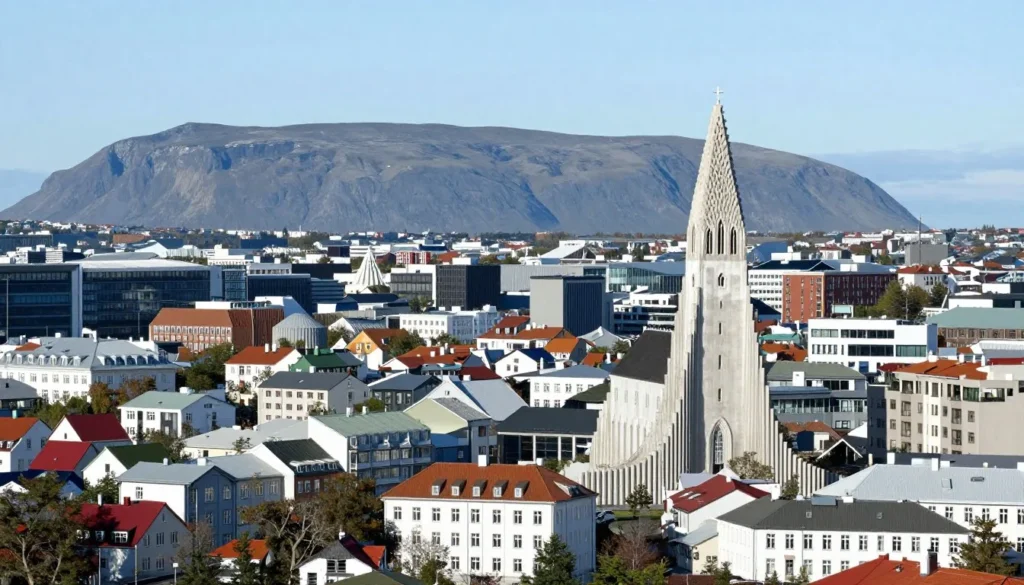
The Reykjanes Peninsula’s location makes it an ideal base for exploring other southwestern Iceland destinations. Several remarkable sites lie within easy day-trip distance.
Reykjavik
Iceland’s capital sits just 50 km (31 miles) northeast of the peninsula. The compact city offers museums, restaurants, shopping, and cultural attractions. Hallgrimskirkja church provides panoramic city views from its tower. The old harbor area features galleries, cafes, and maritime character.
Reykjavik combines easily with peninsula exploration. Many visitors base themselves in the capital and make day trips to Reykjanes. Alternatively, peninsula visitors often spend a day experiencing urban Iceland before or after natural area exploration.
Golden Circle
This classic route encompasses three major attractions northeast of Reykjavik. Thingvellir National Park offers geological and historical significance. Geysir geothermal area features the famous Strokkur geyser erupting every few minutes. Gullfoss waterfall impresses with its two-tier cascade and massive water volume.
The Golden Circle requires a full day from the peninsula. The circuit covers approximately 300 km (186 miles) round-trip from Grindavik. Many organized tours operate daily from Reykjavik, or visitors can drive the route independently.
South Coast
Iceland’s dramatic southern shore stretches east from the peninsula. Waterfalls including Seljalandsfoss and Skogafoss rank among the country’s most photographed natural features. Black sand beaches, glacier views, and charming villages create varied experiences.
Day trips to the South Coast from the peninsula prove feasible but involve significant driving. Seljalandsfoss lies roughly 120 km (75 miles) from Grindavik. Consider overnight stays in the south if you want to explore multiple sites without rushing.
Snaefellsnes Peninsula
This northwestern peninsula sometimes called “Iceland in miniature” features diverse landscapes including volcanic craters, lava fields, waterfalls, and fishing villages. The Snaefellsjokull glacier caps an active volcano made famous by Jules Verne’s novel “Journey to the Center of the Earth.”
Snaefellsnes lies approximately 180 km (112 miles) north of the Reykjanes Peninsula. The distance makes day trips possible but rushed. Two days allows proper exploration of the area’s many attractions and charming coastal towns.
Westman Islands
This archipelago off Iceland’s south coast was formed by volcanic eruptions. Heimaey, the only inhabited island, features dramatic volcanic landscapes, excellent birdwatching, and unique cultural history. The 1973 eruption buried part of the town and created new land still warm decades later.
Reaching the islands requires ferry from Landeyjahofn on the mainland. Total travel time from the Reykjanes Peninsula approaches three hours each way. The islands reward the journey with distinctive landscapes and experiences unavailable elsewhere.
Practical Travel Tips
Final practical considerations help ensure smooth travel experiences on the Reykjanes Peninsula. These details address common questions and logistics visitors frequently encounter.
Currency and Payments
Iceland uses the Icelandic krona (ISK). Credit and debit cards are accepted virtually everywhere including small shops, gas stations, and even public restrooms. Cash becomes necessary only in extremely rare situations.
Notify your bank about Iceland travel to prevent card blocks. Chip-and-PIN cards work best though magnetic stripe cards are usually accepted. ATMs are readily available in Keflavik and Grindavik for currency exchange if needed.
Language
Icelandic is the national language but English proficiency is exceptionally high, particularly in tourism contexts. Signs at attractions include English translations. Restaurant menus typically appear in both languages. Communication rarely presents difficulties for English speakers.
Check 30,000+ Local Sightseeing Tours Worldwide
✓ Numerous languages and currencies are available
Learning basic Icelandic greetings shows respect and is appreciated by locals. “Hallo” (hello), “takk” (thank you), and “bless” (goodbye) represent useful starting points.
Internet and Mobile Coverage
Cell phone coverage extends throughout most populated areas and major roads. Remote locations may lack signal. International roaming charges can be expensive. Consider purchasing local SIM cards at the airport or in Reykjavik for extended stays.
Most accommodations provide WiFi access. Speeds generally prove adequate for typical internet usage. Public WiFi exists in cafes and visitor centers throughout the peninsula.
Operating Hours
Grocery stores and larger shops typically open from 10:00 to 18:00 weekdays with reduced weekend hours. Gas stations often operate 24 hours and stock basic supplies. Restaurants generally serve dinner from 18:00 to 22:00.
Summer brings extended hours at many businesses and attractions. Winter sees reduced schedules and some seasonal closures. Always verify hours before visiting specific establishments, particularly during off-season months.
Electrical Standards
Iceland uses European-style 230V electrical outlets with round two-pin plugs. North American visitors need both voltage converters and plug adapters for devices not rated for 230V. Many modern electronics including phone chargers work with both voltages and require only plug adapters.
Drinking Water
Tap water throughout Iceland ranks among the world’s purest and best-tasting. Fill water bottles freely from any tap. The water comes directly from protected groundwater sources and requires no treatment. Hot water may smell slightly of sulfur due to geothermal heating but cold water tastes excellent.
Photography Tips
The peninsula’s dramatic landscapes and unique light create exceptional photography opportunities. Wide-angle lenses capture sweeping vistas while telephoto lenses work well for coastal wildlife and distant geothermal features.
Protect camera equipment from moisture, sand, and geothermal steam. Rapid temperature changes can cause condensation on lenses. Bring microfiber cloths for cleaning salt spray and water droplets from optics.
Summer’s extended daylight provides long shooting windows but harsh midday light can be challenging. The golden hours extend for hours, offering exceptional lighting conditions. Winter brings shorter days but often dramatic weather and Northern Lights opportunities.
What to Pack
Essential items for comfortable peninsula exploration regardless of season.
- Waterproof jacket and pants with sealed seams
- Layered clothing for temperature regulation
- Sturdy waterproof hiking boots
- Warm hat and gloves even in summer
- Sunglasses and sunscreen for bright conditions
- Refillable water bottle
- Camera equipment with weather protection
- Portable phone charger for long exploration days
Leave-Behind Items
Things you can skip to save packing space and weight.
- Bottled water (tap water is excellent)
- Formal clothing (casual dress is universal)
- Hair dryer (most accommodations provide them)
- Excessive toiletries (available locally if needed)
- Beach gear (water too cold for swimming)
- Umbrella (wind makes them useless)
- Heavy guidebooks (digital resources work better)
- Excessive cash (cards accepted everywhere)
Accessibility Considerations
The peninsula’s volcanic terrain presents challenges for mobility-impaired visitors. Many geothermal areas and coastal sites involve uneven ground, stairs, or rough paths. However, some attractions including parts of the Blue Lagoon offer wheelchair accessibility.
The Bridge Between Continents features level, paved approaches suitable for wheelchairs. Some museums and visitor centers provide full accessibility. Contact specific attractions in advance to verify accessibility features and arrange any needed assistance.
Sustainable Travel Practices
Iceland’s fragile environment requires conscious protection efforts from all visitors. Walk only on designated paths to prevent damage to delicate vegetation and geological features. Lava field mosses take decades to recover from foot traffic.
Dispose of trash properly in designated receptacles. If none exist, pack out everything you bring in. Never approach or feed wildlife as this disrupts natural behaviors and creates dangerous dependencies.
Respect the principle of leaving no trace. Take only photographs and leave only footprints on marked trails. The peninsula’s pristine condition depends on every visitor’s commitment to preservation.
Your Reykjanes Peninsula Adventure Awaits
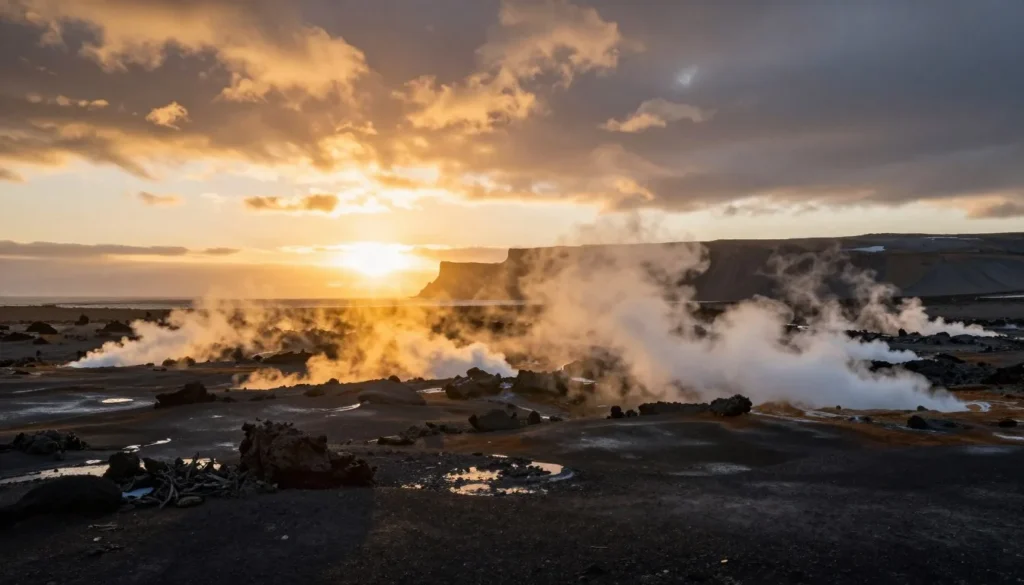
The Reykjanes Peninsula offers extraordinary experiences that remain surprisingly accessible. Powerful geothermal forces, dramatic coastal scenery, and unique geological features concentrate within a compact area. Whether you have a few hours or several days, this remarkable destination delivers authentic encounters with Iceland’s volcanic nature.
The peninsula’s proximity to Keflavik International Airport removes excuses for missing this exceptional region. Even travelers passing through Iceland can experience world-class natural wonders without venturing far from their arrival point. Those dedicating more time discover layers of complexity and beauty that reward thorough exploration.
From the milky blue waters of geothermal lagoons to thundering mud pools, from coastal cliffs where continents drift apart to fresh lava fields still warm from recent eruptions, the Reykjanes Peninsula encapsulates everything that makes Iceland extraordinary. The raw power of ongoing geological processes remains visible, tangible, and deeply moving.
Start planning your Reykjanes adventure now. The volcanic landscapes, bubbling hot springs, and dramatic coastal scenery await your discovery. This corner of Iceland will transform your understanding of our planet’s dynamic nature and leave you with memories that last a lifetime.