Hotels by Trip.com
Flights by Trip.com
Every year, the North American and Eurasian tectonic plates drift apart by approximately 2 centimeters at Þingvellir National Park. This creates the only place on Earth where you can walk between two continental plates above sea level. The name Þingvellir translates to “Parliament Plains” and commemorates the location where Iceland’s national assembly first convened in 930 AD.
This UNESCO World Heritage site combines geological wonders with profound historical significance. The park sits along the Golden Circle route about 40 kilometers from Reykjavik. Visitors discover a landscape shaped by volcanic activity and continental drift.
The area encompasses Iceland’s largest natural lake, Þingvallavatn, covering approximately 84 square kilometers. Ancient lava fields stretch across the valley floor. Crystal-clear waters fill the rifts between shifting plates.
Getting There & Planning Your Journey
Keflavik International Airport serves as the primary gateway for international visitors. The airport sits approximately 50 kilometers southwest of Reykjavik. Most travelers arrive here before heading to Þingvellir National Park.
Reykjavik Domestic Airport handles smaller regional flights. This airport provides limited options for domestic connections. International visitors rarely use this facility for park access.
Route Options from Reykjavik
The drive from Reykjavik takes about 45 minutes via Route 36. This scenic highway follows the coastline before turning inland. Road conditions remain excellent year-round with regular maintenance.
Route 1 offers an alternative approach from the east. Many travelers combine this route with other Golden Circle attractions. The journey provides stunning views of Iceland’s diverse landscape.
Transportation Choices
Rental cars provide maximum flexibility for exploring the park. Multiple rental agencies operate at Keflavik Airport. Booking in advance ensures better rates and vehicle selection.
Tour buses depart daily from Reykjavik during peak season. These organized tours typically include multiple Golden Circle stops. Private transfers accommodate groups seeking customized schedules.
Parking and Park Access
Five designated parking areas serve different sections of the park. P1 parking lot near the visitor center charges a fee of 1,000 ISK. Digital payment systems accept most major credit cards.
The P5 parking area provides access to Öxarárfoss waterfall. This lot tends to fill quickly during summer months. Arriving before 10 AM ensures available spaces.
Best Time to Visit & Weather Tips
✓ Check 30,000+ Local Sightseeing Tours Worldwide
Best Time to Visit Thingvellir National Park
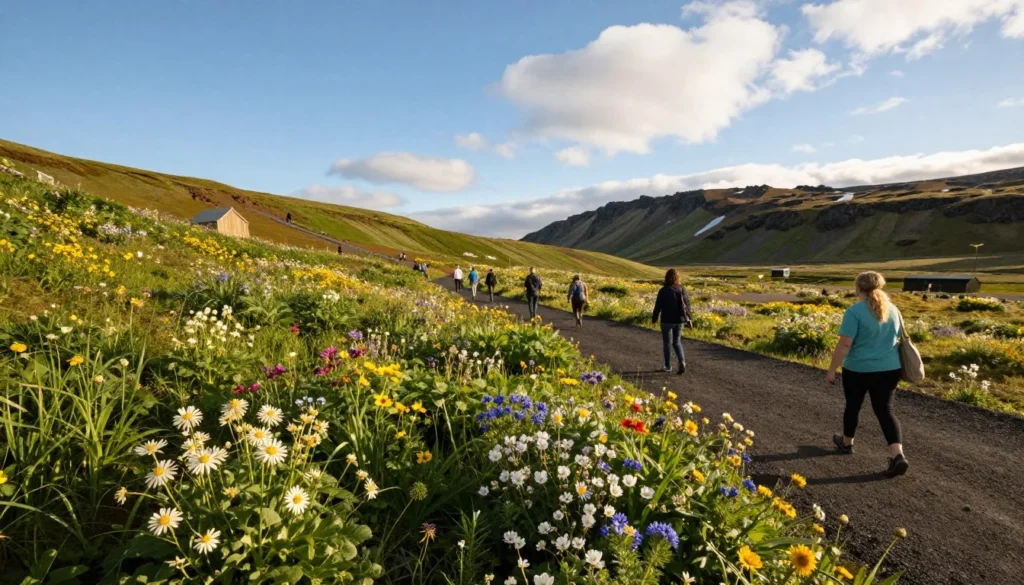
June through August offers the warmest temperatures and longest daylight hours. Average temperatures range from 10°C to 15°C (50°F to 59°F). Nearly 24 hours of daylight provide extended exploration time.
September and May present shoulder season advantages. Fewer crowds occupy popular sites during these months. The weather remains relatively mild with temperatures between 5°C and 10°C (41°F to 50°F).
Months to Avoid: November through March brings harsh winter conditions. Heavy snow limits road access and trail availability. Temperatures frequently drop below -5°C (23°F) with limited daylight hours.
Seasonal Weather Patterns
Summer Season (June-August)
- Average high: 15°C (59°F)
- Average low: 8°C (46°F)
- Midnight sun phenomenon
- Occasional rain showers
- Peak tourist season
Winter Season (December-February)
- Average high: 2°C (36°F)
- Average low: -3°C (27°F)
- Northern lights visible
- Snow and ice common
- Limited daylight hours
Notable Annual Festivals
Þingvellir holds special celebrations on June 17th for Icelandic National Day. This date commemorates Iceland’s independence from Denmark. The park hosts historical reenactments and cultural performances.
The Summer Solstice celebration occurs around June 21st each year. Local communities gather for traditional music and storytelling. Visitors experience authentic Icelandic cultural traditions.
Þingvellir National Park Visitor Center
What to Pack for Your Visit
Layered clothing proves essential regardless of season. Temperatures fluctuate throughout the day at the park. Waterproof outer layers protect against sudden rain showers.
Sturdy hiking boots provide necessary ankle support on uneven terrain. The rocky paths between tectonic plates require proper footwear. Sneakers offer insufficient protection for longer trails.
Getting Around Locally
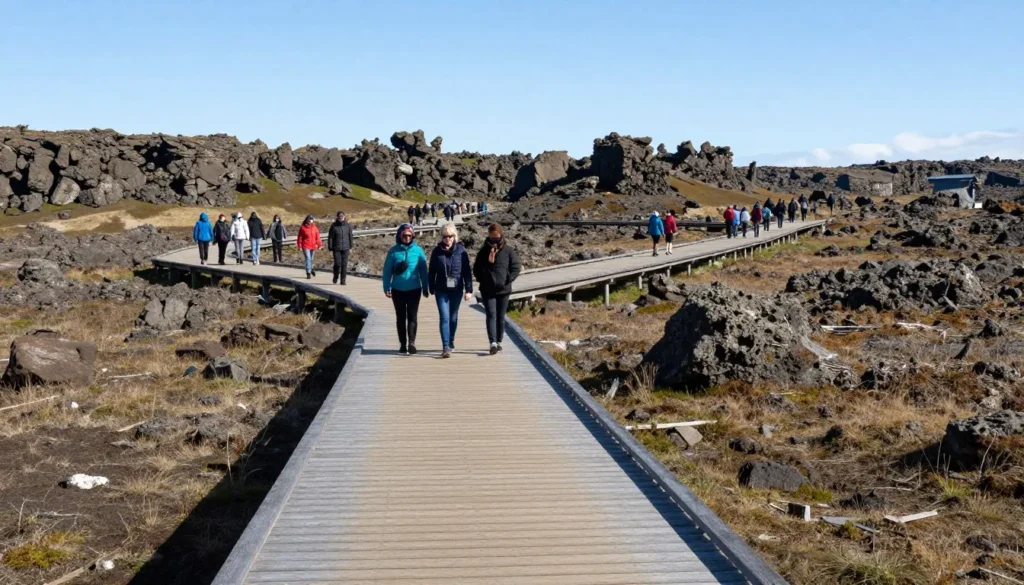
The park covers approximately 237 square kilometers of protected land. Well-maintained trails connect major geological and historical sites. Walking remains the primary method for exploring most locations.
Trail Networks and Pathways
The main viewing platform sits near the P1 parking area. Paved walkways lead to Almannagjá gorge overlook within five minutes. Wooden boardwalks protect fragile vegetation while providing safe passage.
A circular route around Öxarárfoss waterfall spans roughly 3 kilometers. This moderate trail requires approximately 90 minutes to complete. The path descends into the rift valley before returning uphill.
Accessibility Features
The visitor center offers wheelchair-accessible facilities and information displays. Paved paths reach several key viewpoints from P1 parking. However, many trails involve stairs or uneven surfaces.
Accessible restroom facilities exist at multiple parking locations. The main visitor center provides the most comprehensive accessible amenities. Staff members assist visitors with mobility requirements.
Navigation Tips
Trail markers use color-coded posts throughout the park. Maps available at the visitor center show difficulty ratings. GPS coordinates help locate specific geological features.
Mobile phone coverage remains reliable in most park areas. Download offline maps before arriving for backup navigation. Weather conditions can reduce visibility on exposed trails.
Guided Walking Tours
Park rangers lead free educational walks during summer months. These tours depart from the visitor center at scheduled times. Reservations are not required for group tours.
Private guide services offer specialized geological and historical tours. These enhanced experiences provide deeper insights into the area. Advance booking ensures guide availability during peak periods.
Where to Stay
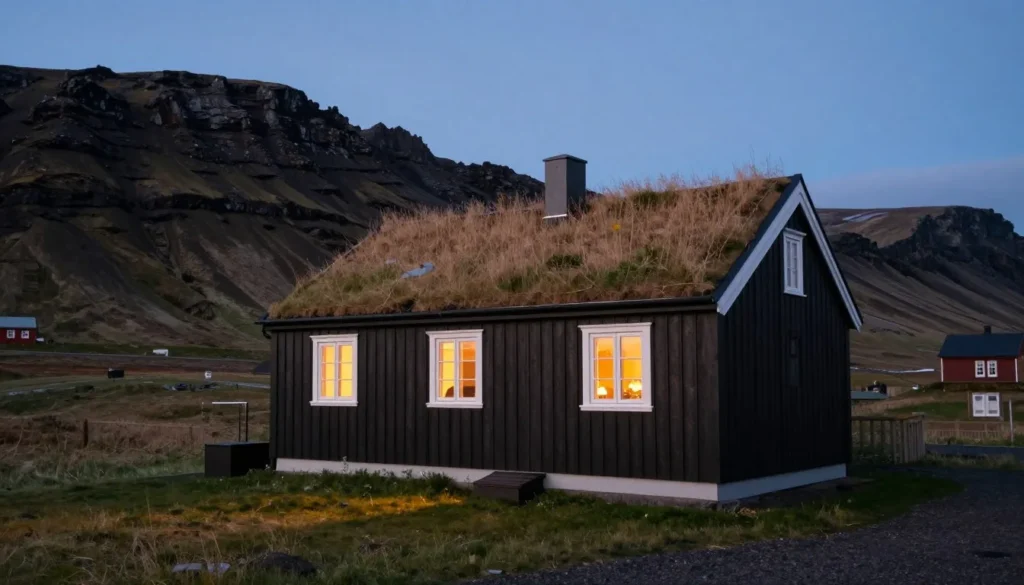
Accommodation options within the park remain extremely limited. Most visitors stay in nearby communities or Reykjavik. The closest lodging sits approximately 15 kilometers from the main visitor center.
Nearby Lodging Options
Þingvellir Camping
This campground operates from May through September within park boundaries. The facility accommodates tents, camper vans, and small RVs. Basic amenities include restrooms, showers, and cooking shelters.
Rates start at 2,500 ISK per person per night. Advance reservations recommended during July and August. The location provides immediate access to hiking trails.
Guesthouses in Laugarvatn
The village of Laugarvatn sits 15 kilometers from the park. Family-run guesthouses offer comfortable rooms with private bathrooms. Most properties include breakfast in nightly rates.
Prices range from 15,000 to 25,000 ISK per night. These accommodations provide authentic Icelandic hospitality. Many feature geothermal hot tubs for guest relaxation.
Reykjavik Hotels
Staying in Iceland’s capital provides the widest accommodation selection. Hotels range from budget hostels to luxury properties. The 45-minute drive allows day trip flexibility.
Downtown hotels offer restaurants, shopping, and nightlife access. Public transportation connects to tour departure points. This option suits travelers exploring multiple regions.
Booking Considerations
Summer accommodation requires booking 3-4 months in advance. Popular properties near the park fill quickly during peak season. Last-minute availability becomes scarce in June, July, and August.
Winter guests find more flexible booking options. Many guesthouses offer reduced rates from November through March. Some rural properties close entirely during winter months.
Accommodation Tip: Properties with “sumarbústaður” in their name indicate summer-only operations. Verify year-round availability when planning off-season visits.
Dining & Local Cuisine
No restaurants operate within Þingvellir National Park boundaries. Visitors must bring packed meals or dine in nearby communities. The closest dining options sit in Laugarvatn village.
Nearby Dining Locations
Lindin Restaurant in Laugarvatn specializes in locally-sourced ingredients. The menu features traditional Icelandic dishes with modern presentations. Reservations recommended during summer evenings.
The Golden Circle route includes several restaurant stops. Friðheimar greenhouse restaurant near Reykholt offers unique tomato-based cuisine. This popular venue requires advance booking year-round.
Traditional Foods to Try
- Plokkfiskur – mashed fish stew
- Kjötsúpa – lamb soup with root vegetables
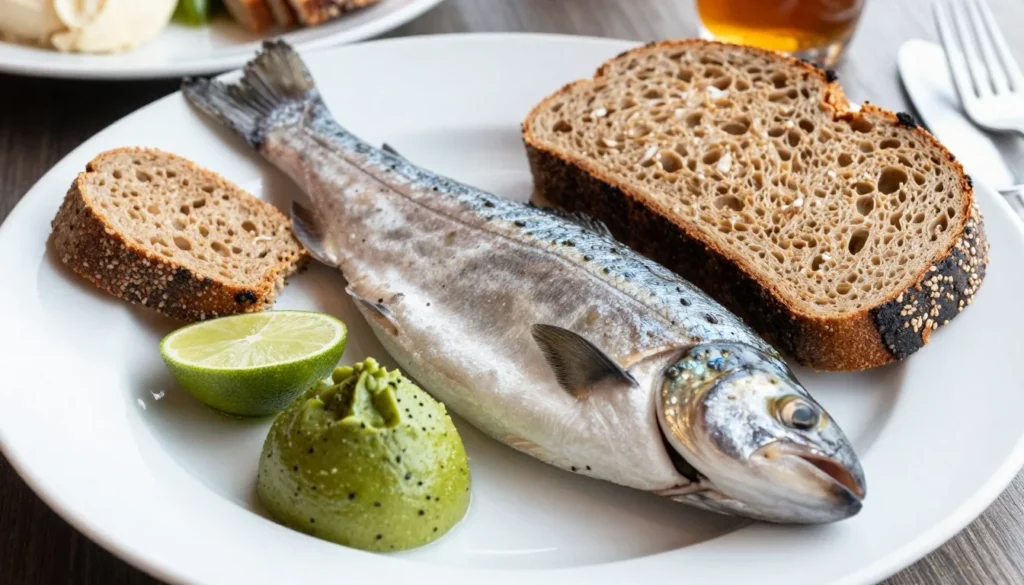
- Rúgbrauð – traditional rye bread
- Fresh Arctic char or salmon
- Skyr – Icelandic yogurt dessert
- Kleinur – twisted fried pastries
Picnic Planning
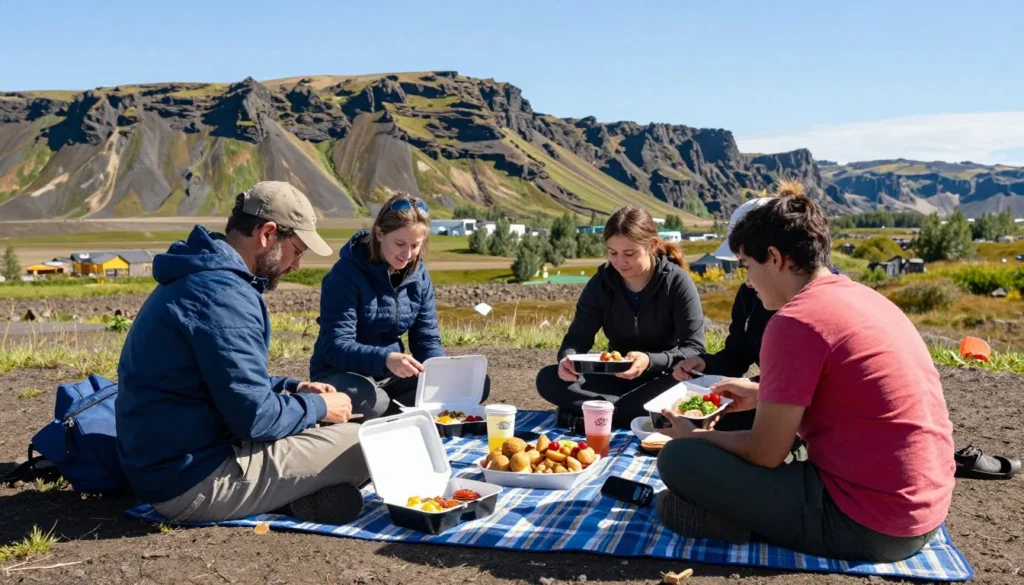
Reykjavik supermarkets stock excellent picnic supplies. Bonus and Krónan offer affordable prices on local products. Prepare meals before departing for the park.
Designated picnic areas exist near each parking lot. Sheltered tables protect against wind at P1 and P2. Pack out all trash as limited disposal facilities exist.
Local Food Specialties
Lamb raised on Icelandic pastures produces exceptionally flavorful meat. The animals graze on wild herbs and grasses during summer. This diet creates a distinctive taste unlike imported lamb.
Arctic char from Þingvallavatn lake appears on regional menus. This cold-water fish thrives in the glacial waters. Local restaurants prepare it simply to highlight natural flavors.
Attractions, Sightseeing & Activities
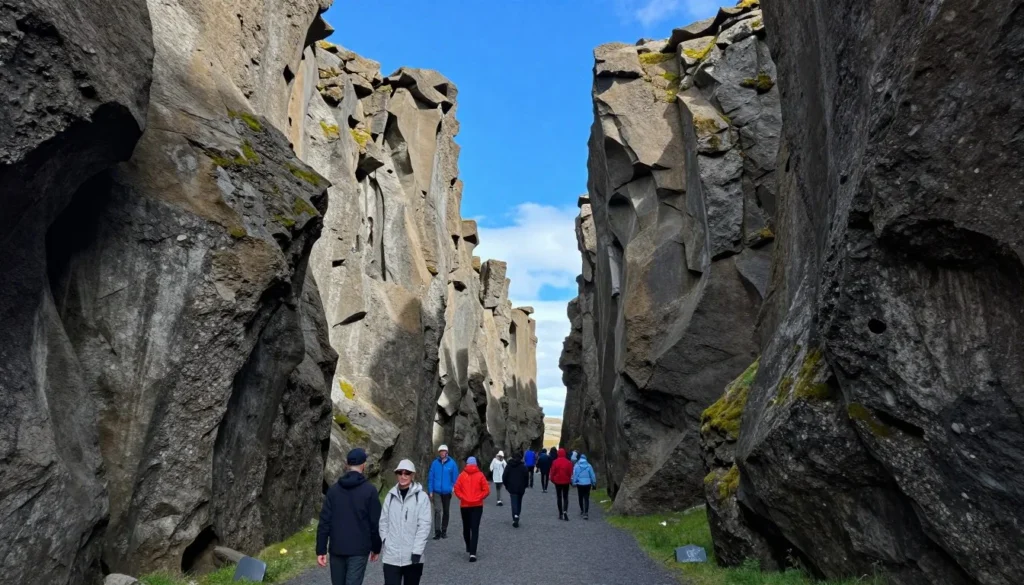
The park offers numerous geological wonders and historical landmarks. Visitors explore continental rifts, pristine waters, and ancient assembly grounds. Each location reveals unique aspects of Iceland’s natural and cultural heritage.
Almannagjá Gorge
This dramatic rift marks the eastern boundary of the North American tectonic plate. Vertical cliff walls rise up to 40 meters (131 feet) above the walking path. The gorge stretches approximately 7.7 kilometers through the park.
A flagpole marks the historic Lögberg (Law Rock) location. Iceland’s Alþingi parliament convened here from 930 to 1798 AD. Speakers addressed gatherings from this elevated natural platform.
Öxarárfoss Waterfall
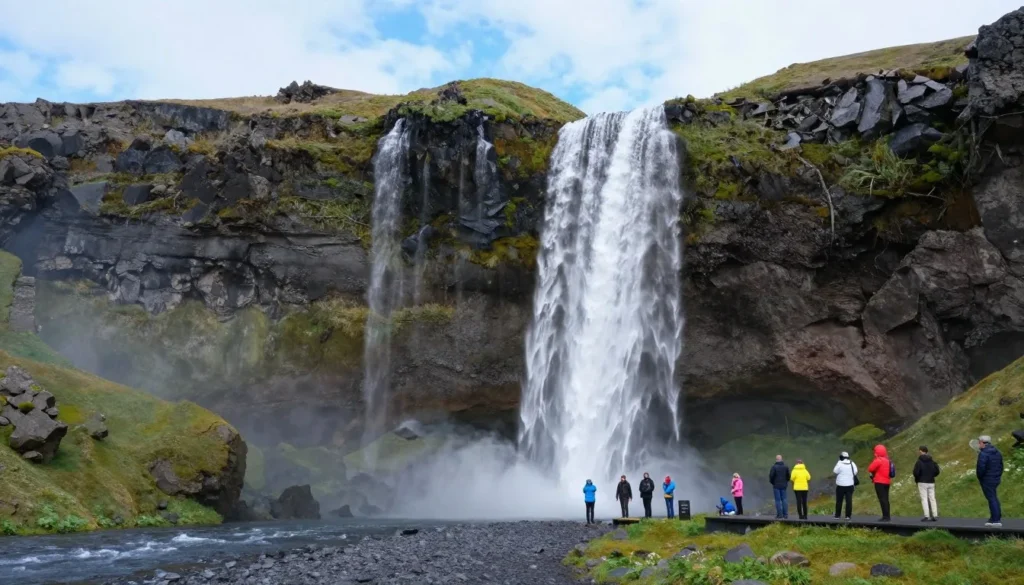
This 13-meter (43-foot) waterfall cascades into Almannagjá gorge. The Öxará river flows from higher elevations through ancient lava fields. Legend suggests chieftains redirected the river to this location around 930 AD.
A well-maintained trail approaches the waterfall from above. Viewing platforms provide safe observation points near the falls. The surrounding basalt columns display distinctive hexagonal formations.
Þingvallavatn Lake
Iceland’s largest natural lake covers 84 square kilometers (20,764 acres). The lake reaches depths of 114 meters (374 feet) in some areas. Crystal-clear glacial water maintains temperatures around 4°C (39°F) year-round.
Four species of Arctic char live in the lake’s waters. These fish evolved into distinct varieties over thousands of years. The lake supports one of Iceland’s most important freshwater ecosystems.
Silfra Fissure
This underwater canyon sits between continental plates. Glacial meltwater filtered through lava rock for decades reaches this location. Visibility exceeds 100 meters (328 feet) in the pristine waters.
The water temperature remains constant at 2°C to 4°C (36°F to 39°F). Snorkeling and diving occur year-round in this unique location. Certified tours provide necessary equipment and guidance.
Þingvallakirkja Church
This small white church overlooks the assembly plains. The current structure dates from 1859 though churches occupied this site since 1000 AD. Three bells in the tower came from England in the 1940s.
The church remains an active parish serving local residents. Services occur regularly throughout the year. Visitors may enter during open hours with respectful behavior.
Þingvallabær Farm
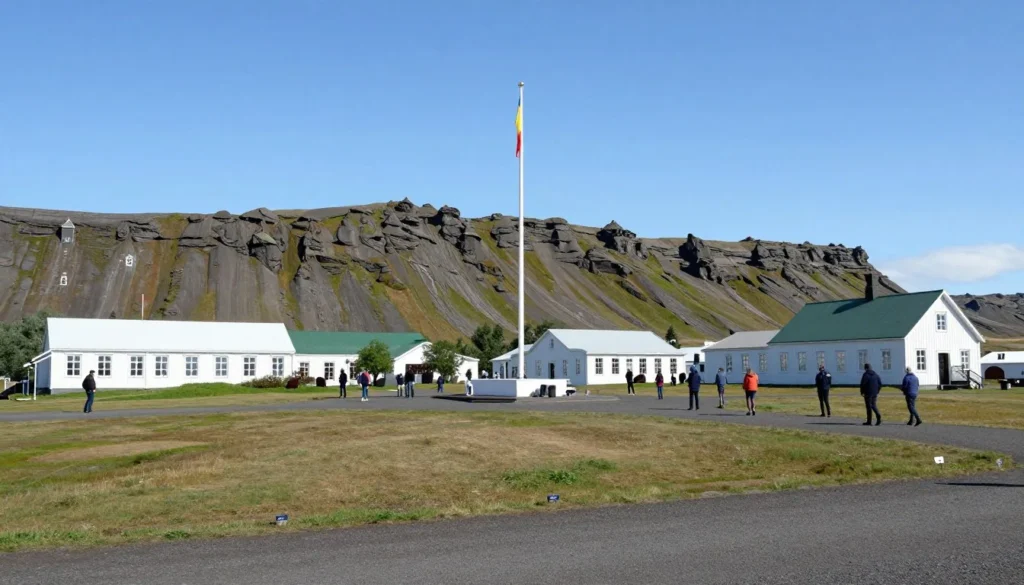
The Prime Minister’s summer residence sits within park boundaries. This historic farm overlooks the assembly grounds from elevated terrain. The building hosts official government functions during summer months.
Public access to the farm remains restricted. Visitors observe the exterior and surrounding grounds from designated paths. The location provides excellent photo opportunities of the valley.
The Golden Circle Route
Þingvellir National Park forms one corner of Iceland’s famous Golden Circle. This tourist route includes Geysir geothermal area and Gullfoss waterfall. Most visitors explore all three locations in a single day.
The complete circuit covers approximately 300 kilometers from Reykjavik. Dedicated tours spend 2-3 hours at Þingvellir before continuing. Self-drive visitors control their own schedule and duration.
Museums, Cultural Spots & Festivals
Þingvellir Visitor Center
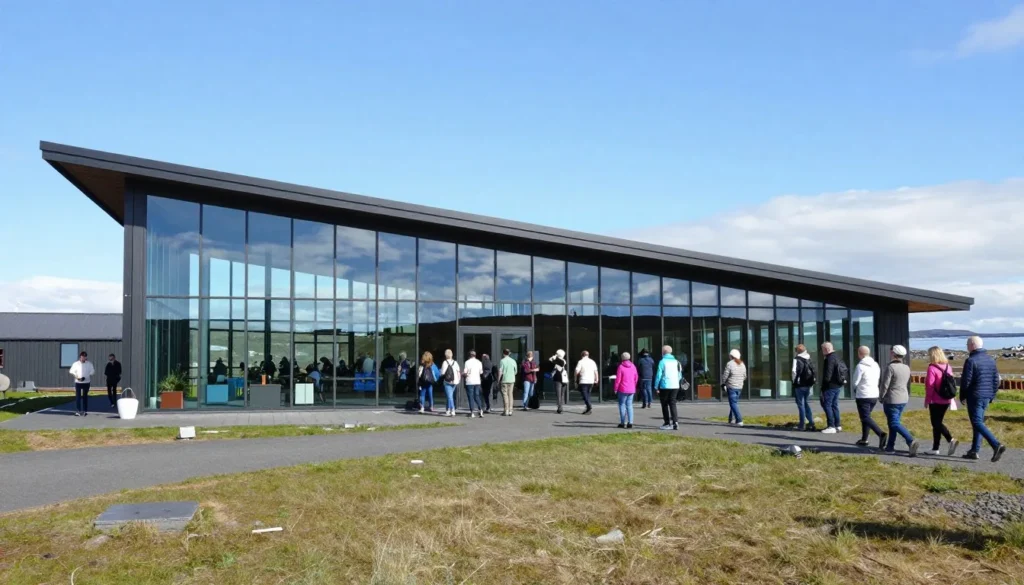
The modern visitor center opened in 2009 near P1 parking area. Interactive exhibits explain the park’s geological formation and historical significance. Multilingual displays accommodate international visitors from diverse backgrounds.
A detailed scale model shows how tectonic plates created the valley. Touch-screen presentations explore Iceland’s parliamentary history spanning over 1,000 years. Educational films run continuously in a small theater.
Þingvellir Interpretation Center
This smaller facility focuses on the Alþingi assembly’s cultural importance. Exhibits detail how Iceland’s legal system developed at this location. Historical artifacts illustrate medieval Icelandic society and governance.
The center opens daily during summer months from 9 AM to 5 PM. Winter hours operate on a reduced schedule with limited staffing. Admission remains free for all visitors.
Historical Significance
The Alþingi assembly established here in 930 AD represents one of the world’s oldest parliaments. Chieftains gathered annually to create laws and settle disputes. This democratic tradition continued at Þingvellir for 868 years.
Major historical events occurred at these assembly grounds. Iceland declared Christianity as the national religion here in 1000 AD. The decision helped unify the scattered island population.
UNESCO Recognition
UNESCO designated Þingvellir as a World Heritage Site in 2004. The organization recognized both natural and cultural values. This dual designation remains relatively rare worldwide.
The World Heritage Site status provides international protection. Development restrictions preserve the landscape for future generations. Ongoing research continues at the site each year.
Cultural Events and Gatherings
The park hosts an annual Independence Day celebration on June 17th. Traditional Icelandic music performances occur throughout the day. Historical reenactments demonstrate medieval assembly procedures.
Midsummer Night festivities attract local residents and visitors. Bonfires light the extended evening hours during late June. Traditional songs and folk dances continue late into the bright night.
Nature & Outdoor Experiences
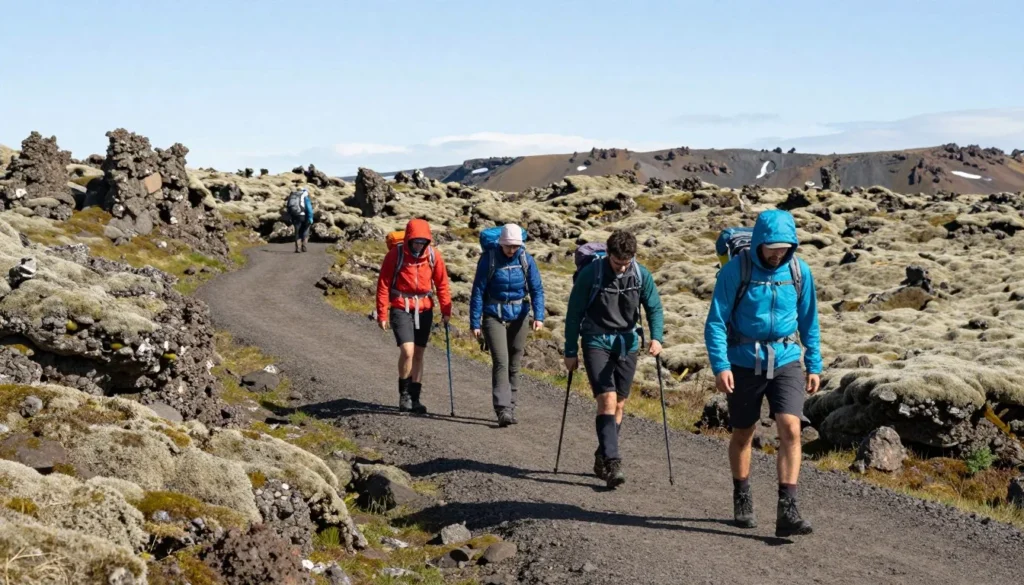
The park encompasses diverse ecosystems shaped by volcanic activity and glacial processes. Outdoor enthusiasts discover unique opportunities for exploration and adventure. Protected status ensures pristine conditions throughout the area.
Hiking Trails and Routes
Over 50 kilometers of marked trails wind through the park. Route difficulty ranges from easy paved walks to challenging multi-hour treks. Trail maps available at the visitor center indicate elevation changes and estimated times.
The Hakið circular trail provides a moderate 5-kilometer hike. This route follows the eastern rim of Almannagjá gorge before descending to the valley floor. Allow approximately two hours for completion with photo stops.
✓ Check 30,000+ Local Sightseeing Tours Worldwide
Birdwatching Opportunities
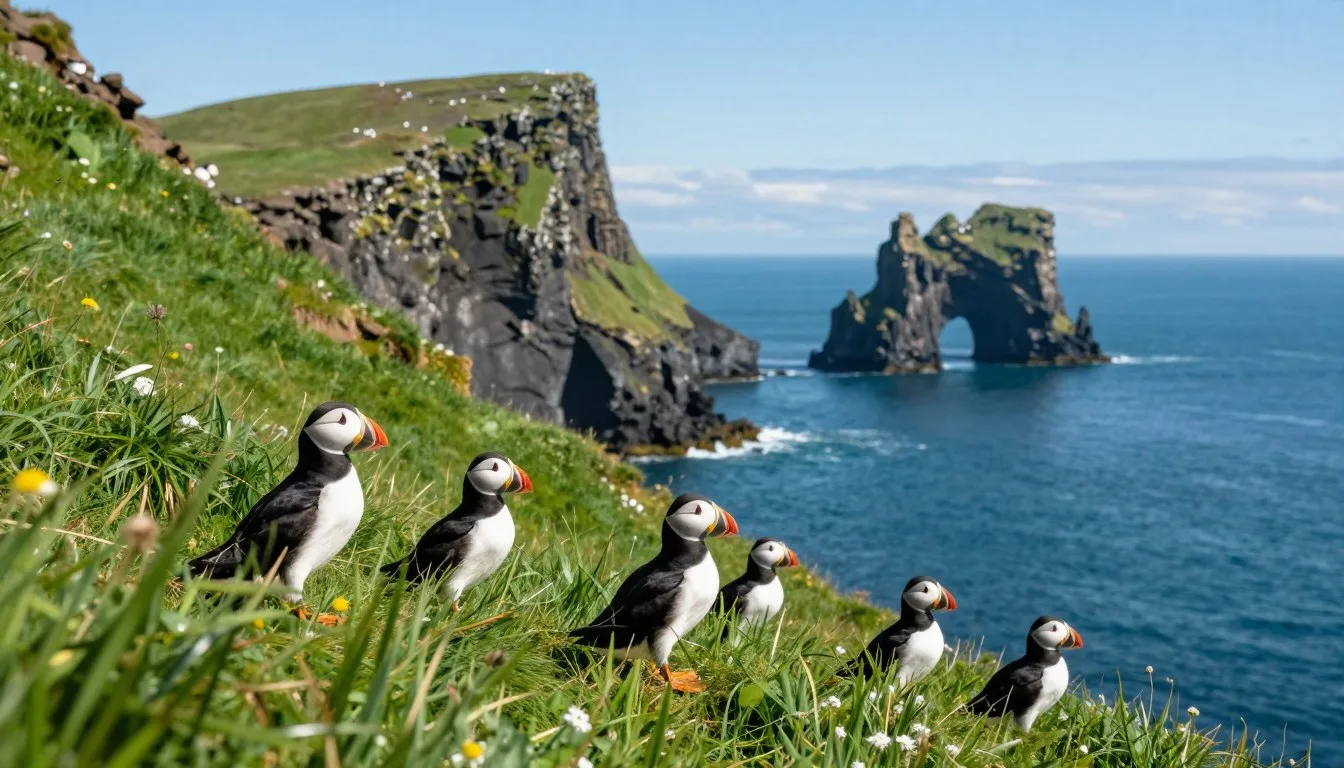
Over 50 bird species nest within park boundaries during summer. The lake and wetlands attract migratory waterfowl from April through September. Arctic terns, common loons, and various duck species appear regularly.
Bring binoculars for optimal viewing of distant species. Early morning hours provide the most active observation periods. Maintain respectful distances to avoid disturbing nesting birds.
Photography Locations
The Almannagjá overlook offers dramatic composition opportunities. Morning light illuminates the eastern cliff face beautifully. Sunset creates long shadows across the assembly plains.
Öxarárfoss waterfall photographs best during midday hours. Even lighting prevents harsh shadows in the gorge. Polarizing filters reduce glare from wet rocks.
Snorkeling and Diving in Silfra
Silfra fissure provides one of the world’s clearest diving locations. Glacial meltwater creates visibility exceeding 100 meters (328 feet). Divers literally float between North American and Eurasian tectonic plates.
Water temperature remains between 2°C and 4°C (36°F to 39°F) year-round. Dry suits provide necessary thermal protection for extended immersion. Certification requirements vary between snorkeling and scuba diving activities.
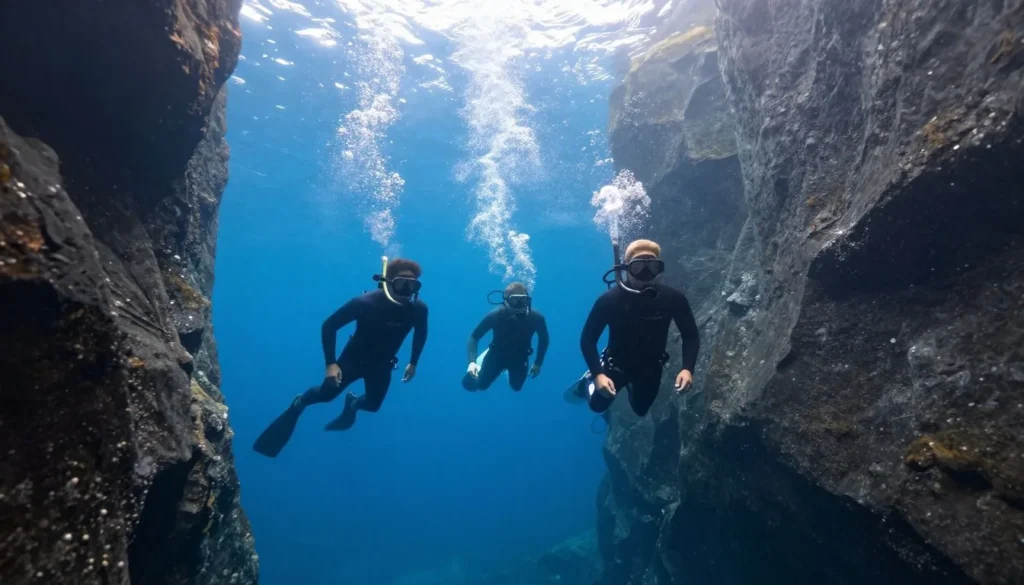
Four distinct sections comprise the Silfra dive site. Silfra Hall opens into a wider cathedral-like chamber. The narrowest passage measures just 2 meters wide with walls extending 45 meters deep.
Fishing in Þingvallavatn Lake
The lake offers exceptional Arctic char fishing opportunities. Four distinct char varieties inhabit different depth zones. Fishing permits must be purchased before casting lines.
The season runs from May through September for most areas. Daily catch limits protect the sustainable fish population. Fly fishing produces the best results near stream inflows.
Seasonal Natural Phenomena
Northern lights appear over the park from September through March. Clear winter nights provide optimal viewing conditions away from light pollution. The aurora borealis reflects beautifully in Þingvallavatn’s still waters.
Midnight sun illuminates the landscape during June and early July. Photography enthusiasts capture 24-hour light cycles unique to high latitudes. The extended daylight allows flexible exploration schedules.
Wildlife Reminder: Arctic foxes occasionally appear in remote park areas. Mink populations inhabit the lakeshore regions. Observe all wildlife from safe distances without approaching or feeding.
Travel With Children
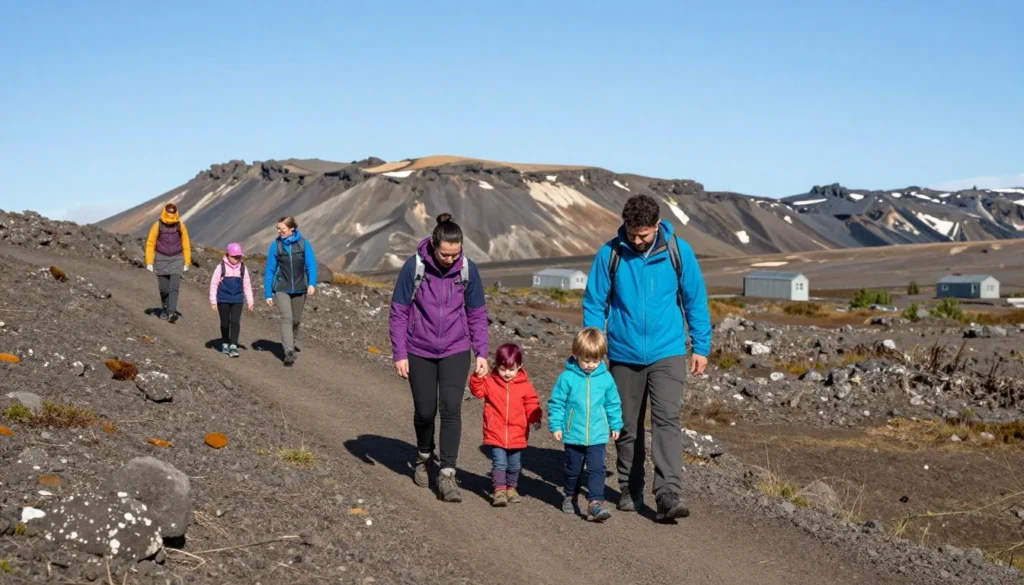
Þingvellir National Park welcomes families with age-appropriate activities throughout the area. Many trails accommodate strollers on paved sections near parking areas. Educational opportunities engage curious young minds with geology and history.
Family-Friendly Trails
The path from P1 parking to Almannagjá overlook remains fully paved. This 400-meter walk takes less than 10 minutes with small children. Wide walkways allow side-by-side walking while discussing the landscape.
The waterfall trail from P5 requires more supervision on uneven surfaces. School-age children handle this moderate route with appropriate footwear. The destination reward motivates kids through the 30-minute walk.
Educational Activities for Young Visitors
The visitor center offers junior ranger activity booklets during summer. Children complete simple tasks while exploring different park locations. Completed booklets earn a certificate and small souvenir.
Scavenger hunt guides help families identify geological features. Kids search for specific rock types and formations throughout the valley. This interactive approach maintains engagement during longer visits.
Safety Considerations
Keep children within arm’s reach near cliff edges and gorge overlooks. Metal railings protect some viewpoints but gaps exist in barriers. Constant supervision prevents accidents on elevated platforms.
Pack extra layers regardless of forecast temperatures. Children cool down quickly when standing still at scenic overlooks. Wind protection proves especially important near exposed ridges.
Facilities for Families
Changing tables exist in restrooms at P1 and the visitor center. However, baby changing facilities remain limited elsewhere in the park. Portable changing pads provide backup options.
Covered picnic shelters near parking areas offer weather protection. These spaces work well for nursing mothers or snack breaks. Benches provide comfortable seating during rest stops.
Age-Appropriate Expectations
Toddlers manage the short paved walks near the visitor center. Longer trails require child carriers for kids under four years old. Uneven terrain challenges small legs on extended routes.
Children ages 6-12 enjoy exploring the rift valley passages. The narrow gorge walls create an adventure atmosphere. Simple geology explanations capture their natural curiosity.
Teenagers appreciate snorkeling opportunities in Silfra fissure. Minimum age requirements typically start at 12 years for snorkeling. Diving certification must be obtained before the trip for scuba activities.
Money Saving Tips

Visiting Þingvellir National Park requires minimal entrance fees compared to many destinations. Strategic planning reduces overall trip costs while maintaining experience quality. Smart travelers find numerous ways to minimize expenses.
Free Activities and Attractions
All hiking trails within the park remain free to access. The visitor center charges no admission for exhibits and information displays. Viewing geological features and historical sites costs nothing beyond parking fees.
Photography throughout the park requires no special permits. Birdwatching needs only binoculars without licensing requirements. These self-guided activities provide hours of entertainment at no cost.
Parking Cost Management
A single parking payment covers all lots for the entire day. Pay once at P1 and visit multiple areas without additional fees. Save the receipt as proof of payment when moving between locations.
Arriving by tour bus eliminates individual parking costs. The tour operator handles these fees within the package price. This option makes sense for visitors without rental cars.
Meal Planning Strategies
Prepare picnic lunches in Reykjavik before departing for the park. Supermarket prices run significantly lower than restaurant meals. A cooler preserves food freshness during the drive.
Bonus and Krónan supermarkets offer the best prices on groceries. Local bakeries sell fresh bread and pastries each morning. Build sandwiches using Icelandic ingredients for authentic flavors.
Accommodation Savings
Camping at Þingvellir campground costs a fraction of hotel rates. Facilities include necessary amenities without luxury pricing. Booking directly with the campground avoids third-party fees.
Hostels in Reykjavik provide budget-friendly bases for day trips. Private rooms cost less than hotels while maintaining cleanliness. Kitchen access enables meal preparation to reduce dining expenses.
Transportation Economics
Splitting rental car costs among travel companions lowers per-person expenses. Four people sharing a sedan pay roughly 25% of solo costs each. Fuel expenses divide equally among passengers.
Self-drive flexibility allows optimization of the Golden Circle route. Visit attractions during off-peak hours to avoid crowds. Extended time at favorite locations comes without additional tour operator fees.
Budget-Friendly Options
- Free trail access throughout the park
- Self-catering accommodation choices
- Reasonable parking fees for full-day access
- No entrance fees for main attractions
- Camping facilities within park boundaries
Unavoidable Expenses
- Transportation to reach the park location
- Specialized tour costs for diving activities
- Accommodation during peak summer season
- Equipment rental for water activities
- Restaurant meals without meal preparation
Timing for Better Value
Shoulder season visits in May or September offer reduced accommodation rates. Guesthouses lower prices when demand decreases outside peak months. Services remain fully operational during these periods.
Midweek visits encounter fewer crowds at popular photo locations. Tuesday through Thursday see lighter traffic than weekends. Better parking availability reduces time wasted circling lots.
Safety & Local Customs
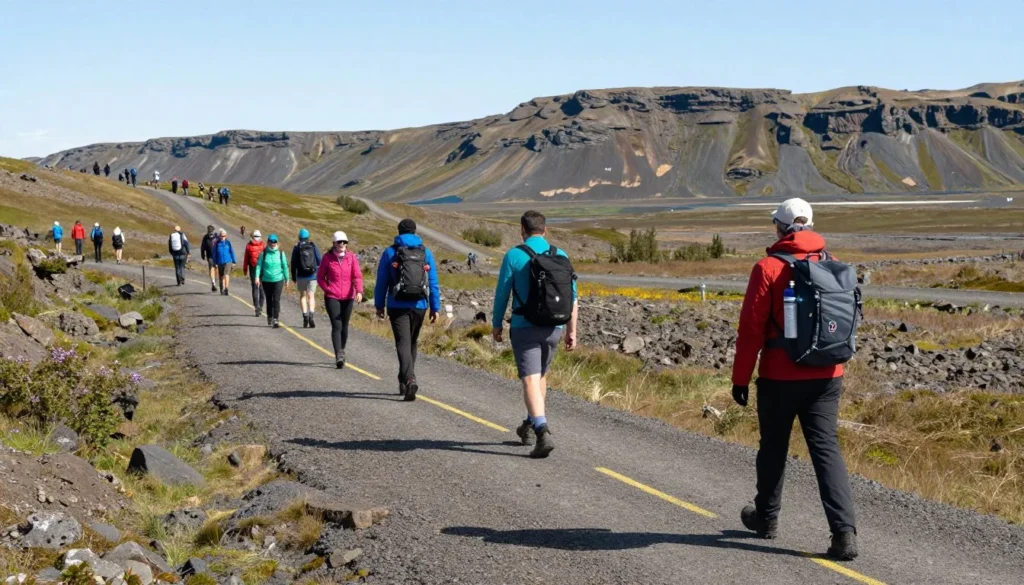
Weather Safety Precautions
Icelandic weather changes rapidly without warning throughout the year. Morning sunshine can transform into rain and wind within hours. Carry waterproof layers even when skies appear clear at departure.
Wind speeds increase dramatically on exposed ridges and platforms. Hold cameras and phones securely when near cliff edges. Children require extra supervision during gusty conditions.
Trail Safety Guidelines
Stay on marked paths to protect fragile vegetation and ensure personal safety. Stepping on moss-covered lava damages ecosystems requiring decades to recover. Designated trails prevent erosion and preserve natural beauty.
Metal railings mark dangerous drop-offs at key viewpoints. Respect barrier placements and avoid climbing over protective structures. Several serious accidents have occurred from ignoring safety measures.
Water Safety: Silfra fissure diving requires dry suit experience and proper certification. Water temperatures of 2°C to 4°C (36°F to 39°F) cause hypothermia rapidly without proper equipment. Never attempt independent diving without certified guides.
Local Customs and Etiquette
Icelanders value environmental preservation above most considerations. Pack out all trash without exception as disposal facilities remain limited. Leave no trace of your visit except footprints on established paths.
Respect quiet zones near historical sites and assembly grounds. Loud conversations disrupt other visitors seeking contemplative experiences. Photography should not interfere with others’ enjoyment of the location.
Cultural Respect
Þingvellir holds deep significance in Icelandic national identity. Treat historical markers and monuments with appropriate reverence. Climbing on or touching ancient structures causes irreversible damage.
The church remains an active place of worship for local residents. Visit quietly if entering during open hours. Photography inside requires permission from attending staff members.
Environmental Protection
Collecting rocks, plants, or natural materials from the park violates regulations. These protections preserve the landscape for future generations. Violations result in substantial fines and potential prosecution.
Drones require special permits from park authorities before operation. Unauthorized flights disturb wildlife and other visitors. Submit permit applications well in advance of your visit.
Emergency Procedures
Emergency phone number 112 connects to rescue services throughout Iceland. Mobile coverage reaches most park areas for emergency calls. Save this number before beginning hikes in remote sections.
The visitor center maintains first aid supplies and trained staff. Park rangers patrol main trails during peak season hours. Serious injuries require helicopter evacuation to Reykjavik hospitals.
Seasonal Hazards
Winter ice makes trails extremely treacherous without proper footwear. Microspikes or crampons provide necessary traction on frozen paths. Some trails close entirely when conditions become too dangerous.
Summer midges appear near water sources during warm weather. These small insects do not bite but swarm in annoying clouds. Head nets provide relief during peak midge season in July.
Visitor Comments About Thingvellir National Park
“The sheer geological drama of walking between two continents exceeded every expectation. Our family spent four hours exploring the rift valley and still didn’t see everything. The crystal-clear waters in Silfra looked unreal. My teenage kids couldn’t believe they were snorkeling between tectonic plates. This deserves every bit of its UNESCO World Heritage status.”
“As a history enthusiast, standing where Iceland’s parliament met for nearly 900 years gave me chills. The interpretive center helped me understand the significance of the Alþingi assembly. Walking through Almannagjá gorge felt like stepping back through centuries. The combination of natural beauty and historical importance makes Þingvellir truly special. I’ve already planned a return visit for next summer.”
“We visited in late September and had the trails practically to ourselves. The autumn colors against the black volcanic rock created stunning photographs. Weather changed constantly but that added to the dramatic atmosphere. Öxarárfoss waterfall was spectacular even with lower water levels. The entire Golden Circle impressed us but Þingvellir remained our favorite stop.”
Additional Nearby Destinations
Geysir Geothermal Area
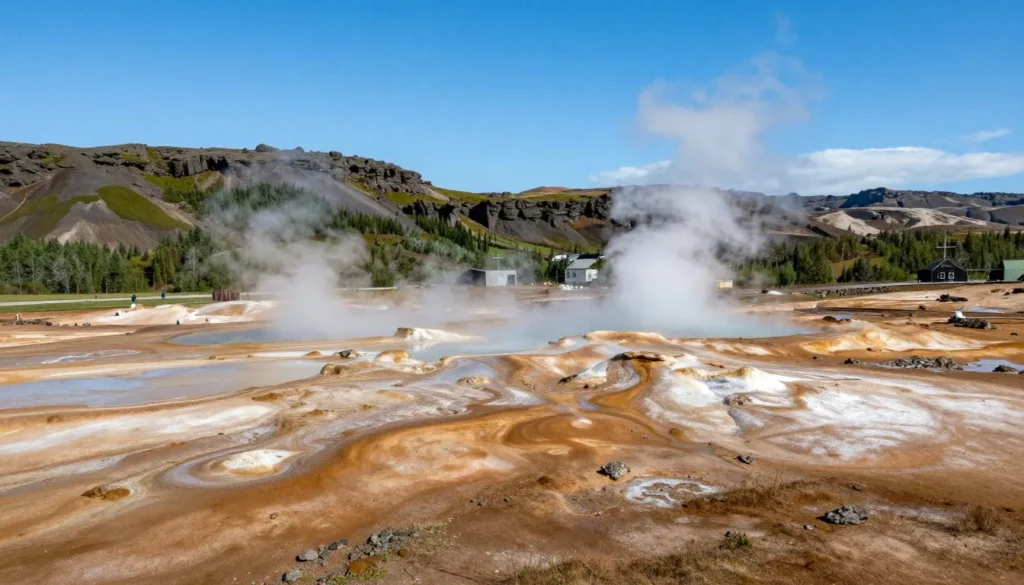
Located 50 kilometers northeast of Þingvellir, this area contains Iceland’s most famous hot springs. Strokkur geyser erupts every 5-10 minutes shooting water 15-30 meters high. The original Geysir gave its name to all geysers worldwide.
Boardwalk paths wind between bubbling mud pots and steaming vents. The geothermal activity creates an otherworldly landscape of colors and textures. Visit early morning or late evening to avoid tour bus crowds.
✓ Check 30,000+ Local Sightseeing Tours Worldwide
Gullfoss Waterfall
This massive two-tiered waterfall sits 10 kilometers beyond Geysir. The Hvítá river plunges 32 meters (105 feet) into a narrow canyon. Spray from the falls creates frequent rainbows on sunny days.
Multiple viewing platforms provide different perspectives of the powerful cascade. Upper and lower paths allow visitors to approach relatively close to the falls. Waterproof layers protect against constant mist near observation points.
Kerið Crater Lake
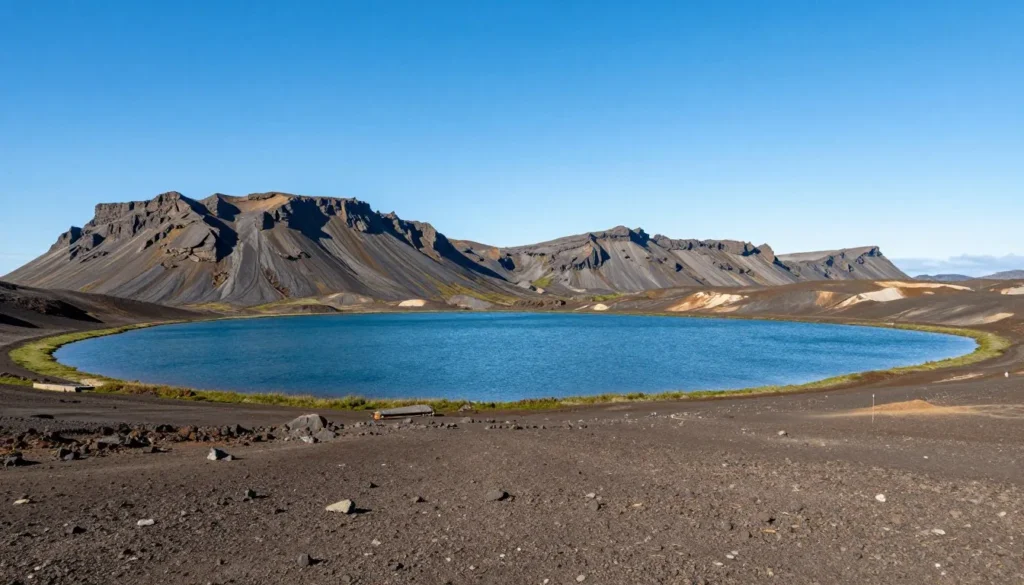
This volcanic crater sits 15 kilometers south of Þingvellir along Route 35. The distinctive red volcanic rock surrounds deep blue-green water. A path descends to the lake shore for close-up views.
The crater formed approximately 3,000 years ago during a volcanic eruption. The collapsed magma chamber filled with groundwater over millennia. Aquatic plants now grow along the shallow edges.
Laugarvatn Village
This small lakeside community offers geothermal spas and local restaurants. The Fontana Spa features natural hot springs beside the lake. Traditional rye bread bakes underground using geothermal heat.
The village serves as a convenient base for exploring the region. Several guesthouses and small hotels operate year-round. Local tour operators arrange specialized activities around the area.
Secret Lagoon (Gamla Laugin)
Iceland’s oldest natural swimming pool sits in the village of Flúðir. The geothermal pool maintains temperatures around 38°C to 40°C (100°F to 104°F). Small geysers erupt nearby creating a unique bathing atmosphere.
This facility offers a more authentic experience than the famous Blue Lagoon. Fewer crowds allow relaxed soaking in natural surroundings. Changing facilities and a small café serve visitors.
Skálholt Historic Site
This location served as Iceland’s religious center for over 700 years. The impressive modern cathedral replaced structures dating back to 1056 AD. Archaeological excavations continue revealing medieval foundations.
A small museum displays artifacts from the site’s ecclesiastical past. Summer concerts utilize the cathedral’s excellent acoustics for classical performances. The peaceful setting invites quiet contemplation of Iceland’s religious history.
Practical Travel Tips
Currency and Payment Methods
The Icelandic króna (ISK) serves as the official currency. Credit cards see acceptance at virtually all tourist facilities. Contactless payment works everywhere including parking meters.
ATMs in Reykjavik dispense króna before heading to the park. However, most travelers never need physical cash for park visits. Mobile payment apps work reliably throughout the region.
Language Considerations
English proficiency reaches high levels among Icelanders working in tourism. All visitor center staff speak fluent English along with multiple other languages. Signage throughout the park includes English translations.
Learning basic Icelandic phrases shows respect for local culture. “Takk” (thank you) and “góðan daginn” (good day) earn appreciative smiles. However, communication difficulties rarely occur at tourist destinations.
Mobile Connectivity
Cell coverage reaches most areas within Þingvellir National Park. All major Icelandic networks provide reliable service near main trails. However, remote sections may experience reduced signal strength.
Purchase local SIM cards at Keflavik Airport for data access. Tourist SIM packages include generous data allowances. Many accommodations also provide free WiFi to guests.
Bathroom Facilities
Restrooms exist at all major parking areas throughout the park. The visitor center maintains the most comprehensive facilities. However, trail-side facilities remain nonexistent between parking lots.
Plan bathroom breaks before beginning longer hikes. Facilities close seasonally at some parking areas during winter. Carry tissues as backup since toilet paper occasionally runs out.
What to Pack
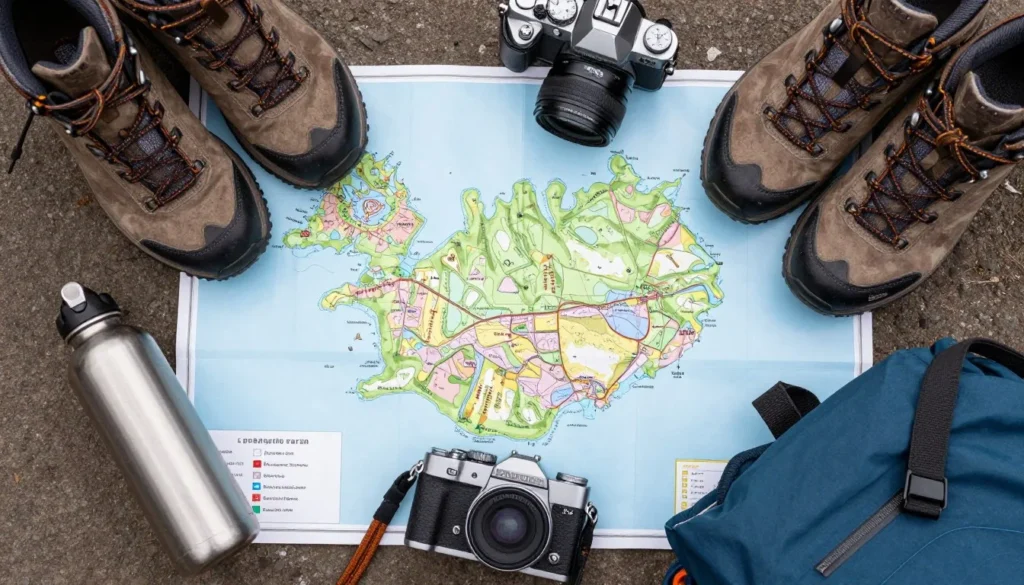
- Waterproof jacket and pants for sudden weather changes
- Sturdy hiking boots with ankle support and good traction
- Warm fleece or wool layers for temperature regulation
- Sun protection including sunglasses and SPF 30+ sunscreen
- Reusable water bottle for staying hydrated on trails
- Small backpack for carrying layers and snacks
- Camera with extra batteries in cold weather
- Binoculars for birdwatching and distant feature observation
Accessibility Information
The visitor center meets full accessibility standards for wheelchairs. Paved paths reach several overlooks from P1 parking area. However, most trails involve uneven surfaces unsuitable for wheelchairs.
Accessible parking spaces exist at each designated parking lot. The closest accessible viewpoints sit near the P1 visitor center. Staff members provide detailed accessibility information for individual needs.
Photography Tips
Wide-angle lenses capture the expansive valley views effectively. Polarizing filters reduce water glare and enhance sky contrast. Bring lens cloths to wipe away water spray near the falls.
Golden hour lighting occurs around 10 PM during summer months. The midnight sun creates extended photography opportunities throughout June. Winter visitors find dramatic light conditions despite shorter days.
Photography Etiquette: Popular viewpoints become crowded during peak hours. Allow other visitors opportunities to photograph iconic spots without monopolizing positions. Step aside between shots to let others approach railings.
Seasonal Clothing Requirements
Summer visitors need light layers with waterproof outer shells. Temperatures range from 10°C to 15°C (50°F to 59°F) typically. Evening hours can drop significantly requiring additional warmth.
Winter demands serious cold-weather gear including insulated jackets. Temperatures regularly fall below freezing throughout the day. Hand and foot warmers provide comfort during extended outdoor time.
Best Times to Avoid Crowds
Tour buses arrive between 10 AM and 3 PM during peak season. Visit before 9 AM or after 4 PM for quieter experiences. Early morning light provides superior photography conditions anyway.
Weekdays see fewer visitors than Saturday and Sunday throughout the year. Tuesday and Wednesday offer the most peaceful exploration opportunities. Shoulder seasons in May and September reduce crowds significantly.
Where Ancient History Meets Raw Natural Power
Þingvellir National Park stands as a testament to the forces that shape our planet. Walking between continental plates creates an unforgettable connection to Earth’s dynamic geology. The same location witnessed the birth of Iceland’s democratic traditions over 1,000 years ago.
Few destinations combine such dramatic natural phenomena with profound cultural significance. The rift valley stretches before visitors revealing millions of years of geological processes. Meanwhile, the assembly plains whisper stories of medieval lawmakers and historic decisions.
Plan your visit carefully to maximize time exploring this UNESCO World Heritage Site. Whether you dive in crystal-clear fissures or contemplate Iceland’s parliamentary birthplace, Þingvellir delivers extraordinary experiences. The park rewards those who venture beyond quick photo stops with deeper appreciation for Iceland’s natural and cultural treasures.
Start planning your journey to witness where two continents drift apart beneath your feet. This remarkable landscape awaits with adventures that educate, inspire, and create lasting memories of Iceland’s incomparable beauty.