Book reservations in numerous Languages + World Currencies. Hotels by Trip.com
Flights by Trip.com
Did you know that Anderson Marsh State Historic Park shelters archaeological sites dating back an astonishing 14,000 years, making it one of California’s most significant historical treasures? This 1,065-acre natural and cultural preserve sits at the southeast corner of Clear Lake, California’s largest natural freshwater lake, offering visitors a rare glimpse into both the region’s ecological diversity and its rich human history.
Introduction to Anderson Marsh State Historic Park

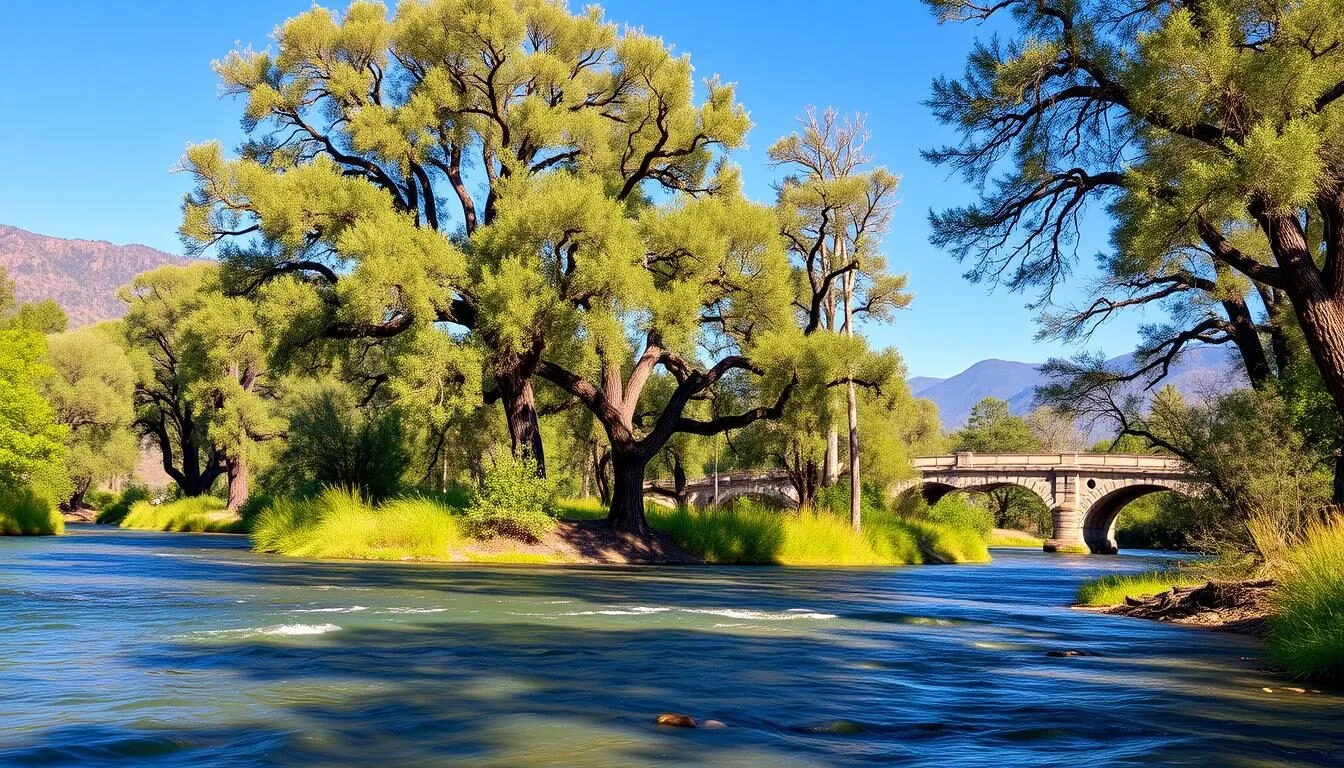
Nestled in Lake County, California, Anderson Marsh State Historic Park represents a remarkable convergence of natural beauty and human heritage. The park encompasses wetlands, oak woodlands, grasslands, and riparian habitats that have remained largely unchanged for thousands of years. Unlike many California state parks that focus primarily on either natural or historical features, Anderson Marsh offers visitors the unique opportunity to explore both in one extraordinary setting.
The land within the park has witnessed human activity for millennia, from the indigenous Pomo people who thrived here for thousands of years to the European settlers who established ranches in the 1800s. Today, this special place preserves these layers of history while protecting vital habitat for hundreds of plant and animal species, particularly migratory birds that depend on the marsh ecosystem.
For visitors, Anderson Marsh provides a peaceful retreat where you can hike through diverse landscapes, observe abundant wildlife, explore historic structures, and connect with California’s past in a tangible way. Whether you’re a nature enthusiast, history buff, birdwatcher, photographer, or simply someone seeking tranquility, this hidden gem offers experiences that will enrich your understanding of California’s natural and cultural heritage.
Getting There & Planning Your Journey
Anderson Marsh State Historic Park is located at 8400 Highway 53 in Lower Lake, California, approximately 160 km (100 miles) north of San Francisco. The park sits at the southeast corner of Clear Lake in Lake County, making it accessible for day trips from the San Francisco Bay Area or as part of a longer exploration of Northern California’s wine country and natural areas.
By Car
The most convenient way to reach Anderson Marsh State Historic Park is by car. If you’re coming from the San Francisco Bay Area, take Highway 101 north to Highway 29 at Napa, then continue north through wine country to Lower Lake. Alternatively, you can take Interstate 5 north to Williams, then west on Highway 20 to Highway 53. The park entrance is clearly marked on Highway 53, just north of the community of Lower Lake.
For those visiting from Sacramento, take Highway 16 west to Highway 20, then continue west to Highway 53. From the north, Highway 20 provides access from the coast or from Interstate 5.
The park has a dedicated parking area that charges a modest day-use fee of $4-8 per vehicle, depending on the season. The parking lot is open from 8:00 AM until sunset daily.
Public Transportation
Public transportation options to Anderson Marsh are limited. Lake Transit Authority operates bus services within Lake County, with Route 1 running between Clearlake and Lower Lake. However, the bus stop is about 1.6 km (1 mile) from the park entrance, requiring a walk along Highway 53. Check the Lake Transit website for current schedules and fares.
Nearest Airports
The closest commercial airports to Anderson Marsh State Historic Park are:
- Charles M. Schulz–Sonoma County Airport (STS) in Santa Rosa – approximately 80 km (50 miles)
- Sacramento International Airport (SMF) – approximately 145 km (90 miles)
- San Francisco International Airport (SFO) – approximately 177 km (110 miles)
- Oakland International Airport (OAK) – approximately 177 km (110 miles)
From any of these airports, you’ll need to rent a car or arrange private transportation to reach the park.
✓ Check 30,000+ Local Sightseeing Tours Worldwide
Click Here
Planning Tips
When planning your visit to Anderson Marsh State Historic Park, consider these helpful tips:
- Allow at least 3-4 hours to explore the park’s trails and historic features
- Bring plenty of water, especially during summer months when temperatures can exceed 35°C (95°F)
- Wear sturdy walking shoes or hiking boots for the trails
- Pack sun protection including hats, sunscreen, and sunglasses
- Bring binoculars for birdwatching and wildlife observation
- Consider visiting on weekdays to avoid weekend crowds, particularly during spring and fall
- Check the park’s official website for any temporary closures or special events before your visit
Best Time to Visit & Weather Tips
Anderson Marsh State Historic Park offers distinct experiences throughout the year, with each season highlighting different aspects of the park’s natural beauty and wildlife. Understanding the seasonal patterns will help you plan the optimal visit based on your interests.
Recommended Seasons to Visit
Spring (March-May)
Best for: Wildflowers, bird migration, comfortable temperatures
Spring transforms Anderson Marsh into a vibrant showcase of California’s native wildflowers. The meadows burst with colorful displays of lupine, California poppies, and dozens of other wildflower species. Temperatures typically range from 15-25°C (59-77°F), creating ideal conditions for hiking and photography.
This season also coincides with bird migration, making it an exceptional time for birdwatchers. The wetlands fill with activity as migratory species pass through or arrive to nest. The Cache Creek Nature Trail is particularly rewarding during spring mornings.
Fall (September-November)
Best for: Fall colors, wildlife viewing, pleasant hiking weather
Autumn brings a different kind of beauty to Anderson Marsh as oak trees display golden and amber hues against the backdrop of Clear Lake. Temperatures cool to a comfortable 15-23°C (59-73°F) during the day, making it perfect for exploring the longer trails.
Wildlife becomes more active in fall as animals prepare for winter. Deer are frequently spotted in the oak woodlands, and the marsh hosts numerous bird species. The clear fall light creates excellent conditions for photography, especially during the “golden hours” near sunrise and sunset.
Summer (June-August)
Best for: Early morning hikes, water activities on Clear Lake
Summer brings hot temperatures to Anderson Marsh, often exceeding 35°C (95°F) during midday. If visiting in summer, plan your hikes for early morning (before 10:00 AM) when temperatures are more moderate and wildlife is most active.
The summer heat limits comfortable hiking time, but it’s ideal for water activities on adjacent Clear Lake. Consider combining a morning visit to the park with afternoon kayaking or swimming in the lake. The Ranch House is typically open for tours during summer months, offering a cool respite from the heat.
Winter (December-February)
Best for: Birdwatching, solitude, photography
Winter transforms Anderson Marsh into a peaceful sanctuary with fewer visitors. Temperatures typically range from 5-15°C (41-59°F), with occasional frost in the mornings but generally mild daytime conditions perfect for hiking.
This season offers exceptional birdwatching opportunities as migratory waterfowl arrive in large numbers. The bare trees also make wildlife spotting easier throughout the park. After seasonal rains, the marsh areas become more vibrant, and the landscape takes on a lush green appearance that contrasts beautifully with Clear Lake.
Monthly Weather Breakdown
| Month | Avg. High | Avg. Low | Rainfall | Notes |
| January | 13°C (55°F) | 3°C (37°F) | 16 cm (6.3 in) | Wettest month; excellent for waterfowl viewing |
| February | 15°C (59°F) | 4°C (39°F) | 14 cm (5.5 in) | Early wildflowers begin to appear |
| March | 18°C (64°F) | 5°C (41°F) | 10 cm (3.9 in) | Wildflower season begins; bird migration starts |
| April | 21°C (70°F) | 7°C (45°F) | 5 cm (2.0 in) | Peak wildflower season; excellent hiking weather |
| May | 26°C (79°F) | 10°C (50°F) | 2 cm (0.8 in) | Late spring flowers; comfortable temperatures |
| June | 31°C (88°F) | 13°C (55°F) | 0.5 cm (0.2 in) | Beginning of hot season; morning hikes recommended |
| July | 35°C (95°F) | 15°C (59°F) | 0.2 cm (0.1 in) | Hottest month; early morning visits essential |
| August | 34°C (93°F) | 15°C (59°F) | 0.2 cm (0.1 in) | Hot and dry; limited water in seasonal creeks |
| September | 31°C (88°F) | 12°C (54°F) | 1 cm (0.4 in) | Cooling temperatures; beginning of fall colors |
| October | 25°C (77°F) | 9°C (48°F) | 4 cm (1.6 in) | Peak fall colors; excellent hiking weather |
| November | 18°C (64°F) | 6°C (43°F) | 8 cm (3.1 in) | Fall bird migration; fewer visitors |
| December | 13°C (55°F) | 3°C (37°F) | 14 cm (5.5 in) | Wetland areas fill; winter bird arrivals |
Weather Tips for Visitors
What to Pack
- Spring/Fall: Layered clothing, light jacket, hat, sunscreen
- Summer: Lightweight, breathable clothing, wide-brimmed hat, high-SPF sunscreen, extra water
- Winter: Warm layers, waterproof jacket, hat, gloves, waterproof footwear
- Year-round: Binoculars, camera, insect repellent, trail map
Weather Advisories
- Summer heat advisories are common from June through August
- Fog can occur in winter mornings, especially near the marsh areas
- Thunderstorms occasionally develop in late summer afternoons
- Winter rain can make trails muddy; check conditions before visiting
- Air quality may be affected during California wildfire season (typically August-October)
Local Insight: The “shoulder seasons” of late April to early June and mid-September to late October offer the most reliable weather and optimal conditions for exploring Anderson Marsh State Historic Park. These periods combine comfortable temperatures with active wildlife and fewer visitors, creating the perfect environment for hiking, photography, and nature observation.
Getting Around Locally
Navigating Anderson Marsh State Historic Park and the surrounding Lake County area requires some planning, especially if you want to explore beyond the park boundaries. Here’s everything you need to know about getting around efficiently during your visit.
Within the Park
Anderson Marsh State Historic Park is primarily explored on foot via its network of hiking trails. The park covers 1,065 acres of diverse terrain, from wetlands to oak woodlands, with approximately 8 km (5 miles) of trails. All trails begin at the main parking area near the historic Ranch House.
The park is designed for pedestrian access only, with no bicycles, scooters, or motorized vehicles permitted on the trails. This restriction helps preserve the natural environment and archaeological sites. Wheelchairs and mobility aids can access the Ranch House area and the first portion of the Cache Creek Nature Trail, which features a relatively flat, compacted surface.
Trail Navigation
Trail maps are available at the entrance kiosk when staffed, or can be downloaded from the California State Parks website before your visit. The trails are well-marked with directional signs at major junctions, though carrying a map is recommended, especially for first-time visitors.
The main trails include:
- Cache Creek Nature Trail (1.6 km/1 mile round trip) – An easy, accessible trail that follows Cache Creek to Clear Lake
- Marsh Trail (3.2 km/2 miles round trip) – A moderate trail through wetlands with excellent birdwatching opportunities
- Ridge Trail (4.8 km/3 miles round trip) – A more challenging route with elevation gain that offers panoramic views of Clear Lake
- Anderson Flats Trail (3.2 km/2 miles round trip) – A moderate trail through grasslands and oak woodlands
- McVicar Trail (1.6 km/1 mile round trip) – An easy trail that connects to the South Fork of Cache Creek
Allow approximately 30-45 minutes for each mile of trail, depending on your pace and how often you stop to observe wildlife or take photographs.
Water Access
For those interested in exploring Clear Lake or Cache Creek by water, there is a small boat launch area at the end of the Cache Creek Nature Trail. This natural launch point is suitable for kayaks, canoes, and other small, non-motorized watercraft. The launch area is approximately 0.8 km (0.5 miles) from the main parking lot.
Kayaking or canoeing provides a unique perspective of the marsh ecosystem and allows access to areas not visible from the hiking trails. The calm waters of Cache Creek are ideal for paddlers of all skill levels, while Clear Lake offers more extensive exploration opportunities for experienced paddlers.
Transportation in Lake County
To explore the broader Lake County area, including nearby towns and attractions, you’ll need personal transportation. Options include:
Rental Cars
Rental cars provide the most flexibility for exploring Lake County. While there are no rental agencies in immediate proximity to Anderson Marsh, you can rent vehicles in larger towns like Clearlake or at the airports in Santa Rosa, Sacramento, or the San Francisco Bay Area.
Having your own vehicle allows you to easily visit other attractions in the region, including wineries, other state parks, and the charming towns around Clear Lake.
Public Transportation
Lake Transit Authority operates bus routes throughout Lake County, connecting major towns and communities. Route 1 serves Lower Lake and Clearlake, with stops relatively close to Anderson Marsh State Historic Park.
Bus service is limited, with reduced schedules on weekends, so check the current timetables on the Lake Transit website when planning your trip. Single ride fares are approximately $1.50, with day passes available for $4.00.
Taxis and Rideshares
Limited taxi services operate in Lake County, primarily serving the larger communities like Clearlake and Lakeport. Advance booking is recommended.
Rideshare services like Uber and Lyft have limited availability in the area, with more reliable service in larger towns. Coverage may be sparse near Anderson Marsh, so don’t rely on immediate pickup availability.
Bicycle Rentals
While bicycles aren’t permitted on the trails within Anderson Marsh State Historic Park, cycling is a pleasant way to explore the surrounding Lake County area, especially during spring and fall when temperatures are moderate.
Limited bicycle rental options are available in Clearlake and Lakeport. Some local accommodations also offer bicycles for guest use.
Accessibility Information
Anderson Marsh State Historic Park offers limited accessibility for visitors with mobility challenges:
- The parking lot includes designated accessible parking spaces near the trailhead
- The historic Ranch House and immediate grounds are accessible via compacted dirt paths
- The first 0.4 km (0.25 miles) of the Cache Creek Nature Trail has a relatively firm surface that may be navigable with sturdy wheelchairs or mobility devices in dry conditions
- Most trails beyond this point involve uneven terrain, narrow paths, or soft surfaces that present challenges for those with mobility limitations
- Accessible restrooms are available at the main parking area
Visitors with specific accessibility needs should contact the park office at (707) 279-2267 before visiting to get current trail conditions and accessibility information.
Where to Stay Near Anderson Marsh
While Anderson Marsh State Historic Park doesn’t offer overnight accommodations within its boundaries, the surrounding Lake County area provides a variety of lodging options to suit different preferences and budgets. From lakeside resorts to cozy bed and breakfasts, here are the best places to stay when visiting Anderson Marsh.
Lower Lake & Clearlake (5-10 km / 3-6 miles)
The communities of Lower Lake and Clearlake offer the closest accommodations to Anderson Marsh State Historic Park, with options ranging from budget motels to vacation rentals.
Best for: Convenience, easy park access, budget options
Price range: $80-150 per night
Amenities: Basic accommodations, some with lake views, restaurants within driving distance
Kelseyville & Lakeport (16-24 km / 10-15 miles)
These charming towns on the western shore of Clear Lake offer more upscale accommodations, including boutique hotels and well-appointed bed and breakfasts.
Best for: Wine country access, dining options, charming atmosphere
Price range: $120-250 per night
Amenities: Wine tasting rooms, quality restaurants, boutique shopping
Cobb Mountain Area (24-32 km / 15-20 miles)
The Cobb Mountain area southwest of Clear Lake offers secluded cabins and vacation rentals nestled among pine forests at higher elevations.
Best for: Seclusion, cooler temperatures in summer, nature immersion
Price range: $150-300 per night
Amenities: Forest views, hot springs access, hiking trails
✓ Check 30,000+ Local Sightseeing Tours Worldwide
Click Here
Lakefront Resorts & Hotels
Clear Lake’s shoreline is dotted with resorts and hotels that offer direct lake access, many with private docks, swimming areas, and water sports rentals. These properties range from mid-century establishments with retro charm to recently renovated resorts with modern amenities.
Lakefront accommodations typically command premium prices, especially during summer months and weekends, but provide unparalleled convenience for water activities. Many offer boat rentals or launches, fishing access, and stunning sunset views over the water.
Price range: $150-350 per night
Recommended for: Water enthusiasts, families, romantic getaways
Vacation Rentals & Cabins
Vacation rentals offer space, privacy, and home-like amenities for visitors to Lake County. Options range from lakeside cottages to secluded mountain cabins, many featuring full kitchens, outdoor spaces, and unique character.
Platforms like Airbnb and VRBO list numerous properties throughout the region, with the highest concentration around the lake communities. Many rentals are situated on large lots, providing a peaceful retreat after a day of exploring Anderson Marsh.
Price range: $125-400 per night
Recommended for: Families, extended stays, self-catering travelers
Bed & Breakfasts
Lake County’s historic towns host several charming bed and breakfasts, often in restored Victorian homes or historic buildings. These intimate accommodations typically offer personalized service, gourmet breakfasts, and local knowledge from hands-on innkeepers.
B&Bs in the area frequently feature period furnishings, garden settings, and wine country themes. They provide a more immersive, local experience compared to standard hotels, with hosts who can offer insider tips on exploring Anderson Marsh and other area attractions.
Price range: $140-275 per night
Recommended for: Couples, history enthusiasts, those seeking local insights
Camping & RV Options
For outdoor enthusiasts, several campgrounds around Clear Lake offer tent and RV sites. Clear Lake State Park, located on the lake’s western shore approximately 24 km (15 miles) from Anderson Marsh, provides developed campgrounds with restrooms, showers, and lake access.
Private RV parks and resorts around the lake offer additional amenities such as full hookups, laundry facilities, and recreation areas. Most campgrounds require reservations, especially during peak summer months and weekends.
Price range: $25-60 per night for tent sites, $35-75 for RV sites
Recommended for: Outdoor enthusiasts, budget travelers, RV owners
Attractions, Sightseeing & Activities at Anderson Marsh
Anderson Marsh State Historic Park offers a remarkable blend of natural beauty and cultural history, with activities that appeal to diverse interests. From serene hiking trails to fascinating historical sites, here’s a comprehensive guide to the park’s top attractions and activities.
Hiking Trails
| Trail Name | Distance | Difficulty | Highlights | Best For |
| Cache Creek Nature Trail | 1.6 km (1 mile) round trip | Easy | Riparian habitat, creek views, water access, wildlife viewing | Families, birdwatchers, photographers, accessibility |
| Marsh Trail | 3.2 km (2 miles) round trip | Moderate | Wetland ecosystems, extensive birdlife, seasonal wildflowers | Birdwatching, nature photography, botany enthusiasts |
| Ridge Trail | 4.8 km (3 miles) round trip | Moderate to Challenging | Elevation gain, panoramic views of Clear Lake, oak woodlands | Hikers seeking views, photography, morning or evening light |
| Anderson Flats Trail | 3.2 km (2 miles) round trip | Moderate | Grasslands, oak savanna, spring wildflowers, open vistas | Wildflower enthusiasts (spring), history buffs |
| McVicar Trail | 1.6 km (1 mile) round trip | Easy | South Fork of Cache Creek, riparian habitat, quiet setting | Peaceful walks, fishing access, morning wildlife viewing |
| Lewis Ridge Trail | 4 km (2.5 miles) round trip | Moderate to Challenging | Highest elevation in park, oak/manzanita habitat, distant views | Experienced hikers, solitude seekers, geology interest |
Wildlife Viewing
Anderson Marsh State Historic Park is renowned for its exceptional wildlife viewing opportunities, particularly for bird enthusiasts. The diverse habitats within the park support hundreds of species throughout the year.
Birdwatching Highlights
The park’s wetlands, riparian corridors, and oak woodlands attract over 200 bird species, making it one of Northern California’s premier birdwatching destinations. Notable species include:
- Great blue herons and great egrets (year-round)
- Osprey and bald eagles (year-round, more common in winter)
- Wood ducks and common mergansers (year-round)
- Yellow-headed blackbirds (spring/summer)
- American white pelicans (seasonal)
- Various migratory waterfowl (winter)
- Acorn woodpeckers (year-round in oak areas)
- Western bluebirds (year-round)
The best birdwatching locations include the Marsh Trail boardwalk, Cache Creek’s mouth at Clear Lake, and the oak woodland sections of the Ridge Trail. Early morning and late afternoon typically offer the most active bird viewing.
Mammals and Reptiles
Beyond birds, Anderson Marsh hosts a variety of other wildlife. Patient and observant visitors might encounter:
- Black-tailed deer (most active at dawn and dusk)
- River otters (in Cache Creek and marsh areas)
- Gray foxes and coyotes (rarely seen, but present)
- Western pond turtles (sunning on logs in warmer months)
- Various lizard species (common on sunny trail sections)
- Gopher snakes and garter snakes (harmless, often seen crossing trails)
- Muskrats and beavers (look for evidence along waterways)
- Bat species (visible at dusk, especially near water)
Wildlife viewing is best with binoculars or a spotting scope. Moving quietly, wearing neutral colors, and visiting during cooler parts of the day increases your chances of wildlife encounters.
Historic Sites
The park’s rich cultural history spans thousands of years, from indigenous settlements to 19th-century ranching. Several significant historic sites are preserved within the park boundaries.
Anderson Ranch House
The centerpiece of the park’s historical features is the Anderson Ranch House, built in the 1860s and expanded in the 1880s. This well-preserved two-story home represents a typical upper-middle-class residence of the late 19th century.
The Ranch House is open for docent-led tours on the fourth Saturday of each month from 10:00 AM to 2:00 PM, and during special events. Tours highlight the architectural features, period furnishings, and the story of the Anderson family who operated a successful ranch on this property for decades.
Even when interior tours aren’t available, visitors can view the exterior of the house and explore the surrounding ranch complex, which includes several outbuildings that illustrate 19th-century agricultural practices.
Archaeological Sites
Anderson Marsh contains some of the most significant archaeological sites in California, with evidence of human habitation dating back approximately 14,000 years. The park includes the remains of several Pomo villages and seasonal camps.
To protect these irreplaceable resources, most archaeological sites are not marked or accessible to the general public. However, interpretive panels near the Ranch House provide information about the indigenous cultures that thrived here for millennia before European settlement.
The park occasionally offers guided archaeological walks led by state park archaeologists or indigenous cultural representatives. These special programs provide deeper insights into the area’s pre-colonial history and the ongoing cultural significance of the land to Native American communities.
Water Activities
The park’s location at the southeast corner of Clear Lake and along Cache Creek provides excellent opportunities for water-based recreation.
Kayaking & Canoeing
Exploring Anderson Marsh by water offers a unique perspective and access to areas not visible from the hiking trails. Cache Creek provides a calm, protected waterway ideal for paddlers of all skill levels, while more experienced kayakers can venture onto Clear Lake itself.
A natural boat launch area is located at the end of the Cache Creek Nature Trail, approximately 0.8 km (0.5 miles) from the main parking lot. This unimproved launch is suitable for hand-carried watercraft like kayaks and canoes.
Popular paddling routes include:
- Cache Creek exploration (1-2 hours round trip)
- Clear Lake shoreline along the marsh (2-3 hours round trip)
- Anderson Island circumnavigation (3-4 hours round trip, weather permitting)
Several outfitters in Clearlake and Lakeport offer kayak and canoe rentals, as well as guided tours that highlight the ecological and historical features visible from the water.
Fishing
Cache Creek and Clear Lake offer excellent fishing opportunities, with the lake known nationally for its bass fishing. The creek mouth area where Cache Creek meets Clear Lake is particularly productive for various fish species.
Common catches include:
- Largemouth bass (Clear Lake is famous for trophy-sized bass)
- Crappie and bluegill (abundant in warmer months)
- Catfish (particularly active in evening hours)
- Sacramento pikeminnow (native to Cache Creek)
- Carp (common in marsh areas)
Fishing is permitted with a valid California fishing license, which can be purchased online through the California Department of Fish and Wildlife or at sporting goods stores in nearby communities.
Shore fishing is possible along designated areas of Cache Creek, while boat fishing provides access to more remote areas. Remember that special regulations may apply, including catch limits and seasonal restrictions.
Photography Opportunities
Anderson Marsh State Historic Park offers exceptional photography opportunities throughout the year, with diverse landscapes, wildlife, and historical subjects. The interplay of light across the marsh, lake, and oak woodlands creates dramatic scenes that change with the seasons.
Best Photography Locations
- Cache Creek Boardwalk: Morning reflections, riparian birds, misty scenes
- Ridge Trail Overlook: Panoramic views of Clear Lake, especially at sunset
- Marsh Trail: Wetland landscapes, waterfowl, seasonal wildflowers
- Anderson Ranch House: Historic architecture, period details, oak-framed compositions
- Anderson Flats: Spring wildflowers, oak savanna landscapes, distant mountains
- Clear Lake Shoreline: Sunrise/sunset over water, dramatic cloud reflections
Photography Tips
- The “golden hours” shortly after sunrise and before sunset offer the most flattering light for landscape photography
- Winter fog creates atmospheric conditions, especially along Cache Creek in early morning
- A polarizing filter helps manage reflections on water and enhances cloud detail
- A zoom lens (70-300mm or similar) is ideal for wildlife photography
- Tripods are recommended for low-light conditions and for capturing sharper landscape images
- Spring (April-May) offers the most diverse photographic opportunities, with wildflowers, active wildlife, and comfortable conditions
- Consider joining one of the park’s occasional photography walks for insider tips on the best locations
Activity Tip: The park’s diverse attractions can be experienced in a single full day, but for a more relaxed visit, consider spreading your exploration over two days. Spend one day focusing on the historic features and shorter trails, then return for a second day dedicated to longer hikes or water activities. This approach allows you to experience the park at different times of day and increases your chances of diverse wildlife sightings.
Sports, Nature & Outdoor Experiences
Anderson Marsh State Historic Park offers exceptional opportunities for outdoor recreation and nature immersion. The park’s diverse ecosystems support a wide range of activities throughout the year, from casual nature observation to more active pursuits. Here’s a comprehensive guide to making the most of the park’s outdoor experiences.
Seasonal Outdoor Activities
Spring (March-May)
Spring transforms Anderson Marsh into a vibrant showcase of natural beauty and wildlife activity. This season offers some of the year’s most rewarding outdoor experiences:
- Wildflower Viewing: The grasslands and oak woodlands burst with colorful displays of lupine, California poppies, goldfields, and dozens of other wildflower species. Peak blooming typically occurs in April, with different species emerging throughout the season.
- Birdwatching: Spring migration brings numerous bird species through the marsh, while resident birds engage in nesting behaviors. Dawn chorus is particularly impressive in April and May.
- Photography: The combination of fresh green growth, wildflowers, and active wildlife makes spring ideal for nature photography.
- Hiking: Comfortable temperatures (15-25°C/59-77°F) create perfect conditions for exploring the park’s longer trails.
Summer (June-August)
Summer brings hot temperatures to Anderson Marsh, shifting the focus to early morning activities and water-based recreation:
- Early Morning Hiking: To avoid midday heat (often exceeding 35°C/95°F), summer hikers should plan to hit the trails at dawn when temperatures are moderate and wildlife is most active.
- Kayaking & Canoeing: Summer is ideal for exploring Cache Creek and Clear Lake by water, with stable weather conditions and warm water temperatures.
- Fishing: Bass fishing peaks in early summer, while catfish become more active during warm summer evenings.
- Wildlife Viewing: Look for western pond turtles sunning on logs, various lizard species on rocky outcrops, and herons and egrets fishing in shallow waters.
Fall (September-November)
Autumn brings cooling temperatures and changing colors to Anderson Marsh, creating excellent conditions for outdoor exploration:
- Fall Hiking: Comfortable temperatures (15-23°C/59-73°F) and fewer visitors make fall an excellent time for exploring the park’s trail network.
- Birdwatching: Fall migration brings different bird species through the marsh, while year-round residents become more visible as vegetation thins.
- Photography: Golden hour light, fall colors in the oak woodlands, and clear skies create exceptional photography conditions.
- Wildlife Viewing: Animals become more active as they prepare for winter, with increased deer activity in the oak woodlands.
Winter (December-February)
Winter transforms Anderson Marsh into a peaceful sanctuary with unique seasonal attractions:
- Waterfowl Observation: Winter brings large numbers of migratory ducks, geese, and other waterfowl to the marsh and Clear Lake.
- Quiet Hiking: The trails are least crowded in winter, offering solitude and peaceful nature connection.
- Photography: Morning fog, dramatic cloud formations, and the stark beauty of the winter landscape provide distinctive photographic opportunities.
- Bald Eagle Watching: Winter months offer the best chances to observe bald eagles, which are attracted to Clear Lake for fishing.
Specialized Outdoor Experiences
Birdwatching
Anderson Marsh is recognized as one of Northern California’s premier birdwatching destinations, with over 200 species recorded within the park boundaries. The diverse habitats—from open water to riparian corridors to oak woodlands—support an exceptional variety of birds throughout the year.
For optimal birdwatching:
- Visit during early morning (first 2-3 hours after sunrise) when birds are most active
- Bring binoculars (8×42 or similar recommended) and a field guide or bird identification app
- Move slowly and quietly, wearing neutral-colored clothing
- Check the observation board at the parking lot for recent sightings
- Consider joining the monthly guided bird walks led by local Audubon Society members (typically third Saturday mornings)
Notable birdwatching locations within the park include the Marsh Trail boardwalk, the mouth of Cache Creek, and the oak woodland sections of the Ridge Trail.
Nature Photography
The diverse landscapes and abundant wildlife of Anderson Marsh create exceptional opportunities for nature photography throughout the year. The park’s varied ecosystems, quality of light, and relatively uncrowded trails make it a favorite destination for photographers of all skill levels.
Photography tips for Anderson Marsh:
- The “golden hours” around sunrise and sunset offer the most flattering light for landscapes
- Winter fog creates atmospheric conditions, especially along Cache Creek in early morning
- Spring wildflowers peak in April, creating colorful foreground elements for landscape compositions
- A polarizing filter helps manage reflections on water and enhances cloud detail
- A telephoto lens (70-300mm or similar) is useful for wildlife photography
- Consider joining one of the park’s occasional photography walks for insider tips on the best locations
The park occasionally hosts photography workshops and photo walks led by professional nature photographers. Check the events calendar on the park’s website for upcoming opportunities.
Botany & Plant Observation
Anderson Marsh preserves several plant communities that have become increasingly rare in California, making it a valuable destination for botany enthusiasts. The park’s minimal development has allowed native plant communities to thrive, with hundreds of species documented within its boundaries.
Key botanical features include:
- Oak woodlands featuring blue oak, valley oak, and interior live oak, with diverse understory plants
- Freshwater marsh with tules, cattails, and specialized aquatic plants
- Riparian corridors along Cache Creek with willows, cottonwoods, and associated species
- Native grasslands with perennial bunchgrasses and seasonal wildflowers
- Vernal pools (seasonal) with specialized plant communities adapted to wet/dry cycles
The park offers occasional guided botany walks led by naturalists who identify plants and discuss their ecological roles and traditional uses. These walks typically occur monthly during spring and fall.
Geology & Landscape Observation
The Clear Lake region has a fascinating geological history, with Anderson Marsh offering windows into this past through its landscapes and rock formations. The park sits within the Clear Lake Volcanic Field, one of California’s youngest volcanic regions, with activity as recent as 10,000 years ago.
Geological features observable within the park include:
- Volcanic basalt outcroppings along the Ridge Trail
- Evidence of ancient lake levels and shoreline changes
- Alluvial deposits from Cache Creek
- Soil variations reflecting different parent materials and formation processes
- Landscape features shaped by the interaction of volcanic activity, water processes, and human modification
The Lewis Ridge Trail offers the best access to geological features, with several interpretive signs explaining the volcanic history of the region. The park occasionally offers specialized geology walks led by experts who provide deeper insights into the area’s geological development.
Guided Programs & Outdoor Learning
Anderson Marsh State Historic Park offers a variety of guided programs that enhance visitors’ understanding and appreciation of the natural environment. These ranger-led and docent-led activities provide expert interpretation of the park’s ecological and cultural features.
| Program | Frequency | Duration | Focus | Meeting Point |
| Nature & History Walks | Second Saturday monthly | 2 hours | General introduction to park ecology and history | Ranch House parking lot |
| Bird Observation Walks | Third Saturday monthly | 2-3 hours | Bird identification, behavior, and habitat | Ranch House parking lot |
| Cultural History Tours | Fourth Saturday monthly | 1.5 hours | Indigenous history and ranch-era development | Ranch House |
| Twilight Walks | Summer months only, varies | 1.5 hours | Crepuscular wildlife, evening ecology | Ranch House parking lot |
| Junior Ranger Programs | Summer weekends | 1 hour | Child-friendly nature exploration | Ranch House lawn |
| Photography Walks | Quarterly | 3 hours | Nature photography techniques and locations | Ranch House parking lot |
Most guided programs are free with park admission, though some specialized workshops may have additional fees. Programs typically require comfortable walking shoes and appropriate weather protection. Binoculars, cameras, and notebooks are recommended but not required.
For current program schedules and any registration requirements, check the park’s official website or call the park office at (707) 279-2267.
Outdoor Tip: Anderson Marsh’s diverse ecosystems are best experienced through multiple visits across different seasons. Consider a “four seasons project” where you photograph or journal about the same locations throughout the year, noting changes in plant life, wildlife activity, and landscape features. This approach deepens your connection to the land and enhances your understanding of natural cycles.