
Hotels by Trip.com
Flights by Trip.com
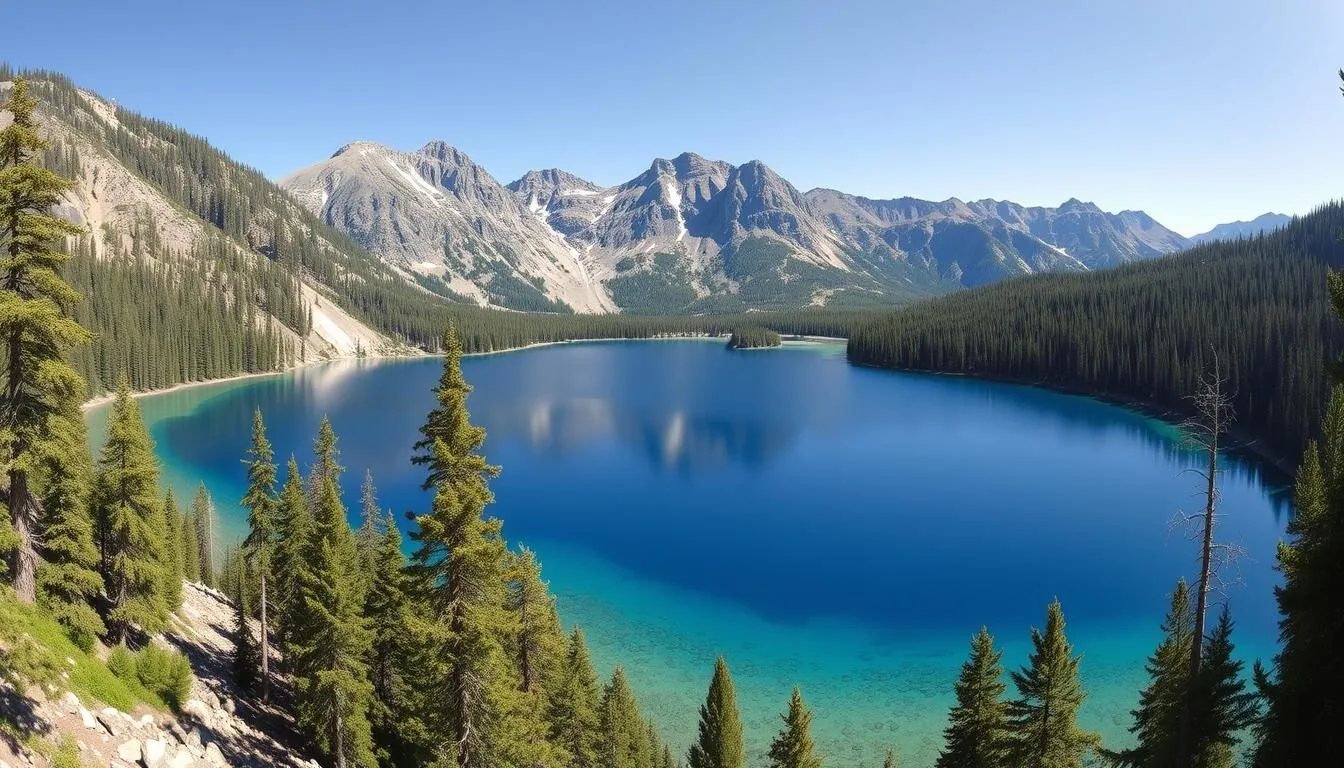
Did you know that June Lake is often called the “Switzerland of California”? This hidden alpine gem nestled in the Eastern Sierra Nevada mountains boasts four stunning glacial lakes within a 16-mile scenic loop, offering year-round outdoor adventures that rival European mountain destinations. With its dramatic mountain backdrop, crystal-clear waters, and charming small-town atmosphere, June Lake delivers an authentic alpine experience that draws visitors seeking both tranquility and adventure throughout all four seasons.
Getting There & Planning Your Journey
June Lake is tucked away in Mono County, California, approximately 12 miles south of Lee Vining and 20 minutes north of Mammoth Lakes. While somewhat remote, its accessibility is part of its charm, offering a true escape into nature.
By Air
The closest major airport is Reno-Tahoe International Airport (RNO), about a 3-hour drive from June Lake. Alternatively, Mammoth Yosemite Airport (MMH) is just 30 minutes away but offers limited seasonal flights. From either airport, you’ll need to rent a car to reach June Lake.
By Car
Most visitors arrive by car, and the journey itself is part of the experience:
- From San Francisco: 4-6 hour drive (290 miles) via Highway 120 through Yosemite National Park (summer/fall only) or Highway 88/395
- From Los Angeles: 5-6 hour drive (315 miles) via Highway 395 North
- From Reno: 3-hour drive (140 miles) via Highway 395 South
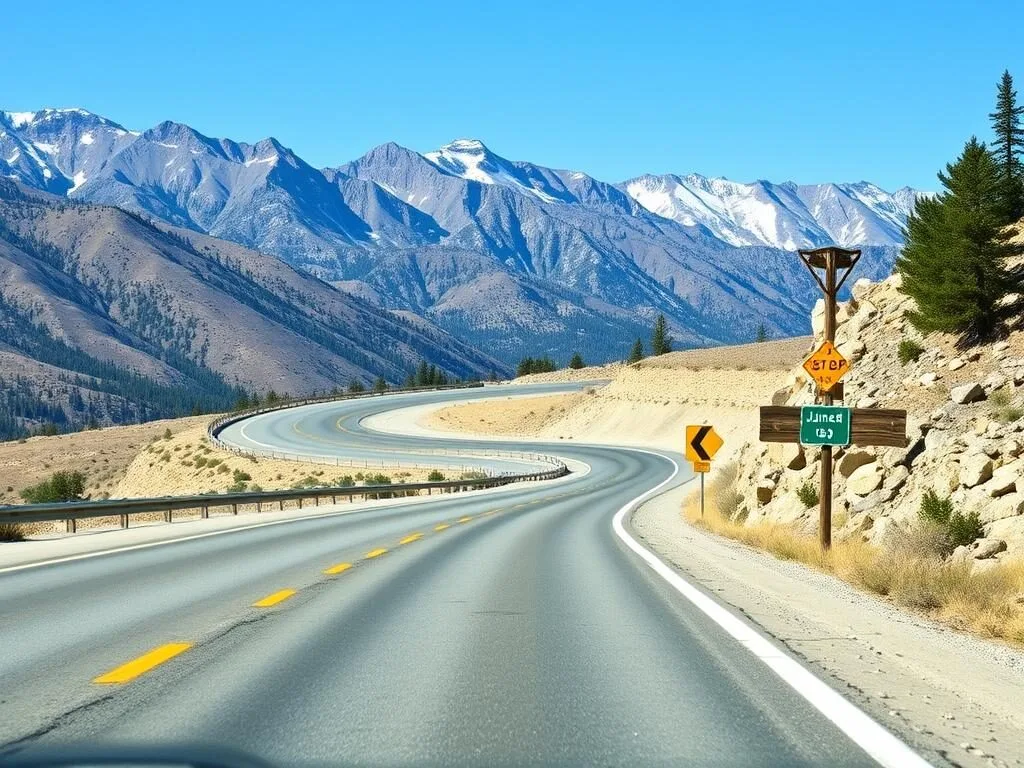
Road Trip Tip: The Tioga Pass through Yosemite (Highway 120) provides a stunning route to June Lake but closes during winter, typically from November through May. Always check road conditions before traveling, especially during winter months when snow can affect accessibility.
Once you arrive, you’ll want to drive the scenic June Lake Loop (Highway 158), a 16-mile route that connects all four lakes in the area: June Lake, Gull Lake, Silver Lake, and Grant Lake. This loop offers breathtaking views and access to most attractions.
Best Time to Visit & Weather Tips
June Lake offers distinct experiences across all four seasons, each with its own unique charm and activities. The best time to visit depends entirely on what you want to experience.
Summer (June-August)
Peak season with warm days (70-80°F) and cool nights (40-50°F). Perfect for hiking, swimming, fishing, and water sports. All trails and facilities are open, but expect more crowds and higher accommodation prices.
Fall (September-October)
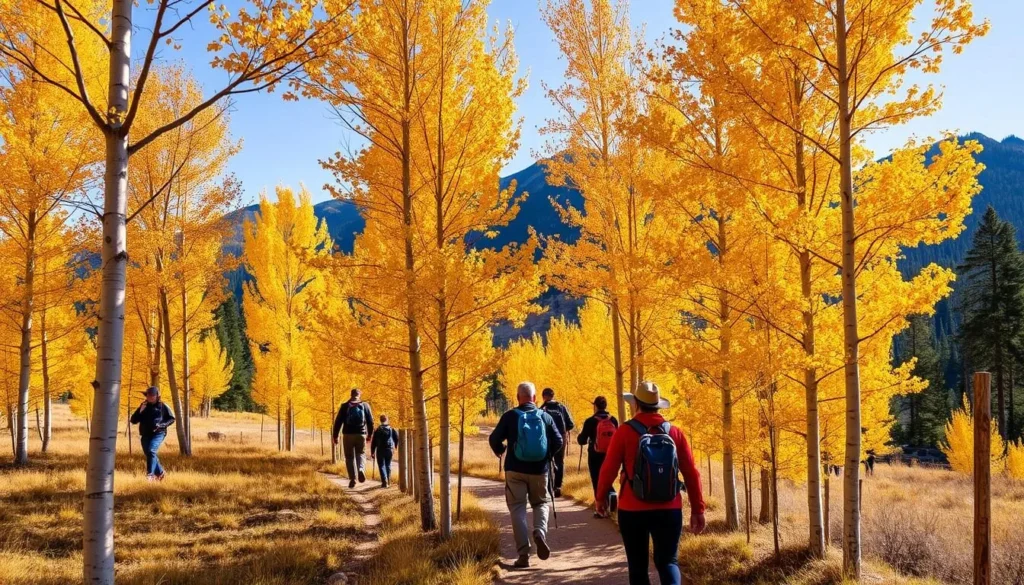
Many locals consider this the magical season in June Lake. Temperatures range from 40-70°F with fewer crowds. The aspen trees turn brilliant gold and orange, creating spectacular fall foliage, especially mid-October. Excellent for photography, hiking, and fishing.
Winter (November-March)
Cold temperatures (20-40°F) with significant snowfall. June Mountain Ski Area opens, offering skiing and snowboarding with fewer crowds than nearby Mammoth. The Tioga Pass closes, limiting access from the west. A winter wonderland for snow enthusiasts.
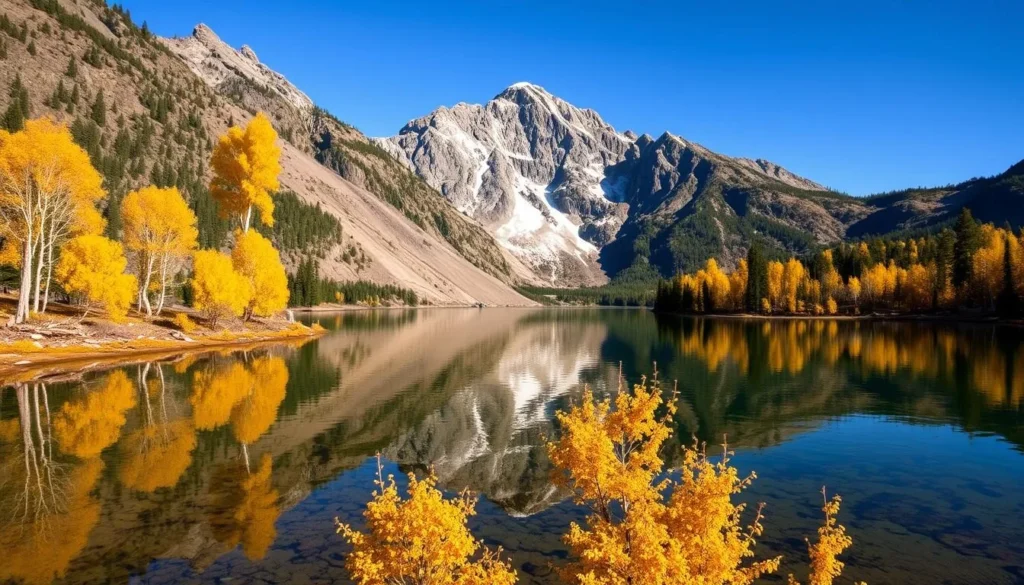
“Mid-October is the sweet spot for June Lake’s fall foliage, when the entire loop transforms into a canvas of gold and amber. It’s like the mountains are on fire with color.”
✓ Check 30,000+ Local Sightseeing Tours Worldwide
Weather Considerations
June Lake sits at 7,654 feet elevation, which affects both weather and your experience:
- Mountain weather can change rapidly – pack layers regardless of season
- UV exposure is stronger at high elevation – wear sunscreen even on cloudy days
- Drink plenty of water to avoid altitude sickness
- Winter driving often requires chains or 4WD vehicles
- Spring (April-May) can be unpredictable with lingering snow at higher elevations
Getting Around Locally
June Lake’s compact size makes it relatively easy to navigate, but having your own transportation is essential for exploring the area fully.
Car Transportation
A personal vehicle or rental car is the most practical way to get around June Lake and the surrounding areas. The June Lake Loop (Highway 158) connects all major attractions, and most accommodations are within a short drive of each other.
Important driving considerations:
- There’s only one gas station in June Lake – fill up before arriving or when you see it open
- Winter driving often requires snow chains or 4WD vehicles
- Some roads, including the Tioga Pass through Yosemite, close during winter
- Parking is generally plentiful and free throughout the area
Alternative Transportation
While having a car is ideal, there are limited alternatives:
- Eastern Sierra Transit Authority (ESTA) offers limited bus service between June Lake and Mammoth Lakes
- Some accommodations offer shuttle services to June Mountain Ski Area during winter
- Taxi and rideshare services are extremely limited in the area
- Bicycling is possible during summer months for experienced riders comfortable with mountain roads
Local Tip: The June Lake Loop is approximately 16 miles around. While it’s possible to walk between some attractions in the main village area, you’ll want a vehicle to explore the entire loop and reach trailheads.
Where to Stay in June Lake
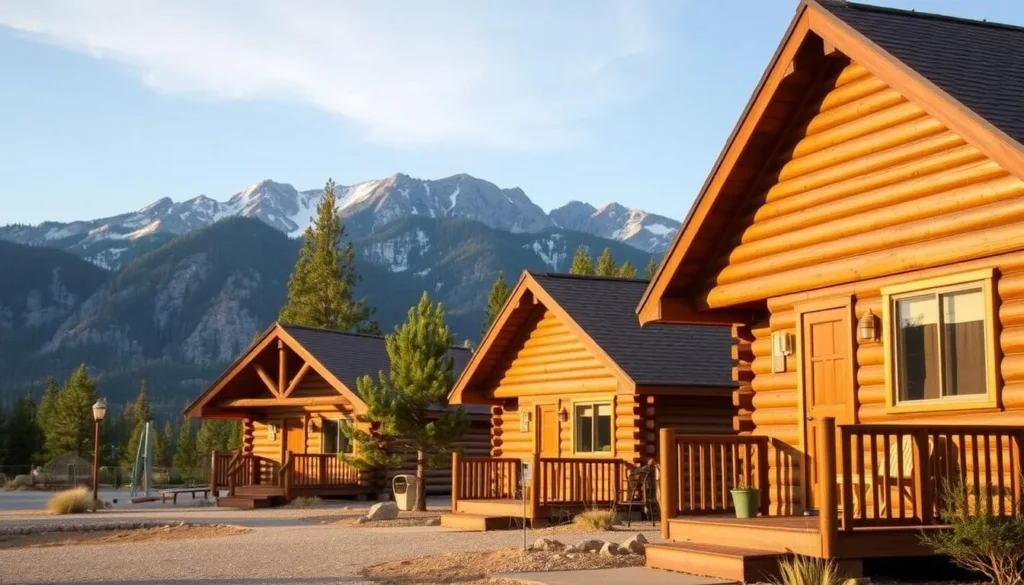
June Lake offers a variety of accommodation options, from rustic cabins and historic lodges to modern resorts and vacation rentals. Most lodging is concentrated in June Lake Village and around Silver Lake.
Best Areas to Stay
June Lake Village
The heart of the area with easy access to June Lake Beach, restaurants, and the general store. Staying here puts you within walking distance of basic amenities and offers a more social atmosphere.
Silver Lake
Located along the northern section of the loop, this area offers a more secluded feel with stunning views. Silver Lake Resort provides historic accommodations right on the water, perfect for fishing enthusiasts.
Gull Lake
Situated between June Lake and Silver Lake, this area offers some of the most picturesque views of Carson Peak. Accommodation options are more limited but tend to be quieter.
Grant Lake
The most remote of the four lakes, with primarily camping and RV options. Best for those seeking solitude and a more rustic experience.
Recommended Accommodations
Double Eagle Resort & Spa
Upscale lodging with cabins and lodge rooms, plus an on-site restaurant, spa, and fitness center. Features beautiful grounds with a pond and mountain views.
Resort Spa
June Lake Pines
Centrally located cabins with kitchenettes, perfect for families or longer stays. Historic property with charming, rustic ambiance and walking distance to June Lake.
Cabins Historic
Silver Lake Resort
Historic resort dating back to 1916 with cabins right on Silver Lake. Features an excellent restaurant for breakfast and lunch, plus boat and kayak rentals.
Lakefront Historic
Camping Options
June Lake offers several excellent campgrounds for those who prefer to sleep under the stars:
- June Lake Campground – Near the beach with 28 sites for tents and RVs
- Oh Ridge Campground – Elevated location with panoramic views of June Lake
- Gull Lake Campground – 11 sites near Gull Lake Marina
- Silver Lake Campground – 63 sites nestled among aspens near the lake
- Grant Lake Campground – More remote with 67 sites, popular for fishing
Booking Tip: Accommodations fill quickly during summer weekends, fall foliage season (mid-October), and winter holidays. Book at least 3-6 months in advance for these peak periods. Campgrounds can be reserved up to 6 months ahead through Recreation.gov.
Dining & Local Cuisine
June Lake’s dining scene is small but satisfying, with options ranging from classic mountain breakfast spots to craft breweries. Most restaurants are casual and family-friendly, focusing on hearty portions perfect after a day of outdoor activities.
Must-Try Local Spots
Silver Lake Resort Cafe
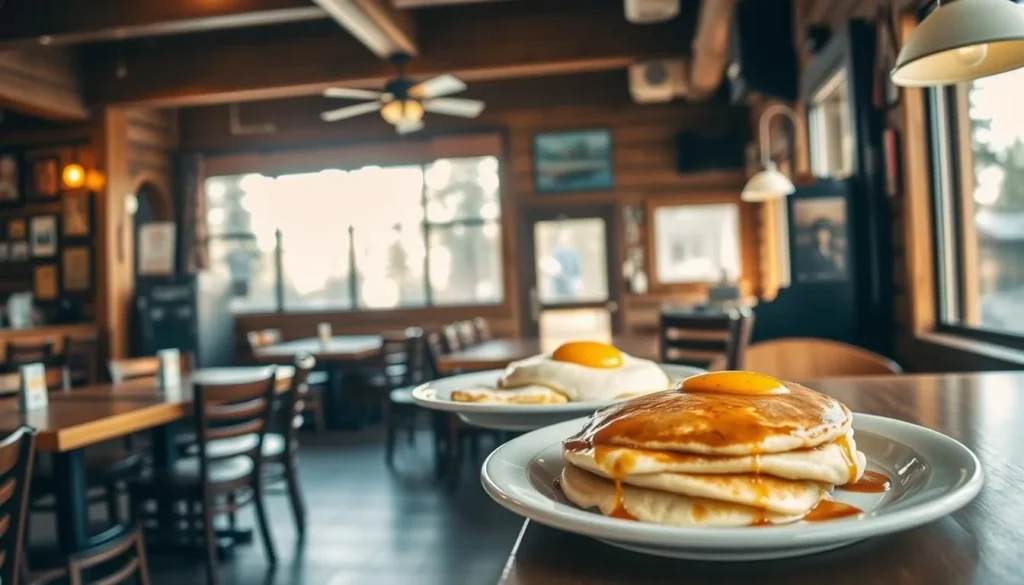
A historic establishment serving what many consider the best breakfast in the area. Known for enormous portions of classic American breakfast fare, including legendary biscuits and gravy. Open for breakfast and lunch only (closes at 2pm).
Breakfast Historic
June Lake Brewing
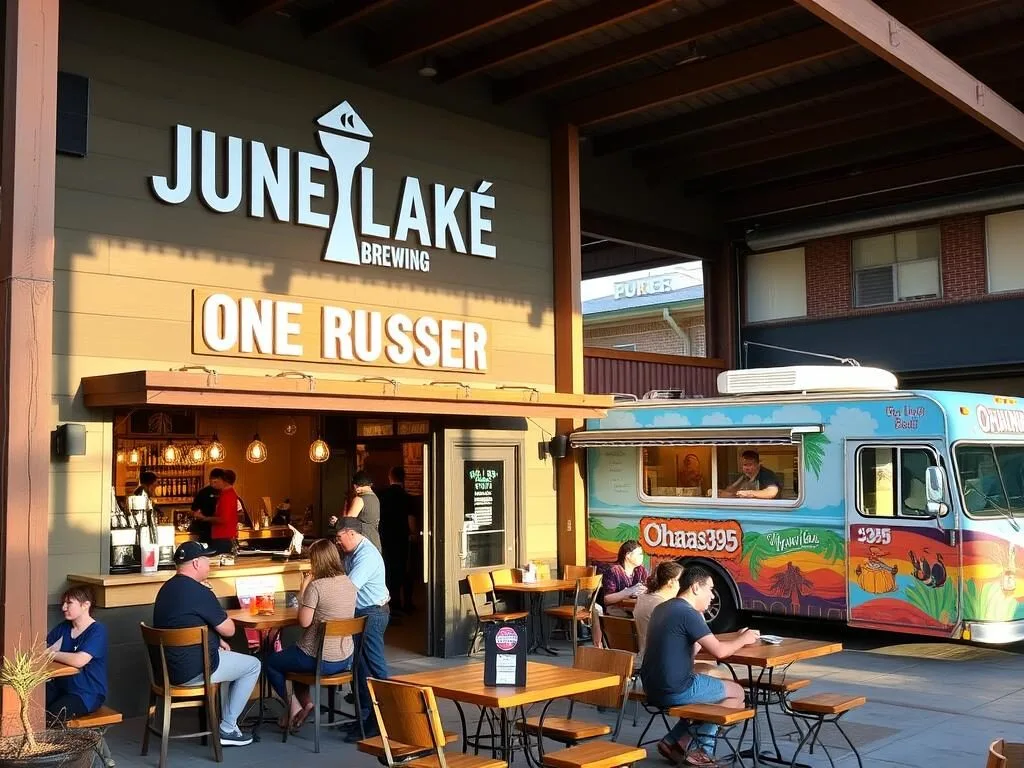
Craft brewery with a rotating selection of excellent beers. The tasting room doesn’t serve food, but Ohanas395, a Hawaiian food truck, is typically parked outside from 11am-4pm serving delicious tacos and other fusion dishes.
Brewery Food Truck
Tiger Bar & Cafe
A true local’s hangout serving breakfast, lunch, and dinner. The bar side offers pool tables and a jukebox, while the cafe serves hearty burgers, sandwiches, and traditional bar food. Try their famous Tiger Burger.
Bar Food Local Favorite
More Dining Options
- The Lift – Modern cafe serving coffee, breakfast burritos, and light fare. Transforms into a wine bar later in the day.
- June Pie Pizza Co – Delicious pizza joint with the T-Bar Social Club downstairs for drinks and occasional live music.
- Eagle’s Landing Restaurant – Located at Double Eagle Resort, offering more upscale dining with mountain views.
- Latte Da Cafe – Located in nearby Lee Vining, worth the drive for their excellent breakfast sandwiches.
Dining Tip: Many restaurants operate seasonally or with limited hours, especially during shoulder seasons (spring and late fall). The general store in June Lake Village stocks groceries if you’re staying in accommodations with kitchen facilities.
Attractions, Sightseeing & Activities in June Lake
June Lake offers a wealth of natural attractions and outdoor activities throughout the year. The area’s four stunning lakes, surrounded by towering peaks, provide the backdrop for countless adventures.
The June Lake Loop
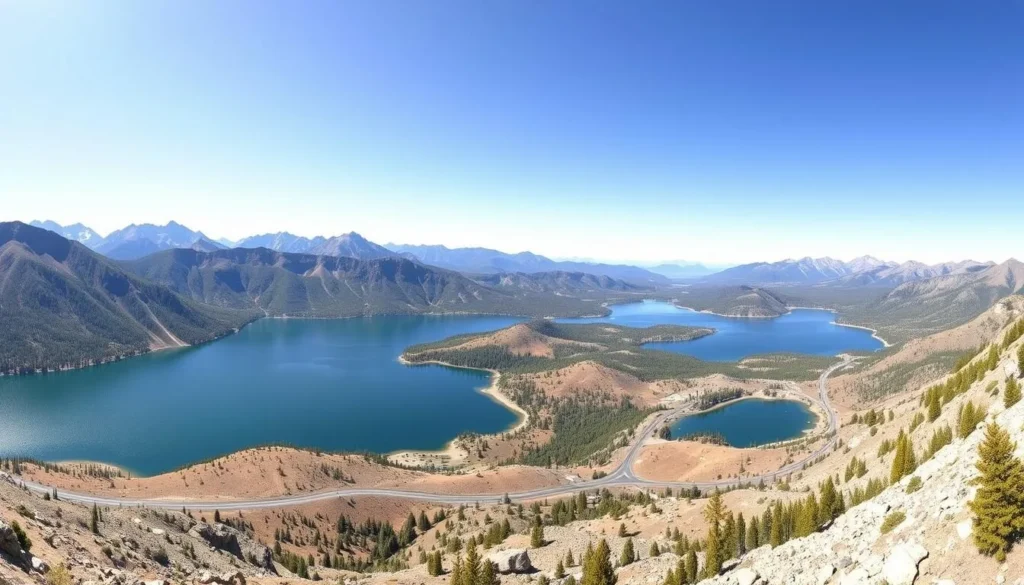
The scenic 16-mile June Lake Loop (Highway 158) is an attraction in itself. This drive connects all four lakes in the area and offers numerous pullouts with spectacular views. Allow at least 1-2 hours to drive the loop with stops for photos and short walks.
The Four Lakes
June Lake
The namesake lake with a lovely beach area perfect for swimming in summer. Offers boat rentals, fishing, and stunning views of Carson Peak. The June Lake Beach is a popular spot for families.
Gull Lake
The smallest of the four lakes but arguably the most picturesque with Carson Peak towering above. Features a marina with boat rentals and a 1-2 mile walking path around the lake.
Silver Lake
Historic lake with excellent fishing and kayaking opportunities. The creek that feeds into Silver Lake is known as “Wildlife Disneyland” for its abundant bird and animal sightings.
Grant Lake, the fourth and largest lake, is more remote and less developed, making it perfect for water skiing and more solitary fishing experiences.
Unique Sightseeing Opportunities
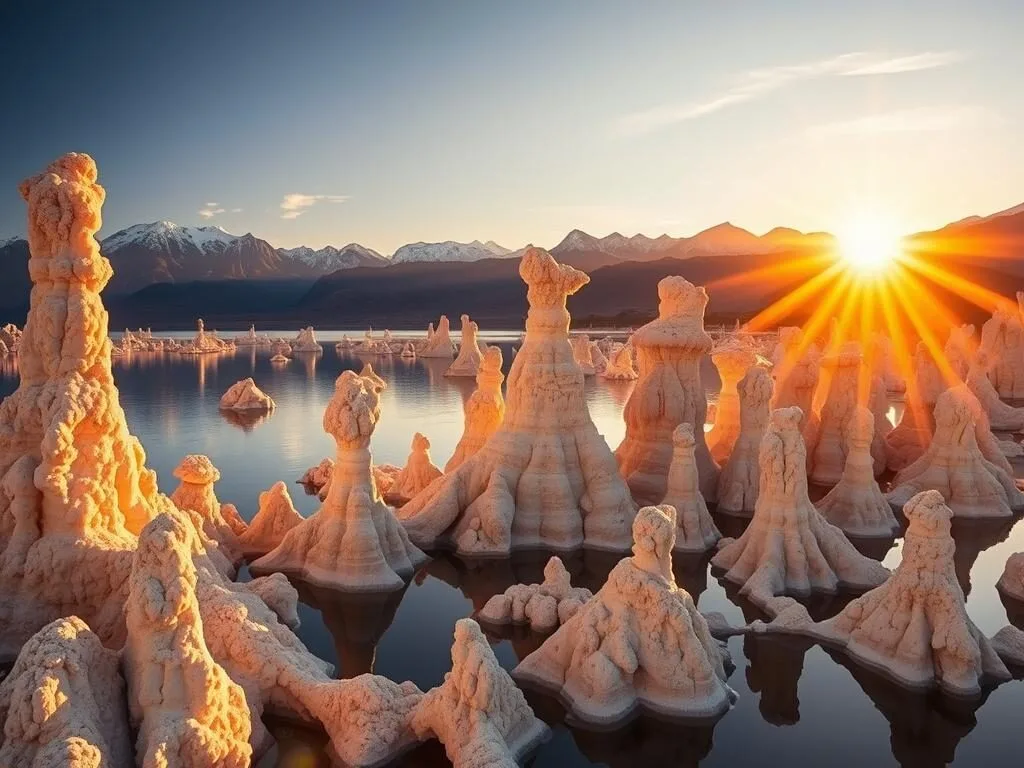
- Mono Lake South Tufa – Just 15 minutes from June Lake, these otherworldly limestone formations create an alien landscape.
- Obsidian Dome – A fascinating geological formation of black volcanic glass located off the June Lake Loop.
- Parker Lake Trail – A moderate 3.8-mile round trip hike to a secluded alpine lake with stunning mountain views.
- Ansel Adams Wilderness – Access points to this spectacular wilderness area are located near June Lake.
Museums, Cultural Spots & Festivals
While June Lake is primarily known for its natural beauty, the area offers several cultural and historical attractions worth exploring, particularly in the surrounding Eastern Sierra region.
Local History & Culture
Historic Silver Lake Resort
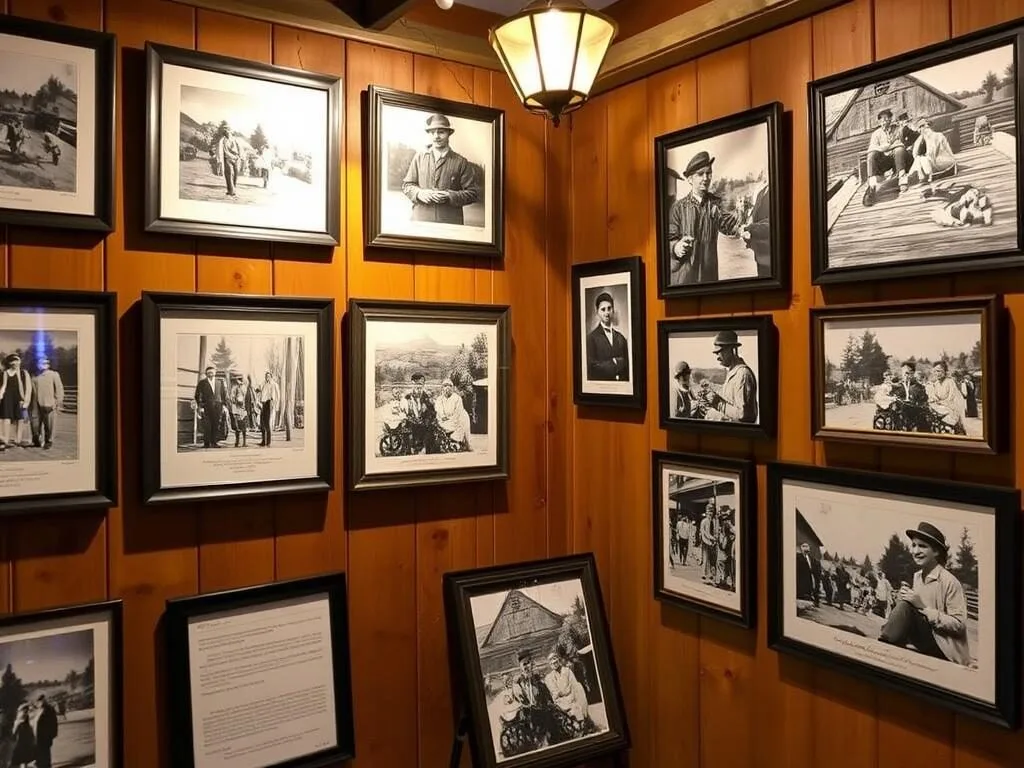
Originally called Carson’s Camp, this historic resort dates back to 1916. The cafe displays fascinating historical photographs documenting the area’s development and famous visitors, including Hollywood stars like Charlie Chaplin, Clark Gable, and Fred Astaire who vacationed here in the early 20th century.
Quirky Local History
June Lake has some fascinating historical tidbits, including being the birthplace of Woody the Woodpecker! The character was inspired by a disruptive woodpecker that bothered the creators during their honeymoon at June Lake.
Nearby Cultural Attractions
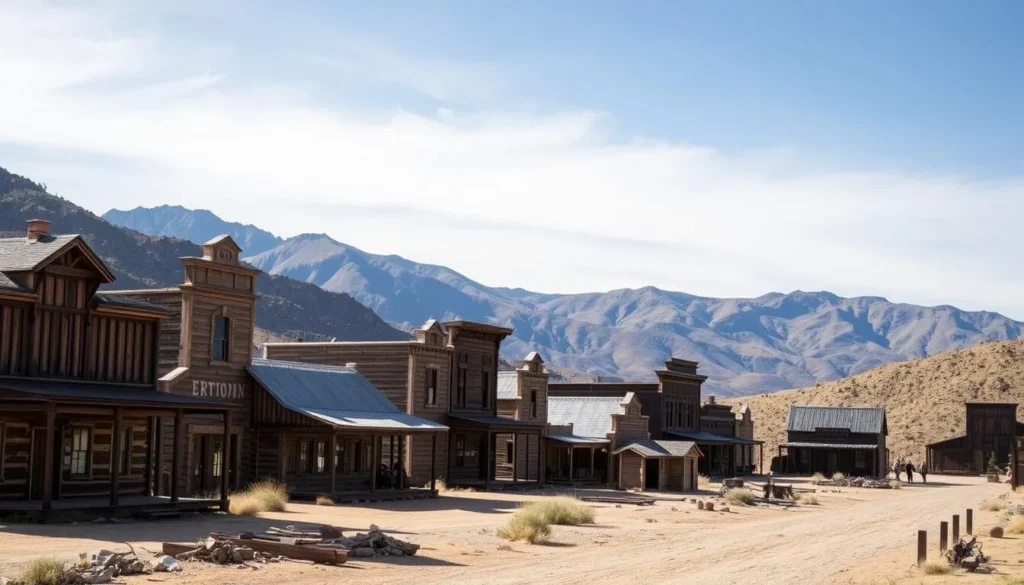
- Bodie State Historic Park – About an hour’s drive from June Lake, this is the best-preserved ghost town in the West. Once a booming gold mining town, it’s now maintained in a state of “arrested decay.”
- Mono Basin Historical Society Museum – Located in Lee Vining, this small museum documents the natural and cultural history of the Mono Basin.
- Mammoth Museum at Hayden Cabin – In nearby Mammoth Lakes, this log cabin museum showcases the area’s mining and skiing history.
- Paiute Cultural Center – Learn about the indigenous history of the Eastern Sierra at this center in Bishop (about 1.5 hours south).
Annual Events & Festivals
June Lake hosts several annual events that showcase local culture and seasonal activities:
- June Lake Winter Festival – Typically held in March, featuring snow sculptures, races, and family activities.
- June Lake Jam Fest – A summer music festival held in July with local and regional bands.
- June Lake Autumn Beer Festival – Celebrates craft brewing with tastings from regional breweries, usually in early October.
- Mono County Fall Color Report – Not an event but a valuable resource that tracks fall foliage progression throughout the region.
Learn More
Sports, Nature & Outdoor Experiences
June Lake is an outdoor enthusiast’s paradise, with activities available year-round. The area’s natural beauty provides the perfect backdrop for countless adventures, whether you’re seeking adrenaline or tranquility.
Summer & Fall Activities
Hiking
Numerous trails for all ability levels, from easy lakeside strolls to challenging mountain ascents:
- Gull Lake Loop (1.9 miles, easy)
- Parker Lake Trail (3.8 miles, moderate)
- Fern Lake Trail (3 miles, difficult)
- Yost Lake Trail (3.8 miles, moderate)
Water Activities
The four lakes offer various water-based recreation:
- Swimming at June Lake Beach
- Kayaking on Silver Lake
- Fishing for rainbow and brown trout
- Boating and water skiing on Grant Lake
Fall Foliage
Mid-September to late October brings spectacular fall colors:
- Drive the June Lake Loop for panoramic views
- Hike Parker Lake Trail for golden aspen groves
- Photograph reflections on Gull Lake
- Check Mono County’s fall color report for updates
Winter & Spring Activities
Skiing & Snowboarding
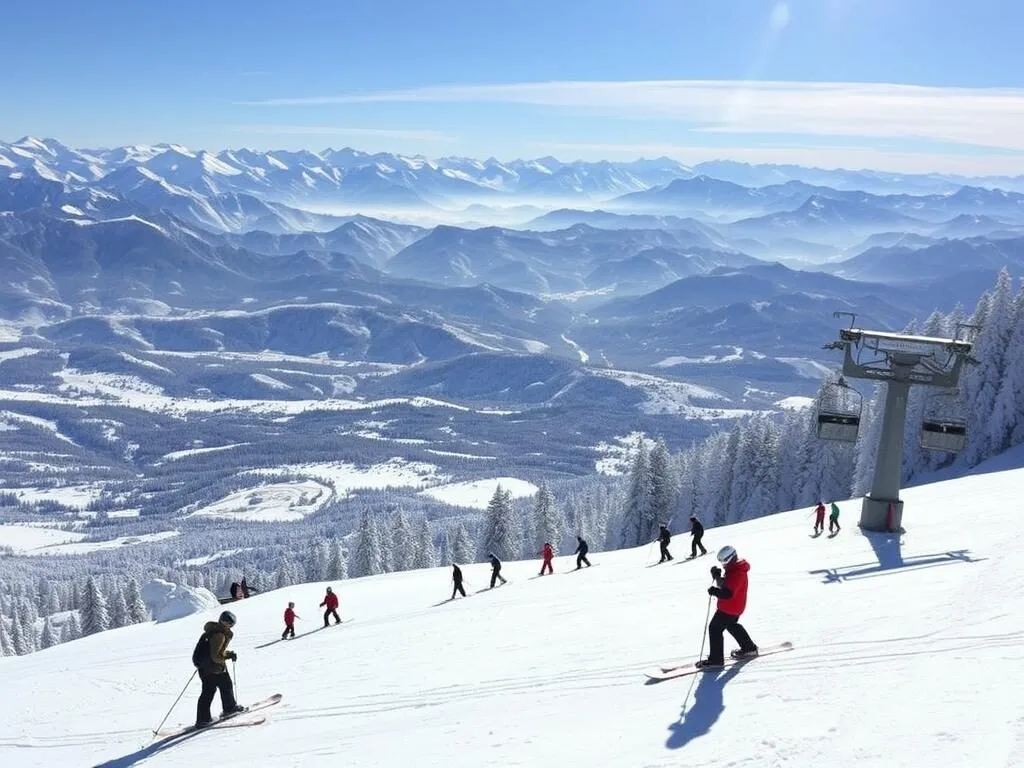
June Mountain Ski Area offers 1,500 acres of skiable terrain with 35+ runs, 7 lifts, and typically fewer crowds than nearby Mammoth Mountain. Perfect for families and those seeking a more relaxed skiing experience.
Other Winter Sports
- Snowshoeing on designated trails
- Cross-country skiing
- Ice fishing (when conditions permit)
- Sledding and snow play areas
Hot Springs
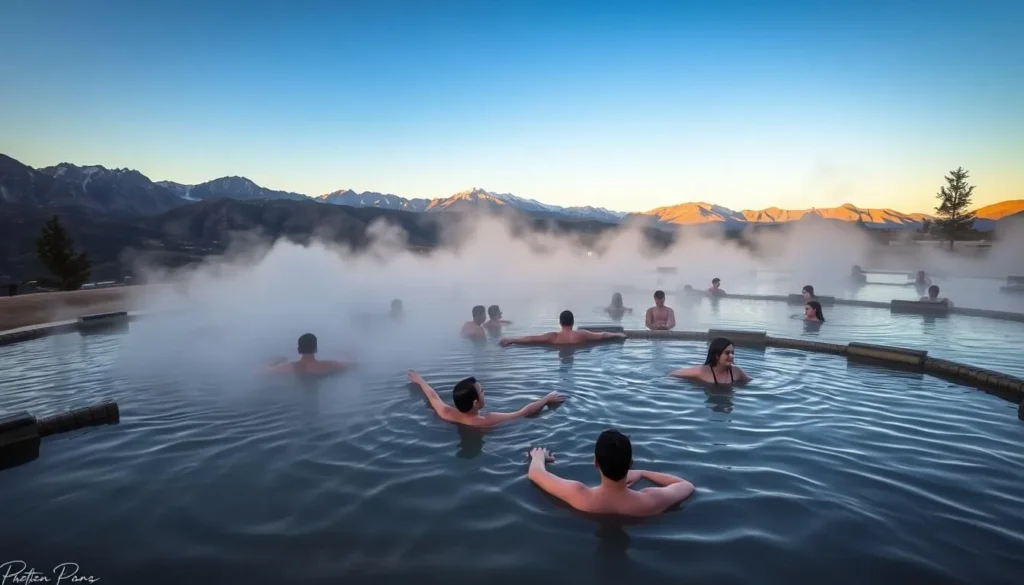
The Eastern Sierra region is famous for its natural hot springs, perfect for relaxing after outdoor adventures:
- Travertine Hot Springs (Bridgeport, 45 min drive) – Natural pools with mountain views
- Buckeye Hot Springs (near Bridgeport) – Rustic springs alongside a creek
- Wild Willy’s Hot Springs (near Mammoth) – Famous heart-shaped pool with panoramic views
- Hilltop Hot Springs (Mammoth) – Small pool with mountain vistas
Hot Springs Etiquette: These are natural, undeveloped hot springs with minimal facilities. Pack out all trash, respect other visitors, and consider wearing swimwear as some springs are popular. Avoid using soaps or shampoos that can damage the delicate ecosystem.
Safety, Etiquette & Local Customs
Enjoying June Lake safely requires awareness of mountain conditions and respecting the natural environment. Here are important considerations for a safe and respectful visit.
Mountain Safety
- Altitude Awareness – June Lake sits at 7,654 feet elevation. Stay hydrated, limit alcohol initially, and give yourself time to acclimate, especially if coming from sea level.
- Weather Preparedness – Mountain weather can change rapidly. Check forecasts daily and be prepared for sudden temperature drops or storms.
- Wildlife Safety – The area is home to black bears, coyotes, and other wildlife. Store food properly, maintain distance from wild animals, and never feed them.
- Water Safety – Mountain lakes are cold even in summer. Use life jackets for water activities and be aware of sudden drop-offs when swimming.
- Winter Driving – Carry chains in winter months, even with 4WD vehicles. Know how to install them before your trip.
Outdoor Etiquette
June Lake’s natural beauty depends on visitors treating the environment with respect:
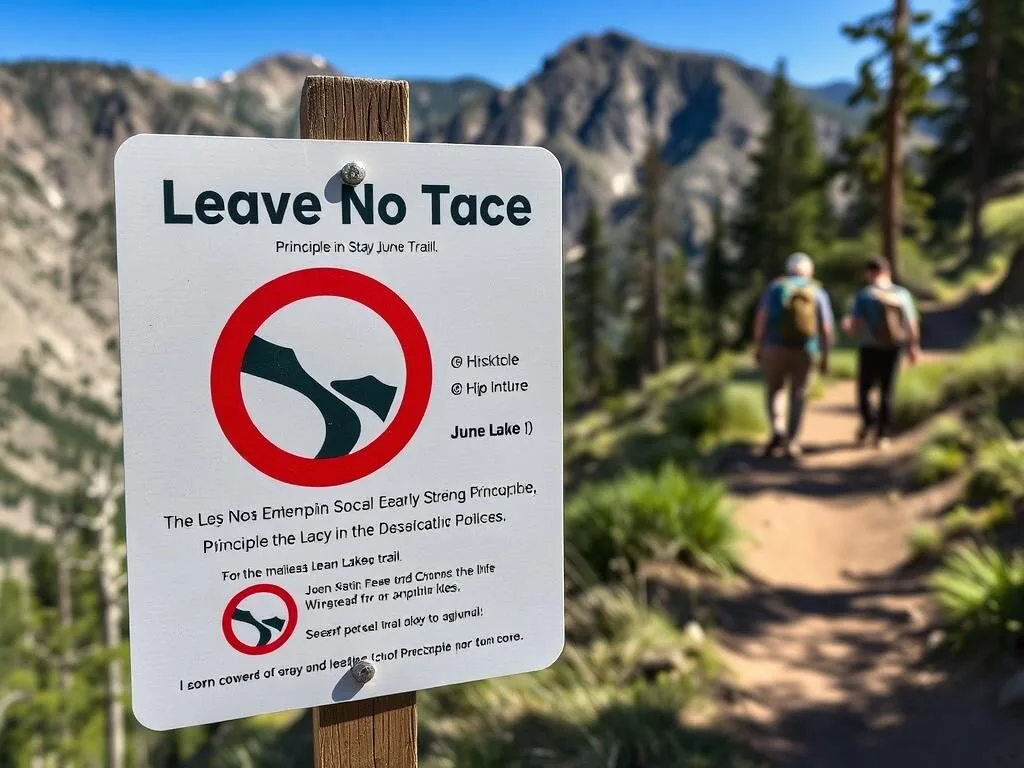
- Follow Leave No Trace principles – pack out all trash
- Stay on designated trails to prevent erosion
- Respect fishing regulations and obtain proper licenses
- Keep noise levels down to preserve the peaceful atmosphere
- Properly extinguish campfires and observe fire restrictions
- Use designated restroom facilities when available
Local Customs & Community
June Lake is a small, tight-knit community that appreciates respectful visitors:
- Support local businesses rather than bringing all supplies from outside
- Respect private property and don’t trespass for photos or access
- Drive slowly through residential areas
- Be patient with limited cell service and internet connectivity
- Engage with locals respectfully – they’re often happy to share recommendations
Cell Service Note: Cell phone coverage can be spotty throughout the June Lake area. Download maps and information before your trip, and don’t rely solely on your phone for navigation or emergency communication.
Practical Travel Tips for June Lake
These insider tips will help you make the most of your June Lake adventure while avoiding common pitfalls.
Essential Packing
- Layers for variable temperatures
- High-SPF sunscreen (UV is stronger at elevation)
- Hiking boots or sturdy shoes
- Swimwear (for lakes and hot springs)
- Reusable water bottle
- Binoculars for wildlife viewing
- Camera for spectacular scenery
Money & Services
- Cash is useful as some small businesses don’t accept cards
- ATM available at the general store in June Lake Village
- Gas up before arriving (only one station in town)
- Limited medical services – nearest hospital is in Mammoth Lakes
- Stock up on specialty items before arriving
Local Insights
- Weekdays are much less crowded than weekends
- Early mornings offer the best wildlife viewing and photography
- Make dinner reservations during peak seasons
- Check for local events at the community center
- Ask locals for fishing tips and hot spots
Photography Tips
June Lake is a photographer’s paradise with countless stunning vistas:
- June Lake Loop Highway 158 Entrance – The classic shot of the road winding up into the mountains
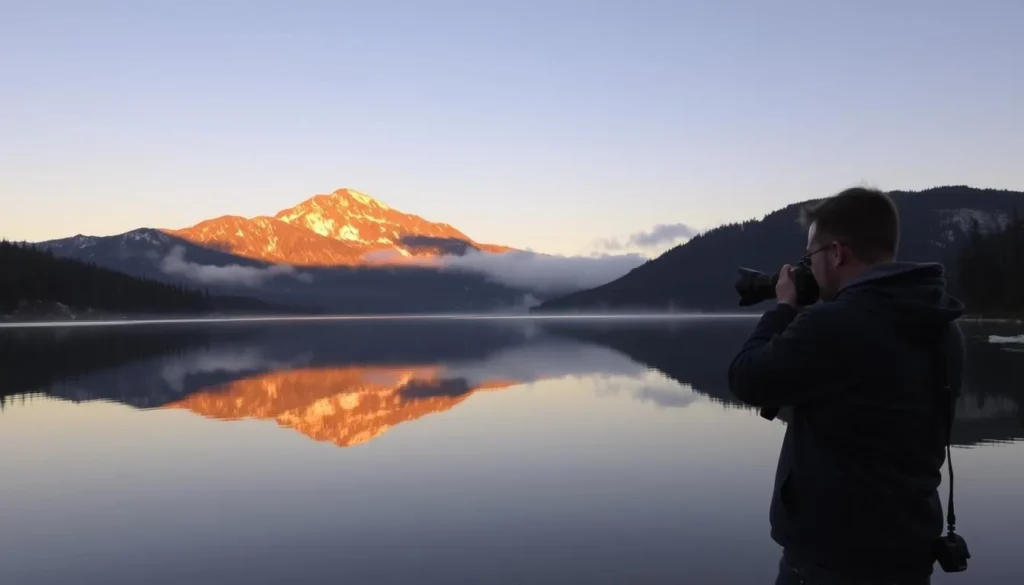
- Gull Lake Marina – Perfect reflections of Carson Peak, especially at sunrise
- Silver Lake at Dawn – Capture mist rising off the water with mountains in background
- Oh Ridge Viewpoint – Panoramic vista of June Lake and surrounding mountains
- Mono Lake South Tufa at Sunrise/Sunset – Otherworldly formations in golden light
Saving Money
Ways to make your June Lake trip more affordable:
- Visit during shoulder seasons (late spring or early fall) for lower accommodation rates
- Book accommodations with kitchens to prepare some of your own meals
- Take advantage of free activities like hiking, swimming, and hot springs
- Purchase fishing licenses for shorter durations if you’ll only fish a day or two
- Look for lodging packages that include ski lift tickets in winter
- Bring your own kayak or SUP if you have one rather than renting
Is June Lake suitable for families with young children?
Absolutely! June Lake is very family-friendly with gentle beaches for swimming, easy hiking trails, and a relaxed atmosphere. June Mountain Ski Area is known as “California’s Family Mountain” with excellent beginner terrain and kids-ski-free programs. The small town feel and minimal traffic make it safer for families than larger destinations.
Can I visit Yosemite National Park as a day trip from June Lake?
Yes, but only when Tioga Pass (Highway 120) is open, typically late May/June through October/November depending on snowfall. When open, the eastern entrance to Yosemite is only about 12 miles from June Lake, making it an easy day trip. During winter when the pass is closed, reaching Yosemite requires a 5+ hour drive around the mountains, making it impractical as a day trip.
Do I need a 4WD vehicle to visit June Lake?
In summer and fall, a standard vehicle is fine for most activities. In winter, 4WD or AWD is highly recommended, and you should carry chains regardless of your vehicle type. Some trailheads and hot springs require driving on rough dirt roads where higher clearance vehicles perform better, but most main attractions are accessible with standard cars.
Experience the Alpine Magic of June Lake
From crystal-clear alpine lakes to towering mountain peaks, June Lake offers a perfect escape into nature with activities for every season. Whether you’re seeking adventure on the slopes, tranquility by the water, or the breathtaking spectacle of fall foliage, this “Switzerland of California” delivers unforgettable experiences in a charming mountain setting.
The changing seasons transform June Lake into distinctly different destinations throughout the year, making it worth returning to experience its many faces. Pack your hiking boots in summer, your camera in fall, your skis in winter, or your fishing rod in spring – June Lake welcomes you with natural beauty and outdoor adventures year-round.
Related Posts
Chinatown Los Angeles, California: Best Things to Do – Top Picks
Chinatown San Francisco, California: Best Things to Do – Top Picks

Zuma Beach, Malibu, California: Best Things to Do – Top Picks
Yerba Buena Island, California: Best Things to Do – Top Picks
Woodson Bridge State Recreation Area, California: Best Things to Do – Top Picks
Woodland Opera House State Historic Park, California: Best Things to Do – Top Picks
Coming Soon: Clickable Maps