
Hotels by Trip.com
Flights by Trip.com
Did you know that Point Mugu State Park is home to one of the most dramatic meetings of mountain and sea in California? With over 70 miles of hiking trails winding through 14,000 acres of spectacular terrain, this coastal gem offers visitors a rare opportunity to experience five distinct ecosystems in a single day. From rugged mountain peaks to sandy beaches, river canyons to grassy valleys, Point Mugu State Park showcases the incredible diversity of Southern California’s natural landscapes in one breathtaking location.
Getting There & Planning Your Journey
Point Mugu State Park is conveniently located along the Pacific Coast Highway (Highway 1) between Malibu and Oxnard in Ventura County. The park is approximately 63 km (39 miles) northwest of Los Angeles, making it an ideal day trip or weekend getaway destination.
The closest major airports are Los Angeles International Airport (LAX), approximately 72 km (45 miles) away, and Hollywood Burbank Airport, about 80 km (50 miles) from the park. From either airport, you can rent a car and take US-101 to Las Posas Road in Camarillo, then head south toward the ocean until you reach the Pacific Coast Highway.
When planning your visit, consider that parking at popular trailheads fills up quickly, especially on weekends and holidays. The park charges a day-use fee of $8-12 per vehicle, depending on the season. For the best experience, arrive early in the morning to secure parking and enjoy cooler hiking temperatures.
Best Time to Visit & Weather Tips
Point Mugu State Park shines throughout the year, but certain seasons offer distinct advantages for visitors seeking specific experiences.
Recommended Seasons:
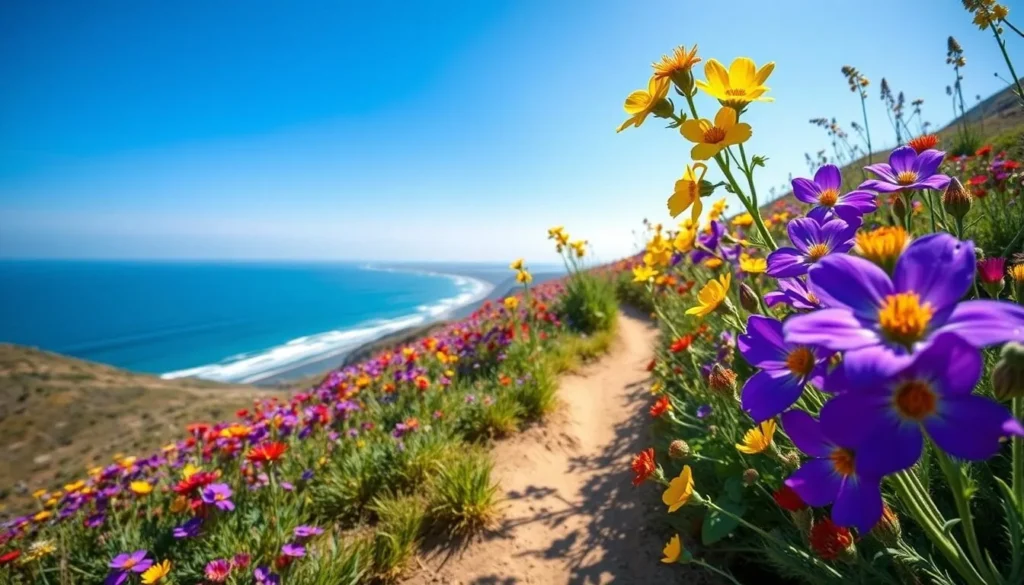
- Spring (March-May): The absolute best time to visit. Wildflowers carpet the hillsides, waterfalls flow in the canyons, and temperatures range from 18-24°C (65-75°F). The landscape transforms into a vibrant green paradise after winter rains.
- Fall (September-November): Excellent hiking weather with temperatures between 20-26°C (68-79°F) and fewer crowds than summer. The golden light makes for spectacular photography.
- Winter (December-February): For solitude seekers, winter offers empty trails and dramatic ocean views. Temperatures remain mild at 15-20°C (59-68°F), though rain is more common.
Seasons to Avoid:
- Summer (June-August): While still beautiful, summer brings higher temperatures 24-29°C (75-85°F), larger crowds, and increased fire risk. Trails offer limited shade, making hiking challenging during midday heat.
Weather at Point Mugu can change quickly due to its coastal location. Morning marine layers often burn off by midday, revealing stunning blue skies. Always check the weather forecast before your visit and dress in layers to accommodate temperature changes throughout the day.
Getting Around Locally
Point Mugu State Park’s sprawling nature means having your own vehicle is essential for exploring its various sections. The Pacific Coast Highway runs through the park, connecting its different areas.

Within the park, navigation primarily happens on foot via the extensive trail network. Major trailheads include:
- Sycamore Canyon: Located on the southern end of the park, this entrance provides access to numerous trails including the popular Backbone Trail.
- La Jolla Canyon: Offers trails leading to La Jolla Valley and connections to Mugu Peak.
- Ray Miller Trailhead: The northernmost entrance, providing access to the Backbone Trail and spectacular ocean views.
- Chumash Trail: Located near Mugu Rock, this steep trail leads directly to Mugu Peak.
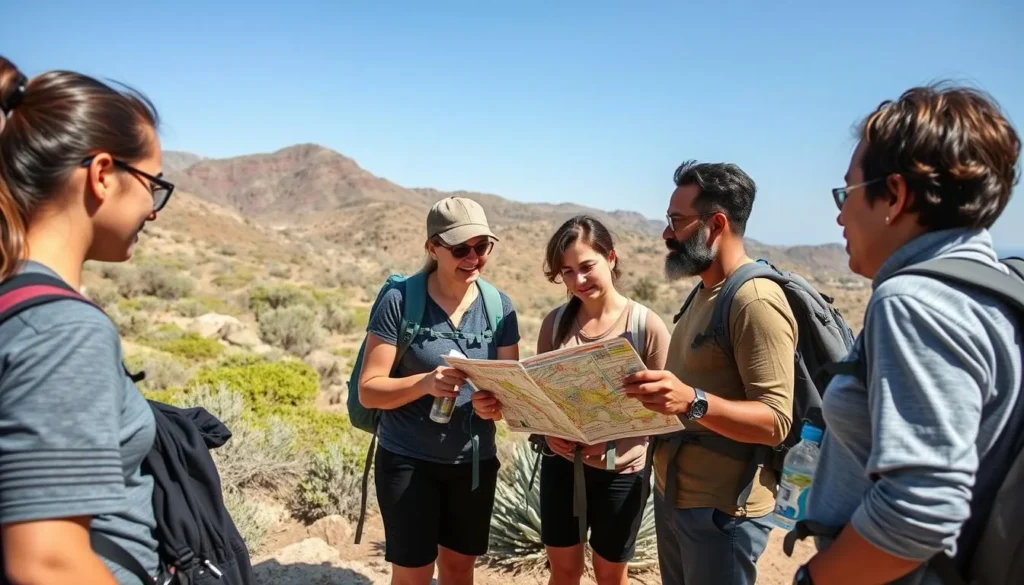
Trail maps are available at entrance stations or can be downloaded in advance from the California State Parks website. Cell service can be spotty within the park’s canyons, so having a physical map is recommended. Most trails are well-marked with signage at major junctions.
Where to Stay
While Point Mugu State Park is popular as a day trip destination, staying overnight allows you to experience the park’s magic during sunrise and sunset. The park offers two distinct campgrounds for visitors wanting to immerse themselves in nature.
Camping Options:
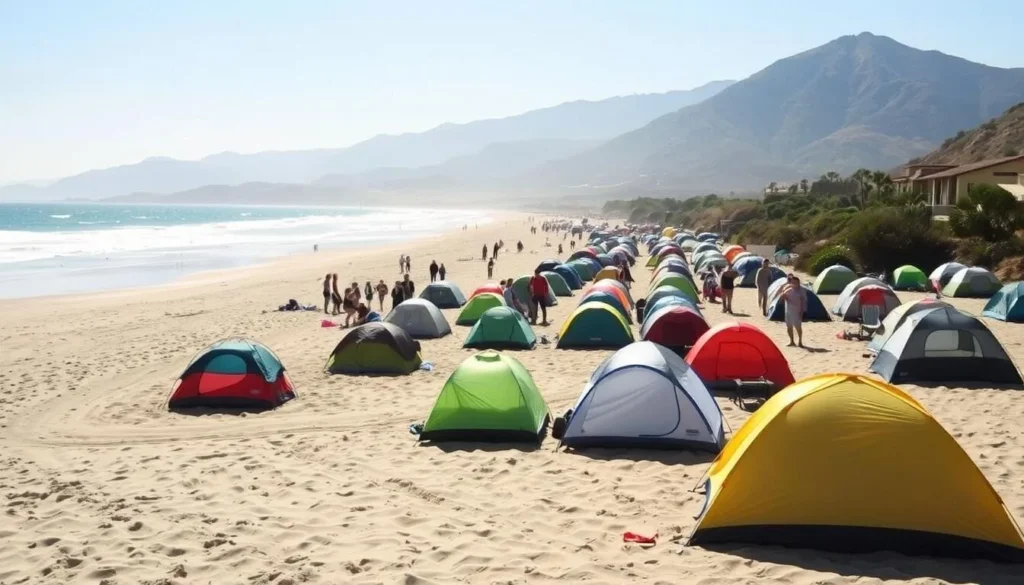
- Thornhill Broome Campground: For a truly unique experience, this campground offers 69 primitive campsites directly on the beach. Fall asleep to the sound of crashing waves just steps from your tent. Facilities include chemical toilets and cold outdoor showers. No hookups are available, making this “dry camping” only.
- Sycamore Canyon Campground: Located in a wooded canyon about 1.6 km (1 mile) from the beach, this campground offers 58 more developed sites with picnic tables, fire rings, flush toilets, and coin-operated hot showers. Some sites can accommodate RVs up to 9.1 m (30 feet).
Both campgrounds require reservations, which can be made up to six months in advance through ReserveCalifornia.com. During peak season (summer and holidays), sites fill quickly, often within minutes of becoming available.
Nearby Accommodations:
If camping isn’t your style, the nearby communities of Oxnard and Camarillo offer numerous hotels and vacation rentals within a 20-30 minute drive of the park. For a more upscale experience, Malibu’s luxury accommodations are approximately 30-45 minutes south along the Pacific Coast Highway.
Dining & Local Cuisine
Point Mugu State Park itself doesn’t have dining facilities, so visitors should come prepared with food and plenty of water, especially for hiking. However, the surrounding area offers several dining options worth exploring.
✓ Check 30,000+ Local Sightseeing Tours Worldwide
Picnicking in the Park:
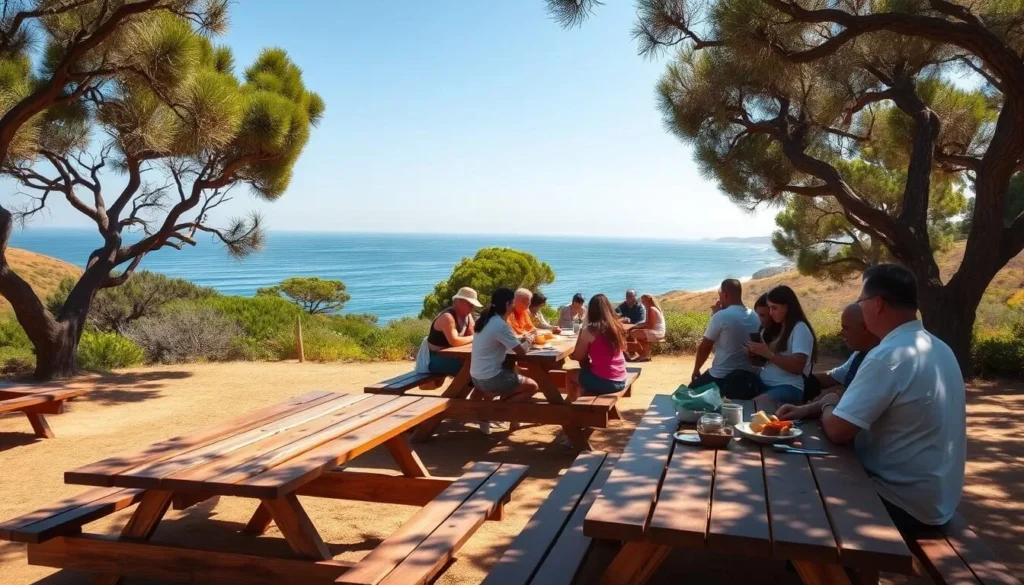
Several designated picnic areas with tables are scattered throughout the park, particularly near Sycamore Cove and Mugu Beach. These spots offer beautiful ocean views and make perfect lunch stops during a day of exploration.
Nearby Dining Options:
- Neptune’s Net: Located about 15 minutes south on PCH, this iconic seafood restaurant is popular with motorcyclists, surfers, and tourists alike. Their fresh seafood and ocean views make it a perfect post-hike meal stop.
- Malibu Farm: For farm-to-table cuisine with spectacular views, head south to the Malibu Pier. Their organic menu features locally-sourced ingredients in a casual yet elegant setting.
- Brophy Bros: If heading north after your park visit, this Ventura Harbor restaurant offers fresh seafood with harbor views.
For those camping or planning extended hikes, the towns of Camarillo and Oxnard have grocery stores where you can stock up on supplies. Many visitors prepare simple meals at their campsite or pack trail-friendly foods like sandwiches, fruit, nuts, and energy bars for day hikes.
Attractions, Sightseeing & Activities
Point Mugu State Park offers a diverse range of attractions that showcase the natural beauty of the Southern California coast. From iconic landmarks to hidden gems, the park provides endless opportunities for exploration and adventure.
Must-See Attractions:
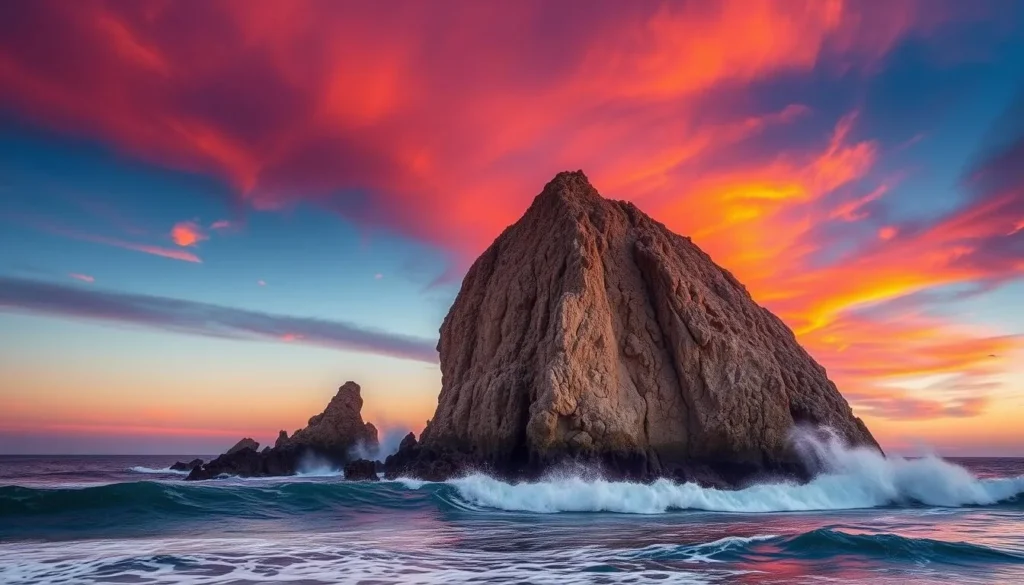
- Mugu Rock: This iconic geological formation is the park’s most recognizable landmark. Created when the highway was built through the mountain, this massive rock formation juts dramatically into the ocean. Pull off at the small parking area for photos and to explore the small beach area at its base.
- Mugu Peak: Standing at 366 m (1,266 feet), this prominent peak offers panoramic views of the coastline, Channel Islands, and Oxnard Plain. The challenging hike to the summit rewards with some of the best vistas in Southern California.
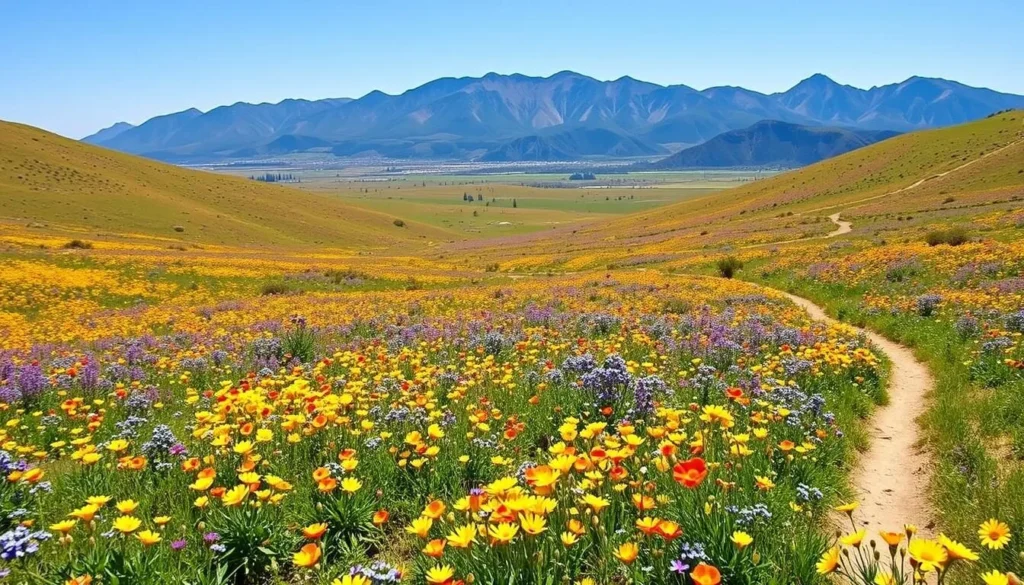
- La Jolla Valley: This hidden gem features a beautiful grassland valley surrounded by mountains. During spring, wildflowers create a spectacular display of color across the valley floor.
- Sycamore Canyon Falls: After winter rains, this seasonal waterfall comes to life, cascading down rocky terrain. The moderate hike to reach it takes you through a lush canyon environment.
Popular Activities:
- Hiking: With over 70 miles of trails ranging from easy beach strolls to challenging mountain ascents, hiking is the park’s premier activity. The Ray Miller Trail and Chumash Trail are particularly popular for their ocean views.
- Beach Activities: The park’s beaches offer opportunities for swimming, sunbathing, and beachcombing. Sycamore Cove and Thornhill Broome Beach are the main beach access points.
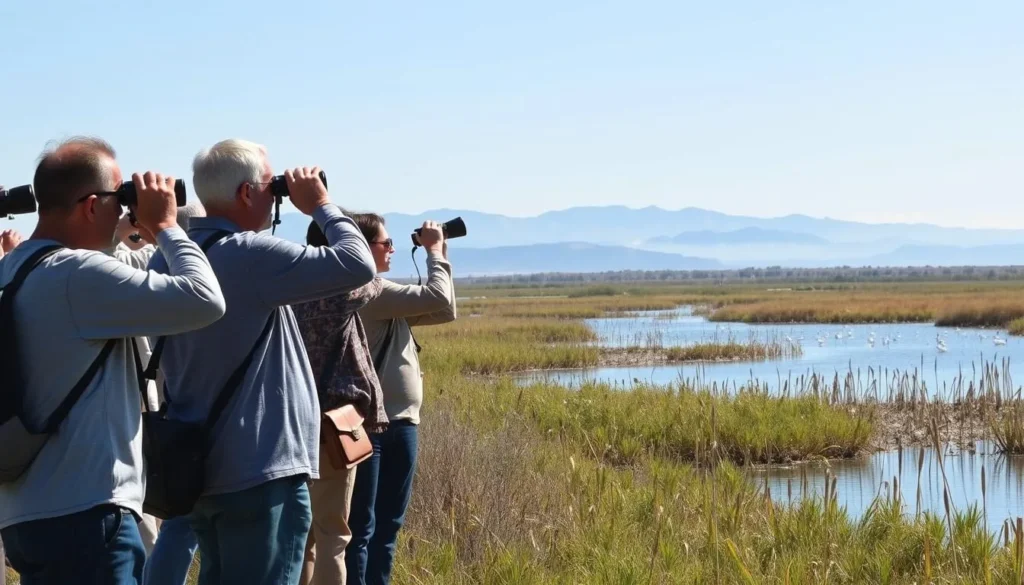
- Wildlife Viewing: Bring binoculars to spot dolphins offshore, observe numerous bird species, and potentially glimpse foxes, deer, and other wildlife that call the park home.
- Photography: From dramatic coastal scenes to intimate wildflower displays, the park offers endless photographic opportunities, particularly during golden hour.
For the best experience, consider joining a ranger-led program. These educational hikes and talks are offered periodically throughout the year and provide fascinating insights into the park’s natural and cultural history.
Museums, Cultural Spots & Festivals
While Point Mugu State Park is primarily known for its natural beauty, the area has rich cultural significance and history worth exploring during your visit.
Cultural Heritage:
The land now comprising Point Mugu State Park was once home to the Chumash people, who lived in harmony with this coastal environment for thousands of years. The name “Mugu” itself comes from the Chumash word “Muwu,” meaning “beach.” Evidence of Chumash habitation can be found throughout the park, though many sites are protected and not publicly marked.
Nearby Cultural Attractions:
- Satwiwa Native American Indian Culture Center: Located at Rancho Sierra Vista/Satwiwa, just east of Point Mugu State Park, this center offers exhibits and programs about Chumash and Gabrielino/Tongva cultures. The center is open weekends and features a traditional Native American demonstration area.
- Adamson House and Malibu Lagoon Museum: About 30 minutes south in Malibu, this historic Spanish Colonial Revival home showcases the famous Malibu Tile and offers insights into the area’s ranching history.
- Channel Islands Maritime Museum: Located in Oxnard’s Channel Islands Harbor, this museum houses ship models, maritime paintings, and artifacts that tell the story of maritime exploration along the California coast.
Seasonal Events:
While the park itself doesn’t host regular festivals, several events in nearby communities complement a visit to Point Mugu:
- Malibu Arts Festival (July): Showcases works from over 200 artists against the backdrop of the Santa Monica Mountains.
- California Strawberry Festival (May): Held in Oxnard, this popular event celebrates the region’s agricultural heritage with food, music, and family activities.
- Chumash Day Powwow and Intertribal Gathering (April): This annual event in Malibu honors the region’s first inhabitants with traditional dancing, music, and crafts.
For current information on ranger-led programs and cultural events within the park, check the visitor notice boards at major trailheads or inquire at the entrance stations.
Sports, Nature & Outdoor Experiences
Point Mugu State Park is an outdoor enthusiast’s paradise, offering diverse ecosystems and terrain for a wide range of activities. The park’s unique geography, where mountains meet ocean, creates exceptional opportunities for nature exploration and adventure.

Top Hiking Trails:
- Ray Miller Trail: This 5.6 km (3.5-mile) moderately difficult trail offers some of the most spectacular ocean views in Southern California. The trail climbs steadily through coastal sage scrub, rewarding hikers with panoramic vistas of the Pacific Ocean and Channel Islands.
- Backbone Trail: Part of this 107 km (67-mile) trail that traverses the Santa Monica Mountains runs through Point Mugu. The sections within the park offer challenging terrain and diverse ecosystems.
- La Jolla Canyon Trail: This 6.4 km (4-mile) loop takes hikers through a scenic canyon and up to panoramic viewpoints overlooking the ocean.
- Mugu Peak Trail: For those seeking a challenge, this steep 4 km (2.5-mile) trail leads to the summit of Mugu Peak, offering 360-degree views of the coastline and mountains.
Other Outdoor Activities:
- Mountain Biking: Several trails in the park are open to mountain bikers, including portions of the Backbone Trail and Sycamore Canyon.
- Birdwatching: The park’s diverse habitats support over 300 bird species. Mugu Lagoon, just outside the park boundaries, is particularly rich in bird life, especially during migration seasons.
- Tidepooling: At low tide, the rocky areas near Mugu Rock reveal fascinating intertidal ecosystems teeming with sea stars, anemones, and small crustaceans.
- Whale Watching: During migration seasons (December-April for gray whales, summer for blue whales), the park’s coastal overlooks provide excellent vantage points for spotting these magnificent marine mammals.
For those interested in plant life, the park showcases five distinct Southern California ecosystems: coastal strand, coastal sage scrub, chaparral, riparian woodland, and valley grassland. Spring brings spectacular wildflower displays, with California poppies, lupines, and chocolate lilies carpeting the hillsides.
Safety, Etiquette & Local Customs
Ensuring a safe and respectful visit to Point Mugu State Park enhances the experience for everyone. Being prepared and understanding park regulations helps protect both visitors and the delicate ecosystems within the park.
Safety Considerations:
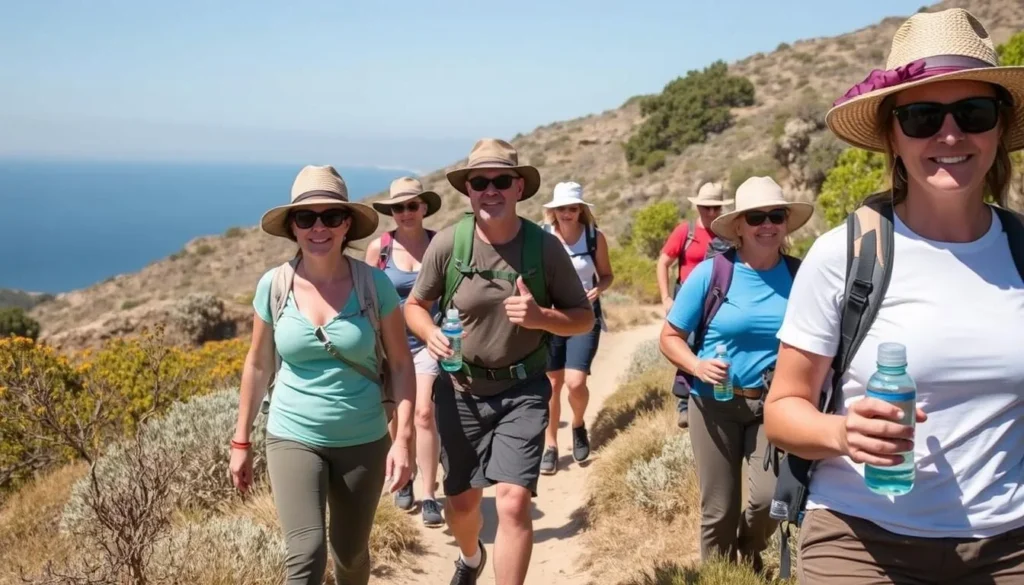
- Water and Sun Protection: Many trails have limited or no shade. Bring at least 2 liters of water per person for half-day hikes and 4 liters for full-day adventures. Wear sunscreen, a hat, and sunglasses.
- Wildlife Awareness: The park is home to rattlesnakes, mountain lions, and other wildlife. Stay on designated trails, make noise while hiking, and keep children close. If you encounter a mountain lion, make yourself appear larger, make noise, and back away slowly.
- Ocean Safety: Strong currents and rip tides can make swimming dangerous. Always check conditions before entering the water and never turn your back on the ocean.
- Fire Danger: The park is prone to wildfires, especially during dry seasons. Campfires are only permitted in designated fire rings at campgrounds, and smoking is prohibited on trails.
Park Etiquette:
- Leave No Trace: Pack out all trash, including food scraps and toilet paper. Stay on designated trails to prevent erosion and protect sensitive plant communities.
- Respect Wildlife: Observe animals from a distance and never feed them. Keep pets leashed where allowed (note that dogs are prohibited on most trails).
- Cultural Sensitivity: The park contains areas of cultural significance to indigenous peoples. Respect any closed areas and do not disturb or remove artifacts.
- Trail Courtesy: Hikers should yield to horses. Bikers should yield to both hikers and horses. Downhill travelers should yield to uphill travelers.
Cell phone coverage can be spotty or non-existent in many areas of the park, particularly in canyons. Consider bringing a paper map and informing someone of your planned route and expected return time when embarking on longer hikes.
Visitor Comments About Point Mugu State Park
“Point Mugu State Park exceeded all my expectations! The Ray Miller Trail offered the most spectacular coastal views I’ve ever seen in California. We spotted dolphins playing in the waves below as we hiked. The trail was challenging but manageable, and the ocean breeze kept us cool. Don’t miss Mugu Rock at sunset – it’s absolutely magical when the light hits it just right.”
“Camping at Thornhill Broome Beach was an unforgettable experience. Falling asleep to the sound of waves just steps from our tent was worth the primitive facilities. We hiked La Jolla Canyon in the morning when the marine layer created a mystical atmosphere, then spent the afternoon tidepooling near Mugu Rock. The diversity of landscapes in one park is truly impressive.”
“As a wildlife photographer, Point Mugu State Park is a treasure trove. During our spring visit, the wildflowers were spectacular, especially in La Jolla Valley. We spotted numerous bird species, dolphins offshore, and even a bobcat at dawn! The park feels remarkably uncrowded compared to other Southern California destinations. Just remember to bring plenty of water and sun protection for the exposed trails.”
Practical Travel Tips
Make the most of your visit to Point Mugu State Park with these insider tips and practical advice that will help you navigate the park efficiently and enjoy its many offerings.
Essential Planning Tips:
- Arrive Early: Parking lots at popular trailheads like Ray Miller and Chumash fill by mid-morning on weekends. Aim to arrive before 9:00 AM, especially during spring and summer.
- Weekday Visits: If possible, visit Monday through Thursday for a more solitary experience and guaranteed parking.
- Cash on Hand: While many entrance stations accept credit cards, it’s wise to bring cash for day-use fees in case of technical issues.
- Download Maps: Download offline maps before your visit, as cell service is unreliable throughout much of the park.
What to Pack:
- Hiking Essentials: Beyond water and sun protection, bring a first aid kit, multi-tool, flashlight, and extra layers as coastal weather can change rapidly.
- Beach Gear: If planning beach time, bring towels, beach chairs, and a windbreak, as coastal winds can be strong.
- Camera Equipment: The park’s diverse landscapes and wildlife offer exceptional photography opportunities. Consider bringing a wide-angle lens for landscapes and a telephoto for wildlife.
- Binoculars: Essential for spotting dolphins, whales, and the diverse bird species that inhabit or migrate through the park.
Money-Saving Tips:
If you plan to visit multiple California State Parks, consider purchasing an annual pass, which quickly pays for itself after a few visits. For camping, bringing your own firewood is more economical than purchasing it at the campground, though you should always verify current fire restrictions before your visit.
Lastly, consider visiting during shoulder seasons (late spring or early fall) when you’ll enjoy pleasant weather, fewer crowds, and potentially lower camping rates while still experiencing the park’s natural beauty.
Your Coastal Mountain Adventure Awaits
Point Mugu State Park stands as a testament to California’s incredible natural diversity, offering visitors a rare opportunity to experience the magic that happens when mountains meet the sea. From challenging hikes with panoramic ocean views to peaceful beach strolls, from vibrant spring wildflower displays to dramatic coastal rock formations, this park delivers experiences that will linger in your memory long after your visit.
Whether you’re seeking adventure, tranquility, or a deeper connection with nature, Point Mugu’s varied landscapes provide the perfect backdrop for your personal outdoor story. As you plan your journey to this coastal gem, remember that each season brings its own unique character to the park, inviting return visits to experience its ever-changing moods and moments.
Pack your hiking boots, bring your sense of wonder, and prepare to be captivated by one of Southern California’s most spectacular natural treasures. The mountains, beaches, canyons, and wildlife of Point Mugu State Park are waiting to welcome you.
Related Posts

Chinatown Los Angeles, California: Best Things to Do – Top Picks
Chinatown San Francisco, California: Best Things to Do – Top Picks

Zuma Beach, Malibu, California: Best Things to Do – Top Picks
Yerba Buena Island, California: Best Things to Do – Top Picks
Woodson Bridge State Recreation Area, California: Best Things to Do – Top Picks

Woodland Opera House State Historic Park, California: Best Things to Do – Top Picks
Coming Soon: Clickable Maps