
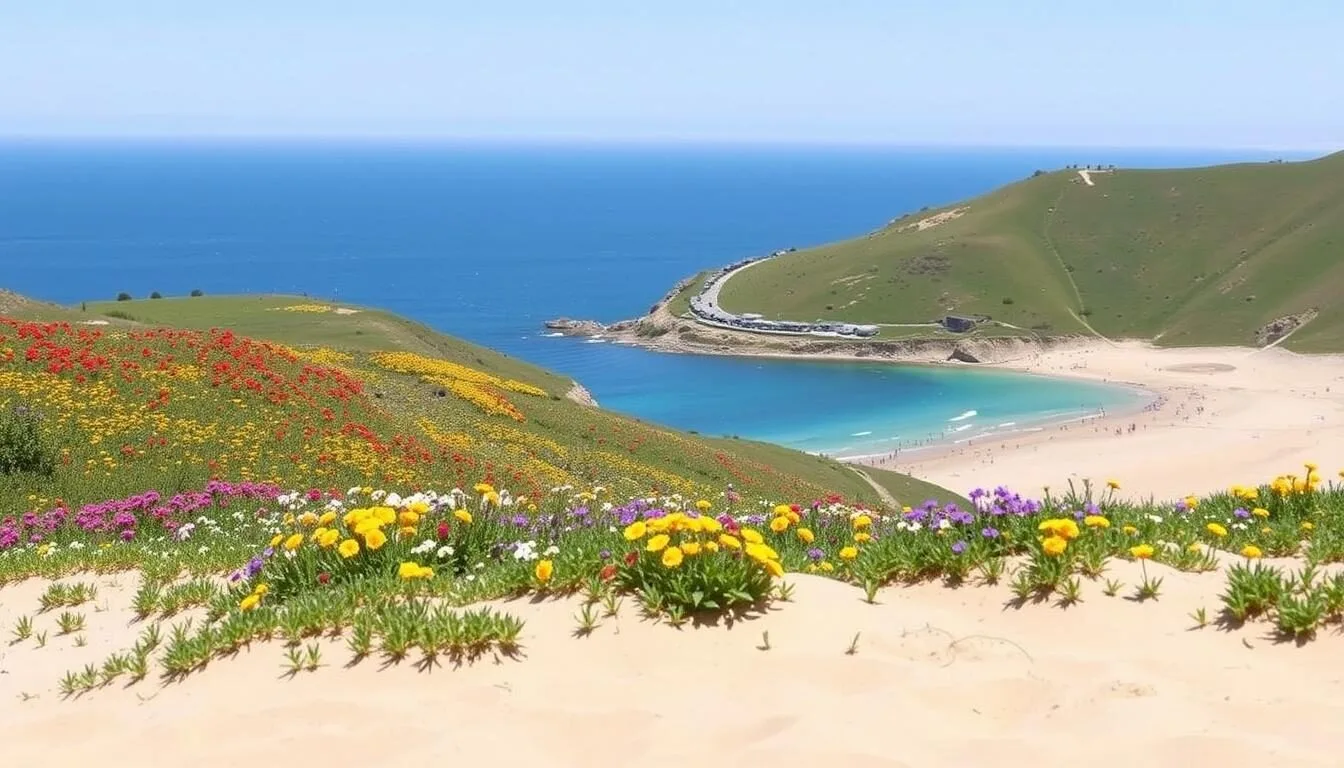
Few visitors realize that Point Sal State Beach sits at the precise midpoint between San Francisco and Los Angeles—making it a perfect coastal getaway no matter which direction you’re coming from. This hidden gem along California’s Central Coast offers one of the most pristine and uncrowded beach experiences in the state, but it requires some effort to reach. The reward? A spectacular 1.5 km (0.9 mile) stretch of pristine shoreline that feels worlds away from California’s more trafficked beaches.
Getting There & Planning Your Journey
Point Sal State Beach is located in the northwestern part of Santa Barbara County, near the city of Guadalupe. The closest airports are Santa Maria Public Airport (SMX), approximately 25 km (15.5 miles) away, and San Luis Obispo County Regional Airport (SBP), about 65 km (40 miles) from the beach.
To reach the trailhead, take Highway 1 to Brown Road near Guadalupe. Follow Brown Road until it ends at the Point Sal trailhead. Note that the road to Point Sal Beach was damaged by storms in 1998 and remains unrepaired, making the beach accessible only by hiking. The trail is approximately 10 km (6.2 miles) roundtrip with an elevation change of about 365 m (1,200 feet).
When planning your journey, allocate at least 4-5 hours for the complete hiking experience. The trail crosses through Bureau of Land Management (BLM) property and passes near Vandenberg Space Force Base, so occasional closures may occur during military operations.
Best Time to Visit Point Sal State Beach
The optimal time to visit Point Sal State Beach is from April through October when temperatures are mild and rainfall is minimal. Spring (April-May) offers spectacular wildflower displays on the surrounding hillsides, while summer (June-August) provides the warmest temperatures, though morning fog is common.
Summer days typically warm up to 21-24°C (70-75°F) by afternoon, making for comfortable hiking and beach exploration. Fall (September-October) offers some of the clearest skies and most stable weather patterns of the year.
Winter months (November-March) are best avoided due to increased rainfall, which can make the trail muddy and potentially dangerous. The beach is open from sunrise to sunset year-round, but access may be restricted during severe weather or military operations at nearby Vandenberg Space Force Base.
Getting Around Locally
Once you’ve reached the Point Sal trailhead, the only way to access the beach is on foot. The trail is approximately 5 km (3.1 miles) one-way and takes about 2 hours to hike in each direction. The route follows an unpaved access road that winds through the Casmalia Hills before descending to the beach.
For exploring the broader region, a rental car is essential. The nearby towns of Guadalupe, Santa Maria, and Lompoc offer additional attractions and services. Public transportation options are extremely limited in this rural area, so personal transportation is highly recommended.
While at the beach itself, you’ll be exploring on foot. The main beach area extends for about 1.5 km (0.9 miles), with interesting geological formations at the north end. Sturdy hiking shoes are recommended for navigating the trail and exploring the beach area.
Where to Stay
While camping is prohibited at Point Sal State Beach due to security concerns related to Vandenberg Space Force Base, several accommodation options are available in nearby communities:
Guadalupe (10 km/6.2 miles)
The closest town to Point Sal offers a few modest motels and vacation rentals. This small agricultural community provides basic amenities and authentic local dining experiences.
Santa Maria (25 km/15.5 miles)
This larger city offers more extensive lodging options, including national hotel chains, boutique inns, and vacation rentals. Santa Maria provides a full range of services and serves as a good base for exploring the region.
Lompoc (30 km/18.6 miles)
Known for its flower fields and wine country, Lompoc offers several hotels and B&Bs. The Embassy Suites by Hilton Lompoc and Hilton Garden Inn provide comfortable accommodations with modern amenities.
Pismo Beach (40 km/24.8 miles)
For those seeking a more traditional beach resort experience, Pismo Beach offers oceanfront hotels and resorts. Though further away, it provides a contrasting beach experience to Point Sal.
For the full Point Sal experience, consider staying in Guadalupe or Santa Maria to minimize travel time to the trailhead, especially if you plan to start your hike early in the morning.
Dining & Local Cuisine
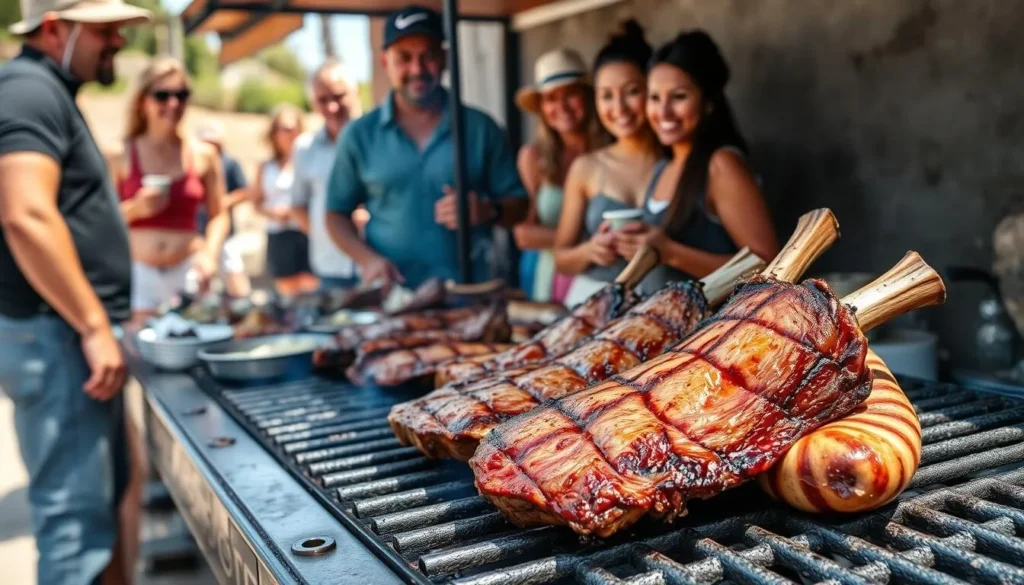
The area surrounding Point Sal is known for its distinctive Santa Maria-style barbecue, a regional specialty featuring tri-tip steak seasoned with salt, pepper, and garlic, then grilled over red oak wood. This culinary tradition dates back to the 19th century and remains a must-try for visitors.
Since there are no dining facilities at Point Sal State Beach itself, you’ll need to pack a picnic lunch for your beach day. The nearby communities offer various dining options:
Guadalupe
This small town offers authentic Mexican restaurants and taquerias reflecting its agricultural heritage. Try La Simpatia, one of the oldest restaurants in town, for traditional Mexican dishes.
Santa Maria
Known as the barbecue capital of California’s Central Coast, Santa Maria offers numerous restaurants specializing in the local barbecue style. The Far Western Tavern and Shaw’s Steakhouse are popular choices for experiencing this regional specialty.
The region is also part of the Santa Maria Valley wine country, known for excellent Pinot Noir, Chardonnay, and Syrah. Many local restaurants feature these wines, and several wineries offer tastings within a short drive of Point Sal.
Attractions, Sightseeing & Activities
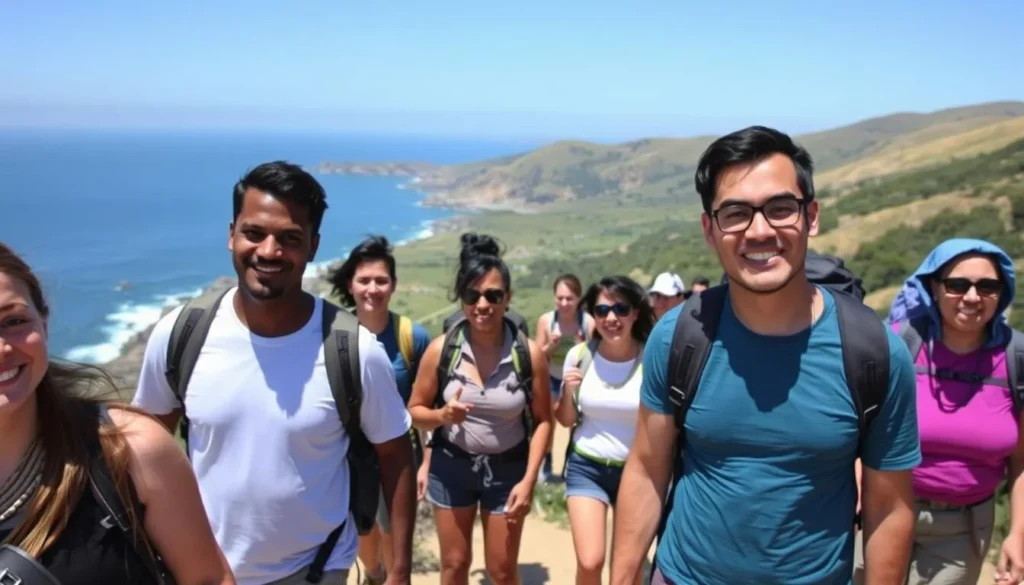
Point Sal State Beach offers a variety of activities for nature enthusiasts and outdoor adventurers:
Note that swimming is not recommended at Point Sal due to strong currents, absence of lifeguards, and occasional shark sightings. Fishing is permitted, but check current regulations before your visit.
Museums, Cultural Spots & Festivals

While Point Sal itself is primarily a natural attraction, the surrounding area offers cultural experiences worth exploring:
Santa Maria Valley Discovery Museum
Located in Santa Maria, this interactive museum offers exhibits on local history, agriculture, and natural science. It’s especially good for families with children who might need a break from outdoor activities.
La Purisima Mission State Historic Park
Near Lompoc, this restored Spanish mission dates to 1787 and is the most completely restored mission in California. The site offers insights into the region’s colonial history and native Chumash culture.
The area hosts several festivals throughout the year, including the Santa Maria Valley Strawberry Festival in April, the Lompoc Flower Festival in June, and various wine harvest celebrations in fall. These events showcase local agriculture, cuisine, and cultural traditions.
Point Sal itself has historical significance as well. It was named by British explorer George Vancouver in 1792 after Hermenegildo Sal, then the commandant of San Francisco. In the 1870s, it briefly served as a shipping port before the wharf was destroyed by rough seas.
Sports, Nature & Outdoor Experiences
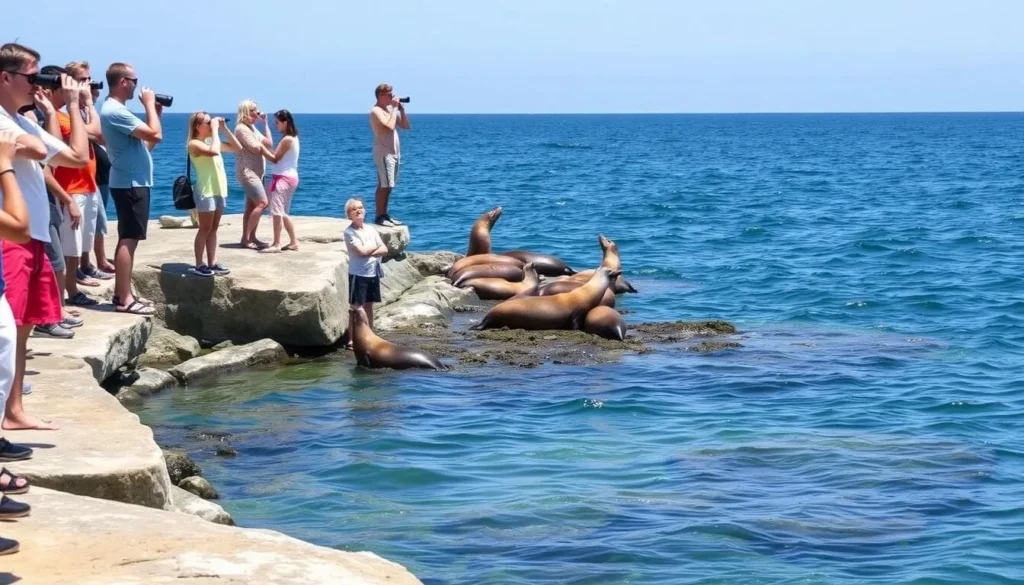
Point Sal’s natural environment offers exceptional opportunities to connect with nature:
For those interested in broader outdoor experiences, the nearby Guadalupe Dunes (the largest dune complex in California) and Oso Flaco Lake Natural Area offer additional hiking and nature viewing opportunities.
Safety, Etiquette & Local Customs
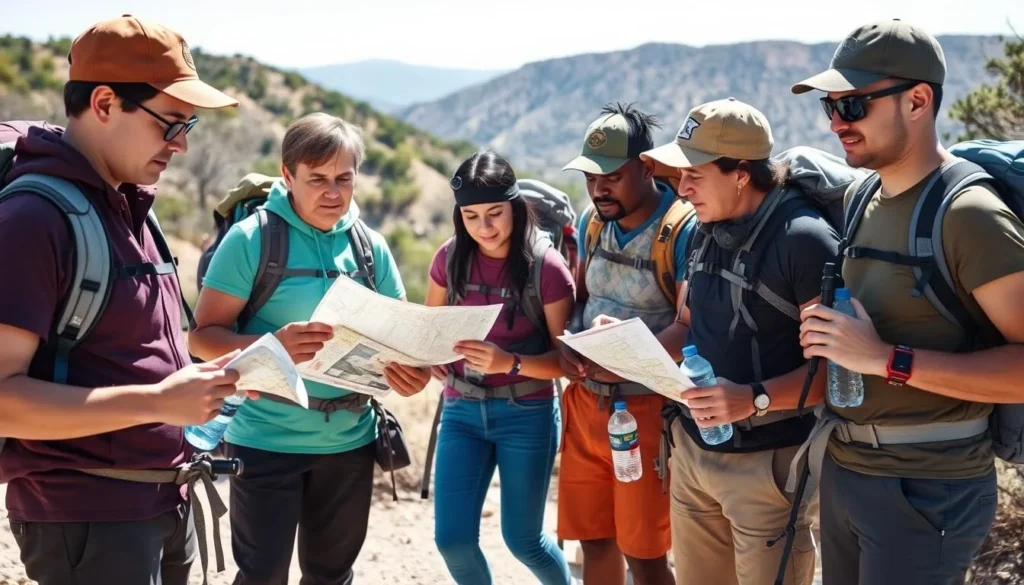
When visiting Point Sal State Beach, safety should be your top priority:
Be aware that the trail crosses through cattle grazing areas. Close gates behind you and give livestock plenty of space. Cell phone reception is limited or non-existent in many areas, so plan accordingly.
Visitor Comments About Point Sal State Beach
“The hike to Point Sal was challenging but absolutely worth it. We had the entire beach to ourselves on a Tuesday in May. The pristine sand and clear water made me feel like I’d discovered a secret paradise. Just remember to bring plenty of water and start early!”
“Point Sal offers the most untouched beach experience I’ve had in California. The geology is fascinating—those ophiolite formations are unlike anything I’ve seen elsewhere. The trail is no joke though, especially the steep descent to the beach. Trekking poles would have been helpful.”
“We spotted sea lions on the rocks and a pod of dolphins swimming offshore! The wildflowers in April were spectacular, carpeting the hillsides in yellow and purple. Just be prepared for the uphill climb on your return—it’s quite strenuous after a day at the beach.”
Practical Travel Tips
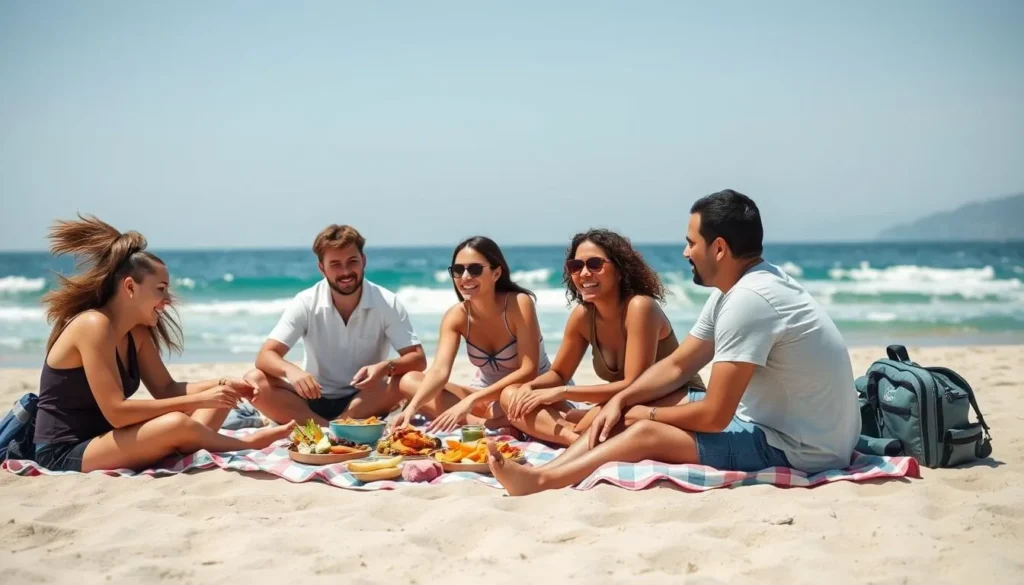
Consider bringing binoculars for wildlife viewing and a field guide to help identify the diverse plant species and marine life you might encounter. The extra weight in your pack will be worth the enhanced experience.
Your Unforgettable Central Coast Adventure Awaits
Point Sal State Beach represents California coastal wilderness at its most pristine and rewarding. The effort required to reach this hidden gem ensures it remains uncrowded and unspoiled, offering a rare glimpse of what the state’s beaches might have looked like centuries ago. The combination of diverse ecosystems, fascinating geology, abundant wildlife, and spectacular views creates an experience that goes far beyond the typical beach day. Whether you’re an avid hiker, nature photographer, geology enthusiast, or simply someone seeking solitude by the sea, Point Sal delivers an authentic connection with California’s natural heritage that few other destinations can match. Pack your hiking boots, bring your sense of adventure, and prepare to discover one of the Central Coast’s most magnificent hidden treasures.
Related Posts
Chinatown Los Angeles, California: Best Things to Do – Top Picks
Chinatown San Francisco, California: Best Things to Do – Top Picks

Zuma Beach, Malibu, California: Best Things to Do – Top Picks
Yerba Buena Island, California: Best Things to Do – Top Picks
Woodson Bridge State Recreation Area, California: Best Things to Do – Top Picks
Woodland Opera House State Historic Park, California: Best Things to Do – Top Picks
Coming Soon: Clickable Maps