
Hotels by Trip.com
Flights by Trip.com
Did you know that San Clemente Island is home to the world’s largest colony of Western Gulls, with over 25,000 breeding pairs nesting on its rugged cliffs each year? This little-known gem, located 75 km (47 miles) off the Southern California coast, is the southernmost of the Channel Islands and offers a fascinating mix of military history, pristine nature, and underwater adventures for those who know how to access it.
Unlike its mainland namesake city, San Clemente Island remains largely untouched by tourism due to its status as an active U.S. Navy facility. This unique situation has inadvertently preserved its natural beauty and created a haven for rare wildlife, including six species found nowhere else on Earth. For adventurous travelers willing to navigate the special access requirements, the island rewards with experiences few will ever enjoy.
Getting There & Planning Your Journey
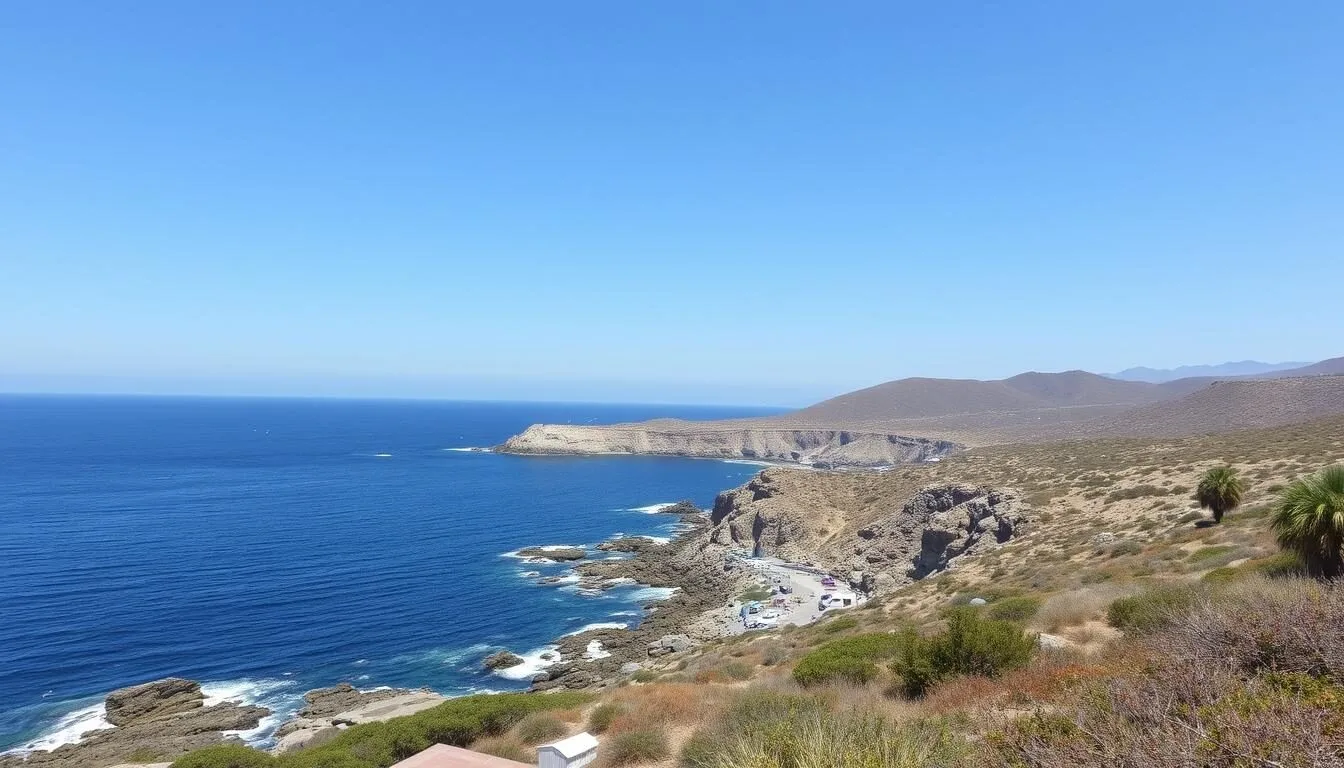
San Clemente Island is located at coordinates 32.9047° N, 118.5369° W in the Pacific Ocean. Unlike other Channel Islands, access is strictly controlled due to its status as an active military installation. The island serves as the Navy’s only ship-to-shore live firing range and is home to the Naval Auxiliary Landing Field San Clemente Island.
Access Permits and Restrictions
Civilian access to San Clemente Island is limited and requires advance permission from the U.S. Navy. Most visitors arrive through organized dive boats, scientific research expeditions, or contracted work. If you’re interested in visiting, your best approach is to:
- Contact dive operators in San Diego or Long Beach that have Navy clearance for trips to the island
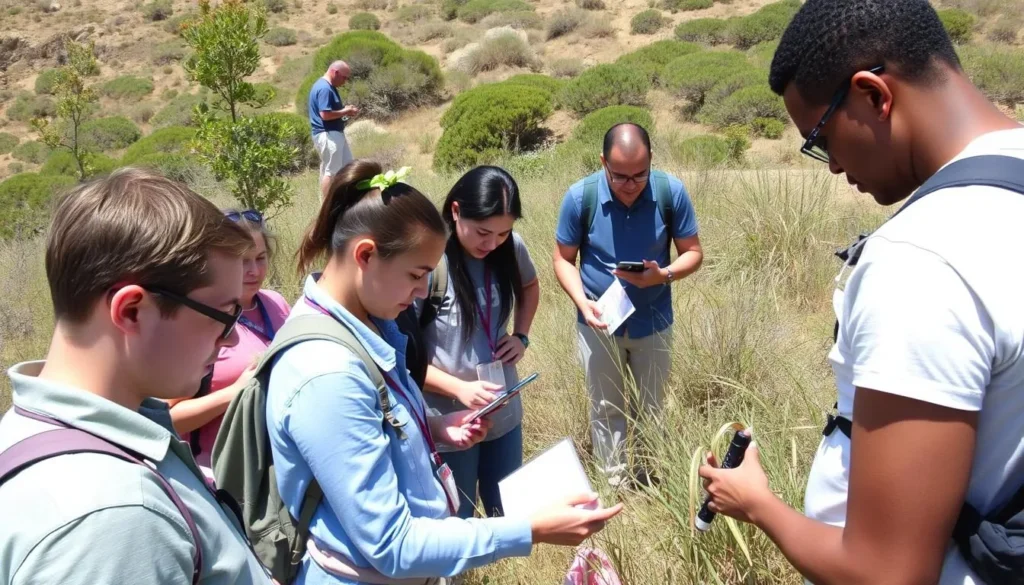
- Join scientific or conservation volunteer programs that occasionally conduct work on the island
- Check with the Navy’s Public Affairs Office for special access opportunities
Closest Airports
While you can’t fly directly to San Clemente Island as a civilian, the closest major airports to your departure points include:
- San Diego International Airport (SAN) – 150 km (93 miles) from potential boat departure points
- Long Beach Airport (LGB) – 132 km (82 miles) from potential boat departure points
- Los Angeles International Airport (LAX) – 160 km (99 miles) from potential boat departure points
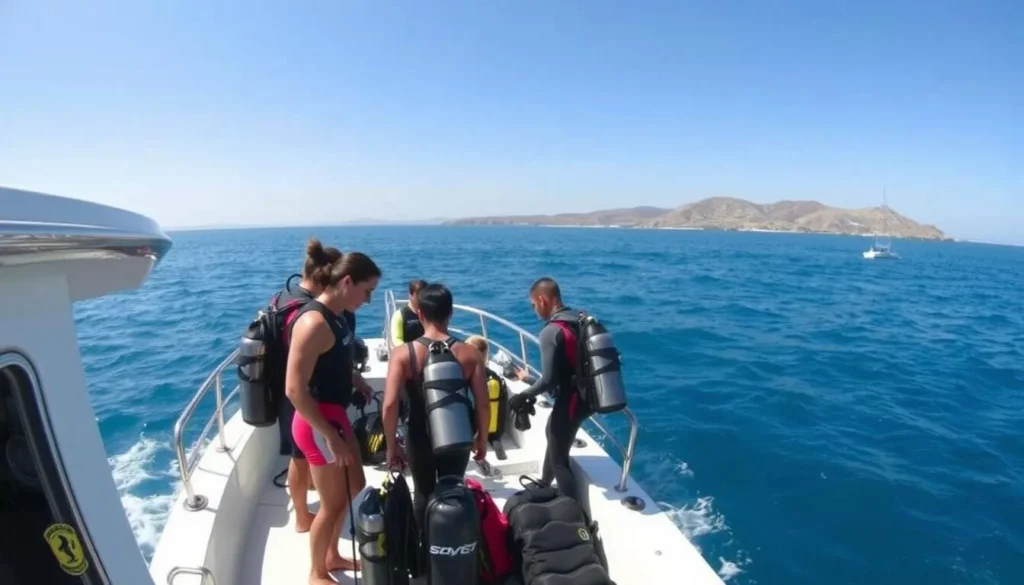
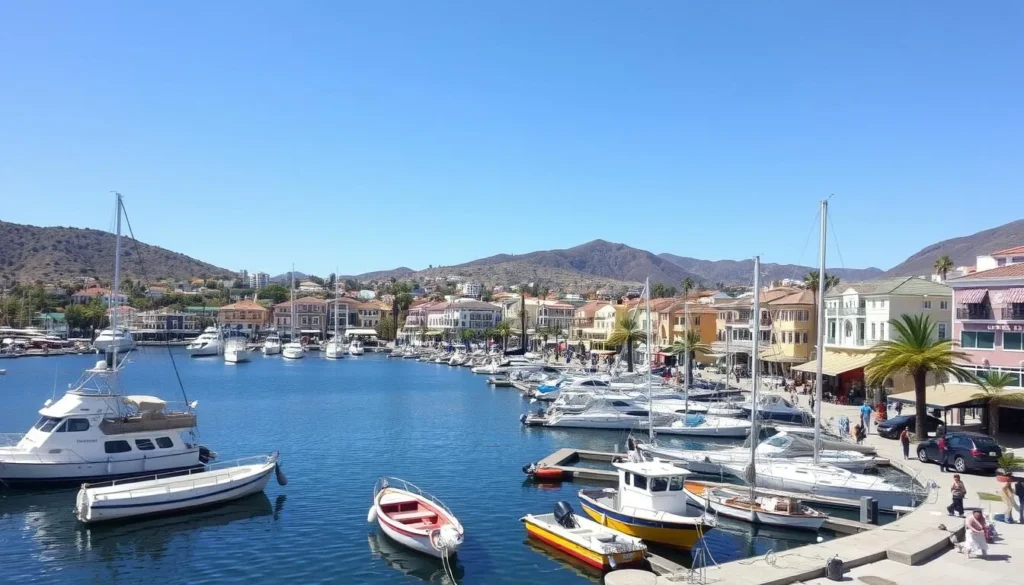
Most dive boats and charter vessels depart from marinas in San Diego, Oceanside, Dana Point, or Long Beach. The boat journey typically takes 3-5 hours depending on weather conditions and your departure point.
Best Time to Visit & Weather Tips
Best Time to Visit San Clemente Island
The island experiences a Mediterranean climate with mild temperatures year-round, but certain seasons offer better conditions for specific activities:
Recommended Months:
- Late Summer/Early Fall (August-October): Warmest water temperatures (18-21°C/65-70°F), excellent visibility for diving, and calmer seas
- Spring (April-June): Wildflower blooms, active wildlife, and moderate temperatures make this an excellent time for nature observation
Months to Avoid:
- Winter (December-February): Rougher seas can make boat crossings uncomfortable and diving conditions less predictable
- Early Spring (March): Typically experiences the most rainfall, which can limit outdoor activities
Weather Patterns
San Clemente Island’s weather is characterized by mild temperatures and low precipitation. Average temperatures range from 13-18°C (55-65°F) in winter to 18-24°C (65-75°F) in summer. The island experiences a unique microclimate due to its position in the Pacific:
- Morning fog is common year-round but typically burns off by midday
- Winds can be strong, especially on the western side of the island
- Water temperatures range from 14°C (57°F) in winter to 21°C (70°F) in late summer
- Annual rainfall averages just 30 cm (12 inches), with most precipitation occurring between December and March
Packing Tip: Even in summer, bring layers including a windbreaker and warm clothing for boat crossings and evenings. Water temperatures require a 7mm wetsuit in winter and at least a 5mm in summer for comfortable diving.
Getting Around Locally
Once on San Clemente Island, transportation options are extremely limited due to military restrictions. Most visitors experience the island in one of these ways:
Guided Access
The majority of civilian visitors remain with their dive boat or tour group. These vessels typically anchor at designated sites around the island’s perimeter, and activities are confined to specific areas approved by the Navy. Dive boats often visit multiple sites around the island during a single trip.
Research and Conservation Work
Scientists and conservation volunteers working on official projects may receive transportation from Navy personnel to specific research sites. This is arranged through formal channels and requires proper clearance and documentation.
Military Restrictions
It’s important to understand that independent exploration of the island is not permitted. There are no rental vehicles, public transportation, or self-guided hiking options available to visitors. All movements on the island must be authorized and often accompanied by military personnel.
✓ Check 30,000+ Local Sightseeing Tours Worldwide
Important: Never attempt to land on San Clemente Island without proper authorization. The island contains active military training areas, including live-fire ranges. Unauthorized access is both dangerous and illegal, with potential for serious legal consequences.
Where to Stay
Overnight accommodations on San Clemente Island are extremely limited and primarily reserved for military personnel and authorized contractors. However, there are several options for those looking to experience the island:
Liveaboard Dive Boats
The most common accommodation option for civilians is to book a multi-day trip on a liveaboard dive boat. These vessels typically offer:
- Bunk-style sleeping arrangements or small private cabins
- All meals prepared by onboard chefs
- Dive equipment storage and rinse facilities
- Common areas for relaxation between dives
Liveaboard trips typically range from 2-5 days and allow you to experience multiple dive sites around the island while using the boat as your floating hotel.
Mainland Accommodations
For day trips to the island, consider staying in one of these coastal cities:
San Diego
Offers the widest range of accommodations from budget to luxury and is a common departure point for dive boats heading to San Clemente Island.
Oceanside
A smaller coastal city with more affordable lodging options and a harbor that hosts some charter boats serving the Channel Islands.
Long Beach
Home to several dive operators that run trips to San Clemente Island, with diverse accommodation options nearby.
Military Accommodations
If you’re visiting on official business or as part of a research team with proper clearance, you may be assigned temporary quarters on the naval facility. These accommodations are basic but functional, designed primarily for military personnel and contractors.
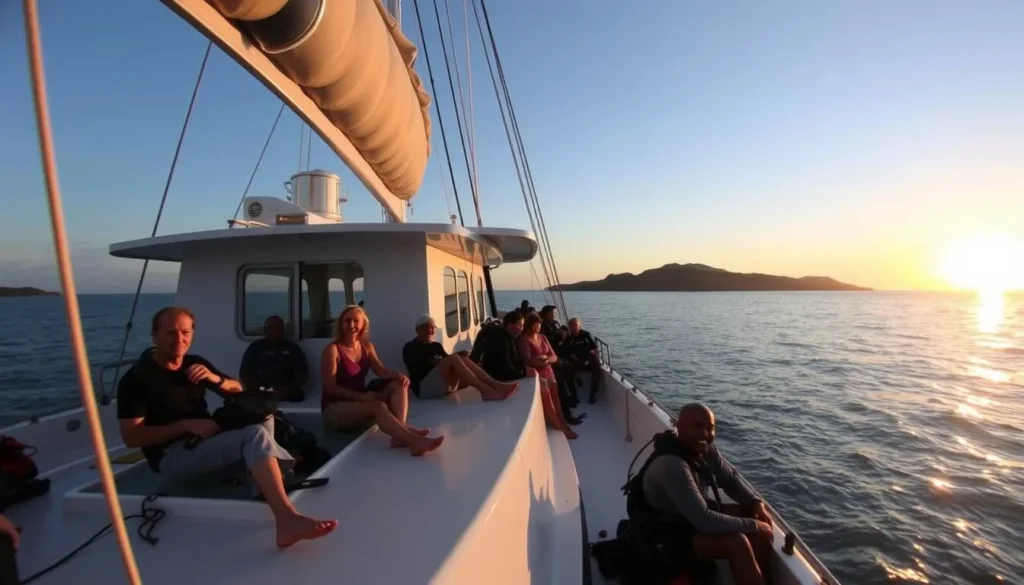
Dining & Local Cuisine
Dining options on San Clemente Island are extremely limited due to its status as a military installation. There are no public restaurants, cafes, or food vendors available to civilian visitors. However, there are still ways to enjoy meals during your visit:
Liveaboard Meal Service
If you’re visiting on a multi-day dive boat, meals are typically included in your package. These boats generally offer:
- Hearty breakfasts to fuel morning dives
- Lunch buffets or made-to-order options between dive sessions
- Hot dinners featuring fresh seafood and other entrees
- Snacks and beverages available throughout the day
The quality of food on liveaboard boats varies, but many pride themselves on offering excellent cuisine as part of the experience. Some even feature chefs who prepare restaurant-quality meals in surprisingly small galley kitchens.
Day Trip Provisions
For day trips to the waters around San Clemente Island:
- Most charter boats provide basic lunch and snacks
- You’re typically welcome to bring your own food and non-alcoholic beverages
- Consider packing extra water and high-energy snacks for between dives or activities
Military Dining Facilities
If you’re visiting on official business with proper clearance, you may have access to the military dining facilities on the island. These serve standard military fare with limited options but provide nutritious meals for personnel stationed on the island.
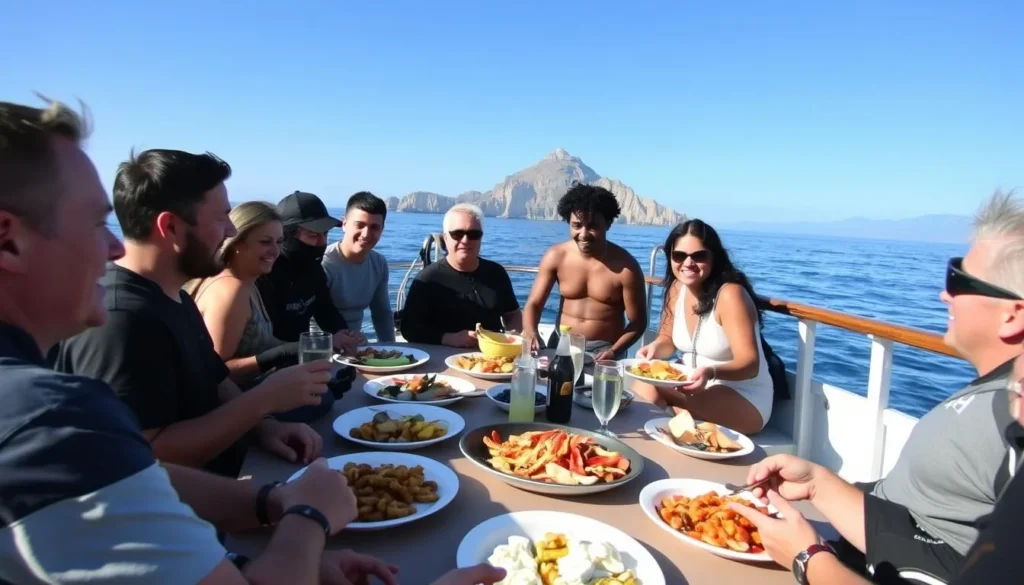
“The galley on our liveaboard served surprisingly excellent meals. After a long day of diving around San Clemente Island, nothing beats fresh-caught fish prepared by a skilled chef while watching the sunset over the Pacific.”
Attractions, Sightseeing & Activities
Despite access limitations, San Clemente Island offers several remarkable attractions for those who obtain proper permission to visit its waters and limited land areas:
Military History Sites
The island has served as a military installation since 1934, with visible evidence of its strategic importance:
- Historic airfield facilities dating back to World War II
- Naval observation posts and communication installations
- Remnants of early military operations that shaped the island’s development
While most military facilities are off-limits, some historical sites may be viewable during authorized visits.
Ecological Wonders
San Clemente Island’s isolation has created a unique ecosystem:
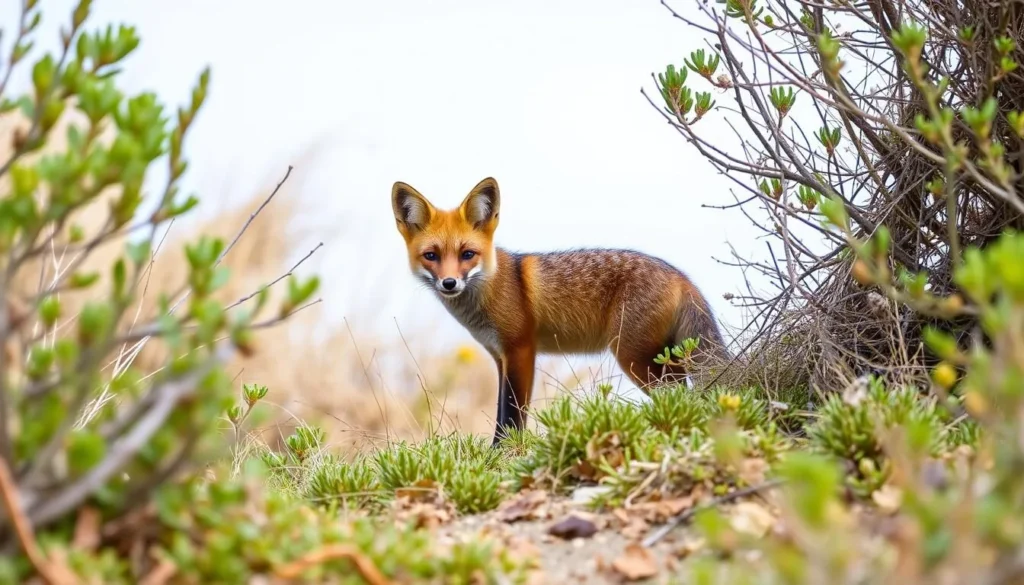
- Home to the San Clemente Island fox, loggerhead shrike, and sage sparrow – subspecies found nowhere else
- Over 300 plant species, including six that are endemic to the island
- Dramatic geological formations including canyons and coastal caves
- Pristine beaches largely untouched by human development
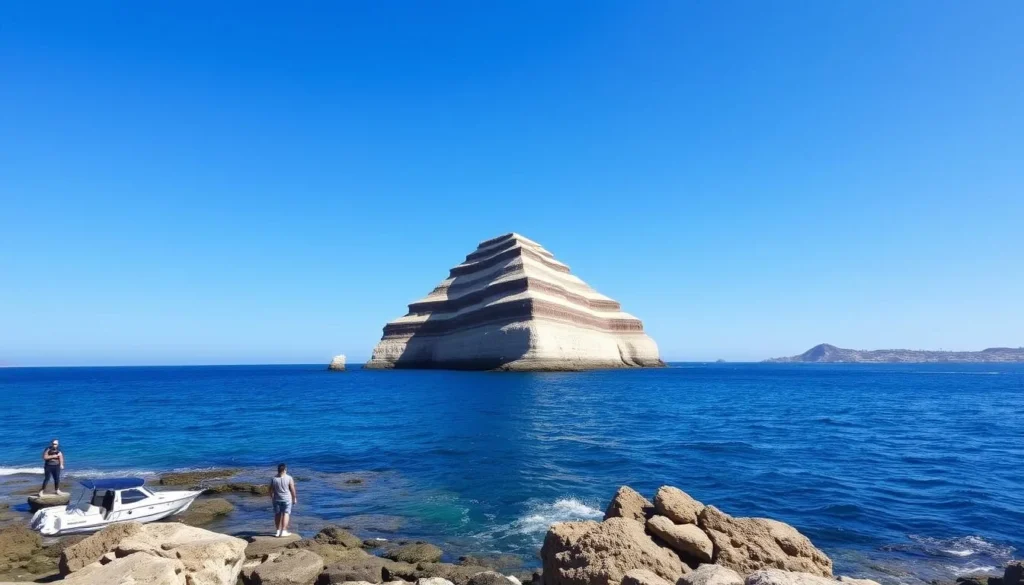
Pyramid Point
This distinctive geological formation on the island’s northern tip features dramatic stratified rock layers that create a pyramid-like appearance. The surrounding waters are rich in marine life, making it a popular spot for authorized dive boats.
China Point
Located on the southern end of the island, this area features interesting tide pools and is known for its diverse intertidal marine life. The point got its name from Chinese abalone fishermen who worked these waters in the late 1800s.
World-Class Diving Opportunities
San Clemente Island is renowned among diving enthusiasts for offering some of the best underwater experiences in California. The island’s remote location and limited access have helped preserve its marine ecosystems:
Top Diving Sites
Pyramid Cove
Located at the north end of the island, this site features dramatic underwater topography with walls, pinnacles, and swim-throughs. Visibility often exceeds 30 m (100 ft), and the area is known for encounters with giant sea bass and large schools of blacksmith fish.
Seal Cove
As the name suggests, this site offers frequent encounters with playful harbor seals and sea lions. The underwater terrain includes kelp forests and rocky reefs teeming with colorful Garibaldi, sheephead, and various rockfish species.
Northwest Harbor
This protected area features gentler currents and is excellent for night dives. The sandy bottom is home to angel sharks, bat rays, and the occasional guitarfish, while the rocky areas host octopus, lobster, and nudibranchs.
Marine Life Encounters
The waters around San Clemente Island support an incredible diversity of marine species:
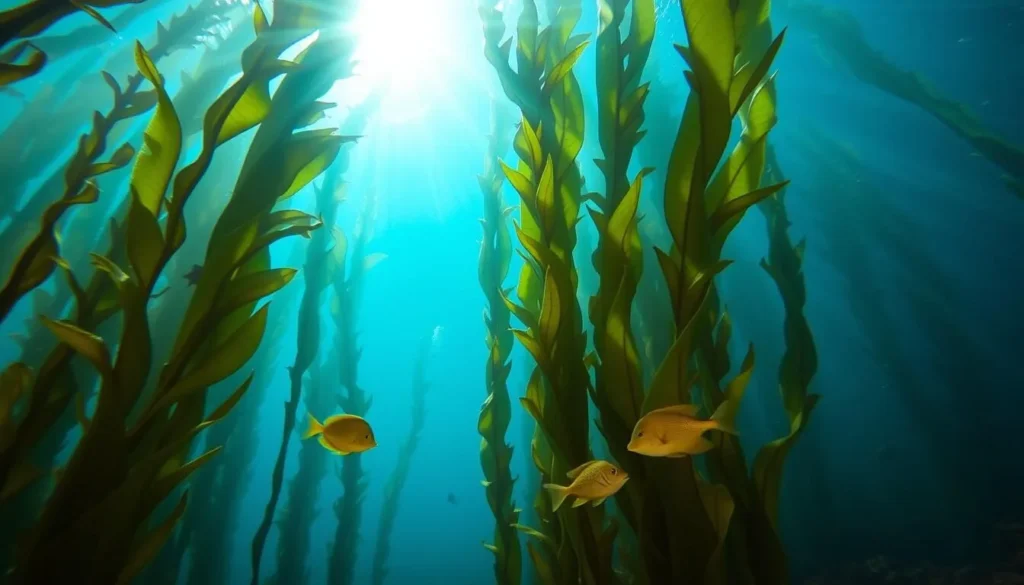
- Dense forests of giant kelp creating underwater cathedrals
- Resident populations of California sea lions and harbor seals
- Seasonal visits from blue and humpback whales (summer/fall)
- Various shark species including blue sharks and occasional hammerheads
- Abundant invertebrate life including colorful nudibranchs, anemones, and sea stars
“I’ve been diving for over 20 years across the globe, but the kelp forests around San Clemente Island remain among my favorite underwater experiences. The visibility, marine biodiversity, and sense of wilderness are unmatched in Southern California.”
Museums, Cultural Spots & Festivals
Due to San Clemente Island’s status as a restricted military installation, there are no public museums, cultural centers, or regular festivals held on the island itself. However, you can learn about the island’s rich history and cultural significance through several mainland resources:
Related Museums on the Mainland
- Catalina Island Museum (Avalon) – Features exhibits on all Channel Islands including San Clemente Island’s natural history and indigenous Tongva connections
- San Diego Natural History Museum – Houses collections and information about the unique flora and fauna of San Clemente Island
- Maritime Museum of San Diego – Includes exhibits on the naval history of the region, including San Clemente Island’s military significance
- Channel Islands National Park Visitor Center (Ventura) – While focused on the northern Channel Islands, provides context about the entire archipelago’s ecological importance
Indigenous Heritage
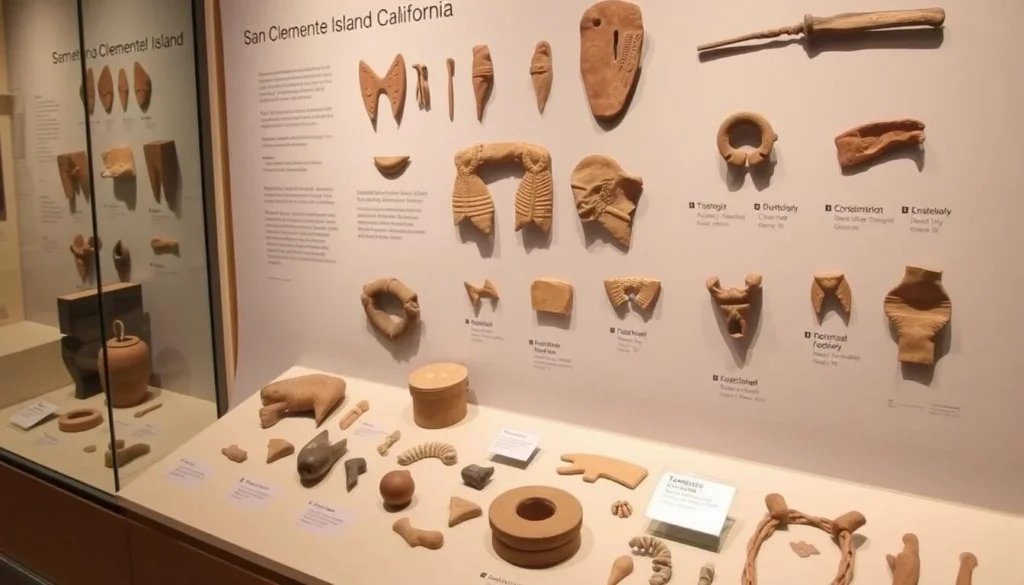
San Clemente Island was once home to indigenous Tongva (Gabrielino) people who called the island “Kinki” or “Kiinkenga.” Though no permanent indigenous settlements exist today, the island contains significant archaeological sites dating back thousands of years.
Archaeological research has uncovered evidence of indigenous habitation dating back at least 10,000 years, making San Clemente Island one of the oldest sites of human occupation in North America. The island’s indigenous history is preserved through:
- Protected archaeological sites monitored by the Navy
- Artifact collections housed in mainland museums
- Ongoing research conducted by approved archaeologists
- Consultation with Tongva tribal representatives on cultural resource management
Sports, Nature & Outdoor Experiences
The waters and limited accessible areas around San Clemente Island offer several outstanding outdoor experiences for visitors with proper authorization:
Water Activities
Scuba Diving & Snorkeling
As mentioned earlier, diving is the primary recreational activity around San Clemente Island. Beyond the main dive sites, experienced divers with proper guides can explore:
- Underwater caves and caverns along the eastern shore
- Deep wall dives dropping to over 40 m (130 ft)
- Macro photography opportunities featuring colorful nudibranchs and other tiny creatures
Fishing
With proper permits and adherence to regulations, fishing in the waters around San Clemente Island can be exceptional:
- Yellowtail, white seabass, and calico bass are common targets
- Seasonal runs of tuna and dorado in late summer
- Spearfishing is permitted in designated areas with proper licensing
Wildlife Viewing
San Clemente Island offers remarkable wildlife viewing opportunities both above and below the water:
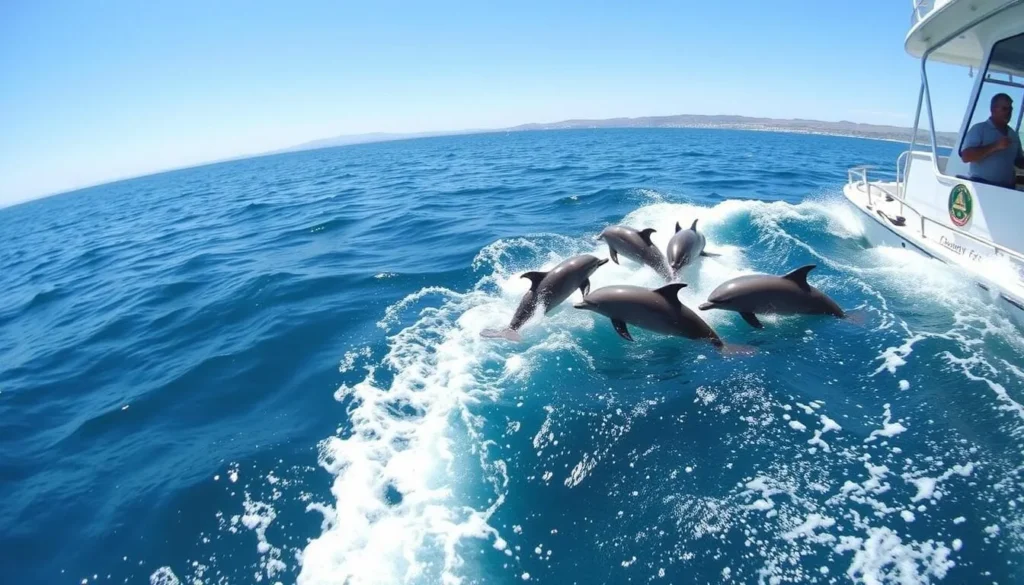
- Marine Mammals: Common and bottlenose dolphins frequently accompany boats, while California sea lions and harbor seals are abundant around the shoreline
- Seabirds: The island hosts significant populations of western gulls, cormorants, and the rare San Clemente loggerhead shrike
- Endemic Species: With proper permits, researchers and guided groups may observe the San Clemente Island fox, San Clemente sage sparrow, and other species found nowhere else on Earth
- Seasonal Whale Migration: Blue, humpback, and gray whales pass by the island during their annual migrations, with best viewing from December to April for gray whales and summer months for blue whales
“Watching a pod of dolphins race alongside our boat as we approached San Clemente Island was magical. Then, as we were diving, a curious young sea lion spent nearly 20 minutes playing with us underwater. These natural encounters make the journey worthwhile.”
Safety, Etiquette & Local Customs
Visiting the waters around San Clemente Island requires careful attention to safety protocols and respect for military regulations:
Military Restrictions
Critical Safety Information: San Clemente Island is an active military installation with live-fire training exercises. Never approach the island without proper authorization. Unauthorized landing is strictly prohibited and dangerous.
- Always obtain proper clearance before planning any trip to the island’s waters
- Respect all exclusion zones and restricted areas marked on nautical charts
- Monitor VHF radio channels for military announcements regarding training activities
- Be prepared to relocate if requested by Navy personnel
Diving Safety
The remote nature of San Clemente Island means emergency services are limited:
- Only experienced divers should attempt dives around the island
- Always dive with a buddy and maintain visual contact
- Carry safety equipment including surface marker buoys and audible signaling devices
- Be prepared for strong currents, especially around points and exposed areas
- The nearest hyperbaric chamber is on the mainland, hours away by boat
Environmental Etiquette
The island’s ecosystems are fragile and protected:
- Practice “leave no trace” principles – take only photographs, leave only bubbles
- Never touch or harass marine life, including friendly sea lions
- Maintain proper buoyancy control when diving to avoid damaging kelp or reef structures
- Follow all fishing regulations regarding catch limits, seasons, and protected species
- Report any observed environmental damage or concerns to proper authorities
Visitor Comments About San Clemente Island
“The kelp forests around San Clemente Island are among the most pristine I’ve seen in California. The limited access has really preserved the marine ecosystem here. We spotted two harbor seals, countless Garibaldi, and even a giant sea bass during our three-day liveaboard trip. The night diving was exceptional too – so many bioluminescent organisms!”
M.N., Lyon
“As a wildlife photographer, I found San Clemente Island to be a hidden treasure. The endemic island fox is remarkably unafraid of humans in the areas where we were permitted to observe them. Our guide was extremely knowledgeable about the conservation efforts that brought this species back from the brink of extinction. The naval personnel were professional and accommodating during our authorized research visit.”
G.N., Mopti
“I was fortunate to join a special access scientific expedition to San Clemente Island last year. The island’s isolation has created an ecosystem that feels like stepping back in time. The endemic plants were fascinating, and the views from the island’s ridges were breathtaking. The military presence is very evident, but they’ve done an admirable job balancing training needs with conservation. It’s definitely not your typical tourist destination, but that’s what makes it special.”
F.I., Giza
Additional Nearby Destinations
While visiting the region for your San Clemente Island adventure, consider exploring these nearby destinations:
Catalina Island
Located 29 km (18 miles) northeast of San Clemente Island, Catalina is much more accessible to the general public with regular ferry service from the mainland. Enjoy hiking, snorkeling, and exploring the charming town of Avalon with its shops and restaurants.
Channel Islands National Park
This protected area encompasses five of the northern Channel Islands. While further from San Clemente Island (about 160 km/100 miles northwest), these islands offer similar natural beauty with established visitor facilities, camping options, and guided tours.
San Diego
If departing from this southern California hub, take time to explore its world-class attractions including Balboa Park, the San Diego Zoo, and the historic Gaslamp Quarter. The city’s maritime history connects nicely with a Channel Islands adventure.
Mainland Coastal Areas
Several beautiful coastal areas on the mainland offer excellent alternatives if weather or military operations prevent access to San Clemente Island:
- La Jolla Cove: Protected marine area with excellent snorkeling and diving just minutes from San Diego
- Dana Point: Scenic harbor town with whale watching tours and access to nearby dive sites
- Laguna Beach: Artist colony with beautiful coves and tide pools perfect for exploration
- Point Loma: Historic lighthouse and tide pools with panoramic views of the San Diego coastline
Practical Travel Tips
Planning Your Trip
- Book Well in Advance: Dive boats and special access opportunities fill up quickly, often 6-12 months ahead
- Be Flexible: Military operations can cause last-minute changes to itineraries
- Verify Access: Always confirm that your tour operator has current authorization to visit the waters around San Clemente Island
- Purchase Travel Insurance: Given the potential for weather or military-related cancellations, insurance is highly recommended
What to Pack
For dive trips and authorized visits to San Clemente Island, consider packing:
Essential Items:
- Motion sickness medication (the crossing can be rough)
- Sunscreen (reef-safe formulas to protect marine life)
- Hat and sunglasses for sun protection
- Windbreaker or jacket (even in summer)
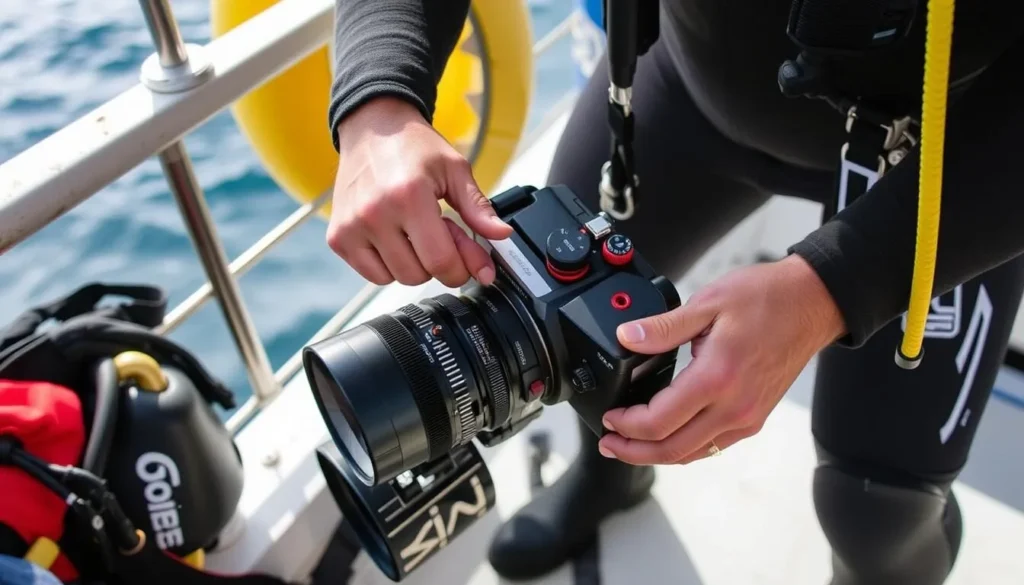
- Camera with waterproof housing for underwater photography
Documentation:
- Photo ID (required for all visitors)
- Diving certification cards if applicable
- Copies of any special permits or authorizations
- Emergency contact information
- Proof of dive insurance (DAN or equivalent)
Communication
Be prepared for limited or no communication options:
- Cell phone service is extremely limited or non-existent around the island
- Satellite phones work but may be restricted in certain areas due to military operations
- VHF marine radio is the primary communication method for boats
- Inform family or friends of your itinerary before departing
Embracing the Wild Beauty of California’s Military Island
San Clemente Island represents a rare opportunity to experience a California that few will ever see. Its unique status as both a military installation and an ecological preserve has created a remarkable haven where endemic species thrive and marine ecosystems flourish in near-pristine condition. While access challenges mean this destination isn’t for everyone, those who make the journey with proper authorization are rewarded with extraordinary diving, wildlife encounters, and a profound sense of discovery.
Whether you’re descending into the swaying kelp forests, watching dolphins play in your boat’s wake, or learning about the island’s fascinating military history, San Clemente Island offers experiences that stand apart from typical California destinations. The extra effort required to visit these protected waters ensures they remain special – a hidden treasure of the Channel Islands that continues to inspire awe in the fortunate few who experience its wild beauty.
Related Posts
Chinatown Los Angeles, California: Best Things to Do – Top Picks
Chinatown San Francisco, California: Best Things to Do – Top Picks

Zuma Beach, Malibu, California: Best Things to Do – Top Picks
Yerba Buena Island, California: Best Things to Do – Top Picks
Woodson Bridge State Recreation Area, California: Best Things to Do – Top Picks
Woodland Opera House State Historic Park, California: Best Things to Do – Top Picks
Coming Soon: Clickable Maps