
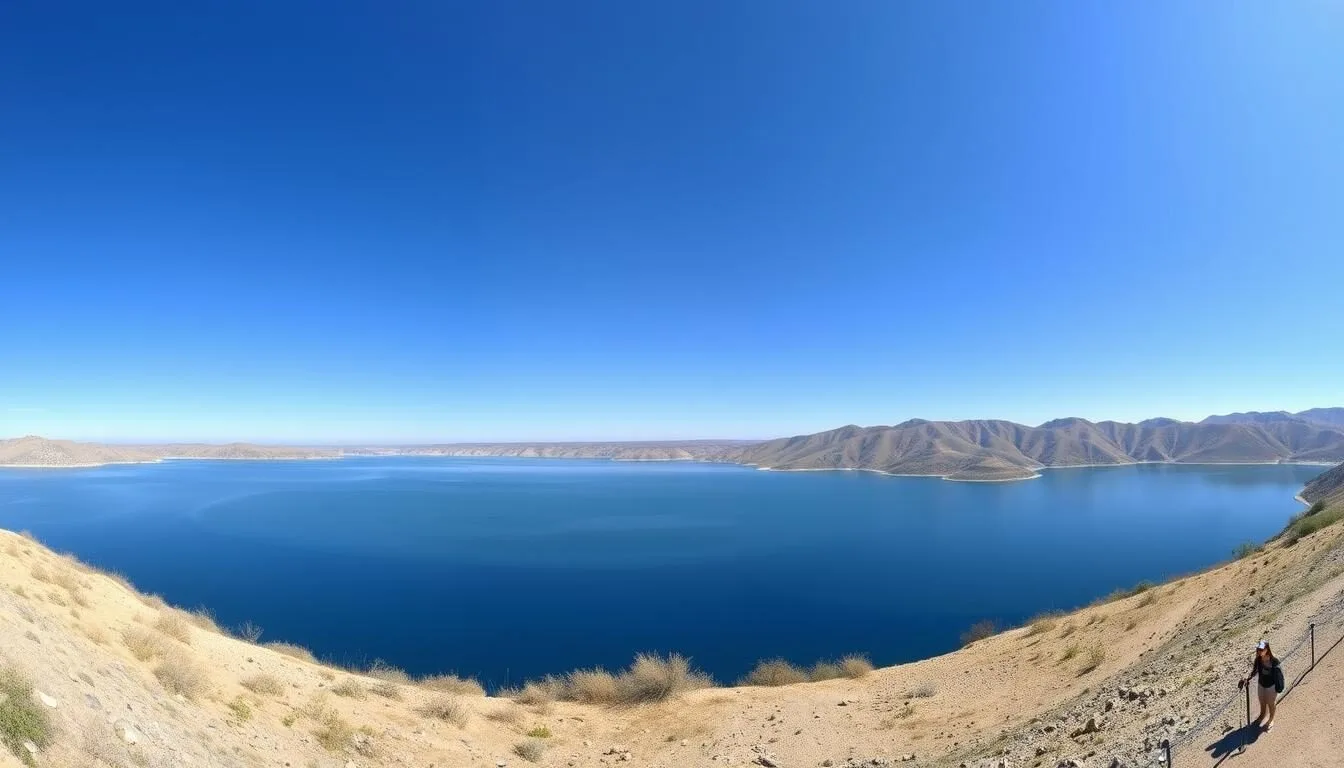
Did you know that San Luis Reservoir is home to California’s fifth-largest reservoir, storing enough water to fill over 2 million Olympic-sized swimming pools? This hidden gem in the western San Joaquin Valley offers a perfect blend of water recreation, hiking trails, and wildlife viewing opportunities that make it a must-visit destination for outdoor enthusiasts.
Nestled among the golden hills of Merced County, this magnificent 13,000-hectare (32,000-acre) recreation area provides visitors with three distinct lakes, diverse recreational activities, and breathtaking natural beauty. Whether you’re seeking adventure on the water or tranquility in nature, San Luis Reservoir has something for everyone.
Getting There & Planning Your Journey
San Luis Reservoir State Recreation Area is conveniently located in central California, approximately 152 km (95 miles) southeast of San Francisco. The recreation area sits along Highway 152, making it easily accessible for travelers from various directions.
Closest Airports
The nearest major airports to San Luis Reservoir are:
- San Jose International Airport (SJC) – 113 km (70 miles)
- Fresno Yosemite International Airport (FAT) – 121 km (75 miles)
- San Francisco International Airport (SFO) – 161 km (100 miles)
From these airports, you can rent a car to reach the recreation area. Having your own vehicle is highly recommended as public transportation options are limited in this rural region.
Driving Directions
From San Francisco: Take I-580 East to I-5 South, then Highway 152 West. The recreation area is approximately 7 miles west of I-5.
From Los Angeles: Take I-5 North to Highway 152 West. The recreation area is approximately 7 miles west of I-5.
From San Jose: Take Highway 101 South to Highway 152 East. The recreation area is approximately 33 miles east of Highway 101.
Best Time to Visit & Weather Tips
The climate at San Luis Reservoir varies significantly throughout the year, influencing the best times to visit depending on your preferred activities.
Recommended Seasons
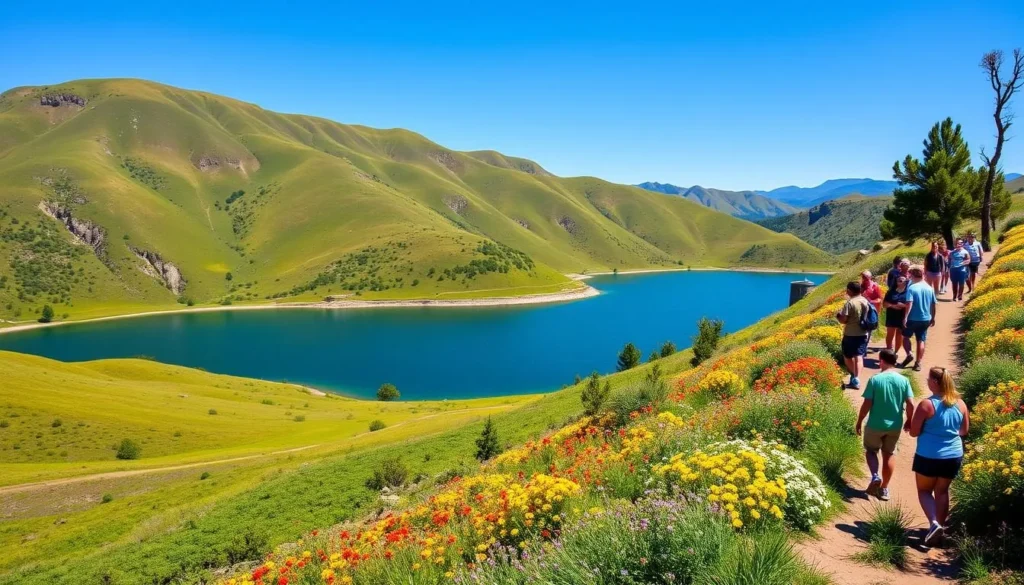
Spring (March-May): Perhaps the best time to visit San Luis Reservoir. Temperatures range from 16-26°C (60-80°F), and the surrounding hills transform from golden brown to vibrant green. Wildflowers bloom across the landscape, creating a spectacular display of colors. Spring also offers excellent fishing conditions as fish become more active.
Fall (September-November): Another ideal time to visit with comfortable temperatures between 18-29°C (65-85°F). The summer crowds have dispersed, and the water levels are typically still good for boating and fishing. The golden hills create a beautiful backdrop for outdoor activities.
Seasons to Avoid
Summer (June-August): While summer offers warm water for swimming, temperatures frequently soar above 32°C (90°F) and can exceed 38°C (100°F). The area is often windy, which can create challenging conditions for boating. If visiting in summer, plan activities for early morning or evening.
Winter (December-February): Temperatures are cooler, ranging from 5-16°C (40-60°F). Rainfall is more common, and fog can limit visibility. However, winter can be good for hiking when the weather is clear, and the park is less crowded.
| Season | Temperature Range | Precipitation | Recommended Activities |
| Spring (Mar-May) | 16-26°C (60-80°F) | Light | Hiking, fishing, wildlife viewing, photography |
| Summer (Jun-Aug) | 21-38°C (70-100°F) | Very rare | Early morning boating, swimming, evening picnics |
| Fall (Sep-Nov) | 18-29°C (65-85°F) | Light | Boating, fishing, hiking, camping |
| Winter (Dec-Feb) | 5-16°C (40-60°F) | Moderate | Hiking, bird watching, photography |
Getting Around Locally
San Luis Reservoir State Recreation Area spans a large territory with several distinct areas to explore. Having your own vehicle is essential for getting around the recreation area efficiently.
Park Areas
The recreation area consists of several key locations:
- San Luis Reservoir – The main reservoir and largest body of water
- O’Neill Forebay – A smaller reservoir perfect for beginners in water sports
- Los Banos Creek Reservoir – A quieter area with excellent fishing
- Basalt Campground – Primary camping area with facilities
- Medeiros Campground – More primitive camping experience
Roads within the park are well-maintained, making it easy to drive between different areas. Signs throughout the recreation area help visitors navigate to various attractions and facilities.
Where to Stay
San Luis Reservoir offers several accommodation options for visitors who wish to extend their stay and fully immerse themselves in the natural beauty of the area.
Campgrounds
The recreation area features four campgrounds, each offering a unique experience:
San Luis Creek Campground
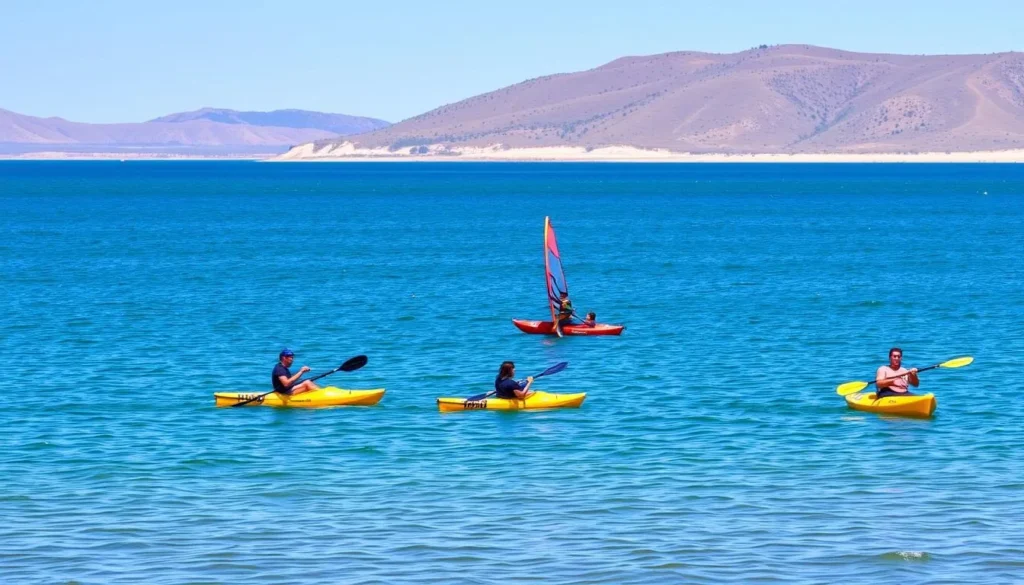
The most developed campground in the recreation area with 53 sites featuring water and electrical hookups. Facilities include restrooms, hot showers, and picnic tables. Most sites can accommodate RVs up to 9 meters (30 feet) in length. Reservations are recommended, especially during peak seasons.
Medeiros Campground
A more primitive camping experience with basic facilities. The campground offers potable water but no electrical hookups. It operates on a first-come, first-served basis and costs approximately $20 per night. This area is ideal for visitors seeking a more rustic experience.
Nearby Accommodations
If camping isn’t your preference, several lodging options are available in nearby towns:
- Los Banos (15 minutes east): Offers various hotels and motels ranging from budget to mid-range
- Santa Nella (10 minutes east): Features several chain hotels convenient for highway travelers
- Gilroy (40 minutes west): Provides additional accommodation options including higher-end hotels
Dining & Local Cuisine
While San Luis Reservoir itself has limited dining options, the surrounding areas offer various restaurants where you can enjoy local cuisine after a day of outdoor activities.
Within the Recreation Area
The recreation area has no permanent restaurants, but there is a seasonal camp store at O’Neill Forebay that sells basic supplies and snacks during peak months. Most visitors bring their own food for picnics or to cook at their campsites.
Nearby Dining Options
Los Banos (15 minutes east): This agricultural town offers a variety of dining options, with Mexican cuisine being particularly noteworthy. Local favorites include:
- Farm-to-table restaurants featuring fresh Central Valley produce
- Family-owned Mexican restaurants serving authentic regional dishes
- Classic American diners perfect for hearty breakfasts before a day at the reservoir
Santa Nella (10 minutes east): Known for its cluster of restaurants catering to travelers along I-5, including several fast-food options and the famous Pea Soup Andersen’s restaurant.
Gilroy (40 minutes west): Famous as the “Garlic Capital of the World,” Gilroy offers numerous restaurants featuring garlic-infused dishes and is worth the drive for food enthusiasts.

Attractions, Sightseeing & Activities
San Luis Reservoir State Recreation Area offers a wealth of attractions and activities for visitors of all interests, with water recreation being the primary draw.
Water Activities
Boating
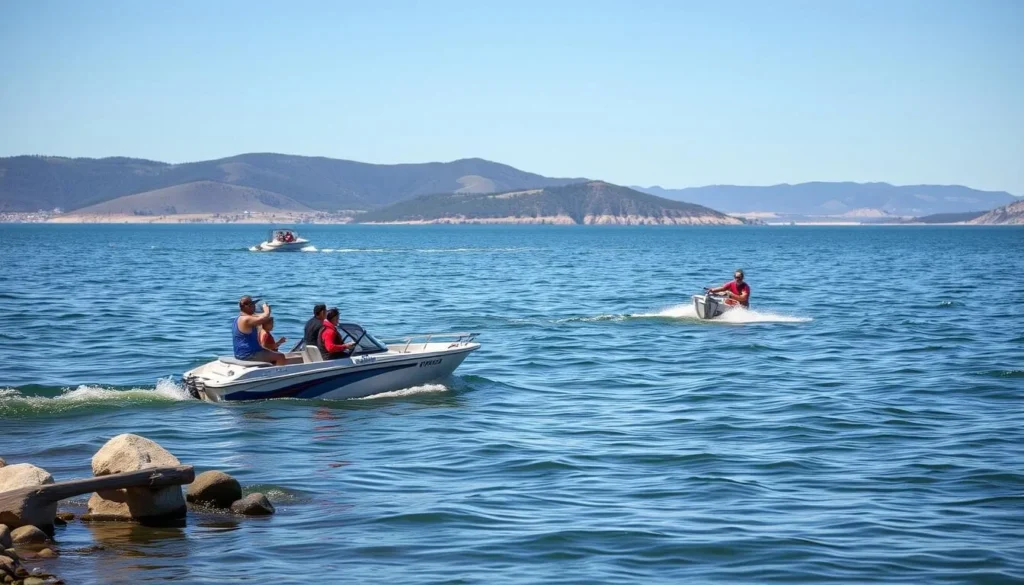
The expansive waters of San Luis Reservoir are perfect for boating enthusiasts. The main reservoir is ideal for experienced boaters, while O’Neill Forebay offers calmer waters suitable for beginners. Several boat launch ramps are available throughout the recreation area. Note that strong winds can develop suddenly, so always check weather conditions and observe the wind warning lights before heading out.
Fishing
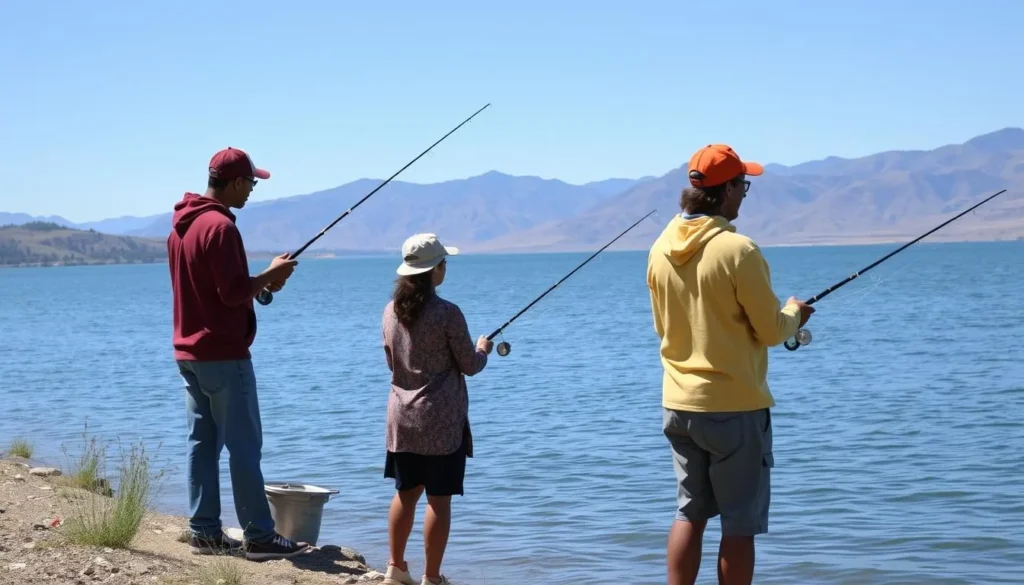
San Luis Reservoir is renowned for its excellent fishing opportunities. Anglers can catch striped bass, largemouth bass, smallmouth bass, and catfish. The best fishing spots vary by season, with different areas being productive at different times of the year. A valid California fishing license is required for anyone 16 years or older.
Land-Based Activities
Beyond water recreation, the park offers numerous land-based activities:
- Scenic Photography: The Romero Visitor Center overlook provides panoramic views of the reservoir and surrounding landscape, making it a perfect spot for photography.
- Picnicking: Several day-use areas feature picnic tables, BBQ grills, and shade structures ideal for family gatherings.
- Stargazing: The relatively remote location offers excellent night sky viewing with minimal light pollution.
Museums, Cultural Spots & Festivals
While San Luis Reservoir itself focuses primarily on natural attractions, the surrounding area offers several cultural and historical points of interest worth exploring.
Romero Visitor Center
Located at a scenic overlook, the Romero Visitor Center provides fascinating exhibits about the history and purpose of the reservoir. Displays explain the engineering behind the water project and its significance to California’s water management system. The center is administered by the California Department of Water Resources and offers educational materials about water conservation.
Nearby Cultural Attractions
- Mission San Luis Obispo de Tolosa: Located in San Luis Obispo (approximately 2 hours south), this historic mission founded in 1772 offers a glimpse into California’s Spanish colonial past.
- Los Banos City Museum: Showcases the agricultural heritage and development of the western San Joaquin Valley.
- Great Valley Grasslands State Park: Just a short drive away, this park preserves one of the few remaining native grassland habitats in California and has cultural significance related to the area’s indigenous history.
Annual Events
While the reservoir itself doesn’t host major festivals, nearby communities hold several annual events:
- Los Banos May Day Fair (May): One of the oldest continuous fairs in California, featuring agricultural exhibits, carnival rides, and local food.
- Gilroy Garlic Festival (July): World-famous celebration of all things garlic, located about 40 minutes west of the reservoir.

Sports, Nature & Outdoor Experiences
San Luis Reservoir State Recreation Area is a paradise for outdoor enthusiasts, offering diverse activities amid stunning natural surroundings.
Hiking Trails
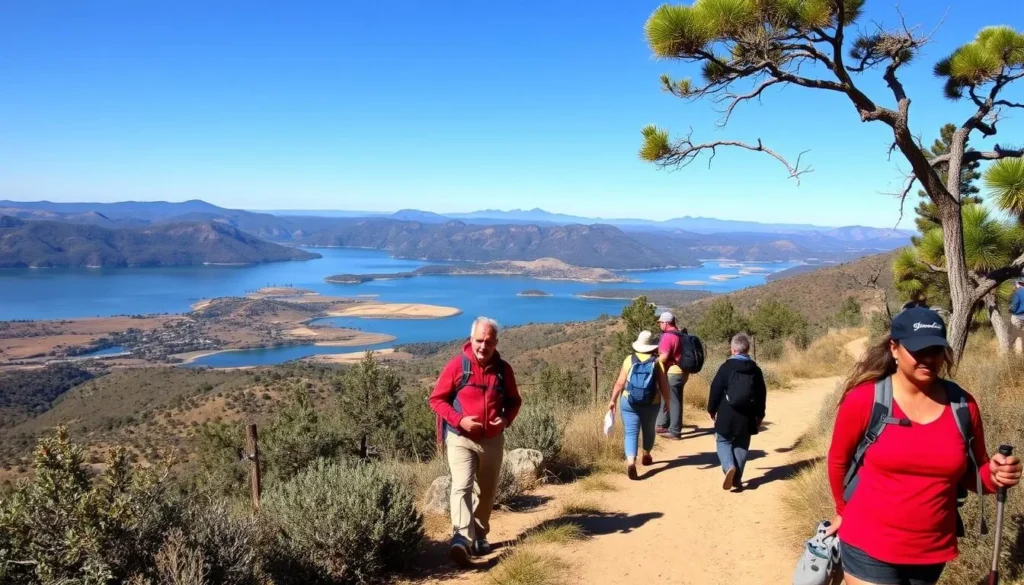
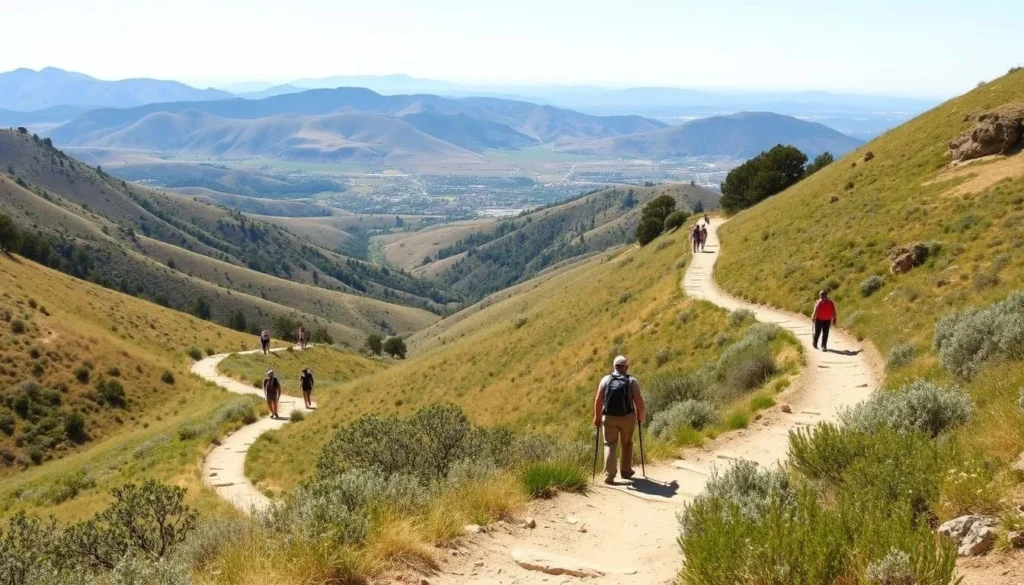
The recreation area features several hiking trails that showcase the beauty of the western San Joaquin Valley:
Basalt Area Trails
These trails range from easy to moderate difficulty and offer spectacular views of the reservoir. The changing landscape throughout the seasons provides different experiences, from green hills in spring to golden grasslands in summer and fall.
Dinosaur Point Trails
Located on the western side of the reservoir, these trails feature unique geological formations and panoramic vistas. The area is less crowded, offering a more secluded hiking experience.
Wildlife Viewing
The diverse ecosystems around San Luis Reservoir support a variety of wildlife:
- Bird Watching: The area is home to numerous bird species, including red-tailed hawks, golden eagles, and various waterfowl. Spring and winter are particularly good for bird watching, with migratory species passing through.
- Mammals: Keep an eye out for black-tailed deer, gray foxes, and coyotes, especially during early morning or evening hours.
- Reptiles: Various lizard and snake species can be observed during warmer months.
Water Sports
Beyond fishing and boating, the reservoir offers additional water-based activities:
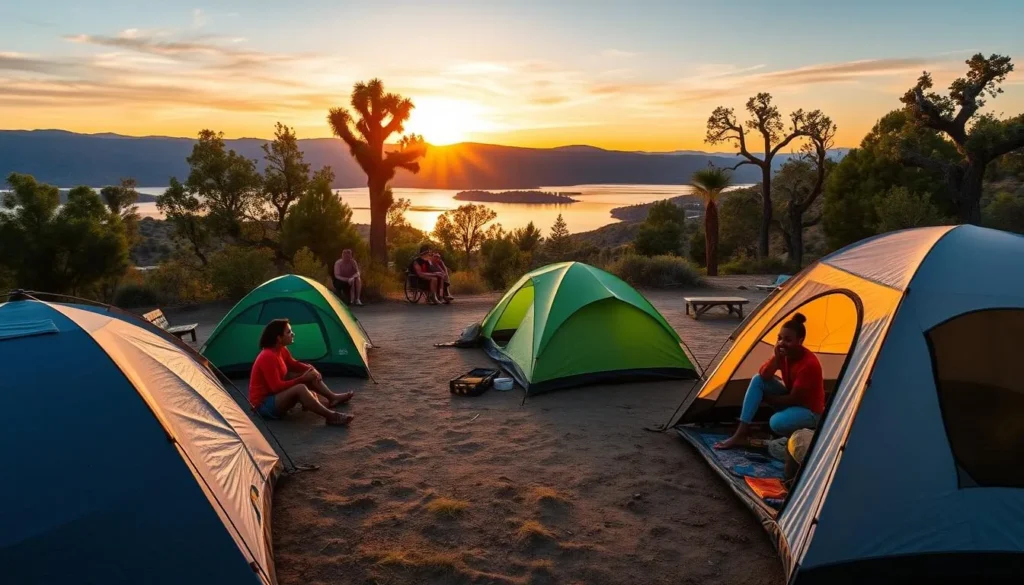
- Windsurfing: The consistent winds make San Luis Reservoir a popular destination for windsurfers, particularly at O’Neill Forebay.
- Swimming: Designated swimming areas are available at O’Neill Forebay, though swimming is not recommended in the main reservoir due to strong currents and winds.
Safety, Etiquette & Local Customs
Ensuring a safe and respectful visit to San Luis Reservoir requires awareness of several important considerations.
Water Safety
The reservoir can experience sudden changes in conditions that pose risks to visitors:
- Wind Conditions: Pay close attention to the wind warning lights located at various points around the reservoir. When lights are flashing, conditions are dangerous for boating.
- Life Jackets: Always wear life jackets when on boats or near the water, regardless of swimming ability.
- Swimming Areas: Only swim in designated areas at O’Neill Forebay. Swimming in the main reservoir is not recommended due to strong currents and sudden drop-offs.
Environmental Etiquette
Preserving the natural beauty of the recreation area is everyone’s responsibility:
- Pack In, Pack Out: Take all trash with you when leaving. There are limited waste facilities in some areas.
- Fire Safety: Only use designated fire rings at campsites and always fully extinguish fires. Fire restrictions may be in place during dry seasons.
- Wildlife Respect: Observe wildlife from a distance and never feed animals.
- Invasive Species Prevention: Clean, drain, and dry all watercraft before and after use to prevent the spread of invasive species like quagga mussels.
Local Regulations
Be aware of specific rules that apply to the recreation area:
- Pets: Dogs are only allowed in campground areas and must be kept on leashes no longer than 1.8 meters (6 feet).
- Fishing Licenses: Valid California fishing licenses are required for anglers 16 years and older.
- Park Hours: The recreation area is typically open from 6:00 AM until sunset, with all boats required to be off the water by sunset.
Visitor Comments About San Luis Reservoir
“San Luis Reservoir surprised me with its beauty and tranquility. We spent three days camping and fishing, catching several nice-sized striped bass. The sunrise views over the water were absolutely spectacular, and the hiking trails offered a perfect balance to our time on the boat. Will definitely return in the spring to see the wildflowers.”
“Our family has been visiting San Luis Reservoir for years, and it never disappoints. The O’Neill Forebay is perfect for teaching kids to fish and enjoy water sports in a safer environment than the main reservoir. We love the spacious campsites at San Luis Creek Campground, though they fill up quickly in summer. Pro tip: visit in late April when the hills are still green but the crowds haven’t arrived yet.”
“As an international traveler, I found San Luis Reservoir to be an unexpected highlight of my California journey. The vast open spaces and dramatic landscape were unlike anything in my home country. I particularly enjoyed bird watching near Los Banos Creek Reservoir, where I spotted several species I had never seen before. The staff at the visitor center were extremely helpful in providing information about the area’s history and ecology.”
Additional Nearby Destinations
While San Luis Reservoir offers plenty to keep visitors engaged, several worthwhile attractions within driving distance can enhance your trip to the area.
Pacheco State Park
Located just west of San Luis Reservoir, this 2,600-hectare (6,500-acre) park offers additional hiking trails with spectacular views of the Central Valley and Coast Range. The park preserves part of the historic Rancho San Luis Gonzaga and features diverse wildlife and spring wildflower displays.
Great Valley Grasslands State Park
About 30 minutes northeast of San Luis Reservoir, this park protects one of the few remaining native grassland habitats in California. It’s an excellent spot for bird watching, with over 100 species documented in the area, and offers a glimpse into what the San Joaquin Valley looked like before agricultural development.
Pinnacles National Park
Approximately 1.5 hours southwest of San Luis Reservoir, Pinnacles National Park features unique rock formations created by an ancient volcano. The park offers challenging hiking trails, rock climbing opportunities, and the chance to spot California condors, one of the rarest bird species in North America.
Practical Travel Tips
Make the most of your visit to San Luis Reservoir with these helpful tips:
What to Pack
- Sun Protection: The area receives abundant sunshine year-round. Bring sunscreen, hats, and sunglasses.
- Layers: Even in summer, temperatures can drop significantly in the evening. Pack layers to stay comfortable throughout the day.
- Wind Protection: Given the area’s propensity for strong winds, windbreakers or light jackets are recommended.
- Binoculars: Essential for wildlife viewing and appreciating the expansive landscape.
- Water Containers: Bring plenty of water, especially during hot months, as drinking water is only available at certain locations.
Practical Information
Entrance Fees
Day-use fees apply for vehicle entry, typically around $10 per vehicle. Annual passes are available for frequent visitors through the California State Parks system. Camping fees are separate and vary by campground and amenities.
Cell Service & Connectivity
Cell phone reception is generally good near the main facilities but can be spotty in more remote areas of the recreation area. Download maps and information before your visit if possible.
Accessibility
San Luis Reservoir State Recreation Area offers several accessible features:
- Accessible campsites at San Luis Creek Campground with paved surfaces and adapted facilities
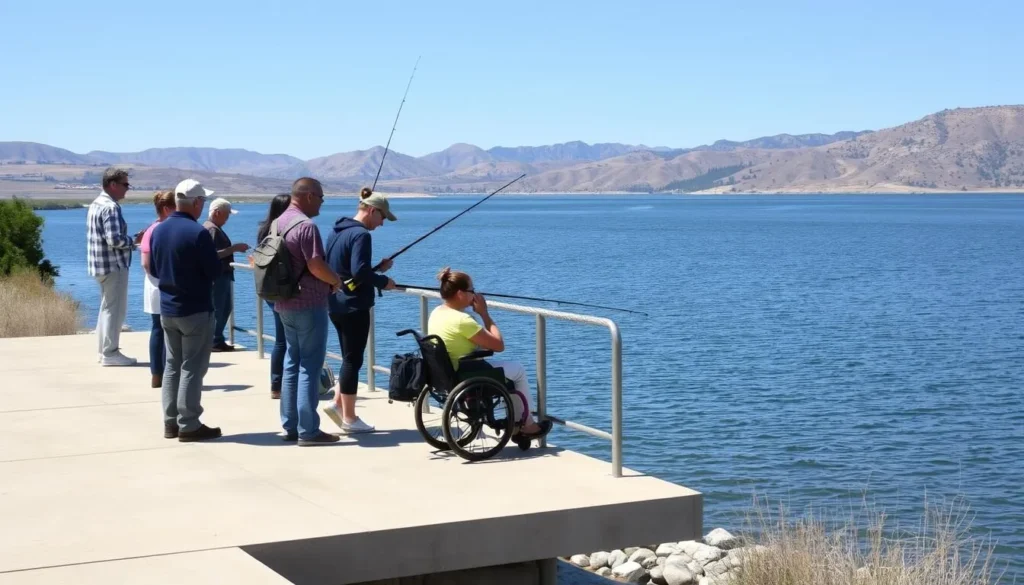
- Accessible fishing platforms at O’Neill Forebay
- Accessible restrooms at major day-use areas and visitor centers
- Accessible picnic areas with adapted tables
Your Perfect Outdoor Escape Awaits
San Luis Reservoir State Recreation Area stands as a testament to California’s diverse natural beauty and recreational opportunities. From the thrill of boating across its expansive waters to the tranquility of hiking its scenic trails, this hidden gem offers a perfect escape from the hustle and bustle of everyday life.
Whether you’re an avid angler seeking trophy-sized striped bass, a nature photographer capturing the golden hills against blue waters, or a family looking for a memorable camping experience, San Luis Reservoir delivers unforgettable moments in a stunning natural setting.
As you plan your visit, remember that each season brings its own unique charm to this remarkable destination. The vibrant wildflowers of spring, the recreational possibilities of fall, and even the serene solitude of winter each provide distinctive experiences worth exploring. Pack your sense of adventure and discover why San Luis Reservoir State Recreation Area remains one of California’s most cherished outdoor destinations.
Related Posts
Chinatown Los Angeles, California: Best Things to Do – Top Picks

Chinatown San Francisco, California: Best Things to Do – Top Picks

Zuma Beach, Malibu, California: Best Things to Do – Top Picks
Yerba Buena Island, California: Best Things to Do – Top Picks
Woodson Bridge State Recreation Area, California: Best Things to Do – Top Picks
Woodland Opera House State Historic Park, California: Best Things to Do – Top Picks
Coming Soon: Clickable Maps