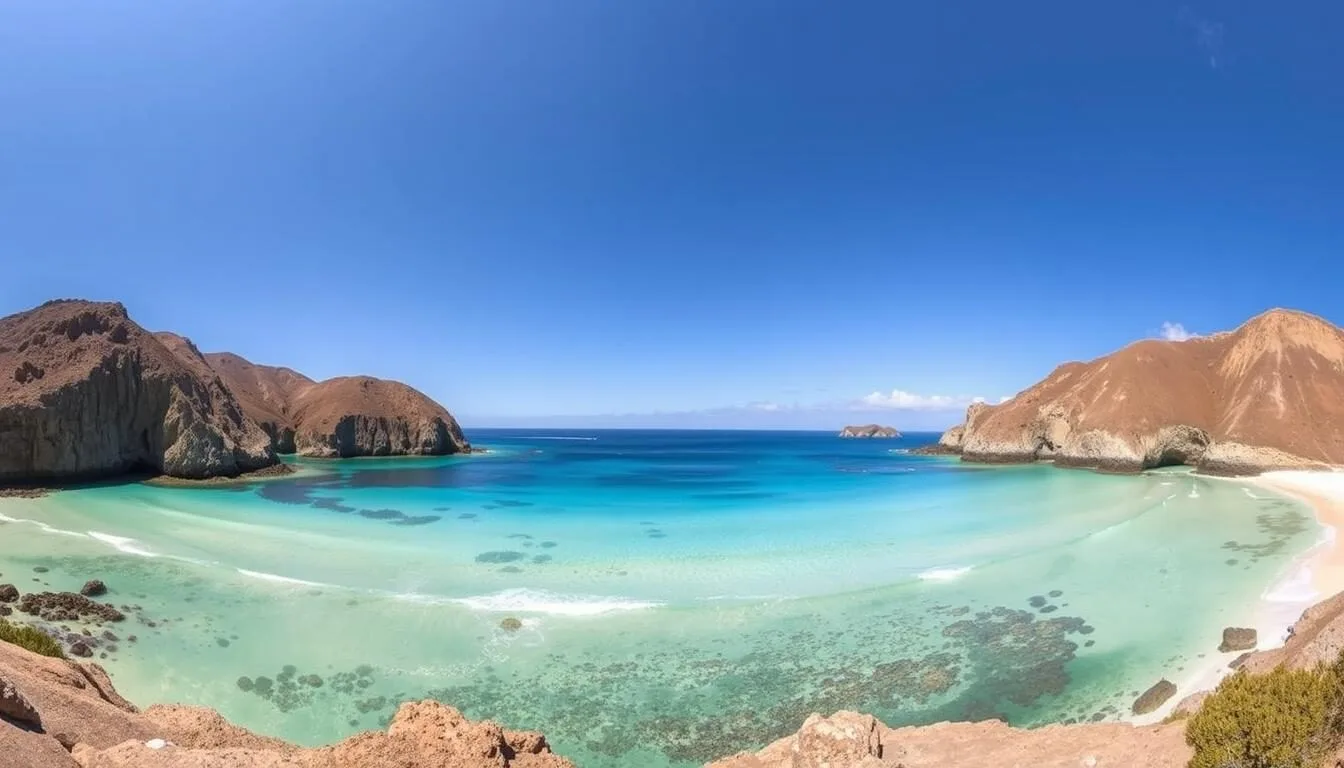
Hotels by Trip.com
Flights by Trip.com
Did you know that San Nicolas Island was the real-life setting for the famous novel “Island of the Blue Dolphins”? This remote 22.7 sq km (8.7 sq mile) island, the most isolated of California’s Channel Islands, was home to the “Lone Woman of San Nicolas Island” who survived alone for 18 years in the mid-1800s. Today, this mysterious destination offers adventurous travelers a rare glimpse into pristine California landscapes largely untouched by human development.
Getting There & Planning Your Journey
San Nicolas Island sits approximately 98 km (61 miles) from the mainland California coast. As a military installation operated by the US Navy, access is restricted and requires special permission. Most visitors are researchers, military personnel, or participants in authorized tours.
Closest Airports
The nearest commercial airports to the Channel Islands region are:
- Santa Barbara Airport (SBA) – 166 km (103 miles)
- Los Angeles International Airport (LAX) – 209 km (130 miles)
- Hollywood Burbank Airport (BUR) – 193 km (120 miles)
Boat Transportation
Unlike other Channel Islands that offer regular public transportation via Island Packers Cruises, San Nicolas Island requires special arrangements. Visitors typically need to coordinate with authorized tour operators who have permission to land on the island. These specialized trips are limited and often focus on scientific or educational purposes.
Best Time to Visit & Weather Tips
San Nicolas Island experiences a mild Mediterranean climate moderated by the Pacific Ocean. The island is known for its persistent winds, which can be quite strong throughout the year.
Recommended Seasons
- Late Spring (April-May): Mild temperatures around 18-21°C (65-70°F) with wildflowers in bloom
- Summer (June-August): Warmest period with temperatures averaging 21-24°C (70-75°F), ideal for water activities
- Early Fall (September-October): Pleasant temperatures and typically clearer skies
Seasons to Avoid
- Winter (December-February): Cooler temperatures around 13-16°C (55-60°F) with higher chance of rain and rough seas
- Foggy periods: The island can experience heavy fog, particularly in May and June mornings

Pack layers regardless of when you visit, as the strong winds can make the island feel cooler than the actual temperature. Sunscreen, a hat, and sunglasses are essential year-round due to the island’s exposed nature.
Getting Around Locally
San Nicolas Island has limited infrastructure and restricted access areas due to its military status. Transportation on the island is highly regulated.
Transportation Options
- Guided Tours: Most visitors explore the island as part of authorized guided tours, which typically provide transportation to approved areas
- Walking: Some areas may be accessible by foot, but always with guides who know the permitted zones
- Military Vehicles: For official visitors, transportation may be provided by naval base personnel
Remember that San Nicolas Island contains sensitive military installations, wildlife habitats, and archaeological sites. Always follow guide instructions and never venture into restricted areas.
Where to Stay
Unlike other Channel Islands that offer camping options, overnight stays on San Nicolas Island are extremely limited and typically reserved for military personnel, researchers, and contractors with official business.
Accommodation Options
- Navy Facilities: Basic dormitory-style accommodations are available for authorized personnel
- Research Stations: Scientists conducting approved research may stay at designated facilities
Mainland Accommodations
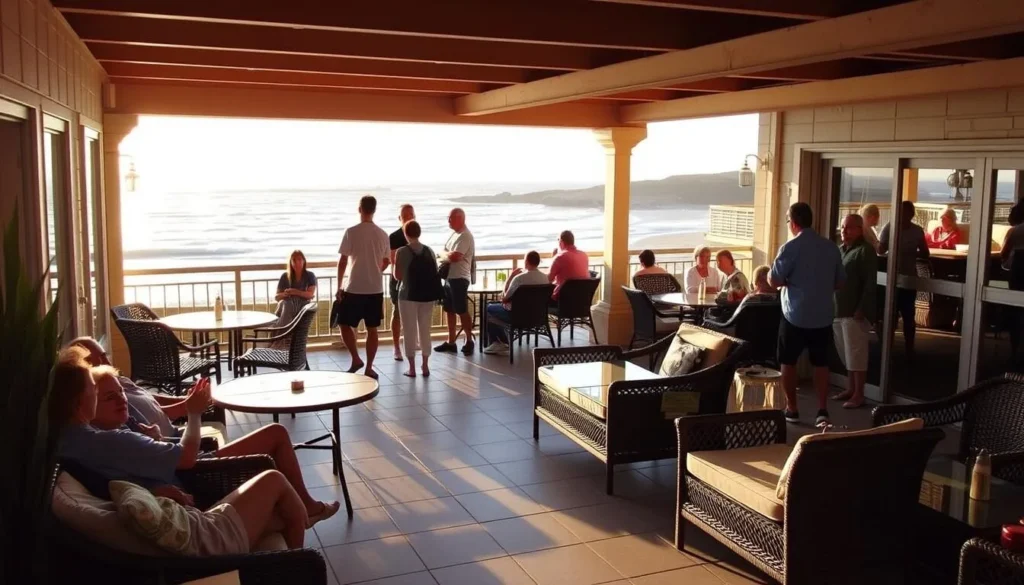
Most visitors stay in mainland coastal communities and arrange day trips to the island (when permitted). Consider these nearby mainland options:
- Ventura: The gateway city to Channel Islands National Park with numerous hotels and vacation rentals
- Oxnard: Offers beachfront accommodations and is close to departure points
- Santa Barbara: More upscale accommodations about an hour north of Ventura
Dining & Local Cuisine
There are no public dining facilities on San Nicolas Island. The island has a small commissary and dining facility that serves military personnel and authorized visitors.
Food Preparation
- Pack Food: If visiting for the day, bring all necessary food and snacks
- Water: Bring plenty of drinking water as facilities are limited
Mainland Dining
Before or after your island visit, explore the rich culinary scene of California’s coastal communities:
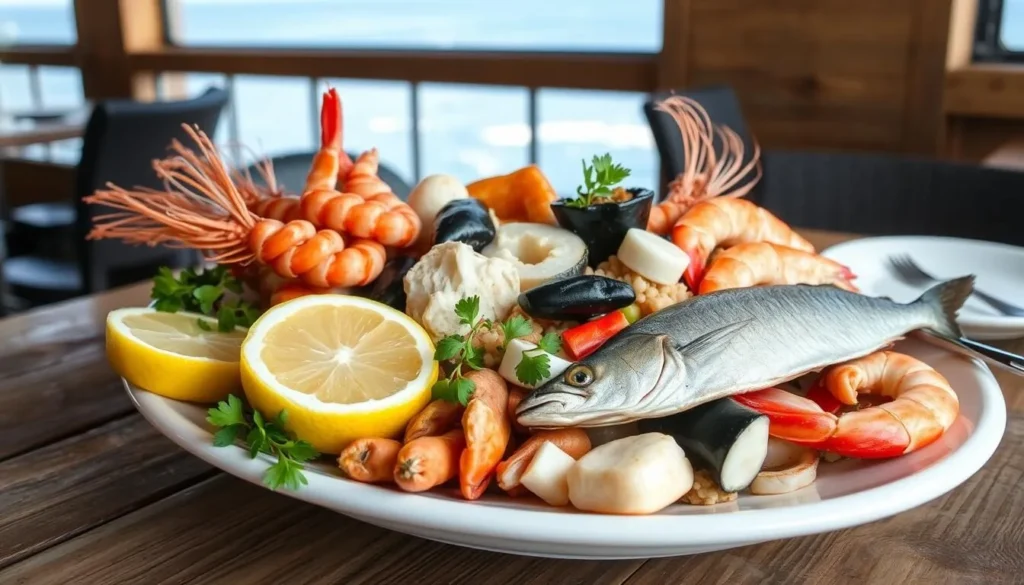
- Fresh Seafood: The Ventura and Santa Barbara regions are known for excellent fresh-caught seafood
- California Cuisine: Farm-to-table restaurants featuring local produce and wines
- Mexican Influence: Authentic Mexican restaurants reflecting Southern California’s cultural heritage
Attractions, Sightseeing & Activities
Despite its restricted status, San Nicolas Island offers remarkable natural attractions for those fortunate enough to visit through authorized channels.
✓ Check 30,000+ Local Sightseeing Tours Worldwide
Top Natural Attractions
- Pristine Beaches: The island features some of California’s most untouched beaches with unique shell collections
- Elephant Seal Rookery: One of the island’s highlights is observing elephant seals in their natural habitat
- Sand Dunes: Impressive dune formations shaped by the island’s persistent winds
- Coastal Bluffs: Dramatic cliff formations offering spectacular ocean views

Historical Sites
The island contains significant archaeological sites related to the Native Nicoleño people who inhabited the island for thousands of years. These sites are protected and access is typically limited to researchers with special permits.
The island also features the approximate location where Juana Maria (the “Lone Woman of San Nicolas Island”) lived in isolation for 18 years until her discovery in 1853, inspiring the novel “Island of the Blue Dolphins.”
Museums, Cultural Spots & Festivals
While San Nicolas Island itself has limited cultural facilities open to the public, you can learn about its rich history through mainland museums and cultural centers.
Mainland Cultural Attractions
- Channel Islands National Park Visitor Center (Ventura): Exhibits about all Channel Islands including San Nicolas
- Santa Barbara Museum of Natural History: Features exhibits on Channel Islands ecology and Native American artifacts
- Ventura County Museum: Historical exhibits including information about the Channel Islands
Annual Events
While San Nicolas Island doesn’t host public events, several mainland celebrations honor Channel Islands heritage:
- Channel Islands Harbor Seafood Festival (October): Celebrates local seafood and maritime culture
- Santa Barbara Sea Festival (Summer): Features activities related to ocean conservation and Channel Islands ecology
Sports, Nature & Outdoor Experiences
For those with authorized access, San Nicolas Island offers exceptional outdoor experiences in a pristine environment largely untouched by development.
Wildlife Viewing
- Marine Mammals: Observe elephant seals, harbor seals, sea lions, and occasionally dolphins and whales
- Birdwatching: The island hosts numerous seabird species including western gulls, cormorants, and the rare San Nicolas Island fox
- Island Fox: San Nicolas has its own subspecies of island fox found nowhere else on Earth

Water Activities
When permitted and with proper authorization:
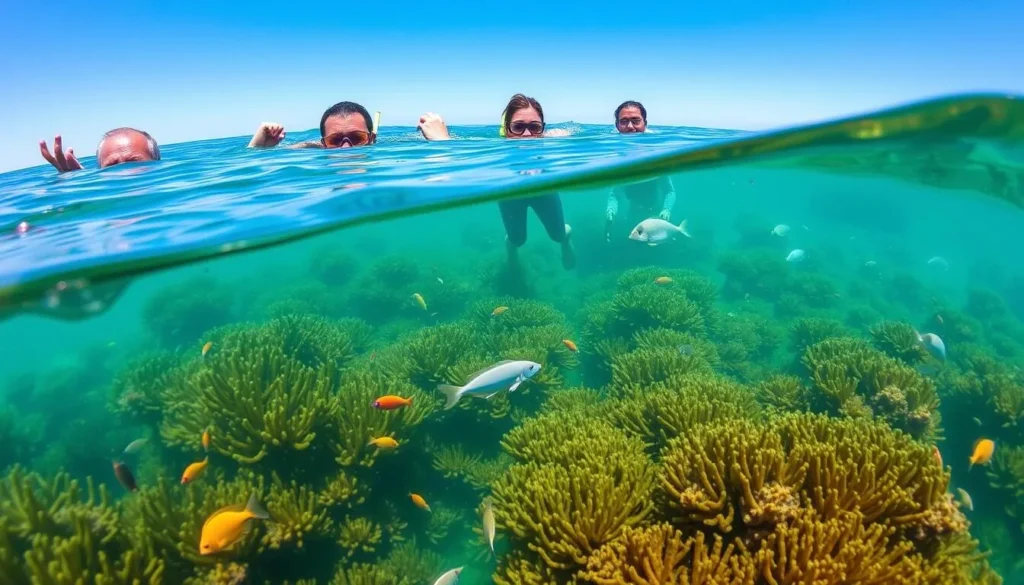
- Snorkeling: The waters surrounding the island offer excellent visibility and diverse marine life
- Diving: With proper permits, experienced divers can explore kelp forests and underwater rock formations
- Kayaking: Limited kayaking opportunities may be available along designated shorelines
Hiking
Guided hiking opportunities on authorized trails showcase the island’s unique terrain, from coastal bluffs to interior grasslands. All hiking is conducted with guides who ensure visitors remain in permitted areas and respect sensitive habitats.
Safety, Etiquette & Local Customs
Visiting San Nicolas Island requires strict adherence to safety protocols and respect for both military operations and natural resources.
Important Safety Considerations
- Military Installation: Always follow instructions from military personnel and never enter restricted areas
- Wildlife Protection: Maintain safe distances from all wildlife, especially marine mammals
- Archaeological Sites: Never disturb or remove artifacts, as they are protected by federal law
- Ocean Conditions: Be aware that currents and waves can be dangerous; always consult guides before entering the water
- Weather Preparedness: The island’s weather can change rapidly; bring appropriate clothing for wind and sun protection
Visitor Etiquette
- Leave No Trace: Pack out all trash and leave natural areas as you found them
- Photography Restrictions: Certain areas may prohibit photography due to military operations
- Noise Control: Keep voices down near wildlife areas to avoid disturbing animals
Visitor Comments About San Nicolas Island
“Our guided tour to San Nicolas was the highlight of our California trip. The pristine beaches and wildlife viewing were unmatched anywhere else I’ve been. Seeing the island foxes in their natural habitat was magical. Just remember to bring layers – the wind can be intense!”
“I visited San Nicolas as part of a scientific expedition and was amazed by the untouched beauty. The underwater visibility for snorkeling was incredible – like swimming in an aquarium. The historical significance of the island adds another fascinating dimension to the experience.”
“As someone who’s visited all the Channel Islands, San Nicolas stands out for its remoteness and pristine condition. The elephant seal colony was spectacular, and the dunes are unlike anything else in California. Worth the extra effort to arrange a visit if you can secure permission.”
Additional Nearby Destinations
While arranging your visit to San Nicolas Island, consider exploring these more accessible Channel Islands and mainland destinations:

Other Channel Islands
- Santa Cruz Island: The largest and most visited island in Channel Islands National Park, offering camping, hiking, kayaking, and snorkeling
- Anacapa Island: Known for its iconic arch rock formation and seabird colonies
- Santa Rosa Island: Features rare Torrey pines, beautiful beaches, and diverse hiking trails
Mainland Attractions
- Ventura Harbor: Charming harbor with shops, restaurants, and the Channel Islands National Park Visitor Center
- Santa Barbara: Beautiful coastal city with Spanish architecture, beaches, and wine country
- Point Mugu State Park: Offers hiking trails with ocean views and beach access
Practical Travel Tips
Essential Packing List
- Layered Clothing: The island can be windy and temperatures can change quickly
- Sun Protection: Hat, sunglasses, and high-SPF sunscreen
- Sturdy Footwear: Comfortable hiking shoes with good traction
- Binoculars: Essential for wildlife viewing
- Water Bottle: Bring plenty of water as facilities are limited
- Camera: Capture the island’s unique landscapes and wildlife
- Motion Sickness Medication: The boat journey can be rough

Planning Ahead
- Permissions: Research how to obtain necessary permits or join authorized tours well in advance
- Weather Check: Monitor weather conditions as trips may be canceled due to high winds or rough seas
- Physical Preparation: Some activities require good physical condition; prepare accordingly
- Communication: Cell service is limited or non-existent; inform someone of your travel plans
The Untamed Beauty Awaits
San Nicolas Island represents one of California’s last truly wild places – a destination that few have the privilege to experience. Its combination of military history, natural wonders, and cultural significance creates an unparalleled adventure for those who make the journey. Whether you’re tracking island foxes across windswept dunes, snorkeling in crystal-clear waters, or simply standing in awe of untouched beaches, San Nicolas Island offers a rare glimpse into California’s pristine past. While planning your visit requires extra effort due to access restrictions, those who persevere are rewarded with memories of an island paradise that time forgot.
When preparing for a cruise, it is easy to remember the obvious items: swimsuits, formal wear, sunscreen, and flip-flops. However, cruise ship cabins are highly unique environments with specific regulations and structural layouts that differ completely from standard hotel rooms.
If you only pack like you are staying at a land-based resort, you might find yourself dealing with a dead phone battery, a damp swimsuit, or a cabin door that slams shut at the slightest breeze.
To ensure your cabin functions perfectly, add these five unexpected, high-utility essentials to your packing list.
1. Magnetic Cabin Hooks
Space is at a premium inside a standard stateroom, and counter space can disappear quickly once you unpack your toiletries and electronics.
Why you need them: Cruise ship walls are not made of drywall; they are constructed from solid steel. This means the entire cabin is a giant magnet-friendly zone. Heavy-duty magnetic hooks can be slapped directly onto the walls or ceiling to create instant hanging space.
Best uses: Hang up your wet swimsuits to dry, air out your formal wear, or hang your lanyards, hats, and day bags right by the door so they don't clutter up the desk.
2. A Cruise-Approved Power Strip (No Surge Protectors)
Older cruise ships are notorious for having only one or two electrical outlets in the entire room, which is a major issue if you need to charge phones, cameras, tablets, and smartwatches overnight.
Why you need them: You cannot simply grab any extension cord from your house. Cruise lines strictly prohibit standard household surge protectors because they pose a severe fire hazard to the ship’s unique electrical grid. Security will confiscate them at the luggage scanner.
What to buy instead: Look for an extension block explicitly labeled as "Non-Surge Protected" or certified cruise-compliant. Many of these feature a mix of traditional outlets and USB ports to handle all your devices safely.
3. Over-the-Door Organizer
The bathroom vanity in a cruise cabin is notoriously small, often featuring just a couple of narrow glass shelves to hold everything for multiple passengers.
Why you need them: A clear, plastic over-the-door shoe organizer hung on the back of your bathroom door keeps all your small items visible and off the limited counter space.
Best uses: It is perfect for storing sunscreen, medications, makeup, hairbrushes, room cards, sunglasses, and charging cables.
4. A Heavy Rubber Doorstop
Cruise ship cabin doors are heavy, fire-rated steel structures equipped with intense automatic closing mechanisms designed to slam the door shut immediately behind you.
Why you need them: If you are trying to coordinate with family members in a nearby room, carrying heavy luggage over the threshold during embarkation day, or enjoying a breeze while sitting out on your private balcony, a heavy rubber doorstop is a lifesaver. It keeps the door securely propped open without relying on a heavy suitcase to hold it back.
5. Lanyards or Card Holders
Your room key (often called a cruise card) is your lifeblood on the ship. It acts as your room key, your identification boarding and leaving the ship at port, and your digital wallet for every onboard purchase.
Why you need them: Because men's swim trunks and women's sundresses rarely have deep, secure pockets, it is incredibly easy to misplace a loose plastic card while lounging on a pool deck chair. A simple lanyard or a sticky card sleeve attached to the back of your smartphone keeps your card safe and accessible at all times.
🛑 A Quick Warning on Prohibited Items
Before adding extra items to your luggage, remember that cruise lines ban heating elements to prevent fires. Leave the clothing irons, steamers, hot plates, and candles at home—the ship’s laundry service or a bottle of wrinkle-release spray can handle your wrinkled clothes instead.
When booking a cruise stateroom, you face one final choice after picking your deck and room category: Port or Starboard?
For decades, maritime tradition has designated the left side of the ship as Port (think of how both words have four letters) and the right side as Starboard when facing forward toward the bow.
Many first-time cruisers stress over this choice, worried they will spend a week staring at the empty ocean while passengers on the opposite side enjoy stunning postcard views. Let’s clear up the myths and look at how to choose the ideal side of the ship for your next vacation.
The Sunset Myth: Can You Guarantee a View?
The single most common reason travelers agonize over port vs. starboard is wanting to watch the sunset from their private balcony.
The Reality: Unless your cruise is a straight line going in one direction for seven days, the ship will be constantly changing heading. It snakes around islands, navigates twisting fjords, and turns around completely to head home.
The Math: If you are sailing south, the starboard side faces west (sunset) and the port side faces east (sunrise). When you turn around to sail north back to your home port, those views swap completely.
3 Scenarios Where the Side of the Ship Matters
While general ocean crossings make the side of the ship mostly irrelevant, there are three specific travel scenarios where your choice will drastically impact your experience.
1. One-Way Landfall Itineraries (e.g., Alaska or Europe Northbound)
If you are taking a cruise that begins in one city and ends in another without turning back, the side of the ship is critical.
Northbound Alaska: If you are sailing north from Vancouver or Seattle up to Seward or Whittier, the starboard side will face the dramatic mountain ranges, coastal forests, and passing wildlife for the majority of the trip. The port side will face the open Pacific Ocean.
Southbound Alaska: If you are starting up north and sailing south, you want the port side to stay facing the coastline.
2. Scenic Cruising Days (Glaciers and Fjords)
Some itineraries feature dedicated days where the ship sails deep into a narrow bay or fjord strictly for sightseeing, such as Glacier Bay in Alaska or the Geirangerfjord in Norway.
The Reality: Captains want everyone to get their money's worth. When entering a scenic area, the ship will typically slow down or spin a full 360 degrees in front of major landmarks so both sides of the vessel get a view.
The Catch: While both sides get a view eventually, one side will get it while you are getting ready in the morning, and the other will get it while you are at lunch.
3. Iconic Harbor Departures
Sailing out of certain world-famous ports offers spectacular sights right from your balcony—if you choose correctly.
Sailing out of New York City: If you want a close-up, unobstructed view of the Statue of Liberty as the ship heads out to the Atlantic, you need to be on the port side.
What About Docking at the Pier?
A common belief is that the port side always faces the cruise terminal or town dock. After all, it's called the "port" side for a reason.
In the modern cruising world, this is completely false. How a ship docks depends entirely on:
Coast Guard or Local Regulations: Marine traffic safety dictates how a ship must enter a harbor.
Ship Maintenance: Ships often dock with a specific side facing the pier so crew members can paint the hull or perform safety drills on the lifeboats.
Port Availability: If multiple ships are docked side-by-side, the captain will park whichever way fits safely.
You have a 50/50 chance of facing the bustling town or the open water on either side of the ship when tied up at a pier.
Summary Checklist: How to Choose
If you are still undecided, use these guidelines to make your final choice:
Choose Port If: You are taking a one-way southbound itinerary, love watching the sunrise while heading south, or want a view of the skyline when departing certain eastern ports.
Choose Starboard If: You are taking a one-way northbound itinerary, prefer watching the sunset while heading south, or enjoy seeing the coast while sailing north.
Choose Mid-Ship (Regardless of Side) If: You are prone to motion sickness. Staying low and centered on the ship matters significantly more for stability than being on the left or right side.
When booking a cruise, it is incredibly easy to get swept up in the excitement of choosing between an interior, oceanview, or balcony room. Cruise lines make every cabin look like a pristine, peaceful sanctuary in their brochure photos.
But seasoned cruisers know a hard truth: A cabin’s location on the deck plan matters significantly more than the room type itself.
If you choose the wrong spot, you could find yourself sleeping directly beneath a pounding nightclub subwoofer, or waking up at 5:00 AM to the sounds of metal lounge chairs scraping across a deck. To ensure your next vacation is actually relaxing, pull up your ship’s deck plan and ensure you aren’t accidentally booking one of these five problematic cabin locations.
1. The "Lido Deck Victim" (Directly Under the Pool or Buffet)
This is arguably the most common mistake first-time cruisers make. They see a cabin on a high deck just one floor below the pool and think, "Perfect! I’m only steps away from the action."
The Reality: The deck directly above you isn't just a place to swim; it is a high-traffic service zone. At 5:30 AM every single morning, the crew begins dragging hundreds of heavy, metal-framed lounge chairs across the deck to set up for the day, creating a loud, screeching noise that radiates straight through your ceiling.
How to avoid it: Always look at the deck plan for the level directly above your cabin. If it's the pool deck, the buffet, or a sports court, change your room.
2. The Late-Night Noise Trap (Above Nightclubs and Bars)
Conversely, you also have to look at what is directly below your feet. Many modern mega-liners place passenger cabins directly above the ship's main promenade, theater, or entertainment district.
The Reality: If your room sits over the main theater, a busy piano bar, or the nightclub, you are going to experience intense ambient noise. Even if a ship has great soundproofing, bass frequencies travel effortlessly through steel hulls. If the nightclub thumps until 2:00 AM, your cabin walls will likely vibrate right along with it.
The Worst Culprit: Cabins located near the aft (rear) elevator banks on lower passenger decks are notorious for sitting right over the ship's loudest late-night lounges.
3. The "Early Morning Wake-Up Call" (Lower Forward Cabins)
If you are trying to save money, the lowest passenger decks at the very front (bow) of the ship often look like an incredible bargain.
The Reality: These rooms face two major issues: motion and mechanics. The front of the ship acts like a teeter-totter; it pitches up and down far more dramatically than the middle of the ship, making it a nightmare if you are prone to seasickness.
The Hidden Noise: When the ship arrives at a port early in the morning, the captain will fire up the bow thrusters to maneuver, causing the entire front of the ship to vibrate violently. If the ship is dropping anchor rather than docking at a pier, the massive, clanging anchor chains are housed right next to these forward walls.
4. The Elevator Bank Bottleneck
Being close to the elevators seems like a great accessibility hack to cut down on walking down those incredibly long cruise ship corridors.
The Reality: Elevator lobbies are the primary meeting points on the ship. You will have to deal with the constant "ding" of the elevator doors opening and closing all night. Worse, you will hear crowds of high-energy passengers talking, laughing, and shouting as they return to their rooms after a few drinks at the bar.
5. Connecting Cabins (When You Don't Know the Neighbors)
Connecting cabins have a physical interior door that links two adjacent rooms—perfect for families traveling together. But if you are a solo traveler or a couple booking a standard room, cruise lines will frequently assign you a connecting room if it’s the last one available.
The Reality: An interior wooden connecting door provides significantly less sound insulation than a solid steel wall. Even when locked, you will likely hear your neighbors' television, their morning conversations, and the sound of their suitcases slamming around.
🛑 The Golden Rule of Cruise Booking
If you want a guaranteed quiet night of sleep, use the Sandwich Rule. Only book a cabin that is "sandwiched" safely between two other full decks of passenger cabins. If there are rooms above you and rooms below you, you are virtually guaranteed to avoid the ship's worst acoustic nightmares.
What About "Guarantee" Cabins?
When booking, you might see an option to book a "Guarantee Balcony" or "Guarantee Interior" at a steep discount. This means you pay a lower rate, but you let the cruise line pick your specific cabin number close to sail date.
While it's a great way to save money, keep in mind that cruise lines use this system to fill the rooms that nobody else wanted to pick. If you are a light sleeper or sensitive to motion, it is always worth paying a fraction more to hand-select your own room number safely away from the noise.
You’ve booked your cabin, picked your excursions, and now you’re staring at your cruise planner screen, facing one of the most hotly debated questions in travel: Should you buy the cruise drink package?
Cruise lines heavily market these unlimited packages, tempting you with the peace of mind that comes with a truly "all-inclusive" vacation. But at prices frequently soaring past $80 to $100+ per guest, per day (plus an automatic 18%–20% gratuity), a drink package can easily add over $1,400 to a 7-night vacation for a couple.
Let’s skip the marketing fluff and look at the actual math. Here is exactly how many drinks you need to consume per day to break even on major cruise lines right now, along with the hidden rules you need to know before you buy.
The Baseline: What Do Drinks Cost A La Carte?
To know if a package saves you money, you have to know what you’d spend without one. Across mainstream lines like Royal Caribbean, Carnival, and Celebrity, average a la carte prices generally sit within these ranges:
Cocktails & Mixed Drinks: $12 – $15
Glass of Wine: $10 – $14
Draft or Bottled Beer: $7.50 – $9.50
Specialty Coffee (Lattes, Espresso): $4.50 – $5.50
Bottled Water / Sodas: $3.00 – $4.00
Cruise Line Break-Even Math
Most lines require every adult sharing a cabin to purchase the package if one person does. This rule is designed to prevent couples from sharing a single package, and it drastically changes the financial math for a lot of travelers.
Here is what the daily math looks like based on average pre-cruise booking discounts:
1. Royal Caribbean (Deluxe Beverage Package)
Average Onboard Price: $75 to $105 per day (varies heavily by ship and sail date)
The Break-Even Number: 5 to 7 alcoholic drinks per day.
The Catch: If you use your package for morning specialty coffees, bottled waters to take to port, and fresh-squeezed juices, that break-even number drops to about 4 cocktails and 3 non-alcoholic premium drinks per day.
2. Carnival Cruise Line (CHEERS! Beverage Program)
Pre-Cruise Price: $64.95 per day (+18% gratuity)
The Break-Even Number: 5 to 6 alcoholic drinks per day.
The Catch: Carnival enforces a strict 15-alcoholic-drink limit per 24-hour period. While most people don't hit this cap, the package also includes unlimited sodas, energy drinks, and milkshakes.
3. Celebrity Cruises (Classic vs. Premium Package)
Average Price: Classic sits around $89/day; Premium sits around $109/day.
The Break-Even Number: 6 to 8 drinks per day.
The Catch: Celebrity’s Classic package only covers individual drinks up to $10. If you like premium spirits or high-end wine, you'll be charged the difference out of pocket unless you upgrade to the Premium package (which covers up to $17 drinks).
The "Hidden" Value: Non-Alcoholic Add-Ons
People often forget that these packages aren't just for alcohol. If you are someone who drinks a lot of fluids throughout the day, the non-alcoholic options can quickly push you into the profit zone.
Pro-Tip: If you drink two specialty lattes in the morning ($10), grab two large bottled waters for a shore excursion ($8), and have a Red Bull or soda by the pool ($5), you’ve already knocked $23 off your daily break-even target before ever touching a drop of alcohol.
When the Drink Package is WORTH It
You Love Peace of Mind: If you hate looking at your running balance on the ship's app and want to walk off the ship on the final morning with a $0 balance, buy the package.
You Spend a Lot of Time at Sea: On sea days, you are steps away from a bar 24/7. It is incredibly easy to hit your break-even point when you're lounging by the pool all day.
You're Visiting Private Islands: If your itinerary includes Perfect Day at CocoCay (Royal Caribbean) or Labadee, your drink package actually works on the island. This adds a massive amount of value to your purchase.
When the Drink Package is a WASTE of Money
Your Itinerary is Port-Intensive: If you are on a European or Alaskan cruise where you are off the ship from 8:00 AM to 5:00 PM almost every day, you won't have enough time on board to drink your money's worth.
One of You Doesn't Really Drink: Because of the "all adults in the cabin must buy it" rule, if you drink 8 cocktails a day but your spouse only drinks water, you are paying for two packages while only utilizing one. You will lose money overall.
You Only Drink Beer: Because beer is significantly cheaper than cocktails, you have to drink almost double the volume to break even. If you're a beer-only cruiser, paying a la carte is usually the smarter play.
The Verdict
Before hitting "purchase" in your cruise planner, look at your itinerary and your daily habits. If you honestly see yourself having a specialty coffee in the morning, a few beers by the pool, wine at dinner, and a cocktail during the evening theater show, the package will likely save you money.
If that sounds like exhausting work just to break even, save your cash, pay a la carte, and spend that money on a fantastic shore excursion instead.
Related Posts
Chinatown Los Angeles, California: Best Things to Do – Top Picks

Chinatown San Francisco, California: Best Things to Do – Top Picks
Zuma Beach, Malibu, California: Best Things to Do – Top Picks

Yerba Buena Island, California: Best Things to Do – Top Picks

Woodson Bridge State Recreation Area, California: Best Things to Do – Top Picks

Woodland Opera House State Historic Park, California: Best Things to Do – Top Picks
Coming Soon: Clickable Maps