
Hotels by Trip.com
Flights by Trip.com
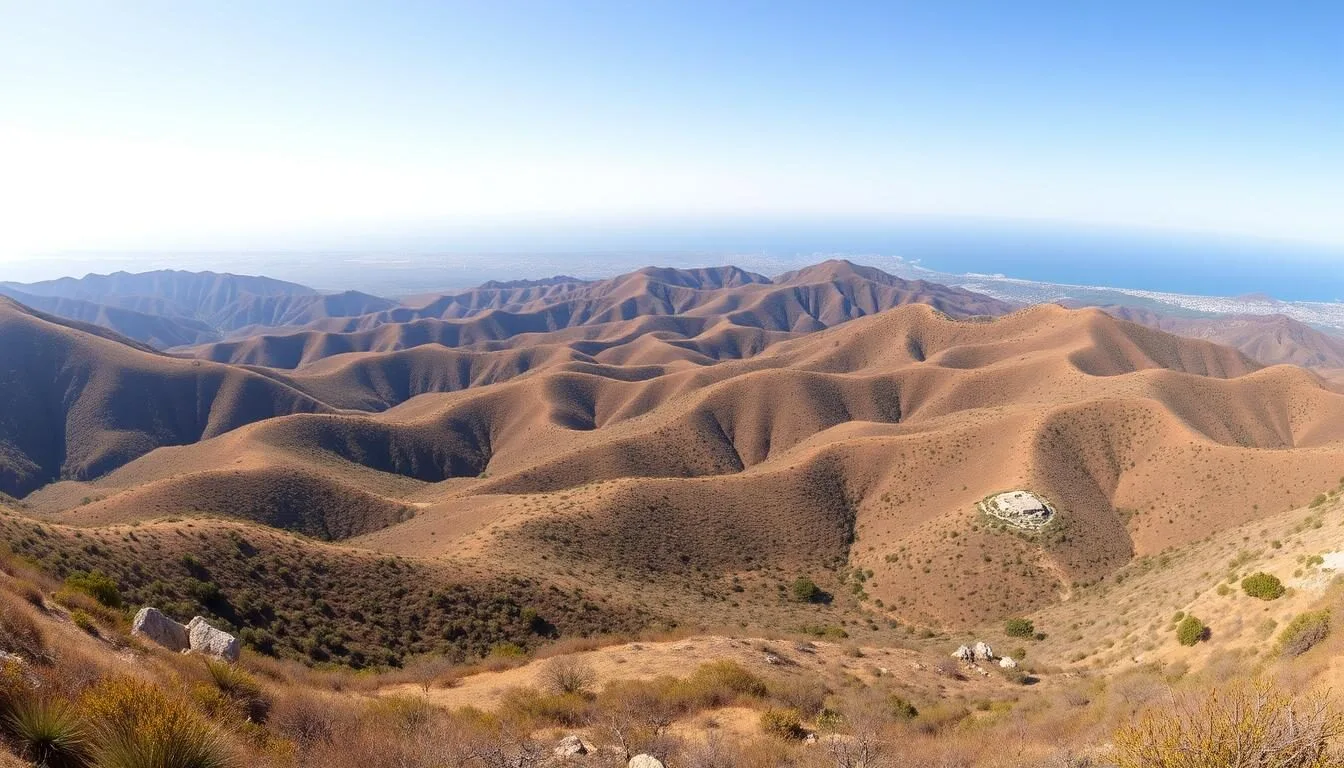
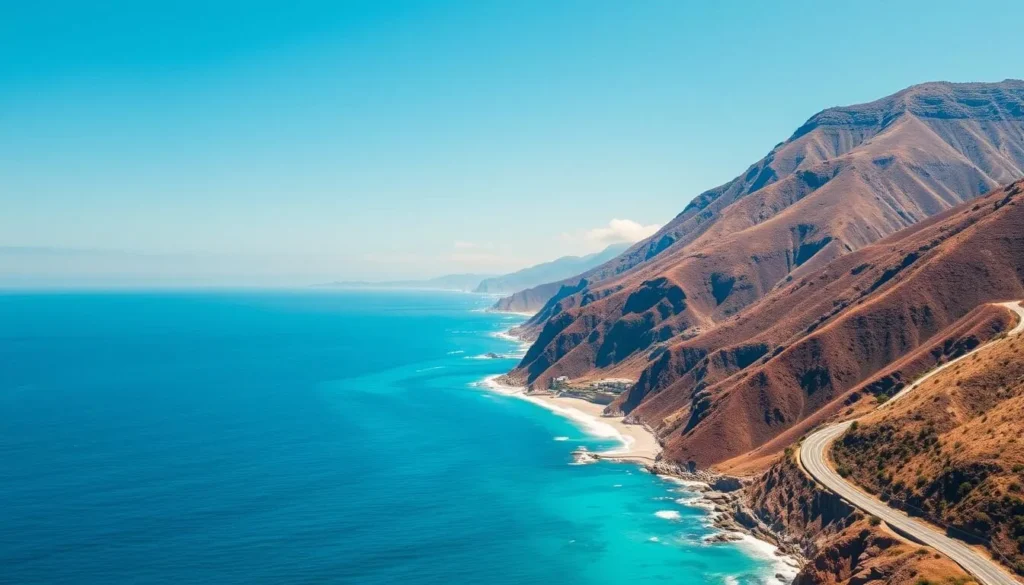
Did you know that the Santa Monica Mountains National Recreation Area is the world’s largest urban national park? Spanning over 157,000 acres with 46 miles of pristine California coastline, this natural treasure sits surprisingly close to the bustling metropolis of Los Angeles. The park protects one of the highest densities of archaeological resources in any mountain range globally, with more than 1,000 prehistoric and historic sites waiting to be discovered.
Getting There & Planning Your Journey
The Santa Monica Mountains National Recreation Area is easily accessible from several major airports in Southern California. Los Angeles International Airport (LAX) is the closest major airport, located approximately 30 km (19 miles) from the recreation area’s southern boundary. Burbank Airport offers another convenient option, situated about 24 km (15 miles) from the northern sections of the park.
For visitors driving from Los Angeles, the recreation area is remarkably accessible. The southern portions along the coast can be reached via the Pacific Coast Highway (Highway 1), while inland areas are accessible from US-101 and various canyon roads that cut through the mountains. Multiple entrances exist throughout the recreation area, with main access points in Malibu, Newbury Park, Agoura Hills, Calabasas, Woodland Hills, and Topanga.
Best Time to Visit & Weather Tips
The Santa Monica Mountains enjoy Southern California’s famous Mediterranean climate, with mild, wet winters and warm, dry summers. The most pleasant months to visit are March through June and September through November, when temperatures typically range from 18-26°C (65-80°F) with low humidity.
Recommended Seasons
- Spring (March-May): Ideal for wildflower viewing and comfortable hiking temperatures
- Fall (September-November): Perfect weather with fewer crowds after summer vacation season
- Winter (December-February): Lush green landscapes after seasonal rains, cooler temperatures ideal for longer hikes
Seasons to Avoid
- Summer (June-August): Can be extremely hot inland, with temperatures sometimes exceeding 38°C (100°F)
- Late Summer/Early Fall: Heightened fire danger season
- Rainy days in winter: Some trails become muddy and canyon areas may experience flash flooding
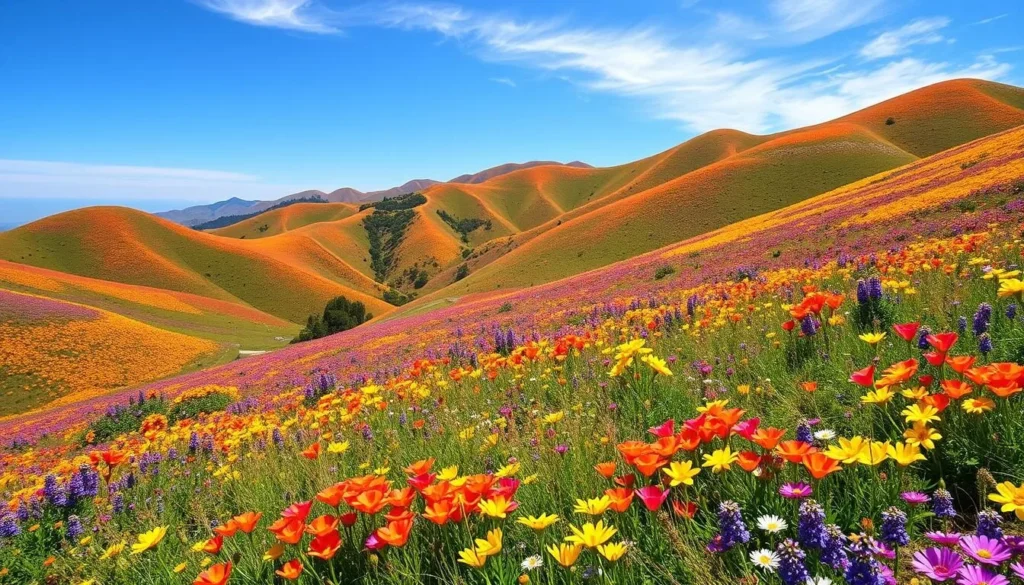
Spring brings spectacular wildflower displays throughout the mountains, while fall offers pleasant temperatures and golden light. Winter turns the typically brown landscape a vibrant green after seasonal rains. If you do visit during summer, plan hikes for early morning and stick to coastal areas where ocean breezes keep temperatures more moderate.
Getting Around Locally
A personal vehicle provides the most flexibility for exploring the Santa Monica Mountains National Recreation Area, as public transportation options are limited. The park’s extensive network of roads connects various trailheads, beaches, and attractions across its vast 157,700-acre expanse.
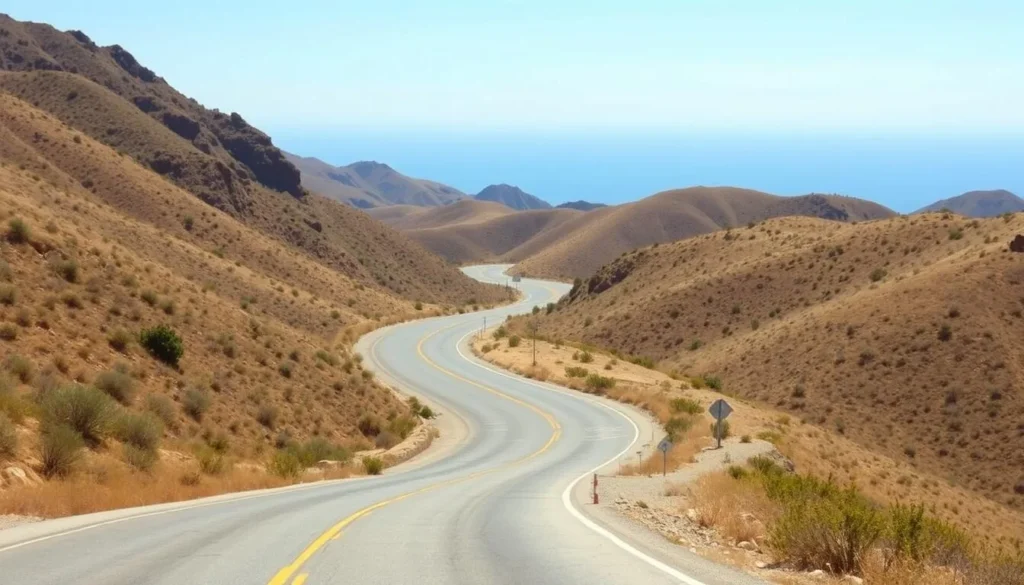
For those without a car, rideshare services operate throughout the region, though costs can add up for multiple destinations. Some visitors rent bicycles to explore the scenic roads, particularly along the coast. The famous Mulholland Highway offers a spectacular drive through the heart of the mountains with numerous pullouts for taking in panoramic views.
The recreation area features multiple visitor centers that serve as excellent starting points for your exploration. The Anthony C. Beilenson Interagency Visitor Center at King Gillette Ranch provides comprehensive information, maps, and ranger guidance to help plan your visit efficiently.
Where to Stay
While there are no lodges or hotels within the Santa Monica Mountains National Recreation Area itself, the surrounding areas offer accommodations for every budget and preference. From luxury beachfront resorts in Malibu to family-friendly hotels in the San Fernando Valley, visitors have plenty of options.
Luxury Options
- Malibu Beach Inn: Oceanfront luxury with stunning views
- The Ranch at Malibu: Exclusive wellness retreat in the mountains
- Nobu Ryokan Malibu: Japanese-inspired luxury beachfront hotel
Mid-Range Options
- Agoura Hills Hotels: Convenient access to inland park areas
- Calabasas Courtyard: Comfortable rooms near the visitor center
- Topanga Canyon Inns: Charming accommodations with mountain views
Budget-Friendly Options
- Woodland Hills Hotels: Affordable chain hotels with easy park access
- Newbury Park Motels: Budget-friendly options near Rancho Sierra Vista
- Camping: Several campgrounds within and adjacent to the recreation area
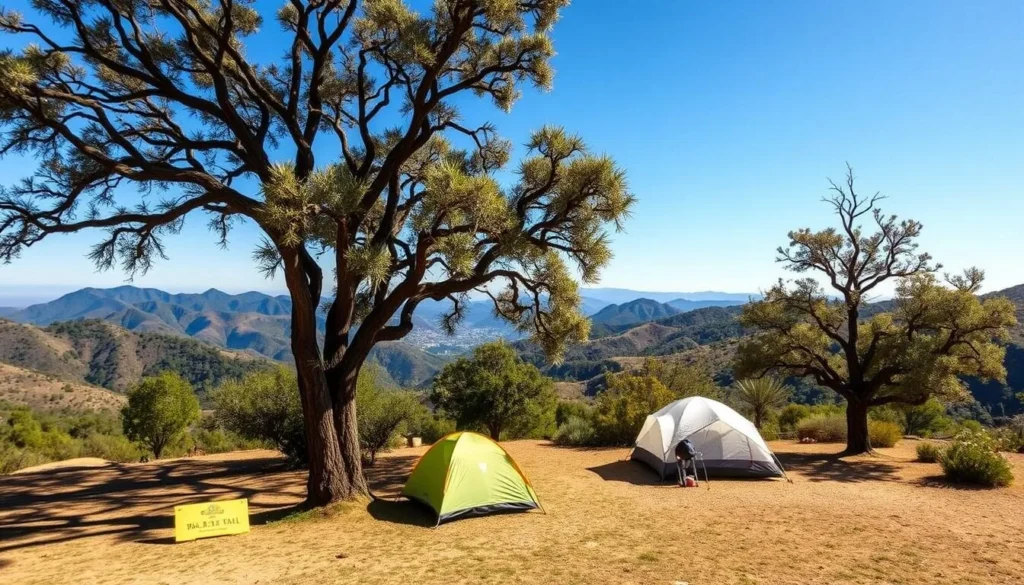
For those seeking an immersive natural experience, camping is available at several locations. Leo Carrillo State Park offers beach camping, while inland options include Malibu Creek State Park and Point Mugu State Park. Reservations are strongly recommended, especially during summer and weekends, as sites fill quickly.
Dining & Local Cuisine
The Santa Monica Mountains region offers diverse dining experiences, from upscale restaurants with ocean views to casual cafes serving farm-to-table fare. While there are limited dining options within the recreation area itself, the surrounding communities provide plenty of choices for hungry adventurers.
Malibu is known for its seafood restaurants along the coast, where you can enjoy fresh catches while watching the sunset over the Pacific. Topanga Canyon has a collection of eclectic cafes with bohemian vibes, perfect for a post-hike meal. The communities of Agoura Hills and Calabasas offer everything from quick-service eateries to fine dining establishments.
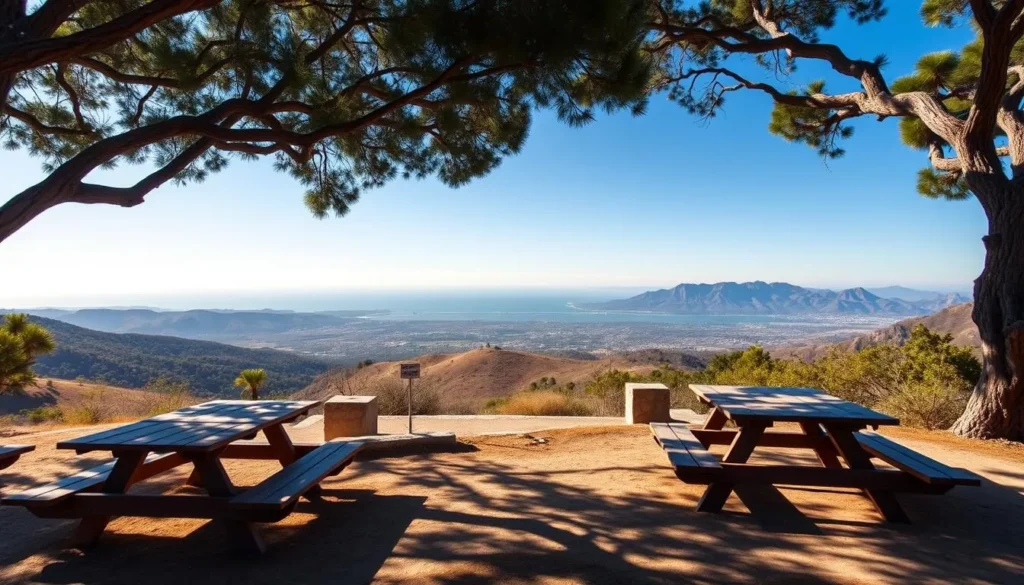
For picnics within the park, stock up on supplies at one of the many grocery stores or farmers’ markets in the area. The Malibu Farmers Market (Sundays) and Calabasas Farmers Market (Saturdays) offer local produce, artisanal breads, and other picnic essentials. Many trailheads and beaches have designated picnic areas with tables and stunning views.
✓ Check 30,000+ Local Sightseeing Tours Worldwide
Attractions, Sightseeing & Activities
The Santa Monica Mountains National Recreation Area offers an incredible diversity of attractions and activities across its vast landscape. From hiking and wildlife viewing to exploring historic sites, there’s something for every interest and ability level.
Must-See Locations
Sandstone Peak
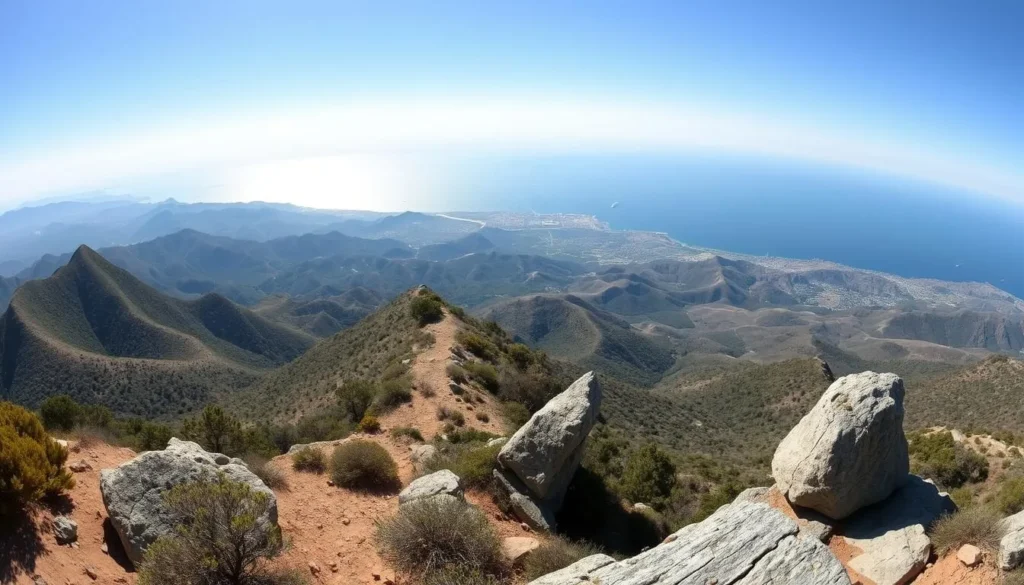
At 948 m (3,111 ft), this is the highest point in the Santa Monica Mountains, offering breathtaking 360-degree views of the Pacific Ocean, Channel Islands, and surrounding mountains. The 10.5 km (6.5-mile) Mishe Mokwa Trail loop is challenging but rewarding.
Malibu Creek State Park
Often called “The Yosemite of Southern California,” this park features dramatic rock formations, swimming holes, and was the filming location for the TV series M*A*S*H. The 7 km (4.5-mile) M*A*S*H site trail is a popular moderate hike.
Point Dume State Beach
This iconic Malibu headland offers spectacular coastal views, tide pools, and seasonal whale watching. A short trail leads to the top of the bluff for panoramic vistas of Santa Monica Bay and the Channel Islands.
Popular Activities
Hiking
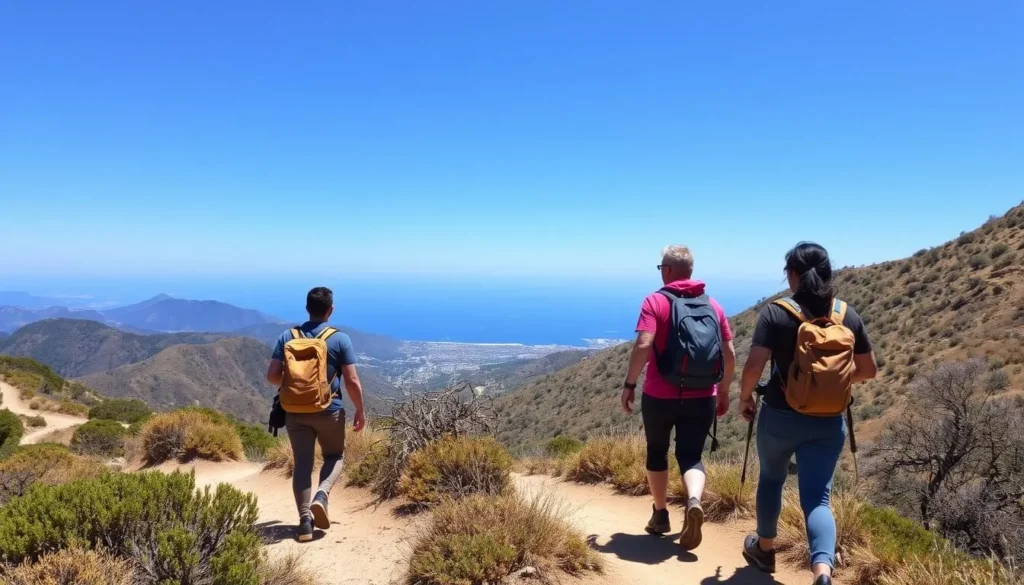
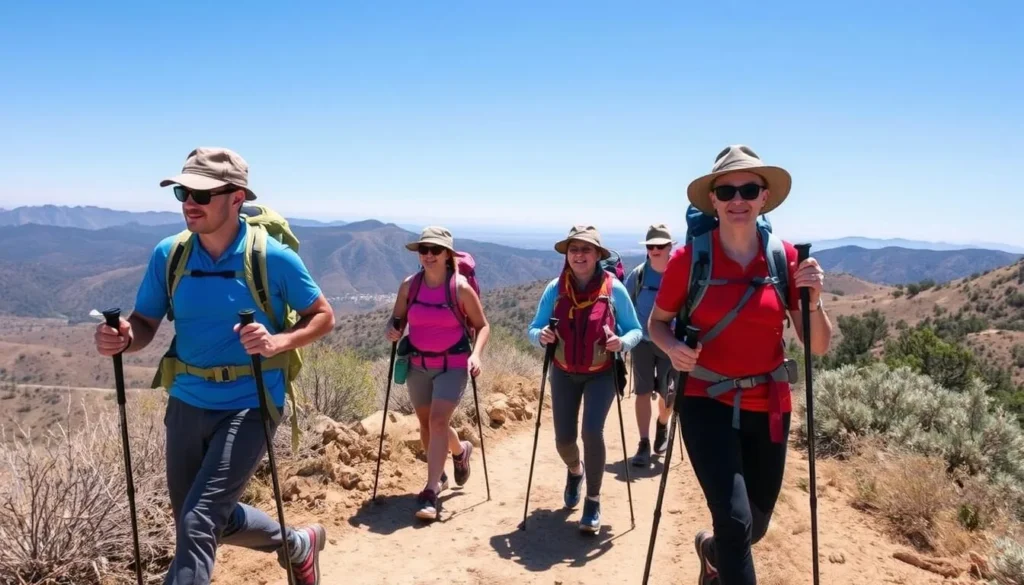
With over 800 km (500 miles) of trails, the recreation area is a hiker’s paradise. The 107 km (67-mile) Backbone Trail traverses the entire mountain range and can be tackled in sections or as a multi-day adventure.
Mountain Biking
Many trails welcome mountain bikers, with popular routes in Sycamore Canyon and the Cheeseboro/Palo Comado Canyons offering terrain for all skill levels.
Beach Activities
The recreation area includes several stunning beaches perfect for swimming, surfing, and tide pool exploration. Zuma Beach and Leo Carrillo State Beach are local favorites.
Museums, Cultural Spots & Festivals
The Santa Monica Mountains hold a rich cultural history spanning thousands of years, from indigenous Chumash and Tongva settlements to Hollywood film sets. Exploring these cultural sites offers a fascinating complement to the area’s natural beauty.
Historical & Cultural Sites
Paramount Ranch
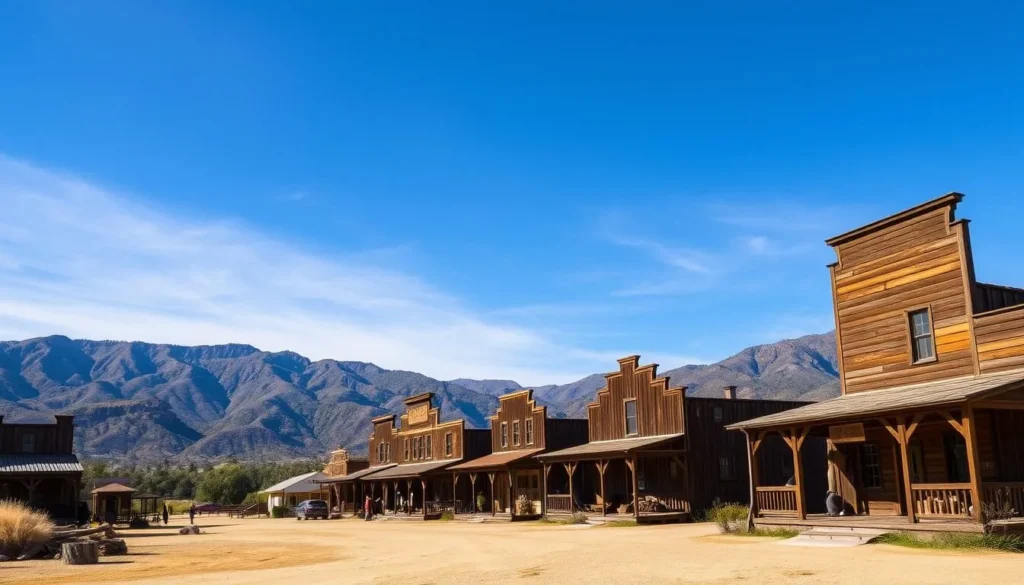
This former movie ranch has been featured in countless films and TV shows since 1927. Though damaged in the 2018 Woolsey Fire, portions remain open, including the iconic Western Town set. Walking tours highlight the ranch’s Hollywood history.
Satwiwa Native American Indian Culture Center
Located in Newbury Park, this center honors the indigenous cultures of the region. Traditional structures, native plant gardens, and interpretive programs offer insights into Chumash and Tongva heritage.
Peter Strauss Ranch
Once a popular 1930s country club and later owned by actor Peter Strauss, this historic property features stone terraces, an amphitheater, and remnants of old structures amid beautiful oak woodlands.
Annual Events & Programs
Throughout the year, the Santa Monica Mountains National Recreation Area hosts various events that celebrate the region’s natural and cultural heritage. The Spring Wildflower Festival (April) showcases the spectacular seasonal blooms, while summer brings ranger-led astronomy programs under the dark mountain skies.
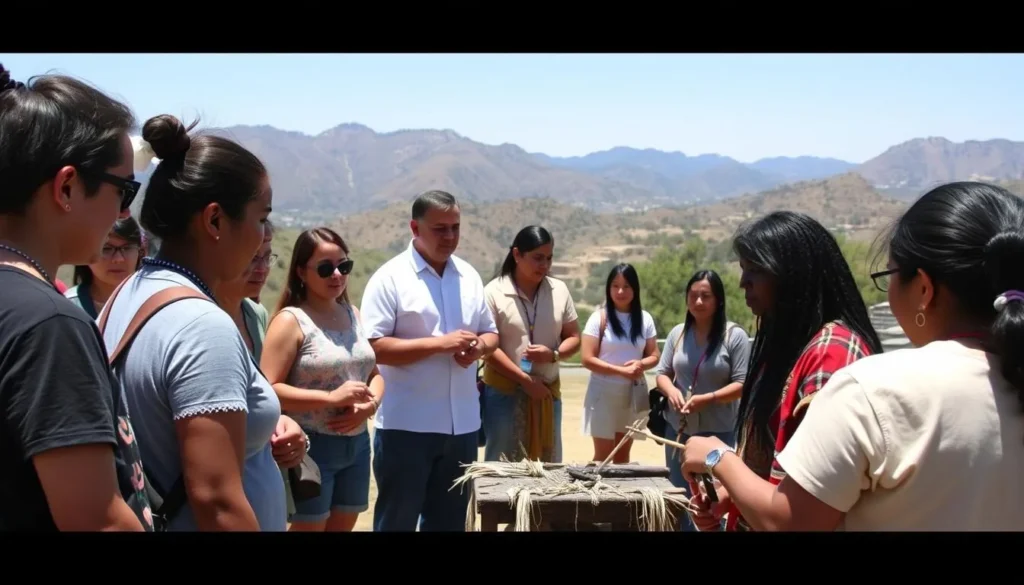
The recreation area also offers regular interpretive programs, including guided hikes, wildlife talks, and cultural demonstrations. Check with visitor centers for current schedules, as programs vary seasonally. Many events are family-friendly and designed to engage visitors of all ages in learning about the mountains’ unique ecosystem and history.
Sports, Nature & Outdoor Experiences
The Santa Monica Mountains offer some of Southern California’s most diverse outdoor experiences, from coastal adventures to mountain explorations. The area’s unique Mediterranean ecosystem—found in only five places worldwide—supports extraordinary biodiversity with over 1,000 plant species and 500 animal species.
Wildlife Viewing
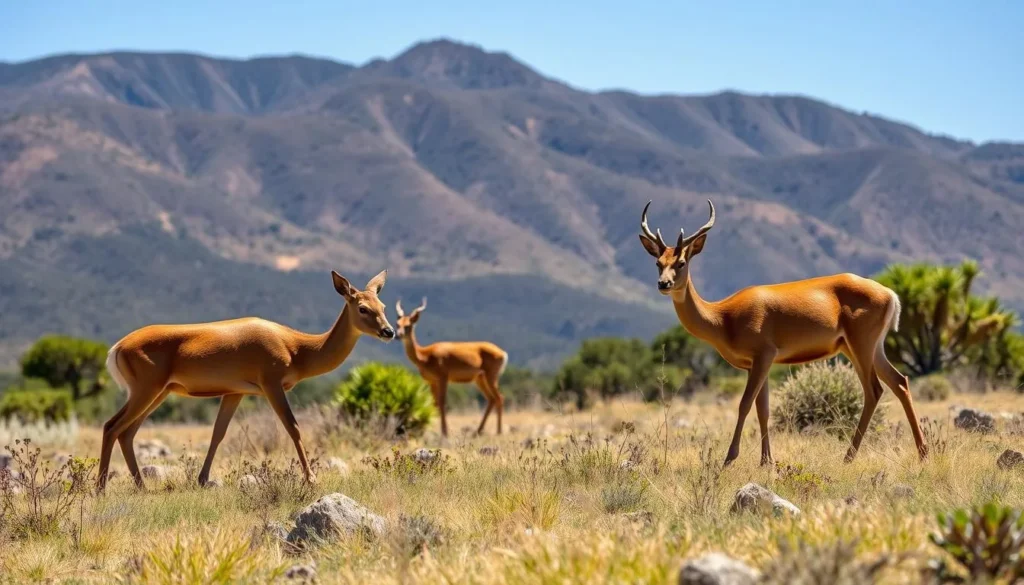
The mountains are home to an impressive array of wildlife. Lucky visitors might spot mule deer, bobcats, coyotes, or even the famous mountain lions that researchers have been tracking since 2002. Birdwatchers can observe over 380 species, including red-tailed hawks, great horned owls, and California quail.
Dawn and dusk offer the best wildlife viewing opportunities. Popular locations include Malibu Creek State Park, Cheeseboro Canyon, and the grasslands of Rancho Sierra Vista. Remember to maintain a respectful distance from all wildlife and never feed animals.
Water Activities
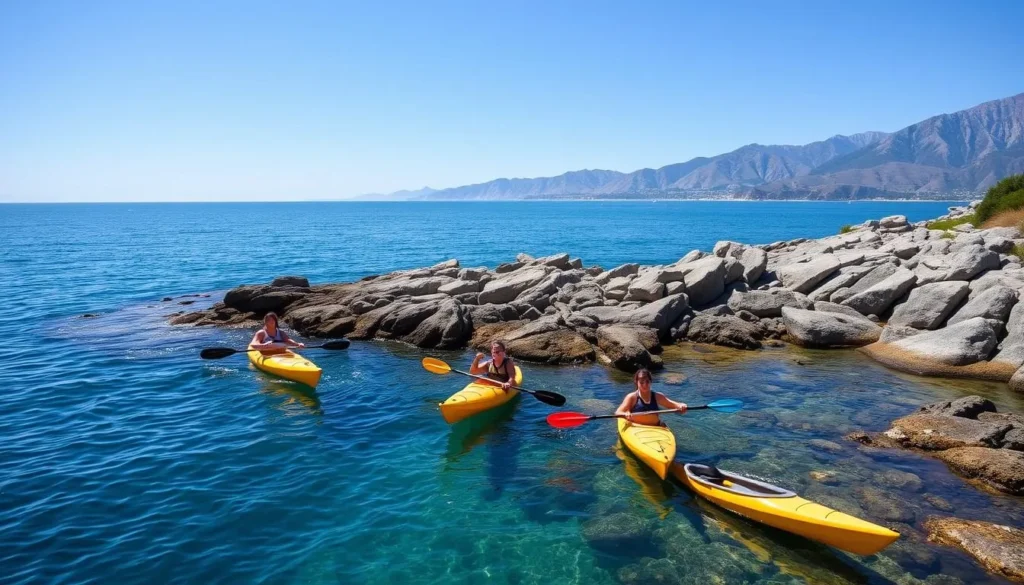
The recreation area’s coastline offers excellent opportunities for water sports and beach activities. Leo Carrillo State Beach features tide pools teeming with marine life, while Zuma Beach is popular for swimming and surfing. For kayaking enthusiasts, the protected coves near Point Dume provide calm waters to explore (always check conditions and regulations before entering the water).
Rock Climbing
The sandstone formations throughout the mountains attract rock climbers of all abilities. Malibu Creek State Park’s “Planet of the Apes Wall” offers challenging routes for experienced climbers, while Echo Cliffs provides options for various skill levels. Always check current access information, as some climbing areas have seasonal closures to protect nesting birds.

Safety, Etiquette & Local Customs
Enjoying the Santa Monica Mountains safely requires preparation and awareness of local conditions. The Mediterranean climate brings specific challenges, particularly during hot, dry summers when fire danger is high and during winter rainy seasons when trails can become slippery.
Safety Tips
Hiking Safety
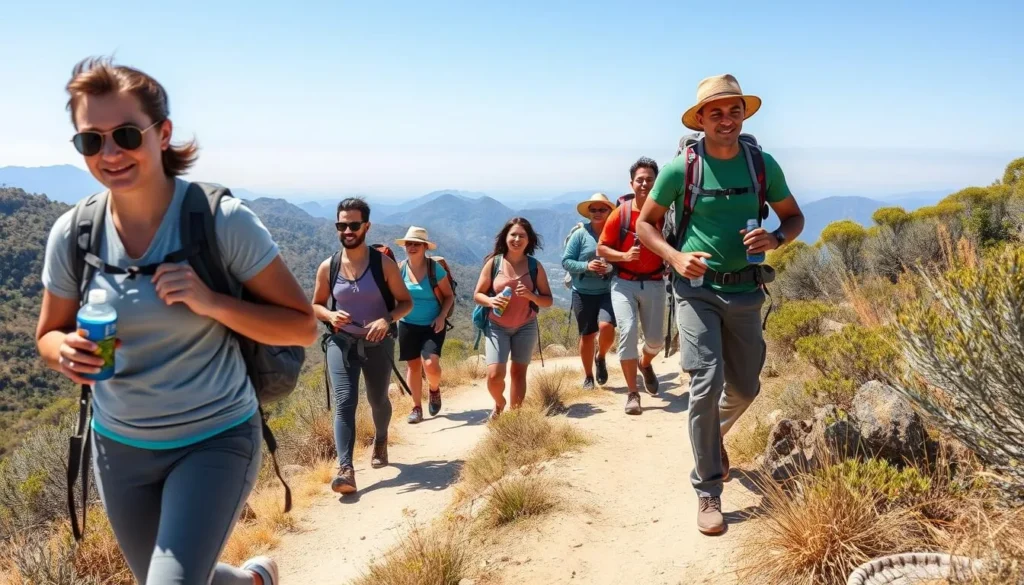
- Carry plenty of water (at least 1 liter per hour of hiking in hot weather)
- Wear sun protection, including hats and sunscreen
- Stay on designated trails to avoid poison oak and rattlesnakes
- Check weather forecasts before heading out
- Inform someone of your planned route and expected return time
Fire Safety
- Observe all fire restrictions, which may change seasonally
- Never smoke on trails or in vegetated areas
- Be aware of current fire conditions and any park closures
- Have an evacuation plan if visiting during high fire danger periods
- Report any smoke or fire immediately to park authorities
Etiquette & Conservation
The Santa Monica Mountains National Recreation Area follows Leave No Trace principles. Pack out all trash, stay on designated trails, and leave natural and cultural features as you find them. Respect wildlife by observing from a distance and never feeding animals.
Many areas within the recreation area are recovering from the 2018 Woolsey Fire, which burned 88% of federal parkland. Visitors can help the recovery process by staying on trails and avoiding disturbed areas that are regenerating.
Additional Nearby Destinations
The Santa Monica Mountains National Recreation Area serves as an excellent base for exploring other remarkable destinations in Southern California. Consider extending your trip to include these nearby attractions:
Channel Islands National Park
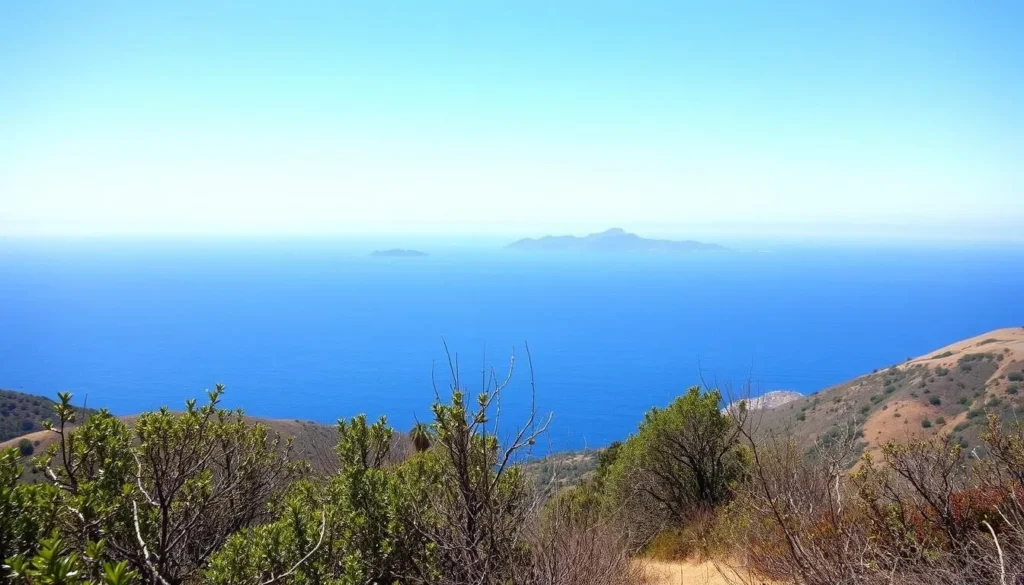
Just visible from the Santa Monica Mountains coastline, this archipelago of five islands offers unparalleled wildlife viewing, sea cave kayaking, and pristine beaches. Island boat tours depart from Ventura Harbor, about 45 minutes north of the recreation area.
Los Angeles Cultural Attractions
The Getty Center, with its world-class art collection and architecture, sits just east of the mountains. Further into Los Angeles, visitors can explore the famous Griffith Observatory, Hollywood attractions, and diverse neighborhoods each with unique character.
Santa Barbara
Known as the “American Riviera,” this charming coastal city lies about 90 minutes northwest of the recreation area. Its Spanish colonial architecture, excellent wineries, and beautiful beaches make it worth the drive for a day trip or overnight stay.
Practical Travel Tips
Park Fees & Passes
While many areas within the Santa Monica Mountains National Recreation Area are free to enter, some state parks within its boundaries charge entrance fees (typically $12-15 per vehicle). Consider purchasing a California State Parks Annual Pass if you plan to visit multiple state parks during your trip.
Cell Phone Coverage
Cell service varies throughout the mountains, with strong signals along the coast and major roads but limited or no coverage in some canyons and remote areas. Download maps and trail information before heading into less-developed areas.
Accessibility
Several areas offer accessible trails and facilities, including the visitor center at King Gillette Ranch and portions of Paramount Ranch. Contact visitor centers for the most up-to-date accessibility information for specific areas you plan to visit.
What to Pack
Day Hiking Essentials
- Water (minimum 2 liters per person)
- Sun protection (hat, sunscreen, sunglasses)
- Trail map (paper backup to digital)
- Light jacket or layer (coastal areas can be breezy)
- Sturdy footwear with good traction
Beach Day Essentials
- Beach towel and blanket
- Sun protection (stronger sunscreen for water activities)
- Water shoes for rocky beaches and tide pools
- Wetsuit (ocean temperatures can be cool year-round)
- Binoculars for whale watching (December-April)
Your Mountain Adventure Awaits
The Santa Monica Mountains National Recreation Area stands as a testament to California’s commitment to preserving natural spaces even amid urban development. This remarkable wilderness offers a perfect blend of outdoor adventure, cultural exploration, and scenic beauty—all within reach of one of America’s largest cities. Whether you’re hiking to panoramic summits, discovering hidden waterfalls, exploring historic movie ranches, or simply unwinding on pristine beaches, these mountains provide countless opportunities to connect with nature and create lasting memories. As you plan your visit to this extraordinary landscape where mountains meet the sea, remember that the Santa Monica Mountains aren’t just a destination—they’re an experience that showcases the very best of Southern California’s natural heritage.
Related Posts
Chinatown Los Angeles, California: Best Things to Do – Top Picks
Chinatown San Francisco, California: Best Things to Do – Top Picks

Zuma Beach, Malibu, California: Best Things to Do – Top Picks
Yerba Buena Island, California: Best Things to Do – Top Picks
Woodson Bridge State Recreation Area, California: Best Things to Do – Top Picks
Woodland Opera House State Historic Park, California: Best Things to Do – Top Picks
Coming Soon: Clickable Maps
Visitor Comments About Santa Monica Mountains National Recreation Area
“The Backbone Trail offered some of the most spectacular views I’ve experienced in any national park. We hiked a 12-mile section from Kanan Road to Malibu Creek and were rewarded with panoramic ocean vistas and wildflowers at every turn. Don’t miss Sandstone Peak—the climb is worth every step!”
M.I., Amarillo
“As a wildlife photographer, I found the Santa Monica Mountains to be a hidden gem. I spent three days exploring different sections and captured amazing shots of mule deer, coyotes, and even a bobcat at dawn near Rancho Sierra Vista. The diverse ecosystems packed into this area so close to Los Angeles is truly remarkable.”
F.A., Atlanta
“My family visited from India and we were amazed to find such pristine nature just minutes from Los Angeles. The Satwiwa Native American Cultural Center provided fascinating insights into indigenous history, and my children loved exploring the tide pools at Leo Carrillo Beach. Perfect destination for international visitors wanting both city and nature experiences.”
I.Y., Coimbatore