
Hotels by Trip.com
Flights by Trip.com
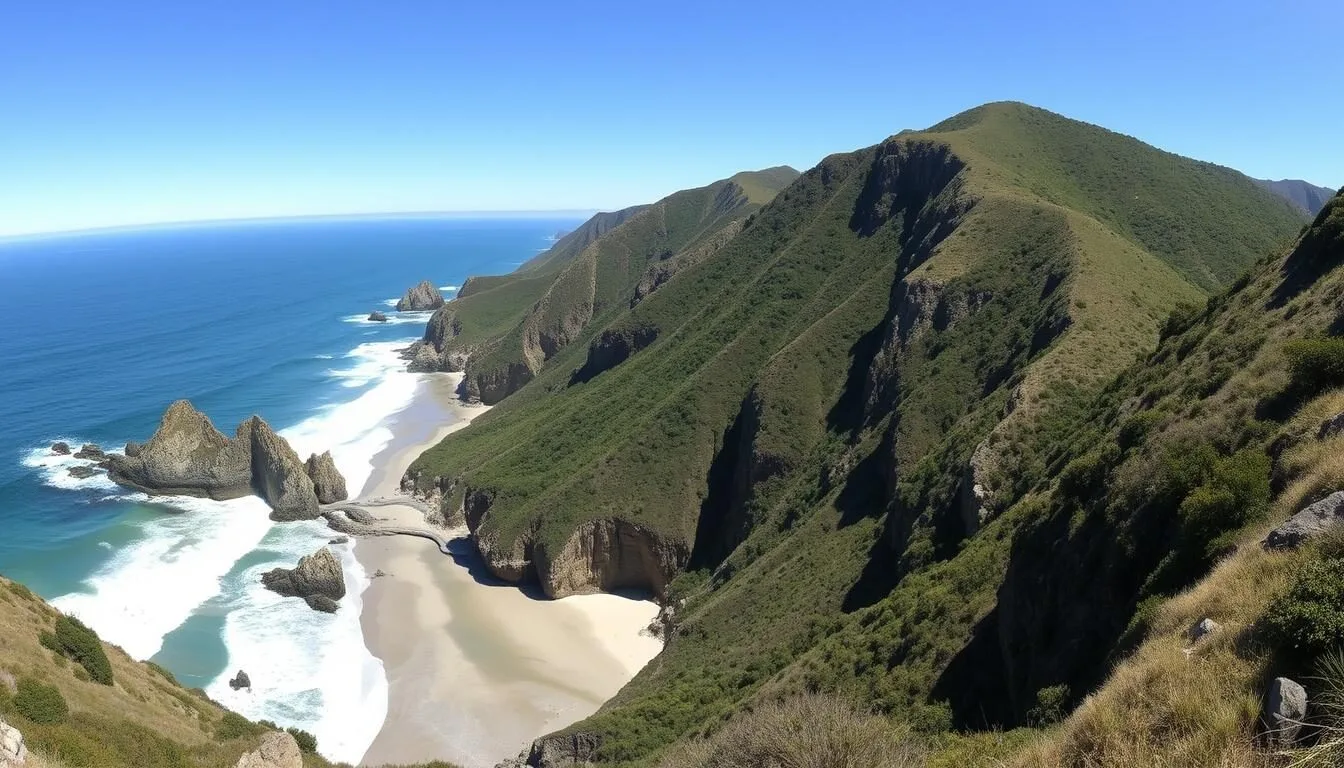
Did you know that Sinkyone Wilderness State Park is home to one of California’s last remaining stands of old-growth redwoods that have never been logged? This 3,133-hectare (7,742-acre) coastal wilderness preserves a rugged stretch of the Lost Coast where mountain lions still outnumber human visitors on most days. Nestled along California’s northern coastline, this remote paradise offers a rare glimpse into what the state’s shoreline looked like before development – wild, pristine, and gloriously untamed.
Getting There & Planning Your Journey
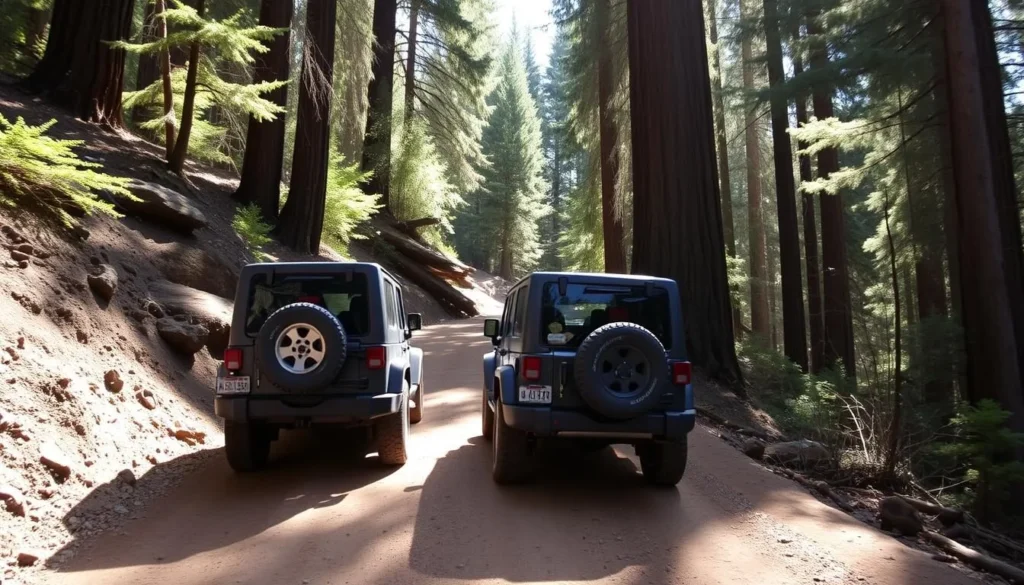
Reaching Sinkyone Wilderness State Park requires determination – and that’s part of its charm. The park is accessible via two main entrances: Needle Rock in the north and Usal Beach in the south. Both require traveling on steep, narrow dirt roads that can become impassable during wet weather.
The closest airports are Charles M. Schulz–Sonoma County Airport (145 km/90 miles south) and Sacramento International Airport (320 km/200 miles southeast). From either airport, you’ll need to rent a vehicle suitable for rough roads – preferably one with high clearance and four-wheel drive.
From Highway 101, take the Redway/Shelter Cove exit and follow signs to Shelter Cove. For the northern entrance (Needle Rock), turn onto Chemise Mountain Road and continue to the visitor center. For the southern entrance (Usal Beach), take the Usal Road turnoff from Highway 1. Allow at least 2 hours to navigate the unpaved 20-mile journey from Four Corners to Usal Campground.
Best Time to Visit & Weather Tips
Sinkyone Wilderness State Park experiences a Mediterranean climate with distinct wet and dry seasons. Understanding the weather patterns is crucial for planning a safe and enjoyable visit to this remote wilderness area.
Recommended Seasons:
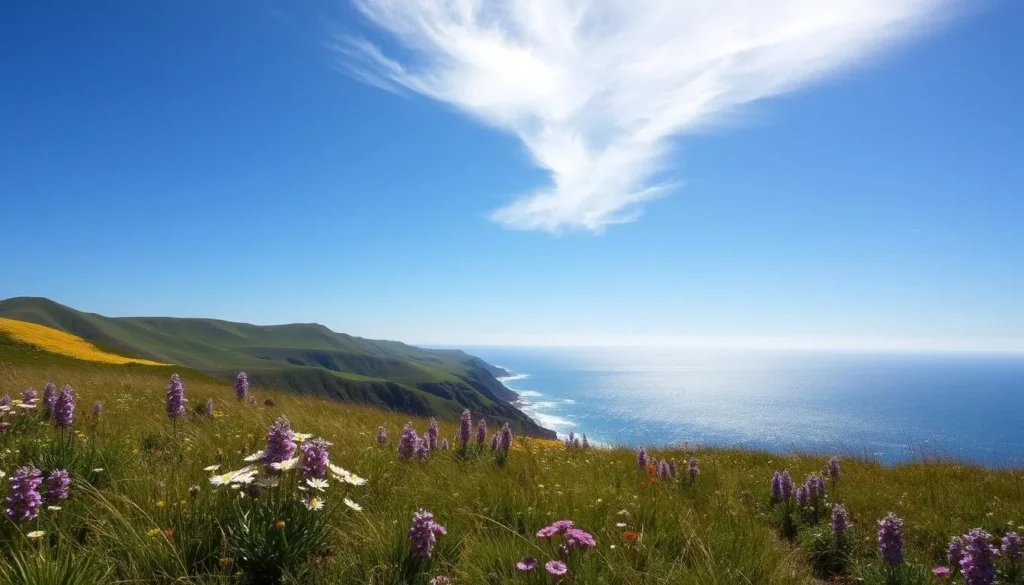
- Late Spring (May-June): Wildflowers bloom across coastal prairies, temperatures average 15-21°C (60-70°F), and trails are generally dry and accessible.
- Summer (July-September): The most reliable weather with temperatures ranging from 18-24°C (65-75°F) and minimal rainfall. Perfect for backpacking the Lost Coast Trail.
- Early Fall (September-October): Pleasant temperatures, fewer visitors, and possible wildlife sightings as Roosevelt elk begin their rutting season.
Seasons to Avoid:
- Winter (December-February): Heavy rainfall (up to 100 inches annually) makes roads impassable and trails dangerously slippery.
- Early Spring (March-April): Lingering wet conditions can make access difficult, though wildflowers begin to appear.
- Late Fall (November): Increasing rainfall and unpredictable weather as the wet season begins.
Weather in this coastal region can change rapidly. Fog is common year-round, especially in summer mornings, typically burning off by afternoon. Even during summer, bring layers as coastal temperatures can drop significantly in the evening. The park’s remote location means limited cell service, so check weather forecasts before departing.
Getting Around Locally
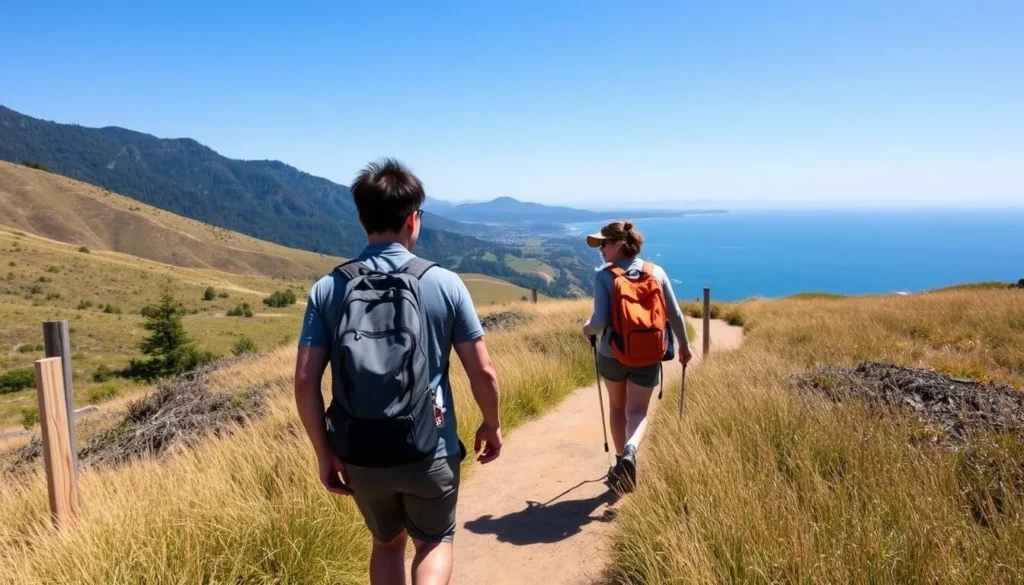
Once you’ve arrived at Sinkyone Wilderness State Park, your own two feet become your primary mode of transportation. The park’s remote nature and rugged terrain mean there are no shuttle services or public transportation options within its boundaries.
The distance between the park’s two entrances (Needle Rock and Usal Beach) is 19.4 miles via the Lost Coast Trail, with approximately 6,000 feet of elevation change along the way.
For those planning to hike the entire Lost Coast Trail through Sinkyone, consider arranging a shuttle service. Lost Coast Trail Transport Service offers car shuttles between trailheads, allowing for one-way hikes without needing to return to your starting point.
Within the park, all single-track trails are for hikers only, while some dirt roads permit mountain biking. Equestrians can ride on park roads and on the 4.5-mile single-track trail from Bear Harbor to Wheeler, but other single-track trails are closed to horses.
Where to Stay
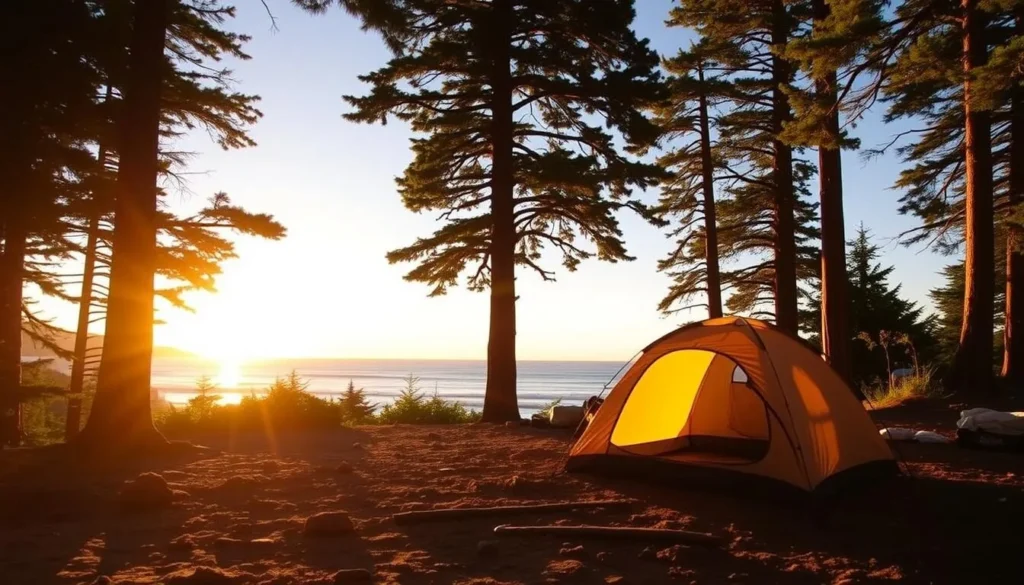
Accommodations in Sinkyone Wilderness State Park are deliberately primitive, preserving the wild character that makes this area special. All camping options require self-sufficiency and adherence to Leave No Trace principles.
Campgrounds
Needle Rock Campground
Located near the visitor center, this environmental campground offers walk-in tent camping only (no vehicle sleeping permitted). Sites cost $25/night for up to 8 people, with the historic barn available for $30/night. Amenities include pit toilets and access to water sources that must be purified. Reservations are not accepted – all sites are first-come, first-served.
✓ Check 30,000+ Local Sightseeing Tours Worldwide
Usal Beach Campground
The park’s only drive-in campground, located at the southern entrance. High-clearance vehicles are recommended for the 6-mile unpaved access road. The campground sits in a meadow near a 2-mile beach with opportunities for exploring, fishing, and wildlife viewing. Facilities are minimal – bring your own drinking water and pack out all trash.
Trail Camps
For backpackers hiking the Lost Coast Trail, seven primitive trail camps are spaced at intervals of 3-5 miles: Jones Beach, Streamside, Orchard, Bear Harbor, Wheeler, Little Jackass, and Anderson. Each costs $5 per person per night and offers basic amenities like pit toilets and sometimes tables and fire pits. No potable water is available – all water from creeks or springs must be purified.
Nearby Accommodations
For those seeking more comfortable lodging, the nearest options are in Shelter Cove (about 32 km/20 miles north of Needle Rock) or Westport (about 24 km/15 miles south of Usal Beach). Both offer a limited selection of inns, vacation rentals, and small hotels.
Dining & Local Cuisine
Sinkyone Wilderness State Park’s remote location means there are no dining establishments within the park boundaries. Visitors must bring all their own food and cooking equipment. The nearest restaurants are in Shelter Cove to the north or Westport to the south, both requiring significant travel time on challenging roads.
Food Preparation
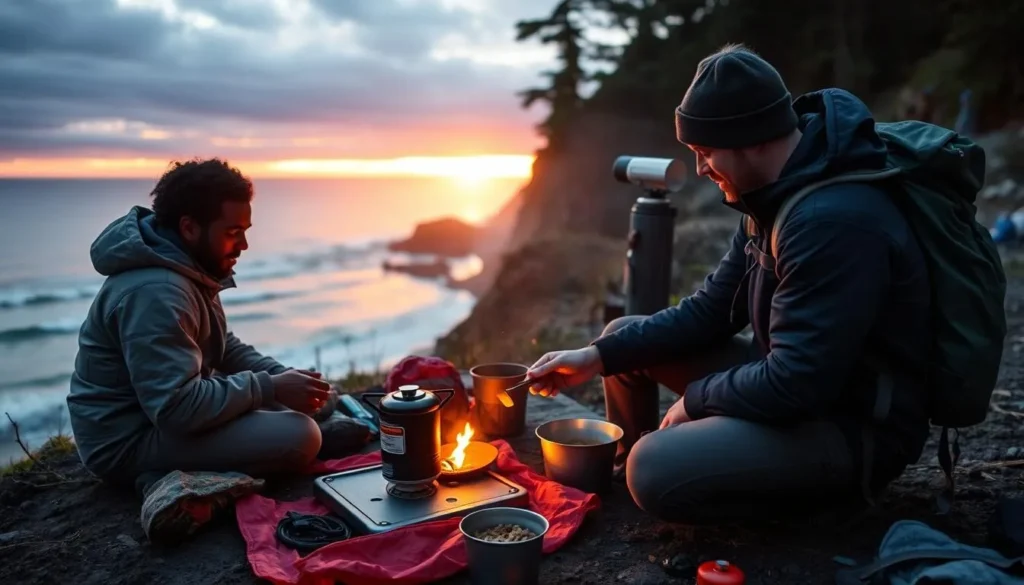
For campers and backpackers, self-sufficiency is essential. Pack lightweight, high-energy foods that require minimal preparation. If you plan to cook, bring a camp stove – firewood collection is prohibited in many areas of the park, and fires may be restricted during dry periods.
Water Sources
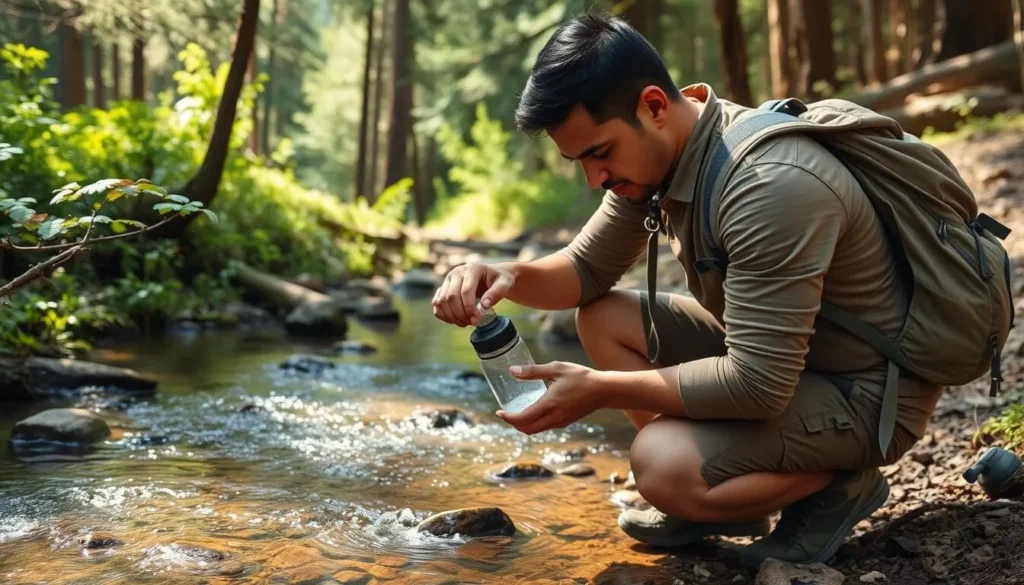
No potable water is available in the park. All water from creeks and springs must be treated before consumption. During the dry season (summer through early fall), some smaller water sources may dry up completely. Check with park staff about current water conditions before beginning your trip.
Food Storage
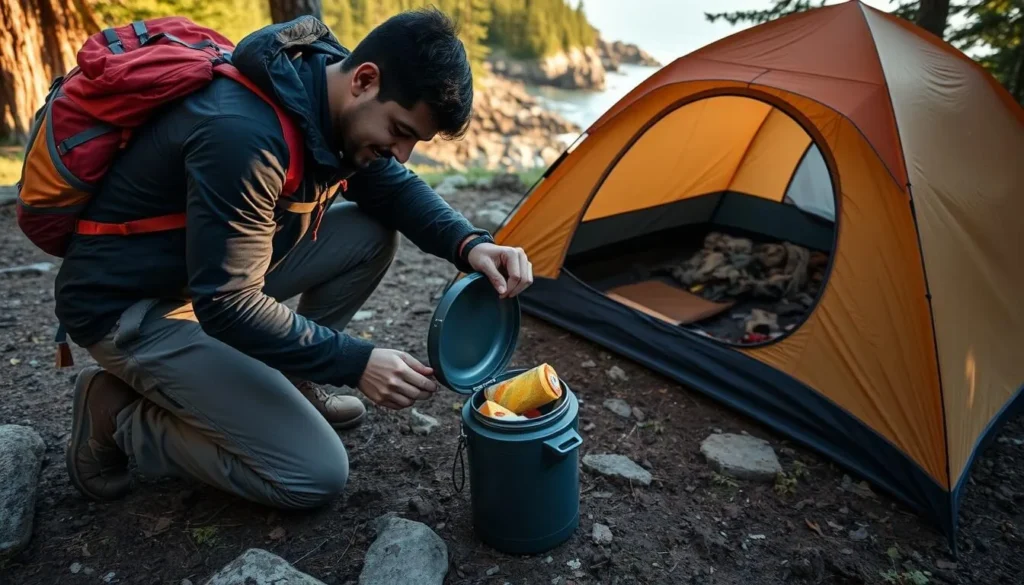
Proper food storage is crucial in this wilderness area. Black bears are present throughout the park, and proper food storage is not just recommended – it’s essential for your safety and the well-being of wildlife. Bear-resistant food canisters are strongly recommended for all overnight visitors.
Nearby Provisions
The last reliable places to purchase supplies before entering the park are Garberville (for the northern entrance) and Westport or Fort Bragg (for the southern entrance). Stock up on all necessary food, water, and supplies before heading into the wilderness.
Attractions, Sightseeing & Activities
Sinkyone Wilderness State Park offers a wealth of natural attractions that showcase the wild beauty of California’s Lost Coast. From pristine beaches to ancient forests, the park rewards visitors who make the journey to this remote wilderness.
Top Attractions
Needle Rock
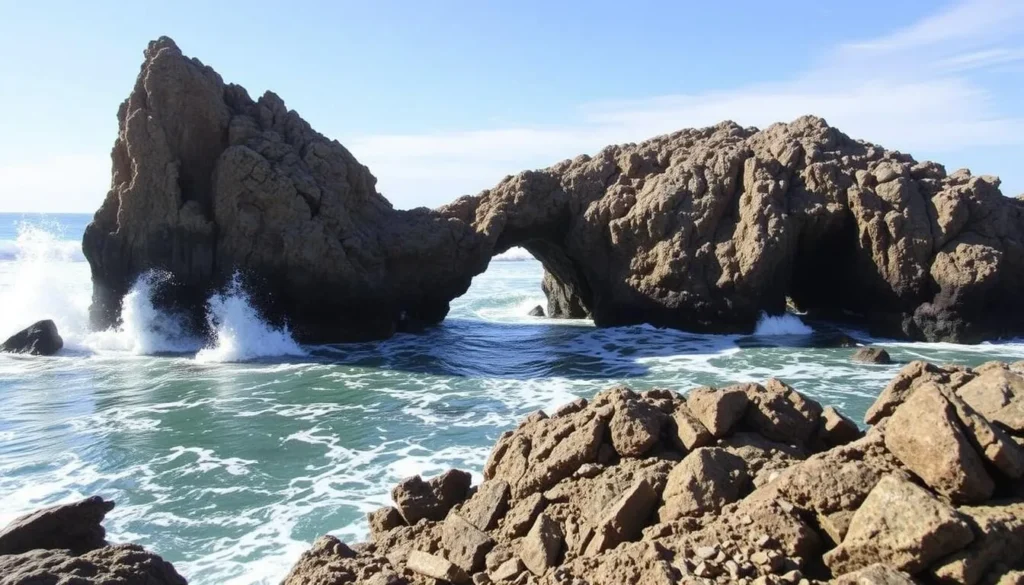
This distinctive rock formation near the visitor center offers dramatic views as ocean waves surge through its natural arch. The area provides excellent opportunities for photography, especially during sunrise and sunset when the light illuminates the rock’s textures.
Jones Beach
Located just a mile north of the visitor center, this beautiful dark sand beach is sheltered by a eucalyptus grove. It’s one of the most accessible beaches in the park and offers excellent wildlife viewing opportunities – visitors have spotted river otters, harbor seals, and various shorebirds.
Bear Harbor
This historic harbor once served as a shipping point for timber in the 1800s. Today, it offers a peaceful beach and interesting historical remnants. Faint traces of the Bear Harbor & Eel River Railroad, built to haul timber, are still visible in the landscape.
Beaches & Coves
The park’s coastline features numerous secluded beaches and rocky coves accessible via the Lost Coast Trail. Usal Beach, at the southern entrance, stretches for 2 kilometers (1.2 miles) and features a seasonal waterfall at its northern end (accessible only at low tide). Wheeler Beach and Little Jackass Creek offer additional coastal access points with varying degrees of difficulty to reach.
Historical Sites
The Needle Rock Visitor Center itself is a historical attraction, housed in a 1920s-era home that once belonged to Calvin Cooper Stewart and his family. The center provides information about the park’s natural and cultural history, including the area’s significance to indigenous peoples and its more recent logging history.
Hiking & Outdoor Experiences
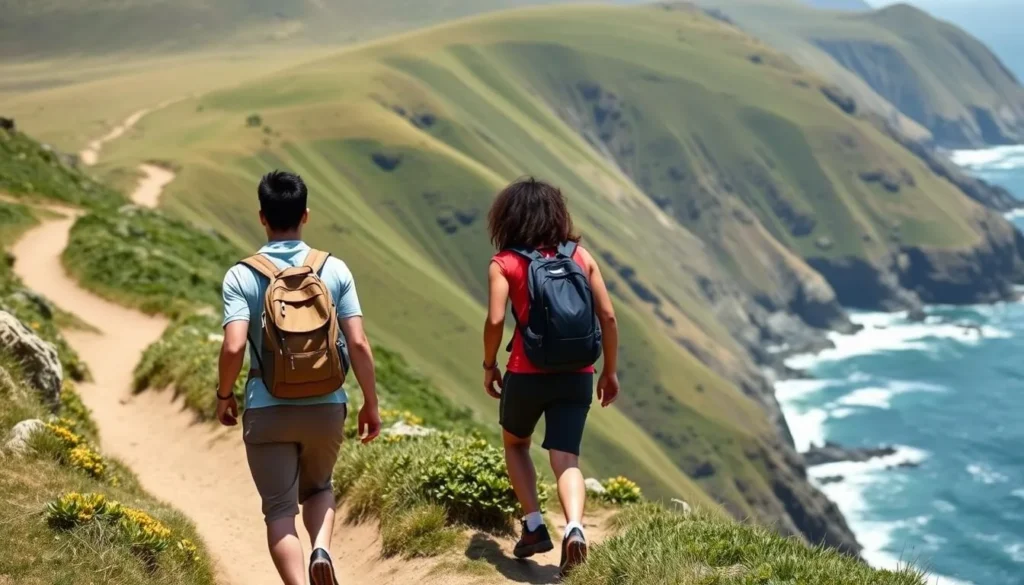
Hiking is the primary activity at Sinkyone Wilderness State Park, with options ranging from easy day hikes to challenging multi-day backpacking adventures. The park’s 22 miles of the Lost Coast Trail offer some of California’s most spectacular coastal hiking.
Day Hikes
Easy: Needle Rock to Jones Beach
2 km (1.2 miles) roundtrip: This gentle trail from the visitor center heads north along coastal bluffs with views of Needle Rock before reaching Jones Beach. Perfect for families or those with limited time.
Moderate: Needle Rock to Whale Gulch
7.2 km (4.5 miles) roundtrip: Continuing beyond Jones Beach, this hike passes through marshes, overlooks, a lagoon, and the scenic Whale Gulch before returning the same way.
Challenging Hikes
Usal Beach to Anderson Gulch
16 km (10 miles) roundtrip with 670 m (2,200 feet) of elevation change: Starting from Usal Beach Campground, this strenuous day hike climbs to Timber Point before traversing Dark Gulch and Anderson Gulch.
Lost Coast Trail (Sinkyone Section)
31 km (19.4 miles) one-way with 1,830 m (6,000 feet) of elevation change: This multi-day backpacking route connects Needle Rock and Usal Beach, passing through old-growth redwoods and offering spectacular coastal views.
Wildlife Viewing
The park is home to diverse wildlife, including Roosevelt elk, black-tailed deer, black bears, and mountain lions. Marine mammals such as harbor seals, sea lions, and gray whales (during migration seasons) can be spotted from coastal vantage points. Bring binoculars for the best wildlife viewing experiences.
Other Activities
Beyond hiking, visitors can enjoy beach exploration, tidepooling (at low tide), fishing (with proper licensing), and mountain biking on designated park roads. The 8.7 km (5.4-mile) ride from Needle Rock Visitor Center to Orchard Creek offers particularly scenic coastal views.
Cultural Heritage & Natural History
Sinkyone Wilderness State Park holds deep cultural significance and showcases California’s natural history in its most pristine form. Understanding this context enriches any visit to this special place.
Indigenous Heritage
The park is named after the Sinkyone people, who inhabited this coastal region for thousands of years before European contact. They lived in harmony with the land, harvesting resources sustainably from both forest and ocean. Today, the adjacent InterTribal Sinkyone Wilderness represents a groundbreaking conservation partnership that returned land to indigenous stewardship.
Conservation History
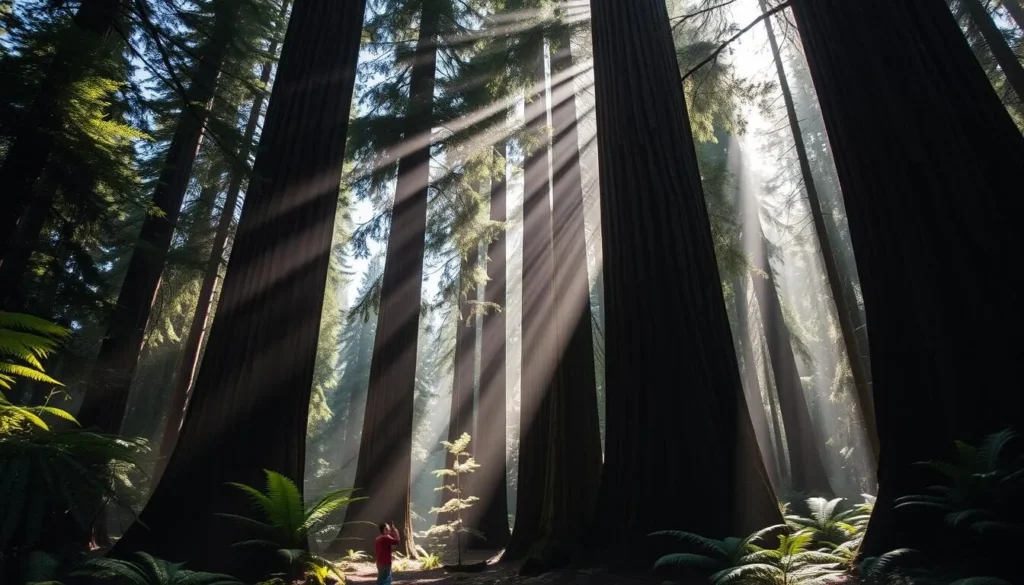
The Sally Bell Grove within the park contains some of the few remaining old-growth coastal redwoods in the region. This grove was the site of a landmark environmental battle in the 1980s that helped establish legal precedents for forest protection throughout California. The successful fight to protect these ancient trees from logging represents a pivotal moment in California’s environmental history.
Natural Features
The park’s geology tells the story of powerful tectonic forces that continue to shape California’s coast. The King Range, which forms the backbone of the Lost Coast region, is one of the most rapidly rising landforms in North America, rising at a rate of 60 cm (2 feet) every thousand years. This rapid uplift, combined with the erosive power of the Pacific Ocean, creates the dramatically steep coastal topography that defines the Lost Coast.
Safety, Etiquette & Local Customs
Visiting Sinkyone Wilderness State Park requires preparation and respect for both the natural environment and other visitors. This remote wilderness area presents unique challenges that demand awareness and caution.
Safety Considerations
- Emergency Services: The park’s remote location means emergency response can take hours or even days. Cell phone service is non-existent in most areas. Carry a first aid kit and know basic wilderness first aid.
- Wildlife Safety: Store food properly in bear-resistant containers. If you encounter a mountain lion or bear, make yourself look large, make noise, and back away slowly – never run.
- Ocean Hazards: Never turn your back on the ocean. Sneaker waves can occur without warning. Water temperatures average 10-13°C (50-55°F) year-round – hypothermia is a serious risk for swimmers.
- Trail Conditions: Many trails feature steep, exposed sections with loose footing. Trekking poles are highly recommended, especially on the southern portion of the Lost Coast Trail.
Wilderness Etiquette
- Leave No Trace: Pack out all trash. Bury human waste at least 20 cm (8 inches) deep and 60 m (200 feet) from water sources.
- Cultural Respect: The area holds cultural significance for indigenous peoples. Treat archaeological sites and cultural resources with respect.
- Campfire Regulations: Campfires are permitted only in established fire rings at designated campsites, and may be prohibited during dry periods. Check current fire restrictions before your visit.
- Trail Courtesy: Yield to uphill hikers. When encountering equestrians, step to the downhill side of the trail and speak calmly so the horse knows you’re human.
Visitor Comments About Sinkyone Wilderness State Park
“The Lost Coast Trail through Sinkyone was the most challenging and rewarding hike I’ve ever done. The combination of steep terrain, pristine beaches, and old-growth redwoods made every difficult step worthwhile. We spotted a family of Roosevelt elk near Wheeler Beach at sunrise – a moment I’ll never forget.”
“Camping at Jones Beach was magical. The trail from Needle Rock is easy enough for families, and we had the entire beach to ourselves. The visitor center staff was incredibly helpful with trail recommendations. Just be prepared for the rough road in – our sedan barely made it!”
“We hiked the entire Lost Coast from Mattole River to Usal Beach over 8 days. The Sinkyone section was much more challenging than the northern portion, with constant elevation changes, but the solitude and scenery were unmatched. Bring trekking poles and plenty of water purification supplies.”
Additional Nearby Destinations
While Sinkyone Wilderness State Park offers enough adventure for multiple visits, several nearby destinations complement the experience and are worth considering as part of a longer exploration of California’s northern coast.
King Range National Conservation Area
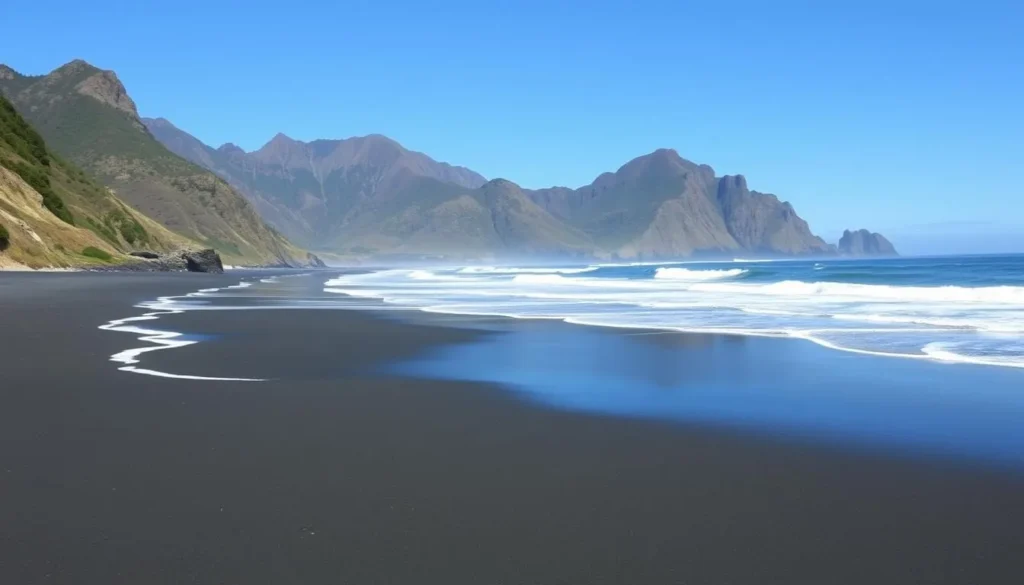
Directly north of Sinkyone, this BLM-managed wilderness contains the northern section of the Lost Coast Trail. Unlike Sinkyone’s inland route, this portion follows beaches for much of its length, requiring careful attention to tide tables. The Black Sands Beach at Shelter Cove offers a more accessible taste of the Lost Coast experience.
Humboldt Redwoods State Park
About 97 km (60 miles) northeast of Sinkyone, this park protects the world’s largest remaining contiguous old-growth redwood forest. The Avenue of the Giants, a 51 km (32-mile) scenic drive, showcases these magnificent trees with numerous short trails accessible directly from the road.
Mendocino Coast
South of Sinkyone, the picturesque town of Mendocino offers Victorian architecture, art galleries, and coastal access points. Nearby state parks including Russian Gulch, Van Damme, and Mendocino Headlands feature dramatic coastal scenery, waterfalls, and well-maintained trail systems.
Practical Travel Tips
A successful visit to Sinkyone Wilderness State Park requires thorough preparation. These practical tips will help you make the most of your wilderness adventure while staying safe and minimizing your impact.
Essential Gear
- Navigation: Bring detailed topographic maps and a compass. GPS devices are helpful but should not be your only navigation tool.
- Water Treatment: All water sources require purification. Bring a reliable filter, purification tablets, or a stove for boiling water.
- Appropriate Footwear: Sturdy hiking boots with ankle support are essential for the rugged terrain.
- Layers: Coastal weather can change rapidly. Pack moisture-wicking base layers, insulating mid-layers, and waterproof outer layers.
- Bear Canister: Required for overnight trips to protect your food and keep wildlife wild.
Planning Resources
The California State Parks website provides essential information about current conditions, regulations, and facilities. For detailed trail information, consider purchasing the Wilderness Press map of the Lost Coast region, which covers both Sinkyone Wilderness State Park and the King Range National Conservation Area.
Permits and Regulations
Day use and overnight permits are required and can be self-issued at the Needle Rock Visitor Center. Fees are $5 per person per night for trail camps and $25-30 per night for established campgrounds. Payment is by cash or check only. For groups of nine or more, contact the park office in advance to arrange special permits.
Embrace the Wild: Your Sinkyone Adventure Awaits
Sinkyone Wilderness State Park represents California in its most primal form – a place where the mountains truly meet the sea without the interference of development. The challenges of reaching and traversing this remote wilderness are precisely what keep it pristine and rewarding for those who make the journey. Whether you come for a day hike from Needle Rock or commit to the full Lost Coast Trail experience, Sinkyone offers something increasingly rare in our connected world: genuine wilderness, where nature sets the terms and visitors are merely privileged guests. As you plan your adventure to this special corner of California’s coast, remember that the difficulty of the journey only enhances the reward of discovery. The ancient redwoods, secluded beaches, and rugged trails of Sinkyone await those willing to step off the beaten path.
Related Posts
Chinatown Los Angeles, California: Best Things to Do – Top Picks
Chinatown San Francisco, California: Best Things to Do – Top Picks

Zuma Beach, Malibu, California: Best Things to Do – Top Picks
Yerba Buena Island, California: Best Things to Do – Top Picks
Woodson Bridge State Recreation Area, California: Best Things to Do – Top Picks
Woodland Opera House State Historic Park, California: Best Things to Do – Top Picks
Coming Soon: Clickable Maps