
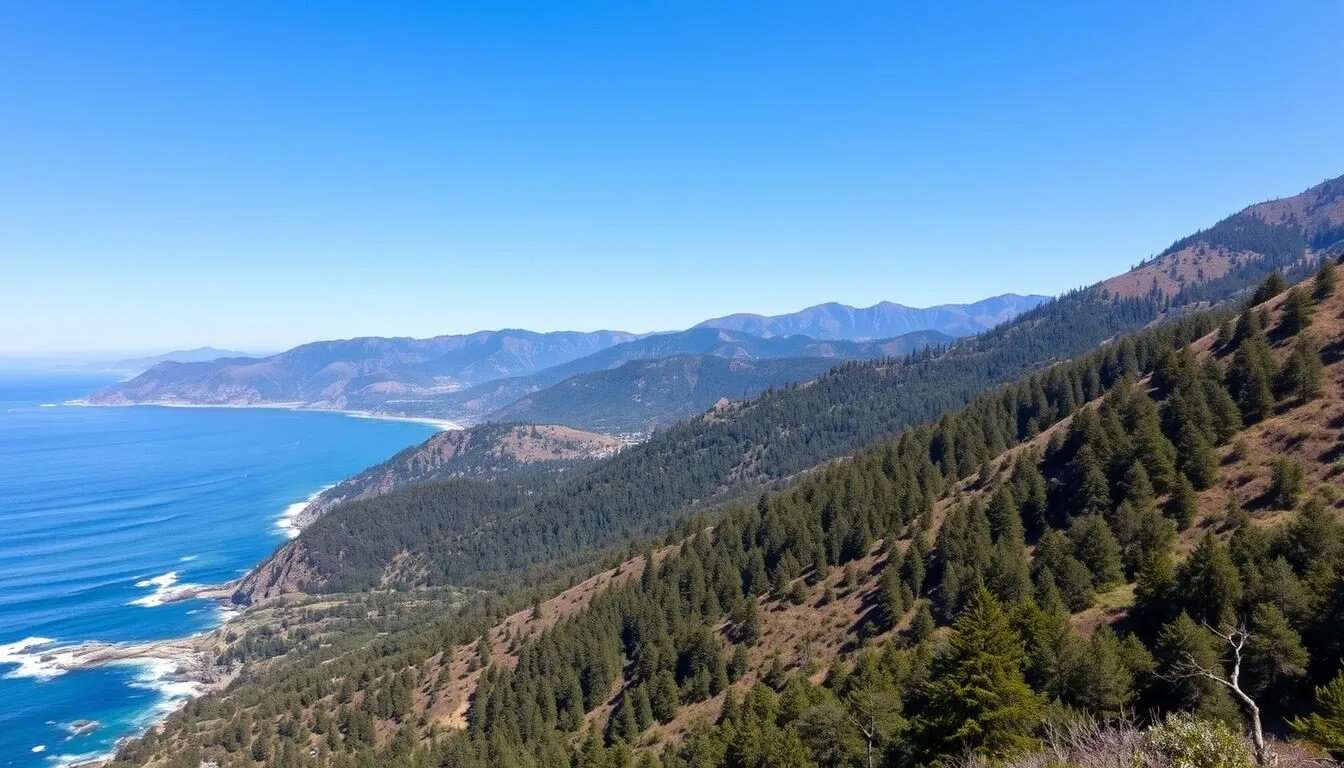
Did you know that Sykes Hot Springs is one of California’s most remote natural hot springs, requiring a challenging 10-mile (16 km) hike through the rugged Ventana Wilderness? This hidden gem in Big Sur’s backcountry rewards adventurous travelers with natural geothermal pools nestled alongside the picturesque Big Sur River, offering a true wilderness experience that fewer than 1% of Big Sur visitors ever get to enjoy.
Getting There & Planning Your Journey
Reaching Sykes Hot Springs is an adventure in itself, requiring proper preparation and planning. The journey begins at the Pine Ridge Trailhead near Big Sur Station, located off Highway 1 in Big Sur, California.
Closest Airports
- Monterey Regional Airport (MRY) – 56 km (35 miles)
- San Jose International Airport (SJC) – 145 km (90 miles)
- San Francisco International Airport (SFO) – 209 km (130 miles)
The Hike
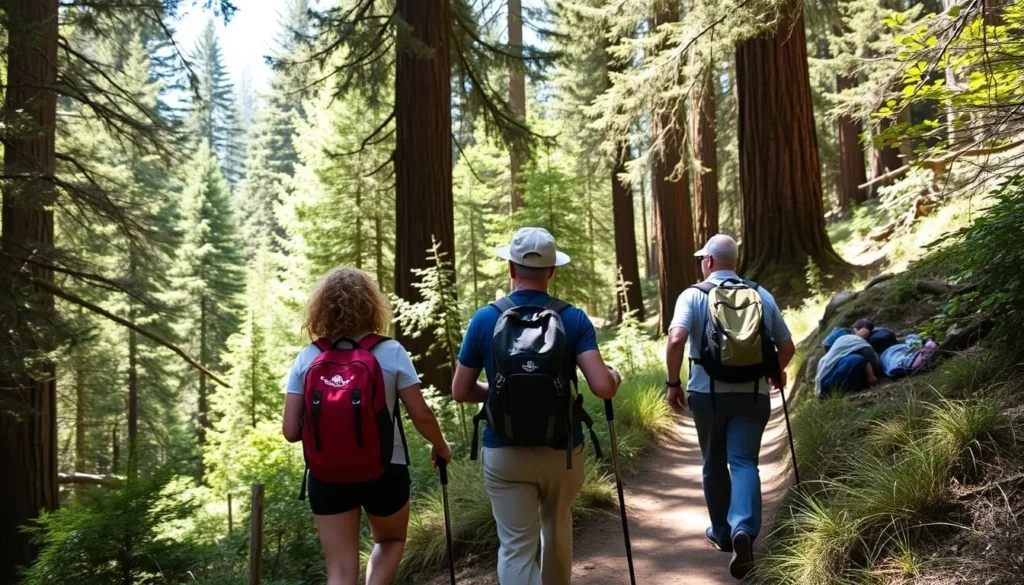
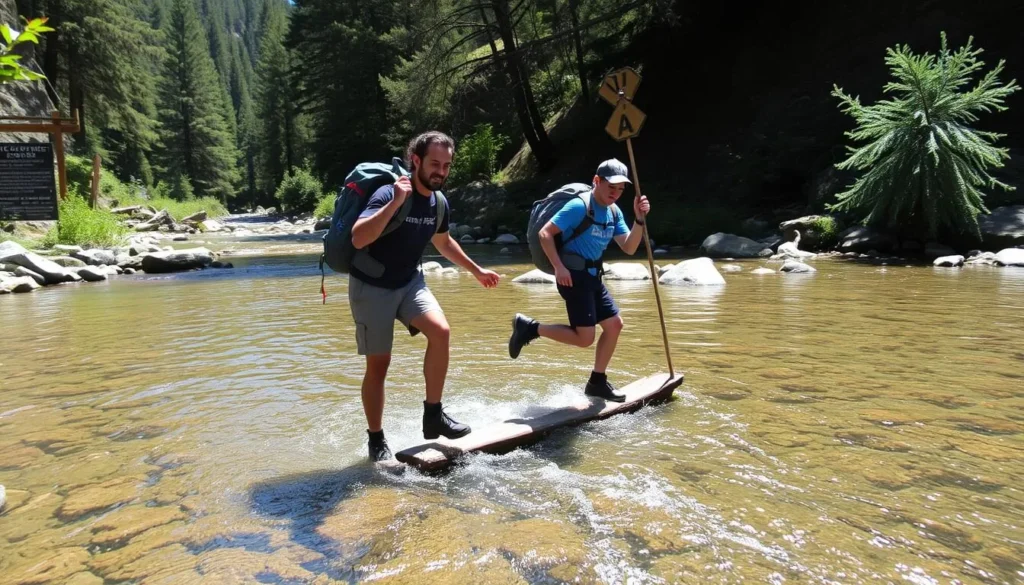
The trail to Sykes Hot Springs is approximately 10 miles (16 km) one-way, making it a 20-mile (32 km) round trip. Most visitors choose to camp overnight to fully enjoy the experience. The hike features significant elevation changes, crossing several streams, and traversing through diverse landscapes from redwood forests to open ridgelines.
Important Trail Update (2024): Due to a landslide, the Pine Ridge Trail has been rerouted. Hikers must now follow the new path through Barlow Flat Camp, crossing the Big Sur River to the north side, following the rerouted trail for about half a mile, and then crossing back to rejoin the Pine Ridge Trail.
Best Time to Visit & Weather Tips
Timing your visit to Sykes Hot Springs is crucial for the best experience. The weather and seasonal conditions can significantly impact both the hike and your enjoyment of the hot springs.
Recommended Seasons
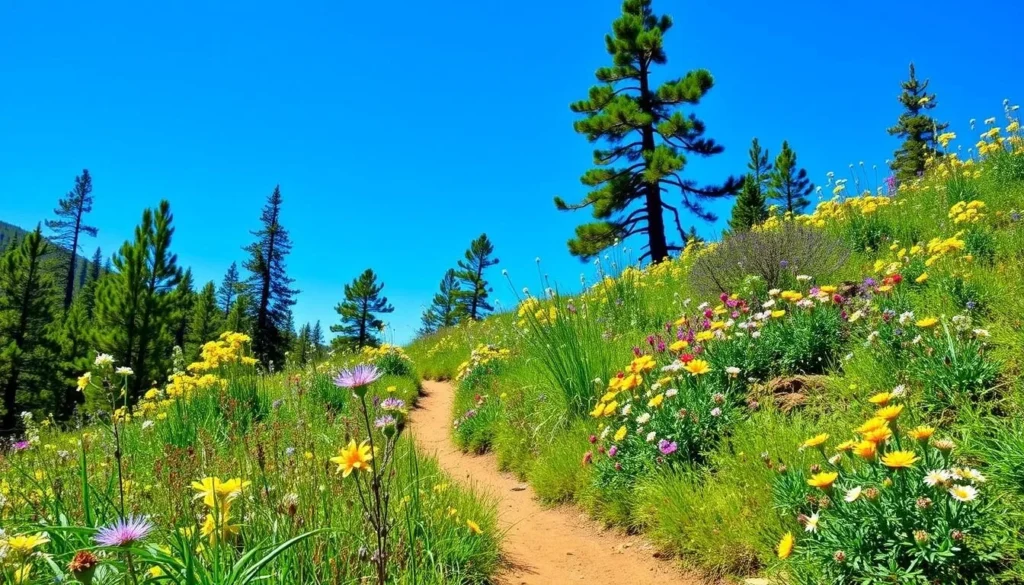
- Spring (April-May): Ideal with moderate temperatures, flowing water, and wildflowers in bloom. The river runs higher, making the hot springs experience more enjoyable.
- Fall (September-October): Another excellent time with stable weather, fewer crowds, and pleasant temperatures.
Seasons to Avoid
- Summer (June-August): Can be extremely hot on exposed sections of the trail, and the hot springs are less appealing in high temperatures. Water levels may be lower.
- Winter (December-February): Risk of heavy rains, mudslides, and dangerous river crossings. Trail conditions can deteriorate quickly.
Average temperatures in the area range from 10-18°C (50-65°F) in spring and fall, 21-27°C (70-80°F) in summer, and 7-13°C (45-55°F) in winter. Always check current weather forecasts and trail conditions before your trip.
Getting Around Locally
Once you’ve reached the Big Sur area, getting to the trailhead and navigating the wilderness requires some planning:
Transportation Options
- Personal Vehicle: The most convenient option. Parking is available at Big Sur Station for $10/day (cash or card accepted at the station during operating hours: 9 am – 4 pm).
- Rideshare Services: Limited availability in the Big Sur area due to remote location and spotty cell service.
- On Foot: Once on the trail, all travel is by foot. There are no shortcuts or alternative transportation options in the wilderness.
Navigation Tip: Cell service is non-existent in the backcountry. Bring physical maps, a compass, and consider a GPS device that doesn’t rely on cellular data.
Where to Stay
Accommodation options for visiting Sykes Hot Springs fall into two main categories: camping during your hike or staying in established lodging before and after your adventure.
Wilderness Camping
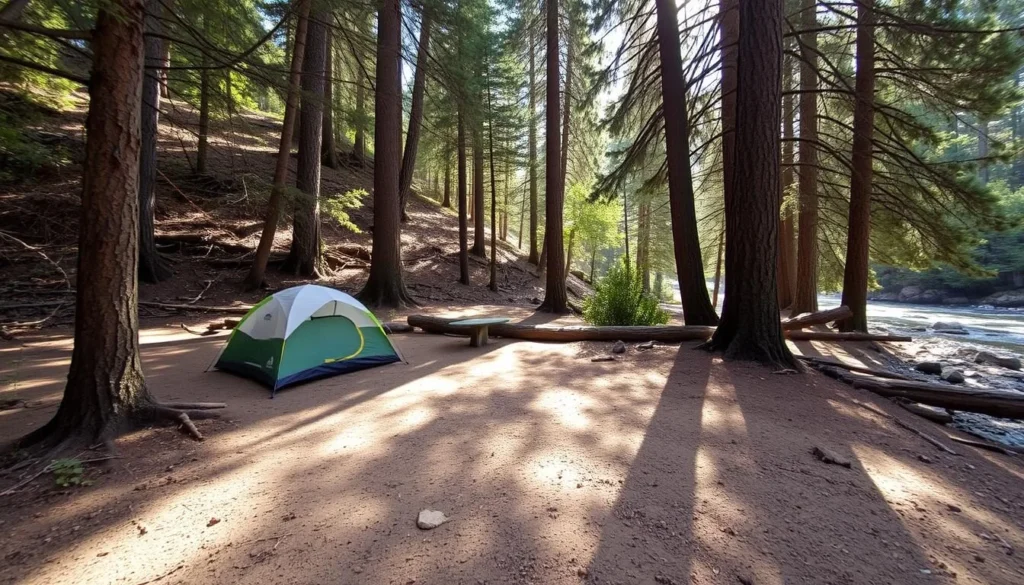
Most visitors camp overnight at Sykes Camp to break up the journey. The camp features seven designated sites along the Big Sur River with a single pit toilet. A wilderness permit is required for overnight stays.
Alternative Camping Options
- Barlow Flat Camp: Located 6.4 km (4 miles) from the trailhead, this is a good option for breaking up the hike.
- Pfeiffer Big Sur State Park Campground: Developed campground near the trailhead with amenities, perfect for the night before or after your hike.
Nearby Lodging
- Big Sur Lodge: Located in Pfeiffer Big Sur State Park, offering comfortable rooms and cabins.
- Ventana Big Sur: Luxury resort option for those wanting comfort before or after the wilderness experience.
- Deetjen’s Big Sur Inn: Historic lodging with rustic charm and character.
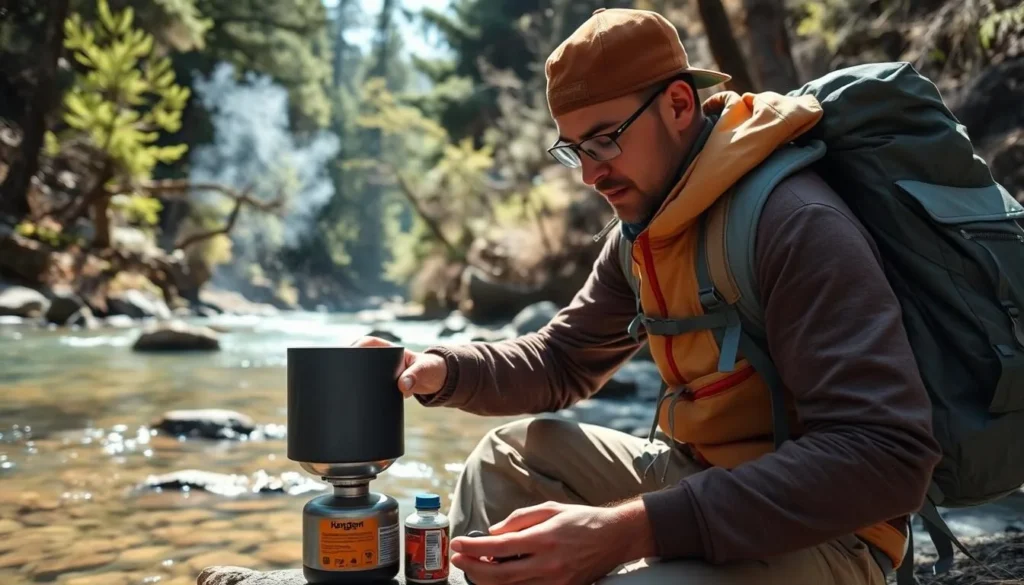
Camping Tip: Campfires are typically prohibited most of the year. A free permit is required for stove use. Always check current fire restrictions before your trip.
Dining & Local Cuisine
While in the wilderness, you’ll need to bring and prepare your own food. However, the Big Sur area offers excellent dining options before and after your adventure:
Wilderness Dining
- Self-Sufficient: Pack lightweight, high-energy foods that don’t require refrigeration.
- Water: Filter or purify all water from the Big Sur River before drinking.
- Cooking: If allowed, bring a backpacking stove with the required permit.
Big Sur Dining Highlights
- Nepenthe: Famous for its spectacular ocean views and American cuisine.
- Big Sur Bakery: Excellent pastries, wood-fired pizzas, and coffee.
- Sierra Mar at Post Ranch Inn: Fine dining with panoramic ocean views.
- Deetjen’s Restaurant: Cozy, historic setting with quality local cuisine.
Leave No Trace: Pack out ALL trash, including food scraps. There is no garbage service in the wilderness.
Attractions, Sightseeing & Activities
The main attraction at Sykes Hot Springs is, of course, the natural hot springs themselves, but there’s more to experience during your journey:
The Hot Springs Experience
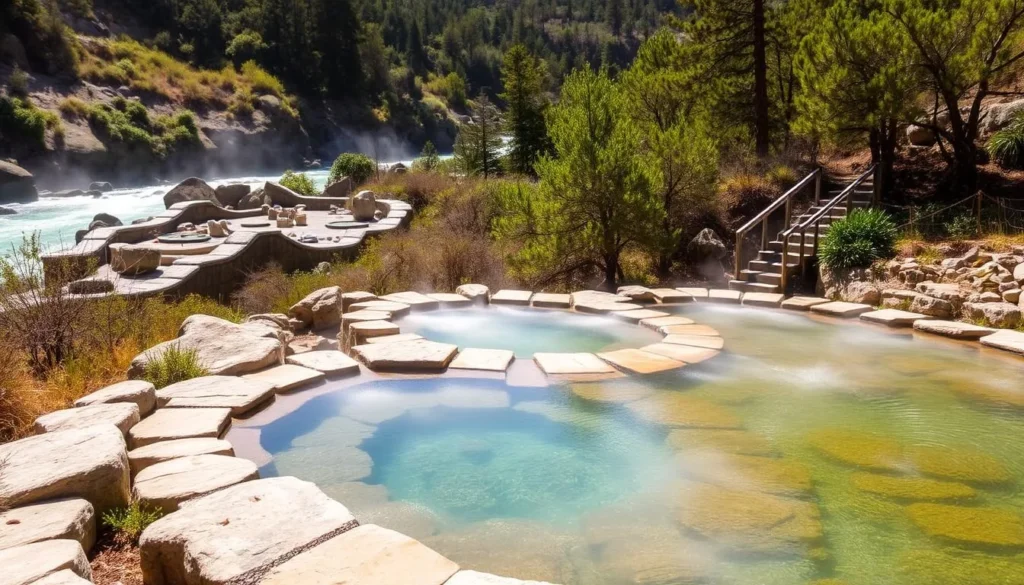
The hot springs consist of natural pools along the Big Sur River with temperatures around 38-40°C (100-104°F). These geothermal pools offer a perfect place to soak tired muscles after the long hike.
Along the Trail
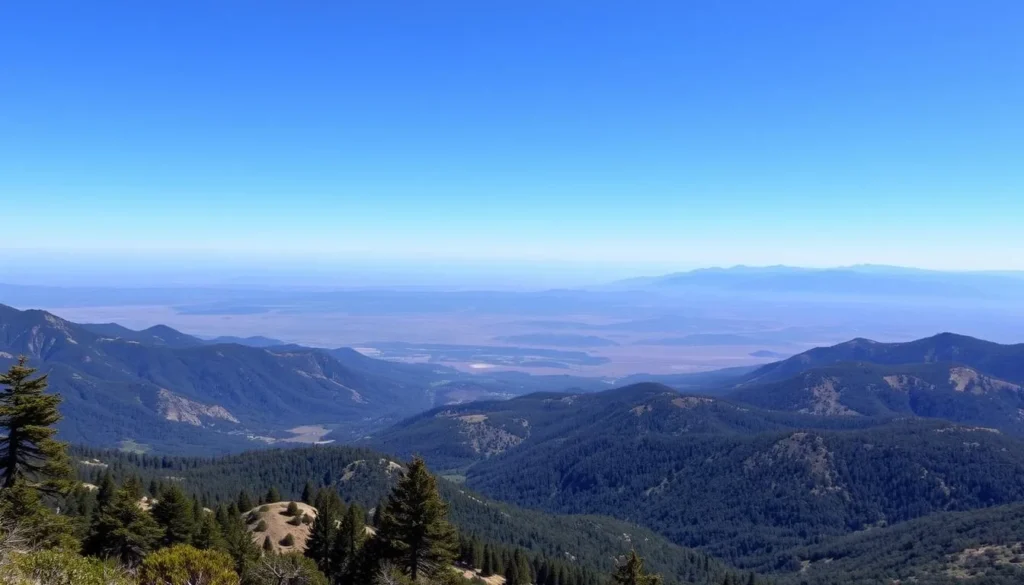
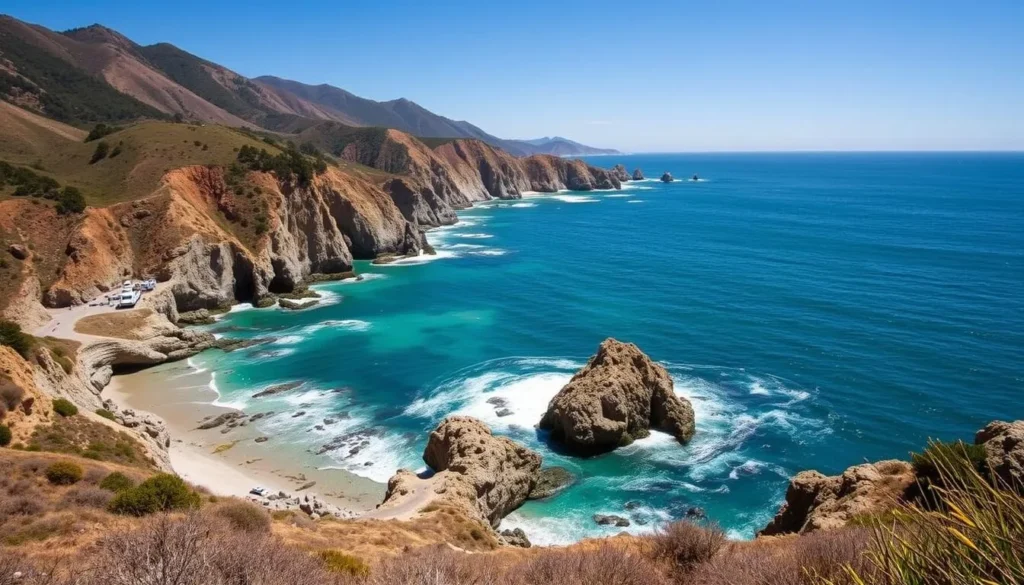
- Scenic Viewpoints: Several spots along the Pine Ridge Trail offer breathtaking views of the Big Sur coastline and mountains.
- Big Sur River: Multiple river crossings and swimming holes provide refreshing stops.
- Wildlife Viewing: Watch for deer, bobcats, and numerous bird species in their natural habitat.
- Photography: Countless opportunities for nature and landscape photography.
Cultural Significance & History
The Sykes Hot Springs area has a rich cultural history that adds depth to your wilderness experience:
Indigenous Heritage
The area was originally inhabited by the Esselen people, who may have used the hot springs for centuries before European settlement. Archaeological evidence in the region indicates human presence dating back to 3500 BC.
Modern History
The hot springs gained popularity among hikers in the mid-20th century. Over time, visitors created small stone and concrete impoundments to capture the hot spring water, though these structures have been repeatedly washed out by winter floods and are now discouraged by the Forest Service as inconsistent with wilderness principles.
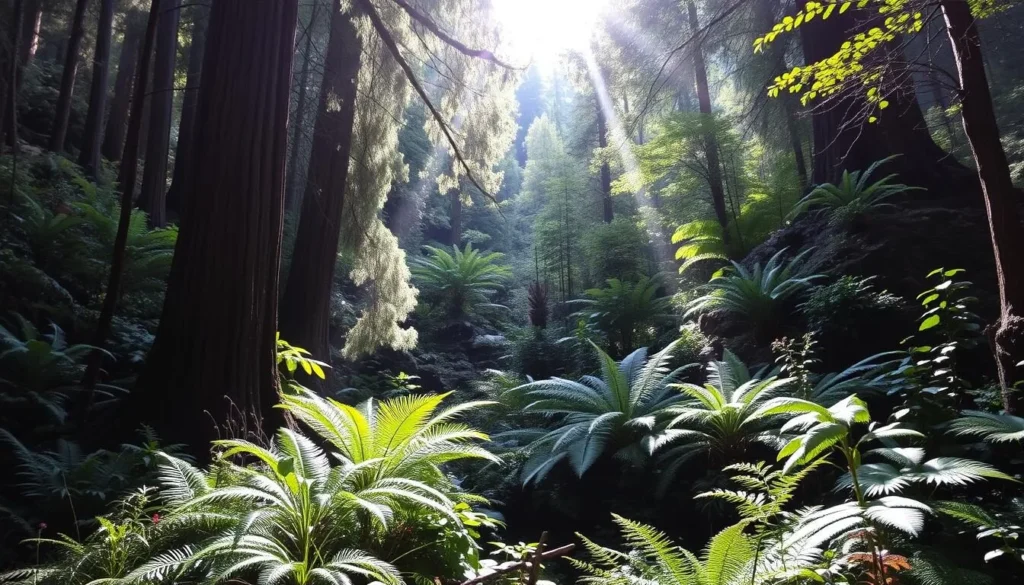
The Ventana Wilderness, where Sykes Hot Springs is located, was designated by Congress in 1969 and expanded several times since then. The Big Sur River was designated as a Wild and Scenic River, providing additional protection to this pristine waterway.
Sports, Nature & Outdoor Experiences
The journey to Sykes Hot Springs offers numerous opportunities for outdoor enthusiasts:
Hiking
The Pine Ridge Trail is the primary activity, offering a challenging but rewarding trek through diverse ecosystems. The trail gains approximately 1,262 meters (4,140 feet) in elevation over its length.
Swimming
The Big Sur River offers numerous swimming holes along the trail, providing refreshing breaks during your hike. The contrast between the cool river water and the hot springs creates a unique experience.
Nature Observation
- Birdwatching: The area is home to numerous bird species, including hawks, owls, and woodpeckers.
- Botany: The diverse plant life includes redwoods, oaks, madrones, and numerous wildflower species in spring.
- Stargazing: With minimal light pollution, the night sky offers spectacular views of stars and planets.
Outdoor Tip: Bear canisters are highly recommended for food storage. While bear encounters are rare in the area, proper food storage helps keep wildlife wild and your supplies safe.
Safety, Etiquette & Local Customs
Visiting Sykes Hot Springs requires adherence to wilderness ethics and safety practices:
Safety Considerations
- Trail Difficulty: The hike is strenuous and requires good physical condition. Don’t attempt it if you’re not prepared for a challenging trek.
- Emergency Preparedness: There is no cell service in the wilderness. Bring a first aid kit and know basic wilderness first aid.
- Water Safety: Always filter or purify water from the river before drinking.
- Weather Awareness: Check forecasts before departing and be prepared for changing conditions.
Wilderness Etiquette
- Leave No Trace: Pack out ALL trash, including toilet paper. Leave the area better than you found it.
- Proper Waste Disposal: Use the wilderness toilet if available. If not, dig a cathole at least 15 cm (6 inches) deep and 60 meters (200 feet) from water sources.
- Respect Wildlife: Observe animals from a distance and never feed them.
- Respect Other Visitors: Keep noise levels down and be considerate at the hot springs and campsites.
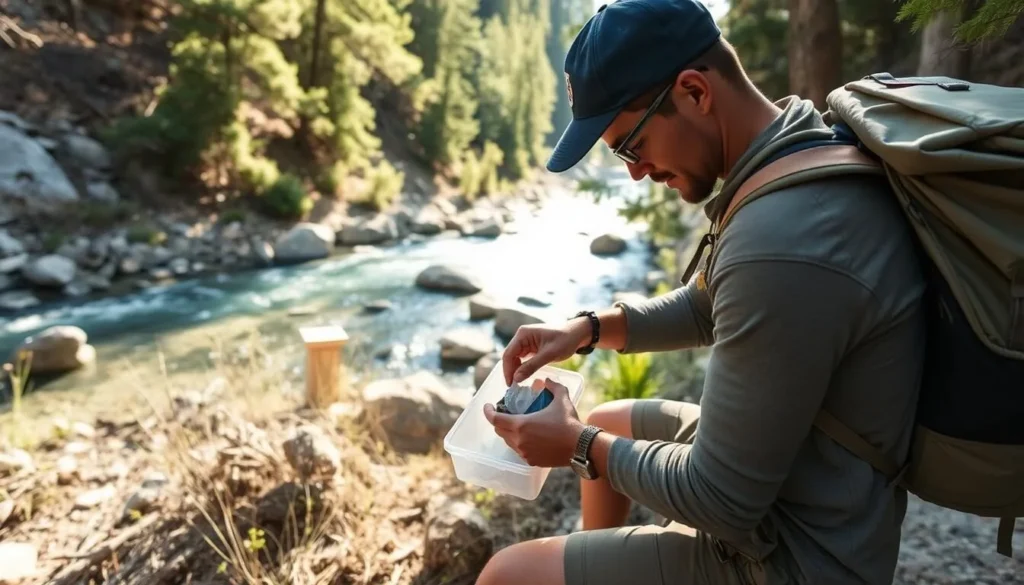
Required Permits: Complete a free Wilderness Self-Issue Permit at the trailhead. If using a stove or having a campfire (when allowed), obtain a free California Campfire Permit online before your trip.
Visitor Comments About Sykes Hot Springs
“The hike to Sykes was challenging but absolutely worth it. Soaking in those natural hot pools with the sound of the river flowing by was pure magic. Just make sure you’re prepared for the journey—proper footwear and plenty of water are essential.”
“As someone who has visited hot springs around the world, Sykes offers something truly special. The remote location and effort required to reach it means you’re rewarded with a peaceful experience away from crowds. The stargazing at night was incredible!”
“I underestimated the difficulty of the hike and packed too heavy. Learn from my mistake! Bring only essentials and lightweight gear. That said, sitting in those hot springs after the long trek was one of the most rewarding experiences of my life.”
Additional Nearby Destinations
While in the Big Sur area, consider exploring these nearby attractions:
McWay Falls
An 24-meter (80-foot) waterfall that flows directly onto the beach, creating one of the most photographed scenes in Big Sur. Located in Julia Pfeiffer Burns State Park.
Pfeiffer Beach
Famous for its purple sand and Keyhole Rock, which creates spectacular light effects at sunset. Located just off Highway 1.
Bixby Creek Bridge
One of the most photographed bridges in California, offering stunning views of the coastline. Located 20 km (13 miles) south of Carmel.
Practical Travel Tips
Essential Gear
- Backpack: 40-60 liter capacity with good support for the long hike.
- Footwear: Sturdy hiking boots with ankle support and water resistance.
- Water Treatment: Filter, purification tablets, or a UV purifier.
- Navigation: Physical map, compass, and possibly a GPS device.
- First Aid Kit: Include blister treatment, pain relievers, and basic supplies.
- Clothing: Layers for variable temperatures, including a warm layer for cool evenings.
Planning Resources
- Ventana Wilderness Alliance: Provides up-to-date trail conditions and wilderness information.
- Los Padres National Forest: Official information on permits and regulations.
- Big Sur Chamber of Commerce: Details on local accommodations and services.
Pro Tip: Before heading out, check for any trail closures or alerts. The Pine Ridge Trail has experienced closures in recent years due to wildfires, landslides, and heavy rain damage.
Embrace the Journey, Cherish the Destination
Sykes Hot Springs represents more than just a destination—it’s an experience that combines physical challenge, natural beauty, and the reward of soaking in thermal waters surrounded by pristine wilderness. The journey requires preparation, respect for nature, and a spirit of adventure, but those who make the effort are rewarded with memories that will last a lifetime. As you plan your trip to this hidden gem in the Ventana Wilderness, remember that the challenging journey is part of what makes reaching these remote hot springs so special and meaningful.
Related Posts
Chinatown Los Angeles, California: Best Things to Do – Top Picks
Chinatown San Francisco, California: Best Things to Do – Top Picks

Zuma Beach, Malibu, California: Best Things to Do – Top Picks
Yerba Buena Island, California: Best Things to Do – Top Picks
Woodson Bridge State Recreation Area, California: Best Things to Do – Top Picks
Woodland Opera House State Historic Park, California: Best Things to Do – Top Picks
Coming Soon: Clickable Maps