
Hotels by Trip.com
Flights by Trip.com
From near extinction to thriving herds, the Tule Elk State Natural Reserve represents one of California’s greatest wildlife conservation success stories. Once reduced to just 28 animals in the 1870s, today approximately 5,700 tule elk roam California’s grasslands and foothills, with a protected herd calling this 953-hectare (2,354-acre) reserve home. This remarkable comeback offers visitors a rare opportunity to witness these majestic creatures in their natural habitat while learning about the state’s ecological history.
Getting There & Planning Your Journey
The Tule Elk State Natural Reserve is located at 8653 Station Road in Buttonwillow, California, approximately 15 km (9 miles) west of Bakersfield. The nearest major airports are Meadows Field Airport in Bakersfield (40 km/25 miles) and Los Angeles International Airport (209 km/130 miles).
From Interstate 5, take the Stockdale Highway exit and head west to Morris Avenue. Turn left and continue as the road becomes Station Road after a right-only turn. The park entrance will be on your left. Look for the brown state park signs directing you to the reserve.
The reserve is a convenient stopover for travelers driving between Los Angeles and Sacramento, offering a peaceful break from the highway and a chance to connect with California’s natural heritage. The entrance fee is $8 per vehicle, payable at the self-service station near the entrance (cash or card accepted).
Best Time to Visit & Weather Tips
Recommended Seasons
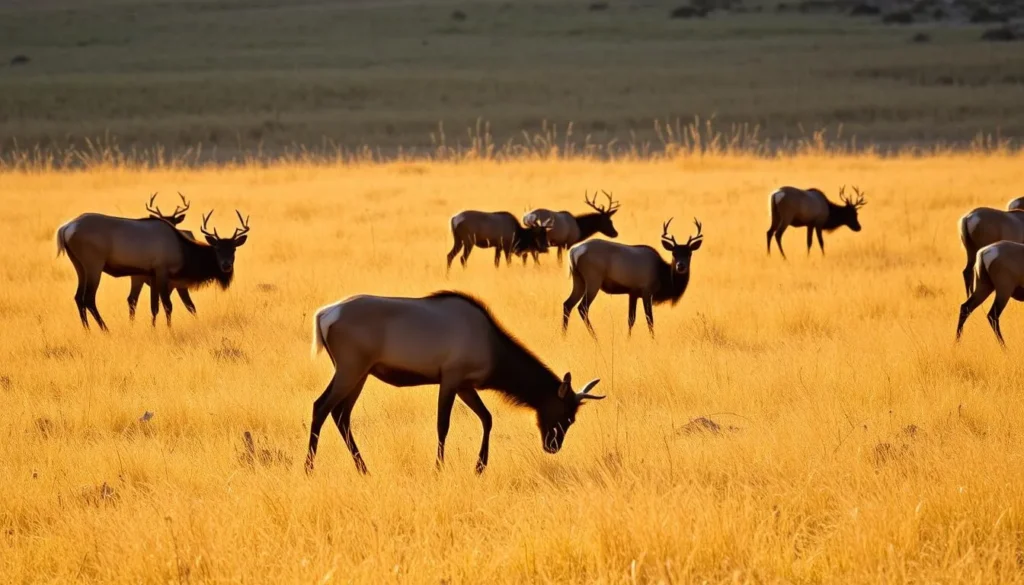
The tule elk are most active from late summer through early autumn (August-October), making this the prime viewing season. This period coincides with the rutting (mating) season when bull elk display impressive behaviors including bugling calls and occasional sparring matches.
Spring (March-May) offers another excellent visiting opportunity as the reserve transforms with vibrant wildflowers and new elk calves may be spotted. The lush green landscape during this season provides a striking contrast to the golden summer months.
Seasons to Avoid
Summer days (June-August) can be extremely hot, with temperatures frequently exceeding 38°C (100°F). If visiting during summer, plan to arrive early in the morning when temperatures are cooler and wildlife is more active.
Winter months (December-February) can bring cold, foggy conditions to the San Joaquin Valley. While the reserve remains open, visibility may be limited and wildlife viewing opportunities reduced.
Pro Tip: The best times for wildlife viewing are early morning (within 2 hours of sunrise) and late afternoon (2-3 hours before sunset) when the elk are most active and the lighting is ideal for photography.
✓ Check 30,000+ Local Sightseeing Tours Worldwide
Weather in the reserve can be changeable throughout the year. Summer brings dry, hot conditions while winter can be cold and foggy. Layered clothing is recommended year-round to adapt to changing temperatures. Always check the weather forecast before your visit and bring sun protection regardless of season.
Getting Around Locally
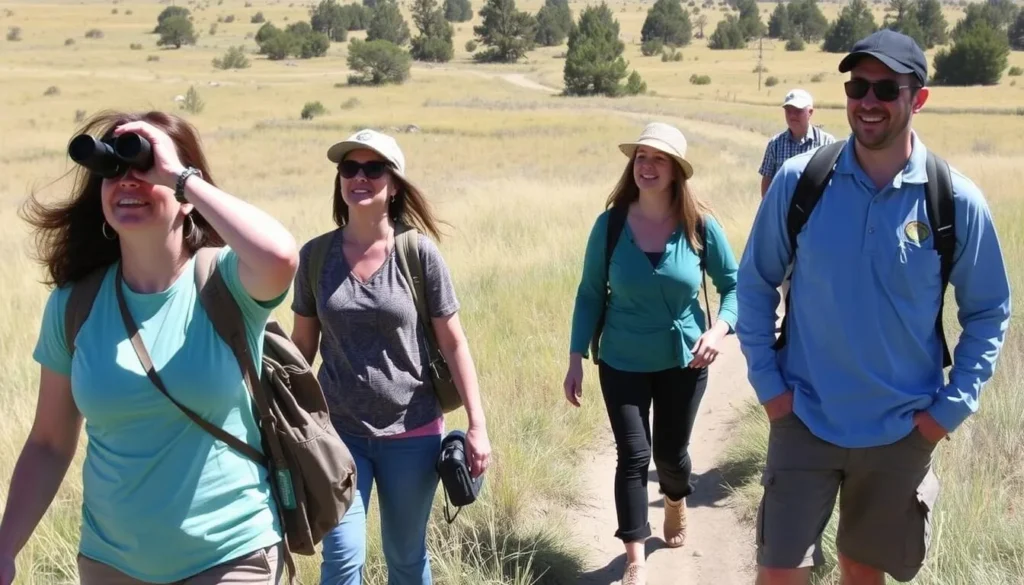
The Tule Elk State Natural Reserve is relatively compact and easy to navigate. The main day-use area near the entrance features a viewing platform that overlooks the reserve, providing excellent opportunities to spot elk with binoculars or a spotting scope.
While most of the reserve is closed to general public access to protect the elk and their habitat, there are several ways to explore the area:
- The visitor center and viewing platform are accessible to all visitors during regular park hours (8:00 am to sunset).
- Auto Safari tours are offered on the fourth Saturday of each month (except December) at 10:00 am. These guided tours provide a rare opportunity to venture deeper into the reserve with a knowledgeable ranger.
- School tours are available for educational groups by arrangement.
The day-use area, visitor center, elk viewing platform, and picnic areas are wheelchair accessible. The reserve has well-maintained pathways connecting these facilities, making navigation straightforward for visitors of all mobility levels.
Note: Dogs are allowed in the day-use area on a leash no longer than 1.8 m (6 feet), but they are not permitted on Auto Safari tours, even if they remain in the vehicle.
Where to Stay
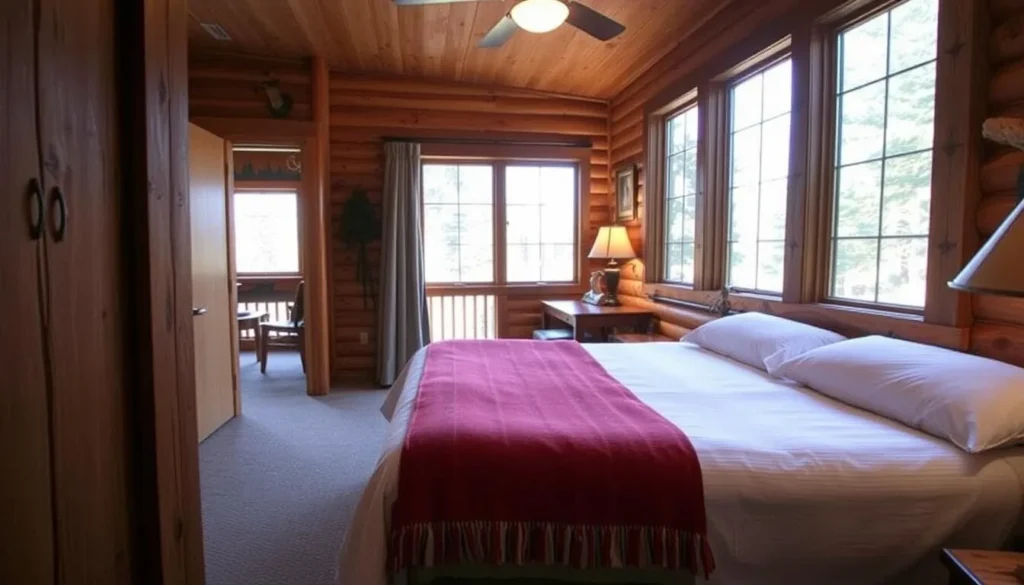
The Tule Elk State Natural Reserve does not offer camping facilities, but several accommodation options are available in nearby communities:
Buttonwillow
The closest town to the reserve (about 10 km/6 miles) offers several budget-friendly chain hotels and motels along Interstate 5, catering primarily to highway travelers.
These accommodations provide convenient access to the reserve for early morning wildlife viewing.
Bakersfield
Located approximately 24 km (15 miles) east of the reserve, Bakersfield provides the widest range of accommodation options, from budget motels to upscale hotels.
The city also offers numerous dining options and additional attractions to round out your visit.
Nearby Camping
While camping isn’t available at the reserve itself, nearby options include Buena Vista Aquatic Recreational Area (32 km/20 miles away) and private RV parks in Buttonwillow.
These sites provide opportunities for outdoor enthusiasts to extend their nature experience.
For visitors planning an extended exploration of California’s natural areas, consider combining your visit to the Tule Elk State Natural Reserve with stays at nearby destinations like Wind Wolves Preserve or Fort Tejon State Historic Park, both within an hour’s drive.
Dining & Local Cuisine
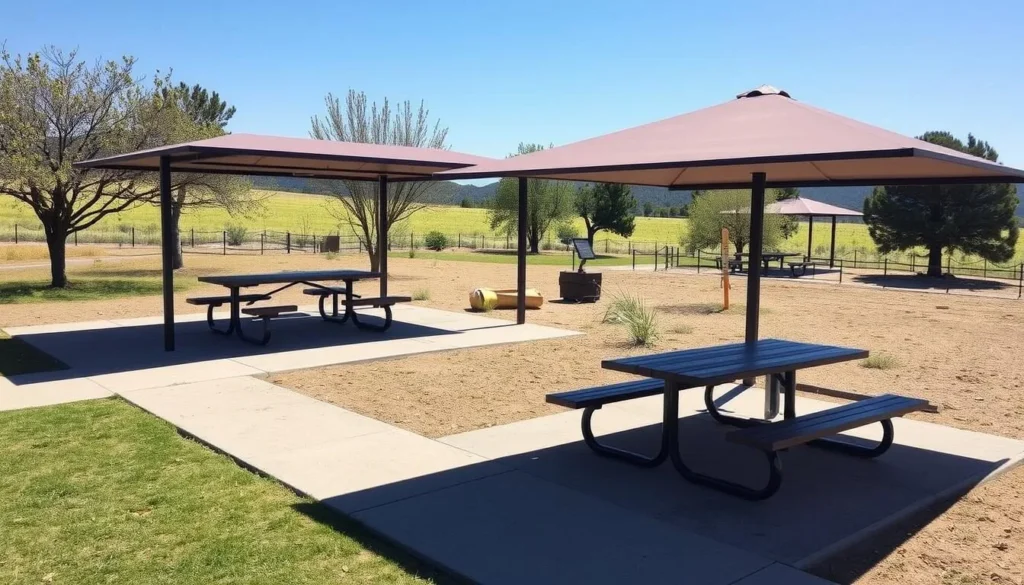
There are no food services within the Tule Elk State Natural Reserve, but the park offers excellent picnic facilities for visitors who bring their own food:
- Two large shade ramadas with nine picnic tables and barbecues for group outings
- Nine individual picnic tables (four with shade ramadas) and barbecues
- Clean facilities with drinking fountains available
Packing a picnic lunch is highly recommended, as it allows you to maximize your time at the reserve while enjoying the scenic views. Remember to bring plenty of water, especially during warmer months.
For those preferring restaurant options, the nearby communities offer several choices:
Buttonwillow Dining
The small town of Buttonwillow, located near Interstate 5, offers several fast-food restaurants and casual dining establishments catering to travelers. These are convenient options for a quick meal before or after visiting the reserve.
Bakersfield Restaurants
For more diverse dining options, Bakersfield (24 km/15 miles east) provides everything from local Basque restaurants—reflecting the area’s unique cultural heritage—to modern farm-to-table establishments featuring fresh San Joaquin Valley produce.
Local Tip: If you’re visiting during summer months, plan your picnic for early morning or late afternoon to avoid the intense midday heat. The shade structures provide welcome relief, but temperatures can still be uncomfortable during peak hours.
Attractions, Sightseeing & Activities
Wildlife Viewing
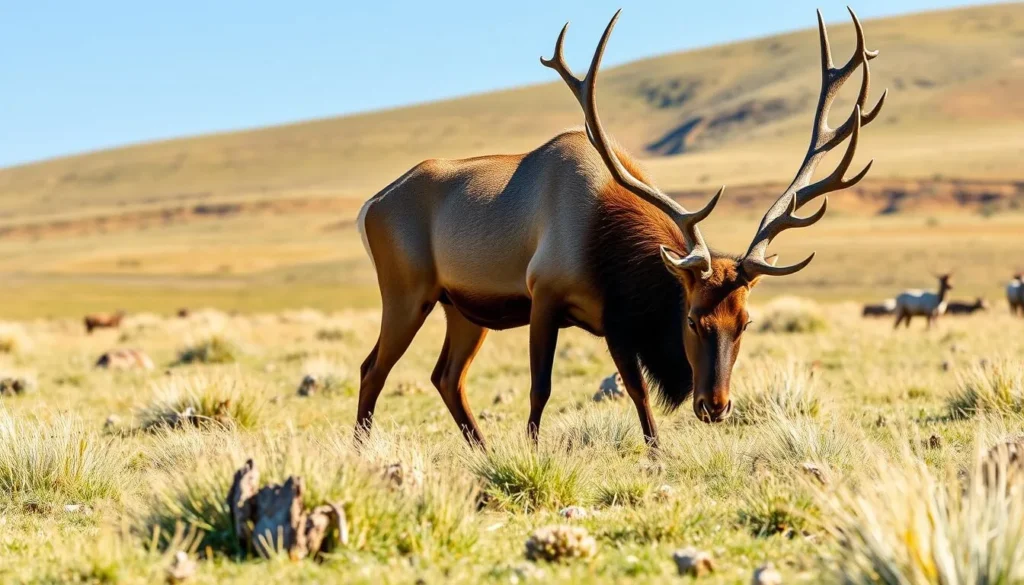
The primary attraction at Tule Elk State Natural Reserve is, of course, observing the tule elk in their natural habitat. The reserve’s viewing platform provides an excellent vantage point for spotting these magnificent animals. Bring binoculars or a spotting scope for the best experience, as the elk may be at varying distances across the reserve.
Beyond elk, the reserve hosts diverse wildlife including:
- Birds: Northern harriers, prairie falcons, red-tailed hawks, great blue herons, egrets, and various songbirds
- Mammals: Coyotes, badgers, skunks, raccoons, desert cottontail rabbits, and ground squirrels
- Reptiles and amphibians: California king snakes, gopher snakes, side-blotched lizards, and Western spadefoot toads
Auto Safari Tours
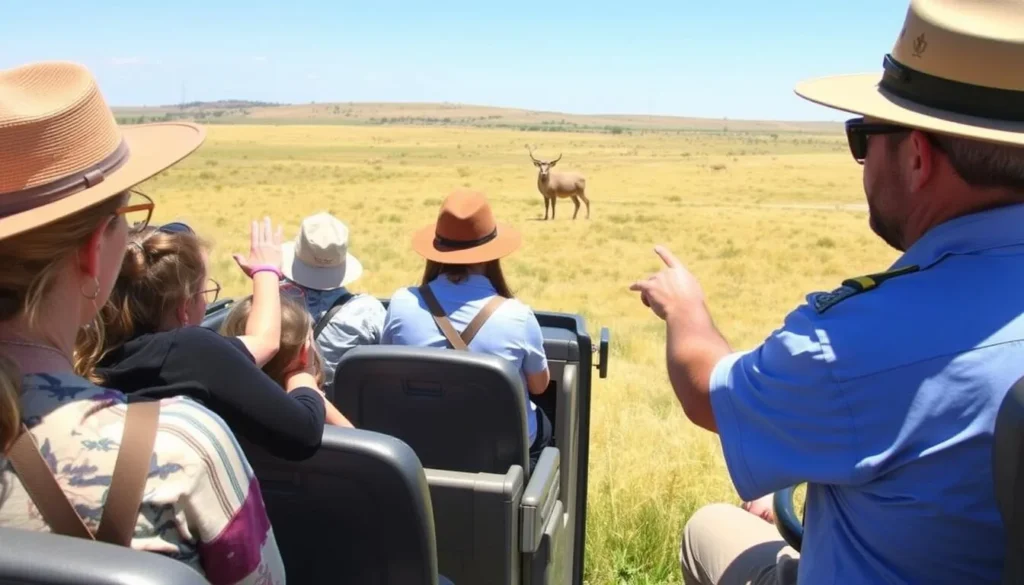
For a more immersive experience, join the monthly Auto Safari tours held on the fourth Saturday of each month (except December) at 10:00 am. These guided excursions include:
- An informative overview of tule elk biology and conservation
- A tour of the visitor center with interpretive exhibits
- Access to normally restricted areas of the reserve
- Expert guidance from knowledgeable park staff
Regular day use fees apply ($8 per vehicle), and no additional reservation is required for these tours. However, they are popular, so arriving early is recommended to secure your spot.
Visitor Center
The reserve’s visitor center features educational exhibits about tule elk biology, their near-extinction, and successful conservation efforts. These displays provide valuable context for understanding the significance of the reserve and its inhabitants.
Did You Know? The tule elk is the smallest subspecies of North American elk, standing about 1.5 m (5 feet) tall at the shoulder. Males can weigh up to 225 kg (500 pounds), while females average around 160 kg (350 pounds).
Museums, Cultural Spots & Festivals
Cultural Heritage
While the reserve itself focuses primarily on natural history, it also tells an important cultural story about California’s relationship with its native wildlife. The visitor center exhibits touch on the historical significance of tule elk to indigenous peoples and the impact of European settlement on native species.
The reserve’s history is closely tied to cattle baron Henry Miller, who protected the last remaining tule elk on his land in the 1870s when they were thought to be extinct. This conservation story represents an important chapter in California’s environmental history.
Nearby Cultural Attractions
To enrich your cultural experience in the area, consider visiting these nearby attractions:
Buena Vista Museum of Natural History
Located in Bakersfield (24 km/15 miles from the reserve), this museum features exhibits on paleontology, geology, and the natural history of the San Joaquin Valley.
Fort Tejon State Historic Park
About 56 km (35 miles) south of the reserve, Fort Tejon preserves a former U.S. Army post established in 1854. The park offers living history demonstrations and insights into California’s 19th-century development.
Kern County Museum
This Bakersfield museum showcases the region’s cultural heritage through historic buildings, exhibits on oil development, and artifacts from the San Joaquin Valley’s diverse communities.
Annual Events
While the reserve doesn’t host regular festivals, special events are occasionally organized, including:
- First Day Tours on January 1st, offering a fresh start to the year with nature
- Special interpretive programs during National Wildlife Week (usually in March)
- California State Parks Week activities (typically in June)
Check the California State Parks website or contact the reserve directly at (661) 764-6881 for current event information during your planned visit.
Nature & Outdoor Experiences
Landscape & Ecosystems
The Tule Elk State Natural Reserve preserves a unique ecosystem representative of the San Joaquin Valley’s original landscape before agricultural development. The reserve encompasses:
- Native grasslands that once dominated California’s Central Valley
- Seasonal wetlands that provide habitat for migratory birds
- Tule reed marshes that give the elk subspecies its name
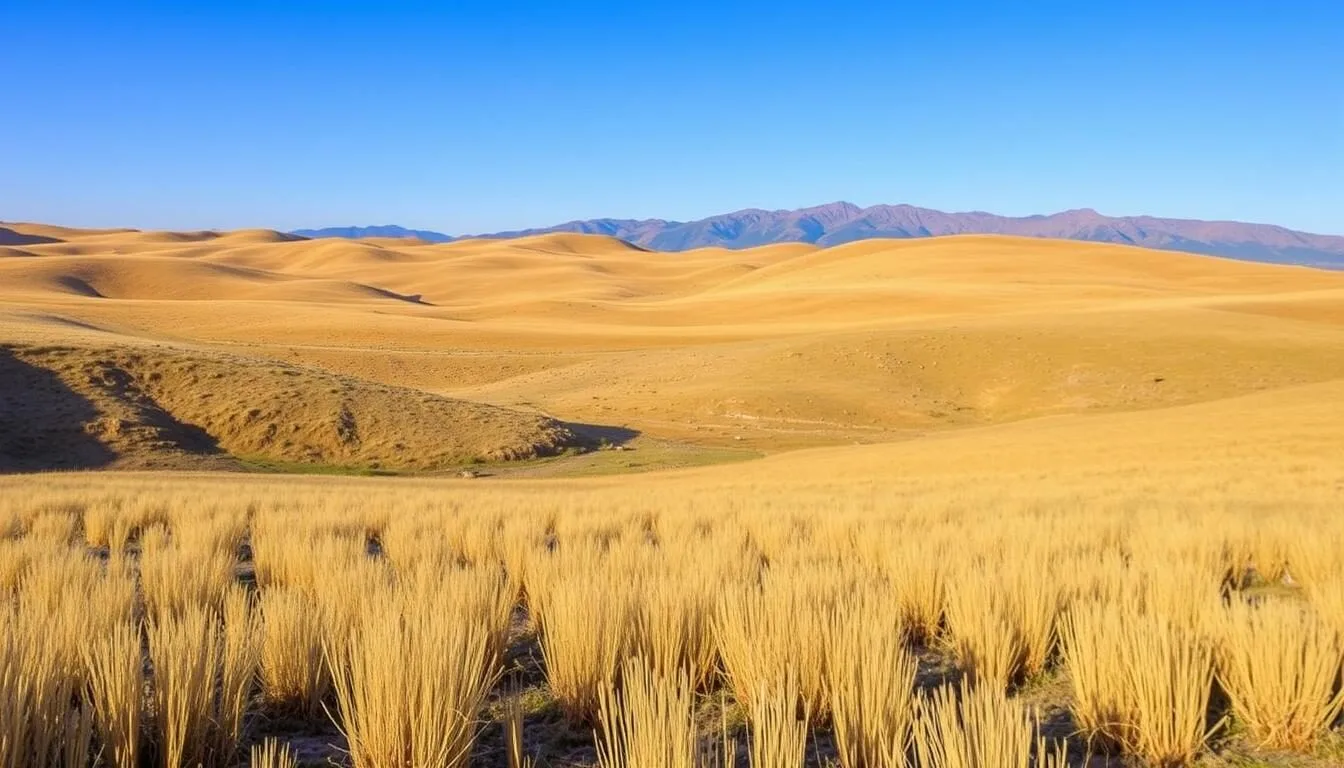
This diverse landscape supports not only the elk herd but also numerous other plant and animal species adapted to the region’s hot, dry summers and mild, foggy winters.
Seasonal Highlights
Spring (March-May)
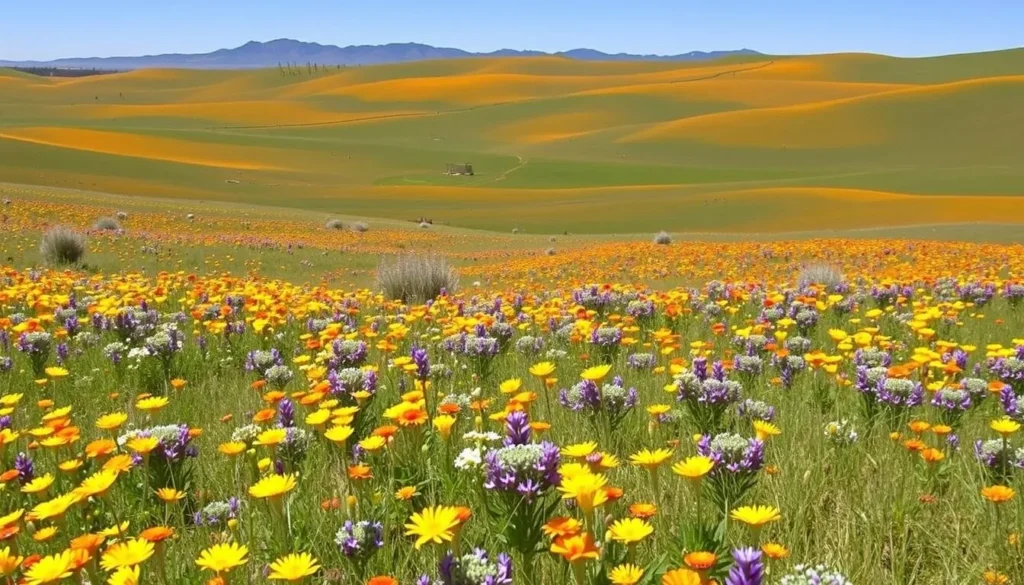
Spring transforms the reserve with vibrant wildflower displays, particularly after wet winters. California poppies, lupines, and numerous other native wildflowers create a colorful carpet across the grasslands. This season also brings the birth of elk calves, typically in April and May.
Fall (September-November)
The autumn rutting season provides the most dramatic wildlife viewing opportunities. Bull elk bugle (a distinctive high-pitched call) to attract females and establish dominance. Visitors may witness impressive displays as males spar with their antlers.
Photography Opportunities
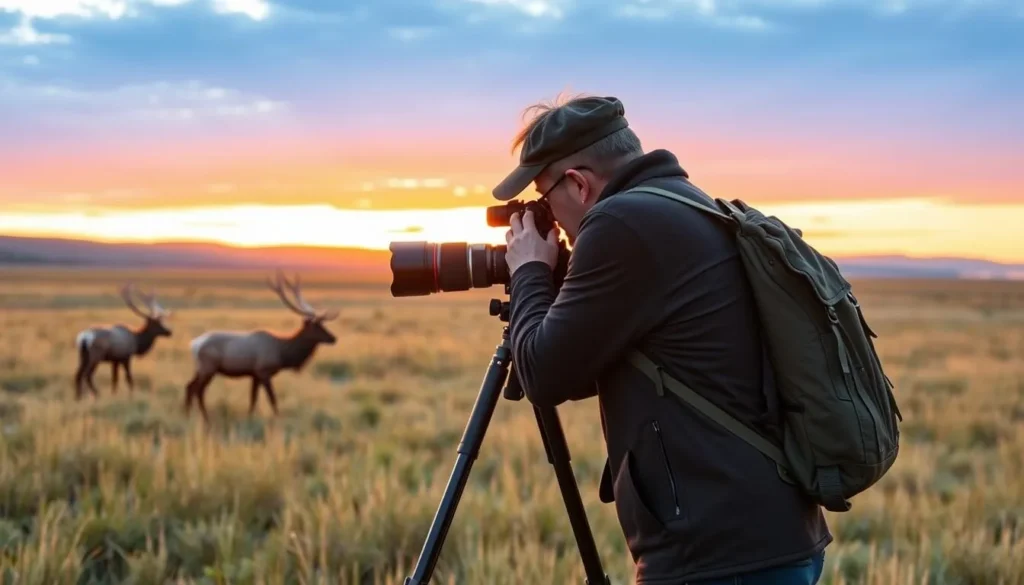
The reserve offers exceptional photography opportunities for wildlife and landscape enthusiasts:
- Early morning and late afternoon provide the best lighting conditions, with golden hour creating a warm glow across the grasslands
- The elevated viewing platform offers unobstructed views for wildlife photography
- A telephoto lens (at least 200mm) is recommended for capturing detailed images of elk
- Spring wildflowers and dramatic skies during storm seasons create compelling landscape compositions
Photography Tip: The Auto Safari tours provide unique photographic access to areas of the reserve not normally open to visitors. These guided experiences allow for different perspectives and potentially closer wildlife encounters.
Safety, Etiquette & Local Customs
Wildlife Safety
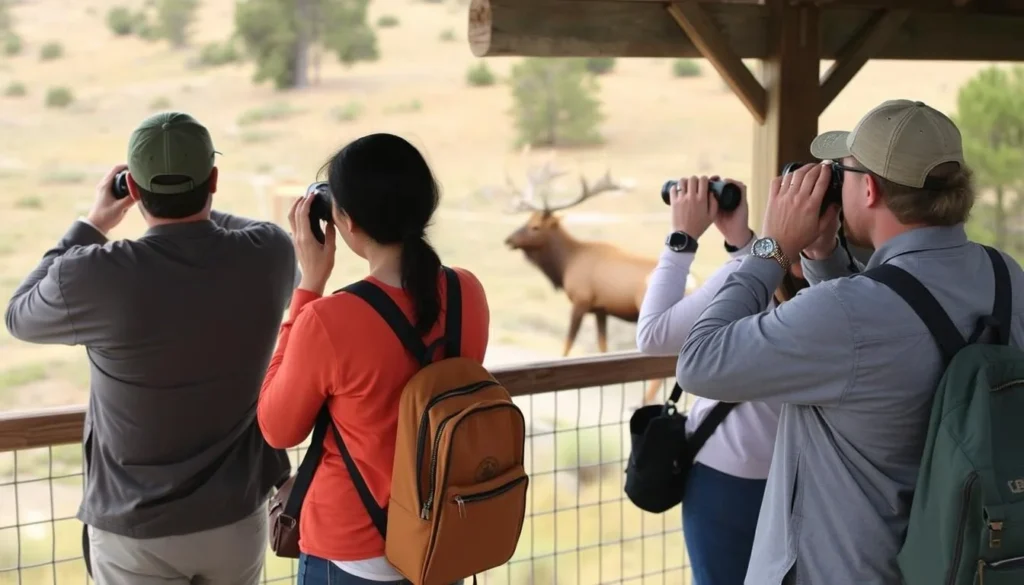
While visiting the Tule Elk State Natural Reserve, remember that you’re encountering wild animals in their natural habitat. Follow these important safety guidelines:
- Maintain a safe distance from all wildlife, including elk
- Never attempt to approach, touch, or feed any animals
- Stay on designated paths and viewing areas
- Keep children under close supervision at all times
- Be aware that bull elk can be particularly aggressive during rutting season (August-October)
Environmental Etiquette
Help preserve this special place by practicing responsible visitation:
- Pack out all trash and recyclables
- Stay within designated visitor areas to protect sensitive habitat
- Keep noise levels low to avoid disturbing wildlife
- Leave natural objects such as plants, rocks, and antler sheds where you find them
- Drones are prohibited in the airspace above the reserve to protect wildlife and visitor experience
Weather Precautions
The San Joaquin Valley experiences extreme temperature variations throughout the year:
- Summer temperatures regularly exceed 38°C (100°F) – bring plenty of water, sun protection, and lightweight clothing
- Winter mornings can be cold and foggy – dress in layers that can be adjusted as conditions change
- The reserve has limited shade outside of picnic areas – a wide-brimmed hat is recommended year-round
Important Safety Note: The reserve has numerous ground squirrel burrows that create holes in the ground. Watch your step while walking to avoid tripping or ankle injuries.
Visitor Comments About Tule Elk State Natural Reserve
“As a wildlife enthusiast visiting from Saudi Arabia, I found the Tule Elk Reserve to be a hidden gem. The morning light created perfect conditions for photography, and seeing these magnificent animals that were once nearly extinct was truly moving. The volunteer ranger shared fascinating information about their conservation. Don’t miss the Auto Safari if you can time your visit right!”
“Being from Stockton, I’ve visited many California parks, but the Tule Elk Reserve offers something special. We saw over 20 elk during our visit, including several calves in spring. The picnic areas are clean and well-maintained, making it perfect for a family day trip. Bring binoculars – they make all the difference in spotting wildlife across the grasslands.”
“We stopped here during a road trip from Oklahoma to the California coast and were pleasantly surprised. The visitor center exhibits taught us so much about these unique animals and their history. Even our teenagers, who are usually glued to their phones, were impressed by the elk bugling during rutting season. It’s a peaceful place that offers a genuine connection to California’s natural heritage.”
Additional Nearby Destinations
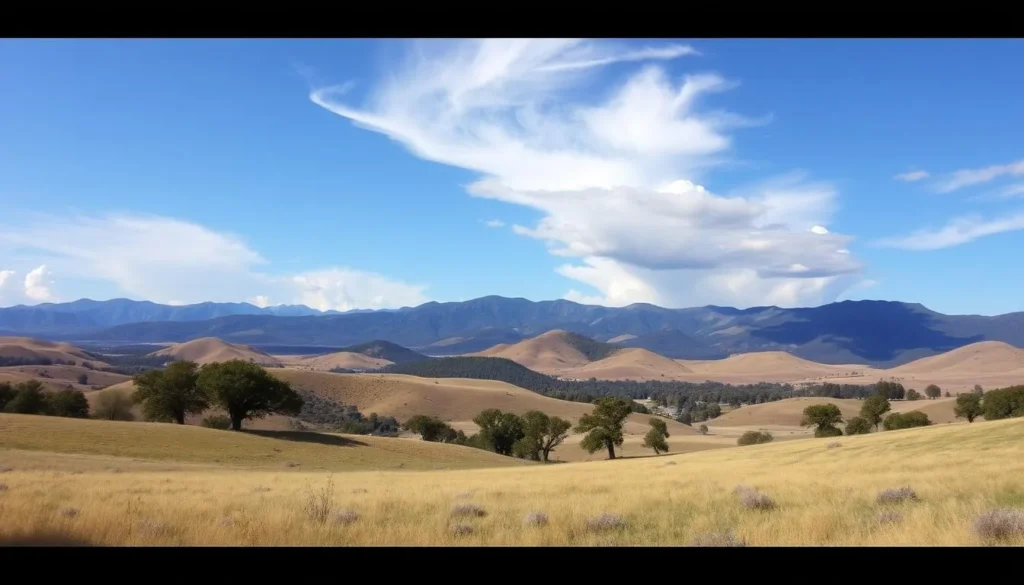
Extend your exploration of California’s natural and cultural heritage with these nearby destinations:
Wind Wolves Preserve
Located approximately 48 km (30 miles) southwest of the reserve, this 37,000-hectare (90,000-acre) nonprofit nature preserve offers hiking trails, wildlife viewing, and spectacular wildflower displays in spring.
✓ Check 30,000+ Local Sightseeing Tours Worldwide
The preserve is home to reintroduced tule elk, offering another opportunity to see these magnificent animals in a different habitat.
Kern National Wildlife Refuge
About 40 km (25 miles) north of the reserve, this wetland sanctuary provides critical habitat for migratory birds along the Pacific Flyway.
Fall and winter bring thousands of waterfowl to the refuge, creating spectacular wildlife viewing opportunities for bird enthusiasts.
Carrizo Plain National Monument
Approximately 80 km (50 miles) west of the reserve, this vast grassland showcases what much of the San Joaquin Valley looked like before agricultural development.
Spring wildflower displays here are among the most spectacular in California, and the monument is home to several endangered species.
These destinations can be combined with your visit to the Tule Elk State Natural Reserve for a comprehensive exploration of California’s diverse ecosystems and wildlife. Each offers unique landscapes and outdoor experiences that complement what you’ll discover at the reserve.
Practical Travel Tips
Essential Gear
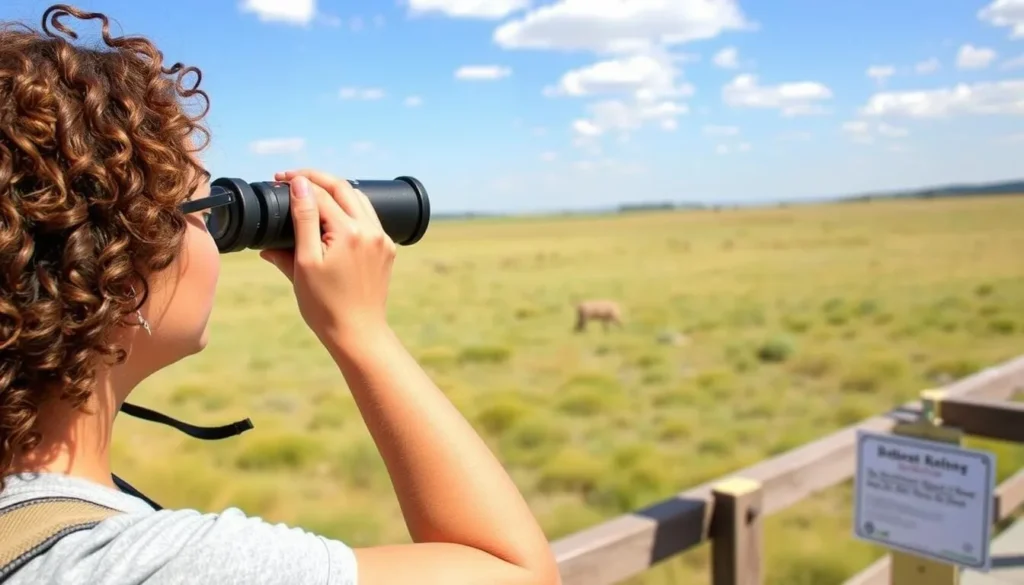
- Binoculars or spotting scope for wildlife viewing
- Camera with telephoto lens for wildlife photography
- Refillable water bottles (drinking fountains available)
- Sun protection (hat, sunscreen, sunglasses)
- Comfortable walking shoes
Visitor Facilities
- Clean restrooms in the day-use area
- Drinking fountains near picnic areas
- Picnic tables with shade structures
- Accessible viewing platform
- Interpretive exhibits and information panels
Planning Essentials
- Reserve hours: 8:00 am to sunset daily
- Entrance fee: $8 per vehicle
- Auto Safari tours: 4th Saturday monthly at 10:00 am
- Contact number: (661) 764-6881
- No camping facilities available on-site
Are pets allowed at the reserve?
Dogs are allowed in the visitor center area on a leash no longer than 1.8 m (6 feet). However, dogs are not permitted on the Auto Safari tours, even if they remain in the vehicle. Service animals are exempt from these restrictions.
What passes are accepted at the reserve?
The reserve accepts several California State Parks passes, including the California Explorer Vehicle Day Use Annual Pass, Golden Poppy Vehicle Day Use Annual Pass, California State Park Adventure Pass, and various discount passes for seniors, veterans, and disabled visitors.
Is there cell phone reception at the reserve?
Cell phone coverage can be spotty within the reserve. It’s advisable to download maps and information before your visit and not rely solely on mobile connectivity for navigation or information.
A Window Into California’s Wild Heritage
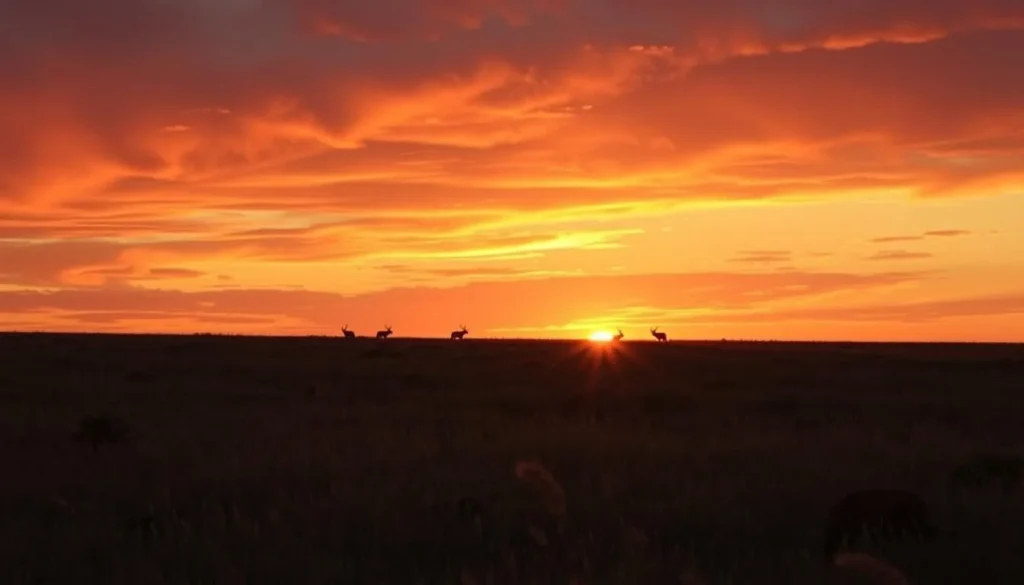
The Tule Elk State Natural Reserve offers more than just wildlife viewing—it provides a living window into California’s natural heritage and a powerful conservation success story. From the brink of extinction to today’s thriving herds, these magnificent animals represent the resilience of nature when given proper protection and stewardship.
Whether you’re a dedicated wildlife enthusiast, a casual nature lover, or a family seeking an educational outdoor experience, the reserve delivers a meaningful connection to California’s ecological history. The sight of tule elk roaming freely across the grasslands—the same landscape their ancestors inhabited for thousands of years—creates a profound sense of place and perspective.
As you plan your visit to this special corner of the San Joaquin Valley, remember that each visitor becomes part of the ongoing conservation story. Your interest and appreciation help ensure that future generations will continue to experience the wonder of seeing these magnificent animals in their natural habitat.
Related Posts

Chinatown Los Angeles, California: Best Things to Do – Top Picks

Chinatown San Francisco, California: Best Things to Do – Top Picks

Zuma Beach, Malibu, California: Best Things to Do – Top Picks

Yerba Buena Island, California: Best Things to Do – Top Picks
Woodson Bridge State Recreation Area, California: Best Things to Do – Top Picks
Woodland Opera House State Historic Park, California: Best Things to Do – Top Picks
Coming Soon: Clickable Maps