
Hotels by Trip.com
Flights by Trip.com
Did you know that Ward Creek is home to one of California’s most successful environmental restoration projects? Once threatened by development and erosion, this hidden gem now boasts over 179 acres of protected meadows, forests, and pristine waterways. The Ward Creek Project stands as a remarkable example of how conservation efforts can transform a damaged ecosystem into a thriving natural paradise that welcomes visitors year-round.
Getting There & Planning Your Journey
Ward Creek is located on the western shore of Lake Tahoe, between Tahoe City and Homewood in California. The closest major airports are Reno-Tahoe International Airport (RNO), approximately 67 km (42 miles) northeast, and Sacramento International Airport (SMF), about 160 km (100 miles) southwest.
From Reno, take I-80 West to CA-89 South toward Tahoe City. Continue south on CA-89 past Tahoe City for about 5 km (3 miles) to the Ward Creek area. Look for the Rideout Community Center on Timberland Lane, which serves as an access point to Ward Creek Park.
If coming from Sacramento, take I-80 East to Truckee, then CA-89 South toward Tahoe City. The drive offers stunning mountain views as you approach the Lake Tahoe region. The Ward Creek Project area encompasses several access points along the western shore, with the main recreational areas concentrated around Ward Creek Park.
Best Time to Visit & Weather Tips
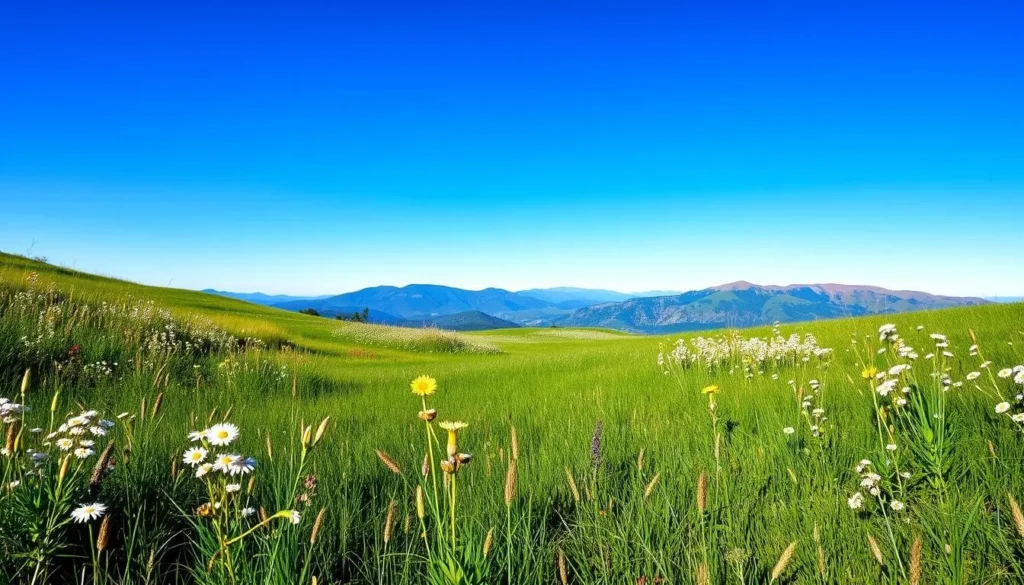
The Ward Creek Project area experiences distinct seasonal changes, each offering unique experiences for visitors. Understanding the climate patterns will help you plan the perfect trip.
Recommended Seasons
- Summer (June-August): Peak season with warm temperatures ranging from 21-27°C (70-80°F). Perfect for hiking, fishing, and water activities. Wildflowers bloom throughout the meadows.
- Early Fall (September-October): Less crowded with comfortable temperatures between 15-21°C (60-70°F). Spectacular fall foliage transforms the landscape with vibrant colors.
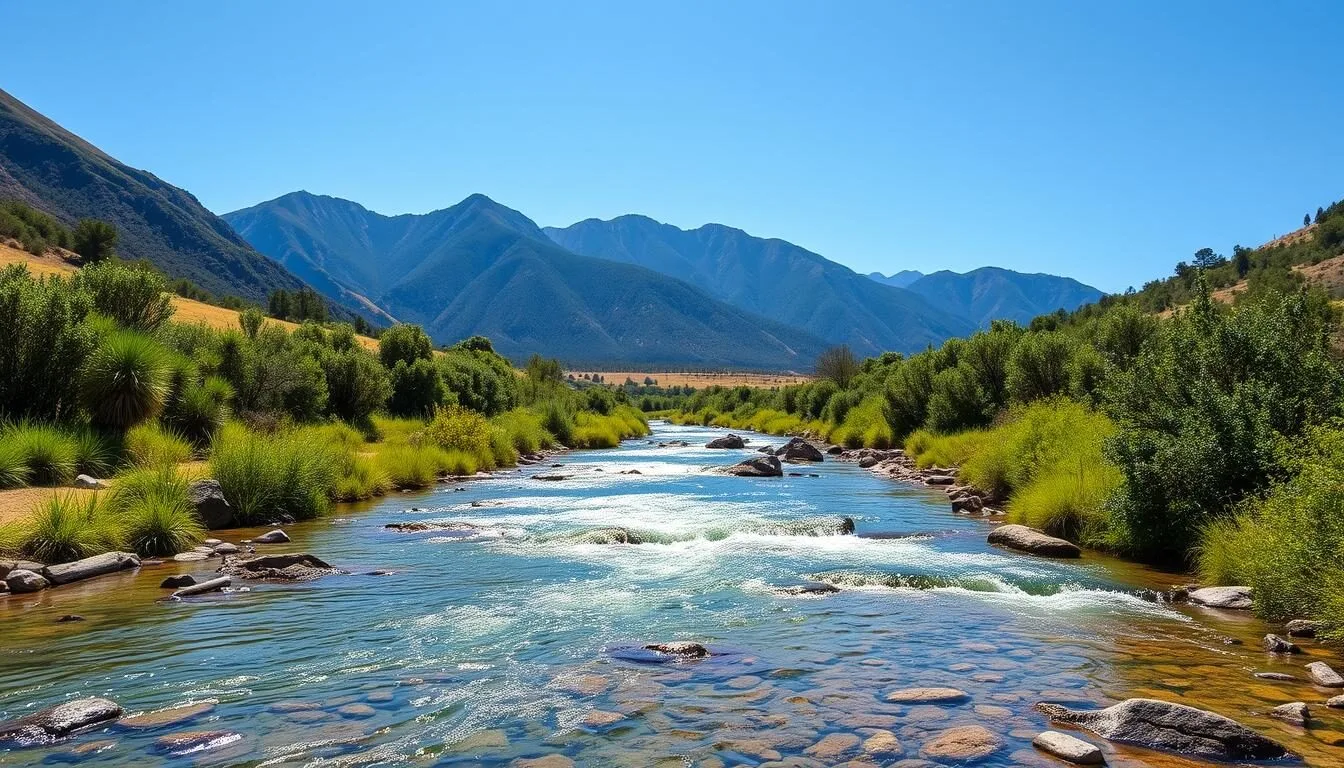
- Late Spring (May-June): Flowing waters from snowmelt make this an excellent time for photography and observing the watershed in action. Temperatures range from 15-21°C (60-70°F).
Seasons to Avoid
- Winter (December-March): Heavy snowfall can make access difficult. Many trails and facilities close during this period. Temperatures often drop below freezing.
- Early Spring (April): Muddy conditions from snowmelt can make trails impassable and less enjoyable. Facilities may still be closed from winter.
- Late Fall (November): Unpredictable weather with potential early snowfall and colder temperatures ranging from 4-10°C (40-50°F).
Always check local weather forecasts before your visit, as mountain weather can change rapidly. During summer months, afternoon thunderstorms are common, so plan morning activities when possible. The area receives significant snowfall in winter, with accumulations often exceeding 150 cm (60 inches).
Getting Around Locally
Navigating the Ward Creek Project area is relatively straightforward, with several options depending on your preferences and physical abilities.
Trail Network
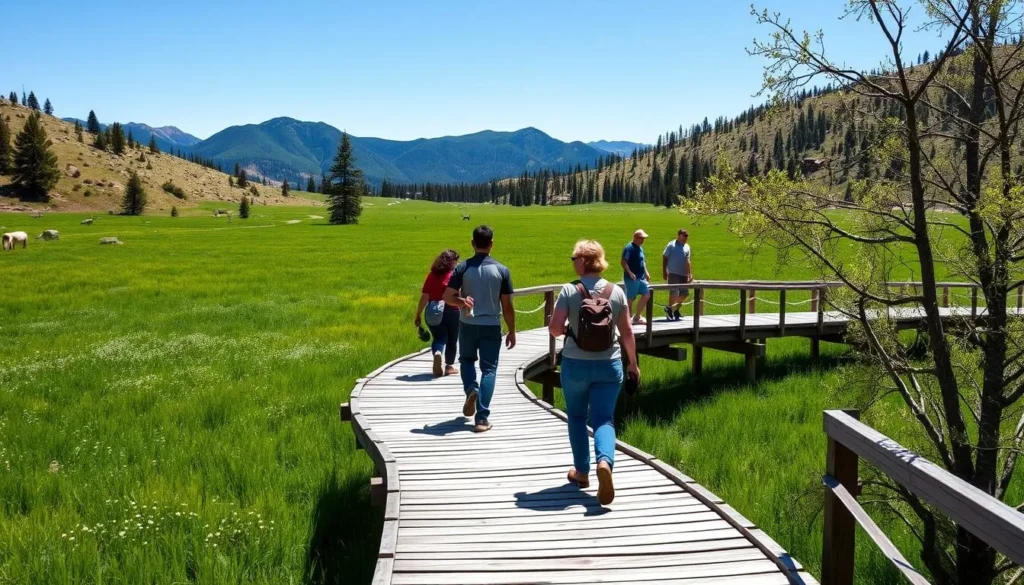
The heart of the Ward Creek Project features an extensive network of well-maintained trails. The main paths include elevated boardwalks through meadow areas and natural surface trails through forested sections. These trails are designed to minimize environmental impact while providing excellent access to the area’s natural features.
Transportation Options
- Personal Vehicle: Most visitors arrive by car. Parking is available at the Rideout Community Center and designated trailheads along Ward Creek Boulevard.
- Bicycle: The West Shore Bike Trail passes near Ward Creek, making cycling a popular option during summer months. Bike racks are available at main trailheads.
- TART Bus Service: Tahoe Area Regional Transit provides public transportation with stops near Ward Creek during summer months.
- Walking: If staying nearby in Tahoe City or Sunnyside, walking to the Ward Creek area is feasible and enjoyable.
For those with mobility challenges, the elevated boardwalk sections provide accessible routes through some of the most scenic areas. These boardwalks are wide enough for wheelchairs and include occasional seating areas for resting and wildlife observation.
Where to Stay
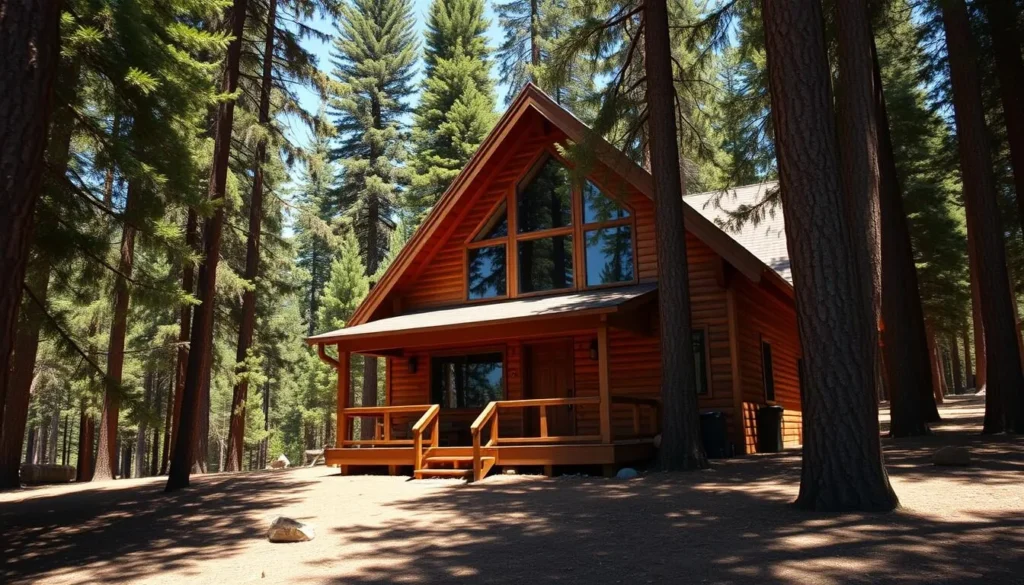
While there are no accommodations directly within the Ward Creek Project boundaries, numerous options exist in the surrounding area to suit every budget and preference.
Lakeside Resorts
Several upscale resorts dot the western shore of Lake Tahoe, offering stunning views and full amenities. Sunnyside Resort, located just 5 km (3 miles) north of Ward Creek, provides lakefront rooms starting at $250 per night during peak season. These properties typically feature restaurants, water sports rentals, and private beaches.
Vacation Rentals
The neighborhoods surrounding Ward Creek offer numerous cabin and home rentals. These range from cozy one-bedroom cabins ($150-200/night) to luxurious lakefront homes ($500+/night). Many are within walking distance of Ward Creek trails and provide amenities like full kitchens, outdoor decks, and sometimes hot tubs.
Budget Options
For budget-conscious travelers, consider staying in Tahoe City, where you’ll find more affordable motels and inns starting around $100/night. The Tahoe City Inn and America’s Best Value Inn offer clean, basic accommodations within a 10-minute drive of Ward Creek. Camping is available at nearby Kaspian Campground, with sites from $25/night.
Check 30,000+ Local Sightseeing Tours Worldwide
✓ Numerous languages and currencies are available
Regardless of where you stay, booking well in advance is essential, especially for summer visits when accommodations fill quickly. Many properties offer shoulder season discounts in May-June and September-October, which coincide with some of the best times to visit the Ward Creek area.
Dining & Local Cuisine
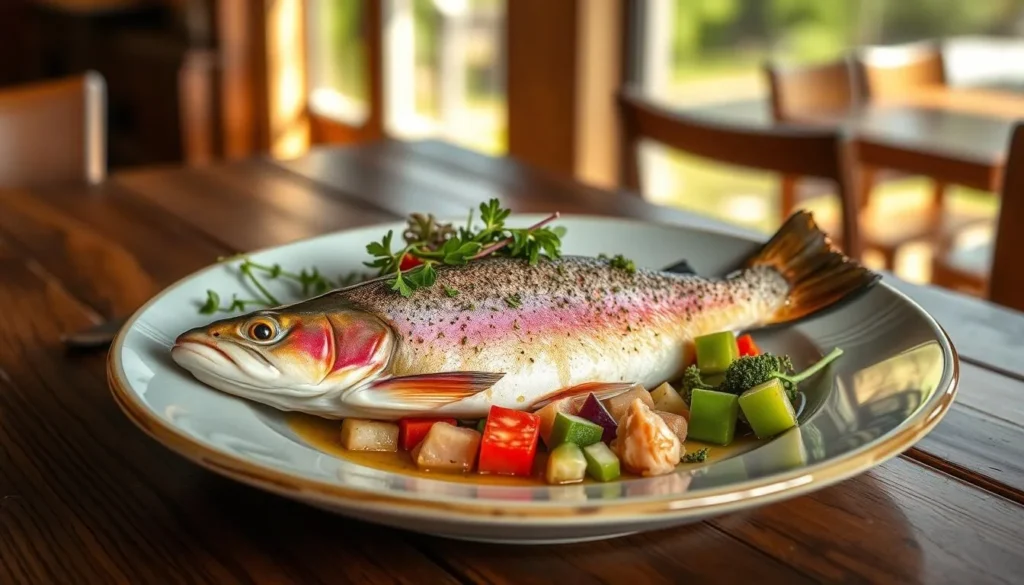
The Ward Creek area itself doesn’t have dining establishments, but nearby Tahoe City and the West Shore offer excellent culinary options featuring fresh, local ingredients and stunning lake views.
West Shore Favorites
Just minutes from Ward Creek, you’ll find several beloved local establishments. West Shore Cafe offers upscale dining with panoramic lake views and a menu featuring fresh seafood and seasonal ingredients. For a more casual experience, Sunnyside Restaurant combines lakefront dining with classic American fare, including their famous fish tacos and zucchini sticks.
Tahoe City Dining
A short drive north to Tahoe City opens up numerous dining options. Jake’s On The Lake serves California mountain cuisine with Hawaiian influences in a waterfront setting. For breakfast or lunch, Fire Sign Cafe offers hearty portions of comfort food with vegetarian options. Coffee enthusiasts should visit Tahoe House Bakery & Gourmet for European-style pastries and excellent espresso drinks.
Local Specialties
The Tahoe region is known for several culinary specialties worth trying during your visit:
- Fresh Trout: Rainbow and brown trout from local waters appear on many menus, typically pan-seared or grilled.
- Wild Mushrooms: Seasonal forest mushrooms are featured in fall dishes at upscale restaurants.
- Craft Beer: The region boasts several microbreweries, including Alibi Ale Works in Tahoe City.
- Mountain Berries: Summer desserts often showcase local berries like huckleberries and blackberries.
For picnics at Ward Creek, stop by New Moon Natural Foods or Save Mart in Tahoe City to stock up on supplies. Many visitors enjoy bringing lunch to enjoy at one of the scenic spots along Ward Creek’s trails.
Attractions, Sightseeing & Activities
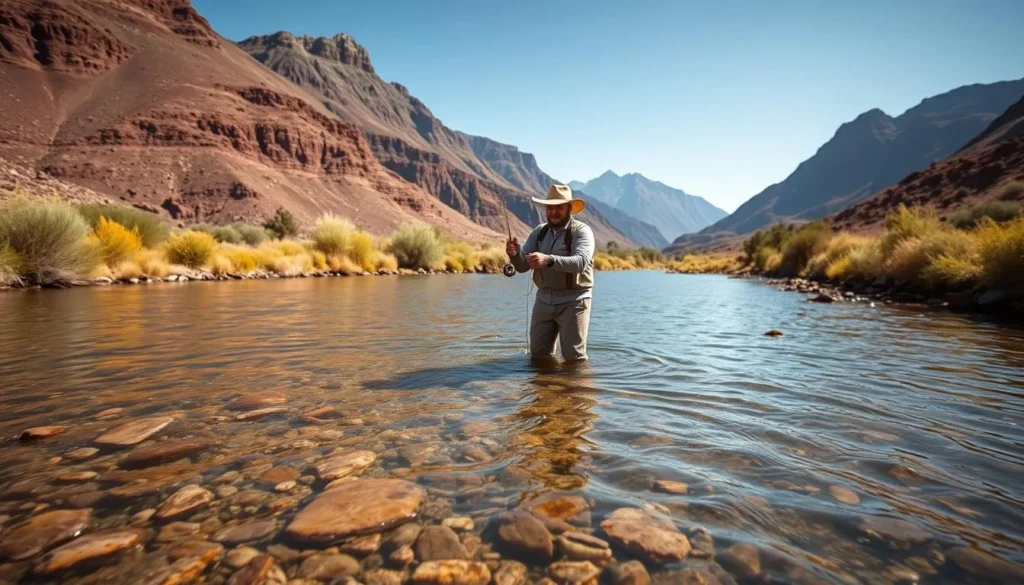
The Ward Creek Project offers a diverse range of activities centered around natural beauty and outdoor recreation. From leisurely walks to active adventures, there’s something for everyone to enjoy.
Hiking & Nature Walks
The trail system at Ward Creek Park provides several excellent hiking options. The Meadow Loop (1.6 km/1 mile) offers an easy walk on elevated boardwalks through lush wetlands with interpretive signs explaining the ecosystem. For a more challenging experience, the Forest Trail (3.2 km/2 miles) climbs through pine forests with occasional views of Lake Tahoe. The connecting trails create opportunities for hikes ranging from 30 minutes to several hours.
Fishing
Ward Creek is renowned for its fishing opportunities, particularly for native rainbow and brown trout. The creek’s restoration has significantly improved fish habitat, making it one of the better fishing spots on Lake Tahoe’s west shore. Fishing is best in early summer after snowmelt and in early fall. California fishing regulations apply, and a valid fishing license is required.
Wildlife Viewing
The diverse habitats within the Ward Creek Project support abundant wildlife. Early mornings and evenings offer the best opportunities to spot black bears, coyotes, and deer. Birdwatchers will appreciate the variety of species, including osprey, Steller’s jays, and mountain chickadees. The meadow areas attract numerous butterfly species during summer months.
Photography
With its combination of meadows, forests, mountains, and flowing water, Ward Creek provides exceptional photography opportunities. Morning light illuminates the meadows beautifully, while late afternoon sun creates dramatic lighting through the forest canopy. Seasonal highlights include wildflower blooms in early summer and fall colors in October.
For those interested in the environmental restoration aspects, interpretive signs throughout the park explain the watershed restoration process and its ecological benefits. These educational elements make Ward Creek an excellent destination for families and anyone interested in conservation efforts.
Museums, Cultural Spots & Festivals
While the Ward Creek Project itself focuses on natural preservation, the surrounding area offers rich cultural experiences that complement your visit and provide context to the region’s history and development.
Nearby Museums
In Tahoe City, just 5 km (3 miles) from Ward Creek, you’ll find the Gatekeeper’s Museum. Operated by the North Lake Tahoe Historical Society, this museum houses an impressive collection of Native American baskets and artifacts, along with exhibits detailing Lake Tahoe’s cultural and environmental history. The adjacent Watson Cabin, built in 1909, is one of the area’s oldest structures and offers a glimpse into early settler life.
Cultural Events
Throughout summer and early fall, the Tahoe City region hosts various cultural events:
- Concerts at Commons Beach: Free Sunday afternoon concerts from June through September feature local and regional musicians.
- Tahoe City Farmer’s Market: Held Thursday mornings from May through October, offering local produce, crafts, and prepared foods.
- Lake Tahoe Dance Festival: Usually held in late July, featuring contemporary and classical dance performances in outdoor settings.
Historical Sites
The Ward Creek area itself has historical significance related to early logging operations and water management. Some remnants of old logging roads have been incorporated into the current trail system. Interpretive signs throughout the park highlight how human activity has shaped the landscape over time, including both harmful impacts and restoration efforts.
For those interested in Native American history, the Washoe tribe has deep connections to the Lake Tahoe region. Their traditional knowledge and stewardship practices have influenced modern conservation efforts, including those at Ward Creek. The Gatekeeper’s Museum offers information about Washoe cultural history and their sustainable use of the area’s natural resources.
Nature & Outdoor Experiences
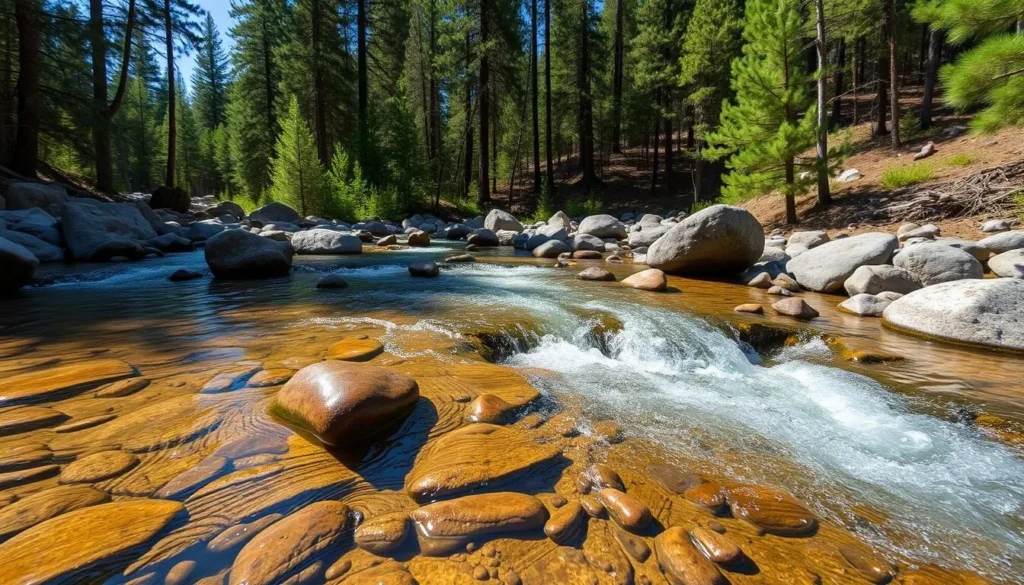
The Ward Creek Project represents one of the Tahoe Basin’s most significant watershed restoration success stories. The natural environment here offers diverse ecosystems to explore and appreciate.
Watershed Restoration
The heart of the Ward Creek Project is its environmental restoration. Once damaged by erosion and poor trail management, the area has been transformed through careful ecological engineering. Elevated boardwalks now protect sensitive meadow areas while allowing natural water flow patterns to resume. The restoration has significantly reduced sediment flow into Lake Tahoe, improving water clarity and aquatic habitat.
Meadow Ecosystem
The meadow areas within Ward Creek Park span approximately 40 hectares (100 acres) and represent a critical wetland habitat. During spring and early summer, these meadows come alive with wildflowers, including lupine, paintbrush, and wild iris. The meadows serve as natural water filters and provide habitat for numerous bird species and small mammals.
Forest Habitat
The forested sections of Ward Creek feature a mix of Jeffrey pine, white fir, and incense cedar typical of the Sierra Nevada range. These forests provide shade for the creek, helping maintain the cool water temperatures needed by native trout. The forest floor hosts a variety of mushroom species in fall after the first rains, though collection is not permitted within the protected area.
Seasonal Natural Phenomena
- Spring Runoff: Usually peaking in May, the creek swells with snowmelt, creating dramatic water features and replenishing the meadow ecosystem.
- Wildflower Blooms: Mid-June through July brings spectacular wildflower displays throughout the meadow areas.
- Fall Colors: Late September through mid-October, aspens and willows along the creek turn brilliant gold and orange.
- Winter Quiet: Though less visited, the area transforms into a serene winter landscape after snowfall.
For those interested in geology, the Ward Creek watershed offers visible examples of Sierra Nevada granite formations and evidence of glacial activity that shaped the Tahoe Basin thousands of years ago.
Safety, Etiquette & Local Customs
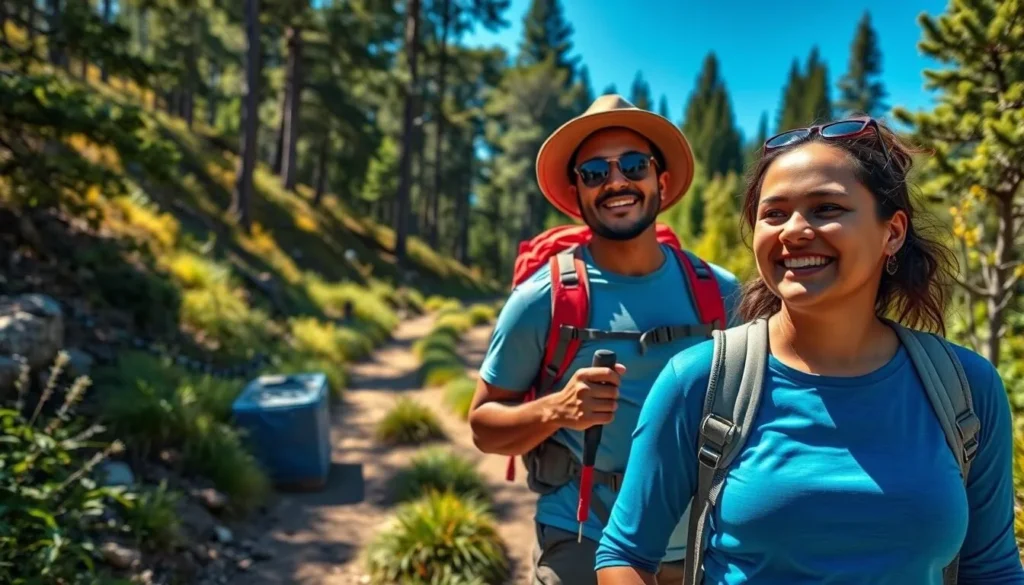
Ensuring a safe and respectful visit to the Ward Creek Project area requires understanding both safety considerations and proper outdoor etiquette.
Wildlife Safety
The area is home to black bears, coyotes, and occasionally mountain lions. While encounters are rare, it’s important to know how to respond:
- Never approach or feed wildlife of any size
- Make noise while hiking to avoid surprising animals
- If you encounter a bear, appear large, make noise, and back away slowly
- Store food properly and never leave food unattended
Environmental Etiquette
The Ward Creek Project represents significant conservation efforts that visitors should respect:
- Stay on designated trails and boardwalks to protect sensitive meadow ecosystems
- Pack out all trash (no trash receptacles are provided on trails)
- Dogs must be leashed at all times to protect wildlife and other visitors
- No collecting of plants, rocks, or other natural items
- No motorized vehicles or horses are permitted on trails
Weather Safety
Mountain weather can change rapidly. Summer thunderstorms typically develop in afternoons and can bring lightning, a serious hazard in exposed areas. Check weather forecasts before heading out and be prepared to seek shelter if storms approach. In winter and early spring, trails can be icy or snow-covered, requiring appropriate footwear.
Water Safety
Ward Creek can run high and fast during spring runoff. Exercise caution near the water’s edge, especially with children. While the water may look inviting, it remains cold year-round, and swimming is not recommended due to both temperature and current concerns.
By respecting these guidelines, you’ll help preserve the Ward Creek Project area for future visitors while ensuring your own safety and enjoyment.
Visitor Comments About Ward Creek Project
“As an avid hiker, I’ve explored trails throughout California, but Ward Creek offers something special. The combination of meadow boardwalks and forest paths provides diverse ecosystems within a relatively small area. The restoration work is impressive—comparing photos of how it looked before to now shows remarkable improvement. Don’t miss the sunset views from the western trail section!”
“We discovered Ward Creek Project during our Lake Tahoe vacation last summer. What a hidden gem! The boardwalk through the meadow was perfect for our family, including our 5-year-old who loved spotting butterflies and birds. The educational signs taught us about watershed restoration in a way even kids could understand. Much less crowded than other Tahoe attractions but equally beautiful.”
“The fishing at Ward Creek exceeded my expectations. I caught several beautiful rainbow trout during my morning visit in early June. The creek’s restoration has clearly improved the fish habitat. Beyond fishing, I was impressed by how the project balances recreational access with environmental protection. The trail system is well-designed and the views are spectacular.”
Additional Nearby Destinations
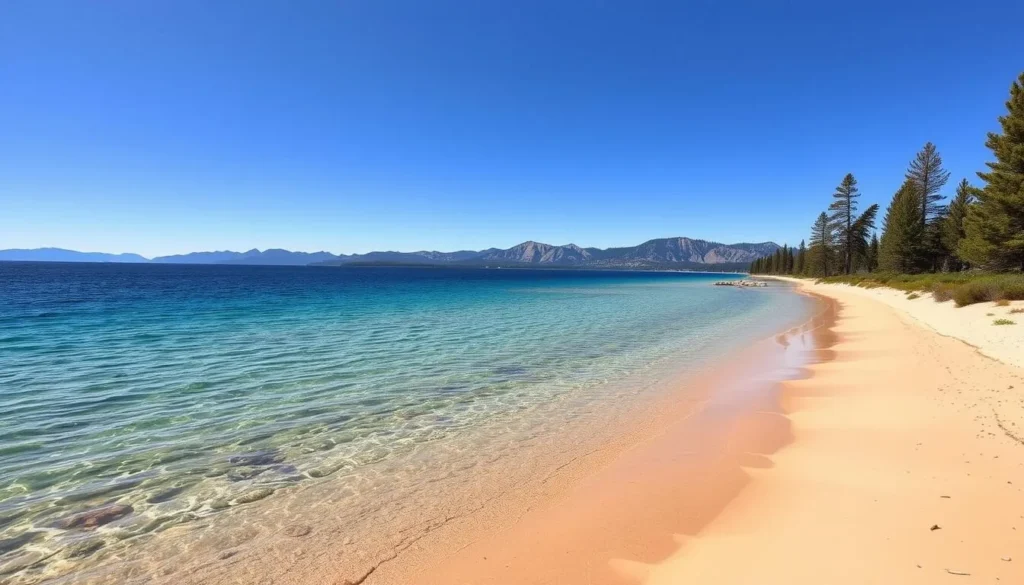
While the Ward Creek Project offers plenty to explore, several nearby attractions complement your visit and are worth including in your itinerary.
Lake Tahoe State Park
Just 15 km (9 miles) south of Ward Creek, this state park offers sandy beaches, picnic areas, and hiking trails with spectacular lake views. The Rubicon Trail, which runs along the shoreline, is considered one of the most scenic hikes in the Tahoe Basin. The park’s visitor center provides excellent information about Lake Tahoe’s formation and ecology.
Tahoe City
This charming lakeside town, 5 km (3 miles) north of Ward Creek, serves as a hub for dining, shopping, and recreation. The Tahoe City Marina offers boat rentals and lake cruises. Don’t miss the Truckee River Outlet, where the lake flows into the Truckee River, a popular spot for relaxing and watching kayakers navigate the gentle rapids.
Eagle Rock
Located 8 km (5 miles) south of Ward Creek, this volcanic outcrop rises 75 m (250 feet) above Lake Tahoe. A short but steep 15-minute hike leads to the summit, rewarding you with panoramic views of the lake and surrounding mountains. This is an excellent sunset viewing location and a favorite spot for photographers.
For those interested in additional environmental restoration projects, the Taylor Creek Visitor Center (30 km/19 miles south) offers another example of successful watershed management. Its Stream Profile Chamber provides an underwater view of a restored stream habitat, and in fall, visitors can witness the Kokanee salmon run.
Adventure seekers might enjoy Truckee River rafting (available in Tahoe City during summer months) or mountain biking at nearby Paige Meadows, which offers intermediate trails through beautiful alpine meadows and forests just a short distance from Ward Creek.
Practical Travel Tips
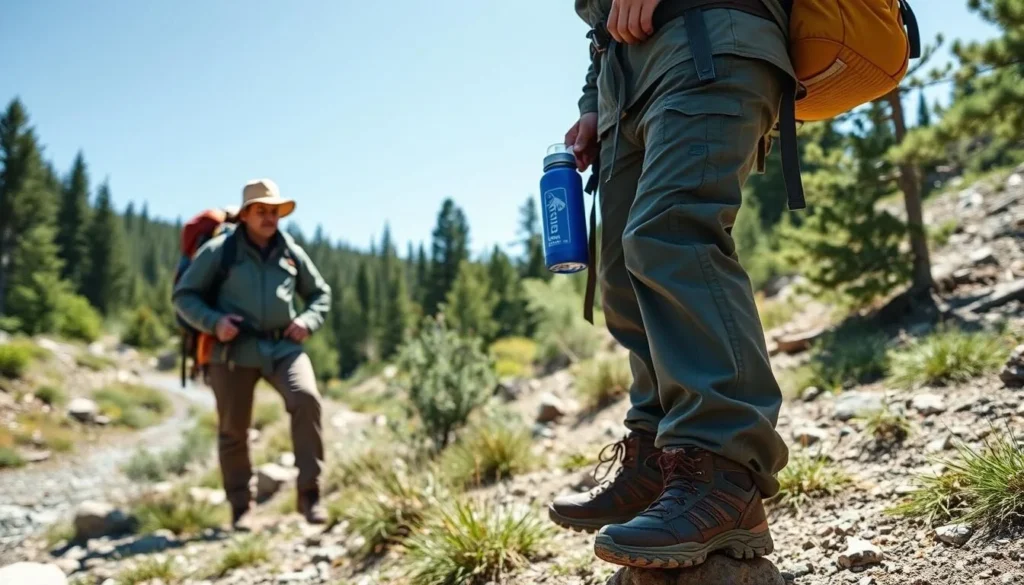
Make the most of your visit to the Ward Creek Project with these practical tips and recommendations.
What to Pack
- Layered Clothing: Mountain weather can change quickly. Even in summer, mornings can be cool while afternoons warm up considerably.
- Sun Protection: The high elevation means stronger UV exposure. Bring sunscreen, sunglasses, and a hat.
- Proper Footwear: Comfortable hiking shoes with good traction are recommended for forest trails, though boardwalk sections are accessible with casual footwear.
- Water: Bring plenty of drinking water as there are no water fountains on the trails.
- Binoculars: Useful for wildlife viewing and appreciating distant landscape features.
- Camera: The diverse landscapes offer excellent photography opportunities.
Accessibility Information
The boardwalk sections of Ward Creek Park are wheelchair accessible and provide good access to meadow areas. Forest trails have natural surfaces with some elevation changes that may present challenges for those with mobility limitations. The main parking areas include designated accessible parking spaces.
Connectivity
Cell phone coverage is generally good near the main access points but can be spotty in some forested sections. Wi-Fi is not available within the park, but nearby Tahoe City offers numerous cafes and restaurants with free Wi-Fi.
Local Regulations
Be aware that the entire Lake Tahoe Basin has strict environmental regulations to protect its unique ecosystem:
- Fires are prohibited except in designated fire pits at developed campgrounds
- Drones require special permits and are generally not allowed in natural areas
- Fishing requires a valid California fishing license
- Motorized vehicles are restricted to designated roads only
For families with children, the meadow boardwalk offers an excellent, easy walking experience with opportunities to observe plants and wildlife. Consider visiting in the morning when wildlife is most active and temperatures are comfortable.
Embrace the Natural Wonder of Ward Creek
The Ward Creek Project represents not just a destination, but a powerful story of environmental restoration and stewardship. As you explore its meadows, forests, and waterways, you’re witnessing the remarkable resilience of nature when given the chance to heal. Whether you come for the hiking trails, fishing opportunities, wildlife viewing, or simply to experience the tranquility of this special place, Ward Creek offers a refreshing alternative to Lake Tahoe’s more crowded attractions. Plan your visit during the recommended seasons, respect the conservation efforts that make this place possible, and take time to truly connect with one of California’s most successful environmental restoration projects. The memories you create here—of sunlight filtering through pine forests, wildflowers dancing in mountain breezes, and clear waters flowing toward Lake Tahoe—will inspire your appreciation for natural spaces long after your visit ends.
Related Posts
Chinatown Los Angeles, California: Best Things to Do – Top Picks
Chinatown San Francisco, California: Best Things to Do – Top Picks

Zuma Beach, Malibu, California: Best Things to Do – Top Picks
Yerba Buena Island, California: Best Things to Do – Top Picks
Woodson Bridge State Recreation Area, California: Best Things to Do – Top Picks
Woodland Opera House State Historic Park, California: Best Things to Do – Top Picks
Coming Soon: Clickable Maps