
Hotels by Trip.com
Flights by Trip.com
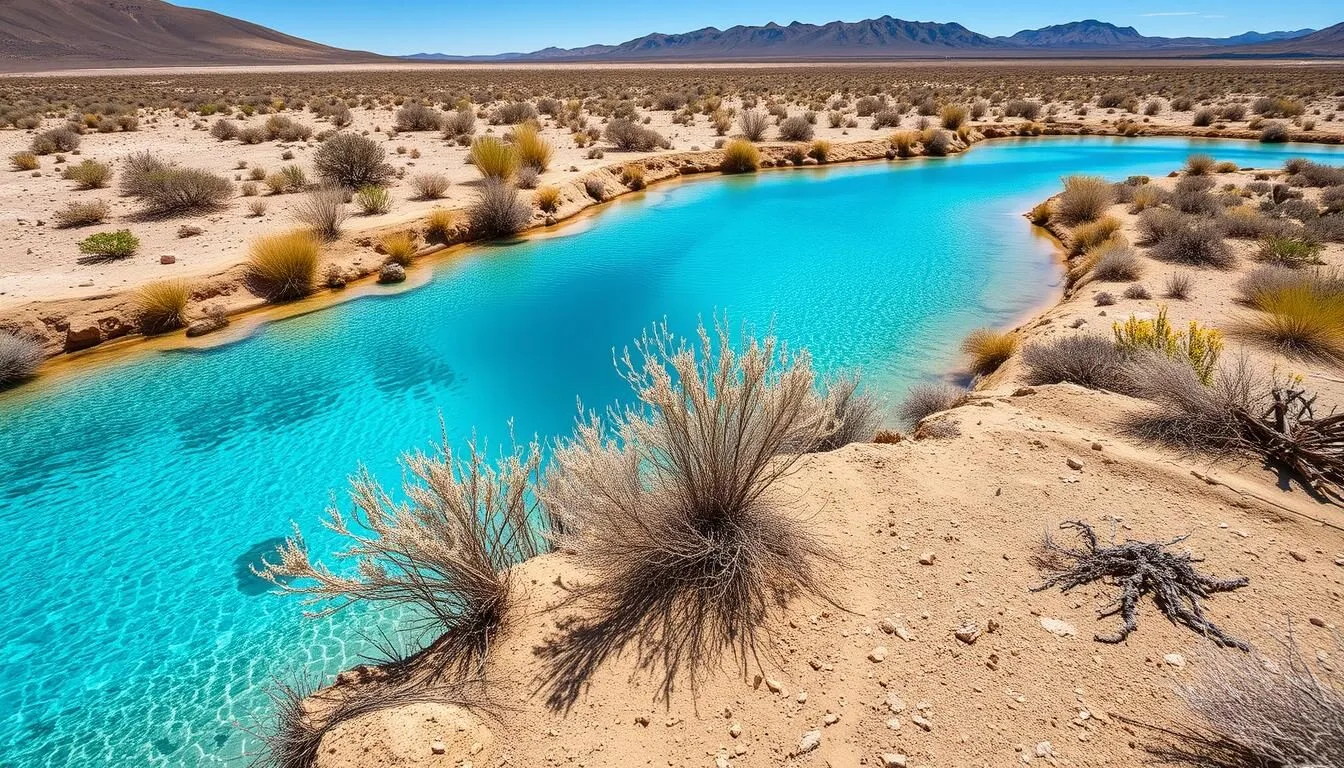
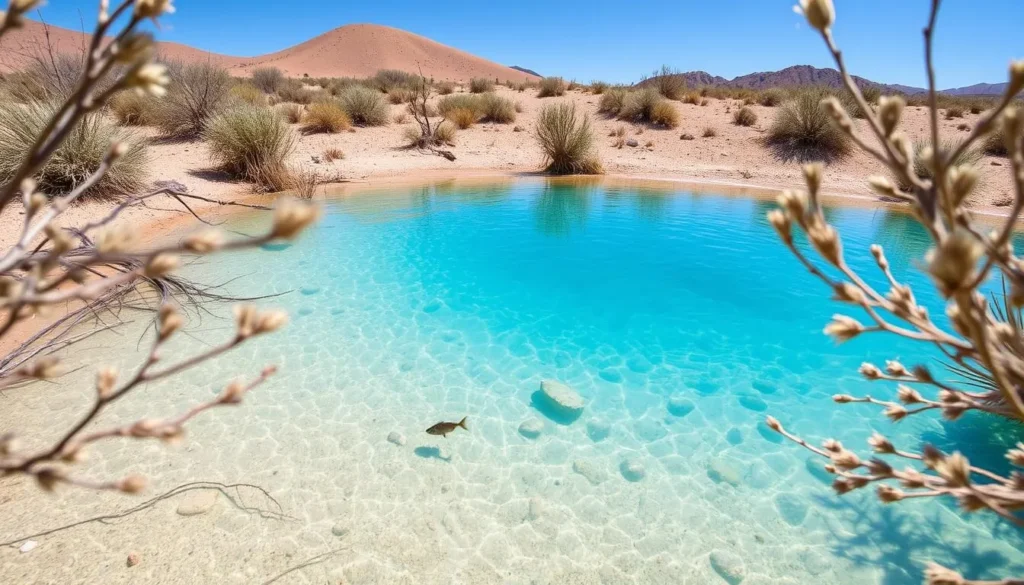
Home to more than 30 endemic species found nowhere else on Earth, Ash Meadows National Wildlife Refuge stands as one of North America’s most remarkable ecological treasures. This desert oasis in Nevada’s Amargosa Valley pumps a staggering 10,000 gallons of crystal-clear water per minute through its springs, creating a surreal landscape where Caribbean-blue pools shimmer against the stark Mojave Desert backdrop.
Getting There & Planning Your Journey
Ash Meadows National Wildlife Refuge is located in the Amargosa Valley of southwestern Nevada, approximately 90 miles (145 km) northwest of Las Vegas. The closest major airport is Harry Reid International Airport in Las Vegas, making it the most convenient starting point for most visitors.
From Las Vegas, take US-95 North towards Beatty. After about 90 minutes of driving, turn onto NV-373 at Amargosa Valley. Look for signs to Ash Meadows and follow Spring Meadows Road to the refuge. The visitor center is located at 610 Spring Meadows Road, Amargosa Valley, NV 89020.
If you’re coming from Death Valley National Park, Ash Meadows is only about 48 km (30 miles) from the Furnace Creek Visitor Center, making it an excellent side trip when exploring the national park.
Travel Nevada Pro Tip: When visiting Ash Meadows Wildlife Refuge, ensure you have plenty of fuel, as the nearest gas stations are approximately 40 km (25 miles) from the refuge. There are limited amenities in nearby Death Valley Junction, with more options available in Pahrump.

Best Time to Visit & Weather Tips
The refuge experiences extreme desert conditions, with summer temperatures regularly exceeding 43°C (110°F). For the most comfortable experience, plan your visit during these optimal seasons:
Recommended Times
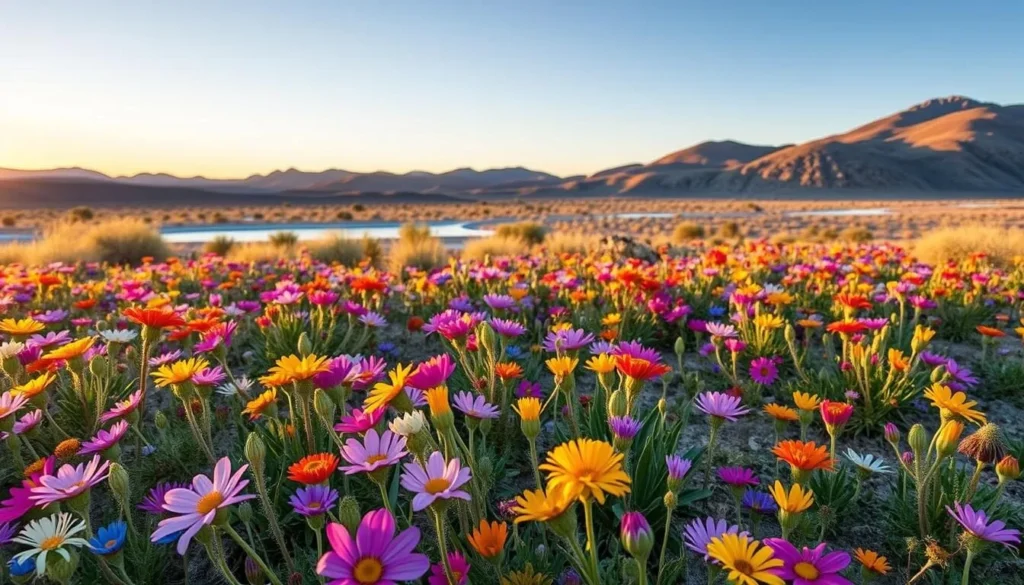
- Spring (March-May): Mild temperatures between 18-29°C (65-85°F), wildflower blooms, and active wildlife make this the prime season.
- Fall (September-November): Pleasant temperatures similar to spring, with fewer visitors and beautiful golden light for photography.
- Early mornings: The best time for wildlife viewing, as desert animals are most active before the heat of the day.
Times to Avoid
- Summer (June-August): Extreme heat with temperatures regularly exceeding 43°C (110°F) makes outdoor activities dangerous.
- Midday hours: Even in milder seasons, the intense desert sun can make midday exploration uncomfortable.
- Holiday weekends: While never truly crowded, the refuge sees more visitors during major holidays.
Getting Around Locally
Exploring Ash Meadows requires some planning, as the refuge covers over 24,000 acres (9,700 hectares) of desert terrain. Most roads within the refuge are unpaved but generally accessible to standard vehicles when dry. However, a high-clearance vehicle is recommended for exploring more remote areas.
Road Conditions: Most roads in the refuge are gravel or dirt. Drive slowly and carefully, especially after rain when roads may become muddy or washed out. The main road to the visitor center is well-maintained.
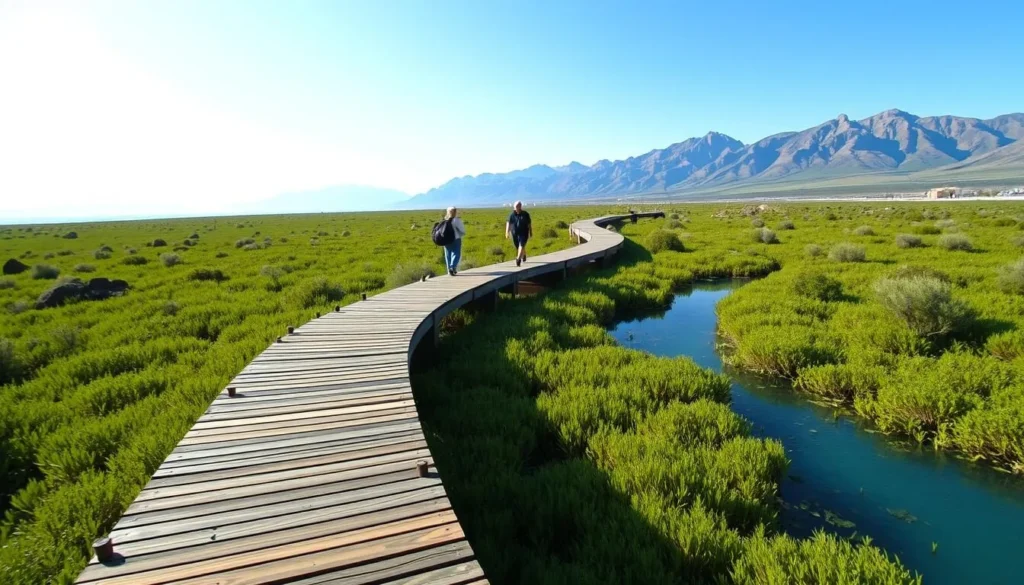
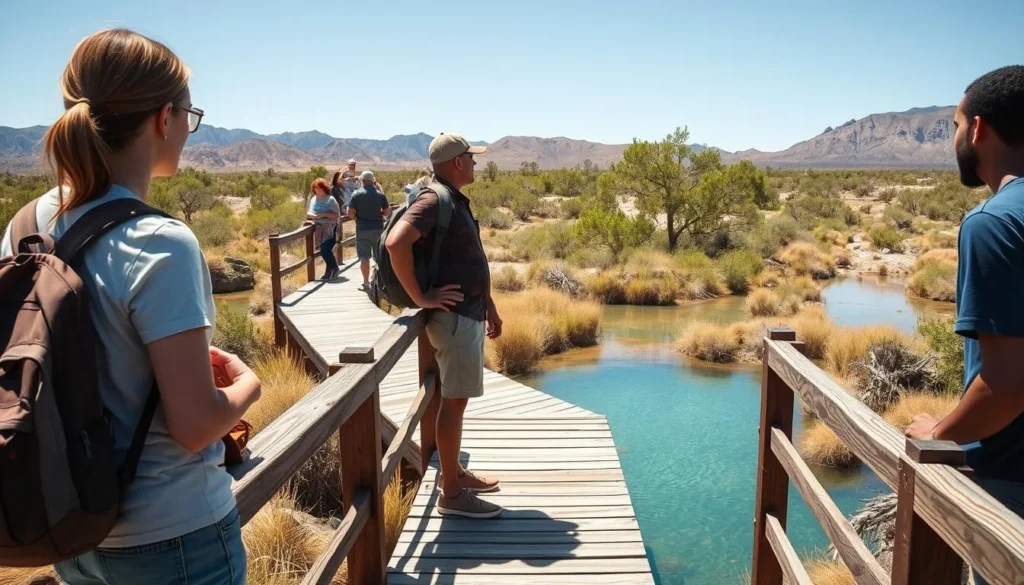
The refuge features several well-maintained boardwalks and hiking trails that provide access to the most spectacular springs and habitats. These range from short, accessible boardwalks to longer desert trails:
- Crystal Spring Boardwalk: 800-meter (0.5-mile) accessible boardwalk with stunning views of crystal-clear springs
- Point of Rocks Boardwalk: 400-meter (0.25-mile) trail to a series of springs and pupfish habitat
- Devils Hole Trail: Short path to view the famous Devils Hole pupfish habitat
- Wetland trails: Several paths behind the visitor center explore diverse marsh habitats
Where to Stay
There are no lodging facilities within Ash Meadows National Wildlife Refuge, and camping is not permitted within the refuge boundaries. Visitors typically stay in nearby communities:
✓ Check 30,000+ Local Sightseeing Tours Worldwide
Amargosa Valley
The closest community to the refuge, located about 15 km (9 miles) away. Limited accommodation options include:
- Longstreet Inn Casino & RV Resort
- Basic motel accommodations
Pahrump
Located about 48 km (30 miles) from the refuge, offering more options:
- Holiday Inn Express & Suites
- Best Western Pahrump Oasis
- Wine Ridge RV Resort & Cottages
- Several other motels and B&Bs
Death Valley Junction
A tiny historic community about 30 km (18 miles) from the refuge:
- Amargosa Opera House & Hotel (historic property)
- Limited rooms available, advance booking essential
For those interested in camping, the nearest options are in Death Valley National Park or at private RV parks in Pahrump. The refuge’s remote location means accommodations can fill quickly during peak seasons, so advance reservations are strongly recommended.
Dining & Local Cuisine
Dining options near Ash Meadows are limited, reflecting the remote desert location. There are no food services within the refuge itself, so visitors should plan accordingly.
Important: Pack plenty of water and snacks for your visit. The desert environment is extremely dry, and dehydration is a serious risk. Plan for at least 2 liters (68 oz) of water per person for a half-day visit.
Nearby Dining Options
- Amargosa Valley: The Longstreet Inn Casino offers a full-service restaurant and café with American classics.
- Death Valley Junction: Very limited options, with seasonal café service at the Amargosa Opera House.
- Pahrump: The most extensive dining options, including:
- Symphony’s Restaurant (American cuisine)
- El Jefe’s Mexican Restaurant
- Stockman’s Steakhouse
- Several fast-food chains and cafés
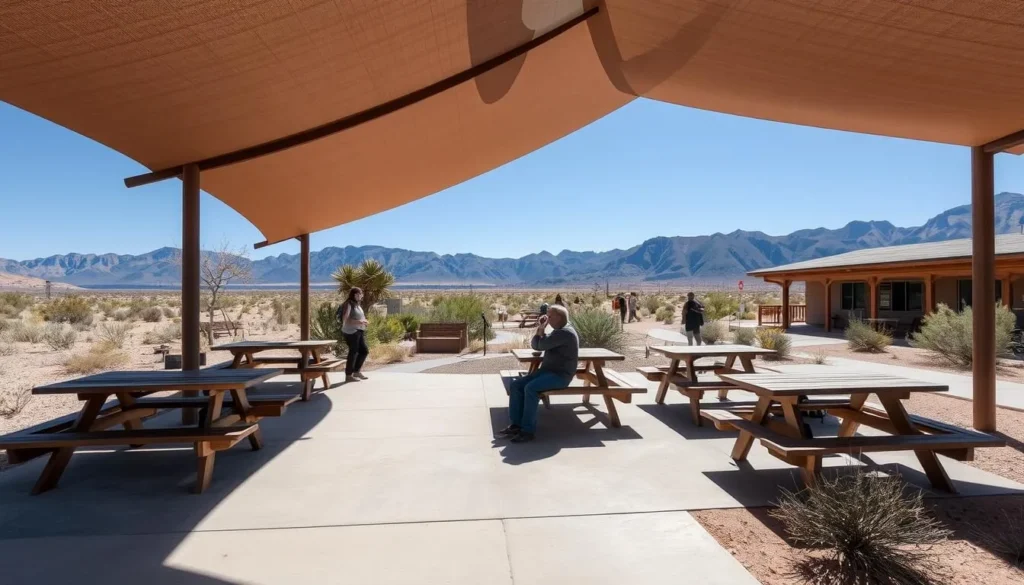
Many visitors choose to bring a picnic lunch to enjoy at the refuge’s designated picnic areas. This allows for more time exploring without needing to leave for meals. The visitor center has shaded picnic tables available on a first-come, first-served basis.
Attractions, Sightseeing & Activities
Ash Meadows offers a wealth of natural attractions centered around its remarkable spring-fed oasis system. The refuge’s primary draws are its crystal-clear springs, unique wildlife, and stunning desert landscapes.
Must-See Springs
Crystal Spring
One of the largest springs in the refuge, pumping approximately 2,800 gallons of water per minute. The boardwalk provides excellent views of the striking blue waters and abundant pupfish.
Kings Spring
A large spring pool with a viewing platform that offers opportunities to observe pupfish and other aquatic life in their natural habitat.
Point of Rocks Springs
A series of springs emerging from a hillside, creating a lush oasis. The boardwalk leads to excellent viewing areas for the endangered Ash Meadows Amargosa pupfish.
Devils Hole
A water-filled limestone cave that’s part of Death Valley National Park but located within the refuge boundaries. It’s home to the critically endangered Devils Hole pupfish, possibly the rarest fish in the world.
Wildlife Viewing
The refuge is home to an incredible diversity of wildlife, including:
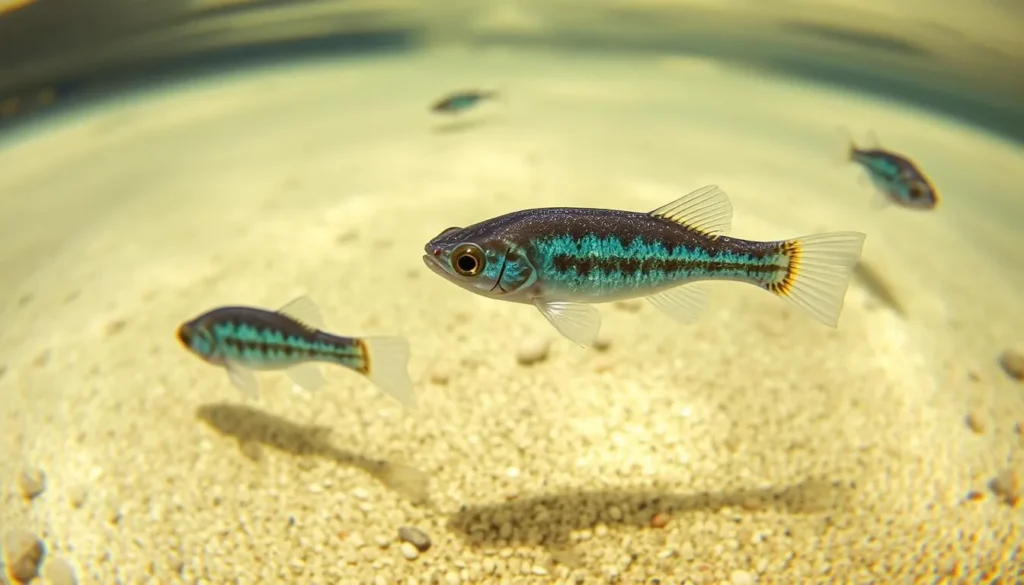
- Endemic Fish: Several species of pupfish that exist nowhere else on Earth
- Birds: Over 275 species have been recorded, making it a premier birdwatching destination
- Reptiles: Desert tortoises, various lizards, and snakes adapted to the harsh environment
- Mammals: Bighorn sheep, kit foxes, jackrabbits, and various rodent species
- Endemic Plants: Several rare plant species including the Ash Meadows sunray and Amargosa niterwort
Museums, Cultural Spots & Festivals
While Ash Meadows is primarily a natural attraction, there are several cultural and historical points of interest within and near the refuge.
Visitor Center
The Ash Meadows Visitor Center serves as the primary interpretive facility for the refuge. Open daily from 8:30 AM to 4:00 PM, it offers:
- Interactive exhibits about the unique ecosystem and its endangered species
- Information about the area’s natural and cultural history
- Knowledgeable staff to answer questions and provide guidance
- A small bookstore with field guides and educational materials
- Restrooms and water filling stations
Contact the visitor center directly at (775) 372-5435 for current information before your visit.
Historical Sites
Jack Longstreet Cabin
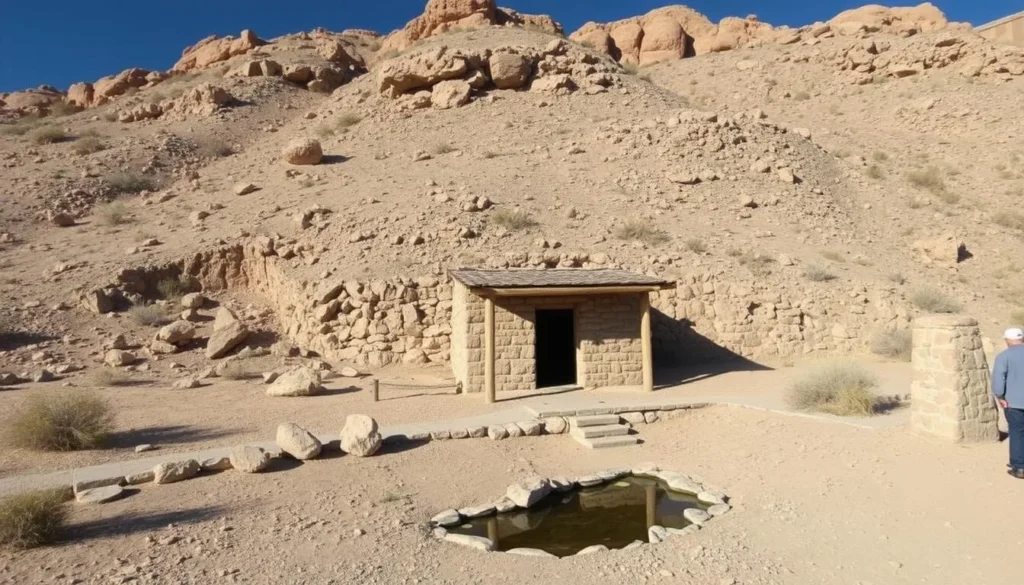
A restored historic cabin built in the 1890s by Jack Longstreet, a notorious frontier figure. The cabin was constructed partially into a hillside near a spring, demonstrating early desert adaptation techniques.
Fairbanks Ranch
Remnants of an early 20th-century ranch that once operated in the area before the land was protected. The site offers a glimpse into the agricultural history of the region.
Cultural Significance
The lands within Ash Meadows have been inhabited for thousands of years. The area holds cultural significance for several Native American tribes, particularly the Southern Paiute and Timbisha Shoshone peoples, who utilized the springs as a vital water source in the desert environment.
Sports, Nature & Outdoor Experiences
Ash Meadows offers numerous opportunities for outdoor recreation and nature appreciation, all centered around its unique desert oasis ecosystem.
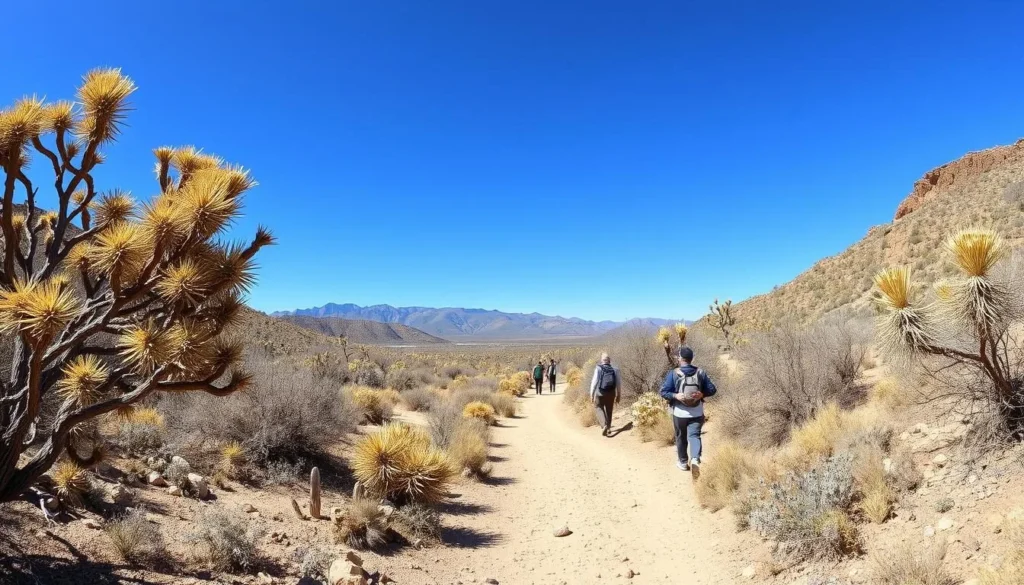
Hiking & Walking
The refuge features several trails and boardwalks that allow visitors to explore different habitats:
- Crystal Spring Boardwalk: An accessible 800-meter (0.5-mile) loop with interpretive signs
- Point of Rocks Trail: A 400-meter (0.25-mile) path to springs and pupfish habitat
- Marsh Trail: A 1.6-km (1-mile) loop through wetland areas behind the visitor center
- Desert Uplands Trail: A moderate 3.2-km (2-mile) hike through desert terrain
Photography
The refuge is a photographer’s paradise, offering unique opportunities to capture:
- The striking contrast between vibrant blue springs and arid desert
- Rare endemic species in their natural habitat
- Desert wildflowers during spring blooms
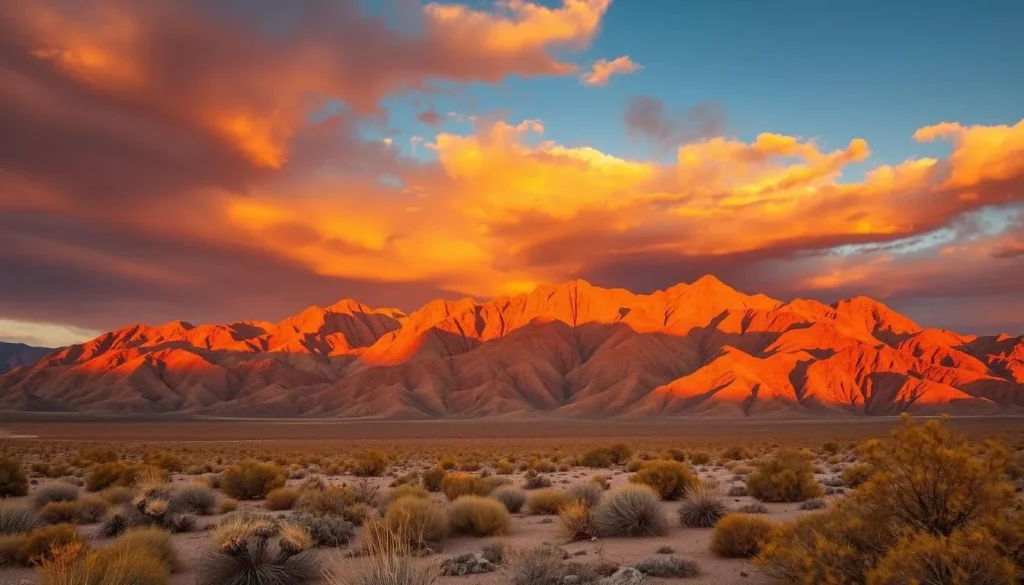
- Dramatic desert landscapes with mountain backdrops
- Stunning sunrise and sunset light on the desert terrain
Photography Tip: Early morning and late afternoon offer the best light for photography. A polarizing filter can help reduce glare on water surfaces, enhancing the vibrant blue colors of the springs.
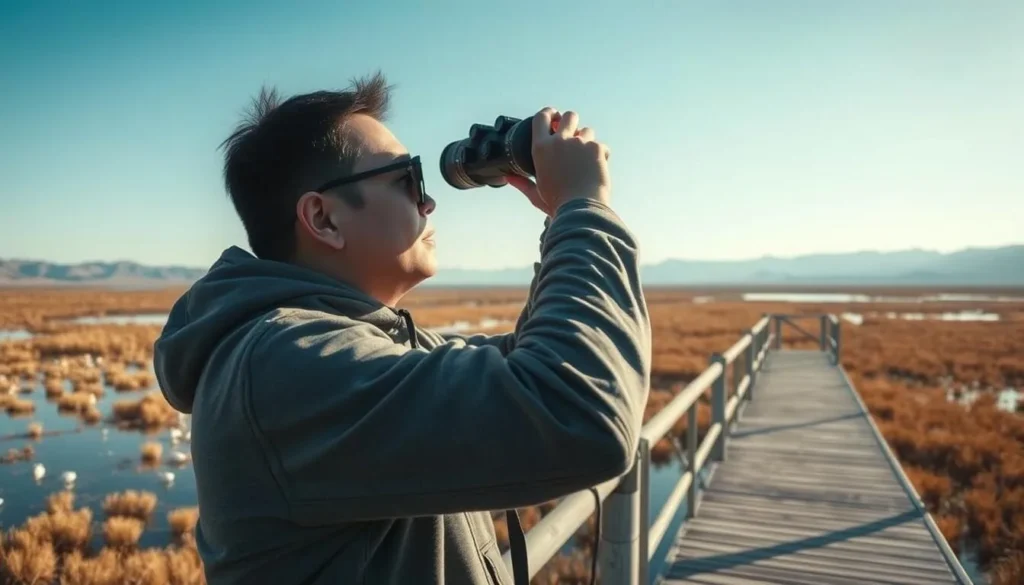
Birdwatching
With over 275 recorded bird species, Ash Meadows is a premier destination for birdwatchers. The refuge’s wetlands provide critical habitat for migratory birds in the desert. Notable species include:
- Phainopepla
- Vermilion Flycatcher
- Yellow-headed Blackbird
- Various waterfowl and shorebirds
- Several species of raptors
Safety, Etiquette & Local Customs
Visiting Ash Meadows safely requires preparation and respect for this fragile desert ecosystem. The refuge protects numerous endangered species and delicate habitats that depend on visitor cooperation for their survival.
Safety Considerations
- Water: Bring at least 2 liters (68 oz) of water per person for a half-day visit, more in summer
- Sun Protection: Wear a wide-brimmed hat, sunglasses, and sunscreen; the desert sun is intense year-round
- Appropriate Footwear: Wear closed-toe shoes with good traction for walking on boardwalks and trails
- Weather Awareness: Check forecasts before visiting; summer heat can be dangerous, and flash floods can occur during rain
- Cell Service: Mobile phone coverage is limited or non-existent in many areas of the refuge
Desert Safety: Tell someone your plans before visiting remote areas. Heat-related illness is a serious risk, especially in summer. Know the signs of heat exhaustion and heat stroke.
Visitor Etiquette
Help protect this unique ecosystem by following these guidelines:
- Stay on designated trails and boardwalks to protect fragile desert soils and vegetation
- No swimming or wading in springs or streams; these waters contain endangered species
- No collecting of plants, animals, or artifacts; everything is protected by federal law
- Pack out all trash and follow Leave No Trace principles
- Keep pets leashed at all times and on designated trails only
- No drones without special permits from refuge management
Visitor Comments About Ash Meadows
“Ash Meadows was the highlight of our Nevada trip! The contrast between the vibrant blue springs and surrounding desert is simply breathtaking. We spent hours walking the boardwalks and watching the pupfish. The visitor center staff were incredibly knowledgeable and helped us plan our day. Don’t miss the Crystal Spring boardwalk – it’s like finding a piece of the Caribbean in the middle of the desert.”
“A true hidden gem! We almost skipped Ash Meadows on our way to Death Valley but are so glad we stopped. The unique ecosystem and rare wildlife make this place special. We saw several species of birds and the endangered pupfish. The boardwalks make it easy to explore without damaging the fragile environment. Bring plenty of water and visit early in the day to avoid the heat.”
“As a wildlife photographer, Ash Meadows offered incredible opportunities. The crystal-clear springs create a stunning backdrop, and the diversity of birds was impressive. I spent three days exploring different areas of the refuge and could have stayed longer. The morning light on Point of Rocks was magical. This place deserves more recognition for its ecological importance.”
Additional Nearby Destinations
Ash Meadows makes an excellent addition to a broader exploration of the region. Consider including these nearby attractions in your itinerary:
Death Valley National Park
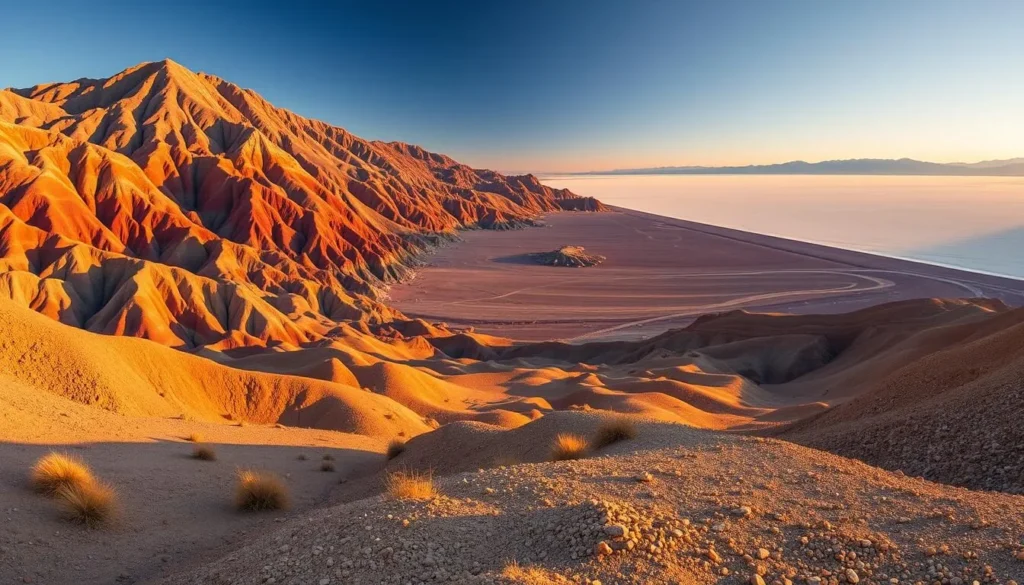
Just 48 km (30 miles) west of Ash Meadows, Death Valley offers dramatic landscapes including Badwater Basin (the lowest point in North America), colorful Artist’s Palette, and the vast Mesquite Flat Sand Dunes.
Amargosa Opera House
Located in Death Valley Junction, about 30 km (18 miles) from Ash Meadows, this historic building features hand-painted murals by dancer Marta Becket. The attached hotel offers a unique lodging experience.
China Ranch Date Farm
A lush oasis about 56 km (35 miles) south of Ash Meadows near Tecopa, California. This working date farm offers hiking trails, a bakery famous for date shakes, and a small museum about local history.
Other regional attractions include Rhyolite Ghost Town near Beatty, the town of Pahrump with its wineries and golf courses, and for those interested in longer trips, Las Vegas (145 km/90 miles) or the Spring Mountains and Mount Charleston (about 160 km/100 miles).
Practical Travel Tips
Essential Preparations
- Vehicle: Ensure your vehicle is in good condition with a full tank of fuel before visiting
- Water: Bring more water than you think you’ll need; there are limited places to refill
- Food: Pack snacks and meals as there are no food services at the refuge
- Navigation: Download offline maps as cell service is unreliable
- First Aid: Carry a basic first aid kit including blister treatment
Visitor Information
- Hours: The refuge is open from sunrise to sunset daily
- Visitor Center: Open 8:30 AM to 4:00 PM daily (closed on major holidays)
- Fees: No entrance fees required to visit Ash Meadows
- Accessibility: Several boardwalks and the visitor center are wheelchair accessible
- Contact: Call (775) 372-5435 for current conditions and information
Planning Your Time: Allow at least 3-4 hours to explore the main attractions of Ash Meadows. A full day is ideal if you want to visit all the springs and trails. The refuge is compact enough that you can see the highlights in half a day if time is limited.
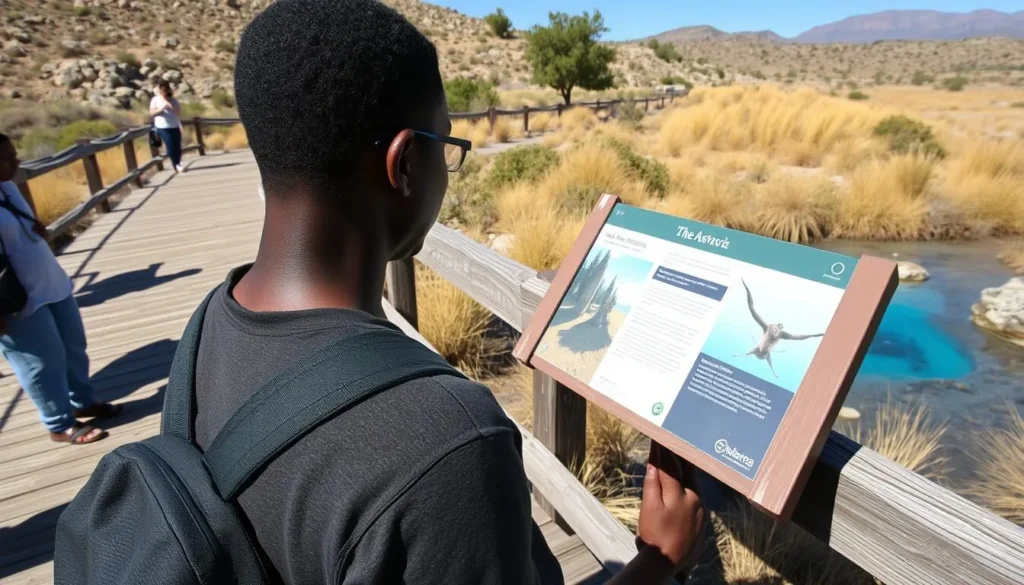
Desert Oasis: A Natural Wonder Worth Protecting
Ash Meadows National Wildlife Refuge stands as a testament to nature’s resilience and the importance of conservation. This remarkable desert oasis, with its shimmering blue springs and unique endemic species, offers visitors a chance to witness one of North America’s most extraordinary ecosystems. Whether you’re a wildlife enthusiast, photographer, hiker, or simply someone who appreciates natural wonders, Ash Meadows provides an unforgettable experience that contrasts dramatically with the surrounding Mojave Desert.
As you plan your visit to this ecological treasure, remember that your responsible tourism helps protect these fragile habitats for future generations. By staying on designated paths, respecting wildlife, and learning about conservation efforts, you become part of the solution in preserving this remarkable refuge. The crystal waters of Ash Meadows have sustained life in this harsh desert for thousands of years – come discover this hidden gem and let it inspire your appreciation for our planet’s precious water resources and the incredible diversity of life they support.
Related Posts
Steptoe Creek, Nevada: Best Things to Do – Top Picks
Steamboat Hot Springs, Nevada: Best Things to Do – Top Picks
Spring Mountains, Nevada: Best Things to Do – Top Picks
Spring Mountain Ranch State Park, Nevada: Best Things to Do – Top Picks
Spooner Lake Shoreline, Nevada: Best Things to Do – Top Picks
South Fork State Recreation Area, Nevada: Best Things to Do – Top Picks
Coming Soon: Clickable Maps