Hotels by Trip.com
Flights by Trip.com
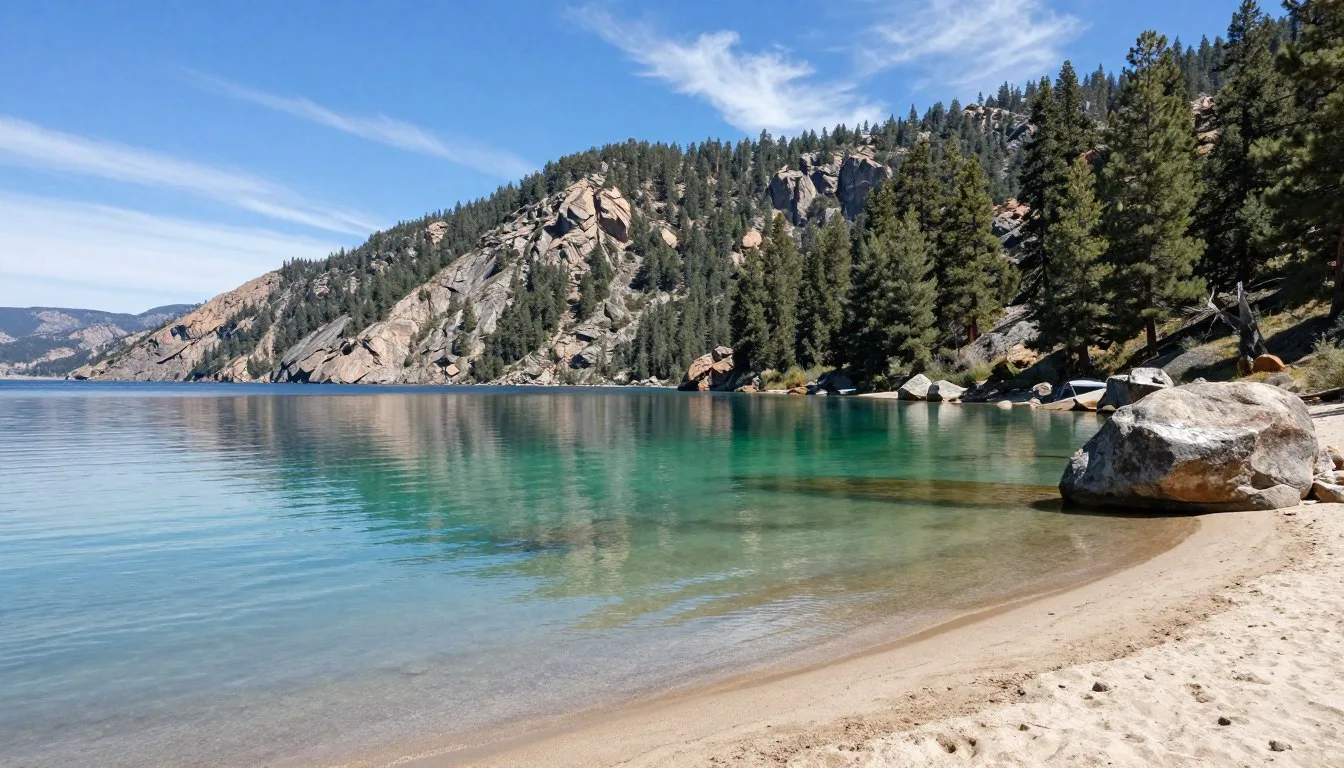
Did you know that Spooner Lake sits at an elevation of 2,140 meters (7,000 feet), making it one of the highest natural lakes in the Lake Tahoe Basin? This pristine mountain lake covers approximately 162 hectares (400 acres) and offers visitors a peaceful escape from the crowds that often flock to Lake Tahoe’s more famous beaches.
The lake takes its name from Michel Spooner, a Canadian-born pioneer who established a toll road and rest station in the area during the 1860s. His legacy lives on in this stunning destination that continues to welcome travelers seeking natural beauty and outdoor adventure.
Whether you’re planning a day trip or an extended stay, Spooner Lake Shoreline provides access to incredible trails, wildlife viewing opportunities, and year-round recreation. This comprehensive guide will help you discover everything this remarkable Nevada destination has to offer.
Getting There & Planning Your Journey
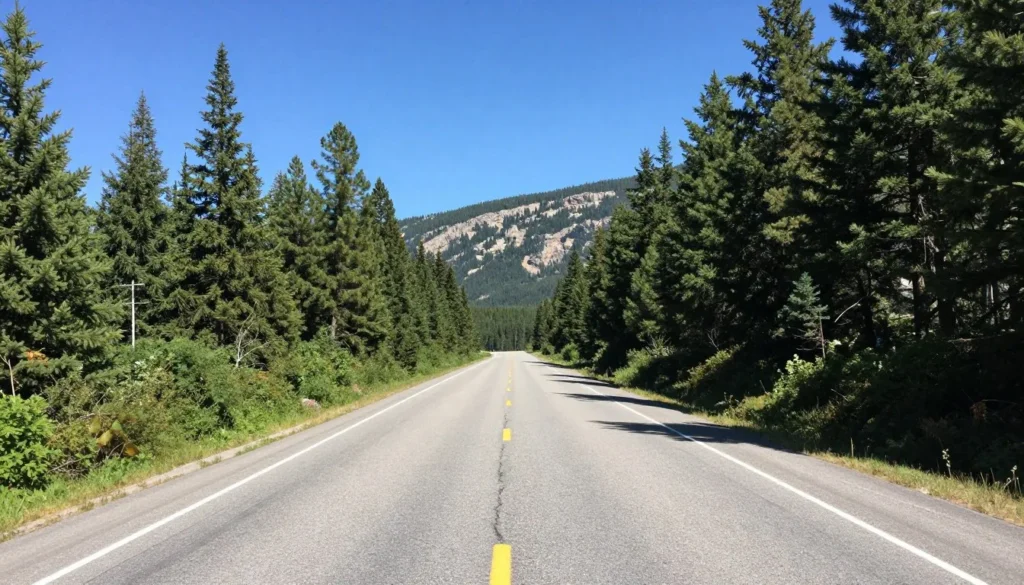
Spooner Lake is conveniently located just off U.S. Highway 50 on the east shore of Lake Tahoe, approximately 0.8 kilometers (0.5 miles) north of the Highway 50 and Highway 28 junction. The park entrance is clearly marked and easily accessible from both directions.
The closest major airport is Reno-Tahoe International Airport, located about 51 kilometers (32 miles) northeast of Spooner Lake. From the airport, the drive takes approximately 45 minutes via Highway 395 and Highway 50. This route offers spectacular views of the Carson Range and Lake Tahoe.
Sacramento International Airport provides another option, situated approximately 177 kilometers (110 miles) west of Spooner Lake. The drive takes about two hours and follows Highway 50 through the scenic Sierra Nevada mountains, passing through South Lake Tahoe before reaching the park.
Important Travel Information
Highway 50 remains open year-round, but winter conditions may require tire chains or four-wheel drive vehicles. Always check road conditions before traveling during snow season.
Parking at Spooner Lake is available at the main trailhead area. A Nevada State Parks day-use fee applies to all visitors. The parking area fills quickly on summer weekends and holidays, so arriving early in the morning ensures you’ll find a spot.
Best Time to Visit & Weather Tips
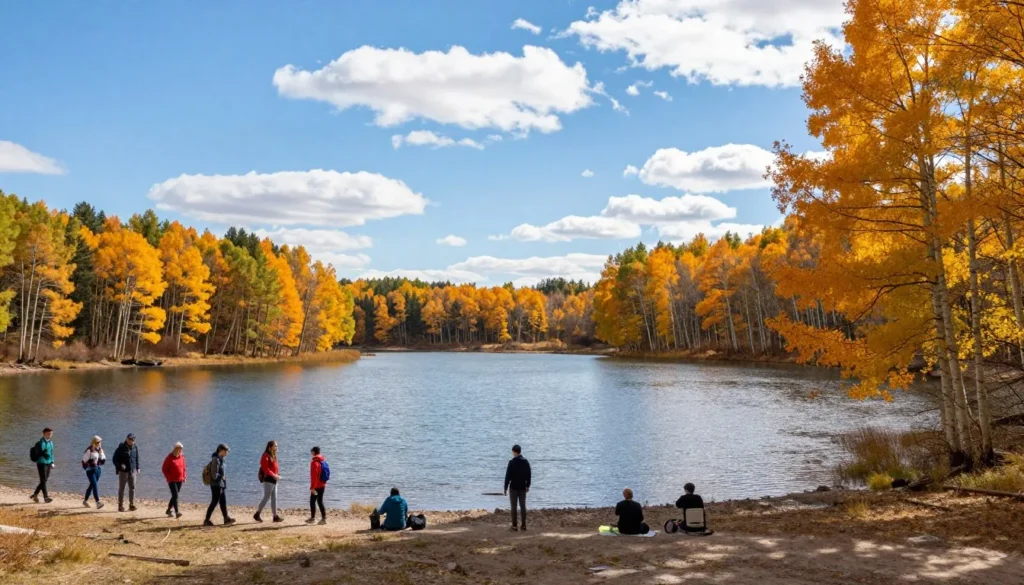
Best Time to Visit Spooner Lake
The ideal months to visit Spooner Lake are June through October when trails are snow-free and weather conditions are most favorable. September and early October offer particularly stunning scenery as aspen trees turn brilliant gold and orange.
Summer months from July through August bring warm temperatures averaging 24°C (75°F) during the day, though mornings can be cool at 10°C (50°F). This season sees the highest visitor numbers, especially on weekends.
Spring visits from April through May can be rewarding, but trails may still have snow patches at higher elevations. Wildflowers begin blooming in late May, creating colorful displays along the shoreline.
Winter transforms Spooner Lake into a cross-country skiing and snowshoeing paradise. The area receives substantial snowfall, with depths often exceeding 1.5 meters (5 feet) from December through March.
Months to Consider Avoiding
Late March and early April present challenging conditions as melting snow creates muddy trails and unpredictable weather. November can also be difficult, with early snowfall sometimes closing backcountry trails before winter facilities open.
Summer Weather (June-August)
- Daytime highs: 21-27°C (70-80°F)
- Overnight lows: 7-12°C (45-54°F)
- Low precipitation
- Afternoon thunderstorms possible
Winter Weather (December-February)
- Daytime highs: -1 to 4°C (30-40°F)
- Overnight lows: -12 to -7°C (10-20°F)
- Heavy snowfall expected
- Consistent snow cover for winter sports
Notable Annual Festivals
The Lake Tahoe area hosts several annual events, though Spooner Lake itself does not have dedicated festivals. Nearby Carson City celebrates Nevada Day in late October with parades and historical reenactments. The Lake Tahoe Shakespeare Festival runs during summer months at Sand Harbor, just 32 kilometers (20 miles) north.
The Spooner Lake Backcountry area occasionally hosts organized trail running events and mountain biking competitions. Contact the visitor center for current event schedules.
Getting Around Locally
Unlike some Lake Tahoe destinations, Spooner Lake requires personal transportation as public transit options are limited. The park has no internal shuttle system, making a vehicle essential for reaching trailheads and facilities.
The main parking area provides access to the Spooner Lake Loop Trail and serves as the starting point for backcountry trails leading to Marlette Lake and the Flume Trail. All major trails begin within easy walking distance of parking areas.
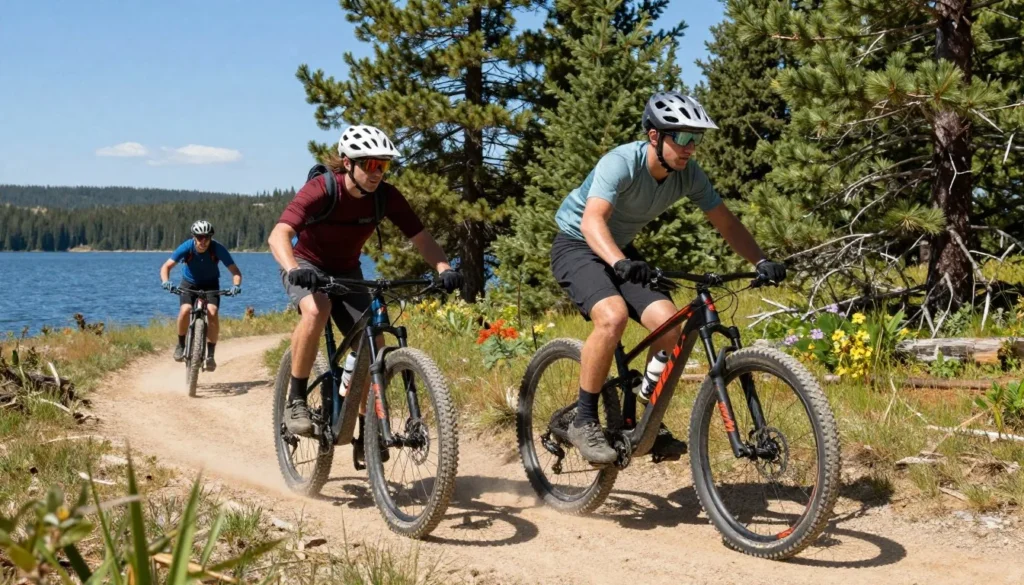
Bicycle rentals are available at the park during summer months for those wishing to explore the extensive network of mountain biking trails. The Spooner Lake Backcountry offers over 64 kilometers (40 miles) of trails suitable for various skill levels.
During winter, the park becomes a cross-country skiing center with groomed trails and equipment rentals available. Snowshoe rentals also allow visitors to explore winter landscapes without specialized equipment.
Trail Access Information
Backcountry trails beyond Spooner Lake require a Nevada State Parks day-use pass or annual pass. Trail conditions and closures are posted at the visitor center amphitheater near the parking area.
Where to Stay
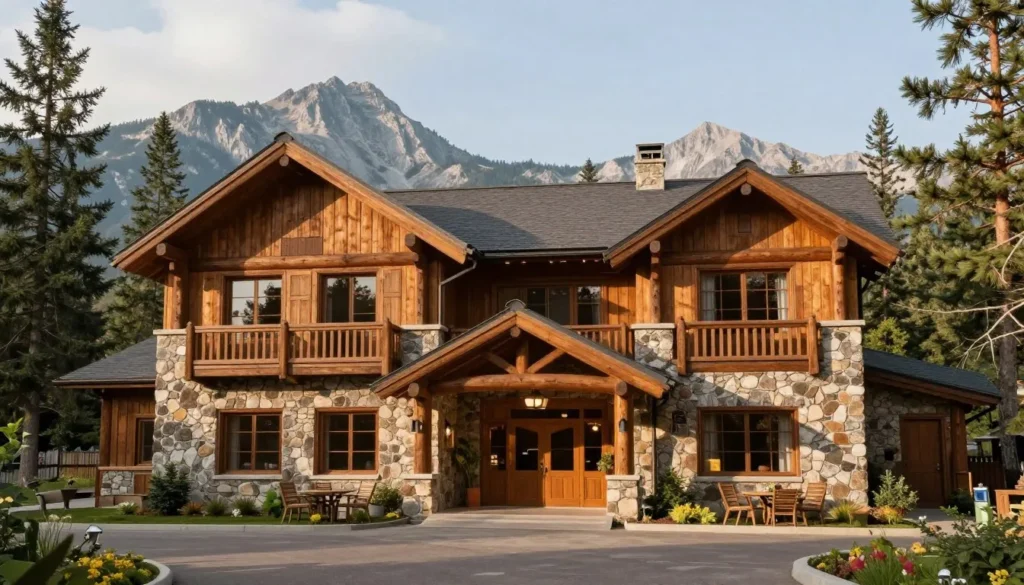
Spooner Lake itself does not offer overnight accommodations, but several excellent lodging options exist within a short drive. The variety ranges from rustic campgrounds to upscale resorts, accommodating different budgets and preferences.
Nearby Campgrounds
Nevada Beach Campground, located 19 kilometers (12 miles) south on Highway 50, provides 54 campsites with stunning Lake Tahoe views. Sites include picnic tables, fire rings, and access to beach areas. Reservations are strongly recommended during summer months.
Zephyr Cove Resort offers RV sites and tent camping just 11 kilometers (7 miles) from Spooner Lake. The campground features modern restrooms, showers, and a camp store. Prices range from $35-$65 per night depending on site type and season.
Hotels and Resorts
Incline Village, situated 29 kilometers (18 miles) north via Highway 28, features numerous hotels and vacation rentals. The Hyatt Regency Lake Tahoe provides luxury accommodations with spa services, fine dining, and private beach access.
South Lake Tahoe offers the widest selection of lodging, located 21 kilometers (13 miles) southwest. Options include budget motels starting around $80 per night and upscale properties exceeding $300 nightly during peak season.
Carson City, the state capital, sits 24 kilometers (15 miles) east and provides affordable hotel chains with rates typically $70-$150 per night. This option works well for visitors planning multiple days exploring the area.
Budget-Friendly Options
- Nevada Beach Campground: $30-$40/night
- Carson City hotels: $70-$100/night
- South Lake Tahoe motels: $80-$120/night
Premium Accommodations
- Incline Village resorts: $200-$400/night
- Zephyr Cove cabins: $150-$250/night
- South Lake Tahoe luxury hotels: $250-$500/night
Dining & Local Cuisine
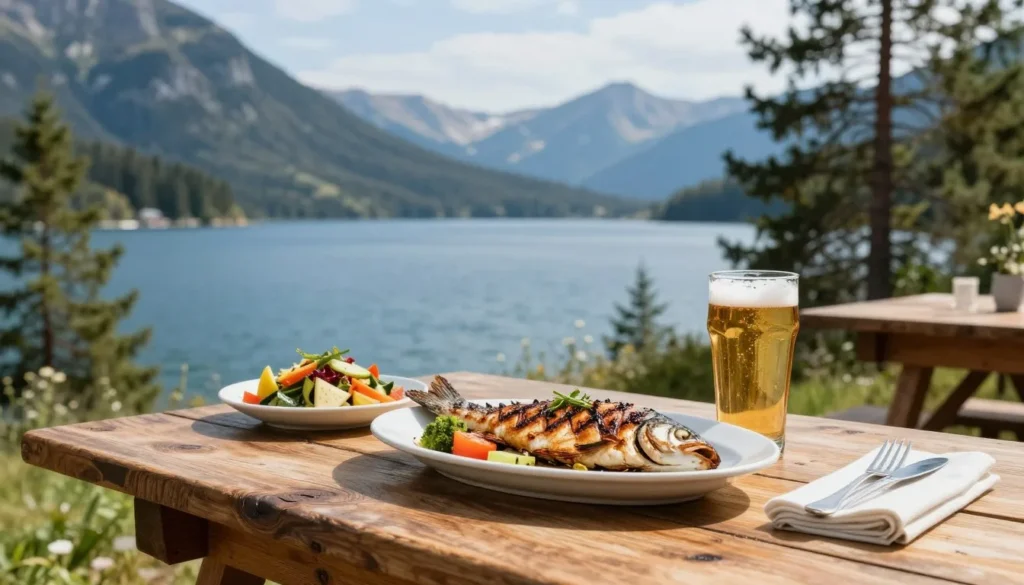
While Spooner Lake has no on-site dining facilities, the surrounding Lake Tahoe Nevada area offers diverse culinary experiences. Visitors should pack snacks and water for trail activities, as the nearest food services are several miles away.
Nearby Dining Options
Zephyr Cove Resort, just 11 kilometers (7 miles) south, features a casual restaurant serving breakfast, lunch, and dinner. Their menu emphasizes American comfort food with burgers, sandwiches, and BBQ specialties. Prices range from $12-$28 per entree.
Incline Village offers upscale dining at T’s Mesquite Rotisserie, known for rotisserie chicken and fresh seafood. The restaurant emphasizes locally sourced ingredients when possible. Expect dinner entrees from $22-$45.
South Lake Tahoe provides the most extensive dining selection, from quick-service options to fine dining establishments. The Tahoe Basin area is known for fresh trout dishes, often caught locally from nearby waters.
Local Specialties
Regional cuisine reflects both Nevada and California influences. Rainbow trout prepared with almonds appears on many menus, celebrating the area’s fishing heritage. Wild game dishes including elk and venison occasionally feature at upscale restaurants.
The microbrewery scene has grown substantially, with several craft breweries operating in South Lake Tahoe and Carson City. These establishments often serve elevated pub food alongside their beer selections.
Picnic Planning
Spooner Lake features designated picnic areas with tables near the shoreline. Stock up on supplies at grocery stores in Carson City or South Lake Tahoe before arriving at the park. No food vendors operate within the park boundaries.
Attractions, Sightseeing & Activities
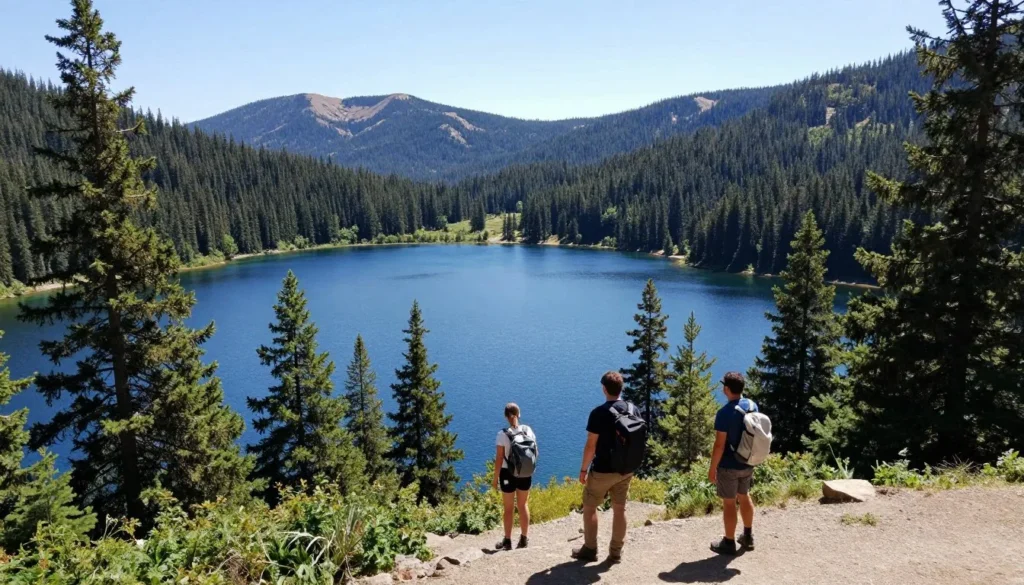
Spooner Lake serves as the gateway to extensive outdoor recreation opportunities within Lake Tahoe Nevada State Park. The lake itself provides a scenic centerpiece, but surrounding trails and backcountry areas offer the primary attractions.
Spooner Lake Loop Trail
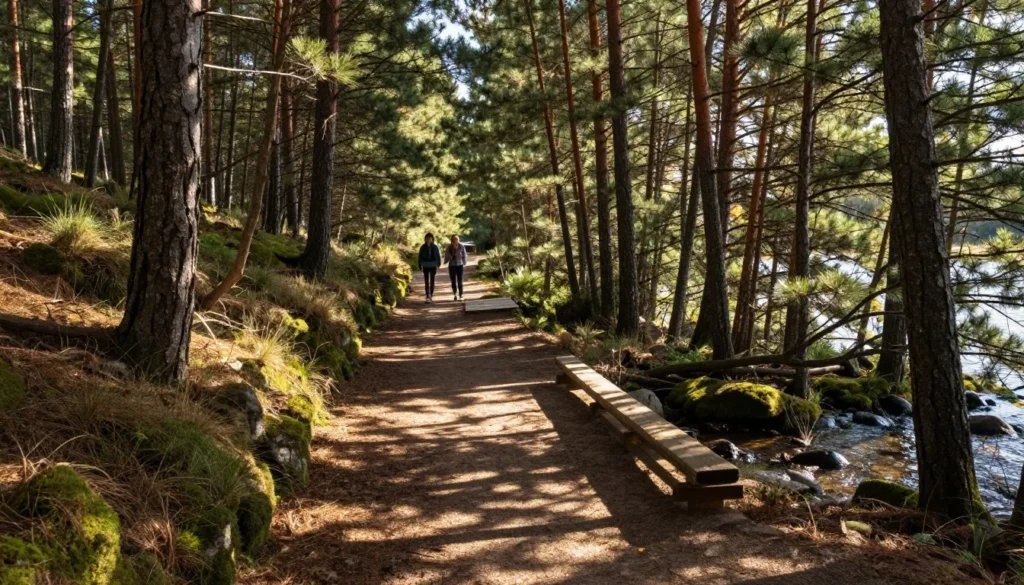
This easy 3.2-kilometer (2-mile) trail circles the entire lake shoreline, providing accessible recreation for all fitness levels. The trail remains relatively flat with minimal elevation gain, making it perfect for families with young children or those seeking a gentle walk.
Interpretive signs along the route explain the area’s natural and cultural history. The loop takes approximately one hour at a leisurely pace, though many visitors spend additional time photographing wildlife and scenery.
Marlette Lake Trail
Adventurous hikers can tackle the challenging 8-kilometer (5-mile) trail from Spooner Lake to Marlette Lake. This route climbs approximately 366 meters (1,200 feet) through Jeffrey pine and white fir forests.
Marlette Lake, larger than Spooner at approximately 344 hectares (850 acres), rewards hikers with pristine alpine scenery. The lake sits entirely within state park boundaries, protecting its wilderness character.
Flume Trail
Mountain bikers prize the Marlette Flume Trail as one of North America’s premier riding experiences. This historic route follows a wooden flume once used to transport water and timber. The trail provides spectacular views high above Lake Tahoe.
Access requires riding from Spooner Lake through North Canyon, making it a challenging full-day adventure. The complete loop covers approximately 23 kilometers (14 miles) with significant elevation changes.
Tahoe Rim Trail Access
Spooner Lake provides access to the Tahoe Rim Trail, a 274-kilometer (170-mile) route circling the entire Lake Tahoe Basin. Day hikers can sample sections of this epic trail without committing to the full circuit.
The North Canyon Trail connects Spooner Lake to the Tahoe Rim Trail, offering varied terrain and excellent wildlife viewing opportunities. Black bears, mule deer, and mountain lions inhabit these forests, though sightings of larger predators remain rare.
Museums, Cultural Spots & Festivals
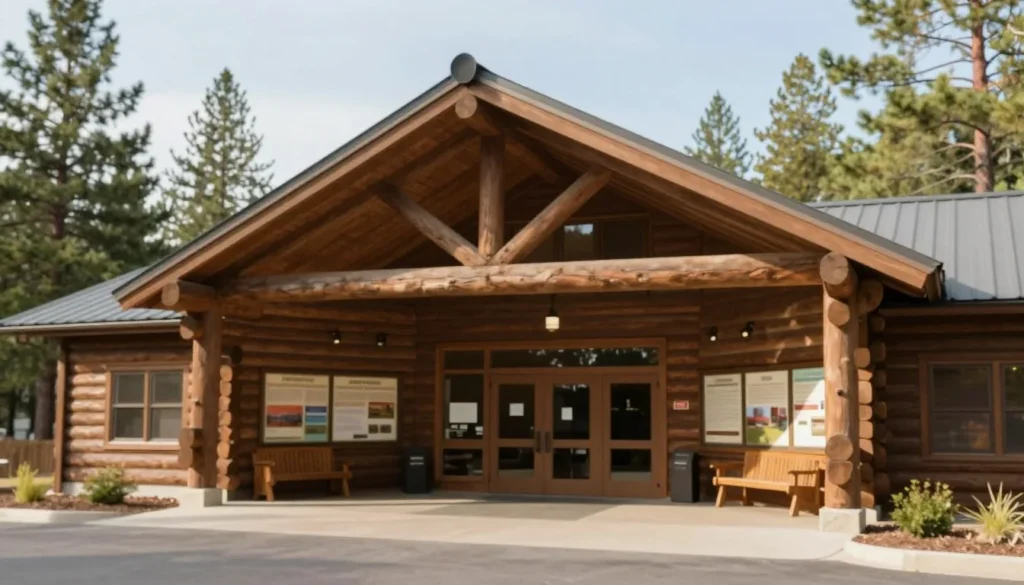
The visitor center amphitheater at Spooner Lake provides educational programs during summer months. Rangers present talks about local ecology, history, and wildlife. The small facility houses exhibits explaining the area’s transformation from logging center to protected parkland.
The Lake Tahoe Nevada State Park system preserves important Great Basin and Sierra Nevada ecosystem examples. Spooner Lake specifically demonstrates successful habitat restoration, as the area recovered from intensive 19th-century logging operations.
Historical Significance
During the 1860s, Spooner Summit and the surrounding forests supplied timber for Virginia City’s booming silver mines. Millions of board feet of lumber descended from these mountains, fueling the Comstock Lode mining operations.
The area’s logging history left visible impacts, including old roadbeds and clearing sites now slowly revegetating. Interpretive materials throughout the park explain this industrial heritage and subsequent conservation efforts.
Nearby Cultural Attractions
Carson City, the Nevada state capital, houses several museums within a 30-minute drive. The Nevada State Museum features extensive exhibits on regional geology, mining history, and Native American cultures. Admission costs $8 for adults and $4 for children.
The Stewart Indian School Cultural Center and Museum preserves the history of federal Indian boarding schools. This significant site provides important perspectives on Native American experiences in the region.
Nature & Outdoor Experiences
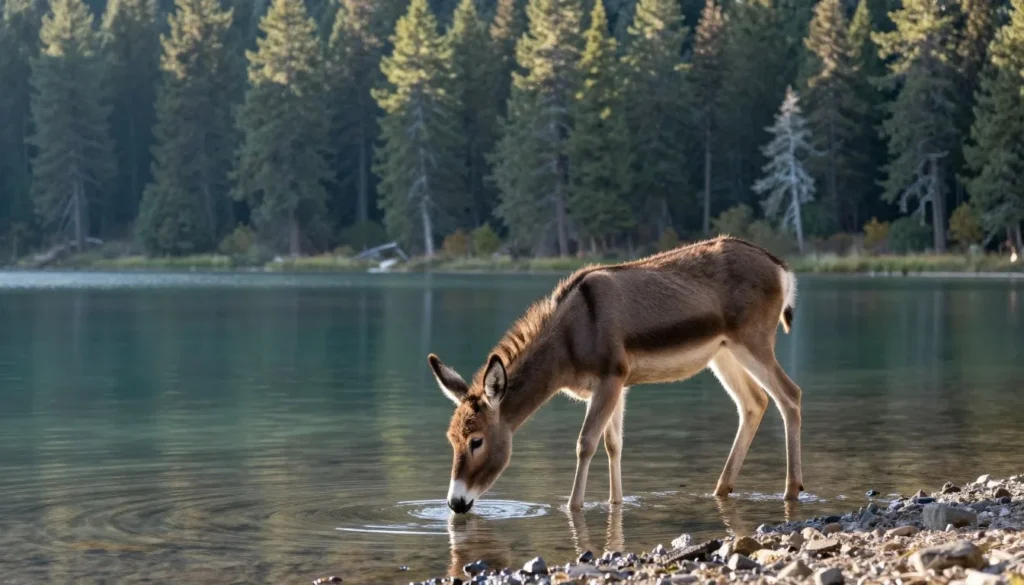
Spooner Lake’s 2,140-meter (7,000-foot) elevation places it in the transition zone between the Carson Range and Lake Tahoe Basin ecosystems. This unique position creates exceptional biodiversity, attracting nature enthusiasts year-round.
Wildlife Watching
The lake and surrounding forests support diverse wildlife populations. Ospreys nest near the water during summer months, diving spectacularly to catch fish. Bald eagles occasionally winter in the area, perching in tall pines overlooking the lake.
Small mammals including yellow-bellied marmots, golden-mantled ground squirrels, and chipmunks provide constant entertainment along trails. These creatures become quite bold, though feeding wildlife is strictly prohibited and can result in citations.
Black bears inhabit the forests around Spooner Lake. While encounters remain relatively uncommon, proper food storage is mandatory. The Nevada Department of Wildlife provides bear-resistant containers at some trailheads and parking areas.
Bird Watching Opportunities
Over 100 bird species have been documented within the Spooner Lake area. Mountain bluebirds, Steller’s jays, and Clark’s nutcrackers appear frequently along shoreline trails. Woodpeckers, including the pileated woodpecker, excavate nests in standing dead trees.
Waterfowl use the lake during migration periods. Mallards, buffleheads, and common mergansers stop to rest and feed. Spring and fall migrations from mid-April through May and September through October provide the best viewing opportunities.
Fishing Regulations
Spooner Lake allows fishing with proper Nevada fishing licenses. The lake contains rainbow trout and brown trout populations. Artificial lures and flies only restrictions apply, and daily catch limits follow state regulations.
Shore fishing from designated areas provides the primary access, as motorized boats are prohibited. Small non-motorized watercraft including kayaks and canoes are permitted, though launching can be challenging due to shallow water near shore.
Photography Opportunities
The lake’s reflective surface creates mirror-like images of surrounding peaks during calm mornings. Sunrise photography sessions from the eastern shore capture golden light illuminating the Carson Range. Autumn colors peak in late September, transforming aspen groves into golden galleries.
Winter transforms the landscape into a monochromatic wonderland, with snow-laden pines framing the partially frozen lake. Cross-country skiers and snowshoers enjoy solitude during these months, often having trails entirely to themselves.
Travel With Children
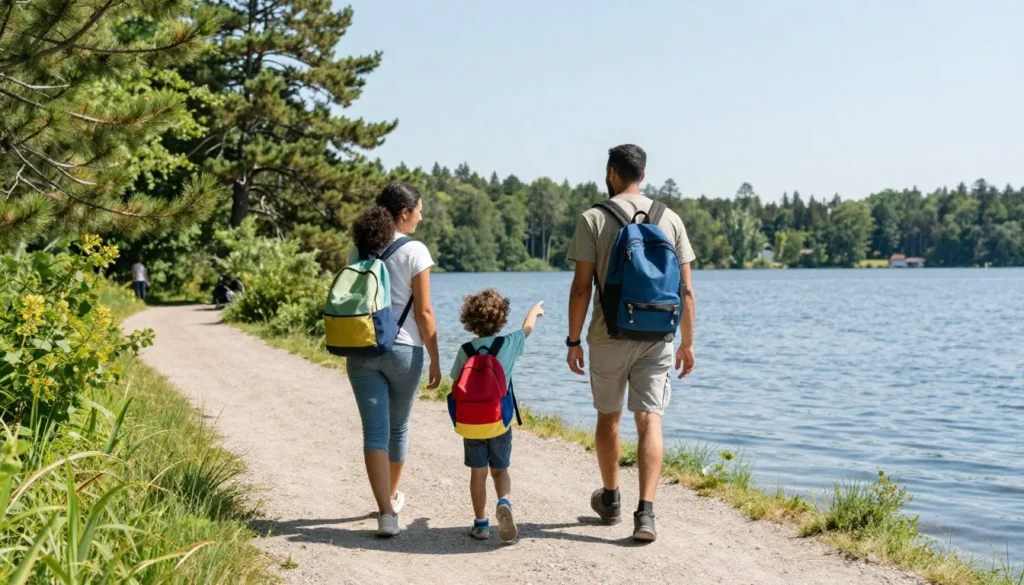
Spooner Lake offers excellent family recreation opportunities, particularly the gentle shoreline loop trail. The relatively flat terrain accommodates strollers and wagons, though unpaved sections may present challenges for standard wheeled equipment.
Kid-Friendly Activities
Children enjoy discovering wildlife along the trail, from busy squirrels gathering pine cones to birds calling from tree branches. Junior Ranger programs operate during summer months, providing educational activities designed for ages 5-12.
The shallow water near shore allows safe wading on warm summer days, though swimming is not recommended due to cold temperatures. Water temperatures rarely exceed 18°C (65°F) even during peak summer.
Picnic areas near the parking lot provide perfect lunch spots for families. Tables and vault toilets offer basic facilities, though no running water is available. Pack all necessary supplies including extra water, snacks, and first-aid items.
Safety Considerations for Families
The high elevation can affect young children unaccustomed to altitude. Allow extra time for activities and watch for signs of altitude sickness including headache, nausea, or unusual fatigue.
Sun exposure becomes intense at this elevation, requiring sunscreen, hats, and protective clothing. Apply sunscreen 30 minutes before outdoor activities and reapply every two hours.
Family Planning Tips
Start with the easy shoreline loop before attempting longer backcountry trails. Pack layers for changing weather, plenty of snacks, and activities like nature journals or bird identification guides to keep children engaged.
Money Saving Tips
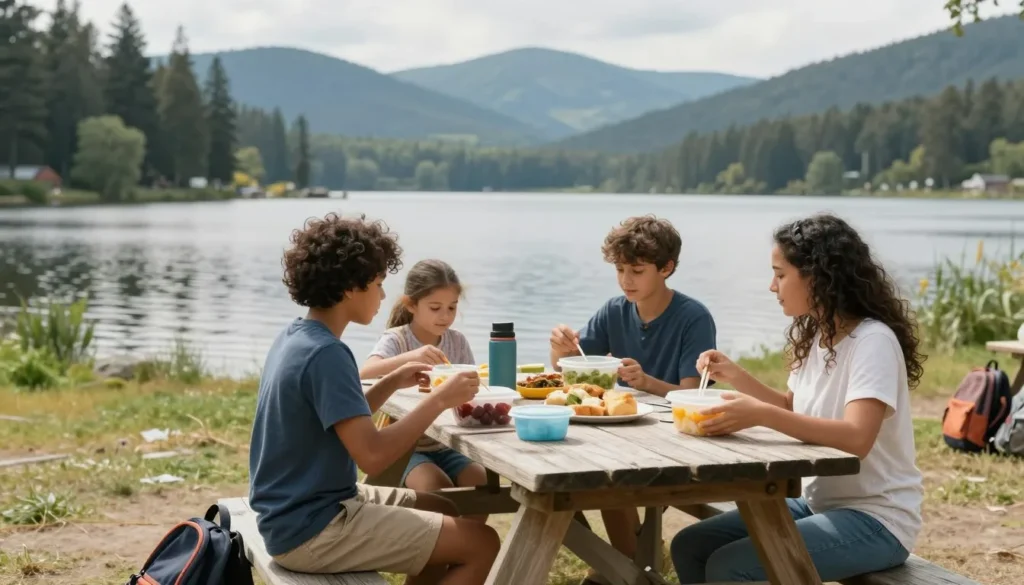
Visiting Spooner Lake can fit modest budgets with proper planning. The day-use fee provides access to all trails and facilities, making it an economical outdoor recreation choice compared to commercial attractions.
Annual Pass Options
Nevada State Parks offers annual passes covering all state park locations. The cost of approximately $95 for Nevada residents pays for itself after just five visits. Out-of-state visitors pay slightly higher rates but still realize savings with frequent use.
Active military personnel and their families receive discounted or complimentary access to Nevada State Parks. Present valid military identification at the entrance station for applicable discounts.
Budget-Friendly Strategies
Pack meals and snacks rather than purchasing food at expensive resort restaurants. Grocery stores in Carson City offer lower prices than South Lake Tahoe establishments. Preparing a picnic creates pleasant lakeside dining experiences while controlling costs.
Visit during shoulder seasons in May-June or September-October when lodging rates drop significantly. Accommodations that charge $300 nightly in July might offer rooms for $120 in early October, while weather remains generally favorable.
Camp at Nevada Beach or Zephyr Cove to minimize lodging expenses. Campground fees of $30-$40 nightly compare favorably to $150+ hotel rates. Most campgrounds provide hot showers and other amenities making camping comfortable.
Free or Low-Cost Activities
- Hiking all trails (with park pass)
- Wildlife watching and bird identification
- Photography and nature journaling
- Picnicking at designated areas
- Junior Ranger programs (summer)
Where to Splurge
- Quality hiking boots for comfort
- Annual Nevada State Parks pass
- Binoculars for wildlife viewing
- One special dinner at lake view restaurant
Equipment Rental Savings
Renting mountain bikes, cross-country skis, or snowshoes at Spooner Lake costs less than resort rental shops. The park’s rental facility offers competitive daily and multi-day rates with quality equipment.
Sharing equipment rentals among family members or groups reduces per-person costs. A family of four might rent two sets of snowshoes and take turns, rather than renting four sets.
Safety & Local Customs
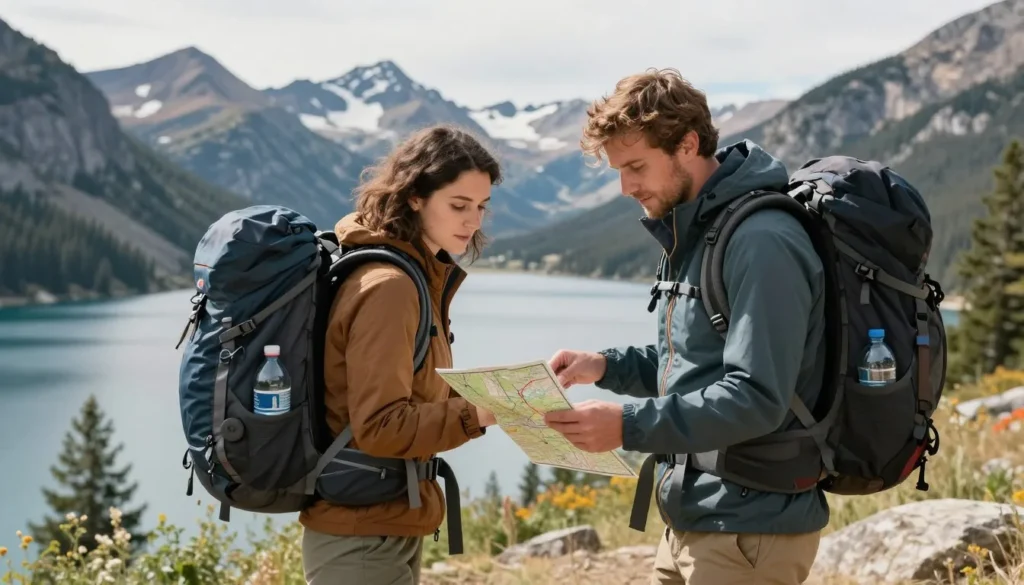
Understanding mountain environment hazards ensures safe, enjoyable visits to Spooner Lake. The high elevation, unpredictable weather, and wildlife encounters require appropriate preparation and awareness.
Altitude Considerations
The 2,140-meter (7,000-foot) elevation affects many lowland visitors. Symptoms of altitude sickness include headache, nausea, dizziness, and shortness of breath. Allow your body time to acclimate by taking frequent breaks and staying well-hydrated.
Drink extra water at high elevations, as dry mountain air increases fluid loss through respiration. Carry at least one liter per person for short walks, and two or more liters for extended hikes.
Weather Safety
Mountain weather changes rapidly, with afternoon thunderstorms common during summer months. Lightning poses serious dangers above treeline and on exposed ridges. Start hikes early and plan to return to lower elevations before afternoon storm development.
Hypothermia risks exist year-round at Spooner Lake due to elevation. Even summer temperatures can drop to 4°C (40°F) at night. Pack extra layers including fleece or down insulation and waterproof outer shells.
Wildlife Safety Guidelines
Black bears actively feed throughout the area. Store all food, toiletries, and scented items in vehicles or bear-resistant containers. Never approach bears or attempt to photograph them at close range. Make noise while hiking to avoid surprising wildlife.
Mountain lions inhabit the region but rarely appear near developed areas. If you encounter a mountain lion, maintain eye contact, appear large by raising arms, and back away slowly without running.
Emergency Contact Information
Cell phone coverage is limited or nonexistent in many areas around Spooner Lake. In emergencies, dial 911 when service is available or proceed to the visitor center for assistance during operating hours.
Leave No Trace Principles
Nevada State Parks expects visitors to follow Leave No Trace ethics. Pack out all trash, including food scraps and biodegradable items. Stay on designated trails to prevent erosion and protect fragile alpine vegetation.
Campfires are permitted only in designated areas with metal fire rings. During high fire danger periods, all open flames including campfires and charcoal grills may be prohibited. Check current restrictions before planning outdoor cooking.
Trail Etiquette
Hikers yield to horses and mountain bikers yield to both hikers and horses on multi-use trails. When encountering horseback riders, step off the downhill side of the trail and remain quiet until they pass.
Dogs are permitted on trails but must remain on leashes no longer than 1.8 meters (6 feet). Owners must clean up after pets and properly dispose of waste in designated receptacles.
Visitor Comments About Spooner Lake
“The shoreline trail exceeded our expectations. We spotted an osprey diving for fish and saw three deer near the north end of the lake. The interpretive signs helped us understand the area’s fascinating logging history. Our children especially loved the Junior Ranger program activities.”
“Visiting in late September proved perfect timing. The aspen trees created stunning golden reflections on the calm water. We hiked to Marlette Lake, which challenged us but rewarded our effort with spectacular views. The area felt much less crowded than South Lake Tahoe beaches.”
“We rented cross-country skis at the park in January and enjoyed beautifully groomed trails. The snow-covered landscape looked magical, and we practically had the entire trail system to ourselves. The rental equipment was high quality and reasonably priced.”
Additional Nearby Destinations
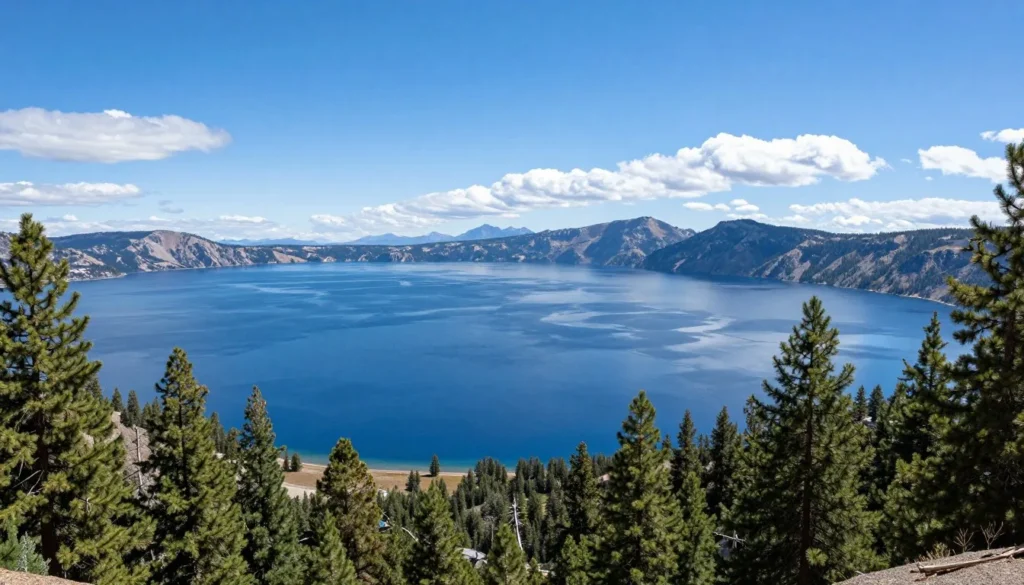
Spooner Lake’s location provides access to numerous attractions throughout the Lake Tahoe Nevada region. These destinations complement a Spooner Lake visit, allowing travelers to experience diverse landscapes and activities.
Sand Harbor
Located 32 kilometers (20 miles) north on Highway 28, Sand Harbor features spectacular granite boulder formations and crystal-clear turquoise water. The beach attracts swimmers, kayakers, and photographers. Arrive early during summer as the parking lot fills by mid-morning.
Cave Rock
This dramatic volcanic rock formation rises directly from Lake Tahoe’s eastern shore, just 13 kilometers (8 miles) south of Spooner Lake. The site holds cultural significance for the Washoe Tribe. A boat launch and small beach occupy the area, though climbing on the rock is prohibited.
Virginia City
This remarkably preserved mining town sits 40 kilometers (25 miles) east of Spooner Lake. Virginia City thrived during the Comstock Lode silver rush and now operates as a living museum. Historic saloons, museums, and mine tours transport visitors to the 1860s. The Territorial Enterprise newspaper building and the Fourth Ward School Museum deserve special attention.
Carson City
Nevada’s capital city offers museums, historic sites, and dining options just 24 kilometers (15 miles) from Spooner Lake. The Nevada State Railroad Museum displays historic locomotives and offers seasonal train rides. The Nevada State Capitol building welcomes visitors during business hours.
Emerald Bay State Park
Often called Lake Tahoe’s most photographed location, Emerald Bay sits 35 kilometers (22 miles) southwest via Highways 50 and 89. The bay contains Fannette Island, Lake Tahoe’s only island. Vikingsholm, a Scandinavian-style mansion, sits at the bay’s head and offers tours during summer months.
Practical Travel Tips

What to Pack
Layer clothing for variable mountain weather. Start with moisture-wicking base layers, add insulating mid-layers like fleece, and top with waterproof shells. Even summer visitors should pack warm layers for cool mornings and potential weather changes.
Sun protection becomes critical at high elevation. Bring broad-spectrum sunscreen rated SPF 30 or higher, sunglasses with UV protection, and wide-brimmed hats. Lip balm with sun protection prevents painful chapped lips.
Footwear should provide ankle support and good traction. Broken-in hiking boots work best for longer trails, while trail runners suffice for the easy shoreline loop. Avoid new shoes, which cause blisters during extended walking.
Navigation and Communication
Download offline maps before arriving, as cell service is unreliable. Several smartphone applications offer topographic maps that function without data connections. Carry paper maps as backup since phone batteries drain quickly in cold weather.
Inform someone of your hiking plans, including expected return time and specific trails you plan to use. This simple precaution assists search efforts if you fail to return as scheduled.
Facilities and Services
Vault toilets are available near the main parking area, but no running water or flush toilets exist within the park. Carry hand sanitizer for hygiene. The nearest gas stations, ATMs, and medical facilities operate in Glenbrook or Carson City.
The visitor center amphitheater maintains irregular hours depending on staffing and season. During peak summer months, rangers typically staff the facility on weekends. Winter operations are extremely limited.
Best Photography Timing
Golden hour light transforms Spooner Lake into a photographer’s paradise. Arrive at sunrise for glassy water reflections and soft light illuminating the Carson Range. Sunset photography works well from the western shore, though parking lot gates close at sunset during some seasons.
Overcast days create ideal conditions for forest photography, eliminating harsh shadows and evening out light. These conditions work particularly well for waterfall photography on streams feeding the lake.
Accessibility Information
The Spooner Lake shoreline trail is not ADA accessible due to its unpaved surface and occasional rough sections. Visitors with mobility limitations can view the lake from designated parking area overlooks. Accessible vault toilets are available at the main trailhead.
The park does not offer wheelchairs or mobility aids for loan. Visitors requiring such equipment should bring their own or arrange rentals from medical supply companies in South Lake Tahoe or Carson City.
Your Spooner Lake Adventure Awaits
Spooner Lake Shoreline offers an remarkable blend of accessibility and wilderness character rare in the Lake Tahoe region. Whether you’re seeking a gentle family walk around crystal-clear water, challenging backcountry trails through historic forests, or winter adventures on groomed ski trails, this Nevada treasure delivers.
The lake’s modest size belies its significance as a gateway to the vast Spooner Lake Backcountry trail system. From this peaceful shoreline, adventures stretch in every direction toward Marlette Lake, the famous Flume Trail, and connections to the Tahoe Rim Trail.
Each season transforms the landscape, creating new reasons to return. Summer’s wildflowers give way to autumn’s golden aspens, then winter’s silent snowscapes, and finally spring’s rushing streams. This ever-changing character ensures that no two visits feel quite the same.
Pack your gear, prepare for elevation and weather, and discover why Spooner Lake remains a beloved destination for those who appreciate natural beauty without overwhelming crowds. The mountains, forests, and pristine water await your exploration.