Hotels by Trip.com
Flights by Trip.com
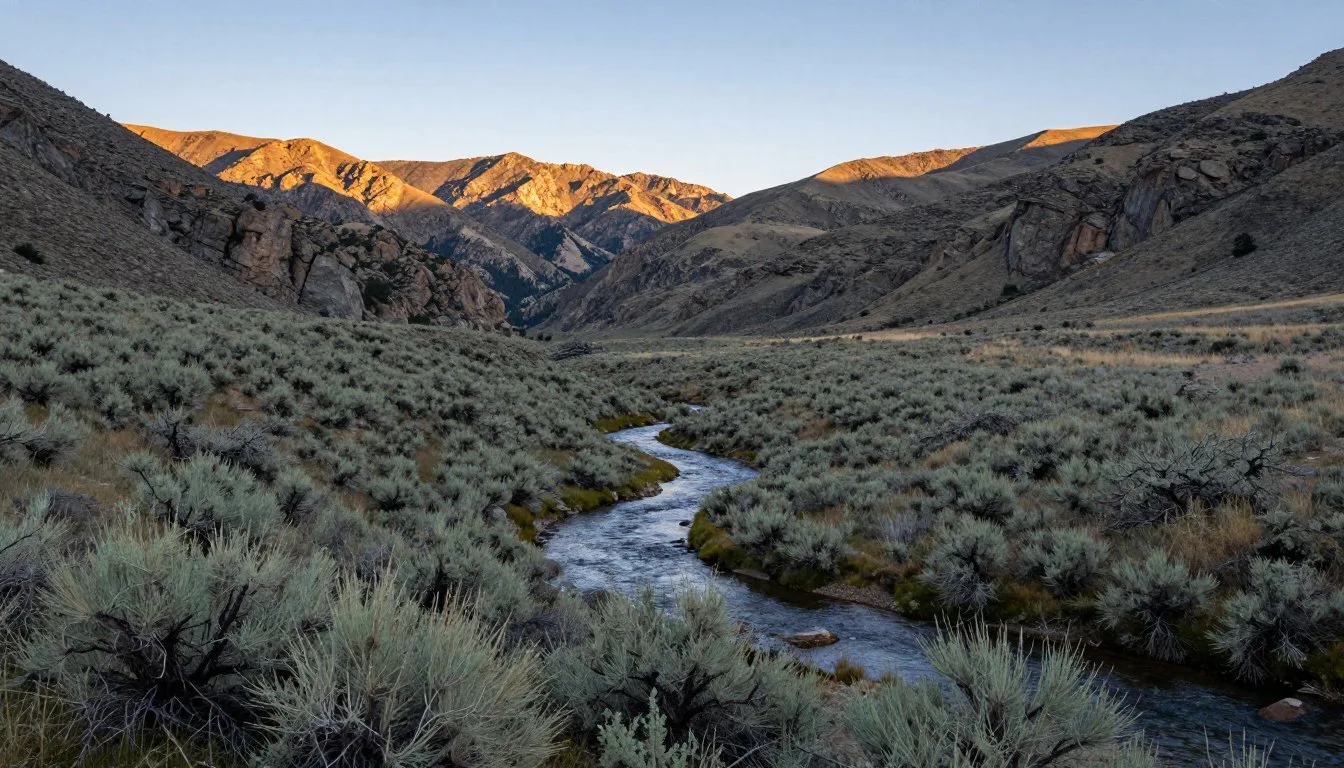
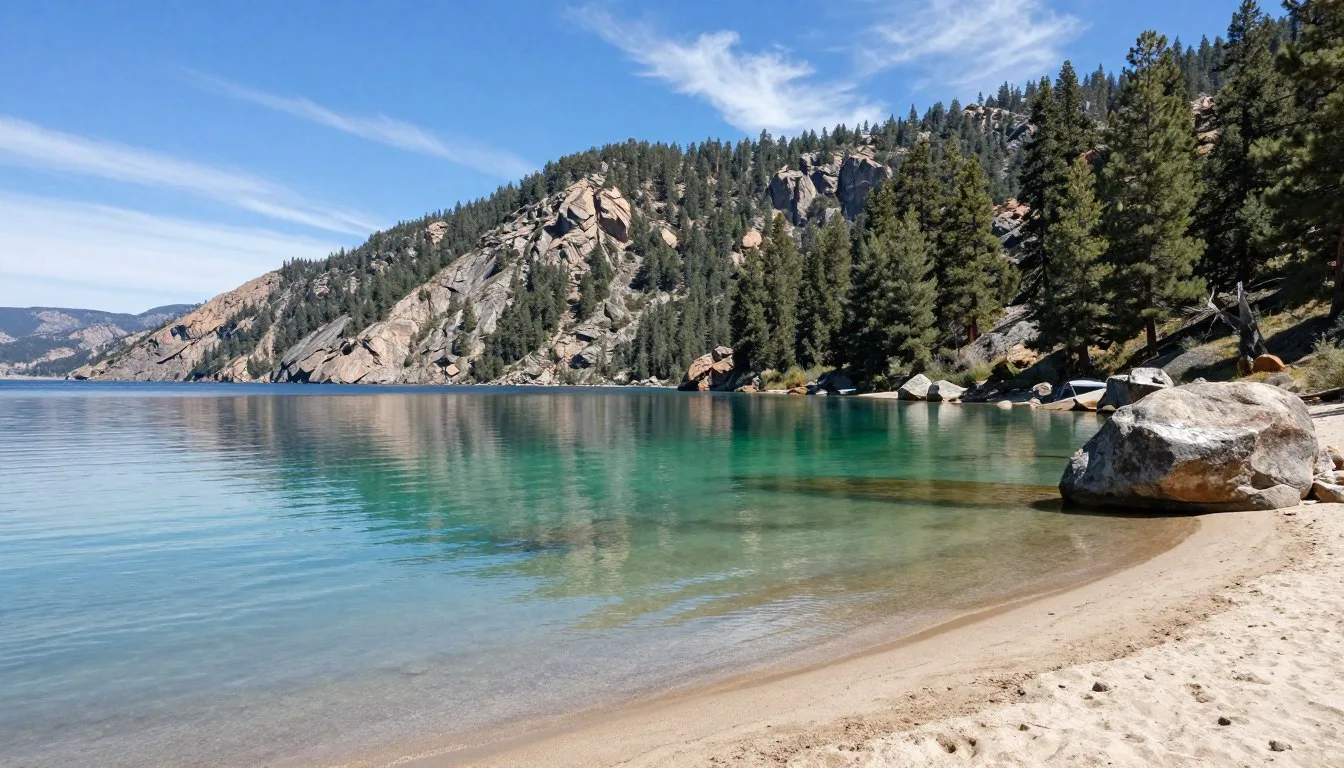
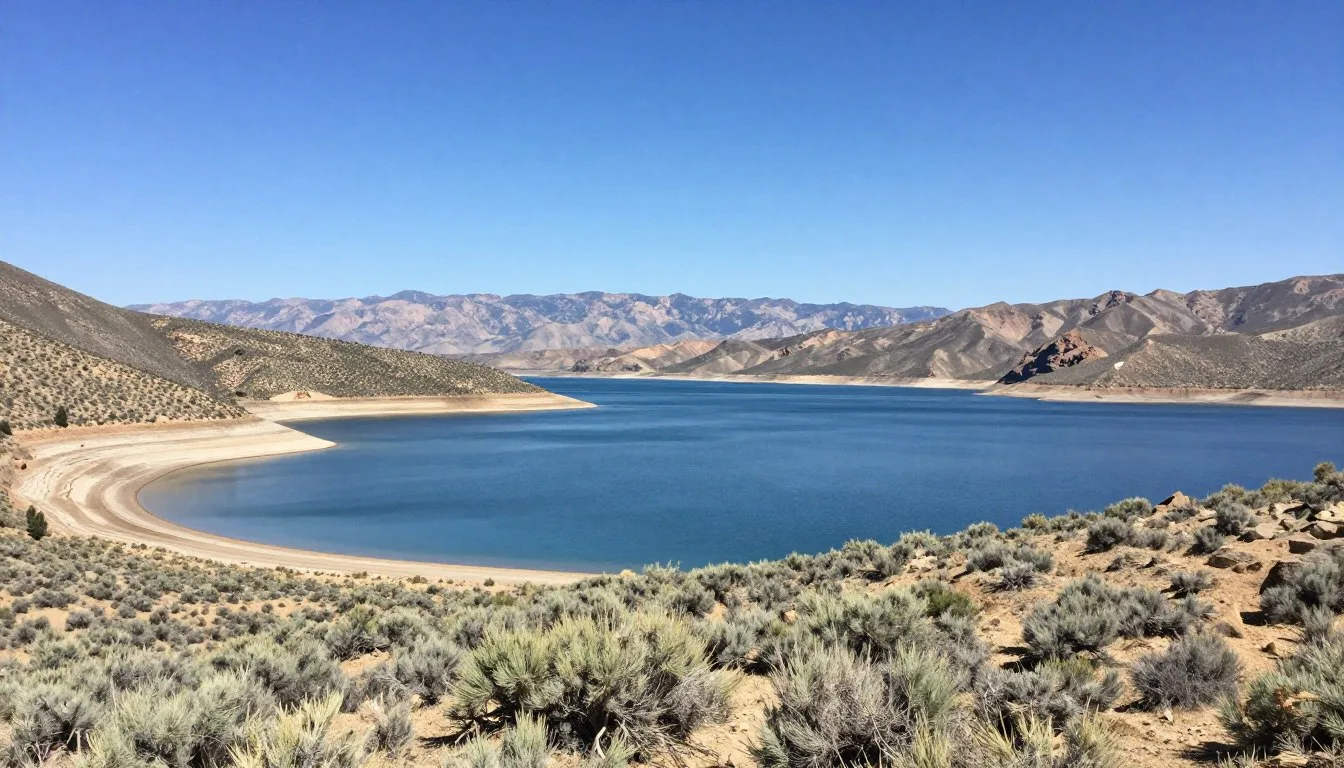
Hidden in Nevada’s high desert, South Fork Reservoir transforms what was once a rugged valley into a shimmering oasis that attracts over 50,000 visitors annually. This impressive body of water spans 656 hectares (1,622 acres) and holds enough water to supply a small city for an entire year.
The reservoir takes its name from the South Fork of the Humboldt River, which has carved through this landscape for thousands of years. When the dam was completed in 1988, it created this stunning recreational area that now serves as one of northeastern Nevada’s premier outdoor destinations.
Whether you dream of casting a line into trout-filled waters, pitching a tent under star-filled skies, or exploring the nearby Ruby Mountains, this Nevada gem offers experiences that range from peaceful solitude to family-friendly adventure. The combination of excellent fishing, well-maintained camping facilities, and proximity to wilderness areas makes South Fork Reservoir a destination that rewards both first-time visitors and seasoned outdoor enthusiasts.
Getting There & Planning Your Journey
South Fork Reservoir sits approximately 26 kilometers (16 miles) southwest of Elko, Nevada, making it easily accessible from major transportation hubs. The journey to this outdoor paradise begins with choosing your arrival point.
The closest airport is Elko Regional Airport, located just 32 kilometers (20 miles) northeast of the reservoir. This small but efficient airport receives daily flights from Salt Lake City and other regional connections. For travelers seeking more flight options, Reno-Tahoe International Airport sits 370 kilometers (230 miles) to the west, offering numerous domestic and international connections.
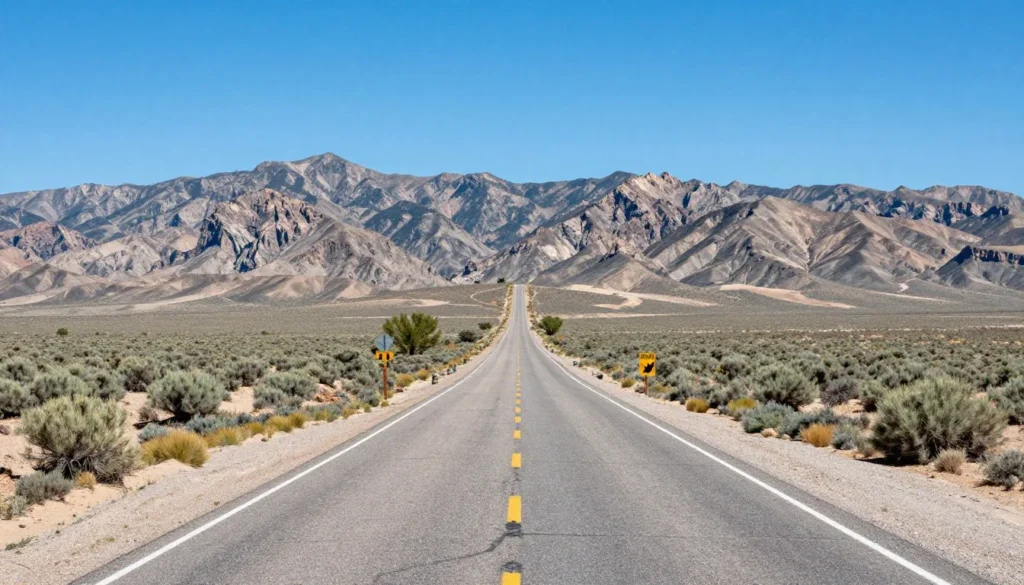
From Elko, the drive takes approximately 25 minutes via State Route 228. The route follows well-maintained paved roads that wind through classic Nevada high desert terrain. Spring Creek serves as the nearest town, sitting just 11 kilometers (7 miles) from the reservoir entrance.
Visitors driving from Reno should plan for a four-hour journey along Interstate 80 East. The route crosses diverse Nevada landscapes, from the Sierra Nevada foothills to expansive desert basins. Those arriving from Salt Lake City face a three-and-a-half-hour drive westward on I-80.
The final approach to South Fork State Recreation Area follows clearly marked roads. Turn south from Highway 228 onto South Fork Road, which leads directly to the park entrance. The paved access road makes the area suitable for all vehicle types, including RVs and vehicles towing boats.
Contact Nevada State Parks at the number above for current road conditions and park status before your visit. Winter weather occasionally impacts access, particularly between December and March.
Fuel and supplies are available in Spring Creek and Elko. Stock up on groceries, camping gear, and fishing supplies before heading to the reservoir, as no commercial facilities operate within the state recreation area itself.
Best Time to Visit & Weather Tips
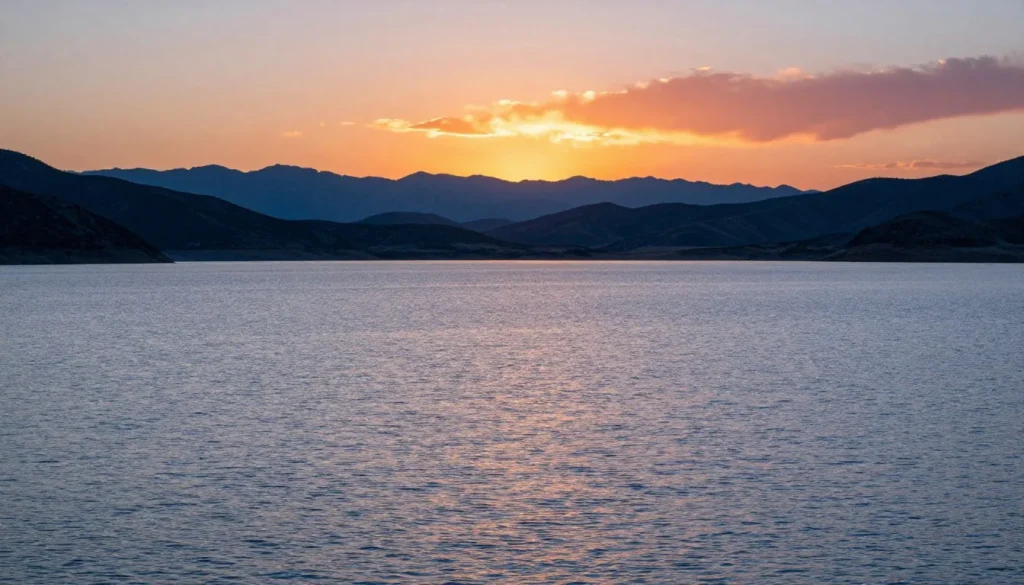
Timing your visit to South Fork Reservoir significantly impacts your experience. This high desert destination sits at an elevation of 1,768 meters (5,800 feet), creating distinct seasonal patterns that outdoor enthusiasts should consider carefully.
Check 30,000+ Local Sightseeing Tours Worldwide
✓ Numerous languages and currencies are available
Prime Visiting Seasons
Late spring through early fall represents the ideal window for most visitors. May through September brings comfortable temperatures and full access to all recreation areas. During these months, daytime temperatures typically range from 21°C to 29°C (70°F to 85°F), while nights cool to a pleasant 7°C to 13°C (45°F to 55°F).
June and July see the heaviest visitor traffic, particularly around Independence Day and other summer holidays. Campsites fill quickly during these peak periods. Reservations become essential for securing your preferred spot near the water.
September and early October offer exceptional conditions for those seeking quieter experiences. The weather remains pleasant, fish become more active as waters cool, and camping areas see lighter use. Autumn colors emerge in surrounding valleys, adding visual interest to the desert landscape.
Seasons to Approach with Caution
Winter months from November through March present significant challenges. Temperatures frequently drop below freezing, with overnight lows reaching -12°C to -7°C (10°F to 20°F). Snow and ice can close access roads and limit recreational activities. The reservoir often develops ice cover, making boating impossible and fishing difficult.
Early spring (March and April) brings unpredictable weather patterns. Rapid temperature swings, occasional snowstorms, and muddy conditions can interrupt outdoor plans. However, adventurous anglers find excellent fishing during this period as trout become active after winter dormancy.
Month-by-Month Weather Patterns
January and February deliver the coldest conditions, with daytime highs barely reaching 4°C to 7°C (40°F to 45°F). March sees gradual warming, though snow remains possible through mid-month.
April marks the transition to spring, with temperatures climbing to 13°C to 16°C (55°F to 60°F). May brings rapid warming and the opening of most facilities. Summer months of June, July, and August provide the most reliable weather, with July being the warmest month.
August occasionally sees afternoon thunderstorms rolling across the basin. These brief but intense weather events bring lightning and heavy rain. September offers a sweet spot of warm days and cool nights without summer crowds.
October temperatures begin dropping, with first frosts appearing by month’s end. November transitions to winter conditions, though hardy visitors still enjoy the area during mild periods.
Weather Preparation Tips
Desert environments create dramatic temperature swings between day and night. Pack layered clothing even during summer months. Mornings start cool, afternoons warm considerably, and evenings require jackets or sweaters.
Sun protection becomes crucial at this elevation. The thin atmosphere provides less filtering of UV radiation. Bring sunscreen rated SPF 30 or higher, wide-brimmed hats, and sunglasses for all outdoor activities.
Afternoon thunderstorms develop quickly during summer months. Monitor weather forecasts and watch for building clouds. Seek shelter in vehicles or buildings when lightning threatens. Avoid open water, exposed ridges, and tall isolated trees during electrical storms.
Wind frequently sweeps across the reservoir, particularly during spring months. Secure tents thoroughly, protect food and gear from blowing dust, and exercise caution when launching boats during gusty conditions.
Notable Annual Festivals
While South Fork Reservoir itself maintains a focus on natural recreation rather than organized festivals, the nearby Elko area hosts several notable annual events that enhance any visit to the region.
The National Cowboy Poetry Gathering takes place each January in Elko, celebrating Western heritage through poetry, music, and storytelling. This internationally recognized event attracts thousands of visitors to experience authentic cowboy culture. Contact the Western Folklife Center at +1 (775) 738-7508 for current year dates and ticket information.
Silver State Classic Challenge, held each September, transforms Highway 318 south of Elko into America’s fastest public road race. While not directly at the reservoir, many participants and spectators visit the area. Information available through the Elko Convention and Visitors Authority at +1 (775) 738-4091.
Elko County Fair runs for five days each August, featuring rodeo events, livestock exhibitions, and carnival attractions. The fair grounds sit approximately 29 kilometers (18 miles) from South Fork Reservoir. Details can be obtained by calling +1 (775) 738-3616.
Ruby Mountain Balloon Festival lifts off each June, filling Elko skies with colorful hot air balloons. Early morning and evening flights create spectacular photo opportunities against the Ruby Mountains backdrop. Contact organizers at +1 (775) 777-7757 for festival schedules.
Getting Around Locally
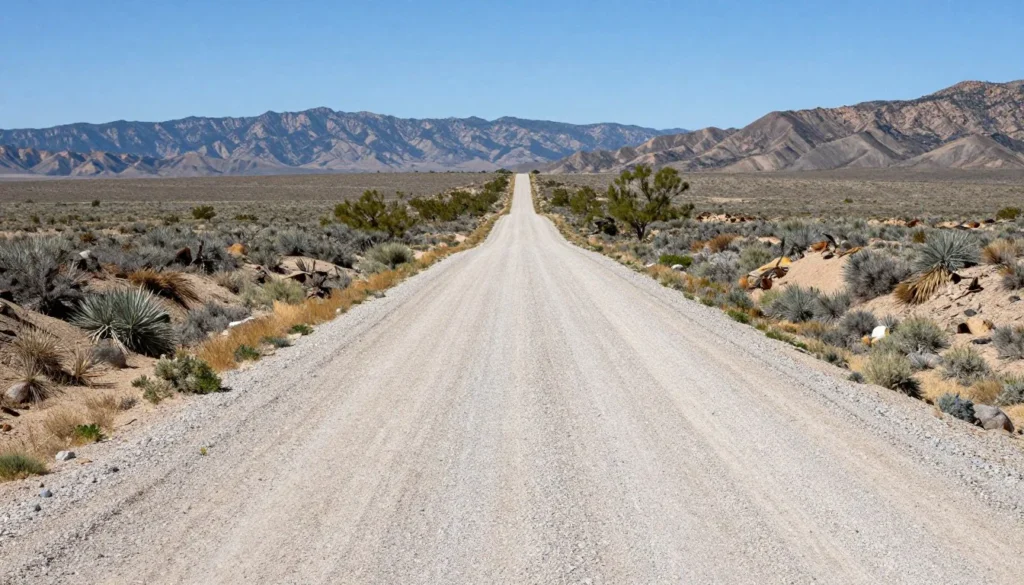
Navigation within South Fork State Recreation Area follows a straightforward layout that visitors quickly master. The park encompasses distinct zones connected by well-maintained gravel roads suitable for all passenger vehicles.
Upon entering the recreation area, a main access road branches into two primary campground areas. The East Campground sits closer to the reservoir’s eastern shore, while additional camping sites spread along the northern and western shorelines. Road signs clearly mark each camping loop and day-use area.
Personal vehicles serve as the primary transportation within the park. No shuttle services or public transportation operate in this remote location. Visitors should ensure their vehicle has adequate fuel before arriving, as the nearest gas stations are in Spring Creek.
Boat ramps provide water access at multiple points around the lake. The main launch ramp on the northern shore handles most boat traffic and includes ample parking for vehicles with trailers. Additional launch points serve kayakers and small watercraft users.
Walking and cycling offer pleasant ways to explore the recreation area. Relatively flat terrain and light vehicle traffic make roads safe for pedestrians and cyclists. However, dedicated bike paths do not exist, so users share roadways with cars.
RVs and camping trailers navigate easily throughout the park. Road widths accommodate large vehicles, and campsites feature pull-through designs that eliminate difficult backing maneuvers. Site lengths reach up to 15 meters (50 feet), suitable for most recreational vehicles.
Parking areas near the boat ramps and day-use beaches provide designated spaces. During peak summer weekends, arrive early to secure convenient parking. Overflow parking areas handle busy periods but may require short walks to access the water.
For exploring beyond the immediate recreation area, personal vehicles remain essential. The nearby town of Spring Creek lies 11 kilometers (7 miles) away for supplies and services. Elko’s broader amenities require a 26-kilometer (16-mile) drive.
Where to Stay
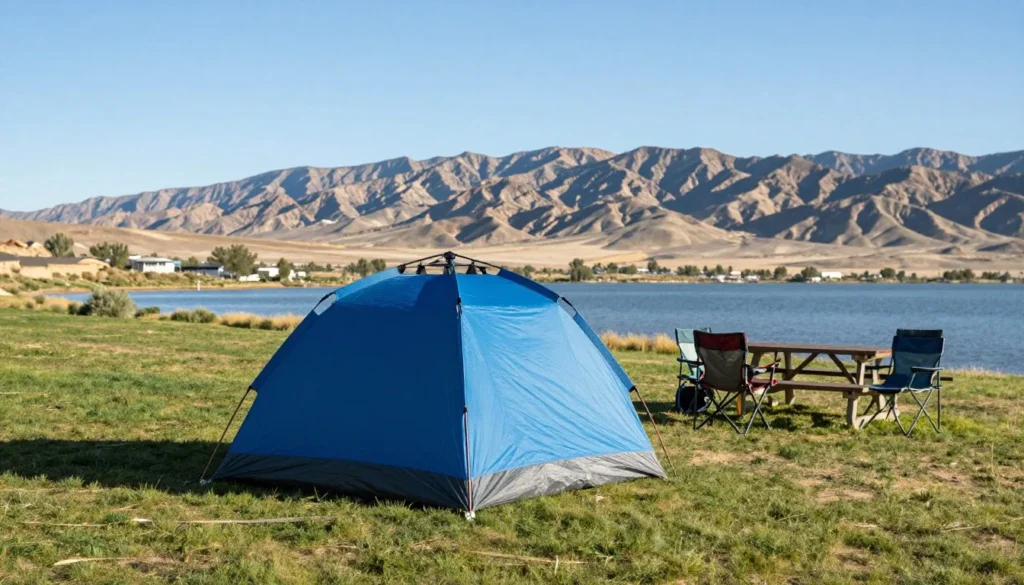
Accommodation options at and near South Fork Reservoir range from primitive camping to comfortable hotel rooms, catering to diverse preferences and budgets.
South Fork State Recreation Area Camping
The recreation area offers 25 developed campsites that serve as the most immersive lodging option. Sites include picnic tables, fire rings, and access to vault toilets. Well-maintained facilities create comfortable camping experiences even for those new to outdoor accommodations.
The East Campground provides the most popular camping area with sites offering water views. These spots fill quickly during summer weekends. Each site accommodates tents or RVs up to 15 meters (50 feet) in length.
Several sites feature hook-ups for RVs, providing electrical connections that power air conditioning, refrigerators, and other conveniences. These premium sites command higher fees but deliver added comfort for extended stays.
Tent camping areas nestle among sagebrush and native grasses, offering natural shade and wind protection. Ground surfaces vary from gravel to hard-packed earth. Tent pads at some sites provide level sleeping areas.
Drinking water comes from spigots located throughout campgrounds. Potable water meets all safety standards, though the mineral content creates a distinctive taste. Many campers bring their own water or flavoring additives.
Showers operate seasonally from May through September, offering hot water for nominal fees. Clean, well-maintained facilities include multiple shower stalls and changing areas. These amenities elevate the camping experience beyond primitive standards.
Spring Creek Accommodations
Spring Creek, located 11 kilometers (7 miles) from the reservoir, provides hotel options for visitors preferring indoor lodging. This small community features several chain hotels offering standard amenities like air conditioning, Wi-Fi, and breakfast services.
Red Lion Hotel & Casino Elko represents the largest property in the area, with full-service restaurants, gaming, and event facilities. Hampton Inn and Holiday Inn Express offer reliable mid-range options with pools and fitness centers.
Elko Lodging Options
Elko expands accommodation choices with approximately 15 hotels and motels. The 26-kilometer (16-mile) distance from South Fork Reservoir makes Elko suitable for visitors wanting urban amenities after daytime outdoor adventures.
High Desert Inn and Stockmen’s Hotel Casino provide budget-friendly rooms. These properties offer basic accommodations at lower price points than chain hotels. Amenities remain limited but adequate for travelers prioritizing affordability.
Vacation rentals through private platforms present another option. Several homes and cabins in the Elko area provide full kitchens, multiple bedrooms, and private outdoor spaces. These work well for families or groups planning extended visits.
Booking Recommendations
Reserve campsites at South Fork State Recreation Area well in advance during summer months. The Nevada State Parks reservation system opens booking windows six months ahead. Holiday weekends like Memorial Day, Fourth of July, and Labor Day fill completely months in advance.
Spring and fall shoulder seasons offer easier campsite availability. Weekday visits during these periods often allow for walk-in camping without reservations. However, calling ahead ensures site availability and prevents disappointment.
Hotel rooms in Elko become scarce during special events like the National Cowboy Poetry Gathering and county fair. Book accommodations months ahead if your visit coincides with major regional events.
Dining & Local Cuisine
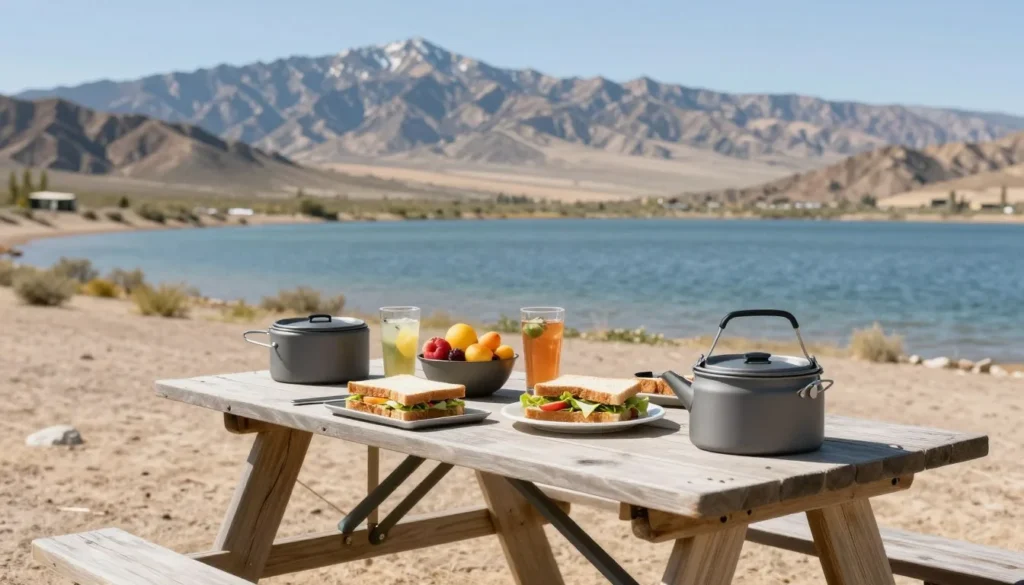
Dining options near South Fork Reservoir reflect the area’s rural character and Western heritage. No restaurants operate within the state recreation area itself, so visitors must plan meals accordingly or travel to nearby communities.
Campground Cooking
Most visitors prepare meals at their campsites using portable stoves, grills, or fire rings. This approach offers maximum flexibility and keeps costs low. Well-stocked coolers and proper food storage containers prove essential for multi-day camping trips.
Fire rings at each campsite allow traditional campfire cooking. Bring cast iron cookware for authentic outdoor meal preparation. Local regulations require fires be completely extinguished before leaving sites unattended. During high fire danger periods, authorities may impose fire bans that restrict open flames.
Dutch oven cooking has become popular among regular visitors. The steady heat from charcoal briquettes creates perfect conditions for baking bread, roasting meats, and preparing stews. Several camping groups host informal Dutch oven gatherings during summer weekends.
Spring Creek Dining
Spring Creek provides basic dining options within 11 kilometers (7 miles) of the reservoir. Several fast-food restaurants serve quick meals, including national chains offering burgers, pizza, and Mexican food.
The Local Bar and Grill offers sit-down dining with American comfort food. Their menu features steaks, burgers, and salads in a casual atmosphere. This popular spot often fills during dinner hours, particularly on weekends.
Coffee shops in Spring Creek provide morning fuel for early-rising anglers and campers. Espresso drinks, pastries, and breakfast sandwiches help start the day before heading to the water.
Elko Restaurant Scene
Elko’s larger selection of restaurants justifies the 26-kilometer (16-mile) drive for visitors seeking variety or special dining experiences. The town’s Basque heritage influences local cuisine, creating unique flavors not found elsewhere in Nevada.
Star Hotel stands as Elko’s most famous Basque restaurant. Family-style meals served at communal tables include multiple courses featuring traditional dishes like paella, oxtail stew, and lamb. Reservations become essential during busy periods.
Toki Ona represents another excellent Basque dining option. Their menu blends traditional Basque preparations with American steakhouse favorites. The bar area serves picon punch, a local cocktail that has become synonymous with Elko’s Basque community.
The Coffeehouse Elko draws crowds for breakfast and lunch. Fresh-baked goods, creative sandwiches, and specialty coffee drinks make this a favorite among locals and visitors alike. The casual atmosphere welcomes families and solo diners.
For Mexican cuisine, Matriarch restaurant serves authentic dishes prepared from family recipes. Their carne asada, enchiladas, and fresh salsas receive consistent praise. Generous portions and reasonable prices add to the appeal.
Grocery Shopping and Supplies
Stock up on groceries before reaching South Fork Reservoir. Spring Creek hosts a Ridley’s Family Market, offering full grocery selection including fresh produce, meats, and camping supplies. The store also carries fishing tackle, ice, firewood, and propane.
Elko provides additional shopping options including Smith’s Food and Drug and Walmart Supercenter. These larger stores offer wider selection and competitive prices. Plan to shop in Elko if preparing for extended camping stays or group gatherings.
Local sporting goods stores sell fishing bait, lures, and tackle specific to South Fork Reservoir conditions. Staff members often provide valuable advice about current fishing patterns and successful techniques.
Attractions, Sightseeing & Activities
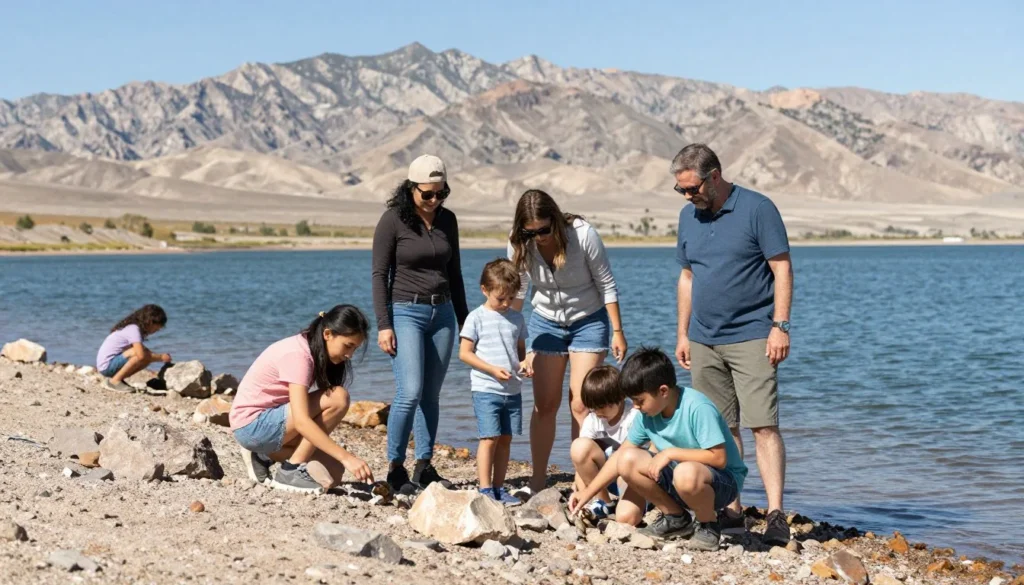
South Fork Reservoir and its surrounding landscape provide diverse activities that appeal to outdoor enthusiasts of all skill levels. The combination of water-based recreation and high desert exploration creates memorable experiences.
Fishing
Fishing stands as the primary draw for many South Fork visitors. The reservoir supports healthy populations of rainbow trout, brown trout, and largemouth bass. Nevada Department of Wildlife regularly stocks rainbow trout, maintaining excellent fishing opportunities throughout the season.
Spring fishing peaks as water temperatures rise and trout become active after winter. April and May produce consistent catches, with rainbow trout averaging 30 to 41 centimeters (12 to 16 inches). Trophy fish exceeding 51 centimeters (20 inches) are caught each season.
Summer fishing requires different strategies as fish seek cooler water. Early morning and evening hours produce the best results. Anglers target deeper areas where trout hold during hot afternoons. Bass fishing improves during summer months, particularly around rocky shorelines and submerged structure.
Shore fishing succeeds at multiple access points around the reservoir. The dam area and inlet streams attract fish seeking moving water. Bring waders to reach productive spots beyond immediate shorelines.
Boat fishing opens additional opportunities. Trolling allows anglers to cover water efficiently and locate active fish. Downriggers help reach depths where trout hold during warm weather. Small boats and kayaks work well on this moderate-sized reservoir.
Nevada fishing regulations apply to all anglers. Valid fishing licenses are required for anyone 12 years or older. Special trout stamps must accompany licenses when targeting trout. Daily bag limits and size restrictions protect fish populations. Review current fishing regulations before wetting your line, as rules change periodically.
Boating and Water Sports
The reservoir welcomes various watercraft from large motorboats to small kayaks. A concrete boat ramp with parking facilitates launching. No horsepower restrictions apply, though most boaters operate at moderate speeds given the lake’s size.
Kayaking and canoeing offer peaceful ways to explore sheltered coves and shoreline areas. Calm morning conditions provide ideal paddling opportunities before afternoon winds develop. Rentals are not available at the reservoir, so bring your own equipment.
Stand-up paddleboarding has gained popularity on South Fork’s waters. The relatively calm conditions suit this activity well, though wind can create challenging waves during afternoons. Morning and evening hours provide the best conditions.
Check 30,000+ Local Sightseeing Tours Worldwide
✓ Numerous languages and currencies are available
Swimming happens informally at several beach areas, though no designated swimming zones or lifeguards exist. Water temperatures reach comfortable levels by July, climbing to 18°C to 21°C (65°F to 70°F). The gradual shoreline allows safe wading for children under parental supervision.
Wildlife Watching
South Fork’s diverse habitats support abundant wildlife. Patient observers spot mule deer, pronghorn antelope, and occasional elk in surrounding hills. Early morning and evening hours offer the best viewing opportunities when animals venture to water.
Bird watching attracts enthusiasts year-round. Waterfowl including ducks, geese, and pelicans frequent the reservoir during migration periods. Raptors like red-tailed hawks, golden eagles, and prairie falcons hunt from perches overlooking the water.
Smaller birds including meadowlarks, sage thrashers, and various sparrow species inhabit the sagebrush surrounding the recreation area. Bring binoculars and field guides to enhance wildlife viewing experiences.
Photography
The dramatic landscape provides endless photographic subjects. Sunrise and sunset paint the desert mountains in warm hues. The reservoir’s reflective surface mirrors colorful skies during these golden hours.
Wildlife photography opportunities abound for those with telephoto lenses. Birds, deer, and smaller animals present themselves to patient photographers. Respect wildlife by maintaining safe distances and never approaching or feeding animals.
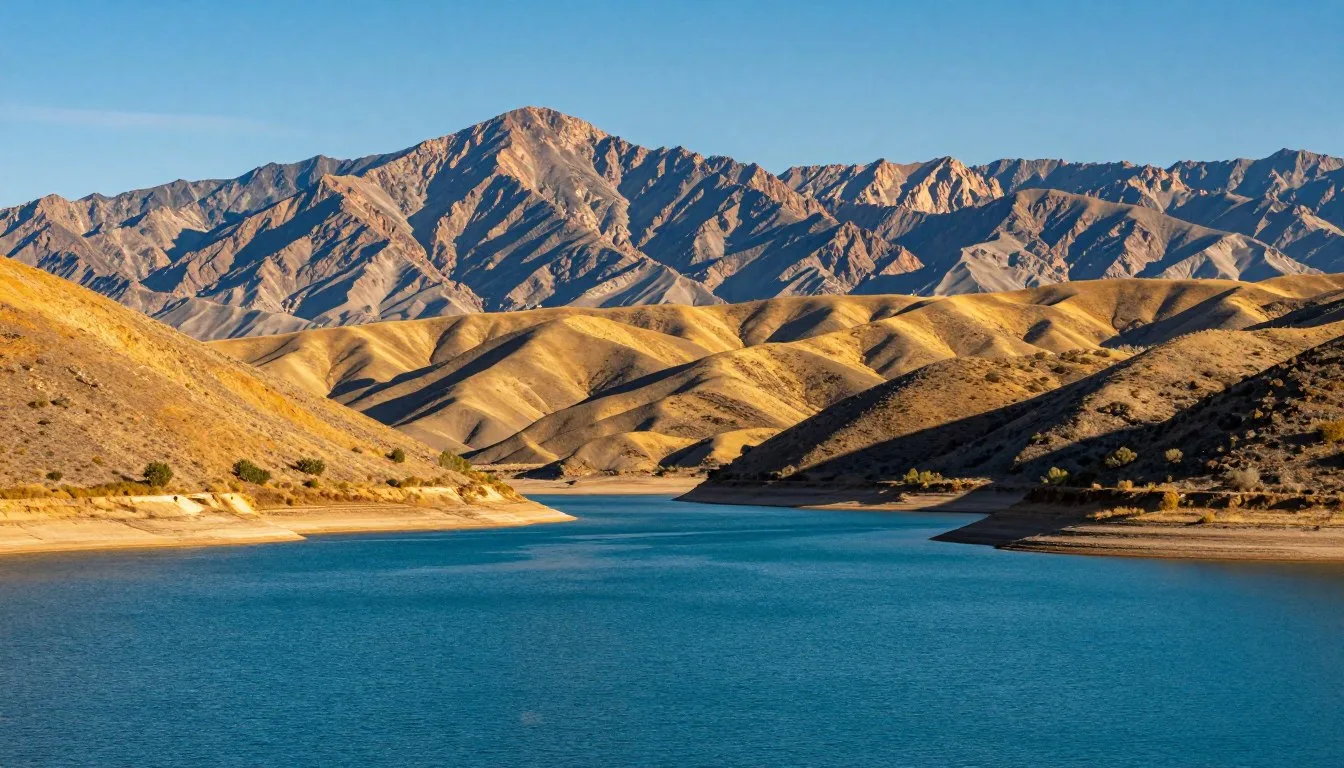
Landscape photographers find compelling compositions throughout the area. The contrast between blue water and tan desert creates striking images. Storm clouds building over distant peaks add drama to compositions.
Museums, Cultural Spots & Festivals
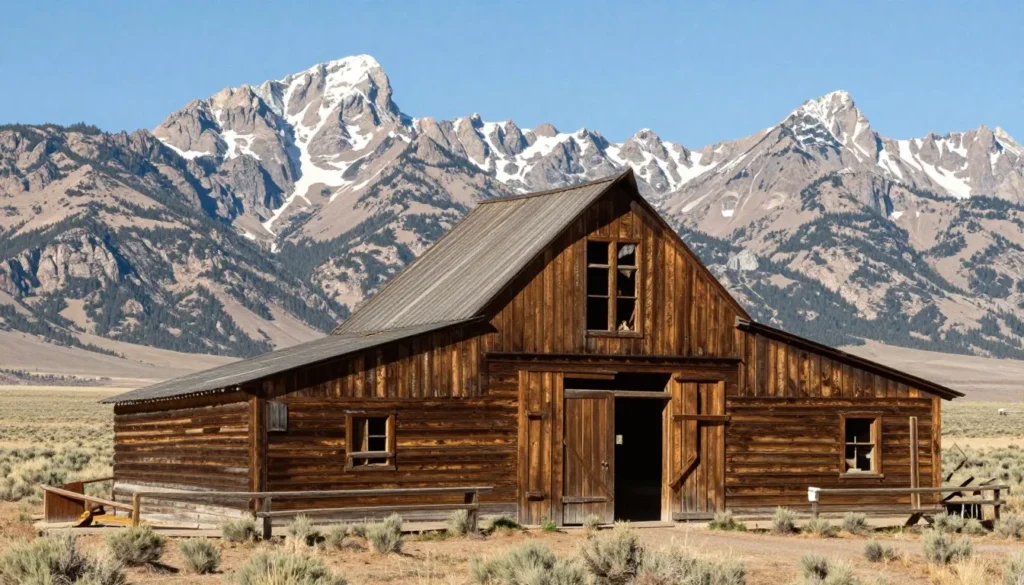
While South Fork Reservoir itself focuses on natural recreation, the surrounding region offers cultural attractions that enrich any visit. Elko serves as the cultural hub for northeastern Nevada, preserving and celebrating the area’s Western heritage.
Northeastern Nevada Museum
Located in Elko, this museum showcases the region’s natural and cultural history. Exhibits cover Native American heritage, pioneer settlement, mining history, and ranching traditions. The wildlife gallery features expertly mounted specimens representing local fauna.
A notable collection of cowboy and ranch artifacts illustrates daily life in Nevada’s rural communities. Antique firearms, saddles, and household items tell stories of those who settled this challenging landscape.
The museum also houses an impressive collection of wildlife art and photography. Rotating exhibits feature work by regional and national artists. Admission fees remain modest, making this an affordable educational stop.
Western Folklife Center
This cultural institution preserves and promotes Western American traditions through arts and heritage programs. The center hosts the National Cowboy Poetry Gathering each January, drawing thousands of visitors to Elko.
Year-round exhibits explore cowboy culture, ranching life, and Western music. The gift shop offers books, recordings, and crafts created by Western artisans. Educational programs teach traditional crafts like braiding, leatherwork, and bit-making.
California Trail Interpretive Center
Though located 176 kilometers (110 miles) west of South Fork near the town of Elko, this center merits mention for history enthusiasts. Interactive exhibits chronicle the experiences of pioneers traveling the California Trail during the 1840s and 1850s.
The facility sits along the actual trail route, with walking paths leading to preserved wagon ruts. Interpretive programs run throughout summer months, including living history demonstrations and guided hikes.
Local Art Galleries
Several Elko galleries showcase Western and wildlife art. These small venues feature paintings, sculpture, and photography by regional artists. Many pieces depict landscapes and wildlife that visitors encounter around South Fork Reservoir.
The Northeastern Nevada Museum Gallery presents rotating exhibits by established and emerging artists. First Friday art walks occur monthly, offering opportunities to meet artists and explore multiple venues in one evening.
Nature & Outdoor Experiences
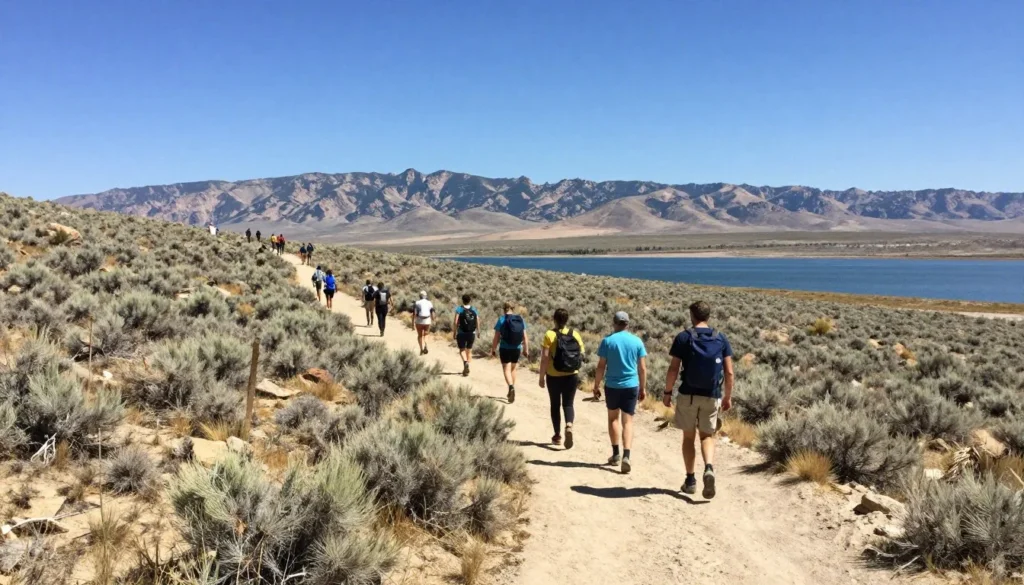
Beyond the reservoir’s immediate shores, northeastern Nevada’s wild landscapes invite exploration. The region combines high desert ecosystems with alpine environments, creating diverse outdoor experiences within short drives.
Ruby Mountains
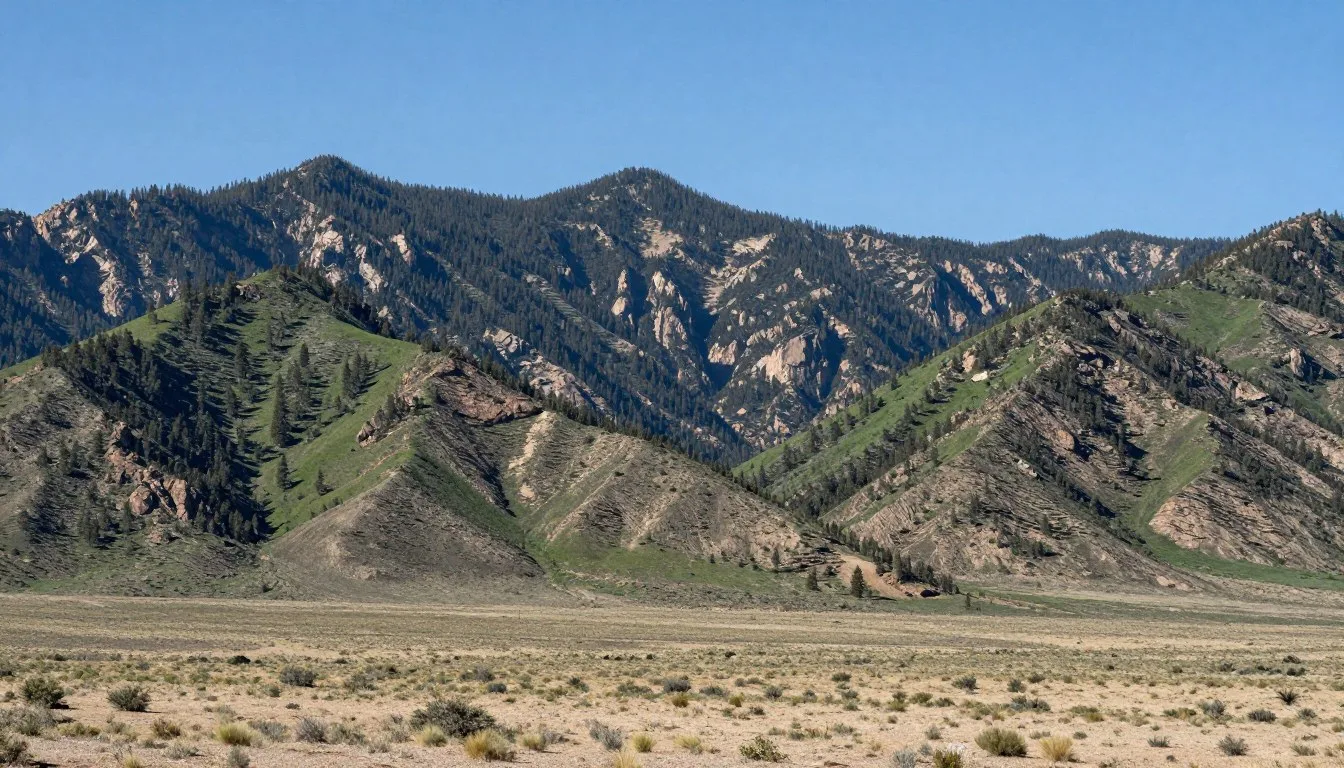
Rising dramatically 40 kilometers (25 miles) south of South Fork Reservoir, the Ruby Mountains create Nevada’s most impressive alpine scenery. These peaks reach elevations exceeding 3,350 meters (11,000 feet), supporting glacial lakes, rushing streams, and wildflower meadows.
Lamoille Canyon provides the primary access route into the Rubies. A paved scenic drive climbs 19 kilometers (12 miles) into the heart of the range, revealing spectacular granite cliffs, hanging valleys, and cascading waterfalls. The road terminates at the canyon’s head, where multiple hiking trails begin.
Ruby Crest National Recreation Trail ranks among Nevada’s premier backpacking routes. This 64-kilometer (40-mile) path traverses the range’s high country, connecting alpine lakes and crossing windswept passes. Day hikers sample sections of the trail, while multi-day backpackers complete the entire route.
Island Lake represents a popular day-hiking destination. The trail climbs steadily through subalpine forest before emerging at a pristine glacial lake cradled in a rocky cirque. The round-trip distance of 8 kilometers (5 miles) suits moderately fit hikers.
South Fork Humboldt River
The South Fork Humboldt River feeds the reservoir and provides additional recreational opportunities. Upstream sections flow through scenic canyons with cottonwood groves lining the banks. These riparian areas support diverse wildlife and offer pleasant hiking.
Fly fishing succeeds in the river’s flowing sections, particularly during spring runoff when trout move upstream. Access points exist along various roads, though some require high-clearance vehicles or short hikes.
High Desert Exploration
The sagebrush country surrounding South Fork Reservoir invites exploration. Miles of public land managed by the Bureau of Land Management allow for hiking, wildlife viewing, and photography.
Geologic features including fault scarps, volcanic outcrops, and ancient lake terraces tell stories of the region’s dynamic past. Rockhounds search for agate, jasper, and other semi-precious stones in certain areas. Check current regulations before collecting any minerals.
Wildflower displays transform the desert each spring. Lupines, Indian paintbrush, and arrowleaf balsamroot create carpets of color during May and early June. Timing varies with weather patterns, with wet winters producing the most spectacular blooms.
Star Gazing
Minimal light pollution makes South Fork Reservoir exceptional for astronomy. On clear moonless nights, the Milky Way stretches across the sky in a brilliant band. Countless stars invisible in urban areas shine clearly in this dark sky environment.
Meteor showers become spectacular events. The Perseids in August and Geminids in December produce numerous shooting stars per hour under ideal conditions. Bring reclining chairs or sleeping pads for comfortable viewing.
Winter offers the clearest skies, though cold temperatures challenge observers. Summer’s warmer nights provide more comfortable conditions for extended stargazing sessions. Astronomy apps help identify constellations, planets, and other celestial objects.
Guided Outdoor Activities
Local outfitters based in Elko offer guided experiences in the region. Fishing guides share expertise about productive techniques and locations. Their knowledge significantly improves success rates, particularly for visitors unfamiliar with the area.
Hunting guides serve clients pursuing mule deer, elk, and other game species. The area’s robust wildlife populations and vast public lands create quality hunting opportunities. Proper licenses and tags are required, with seasons varying by species.
Photography workshops occasionally operate in the region, teaching techniques for capturing landscapes and wildlife. These programs provide instruction while visiting scenic locations around northeastern Nevada.
Travel With Children
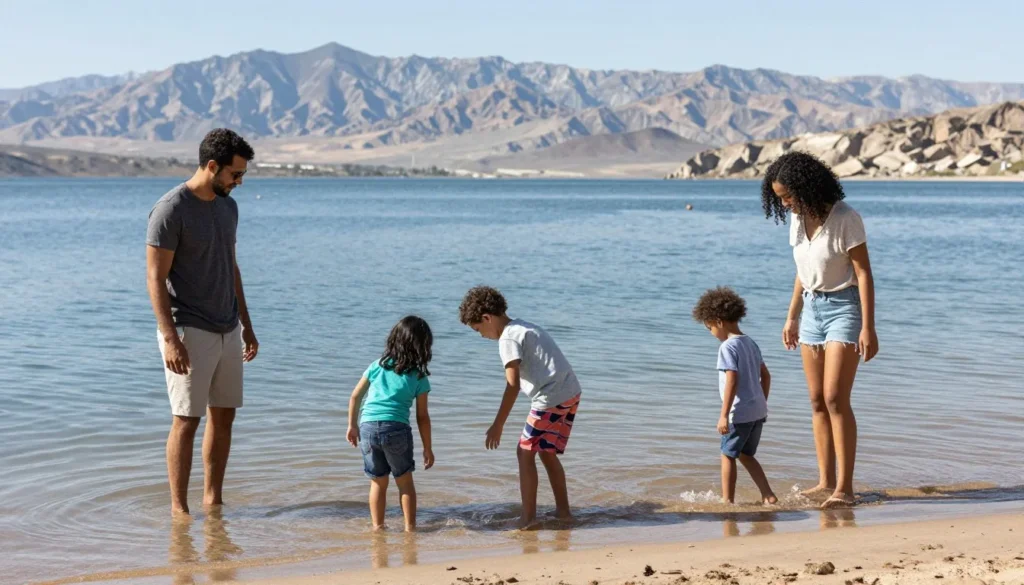
South Fork Reservoir provides excellent family-friendly outdoor experiences. The combination of water activities, camping, and wildlife viewing keeps children engaged while parents enjoy the natural setting.
Kid-Friendly Activities
Fishing introduces children to outdoor skills while providing tangible rewards. The reservoir’s healthy fish populations give young anglers realistic chances of success. Simple setups with bobbers and worms work well for beginners.
Help children obtain their first Nevada fishing license. Anglers under 12 years old fish free without licenses, though accompanying adults need proper documentation. Teaching proper catch-and-release techniques instills conservation values.
Beach play occupies younger children for hours. Sandy areas along the shoreline provide space for building castles, collecting stones, and wading in shallow water. Parents must supervise water activities constantly, as no lifeguards patrol the area.
Wildlife watching excites children of all ages. Keep eyes open for deer, birds, and small mammals. Bring binoculars sized for children’s hands and faces. Field guides help identify species and teach natural history.
Scavenger hunts turn hikes into adventures. Create lists of items to find like specific plants, animal tracks, or colored rocks. This activity keeps children engaged while walking trails around the recreation area.
Camping with Kids
Family camping at South Fork creates lasting memories. Modern facilities including flush toilets and potable water make the experience more comfortable than primitive camping. Showers available seasonally help maintain cleanliness during multi-day stays.
Choose campsites carefully when traveling with children. Sites near water require extra vigilance to prevent unsupervised access. Interior sites away from the shoreline may provide safer options for families with young children.
Bring plenty of activities for downtime. Cards, books, and games fill hours between outdoor adventures. Many families enjoy cooking together, making campfire meals a fun activity rather than a chore.
Evening campfires provide entertainment and learning opportunities. Teach children fire safety, roasting techniques for marshmallows, and outdoor etiquette. Stories and songs create cherished family traditions.
Safety Considerations
Sun protection becomes critical for children’s sensitive skin. Apply sunscreen generously and frequently, aiming for SPF 30 or higher. Protective clothing including long-sleeved shirts and wide-brimmed hats provides additional defense against UV radiation.
Hydration requires constant attention in the desert environment. Children may not recognize thirst until dehydration begins. Encourage frequent water breaks during activities. Bring more water than seems necessary.
The reservoir presents drowning hazards that require parental vigilance. Children should wear properly fitted life jackets during all water activities. Never leave children unsupervised near water, even briefly.
Wildlife poses minimal danger if observed from appropriate distances. Teach children never to approach or feed wild animals. Even small creatures like ground squirrels can bite if handled or cornered.
Educational Opportunities
Transform vacation into learning by exploring natural and cultural history. Discuss the reservoir’s creation, how dams work, and why water conservation matters in Nevada’s arid climate.
Identify plants and animals encountered during your visit. Desert ecology lessons become engaging when connected to real observations. Explain adaptations that allow life to thrive in harsh environments.
Stargazing sessions introduce astronomy concepts. Download constellation apps that overlay star names and patterns on the night sky. Discuss distances to stars and planets, helping children grasp the universe’s scale.
Money Saving Tips
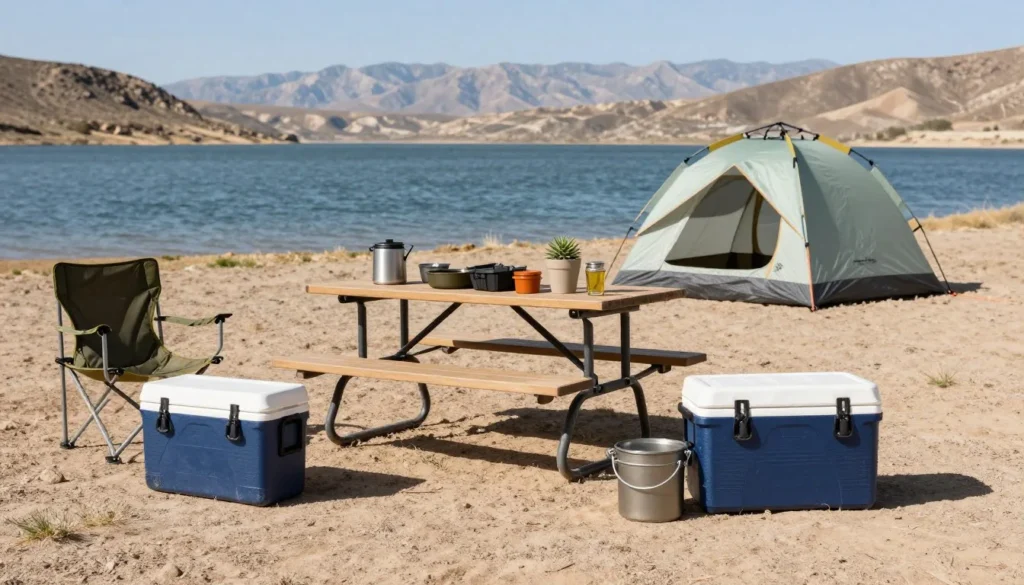
Visiting South Fork Reservoir need not strain budgets. Smart planning and simple strategies keep costs manageable while maximizing enjoyment.
Accommodation Savings
Camping at the state recreation area costs significantly less than hotel rooms. Current fees remain under twenty dollars per night for basic sites. This modest expense covers an entire group, unlike hotels that charge per room.
Extended stays receive discounts through weekly rates. If planning multiple nights, verify whether weekly pricing saves money compared to daily fees. Even small per-night reductions add up over longer visits.
Off-season visits eliminate crowds while reducing costs. Camping fees sometimes drop during shoulder seasons. Spring and fall offer pleasant weather with smaller price tags than peak summer rates.
Food and Dining
Preparing your own meals slashes vacation food costs. A well-stocked cooler filled with groceries from home costs far less than restaurant dining. Plan menus before leaving, purchasing ingredients at familiar stores where you know prices.
One-pot meals like chili, stew, or pasta reduce cooking complexity while minimizing cleanup. These hearty dishes satisfy hungry outdoor enthusiasts without requiring elaborate preparation or expensive ingredients.
Breakfast burritos made at camp cost pennies compared to restaurant breakfast. Scramble eggs, add cheese and salsa, wrap in tortillas, and fuel the day affordably. Coffee made at camp saves money versus coffee shop stops.
Pack snacks for throughout the day. Trail mix, granola bars, and fresh fruit prevent expensive impulse purchases while providing energy during activities. Homemade snacks cost even less than packaged options.
Recreation and Activities
Most activities at South Fork Reservoir are free beyond park entrance fees. Fishing requires license purchases, but this modest investment provides unlimited fishing opportunities throughout your stay.
Nevada residents pay significantly less for fishing licenses than non-residents. If planning extended time in Nevada, research whether obtaining residency makes financial sense for serious anglers.
Borrow or rent equipment rather than purchasing. If trying kayaking for the first time, rent equipment in Elko rather than buying kayaks used once. Friends and family may loan camping gear for first-time campers.
Check 30,000+ Local Sightseeing Tours Worldwide
✓ Numerous languages and currencies are available
Free activities provide exceptional value. Hiking, wildlife watching, stargazing, and swimming cost nothing beyond transportation to the area. These experiences often create the most memorable moments.
Transportation
Fuel represents a major expense for road trips. Maximize fuel efficiency by maintaining proper tire pressure, removing unnecessary weight from vehicles, and avoiding aggressive driving.
Fill tanks in Elko or Spring Creek where competition keeps prices lower than at isolated rural stations. Gas apps identify current prices at nearby stations, helping locate the best deals.
Carpooling splits costs among multiple parties. If traveling with friends or family in separate vehicles, consolidate into fewer cars. This reduces fuel consumption and campsite fees if charged per vehicle.
Gear and Supplies
Borrow specialized gear like fishing equipment, camping stoves, or boat equipment. Outdoor enthusiast friends often gladly loan items to introduce others to their hobbies.
Buy firewood locally rather than transporting it from home. This prevents spreading invasive insects while supporting local businesses. However, compare prices between providers, as costs vary.
Bring reusable items rather than disposables. Refillable water bottles, washable plates, and cloth towels cost more initially but save money over time while reducing waste.
Timing Strategies
Visit during weekdays rather than weekends when possible. Campgrounds experience lighter use, restaurants offer lunch specials, and roads see less traffic. Mid-week timing enhances experiences while sometimes reducing costs.
Book early for best selection of campsites. Premium locations near water fill first, so early reservations secure choice spots. Early planning also allows for better deals on travel and accommodations.
Safety & Local Customs
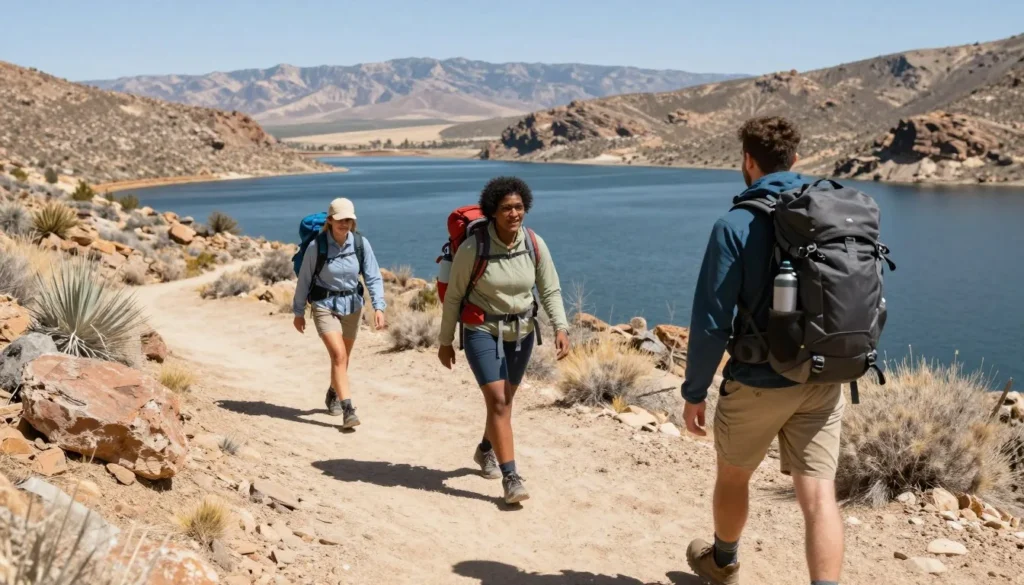
Understanding safety protocols and local expectations ensures pleasant experiences while visiting South Fork Reservoir and surrounding areas.
Water Safety
The reservoir lacks lifeguards or designated swimming beaches. Personal responsibility governs all water activities. Wear properly fitted life jackets during boating, especially children and non-swimmers.
Cold water temperatures persist even during summer in deeper areas. Hypothermia can occur quickly if someone falls overboard. Dress appropriately for water sports and carry spare dry clothing.
Afternoon winds create waves that challenge small boats and kayaks. Monitor weather forecasts and watch for changing conditions. Return to shore if winds strengthen or waves build.
Know your swimming abilities and limitations. The reservoir’s size allows swimmers to venture far from shore quickly. Exhaustion becomes dangerous when distant from safety.
Desert Environment Hazards
Dehydration develops rapidly in Nevada’s dry climate. Drink water continuously even when not feeling thirsty. Symptoms include headache, dizziness, and reduced urination. Severe cases require medical attention.
Heat exhaustion threatens during summer months. Warning signs include heavy sweating, weakness, nausea, and rapid pulse. Move to shade, drink water, and rest immediately if symptoms appear. Heat stroke represents a medical emergency requiring professional care.
Lightning poses significant risk during thunderstorms. Seek shelter in vehicles or substantial buildings when storms approach. Avoid open water, isolated trees, and exposed ridges. Wait thirty minutes after the last thunder before resuming outdoor activities.
Rattlesnakes inhabit the surrounding desert, though encounters remain relatively uncommon. Watch where you place hands and feet when hiking or climbing rocks. Give snakes wide berth if encountered. Most bites occur when people attempt to handle or kill snakes.
Wildlife Interactions
Observe all wildlife from safe distances. Never approach or feed wild animals, no matter how tame they appear. Animals defending food or young may attack unpredictably.
Store food properly at campsites. Use bear-proof containers if available, or store food in vehicles with windows closed. Even areas without large predators attract scavenging animals that damage property while seeking food.
Report aggressive wildlife behavior to park rangers immediately. Animals displaying unusual aggression or lack of fear may carry diseases like rabies.
Emergency Preparedness
Cell phone coverage remains unreliable throughout much of the recreation area. Don’t rely on mobile devices for emergency communication. Inform someone of your plans before departing on hikes or boat trips.
First aid kits should accompany all outdoor activities. Include supplies for treating cuts, burns, insect stings, and sprains. Know how to treat common injuries before emergencies arise.
Emergency services operate from Elko, located 26 kilometers (16 miles) away. Response times exceed those in urban areas. Serious emergencies may require helicopter evacuation.
Dial 911 for life-threatening emergencies. For non-emergency park assistance, contact Nevada State Parks dispatch at the number provided earlier in this guide.
Leave No Trace Principles
Practice Leave No Trace ethics to preserve the area for future visitors. Pack out all trash including food scraps, fishing line, and cigarette butts. Dispose waste properly in provided receptacles.
Stay on established roads and trails to prevent erosion and habitat damage. Desert ecosystems recover slowly from disturbance. Tire tracks and footpaths can remain visible for decades.
Respect quiet hours at campgrounds, typically from 10 PM to 6 AM. Keep noise levels reasonable throughout the day. Sound carries far in open desert environments.
Campfires require careful management. Use existing fire rings rather than creating new ones. Keep fires small and never leave them unattended. Drown fires completely with water before leaving sites or sleeping.
Local Customs and Etiquette
Rural Nevada residents value self-reliance and personal freedom. This independent spirit shapes local culture. Visitors who demonstrate preparedness and respect for public lands earn appreciation.
Wave to other vehicles on remote roads. This simple gesture acknowledges shared experiences in isolated areas. Locals often stop to offer assistance to motorists who appear stranded.
Respect private property boundaries. Much land surrounding the recreation area belongs to ranchers who maintain operations across vast tracts. Closed gates should remain closed; open gates stay open unless otherwise posted.
Hunting occurs seasonally on surrounding public lands. Wear bright colors when hiking during hunting seasons. Most hunters follow strict safety protocols, but visibility prevents accidents.
Visitor Comments About South Fork Reservoir
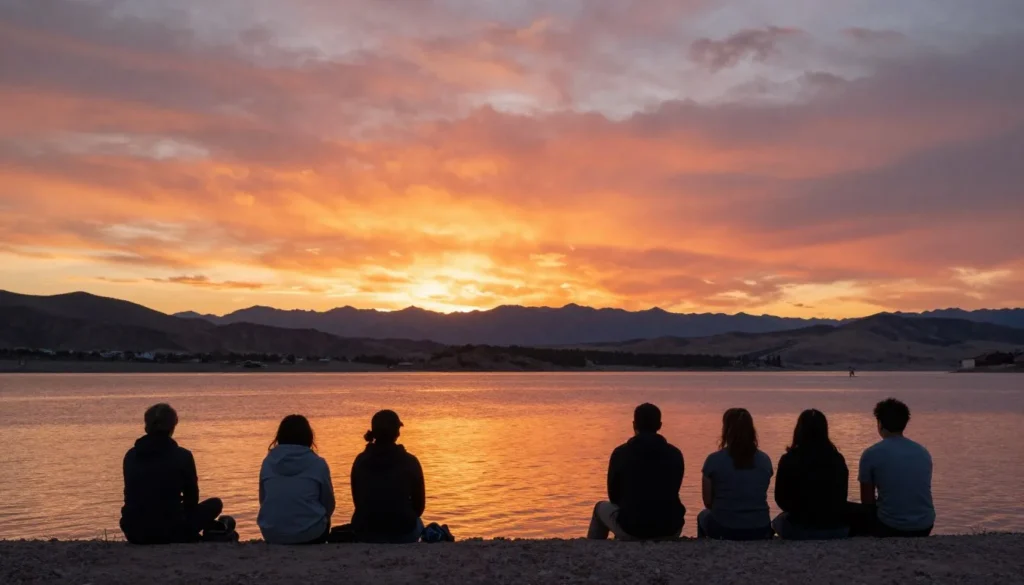
Real experiences from travelers who have visited South Fork Reservoir provide valuable insights into what makes this destination special.
“We spent four nights camping at the East Campground and absolutely loved the experience. The sites were well maintained with good spacing between neighbors. Fishing exceeded our expectations with my daughter catching her first trout from shore. The sunrise views over the water were spectacular. We’ll definitely return next summer for another visit.”
“South Fork Reservoir surprised us with its beauty and tranquility. Coming from a crowded European city, we appreciated the wide open spaces and dark night skies. The staff at the entrance station provided excellent recommendations for hiking in the nearby Ruby Mountains. Our only regret was not planning more time to explore the surrounding areas. Three days felt too short.”
“As someone who has traveled extensively throughout western North America, South Fork Reservoir stands out for its excellent facilities and fishing opportunities. The combination of developed campgrounds with access to wilderness feels perfect. We kayaked the entire shoreline over two days, spotting eagles, deer, and countless waterfowl. The reservoir may not be Nevada’s largest, but it offers everything serious outdoor enthusiasts want.”
Additional Nearby Destinations
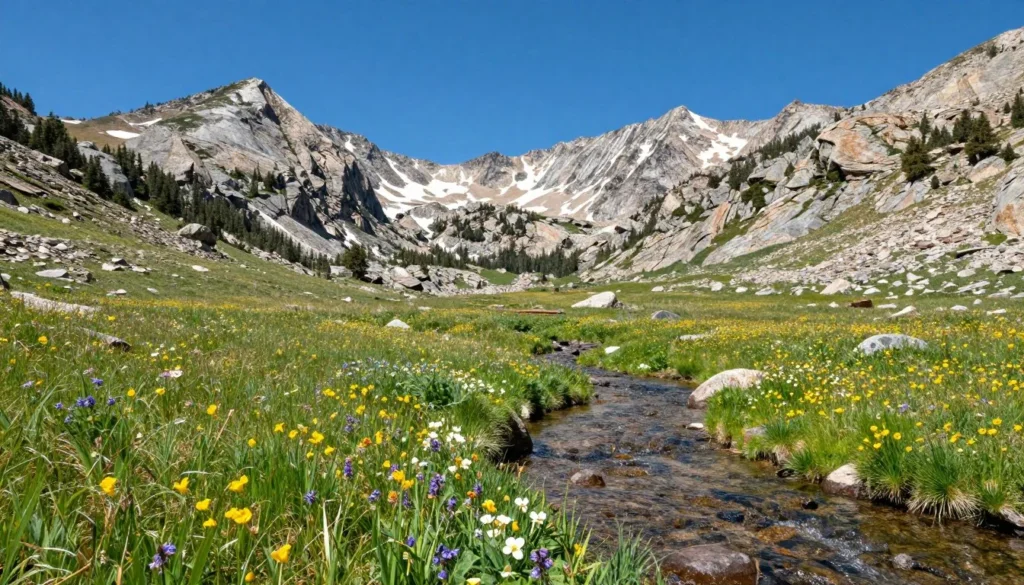
South Fork Reservoir serves as an excellent base for exploring northeastern Nevada’s diverse attractions. Several notable destinations lie within easy driving distance.
Lamoille Canyon Scenic Byway
This spectacular mountain drive climbs into the Ruby Mountains, ascending 19 kilometers (12 miles) through stunning granite canyons. The paved road gains 884 meters (2,900 feet) in elevation, revealing ever-changing scenery.
Multiple pullouts allow photographers to capture waterfalls, wildflower meadows, and dramatic cliff faces. Numerous hiking trails begin from the canyon road, ranging from short nature walks to challenging alpine routes. The drive itself requires about 45 minutes one-way from South Fork Reservoir.
Angel Lake
Sitting high in the East Humboldt Range, Angel Lake offers alpine beauty accessible via paved road. The lake nestles in a glacial cirque at 2,530 meters (8,300 feet) elevation. A short walking path circles the lake, while longer trails climb to even higher elevations.
The scenic drive from South Fork takes approximately 90 minutes. Pack warm layers even in summer, as temperatures at the lake run significantly cooler than the valley floor.
Wild Horse State Recreation Area
Located 121 kilometers (75 miles) north of South Fork, this reservoir offers similar recreation in different scenery. Wild Horse sits in sagebrush country with views of distant mountain ranges. The area receives fewer visitors than South Fork, appealing to those seeking solitude.
Camping, fishing, and boating opportunities mirror South Fork’s offerings. Consider visiting both reservoirs during extended northeastern Nevada trips.
Ruby Lake National Wildlife Refuge
This extensive wetland system lies 113 kilometers (70 miles) south of South Fork. The refuge protects critical habitat for migratory waterfowl and other wetland species. A wildlife viewing road allows visitors to observe birds from vehicles.
Spring and fall migrations bring thousands of ducks, geese, and other water birds. Trumpeter swans winter at the refuge, creating spectacular viewing opportunities. Photography blinds provide close approaches to wildlife.
Elko Downtown Historic District
The historic downtown area features buildings dating to the late 1800s when Elko served as a railroad town and mining supply center. Architecture reflects Western heritage with brick storefronts and Victorian-era hotels.
The area hosts galleries, restaurants, and shops worth exploring. First Friday art walks showcase local talent. This makes a pleasant afternoon destination when seeking cultural experiences beyond outdoor recreation.
Jarbidge Wilderness
Nevada’s only designated wilderness area lies 113 kilometers (70 miles) north of South Fork. This remote region offers pristine backcountry hiking and fishing. The tiny community of Jarbidge provides rustic accommodations and dining.
Access requires high-clearance vehicles for the final approach on gravel roads. The journey rewards adventurous travelers with untouched mountain scenery and excellent trout streams. Plan full days for visits to Jarbidge due to distance and road conditions.
California Trail Historic Sites
The California Trail crossed northeastern Nevada during the 1840s and 1850s gold rush. Several sites preserve wagon ruts and interpretive markers. The California Trail Interpretive Center near Elko offers comprehensive exhibits about pioneer journeys.
History enthusiasts appreciate connecting modern landscapes with stories of westward expansion. Walking where pioneers traveled creates powerful historical connections.
Practical Travel Tips
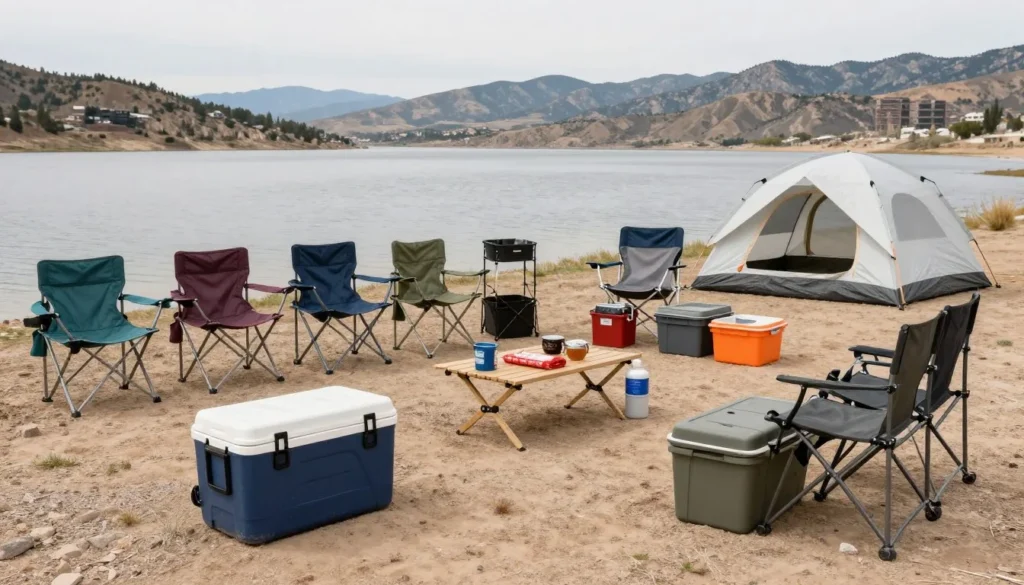
What to Pack
Layered clothing proves essential for Nevada’s variable temperatures. Mornings start cool even in summer, requiring light jackets or fleeces. Afternoons warm considerably, making shorts and t-shirts comfortable. Evenings cool again as the sun sets.
Sun protection items top the necessity list. Wide-brimmed hats shield faces and necks from intense UV radiation. Quality sunglasses protect eyes from glare off water and light-colored desert soils. Sunscreen rated SPF 30 or higher prevents painful burns.
Footwear should include both water shoes for lake activities and sturdy hiking boots for land exploration. Sandals work for casual camp wear. Avoid new boots that might cause blisters during extended hikes.
Camping gear varies by season. Summer requires lightweight sleeping bags rated to 4°C (40°F). Spring and fall demand warmer bags as nighttime temperatures drop near freezing. Quality sleeping pads provide insulation from cold ground.
Cooking equipment should match your menu ambitions. Simple camp stoves handle most needs efficiently. Bring fuel suitable for your stove type. Cast iron cookware works wonderfully over campfires but adds significant weight.
Connectivity and Communications
Cell phone service remains spotty throughout the recreation area. Some carriers provide coverage while others fail completely. Don’t rely on mobile devices for navigation or emergency communication.
Download offline maps before arriving. GPS applications often work without cellular service if maps are pre-loaded. Paper maps provide reliable backup navigation.
The nearest reliable internet access exists in Spring Creek and Elko. Hotels and coffee shops offer Wi-Fi for guests and customers. Plan to disconnect from constant connectivity during your reservoir visit.
Money and Banking
ATMs operate in Spring Creek and Elko but not at the reservoir. Withdraw sufficient cash before arriving. Park entrance fees and camping payments may require cash, though card readers have been installed at some facilities.
Credit cards work at most businesses in Elko and Spring Creek. However, small local establishments may prefer cash. Carrying some currency prevents payment difficulties.
Accessibility Considerations
Some campsites meet ADA accessibility standards with paved parking pads and accessible routes to facilities. Contact park administration before visiting to reserve accessible sites and verify current facility status.
The boat ramp includes accessible parking spaces. Paved pathways lead to some shoreline areas, though sandy beaches present mobility challenges for wheelchair users.
Vault toilets throughout the park meet accessibility requirements. However, some facilities may be temporarily out of service. Check current conditions when planning accessible visits.
Check 30,000+ Local Sightseeing Tours Worldwide
✓ Numerous languages and currencies are available
Pet Policies
Pets are welcome at South Fork State Recreation Area under voice control or leash. Clean up after animals and prevent disturbances to other visitors. Never leave pets unattended at campsites.
Summer heat poses risks for pets. Provide shade, fresh water, and limit activity during hot afternoons. Paw pads can burn on hot sand and pavement.
Wildlife encounters may frighten or excite pets. Keep animals under control when deer, birds, or other creatures appear. Aggressive behavior toward wildlife is prohibited.
Seasonal Considerations
Spring visitors should prepare for variable weather including possible snow through April. Water temperatures remain very cold, limiting swimming appeal. Fishing picks up as temperatures rise.
Summer brings the most reliable weather but also crowds during holiday weekends. Book accommodations well ahead for Memorial Day, Independence Day, and Labor Day periods.
Fall offers pleasant conditions with fewer visitors. Water temperatures stay comfortable for swimming through September. October sees first hard frosts and occasional snow.
Winter closes many facilities though the area remains accessible. Ice fishing attracts hardy anglers when ice thickness allows safe access. Confirm ice conditions before venturing onto frozen surfaces.
Reservations and Permits
Reserve campsites through the Nevada State Parks reservation system. Online booking opens six months in advance. Popular dates fill quickly, so early planning proves essential.
Day use requires payment at entrance stations. Self-service pay stations operate when staff are unavailable. Keep payment receipts visible in vehicles to avoid citations.
Fishing licenses are required and available online through the Nevada Department of Wildlife website or at sporting goods stores. Purchase licenses before arriving to avoid delays.
Boat registration follows Nevada regulations. Out-of-state vessels must display current registration from their home state. All boats require proper safety equipment including life jackets for each passenger.
Your South Fork Reservoir Adventure Awaits
South Fork Reservoir emerges as one of northeastern Nevada’s hidden treasures, combining outstanding recreation with striking high desert beauty. Whether you cast lines into trout-filled waters, explore nearby wilderness areas, or simply relax beside the peaceful lake, this destination delivers authentic outdoor experiences far from urban crowds.
The reservoir’s 656 hectares (1,622 acres) of blue water contrast beautifully with surrounding tan hillsides and distant mountain ranges. Well-maintained facilities welcome both experienced outdoor enthusiasts and families new to camping. The combination of excellent fishing, comfortable campsites, and proximity to remarkable destinations like the Ruby Mountains creates a vacation base that satisfies diverse interests.
Each season brings different charms to South Fork. Summer offers warm waters and long days perfect for extended fishing sessions and lakeside relaxation. Fall delivers comfortable temperatures and spectacular star-filled skies. Even spring, with its unpredictable weather, rewards visitors with vibrant wildflowers and active fish.
Start planning your South Fork Reservoir adventure today. Whether you envision peaceful mornings watching the sunrise over calm waters, exciting afternoons battling rainbow trout, or quiet evenings gathered around crackling campfires, this Nevada gem provides the perfect setting. The memories you create here will call you back year after year to this special corner of the Silver State.