Hotels by Trip.com
Flights by Trip.com
Standing at 3,632 meters (11,916 feet), the Spring Mountains create a temperature miracle just 56 kilometers (35 miles) from the Las Vegas Strip. When summer temperatures scorch the desert at 43°C (110°F), these mountains offer a refreshing 26°C (80°F) escape.
The range gets its name from the numerous natural springs that flow year-round from its slopes. These water sources sustained indigenous peoples for thousands of years and later guided pioneers across the Mojave Desert.
This comprehensive Spring Mountains Nevada travel guide reveals hiking trails, scenic drives, camping opportunities, and practical planning details for your mountain adventure.
Getting There & Planning Your Journey
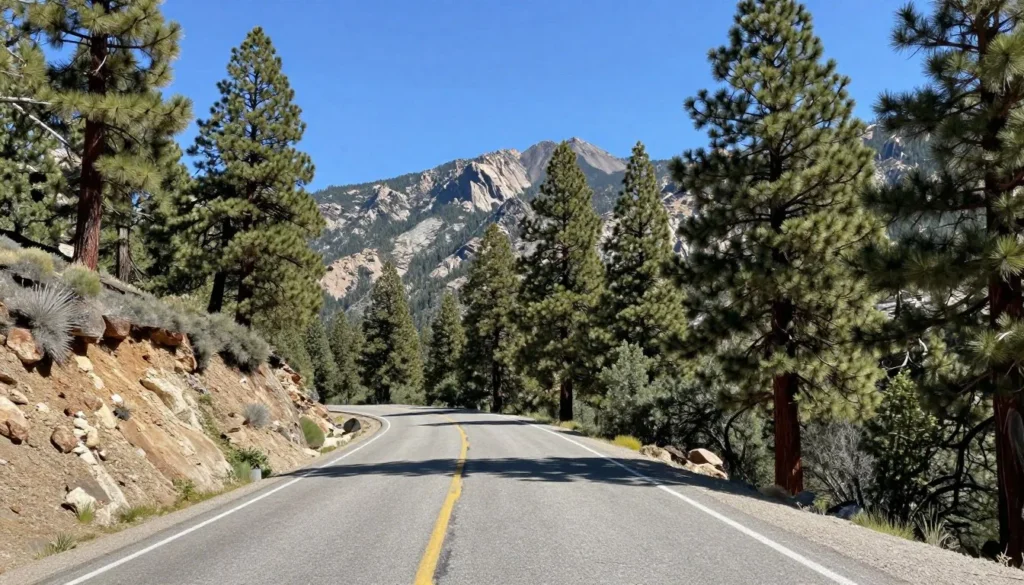
The Spring Mountains National Recreation Area sits northwest of Las Vegas. Most visitors use Las Vegas as their gateway to this alpine wilderness.
Closest Airports
Harry Reid International Airport in Las Vegas serves as the primary access point. The airport sits just 64 kilometers (40 miles) from Kyle Canyon, the main entrance to Spring Mountains.
Henderson Executive Airport offers an alternative for private aircraft. This smaller facility sits 72 kilometers (45 miles) from the recreation area.
Major rental car companies operate at both airports. A vehicle is essential for exploring the area, as no public transportation serves the mountains.
Driving Routes
From Las Vegas, take US-95 North to Kyle Canyon Road (State Route 157). This scenic route climbs 1,372 meters (4,500 feet) through five distinct climate zones in just 27 kilometers (17 miles).
Lee Canyon Road (State Route 156) provides an alternative approach. This road accesses the northern section and Lee Canyon Ski Resort.
Both routes feature paved, well-maintained surfaces suitable for standard vehicles during summer. Winter conditions may require chains or four-wheel drive.
Visitor Information
The Spring Mountains Visitor Gateway sits at 2,590 meters (8,500 feet) elevation on Kyle Canyon Road. Staff provide maps, trail conditions, and current weather information.
Contact the U.S. Forest Service at (702) 515-5400 for pre-trip planning assistance. The office operates Monday through Friday from 8:00 AM to 4:30 PM Pacific Time.
Cell phone coverage becomes spotty above 2,134 meters (7,000 feet). Download maps and information before your trip.
Best Time to Visit & Weather Tips
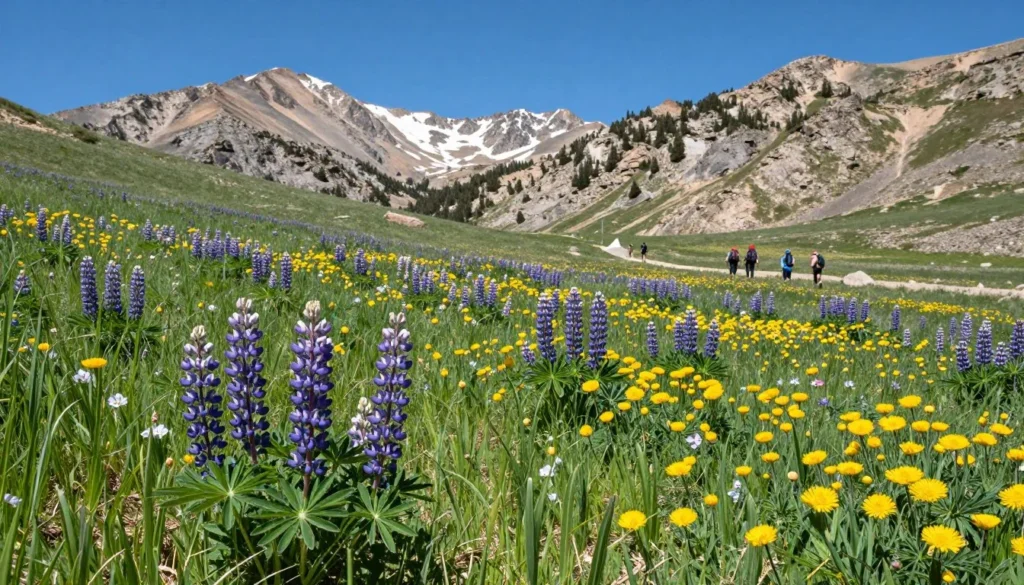
Best Time to Visit Spring Mountains
Late spring through early fall offers ideal conditions for most activities. Each season brings distinct advantages to the recreation area.
May through June presents perfect hiking weather. Temperatures range from 15°C to 21°C (60°F to 70°F) at higher elevations. Wildflowers blanket alpine meadows during this period.
July through August attracts visitors escaping desert heat. While temperatures reach 26°C to 29°C (80°F to 85°F) in the mountains, afternoon thunderstorms occur frequently.
September through October delivers spectacular fall colors. Aspen trees turn golden across the slopes. Crowds thin considerably after Labor Day weekend.
November through April brings winter sports opportunities. Lee Canyon receives an average of 305 centimeters (120 inches) of snow annually. Many trails become inaccessible without snowshoes.
Months to Avoid
Late November through March challenges casual visitors. Heavy snowfall closes Kyle Canyon Road periodically. Only experienced winter recreationists should attempt visits during this period.
Late July through August presents afternoon lightning risks. Start hikes early and descend before 2:00 PM when thunderstorms typically develop.
Notable Annual Festivals
The Spring Mountains host several events celebrating the area’s natural and cultural heritage.
Mount Charleston Days takes place each June. This community festival features guided nature walks, children’s activities, and environmental education programs. Contact the Spring Mountains Visitor Gateway at (702) 872-5486 for current year dates.
Fall Colors Festival occurs in late September. Rangers lead autumn foliage tours and photography workshops. The U.S. Forest Service at (702) 515-5400 provides registration information.
Winter Festival celebrates snow sports each January at Lee Canyon. The event includes ski demonstrations, snow sculpture contests, and family activities. Lee Canyon Resort information desk at (702) 385-2754 handles inquiries.
Weather Planning
Mountain weather changes rapidly. Temperature drops approximately 3.3°C (6°F) for every 305 meters (1,000 feet) of elevation gain.
Pack layers regardless of season. Morning temperatures at 3,048 meters (10,000 feet) can start at 7°C (45°F) and climb to 21°C (70°F) by afternoon during summer.
Check weather forecasts before departing Las Vegas. Conditions in the valley rarely reflect mountain weather patterns.
Getting Around Locally
Personal vehicles provide the only practical transportation within Spring Mountains National Recreation Area. The mountain terrain and dispersed attractions make other options impractical.
Road Conditions
Kyle Canyon Road (SR-157) and Lee Canyon Road (SR-156) serve as primary access routes. Both roads feature two lanes with occasional pullouts for scenic viewing.
The roads climb steadily with grades reaching 8% in some sections. Standard vehicles handle these grades easily during dry conditions.
Winter snow removal keeps main roads passable. However, chains may be required during active storms. Check Nevada Department of Transportation road conditions at (877) 687-6237.
Parking Areas
Designated parking areas serve major trailheads and picnic sites. Popular locations like Cathedral Rock fill quickly on summer weekends. Arrive before 9:00 AM for guaranteed parking.
Most lots accommodate 15 to 30 vehicles. Larger facilities at Robbers Roost and Fletcher Canyon hold up to 50 cars.
No overnight parking is permitted at trailheads. Campers must use designated campgrounds within the recreation area.
Fuel and Services
No gas stations operate within Spring Mountains National Recreation Area. Fill your tank in Las Vegas before ascending.
The small community at Mount Charleston offers limited services. A general store provides basic supplies and snacks.
Nearest comprehensive services remain in Las Vegas, approximately 45 minutes from most trailheads.
Where to Stay
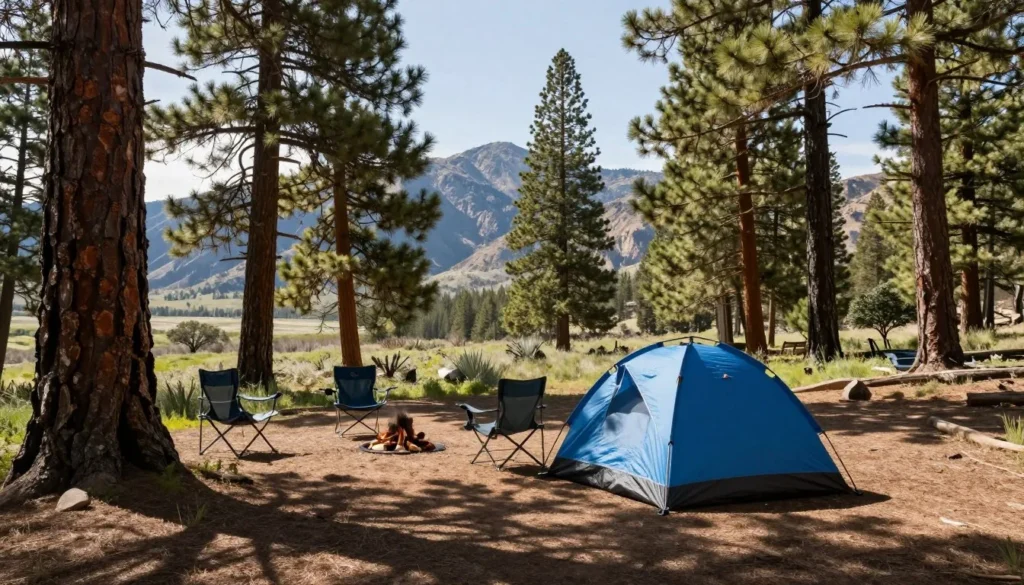
Lodging options range from primitive campsites to comfortable mountain lodges. The Spring Mountains offer accommodations for various preferences and budgets.
Campgrounds
The U.S. Forest Service operates five developed campgrounds within the recreation area. These facilities provide the most affordable overnight options.
McWilliams Campground sits at 2,286 meters (7,500 feet) elevation with 59 sites. Running water and vault toilets serve campers from May through September. Sites cost $23 per night.
Hilltop Campground offers 35 sites at 2,530 meters (8,300 feet). This higher elevation location stays cooler during summer. The season runs June through September with the same nightly rate.
Kyle Canyon Campground provides 25 sites in a more primitive setting. No water is available, reducing the cost to $18 per night. The campground operates year-round when road conditions permit.
Reservations are strongly recommended from May through September. Book through Recreation.gov up to six months in advance.
Mountain Lodges
The Resort on Mount Charleston provides full-service accommodations at 2,286 meters (7,500 feet). Rooms range from standard hotel-style to luxury suites.
This lodge features an on-site restaurant, bar, and seasonal outdoor activities. Rates start around $150 per night during summer and climb during peak fall color season.
Cabin Rentals
Private cabin rentals scatter throughout the Mount Charleston area. These properties range from rustic one-bedroom units to large family homes.
Cabin rentals typically cost $175 to $400 per night depending on size and amenities. Many feature full kitchens, fireplaces, and mountain views.
Book well in advance for summer weekends and fall color season. Properties often fill up three to four months ahead.
Las Vegas Hotels
Many visitors base themselves in Las Vegas and make day trips to Spring Mountains. This approach offers more dining and entertainment options.
The 45-minute drive from Las Vegas becomes manageable for those making single-day visits. Hotels near the northwest part of the city minimize drive time.
Dining & Local Cuisine
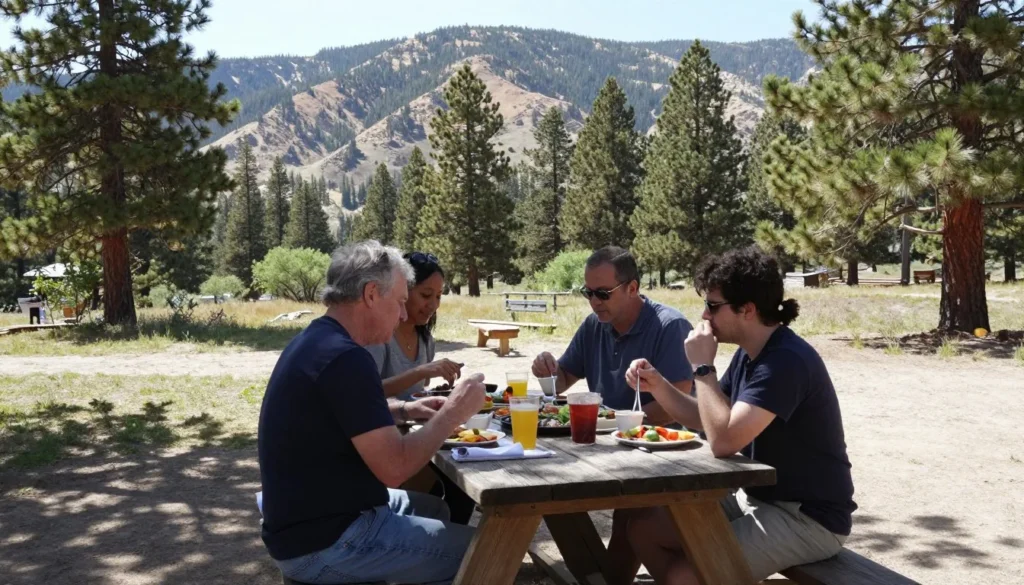
Dining options within Spring Mountains National Recreation Area remain limited. Most visitors pack meals or dine at the few available mountain establishments.
Mountain Restaurants
The Resort on Mount Charleston operates the primary full-service restaurant in the area. Their menu features American cuisine with an emphasis on hearty mountain fare.
Breakfast service starts at 7:00 AM on weekends, perfect for fueling up before hiking trails. Lunch and dinner menus include burgers, steaks, and pasta dishes.
The Mount Charleston Lodge offers casual dining in a rustic setting. Their deck provides excellent mountain views during warm weather months.
Both establishments serve alcohol, including local Nevada craft beers. Prices run moderately higher than Las Vegas restaurants due to the remote location.
Quick Service
A small general store near the main lodge sells sandwiches, snacks, and beverages. This works well for trail lunches and quick refueling.
The store also stocks camping supplies, ice, firewood, and basic groceries. Hours vary seasonally, typically opening at 8:00 AM during summer.
Picnic Options
Multiple picnic areas throughout the recreation area provide tables and grills. These sites make excellent lunch spots during day trips.
Cathedral Rock Picnic Area offers the most developed facilities with covered pavilions. The area accommodates large groups and includes several barbecue grills.
Fletcher View offers more intimate picnic settings with stunning canyon vistas. Tables sit in shaded groves perfect for summer afternoon meals.
All picnic areas include trash receptacles, but no water sources. Bring all supplies from Las Vegas or purchase at the mountain general store.
Packing Your Own Meals
Most visitors prepare meals in Las Vegas and transport them to the mountains. This saves money and provides more food options.
Coolers keep food fresh during the drive. The cooler mountain temperatures help maintain food safety throughout the day.
Store food in bear-resistant containers if camping overnight. Black bears inhabit the area and are attracted to improperly stored food.
Attractions, Sightseeing & Activities
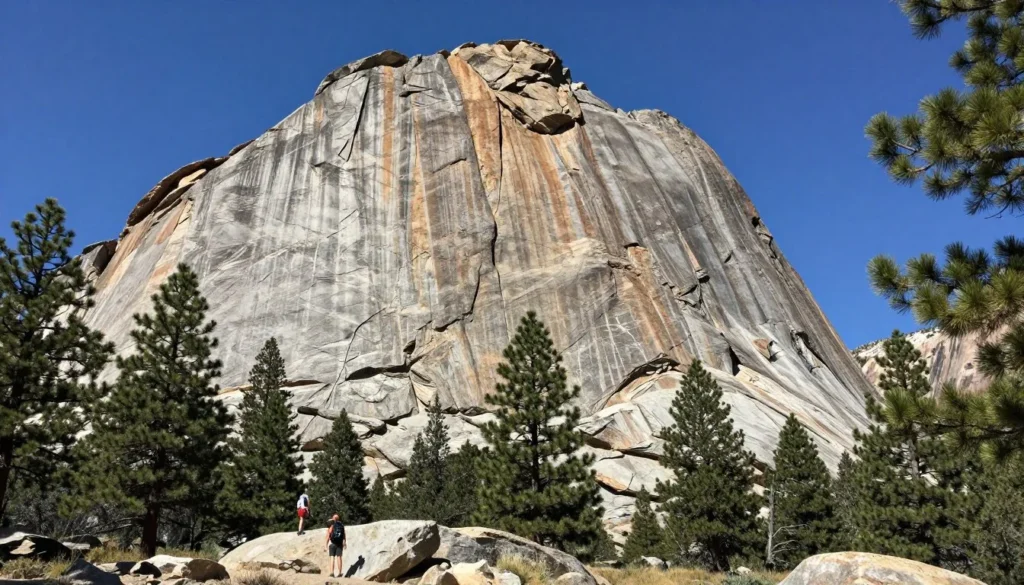
Spring Mountains National Recreation Area encompasses 128,748 hectares (318,000 acres) of diverse terrain. Attractions range from scenic viewpoints to challenging wilderness experiences.
Cathedral Rock
This dramatic limestone formation rises 610 meters (2,000 feet) above the canyon floor. The sheer cliffs attract rock climbers from across the country.
A picnic area at the base provides excellent viewing opportunities. Interpretive signs explain the geological processes that created these impressive rock walls.
The formation’s name comes from its resemblance to Gothic cathedral architecture. Morning light creates the most photogenic conditions.
Deer Creek Road Scenic Drive
This gravel road traverses the eastern slopes of the Spring Mountains. The route offers spectacular views across the desert toward Lake Mead.
The 37-kilometer (23-mile) drive takes approximately two hours. High-clearance vehicles are recommended, though not absolutely required during dry conditions.
Several pullouts allow for photography and wildlife viewing. Bighorn sheep frequently graze on slopes visible from the road.
Spring Mountains Visitor Gateway
This modern facility serves as the primary interpretive center for the recreation area. Interactive exhibits explain the mountains’ ecology, geology, and human history.
A theater shows a 20-minute orientation film. The presentation covers safety considerations and highlights popular destinations.
The center opens daily from 9:00 AM to 4:00 PM during summer. Winter hours run 9:00 AM to 3:00 PM Thursday through Monday.
Bristlecone Pine Groves
Ancient bristlecone pines grow on the highest peaks. Some trees exceed 3,000 years in age, making them among Earth’s oldest living organisms.
The Bristlecone Trail provides access to these remarkable trees. The path climbs to 3,353 meters (11,000 feet) elevation through alpine terrain.
Gnarled trunks and twisted branches reveal centuries of harsh mountain weather. Interpretive signs identify particularly old specimens.
Raintree
This unique ponderosa pine stands near the main lodge area. The tree’s unusual growth pattern creates a distinctive canopy shape.
Legend attributes the shape to indigenous peoples who trained the tree as a directional marker. Modern analysis suggests natural causes, but the mystery adds to the tree’s appeal.
A short walk from the parking area leads to the tree. A small clearing provides space for photographs.
Museums, Cultural Spots & Festivals
While Spring Mountains National Recreation Area focuses primarily on natural attractions, several sites highlight the area’s cultural heritage.
Historical Sites
Old logging camps scatter throughout the forest. Interpretive signs mark significant locations where timber harvesting occurred in the early 1900s.
Wheeler Camp ruins sit along the North Loop Trail. Foundations and rusted equipment remain from a Depression-era Civilian Conservation Corps camp.
The sites offer glimpses into the challenging work of early conservation efforts. CCC crews built many trails still used today.
Indigenous Heritage
The Spring Mountains supported Southern Paiute peoples for thousands of years. The mountains provided crucial water sources and cooler summer temperatures.
Several pictograph sites exist within the recreation area. These rock art panels require hiking to reach and are not heavily advertised to protect them.
Ranger programs occasionally focus on indigenous history. Check the visitor center for scheduled cultural interpretation programs.
Environmental Education
The Spring Mountains Visitor Gateway offers rotating exhibits on conservation topics. Recent displays have covered wildfire ecology, water resources, and wildlife management.
Junior Ranger programs engage children in learning about the ecosystem. Kids complete activity books and earn badges through age-appropriate challenges.
Guided nature walks occur regularly during summer months. Rangers lead small groups on interpretive hikes covering local ecology and natural history.
Nature & Outdoor Experiences
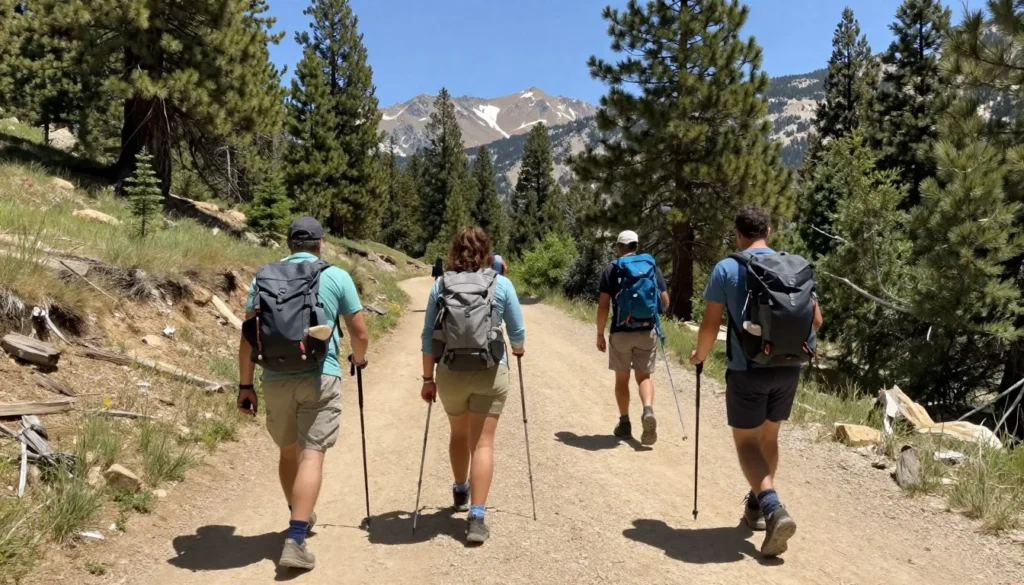
The Spring Mountains National Recreation Area offers exceptional opportunities for outdoor recreation. Over 805 kilometers (500 miles) of trails wind through varied terrain.
Hiking Trails
Trail options range from easy nature walks to strenuous peak climbs. The U.S. Forest Service maintains most paths to high standards.
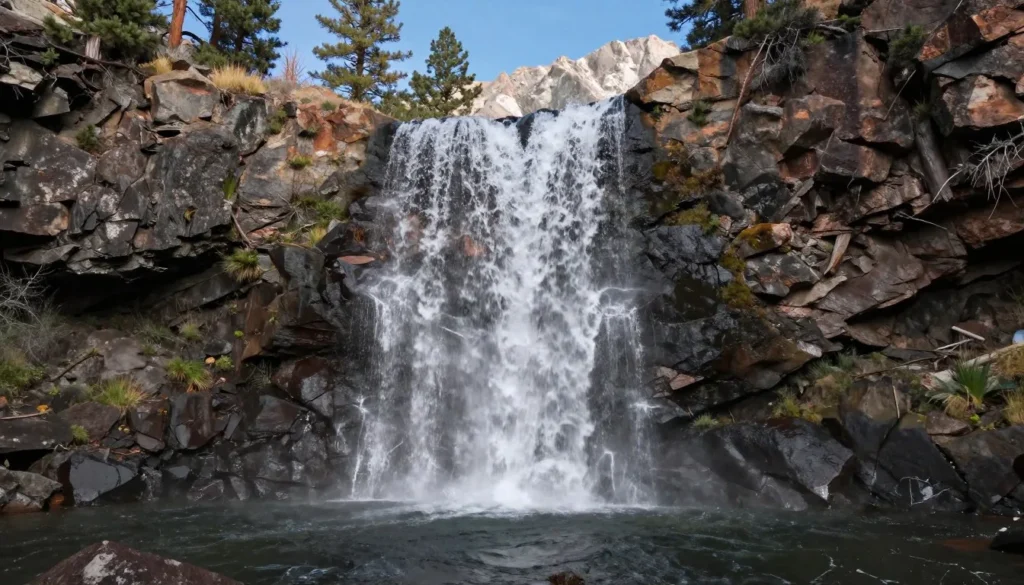
Mary Jane Falls Trail ranks as the most popular hike in the area. This 4.3-kilometer (2.7-mile) round trip gains 305 meters (1,000 feet) of elevation.
The trail leads to a seasonal waterfall that flows strongest during spring snowmelt. Even when the falls run dry, the canyon scenery justifies the hike.
Expect to share the trail with dozens of other hikers on summer weekends. Weekday visits offer more solitude.
Cathedral Rock Trail provides a shorter option at 2.9 kilometers (1.8 miles) round trip. The path gains only 122 meters (400 feet), making it suitable for families.
Views improve steadily as the trail climbs. The turnaround point offers perspectives of the massive rock formation’s upper cliffs.
North Loop Trail challenges experienced hikers with 14.5 kilometers (9 miles) of rugged terrain. Elevation gain totals 762 meters (2,500 feet).
The trail passes through multiple climate zones. Start in mixed conifer forest and emerge above tree line to alpine tundra.
Allow six to eight hours for completion. Start early to avoid afternoon thunderstorms during summer months.
Wildlife Viewing
The conservation area supports diverse wildlife populations. Over 300 species inhabit the mountains year-round or seasonally.
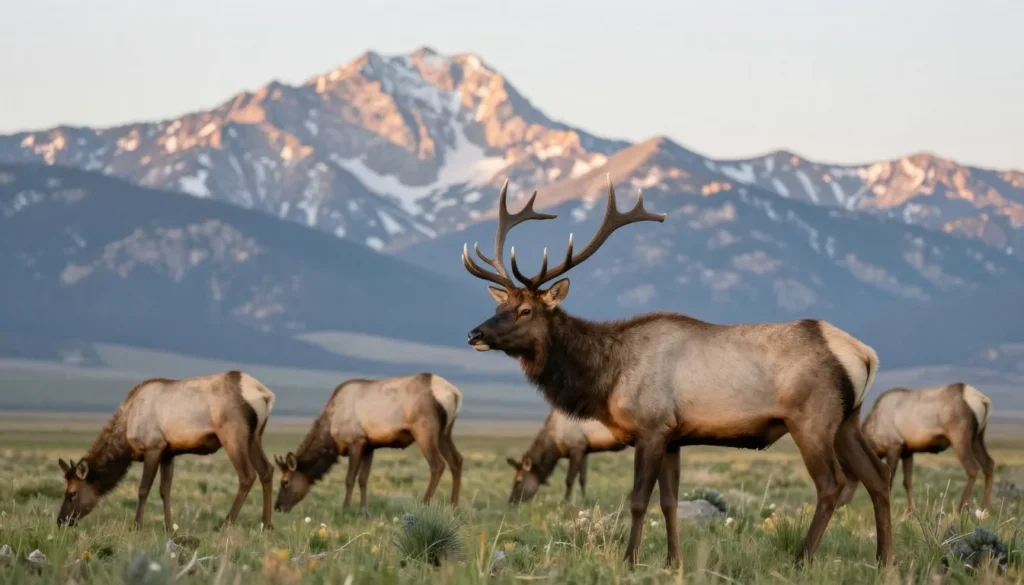
Rocky Mountain elk reintroduction efforts have succeeded beyond expectations. Herds now number over 200 animals. Dawn and dusk offer the best viewing opportunities in meadows along Kyle Canyon Road.
Mule deer browse throughout the forest. These adaptable animals often appear near campgrounds and picnic areas.
Desert bighorn sheep occupy the rocky slopes. Deer Creek Road provides the most reliable sheep viewing locations.
Over 100 bird species breed in the Spring Mountains. Stellar’s jays, mountain chickadees, and white-breasted nuthatches frequent campgrounds. Higher elevations host rosy finches and white-tailed ptarmigan.
Rock Climbing
Spring Mountains attract climbers to hundreds of established routes. Difficulty ratings span from beginner to expert-only climbs.
Cathedral Rock features the area’s most extensive climbing. Routes range from 15 to 183 meters (50 to 600 feet) in height.
Most climbs require traditional gear. A few sport routes exist with permanent bolt anchors.
The climbing season runs from April through October. Summer afternoon thunderstorms create dangerous conditions on exposed rock faces.
Winter Sports
Lee Canyon operates Nevada’s southernmost ski resort. The area receives reliable snowfall from December through March.
Three lifts serve 27 runs across varying difficulty levels. The vertical drop measures 305 meters (1,000 feet).
Snowshoeing and cross-country skiing opportunities expand across the recreation area. Trails marked for summer hiking transform into winter routes.
Backcountry skiing attracts advanced winter recreationists. However, avalanche danger exists. Check current conditions and carry proper safety equipment.
Scenic Photography
The dramatic elevation changes create exceptional photographic opportunities. Desert and alpine environments appear in single compositions.
Sunrise lights Cathedral Rock’s eastern face with warm golden tones. This time also offers the calmest wind conditions.
Fall color peaks in late September. Aspen groves turn brilliant yellow against evergreen backgrounds and red rock formations.
Winter snow transforms familiar summer scenes. Pine trees laden with snow create classic mountain images.
Travel With Children
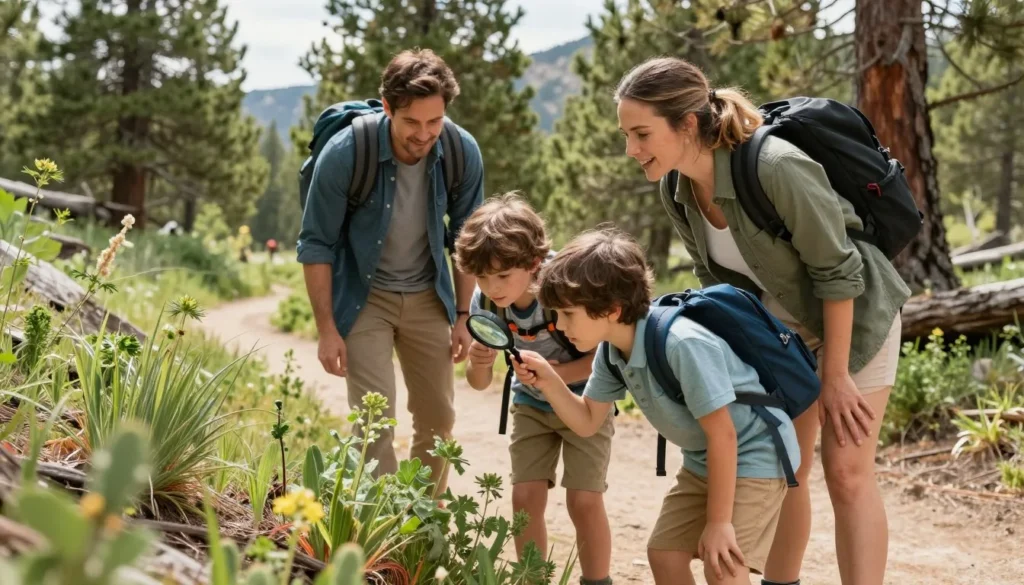
Spring Mountains National Recreation Area provides excellent family vacation opportunities. The cool mountain environment offers welcome relief from Las Vegas heat.
Family-Friendly Trails
Several trails work well for children of various ages. Choose options based on your kids’ hiking experience and stamina.
The Bristlecone Loop near the visitor center extends only 0.8 kilometers (0.5 miles). The nearly flat path introduces kids to mountain ecology through interpretive signs.
Robbers Roost Cave Trail covers 1.6 kilometers (1 mile) round trip. Children love exploring the shallow cave at trail’s end. Bring flashlights for cave investigation.
Echo Trail offers 1.3 kilometers (0.8 miles) of easy walking. The path follows a seasonal creek where kids can spot tadpoles and aquatic insects during spring.
Picnic Areas
Designated picnic sites provide safe places for children to explore while adults prepare meals. Most areas feature tables in shaded locations.
Cathedral Rock Picnic Area includes a small playground. Swings and climbing structures keep younger children entertained.
Open meadow spaces at several picnic grounds allow for frisbee, ball games, and running. Supervise children near steep terrain and cliff edges.
Junior Ranger Program
The Spring Mountains Visitor Gateway offers Junior Ranger activity booklets. Kids complete age-appropriate tasks while exploring the recreation area.
Activities include nature scavenger hunts, wildlife identification, and basic ecology lessons. Upon completion, rangers swear in new Junior Rangers and award badges.
The program works for ages 5 through 12. Booklets are free at the visitor center.
Safety Considerations
High elevation affects children more quickly than adults. Watch for signs of altitude sickness including headaches, nausea, and excessive fatigue.
Descend immediately if symptoms appear. Most children adjust within a few hours, but some may need to return to lower elevations.
Sun intensity increases with elevation. Apply sunscreen regularly and ensure children wear hats. UV radiation at 3,048 meters (10,000 feet) exceeds Las Vegas valley levels by 30%.
Keep children hydrated. The dry mountain air causes faster moisture loss than desert environments. Encourage frequent water breaks even when kids don’t feel thirsty.
Age-Appropriate Activities
Toddlers and preschoolers enjoy short nature walks and picnic outings. Keep trips under two hours to match limited attention spans.
Elementary school children can handle moderate hikes up to 3.2 kilometers (2 miles). Mary Jane Falls trail works well for this age group with proper pacing.
Teenagers often enjoy more challenging trails and rock climbing. Lee Canyon offers climbing walls suitable for supervised beginners during summer.
Money Saving Tips
Visiting Spring Mountains need not strain vacation budgets. Several strategies reduce costs while maintaining quality experiences.
Free Activities
Hiking requires no fees beyond the basic recreation area entrance. The daily pass costs $10 per vehicle, with an annual pass available for $30.
The annual pass pays for itself after four visits. It covers entry to all Spring Mountains access points throughout the calendar year.
Wildlife viewing, photography, and picnicking cost nothing beyond the entrance fee. These activities fill entire days without additional expenses.
Camping vs. Hotels
Campground fees run $18 to $23 per night. This saves considerable money compared to mountain lodges at $150 or Las Vegas hotels at $75 to $200.
A family camping for three nights spends $54 to $69 total. The same family booking even budget hotels would pay $225 minimum.
Camping also eliminates daily driving from Las Vegas. This saves fuel costs and provides more time in the recreation area.
Pack Your Food
Restaurant meals in the mountains cost 20% to 30% more than Las Vegas prices. Bringing food from the city delivers substantial savings.
Prepare sandwiches, snacks, and drinks before leaving Las Vegas. Stock up at regular grocery stores rather than convenience stores.
A cooler keeps perishables fresh. Mountain temperatures help maintain safe food storage even during summer.
Visit During Shoulder Seasons
Late May and early June offer excellent weather before peak summer crowds. Campgrounds rarely fill to capacity, eliminating reservation fees.
September provides similar advantages. Comfortable temperatures continue while visitor numbers drop after Labor Day weekend.
Mountain lodge rates also decrease during shoulder seasons. Some properties offer 20% to 30% discounts compared to peak periods.
Borrow or Rent Equipment Wisely
If trying camping for the first time, borrow gear from friends or family. This avoids major purchases before confirming camping suits your style.
Las Vegas outdoor retailers rent camping equipment. Daily rental rates typically run much less than purchasing new gear.
However, if planning multiple trips, purchasing equipment becomes cost-effective quickly. Compare rental costs against ownership for your specific situation.
Group Discounts
Campsite fees remain the same regardless of occupancy. Sharing sites among multiple families divides costs.
Group picnic pavilions accommodate large parties. The rental fee of $50 becomes economical when split among 20 to 30 people.
Carpooling from Las Vegas saves on gas and parking. Four families sharing two vehicles cut transportation costs in half.
Safety & Local Customs
Altitude Awareness
Elevations in Spring Mountains National Recreation Area range from 1,219 to 3,632 meters (4,000 to 11,916 feet). This represents significant altitude for visitors from sea level.
Altitude sickness symptoms include headaches, dizziness, and shortness of breath. Rest immediately if symptoms develop. Most people adjust within 24 to 48 hours.
Drink extra water at elevation. The dry mountain air increases fluid loss through respiration. Aim for 3 to 4 liters daily during active hiking.
Weather Preparedness
Mountain weather changes rapidly. Morning sunshine can transform into afternoon thunderstorms within hours.
Pack rain gear even when forecasts predict clear skies. Lightweight waterproof jackets compress small and weigh little.
Lightning poses serious risks above tree line. Descend immediately when thunderstorms approach. Avoid exposed ridges and tall trees during electrical activity.
Winter visitors must prepare for severe conditions. Temperatures can plunge to -18°C (0°F) at higher elevations. Carry emergency blankets and extra layers.
Wildlife Interactions
Black bears inhabit Spring Mountains forests. While attacks remain extremely rare, proper precautions prevent negative encounters.
Store all food in bear-resistant containers when camping. Never leave coolers or food bags in vehicles overnight. Bears can break car windows to access food.
Make noise while hiking to avoid surprising bears. Talk normally or clap periodically. Bears typically avoid humans when given advance warning.
If you encounter a bear, remain calm and back away slowly. Never run. Make yourself appear larger by raising your arms. Speak firmly but avoid screaming.
Mountain lions also live in the area but rarely appear. Report any sightings to rangers at (702) 515-5400.
Trail Safety
Stay on designated trails to prevent erosion and protect fragile alpine vegetation. Shortcuts damage ecosystems that require decades to recover.
Loose rocks create hazards on steep trails. Test handholds before trusting weight. Wear sturdy hiking boots with good ankle support.
Tell someone your hiking plans before departing. Include expected return time and specific trail name. This helps rescuers if you don’t return on schedule.
Cell phone service becomes unreliable above 2,134 meters (7,000 feet). Don’t rely on phones for emergency communication. Carry a whistle for signaling.
Fire Restrictions
Campfires are only permitted in established fire rings at designated campgrounds. Dispersed camping prohibits fires entirely during most of the year.
Fire restrictions often increase during dry periods. Check current status at the visitor center before any trip involving fire use.
Never leave fires unattended. Extinguish completely before sleeping or leaving camp. Drown ashes with water and stir until cool to touch.
Leave No Trace Principles
Pack out all trash. No garbage collection exists at trailheads or along trails. Carry trash bags and remove everything you bring.
Use established restrooms when available. If nature calls on the trail, dig catholes 15 to 20 centimeters (6 to 8 inches) deep at least 61 meters (200 feet) from water sources.
Keep noise levels reasonable. Other visitors seek peaceful natural experiences. Avoid playing music or shouting unnecessarily.
Emergency Contacts
For emergencies requiring immediate response, dial 911. Operators coordinate with the appropriate agencies.
The U.S. Forest Service emergency line operates 24 hours at (702) 515-5400. Use this number for non-emergency issues like trail closures or wildlife concerns.
The nearest hospital is Spring Valley Hospital in Las Vegas, approximately 56 kilometers (35 miles) from Kyle Canyon. Serious injuries require transport to this facility.
Visitor Comments About Spring Mountains
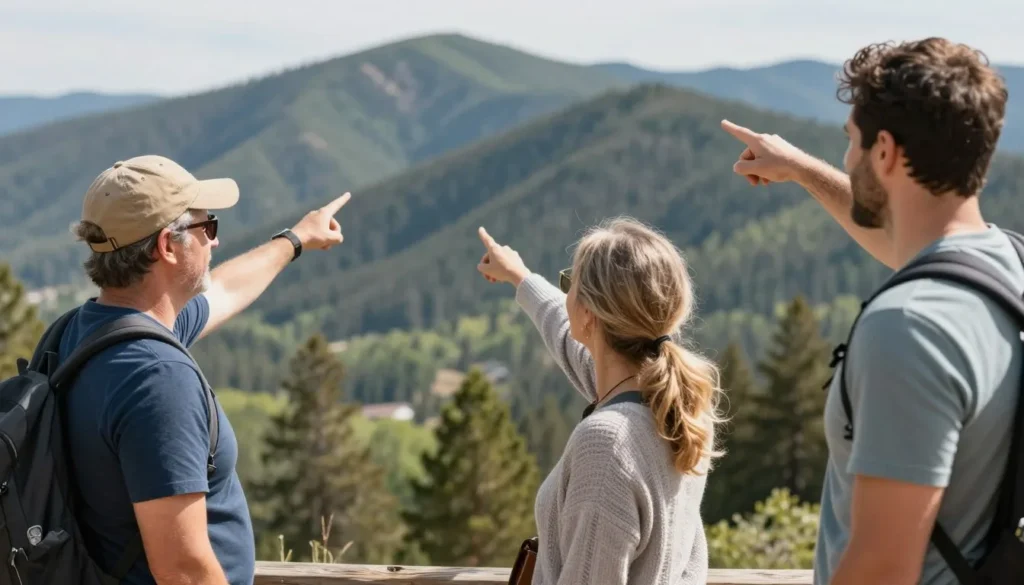
“The temperature difference from Las Vegas amazed us. We left 40°C heat and arrived at a comfortable 24°C within 45 minutes. Mary Jane Falls trail proved perfect for our family. The kids loved spotting wildlife along the way.”
“Spring Mountains exceeded every expectation. The hiking trails offered stunning views at every turn. We camped at McWilliams Campground and found the facilities well-maintained. Cathedral Rock looked even more impressive in person than in photographs.”
“As a photographer, I found endless opportunities throughout the recreation area. The contrast between desert and alpine environments within such short distances created unique compositions. Fall colors in late September were absolutely spectacular.”
Additional Nearby Destinations
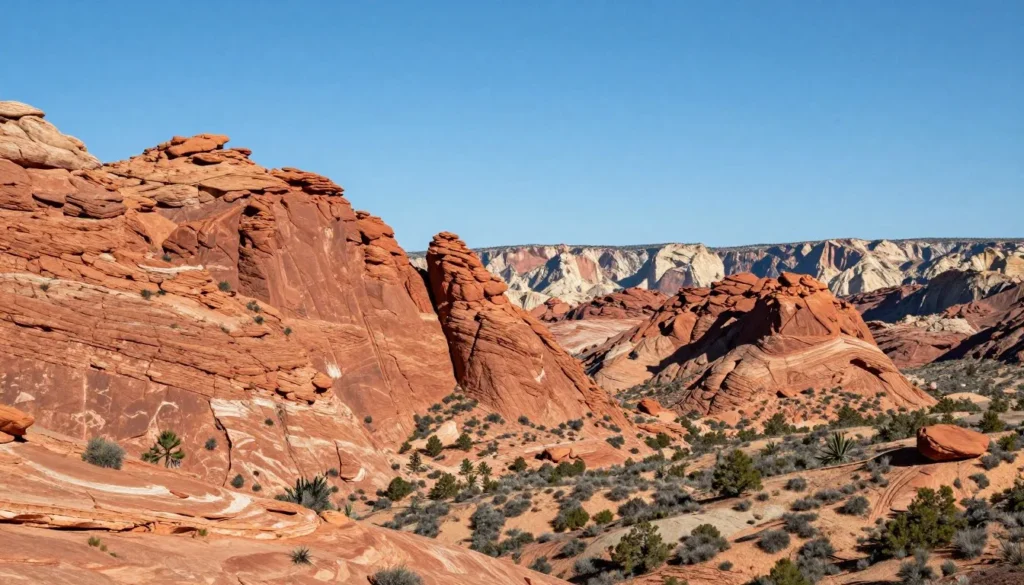
Several outstanding destinations complement a Spring Mountains visit. Each offers distinct experiences within easy reach.
Red Rock Canyon National Conservation Area
Red Rock Canyon sits just 40 kilometers (25 miles) south of Spring Mountains. This desert conservation area showcases dramatic red sandstone formations.
The 21-kilometer (13-mile) scenic drive provides access to numerous hiking trails. Popular routes include Calico Tanks, Ice Box Canyon, and Pine Creek Canyon.
Rock climbing at Red Rock Canyon ranks among the world’s finest. Over 2,000 routes accommodate all skill levels across 48 kilometers (30 miles) of escarpment.
The visitor center opens daily at 8:00 AM. Rangers provide maps, trail recommendations, and current conditions. Entry costs $15 per vehicle.
Valley of Fire State Park
Nevada’s oldest state park lies 88 kilometers (55 miles) northeast of Spring Mountains. Ancient red sandstone formations create otherworldly landscapes.
Petroglyphs created by ancestral Puebloan peoples appear throughout the park. Atlatl Rock features particularly impressive examples accessible via metal stairway.
Hiking trails range from easy walks to challenging scrambles. Fire Wave Trail has become Instagram-famous for its colorful striped sandstone.
Campgrounds provide 72 sites with water and restrooms. Reservations are essential from October through April.
Lake Mead National Recreation Area
Lake Mead, America’s largest reservoir, stretches 177 kilometers (110 miles) behind Hoover Dam. The area sits 64 kilometers (40 miles) southeast of Spring Mountains.
Water recreation dominates summer activities. The lake covers 64,750 hectares (160,000 acres) when full, offering endless boating, fishing, and swimming opportunities.
Hoover Dam tours reveal Depression-era engineering marvels. The 221-meter (726-foot) concrete arch-gravity dam continues providing power to three states.
Several marinas rent watercraft including pontoon boats, kayaks, and paddleboards. Rates start around $50 per hour for kayaks and climb to $400 daily for larger vessels.
Las Vegas
The entertainment capital sits 56 kilometers (35 miles) southeast. World-class shows, restaurants, and casinos operate 24 hours daily.
The Strip concentrates major resorts along a 6.8-kilometer (4.2-mile) stretch. Fountains at Bellagio, the Eiffel Tower at Paris Las Vegas, and gondola rides at The Venetian rank among iconic attractions.
Fremont Street Experience in downtown Las Vegas offers a more affordable alternative. Free light shows occur hourly beneath a massive LED canopy.
Numerous museums include The Mob Museum, Natural History Museum, and Neon Museum. These provide cultural experiences beyond gambling and shows.
Desert National Wildlife Refuge
This 656,000-hectare (1.6 million acre) refuge protects desert bighorn sheep habitat. The area adjoins Spring Mountains’ eastern boundary.
Limited visitor facilities maintain wilderness character. Dirt roads provide access for high-clearance vehicles during dry weather.
Wildlife viewing opportunities include bighorn sheep, desert tortoises, and numerous bird species. Spring and fall migrations bring exceptional birding.
Most of the refuge remains open for hiking and photography. However, portions close periodically for military operations from adjacent Nellis Air Force Base.
Practical Travel Tips
Smart preparation ensures smooth Spring Mountains experiences. These practical considerations help avoid common oversights.
What to Pack
Layer clothing to adapt to changing temperatures. Start with moisture-wicking base layers, add insulating mid-layers, and top with waterproof shells.
Sturdy hiking boots prevent ankle injuries on rocky trails. Break in new boots before your trip to avoid blisters.
Sun protection includes sunscreen, sunglasses, and wide-brimmed hats. UV intensity increases approximately 10% per 305 meters (1,000 feet) of elevation.
Carry more water than you think necessary. A minimum of 2 liters per person for short hikes, doubling that for all-day excursions.
Basic first aid supplies should include adhesive bandages, pain relievers, antiseptic wipes, and blister treatment. Add any personal medications.
When to Arrive
Popular trailhead parking fills quickly on summer weekends. Arrive before 9:00 AM to guarantee spots at Mary Jane Falls and Cathedral Rock.
Early starts also help avoid afternoon thunderstorms. Complete most elevation gain before noon when storms typically develop.
Weekday visits offer significantly more solitude. Tuesday through Thursday see the lightest traffic throughout the recreation area.
Navigation Tools
Download offline maps before leaving Las Vegas. Cell service disappears above 2,134 meters (7,000 feet) on most carriers.
Paper maps provide reliable backup navigation. Free trail maps are available at the Spring Mountains Visitor Gateway.
GPS devices work throughout the mountains. However, carry spare batteries as cold temperatures drain power quickly.
Photography Considerations
Morning light creates the best conditions for most landscapes. Shadows and contrast work better than harsh midday sun.
Fall colors peak in late September. Aspen groves turn golden while retaining green pine backgrounds for dramatic contrast.
Winter snow transforms familiar summer scenes. Fresh snow on pines creates classic mountain imagery.
Bring extra camera batteries. Cold temperatures reduce battery life by 30% to 50% compared to room temperature performance.
Best Resources
The Spring Mountains Visitor Gateway provides the most current information. Stop here first for trail conditions, weather forecasts, and closure notices.
The U.S. Forest Service website offers downloadable maps and activity guides. Check www.fs.usda.gov/htnf before your trip.
Local hiking groups maintain online forums with recent trip reports. These provide real-time conditions from other visitors.
Accessibility
Several paved trails accommodate wheelchairs and strollers. The Bristlecone Loop near the visitor center offers the easiest accessible option.
Accessible picnic tables exist at Cathedral Rock and other major picnic areas. Paved parking and pathways connect facilities.
The Spring Mountains Visitor Gateway meets full ADA standards. Accessible restrooms, parking, and exhibits serve all visitors.
Responsible Recreation
Stay on marked trails to protect fragile vegetation. Alpine plants grow slowly and recover poorly from trampling.
Keep dogs leashed at all times. Free-roaming pets disturb wildlife and create conflicts with other visitors.
Respect trail closures. These protect both visitors and sensitive habitats during critical periods.
Pack out everything you bring in. No trash collection exists along trails or at most trailheads.
Your Mountain Adventure Awaits
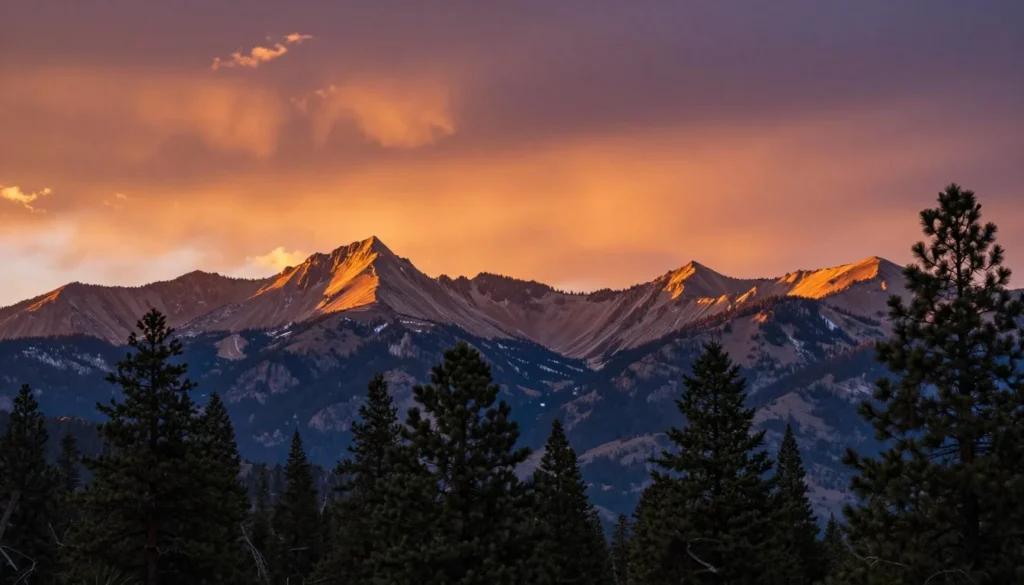
The Spring Mountains stand ready to welcome you into their cool, pine-scented embrace. Just 56 kilometers from the glittering Las Vegas Strip, these ancient peaks offer a world apart.
Whether you seek challenging trails that climb above tree line or gentle walks through shaded groves, the recreation area delivers. Families find picnic spots where children explore safely. Photographers discover endless compositions blending desert and alpine elements.
The mountains’ natural springs have sustained life for millennia. Now they sustain visitors seeking respite from desert heat and urban intensity.
Pack your hiking boots, fill your water bottles, and point your car toward those beckoning peaks. The Spring Mountains await your discovery, promising crisp mountain air, stunning vistas, and memories that will draw you back season after season.