
Hotels by Trip.com
Flights by Trip.com
Did you know that Devils Throat in Nevada is a massive sinkhole that formed suddenly in 1908 when the roof of an underground cavern collapsed? This remarkable geological feature, measuring approximately 36 m (120 feet) wide and equally deep, continues to expand as its unstable edges gradually cave inward. Located in the remote Gold Butte National Monument, this natural wonder offers visitors a rare glimpse into the dynamic and sometimes unpredictable nature of desert geology. Whether you’re a geology enthusiast, adventure seeker, or simply curious about Nevada’s hidden natural treasures, Devils Throat provides a fascinating and somewhat unsettling reminder of the ever-changing landscape beneath our feet.
Getting There & Planning Your Journey
Devils Throat is located in Gold Butte National Monument in southeastern Nevada, approximately 177 km (110 miles) northeast of Las Vegas. The remote location requires some planning, but the unique geological feature makes it worth the journey.
By Air
The closest major airport is Harry Reid International Airport (formerly McCarran) in Las Vegas. From there, you’ll need to rent a vehicle suitable for desert travel.
By Car
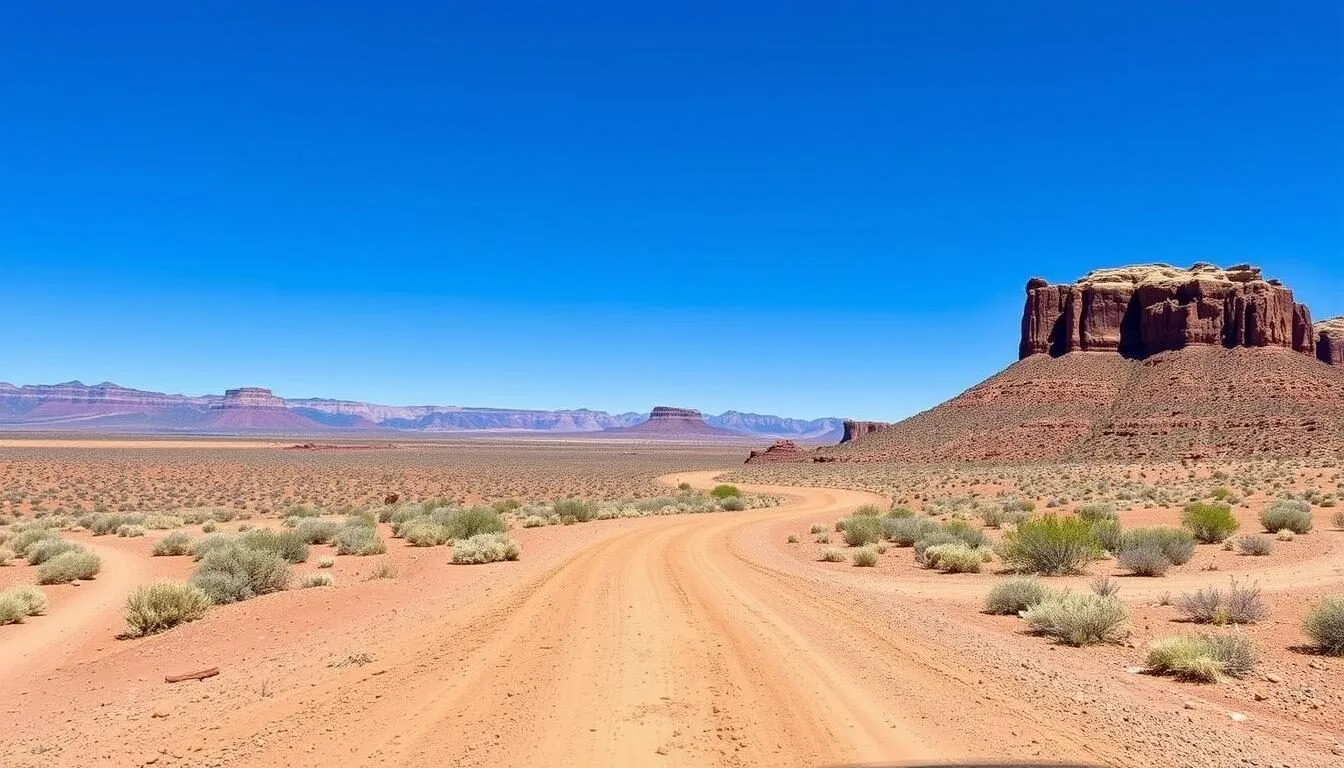
From Las Vegas, take Interstate 15 north to Exit 112 for Riverside/Bunkerville. Follow Nevada State Route 170 south through Bunkerville, then turn onto Gold Butte Road. Continue for approximately 34 km (21 miles) to Whitney Pocket, then drive an additional 11.6 km (7.2 miles) south on the unpaved Gold Butte Road to Mud Wash Road.
Turn right onto Mud Wash Road and drive southwest for 0.5 km (0.3 miles) to a fork. Take the left fork onto Devils Throat Road, which quickly arrives at the Devils Throat parking area marked by post-and-cable fencing.
Important: A high-clearance vehicle is strongly recommended for this journey, and a 4WD vehicle may be necessary during wet conditions. The roads are unpaved and can be rough. Carry extra water, food, and emergency supplies as this is a remote area with no services.
Best Time to Visit & Weather Tips
Best Time to Visit Devils Throat
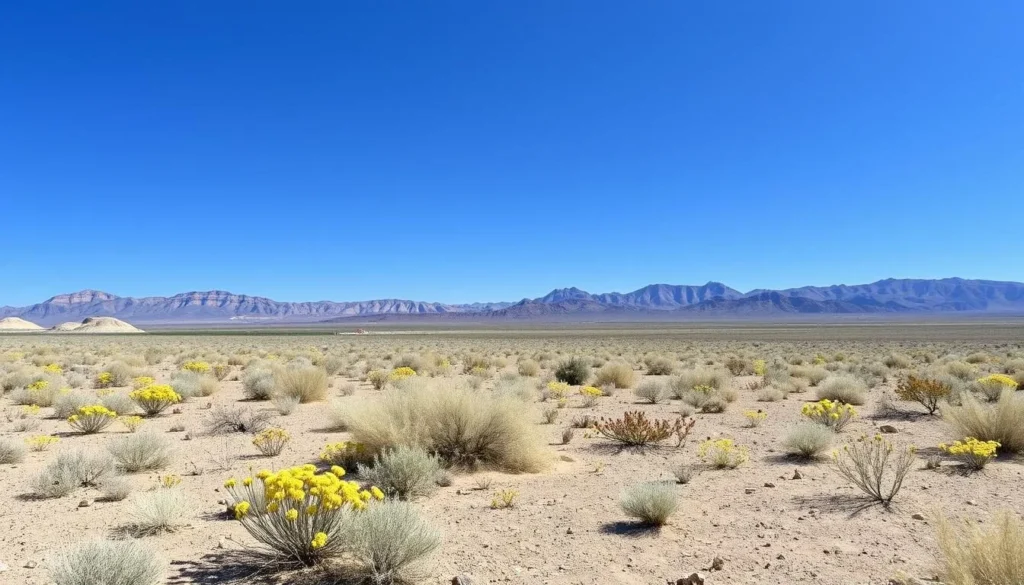
The ideal times to visit Devils Throat are during the spring (March to May) and fall (September to November) when temperatures are most comfortable for desert exploration.
Spring (March-May)
- Pleasant temperatures 18-29°C (65-85°F)
- Possible desert wildflower blooms
- Longer daylight hours for exploration
- Less crowded than winter months
Fall (September-November)
- Cooling temperatures 15-32°C (60-90°F)
- Clear skies with excellent visibility
- Stable weather conditions
- Fewer visitors than peak season
Avoid
- Summer (June-August): Extreme heat up to 43°C (110°F)
- Winter storms (December-February) can make roads impassable
- Holiday weekends when the area sees more visitors
Weather in this region can change rapidly. Check forecasts before departing and be prepared for temperature fluctuations. Summer visits should be planned for early morning to avoid dangerous midday heat. Winter visitors should be aware that occasional rain or snow can make the dirt roads to Devils Throat extremely difficult or impossible to navigate.
Getting Around Locally
Once you arrive at Devils Throat, getting around is relatively straightforward as the site itself is compact. The main feature is the sinkhole, which is surrounded by a protective fence to keep visitors at a safe distance.
At the Site
- A short walking path circles the entire sinkhole, approximately 366 m (400 yards) in total
- The terrain is flat and easy to navigate
- Allow about 30-45 minutes to walk around and view the sinkhole from different angles
- Stay behind the protective fence at all times
Exploring the Surrounding Area
Devils Throat is located within Gold Butte National Monument, which offers numerous other points of interest. To explore the broader area:
- A high-clearance vehicle is essential for navigating the unpaved roads
- Carry detailed maps as cell service is unreliable
- Plan your route in advance and inform someone of your itinerary
- Nearby attractions like Little Finland and Whitney Pockets require additional driving on rough roads
Local Tip: The Gold Butte National Monument lacks developed facilities. There are no visitor centers, restrooms, or water sources at Devils Throat or nearby. Come prepared with everything you need for your visit.
Where to Stay
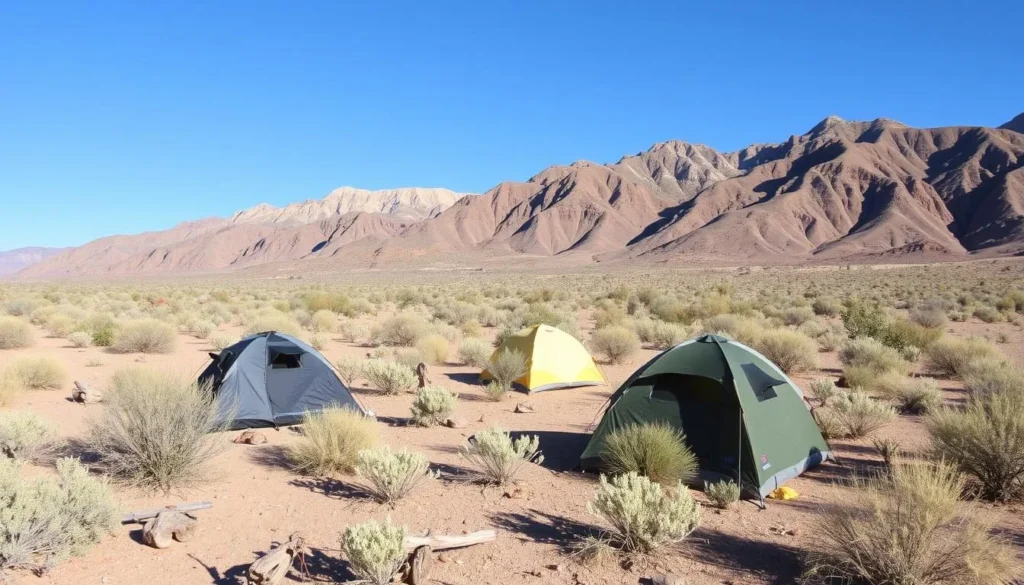
There are no lodging facilities within Gold Butte National Monument itself. Visitors typically stay in nearby communities or camp in designated areas. Here are your best options:
Nearby Towns
Mesquite, Nevada (64 km / 40 miles)
- Closest town with full services
- Several hotel and casino options
- Restaurants and grocery stores
- Last chance for supplies before entering the monument
Overton, Nevada (80 km / 50 miles)
- Small town with basic amenities
- Limited accommodation options
- Access to Lake Mead National Recreation Area
- Home to Lost City Museum (archaeological site)
Camping Options
For those who prefer to stay closer to Devils Throat:
- Dispersed Camping: Allowed throughout most of Gold Butte National Monument on BLM land. No facilities available.
- Whitney Pockets: Popular informal camping area about 11 km (7 miles) north of Devils Throat. No facilities, but scenic location with interesting rock formations.
- Echo Bay Campground: Located in Lake Mead National Recreation Area, approximately 48 km (30 miles) from Devils Throat. Offers basic facilities.
When camping in the desert, practice Leave No Trace principles. Pack out all trash, minimize impact on vegetation, and be prepared for extreme temperature changes between day and night.
Dining & Local Cuisine
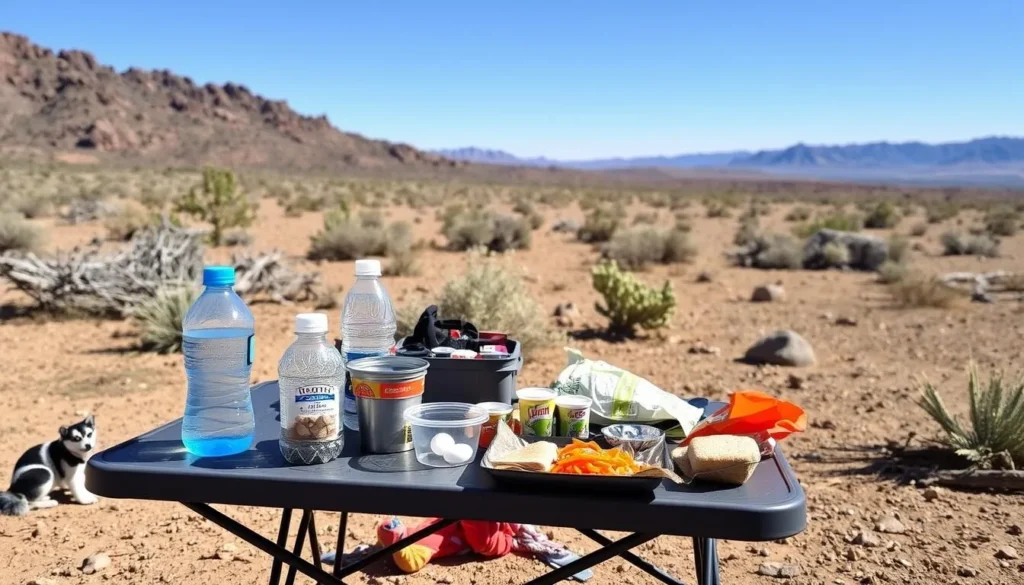
There are no dining facilities within Gold Butte National Monument or at Devils Throat. Visitors should plan to bring all food and drinks needed for their trip. The nearest restaurants and grocery stores are in Mesquite or Overton.
Preparing for Your Visit
- Pack plenty of water (at least 3-4 liters per person per day)
- Bring non-perishable snacks and meals
- Consider a small cooler with ice for perishable items
- Pack extra food in case of unexpected delays
Nearby Dining Options
If you’re looking to eat before or after your visit to Devils Throat:
Mesquite (64 km / 40 miles)
- Several casino restaurants offering buffets and fine dining
- Fast food options along the interstate
- Local Mexican restaurants
- Grocery stores for supplies
Overton (80 km / 50 miles)
- Small local diners
- Inside Out Café (local favorite)
- Sugar’s Home Plate (American comfort food)
- Limited grocery options at Lin’s Market
Local Tip: Many visitors prepare a picnic lunch to enjoy at Whitney Pockets or other scenic spots in Gold Butte National Monument. Just remember to pack out all trash and leave no trace.
Attractions, Sightseeing & Activities
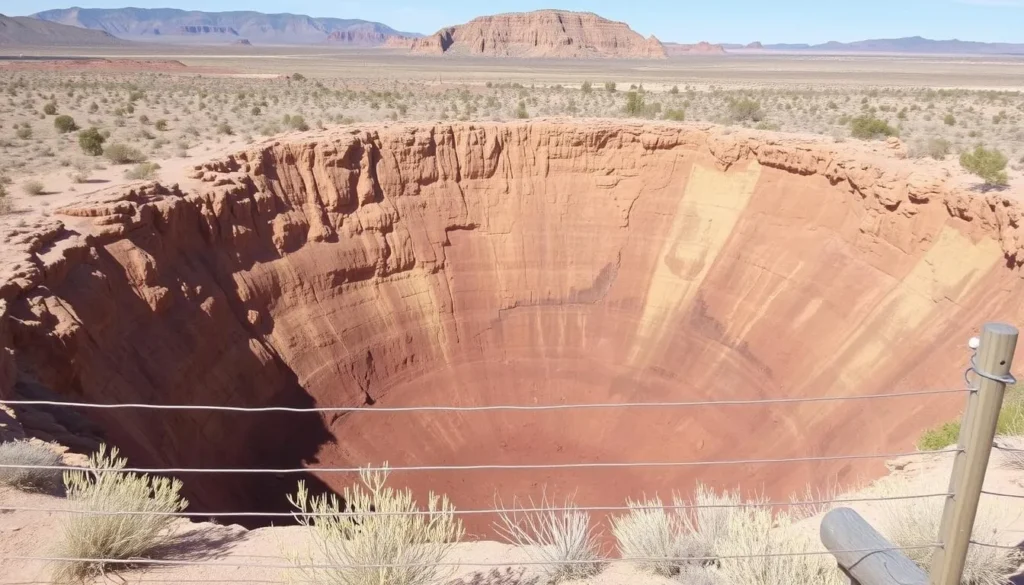
While Devils Throat itself is the main attraction in this area, there are several other noteworthy sites within Gold Butte National Monument worth exploring if you’ve made the journey to this remote region.
Devils Throat
The primary attraction is the massive sinkhole itself. From the parking area, visitors can walk to the chain-link fence that surrounds the pit for safety. The sinkhole is approximately 36 m (120 feet) wide and 36 m (120 feet) deep with a gravel bottom. The edges are unstable and continue to collapse over time, which is why visitors are kept at a safe distance by the fence.
Walking around the perimeter fence offers different perspectives of this impressive geological feature. The best views are from the far side (opposite the parking area), where you can see the scale of the sinkhole with the desert landscape beyond.
Nearby Attractions in Gold Butte
Little Finland (12 km / 7.5 miles)
Also known as Devil’s Fire, this area features intricate red sandstone formations eroded by wind into delicate, fin-like structures. The vibrant red rock creates stunning photo opportunities, especially during golden hour.
Whitney Pockets (11 km / 7 miles)
Distinctive red and orange sandstone formations with natural water pockets that historically provided water for travelers. The area features prehistoric rock art and is a popular spot for photography and camping.
Petroglyphs
Throughout Gold Butte National Monument, you can find numerous petroglyph sites where ancient peoples carved symbols into rock surfaces. Notable locations include Black Butte Dam Road and Kirk’s Grotto.
Gold Butte Backcountry Byway
This scenic drive traverses much of the monument, offering access to various points of interest. The full route is approximately 100 km (62 miles) and requires a high-clearance vehicle.
Photography Tip: The best lighting for photographing Devils Throat is in the morning or late afternoon when shadows add depth to the sinkhole. The midday sun can create harsh lighting conditions that flatten the appearance of the pit.
Museums, Cultural Spots & Festivals
While Devils Throat itself doesn’t have cultural facilities, the surrounding region offers several museums and cultural sites that provide context to the area’s rich history.
Nearby Museums
- Lost City Museum (Overton): Located about 80 km (50 miles) from Devils Throat, this museum preserves artifacts from Ancestral Puebloan cultures that once inhabited the region. The museum showcases pottery, tools, and reconstructed dwellings.
- Mesquite Fine Arts Gallery (Mesquite): Features rotating exhibitions of local artists’ work, often inspired by the dramatic desert landscapes of the region.
- Virgin Valley Heritage Museum (Mesquite): Small museum documenting the pioneer history of the area with photographs and artifacts from early settlers.
Cultural History
Gold Butte National Monument has a rich cultural history spanning thousands of years:
- The area was home to Southern Paiute people for centuries
- Numerous archaeological sites including rock shelters and agave roasting pits
- Historic mining operations from the early 20th century
- Named after the small mining town of Gold Butte, which is now abandoned
Annual Events
While there are no regular events at Devils Throat itself, nearby communities host several annual events:
- Mesquite Off-Road Weekend (March): Celebration of off-road culture with vehicle exhibitions and guided trail rides
- Clark County Fair & Rodeo (April): Held in Logandale, featuring traditional rodeo events, exhibits, and entertainment
- Mesquite Gaming’s CasaBlanca Rib Fest (September): Popular food festival featuring award-winning barbecue
Cultural Note: Many rock art sites in Gold Butte National Monument are sacred to Native American tribes. If you encounter petroglyphs or pictographs, observe them respectfully from a distance and never touch or damage these irreplaceable cultural treasures.
Nature & Outdoor Experiences
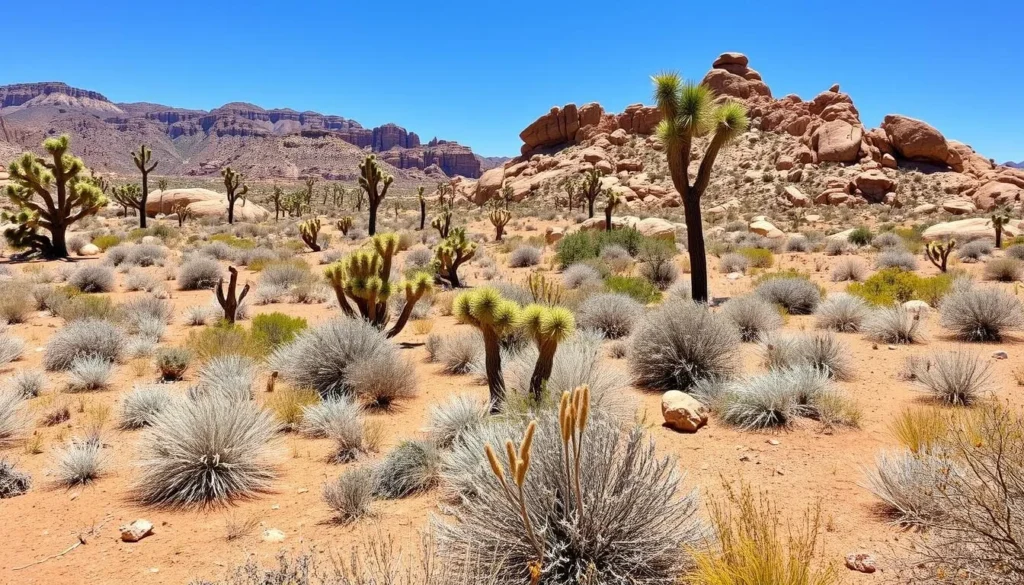
Gold Butte National Monument encompasses nearly 121,000 hectares (300,000 acres) of rugged desert terrain, offering numerous opportunities for outdoor recreation and nature observation beyond Devils Throat.
Wildlife Viewing
Despite its harsh appearance, the desert around Devils Throat supports diverse wildlife:
- Desert bighorn sheep in the rocky highlands
- Desert tortoises (a threatened species)
- Various lizard species including chuckwallas
- Coyotes and kit foxes
- Numerous bird species including roadrunners, hawks, and golden eagles
Dawn and dusk are the best times for wildlife observation when animals are most active. Bring binoculars for distant viewing.
Plant Life
The Mojave Desert ecosystem around Devils Throat features fascinating plant adaptations:
- Joshua trees in the higher elevations
- Various cacti species including barrel cactus and beavertail
- Creosote bush, one of the oldest living organisms on Earth
- Desert wildflowers that bloom briefly after spring rains
Outdoor Activities
Photography
The dramatic landscapes of Gold Butte offer exceptional photography opportunities. Beyond Devils Throat itself, capture the colorful rock formations, desert flora, and expansive vistas. The area is also excellent for night sky photography due to minimal light pollution.
Hiking
While there are no developed trails at Devils Throat, the Gold Butte area offers numerous informal hiking opportunities. Popular routes include the paths to Little Finland, Kirk’s Grotto, and Black Butte. Always carry plenty of water and navigation tools.
Desert Safety: The Mojave Desert environment can be extremely harsh. Always carry more water than you think you’ll need, wear sun protection, and be aware of your surroundings. Tell someone your plans before venturing into remote areas.
Safety, Etiquette & Local Customs
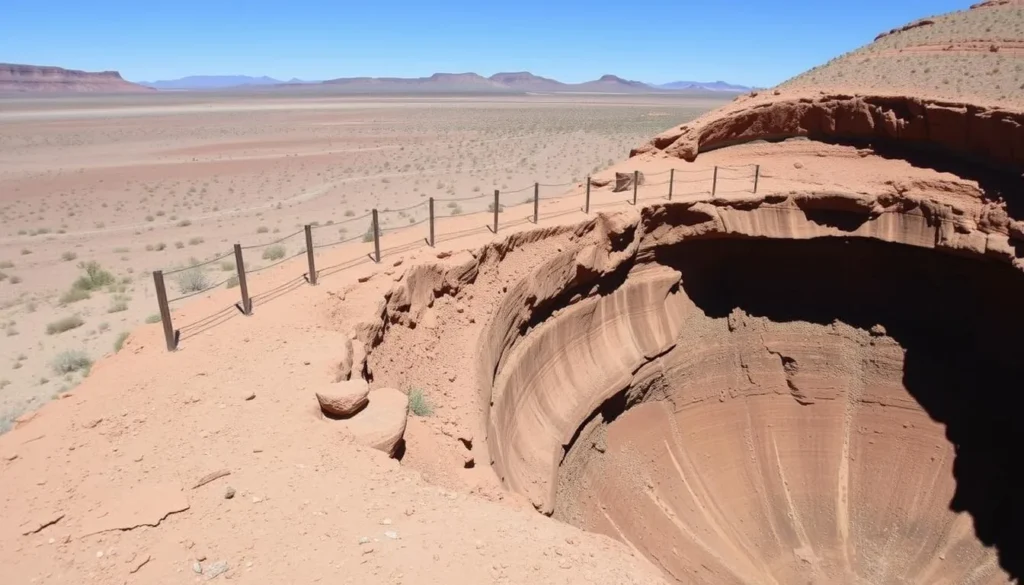
Safety at Devils Throat
The sinkhole presents significant safety hazards that visitors must respect:
- Stay behind the fence at all times. The edges of the sinkhole are unstable and continue to collapse.
- Never jump the fence to get a closer look – the rim is undercut in many places and could give way without warning.
- Keep children under close supervision at all times.
- Be cautious when walking around the perimeter, especially after rain when the ground may be slippery.
Desert Safety
The remote location and harsh desert environment require additional precautions:
- Water: Bring at least 4 liters (1 gallon) of water per person per day.
- Navigation: Cell service is unreliable. Bring physical maps and a GPS device.
- Vehicle: Ensure your vehicle is in good condition with a full tank of fuel. Bring a spare tire and basic tools.
- Communication: Tell someone your plans and expected return time.
- First Aid: Carry a comprehensive first aid kit.
- Weather: Check forecasts before departing and be prepared for extreme temperatures.
Etiquette & Conservation
Help preserve this unique area for future visitors:
- Practice Leave No Trace principles – pack out all trash
- Stay on existing roads and parking areas to minimize impact
- Respect wildlife by observing from a distance
- Do not collect rocks, plants, or artifacts – everything is protected
- Respect the fence and other safety measures
Emergency Preparedness: There is no cell service in most of Gold Butte National Monument. The nearest emergency services are in Mesquite or Overton, both over an hour away. Consider carrying a satellite communication device for emergencies.
Visitor Comments About Devils Throat
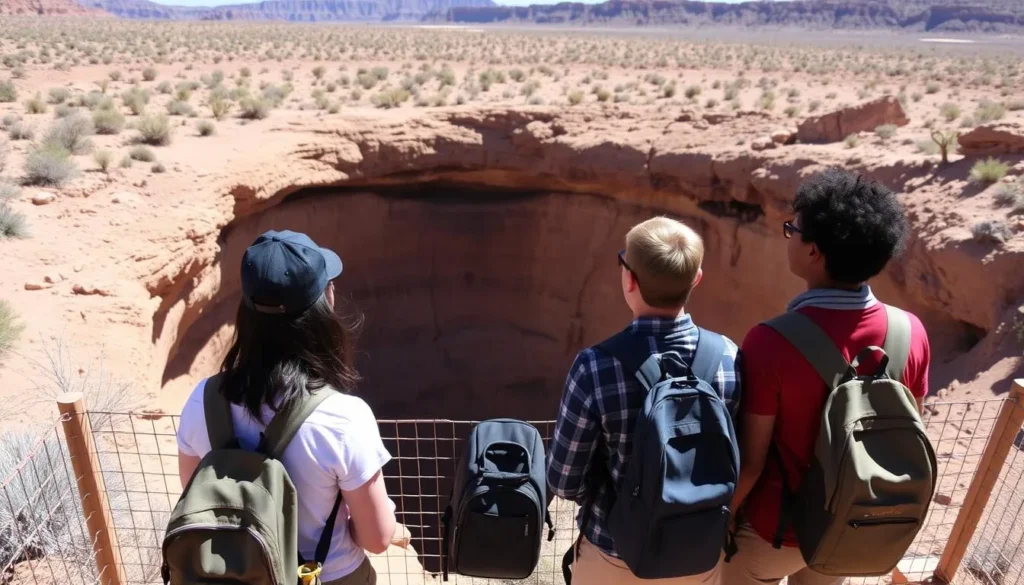
“I’ve visited many geological features across the American Southwest, but Devils Throat has a unique, somewhat eerie quality that’s hard to describe. The sheer size of the sinkhole and knowing it formed so suddenly makes you realize the dynamic nature of the earth beneath our feet. The drive there is an adventure in itself, but worth it for geology enthusiasts. Just make sure your vehicle can handle the rough roads!”
“We combined our visit to Devils Throat with other sites in Gold Butte National Monument, which I’d highly recommend. The sinkhole itself only takes about 30 minutes to view, but the surrounding area is full of fascinating rock formations and desert landscapes. Little Finland was our favorite spot. The remoteness of the area adds to the adventure – we didn’t see another soul for hours. Bring plenty of water and a good camera!”
“Devils Throat was both impressive and slightly terrifying! Standing at the fence and looking into that massive hole makes you appreciate the power of erosion. The new fence keeps you quite far back, which is disappointing for photography but understandable for safety. We visited in April when the desert was surprisingly green with some wildflowers blooming. The contrast between the vibrant desert life and this massive void in the earth was striking.”
Additional Nearby Destinations
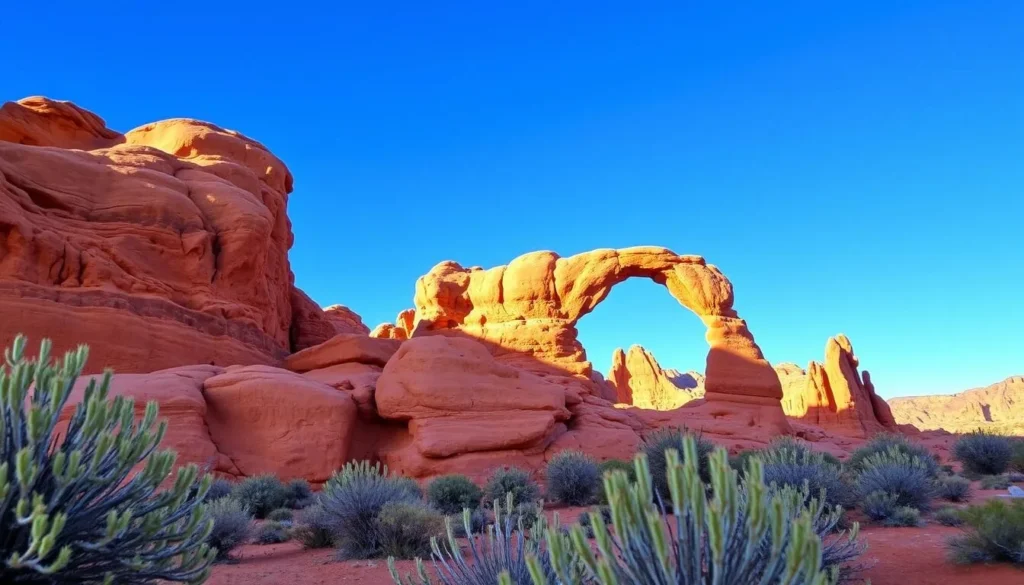
If you’re making the journey to Devils Throat, consider adding these nearby destinations to create a more comprehensive trip:
Valley of Fire State Park
Located about 97 km (60 miles) west of Devils Throat, this stunning state park features vibrant red sandstone formations, ancient petroglyphs, and scenic hiking trails. The Fire Wave and Elephant Rock are particularly popular attractions. The park offers developed facilities including restrooms, picnic areas, and a visitor center.
Lake Mead National Recreation Area
Just 64 km (40 miles) southwest of Devils Throat, Lake Mead offers opportunities for swimming, boating, fishing, and hiking. The stark contrast between the desert landscape and the vast blue waters creates a unique recreational environment. Several developed campgrounds and marinas are available.
Virgin River Canyon
Located about 80 km (50 miles) northeast of Devils Throat in Arizona, this scenic canyon offers dramatic landscapes, hiking opportunities, and rock climbing routes. The BLM recreation area includes a developed campground with basic facilities. The Virgin River flows through the canyon, providing a refreshing contrast to the desert surroundings.
Multi-Day Itinerary Suggestion
Consider this itinerary to experience the best of the region:
- Day 1: Explore Valley of Fire State Park
- Day 2: Visit Devils Throat and other Gold Butte attractions (Little Finland, Whitney Pockets)
- Day 3: Enjoy Lake Mead National Recreation Area
Regional Tip: The entire southeastern Nevada region is rich in geological wonders. If you have time, consider extending your trip to include the stunning landscapes of nearby Utah, including St. George and Zion National Park, which are only about 160 km (100 miles) from Devils Throat.
Practical Travel Tips
What to Bring
- Water: At least 4 liters (1 gallon) per person per day
- Food: Snacks and meals as there are no services nearby
- Navigation: Physical maps, GPS device, compass
- Sun Protection: Hat, sunglasses, sunscreen (SPF 50+), long-sleeved shirts
- First Aid Kit: Include treatments for cuts, burns, and snake bites
- Communication: Satellite phone or personal locator beacon for emergencies
- Vehicle Supplies: Spare tire, jack, basic tools, extra fuel if possible
Vehicle Recommendations
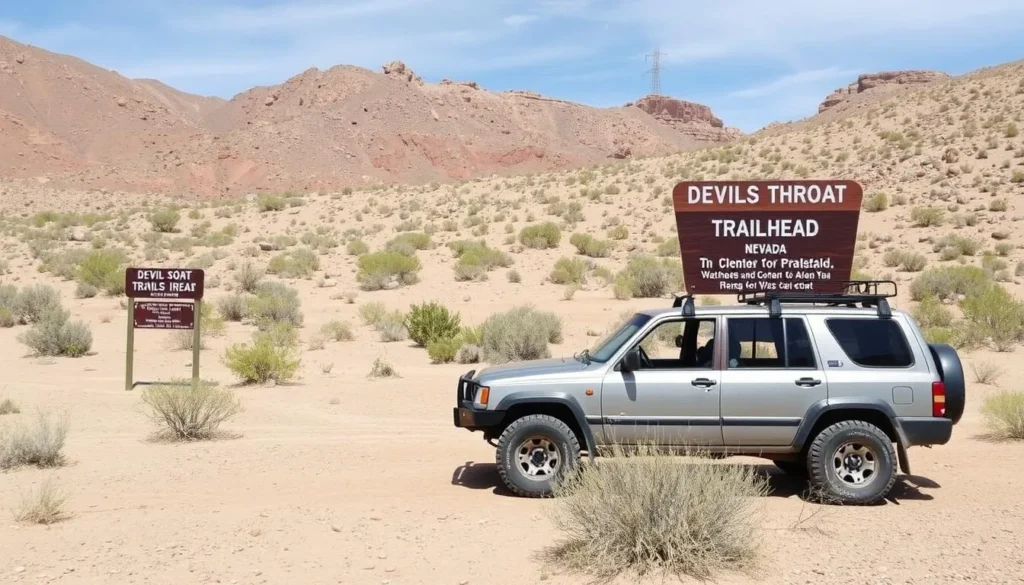
The roads to Devils Throat require careful consideration:
- High-clearance vehicle is strongly recommended
- 4WD is advisable, especially after rain
- Avoid RVs and passenger cars with low clearance
- Check road conditions before departing
Planning Your Visit
To make the most of your trip to this remote location:
- Allow a full day for the round trip from Las Vegas
- Combine with visits to other Gold Butte attractions
- Start early in the morning, especially during warmer months
- Check weather forecasts carefully before departing
- Inform someone of your itinerary and expected return time
Conservation Note: Gold Butte National Monument was designated in 2016 to protect its natural and cultural resources. Help preserve this special place by practicing responsible tourism and leaving no trace of your visit.
Unveiling Nevada’s Geological Wonder
Devils Throat offers a rare glimpse into the dynamic geological processes that continue to shape our planet. This massive sinkhole, hidden in the remote desert landscape of Gold Butte National Monument, stands as a powerful reminder of nature’s unpredictable forces. While the journey requires preparation and respect for the harsh desert environment, those who make the effort are rewarded with an unforgettable encounter with one of Nevada’s most unique natural features. As you stand at the edge of this impressive void, you’ll gain a new appreciation for the ever-changing earth beneath our feet and the remarkable diversity of landscapes that make Nevada a treasure trove for adventurous travelers. Pack your sense of wonder, bring plenty of water, and set out to discover this fascinating geological marvel in the heart of the desert Southwest.
Related Posts
Steptoe Creek, Nevada: Best Things to Do – Top Picks
Steamboat Hot Springs, Nevada: Best Things to Do – Top Picks
Spring Mountains, Nevada: Best Things to Do – Top Picks
Spring Mountain Ranch State Park, Nevada: Best Things to Do – Top Picks
Spooner Lake Shoreline, Nevada: Best Things to Do – Top Picks
South Fork State Recreation Area, Nevada: Best Things to Do – Top Picks
Coming Soon: Clickable Maps