Hotels by Trip.com
Flights by Trip.com
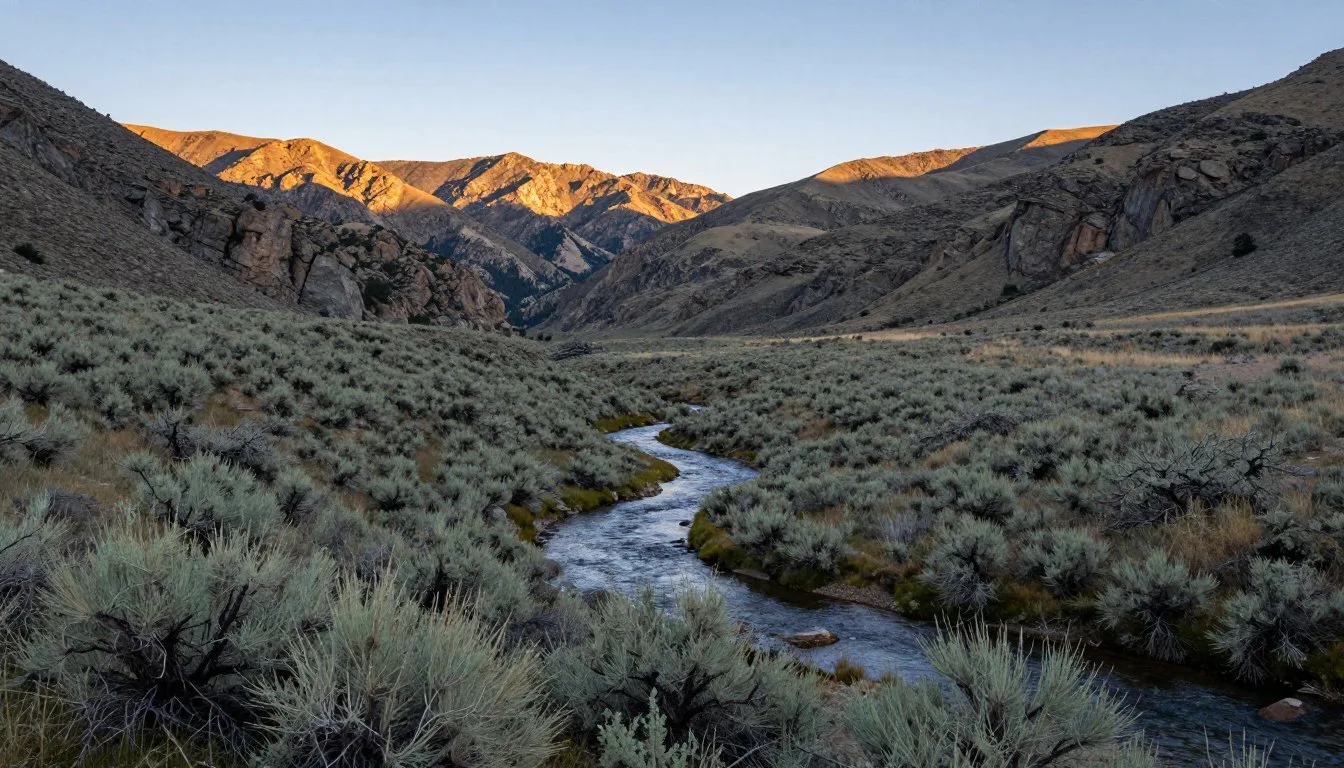
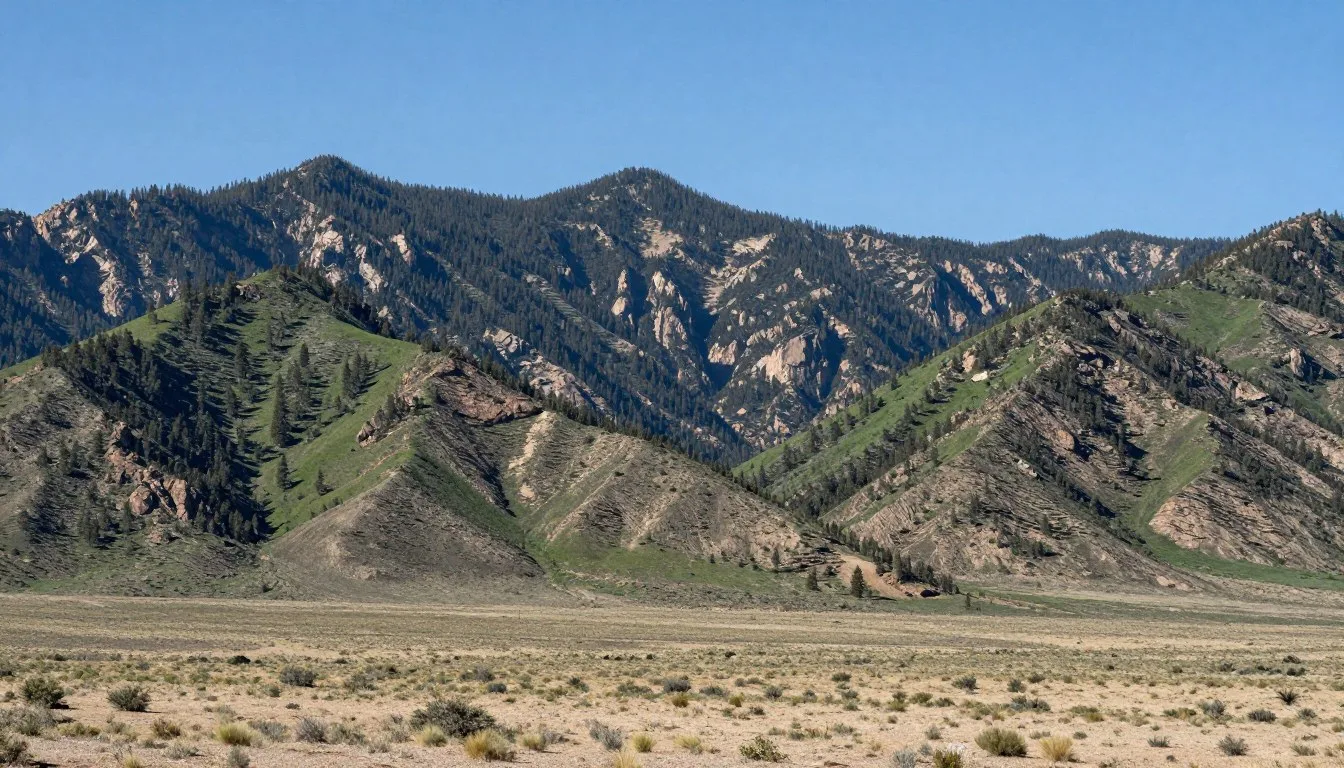
Hidden within Nevada’s Mojave Desert lies a secret that fewer than 10,000 visitors discover each year. Gold Butte National Monument protects over 121,000 hectares (300,000 acres) of pristine desert wilderness. Ancient petroglyphs created hundreds of years ago adorn canyon walls. Vibrant red sandstone formations twist into impossible shapes.
This Gold Butte Desert region Nevada travel guide reveals everything you need to explore this remarkable area. You’ll discover attractions that rival more famous national parks. The area remains blissfully uncrowded compared to nearby Las Vegas attractions just 113 kilometers (70 miles) away.
Gold Butte National Monument offers experiences you won’t find anywhere else. Massive rock formations carved by wind and time create natural sculptures. Indigenous petroglyphs tell stories from centuries past. The desert landscape changes dramatically with each mile you travel.
Getting There & Planning Your Journey
Reaching Gold Butte National Monument requires careful planning and preparation. The area sits in a remote corner of southeastern Nevada. Most visitors approach from Las Vegas or Mesquite.
Closest Airports
Harry Reid International Airport in Las Vegas serves as the primary gateway. The airport sits approximately 113 kilometers (70 miles) southwest of Gold Butte. Direct flights connect Las Vegas to major cities across the United States and internationally.
St. George Regional Airport in Utah offers a smaller alternative. This airport sits about 64 kilometers (40 miles) northeast of the monument. Limited commercial flights serve this facility.
Road Access and Directions
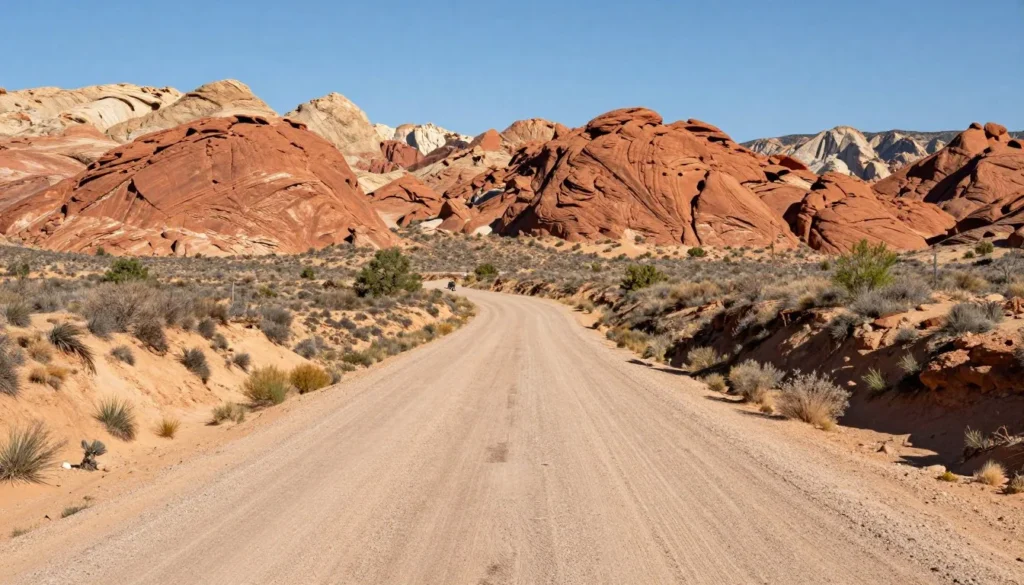
Gold Butte National Monument has no paved roads within its boundaries. A high-clearance vehicle is essential for most areas. Four-wheel drive becomes necessary for many sites.
From Mesquite, take State Route 170 south toward Riverside. Follow signs to Gold Butte Road. The road transitions from paved to dirt after several miles. Expect rough, rocky conditions ahead.
Cell service disappears quickly once you leave main highways. Download offline maps before departure. GPS devices prove invaluable in this remote area. The road conditions change with weather and seasons.
Important Planning Note: Cell phone service is unavailable throughout most of Gold Butte National Monument. Inform someone of your travel plans and expected return time before entering the area.
Best Time to Visit & Weather Tips
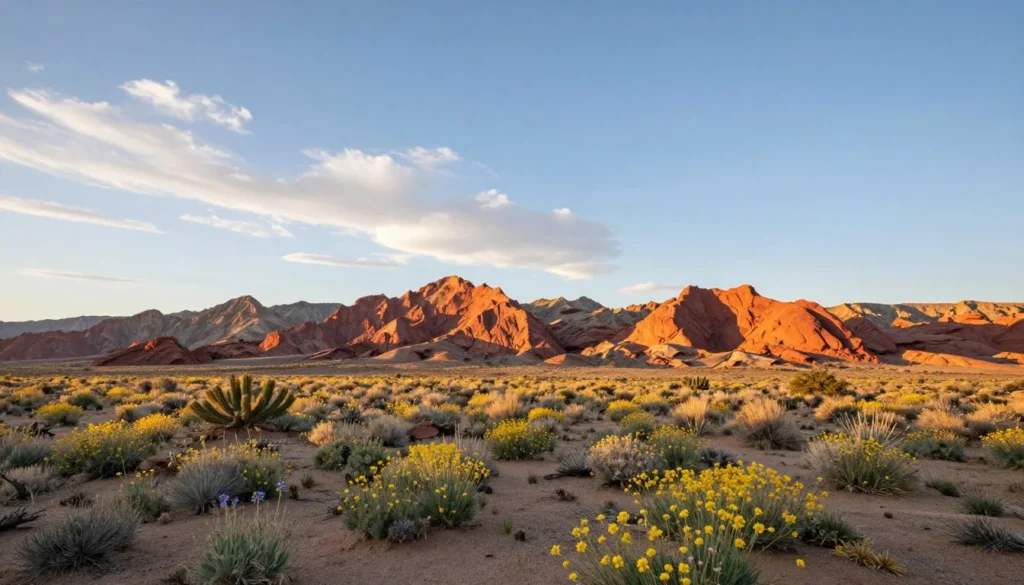
Timing your Gold Butte visit makes the difference between comfort and misery. The Mojave Desert experiences extreme temperature swings throughout the year. Planning around weather patterns ensures the best experience.
Recommended Visiting Seasons
March through May offers ideal conditions for exploring Gold Butte National Monument. Daytime temperatures range from 18°C to 27°C (65°F to 80°F). Wildflowers bloom across the desert after winter rains. The rock formations glow in perfect spring light.
October through November provides another excellent window. Temperatures cool from summer’s intensity. Days remain warm at 21°C to 27°C (70°F to 80°F). Nights turn crisp and comfortable for camping.
Best Months to Visit
- March – Mild temperatures, possible wildflowers
- April – Perfect weather, peak wildflower season
- May – Warm but manageable, fewer crowds
- October – Comfortable temperatures return
- November – Cool days, excellent photography light
Months to Avoid
- June through September – Extreme heat exceeding 38°C (100°F)
- July and August – Monsoon season with flash flood risk
- December through February – Cold nights, unpredictable weather
- January – Possible snow at higher elevations
Weather Considerations
Summer temperatures frequently exceed 43°C (110°F) in the desert. The heat becomes dangerous for hiking and exploration. Even short walks prove exhausting in these conditions.
Winter brings cold nights that drop below freezing. Daytime temperatures remain pleasant at 10°C to 16°C (50°F to 60°F). However, storms can make dirt roads impassable. Snow occasionally dusts higher elevations.
Flash Flood Warning: Summer monsoons create sudden, violent flash floods in desert washes and canyons. Never camp in dry washes. Monitor weather forecasts carefully. Even distant storms can send walls of water through canyons.
Getting Around Locally
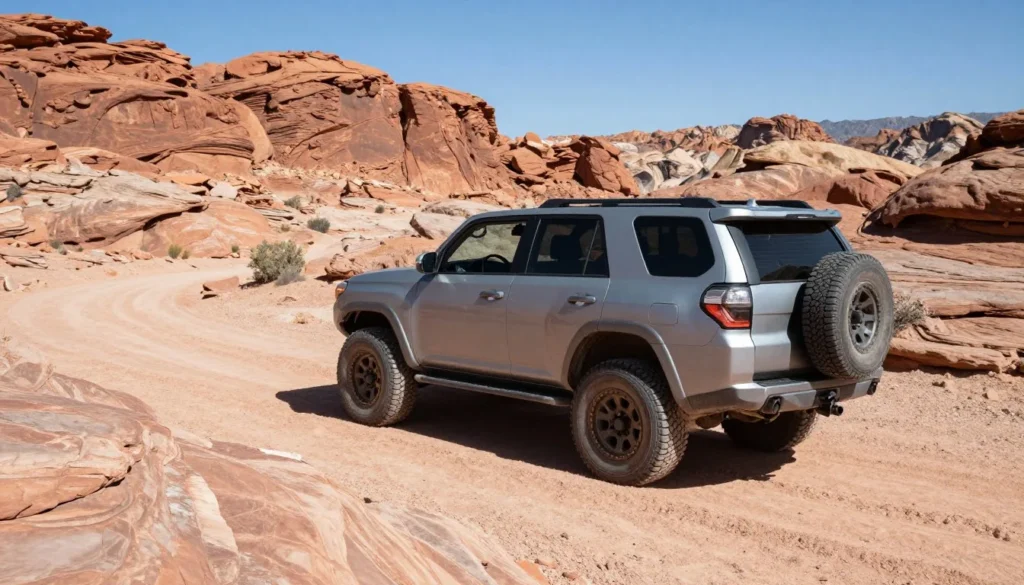
Navigating Gold Butte National Monument requires appropriate vehicles and preparation. The area features primitive roads that challenge even experienced drivers. Understanding road conditions prevents getting stranded in remote locations.
Vehicle Requirements
A high-clearance vehicle is mandatory for accessing most Gold Butte attractions. Standard passenger cars cannot safely navigate the rocky, rutted roads. Four-wheel drive becomes essential for reaching Little Finland, Whitney Pocket, and other premier destinations.
Rent a suitable vehicle in Las Vegas or Mesquite before departure. Many rental companies restrict off-road use. Confirm your rental agreement permits dirt road travel. Check tire condition and carry a full-size spare.
Navigation and Road Conditions
Gold Butte Backcountry Byway serves as the main route through the monument. This unpaved road extends approximately 40 kilometers (25 miles) from the eastern boundary. Conditions vary from maintained gravel to rough, rocky paths.
Side roads branch to specific attractions. These routes require careful navigation. Rock cairns and wooden posts mark some paths. GPS coordinates prove essential for finding trailheads and formations.
Essential Navigation Tools: Download offline GPS maps before entering the area. Bring a physical map as backup. Note GPS coordinates for key destinations. Cell service vanishes completely throughout most of the monument.
Travel speeds rarely exceed 24 kilometers (15 miles) per hour on backcountry roads. Plan extra time for rough terrain. A trip that looks short on maps may take hours to complete. Allow daylight for your entire journey.
Where to Stay

Gold Butte National Monument offers primitive camping only. No developed campgrounds, lodges, or hotels exist within the monument boundaries. Visitors must plan accommodations carefully based on their comfort level and experience.
Camping in Gold Butte
Dispersed camping is permitted throughout the national monument. Choose established sites to minimize environmental impact. Popular camping areas cluster near Whitney Pocket and along the Gold Butte Backcountry Byway.
Campsites lack all amenities. No water, toilets, picnic tables, or fire rings exist. Visitors must practice Leave No Trace principles completely. Pack out everything you bring in. Human waste requires proper disposal in portable systems.
Camping Advantages
- Free camping with no reservations required
- Incredible stargazing with zero light pollution
- Wake up surrounded by stunning desert scenery
- Access attractions at sunrise for best photography
- Complete solitude in most camping areas
Camping Challenges
- No water sources available anywhere in monument
- No facilities or services of any kind
- Extreme temperature swings day to night
- Complete isolation if emergencies occur
- Must carry out all waste and trash
Nearby Town Accommodations
Mesquite, Nevada provides the closest hotels and services. This small city sits approximately 48 kilometers (30 miles) from Gold Butte’s eastern boundary. Multiple casino hotels offer comfortable rooms and amenities.
Overton and Logandale offer limited lodging options closer to the monument. These tiny communities sit along the western approach route. Basic motels and RV parks serve visitors in this area.
Las Vegas provides unlimited accommodation choices. The distance makes day trips challenging but possible. Most visitors prefer staying in Mesquite for convenient monument access.
Water and Supplies: Bring all water you’ll need – plan for at least 4 liters (1 gallon) per person per day. Stock up on supplies in Mesquite or Las Vegas. No services exist once you enter Gold Butte National Monument.
Dining & Local Cuisine
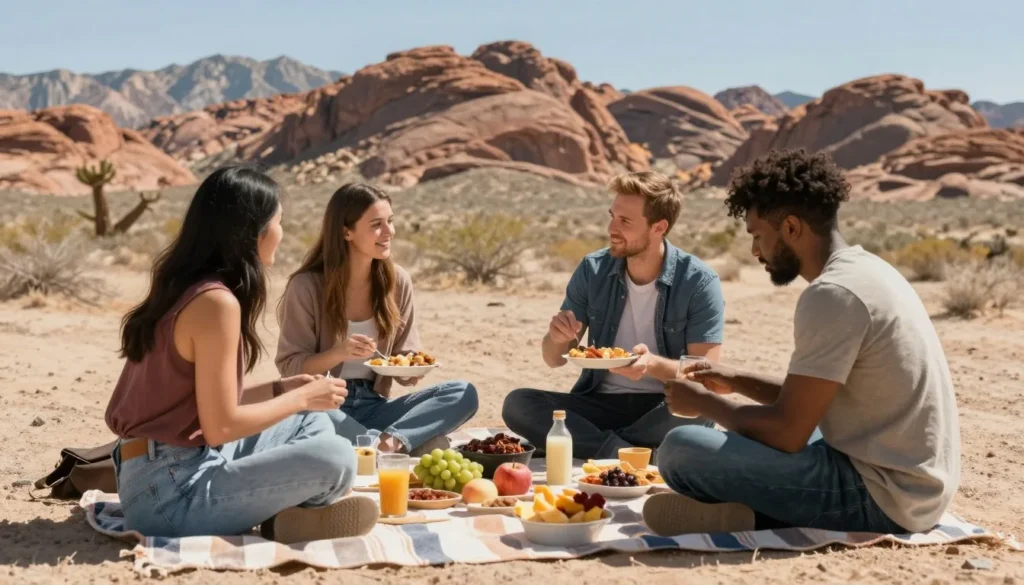
Gold Butte National Monument contains no restaurants, snack bars, or food services. Visitors must bring all food and water for their entire visit. The remote location demands complete self-sufficiency.
Food Preparation and Planning
Pack non-perishable foods that withstand desert heat. Trail mix, energy bars, dried fruits, and jerky travel well. Bring a cooler with ice for perishables if planning multiple days. Sandwiches and wraps make excellent trail lunches.
A camping stove allows hot meals at your campsite. Dehydrated camping meals require only boiling water. Remember that all trash must be packed out. Plan meals that minimize waste.
Dining in Nearby Communities
Mesquite offers the widest variety of dining options near Gold Butte. Casino restaurants serve everything from buffets to steakhouses. Fast food chains line the main highway. Several local Mexican and Asian restaurants provide alternatives.
Overton maintains a small diner and convenience store. This represents your last chance for supplies when approaching from the west. The selection is limited but adequate for basic needs.
Stock up on groceries before entering the monument. Mesquite has several supermarkets. Las Vegas provides unlimited shopping if you’re starting your trip from there.
Attractions, Sightseeing & Activities
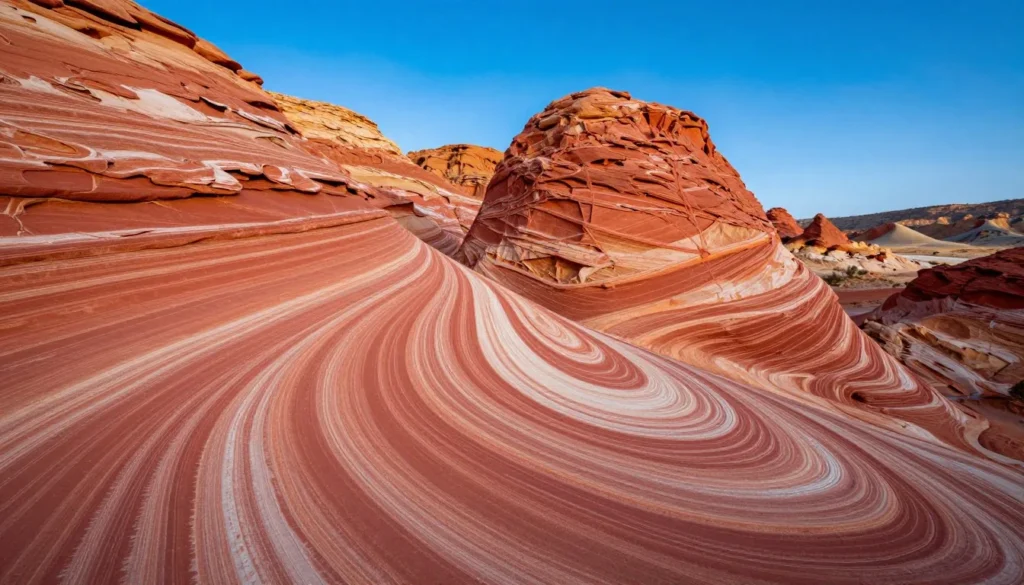
Gold Butte National Monument holds geological wonders and archaeological treasures that reward adventurous visitors. The area protects some of Nevada’s most spectacular rock formations and important cultural sites. Each attraction tells a story millions of years in the making.
Little Finland
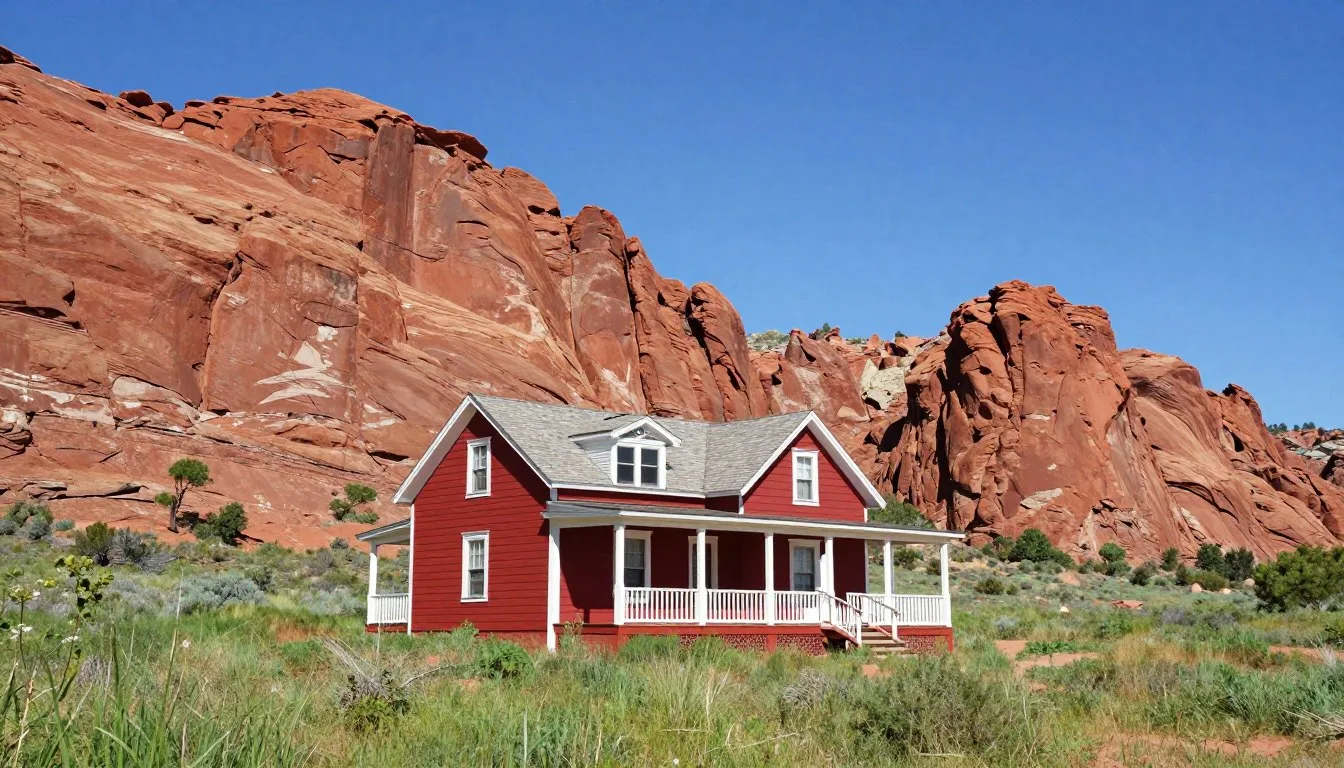
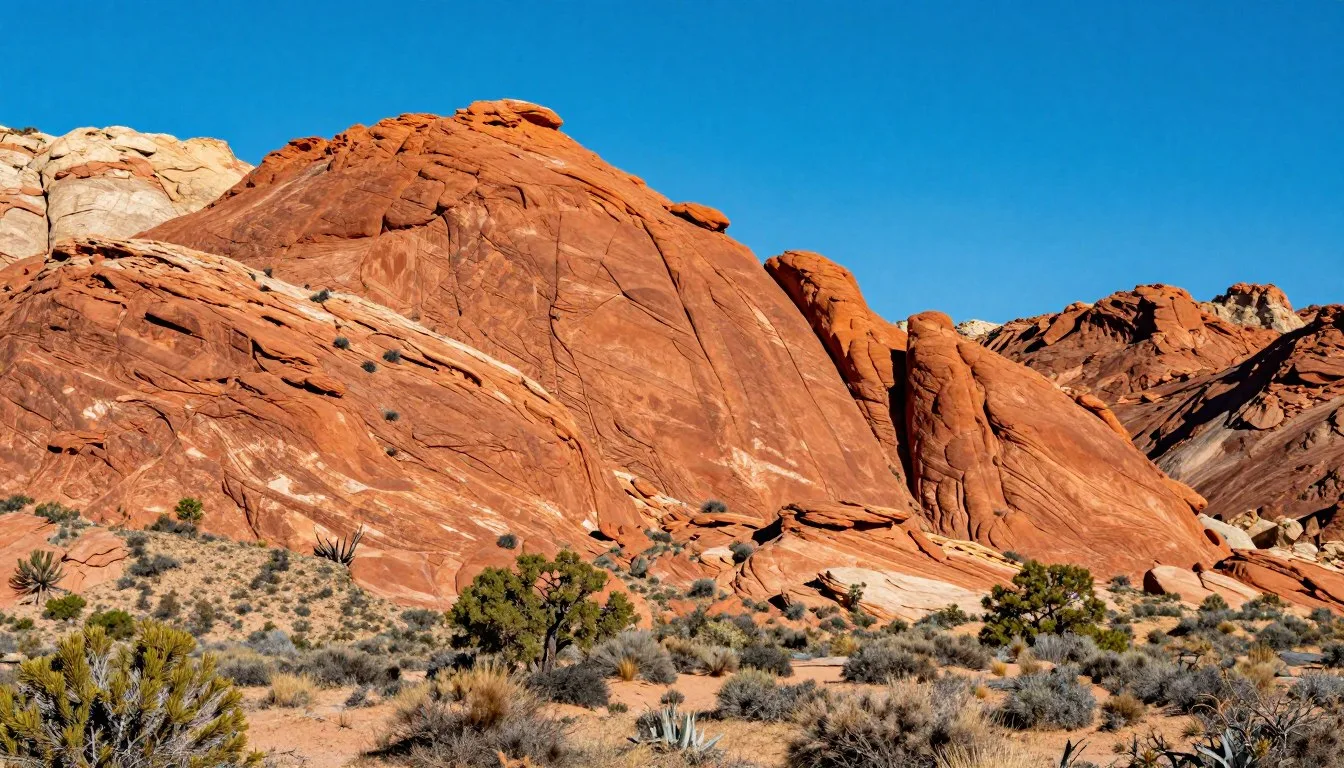
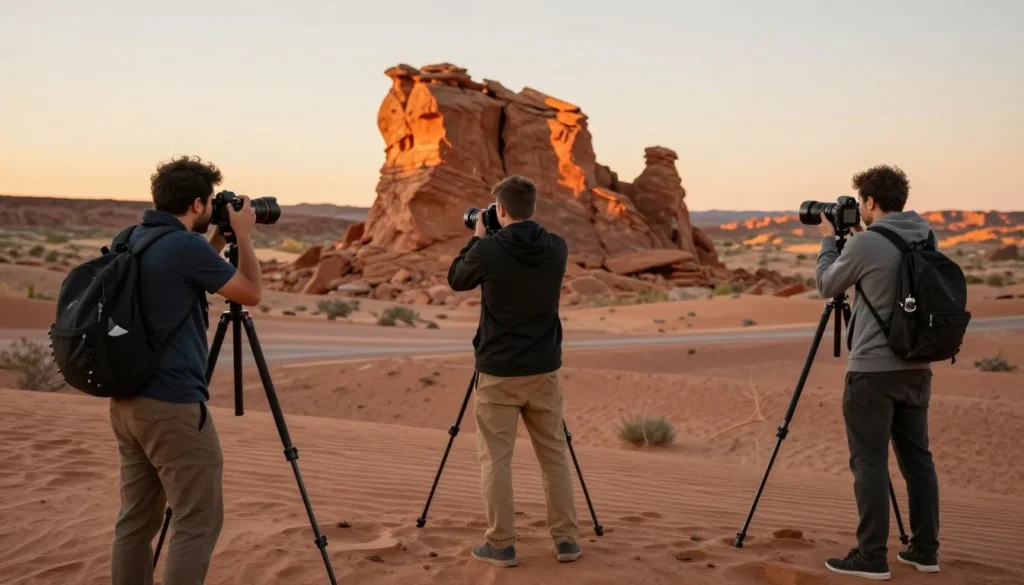
Little Finland stands as Gold Butte’s crown jewel. This area features surreal red sandstone formations that twist and swirl in impossible shapes. Wind and water carved the rock over millions of years into delicate fins and waves.
The formations display vibrant reds, oranges, and whites in banded layers. Photographers flock here for sunrise and sunset when colors glow intensely. The site rivals more famous formations in Utah’s canyon country.
Reaching Little Finland requires a high-clearance 4WD vehicle. The rough road covers approximately 10 kilometers (6 miles) from the main route. Allow at least one hour for careful driving. The trailhead sits at GPS coordinates that should be downloaded before your trip.
Whitney Pocket
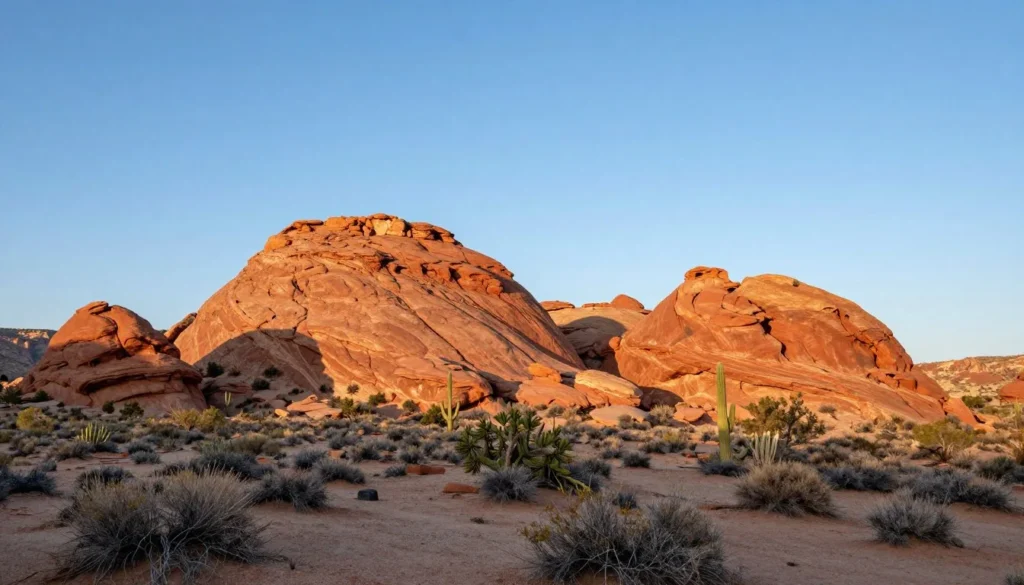
Whitney Pocket offers another stunning concentration of red sandstone formations. The area features massive domes and colorful striped rocks. Several formations create natural arches and windows worth exploring.
This site provides easier access than Little Finland. The road condition remains rough but slightly better maintained. Primitive camping spots nestle among the rocks. Many visitors use Whitney Pocket as their base camp for exploring the region.
Short walks from parking areas lead to the best formations. Scrambling over rocks reveals hidden alcoves and viewpoints. The area rewards exploration on foot. Remember your GPS coordinates to find your way back to your vehicle.
Petroglyph Sites and Ancient Rock Art
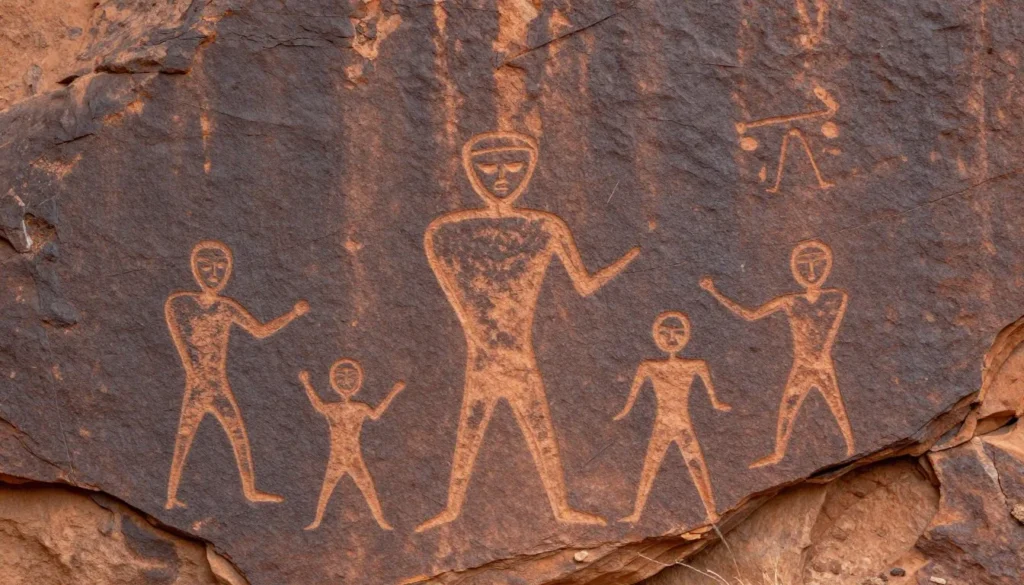
Gold Butte protects hundreds of ancient petroglyphs created by Native Americans. These rock art panels date back hundreds of years. Some images may be even older.
Falling Man petroglyph site features one of the area’s most famous panels. The enigmatic figures seem to float or fall across the rock face. Interpretations vary, but the artistry remains undeniable.
Other petroglyph panels scatter throughout the monument. Many remain unmarked to protect them from vandalism. Respect these irreplaceable cultural resources. Never touch, trace, or deface the ancient art.
Cultural Resource Protection: Federal law protects all archaeological sites and artifacts. Touching petroglyphs damages the ancient art. Stay on designated paths. Take only photographs. Report any vandalism to authorities.
Devil’s Throat and Natural Features
Devil’s Throat creates a dramatic sinkhole in the desert floor. This geological feature drops suddenly into darkness. The formation demonstrates the area’s complex geology beneath the surface.
Numerous other rock formations, arches, and geological features await discovery. The monument’s vast size means many areas remain little-explored. Patient visitors who venture off main routes find their own secret wonders.
Historic Structures
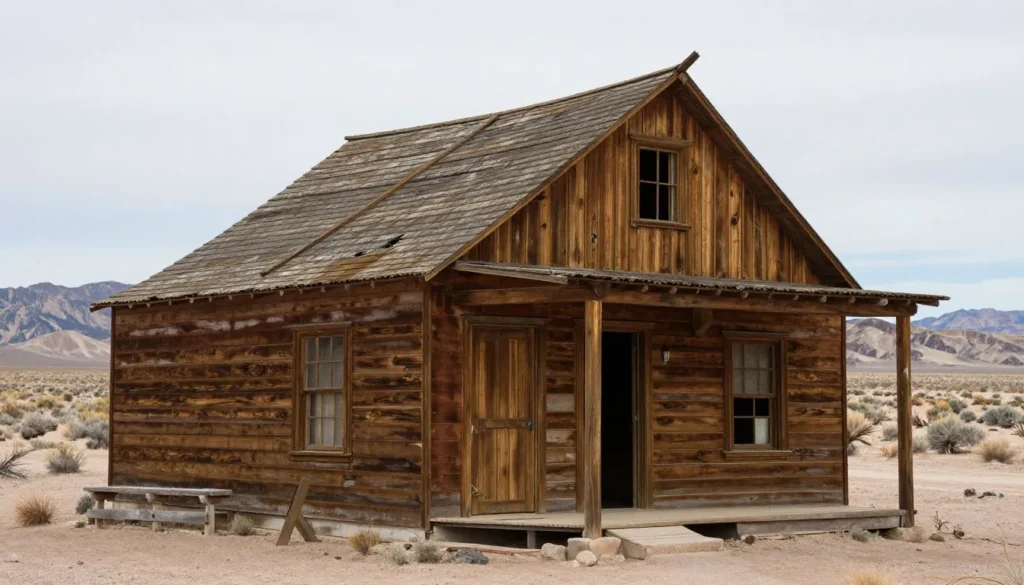
The Civilian Conservation Corps built several structures in Gold Butte during the 1930s. These historic cabins and remnants tell stories of early conservation efforts. The CCC worked extensively across Nevada during the Great Depression era.
Old mining claims and equipment rust slowly in the desert. These artifacts represent Gold Butte’s mining history. Never disturb or remove historic items. They’re protected as cultural resources.
Museums, Cultural Spots & Festivals
Gold Butte National Monument itself contains no museums or visitor centers. The remote wilderness preserves natural and cultural resources in their original setting. Visitors seeking interpretive information must look to nearby communities.
Lost City Museum
Lost City Museum in Overton provides crucial context for Gold Butte’s ancient petroglyphs. The museum showcases artifacts from the Ancestral Puebloan culture. These people created many of the rock art panels throughout the region.
Exhibits explain daily life, farming methods, and cultural practices. Reconstructed pueblos sit on the museum grounds. The collection helps visitors understand the area’s deep human history.
Lost City Museum is located at 721 South Moapa Valley Boulevard, Overton. The facility opens Thursday through Monday. Admission fees are minimal and support museum operations.
Valley of Fire State Park Visitor Center
Valley of Fire State Park sits adjacent to Gold Butte National Monument. The park’s visitor center offers geological and cultural information relevant to both areas. Staff can answer questions about the region’s formation and history.
Interpretive displays explain how the dramatic red sandstone formed. Information about ancient inhabitants provides context. The center includes a small bookstore with regional guides and maps.
Local Events and Cultural Connections
Mesquite hosts occasional events celebrating the region’s desert heritage. Check local calendars for Native American cultural programs. These events occur sporadically rather than on set schedules.
The area’s remoteness means no regular festivals or gatherings occur within the monument. The natural landscape and archaeological sites provide the primary cultural experience.
Nature & Outdoor Experiences
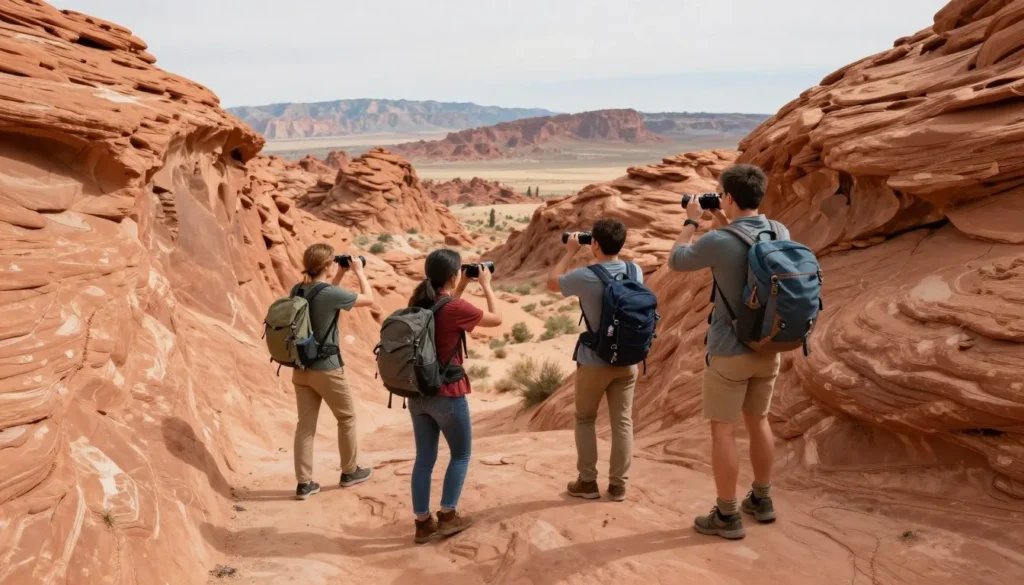
Gold Butte National Monument provides endless opportunities for outdoor adventure. The Mojave Desert ecosystem supports surprising biodiversity. Exploring this wilderness requires preparation but rewards visitors with unforgettable experiences.
Hiking and Exploration
Few marked trails exist in Gold Butte. Most hiking involves cross-country exploration. This freedom allows discovering your own paths but demands good navigation skills. Always carry GPS coordinates and backup navigation tools.
Short walks around Whitney Pocket and Little Finland reveal stunning rock formations. Longer explorations lead into remote canyons and valleys. Watch for rattlesnakes in warmer months. The desert holds hidden dangers for careless visitors.
Bring far more water than you think necessary. The dry desert air causes rapid dehydration. Aim for 4 liters (1 gallon) per person for a full day of hiking. More is better in summer heat.
Wildlife Watching
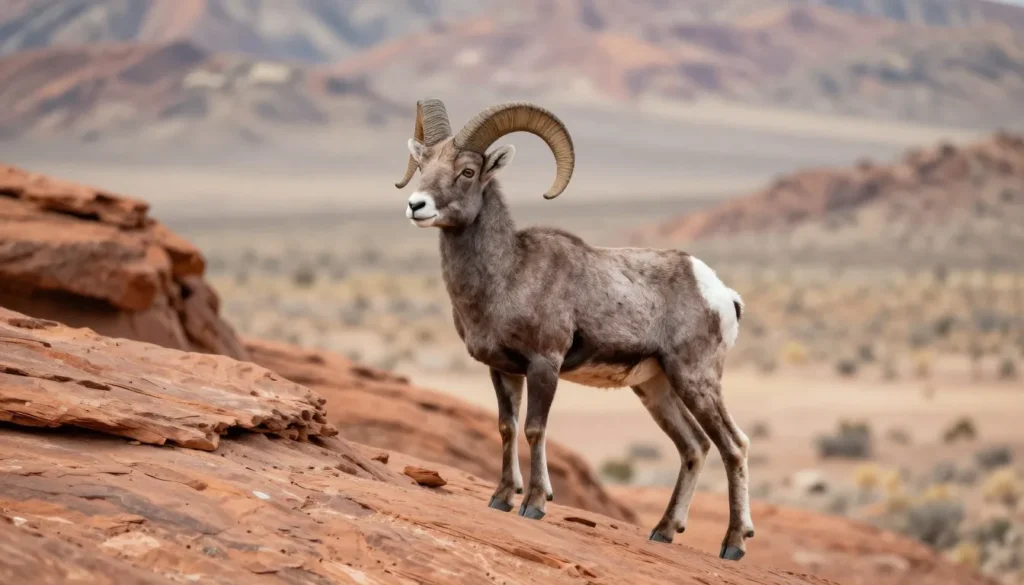
Desert bighorn sheep roam Gold Butte’s rocky terrain. These magnificent animals navigate impossible cliffs with ease. Early morning and late evening offer the best viewing opportunities. Binoculars help spot wildlife at safe distances.
Birds include golden eagles, ravens, and various hawk species. Desert tortoises inhabit the area but remain well-camouflaged. Never approach or disturb tortoises. They’re protected by federal law.
Lizards scurry across rocks throughout the day. Chuckwallas, collared lizards, and desert iguanas display brilliant colors. Rattlesnakes and other reptiles become active in warmer months. Give all wildlife plenty of space.
Photography Adventures
Gold Butte ranks among Nevada’s premier photography destinations. The colorful rock formations provide endless compositions. Sunrise and sunset paint the sandstone in glowing reds and oranges.
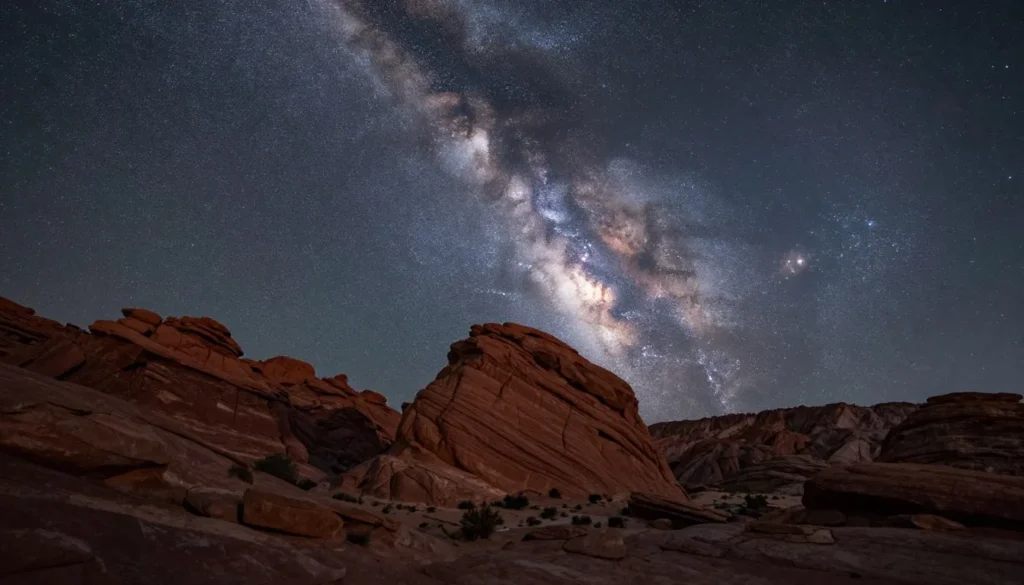
Milky Way photography opportunities exceed almost anywhere else. Zero light pollution means stars blaze brilliantly. Plan night photography sessions during new moon phases for darkest skies.
Macro photography reveals desert details often overlooked. Wildflowers bloom in good spring seasons. Insects, lichens, and rock textures reward close observation. The desert teems with small-scale beauty.
Stargazing
Gold Butte offers world-class stargazing opportunities. The remote location eliminates light pollution completely. On clear nights, the Milky Way stretches brilliantly overhead. Thousands of stars invisible in cities shine clearly here.
Meteor showers appear spectacular from this dark location. Plan trips during annual showers like the Perseids in August or Geminids in December. Bring comfortable chairs and warm layers for night viewing.
Desert Flora
The Mojave Desert supports diverse plant communities. Joshua trees mark the upper elevations. Creosote bush dominates lower areas with its distinctive smell. Various cacti including barrel, cholla, and prickly pear dot the landscape.
Spring wildflower displays depend on winter rainfall. Good years transform the desert into a carpet of color. Desert marigolds, lupines, and Indian paintbrush create stunning scenes. These blooms typically peak in April.
Safety, Etiquette & Local Customs
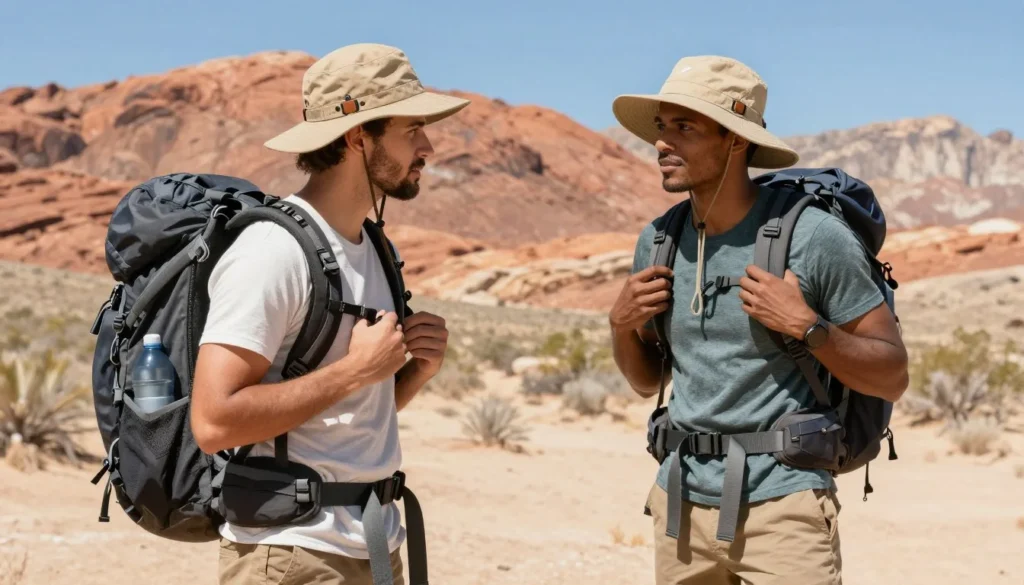
Gold Butte’s remote wilderness demands serious safety preparation. The monument’s isolation means help remains hours away in emergencies. Understanding risks and preparing properly keeps your adventure safe and enjoyable.
Essential Safety Precautions
Water represents your most critical supply. Carry at least 4 liters (1 gallon) per person per day. Double that amount in summer heat. Dehydration occurs rapidly in the dry desert environment. Symptoms include headache, dizziness, and confusion.
Inform someone of your detailed plans before entering Gold Butte. Provide your route, expected return time, and vehicle description. Cell phone service vanishes completely once you leave paved highways. Satellite communicators or emergency beacons provide the only communication.
Emergency Preparedness: Cell service does not exist in Gold Butte National Monument. Bring satellite communication devices if possible. Always tell someone your plans and expected return time. Carry emergency supplies for overnight if vehicle problems occur.
Check your vehicle thoroughly before departure. Ensure the spare tire is inflated and accessible. Carry basic tools and know how to change a tire. Bring extra water specifically for your vehicle’s radiator. Overheating is common on rough roads in summer.
Desert Hazards
Rattlesnakes inhabit rocky areas throughout Gold Butte. Watch where you place hands and feet when scrambling over rocks. Snakes typically avoid humans but will strike if cornered. Most bites occur when people don’t watch their path.
Flash floods pose serious danger during summer monsoon season. Never camp in washes or canyon bottoms. Storms miles away can send walls of water through dry channels. Monitor weather forecasts carefully during monsoon months.
Extreme heat kills in the Mojave Desert. Summer temperatures exceed 43°C (110°F) regularly. Heat exhaustion and heat stroke develop quickly. Avoid strenuous activity during midday hours in summer. Plan hiking for early morning only.
Leave No Trace Principles
Pack out absolutely everything you bring in. No trash facilities exist anywhere in the monument. Even organic waste like orange peels should be carried out. Food scraps attract wildlife and disrupt natural ecosystems.
Use established campsites when available. Avoid creating new fire rings or damaging vegetation. Campfires are discouraged due to limited wood and fire danger. Use camp stoves for cooking instead.
Human waste requires proper disposal. Bring portable toilet systems or bury waste at least 15 centimeters (6 inches) deep. Location must be at least 61 meters (200 feet) from water sources. Pack out all toilet paper and hygiene products.
Protecting Archaeological Sites: Federal law strictly protects all archaeological resources. Never touch petroglyphs or ancient artifacts. Oils from human skin damage rock art permanently. Report any vandalism to authorities immediately.
Cultural Respect
Gold Butte holds deep cultural significance for Native American tribes. The petroglyphs represent sacred heritage spanning hundreds of years. Treat all archaeological sites with reverence and respect.
Never remove artifacts, pottery shards, or arrowheads. Taking archaeological materials is a federal crime. Even moving artifacts from their original location destroys scientific value. Photograph sites but leave everything untouched.
Backcountry Etiquette
The few visitors who reach Gold Butte appreciate solitude. Respect others’ space and experience. Keep noise levels low. The desert’s natural sounds provide its own soundtrack.
Yield right of way on narrow roads. Pull to the widest spot to let others pass. Many roads allow only one vehicle at a time. Courteous driving makes everyone’s experience better.
Visitor Comments About Gold Butte Desert region
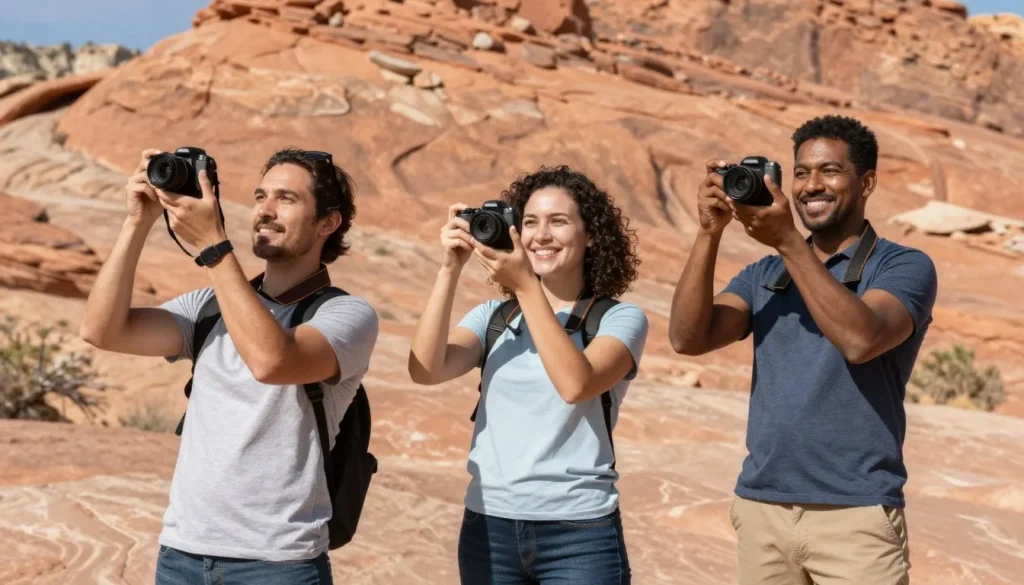
“Little Finland absolutely took my breath away. The formations looked otherworldly, like something from another planet. Yes, the road getting there tested our vehicle’s limits, but seeing those swirling red rocks made every bumpy mile worthwhile. We arrived at sunrise and had the entire place to ourselves. The silence and beauty created a moment I’ll never forget. Just make sure you have proper navigation because cell service disappeared immediately.”
“Gold Butte National Monument exceeded every expectation. We camped at Whitney Pocket for three nights and explored different areas each day. The ancient petroglyphs humbled me with their age and artistry. People created this art hundreds of years ago, and it still speaks across time. The desert night sky displayed stars like I’ve never seen. Bring everything you need because there’s nothing out there except pure wilderness. That remoteness makes it magical.”
“Our visit to Gold Butte provided the adventure we craved. The area feels genuinely wild and untouched compared to crowded national parks. We spent two days photographing the incredible rock formations and didn’t see another person. The four-wheel-drive roads challenged us, but our vehicle handled them fine. Pack plenty of water – we went through more than expected in the April heat. The whole experience felt like discovering a secret that few people know about.”
Additional Nearby Destinations
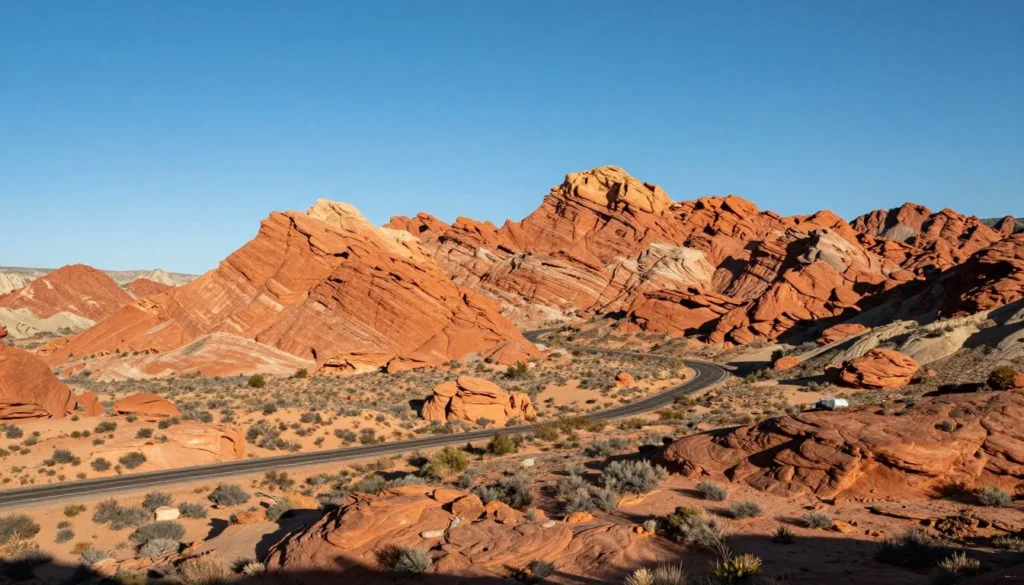
Gold Butte’s location in southeastern Nevada provides access to several other remarkable destinations. Extending your trip allows exploring different facets of the region’s desert beauty and history.
Valley of Fire State Park
Valley of Fire State Park borders Gold Butte National Monument to the west. This Nevada state park offers similar red sandstone formations with developed facilities. Paved roads provide easier access for standard vehicles.
The park features marked hiking trails, picnic areas, and campgrounds with amenities. Fire Wave, Mouse’s Tank, and Rainbow Vista rank among the most popular attractions. Visitor centers provide information and rangers offer interpretive programs.
Valley of Fire makes an excellent alternative for visitors without four-wheel-drive vehicles. The park’s developed infrastructure supports comfortable visits while showcasing similar geological wonders. Petroglyphs scatter throughout the park alongside Gold Butte’s ancient rock art traditions.
Lake Mead National Recreation Area
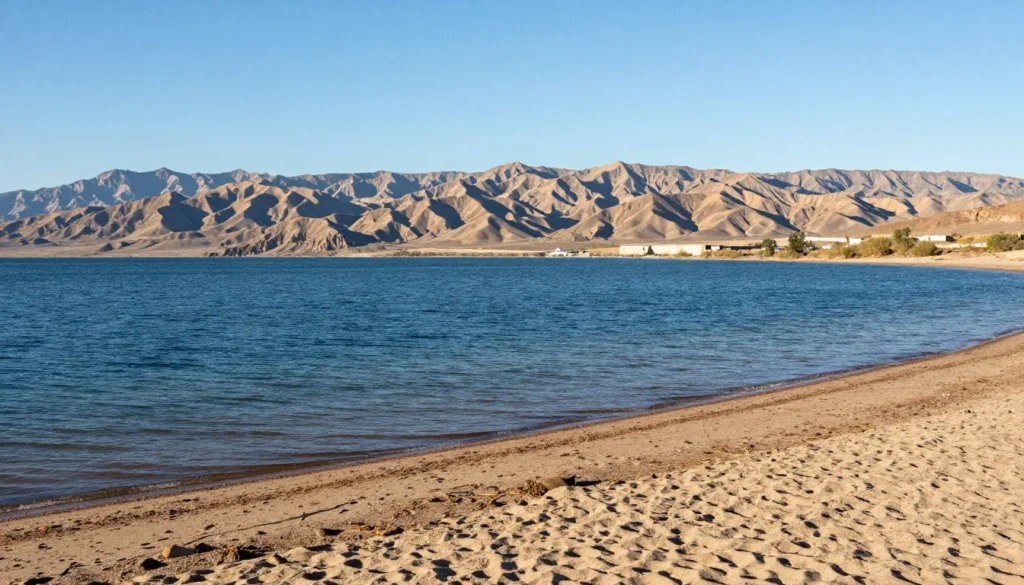
Lake Mead sits approximately 40 kilometers (25 miles) west of Gold Butte. This massive reservoir created by Hoover Dam offers water recreation in the desert. Boating, fishing, and swimming provide contrast to Gold Butte’s arid wilderness.
Hoover Dam itself ranks among America’s engineering marvels. Tours explore the dam’s interior and explain its construction. The structure’s art deco design elements create striking photographs. The visitor center details the dam’s history and ongoing operations.
Las Vegas
Las Vegas lies 113 kilometers (70 miles) southwest of Gold Butte. The city provides complete contrast to the monument’s isolation. World-class dining, entertainment, and accommodations serve as trip bookends around desert adventures.
The city also offers excellent museums worth visiting. The Mob Museum, Natural History Museum, and Neon Museum provide diverse cultural experiences. Springs Preserve showcases desert ecology and Nevada history through interactive exhibits.
Zion National Park
Zion National Park sits approximately 177 kilometers (110 miles) northeast in Utah. This famous park features dramatic canyon scenery and developed hiking trails. The park’s slot canyons and towering walls attract visitors worldwide.
Angels Landing and The Narrows rank among America’s most iconic hikes. Shuttle systems manage crowds during peak seasons. The park provides marked contrast to Gold Butte’s solitude while showcasing similar sandstone geology.
Mesquite
Mesquite serves as the logical base town for Gold Butte exploration. This small city offers casino resorts, golf courses, and basic services. The location provides convenient access while maintaining a quieter atmosphere than Las Vegas.
Several championship golf courses take advantage of the desert setting. Casino resorts offer comfortable rooms, restaurants, and entertainment. The city sits at the junction of Nevada, Arizona, and Utah, making it ideal for regional exploration.
Practical Travel Tips
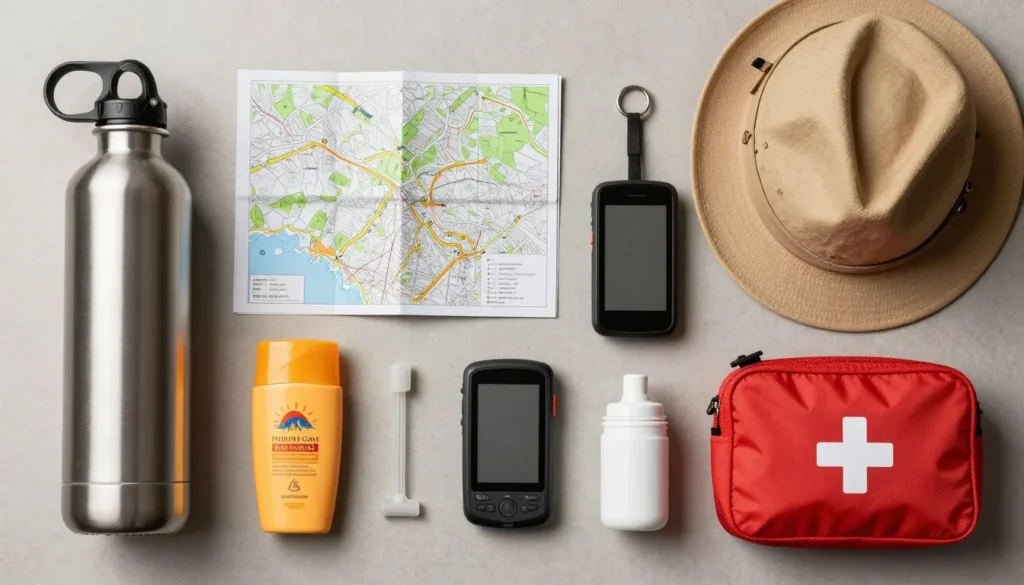
Successful Gold Butte adventures require thorough preparation and realistic expectations. The monument’s primitive conditions demand self-sufficiency. These practical tips help ensure safe, enjoyable exploration.
Essential Packing List
Vehicle Supplies
Your vehicle represents your lifeline in this remote area. Proper preparation prevents dangerous breakdowns.
- Full-size spare tire (inflated and checked)
- Basic tool kit including tire iron and jack
- Extra engine oil and coolant
- Tire repair kit or fix-a-flat
- Recovery straps or tow rope
- Shovel for digging out stuck vehicles
Navigation Equipment
Multiple navigation methods ensure you find attractions and return safely to main roads.
- GPS device with downloaded offline maps
- Physical map of Gold Butte area
- Compass as backup navigation
- Coordinates for key destinations pre-loaded
- Satellite communicator or emergency beacon
- Fully charged backup battery packs
Water and Food
Bring far more than you think necessary. Running out in the desert creates life-threatening situations.
- 4+ liters per person per day minimum
- Extra water for emergencies and vehicle
- Non-perishable foods for all meals
- High-energy snacks for hiking
- Electrolyte replacement drinks
- Portable camp stove and fuel
Safety and First Aid
Medical help remains hours away. Comprehensive first aid supplies prove essential for any injuries.
- Complete first aid kit with snake bite supplies
- Prescription medications with extras
- Sunscreen SPF 50 or higher
- Lip balm with UV protection
- Insect repellent for desert bugs
- Emergency blanket and fire starter
Best Practices for Visit Success
Start early to maximize daylight hours. Desert roads take much longer to navigate than maps suggest. Most visitors underestimate travel time on rough surfaces. Allow double the time you’d expect on paved highways.
Check weather forecasts thoroughly before departure. Summer thunderstorms create flash flood dangers. Winter storms make roads impassable. Spring and fall typically offer stable weather patterns but verify conditions.
Download offline maps and GPS tracks before losing cell signal. Many free apps allow offline navigation. Test your downloaded maps while still in cell range. Ensure coordinates are correct and maps display properly.
Photography Tips: Bring lens cleaning supplies – desert dust settles on everything. Arrive at locations before sunrise for best light. Protect camera equipment from extreme temperature swings. Bring extra batteries as cold nights drain power quickly.
Permits and Regulations
No entry permits are required for Gold Butte National Monument. Access remains free to all visitors. This accessibility makes the area exceptional value for budget travelers.
Follow all posted regulations regarding cultural sites. Some archaeological areas may have specific access restrictions. Always stay on designated routes when they exist. Cutting across desert creates damaging scars that last decades.
Best Times of Day
Early morning provides coolest temperatures and best wildlife viewing. Sunrise illuminates formations beautifully for photographers. Most desert animals stay active in morning hours before heat peaks.
Late afternoon and evening offer another excellent window. Temperatures cool from midday highs. Sunset creates spectacular colors on red sandstone. Plan to reach destinations before dark as navigation becomes extremely difficult after sunset.
Budget Considerations
Gold Butte offers exceptional value for budget-conscious travelers. Free camping and no entry fees keep costs minimal. Fuel represents the primary expense given rough roads and slow speeds.
Vehicle rental costs for 4WD vehicles run higher than standard cars. Book early for best rates. Confirm insurance covers off-road use. Some companies charge extra fees for dirt road travel.
Stock up on supplies in Las Vegas where selection and prices beat smaller towns. Mesquite offers adequate grocery shopping but limited choices. No services exist beyond main highways.
Communication and Connectivity
Accept that you’ll be completely disconnected during your visit. Cell phone service vanishes immediately upon leaving paved roads. Even emergency calls cannot be made without satellite communication.
Satellite messengers allow check-ins and emergency contacts. These devices work anywhere with clear sky views. Monthly subscription plans provide unlimited messaging. The peace of mind justifies the cost for many visitors.
Consider renting or buying a Personal Locator Beacon for emergency use. These devices alert search and rescue to your exact location. They require no subscription and last years on battery power.
Your Desert Adventure Awaits
Gold Butte National Monument stands ready to reveal its secrets to adventurous visitors. The swirling red sandstone formations of Little Finland await your camera. Ancient petroglyphs invite contemplation across centuries. The desert night sky promises stars beyond counting.
This place demands more from visitors than crowded tourist destinations. The rough roads, complete isolation, and harsh environment create genuine challenges. Yet these same factors preserve the area’s pristine wilderness character. You’ll earn every spectacular view and memorable moment.
The Mojave Desert holds power to transform those who venture into its heart. Gold Butte offers solitude increasingly rare in our connected world. Here, silence speaks louder than any soundtrack. Natural beauty unfolds without visitor centers or interpretive signs. The experience becomes what you make of it.
Whether you spend a single day photographing Little Finland or a week camping among the rocks at Whitney Pocket, Gold Butte rewards careful preparation. Bring abundant water, proper navigation tools, and realistic expectations. Respect the cultural treasures and natural wonders. Leave no trace of your passing.
The monument’s remoteness protects it from mass tourism. This preservation ensures future generations can experience the same unspoiled wilderness. Your visit supports the value of wild places left wild. Gold Butte remains one of Nevada’s hidden treasures, waiting for those willing to venture beyond the familiar path into authentic desert wilderness.