Hotels by Trip.com
Flights by Trip.com
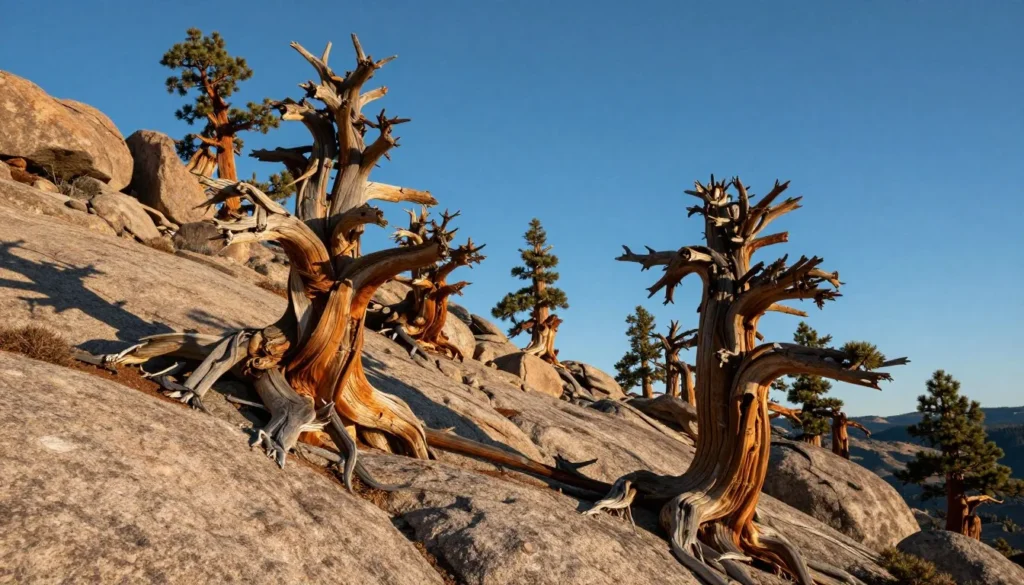
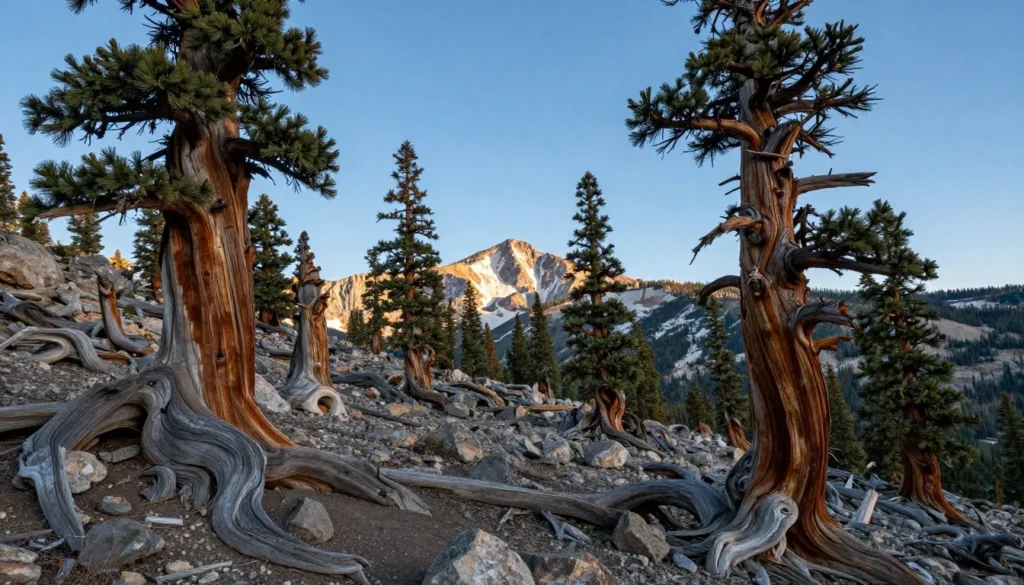
Did you know that Great Basin National Park contains some of the oldest living organisms on Earth? Ancient bristlecone pine trees here have survived more than 4,000 years. These gnarled survivors cling to rocky slopes at elevations exceeding 3,048 meters (10,000 feet). They’ve witnessed millennia of climate shifts while you’re just beginning to discover this hidden gem.
This comprehensive guide unlocks the secrets of Great Basin Desert backcountry viewpoints. You’ll find detailed information about remote trails and stunning alpine vistas. The park remains one of America’s least-visited national treasures. That means uncrowded paths and pristine wilderness experiences await your arrival.
Whether you’re planning your first visit or returning for deeper exploration, this guide covers everything. We’ll share practical tips about weather conditions and hiking recommendations. You’ll discover hidden gems beyond the main attractions. Let’s begin your journey into Nevada’s spectacular high desert wilderness.
Getting There & Planning Your Journey
Great Basin National Park sits in eastern Nevada, about 483 kilometers (300 miles) from Las Vegas. The remote location means you’ll need to plan carefully. Most visitors drive from major cities or combine their trip with other Nevada destinations.
The nearest commercial airports include several options. Salt Lake City International Airport in Utah is approximately 386 kilometers (240 miles) northeast. This represents the closest major hub with numerous daily flights. Las Vegas McCarran International Airport offers another option at 483 kilometers (300 miles) southwest. Cedar City Regional Airport provides a smaller alternative 241 kilometers (150 miles) east.
Most visitors rent a car at their chosen airport. The drive takes you through spectacular Great Basin landscapes. You’ll pass through small Nevada towns with basic services. Stock up on supplies in Ely, the largest town near the park.
Route Planning Essentials
Highway 50, known as “America’s Loneliest Road,” provides the main access route. From the east, you’ll turn south on Highway 487 near the Utah border. The road climbs gradually toward the park entrance. Services become scarce along this route, so fuel up in Baker or Ely.
From Salt Lake City
Take I-15 south to Highway 50 west. The journey spans about four hours through varied terrain. You’ll cross the Utah-Nevada border with mountain views throughout. This route offers the most services along the way.
From Las Vegas
Head north on Highway 93, then east on Highway 50. Plan for approximately five hours of driving time. The landscape transitions from Mojave Desert to high desert. This route feels more remote with longer stretches between towns.
Cell phone coverage remains limited throughout the region. Download offline maps before departure. GPS coordinates for the park: 39.0053° N, 114.2194° W. These coordinates ensure accurate navigation even without signal.
Essential Preparation Steps
Great Basin National Park requires different preparation than typical destinations. The high elevation and remote location demand respect. Your vehicle should be in excellent condition with a full-size spare tire.
- Check weather forecasts for Baker, Nevada before departure
- Fill your gas tank in Ely or Delta, Utah
- Pack emergency supplies including water, food, and warm clothing
- Bring printed maps as backup navigation tools
- Notify someone of your travel plans and expected return
- Ensure your vehicle has adequate coolant and brake fluid
The park entrance sits at 2,073 meters (6,800 feet) elevation. Higher trails reach above 3,962 meters (13,000 feet). This dramatic elevation gain affects both vehicles and visitors. Take time to acclimate before strenuous activities.
Best Time to Visit & Weather Tips
Great Basin National Park experiences four distinct seasons. Each brings unique opportunities and challenges. Understanding seasonal patterns helps you plan the perfect visit. Weather can change rapidly at high elevations throughout the year.
Recommended Visiting Seasons
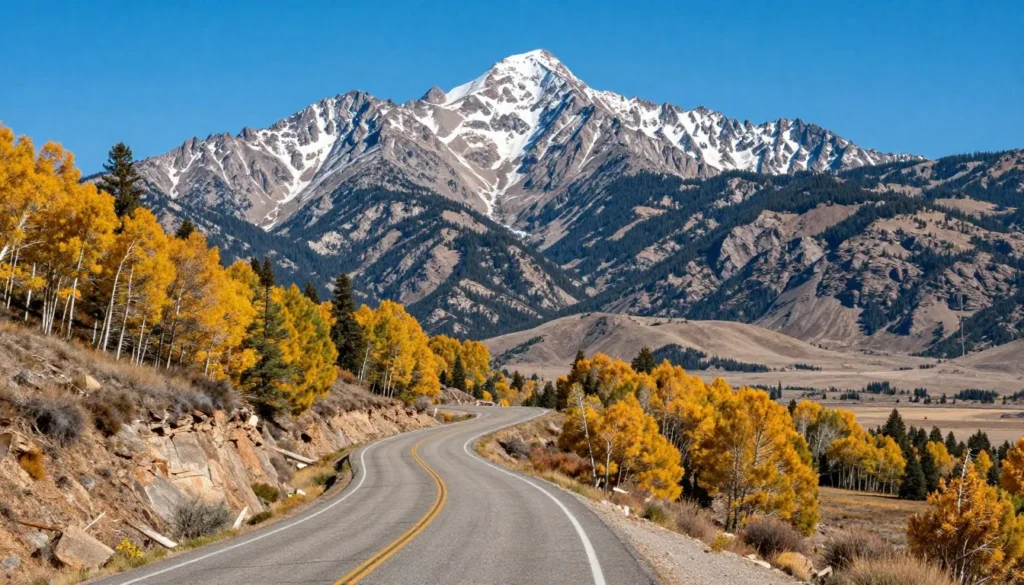
Late spring through early fall offers the best conditions. May brings wildflowers to lower elevations while snow still caps Wheeler Peak. June and July provide peak accessibility with all roads and trails open. August and September combine pleasant temperatures with stunning scenery.
Summer months from June through August attract the most visitors. Even during peak season, crowds remain manageable compared to famous parks. Daytime temperatures at lower elevations reach 24-29°C (75-85°F). Mountain temperatures stay cooler at 15-21°C (60-70°F). Afternoon thunderstorms develop frequently during July and August.
Peak Season Benefits
All facilities operate fully from June through September. Wheeler Peak Scenic Drive stays open to higher elevations. Lehman Caves tours run on expanded schedules. Campgrounds fill quickly but sites usually available. Rangers offer numerous educational programs throughout summer months.
Seasons to Approach with Caution
Winter transforms Great Basin into a challenging destination. November through April brings heavy snow to higher elevations. Wheeler Peak Scenic Drive closes beyond Lower Lehman Creek Campground. Some years the closure extends from October through June.
Spring weather proves unpredictable from March through May. Snowstorms can strike without warning. Roads become impassable quickly during storms. Lower elevation trails remain accessible, but conditions vary daily. This season suits experienced visitors comfortable with uncertainty.
Winter Considerations (November-March)
- Heavy snowfall limits road access significantly
- Temperatures drop to -12°C to -1°C (10-30°F)
- Many facilities close for the season
- Backcountry requires winter mountaineering skills
- Exceptional solitude for prepared visitors
Early Spring (March-May)
- Unpredictable weather patterns dominate
- Snow lingers at higher elevations
- Mud season affects some trails
- Services gradually resume operations
- Wildflowers begin blooming at lower elevations
Weather Patterns and Microclimates
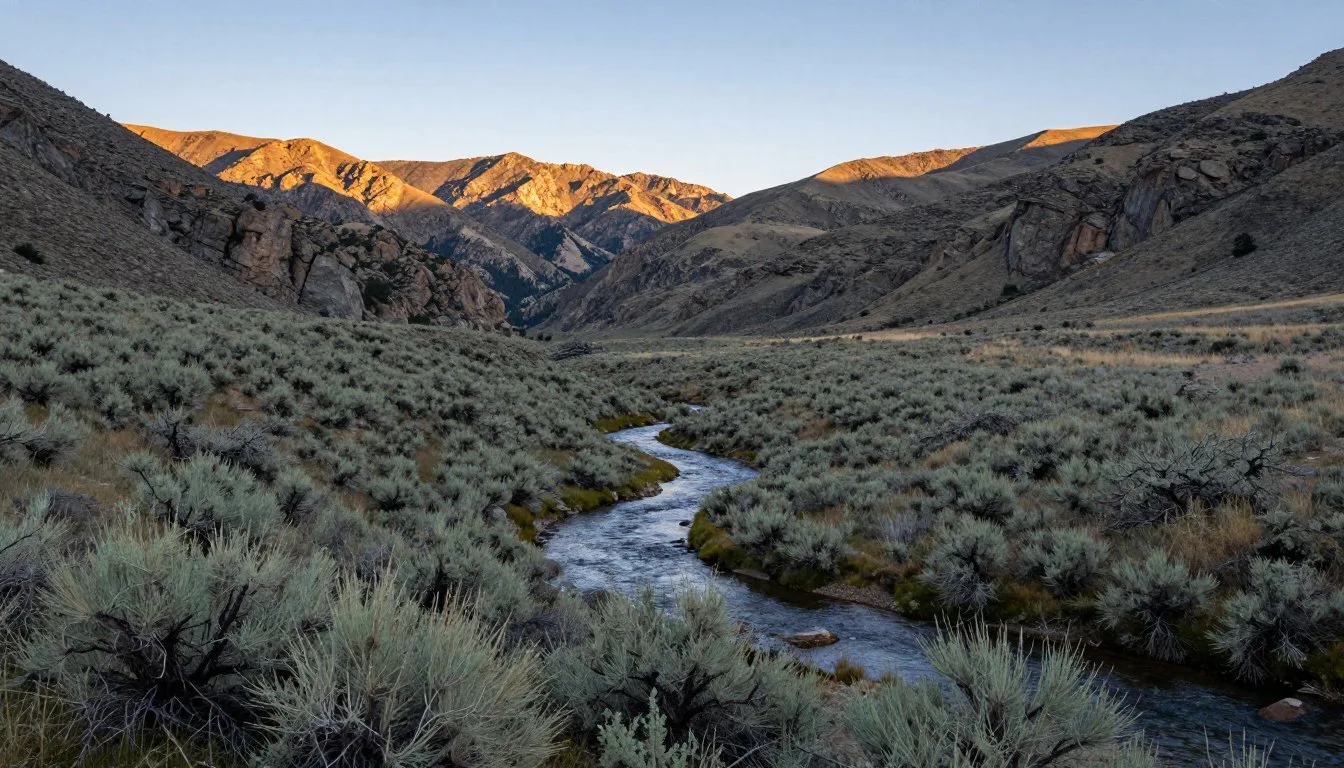
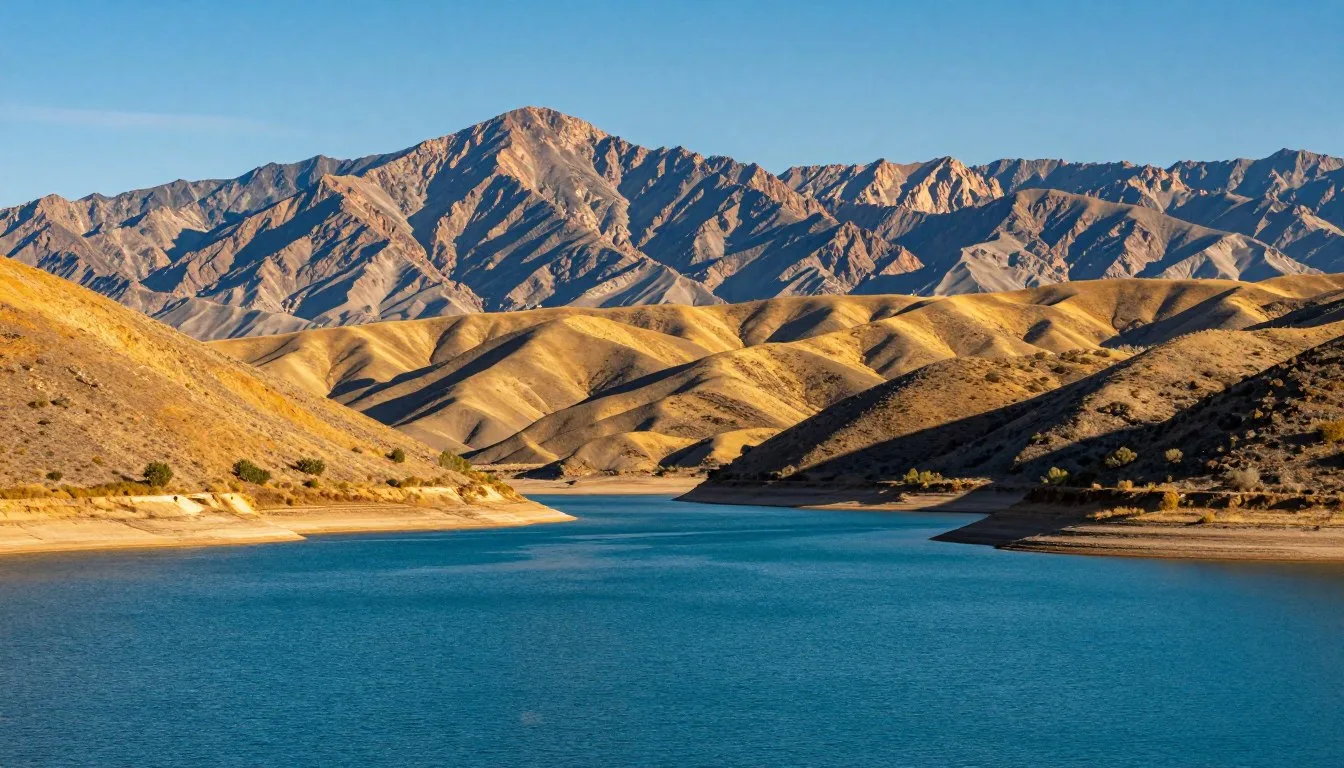
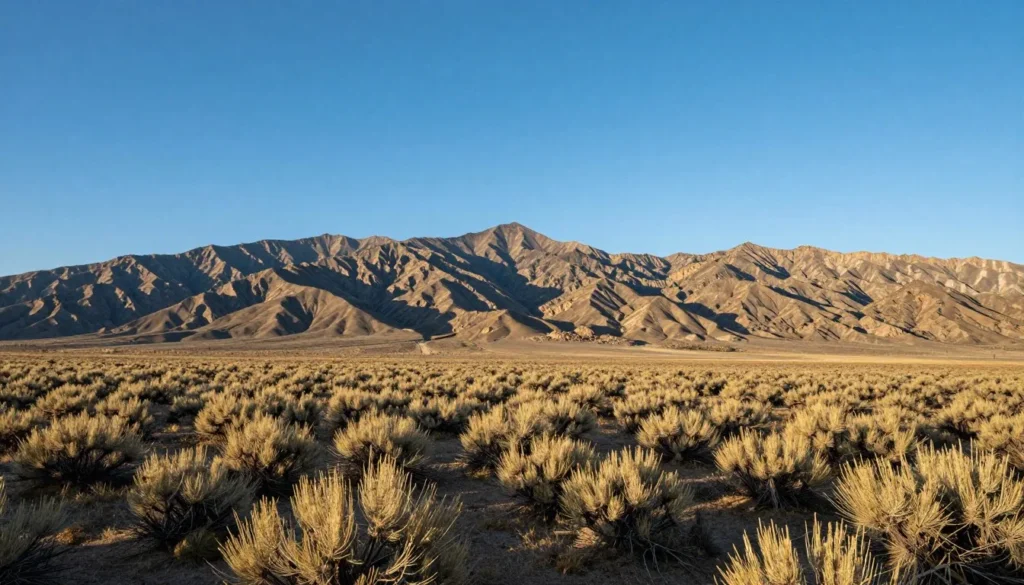
Great Basin National Park spans over 1,524 meters (5,000 feet) of elevation. This creates dramatic microclimate variations. The desert floor experiences hot, dry conditions. Alpine zones feel more like Colorado mountains.
Morning temperatures often start below freezing even in summer. By afternoon, lower elevations warm considerably. The temperature difference between valley and peak can exceed 17°C (30°F). Layered clothing proves essential regardless of season.
Precipitation remains relatively low throughout the year. Annual totals average only 25-38 cm (10-15 inches) at lower elevations. Higher elevations receive significantly more, mostly as snow. Summer thunderstorms develop suddenly, usually between 2 PM and 6 PM.
Month-by-Month Weather Guide
| Month | Avg Temperature | Conditions | Trail Access |
| January | -4°C to 4°C (25-40°F) | Snow and ice common | Limited to lower elevations |
| February | -2°C to 7°C (28-45°F) | Heavy snow possible | Lower trails only |
| March | 1°C to 10°C (34-50°F) | Variable with storms | Some mid-elevation access |
| April | 4°C to 14°C (40-57°F) | Muddy trails, lingering snow | Increasing accessibility |
| May | 8°C to 18°C (46-65°F) | Pleasant, some snow above | Most trails opening |
| June | 12°C to 24°C (54-75°F) | Warm days, cool nights | Nearly all trails open |
| July | 16°C to 29°C (60-85°F) | Afternoon thunderstorms | Full access available |
| August | 14°C to 27°C (58-81°F) | Storm potential remains | Peak hiking conditions |
| September | 10°C to 23°C (50-73°F) | Clear, beautiful weather | Excellent conditions |
| October | 4°C to 16°C (40-60°F) | Cool, possible early snow | Upper trails may close |
| November | -1°C to 9°C (30-48°F) | Winter conditions arrive | Limited to lower areas |
| December | -4°C to 4°C (24-40°F) | Cold with regular snow | Winter restrictions |
Packing for Variable Conditions
Weather at Great Basin changes dramatically throughout each day. Morning starts might require winter jackets even in July. By noon, shorts and t-shirts feel comfortable. Evening temperatures plummet quickly after sunset.
- Base layers for early morning chill
- Insulating mid-layers for elevation gains
- Waterproof outer shell for afternoon storms
- Sun protection including hat and sunscreen
- Warm hat and gloves year-round for high elevations
- Extra layers kept in vehicle as backup
Plan Your Great Basin Adventure
September through early October offers ideal conditions for most visitors. Temperatures remain comfortable while fall colors paint the landscape. Roads stay open but crowds thin considerably. Morning frost creates magical scenes on alpine vegetation. Weather typically stays stable with fewer afternoon thunderstorms than summer months.
Getting Around Locally
Personal vehicles provide the only practical transportation within Great Basin National Park. No public transit or shuttle services operate in this remote location. The park road system remains relatively simple with one main scenic drive.
Wheeler Peak Scenic Drive
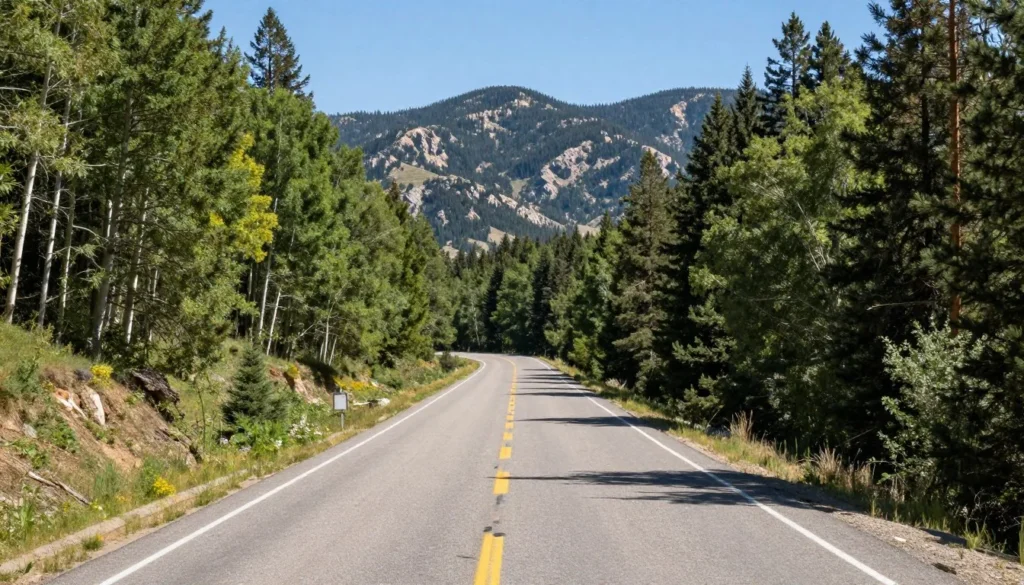
Wheeler Peak Scenic Drive serves as the park’s main attraction route. This 19-kilometer (12-mile) paved road climbs from the visitor center to high alpine zones. The drive gains over 1,219 meters (4,000 feet) in elevation. Numerous pullouts offer spectacular viewpoints along the way.
The road typically opens fully by late June or early July. Upper portions close when snow becomes hazardous, usually October or November. Call ahead to confirm current road status. The drive takes 45 minutes one way without stops. Most visitors spend 2-3 hours exploring various viewpoints.
Vehicle Requirements and Recommendations
Standard passenger cars handle park roads during summer months. The scenic drive includes some steep grades and tight curves. Larger RVs should check length restrictions at certain areas. Trailers must be left at designated parking areas.
Road Conditions
- Paved surfaces throughout main park roads
- Steep grades require good brakes and cooling systems
- Sharp switchbacks demand careful driving
- Narrow shoulders in some sections
- Wildlife crossings require alertness
Parking Considerations
- Trailhead parking fills quickly in summer
- Arrive before 9 AM for popular hikes
- RV parking limited at higher elevations
- Overflow areas available at visitor center
- No overnight parking at trailheads
Fuel and Services
No fuel stations exist within Great Basin National Park. The tiny town of Baker, 8 kilometers (5 miles) from the park entrance, has limited fuel. Prices run higher than urban areas. Ely, 97 kilometers (60 miles) away, offers more options.
Plan your fuel carefully for high-elevation driving. Mountain roads consume more fuel than flat highways. Keep your tank above half full when exploring remote areas. The nearest reliable services lie in Ely or Delta, Utah.
Driving Safety in Mountain Terrain
Mountain driving demands different techniques than highway travel. Steep descents stress braking systems significantly. Use lower gears to control speed rather than constant braking. This prevents brake fade on long downhill sections.
Critical Driving Reminders
Wildlife often appears suddenly on park roads. Mule deer, elk, and smaller animals cross without warning. Drive slowly, especially during dawn and dusk hours. Hitting an animal in this remote location creates serious problems. Cell coverage remains spotty throughout the park. Emergency response times extend beyond typical suburban expectations.
Weather can deteriorate rapidly at higher elevations. Summer thunderstorms bring lightning danger and reduced visibility. Winter conditions make roads impassable quickly. Always carry emergency supplies regardless of season. A breakdown here means waiting hours for assistance.
Where to Stay
Lodging options near Great Basin National Park range from rustic camping to comfortable motels. The remote location means advance planning proves essential. Most accommodations concentrate in Baker, Nevada and Ely. Each option offers unique advantages for different visitor preferences.
Park Campgrounds
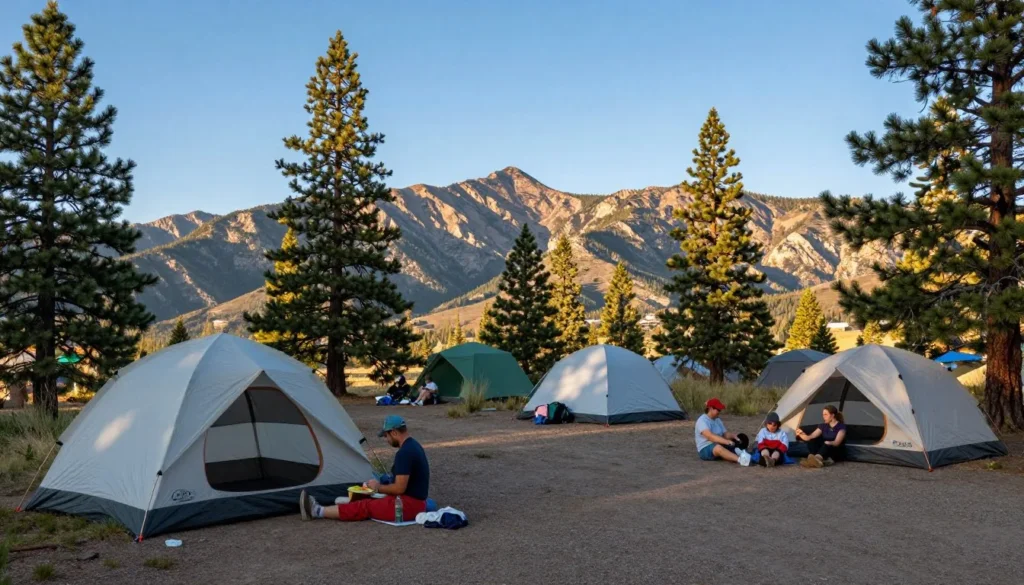
Great Basin National Park operates several campgrounds at different elevations. These sites offer the most immersive experience. You’ll fall asleep under incredibly dark skies filled with stars. Morning brings wildlife sightings right from your tent.
Lower Lehman Creek Campground sits at 2,256 meters (7,400 feet) elevation. This facility stays open year-round with 11 sites available. Basic amenities include picnic tables, fire rings, and vault toilets. No reservations accepted – sites fill first-come, first-served. Cost remains $15 per night during summer season.
Upper Lehman Creek Campground operates seasonally at 2,377 meters (7,800 feet). The facility offers 24 sites among aspen and conifer trees. Water and restrooms available during operating season. Sites accommodate tents and RVs up to 24 feet. This campground typically opens June through September.
Wheeler Peak Campground
Wheeler Peak Campground sits highest at 3,048 meters (10,000 feet) elevation. This location provides the coldest camping experience. Summer nights often drop below freezing. The campground features 37 sites near treeline. Stunning alpine views reward hardy campers. Sites accommodate tents and small RVs. No hookups or dump stations available.
Baker Creek Campground offers another primitive option. Located southeast of the main park area, this site sees fewer visitors. The campground provides 34 sites among pinyon-juniper forest. Elevation sits at 2,439 meters (8,000 feet). Access requires driving several miles on gravel road.
Backcountry Camping
Experienced backpackers can explore Great Basin’s remote areas. Free backcountry permits available at the visitor center. No designated campsites exist in the wilderness. Campers must follow Leave No Trace principles strictly.
- Camp at least 61 meters (200 feet) from water sources
- Use established sites when available to minimize impact
- Pack out all trash including toilet paper
- Store food properly to protect from wildlife
- Campfires prohibited above treeline
- Notify rangers of your planned route and return time
Baker, Nevada Accommodations
The tiny town of Baker offers several lodging options. These properties provide more comfort than camping. Most feature basic amenities with friendly local service. Book early during summer months as rooms fill quickly.
Motels and Lodges
Several small motels operate in Baker. Expect clean, simple rooms without luxury amenities. Prices range from $80-150 per night. Air conditioning and WiFi typically included. Some properties offer continental breakfast.
Bed and Breakfasts
A few B&Bs provide personalized hospitality. Hosts often share detailed local knowledge. Rooms feature more character than standard motels. Rates run $100-180 per night. Homemade breakfasts included with stay.
Vacation Rentals
Private homes and cabins available through rental platforms. Great for families or groups seeking more space. Full kitchens reduce dining costs. Prices vary widely based on size and amenities.
Ely Options
Ely, Nevada provides more lodging choices 97 kilometers (60 miles) away. Chain hotels offer predictable comfort and amenities. Historic properties showcase area character and charm. Prices generally lower than Baker despite longer drive.
The town features numerous restaurants and shops. Full services including grocery stores and gas stations. Medical facilities available for emergencies. Ely works well as a base for multiple-day explorations.
Reservation Timing and Strategy
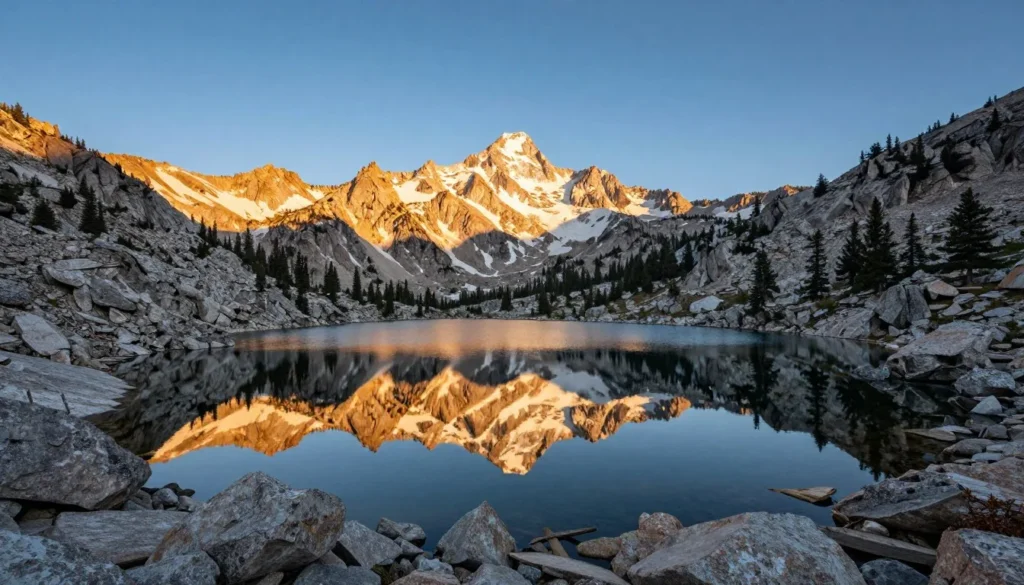
Park campgrounds cannot be reserved in advance. Sites fill daily during peak season from June through August. Arrive before noon for best selection. Weekdays offer better availability than weekends.
Baker lodging should be booked months ahead for summer visits. September and early October provide easier booking with pleasant weather. Winter requires confirming properties remain open. Some businesses close or reduce hours during slow season.
Finding the Perfect Basecamp
Your ideal lodging depends on your camping comfort level and budget. Campgrounds place you closest to trails and stargazing opportunities. Lower Lehman Creek Campground offers year-round access and moderate elevation. Baker provides comfort and convenience just minutes from the park. Ely suits budget travelers and those wanting full amenities after wilderness days.
Dining & Local Cuisine
Dining options near Great Basin National Park reflect the area’s remote character. Don’t expect gourmet restaurants or extensive menus. Instead, you’ll find honest food served by friendly locals. The limited choices emphasize the importance of planning ahead.
Baker Dining Scene
Baker supports a handful of small restaurants and cafes. These establishments serve travelers and locals alike. Hours vary seasonally with some closing during winter months. Call ahead to confirm current schedules and availability.
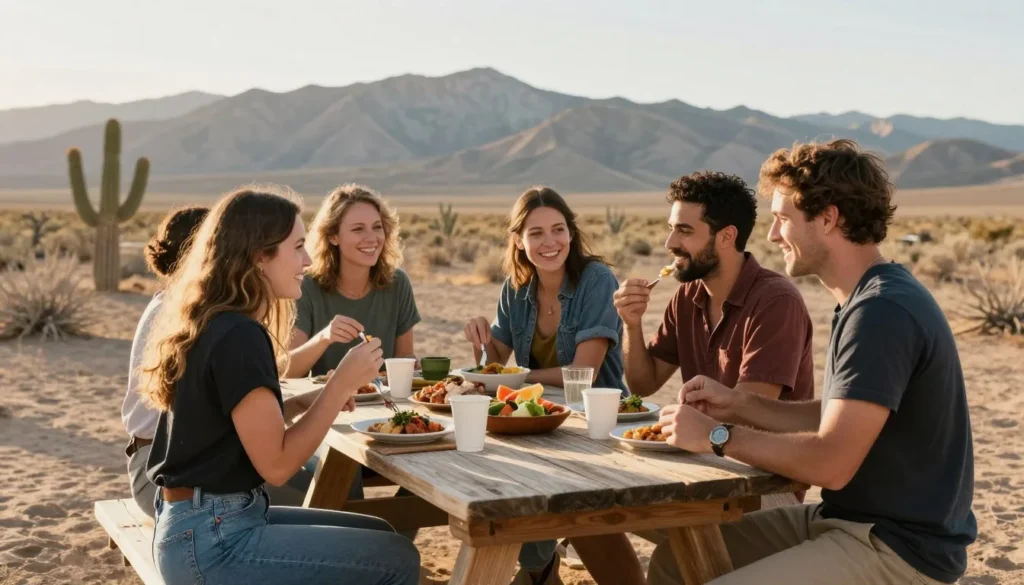
T&D’s Restaurant operates as Baker’s main dining option. The menu features American comfort food including burgers and sandwiches. Breakfast served all day satisfies hikers starting early or late. Portions run generous at reasonable prices. Locals gather here making it a community hub.
Kerouac’s Restaurant provides another choice for visitors. Named after the famous author who traveled Highway 50, the establishment offers casual dining. Expect hearty meals designed for hungry outdoor enthusiasts. The atmosphere celebrates Great Basin’s artistic and literary connections.
Limited Grocery Shopping
Baker features one small market selling basic supplies. Selection includes camping food, snacks, and simple meal items. Prices reflect the remote location with markups expected. The store stocks limited fresh produce and meat.
Serious grocery shopping requires driving to Ely. Full supermarkets there offer complete selection at better prices. Stock up before heading to the park. This strategy saves money and ensures meal flexibility.
Packing Your Own Food
Most Great Basin visitors bring significant food supplies. This approach offers the most flexibility and value. Coolers maintain fresh items while non-perishables reduce shopping needs. Consider your entire stay when planning provisions.
- Trail snacks including energy bars and dried fruit
- Sandwich fixings for easy trail lunches
- Breakfast items requiring minimal preparation
- Dinner ingredients for campfire or camp stove cooking
- Coffee and morning beverages for early starts
- Plenty of water and electrolyte drinks for high elevation
Ely Restaurants
Ely offers considerably more dining variety. Several sit-down restaurants serve regional favorites. Fast-food chains provide familiar options. Local establishments showcase Nevada character and hospitality.
Local Favorites
Historic Ely features several beloved spots. The Coffee Mug serves hearty breakfasts popular with miners and tourists. Casa de Amigos offers Mexican food with large portions. Cell Block Steakhouse operates in a former jailhouse building.
Quick Options
Chain restaurants line Highway 50 through Ely. These provide predictable meals and quick service. Several casino-restaurants serve 24 hours. Pizza delivery available to most hotels during evening hours.
Picnicking and Outdoor Meals
Park facilities include numerous picnic areas along Wheeler Peak Scenic Drive. Tables sit among beautiful mountain scenery. Some areas provide vault toilets and trash collection. Pack out everything you bring in following Leave No Trace principles.
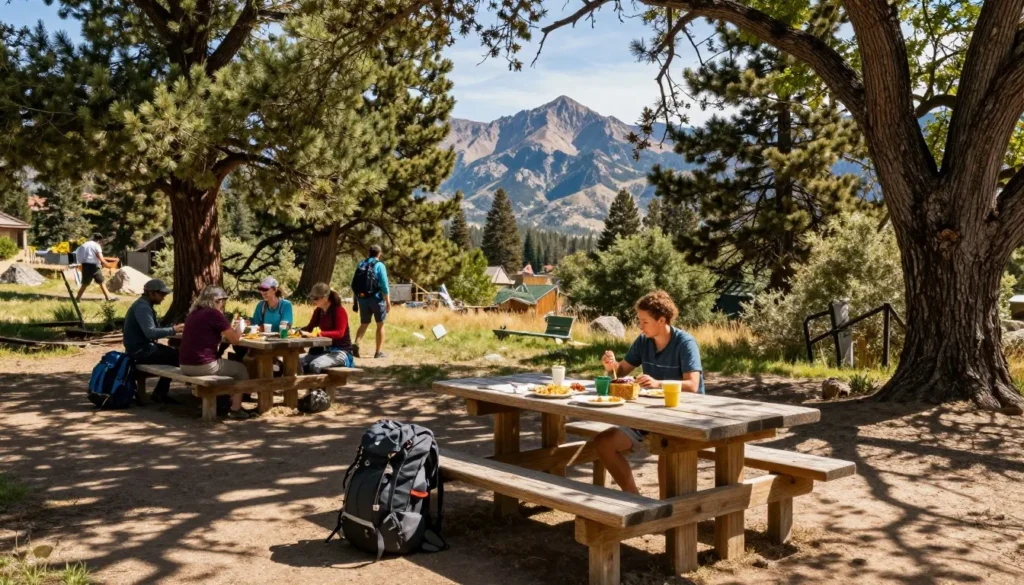
Lehman Creek provides particularly scenic picnic settings. The creek’s gentle sounds enhance meal enjoyment. Several sites along the lower road offer easy access. These locations suit families and those preferring shorter walks.
Food Storage and Wildlife Safety
Proper food storage protects both wildlife and visitors. Bears rarely appear in Great Basin but other animals seek easy meals. Rodents, birds, and small mammals investigate unattended food quickly. Never leave food visible in vehicles or campsites.
Food Storage Guidelines
Store all food in hard-sided vehicles when not actively preparing meals. Campgrounds provide food lockers at some sites. Use these when available even for short absences. Coolers alone don’t protect against determined animals. Pack all trash securely and dispose in provided containers. Scented items including toiletries attract wildlife too.
Backcountry campers must use bear-resistant containers. These protect food from all wildlife encounters. Hang food bags at least 3.7 meters (12 feet) high if containers unavailable. Keep your sleeping area completely free of food and scented items.
Attractions, Sightseeing & Activities
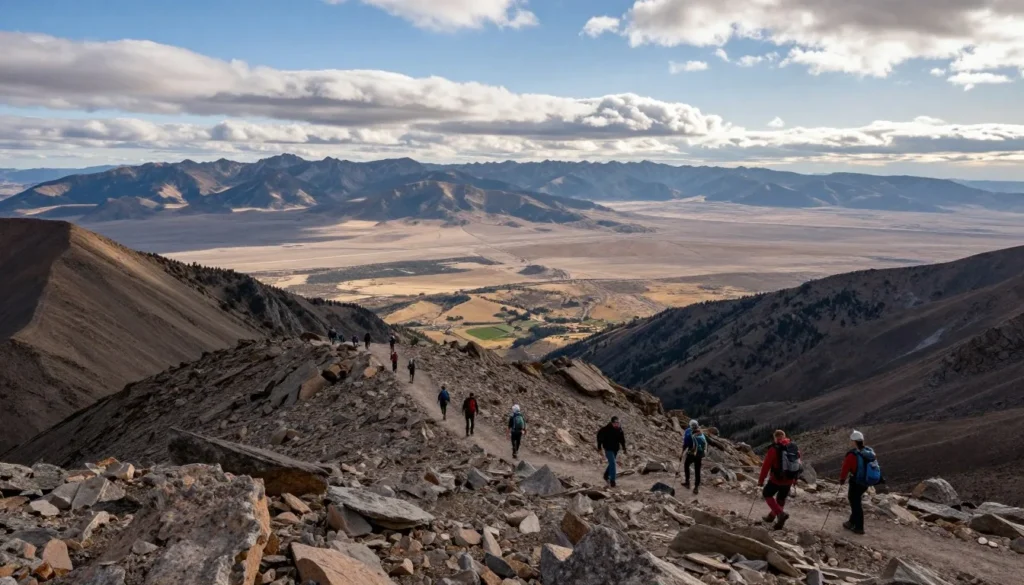
Great Basin National Park packs remarkable diversity into its boundaries. You’ll discover caves, peaks, bristlecone forests, and pristine wilderness. Each attraction offers unique perspectives on this mountain island ecosystem. Plan several days to experience the park’s full range.
Lehman Caves
Lehman Caves represents one of Nevada’s hidden treasures. This limestone cavern system features stunning formations. Stalactites, stalagmites, and rare shields decorate rooms throughout. Rangers lead tours explaining cave geology and history.
Tours last 60 or 90 minutes depending on route chosen. The Lodge Room Tour covers 0.4 kilometers (0.25 miles) taking 60 minutes. Grand Palace Tour extends to 0.8 kilometers (0.5 miles) requiring 90 minutes. Both tours involve stairs and uneven surfaces.
Cave temperature remains constant at 10°C (50°F) year-round. Bring a jacket even during summer visits. Advance reservations strongly recommended through the park website. Tours fill quickly during peak season. The visitor center sells same-day tickets when available.
Wheeler Peak Scenic Drive
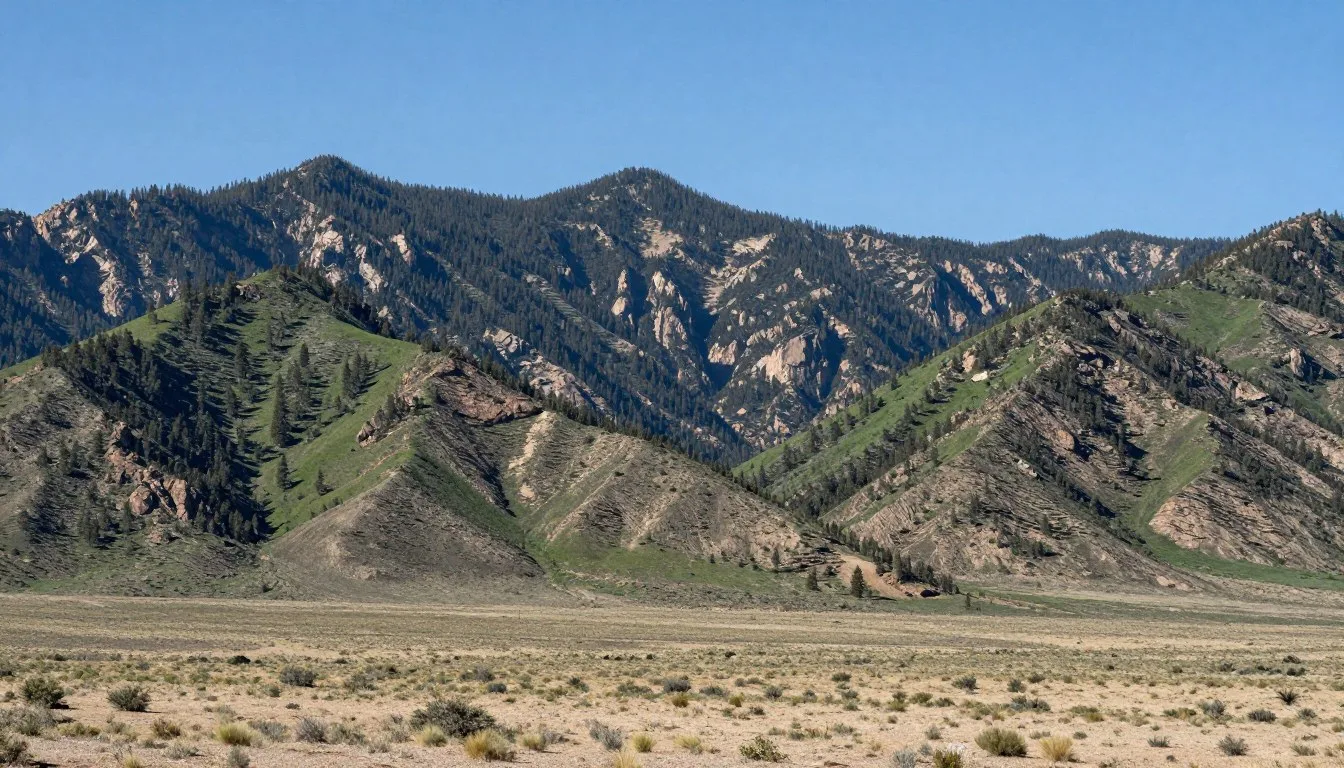
Wheeler Peak Scenic Drive showcases the park’s vertical diversity. The 19-kilometer (12-mile) paved road climbs through multiple life zones. You’ll pass from sagebrush desert through forests to alpine tundra. Numerous pullouts provide photo opportunities and short walks.
Peak viewpoint sits at 3,048 meters (10,000 feet) elevation. From here, Wheeler Peak towers another 914 meters (3,000 feet) above. The view encompasses endless basin and range topography. On clear days, you can see over 161 kilometers (100 miles).
Stop at Mather Overlook for your first mountain panorama. This viewpoint appears early in the drive offering desert-to-mountain contrast. Further along, Bristlecone Grove parking provides trail access. The drive ends at Wheeler Peak Campground and trailhead area.
Ancient Bristlecone Pine Forest
Bristlecone Discovery Trail leads through ancient trees. This easy 4.5-kilometer (2.8-mile) loop requires about 90 minutes. Interpretive signs explain these remarkable survivors. Some trees here exceed 3,000 years in age.
The trail climbs gently through both living and dead bristlecones. Weathered snags stand as sculptures shaped by centuries of wind. Living trees show incredibly slow growth rates. Annual rings pack tightly revealing climate history.
Photography opportunities abound throughout the grove. Morning or late afternoon light enhances the twisted wood textures. Wheeler Peak provides dramatic backdrop for compositions. Allow extra time for photography beyond basic hiking.
Wheeler Peak Summit
Wheeler Peak stands at 3,982 meters (13,065 feet) as Nevada’s second-highest mountain. The summit trail challenges fit hikers with 13 kilometers (8.1 miles) round trip. Elevation gain totals 884 meters (2,900 feet) over steep terrain.
Start early to avoid afternoon thunderstorms. The first section passes through bristlecone forest. Trail then climbs above treeline into alpine tundra. Final approach involves rocky scrambling to the summit.
Views from the top span across Nevada and into Utah. The Great Basin stretches endlessly below. Summit register documents climbers from around the world. Descent takes careful attention on loose rock sections.
Alpine Lakes Loop
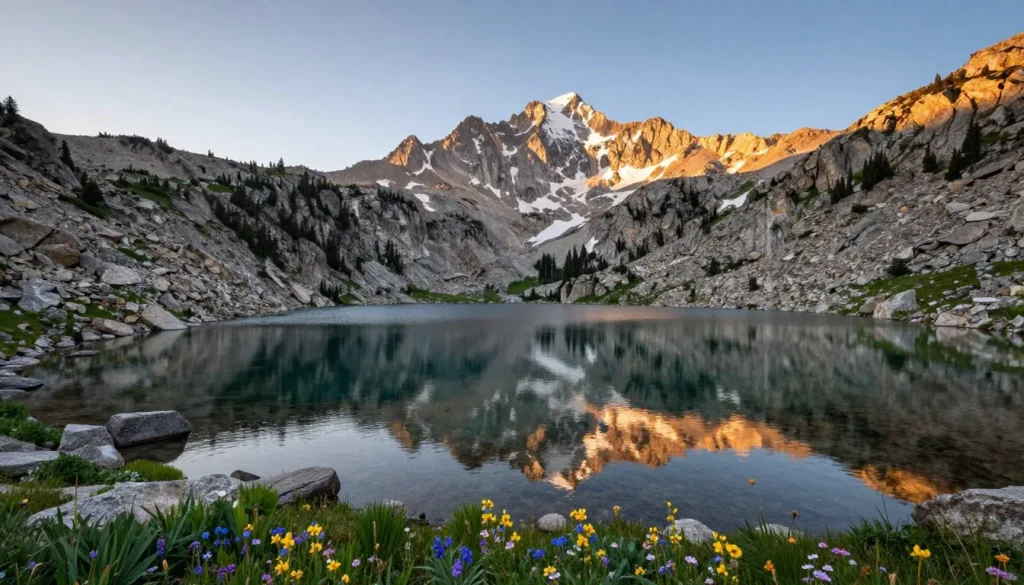
The Alpine Lakes Loop connects Stella Lake and Teresa Lake. This moderate 4.3-kilometer (2.7-mile) trail starts at 3,048 meters (10,000 feet). Beautiful alpine scenery surrounds both lakes. The loop takes approximately two hours at a leisurely pace.
Stella Lake appears first, nestled in a glacial cirque. Boardwalks protect fragile vegetation around the shore. Teresa Lake sits slightly higher with rockier surroundings. Peaks and ridges frame both lakes beautifully.
Wildflowers bloom throughout July and early August. The brief alpine summer explodes with color. Mosquitoes can be intense near lakes immediately after snowmelt. Bring insect repellent for early season visits.
Lexington Arch
Lexington Arch stands as a unique geological feature. This 18-meter (60-foot) limestone span sits in a remote area. The 5.5-kilometer (3.4-mile) trail requires high-clearance vehicle access. Rough dirt road discourages many visitors ensuring solitude.
The arch formed through erosion rather than typical arch processes. Limestone composition makes it unusual among western arches. The setting provides excellent backcountry experience. Plan 3-4 hours for the hike and exploration time.
Stargazing and Dark Skies
Great Basin National Park earned International Dark Sky Park designation. Minimal light pollution creates exceptional viewing conditions. The Milky Way appears dramatically on clear moonless nights. Countless stars visible with naked eye alone.
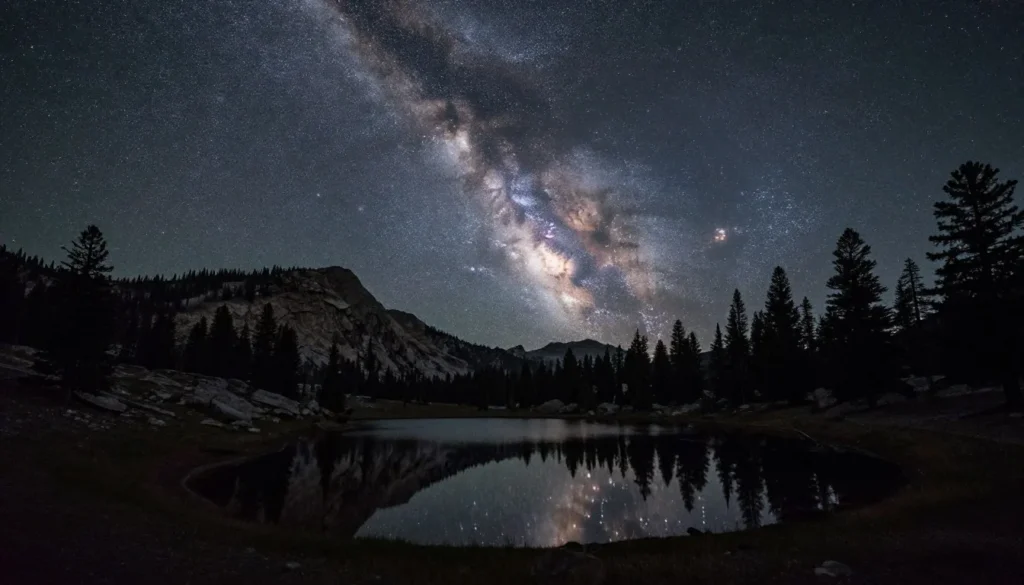
Rangers offer astronomy programs during summer months. Telescopes provided for viewing planets, nebulae, and star clusters. Programs typically run Thursday through Saturday evenings. Check visitor center for current schedule and meeting location.
Bring warm clothing for nighttime viewing. Temperatures drop significantly after sunset regardless of season. Red flashlights preserve night vision better than white lights. Allow 30 minutes for eyes to fully adapt to darkness.
Ranger Programs and Guided Walks
Educational programs run throughout summer season. Rangers lead cave tours, nature walks, and evening talks. These free programs enhance understanding of park features. Topics cover geology, biology, history, and astronomy.
- Cave tours departing multiple times daily from visitor center
- Guided bristlecone pine walks explaining tree ecology
- Evening campfire programs at Wheeler Peak Campground
- Astronomy programs showcasing dark sky resources
- Junior Ranger activities designed for children
- Special interpretive hikes to less-visited areas
Program schedules vary seasonally with most activity June through September. Winter programs limited but occasionally offered. Check the park website or visitor center bulletin boards. Arrive early for popular programs with limited capacity.
Museums, Cultural Spots & Festivals
Great Basin’s cultural attractions focus on mining heritage and natural history. The region played important roles in Nevada’s development. Small museums tell stories of hardy pioneers and boom-town eras. Limited population means few large festivals but authentic local events.
Great Basin Visitor Center
The visitor center serves as the park’s interpretive hub. Exhibits explain geology, ecology, and human history. Rangers answer questions and provide current trail conditions. The facility includes a bookstore with field guides and maps.
A relief map shows the basin and range topography. Interactive displays let visitors explore various park features. Short videos introduce Wheeler Peak and Lehman Caves. Plan 30-45 minutes to tour exhibits thoroughly.
The visitor center opens year-round with seasonal hour variations. Summer hours typically run 8 AM to 5 PM daily. Winter schedule reduces to Friday through Monday operation. Always check current hours before planning your visit.
White Pine Public Museum
Located in Ely, this museum showcases regional history. Mining exhibits dominate with equipment and photographs. Native American artifacts represent earlier inhabitants. Pioneer life displays include period furnishings and tools.
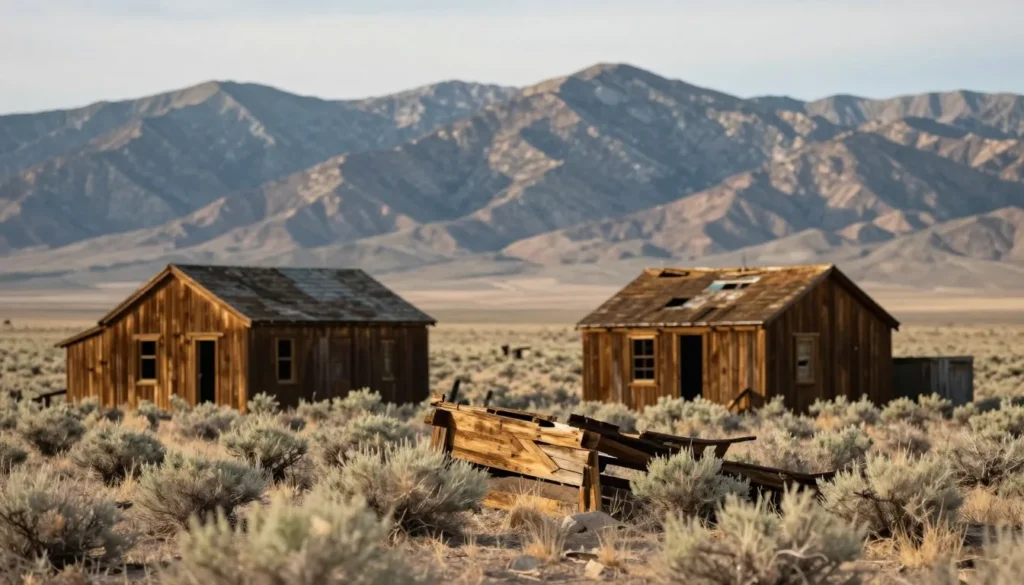
The museum complex includes several historic buildings. An 1880s schoolhouse stands relocated to the grounds. Railroad cars commemorate the region’s transportation history. Outdoor exhibits feature large mining equipment.
Admission costs approximately $5 for adults with family rates available. Hours run Tuesday through Saturday 10 AM to 4 PM. The museum closes during winter months. Call ahead to confirm seasonal schedule.
Nevada Northern Railway Museum
This living history museum operates historic trains. The facility preserves Nevada’s railroad heritage completely intact. Original depot, engine house, and equipment remain. Visitors can tour shops where maintenance continues on vintage locomotives.
Train rides operate seasonally on weekends. Standard excursions cover 23 kilometers (14 miles) round trip. Special themed rides include murder mysteries and holiday events. Photography trains offer special access for serious photographers.
The engine house tour reveals ongoing restoration work. Steam locomotives receive authentic period maintenance. Diesel engines rest between operational periods. Guides explain railroad operations and equipment functions.
Local Festivals and Events
Ely hosts several annual events celebrating regional character. The Silver State Classic Challenge occurs in May. This open-road race uses Highway 318 for timed runs. Spectators watch cars reach speeds exceeding 322 km/h (200 mph).
Summer Events
- White Pine County Fair in August
- Great Basin Astronomy Festival for stargazing
- Local rodeos featuring traditional competitions
- Art in the Park showcasing regional artists
Winter Celebrations
- Christmas tree lighting ceremonies
- Historic train polar express rides
- New Year celebrations in Ely casinos
- Ice sculpture contests during cold snaps
Baker celebrates Great Basin National Park annually. The small festival includes ranger presentations and local vendors. Family activities and educational programs fill the day. Timing usually coincides with park anniversary in late October.
Native American Heritage Sites
Great Basin served as home to several Native American groups. The Shoshone people lived throughout this region for thousands of years. Evidence of their presence appears in archaeological sites. Most significant locations require guided access for protection.
The visitor center exhibits feature Native American artifacts and history. Displays explain traditional uses of plants and animals. Cultural demonstrations occasionally occur during special events. Rangers can suggest books for deeper understanding.
Several rock art sites exist in the surrounding area. These require permits and specific directions from BLM offices. Respect for these sacred places remains paramount. Never touch petroglyphs or pictographs as oils damage ancient art.
Nature & Outdoor Experiences
Great Basin National Park delivers exceptional outdoor experiences. The landscape ranges from desert valleys to alpine peaks. Hundreds of trails great basin national park offer span all difficulty levels. Wildlife viewing opportunities abound throughout different elevations. Every season brings unique outdoor possibilities.
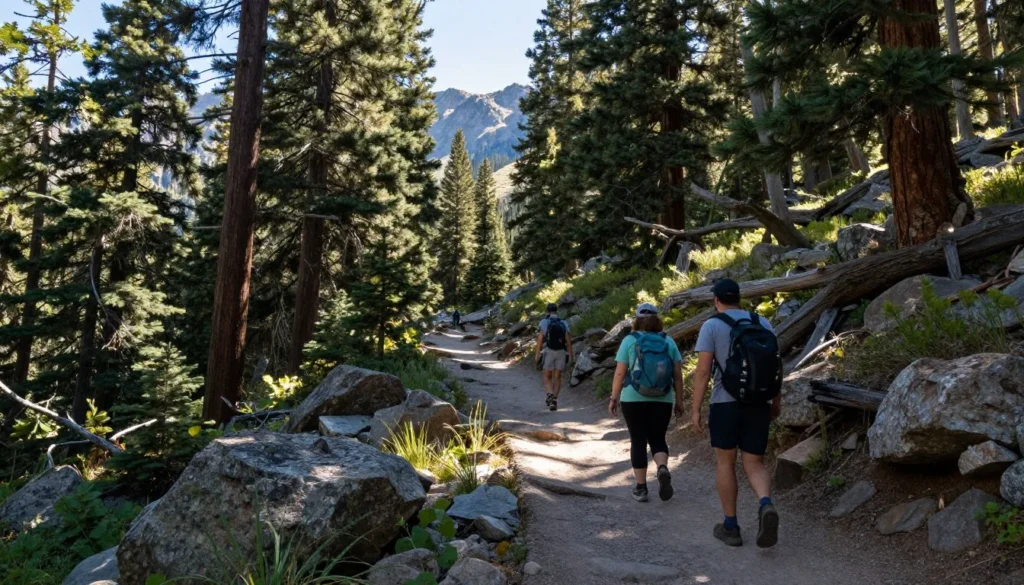
Essential Hiking Trails
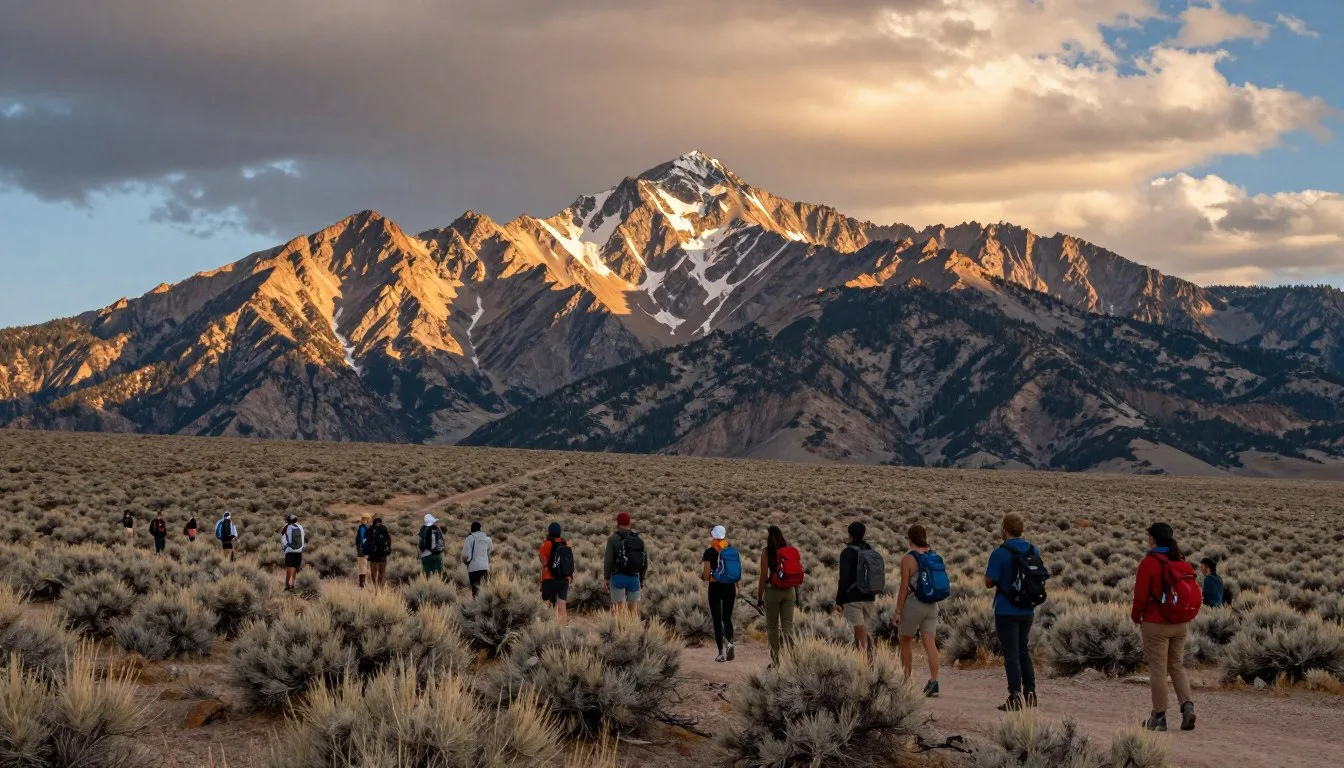
Great Basin trails great basin national park showcase the park’s diverse terrain. Options range from easy nature walks to challenging summit climbs. Most popular trails concentrate along Wheeler Peak Scenic Drive. Trailheads provide parking, restrooms, and information boards.
Lower elevation trails remain accessible year-round. Mountain trails typically open June through October. Snow lingers at higher elevations well into summer. Check current conditions at the visitor center before hiking.
Easy Trails for All Abilities
Mountain View Nature Trail offers gentle introduction to high desert ecology. This 0.5-kilometer (0.3-mile) loop starts near the visitor center. Interpretive signs explain plants and geological features. The trail elevation provides excellent views across Snake Valley.
Island Forest Trail creates another easy option. Located near Baker Creek, this 0.8-kilometer (0.5-mile) walk explores riparian habitat. Aspen groves line portions of the path. The trail stays relatively flat throughout its length.
Moderate Day Hikes
Lehman Creek Trail follows its namesake creek for 4.3 kilometers (2.7 miles). The path connects upper and lower campgrounds. Elevation change totals 365 meters (1,200 feet) along the way. Aspen forests provide shade during summer heat. The creek’s constant presence creates pleasant sounds.
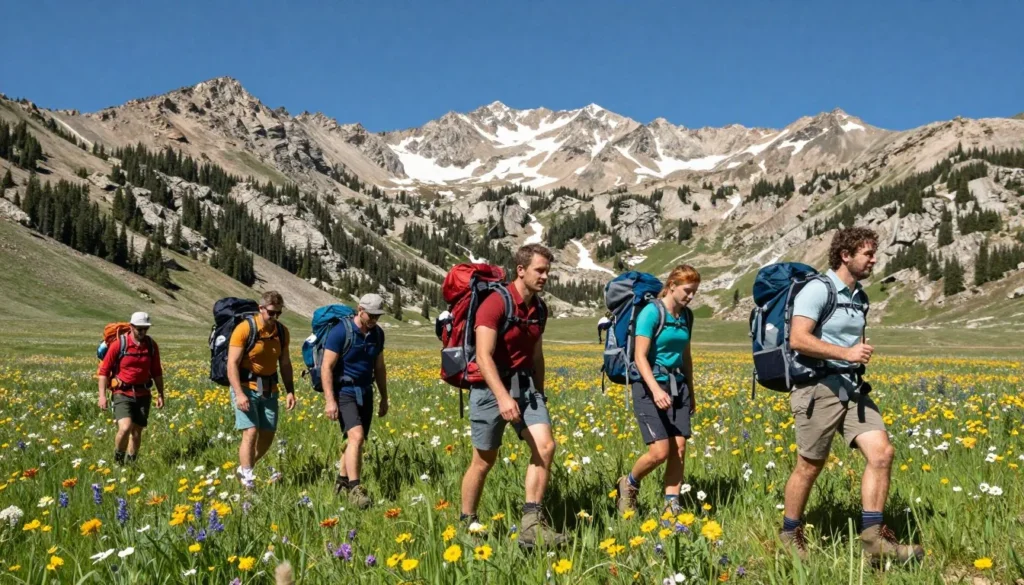
Baker Lake Trail ventures into the park’s southern wilderness. The 18.5-kilometer (11.5-mile) round trip gains 792 meters (2,600 feet). Beautiful alpine lake sits in a glacial cirque. The route crosses varied terrain including forests and meadows. Plan a full day for this adventure.
Challenging Summit Trails
Wheeler Peak Trail stands as the ultimate park challenge. The 13-kilometer (8.1-mile) round trip climbs to 3,982 meters (13,065 feet). Elevation gain reaches 884 meters (2,900 feet) over steep sections. Alpine conditions prevail with exposure to weather.
Start before dawn to avoid afternoon thunderstorms. Bring layers as temperatures vary dramatically with elevation. The first half passes through bristlecone forest. Upper sections cross rocky terrain above treeline. Summit views reward the strenuous effort magnificently.
Backcountry Exploration
Great Basin offers extensive backcountry opportunities. Over 243 square kilometers (60,000 acres) designated wilderness awaits exploration. No maintained trails exist in many areas. Navigation skills and experience essential for safe travel.
Backcountry Permit Requirements
Free backcountry permits available at the visitor center. Rangers provide current conditions and route suggestions. Carry topographic maps and compass or GPS device. Water sources scarce in many areas requiring careful planning. Bear canisters required in some zones. File your itinerary before departing.
South Snake Range offers challenging cross-country hiking. Multiple peaks exceed 3,353 meters (11,000 feet) elevation. Approaches involve bushwhacking through forests and talus fields. These routes suit experienced mountaineers only.
Extended trips reveal the park’s most remote corners. Multi-day loops possible combining various drainages. Spring snowmelt creates excellent water availability. Late summer brings drier conditions requiring more water carry.
Wildlife Watching
Great Basin supports diverse wildlife across elevation zones. Over 60 mammal species inhabit the park. Birds include over 200 species throughout the year. Reptiles and amphibians populate lower elevations. Patient observers encounter numerous animals.
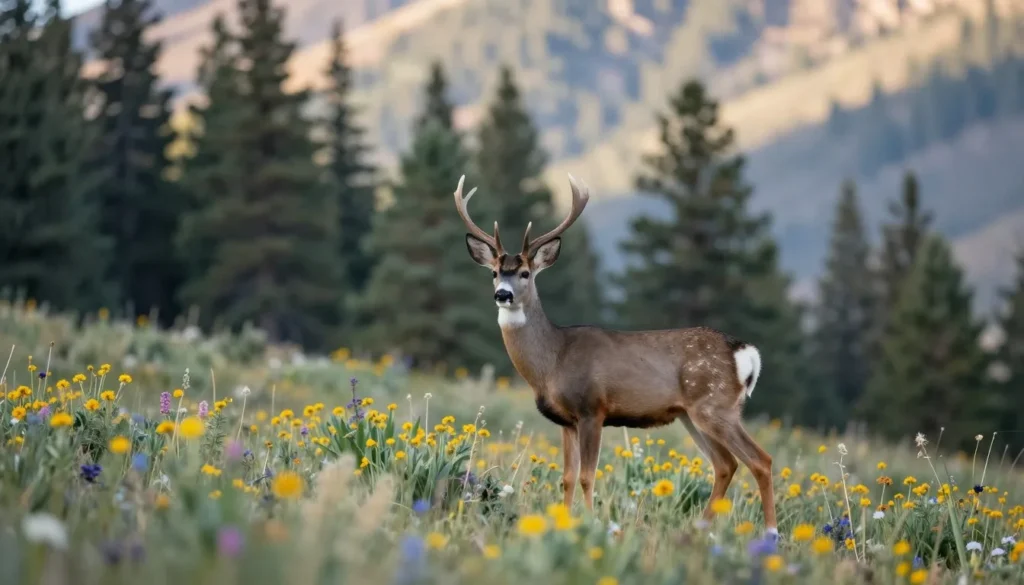
Mule deer appear commonly throughout the park. Early morning and evening offer best viewing opportunities. Bucks develop impressive antlers during summer months. Does with fawns appear in spring and early summer.
Rocky Mountain elk populations have rebounded in recent years. Herds graze in meadows during cooler hours. Fall brings the dramatic rut with bulls bugling. Maintain safe distances from all elk year-round.
Smaller mammals include yellow-bellied marmots and pikas. Both species inhabit rocky areas above treeline. Marmots whistle warnings when approached. Pikas collect vegetation for winter hay piles.
Bird Watching Opportunities
Birding varies dramatically by elevation and season. Lower pinyon-juniper forests host different species than alpine zones. Mountain bluebirds flash brilliant color during summer. Golden eagles soar on thermals along ridges.
- Clark’s nutcracker harvesting pine seeds at high elevations
- Mountain chickadees flitting through conifer forests
- Red-tailed hawks hunting over open meadows
- American dipper bobbing along Lehman Creek
- Northern flicker drumming on dead snags
- White-throated swift diving at incredible speeds
Spring migration brings numerous species through the area. Warblers, tanagers, and other songbirds pass through. Fall migration concentrates raptors along mountain ridges. Winter residents include hardy species adapted to cold.
Photography Opportunities
Great Basin offers endless photographic subjects. Landscape photography opportunities span all seasons. Wildlife photography requires patience and proper equipment. Night sky photography produces stunning results in dark skies.
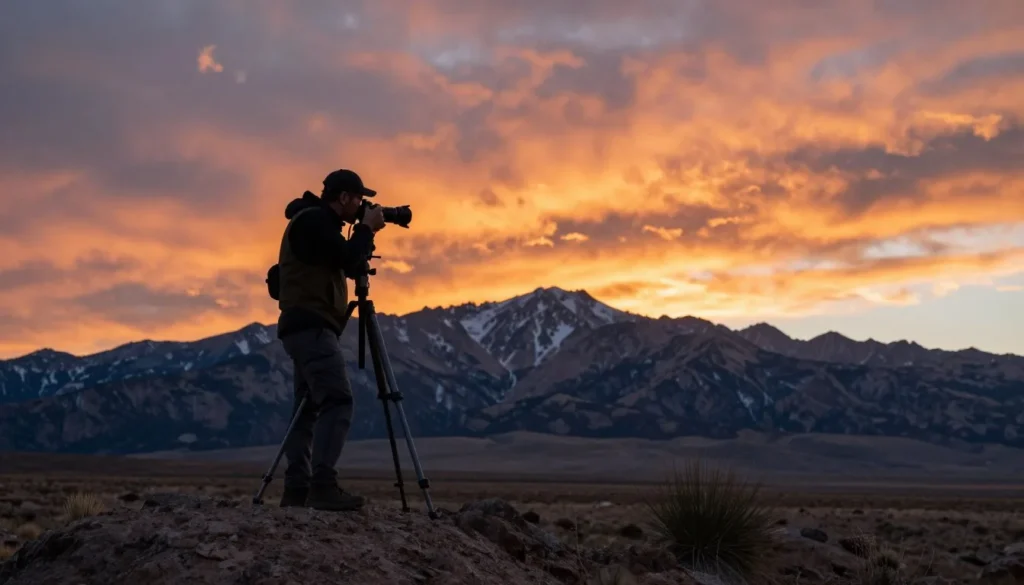
Golden hour light transforms the landscape dramatically. Dawn paints Wheeler Peak in warm alpenglow. Sunset illuminates bristlecone snags against dark sky. Midday harsh light suits black and white photography.
Weather adds drama to mountain scenes. Storm clouds building over peaks create tension. Snow dusting adds contrast to rocky landscapes. Fog occasionally fills valleys creating ethereal conditions.
Rock Climbing and Mountaineering
Wheeler Peak attracts technical climbers year-round. Several routes ascend the east face. Difficulty ranges from moderate scrambles to technical rock. Winter ascents require ice climbing skills.
Other peaks in the range offer opportunities. Jeff Davis Peak stands as Nevada’s highest at 3,661 meters (12,011 feet). The approach involves off-trail navigation. Summit block requires class 3 scrambling.
Climbing permits not required but registration recommended. Sign the summit register on Wheeler Peak. Check weather carefully before technical ascents. Afternoon thunderstorms pose serious danger.
Winter Recreation
Snow transforms Great Basin into winter wonderland. Cross-country skiing and snowshoeing become possible. Trails pack down naturally from winter visitors. Higher elevations accumulate deep snow.
Wheeler Peak Road provides excellent ski touring when closed. The gradual grade suits skiers of various abilities. Views remain spectacular under winter conditions. Avalanche awareness essential in certain areas.
Ice climbing develops on frozen waterfalls. Lehman Creek drainage holds seasonal routes. Conditions vary annually based on temperature and snowfall. Local knowledge helps identify formed routes.
Safety, Etiquette & Local Customs
Visiting Great Basin safely requires preparation and awareness. The remote location and high elevation create unique challenges. Understanding proper wilderness etiquette protects the environment. Respecting local customs ensures positive interactions with residents.
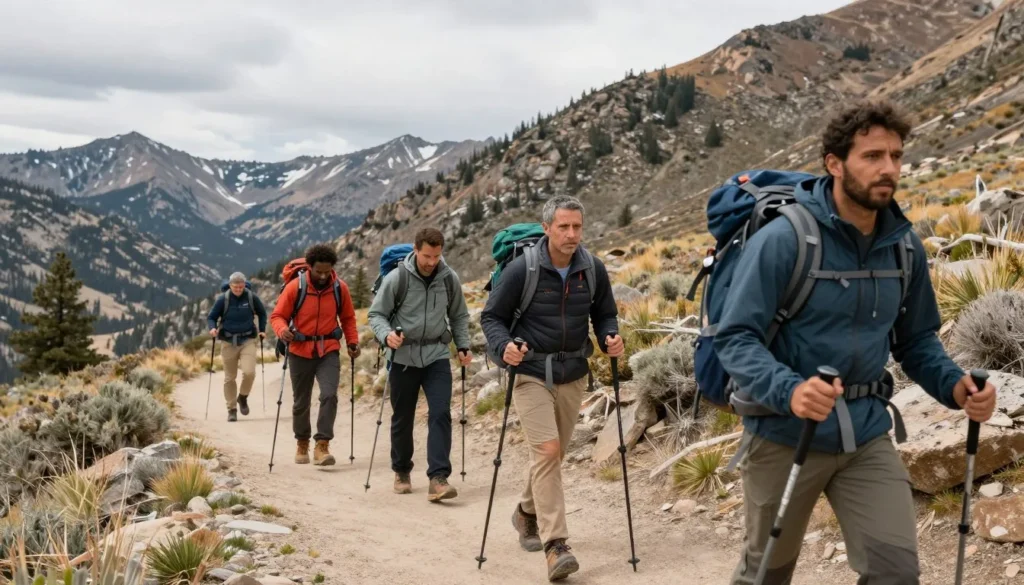
High Elevation Considerations
Elevation affects everyone differently regardless of fitness level. Great Basin trails great basin national park reach above 3,962 meters (13,000 feet). Reduced oxygen at these heights impacts performance significantly. Altitude sickness can strike without warning.
Symptoms include headache, nausea, dizziness, and unusual fatigue. Severe cases involve confusion and difficulty breathing. The only cure involves descending to lower elevation immediately. Prevention works better than treatment.
- Spend one night at moderate elevation before high hikes
- Ascend gradually allowing time for acclimatization
- Stay well-hydrated drinking more than normal amounts
- Avoid alcohol for first 24 hours at elevation
- Recognize symptoms early and descend if necessary
- Consider altitude medication for particularly susceptible individuals
Physical exertion feels much harder at elevation. Your normal pace becomes exhausting. Slow down and take frequent breaks. Listen to your body’s signals carefully.
Weather Hazards
Mountain weather changes rapidly throughout the day. Summer morning skies can cloud up by afternoon. Thunderstorms develop quickly over Wheeler Peak. Lightning poses serious danger above treeline.
Lightning Safety Protocol
Leave exposed peaks and ridges before noon during summer. If caught in a storm, descend immediately. Avoid isolated trees and metal objects. Crouch low if caught in the open. The time between lightning flash and thunder indicates distance. Each five seconds equals approximately 1.6 kilometers (1 mile). Seek shelter when storms approach within 10 kilometers (6 miles).
Hypothermia threatens even during summer months. Wet clothing and wind combine dangerously at high elevation. Temperatures can drop below freezing any time. Carry extra layers and rain protection always.
Sun exposure intensifies with elevation gain. UV radiation increases approximately 4% per 305 meters (1,000 feet). Snow reflects additional radiation during spring. Sunscreen, sunglasses, and hats essential for protection.
Wildlife Encounters
Great Basin wildlife generally avoids human contact. Most animals flee when approached. Proper behavior prevents dangerous situations. Never feed wildlife or leave food accessible.
Mountain lions inhabit the park though sightings remain rare. If you encounter one, make yourself appear large. Maintain eye contact while backing away slowly. Never run as this triggers chase instinct. Fight back aggressively if attacked.
Rattlesnakes live in lower elevation areas. Watch where you place hands and feet. Give snakes wide berth and retreat slowly. Most bites occur when people try handling them. Medical facilities lie hours away requiring helicopter evacuation.
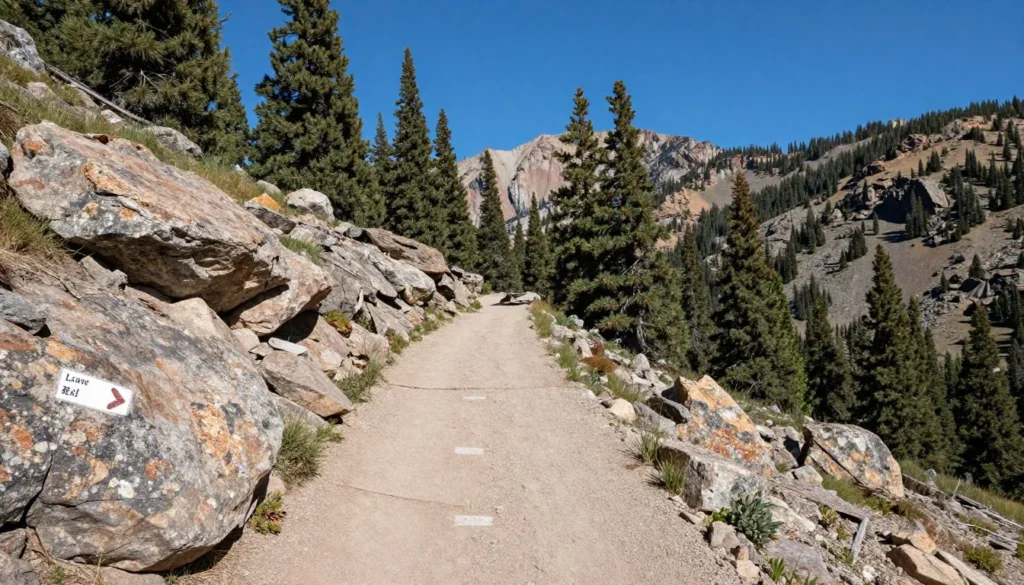
Leave No Trace Principles
Practicing Leave No Trace preserves Great Basin for future visitors. These seven principles guide ethical outdoor behavior. Every visitor shares responsibility for protecting wilderness.
Plan Ahead and Prepare
Research conditions and regulations before arrival. Bring appropriate gear for conditions you’ll encounter. Schedule trips to avoid times of high use. Repackage food to minimize waste.
Travel on Durable Surfaces
Stay on established trails whenever possible. Walk single file in center of path. Avoid cutting switchbacks which causes erosion. Camp on established sites when available.
Dispose of Waste Properly
Pack out all trash including toilet paper. Bury human waste 15-20 centimeters (6-8 inches) deep. Locate catholes at least 61 meters (200 feet) from water. Strain dishwater and scatter widely.
Leave What You Find
Leave rocks, plants, and other natural objects. Avoid damaging live trees and plants. Leave historic and archaeological artifacts untouched. Resist urge to construct structures or furniture.
Minimize Campfire Impact
Use established fire rings at campgrounds. Keep fires small using only down wood. Burn all wood completely to ash. Ensure fires are completely extinguished. Consider using camp stoves instead.
Respect Wildlife
Observe animals from distance without approaching. Never feed wildlife for any reason. Store food securely to avoid attracting animals. Control pets or leave them home.
Be Considerate of Others
Keep noise levels down to preserve natural quiet. Yield to uphill hikers on trails. Take breaks away from trail on durable surfaces. Keep group sizes small.
Emergency Preparedness
Cell phone coverage remains extremely limited. Don’t rely on phones for emergency communication. Satellite communicators provide backup contact capability. Know that help may take hours to arrive.
- Carry first aid kit with altitude and blister supplies
- Bring emergency shelter even on day hikes
- Pack firestarter for emergency warmth
- Carry whistle for signaling if lost
- Bring more water than you think necessary
- Leave detailed trip plans with someone responsible
The nearest hospital operates in Ely, 97 kilometers (60 miles) away. Serious emergencies require helicopter evacuation. This takes time to arrange and execute. Self-rescue capability proves crucial in remote areas.
Local Community Respect
Baker and surrounding communities welcome visitors warmly. Residents take pride in their remote lifestyle. Small acts of courtesy go far in these tight-knit areas.
Support local businesses when possible. These establishments struggle with seasonal fluctuations. Your patronage helps sustain services visitors need. Tip generously as many workers earn modest wages.
Respect private property throughout the region. Much land surrounding the park remains privately owned. Gates and fences indicate boundaries. Never trespass even for seemingly harmless reasons.
Water remains precious in this desert environment. Use water conservatively at all facilities. Short showers and turning off taps while brushing help. Residents face water scarcity routinely.
Visitor Comments About Great Basin Desert
Travelers from around the world share their Great Basin experiences. These authentic perspectives highlight what makes the park special. Real visitor insights help you plan your own adventure.
“The remoteness initially worried me, but it became my favorite aspect. Standing on Wheeler Peak with nobody else around felt incredible. The ancient bristlecone pines absolutely took my breath away. I’ve visited many national parks and this ranks among the top for solitude and raw beauty. The Milky Way visibility here exceeds anywhere I’ve photographed before.”
“Lehman Caves exceeded all expectations. Our ranger guide shared fascinating geology details. The formations rival any caves I’ve toured worldwide. Above ground, the alpine lakes trail provided stunning views without overwhelming difficulty. My family appreciated having options for all fitness levels. Baker’s small restaurants served hearty food perfect after long hikes.”
“Great Basin felt like discovering a secret. The drive from Salt Lake City took us through landscapes I never knew existed. Wheeler Peak Scenic Drive ranks as one of America’s most underrated mountain roads. We camped at Wheeler Peak Campground and froze even in July, but the sunrise made it worthwhile. Plan extra days because you’ll want to explore everything thoroughly.”
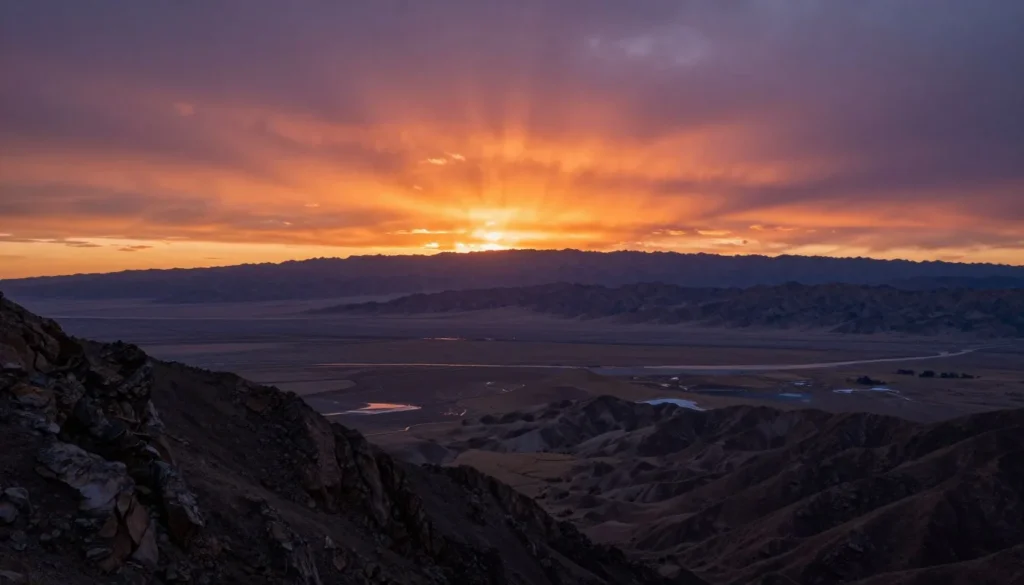
Additional Nearby Destinations
Great Basin’s remote location places you near other remarkable Nevada sites. Extending your trip allows exploration of the wider region. Highway 50’s “Loneliest Road” passes numerous worthwhile stops. Each destination offers unique perspectives on Nevada’s character.
Cathedral Gorge State Park
Cathedral Gorge sits 209 kilometers (130 miles) south of Great Basin. This state park features dramatic eroded clay formations. Narrow slot canyons cut through bentonite cliffs. The formations resemble cathedral spires giving the park its name.
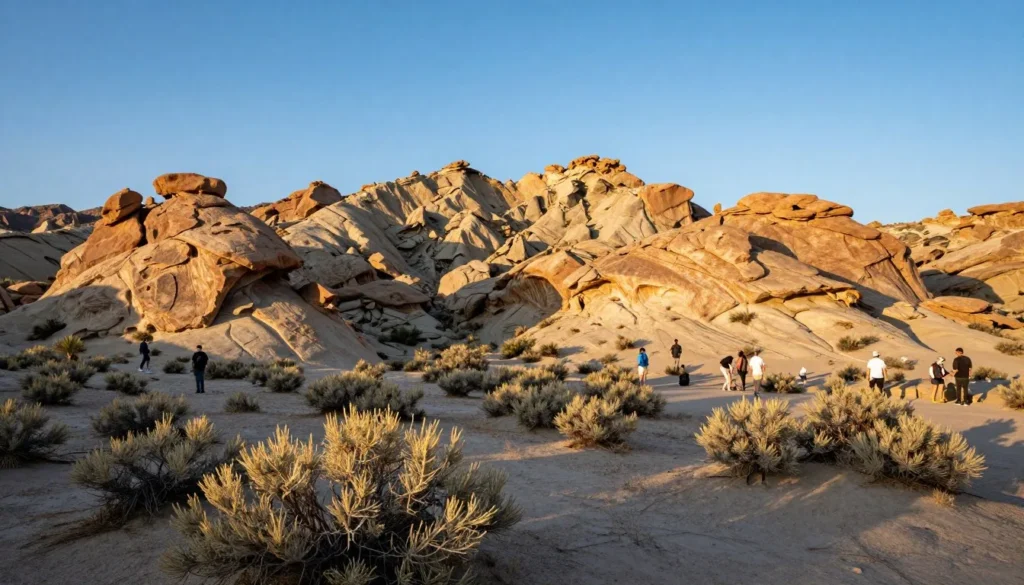
Trails wind through formations allowing close exploration. The main canyon stretches 1.6 kilometers (1 mile) long. Side canyons branch off creating maze-like passages. Early morning or late afternoon light enhances photography.
Campground facilities include shaded sites and restrooms. Picnic areas scattered throughout provide lunch spots. Entry fees remain nominal compared to federal lands. The park rarely feels crowded outside major holidays.
Ward Charcoal Ovens State Historic Park
Six massive stone ovens stand as monuments to mining history. Located 29 kilometers (18 miles) south of Ely, this small park rewards a stop. The beehive-shaped structures rise 9 meters (30 feet) tall.
Built in 1876, the ovens converted pinyon pine to charcoal. Charcoal fueled silver smelters in nearby Ward. Each oven held 35 cords of wood. Production ran continuously during peak mining years.
A short interpretive trail circles the ovens. Information panels explain charcoal production process. The structures’ preservation quality amazes visitors. Surrounding mountain views add scenic value.
Lake Tahoe
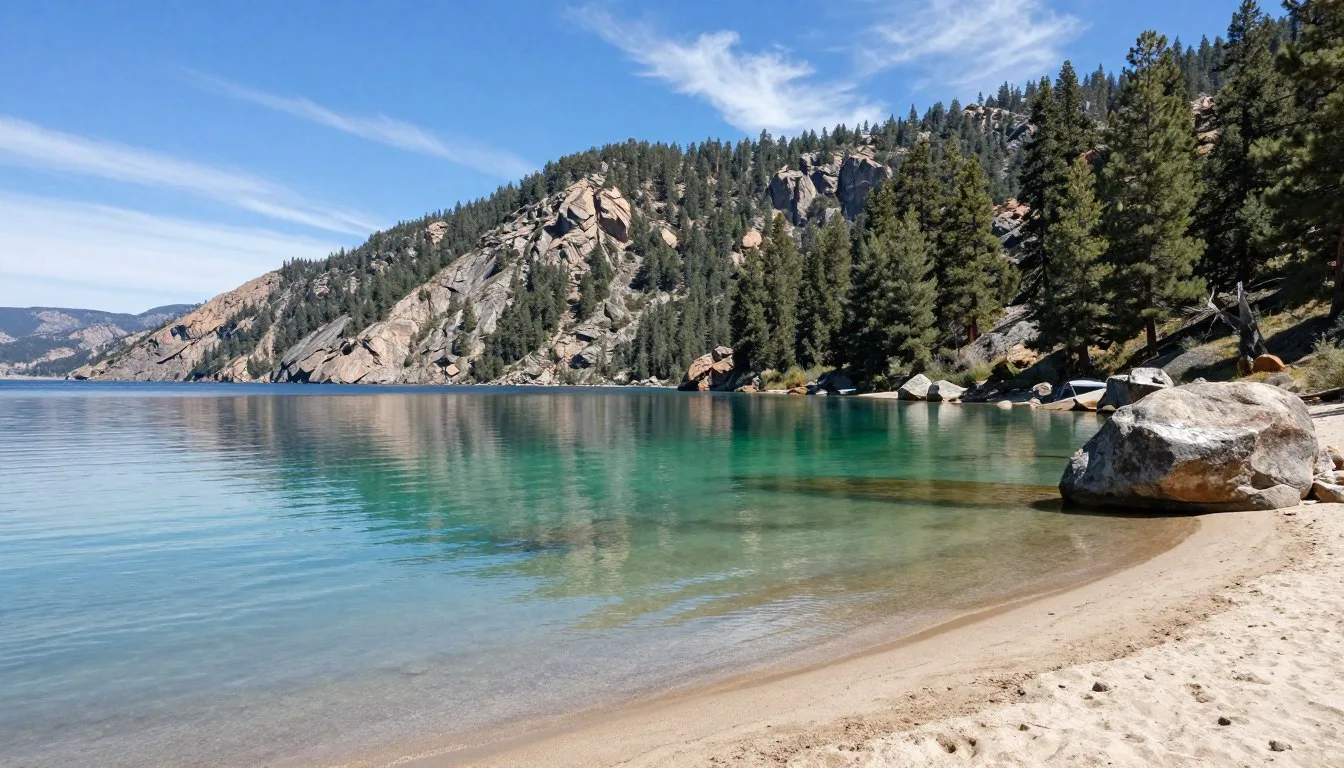
Lake Tahoe lies approximately 563 kilometers (350 miles) west. This massive alpine lake straddles the Nevada-California border. The lake spans 122 hectares (490 square kilometers) with famous clarity. Surrounded by Sierra Nevada peaks, scenery ranks world-class.
South Shore offers casinos, restaurants, and nightlife. North Shore emphasizes outdoor recreation and natural beauty. West shore features quieter beaches and hiking. East shore along Nevada provides less-crowded access.
Summer brings water sports including kayaking and paddleboarding. Winter transforms the area into ski resort central. Four seasons provide different recreational opportunities. The lake’s deep blue color mesmerizes year-round.
Sand Mountain Recreation Area
This 185-meter (600-foot) sand dune rises from surrounding desert. Located 201 kilometers (125 miles) northwest, the site attracts off-road enthusiasts. The singing sand phenomenon occurs when conditions align.
Dune buggies and ATVs climb the steep faces. Designated OHV area allows motorized recreation. Non-motorized areas exist for hiking and sandboarding. Camping available in surrounding BLM land.
The sand produces humming sounds during avalanches. This acoustic phenomenon occurs in few places worldwide. Visit on calm days to hear the effect. Sunset photography opportunities abound.
Tonopah Historic Mining District
Tonopah preserves authentic Nevada mining town character. Located 354 kilometers (220 miles) southwest, the town thrived during silver boom. Many historic buildings remain standing. Self-guided tours explore mining heritage.
Main Attractions
- Tonopah Historic Mining Park with underground tours
- Mizpah Hotel dating to 1907
- Central Nevada Museum showcasing region
- Historic downtown architecture
Special Features
- Dark sky viewing opportunities
- Clown Motel quirky roadside attraction
- Mining equipment displays
- Authentic western atmosphere
Ruby Mountains
The Ruby Mountains rise 129 kilometers (80 miles) northeast. This range earns comparison to Swiss Alps. Glacially-carved valleys hold alpine lakes. Peak elevations exceed 3,048 meters (10,000 feet).
Lamoille Canyon Road provides scenic drive access. The 19-kilometer (12-mile) route ends at trailhead. Numerous hiking options branch from road’s end. Wildflower displays peak during July.
Ruby Crest Trail spans 64 kilometers (40 miles) through high country. Multi-day backpacking trips reveal pristine wilderness. Mountain goats inhabit highest peaks. Fall brings brilliant aspen colors.

Road Trip Combinations
Great Basin connects well with various Nevada destinations. Highway 50 traverses the entire state east-west. This creates opportunities for extended explorations. Plan extra days to appreciate the region fully.
A northern loop combines Great Basin with Ruby Mountains. Continue west through Austin to Reno. Return south through Tonopah and back east. This circuit covers diverse landscapes and attractions.
Southern route leads to Cathedral Gorge and Valley of Fire. Las Vegas provides endpoint with resort amenities. This combination contrasts high mountains with desert canyons. Allow minimum one week for comprehensive exploration.
Practical Travel Tips
Successful Great Basin visits require attention to practical details. The remote location demands more planning than typical trips. These tips help avoid common problems and enhance your experience. Small preparations make significant differences in trip enjoyment.
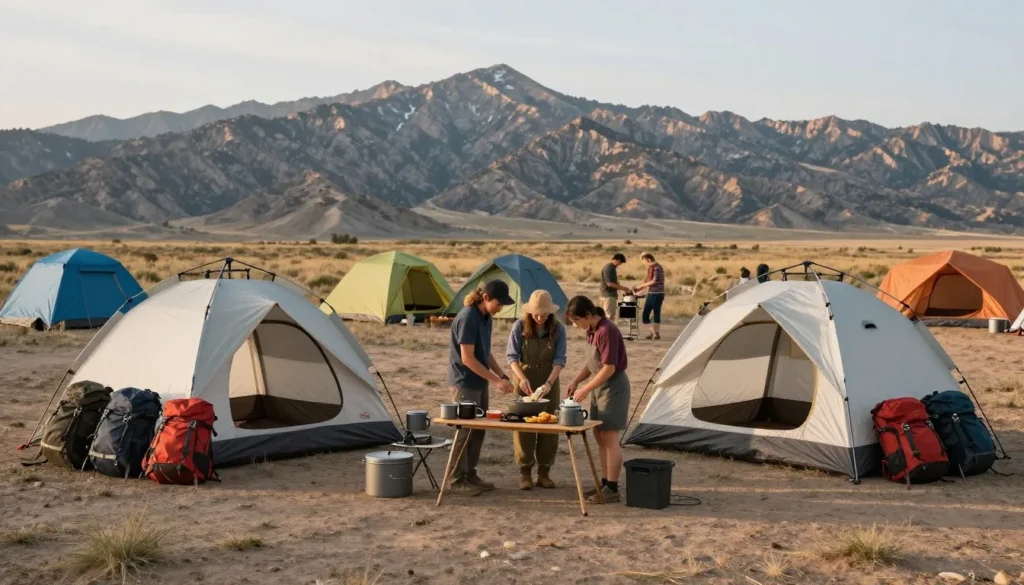
Money and Services
Limited ATM availability requires carrying sufficient cash. Baker has no banking services whatsoever. Ely provides banks and ATMs for larger withdrawals. Many small businesses prefer cash over cards.
Park entrance fees remain $25 per vehicle for seven days. Annual passes provide better value for frequent visitors. National Park passes accepted and honored. Campground fees separate from entrance fees.
Cell phone service works sporadically near Baker. Inside the park, coverage essentially disappears. Verizon generally performs best in the region. Don’t rely on phones for navigation or emergencies.
Internet and Communication
WiFi exists at some Baker accommodations but remains unreliable. Speeds prove frustratingly slow even when available. Plan to disconnect digitally during your visit. This limitation actually enhances the wilderness experience.
Download maps and information before arrival. Google Maps offline mode works well here. AllTrails app provides detailed trail information. Weather apps update only in areas with coverage.
Satellite communication devices provide emergency contact capability. SPOT messengers and Garmin inReach work throughout the park. Consider renting one for backcountry trips. This small insurance investment provides peace of mind.
What to Pack
Packing for Great Basin requires considering all seasons simultaneously. Temperature swings of 28°C (50°F) occur in single days. Layered clothing system proves essential regardless of visit timing.
Essential Clothing
- Moisture-wicking base layers
- Insulating fleece or down jacket
- Waterproof rain jacket and pants
- Sun hat with brim
- Warm beanie for cold mornings
- Hiking boots with ankle support
- Camp shoes for evening comfort
Important Gear
- Headlamp with extra batteries
- Water bottles holding 3 liters minimum
- Trekking poles for steep terrain
- Bear-proof food container for backcountry
- First aid kit with blister treatment
- Sunscreen SPF 50 or higher
- Topographic maps and compass
Photography Considerations
Great Basin offers exceptional photography opportunities. Landscape photographers find endless subjects. Wildlife photography requires patience and long lenses. Night sky photography produces stunning results.
Bring extra batteries as cold drains them quickly. Memory cards should have ample capacity. Tripod proves essential for low-light and star photography. Lens cleaning supplies combat dust from desert winds.
Best light occurs during golden hour as expected. Midday harsh light suits black and white images. Weather adds drama but protects gear from precipitation. Dawn shoots at alpine lakes create mirror reflections.
Health and Medical
The nearest full hospital operates in Ely. Smaller clinic in Baker handles minor issues only. Life-threatening emergencies require helicopter evacuation. Medical response times measure in hours not minutes.
- Bring adequate prescription medications plus extras
- Pack comprehensive first aid kit including altitude remedies
- Consider travel insurance covering evacuation
- Know your health insurance coverage area
- Carry any critical medical information
- Bring extra eyeglasses or contact lenses
Altitude sickness affects many visitors. Acetazolamide helps prevent symptoms if taken preemptively. Discuss this with your doctor before travel. Over-the-counter pain relievers help mild headaches.
Vehicle Preparation
Your vehicle should receive full service before departure. Mountain driving stresses cooling systems and brakes. Remote location makes breakdowns serious problems. Prevention beats emergency repairs.
Check all fluid levels including oil, coolant, and brake fluid. Inspect tires for wear and proper inflation. Ensure spare tire fully inflated and accessible. Bring basic tools for minor repairs.
Full-size spare recommended over temporary compact. Jack and lug wrench should be functional. Jumper cables help when batteries weaken. Emergency roadside kit includes flares and reflectors.
Seasonal Packing Adjustments
Summer visitors need extra sun protection. Higher elevation intensifies UV exposure. Lightweight clothing still requires layers for mornings. Afternoon thunderstorms demand rain gear.
| Season | Special Items | Priority Level |
| Spring | Waterproof boots, gaiters, extra warm layers | High – unpredictable weather |
| Summer | Sun protection, rain gear, insect repellent | Medium – pleasant conditions |
| Fall | Warm layers, gloves, insulated jacket | Medium – cooling temperatures |
| Winter | Full winter gear, snowshoes, ice traction | Critical – severe conditions |
Accessibility Information
Great Basin offers limited accessibility for mobility-impaired visitors. The visitor center provides full wheelchair access. Lehman Caves tours accommodate wheelchairs on the Lodge Room route. Advanced notice helps rangers prepare.
Mountain View Nature Trail near the visitor center offers paved access. The path provides scenic views with minimal elevation change. Benches along the route allow rest breaks. Accessible parking available at trailhead.
Most trails involve steep terrain and uneven surfaces. Wheeler Peak Scenic Drive provides scenic views without hiking. Numerous pullouts allow vehicle-based sightseeing. Alpine Lakes viewpoint accessible via short walk.
Traveling with Children
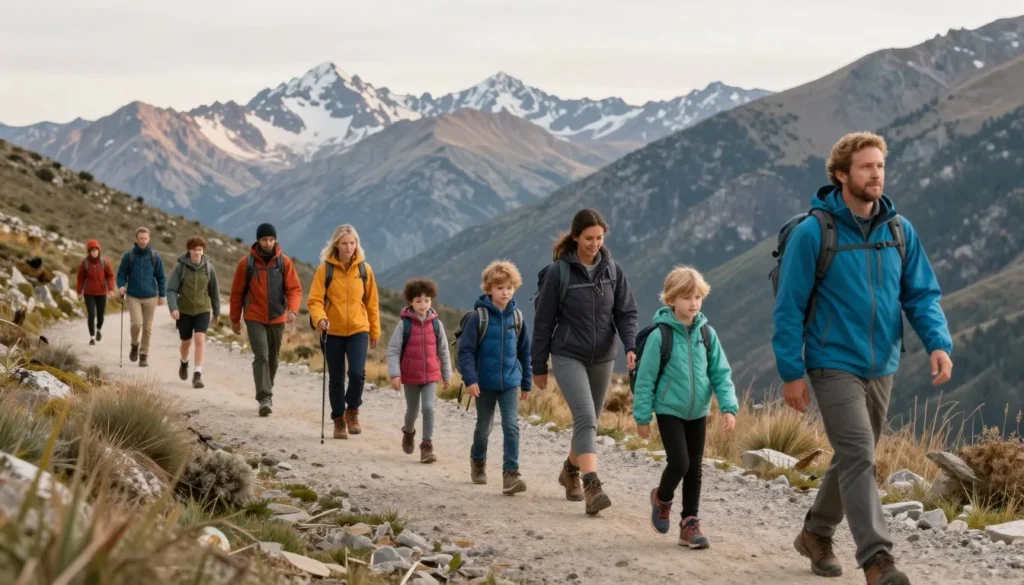
Great Basin suits families willing to adjust expectations. Children handle elevation changes differently than adults. Shorter hikes prevent exhaustion and maintain enthusiasm. The Junior Ranger program engages kids productively.
Lower elevation trails work better for young hikers. Mountain View Nature Trail provides easy introduction. Lehman Caves fascinates children with formations and stories. Ranger programs offer educational entertainment.
Campgrounds create memorable family experiences. Kids enjoy campfire programs at Wheeler Peak Campground. Stargazing impresses young and old alike. Simple activities like creek exploration provide hours of entertainment.
Location Map
Your Great Basin Adventure Awaits
Great Basin Desert backcountry viewpoints Nevada reveal landscapes few Americans ever witness. Ancient bristlecone pines whisper stories spanning millennia. Wheeler Peak stands sentinel over endless basin and range topography. Alpine lakes mirror perfect blue skies in their crystal waters.
The remoteness that initially challenges becomes your greatest reward. Solitude transforms hiking into meditation among stone and sky. Darkness unveils celestial displays banned from urban existence. Every moment spent here reconnects you with wilderness increasingly rare.
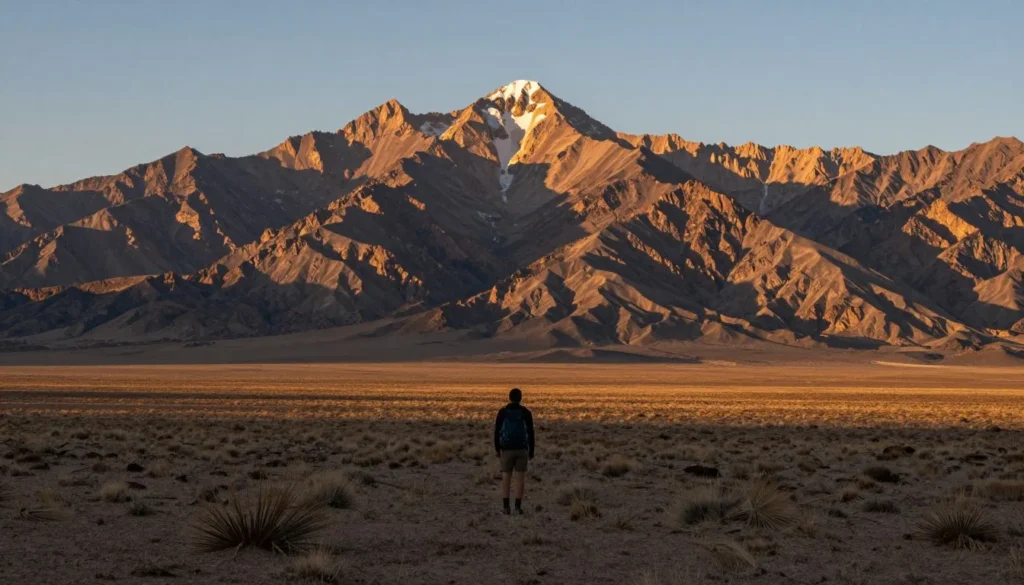
Pack your curiosity along with proper gear. Allow weather and wonder to set your pace. Whether you summit Wheeler Peak or simply watch stars from camp, Great Basin changes perspectives. The silence speaks louder than words ever could. Your adventure into Nevada’s mountain island ecosystem begins now.