Hotels by Trip.com
Flights by Trip.com
Did you know that Great Basin National Park protects one of the oldest living organisms on Earth? Bristlecone pine trees here have been growing for over 5,000 years, predating the Egyptian pyramids. These ancient sentinels stand as silent witnesses to millennia of desert history in one of America’s least-visited yet most spectacular national parks.
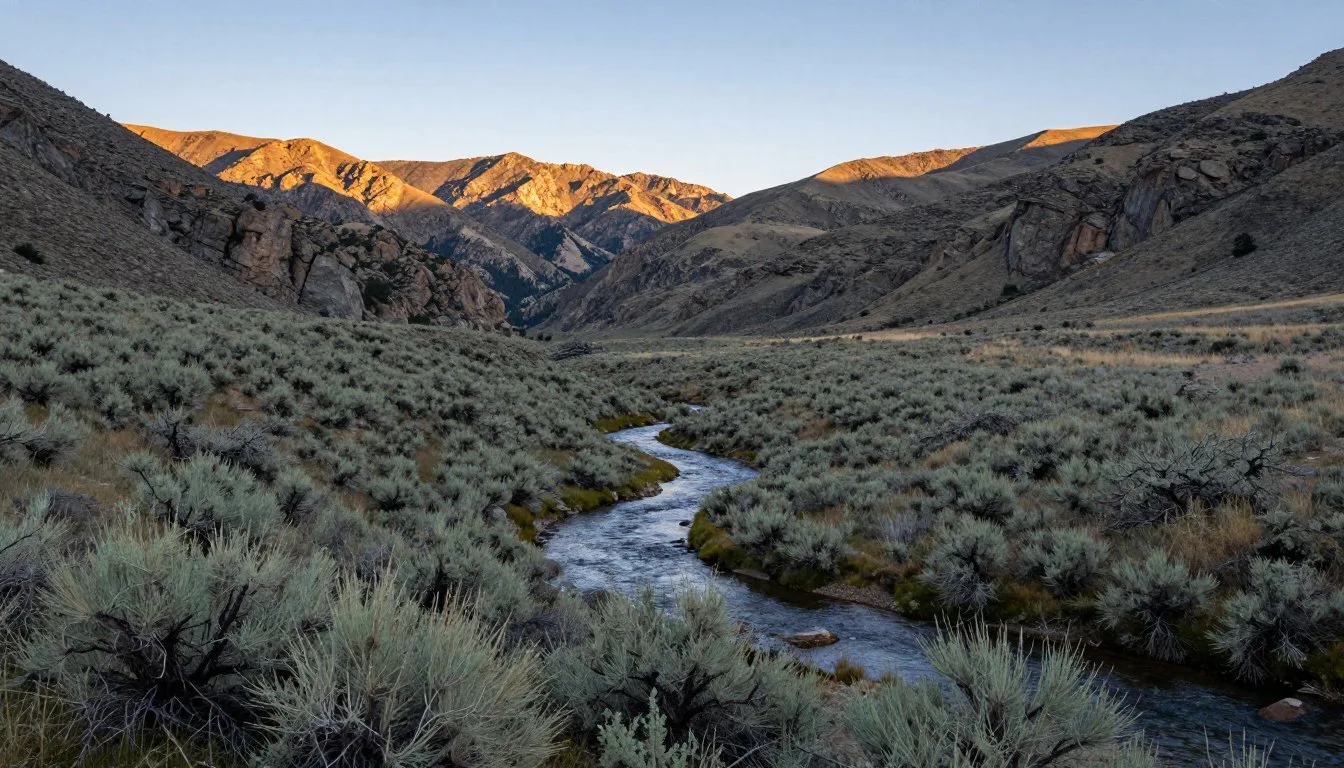
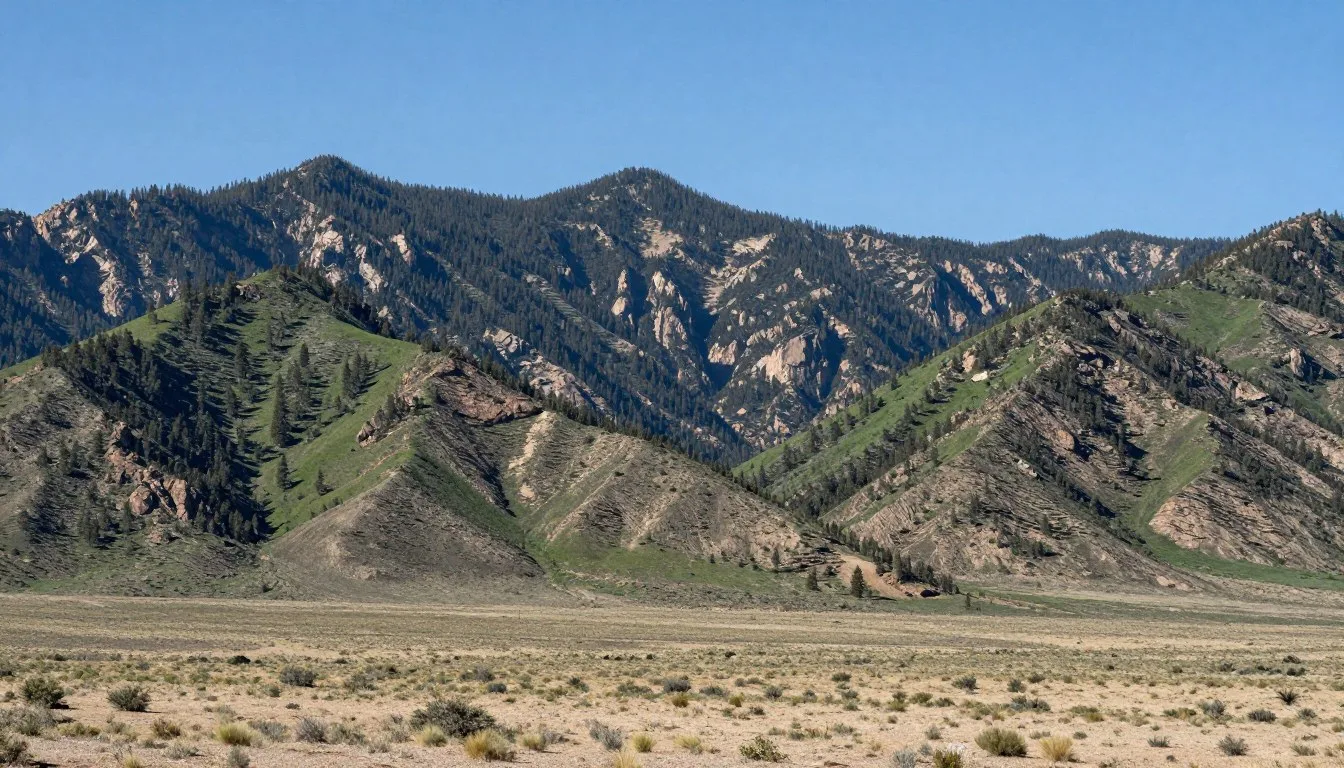
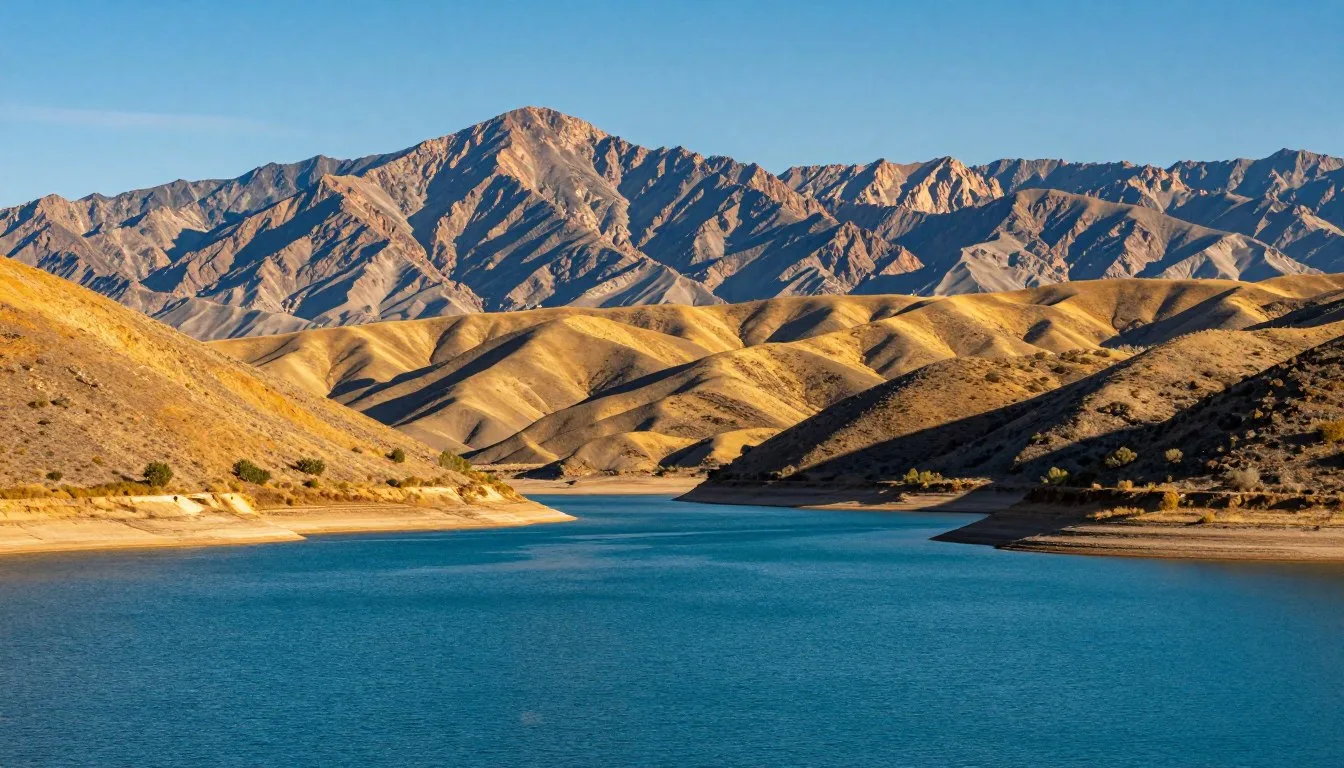
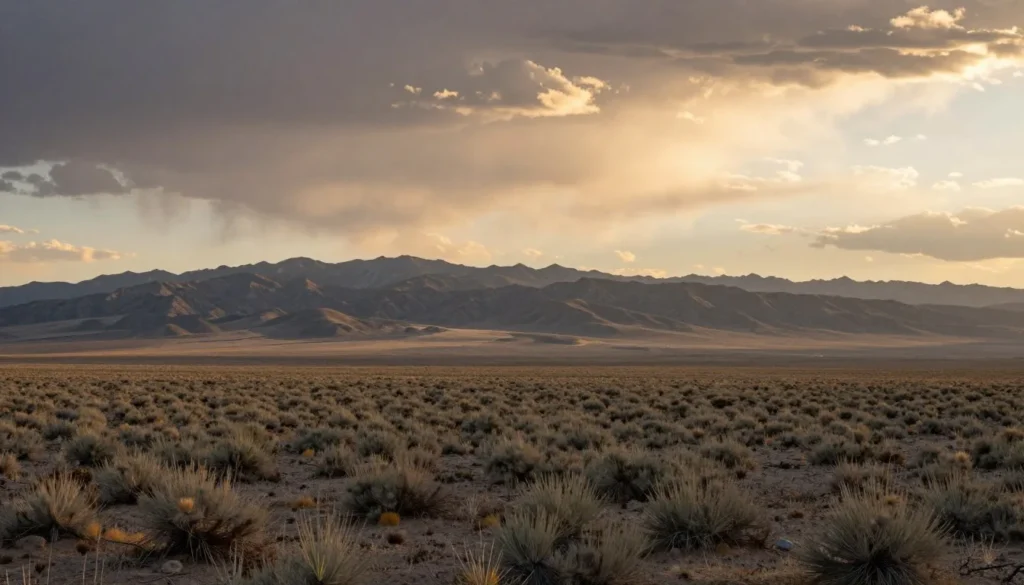
The Great Basin Desert stretches across Nevada’s remote interior, offering visitors a chance to experience true wilderness solitude. This high-elevation desert landscape differs dramatically from typical desert environments. Snow-capped peaks rise above sagebrush valleys. Crystal-clear alpine lakes reflect the milky way on moonless nights.
Great Basin National Park serves as the crown jewel of this vast desert ecosystem. The park encompasses 312 square kilometers (77,180 acres) of diverse terrain. Visitors discover underground marble caves, glacier-carved valleys, and some of the darkest night skies in the United States. This guide reveals everything you need to plan an unforgettable journey to this hidden Nevada treasure.
Getting There and Planning Your Journey
Reaching Great Basin Desert requires some planning since the area sits far from major population centers. The nearest commercial airports offer connections to the park through scenic driving routes. Your journey becomes part of the adventure as you traverse Nevada’s open highways.
Closest Airports to Great Basin Desert
Several airports provide access to Great Basin National Park, each offering different advantages. The closest options include regional facilities while larger hubs sit further away but offer more flight choices.
Salt Lake City International Airport (SLC) in Utah represents the largest nearby hub, located 380 kilometers (236 miles) from the park. This airport offers the most flight options and rental car availability. The drive takes approximately four hours through beautiful Utah and Nevada landscapes.
Las Vegas McCarran International Airport (LAS) sits 470 kilometers (292 miles) south of Great Basin National Park. This major hub provides numerous daily flights from cities across the United States and internationally. The five-hour drive north crosses vast desert valleys and mountain ranges.
Cedar City Regional Airport (CDC) in Utah offers a smaller option just 260 kilometers (162 miles) from the park. Limited commercial service operates here, but the three-hour drive makes it attractive for visitors coming from the southwest.
Driving Routes and Road Conditions
Highway 50, known as “The Loneliest Road in America,” provides the main access to Great Basin National Park. This legendary route crosses central Nevada with minimal services between towns. Stock your vehicle with water, snacks, and emergency supplies before embarking.
From Salt Lake City, take Interstate 15 south to US Highway 6/50 west. The route passes through Delta, Utah before entering Nevada. Turn south on Nevada Highway 487 to reach Baker and the park entrance.
From Las Vegas, drive north on US Highway 93 through Pioche and Ely. Turn east on US Highway 50, then south on Highway 487 to Baker. This route showcases Nevada’s basin and range topography.
Winter conditions affect high-elevation roads from November through May. Wheeler Peak Scenic Drive closes during snow season. Check current road conditions before traveling. The National Park Service website provides updated information about road status and weather conditions.
Planning Your Visit Duration
Most visitors spend two to four days exploring Great Basin National Park and surrounding areas. A weekend trip allows time to visit major attractions including Lehman Caves, Wheeler Peak Scenic Drive, and several hiking trails. Three days provides a more relaxed pace for photography and stargazing.
Check 30,000+ Local Sightseeing Tours Worldwide
✓ Numerous languages and currencies are available
Day trips prove possible but require early starts and limited activity selection. The remote location means you’ll spend significant time driving. Plan to stay overnight nearby to fully appreciate the area without rushing.
Best Time to Visit and Weather Tips
Great Basin National Park experiences dramatic seasonal changes due to its elevation range from 1,981 meters to 3,982 meters (6,500 to 13,063 feet). Understanding weather patterns helps visitors pack appropriately and plan activities for optimal conditions.
Recommended Months and Seasons
Late spring through early fall offers the best weather for visiting Great Basin National Park. Each season presents unique advantages for different visitor interests.
Best Months: June through September
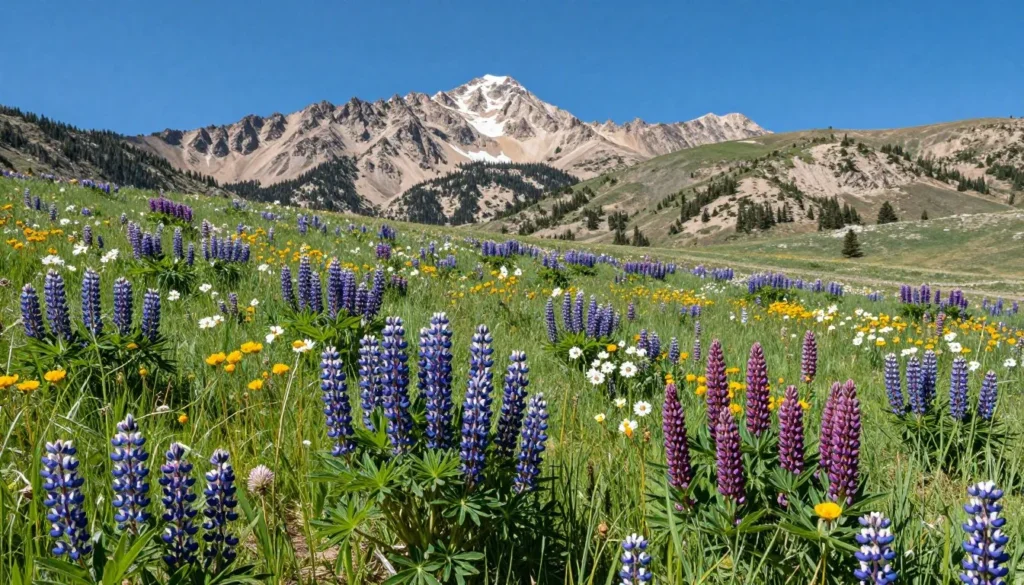
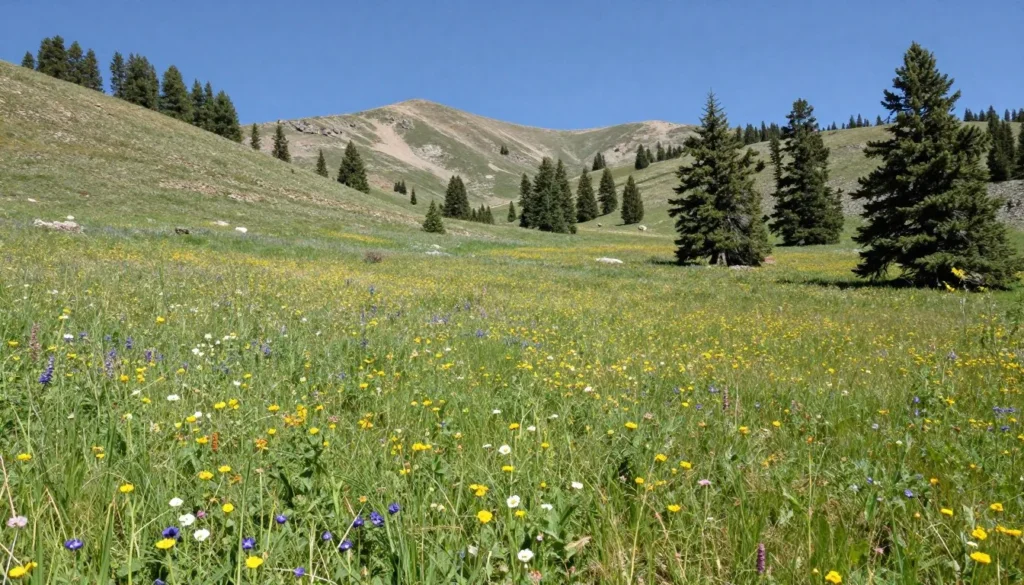
- June brings wildflowers to alpine meadows with snow still visible on Wheeler Peak
- July and August provide warmest temperatures and full access to high-elevation areas
- September delivers cooler weather, fall colors, and fewer visitors
- All park roads and facilities operate during summer months
Good Months: May and October
- May sees variable conditions with possible snow at higher elevations
- October brings crisp fall weather and brilliant aspen colors
- Wheeler Peak Scenic Drive may have limited access early and late in season
- Fewer crowds make these shoulder season months appealing
Months to Avoid: November through April
- Heavy snow closes Wheeler Peak Scenic Drive completely
- Freezing temperatures make camping uncomfortable without winter gear
- Many trails become impassable due to snow and ice
- Limited visitor services operate during winter months
Weather Patterns and What to Expect
Great Basin weather varies dramatically with elevation. The park experiences a high desert climate with significant temperature swings between day and night. Visitors should prepare for multiple weather conditions even during summer visits.
Summer temperatures at lower elevations range from 24°C to 32°C (75°F to 90°F) during daytime. Nights cool to 7°C to 13°C (45°F to 55°F). Higher elevations near Wheeler Peak remain much cooler with daytime highs around 13°C to 18°C (55°F to 65°F).
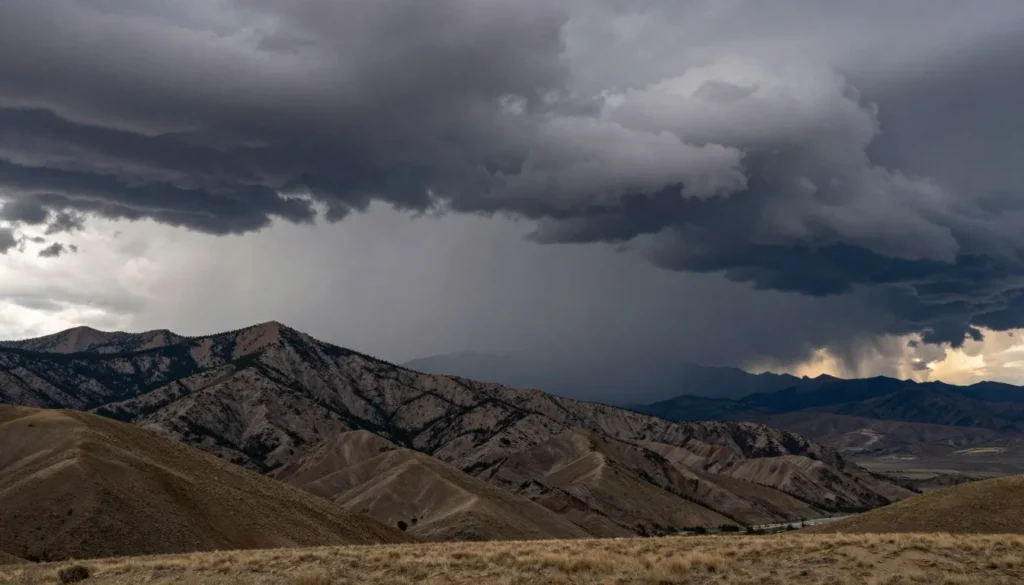
Afternoon thunderstorms develop frequently during July and August. These storms bring lightning, brief heavy rain, and rapid temperature drops. Start hikes early in the day and descend from exposed ridges by early afternoon.
Spring conditions remain unpredictable with snow possible through May at higher elevations. Temperatures fluctuate widely. Morning freezes give way to pleasant afternoons. The Wheeler Peak Scenic Drive typically opens in late May or early June depending on snowpack.
Fall weather turns cooler starting in September. Daytime temperatures range from 13°C to 21°C (55°F to 70°F) at lower elevations. First snows arrive in October at high elevations. Aspens display brilliant yellow foliage in late September and early October.
Winter brings heavy snow and freezing temperatures. The park remains open year-round but most roads close. Temperatures drop well below freezing with highs around -1°C to 4°C (30°F to 40°F) at lower elevations. Wheeler Peak receives several meters of snow accumulation.
Packing Essentials for Great Basin Weather
Layered clothing proves essential for Great Basin visits regardless of season. Temperature variations throughout the day and between elevations require flexible wardrobe options.
- Moisture-wicking base layers for hiking and active pursuits
- Insulating mid-layers like fleece or down for cool mornings and evenings
- Waterproof rain jacket for afternoon thunderstorms
- Sun protection including hat, sunglasses, and high-SPF sunscreen
- Warm jacket for stargazing sessions after dark
- Sturdy hiking boots with good ankle support for rocky trails
Getting Around Locally
Personal vehicles provide the only practical transportation within Great Basin National Park and surrounding areas. No public transportation or shuttle services operate in this remote region. Visitors need their own reliable transportation to access trails, viewpoints, and attractions.
Driving Within the Park
Great Basin National Park roads accommodate standard passenger vehicles during summer months. The main routes include paved and well-maintained gravel surfaces. Winter closures affect high-elevation roads significantly.
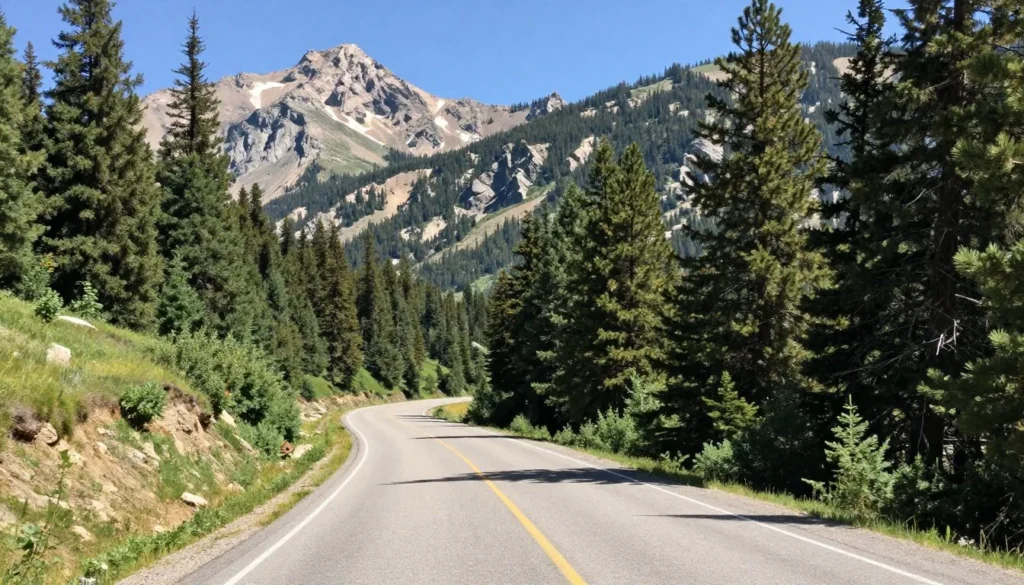
Wheeler Peak Scenic Drive represents the park’s premier route, climbing 12 kilometers (8 miles) from the valley floor to 3,158 meters (10,160 feet) elevation. This paved road provides access to alpine lakes, trailheads, and spectacular viewpoints. The drive opens seasonally, typically from late May through October depending on snow conditions.
The road from Baker to the visitor center and Lehman Caves remains open year-round. This paved route allows winter visitors to access cave tours and lower elevation areas. Drive cautiously during winter as ice and snow create hazardous conditions.
Vehicle Requirements and Recommendations
Standard cars handle Great Basin roads adequately during dry summer conditions. Four-wheel drive vehicles offer advantages for exploring backcountry roads outside the park. High clearance helps on rough gravel surfaces.
Rental vehicles from nearby airports work well for park visits. Choose vehicles with good fuel economy since gas stations remain scarce. The nearest fuel stops operate in Baker, Nevada and Ely, Nevada, both small communities with limited services.
Check your vehicle before departing on remote Nevada highways. Ensure good tire condition, adequate coolant, and proper fluid levels. Carry emergency supplies including extra water, food, blankets, and basic tools. Cell phone coverage remains spotty throughout the region.
Parking and Congestion
Great Basin National Park rarely experiences crowding or parking challenges. As one of America’s least-visited national parks, the area sees only about 90,000 annual visitors. Most parking areas have ample space even during peak summer weekends.
Popular trailheads like Wheeler Peak and Bristlecone Pine Grove may fill during mid-summer weekends. Arrive early in the morning to secure parking at these locations. Weekdays offer the best parking availability throughout the park.
The Lehman Caves Visitor Center parking lot accommodates tour groups and individual visitors. Space fills during scheduled cave tour times. Plan to arrive 30 minutes before your tour start time to find parking and check in.
Where to Stay
Lodging options near Great Basin National Park remain limited due to the remote location. Visitors choose between park campgrounds, nearby motels, and backcountry camping. Planning accommodations in advance proves essential, especially during summer months.
Camping in Great Basin National Park
Four developed campgrounds operate within Great Basin National Park boundaries. These sites provide the most convenient access to trails and attractions. Camping immerses visitors in the park’s natural beauty and facilitates early morning hikes and nighttime stargazing.
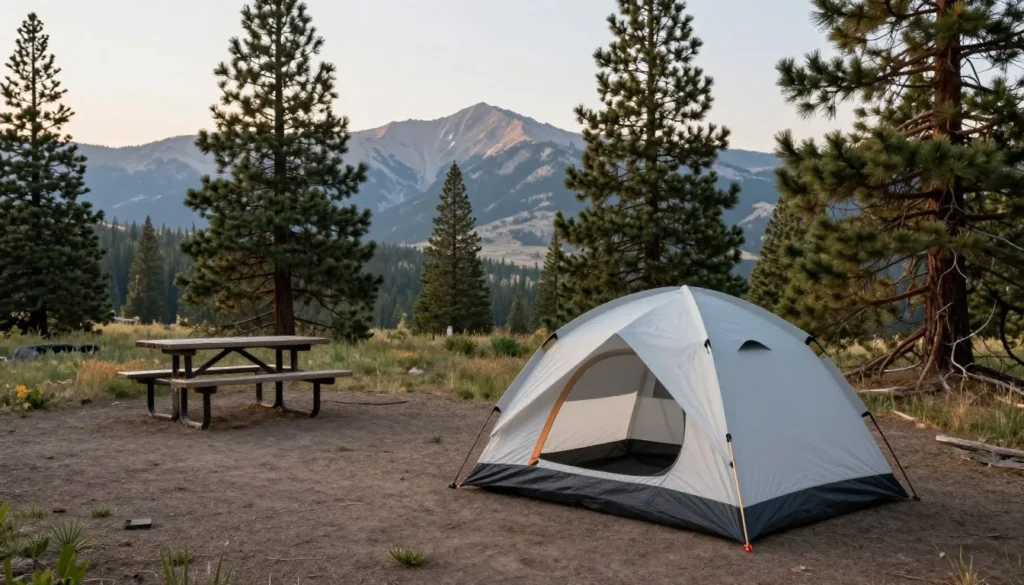
Wheeler Peak Campground sits at 3,048 meters (10,000 feet) elevation near the end of Wheeler Peak Scenic Drive. This 37-site campground operates from June through September depending on snow. Sites accommodate tents and small RVs up to 7 meters (24 feet). Temperatures remain cool even in summer with nighttime lows around 4°C (40°F).
Lower Lehman Creek Campground offers 11 sites at 2,316 meters (7,600 feet) elevation. This year-round facility provides the only winter camping option in the park. Sites work well for tents and medium-sized RVs up to 8 meters (27 feet). Running water operates seasonally from May through October.
Upper Lehman Creek Campground contains 22 sites at 2,377 meters (7,800 feet). Open from May through September, this campground sits along Lehman Creek in a pinyon-juniper woodland. Sites accommodate tents and RVs up to 8 meters (27 feet).
Baker Creek Campground provides 32 primitive sites at 2,438 meters (8,000 feet) elevation. This secluded area operates from May through October. Dirt access roads suit high-clearance vehicles best. Sites accommodate tents and small camping vehicles.
All park campgrounds operate on a first-come, first-served basis except for group sites. No reservations are accepted. Arrive early during summer weekends to secure a spot. Campground fees range from $8 to $15 per night. Bear-proof food storage lockers protect supplies at all locations.
Lodging in Baker, Nevada
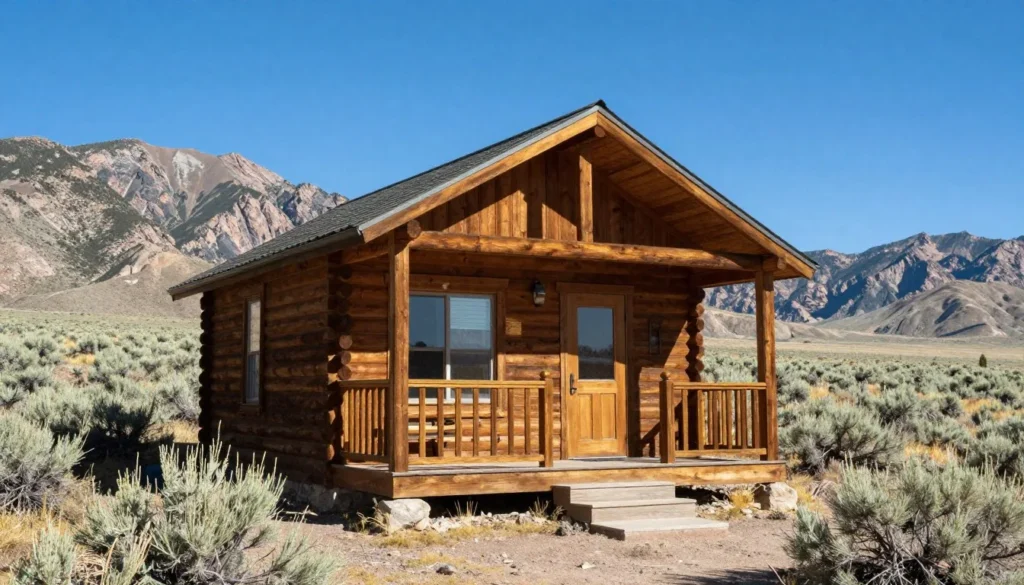
Baker serves as the gateway community to Great Basin National Park, located just 8 kilometers (5 miles) from the visitor center. This tiny town offers limited but adequate lodging for park visitors. The quiet rural setting provides a peaceful base for exploring the area.
Several small motels operate in Baker with basic amenities. These family-run establishments provide clean rooms, friendly service, and local knowledge about the park. Book well in advance during summer months as rooms fill quickly. Limited cell service and internet connectivity reflect the remote location.
A few vacation rental properties offer alternatives to traditional motels. These homes and cabins provide more space for families or groups. Full kitchens allow meal preparation, helpful since restaurant options remain scarce.
Accommodations in Ely, Nevada
Ely represents the nearest substantial town, located 112 kilometers (70 miles) west of Great Basin National Park. This former mining community provides more lodging choices including chain hotels, independent motels, and historic inns. The hour-long drive makes Ely practical for multi-day park visits.
Several hotel chains operate in Ely including national brands. These properties offer familiar amenities like pools, free breakfast, and reliable WiFi. Prices remain reasonable compared to more touristy areas.
Historic hotels downtown Ely provide unique character and old Nevada charm. These restored properties feature period decor and local art. Downtown location puts restaurants and shops within walking distance.
Backcountry Camping
Experienced backpackers can camp in Great Basin’s wilderness areas with a free permit from the visitor center. Backcountry sites allow true solitude under incredibly dark skies. Practice Leave No Trace principles to protect fragile high-desert ecosystems.
Popular backcountry areas include the Wheeler Peak Cirque, South Snake Range peaks, and remote valley floors. Water sources remain scarce in many areas. Carry sufficient water or treatment systems. Snow persists at high elevations well into summer.
Dining and Local Cuisine
Dining options near Great Basin National Park reflect the remote rural character of eastern Nevada. Visitors find simple, hearty fare rather than sophisticated cuisine. Limited restaurant choices make meal planning an important part of trip preparation.
Restaurants in Baker
Baker offers a few small restaurants serving breakfast, lunch, and dinner during peak season. These family-operated establishments provide home-style cooking with generous portions. Hours can be irregular, especially during shoulder seasons. Call ahead to confirm operating times.
The Kerouac’s Restaurant serves American comfort food in a casual atmosphere. Menu items include burgers, sandwiches, and daily specials. The restaurant sources some ingredients locally when available. Outdoor seating provides mountain views during pleasant weather.
Electrolux Bar offers a unique dining experience in a converted vintage trailer. The creative menu features elevated pub fare and craft cocktails. Limited seating makes reservations advisable during busy periods. The quirky atmosphere adds character to the small town.
Stargazer Inn Restaurant caters to park visitors with early breakfast hours and packed lunch options. The menu covers classic breakfast dishes and simple dinners. Service focuses on getting guests fed and on the trail quickly.
Food Options in Ely
Ely provides more diverse dining choices compared to tiny Baker. Several restaurants serve various cuisines from standard American fare to ethnic options. Most establishments maintain regular hours year-round.
Downtown Ely restaurants include family diners, pizza shops, and a few upscale options. Local favorites serve Basque cuisine, reflecting the area’s mining heritage. Hearty portions suit hungry hikers returning from the park.
Chain restaurants near the highway offer familiar menus for visitors seeking reliable options. Fast food and casual dining chains provide quick meals during travel days.
Grocery Shopping and Self-Catering
Limited grocery stores operate in Baker and Ely. Stock up on supplies before arriving if you have specific dietary needs or preferences. Well-stocked coolers and camping kitchens give visitors flexibility for meal preparation.
Baker has one small market selling basic groceries, ice, and camping supplies. Selection remains limited but covers essentials. Prices run higher than urban supermarkets due to remote location and limited competition.
Ely offers several larger grocery stores with better selection and prices. Purchase perishables and fresh produce here before heading to the park. These stores also carry camping supplies, firewood, and ice.
Visitors staying in campgrounds or vacation rentals benefit from preparing their own meals. Cooking equipment and supplies should be packed from home when possible. Propane and white gas remain available in Ely for camp stoves.
What to Know About Dining in the Area
Restaurant hours fluctuate seasonally with some establishments closing completely during winter months. Summer hours extend later while winter operations may be limited to weekends only. Call ahead to avoid disappointment.
No restaurants or food services operate within Great Basin National Park itself. The nearest meals come from Baker, requiring visitors to exit the park. Pack snacks, lunch, and plenty of water for full days of activities.
Water quality in the region ranks excellent with most restaurants and lodgings using well water. Tap water is safe to drink. Visitors should still carry bottled water for hiking since natural water sources require treatment.
Attractions, Sightseeing, and Activities
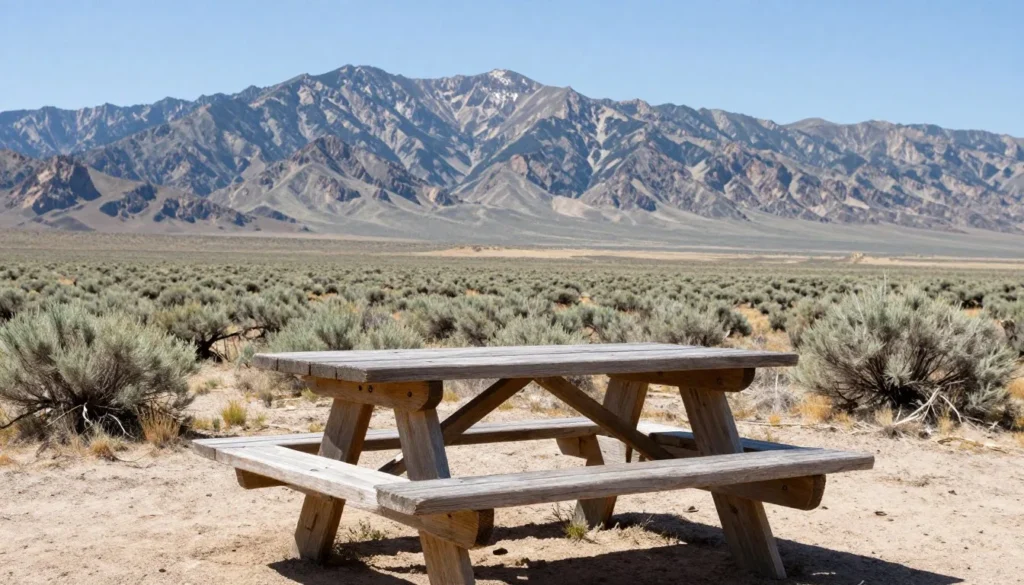
Great Basin National Park packs remarkable diversity into its relatively compact area. Visitors explore underground caves, climb alpine peaks, walk among ancient trees, and witness some of America’s darkest night skies. The park rewards those willing to venture into its high-elevation terrain.
Lehman Caves
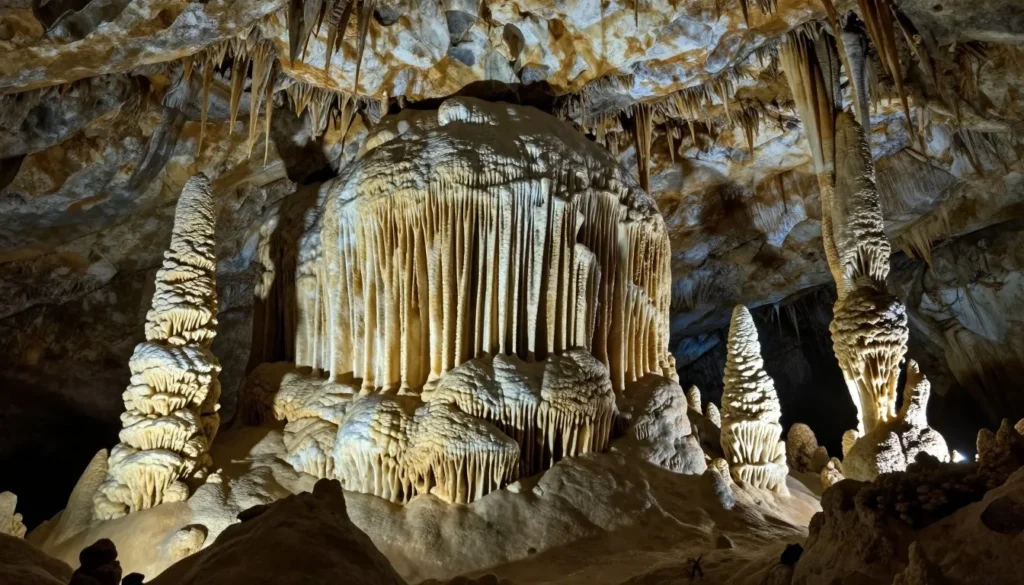
Lehman Caves represents the park’s most popular attraction, drawing visitors underground to explore intricate marble passages. These limestone caverns formed over millions of years through water dissolution creating stunning formations. Rangers lead guided tours through decorated chambers filled with stalactites, stalagmites, helictites, and rare shield formations.
Two tour options accommodate different schedules and interests. The Lodge Room Tour covers 0.6 kilometers (0.4 miles) in about 60 minutes, showcasing the cave’s most impressive formations. The Grand Palace Tour extends 0.8 kilometers (0.5 miles) over 90 minutes, including additional chambers and detailed geological interpretation.
Cave temperatures remain constant at 10°C (50°F) year-round. Wear layers and closed-toe shoes for the tour. The underground environment maintains high humidity. Hundreds of stairs and uneven surfaces make tours moderately strenuous. Reservations are strongly recommended, especially during summer months. Book tours online through the National Park Service website or by phone.
Photography inside the caves faces restrictions to protect formations. Flash photography damages delicate biological crusts and disturbs the cave ecosystem. Rangers provide information about cave formation processes and the unique shield formations that make Lehman Caves special.
Wheeler Peak Scenic Drive
Wheeler Peak Scenic Drive climbs from sagebrush valleys to alpine environments in just 12 kilometers (8 miles). This paved mountain road gains over 1,200 meters (4,000 feet) of elevation, passing through multiple ecological zones. The drive opens seasonally from late May or June through October depending on snowpack.
Multiple pullouts along the route provide opportunities to stop for photos and short walks. Lower elevations feature pinyon-juniper woodland giving way to mountain mahogany, aspen groves, and eventually subalpine forests. Views expand dramatically as elevation increases.
The road terminates at Wheeler Peak Campground and several trailheads. Summer wildflower displays peak in July and August along the upper sections. Aspen trees create brilliant yellow displays in late September. Allow at least one hour for the drive up with stops, plus additional time for activities at the top.
Marmot Overlook provides spectacular views toward Wheeler Peak and the Wheeler Peak Glacier at 3,048 meters (10,000 feet). This short wheelchair-accessible path leads to an overlook platform. Interpretive signs explain the geological processes that shaped the mountain landscape.
Wheeler Peak Summit
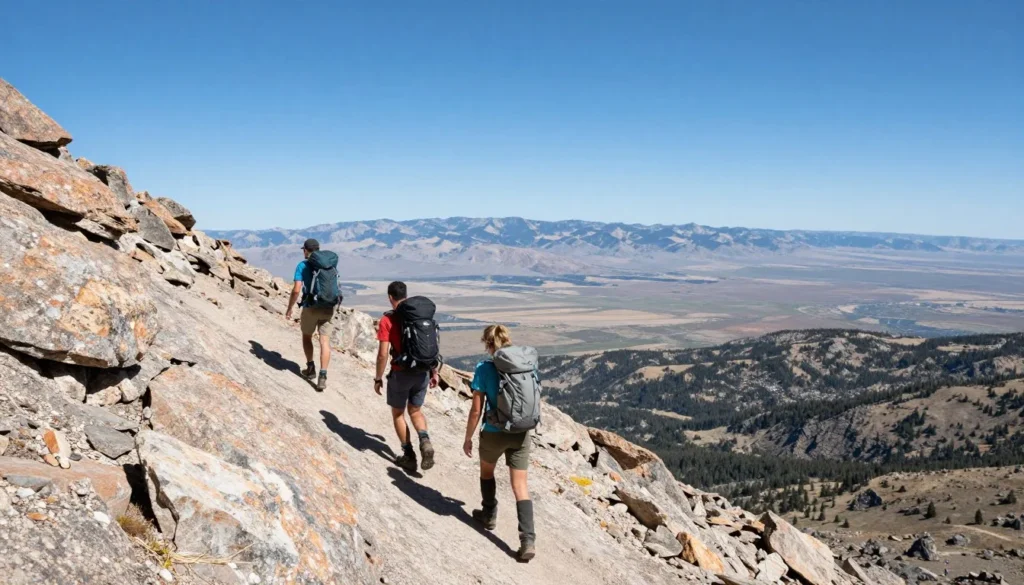
Wheeler Peak towers as Nevada’s second-highest mountain at 3,982 meters (13,063 feet) elevation. The summit sits just 15 meters (50 feet) lower than Boundary Peak, Nevada’s highpoint located along the California border. Hiking to Wheeler Peak’s summit represents a challenging but achievable goal for fit visitors.
The Wheeler Peak Summit Trail covers 13.5 kilometers (8.4 miles) round trip with 905 meters (2,970 feet) of elevation gain. Most hikers complete the journey in six to eight hours. The trail begins at Wheeler Peak Campground already at high elevation, helping with acclimatization. Views from the summit encompass hundreds of kilometers of basin and range topography.
Start extremely early in the morning to avoid afternoon thunderstorms common in summer. Lightning poses serious danger on exposed ridges above treeline. Turn back if storms develop regardless of how close you are to the summit. The route passes through alpine meadows, talus slopes, and rocky ridges above 3,658 meters (12,000 feet).
Physical preparation helps ensure a safe, enjoyable climb. High elevation reduces available oxygen significantly. Take frequent breaks and maintain a slow steady pace. Bring layers for changing conditions. Temperatures at the summit can be 15°C to 20°C (25°F to 35°F) cooler than the trailhead.
Bristlecone Pine Grove
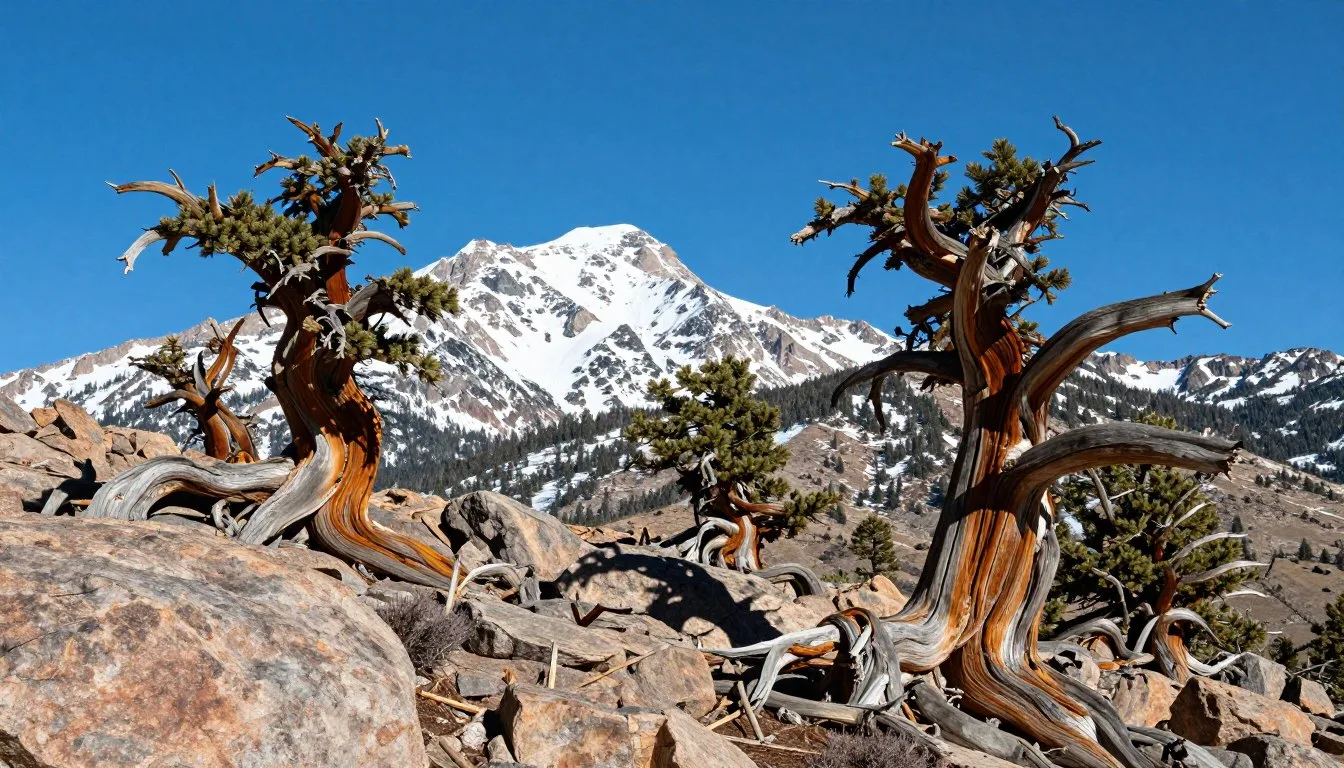
Ancient bristlecone pine trees grow in harsh alpine conditions near Wheeler Peak. These remarkable trees survive in environments where few other species can exist. Some specimens in Great Basin National Park exceed 5,000 years in age, making them among Earth’s oldest living individual organisms.
The Bristlecone Pine Trail provides easy access to these ancient forests. This 4.6-kilometer (2.9-mile) loop begins at Wheeler Peak Campground at 3,048 meters (10,000 feet). The relatively flat trail takes about two to three hours to complete. Self-guiding brochures explain bristlecone ecology and adaptations.
Gnarled twisted trunks and weathered wood characterize mature bristlecone pines. Strip-bark growth allows trees to survive with only a narrow band of living tissue connecting roots to branches. Dead wood persists for thousands of years in the dry alpine climate, creating sculptural forms.
Interpretive signs identify some of the grove’s oldest trees. Please stay on designated trails to protect fragile alpine soils and tree root systems. These forests grow incredibly slowly, sometimes adding less than one millimeter of trunk diameter per year. Damage takes centuries to heal.
Check 30,000+ Local Sightseeing Tours Worldwide
✓ Numerous languages and currencies are available
Alpine Lakes
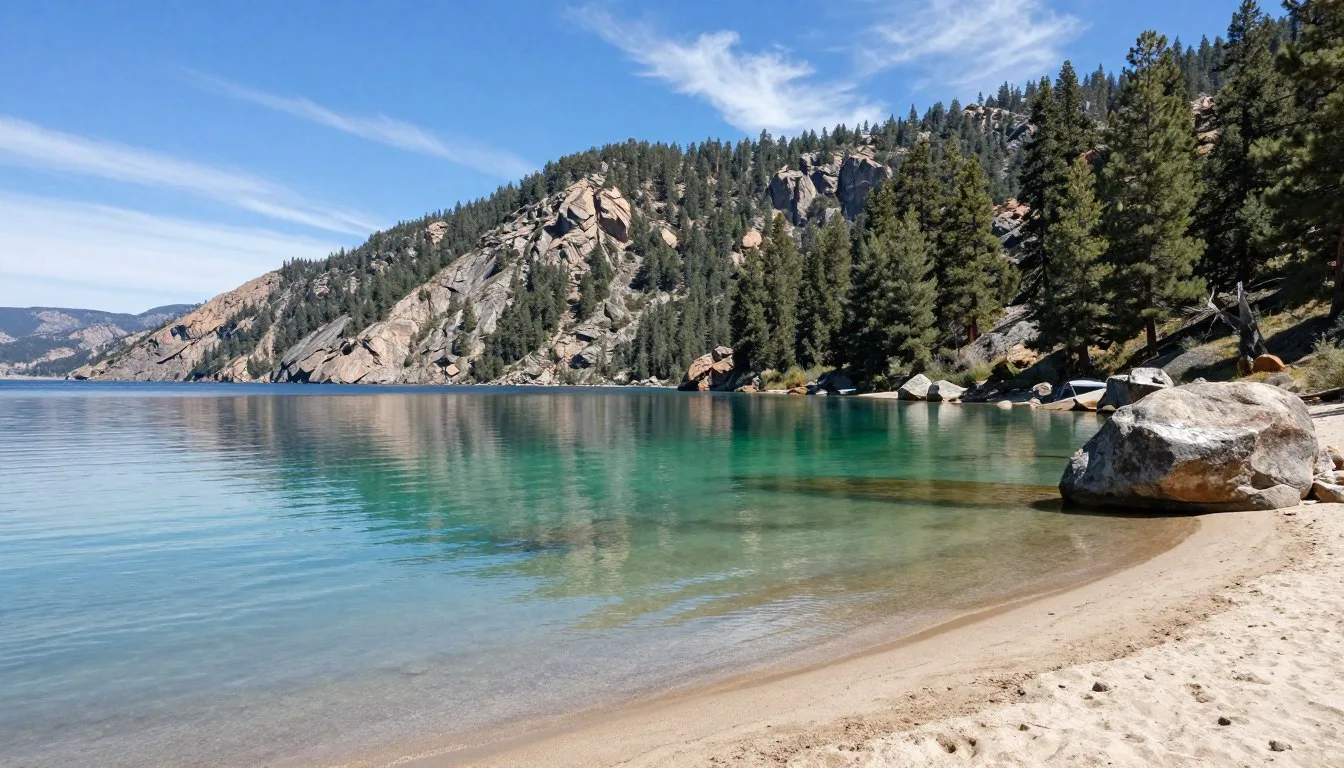
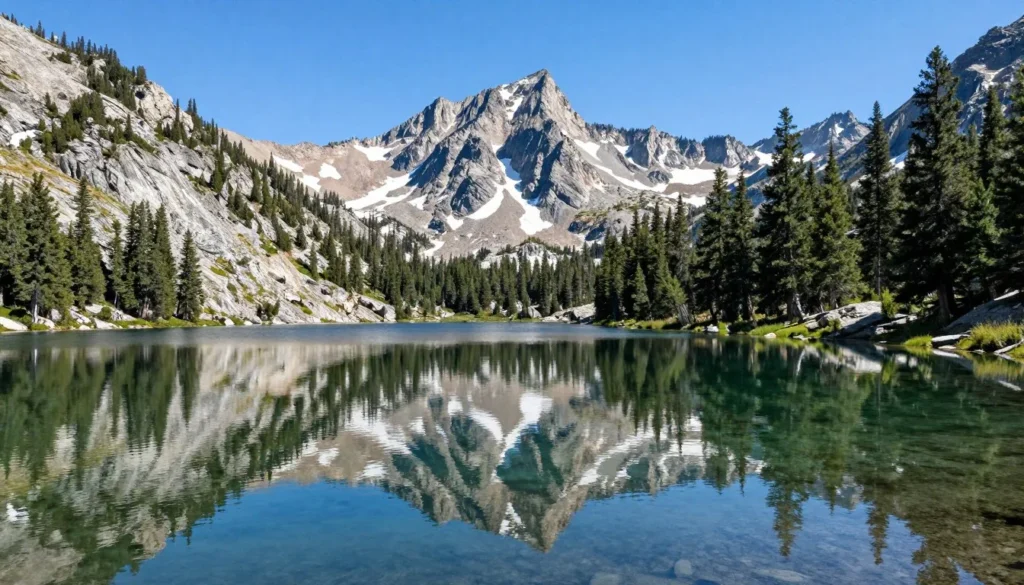
Several pristine alpine lakes nestle in cirques below Wheeler Peak. These glacially-carved basins hold crystal-clear water surrounded by rocky peaks and subalpine forests. Hiking to the lakes provides rewarding destinations with stunning scenery.
Stella Lake sits closest to Wheeler Peak Scenic Drive, just 0.6 kilometers (0.4 miles) from the road. This small lake occupies a scenic setting at 3,048 meters (10,000 feet) elevation. The easy trail takes about 30 minutes round trip. Wildflowers bloom prolifically around the lakeshore in July.
Teresa Lake lies slightly beyond Stella Lake, adding another 0.8 kilometers (0.5 miles) to the hike. This larger body of water offers even more dramatic mountain scenery. The combined loop to both lakes covers about 4.8 kilometers (3 miles) and takes two hours.
Both lakes remain cold year-round with water temperatures barely above freezing even in summer. Ice may persist into July in heavy snow years. The lakes provide critical habitat for specialized aquatic insects and salamanders adapted to harsh alpine conditions. Swimming is allowed but the frigid water discourages most visitors.
Lexington Arch
Lexington Arch stands as one of Great Basin’s hidden gems, located in a remote southern section of the park. This massive limestone arch spans 23 meters (75 feet) and rises 12 meters (40 feet) high. Unlike most arches formed in sandstone, Lexington formed in limestone through different geological processes.
Reaching Lexington Arch requires a significant commitment. The trailhead sits at the end of a long gravel road requiring high-clearance vehicles. From there, the trail covers 5.5 kilometers (3.4 miles) one-way with moderate elevation gain. Plan four to five hours for the round trip hike.
The remote location means few visitors make the journey to Lexington Arch. Those who do enjoy solitude and impressive geological features. The arch formed through a combination of erosion and tectonic activity. Some geologists theorize it may have originated as a cave passage that later collapsed.
High-clearance vehicles can carefully navigate the access road during dry conditions. The route becomes impassable when wet. Check conditions at the visitor center before attempting the drive. Standard passenger cars should not attempt the road.
Museums, Cultural Spots, and Festivals
Cultural attractions near Great Basin National Park remain limited due to the sparse population. However, several worthwhile sites provide insight into the region’s mining history, railroad heritage, and Native American presence. Most cultural facilities operate in Ely, requiring a drive from the park.
Great Basin Visitor Center
The Lehman Caves Visitor Center serves as the primary interpretive facility for Great Basin National Park. Rangers staff the center year-round providing trip planning assistance, permits, and educational programs. The bookstore offers field guides, maps, and books about Great Basin ecology and history.
Exhibits inside the visitor center explore park geology, biology, and human history. Interactive displays explain cave formation, bristlecone pine ecology, and night sky protection. A relief map shows the basin and range topography surrounding the park. Short films provide orientation for first-time visitors.
Junior Ranger programs engage children with hands-on activities and guided discovery. Kids complete activity booklets while exploring the park, then receive badges from rangers. The program covers topics from Leave No Trace principles to animal tracking.
Nevada Northern Railway Museum
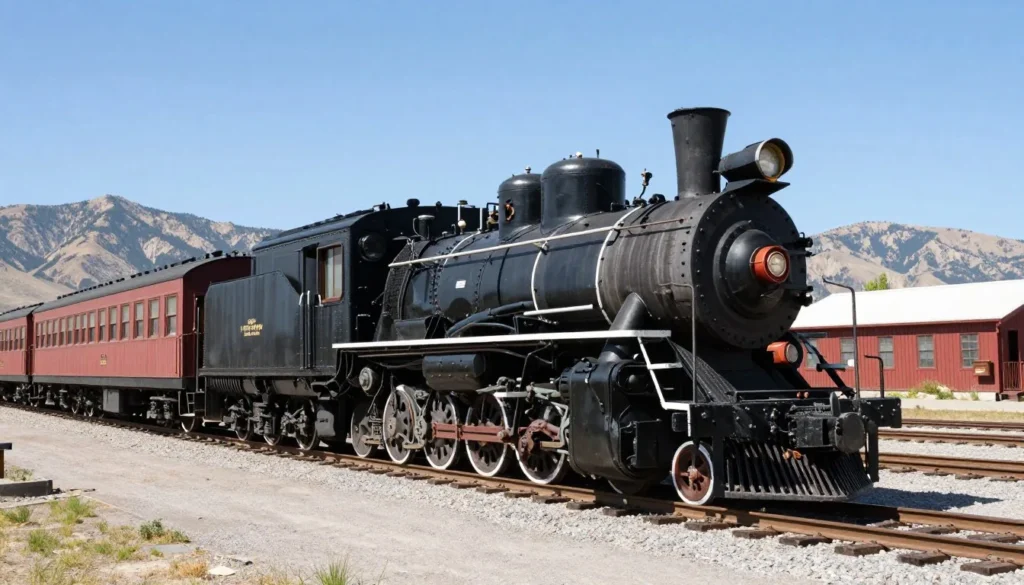
The Nevada Northern Railway Museum in Ely preserves an intact historic railroad operation. This facility includes original steam locomotives, passenger cars, depot, and repair shops from the mining era. The complex serves as a living museum where trains still operate on historic tracks.
Guided tours explore the engine house where mechanics once maintained steam locomotives. Visitors see historic equipment including working steam engines over a century old. Knowledgeable docents explain railroad operations and the role of rail transport in Nevada’s mining industry.
Seasonal train rides operate on weekends from May through September. The historic trains pull passengers through scenic Nevada countryside on the same routes used by miners and railroad workers. Special themed rides include murder mystery dinners and holiday events.
White Pine Public Museum
White Pine Public Museum in Ely chronicles the history of eastern Nevada from prehistoric times through the mining boom. Collections include Native American artifacts, mining equipment, and household items from pioneer families. The museum occupies a historic building adding to the authentic atmosphere.
Exhibits cover Fremont Culture archaeology, prospecting and mining technology, and the development of regional towns. Photographs document life in early Nevada mining camps. A research library assists genealogists and historians investigating the region’s past.
The museum operates limited hours with small admission fees. Call ahead to confirm operating times, especially during winter months. Guided tours can be arranged for groups with advance notice.
Local Events and Festivals
Eastern Nevada communities host modest festivals celebrating local culture and heritage. These small-town events provide opportunities to meet residents and experience authentic rural Nevada character.
The Great Basin Astronomy Festival occurs annually in Great Basin National Park during late summer. This multi-day event features telescope viewing, astronomy programs, and presentations by professional astronomers. Visitors observe deep sky objects through large telescopes set up by amateur astronomy clubs.
Silver State Classic Challenge in September draws speed enthusiasts to Highway 318 near Ely. This open-road race allows participants to test high-performance vehicles on a closed section of public highway. Spectators watch cars reach speeds exceeding 320 kilometers per hour (200 miles per hour).
Ely’s Renaissance Festival in June transforms downtown into a medieval village. Performers in period costume provide entertainment through music, comedy, and demonstrations. Craft vendors sell handmade items while food booths serve festival fare.
Nature and Outdoor Experiences
Great Basin National Park exists primarily as a destination for outdoor recreation and nature appreciation. The park’s remote location and diverse ecosystems provide exceptional opportunities for hiking, wildlife viewing, and photography. Visitors seeking true wilderness experiences find them here.
Hiking Trails for All Abilities
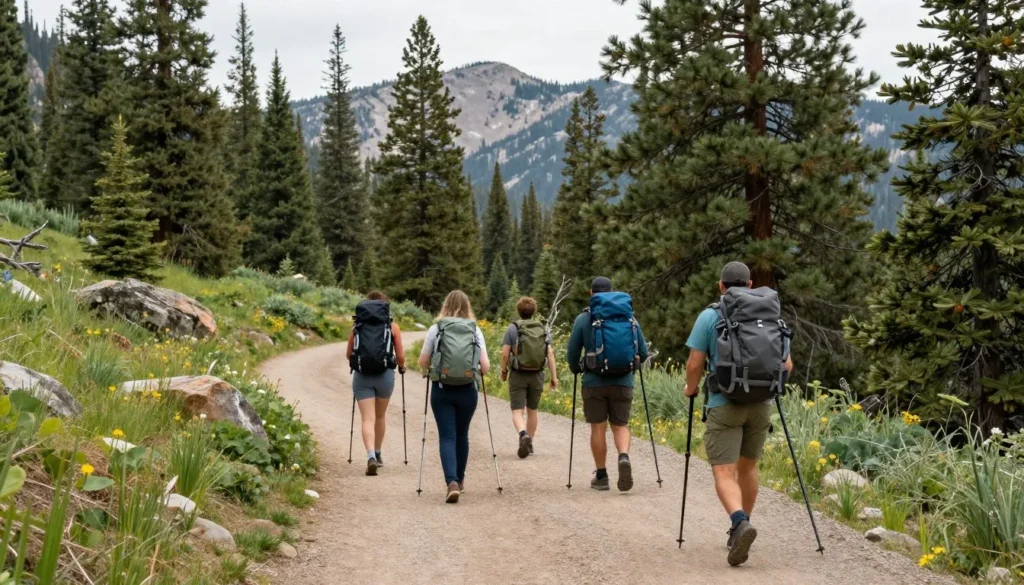
Great Basin offers over 60 kilometers (37 miles) of marked trails ranging from easy nature walks to strenuous alpine climbs. Trail conditions vary significantly with elevation and season. High-elevation trails remain snow-covered well into summer during heavy snow years.
Mountain View Nature Trail provides an easy introduction near the visitor center. This 0.4-kilometer (0.25-mile) loop takes about 20 minutes to complete. Interpretive signs explain pinyon-juniper ecology and desert plant adaptations. The accessible trail suits all fitness levels including wheelchair users.
Island Forest Trail climbs through changing ecosystems from sagebrush to pine forest. The moderate 4.5-kilometer (2.8-mile) loop gains 244 meters (800 feet) of elevation. Allow two to three hours for this interpretive hike showcasing elevation-based plant communities.
Alpine Lakes Loop combines Stella and Teresa Lakes in a scenic 4.8-kilometer (3-mile) circuit. The relatively easy trail begins at high elevation near Wheeler Peak Scenic Drive. Wildflowers bloom prolifically along the route during July and early August. Mountain views surround the sparkling lakes.
Baker Lake Trail heads into a remote drainage for 16.5 kilometers (10.3 miles) round trip. This strenuous hike gains 610 meters (2,000 feet) climbing to a pristine alpine lake. The trail sees few visitors due to its length and difficulty. Plan eight to ten hours for the full journey.
Wildlife Viewing Opportunities
Great Basin supports diverse wildlife adapted to harsh high-desert and alpine environments. Over 60 mammal species inhabit the park along with 238 bird species and numerous reptiles and amphibians. Patient observers spot animals throughout their visit.
Mule deer browse in meadows and forest edges throughout the park. These large mammals remain active during morning and evening hours. Wheeler Peak Campground frequently hosts deer wandering through campsites. Keep respectful distances and never feed wildlife.
Yellow-bellied marmots inhabit rocky areas at high elevations. These large ground squirrels whistle alarm calls when approached. Watch for them sunning on boulders near Wheeler Peak trails. Marmots hibernate through the long winter, emerging in late spring.
Mountain bluebirds flash brilliant blue plumage in open areas. These beautiful songbirds nest in tree cavities and old woodpecker holes. Campgrounds and picnic areas provide good viewing locations. The birds hunt insects from exposed perches.
Bighorn sheep occasionally appear on rocky slopes though sightings remain uncommon. These nimble animals navigate steep terrain with ease. Binoculars help spot distant sheep on cliffsides. Report any sightings to rangers who monitor the population.
Night brings out nocturnal species including ringtail cats, bats, and kangaroo rats. Ringtails resemble small raccoons with long banded tails. These secretive animals rarely appear but sometimes visit campgrounds after dark. Multiple bat species hunt insects over water sources at dusk.
Photography Locations
Great Basin National Park rewards photographers with stunning landscapes, unique geological features, and incredible night skies. The variety of subjects and lighting conditions keeps cameras busy from dawn through night.
Wheeler Peak provides dramatic mountain scenery from multiple vantage points. Marmot Overlook offers excellent views from the scenic drive. Early morning light illuminates the peak’s east face beautifully. Late afternoon sun creates warm tones on the rocky summit.
Bristlecone pine groves present sculptural subjects with their twisted weathered forms. The ancient trees photograph well in varied lighting. Overcast days reduce harsh shadows on the contorted trunks. Golden hour light adds drama and dimension.
Alpine lakes create mirror reflections of surrounding peaks on calm mornings. Arrive at dawn when winds remain still for perfect mirror images. Wildflowers around lakeshores add colorful foregrounds in July. Autumn brings golden aspen reflections to the water.
Lehman Caves challenge photographers with limited light and restricted tripod use. High ISO settings and steady hands produce acceptable cave shots. Rangers announce when photography is permitted during tours. Respect restrictions protecting delicate formations.
Stargazing and Dark Sky Programs
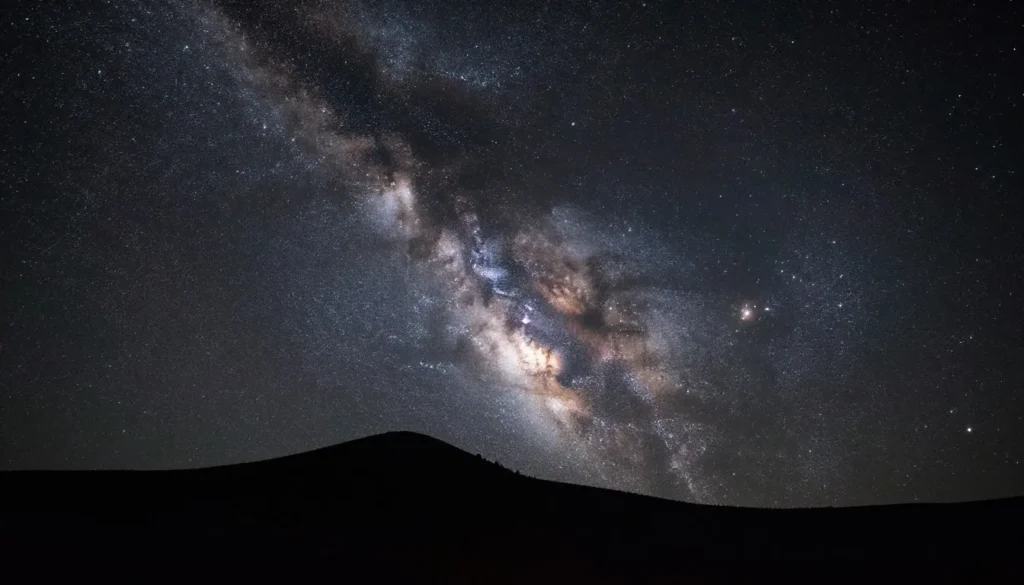
Great Basin National Park earned designation as an International Dark Sky Park due to exceptional night sky quality. The remote location far from cities provides some of America’s darkest nighttime skies. On moonless nights, the milky way casts visible shadows and thousands of stars become visible.
Astronomy programs operate regularly during summer months. Rangers set up telescopes for public viewing of planets, star clusters, and galaxies. Programs begin after sunset at various park locations. Check the visitor center for current schedules and locations.
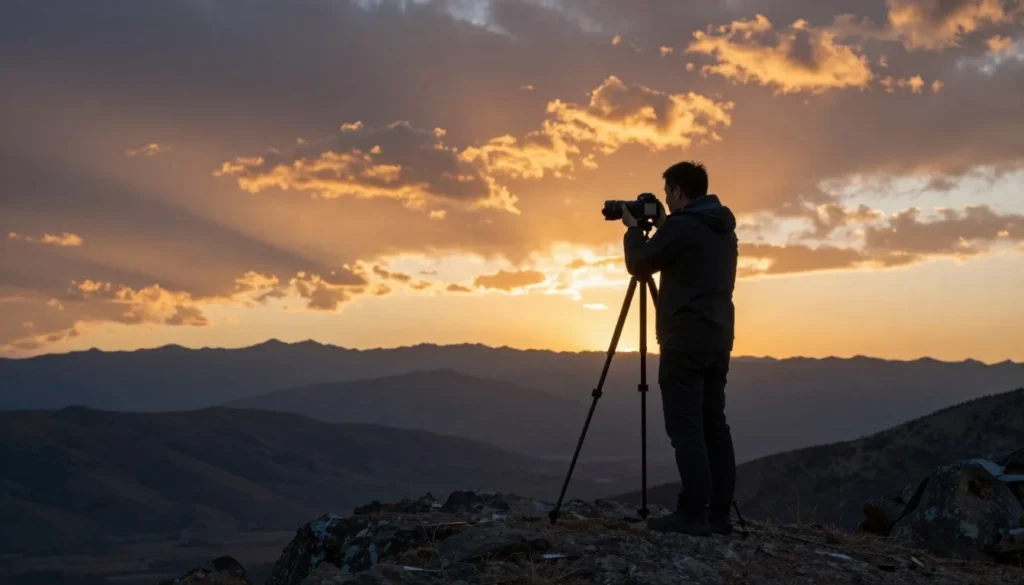
The milky way arches prominently overhead from late March through October. Summer positioning places the galactic center low on the southern horizon, creating dramatic photographs. Use a camera capable of long exposures to capture the cosmic river of stars.
New moon periods provide the darkest conditions for stargazing. Even quarter moon phases significantly reduce visible stars. Plan visits around the lunar cycle if observing faint deep sky objects. Weather patterns affect viewing with afternoon thunderstorms sometimes leaving clear nights.
Mather Overlook on Wheeler Peak Scenic Drive ranks among the park’s best stargazing locations. The high-elevation site sits above much atmospheric interference. Wheeler Peak Campground also offers dark skies convenient to facilities. Any location away from campground lights provides excellent viewing.
Dress warmly for nighttime observation even during summer. Temperatures drop significantly after sunset at high elevation. Bring red-filtered flashlights to preserve night vision while moving around. Allow 20-30 minutes for eyes to fully adapt to darkness.
Rock Climbing
Experienced climbers find quality routes on limestone cliffs within Great Basin National Park. The sport remains relatively undeveloped compared to nearby climbing areas. Routes range from moderate traditional climbs to difficult multi-pitch faces.
Jeff Davis Peak offers several established routes on its south face. Approaches require hiking to access the climbing areas. Loose rock exists on some routes requiring careful inspection. Climbers must be self-sufficient with all necessary equipment.
Register climbing plans at the visitor center before attempting routes. Rangers track climbing activity and provide current condition information. Bolting and permanent anchor installation require permits. Follow Leave No Trace principles to protect rock faces.
Winter Recreation
Winter transforms Great Basin into a snowy wonderland though facilities and access remain limited. Hardy visitors willing to brave cold conditions find solitude and beauty in the snow-covered landscape.
Cross-country skiing and snowshoeing become possible once adequate snow accumulates at lower elevations. No groomed trails exist but open meadows and roads provide routes. Wheeler Peak Scenic Drive closes to vehicles, creating a snow-covered recreation corridor.
Avalanche danger exists on steep slopes throughout the park. Obtain current conditions from rangers before venturing into backcountry areas. Carry appropriate safety equipment including avalanche beacons if traveling in slide-prone terrain.
Winter camping requires serious cold-weather gear and experience. Lower Lehman Creek Campground remains open year-round but provides minimal facilities. Temperatures regularly drop well below freezing. Snow camping appeals to winter enthusiasts seeking extreme solitude.
Safety, Etiquette, and Local Customs
Visiting Great Basin National Park safely requires preparation and awareness of potential hazards. The remote location, extreme elevation changes, and variable weather create challenges for unprepared visitors. Understanding park regulations and wilderness etiquette protects both visitors and the fragile environment.
High-Elevation Safety
Great Basin’s high elevation affects all visitors to varying degrees. Elevations range from 1,981 meters to 3,982 meters (6,500 to 13,063 feet) within park boundaries. Reduced oxygen at altitude causes symptoms in many people including headaches, fatigue, nausea, and shortness of breath.
Acclimatize gradually by spending time at moderate elevations before attempting high-altitude hikes. Drink extra water to combat altitude effects. Avoid alcohol which worsens dehydration. Take frequent breaks during strenuous activities allowing your body to adjust.
Serious altitude illness occurs rarely but requires immediate descent to lower elevations. Symptoms include severe headache, confusion, difficulty walking, and fluid in lungs. Anyone experiencing these symptoms should descend immediately and seek medical attention.
Physical exertion feels much harder at altitude even for fit individuals. Slow your pace compared to sea-level hiking. What seems like an easy distance on flat ground becomes challenging with elevation gain and thin air. Plan extra time for activities.
Weather Hazards
Afternoon thunderstorms develop frequently during summer months bringing lightning, heavy rain, and rapid temperature drops. Lightning poses serious danger on exposed ridges and peaks. Begin hikes early in the morning, reaching high points by noon, then descending before storms build.
If caught in a lightning storm, avoid isolated tall objects like lone trees. Move away from exposed ridges and summits. Crouch low in a valley or depression if no shelter exists. Wait thirty minutes after the last thunder before resuming activity.
Hypothermia threatens visitors year-round at high elevations. Wet clothing combined with wind and cool temperatures quickly leads to dangerous heat loss. Carry waterproof layers even on seemingly nice days. Change into dry clothes if you become wet from rain or stream crossings.
Sun intensity increases with elevation due to thinner atmosphere filtering less UV radiation. Sunburn occurs rapidly at high altitude. Apply high-SPF sunscreen regularly even on cloudy days. Wear hats and sun-protective clothing. Bring sunglasses to prevent snow blindness in winter and spring.
Wildlife Safety
Most Great Basin wildlife poses little danger to humans. However, proper behavior around animals protects both people and wildlife. Never approach or feed any animal no matter how tame it appears. Animals that become habituated to humans often must be relocated or destroyed.
Mountain lions inhabit the park though sightings remain extremely rare. These large cats avoid humans. If you encounter a mountain lion, never run. Face the animal, make yourself appear large, and back away slowly. Fight back aggressively if attacked.
Bears no longer inhabit Great Basin though historical populations existed. Food storage regulations protect against smaller animals like rodents and marmots. Use provided bear boxes at campgrounds to store all food and scented items. Never leave food unattended.
Snakes including rattlesnakes occur at lower elevations though encounters happen infrequently. Watch where you place hands and feet when scrambling on rocks. Give snakes space to retreat if encountered. Bites rarely prove fatal but require immediate medical attention.
Check 30,000+ Local Sightseeing Tours Worldwide
✓ Numerous languages and currencies are available
Leave No Trace Principles
Great Basin’s fragile ecosystems recover slowly from damage. High-elevation areas prove particularly vulnerable with short growing seasons and harsh conditions. Practice Leave No Trace principles to minimize your impact on this special place.
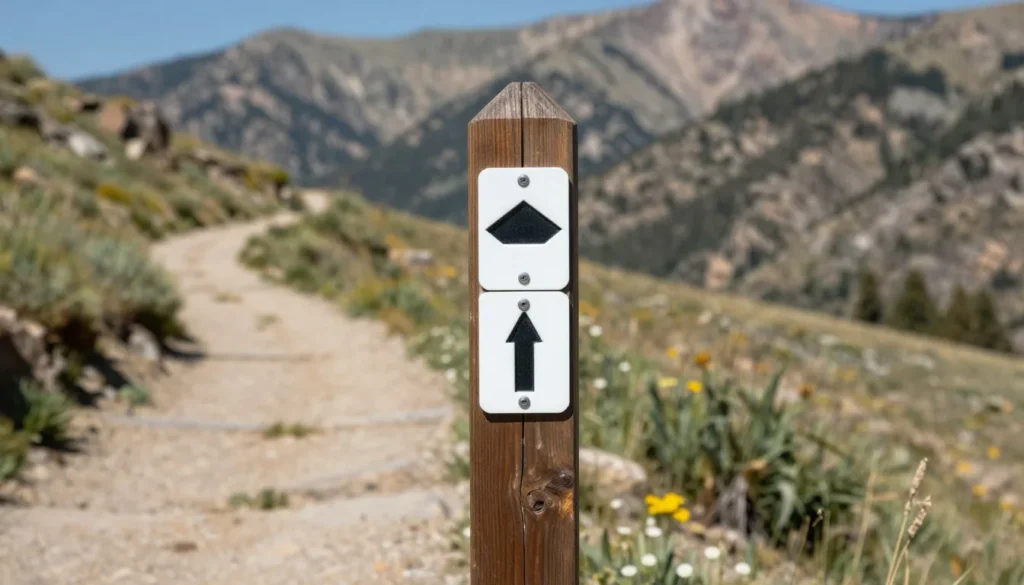
Stay on established trails to prevent erosion and vegetation damage. Shortcutting switchbacks causes severe erosion on slopes. Alpine plants grow incredibly slowly. Footprints in fragile areas persist for decades. Resist the urge to wander off-trail.
Pack out all trash including organic waste like orange peels and apple cores. Do not attempt to bury food scraps which animals will dig up. Carry a small trash bag for your waste. Pick up any litter you encounter even if not yours.
Human waste disposal requires careful attention. Use vault toilets at trailheads and campgrounds when available. In backcountry areas, bury waste 15-20 centimeters (6-8 inches) deep at least 60 meters (200 feet) from water sources and trails. Pack out used toilet paper in sealed bags.
Respect wildlife by observing from a distance. Never feed animals. Store food properly. Keep pets leashed at all times. Dogs disrupt wildlife and damage vegetation. Pets are prohibited on most trails including Lehman Caves tours.
Water Safety
Natural water sources in Great Basin require treatment before drinking. Clear mountain streams may appear pristine but contain microscopic organisms causing intestinal illness. Carry sufficient water for your activities or bring treatment methods.
Treatment options include filtration, chemical purification, UV sterilization, or boiling. Each method has advantages and limitations. Filters remove protozoa and bacteria but not viruses. Chemical treatments kill all organisms but require waiting time. Boiling works effectively but uses fuel.
Plan water needs carefully. High elevation and dry air increase dehydration. Drink more water than you think necessary. Carry at least one liter per person per two hours of hiking. Longer trips require more extensive water planning or treatment capability.
Stream crossings may be necessary on some trails especially during spring snowmelt. Use caution when crossing moving water. Unbuckle pack hip belts in case you fall and need to shed weight. Use trekking poles for stability. Cross at wide shallow sections rather than narrow deep spots.
Emergency Preparedness
Cell phone coverage remains unreliable throughout Great Basin National Park. Many areas have no signal whatsoever. Do not depend on phones for emergency communication. Carry maps, compass, and know how to use them.
Tell someone your hiking plans including expected return time. Leave detailed information with rangers at the visitor center for extended backcountry trips. Check in upon return so rangers know you are safe.
Carry essential emergency supplies on every hike regardless of length. Basic items include extra food, water, warm layers, rain gear, first aid kit, fire starter, knife, and flashlight. These supplies help you survive if delayed overnight unexpectedly.
The nearest hospital operates in Ely, 112 kilometers (70 miles) from the park. Emergency response times can be lengthy due to the remote location. Serious medical conditions require helicopter evacuation. Prevention through preparation proves far better than needing rescue.
Visitor Comments About Great Basin Desert
Travelers who venture to Great Basin National Park consistently praise the uncrowded conditions, spectacular scenery, and unique attractions. The park’s remote location keeps visitor numbers low compared to famous parks like Yellowstone or Yosemite. Those making the journey feel rewarded by authentic wilderness experiences.
M.F., Maidstone: “Great Basin completely exceeded our expectations. We spent three days exploring the park and barely saw another soul except at the cave tour. The bristlecone pine trees absolutely fascinated us – trees that were ancient when Rome fell still growing on these windswept slopes. Wheeler Peak provided a challenging but manageable climb. The summit views stretched forever across Nevada’s basin and range landscape. Night skies here rank among the best we’ve ever witnessed. The milky way appeared so bright it cast shadows on our tent. This park deserves far more attention than it receives. The lack of crowds actually enhances the wilderness feeling. We felt like true explorers discovering a hidden landscape.”
I.D., Jiangjin: “Visiting from overseas, we wanted to experience authentic American wilderness away from tourist crowds. Great Basin delivered exactly that experience. The drive from Las Vegas took us through fascinating desert valleys with almost no traffic. Baker reminded us of frontier towns from Western movies – small and genuine. Lehman Caves impressed us with intricate formations and knowledgeable rangers. Our guide explained geology clearly making the underground tour educational and entertaining. We hiked to the alpine lakes which reminded us of mountain areas in our homeland. The elevation made breathing harder than expected but the scenery justified every difficult step. Stars at night proved incredible beyond description. We could see the galaxy’s arm stretching overhead. This park represents what we hoped to find in America’s wilderness areas.”
P.W., Berlin: “As a photographer, I specifically chose Great Basin for its dark sky designation and unique landscapes. The park delivered everything I hoped for and more. I spent five days capturing various subjects from twisted ancient trees to star-filled nights. The bristlecone pines create natural sculptures perfect for black and white photography. Early morning light on Wheeler Peak provided dramatic alpine scenes. Night photography sessions under pristine skies produced my best milky way images ever. The lack of light pollution makes a tremendous difference. I could see nebulae and star clusters with my naked eye. Technical tip for fellow photographers – bring extra batteries as the high elevation and cold nights drain them quickly. Also bring warm clothes for nighttime shooting sessions. Temperatures dropped dramatically after sunset even in August. I’m already planning a return trip to photograph fall colors and winter conditions. Great Basin represents a photographer’s paradise that few people know about.”
Additional Nearby Destinations
Great Basin National Park’s remote location places it within reach of several other interesting Nevada and Utah attractions. Visitors willing to drive can explore ghost towns, state parks, and additional wilderness areas. These destinations complement a Great Basin trip by showcasing different aspects of the region’s geology, history, and ecology.
Cathedral Gorge State Park
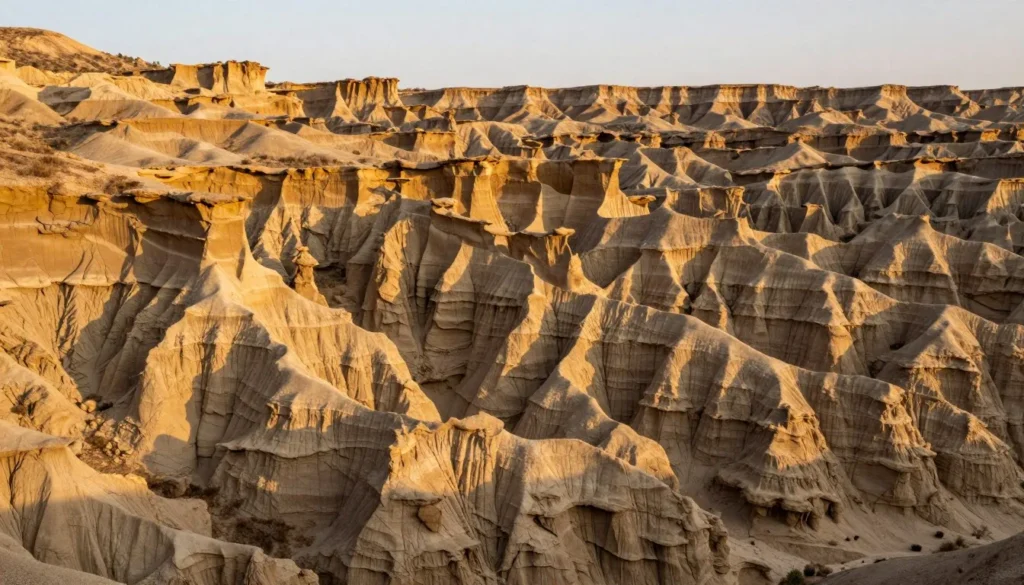
Cathedral Gorge State Park lies 112 kilometers (70 miles) southwest of Great Basin near Panaca, Nevada. This geological wonderland features dramatic erosion formations carved into bentonite clay. Narrow slot canyons, spires, and cathedral-like formations create an otherworldly landscape.
Short trails wind through the gorge allowing exploration of various formations. The 6.4-kilometer (4-mile) loop trail provides comprehensive views. Visitor center exhibits explain the unique geology. A small campground accommodates overnight visitors. The park makes an excellent addition to a Great Basin trip.
Ward Charcoal Ovens State Historic Park
Six massive beehive-shaped charcoal ovens stand preserved near Ely, built in 1876 to supply the mining industry. These stone structures reach 9 meters (30 feet) tall and demonstrate 19th-century industrial architecture. The remote location adds to their evocative quality.
A short interpretive trail circles the ovens with signs explaining the charcoal production process. The site sits at 2,195 meters (7,200 feet) elevation providing mountain views. Primitive camping is available. The historic site lies about 27 kilometers (17 miles) south of Ely on a gravel road.
Cave Lake State Park
Cave Lake State Park offers fishing, hiking, and camping 11 kilometers (7 miles) southeast of Ely. The 32-hectare (80-acre) reservoir sits in a scenic mountain setting at 2,286 meters (7,500 feet) elevation. The lake supports rainbow and brown trout attracting anglers year-round.
Trails circle the lake and climb surrounding ridges. A developed campground provides lakeside camping. Winter ice fishing remains popular when the lake freezes solid. The park offers a more developed recreation experience compared to Great Basin’s wilderness character.
Great Basin National Heritage Area
The Great Basin National Heritage Area encompasses a vast region of eastern Nevada beyond the national park boundaries. This area celebrates the cultural and natural heritage of the Great Basin through preservation and interpretation. Small towns, historic sites, and cultural landscapes tell the story of human adaptation to desert environments.
The heritage area includes historic mining camps, Basque cultural sites, and Native American locations. A driving tour route connects various points of interest. Ely serves as the regional hub with museums and visitor information about heritage sites.
Spring Valley State Park
Spring Valley State Park centers around Eagle Valley Reservoir, 26 kilometers (16 miles) east of Pioche. The 113-hectare (280-acre) lake provides water recreation in the high desert including swimming, boating, and fishing. Developed campgrounds offer modern facilities.
Archaeological sites within the park preserve Native American rock art. Short trails access petroglyphs carved by ancient inhabitants. The reservoir shoreline creates habitat for migrating waterfowl during spring and fall. The park appeals to families seeking water-based recreation.
Lehman Creek Trail Extension
Beyond Great Basin National Park boundaries, the Lehman Creek Trail continues through Humboldt-Toiyabe National Forest. This extension allows multi-day backpacking trips through remote wilderness. The trail descends through changing elevation zones from alpine to desert.
Permits from the Forest Service are required for backcountry camping. Water availability varies seasonally. The remote nature means few hikers venture onto this trail section. Experienced backpackers appreciate the solitude and challenge.
Practical Travel Tips
Successfully visiting Great Basin National Park requires more planning than trips to developed tourist destinations. The remote location, limited services, and extreme environment demand thorough preparation. These practical tips help ensure a smooth and enjoyable visit.
When to Make Reservations
Campgrounds in Great Basin National Park operate on a first-come, first-served basis except for group sites. No individual campsite reservations are accepted. Arrive early during summer weekends to secure a spot. Weekdays rarely fill even during peak season.
Lehman Caves tours do accept and recommend advance reservations. Book tours online through the National Park Service website or by calling the visitor center. Summer tours often sell out days in advance. Morning tours fill first, so afternoon times offer better last-minute availability.
Lodging in Baker and Ely should be reserved as far ahead as possible during summer months. Limited rooms in Baker fill quickly. More options exist in Ely but popular weekends see higher occupancy. Winter visits rarely require advance lodging reservations.
Money and Payment Methods
Great Basin National Park charges a per-vehicle entrance fee of $25 valid for seven days. Annual passes cost $45. No entrance stations exist on the highway. Pay fees at the visitor center or drop payment at self-service stations. Credit cards and cash are accepted.
ATMs operate in Baker and Ely but not within the park. Bring cash for campground fees, cave tours, and other expenses. Most businesses in small towns accept credit cards but cash provides backup options. Gas stations, restaurants, and lodging typically take major credit cards.
No restaurants or stores operate within park boundaries. All supplies must be purchased in Baker or Ely. Prices run higher than urban areas reflecting the remote location. Stock up on groceries and supplies before arriving to save money.
Internet and Cell Phone Coverage
Cell phone service remains spotty throughout eastern Nevada and within Great Basin National Park. Some carriers provide limited coverage in Baker and near the visitor center. High-elevation areas and remote valleys have no service whatsoever.
Do not rely on cell phones for navigation or emergency communication in the park. Carry physical maps and inform others of your plans. The visitor center has wifi available during operating hours. Some lodging properties in Baker and Ely offer internet access.
Limited connectivity enhances the wilderness experience for many visitors. Disconnecting from constant digital stimulation allows deeper nature appreciation. Inform family and friends you’ll be off-grid to avoid concern about lack of communication.
What to Pack
Packing for Great Basin requires preparation for variable conditions. The high elevation and desert environment create unique challenges. This essential packing list covers key items for a safe comfortable visit.
Clothing Essentials
Layer your clothing for rapidly changing temperatures throughout the day and between elevations.
- Moisture-wicking base layers for hiking
- Insulating fleece or down jacket
- Waterproof rain jacket and pants
- Sun hat with wide brim
- Warm beanie for cold nights
- Hiking boots with ankle support
- Camp shoes or sandals
Outdoor Gear
Proper equipment ensures comfort and safety during outdoor activities.
- Backpack for day hiking
- Trekking poles for stability
- Headlamp with extra batteries
- Water bottles or hydration system
- Water treatment method
- First aid kit with altitude medication
- Navigation tools – map and compass
Sun and Weather Protection
High elevation intensifies sun exposure while weather changes rapidly.
- High-SPF sunscreen
- Lip balm with SPF
- Polarized sunglasses
- Hand warmers for cold mornings
- Gloves for high elevation hiking
- Emergency shelter or space blanket
Photography and Stargazing
Great Basin’s dark skies and unique landscapes reward photographers.
- Camera with long exposure capability
- Sturdy tripod for night photography
- Extra camera batteries
- Red flashlight for night vision
- Binoculars for wildlife and stars
- Star chart or astronomy app
Accessibility Information
Great Basin National Park provides accessible facilities and experiences though the rugged terrain limits some options. The visitor center features wheelchair-accessible entrances, restrooms, and exhibits. Accessible parking spaces sit near the building entrance.
Lehman Caves tours accommodate visitors with mobility limitations. The Lodge Room tour includes about 100 stairs while the Grand Palace tour has over 300. Electric wheelchairs can navigate the Lodge Room tour with advance notice. Contact the visitor center to arrange accessible tours.
Mountain View Nature Trail near the visitor center offers a wheelchair-accessible paved path with minimal elevation change. The 0.4-kilometer (0.25-mile) loop includes benches and interpretive signs. Marmot Overlook on Wheeler Peak Scenic Drive provides accessible parking and a short paved path to a viewing platform.
Accessible campsites exist at Lower Lehman Creek and Wheeler Peak campgrounds. These sites feature paved parking pads, accessible picnic tables, and nearby accessible restrooms. Request specific sites from camp hosts or rangers.
Visiting with Children
Great Basin welcomes families with children offering programs and activities suitable for young visitors. The Junior Ranger program engages kids ages 5-12 with activity booklets focused on park features. Children complete activities while exploring, then receive badges from rangers.
Choose hikes appropriate for children’s abilities and remember that elevation affects kids too. The Mountain View Nature Trail and Island Forest Trail work well for families. Alpine Lakes Loop provides a moderate challenge for older children. Bring plenty of snacks and water for young hikers.
Lehman Caves tours captivate children though the stairs and duration challenge very young kids. The Lodge Room tour works better for families than the longer Grand Palace tour. Rangers present engaging interpretations appealing to various ages.
Car seats are required by Nevada law for children under six years old. The remote location and long driving distances make entertainment essential. Download audio books or music since radio reception fades between towns.
Sustainable Tourism Practices
Practicing sustainable tourism helps preserve Great Basin National Park for future generations. The park’s fragile high-desert and alpine ecosystems recover slowly from damage. Thoughtful visitor behavior minimizes impacts.
Use refillable water bottles rather than single-use plastic. Drinking fountains operate at the visitor center and campgrounds. The park’s excellent water quality makes tap water taste great. Reduce waste by packing out all trash and recyclables.
Stay on designated trails to prevent erosion and vegetation damage. Social trails create scars that persist for decades in fragile alpine areas. The few extra steps to stay on the main path protect irreplaceable landscapes.
Support local businesses in Baker and Ely when purchasing supplies and services. Small communities depend on tourism but also value visitors who respect the quiet rural character. Shop locally and thank business owners for their hospitality.
Carpool when possible to reduce vehicle traffic and emissions. The park sees relatively few visitors but every vehicle contributes to air quality impacts. Traveling with others also enhances safety on remote Nevada highways.
Your Great Basin Adventure Awaits
Great Basin Desert and Great Basin National Park represent one of America’s best-kept secrets. While millions crowd into famous parks, this Nevada treasure offers genuine wilderness solitude combined with spectacular scenery. Ancient bristlecone pines, underground marble caves, alpine peaks, and incredibly dark night skies create diverse experiences within a relatively compact area.
The journey to reach this remote destination becomes part of the adventure. Driving across Nevada’s open highways builds anticipation while revealing the vast scale of the Great Basin ecosystem. Once you arrive, the uncrowded trails and pristine landscapes reward your effort many times over.
Whether you spend a long weekend or a full week, Great Basin offers activities and attractions to fill your days and nights. Hike among the oldest living things on Earth. Descend into elaborately decorated caves. Stand atop Nevada’s second-highest peak. Watch the milky way paint the night sky with billions of stars. These experiences create memories lasting far beyond the trip itself.
Start planning your Great Basin Desert adventure today. This hidden corner of Nevada waits to show you natural wonders and wilderness solitude increasingly rare in our crowded world. The ancient bristlecone pines have stood for five millennia. Great Basin’s beauty will endure for visitors willing to venture off the beaten path and discover authentic wilderness in the heart of the American West.