Hotels by Trip.com
Flights by Trip.com
In just five years, Hamilton transformed from empty desert to a metropolis of 25,000 residents, then vanished almost as quickly, leaving behind one of Nevada’s most hauntingly beautiful ghost towns. This silver mining district in White Pine County reached its peak population faster than nearly any American settlement in history, only to be abandoned when the ore ran out and devastating fires consumed its structures.
Today, Hamilton stands as a testament to the wild optimism of the 1860s silver rush. Scattered ruins dot the hillsides of Treasure Hill. Stone walls mark where businesses once thrived. The desert has reclaimed most of the town, yet what remains tells a powerful story of ambition, fortune, and loss.
This comprehensive Hamilton Nevada travel guide reveals everything you need to explore this remarkable ghost town. You’ll discover the best time to visit White Pine County. Learn about the ruins still standing. Understand the history that shaped this place. Get practical tips for navigating the remote roads leading to Treasure City and the White Pine mining district.
Getting There & Planning Your Journey
Hamilton sits in eastern Nevada, approximately 241 kilometers (150 miles) west of the Nevada-Utah border. The ghost town rests in the White Pine Range at an elevation of 2,316 meters (7,600 feet). Getting here requires careful planning since no paved roads lead directly to the ruins.
The closest commercial airport is Ely Airport, located 80 kilometers (50 miles) north of Hamilton. This small regional facility offers limited service. Most visitors fly into larger hubs and drive from there. Reno-Tahoe International Airport sits 483 kilometers (300 miles) northwest. Salt Lake City International Airport is 402 kilometers (250 miles) east.
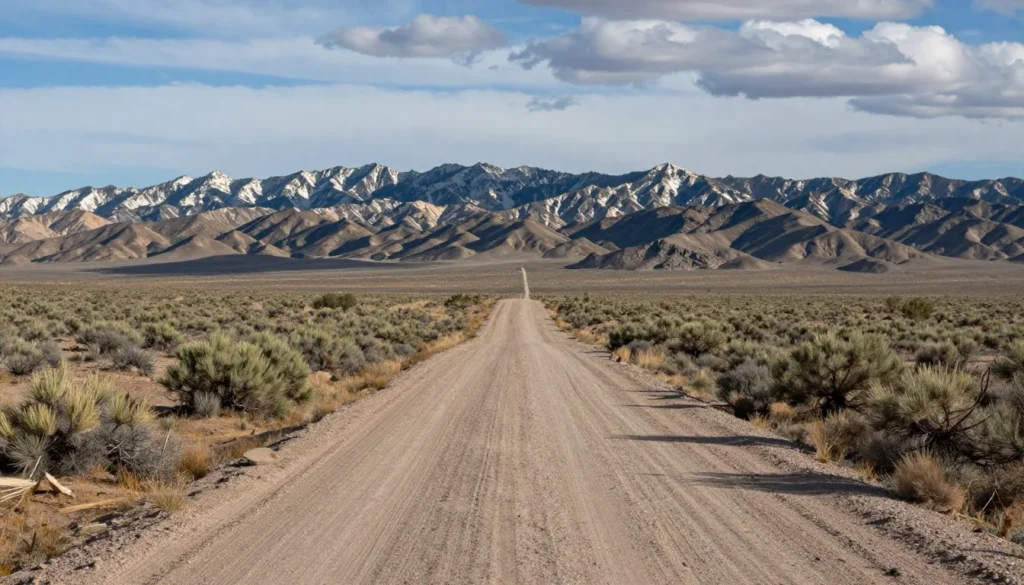
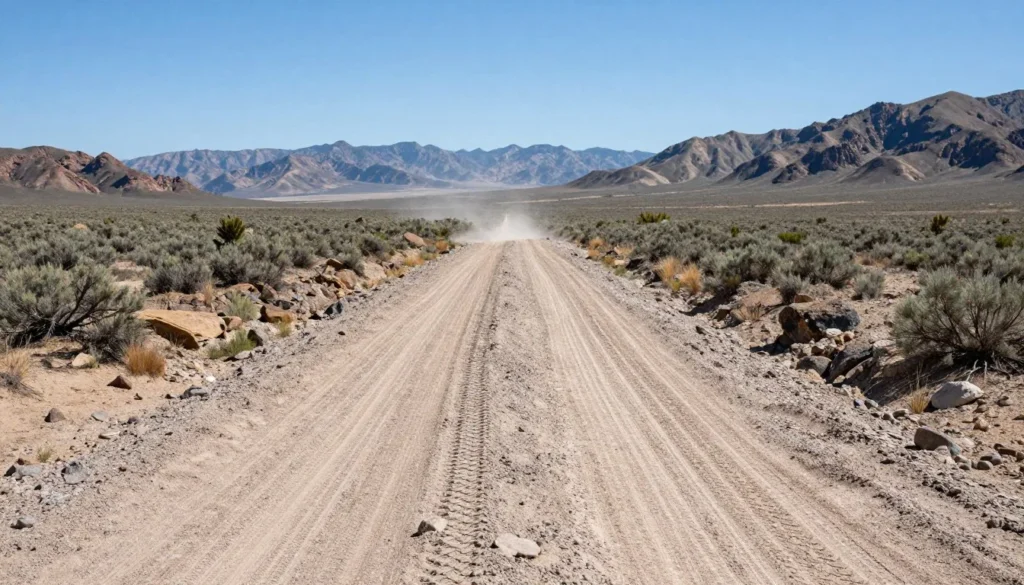
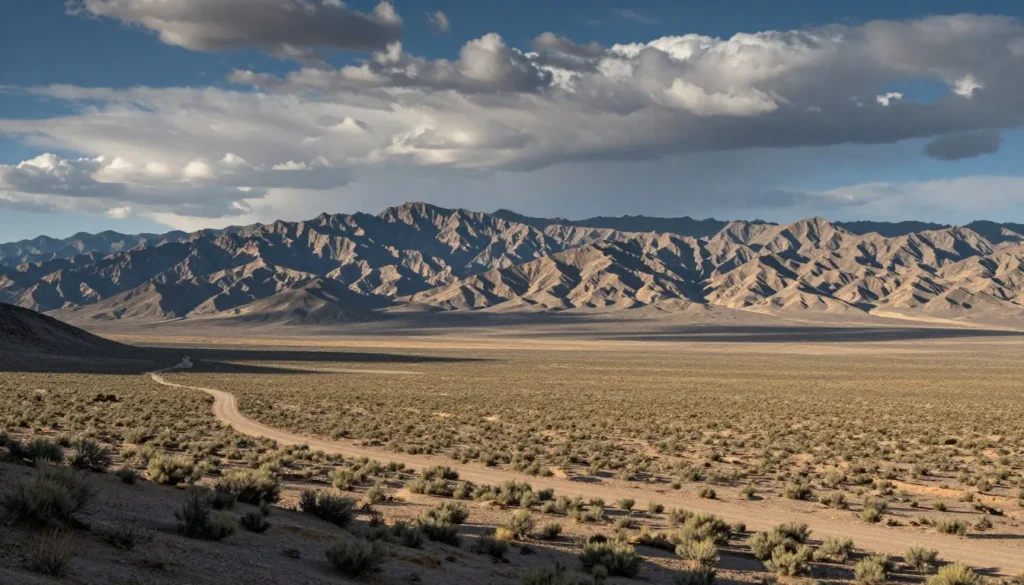
From Ely, take US Highway 50 west for approximately 24 kilometers (15 miles). Turn south onto dirt roads leading toward Treasure Hill. A high-clearance vehicle is strongly recommended. Four-wheel drive becomes necessary during wet conditions or winter months. The final approach involves rough, rocky roads that can challenge even experienced drivers.
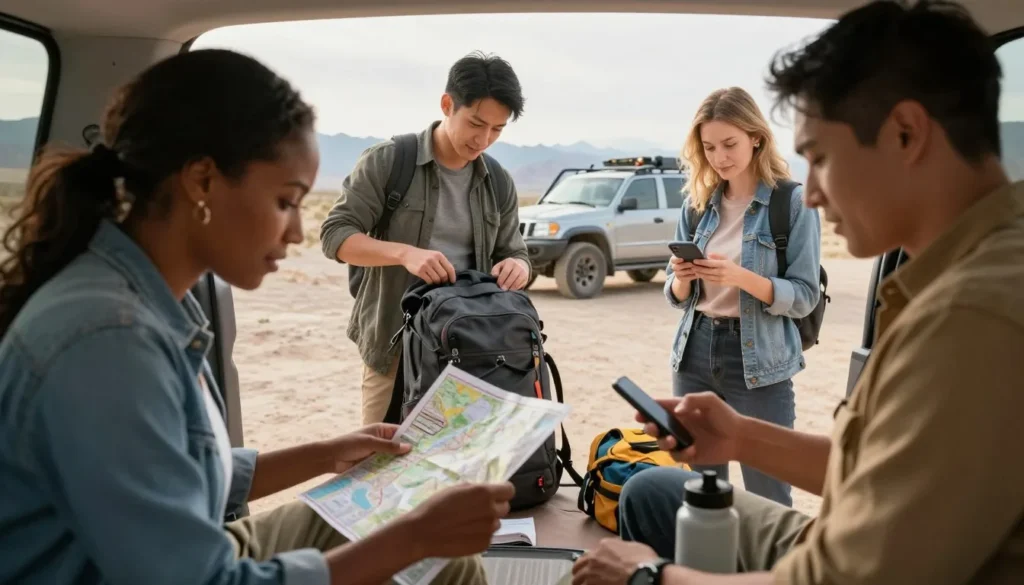
Plan for at least three hours of driving from Ely to Hamilton. Add time for stops and exploration. Cell phone coverage is nonexistent in this area. Download offline maps before departing. Carry a physical map as backup. The White Pine mining district sprawls across several miles, so GPS coordinates prove invaluable for locating specific ruins.
Best Time to Visit & Weather Tips
Summer brings the most reliable access to Hamilton, though temperatures can soar. Late spring and early fall offer the ideal combination of pleasant weather and passable roads. Winter visits require serious preparation and may prove impossible during heavy snow.
Recommended Months
May through October provides the best visiting window. June, July, August, and September deliver consistently dry weather and minimal road hazards. Daytime temperatures in summer months reach 27-32°C (80-90°F), while nights cool to 10-15°C (50-60°F). The elevation keeps summer heat more tolerable than lower desert areas.
Late September and early October offer spectacular conditions. Temperatures moderate to 18-24°C (65-75°F) during the day. Crowds thin out after summer ends. Fall colors occasionally appear in higher elevations. Photography enthusiasts particularly appreciate the autumn light quality.
Months to Avoid
November through March presents significant challenges. Snow accumulates at Hamilton’s elevation, blocking access roads. Freezing temperatures persist from December through February. Spring runoff in April creates muddy, impassable conditions. Even a small amount of moisture turns the dirt roads into slippery obstacles.
Afternoon thunderstorms develop frequently during July and August. These brief but intense weather events can produce flash flooding in normally dry washes. Morning visits reduce storm exposure. Always check weather forecasts before departing. Postpone your trip if rain is predicted within 24 hours.
What to Pack for Weather
Layer your clothing regardless of season. Morning temperatures feel cold even in summer. Bring a warm jacket for early starts and evenings. Sun protection is critical in this high-elevation environment. Wide-brimmed hats, sunglasses, and high-SPF sunscreen are essential items.
Check 30,000+ Local Sightseeing Tours Worldwide
✓ Numerous languages and currencies are available
Carry significantly more water than you think necessary. Dehydration happens quickly at altitude in dry air. Plan for at least 3 liters per person for a day visit. Electrolyte supplements help maintain energy levels. Pack extra supplies in case of vehicle breakdown or unexpected delays.
Getting Around Locally
Transportation in the Hamilton area depends entirely on your personal vehicle. No public transit serves this remote location. No rental agencies operate nearby. The ghost town itself is small enough to explore on foot once you arrive, but reaching it requires capable transportation.
A high-clearance SUV or truck handles most summer conditions adequately. Four-wheel drive provides crucial advantages when roads deteriorate. The path from paved highways involves rocky surfaces, steep grades, and occasional washouts. Rental car agreements typically prohibit off-road travel, so verify your coverage before attempting this journey.
Drive slowly on approach roads. Rocks can puncture tires or damage undercarriages. Carry a full-size spare tire, not a temporary donut. Bring tire repair supplies and a portable air compressor. The nearest services lie 80 kilometers away in Ely. Self-sufficiency is mandatory.
Park safely away from unstable structures when exploring the ruins. Many visitors walk between sites rather than repeatedly moving vehicles. The main ruins cluster within a 1-kilometer radius. Comfortable hiking boots serve you better than driving between every location. Watch for loose rocks and unstable ground around old mine shafts.
Where to Stay
Hamilton itself offers no accommodations. The ghost town consists entirely of ruins with no services, electricity, or running water. Visitors must base themselves in nearby communities and make Hamilton a day trip destination. Ely provides the closest lodging options with the widest selection.
Ely Lodging Options
Ely, the White Pine County seat, hosts several hotels and motels suitable for ghost town explorers. The town sits 80 kilometers north of Hamilton, making it the logical home base. Properties range from budget motels to mid-range hotels with modern amenities. Most offer free parking for larger vehicles and early breakfast options for day trippers.
Book accommodations well in advance during summer months. Ely attracts tourists visiting Great Basin National Park and other regional attractions. Rooms fill quickly on weekends. Several properties cater specifically to outdoor enthusiasts with secure parking and early check-in flexibility.
Camping Alternatives
Dispersed camping on public land near Hamilton appeals to adventurous visitors. Bureau of Land Management areas surrounding the ghost town permit free camping. No facilities exist, so you must be completely self-sufficient. Bring all water, food, and supplies. Pack out all trash without exception.
Camp at least 61 meters (200 feet) from ruins to preserve historical sites. Avoid camping in washes or low areas where flash floods could occur. Select established sites when possible to minimize environmental impact. Campfires may be restricted during dry periods, so check current regulations before your visit.
Alternative Towns
If Ely books completely, consider Eureka to the west or Baker to the east. Both towns lie farther from Hamilton but provide additional lodging options. Eureka sits approximately 145 kilometers from Hamilton. Baker, near Great Basin National Park, is roughly 113 kilometers away. These extended distances make early starts essential for day trips.
Dining & Local Cuisine
Hamilton has no restaurants, stores, or any commercial services. The ghost town offers zero dining opportunities. All meals must be packed in or obtained before arrival. Ely serves as the primary source for provisions and sit-down meals. Stock up completely before heading south into White Pine County’s remote areas.
Ely features typical small-town American dining options. Several casual restaurants serve breakfast, lunch, and dinner. Menus emphasize hearty portions suitable for outdoor activities. Local favorites include classic American comfort food, steaks, and homestyle cooking. A few establishments open early for travelers making dawn departures.
Pack a substantial lunch and plenty of snacks for your Hamilton visit. No shade exists at the ruins during midday hours. A cooler with ice keeps food fresh and beverages cold. Sandwiches, fruits, energy bars, and trail mix make practical choices. Avoid foods that spoil quickly in warm temperatures.
Water represents your most critical supply. Bring far more than you expect to drink. The combination of altitude, dry air, and physical activity increases consumption dramatically. One gallon per person for a full day visit is minimum. Two gallons provides a safer margin. Never drink water from local sources without proper filtration and purification.

Attractions, Sightseeing & Activities
Hamilton’s appeal lies entirely in its historical ruins and the story they tell. No modern attractions exist. No visitor center operates. The ghost town rewards those who appreciate history, photography, and solitude. What remains of the once-thriving metropolis sparks imagination about life during the silver rush era.
Treasure Hill Ruins
Treasure Hill forms the heart of the White Pine mining district where Hamilton’s fortune began. This steep hillside held incredibly rich silver ore that sparked the rush of 1868. Today, scattered mine openings dot the slope. Stone foundations mark former processing facilities. The elevation provides sweeping views across White Pine County’s valleys.
Exercise extreme caution near mine shafts. Never enter any underground openings. Many shafts drop vertically for hundreds of feet with no warning. Unstable ground surrounds old workings. Bring a flashlight to better see into shallow depressions, but observe only from a safe distance. These dangerous features require constant awareness.
Downtown Hamilton Structures
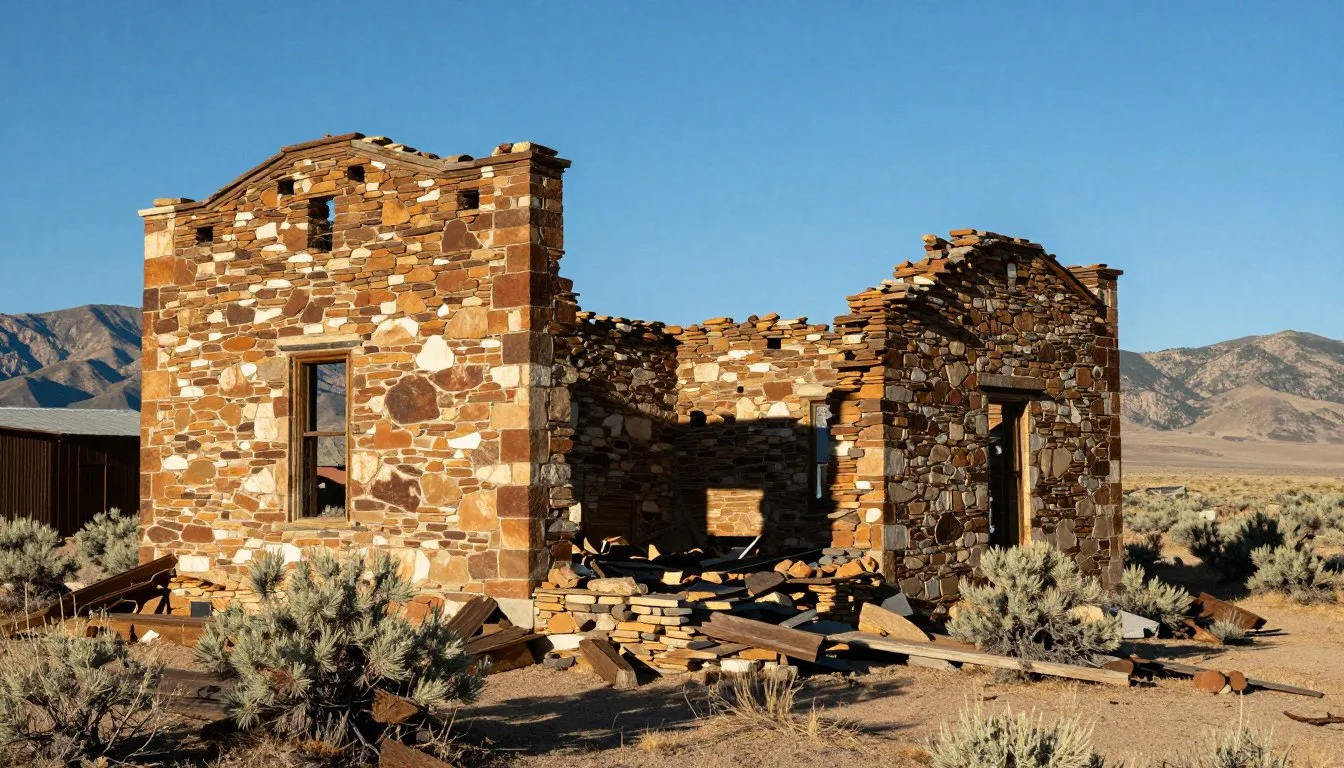
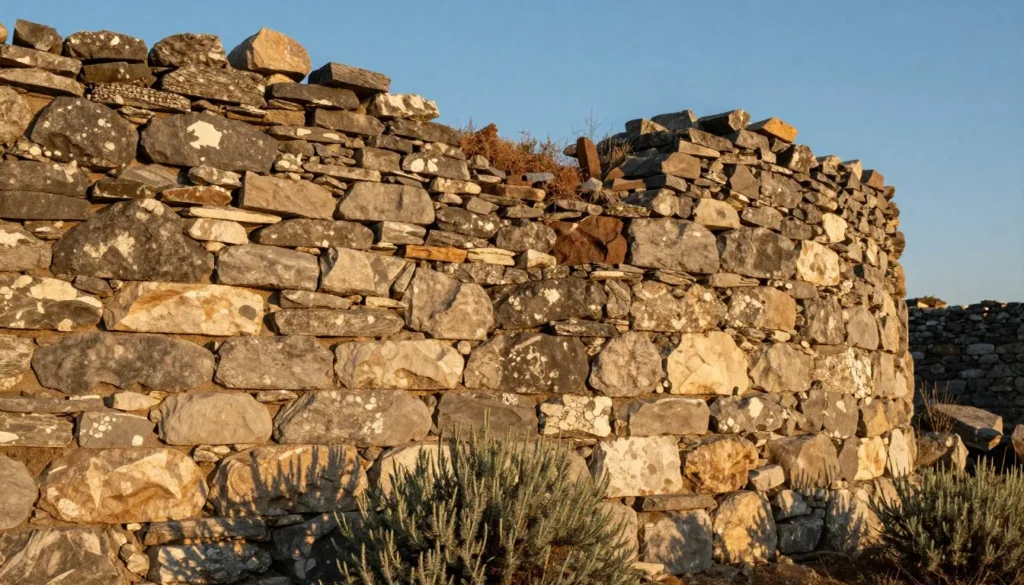
The main townsite preserves several substantial stone walls from Hamilton’s commercial district. A partially standing courthouse wall constructed from local stone showcases skilled masonry work. When Hamilton briefly served as the county seat before that honor returned to Ely, this building represented governmental authority in the mining district.
Scattered foundations outline where hotels, saloons, and merchant shops once lined dusty streets. Broken glass, square nails, and pottery fragments litter the ground around ruins. Please leave all artifacts in place. Removing items from public land violates federal law and diminishes the experience for future visitors. Photograph rather than collect.
Treasure City Remnants
Treasure City, Hamilton’s neighbor, sits slightly higher on the slopes. This separate community developed simultaneously with Hamilton. Less remains of Treasure City today, but the scattered ruins warrant exploration. Stone walls, mine tailings, and debris fields mark its former extent. The settlements eventually merged as population declined.
Walking between Hamilton and Treasure City covers approximately 2 kilometers over uneven terrain. The path climbs steadily uphill. Allow 45 minutes to explore both areas thoroughly. Sturdy hiking boots provide essential ankle support on rocky ground. Trekking poles help maintain balance on slopes.
Photography Opportunities
Hamilton ranks among Nevada’s most photogenic ghost towns. The combination of substantial ruins, dramatic mountain scenery, and isolation creates compelling images. Stone walls photograph particularly well during golden hour when angled sunlight emphasizes texture and form. Cloudy days provide even lighting that works beautifully for detail shots.
Bring a wide-angle lens to capture entire structures and landscape context. A telephoto lens allows detail work without approaching unstable walls. Drone photography is permitted on BLM land, but respect historical sites and avoid disturbing ruins. Always follow Leave No Trace principles while positioning for shots.
Museums, Cultural Spots & Festivals
Hamilton itself contains no museums, cultural facilities, or organized events. The ghost town exists in its natural abandoned state. However, understanding the historical context enriches any visit. Nearby resources in Ely provide background information that brings Hamilton’s story to life.
White Pine Public Museum
The White Pine Public Museum in Ely houses artifacts and exhibits about the county’s mining history. Hamilton features prominently in displays about the 1860s silver rush. Photographs from the town’s heyday show crowds filling streets that now lie empty. Mining equipment, period clothing, and household items illustrate daily life during the boom years.
Visit this museum before traveling to Hamilton. The historical context transforms scattered ruins into meaningful remnants of real lives. Understanding what existed makes the loss more poignant. The museum typically opens weekdays with limited weekend hours. Call ahead to confirm current schedule.
Nevada Northern Railway Museum
Also located in Ely, the Nevada Northern Railway Museum preserves railroad history connected to White Pine County mining operations. While Hamilton predates this particular railroad, the exhibits explain how ore transportation shaped the region’s development. The operational historic trains offer rides during summer months.
Historical Research
Serious history enthusiasts can research Hamilton’s story before visiting. The town’s rapid rise and fall generated extensive newspaper coverage in the 1860s. San Francisco papers followed developments closely since California investors funded many operations. Online newspaper archives contain fascinating contemporary accounts of life in the mining district.
Local libraries in Ely maintain historical files about White Pine County communities. County records, old photographs, and personal accounts provide deeper understanding. This background research pays dividends when standing among the ruins, knowing specific events that occurred at particular locations.
Nature & Outdoor Experiences
Hamilton’s location in the White Pine Range offers more than just ghost town exploration. The surrounding high desert environment provides excellent opportunities for outdoor recreation. The remote setting guarantees solitude rarely found in more accessible areas. Nature experiences here emphasize self-sufficiency and wilderness skills.
Hiking Opportunities
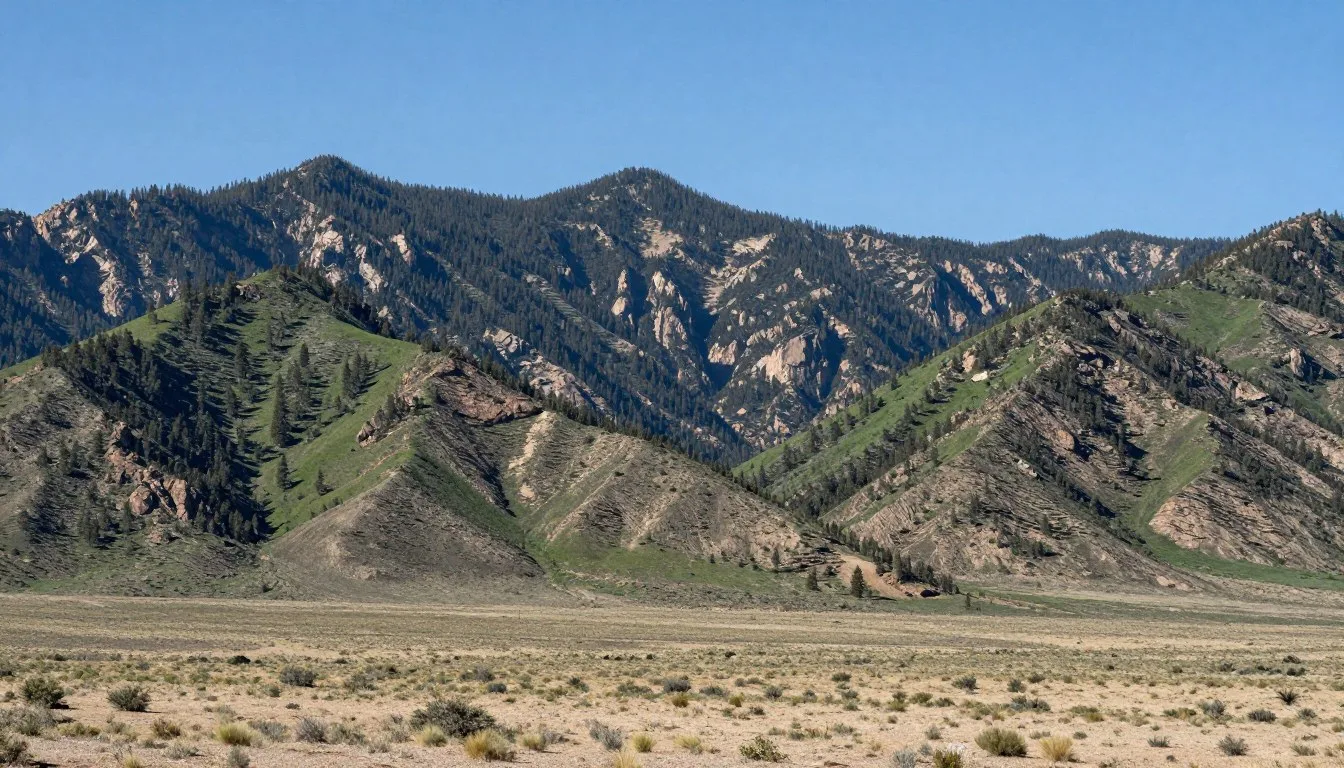
No established trails exist around Hamilton, but the open terrain invites cross-country hiking. The White Pine Range rises dramatically above the townsite. Ambitious hikers can climb higher ridges for expansive views across eastern Nevada. Stay alert for wildlife including mule deer, pronghorn antelope, and occasionally wild horses.
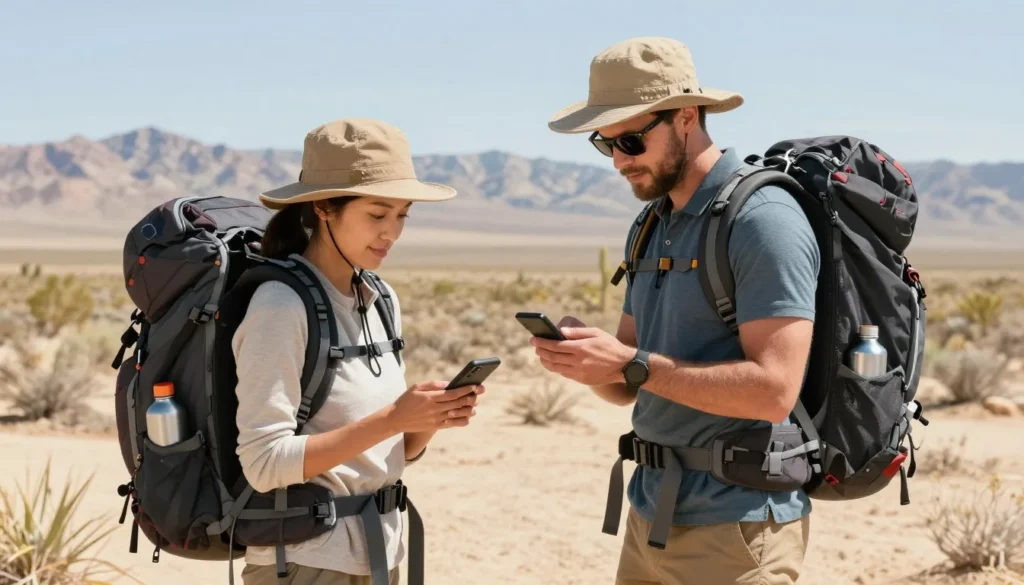
Carry adequate water for any hiking beyond the immediate ruins. The dry climate and altitude demand extra hydration. A GPS device or smartphone with downloaded offline maps prevents navigation problems. Terrain that looks close can require hours to reach. Conserve energy and allow plenty of time to return before dark.
Wildlife Watching
The area supports diverse wildlife adapted to harsh desert conditions. Early morning and evening hours offer the best viewing opportunities. Raptors including golden eagles and prairie falcons hunt over open country. Ground squirrels, rabbits, and lizards provide prey for these predators. Listen for coyotes calling at dawn and dusk.
Rattlesnakes inhabit this elevation during warmer months. Watch where you step and place your hands when scrambling over rocks. Most snakes avoid confrontation and will retreat if given opportunity. Make noise while hiking to alert wildlife to your presence. Maintain respectful distance from all animals.
Stargazing Excellence
Hamilton’s remote location far from city lights creates exceptional dark sky conditions. On moonless nights, the Milky Way stretches brilliantly across the heavens. Meteor showers appear spectacular from this vantage point. Bring a headlamp with red light setting to preserve night vision while moving around.
Summer months offer warmer temperatures for evening stargazing sessions. Fall brings earlier darkness and often clearer atmospheric conditions. A reclining camp chair makes extended sky watching more comfortable. Binoculars or a small telescope enhance the experience, though naked-eye viewing alone impresses most observers.
Photography in Nature
Beyond documenting ruins, Hamilton’s natural setting rewards landscape photographers. Sunrise and sunset paint the White Pine Range in remarkable colors. Storm light creates dramatic contrasts between dark clouds and illuminated peaks. Spring wildflowers occasionally bloom in wetter years, adding color to usually monochrome landscapes.
A sturdy tripod enables long exposures for night sky photography. Wide-angle lenses capture expansive vistas and star trails. Polarizing filters enhance blue skies and reduce glare from rocks. The wind often picks up during afternoon hours, requiring extra weight on tripods to prevent camera shake.
Safety, Etiquette & Local Customs
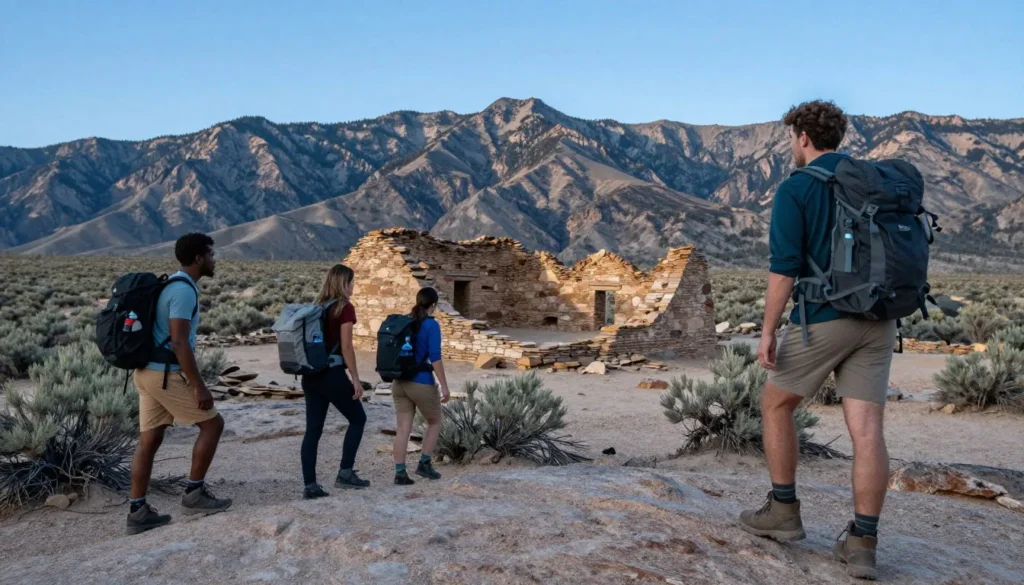
Visiting Hamilton requires serious preparation and respect for both the historical site and harsh environment. This remote location offers no safety net. Emergency services lie hours away. Your survival depends entirely on planning, proper equipment, and sound judgment. Casual visitors risk serious consequences.
Essential Safety Preparations
Inform someone reliable about your plans before departing for Hamilton. Provide specific details about your route, expected return time, and emergency contacts. Cell phone service does not exist in the area, so you cannot call for help during emergencies. Satellite communicators or personal locator beacons provide crucial emergency communication capability.
Vehicle preparation prevents most mechanical emergencies. Check tire condition and pressure before departure. Verify spare tire is properly inflated and jack functions correctly. Carry extra coolant, oil, and basic tools. A tow strap can extract vehicles from soft sand or mud. Consider bringing spare fuel since the nearest gas station sits 80 kilometers away.
Medical Considerations
Carry a comprehensive first aid kit with supplies for treating cuts, burns, sprains, and insect stings. Include any personal medications plus extras in case of delay. The high elevation can trigger altitude sickness in sensitive individuals. Symptoms include headache, nausea, and fatigue. Descending to lower elevation provides the only reliable treatment.
Dehydration and heat exhaustion pose serious risks during summer months. Drink water regularly before you feel thirsty. Take frequent rest breaks in any shade you can find. Wear light-colored, loose-fitting clothing. A wet bandana around your neck helps cool your body. Recognize warning signs like dizziness, rapid heartbeat, or cessation of sweating.
Structural Hazards
Never enter or climb on any structures at Hamilton. The ruins may appear solid but have deteriorated for over 150 years. Stones can shift unexpectedly. Walls may collapse without warning. People have died in ghost town accidents when structures failed. Photograph from safe distances and resist any temptation to explore inside buildings.
Mine shafts present extreme danger. Vertical drops extend hundreds of feet down. Rotten timbers cannot support weight. Oxygen levels may be dangerously low underground. Treat every opening as potentially deadly. Keep children and pets under close control near ruins and mine workings. One moment of inattention can result in tragedy.
Respecting the Site
Hamilton sits on public land managed by the Bureau of Land Management. Federal law protects historical resources on public lands. Taking any artifacts, even seemingly insignificant items like square nails or glass shards, is illegal and subject to serious fines. Vandalism of historic structures carries criminal penalties.
Leave No Trace principles apply completely. Pack out every item you bring in. Do not disturb or rearrange artifacts for photographs. Stay on durable surfaces when possible to prevent erosion. Do not build new fire rings or cairns. The goal is leaving the site exactly as you found it for future visitors.
Weather Awareness
Weather can change rapidly at this elevation. Summer thunderstorms develop quickly during afternoon hours. Lightning poses serious danger on exposed ridges. Seek lower ground immediately when storms threaten. Flash floods can occur in normally dry washes. Never camp or park in drainage channels regardless of how dry they appear.
Winter conditions transform the area into serious backcountry terrain. Snow accumulation, ice, and extreme cold create hazardous situations. Unless you possess winter survival skills and proper equipment, avoid Hamilton entirely from November through April. Spring conditions remain unpredictable with possible snow into May.
Visitor Comments About Hamilton
Travelers who make the journey to Hamilton consistently describe the experience as memorable and worth the effort. The remote location and substantial ruins create a powerful impression. Here are perspectives from recent visitors who explored the White Pine mining district.
“The isolation makes Hamilton special. We had the entire ghost town to ourselves for three hours. Walking among those stone walls, you can almost hear the bustling crowds that once filled these streets. The courthouse ruins particularly impressed me with their solid construction. Bring plenty of water and give yourself more time than you think you’ll need.”
“I’ve visited many Nevada ghost towns, but Hamilton stands out for the quality of remaining structures. The combination of Treasure Hill’s mining history and the townsite ruins tells a complete story. The drive requires a capable vehicle, but road conditions were better than expected in late June. We camped nearby and watched an incredible sunset over the White Pine Range.”
“As a photographer, Hamilton exceeded my expectations. The stone walls photograph beautifully during golden hour. I spent an entire day shooting different angles and lighting conditions. The lack of crowds meant no people in my shots. My only regret was not bringing enough water. The elevation and dry air had me drinking constantly. This place rewards those willing to make the effort.”
Additional Nearby Destinations
Hamilton’s remote location places it near other worthy destinations in eastern Nevada. Combining multiple sites creates a more comprehensive tour of White Pine County’s mining heritage and natural beauty. Plan several days to fully appreciate the region’s attractions.
Belmont Mill
The Belmont Mill ruins sit approximately 32 kilometers south of Hamilton. This massive stone structure processed ore from nearby mines. The multi-story mill building remains partially standing with impressive architecture. Large wooden wheels and metal equipment rust among scattered timbers. The site receives fewer visitors than Hamilton despite comparable historical significance.
Access roads to Belmont Mill require similar vehicle capabilities as Hamilton. The sites can be visited during a single long day trip from Ely. Many travelers camp between the two locations to explore both thoroughly. The mill photographs exceptionally well with dramatic lighting during morning and evening hours.
Great Basin National Park
Great Basin National Park protects Wheeler Peak, Nevada’s second-highest mountain at 3,982 meters (13,065 feet). The park sits approximately 129 kilometers east of Hamilton. Ancient bristlecone pines, Lehman Caves, and alpine lakes attract visitors seeking natural rather than historical attractions. The contrast between Hamilton’s desert ruins and Great Basin’s mountain forests makes an interesting combination.
Park facilities include a campground, visitor center, and scenic drive to high elevations. Cave tours require reservations during summer months. The park provides welcome amenities after Hamilton’s complete lack of services. Many travelers use Baker, the small town near the park entrance, as an alternative base for exploring White Pine County.
Eureka
Eureka, another historic mining town, lies 145 kilometers west of Hamilton. Unlike Hamilton, Eureka survived as a living community with year-round residents. Historic buildings line the main street. The Opera House hosts performances. Museums interpret the town’s mining heritage. Eureka offers dining, lodging, and services while maintaining authentic Western character.
The drive between Hamilton and Eureka crosses spectacular high desert landscapes. Plan for three hours of driving time. This route works well for visitors continuing west toward Reno or Carson City. Eureka makes an interesting contrast to Hamilton, showing different outcomes for mining towns after the ore played out.
Ward Charcoal Ovens State Historic Park
These distinctive beehive-shaped ovens stand 48 kilometers south of Ely. The six stone structures produced charcoal for smelting operations in the 1870s. Each oven rises 9 meters (30 feet) tall with walls 76 centimeters (30 inches) thick. The structures remain in excellent condition, among Nevada’s best-preserved industrial archaeology.
A small campground operates near the ovens with basic facilities. Interpretive signs explain the charcoal production process and its importance to mining operations. The site requires only a short detour from highways connecting Ely to southern destinations. Photography enthusiasts appreciate the ovens’ unique geometric forms.
Practical Travel Tips
Success at Hamilton depends on thorough preparation and realistic expectations. This final section covers practical details that ensure a safe, enjoyable visit to one of Nevada’s most remote ghost towns. Review these tips carefully before your journey.
Essential Supplies Checklist
- Water: minimum 3 liters per person, preferably 4-5 liters for safety margin
- Food: substantial lunch plus extra snacks in case of vehicle breakdown
- First aid kit: comprehensive supplies including blister treatment and pain relievers
- Navigation: GPS device or smartphone with downloaded offline maps, plus paper backup
- Communication: satellite messenger or personal locator beacon for emergencies
- Sun protection: hat, sunglasses, SPF 50+ sunscreen, lip balm
- Clothing layers: jacket for morning cold, even in summer months
- Emergency supplies: flashlight, fire starter, emergency blanket, extra batteries
- Vehicle equipment: full-size spare tire, jack, tire repair kit, jumper cables
- Camera gear: extra batteries and memory cards, as you cannot recharge or purchase replacements
Money and Services
Hamilton offers zero services or commercial activity. The ghost town is entirely abandoned. No fees apply for visiting this public land. No permits are required for day visits. Extended camping may require special permission, so check current BLM regulations before planning overnight stays.
Ely provides the nearest ATMs, gas stations, and stores. Fill your gas tank completely in Ely even if half full. Purchase any forgotten supplies there as your last opportunity. Credit cards work at most Ely businesses, but carry some cash for small purchases or emergencies.
Photography Permissions
Personal photography requires no permits at Hamilton. Commercial photography and drone use for commercial purposes may require BLM authorization. Contact the Ely BLM office for current regulations if you plan commercial work. Recreational drone use is generally permitted but should respect the historical nature of the site.
Check 30,000+ Local Sightseeing Tours Worldwide
✓ Numerous languages and currencies are available
Accessibility Considerations
Hamilton is not accessible for people with mobility limitations. The rough access roads, uneven terrain, and lack of facilities make the site suitable only for physically capable visitors. No paved paths, railings, or accessible amenities exist. Wheelchair access is impossible given current conditions.
Language
English is the primary language throughout White Pine County. Spanish is understood by some residents in Ely. The isolated nature of Hamilton means you will likely encounter very few other visitors regardless of language.
Seasonal Considerations
Summer visits require early starts to avoid afternoon heat and potential thunderstorms. Aim to arrive at Hamilton by 9:00 AM, complete your exploration by 2:00 PM, and depart before storms develop. Fall and spring allow more flexible timing with generally stable weather patterns.
Winter attempts should only be made by experienced backcountry travelers with proper equipment. Snow levels, road conditions, and weather can change dramatically. What seems like a manageable trip can quickly become dangerous when winter weather develops.
Contact Information
Bureau of Land Management, Ely District Office manages the Hamilton area. For current road conditions, regulations, or closures, contact them before your visit.
White Pine County Tourism and Recreation provides information about regional attractions and current events in Ely and surrounding areas.
Location Map
Your Hamilton Adventure Awaits
Hamilton stands as a powerful reminder of ambition, fortune, and the relentless passage of time. Those stone walls witnessed thousands of hopeful miners seeking silver fortunes. They watched a city rise from nothing, flourish briefly, then fade back into the desert silence. Today they wait for you.
The journey to this remote White Pine County ghost town demands preparation and respect. The rewards match the effort. You’ll experience solitude increasingly rare in modern travel. You’ll walk streets where a metropolis once thrived. You’ll understand viscerally how quickly human endeavors can vanish.
Pack carefully. Drive safely. Respect the ruins and the desert that reclaimed them. Hamilton’s story enriches everyone who makes the pilgrimage. Your adventure into Nevada’s mining history begins the moment you leave the paved road behind and point toward Treasure Hill.