Hotels by Trip.com
Flights by Trip.com
Did you know the Ivanpah Desert is home to the world’s largest solar thermal power facility? This massive technology marvel produces enough clean power to supply thousands of homes across Nevada and California. Spanning over 1,400 hectares (3,500 acres), the facility’s mirrors create a sight so bright it can be seen from space.
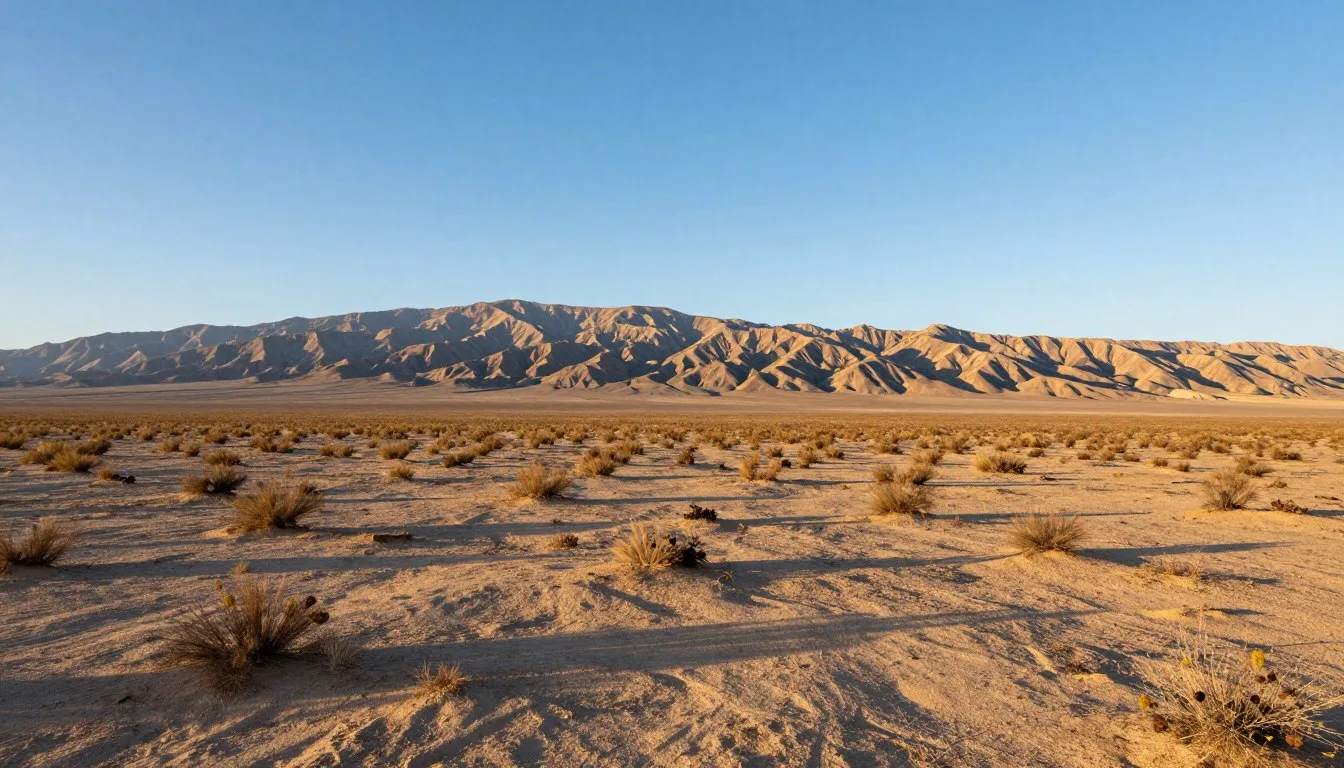
This remote corner of the Mojave Desert offers far more than cutting-edge solar technology. The area sits at the crossroads of Nevada and California. It features stark desert beauty and unique geological formations. Dry lake beds stretch for miles across the landscape.
Whether you’re a technology enthusiast or nature lover, the district presents unexpected discoveries. Adventure seekers find plenty to explore here. The region connects easily to Las Vegas, making it perfect for day trips or extended desert explorations.
Getting There & Planning Your Journey
The Ivanpah Desert sits along Interstate 15, roughly 56 km (35 miles) southwest of Las Vegas. This makes access straightforward for most visitors. The location straddles the Nevada-California border near the small community of Primm.
Flying into the region is simple. McCarran International Airport in Las Vegas serves as the primary gateway. The airport handles hundreds of flights daily from across the United States and international destinations. From there, rental cars provide the best transportation option.
Alternative airports include Ontario International Airport in California, located about 145 km (90 miles) southwest. Some travelers prefer this route when combining their visit with Southern California destinations.
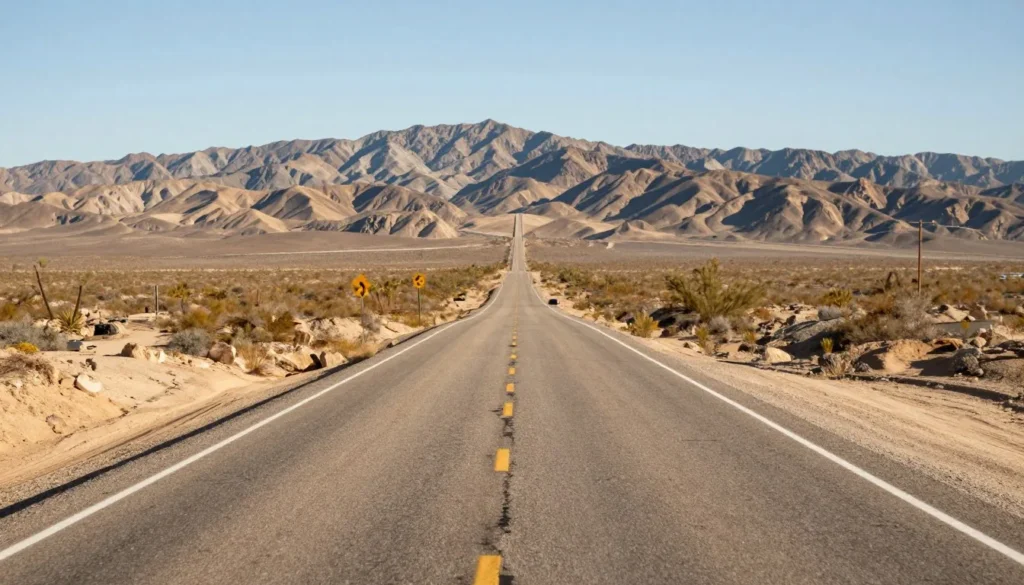
The drive from Las Vegas takes approximately 45 minutes under normal conditions. Interstate 15 provides smooth, well-maintained pavement. Exit at Primm and follow local roads to reach specific points of interest.
Most visitors rent vehicles in Las Vegas. All major rental companies operate at the airport. A standard sedan works fine for paved roads. However, some backcountry exploration requires vehicles with higher ground clearance.
Planning Tip: Fill your gas tank in Las Vegas or Primm before exploring. Service stations become scarce once you venture into remote desert areas. Carry extra water and basic supplies for safety.
Best Time to Visit Ivanpah Desert & Weather Tips
Timing your visit makes all the difference in the desert. The Ivanpah area experiences extreme temperature variations throughout the year. Understanding these patterns helps you plan the most comfortable trip.
Recommended Months
October through April represents the ideal window for visiting. During these months, daytime temperatures range from 15°C to 24°C (59°F to 75°F). Nights can drop near freezing, especially from December through February.
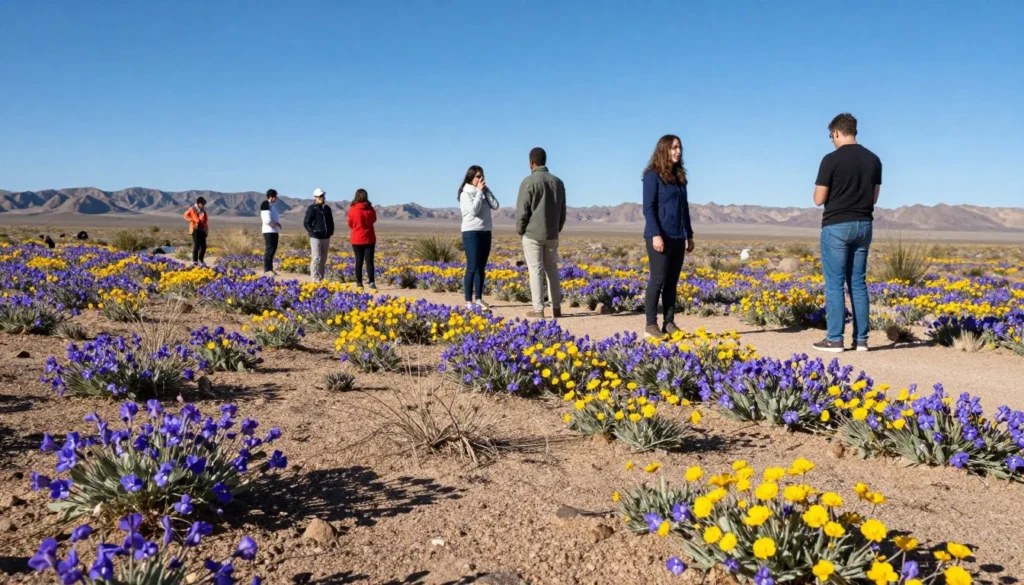
March and April bring spectacular wildflower blooms after wet winters. The desert transforms into a colorful landscape. Purple, yellow, and orange flowers carpet the ground in good years. This natural phenomenon attracts photographers from around the region.
✓ Check 30,000+ Local Sightseeing Tours Worldwide
Months to Avoid
June through September brings brutal heat to the district. Temperatures regularly exceed 38°C (100°F), often reaching 43°C to 49°C (110°F to 120°F). The ground radiates intense heat during these months. Outdoor activities become dangerous without extreme precautions.
May and early October serve as transition periods. Weather can be pleasant but unpredictable. Morning temperatures might feel comfortable while afternoons turn scorching.
Best Visiting Conditions
- November through March for coolest weather
- March through April for wildflowers
- October for warm days, cool nights
- Winter months for photography enthusiasts
Challenging Conditions
- June through August extreme heat
- July monsoon thunderstorms
- Late spring increasing temperatures
- Summer ground heat hazards
Pack layers regardless of season. Desert nights cool dramatically even after hot days. Bring sun protection year-round including wide-brimmed hats, sunscreen, and sunglasses. The elevation and lack of humidity intensify UV exposure.
Getting Around Locally
Personal vehicles provide the only practical transportation in the Ivanpah Desert. No public transit serves this remote area. The landscape spreads across miles of open terrain with scattered points of interest.
Interstate 15 forms the main transportation corridor. Most attractions and viewpoints lie within a few miles of this freeway. Well-maintained exits lead to parking areas near major sites.
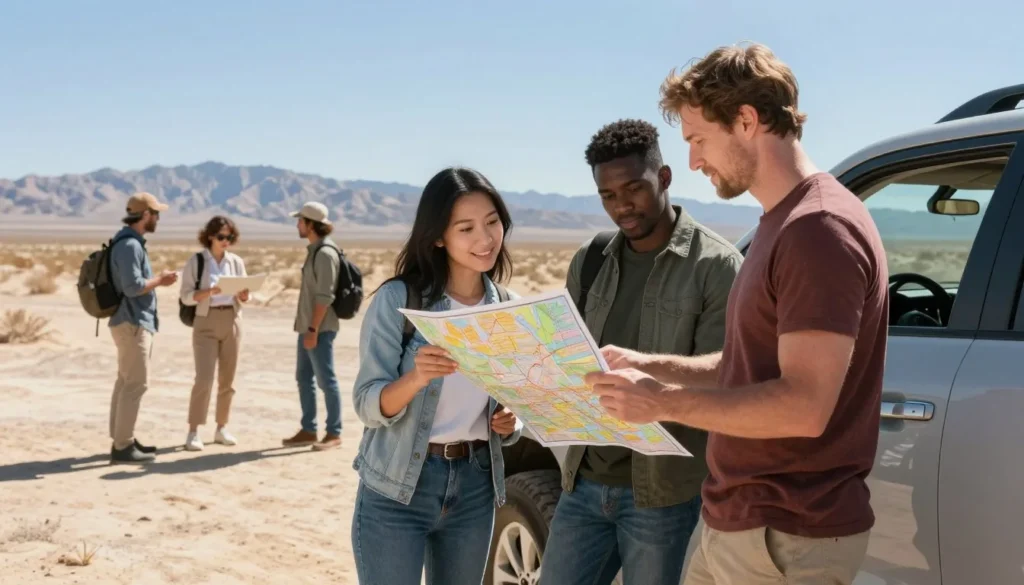
Four-wheel drive vehicles open more exploration opportunities. Unpaved roads lead to remote sections of the dry lake and surrounding desert. These tracks can be rough and sandy. Standard vehicles should stick to paved routes.
The Ivanpah Dry Lake bed itself allows vehicle travel when dry. Local regulations permit driving on certain sections. Always check current conditions before attempting lake bed crossings. Flash floods can transform the area rapidly during rare rain events.
Safety Note: Cell phone coverage is unreliable throughout much of the district. Download offline maps before your trip. Inform someone of your travel plans and expected return time when venturing into remote areas.
Distances can be deceptive in the clear desert air. What appears close may be miles away. Always carry extra water, food, and emergency supplies. A full-size spare tire and basic tools provide essential backup.
Where to Stay
Lodging options near Ivanpah Desert concentrate in nearby communities. The immediate desert area contains no hotels or campgrounds. Most visitors base themselves in Primm or Las Vegas.
Primm Accommodations
Primm, Nevada sits directly adjacent to the Ivanpah area. This small border town offers three casino hotels. These properties provide basic to mid-range rooms at competitive prices. Amenities include restaurants, pools, and gaming facilities.
Buffalo Bill’s Resort and Casino features western theming and a roller coaster. Primm Valley Resort offers golf course access. Whiskey Pete’s provides budget-friendly rooms. All three properties work well for travelers focused on desert exploration.
Las Vegas Options
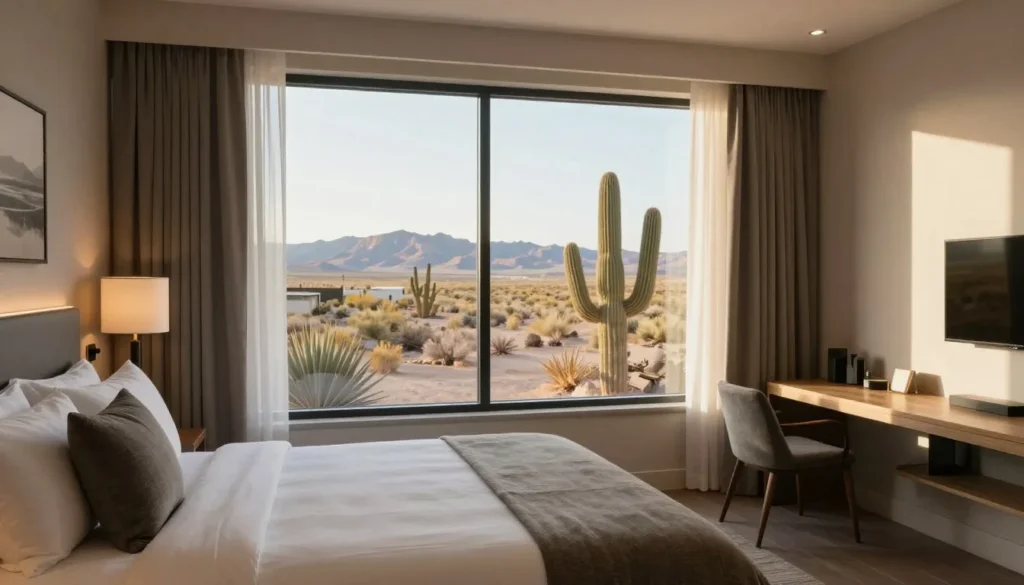
Las Vegas provides unlimited accommodation choices. From luxury resorts on the Strip to budget motels, every price level exists. The city sits about 45 minutes north, making it viable for day trips.
Staying in Las Vegas adds entertainment and dining variety. However, it requires daily driving to reach the desert. Early morning departures help beat both traffic and heat.
Alternative Lodging
Jean, Nevada lies between Primm and Las Vegas. Several small motels serve truck drivers and budget travelers. These no-frills properties offer clean rooms at low rates.
Camping enthusiasts should note that developed campgrounds don’t exist immediately near Ivanpah. Dispersed camping is possible on Bureau of Land Management property. These sites require complete self-sufficiency. Obtain proper permits and follow Leave No Trace principles.
Booking Tip: Primm hotel rates fluctuate dramatically based on Las Vegas event calendars. Weekday prices often drop significantly. Book directly or check multiple sites for the best deals.
Dining & Local Cuisine
Dining options near the Ivanpah Desert remain limited due to the remote location. The area lacks restaurants, requiring visitors to plan meals carefully. Most travelers eat in Primm or bring their own food.
Primm Dining
The three Primm casino properties house all local restaurants. These establishments range from casual cafes to steakhouses. Expect standard American fare with some international options.
Mad Greek Cafe serves Mediterranean-inspired dishes alongside burgers and sandwiches. The property also features a market selling snacks and drinks. This spot works well for quick meals between desert excursions.

Steakhouse restaurants operate in the evening at the larger properties. Prices align with mid-range expectations. Reservations are rarely necessary outside major holiday weekends.
Self-Catering Options
Many desert visitors pack coolers with food and beverages. This approach offers maximum flexibility and cost savings. Grocery stores in Las Vegas stock everything needed for desert picnics.
The Primm outlet mall area includes convenience stores. These shops carry basic supplies, snacks, and cold drinks. Prices run higher than supermarkets but provide emergency options.
Desert Dining Tip: Pack more water than you think necessary. Desert air dehydrates quickly. Bring salty snacks to maintain electrolyte balance during outdoor activities. Avoid alcohol before or during desert exploration as it accelerates dehydration.
Las Vegas Culinary Scene
Basing operations in Las Vegas opens world-class dining opportunities. The city features celebrity chef restaurants, international cuisines, and every price point imaginable. Many visitors enjoy desert days followed by exceptional Las Vegas dinners.
Attractions, Sightseeing & Activities
The Ivanpah Desert offers unique attractions blending natural wonders with human engineering marvels. This remote district rewards curious visitors with experiences found nowhere else in the world.
Ivanpah Solar Power Facility
This technological wonder dominates the landscape. Three towers rise above thousands of mirrors that track the sun throughout each day. The facility generates 392 megawatts of clean electricity, enough to power approximately 140,000 homes.
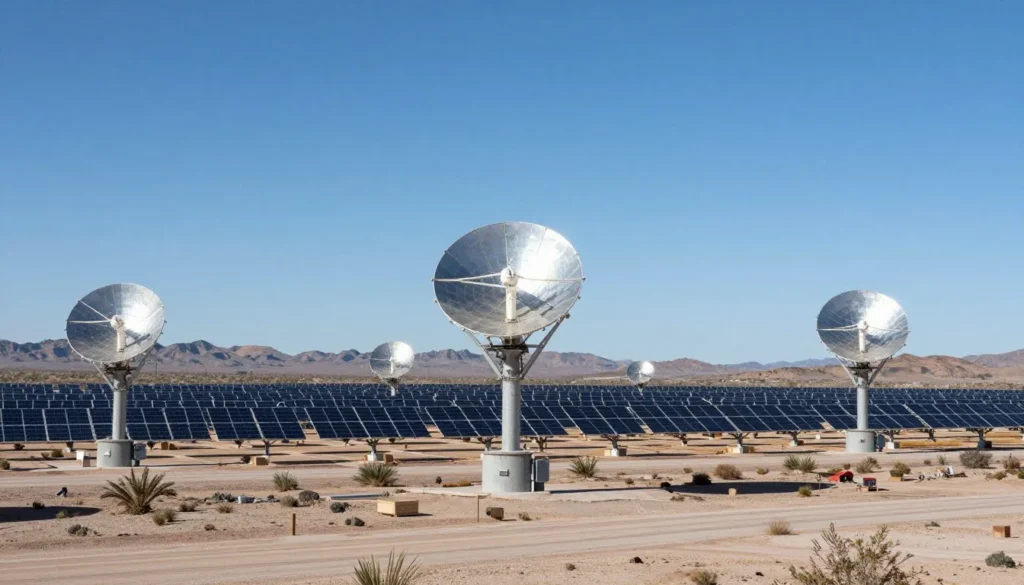
The mirrors, called heliostats, focus sunlight onto receivers atop the towers. This concentrated solar energy creates steam that drives turbines. The bright light from the towers can be seen from aircraft and even from space.
Public tours are not currently available due to safety and security concerns. However, excellent viewing areas exist along nearby roads. Interstate 15 provides spectacular vistas of the entire facility. Pull into designated rest areas for photos and observation.
Photography enthusiasts visit during golden hour for stunning light effects. The facility creates dramatic compositions against the desert and mountain backdrop. Sunrise and sunset offer the most compelling images.
Ivanpah Dry Lake
This ephemeral lake bed stretches across approximately 30 square km (7,400 acres). During most years, the area remains completely dry. The hard, flat surface has attracted land speed record attempts and film productions.
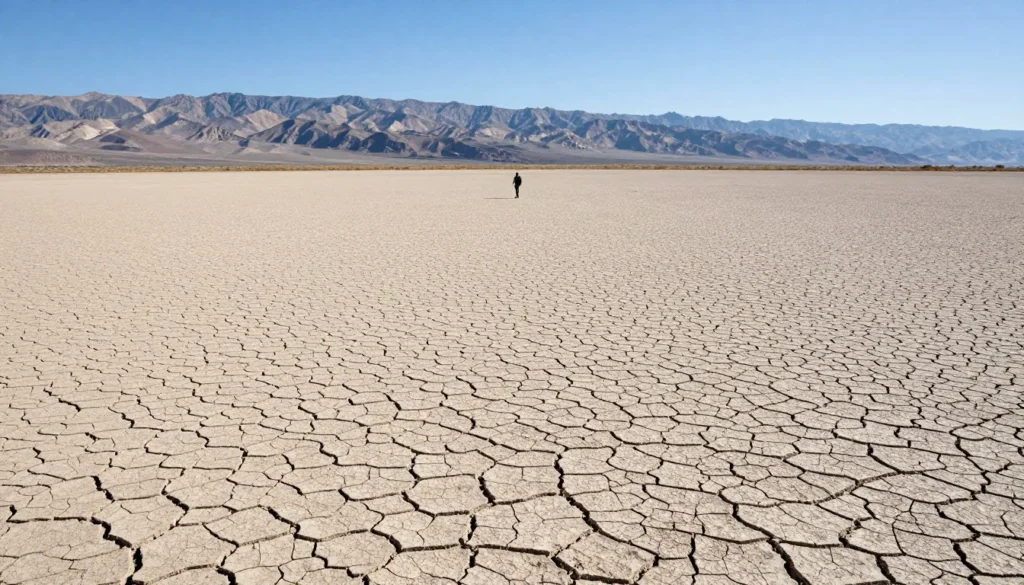
The lake bed offers unique recreational opportunities. Photographers capture the geometric crack patterns in the dried mud. The vast emptiness provides perspective on desert scale. Stars shine brilliantly after dark with zero light pollution.
Walking on the lake bed creates an otherworldly experience. The flatness extends in all directions. Sound carries strangely across the open expanse. Mirages shimmer in the distance during warm days.
Important: Never attempt to drive on the lake bed after rain. What appears solid can turn into sticky mud that traps vehicles. Check local conditions and weather reports before visiting.
Clark Mountain Range
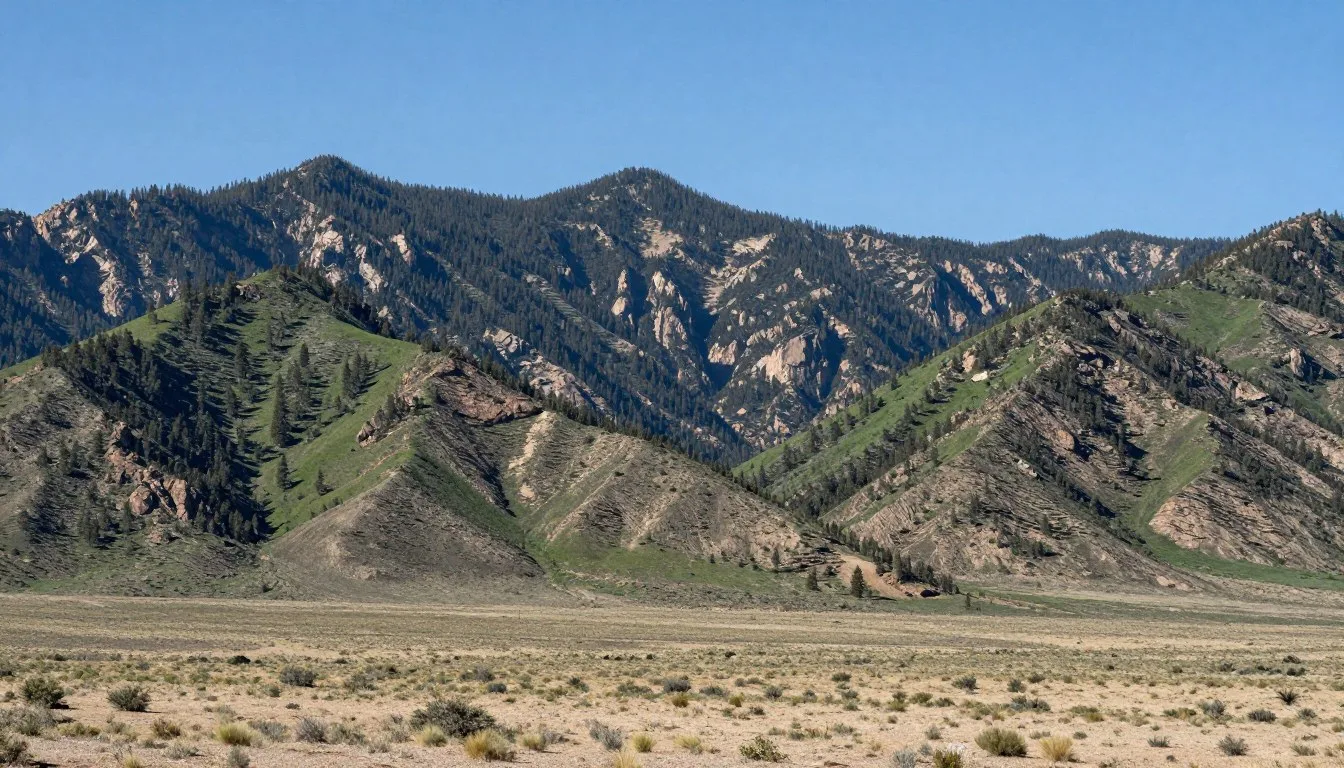
These rugged mountains form the backdrop east of Ivanpah. Clark Mountain itself rises to 2,417 m (7,930 feet) elevation. The range contains unique geology and rare plant species.
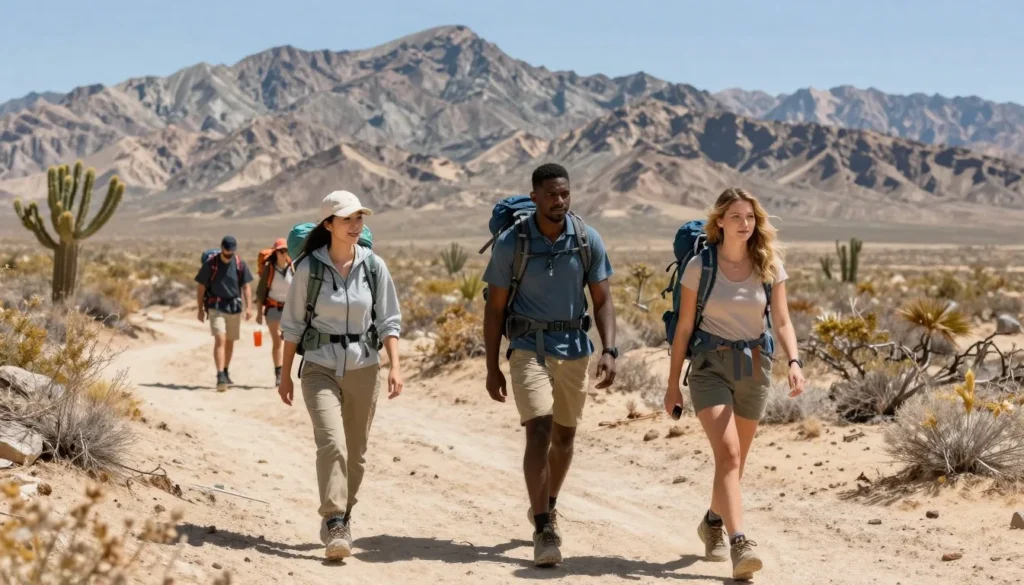
Hiking opportunities exist for experienced desert trekkers. Trails are primitive and unmarked. Navigation skills and proper equipment are essential. The reward includes solitude and spectacular views across the Mojave Desert.
Museums, Cultural Spots & Festivals
The immediate Ivanpah area lacks traditional museums and cultural venues. The region’s appeal centers on natural and technological features. However, nearby communities offer some cultural experiences.
Local Heritage
The desert holds significant Native American history. Several tribes traversed this area for thousands of years. Archaeological sites dot the landscape, though most are protected and not accessible to visitors.
Mining history shapes the region’s character. Old claims and abandoned workings scatter across the district. These sites remind visitors of 19th and early 20th century prospecting efforts. Never enter old mines due to extreme safety hazards.
Regional Museums
Las Vegas hosts several excellent museums within an hour’s drive. The Nevada State Museum covers regional natural history and cultural heritage. The Mob Museum downtown explores organized crime history. The Neon Museum preserves classic Las Vegas signs.
Baker, California sits about 48 km (30 miles) west of Ivanpah. This small town serves as a gateway to Mojave National Preserve. While not a museum destination, it offers desert travel information and supplies.
Events and Festivals
The remote Ivanpah location hosts no regular festivals or events. Occasionally, the dry lake bed attracts special activities. Land speed racing teams sometimes use the area for testing. Film and commercial productions choose the dramatic landscape for shoots.
Las Vegas provides year-round entertainment and events. Major concerts, sporting events, and conventions occur weekly. Many visitors combine desert exploration with Las Vegas cultural experiences.
Nature & Outdoor Experiences
The Ivanpah Desert rewards outdoor enthusiasts with unique experiences. This remote part of the Mojave Desert ecosystem showcases resilient life and stunning geology.
Wildlife Watching
Desert wildlife thrives despite harsh conditions. Keen observers spot various species throughout the district. Most animals remain active during cooler morning and evening hours.
Desert bighorn sheep inhabit the surrounding mountains. These magnificent animals navigate steep terrain with incredible agility. Binoculars help spot them on distant slopes. Maintain respectful distance if you encounter wildlife.
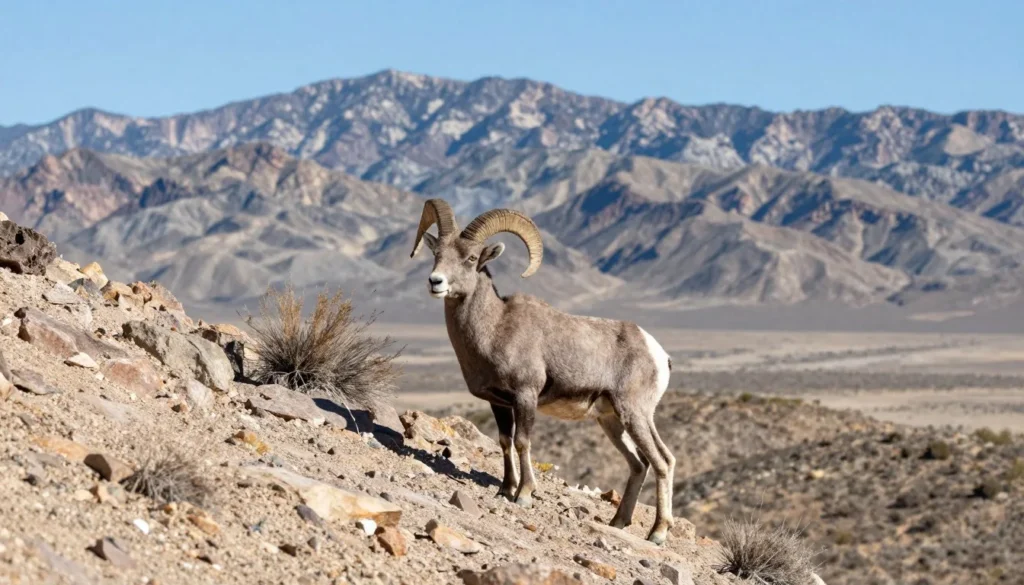
Smaller creatures include kit foxes, jackrabbits, and various lizard species. Rattlesnakes inhabit rocky areas. Always watch where you place hands and feet. Give snakes space and they’ll avoid confrontation.
Bird watching opportunities vary by season. Golden eagles soar overhead hunting for prey. Ravens demonstrate remarkable intelligence. Seasonal migrations bring additional species through the area.
Photography Opportunities
Photographers find endless subjects in the Ivanpah District. The solar facility creates dramatic industrial landscapes. The dry lake bed offers minimalist compositions. Mountains provide classic desert vistas.
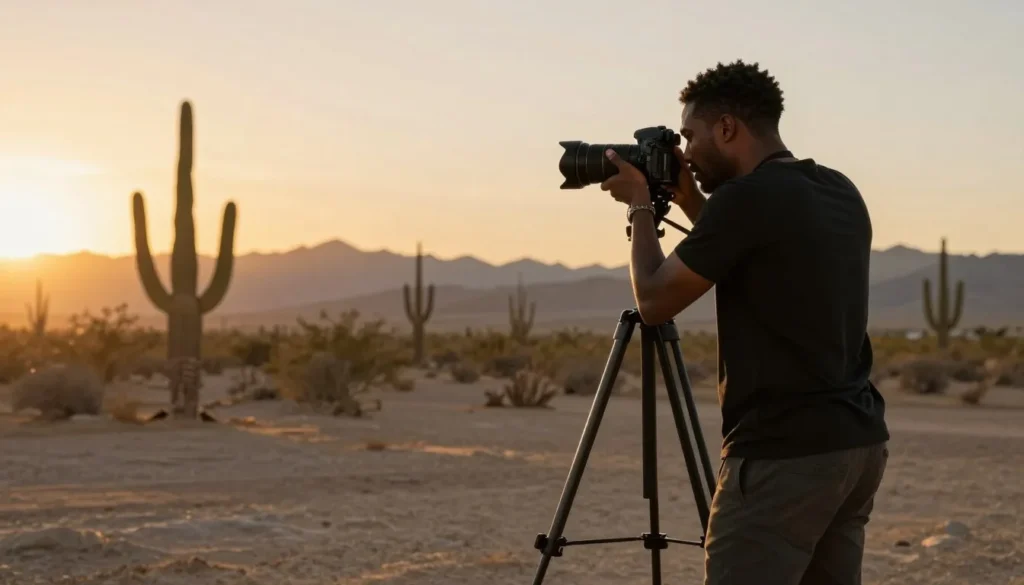
Sunrise and sunset deliver the best light. The low angle sun creates long shadows and rich colors. The clear desert air allows sharp detail even at distance. Night photography reveals spectacular stars with minimal light pollution.
Hiking and Exploration
Hiking near Ivanpah requires preparation and experience. No maintained trails exist in the immediate area. Cross-country navigation demands proper skills and equipment.
The lake bed itself allows easy walking on firm ground. The flat surface makes this accessible for various fitness levels. However, lack of shade and exposure require sun protection and adequate water.
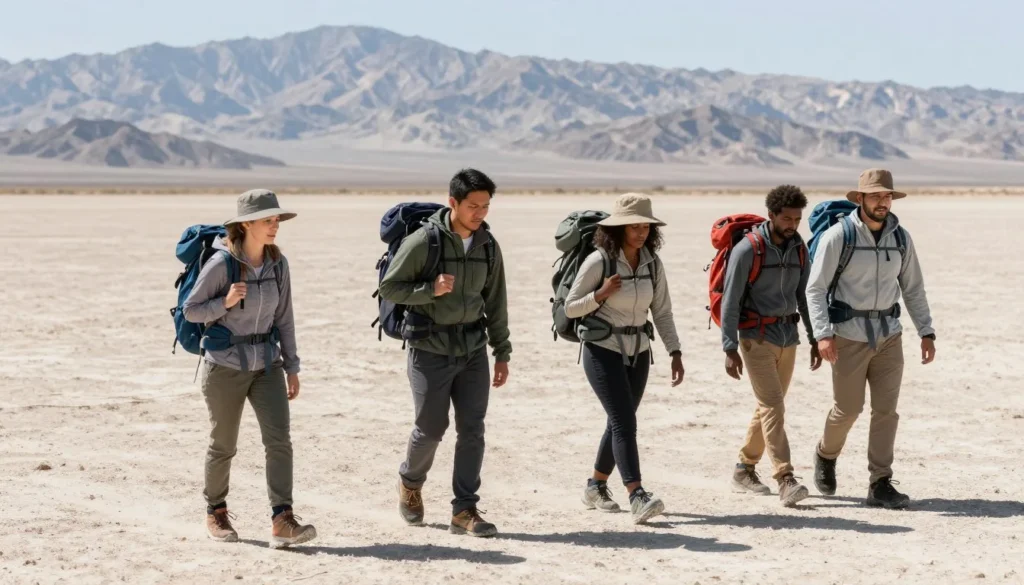
Mountain foothills offer more challenging terrain. Steep slopes, loose rock, and thorny vegetation demand sturdy boots and long pants. These areas reward effort with solitude and exceptional views.
Outdoor Safety: Always carry far more water than you think necessary. Plan for one gallon per person per day in moderate temperatures. Increase this amount during warm weather or strenuous activity. Dehydration develops quickly in the desert environment.
Stargazing
The Ivanpah Desert offers world-class stargazing conditions. Zero light pollution and high elevation create crystal-clear night skies. The Milky Way appears as a bright band across the heavens.
New moon periods provide the darkest skies. Planets, star clusters, and nebulae shine brilliantly. Meteor showers put on spectacular shows. The solar facility towers glow softly, creating an interesting foreground for astrophotography.
Winter nights offer the longest darkness but coldest temperatures. Dress warmly in multiple layers. Bring blankets or sleeping bags for extended observation sessions. Red flashlights preserve night vision while reading star charts.
Safety, Etiquette & Local Customs
Desert safety requires serious attention. The Ivanpah area presents unique challenges that can turn dangerous without proper precautions. Understanding risks and planning accordingly ensures enjoyable visits.
Heat and Dehydration
Extreme heat poses the greatest risk. Summer temperatures can exceed 49°C (120°F). Even moderate temperatures become dangerous during extended exposure. Your body loses water rapidly through perspiration.
Carry at least twice as much water as you expect to need. Drink before feeling thirsty. Dehydration symptoms include headache, dizziness, and reduced urination. Severe cases require immediate medical attention.
Emergency Contact: In case of emergency, dial 911. Cell service is unreliable, so consider a satellite communication device for remote exploration. The nearest hospital is in Las Vegas, approximately 56 km (35 miles) north.
Navigation and Communication
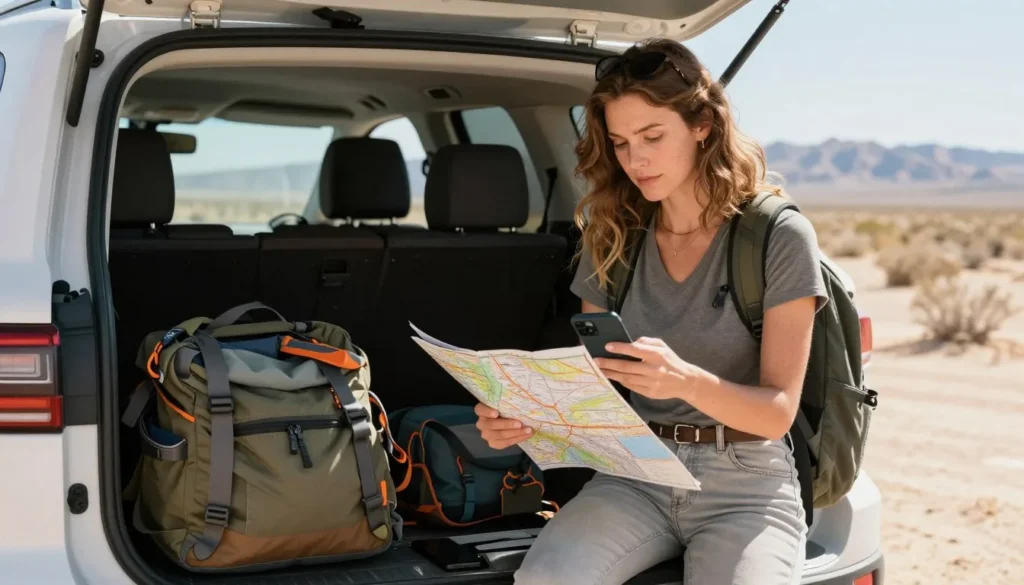
Cell phone coverage is spotty throughout the district. Don’t rely solely on mobile devices for navigation. Download offline maps before your trip. Carry paper maps and a compass as backup.
GPS devices work well in the desert’s open terrain. However, electronic devices can fail. Learn basic navigation skills before venturing into remote areas. Tell someone your plans and expected return time.
✓ Check 30,000+ Local Sightseeing Tours Worldwide
Wildlife and Plants
Respect wildlife from a safe distance. Never approach or feed animals. Rattlesnakes often rest in shade during hot days. Watch where you step and place your hands.
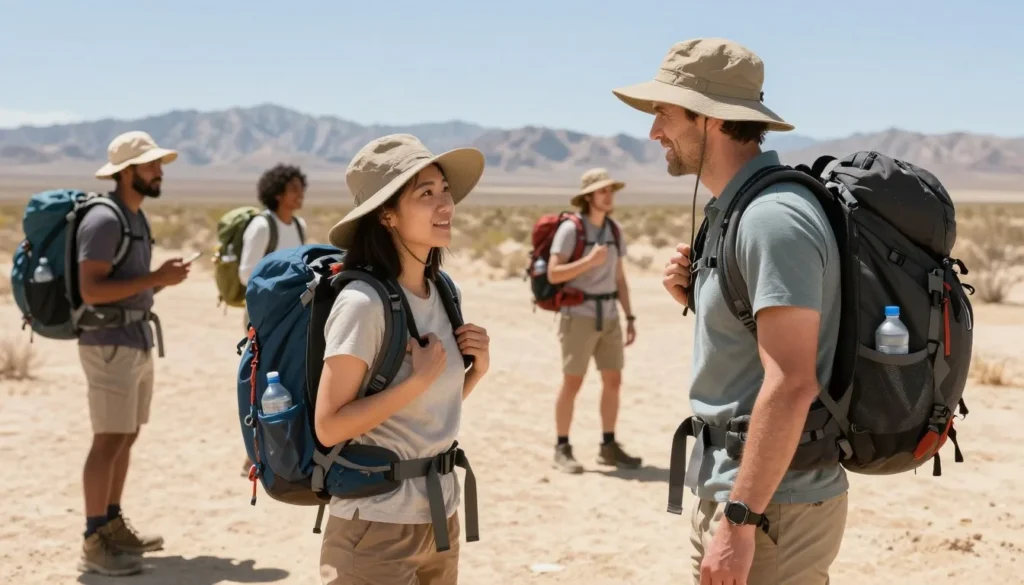
Many desert plants feature thorns or spines. Cholla cactus segments detach easily and embed in skin. Wear long pants and closed-toe shoes. Bring tweezers to remove plant spines.
Property and Permissions
Much of the Ivanpah area consists of public land managed by the Bureau of Land Management. However, the solar facility and some surrounding property remain private. Respect all posted signs and boundaries.
Dispersed camping is permitted on many BLM lands. Follow Leave No Trace principles. Pack out all trash. Use existing campsites when possible. Never start fires during dry conditions.
Vehicle Precautions
High temperatures stress vehicles. Check coolant levels before trips. Carry extra water for the radiator. Tires can fail on hot pavement and rough roads. Bring a properly inflated spare and working jack.
Fuel up in Primm or Las Vegas. Gas stations don’t exist in the remote desert. Running out of fuel in extreme heat creates a dangerous situation. Carry extra fuel for extended explorations.
Essential Safety Items
- Multiple gallons of drinking water per person
- Wide-brimmed hat and sunscreen
- First aid kit with blister treatment
- Extra food and high-energy snacks
- Fully charged phone and backup battery
- Paper maps and compass
- Emergency blanket and whistle
Desert Etiquette
- Pack out all trash and waste
- Stay on designated roads and paths
- Respect private property boundaries
- Keep noise levels low
- Leave natural and cultural artifacts
- Minimize campfire impacts
- Yield to other desert users
Visitor Comments About Ivanpah Desert
“The solar towers create an absolutely surreal sight against the desert landscape. We drove down from Las Vegas just to see them and weren’t disappointed. The sheer scale of the technology is mind-blowing. Best viewed during late afternoon when the light hits everything perfectly. Bring lots of water and sun protection.”
“This area offers such peaceful solitude. The dry lake bed stretches endlessly under crystal-clear skies. We spent hours photographing the cracked earth patterns and mountain reflections. Night brought incredible stars with zero light pollution. A perfect escape from crowded tourist spots. Just remember this is serious desert requiring proper planning.”
“Combined our Ivanpah visit with a Las Vegas trip and it made for a fantastic contrast. The desert provides such raw, natural beauty while Vegas delivers entertainment. The solar facility impressed our whole family. Kids loved seeing real renewable energy technology at work. Make sure to stop in Primm for supplies and information before heading out.”
Additional Nearby Destinations
The Ivanpah Desert’s location makes it an excellent base for exploring surrounding attractions. Several remarkable destinations lie within easy driving distance. These spots complement the Ivanpah experience with diverse desert and mountain landscapes.
Mojave National Preserve
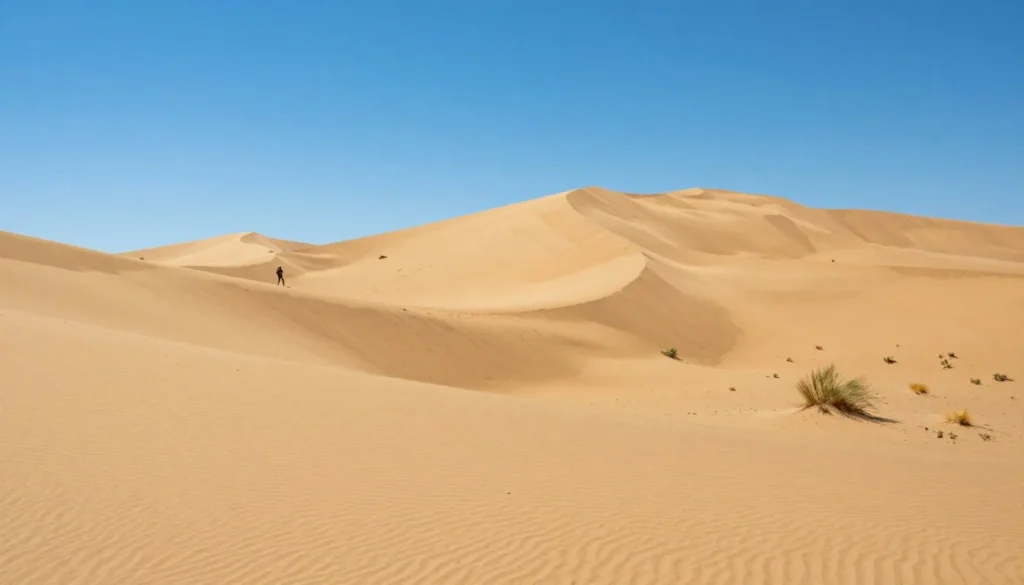
This vast protected area begins just west of Ivanpah. The preserve encompasses 647,000 hectares (1.6 million acres) of diverse desert ecosystems. Kelso Dunes rise to 198 m (650 feet), creating one of the tallest dune fields in North America.
Kelso Depot serves as the preserve’s visitor center. This restored 1920s railroad station houses exhibits about desert ecology and human history. The building itself represents beautiful Spanish Mission Revival architecture.
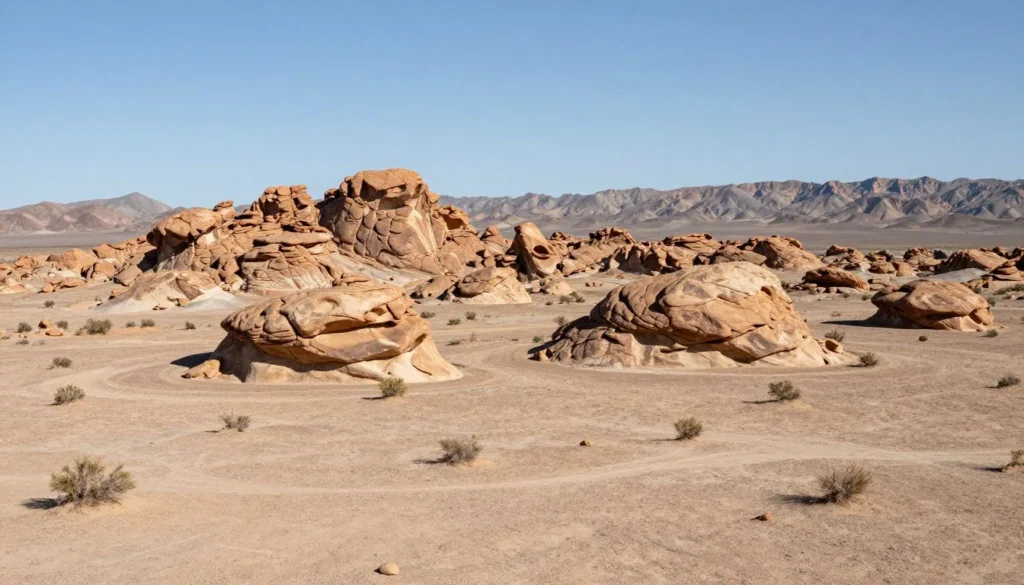
Hole-in-the-Wall provides unique rock formations and short hiking trails. Mitchell Caverns offers guided tours through limestone caves. These destinations add variety to your desert exploration.
Las Vegas
The Entertainment Capital sits only 56 km (35 miles) north of Ivanpah. World-class shows, casinos, restaurants, and attractions fill this vibrant city. Many visitors combine quiet desert days with exciting Vegas nights.
Red Rock Canyon National Conservation Area lies on Las Vegas’s western edge. This area features stunning red sandstone formations and excellent hiking. The scenic drive offers spectacular views with numerous pullouts.
Valley of Fire State Park
Located 80 km (50 miles) northeast of Ivanpah, this park showcases brilliant red Aztec sandstone formations. The rocks appear to glow with inner fire during sunrise and sunset. Ancient petroglyphs cover many rock faces.
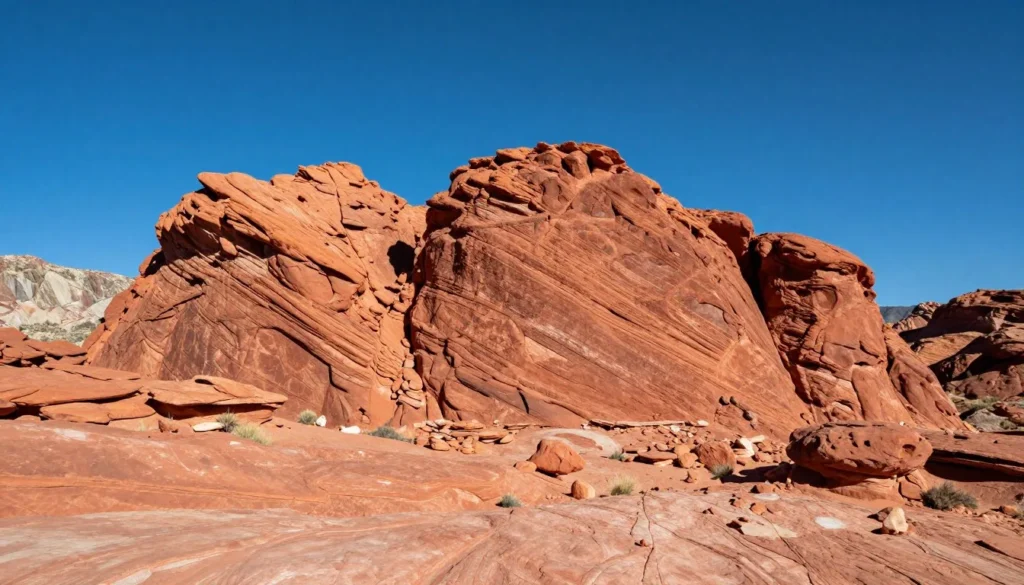
Multiple hiking trails explore different sections of the park. Mouse’s Tank Trail leads past petroglyphs to a natural water collection basin. The Fire Wave features stripes of red, pink, and white rock.
Death Valley National Park
America’s largest national park lies approximately 145 km (90 miles) west of Ivanpah. Death Valley contains the lowest point in North America at Badwater Basin, sitting 86 m (282 feet) below sea level.
The park holds multiple world records including hottest temperature ever reliably recorded. Despite the extreme environment, the area supports surprising biodiversity. Wildflower blooms can be spectacular after wet winters.
Key attractions include Zabriskie Point, Artists Palette, Dante’s View, and the Mesquite Flat Sand Dunes. Each location offers unique geological features and photography opportunities.
Practical Travel Tips
Success in the desert comes from thorough preparation. These practical tips help ensure safe, enjoyable visits to the Ivanpah District and surrounding Mojave Desert areas.
Money and Costs
Visiting the Ivanpah Desert itself costs nothing. Public lands provide free access. However, budget for fuel, food, lodging, and supplies. Gas prices near the desert often run higher than urban areas.
Primm casinos offer relatively affordable lodging compared to Las Vegas during peak periods. Restaurant prices align with typical casino dining. ATMs are available in Primm and Las Vegas.
Carry cash for emergencies. Some rural businesses may not accept credit cards. However, major establishments in Primm and Las Vegas accept all standard payment methods.
Communication and Connectivity
Cell phone service is unreliable throughout much of the Ivanpah area. Major carriers may have spotty coverage along Interstate 15. Remote sections receive no signal at all.
Download maps, guides, and any needed information before leaving areas with reliable internet. Offline navigation apps prove invaluable. Consider a satellite communicator for emergency situations.
What to Pack
Smart packing makes all the difference. Desert conditions demand specific gear and supplies. Your vehicle should carry emergency equipment year-round.
Essential Gear
- Multiple gallons of water per person
- High SPF sunscreen and lip balm
- Wide-brimmed hat and sunglasses
- Sturdy closed-toe hiking boots
- Layered clothing for temperature changes
- First aid kit with blister supplies
- Headlamp or flashlight with extra batteries
- Multi-tool or knife
Vehicle Supplies
- Full-size spare tire and working jack
- Extra coolant and motor oil
- Jumper cables or battery starter
- Basic tool kit
- Emergency blanket and flares
- Extra food and water
- Tire pressure gauge and pump
- Tow strap or chain
Photography Tips
The Ivanpah District offers exceptional photography opportunities. The solar facility, dry lake, and surrounding mountains create dramatic subjects. Timing and preparation maximize results.
Golden hour provides the best natural light. Arrive before sunrise or stay through sunset. The low angle sun creates long shadows and rich colors. Midday harsh light washes out detail and creates unflattering contrast.
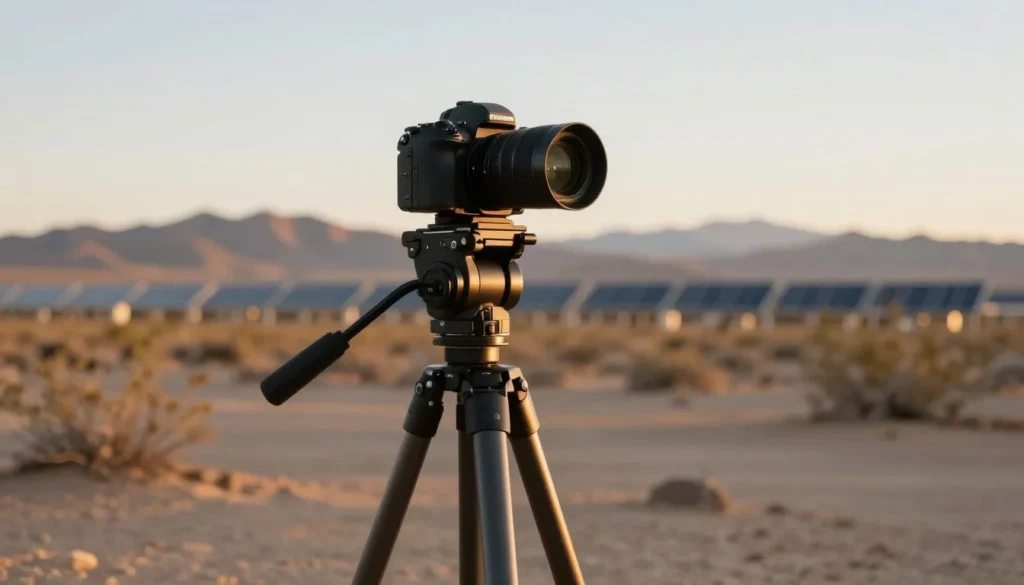
Protect camera equipment from dust and heat. Keep gear in sealed bags when not in use. Batteries drain faster in extreme temperatures. Carry extras and keep spares cool.
Use polarizing filters to manage desert glare and deepen blue skies. Wide-angle lenses capture the vast landscape. Telephoto lenses compress distant mountains and solar towers.
Environmental Responsibility
Practice Leave No Trace principles throughout your visit. Pack out all trash including organic waste. Desert decomposition happens very slowly. Even biodegradable items persist for years.
Stay on established roads and paths. Desert soils are fragile. Tire tracks can last decades. Off-road driving damages vegetation and disturbs wildlife habitat.
Never collect rocks, plants, or artifacts. Cultural and natural resources belong to everyone. Photography preserves memories without impacting the environment.
Best Practices: Campfires create lasting scars in the desert. Use camp stoves for cooking. If fires are permitted and necessary, use existing fire rings. Completely extinguish all fires with water, not dirt. Scatter cold ashes over a wide area.
Time Zone and Seasonal Considerations
The Ivanpah area straddles the Nevada-California border. Most of the region falls in the Pacific Time Zone. Set your devices to update automatically or confirm the local time.
Summer monsoon season runs July through September. Afternoon thunderstorms can develop rapidly. These storms bring lightning, flash flood risks, and sudden temperature drops. Monitor weather forecasts and retreat to safety if storms approach.
Winter months bring shorter daylight hours. Plan activities accordingly. Desert nights grow very cold. Temperatures can drop below freezing even after mild days. Bring warm layers for evening and morning hours.
Your Ivanpah Desert Adventure Awaits
The Ivanpah Desert stands ready to reveal its secrets. This remarkable corner of Nevada blends cutting-edge solar technology with timeless desert beauty. From the gleaming towers of the world’s largest solar facility to the vast silence of the dry lake bed, every visit creates lasting memories.
The best part of this destination is its accessibility. Less than an hour from Las Vegas, this remote landscape offers true wilderness experiences. You can explore ancient lake beds in the morning and enjoy world-class entertainment by evening. The contrast makes both experiences more meaningful.
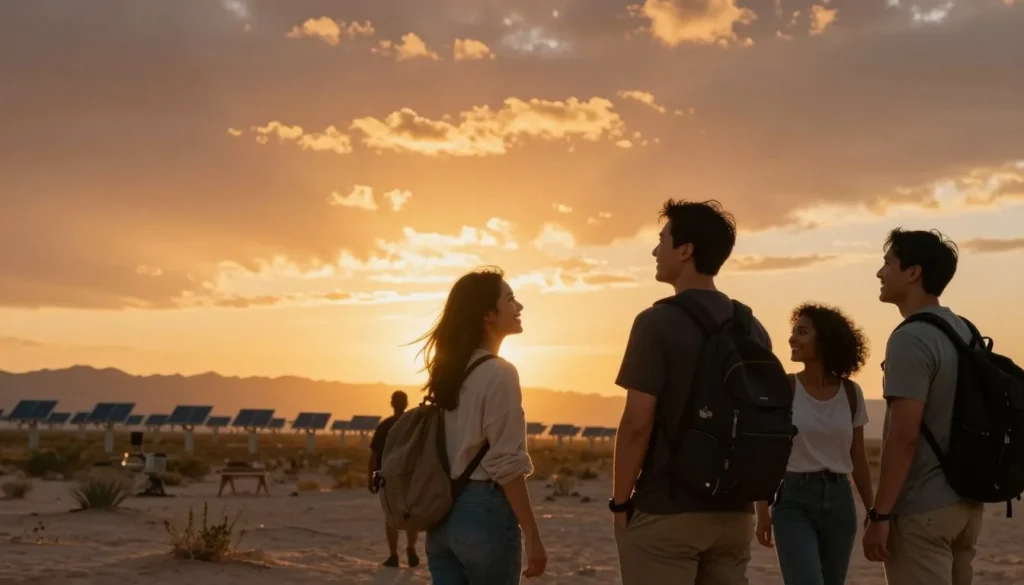
Whether you seek technological marvels, photographic opportunities, or quiet contemplation, the Ivanpah District delivers. The work of human engineering complements rather than diminishes the natural power of this place. Thousands of mirrors reflect sunlight while thousands of years of geological forces shaped the land beneath them.
Start planning your journey today. Check the weather, pack your water, and point your vehicle toward one of America’s most unique destinations. The desert awaits with clear skies, endless horizons, and experiences you’ll treasure for a lifetime. Every mile of this district tells a story worth discovering.