Hotels by Trip.com
Flights by Trip.com
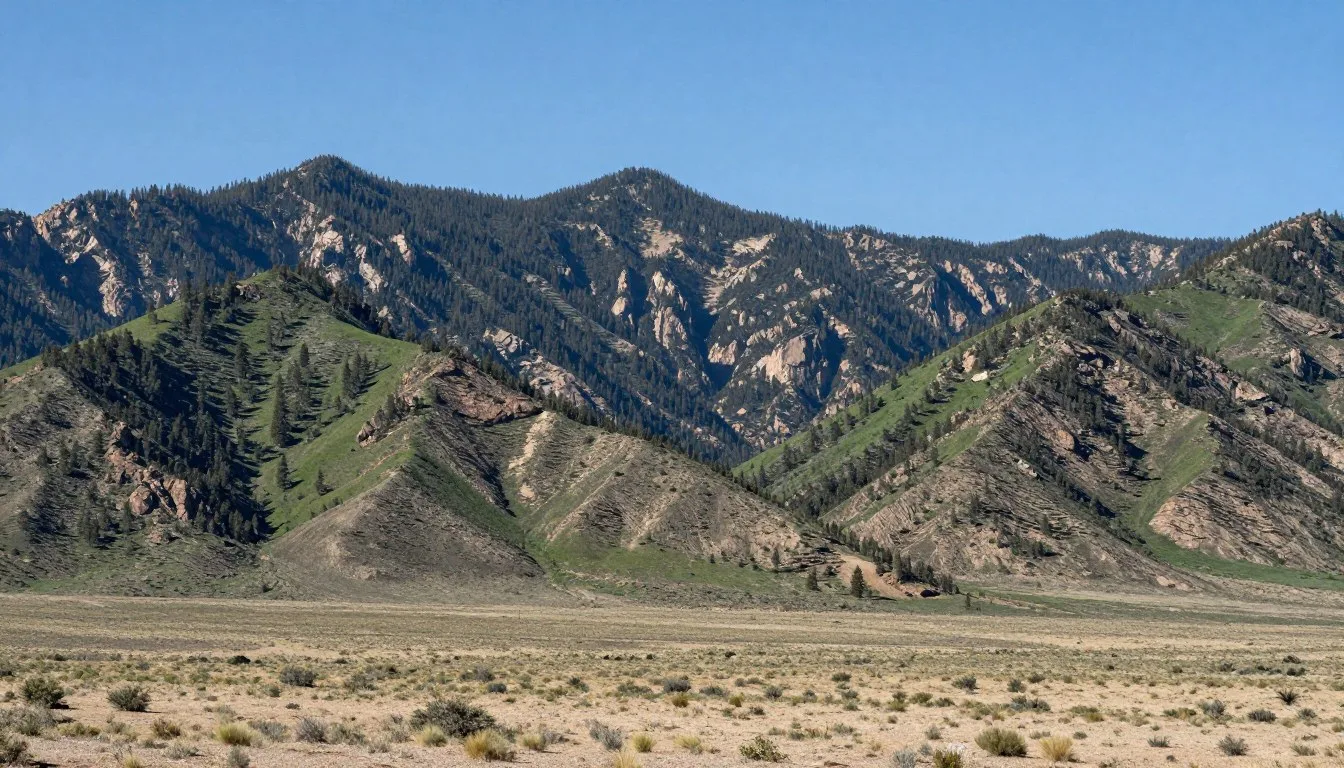
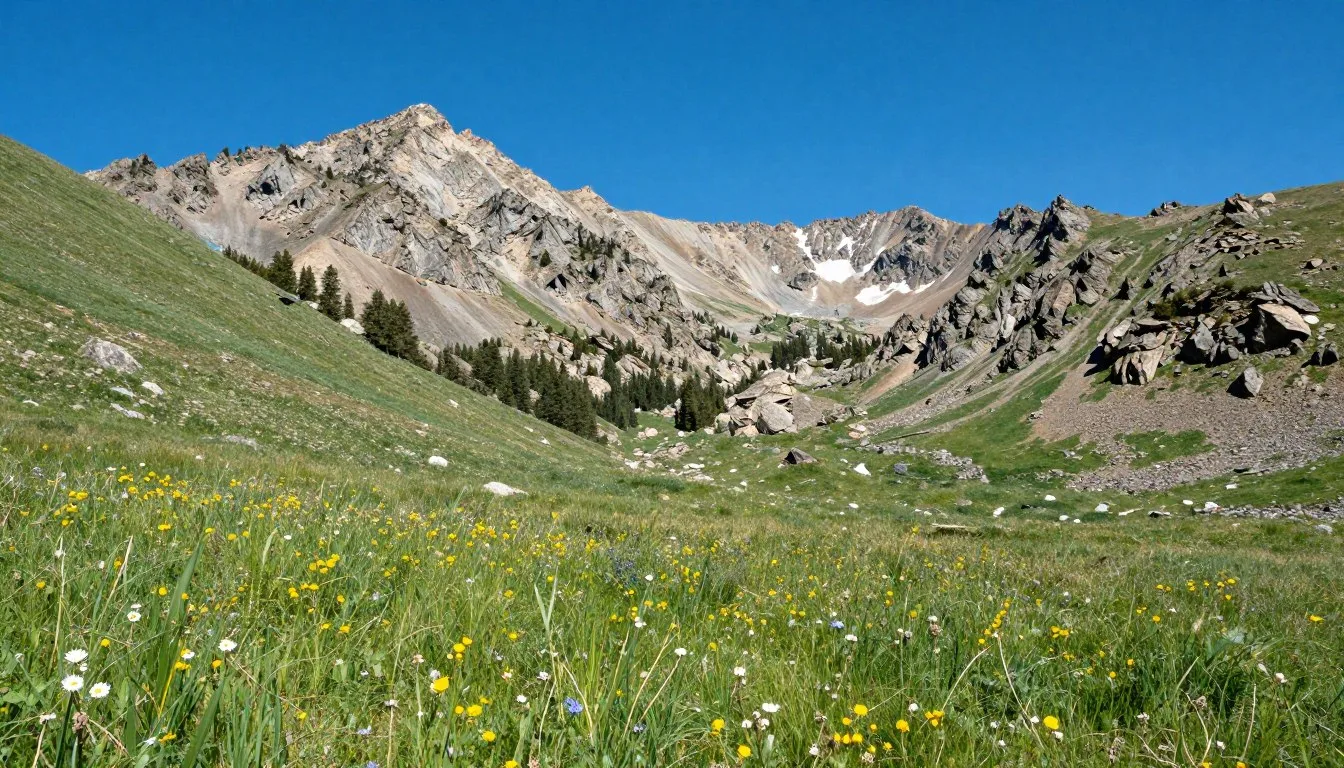
Did you know that Jarbidge is the most remote town in the lower 48 states, sitting more than 80 km (50 miles) from the nearest paved highway? This remarkable isolation has preserved one of Nevada’s most pristine wilderness areas. The Jarbidge Mountains offer a rare glimpse into untouched alpine terrain where hiking trails wind through basins filled with wildflowers and rugged peaks tower above crystal-clear streams.
Visitors who make the journey discover a place frozen in time. The town of Jarbidge maintains its frontier character while the surrounding wilderness provides endless opportunities for outdoor exploration. From challenging hikes to Gods Pocket Peak to peaceful walks along the Jarbidge River Trail, this area rewards those willing to venture off the beaten path.
This comprehensive guide shares everything you need to plan an unforgettable visit to the Jarbidge Mountains Nevada region.
Getting There and Planning Your Journey
Reaching the Jarbidge Mountains requires careful planning due to the remote location. The journey itself becomes part of the adventure as you travel through Nevada’s high desert terrain.
Closest Airports
Three airports serve as gateways to the Jarbidge wilderness area:
- Boise Airport (BOI), Idaho – 241 km (150 miles) northwest, approximately 3.5 hours drive
- Elko Regional Airport (EKO), Nevada – 169 km (105 miles) south, approximately 2.5 hours drive
- Twin Falls Airport (TWF), Idaho – 201 km (125 miles) north, approximately 3 hours drive
Most visitors fly into Boise due to better flight connections and rental car availability. From any of these airports, you will need a high-clearance vehicle or four-wheel drive for the final approach.
Road Access and Conditions
The last 56 km (35 miles) to Jarbidge follow unpaved roads that can be challenging. Route conditions vary significantly by season. Spring snowmelt often makes roads impassable until late June. Summer provides the most reliable access from July through September.
Two main routes lead to the town of Jarbidge. The southern route from Elko via Route 225 and the northern route from Rogerson, Idaho both require careful driving. Check current road conditions before departure by contacting the Humboldt-Toiyabe National Forest office.
Best Time to Visit and Weather Tips
Recommended Visiting Seasons
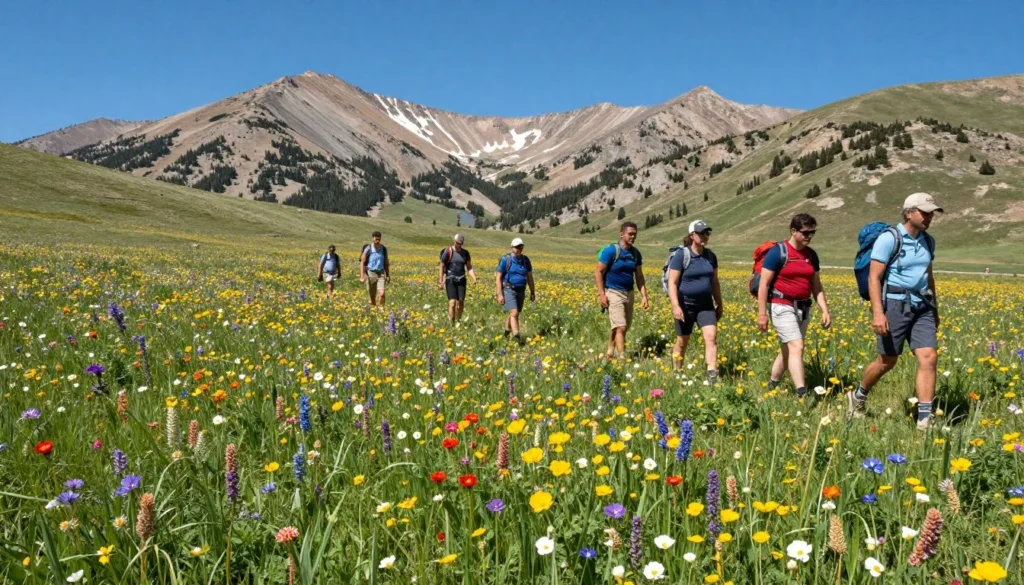
Summer offers the best conditions for exploring the Jarbidge wilderness. July and August provide reliable trail access and pleasant temperatures ranging from 18°C to 24°C (65°F to 75°F) during the day. Wildflowers peak in late July, transforming alpine basins into carpets of color.
Early fall brings spectacular scenery as aspen groves turn golden yellow. September offers cooler hiking conditions with daytime temperatures around 15°C (59°F). This season attracts fewer visitors while conditions remain excellent for outdoor activities.
Late spring can work for adventurous travelers willing to face unpredictable conditions. June sees temperatures rising to comfortable levels but snow may linger at higher elevations above 2,438 m (8,000 feet).
Seasons to Avoid
Winter transforms the Jarbidge Mountains into an inaccessible wilderness. Heavy snowfall closes access roads from October through May. The town receives an average of 381 cm (150 inches) of snow annually, making winter visits nearly impossible without specialized equipment.
Early spring from April to mid-June presents challenges with muddy roads and unpredictable weather. Snowmelt creates impassable conditions on unpaved access routes. Most services in town remain closed until summer season begins.
Weather Preparation Tips
- Pack layers for temperature swings of 15°C (27°F) between day and night
- Bring rain gear even in summer as afternoon thunderstorms develop frequently
- Apply sunscreen liberally at elevations above 1,829 m (6,000 feet)
- Carry extra water as the dry mountain air increases dehydration risk
Notable Annual Festivals
The tiny town of Jarbidge hosts several community events that celebrate its frontier heritage and natural surroundings. These gatherings bring the remote community together and welcome visitors into the local culture.
Jarbidge Days
Held annually on the last weekend of July, Jarbidge Days marks the summer season highlight. The festival features live music, barbecue cookouts, and storytelling sessions about the area’s mining history. Local residents share tales of the town’s colorful past while visitors enjoy the relaxed mountain atmosphere.
Activities include gold panning demonstrations, historical walking tours, and horseshoe tournaments. The event draws former residents who return for reunions along with outdoor enthusiasts exploring the wilderness.
Jarbidge Community Club Events
Throughout summer months, the Jarbidge Community Club organizes informal gatherings that welcome visitors. These potluck dinners and evening campfires offer opportunities to meet locals and learn about the area from those who call it home.
The community maintains a strong tradition of hospitality despite the remote location. Visitors often find these casual interactions provide the most memorable insights into life in Nevada’s most isolated town.
Getting Around Locally
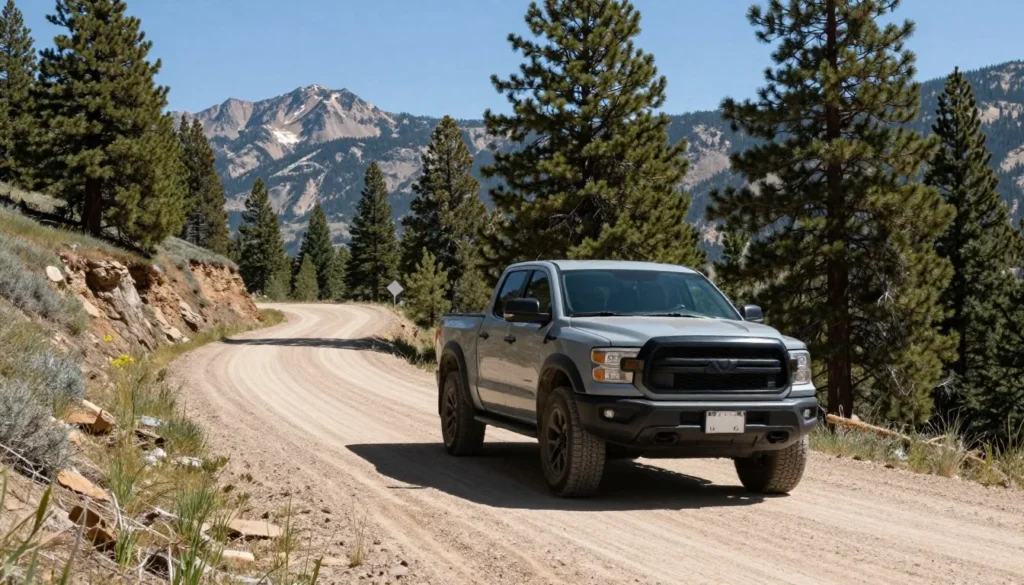
Transportation within the Jarbidge area centers on your own vehicle. The compact town spans just a few blocks, making walking the easiest way to explore local attractions. All essential services cluster within a five-minute walk of each other.
Vehicle Requirements
A high-clearance vehicle proves essential for exploring beyond the town limits. Many hiking trails begin at trailheads accessed via rough forest service roads. Four-wheel drive capability provides confidence on steep grades and loose surfaces.
Rent suitable vehicles in Elko or Boise before beginning your journey. Standard sedans lack the ground clearance needed for many area roads. Check with rental companies about taking vehicles on unpaved roads as some contracts restrict this use.
Trail Access Points
Multiple trailheads serve as starting points for hiking adventures. The Jarbidge River Trail begins near the edge of town, offering easy walking access. Gods Pocket Peak and other high elevation hikes require driving to remote trailheads several miles outside town on forest service roads.
Always carry detailed maps and a GPS device. Cell phone service does not exist in most of the wilderness. Paper maps from the Forest Service office provide reliable navigation backup.
Where to Stay
Accommodation options in the Jarbidge Mountains reflect the area’s frontier character. Visitors choose between rustic comfort in town or camping in the surrounding wilderness. Book ahead during summer months as capacity remains limited.
In-Town Lodging
The Outdoor Inn provides the primary indoor lodging option in Jarbidge. This small establishment offers basic rooms with frontier charm. Amenities remain simple but clean, with shared bathrooms and no television or internet service.
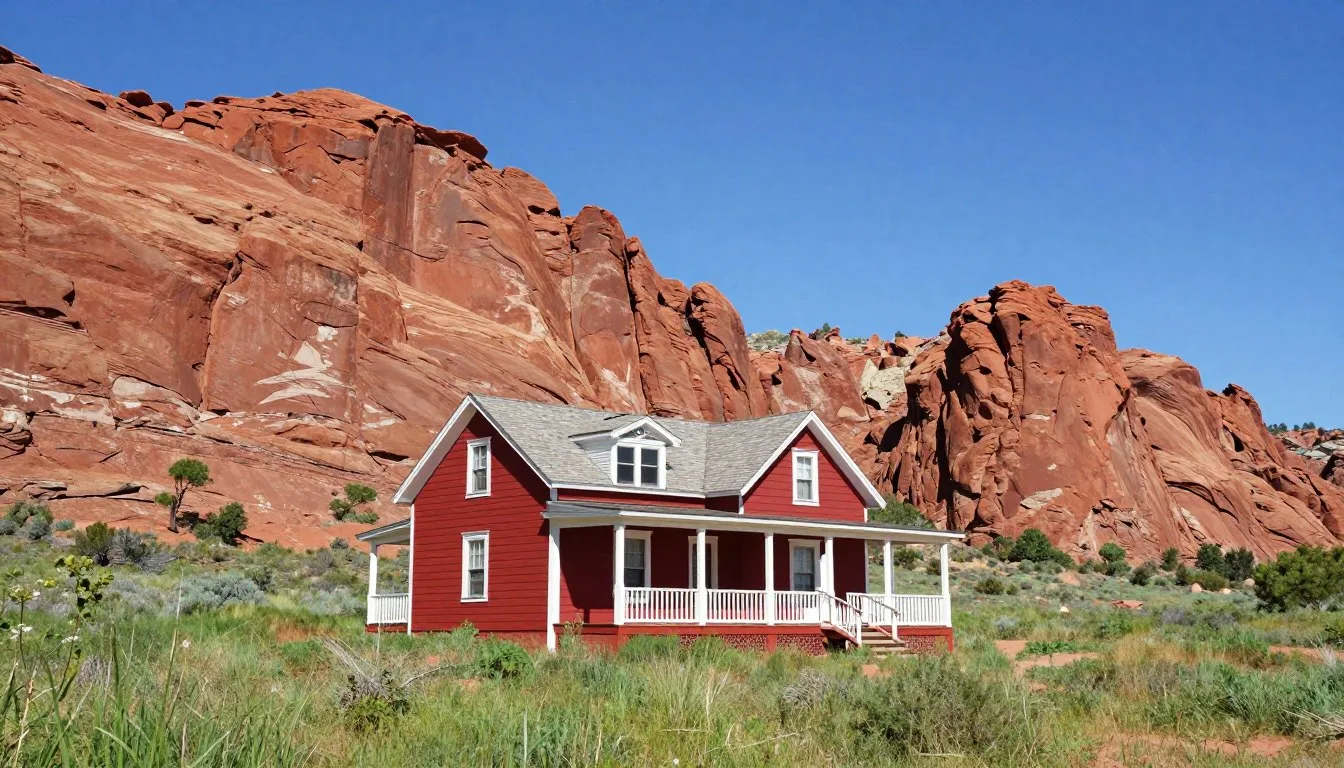
Historic cabins scattered through town become available for short-term rental during summer season. These properties range from one-room prospector shacks to larger family cabins. Most lack modern conveniences, offering an authentic taste of mountain living.
Camping Options
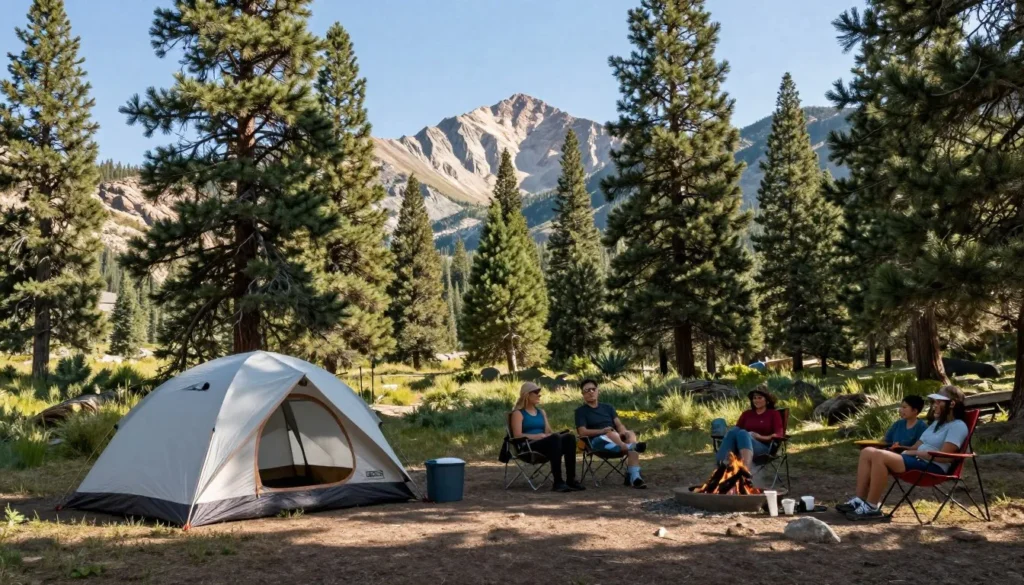
Pine Creek Campground sits 3 km (2 miles) south of town along the main access road. This Forest Service facility offers 10 sites with picnic tables and fire rings. No water or electrical hookups exist but a vault toilet serves campers. Sites operate on a first-come basis with no reservation system.
Dispersed camping throughout the Jarbidge Wilderness allows backpackers to establish camps anywhere more than 61 m (200 feet) from water sources and established trails. This free option suits experienced wilderness travelers seeking solitude.
RV travelers face limitations due to road conditions and lack of hookups. Small camping trailers pulled by capable tow vehicles can reach Pine Creek Campground but large motorhomes should avoid the rough access roads.
Dining and Local Cuisine
Dining options in Jarbidge embrace simplicity and hearty portions. The remote location means most food arrives via long supply chains, but local establishments serve satisfying meals that fuel outdoor adventures.
Trading Post
The Jarbidge Trading Post functions as general store, restaurant, and community gathering spot. The kitchen prepares breakfast and lunch featuring classic American fare. Burgers, sandwiches, and daily specials provide fuel for hiking trails.
The trading post also stocks groceries, camping supplies, and limited fresh produce. Prices run higher than urban areas due to transportation costs. Smart visitors bring most food supplies from larger towns.
Self-Catering
Many visitors prepare their own meals using camp stoves or cabin kitchens. Bringing coolers stocked with perishables from Elko or Boise provides more menu flexibility. The trading post sells basics like bread, canned goods, and snacks but selection remains limited.
Campfire cooking becomes part of the Jarbidge experience. Fresh trout from mountain streams makes excellent campfire dinners when properly prepared. Check current fishing regulations and obtain proper licenses before fishing.
Attractions, Sightseeing and Activities
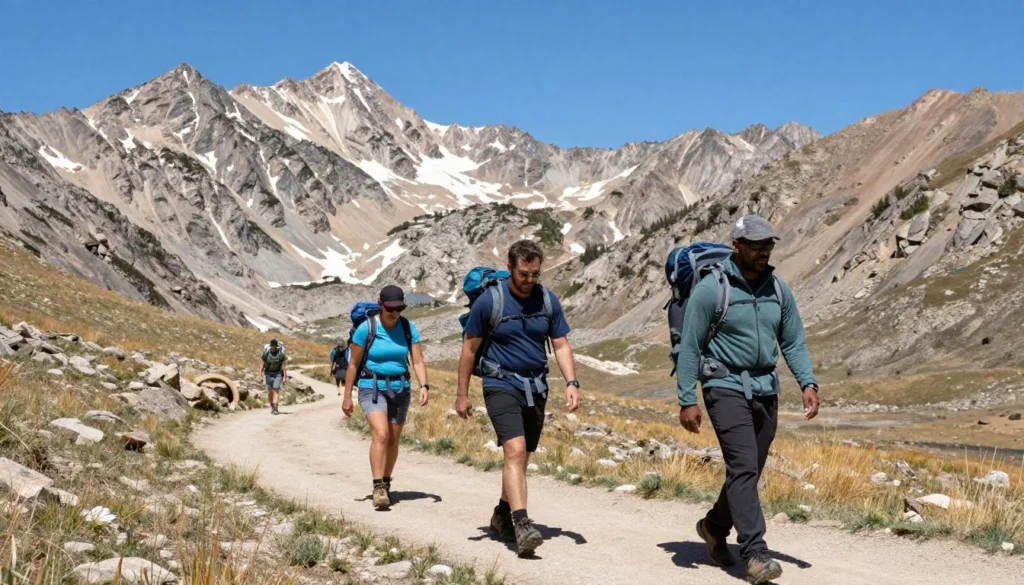
The Jarbidge Mountains offer a wealth of outdoor activities centered on wilderness exploration. Hiking trails wind through pristine landscapes while the remote setting provides exceptional stargazing and wildlife viewing opportunities.
Jarbidge River Trail
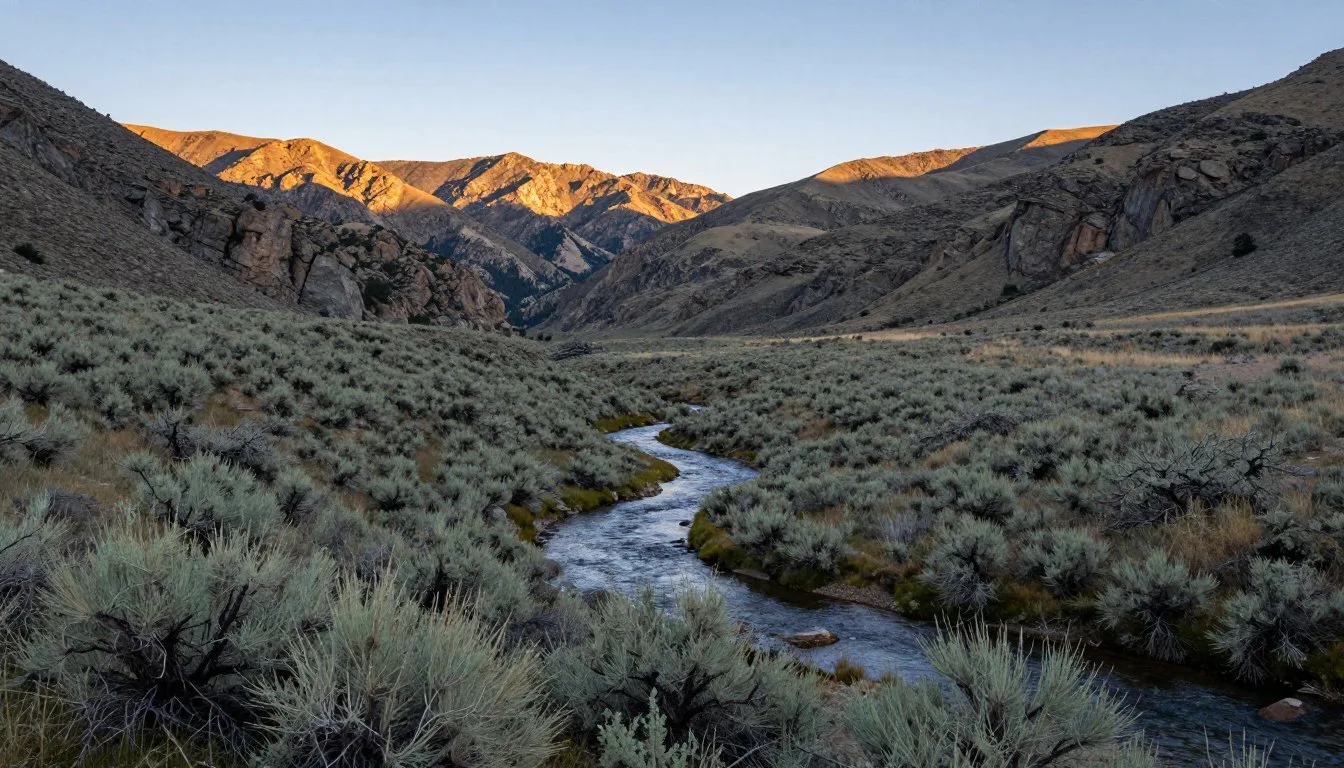
The Jarbidge River Trail ranks as the most popular hike in the area. This moderate 6.4 km (4 mile) one-way path follows the river through a scenic canyon. The trail gains 183 m (600 feet) in elevation as it progresses upstream.
Hikers enjoy constant water views and opportunities to spot wildlife. Beaver dams create pools along the route while deer and elk frequent the riparian corridor. The trail surface remains well-maintained with occasional stream crossings on log bridges.
Plan three to four hours for the round-trip journey. Strong hikers can extend the route deeper into the wilderness by continuing beyond the main trail terminus. Early morning starts provide cooler temperatures and better wildlife viewing.
Gods Pocket Peak
Gods Pocket Peak challenges experienced hikers with a strenuous climb to 3,172 m (10,407 feet) elevation. The 11.3 km (7 mile) round trip gains 762 m (2,500 feet) through alpine terrain. Spectacular views from the summit reveal the entire Jarbidge wilderness spread below.
The route follows a steep ridgeline with exposure in several sections. Hikers need solid mountain experience and comfort with elevation. Snow can linger on north-facing slopes through July, requiring careful route-finding.
Allow six to eight hours for the complete hike. Start early to avoid afternoon thunderstorms that build over peaks during summer. Bring extra layers as summit temperatures run 6°C to 11°C (10°F to 20°F) cooler than town.
Jarbidge Lake
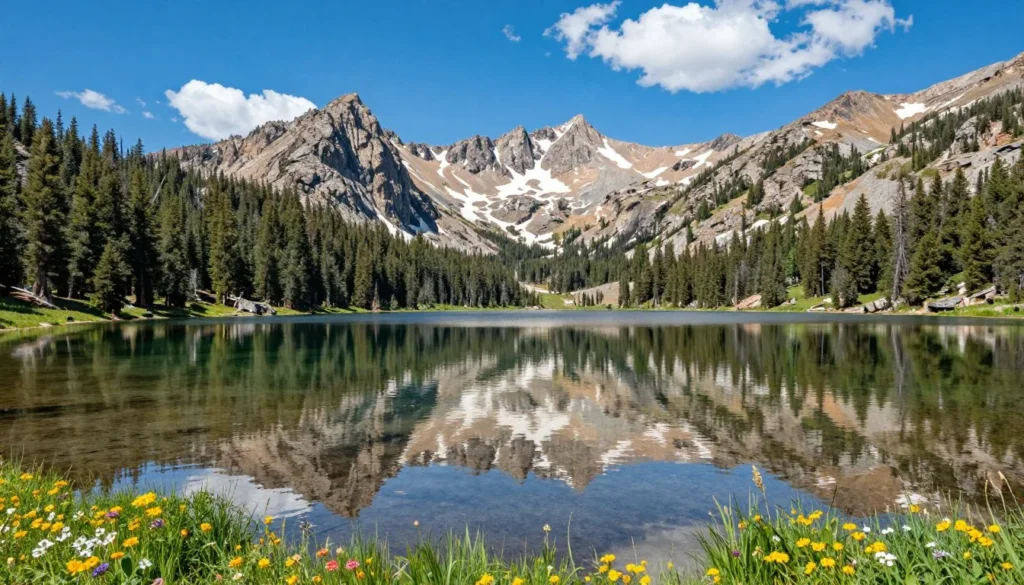
Jarbidge Lake sits in a glacial basin at 2,743 m (9,000 feet) elevation. The 8 km (5 mile) trail to reach this alpine gem follows Gods Pocket Creek through meadows filled with wildflowers. This moderate hike gains 457 m (1,500 feet) over gradually ascending terrain.
The lake covers approximately 6 hectares (15 acres) and offers excellent trout fishing. Camping near the shoreline allows visitors to experience the mountain solitude overnight. Remember to camp at least 61 m (200 feet) from the water and pack out all waste.
Jarbidge Peak
Jarbidge Peak towers as the highest point in the range at 3,244 m (10,641 feet). The challenging 14.5 km (9 mile) round-trip hike requires advanced skills and full day commitment. Steep scree slopes and route-finding through talus fields test even strong hikers.
Summit views span across Nevada and into Idaho on clear days. The Ruby Mountains appear to the south while the vast high desert stretches endlessly eastward. Most hikers attempt this peak only after acclimating to the elevation on shorter trails.
Museums, Cultural Spots and Festivals
Jarbidge preserves its mining heritage through scattered historical remnants and local storytelling traditions. While no formal museum exists, the town itself serves as a living monument to Nevada’s frontier past.
Historical Walking Tour
A self-guided walk through Jarbidge reveals glimpses of the boom years when miners extracted gold and silver from surrounding mountains. Original buildings from the early 1900s still stand, including the old schoolhouse and several miner cabins. Interpretive signs explain the town’s colorful history.
The site of Nevada’s last stagecoach robbery marks a quirky claim to fame. In 1916, bandits held up the mail stage just outside town, stealing $3,000. Local lore keeps the story alive through countless retellings at community gatherings.
Trading Post History
The trading post building houses artifacts and photographs documenting local history. Proprietors happily share stories about characters who shaped the town. Browsing the dusty shelves reveals items left by miners and prospectors over decades.
Old mining equipment dots the landscape around town. Rusted ore carts, timber supports, and tunnel entrances mark former operations. Exercise caution near these sites as old mines pose serious hazards.
Nature and Outdoor Experiences
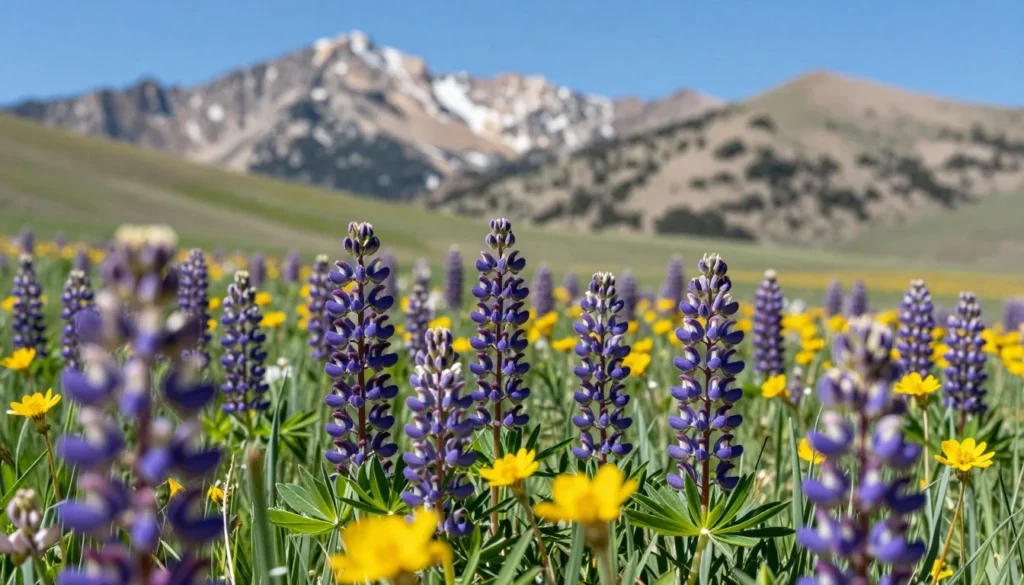
The Jarbidge Wilderness encompasses 113,167 acres of protected land, creating Nevada’s most pristine mountain ecosystem. This roadless area preserves habitats for diverse wildlife and offers unparalleled solitude for nature enthusiasts.
Wildlife Viewing
Elk herds migrate through the area, particularly visible during early morning and evening hours. The population peaks in fall when bulls bugle during the mating season. Patient observers spot herds grazing in meadows or crossing mountain saddles.
Mule deer remain abundant throughout the region. These adaptable animals range from valley floors to high alpine zones. Watch for does with fawns during summer months in areas with good cover near water sources.
Bird species include golden eagles soaring on thermals above ridgelines. Mountain bluebirds flash brilliant color in meadows while Clark’s nutcrackers call raucously from conifer branches. Patient birders compile impressive species lists during summer visits.
Wildflower Season
Late July through early August showcases peak wildflower displays. Alpine basins explode with color as lupine, Indian paintbrush, and alpine sunflowers bloom simultaneously. Elevation gradients create succession as flowers bloom progressively higher throughout summer.
Photographers find endless subjects in these mountain gardens. Early morning light illuminates flowers with dew while evening golden hour casts warm tones across entire meadows. Respect fragile alpine plants by staying on trails and avoiding trampling.
Fishing Opportunities
The Jarbidge River and tributary streams support populations of brook and rainbow trout. Fly fishing in pocket water and pools produces action for skilled anglers. The remote location means fish see less pressure than popular Nevada waters.
Alpine lakes including Jarbidge Lake hold trout populations. These high elevation waters fish best during afternoon hours after morning chill subsides. Carry lightweight tackle on backpacking trips to enjoy fresh mountain trout for dinner.
Nevada fishing licenses apply throughout the area. Purchase licenses online or in Elko before arrival. Regulations limit daily catch and specify seasons. Practice catch-and-release to preserve these sensitive populations.
Safety, Etiquette and Local Customs
Visiting the Jarbidge Mountains requires self-sufficiency and preparation. The remote location means rescue services operate hours away. Smart planning and appropriate caution ensure safe, enjoyable experiences.
Wilderness Safety
- Carry bear spray and make noise on trails – black bears inhabit the area
- Bring paper maps and compass as GPS devices can fail or lose signal
- Pack first aid supplies and know basic wilderness medicine
- Tell someone your itinerary and expected return time
- Carry emergency shelter and fire starting materials even on day hikes
- Bring water purification methods as streams may contain giardia
Weather Hazards
Afternoon thunderstorms develop rapidly during summer months. Lightning strikes pose serious danger on exposed ridges and peaks. Descend from high elevations by early afternoon when possible. Avoid being the tallest object in open areas during electrical storms.
Hypothermia risks exist even in summer when wet conditions combine with wind. Pack rain gear and warm layers on every hike. Change out of wet clothes immediately and seek shelter if conditions deteriorate.
Leave No Trace Principles
The pristine condition of the Jarbidge Wilderness depends on visitor responsibility. Pack out all trash including food scraps and toilet paper. Camp on durable surfaces at least 61 m (200 feet) from water sources and trails. Minimize campfire impacts by using established fire rings or backpacking stoves.
Human waste requires proper disposal through cat-hole burial 15 to 20 cm (6 to 8 inches) deep. Pack out used toilet paper in sealed bags. Never contaminate water sources with soap or food waste.
Local Customs
The small community values privacy and independence. Respect private property boundaries and don’t enter posted areas. Residents appreciate visitors who demonstrate self-reliance and wilderness competence.
Exchange friendly greetings when encountering others on trails or in town. The informal atmosphere welcomes conversation but recognizes that some visit seeking solitude. Read social cues and respect varying comfort levels with interaction.
Emergency Contact Information:
Elko County Sheriff: +1 775 738 3421
Nearest medical facility is in Elko, 169 km (105 miles) away
Cell phone service is unavailable – carry satellite communication device for emergencies
Visitor Comments About Jarbidge Mountains
“The journey to Jarbidge tested my vehicle and patience, but the rewards exceeded every expectation. We hiked the river trail spotting wildlife and enjoying complete solitude. The night sky blew my mind with more stars than I knew existed. This place represents everything wild and beautiful about the American West.”
— P.D., Rapid City
“As someone who has trekked mountains worldwide, Jarbidge surprised me with its raw beauty and challenging terrain. Gods Pocket Peak provided an excellent workout with stunning summit views. The wildflower displays along the trail rivaled anything I have seen in the Alps. The rustic accommodations suited me perfectly after days in the wilderness.”
— S.J., Casablanca
“We spent three days exploring trails around Jarbidge Lake and never saw another soul. The fishing exceeded our hopes with eager trout in every pool. My family appreciated learning about Nevada’s mining heritage in such an authentic setting. The locals made us feel welcome while respecting our desire for quiet mountain time.”
— T.S., Tonbridge
Additional Nearby Destinations
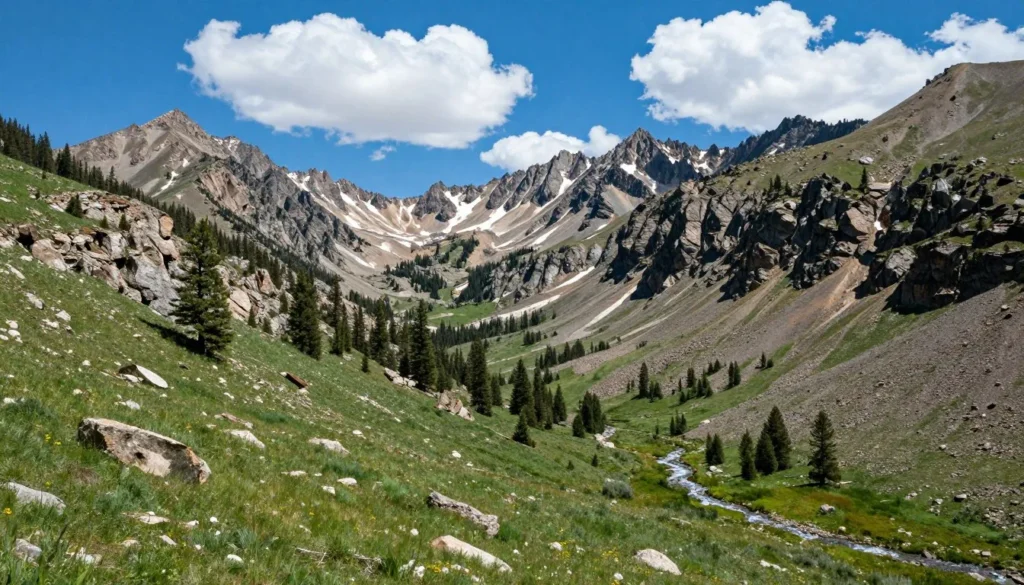
Several other wilderness areas lie within reasonable driving distance for visitors with extra time. These destinations offer different perspectives on Nevada’s diverse mountain landscapes.
Ruby Mountains
The Ruby Mountains rise 161 km (100 miles) south of Jarbidge near Elko. Often called the “Swiss Alps of Nevada,” this range features dramatic glacial valleys and numerous alpine lakes. Better road access and more developed trail network make the Rubies more accessible while still offering excellent wilderness experiences.
Lamoille Canyon provides a paved scenic drive into the heart of the range. Multiple trailheads access high country hikes ranging from easy nature walks to challenging peak climbs. Many visitors combine Jarbidge and Ruby Mountains trips into one extended Nevada backcountry adventure.
Bruneau-Jarbidge Rivers Wilderness
This wilderness area protects deep river canyons north of the Jarbidge Mountains. The Bruneau and Jarbidge rivers carved spectacular gorges up to 244 m (800 feet) deep through volcanic rock. Advanced kayakers and rafters challenge the technical whitewater while hikers explore rim trails offering dramatic canyon views.
Town of Elko
Elko serves as the primary supply point and gateway town. This authentic Nevada community offers full services including hotels, restaurants, outdoor shops, and supermarkets. The Western Folklife Center celebrates cowboy culture through exhibits and annual events. Many visitors spend a night in Elko before and after wilderness trips.
Practical Travel Tips
Successful Jarbidge adventures depend on thorough preparation. These practical tips help visitors avoid common pitfalls and maximize enjoyment of this remote area.
Essential Gear
- High-clearance or 4WD vehicle with full-size spare tire and basic tools
- Detailed paper maps from Forest Service and backup GPS device
- Satellite communication device or personal locator beacon
- Complete first aid kit with wilderness medicine supplies
- Water filtration system and extra storage capacity
- Bear canister or rope for food storage
- Layered clothing system for temperature extremes
- Quality rain gear and emergency shelter
Before You Go
Check current conditions with the Humboldt-Toiyabe National Forest office. Road access, trail conditions, and fire restrictions change frequently. Download offline maps before leaving cell service areas. Fill gas tanks in Elko or other towns as no fuel exists in Jarbidge.
Obtain Nevada fishing license if planning to fish. Review wilderness regulations regarding group size limits, camping restrictions, and food storage requirements. Print physical copies of permits and contact information.
Money and Services
Bring adequate cash as no ATMs exist in Jarbidge. The trading post accepts credit cards but cash provides backup for any issues. Don’t rely on electronic payment methods in remote areas.
No cell phone service exists throughout most of the area. Plan to disconnect from digital communication during your visit. This limitation enhances the wilderness experience but requires adjusting expectations and planning accordingly.
Photography Tips
The dramatic mountain scenery rewards photographers who time shots carefully. Golden hour light during the first and last hours of daylight creates warm tones across peaks and valleys. Midday harsh light washes out scenes but works for dramatic contrast in canyon shadows.
Bring lens protection against dust on dirt roads. Quick afternoon thunderstorms appear without warning, so weatherproof camera bags prevent equipment damage. Wildlife photography requires long lenses and patient waiting in productive areas.
Respecting the Experience
The Jarbidge Mountains offer a rare chance to experience true wilderness solitude. Approach your visit with appropriate respect for the environment and other visitors. Quiet appreciation often yields more meaningful experiences than constant activity or social media documentation.
Plan generous time buffers rather than rushed schedules. The remote location and rough roads mean travel takes longer than map distances suggest. Building flexibility into your itinerary reduces stress and allows spontaneous exploration of unexpected discoveries.
Your Jarbidge Adventure Awaits
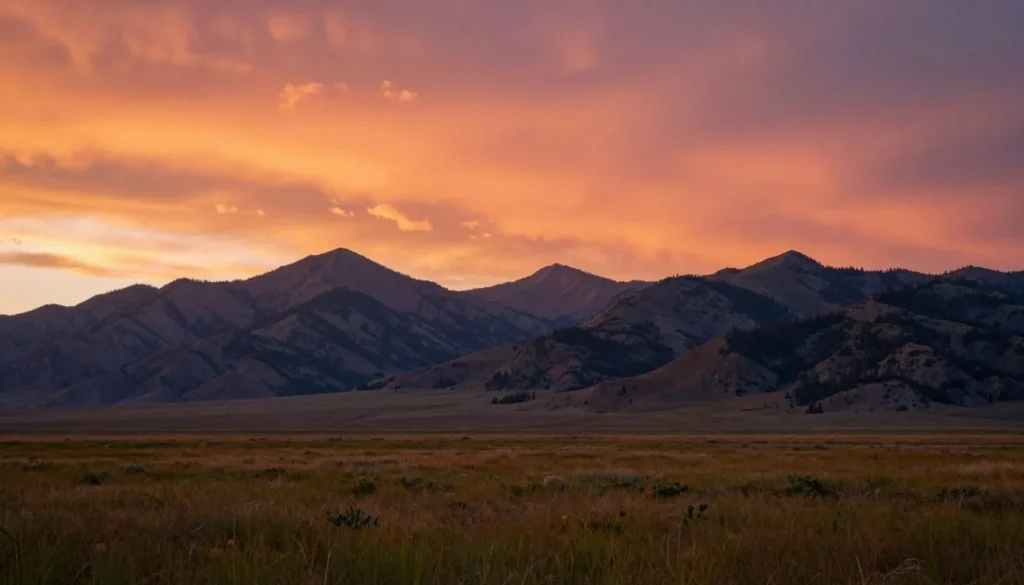
The Jarbidge Mountains stand apart from Nevada’s more famous destinations precisely because they demand effort and preparation. This remoteness filters crowds and preserves an authentic wilderness experience increasingly rare in the modern world. Visitors who accept the challenges discover mountain landscapes of stunning beauty, trails that lead to genuine solitude, and night skies unmarred by light pollution.
Whether you seek challenging peak climbs, peaceful riverside walks, or simply time away from connected modern life, the Jarbidge wilderness delivers. The tiny town welcomes those who appreciate its frontier character while the surrounding public lands stretch endlessly in all directions. Few places offer such complete escape into natural beauty.
Start planning your journey to Nevada’s hidden mountain sanctuary. The peaks, trails, and alpine meadows of the Jarbidge Mountains wait to reveal their secrets to visitors willing to venture beyond the pavement.