Did you know Jarbidge holds the distinction of being the site of the last stagecoach robbery in the United States, occurring in 1916? This remote ghost town nestled in the Jarbidge Mountains of northeastern Nevada represents one of America’s most isolated and authentic wilderness destinations. Located over 80 km (50 miles) from the nearest paved road, this historic mining community turned outdoor paradise offers visitors a genuine escape from modern life.
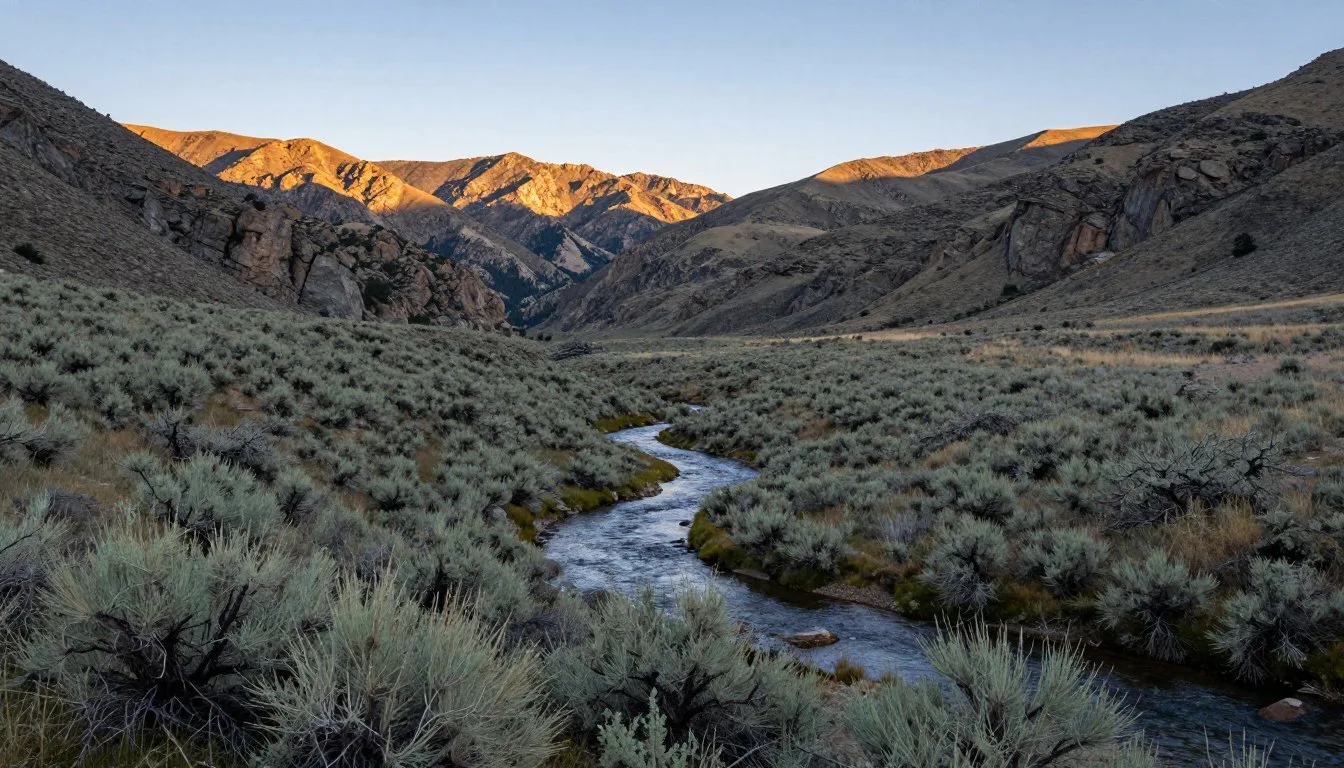
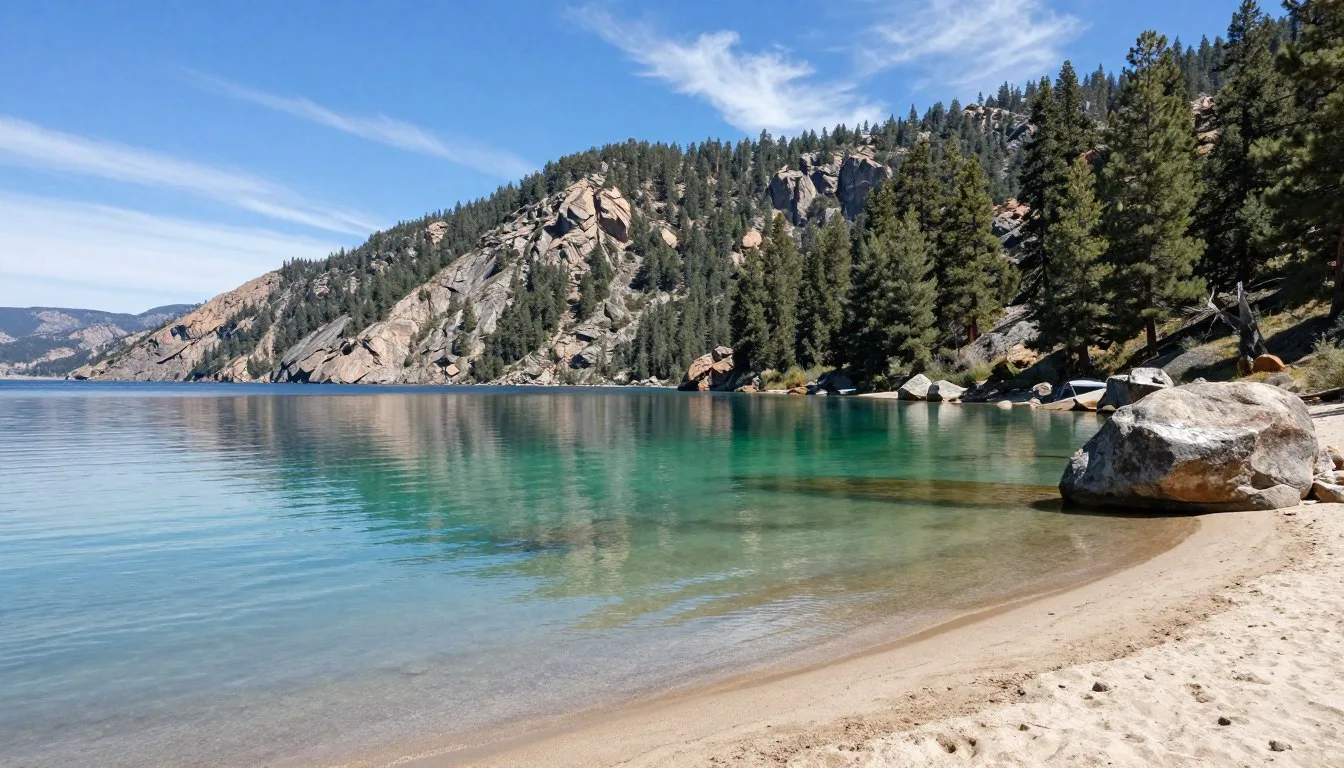
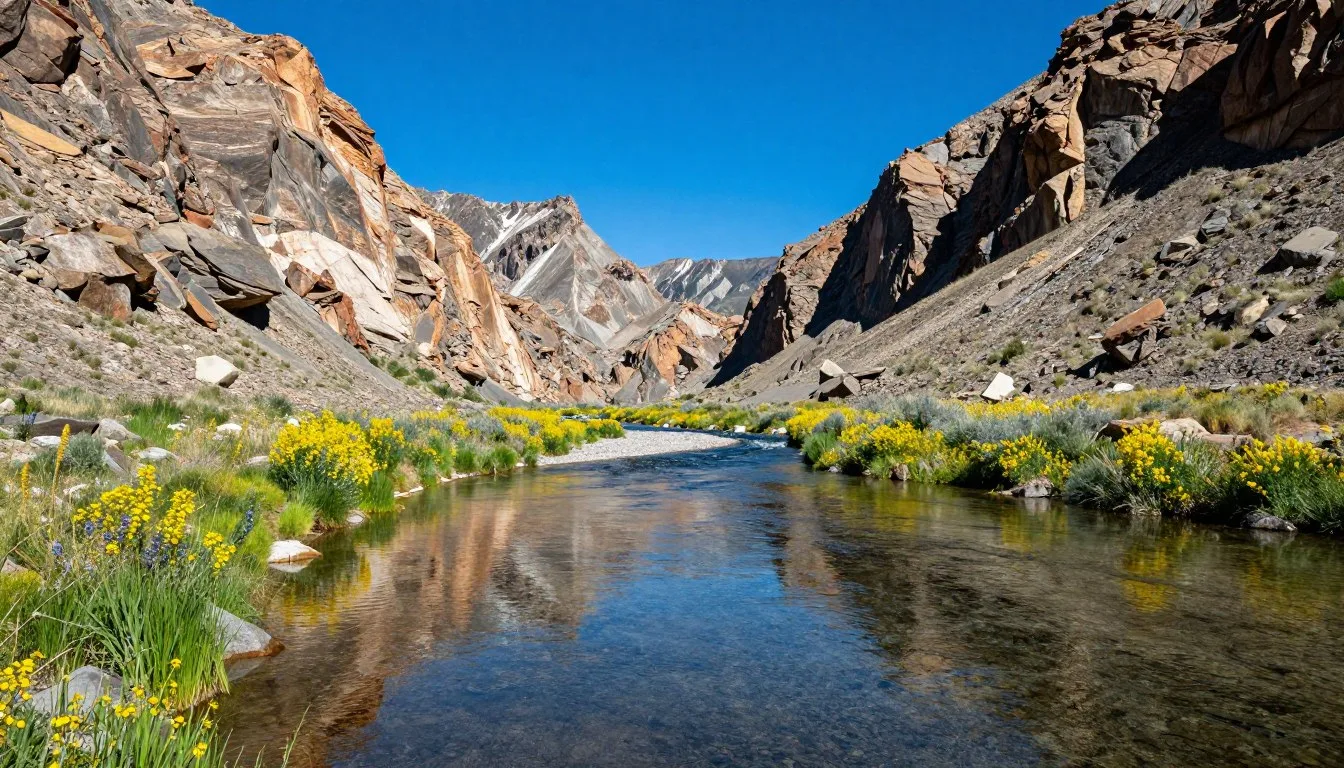
The Jarbidge River cuts through spectacular canyon country, creating a landscape that feels frozen in time. Surrounded by the vast Jarbidge Wilderness area spanning over 45,324 hectares (112,000 acres) of pristine national forest, this destination attracts adventurous souls seeking solitude, world-class trout fishing, and unmatched natural beauty.
Whether you’re drawn by tales of gold rush history, the promise of backcountry exploration, or simply the allure of a town where cell service doesn’t exist and dirt roads lead to adventure, Jarbidge delivers an experience unlike anywhere else in Nevada. This comprehensive guide reveals everything you need to know for an unforgettable journey to one of the Silver State’s best-kept secrets.
Getting There & Planning Your Journey
Reaching Jarbidge requires commitment and proper planning. The journey itself becomes part of the adventure as you leave civilization behind. The town sits in Elko County, tucked against the Idaho border in Nevada’s remote northeast corner.
Closest Airports
The nearest commercial airports include Elko Regional Airport (approximately 161 km or 100 miles south), Boise Airport in Idaho (about 241 km or 150 miles north), and Twin Falls Airport (roughly 177 km or 110 miles northwest). Most visitors fly into one of these hubs and rent a vehicle suitable for dirt road travel.
Road Access
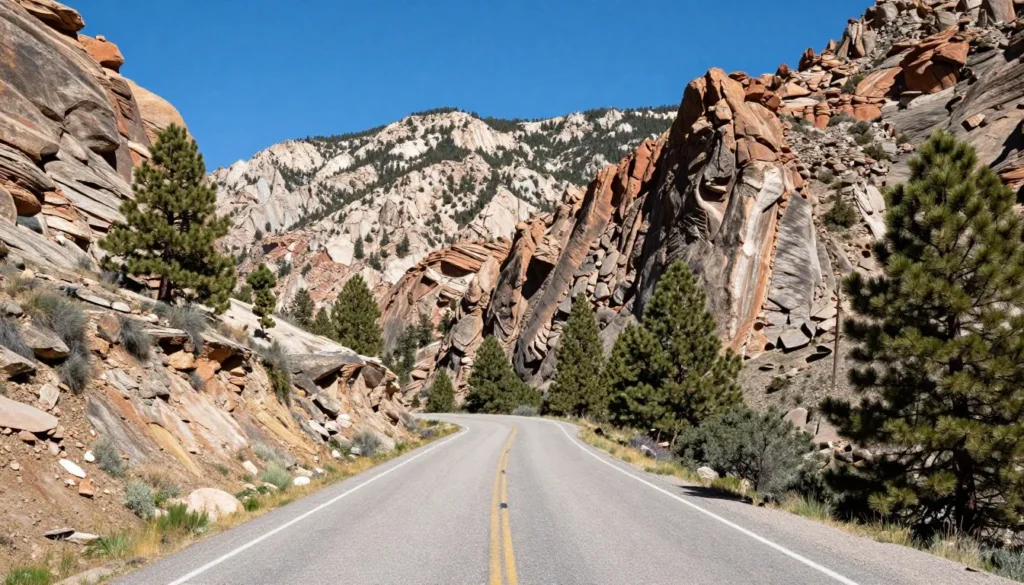
All routes to Jarbidge involve significant stretches of dirt road. From the south via Elko, take State Route 225 north through Rogerson, Idaho, then follow the well-maintained gravel road into Jarbidge Canyon. This southern approach offers the most reliable year-round access and showcases stunning canyon scenery as you descend into town.
The northern route from Rogerson provides an alternative, while the western approach through the national forest requires high-clearance vehicles and remains closed during winter months. Plan for travel times of 2-3 hours from Elko under good conditions.
Vehicle Requirements
A high-clearance vehicle is strongly recommended for all approaches. Four-wheel drive becomes essential during spring runoff, after storms, or for exploring beyond the main roads. The dirt road conditions can change rapidly, so check current status with local contacts before departure.
Best Time to Visit & Weather Tips
Understanding Jarbidge’s dramatic seasonal changes helps ensure the best possible experience. The town sits at approximately 1,920 m (6,300 feet) elevation, with surrounding peaks reaching over 3,048 m (10,000 feet), creating a climate of extremes.
Summer Season (Late June – Early September)
Peak visitation occurs during summer months when roads are most accessible and weather proves most reliable. Daytime temperatures typically range from 21°C to 27°C (70°F to 80°F), perfect for hiking and outdoor exploration. Nights cool considerably, often dropping to 4°C to 10°C (40°F to 50°F), so pack layers.
July and August see afternoon thunderstorms build over the mountains. These dramatic weather events bring lightning, brief heavy rain, and occasional hail. Morning activities generally offer the clearest conditions.
Fall Season (September – October)
Autumn transforms the canyon into a spectacular display of gold and amber as aspens change color. September often provides the most stable weather of the year, with fewer crowds and excellent fishing conditions. By late October, snow becomes increasingly likely and road access grows uncertain.
Winter Season (November – April)
Winter blankets the area in deep snow, effectively closing road access for most vehicles. Only snowmobilers and the hardiest adventurers visit during these months. The few year-round residents embrace the isolation as the community hall becomes the social hub for locals.
Spring Season (May – Early June)
Spring brings unpredictable conditions as snowmelt swells the Jarbidge River to impressive flows. Roads turn muddy and potentially impassable. However, this season offers solitude and dramatic scenery for those willing to gamble on access conditions.
Recommended Visiting Months
For the best overall experience, plan your visit between late June and September. Early July through mid-August provides the most reliable access and weather, though this period sees the most visitors. Late September offers a sweet spot of stable conditions, fall colors, and fewer people.
Months to Avoid
November through April proves extremely challenging for access and lacks tourist infrastructure. May and early June present uncertainty due to snowmelt and muddy road conditions. Unless you have specific winter recreation plans or flexible travel dates, avoid these periods.
Notable Annual Festivals
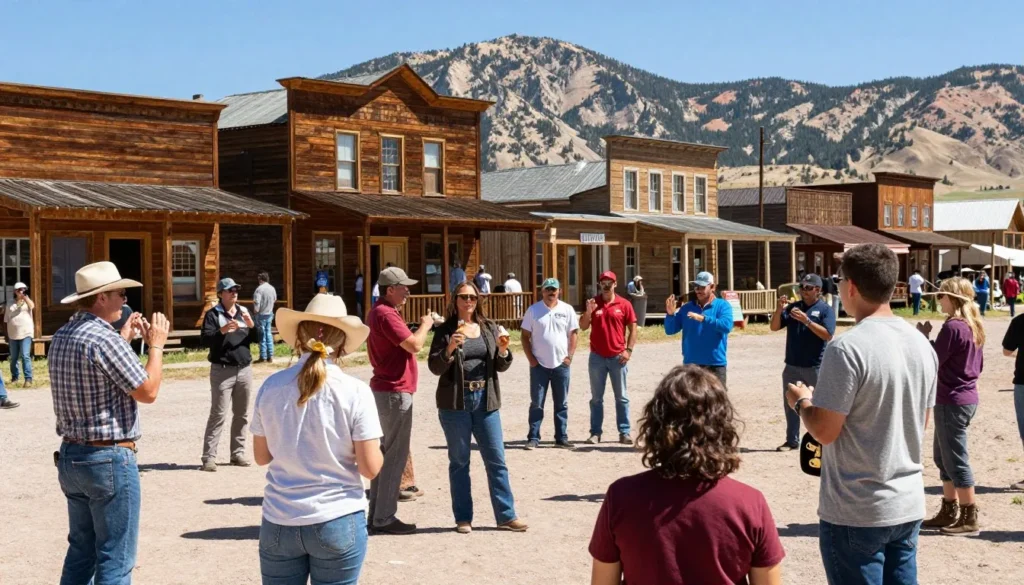
Despite its tiny population, Jarbidge hosts several events that bring together locals and visitors in celebration of the area’s unique character and history.
Jarbidge Days (Labor Day Weekend)
The biggest event of the year transforms the quiet ghost town into a lively celebration. This multi-day festival features live music, a parade down the single main street, historical presentations, and community meals. The Red Dog Saloon becomes the center of festivities as people gather to share stories and enjoy the mountain community spirit.
Winter Poker Run (February)
Snowmobilers from across the region converge on Jarbidge for this popular winter event. Participants navigate various checkpoints throughout the wilderness area, collecting cards for poker hands. The community hall hosts the evening gathering where prizes are awarded and camaraderie flows.
Fourth of July Celebration
Independence Day brings another opportunity for community celebration with barbecues, games, and an evening bonfire. Though smaller than Jarbidge Days, this summer event captures the authentic small-town America experience.
Getting Around Locally
Navigation in Jarbidge couldn’t be simpler. The entire town consists of one main street stretching less than 800 m (half a mile). Everything you need sits within easy walking distance along this single road.
Most visitors park their vehicles near their accommodations and explore on foot. The compact nature of the community makes a car unnecessary once you arrive. For venturing into the surrounding wilderness area or accessing trailheads, a high-clearance vehicle becomes essential.
Several dirt roads branch off from town, leading to campgrounds, fishing spots, and trail access points. These routes range from well-maintained to extremely rough, requiring appropriate vehicles and careful navigation. Local knowledge proves invaluable, so consult with folks at the Trading Post or Red Dog Saloon for current conditions.
The Jarbidge River runs parallel to the main street, with numerous informal access points for fishing. Creek crossings and riverside trails offer pleasant walks through the canyon.
Where to Stay
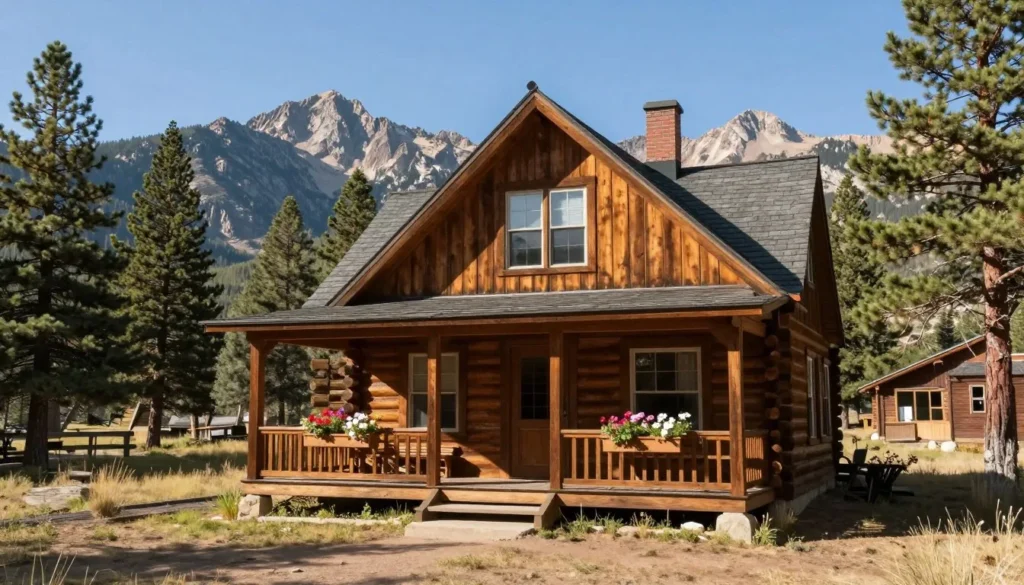
Accommodation options in Jarbidge reflect the town’s remote character and small size. Advance reservations are essential during summer months, as the limited number of rooms fills quickly.
Outdoor Inn
The Outdoor Inn serves as Jarbidge’s primary lodging option, offering simple, comfortable rooms in a historic building. This family-run establishment provides the basics: clean beds, shared bathroom facilities, and genuine hospitality. The inn captures the authentic ghost town experience without sacrificing comfort. Contact: (775) 488-2311.
The Outdoor Inn’s location puts you steps from the Trading Post and Red Dog Saloon, making it ideal for those wanting to immerse themselves in town life. Rooms book months ahead for peak summer weekends and special events.
Tsawhawbitts Ranch
Located a few miles outside town, this working ranch offers cabin rentals for visitors seeking more privacy and space. The rustic cabins provide full kitchens, private bathrooms, and stunning views of the surrounding mountains. This option works well for families or groups planning extended stays.
Camping Options
Several developed and primitive campgrounds dot the area surrounding Jarbidge. Pine Creek Campground, managed by the national forest service, offers sites with picnic tables and vault toilets along the river. The campground operates on a first-come basis and typically has availability except during major holiday weekends.
Dispersed camping is permitted throughout the national forest lands, allowing adventurous visitors to find their own perfect spot. Follow Leave No Trace principles and observe fire restrictions, which vary by season.
RV and Trailer Parking
The Jarbidge Community Hall area provides limited parking for RVs and trailers. No hookups exist, but the location offers convenient access to town amenities. Larger RVs may struggle with the tight turns and narrow streets, so consider trailer length when planning your visit.
Dining & Local Cuisine
Dining options in Jarbidge are limited but authentic. The remote location means menus emphasize hearty, satisfying fare rather than gourmet cuisine. Part of the adventure involves embracing the simple pleasures of mountain town eating.
Red Dog Saloon
The legendary Red Dog Saloon stands as Jarbidge’s social center and primary dining establishment. This historic bar serves burgers, steaks, and classic bar food in an atmosphere thick with Old West character. The walls display mining memorabilia, old photographs, and dollar bills signed by visitors from around the world.
The Red Dog Saloon operates seasonally, typically from late May through September, with hours varying based on customer flow. Expect generous portions, cold beer, and lively conversation with locals and fellow travelers. Contact: (775) 488-2241.
Trading Post
The Jarbidge Trading Post functions as the town’s general store, gas station, and informal cafe. Stop here for breakfast sandwiches, coffee, and grab-and-go lunch options. The trading post also stocks essential supplies, fishing gear, maps, and local information.
This establishment serves as the community hub where locals gather for morning coffee and visitors seek advice. The friendly staff provides invaluable local knowledge about road conditions, fishing reports, and trail recommendations. Contact: (775) 488-2326.
Self-Catering
Many visitors opt to bring their own food supplies, especially for breakfast and lunch. The Trading Post carries basic groceries, but selection is limited and prices reflect the remote location. Stock up on supplies in Elko or Twin Falls before making the drive.
Most accommodations lack cooking facilities, though cabin rentals typically include full kitchens. Plan accordingly and bring coolers if you intend to prepare your own meals.
Attractions, Sightseeing & Activities
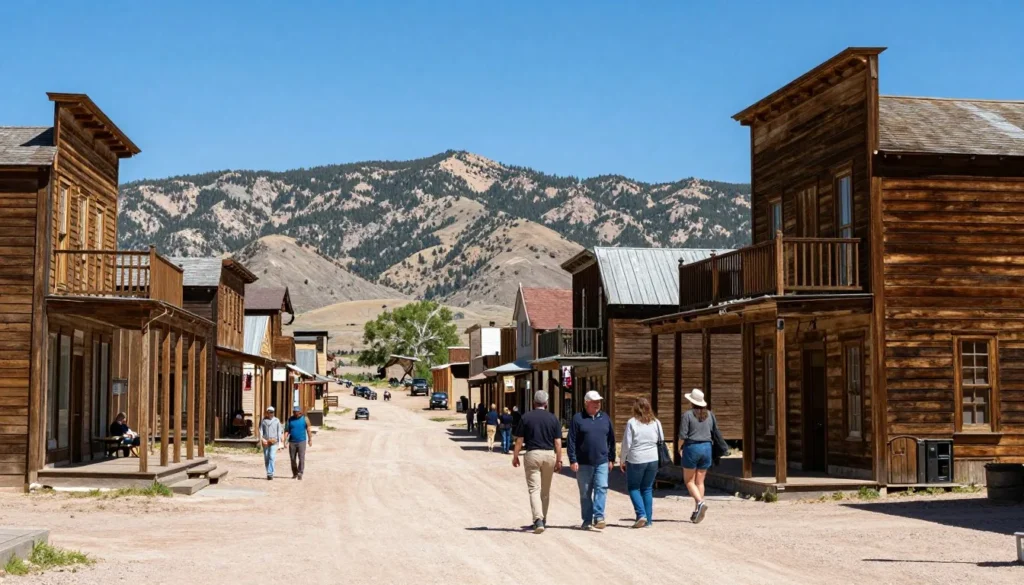
Jarbidge’s attractions blend outdoor adventure with authentic Western history. The town itself serves as a living museum while the surrounding wilderness area offers unlimited exploration opportunities.
Historic Town Exploration
Walking the single street of Jarbidge takes you back to Nevada’s mining past. The town preserves numerous original buildings from its boom days, when over 1,500 people called this canyon home. The old jail, various commercial buildings, and scattered mining equipment tell stories of the gold rush era.
Stop by the community hall to view historical photographs and artifacts documenting Jarbidge’s colorful past. The building itself represents the heart of this resilient community that refuses to become a complete ghost town.
Last Stagecoach Robbery Site
In December 1916, bandits robbed the mail stage about 16 km (10 miles) outside Jarbidge, making it the final stagecoach robbery in American history. While the actual site requires significant hiking to reach, interpretive information available in town brings this fascinating story to life. The robbery yielded $3,000 and ultimately led to the robber’s capture through innovative forensic evidence.
Jarbidge River Fishing
The Jarbidge River offers exceptional fishing for wild trout in a pristine mountain setting. Brook, rainbow, and bull trout inhabit these cold, clear waters. The river trail provides access to numerous pools and runs where fish rise to dry flies throughout summer months.
Regulations require catch-and-release for bull trout, an imperiled species that thrives in these protected waters. Local fishing expertise from Trading Post staff helps anglers maximize success while respecting conservation measures.
Exploring Ghost Town Remnants
Beyond the main town, numerous abandoned mining sites and ghost town remnants dot the surrounding mountains. Old cabins, collapsed mine shafts, and rusting equipment offer glimpses into the prospecting life. Always exercise caution around old mining structures, as they can be extremely dangerous.
Museums, Cultural Spots & Festivals
Jarbidge’s cultural offerings reflect its small size but rich history. The entire town functions as an open-air museum where every building has a story.
Jarbidge Community Hall
The community hall serves multiple purposes as gathering place, informal museum, and event venue. Historical displays showcase photographs from the boom years, mining equipment, and personal stories from old-timers. The building hosts community meals, dances, and meetings that visitors are welcome to attend.
During winter months, the community hall becomes the lifeline for year-round residents, hosting weekly gatherings that maintain social connections through the isolated season.
Original Buildings Tour
Take a self-guided walking tour of remaining original structures. The Red Dog Saloon dates to the early 1900s and maintains much of its original character. The old jail, though small, represents frontier justice. Various commercial buildings along the street show different architectural styles from the mining era.
Photography enthusiasts find endless subjects in the weathered wood, vintage signage, and mountain backdrop. The early morning and late afternoon light creates particularly dramatic scenes.
Nature & Outdoor Experiences
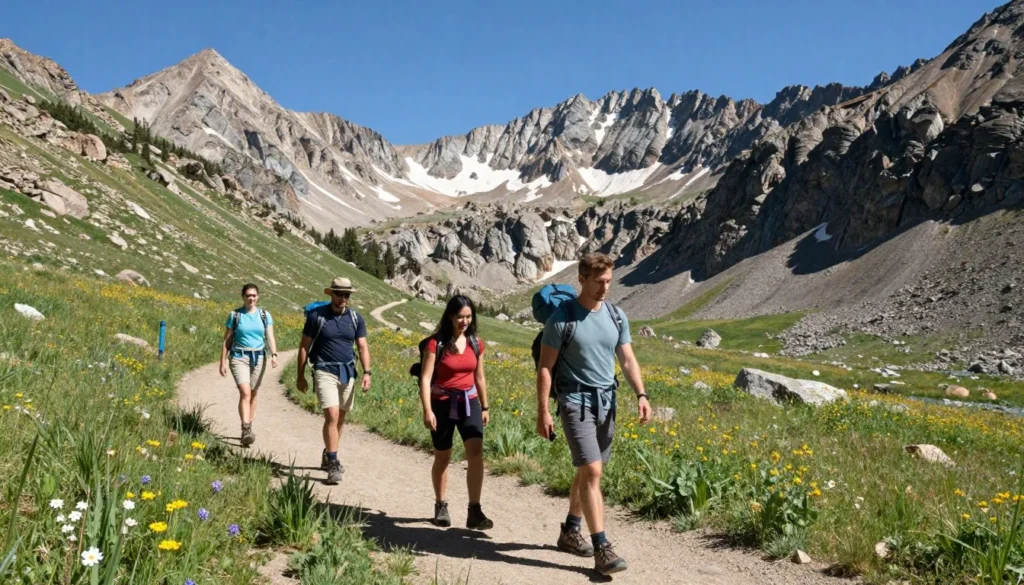
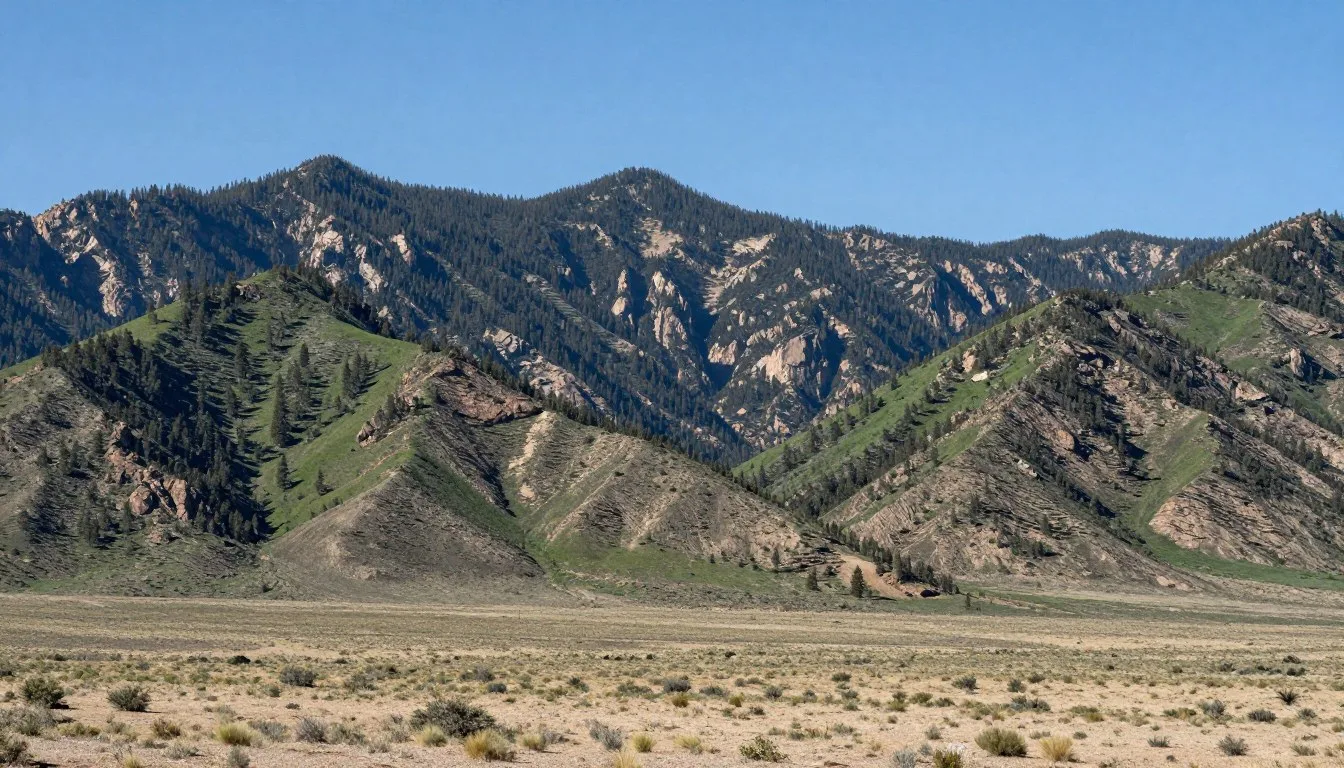
The Jarbidge Wilderness area encompasses over 45,324 hectares (112,000 acres) of protected national forest land, offering some of Nevada’s finest backcountry experiences. This rugged terrain attracts serious outdoor enthusiasts seeking solitude and challenge.
Hiking Trails
Numerous trails radiate from Jarbidge into the surrounding wilderness. The Jarbidge River Trail follows the canyon upstream, offering relatively easy access to spectacular scenery and excellent fishing spots. This trail extends for many miles, allowing day hikes of varying lengths.
For more ambitious adventures, trails climb into the high peaks surrounding the canyon. The Jarbidge Crest Trail traverses alpine terrain above 2,743 m (9,000 feet), connecting remote basins and offering panoramic views. These high-elevation routes typically remain snow-covered until July.
Emerald Lake sits nestled in a glacial cirque, accessible via a challenging trail that gains over 610 m (2,000 feet) in elevation. The pristine alpine lake rewards hikers with crystal-clear water and stunning mountain reflections.
Backpacking Opportunities
The vast wilderness area provides unlimited backpacking possibilities for those properly equipped and experienced. Multi-day loops explore remote valleys, cross high passes, and visit areas rarely seen by humans. Water sources are generally reliable through mid-summer, though purification remains essential.
No permits are required, though signing trail registers helps search and rescue efforts if needed. The rugged terrain and navigation challenges make topographic maps and compass skills essential. Many areas lack maintained trails, requiring cross-country travel experience.
Wildlife Viewing
The Jarbidge area supports healthy populations of elk, mule deer, mountain goats, and black bears. Elk are commonly seen in meadows during early morning and evening hours. Mountain goats inhabit the highest peaks, where their white coats stand out against dark rock.
Bird enthusiasts spot numerous species, including golden eagles, Clark’s nutcrackers, and various warblers. The riparian corridor along the river attracts diverse birdlife.
Fishing Paradise
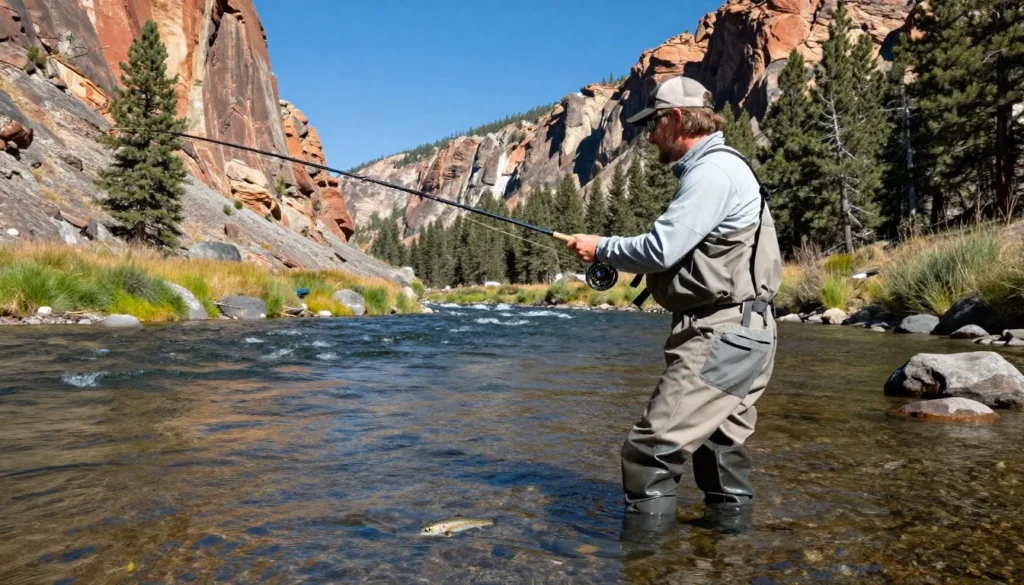
Beyond the main Jarbidge River, numerous tributary streams offer exceptional fishing in pristine settings. East Fork, West Fork, and Pine Creek all hold wild trout populations. These smaller streams require careful approach and delicate presentation but reward skilled anglers with willing fish.
High mountain lakes scattered throughout the wilderness area provide additional fishing opportunities for those willing to hike. Many of these remote waters see only a handful of anglers each season, offering true wilderness fishing experiences.
Photography and Nature Study
The dramatic landscapes, unique wildlife, and exceptional wildflower displays make Jarbidge a photographer’s dream. July brings peak wildflower season, when alpine meadows explode in color. The combination of rugged mountains, clear streams, and historic structures provides endless compositional opportunities.
The exceptionally dark night skies allow spectacular stargazing and astrophotography. With no light pollution for many miles in any direction, the Milky Way appears with stunning clarity.
Safety, Etiquette & Local Customs
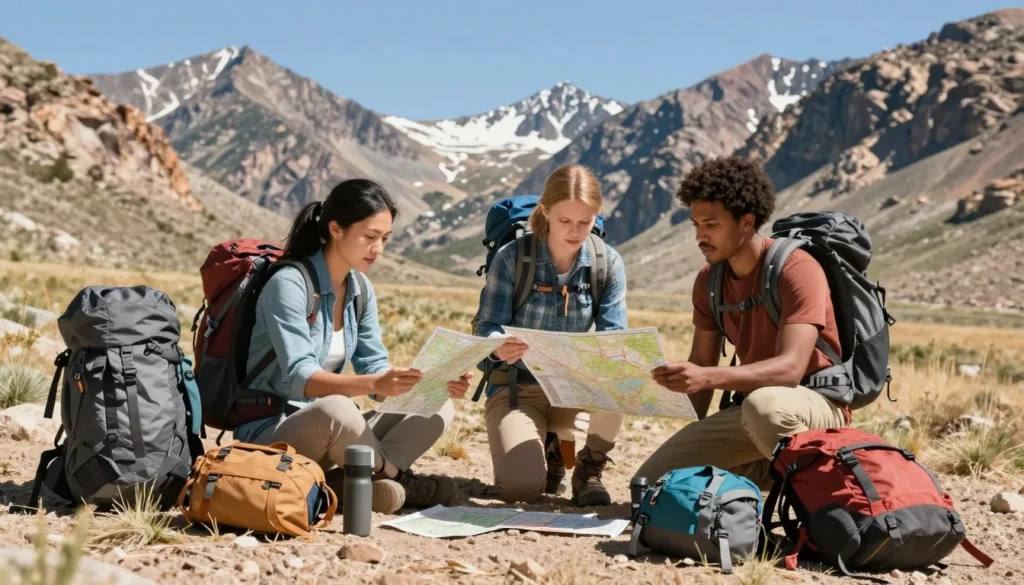
Visiting Jarbidge requires self-sufficiency and respect for the remote environment. Understanding local customs and safety considerations ensures a positive experience.
Essential Safety Considerations
Cell phone service does not exist in Jarbidge or the surrounding wilderness. Emergency communication requires a satellite device. The nearest medical facilities sit over 161 km (100 miles) away in Elko. Come prepared for self-rescue and basic first aid.
Weather can change rapidly in the mountains. Afternoon thunderstorms develop quickly, bringing lightning danger to exposed ridges. Start hikes early and be off high peaks by early afternoon during summer months.
Water sources, while abundant, require purification. Giardia and other pathogens exist in even the clearest streams. Carry adequate purification methods for all backcountry travel.
Wildlife encounters, particularly with bears, require proper food storage and awareness. While black bears are generally not aggressive, never leave food unattended at campsites. Use bear-resistant containers or hang food at least 3 m (10 feet) high.
Road Safety
Dirt road conditions change dramatically with weather. What drives easily when dry becomes impassable mud after rain. Flash floods can wash out crossings with little warning. Always check current conditions before departure and be prepared to turn back if conditions deteriorate.
Carry emergency supplies including extra water, food, warm clothing, and basic tools. The remote location means help may take hours or days to arrive. A satellite communication device provides peace of mind.
Wilderness Etiquette
Practice Leave No Trace principles throughout your visit. Pack out all trash, including toilet paper. Camp at least 61 m (200 feet) from water sources. Use existing fire rings rather than creating new ones, and only burn dead and downed wood.
The Jarbidge Wilderness area prohibits motorized vehicles and equipment, including drones. Mountain bikes are not permitted on wilderness trails. These regulations preserve the wild character that makes the area special.
Local Customs
Jarbidge maintains a friendly, welcoming atmosphere where strangers quickly become friends. Expect conversations with locals and fellow visitors. The small community looks out for each other, and visitors are included in this mutual support.
Respect private property boundaries clearly marked throughout town. While the community is open and friendly, people still value their privacy and property rights.
The pace of life moves slowly in Jarbidge. Services operate on flexible schedules, and patience is appreciated. The Trading Post or Red Dog Saloon may close unexpectedly or keep irregular hours. This flexibility is part of the charm.
Environmental Respect
The pristine nature of Jarbidge depends on visitor stewardship. Stay on established trails to prevent erosion. Avoid disturbing wildlife, particularly during sensitive times like nesting season or winter. Never feed wild animals, as this creates dangerous situations and dependency.
Fishing regulations exist to protect native trout populations. Observe all catch-and-release requirements, particularly for bull trout. Use barbless hooks and handle fish gently to ensure survival after release.
Visitor Comments About Jarbidge River
“Jarbidge exceeded every expectation we had for a remote Nevada adventure. The drive alone was worth it, with stunning canyon scenery around every turn. The locals at the Red Dog Saloon made us feel like family, sharing stories and recommendations that made our trip unforgettable. We caught more trout than we could count on the river and hiked trails where we didn’t see another soul for hours. This place represents everything special about the American West that still remains unspoiled.”
“As someone who’s visited ghost towns across Nevada, Jarbidge stands apart because it’s still alive. The combination of authentic history and functioning community creates something truly unique. We stayed at the Outdoor Inn and spent our days exploring old mining sites and fishing the tributaries. The night sky was incredible, with stars so bright you could read by them. Yes, the road is rough and amenities are basic, but that’s exactly why Jarbidge remains so special. It filters out the casual tourists and rewards those willing to make the effort.”
“Our family has been visiting Jarbidge for over twenty years, and it never loses its magic. We introduced our teenagers to this place last summer, and they were skeptical at first about the lack of internet and modern conveniences. By day two, they were completely engaged, hiking, fishing, and actually talking to people instead of staring at screens. The wilderness area offers endless exploration, and every year we discover new favorite spots. The community has remained welcoming despite all the changes we’ve seen elsewhere. Jarbidge reminds us what matters most.”
Additional Nearby Destinations
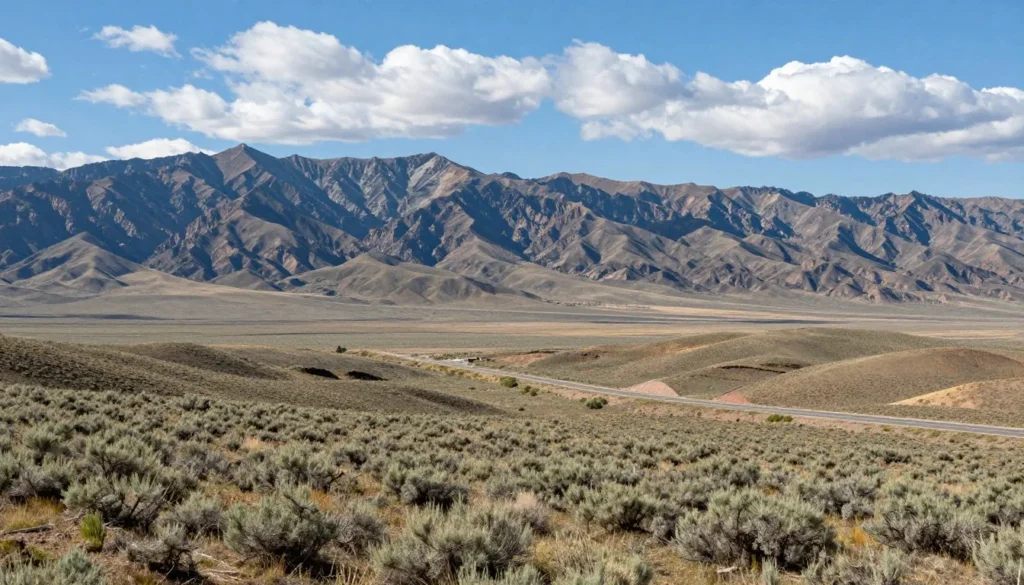
Jarbidge’s remote location places it near several other distinctive destinations worth exploring if you’re already making the journey to this corner of Nevada.
Elko and the Ruby Mountains
The city of Elko, approximately 161 km (100 miles) south, serves as the primary supply hub and offers a complete range of services. The nearby Ruby Mountains, often called the “Swiss Alps of Nevada,” provide additional wilderness recreation opportunities. Lamoille Canyon features a paved scenic drive climbing into spectacular alpine terrain.
Bruneau Dunes State Park, Idaho
About 129 km (80 miles) northwest, Bruneau Dunes State Park protects North America’s tallest single-structured sand dune, rising 142 m (470 feet). This unique geological feature contrasts dramatically with Jarbidge’s mountain environment and makes an interesting addition to a regional tour.
Wild Horse Reservoir
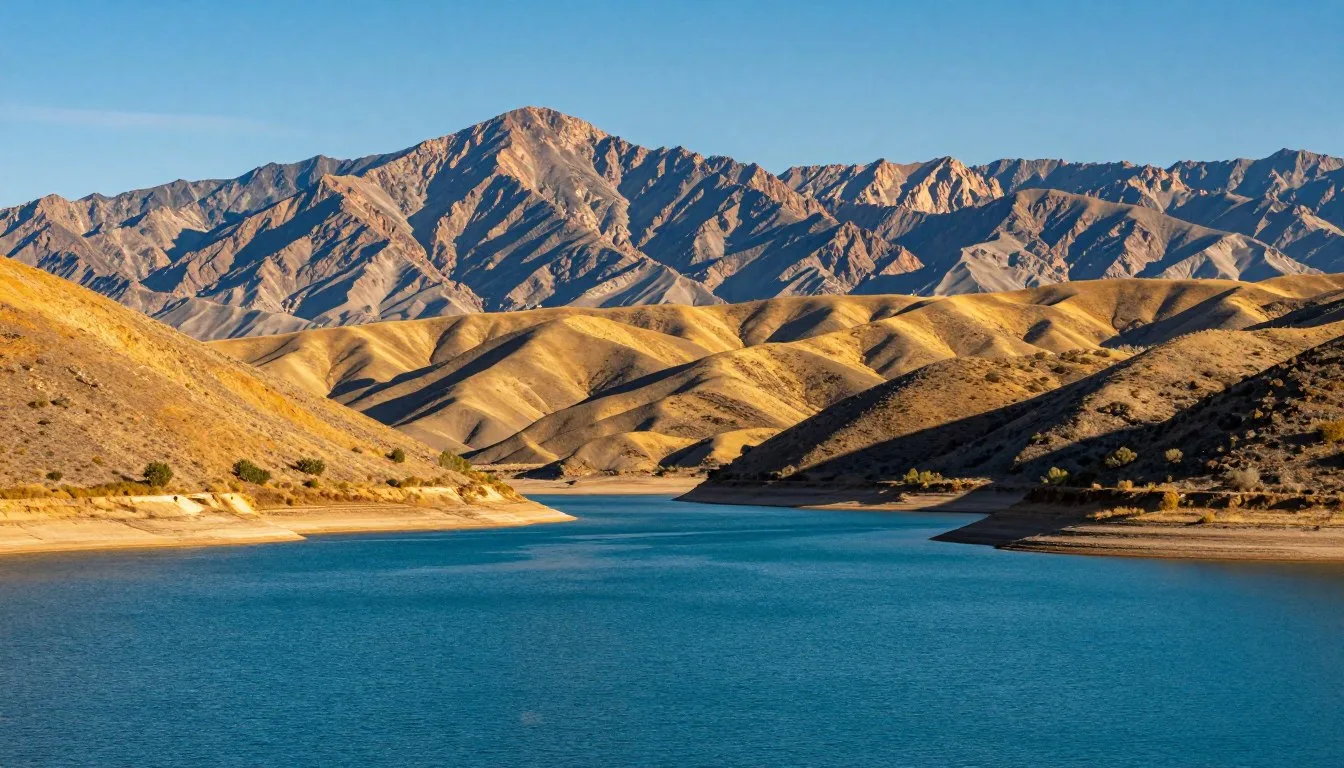
Located roughly 97 km (60 miles) south of Jarbidge, this reservoir offers additional fishing opportunities and water recreation in a high desert setting. The area is known for excellent trout fishing and provides developed camping facilities.
Murphy Hot Springs, Idaho
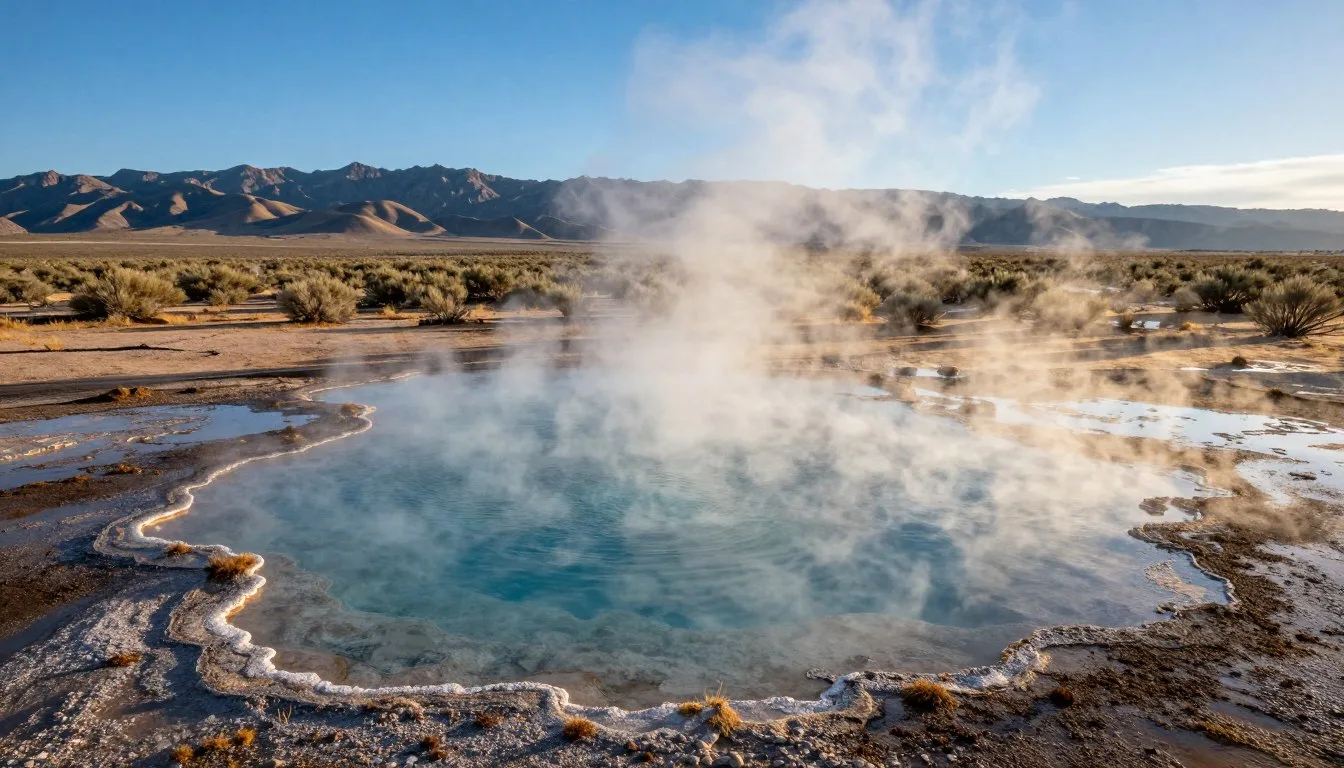
Approximately 64 km (40 miles) north, these natural hot springs offer a perfect way to soak tired muscles after days of hiking. The primitive springs sit in a beautiful valley setting and require a short walk from parking.
Owyhee Canyonlands
This vast wilderness region extending into Idaho and Oregon offers additional remote exploration for truly adventurous travelers. The canyonlands feature dramatic river gorges, desert landscapes, and exceptional solitude.
Practical Travel Tips
Successful Jarbidge visits require thorough preparation. These practical tips help ensure your adventure goes smoothly.
What to Pack
Bring layers for temperature extremes. Even summer nights drop to near freezing, while afternoon sun can be intense. Include rain gear for afternoon storms. Quality hiking boots prove essential for trail exploration. Don’t forget sun protection including hat, sunscreen, and sunglasses at this elevation.
Pack a comprehensive first aid kit and any prescription medications, as the nearest pharmacy sits over 161 km (100 miles) away. Include basic vehicle emergency supplies: spare tire, jack, jumper cables, tools, and extra fluids.
Cash is King
No ATMs exist in Jarbidge, and credit card acceptance is limited. Bring sufficient cash for your entire stay, including meals, supplies, and any purchases. The Trading Post occasionally accepts cards when systems work, but don’t count on it.
Fuel Planning
The Trading Post sells gasoline but at premium prices reflecting the remote location and limited supply. Fill up in Elko or Twin Falls before making the drive. Carry extra fuel if planning extensive exploration of forest roads.
Communication
Accept that you’ll be off the grid during your visit. No cell coverage exists in town or the surrounding wilderness. This disconnection is part of the appeal but requires planning. Inform someone of your itinerary before departure. Consider a satellite communication device for emergencies.
Timing Your Visit
Weekdays offer more solitude than weekends, particularly during peak summer season. Early season visits in late June or early July mean fuller creeks and streams but potentially muddy roads. Late summer provides the most stable conditions but lower water levels.
Booking Accommodations
Location of Jarbidge, Nevada and surrounding wilderness area
Make lodging reservations well in advance, especially for holiday weekends and the Jarbidge Days celebration. The limited rooms fill months ahead. If the Outdoor Inn is booked, consider cabin rentals or camping options.
Food and Supplies
The Trading Post carries basic groceries but at limited selection and high prices. Purchase most food and supplies before arrival. Bring coolers if planning to prepare meals, as refrigeration options are limited.
Respecting the Environment
Everything you bring in must come back out with you. No trash service exists beyond what the small community can manage. Pack out all garbage and recycling. Use existing fire rings and follow all fire restrictions, which change based on conditions.
Photography Tips
The dramatic landscape offers exceptional photography opportunities. Early morning light in the canyon creates beautiful conditions. For night photography, the dark skies allow stunning star shots. Bring extra batteries and memory cards, as purchasing replacements locally is impossible.
Fishing Licenses and Regulations
Nevada fishing licenses are required and can be purchased online before arrival, as you cannot count on internet access in town. Familiarize yourself with current regulations, particularly regarding bull trout and other protected species. The Trading Post sells some fishing supplies but selection is basic.
Respecting History
The historic buildings and mining artifacts represent irreplaceable cultural resources. Look but don’t touch or remove anything. Never enter unsafe structures or abandoned mines. These sites are protected, and disturbing them is both illegal and disrespectful to the area’s heritage.
Your Jarbidge Adventure Awaits
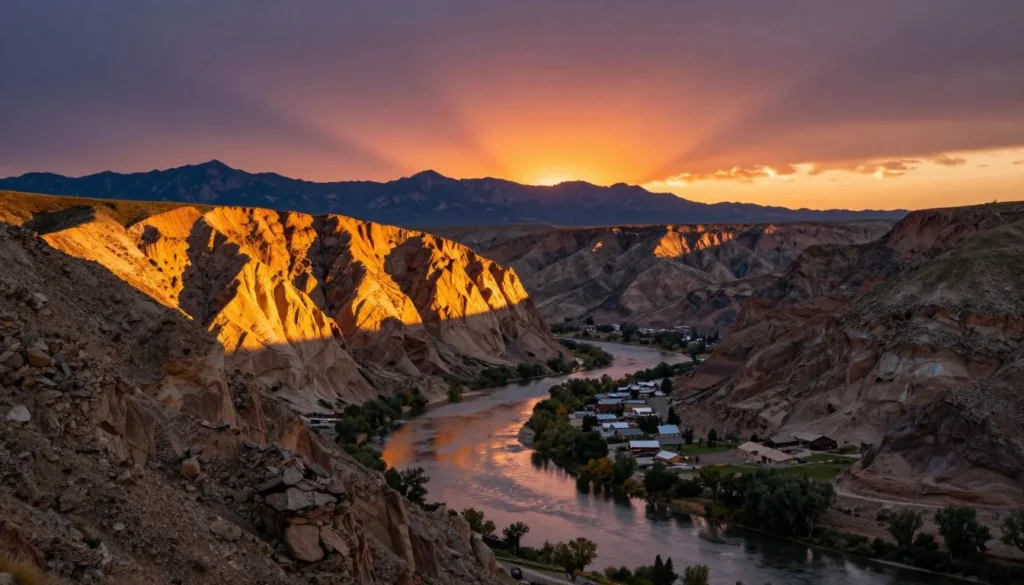
Few destinations in America offer the authentic wilderness experience and genuine frontier character that Jarbidge delivers. This remote corner of Nevada rewards those willing to venture off the beaten path with stunning natural beauty, fascinating history, and the rare opportunity to disconnect from modern life’s constant demands.
From the crystalline waters of the Jarbidge River teeming with wild trout to the towering peaks of the surrounding wilderness area, every element combines to create an unforgettable adventure. The welcoming locals, historic buildings, and unhurried pace of life transport visitors to a simpler time while the pristine environment reminds us what wilderness truly means.
Whether you spend your days casting flies to rising trout, hiking alpine trails to remote lakes, or simply soaking in the atmosphere of an authentic ghost town, Jarbidge offers experiences impossible to find in our increasingly developed world. The dirt road that separates this place from civilization serves as a filter, ensuring that only those who truly appreciate wild places make the journey.
Pack your sense of adventure, leave your expectations of modern convenience behind, and discover why those who visit Jarbidge return year after year. This remarkable destination awaits your exploration.