Hotels by Trip.com
Flights by Trip.com
Did you know that Lake Mead holds enough water to cover the entire state of Pennsylvania with one foot of water? This massive reservoir, created by the Hoover Dam, forms the centerpiece of America’s first largest national recreation area. Spanning 1.5 million acres across Nevada and Arizona, this desert paradise offers experiences you won’t find anywhere else.
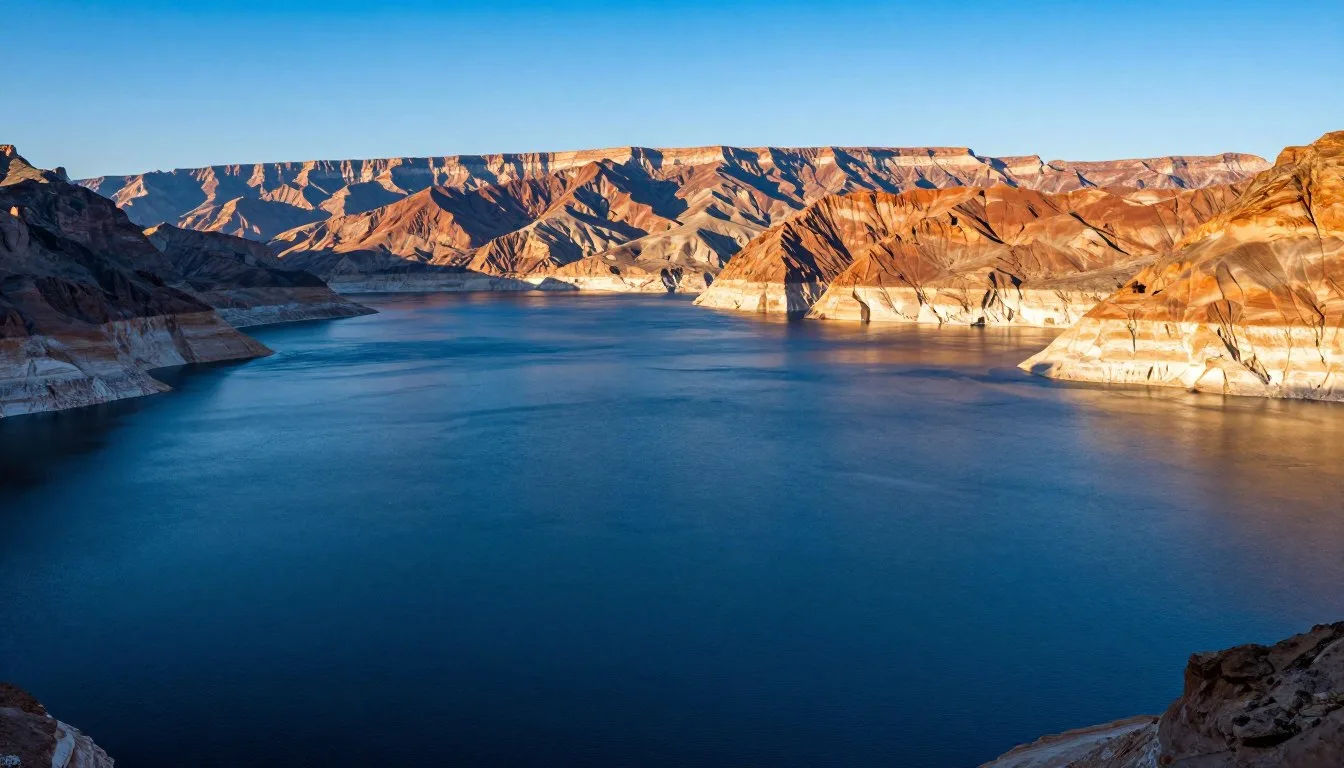
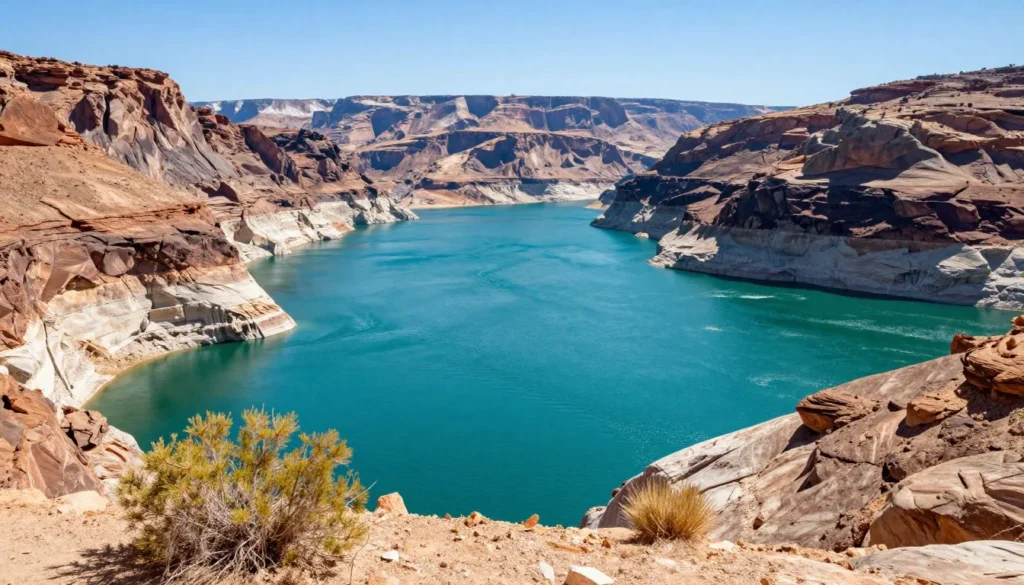
The lake stretches 177 km (110 miles) behind the famous dam. Its shoreline twists through dramatic red rock canyons that glow at sunset. Visitors discover hidden coves, historic sites, and endless opportunities for adventure in this unique landscape where desert meets water.
Getting There & Planning Your Journey
Lake Mead National Recreation Area sits just 40 km (25 miles) southeast of Las Vegas. This prime location makes it easily accessible for visitors from across the United States and beyond.
Closest Airports
Harry Reid International Airport in Las Vegas serves as the primary gateway. Located 48 km (30 miles) from the recreation area, it offers flights from cities worldwide. Most visitors rent cars at the airport for the scenic 45-minute drive to Lake Mead.
St. George Regional Airport in Utah provides another option 193 km (120 miles) northeast. Phoenix Sky Harbor International Airport sits 483 km (300 miles) south for those exploring multiple Arizona attractions.
Entrance Fees & Passes
A seven-day vehicle pass costs $25. Annual passes run $45 and provide unlimited access. America the Beautiful passes work here too. These fees support park maintenance and visitor services.
Best Time to Visit & Weather Tips

Spring and fall offer ideal visiting conditions at this national recreation area. Summer brings extreme heat while winter provides comfortable temperatures for exploration.
Seasonal Guide
Best Months: March through May and September through November deliver perfect weather. Daytime temperatures range from 18°C to 29°C (65°F to 85°F). The skies stay clear and winds remain calm during these periods.
Summer (June-August): Temperatures soar above 40°C (104°F). Early morning visits work best. The water provides welcome relief from the desert heat. Bring extra water and sun protection.
Winter (December-February): Mild days averaging 13°C to 16°C (55°F to 60°F) make this season surprisingly pleasant. Some facilities reduce hours but most attractions remain open.
✓ Check 30,000+ Local Sightseeing Tours Worldwide
Avoid: Mid-July through mid-August sees peak heat and crowds. Late December through early January brings holiday visitors and some service closures.
Notable Annual Festivals
The recreation area hosts several events celebrating its natural beauty and history.
Lake Mead Day (October): Free admission and ranger-led programs mark the area’s establishment. Activities include guided hikes, boat tours, and historical presentations.
Desert Bighorn Sheep Count (February): Volunteers help document these magnificent creatures. Participants receive training and contribute to wildlife conservation.
Event Information: +1 (702) 293-8990
Getting Around Locally
A personal vehicle provides the best way to explore Lake Mead National Recreation Area. The recreation area spans vast distances with attractions scattered across 1.5 million acres.
Driving Options
Paved roads connect major sites including Boulder Beach, Lake Mead Marina, and the Hoover Dam. Scenic drives wind through desert landscapes offering stunning views. Some remote areas require high-clearance vehicles for unpaved roads.
Gas stations operate in Boulder City and nearby communities. Fill up before entering remote sections. Cell phone coverage varies throughout the recreation area.
Boat Access
Marinas at Boulder Beach, Las Vegas Bay, and Callville Bay rent boats for lake exploration. Water provides access to hidden coves and beaches unreachable by road. Personal watercraft rentals let visitors discover secluded areas.
Where to Stay
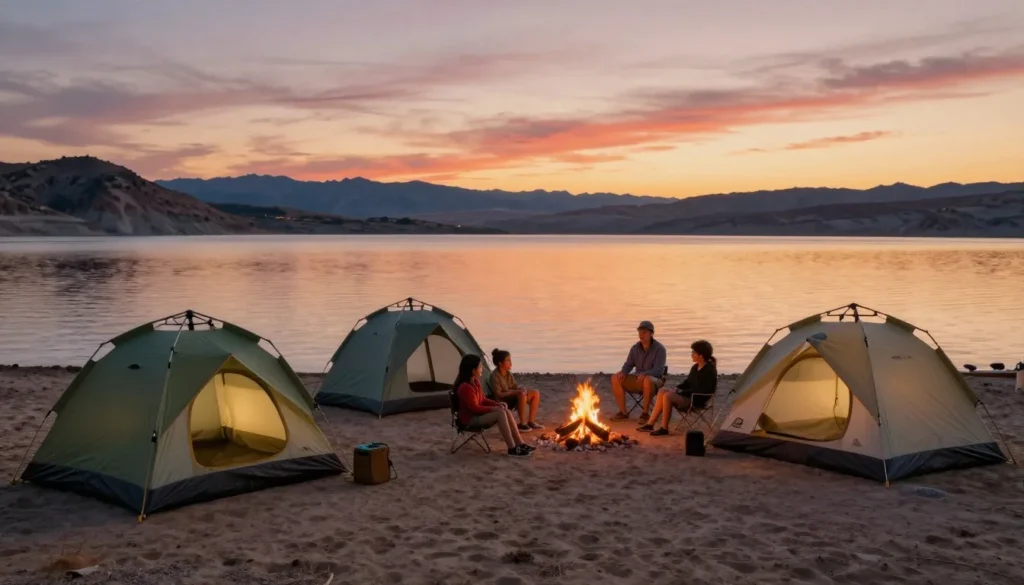
The national recreation area offers diverse lodging from rustic camping to comfortable hotels. Options suit every budget and travel style.
Camping
Boulder Beach Campground features 150 sites with stunning lake views. The sites include picnic tables and fire rings. Restrooms and showers serve campers. Reservations are recommended during peak seasons.
Temple Bar Campground sits on Arizona’s shore offering 153 sites. This location provides boat launch access and a marina. Desert scenery surrounds this peaceful camping area.
Backcountry camping allows adventurous visitors to explore remote areas. Free permits are required. Camp at least 0.4 km (quarter mile) from roads and water sources.
Nearby Hotels
Boulder City hosts numerous hotels just minutes from Lake Mead. This historic town offers dining and shopping alongside comfortable accommodations. Prices range from budget-friendly to upscale options.
Las Vegas provides unlimited hotel choices 48 km (30 miles) away. Visitors enjoy world-class entertainment combined with national park access. Many choose to split time between the recreation area and the city.
Campground Reservations:
Dining & Local Cuisine
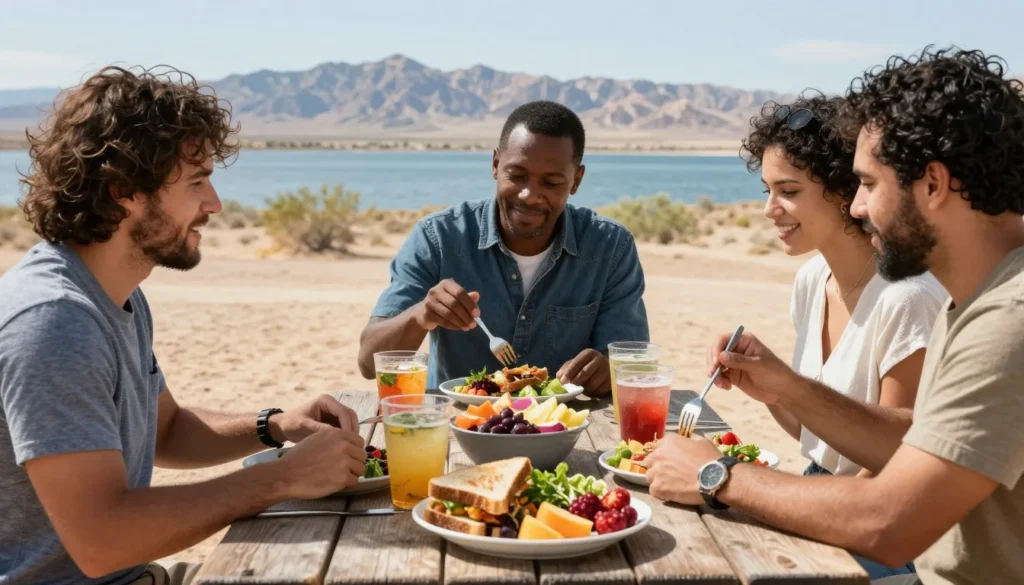
Dining options within the recreation area focus on convenience for outdoor adventurers. Nearby towns offer fuller restaurant selections.
At the Recreation Area
Marina restaurants serve burgers, sandwiches, and cold drinks. The Lake Mead Marina Restaurant overlooks the water providing casual dining. Snack bars at visitor centers offer quick bites.
Most visitors pack picnic supplies. Designated areas with tables dot the shoreline. Grills at campgrounds let families cook meals outdoors.
Boulder City Restaurants
This charming town features diverse dining just 16 km (10 miles) from the lake. Southwestern cuisine highlights local flavors. Italian, Mexican, and American restaurants line the historic downtown.
Coffee shops open early for visitors heading to sunrise activities. Ice cream parlors provide cool treats after hot desert days.
Las Vegas Dining
World-renowned restaurants sit less than an hour away. Celebrity chef establishments and buffets offer every cuisine imaginable. Budget-friendly options compete with fine dining experiences.
Attractions, Sightseeing & Activities
Hoover Dam
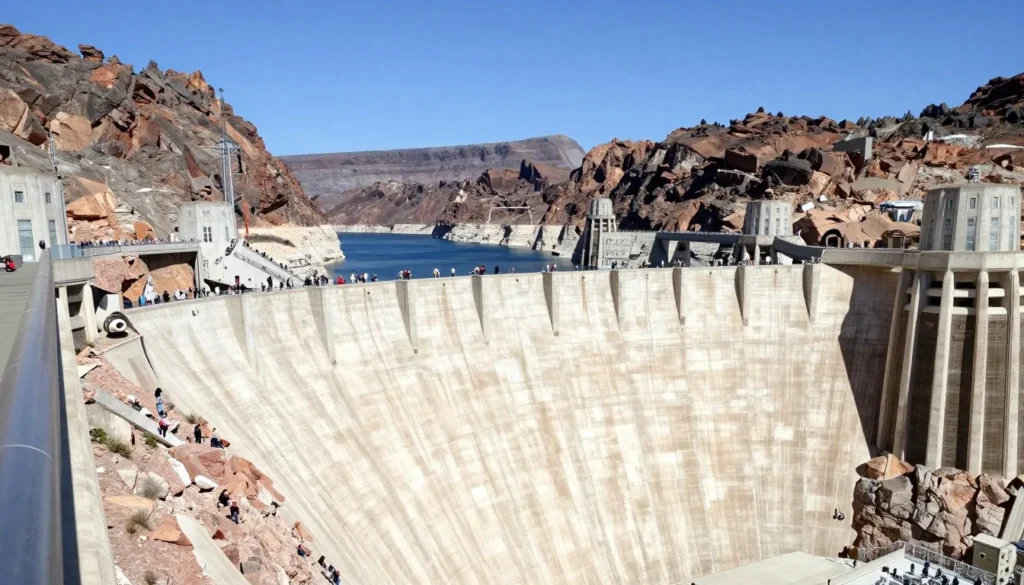
This engineering marvel stands as the recreation area’s most famous landmark. Built during the Great Depression, the dam creates Lake Mead while generating power for millions. Tours explore the interior revealing massive generators.
The dam rises 221 m (726 feet) from bedrock. Its construction required 2.5 million cubic meters (3.25 million cubic yards) of concrete. Visitors walk across the top enjoying views of the Colorado River gorge.
Lake Mead Cruises
Paddlewheel boat tours cruise the vast reservoir. These relaxing journeys pass towering canyon walls and desert scenery. Sunset cruises offer spectacular photo opportunities as colors paint the rocks.
Dinner cruises combine sightseeing with meals. The boats dock at secluded coves for swimming breaks. Narrated tours share history about the dam and surrounding landscape.
Water Sports
The 1,110 square km (274,000 acre) lake provides endless water recreation. Boating remains the most popular activity with numerous launch ramps. Skiing and wakeboarding thrill seekers enjoy the smooth water.
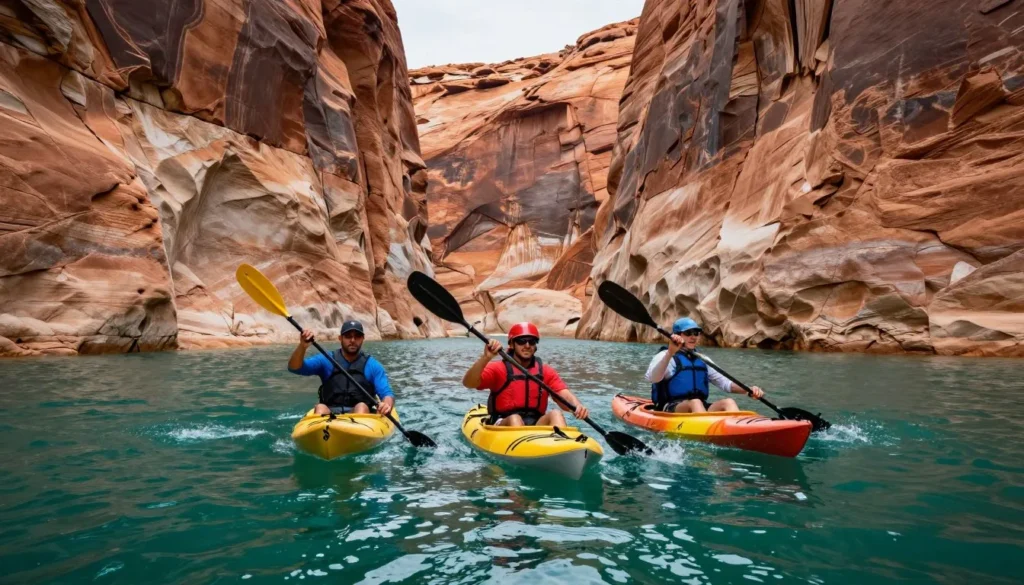
Kayaking lets paddlers explore quiet coves. The calm waters suit beginners while challenging areas test experienced paddlers. Stand-up paddleboarding grows more popular each year.
Swimming beaches offer designated areas for cooling off. Boulder Beach and Lake Mead Marina feature sandy shores. The water stays refreshingly cool even during summer heat.
Fishing Adventures
Anglers catch striped bass, largemouth bass, and catfish year-round. The lake holds rainbow trout during cooler months. A Nevada or Arizona fishing license is required depending on location.
Marinas sell bait, tackle, and fishing licenses. Shore fishing works well at many locations. Boat fishing accesses deeper waters where bigger fish live.
Museums, Cultural Spots & Festivals
Lake Mead Visitor Center
Located near Boulder Beach, this center introduces the recreation area’s natural and human history. Interactive exhibits explain dam construction and desert ecosystems. Rangers answer questions and provide maps.
A botanical garden outside showcases desert plants. Native species demonstrate adaptation to harsh conditions. Educational programs run throughout the year.
Historic Railroad Trail
This 6 km (3.7 mile) paved path follows the original railroad route used during dam construction. Five massive tunnels carved through solid rock punctuate the trail. Each tunnel measures 7.6 m (25 feet) in diameter.
Interpretive signs share construction stories. The trail ends at the Hoover Dam providing dramatic views. Families enjoy this easy, historically rich walk.
Petroglyph Sites
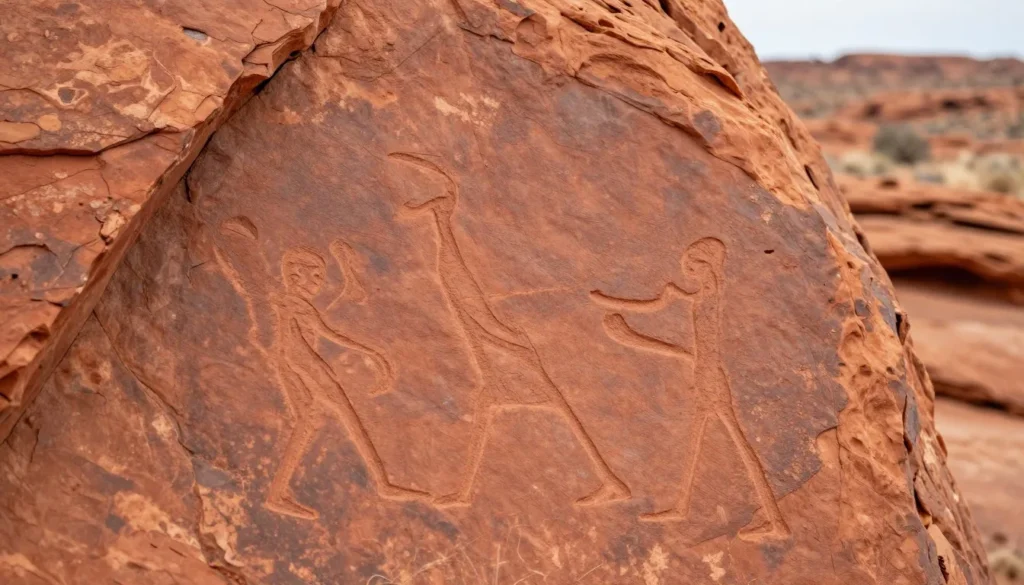
Ancient peoples left rock art throughout the area. Grapevine Canyon features hundreds of petroglyphs created over centuries. These sacred sites require respectful viewing from designated paths.
The carvings depict animals, humans, and mysterious symbols. Archaeologists believe some date back 800 years. Rangers lead guided tours explaining the artwork’s significance.
Boulder City Hoover Dam Museum
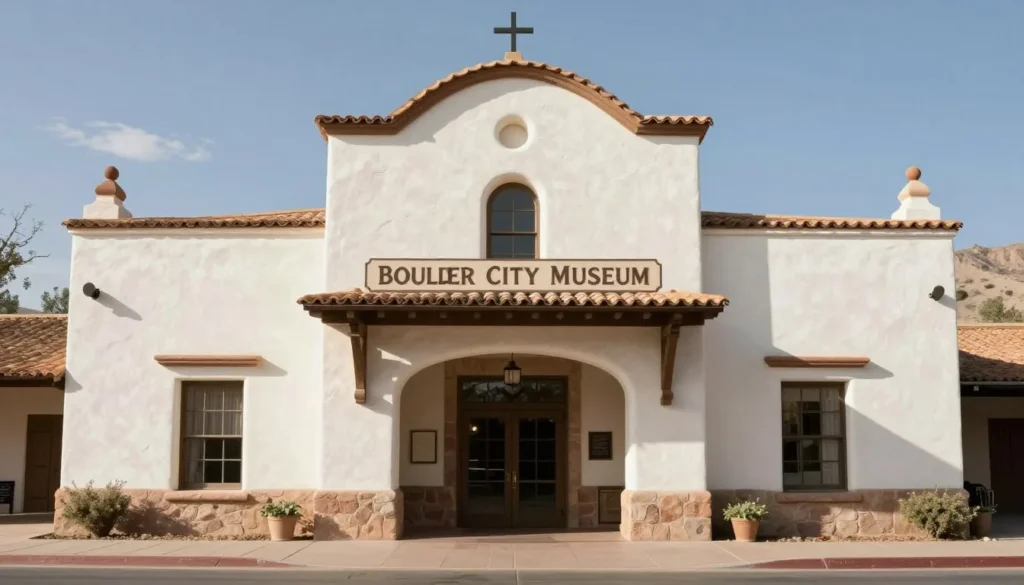
This museum in downtown Boulder City preserves dam construction history. Photographs show the massive project’s progress. Personal stories from workers bring history alive.
Artifacts include construction tools and period clothing. A film documents the engineering challenges overcome. The museum occupies a historic Boulder City building adding authentic atmosphere.
Nature & Outdoor Experiences
Wildlife Viewing
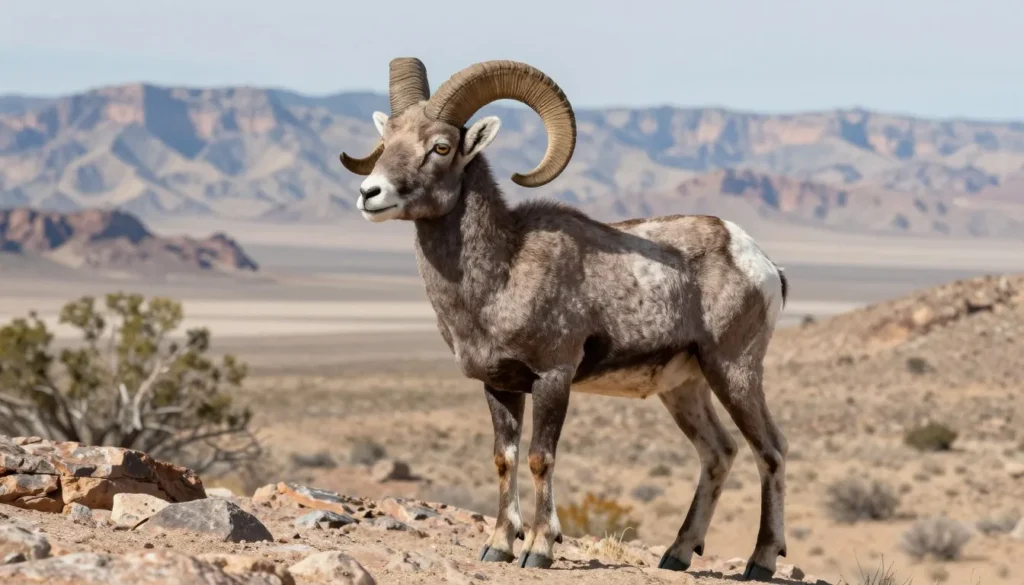
Desert bighorn sheep roam the rocky slopes. These magnificent animals adapt perfectly to harsh conditions. Early morning and evening offer best viewing opportunities.
Over 290 bird species visit or live here. Bald eagles winter along the shoreline. Great blue herons fish in shallow coves. Hummingbirds dart among desert flowers.
Desert tortoises lumber through the landscape. These ancient reptiles require protection so observe from a distance. Roadrunners sprint across paths while lizards sun on rocks.
Hiking Trails
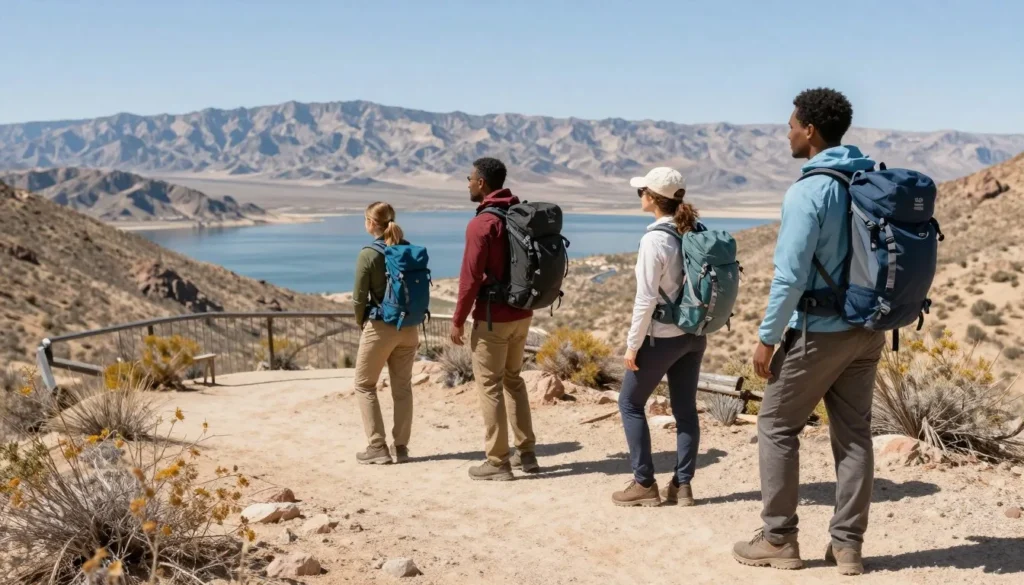
The recreation area features numerous hiking trails ranging from easy walks to challenging climbs. Each trail reveals different aspects of this desert landscape.
Historic Railroad Trail
This paved 6 km (3.7 mile) path suits all fitness levels. The trail passes through five historic tunnels offering shade and photo opportunities.
- Paved surface for easy walking
- Wheelchair accessible sections
- Historic tunnels provide shade
- Hoover Dam views at trail end
Northshore Summit Trail
This moderate 3.2 km (2 mile) hike climbs to panoramic views. Desert vegetation lines the path while lake vistas reward hikers.
- Elevation gain of 152 m (500 feet)
- 360-degree summit views
- Wildflowers in spring
- Sunrise hikes highly recommended
Redstone Dune Trail
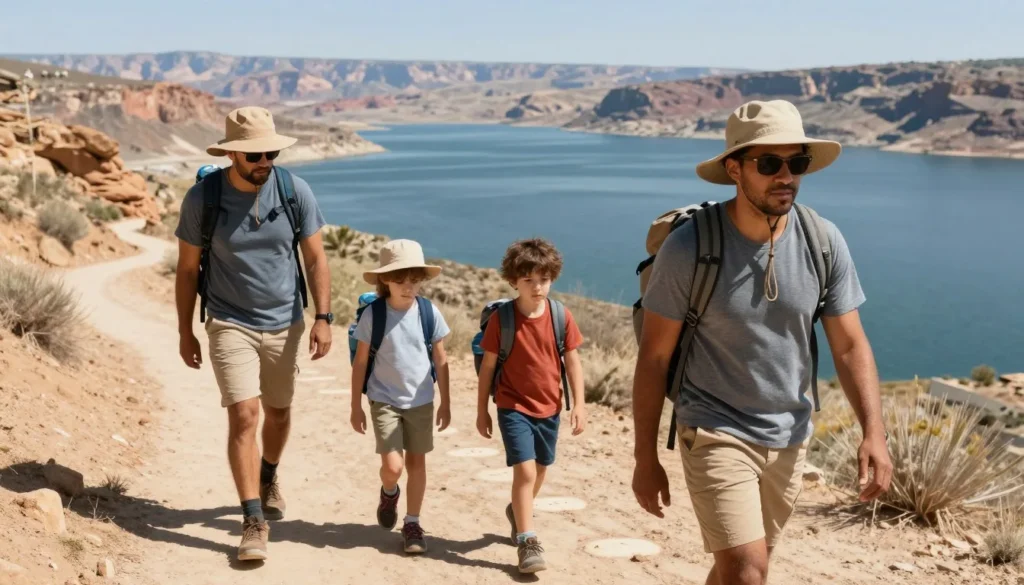
Families love this easy 1.2 km (0.75 mile) loop through red sandstone formations. Unique geology creates an otherworldly landscape.
- Minimal elevation change
- Colorful rock formations
- Short duration perfect for kids
- Self-guided interpretive trail
Liberty Bell Arch
Advanced hikers tackle this challenging route to a natural arch. The 8 km (5 mile) trek requires navigation skills and stamina.
- Unmaintained trail requiring experience
- Spectacular arch formation
- Solitude in remote location
- GPS and extra water essential
Scenic Drives
Northshore Road winds 89 km (55 miles) along the lake’s edge. Pullouts let drivers stop for photographs and wildlife viewing. The route passes colorful rock formations and hidden beaches.
Lakeshore Road connects Boulder City to the lake. This scenic route offers dam views and desert vistas. Valley of Fire State Park lies just north for extended exploration.
Photography Opportunities
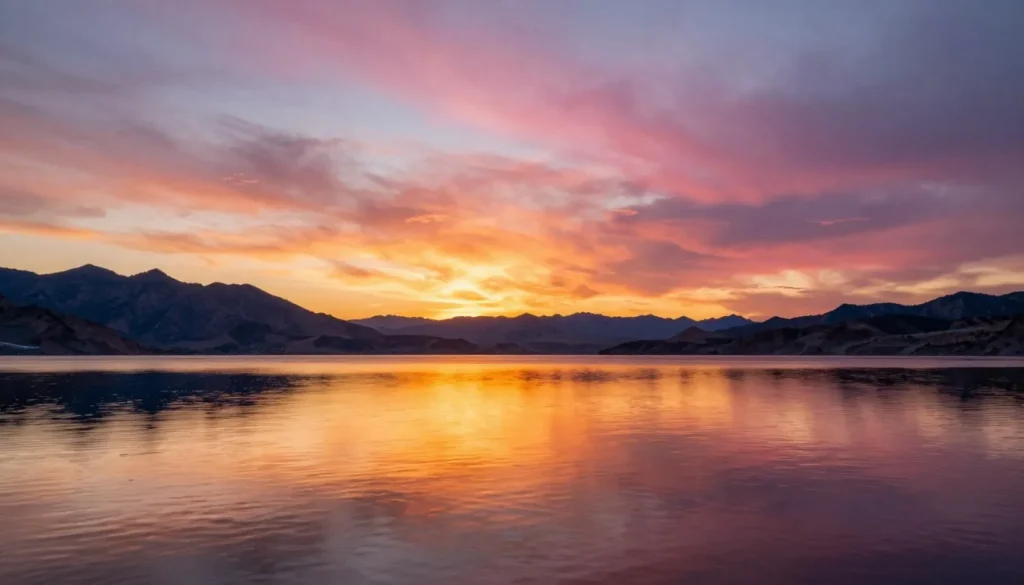
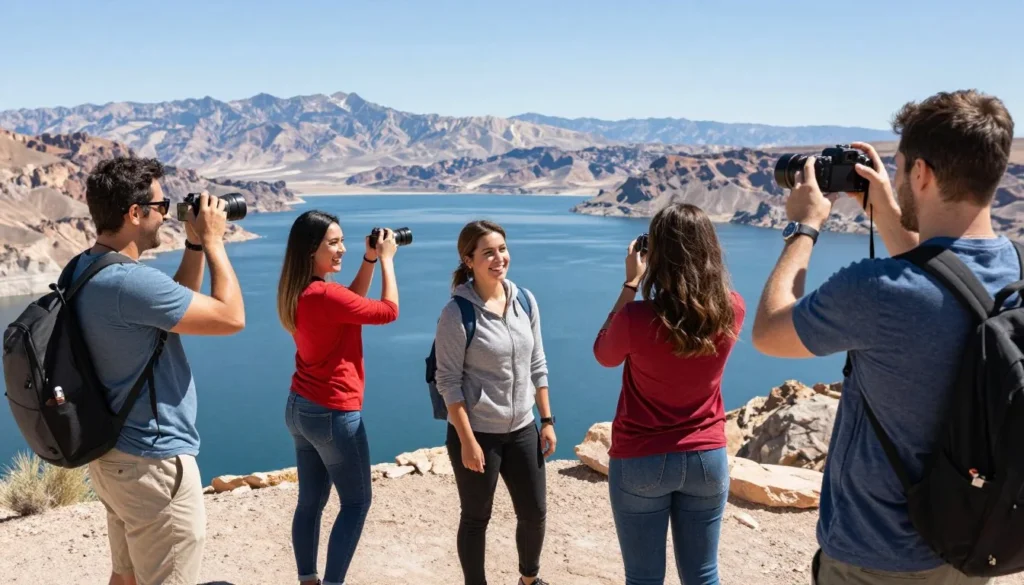
Photographers find endless subjects here. Sunrise paints the mountains in golden light. Sunset transforms the water into mirrors reflecting pink and orange skies.
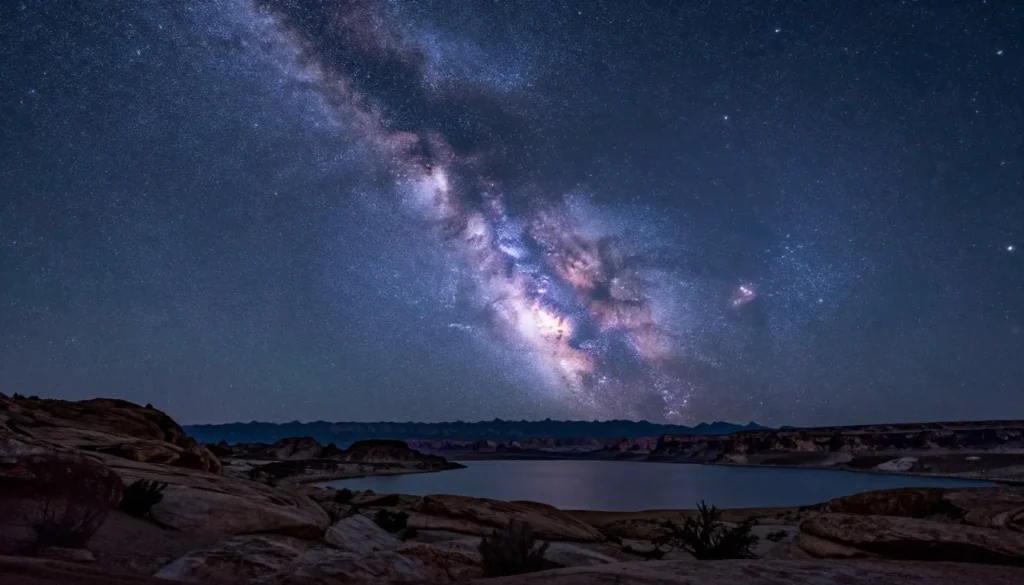
The contrast between blue water and red rocks creates striking images. Storm clouds add drama to landscape shots. Night photography captures star-filled skies unpolluted by city lights.
Safety, Etiquette & Local Customs
Desert recreation requires preparation and awareness. Following safety guidelines ensures enjoyable visits for everyone.
Desert Safety
Heat poses the biggest danger in this environment. Temperatures exceed 43°C (110°F) in summer. Dehydration happens quickly requiring constant water intake.
Bring one liter of water per person per hour of activity. Drink before feeling thirsty. Wear light-colored, loose-fitting clothing and wide-brimmed hats.
Start activities early morning when temperatures stay cooler. Avoid strenuous exercise during midday heat. Seek shade during the hottest hours between 11 AM and 3 PM.
Water Safety
Always wear life jackets when boating. Lake Mead’s size creates challenging conditions. Wind generates waves quickly even on calm days.
Check weather before heading out on the water. Thunderstorms develop rapidly in summer. Return to shore if clouds build or wind increases.
Swim only in designated areas. Rocky shorelines hide underwater hazards. Cold water temperatures surprise swimmers expecting warm conditions.
Wildlife Etiquette
Observe animals from safe distances. Never approach or feed wildlife. Desert bighorn sheep startle easily and can be dangerous if cornered.
Rattlesnakes live throughout the area. Watch where you place hands and feet. Give snakes space to retreat if encountered.
Desert tortoises are protected species. Touching or moving them is illegal. Photograph from a distance without disturbing their activities.
Leave No Trace Principles
Pack out all trash including food scraps. Litter harms wildlife and ruins natural beauty. Carry bags for collecting waste during visits.
Stay on designated trails to prevent erosion. Desert plants take decades to grow back after damage. Shortcutting trails destroys fragile vegetation.
Campfires are restricted to designated rings. Always extinguish fires completely. High winds spread embers quickly in dry conditions.
✓ Check 30,000+ Local Sightseeing Tours Worldwide
Visitor Comments About Lake Mead
“Lake Mead exceeded every expectation. The contrast between the desert landscape and the brilliant blue water creates stunning scenery. We spent three days exploring different areas and barely scratched the surface. The Historic Railroad Trail was our favorite – walking through those massive tunnels felt like traveling back in time. Our teenagers loved kayaking in the hidden coves. This place deserves far more attention than it receives.”
“As someone who loves both water activities and desert hiking, Lake Mead provided the perfect combination. The fishing was excellent – we caught striped bass our first morning out. The ranger programs taught us about desert ecology and dam history. Boulder Beach Campground offered beautiful sites right near the water. Watching sunset paint the rocks orange and red became our nightly ritual. We will definitely return to explore more trails.”
“Lake Mead surprised us with its diversity. We expected just a lake but found canyons, petroglyphs, wildlife, and fascinating history. The Hoover Dam tour was incredible – seeing the massive generators up close impressed our whole family. Desert bighorn sheep appeared near our campsite one morning. The kids loved swimming in the clear water after hot hikes. Being so close to Las Vegas yet feeling completely immersed in nature made this destination unique.”
Additional Nearby Destinations
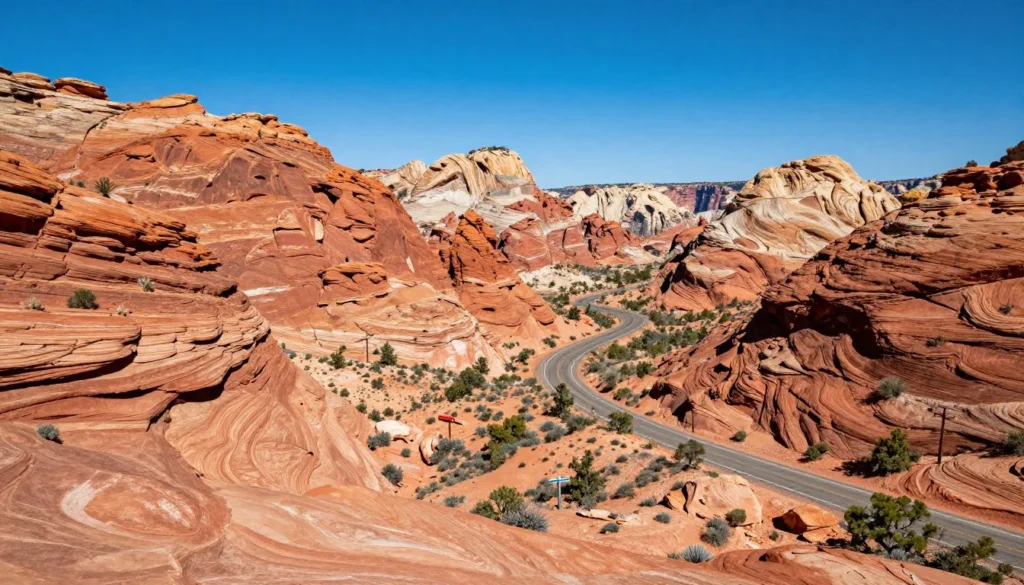
Several outstanding destinations surround Lake Mead National Recreation Area. Extending your trip lets you experience more of Nevada and Arizona’s natural wonders.
Valley of Fire State Park
Located 80 km (50 miles) northeast, this Nevada park showcases spectacular red sandstone formations. Ancient petroglyphs cover rock walls. The park earned its name from red rocks that appear aflame at sunset.
Hiking trails wind through narrow canyons and past arches. Elephant Rock and Fire Wave rank among the most photographed formations. Camping facilities accommodate overnight visitors.
Red Rock Canyon National Conservation Area
Just 56 km (35 miles) west of Lake Mead, this area protects unique desert and mountain ecosystems. A 21 km (13 mile) scenic drive loops past towering red cliffs.
Rock climbers travel worldwide to scale these sandstone walls. Hiking ranges from easy nature walks to challenging peak ascents. The visitor center explains area geology and ecology.
Grand Canyon National Park
The South Rim sits 402 km (250 miles) east. Many visitors combine Lake Mead with Grand Canyon trips. This iconic national park needs no introduction.
Plan full day trips or overnight stays to experience the canyon properly. Summer crowds pack the rim while spring and fall offer better conditions.
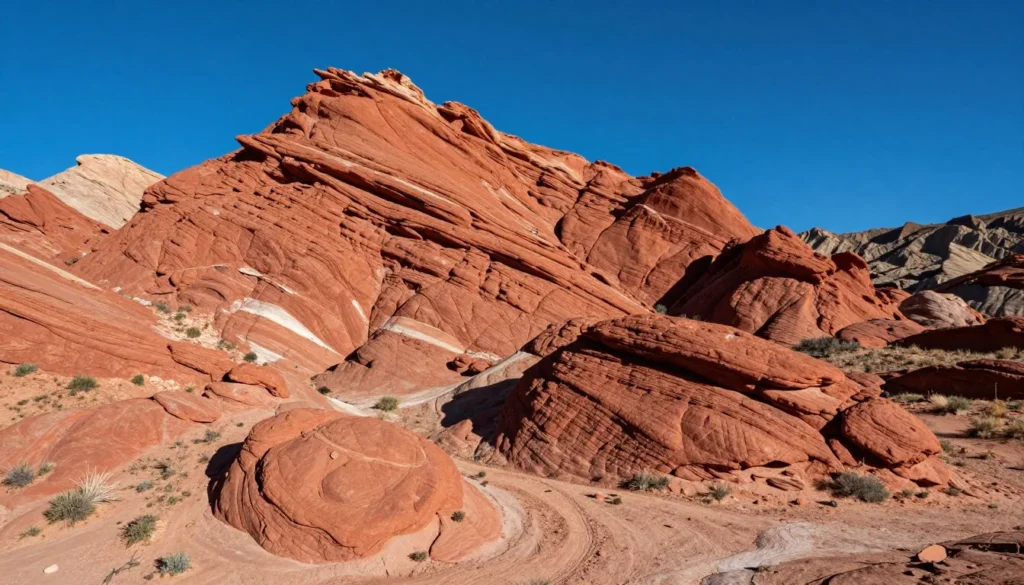
Lake Mojave
This narrow reservoir extends south from Hoover Dam into Arizona. Part of Lake Mead National Recreation Area, it offers different scenery and experiences.
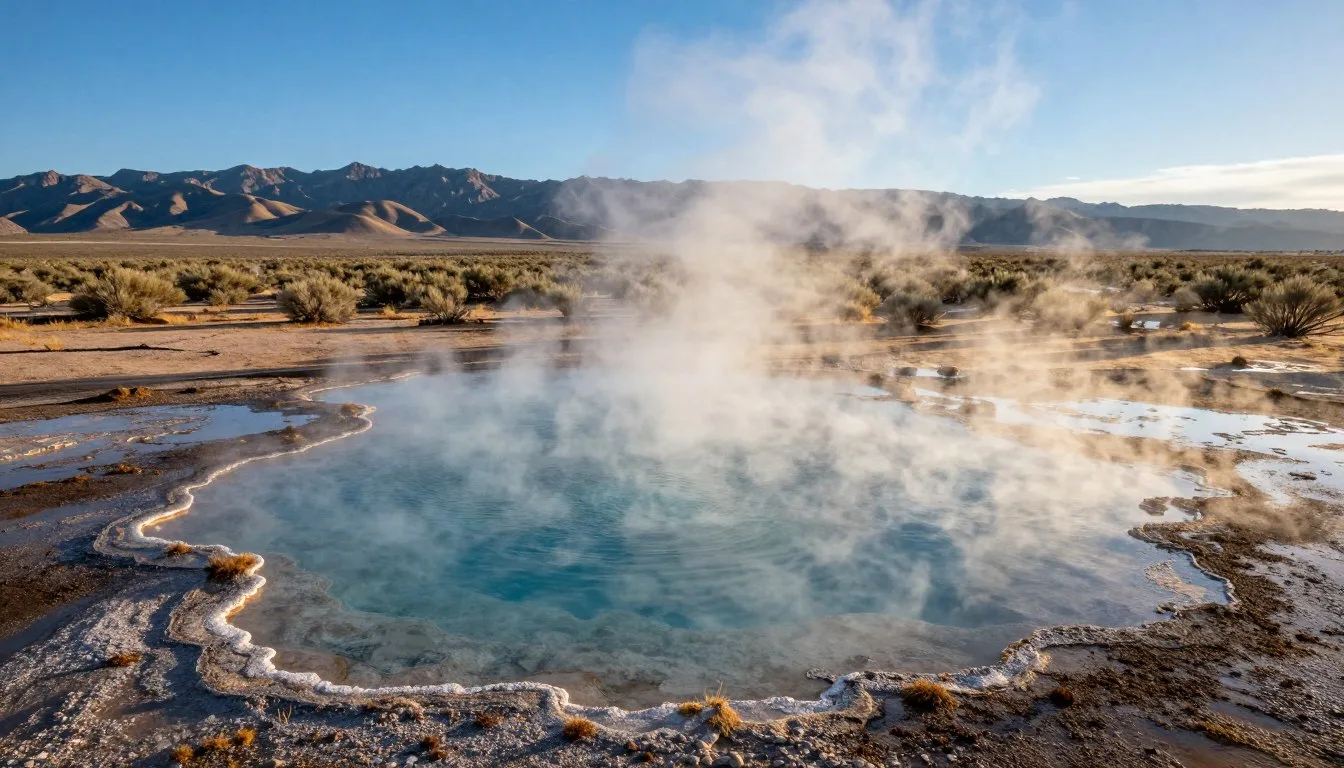
The lake stretches 108 km (67 miles) with steep canyon walls. Hot springs bubble along remote shores. Fishing and boating remain popular with fewer crowds than Lake Mead.
Las Vegas
The entertainment capital sits less than an hour away. World-class shows, restaurants, and casinos contrast sharply with natural recreation. Many visitors split time between outdoor adventures and city excitement.
Las Vegas provides all services including shopping, medical facilities, and transportation. The city’s 24-hour energy offers complete opposite to peaceful desert solitude.
Practical Travel Tips
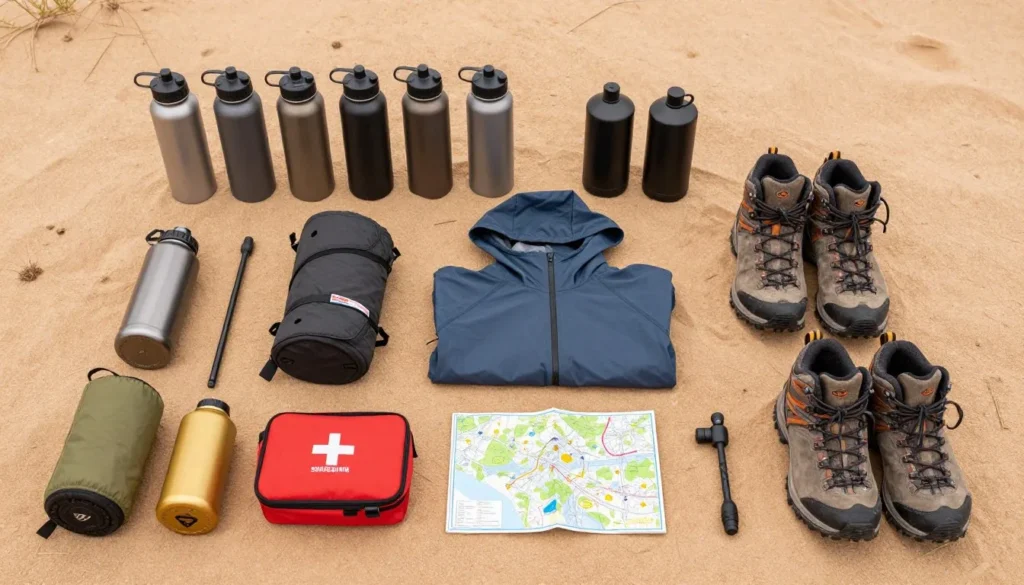
Essential Packing List
Sun protection tops the priority list. Bring SPF 50+ sunscreen and reapply frequently. Sunglasses and wide-brimmed hats shield from intense rays.
Pack layers for temperature swings. Mornings start cool while afternoons grow hot. Evenings cool quickly requiring light jackets.
Sturdy hiking shoes with ankle support prevent injuries on rocky trails. Closed-toe water shoes protect feet while swimming or wading.
What to Bring
- Insulated water bottles keeping drinks cold
- First aid kit with blister treatment
- Waterproof phone case for boat trips
- Binoculars for wildlife and bird watching
- Camera with extra batteries and memory cards
- Cooler for food and beverages
- Portable phone charger
- Detailed maps or GPS device
Money Matters
Bring cash for entrance fees though cards work at visitor centers. Some remote areas lack cell service making card readers unusable.
ATMs operate in Boulder City and at major marinas. Las Vegas offers unlimited banking services nearby.
Cell Service & Internet
Coverage varies throughout the recreation area. Major developed areas receive good signals. Remote locations have no service requiring offline maps and communication plans.
Download maps and information before visiting. Tell someone your plans when heading to remote areas.
Accessibility
Many facilities accommodate visitors with disabilities. The Historic Railroad Trail is paved and wheelchair accessible for most of its length. Visitor centers feature accessible restrooms and exhibits.
Some campgrounds offer accessible sites. Boat ramps include accessible docks. Contact visitor services for specific accessibility information.
Accessibility Information: +1 (702) 293-8990
Best Photography Tips
Golden hour provides magical light for photography. Arrive before sunrise or stay past sunset for optimal conditions.
Polarizing filters reduce water glare and deepen sky colors. Wide-angle lenses capture vast landscapes while telephoto lenses bring distant features closer.
Scout locations during midday for evening shoots. Mark GPS coordinates of promising spots for return visits.
Location Map
Your Lake Mead Adventure Awaits
Lake Mead National Recreation Area combines natural beauty, outdoor adventure, and fascinating history into one remarkable destination. Whether you seek peaceful solitude on hidden beaches or thrilling water sports, this desert oasis delivers unforgettable experiences.
The contrast between brilliant blue waters and rust-colored canyons creates scenery found nowhere else. Wildlife encounters, ancient petroglyphs, and the engineering marvel of Hoover Dam add depth to every visit.
Start planning your journey to this extraordinary place where desert meets water. Your adventure across 1.5 million acres of natural wonder begins the moment you arrive. Lake Mead National Recreation Area will exceed your expectations and leave you planning your return visit before you even depart.