Hotels by Trip.com
Flights by Trip.com
Did you know Lake Mead holds enough water to cover the entire state of Pennsylvania one foot deep? This massive reservoir, spanning 67,900 hectares (167,800 acres), ranks as America’s largest reservoir by volume. Yet most visitors only scratch the surface of what this desert oasis offers.
The Lake Mead National Recreation Area stretches far beyond its famous waters. This stunning landscape combines desert wilderness with aquatic adventures just 40 kilometers (25 miles) from Las Vegas.
Whether you crave water sports, desert hiking, or historical exploration, this guide reveals the best experiences waiting at Lake Mead. We have gathered insider tips, practical advice, and local secrets to help you plan an unforgettable trip to this Nevada treasure.
Getting There and Planning Your Journey
Reaching Lake Mead National Recreation Area proves remarkably easy from multiple directions. The park sits within an hour’s drive of major airports and connects to excellent highway systems.
Closest Airports
Harry Reid International Airport in Las Vegas serves as the primary gateway. Located just 40 kilometers (25 miles) northwest of Lake Mead, this major hub offers flights from across the United States and international destinations.
The airport features all major rental car companies. Most visitors rent vehicles here for maximum flexibility exploring the recreation area.
Henderson Executive Airport provides an alternative for private aircraft. This smaller facility sits even closer to Lake Mead at just 24 kilometers (15 miles) away.
Driving Routes
From Las Vegas, take US Route 93 South toward Boulder City. This scenic drive takes approximately 45 minutes without traffic. The highway passes directly by the recreation area entrance.
Visitors from Arizona can access Lake Mead via US Route 93 North from Kingman. This route crosses the Colorado River at Hoover Dam, offering spectacular views.
The Alan Bible Visitor Center marks the main entrance point. Staff here provide maps, activity information, and current conditions updates.
Lake Mead Visitor Center Contact
Alan Bible Visitor Center
10 Lakeshore Road, Boulder City, NV 89005
Open daily 9:00 AM – 4:30 PM
Park Entry Fees
The recreation area charges entrance fees. A single vehicle pass costs $25 and remains valid for seven consecutive days. Motorcycle entry costs $20 for the same period.
Individual entry (cyclist, pedestrian) runs $15 per person. An annual Lake Mead pass costs $45 and provides unlimited access for one year.
America the Beautiful passes work here too. These national park passes cost $80 annually and grant access to all federal recreation areas across the United States.
Best Time to Visit and Weather Tips
Lake Mead experiences extreme desert climate variations throughout the year. Choosing the right time dramatically impacts your experience at this national recreation area.
Best Time to Visit Lake Mead
Spring months from March through May offer ideal conditions. Temperatures range from 18°C to 29°C (65°F to 85°F), perfect for all outdoor activities. Wildflowers bloom across the desert landscape during April.
Fall, specifically September through November, provides another excellent window. After summer’s intense heat subsides, comfortable temperatures return. October averages 24°C (75°F), ideal for hiking and water activities.
Winter brings mild weather from December through February. Daytime temperatures hover around 15°C (59°F). While too cool for swimming, winter proves perfect for hiking and exploring without crowds.
Months to Avoid
Summer months from June through August bring extreme heat. Temperatures regularly exceed 40°C (104°F) and can reach 49°C (120°F). The intense heat makes outdoor activities dangerous during midday hours.
If you must visit during summer, limit activities to early morning or evening. Always carry extra water and recognize heat exhaustion symptoms.
Monthly Weather Overview
| Month | Avg High | Avg Low | Conditions |
| January | 14°C (58°F) | 4°C (39°F) | Cool, occasional rain |
| March | 21°C (70°F) | 9°C (49°F) | Pleasant, wildflowers |
| May | 31°C (88°F) | 17°C (63°F) | Warm, ideal for water |
| July | 41°C (106°F) | 27°C (80°F) | Extreme heat |
| October | 27°C (81°F) | 15°C (59°F) | Perfect weather |
| December | 14°C (57°F) | 4°C (40°F) | Cool, clear skies |
What to Pack
Sun protection remains essential year-round. Pack sunscreen with SPF 50 or higher, wide-brimmed hats, and polarized sunglasses. The desert sun reflects intensely off water surfaces.
Bring layers for temperature fluctuations. Desert mornings start cool, even in summer. A light jacket serves well for early activities.
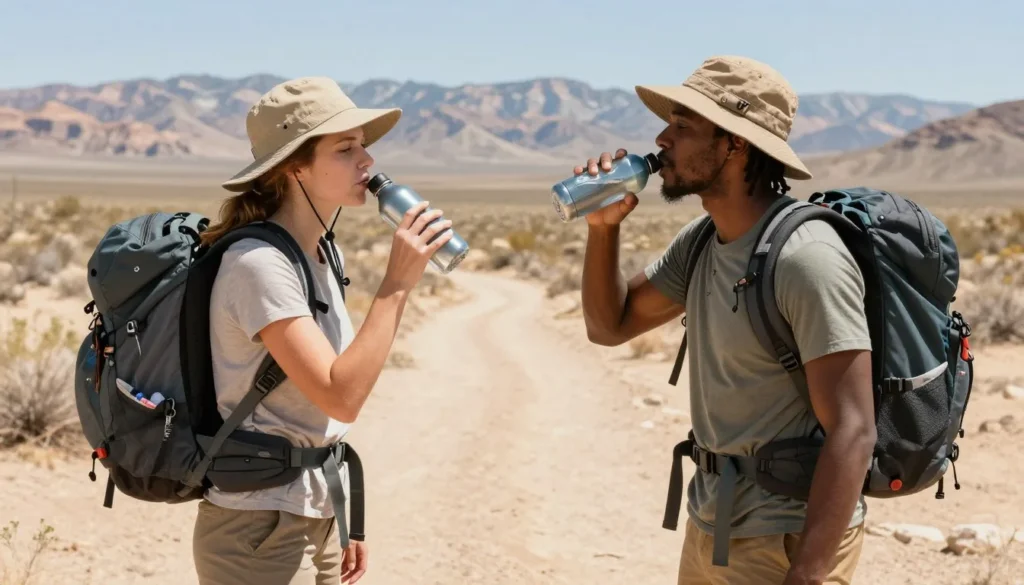
Water bottles are mandatory. Plan one gallon per person per day for hiking. Dehydration occurs rapidly in the dry desert air.
Notable Annual Festivals
Boulder City and the Lake Mead area host several annual events that enhance any visit. These festivals celebrate local culture and provide unique experiences.
Damboree Celebration
Boulder City’s signature event happens each July 4th weekend. This three-day festival commemorates the community’s connection to Hoover Dam. Events include a parade, live music, carnival rides, and spectacular fireworks over the desert.
The festival takes place in downtown Boulder City, just minutes from Lake Mead. Activities run throughout the day with family-friendly entertainment.
Damboree Information:
Art in the Park
Every first Saturday from October through May, Boulder City hosts Art in the Park. This outdoor art festival features over 100 artists displaying paintings, sculptures, jewelry, and crafts.
The event runs from 9:00 AM to 4:00 PM in Wilbur Square Park. Admission remains free, making it an excellent addition to any Lake Mead trip during these months.
Art in the Park Contact:
Lake Mead Triathlon
Boulder City hosts this challenging triathlon each October. Athletes swim in Lake Mead, bike through the desert, and run past historic sites. Spectators enjoy watching competitors against the stunning recreation area backdrop.
Even non-participants find inspiration watching hundreds of athletes tackle this demanding course.
Getting Around Locally
Personal vehicles provide the best way to explore Lake Mead National Recreation Area. The park spans over 607,000 hectares (1.5 million acres), with attractions spread across vast distances.
Road Network
Lakeshore Road serves as the main artery through the Nevada side. This paved route connects Boulder City to major recreation sites including Boulder Beach, Las Vegas Bay, and Callville Bay.
Northshore Road extends from Lakeshore Road deeper into the recreation area. This scenic drive reaches Valley of Fire State Park and Overton Beach.
Most roads remain paved and well-maintained. However, some remote areas require high-clearance vehicles. Check current road conditions at visitor centers before heading to backcountry areas.
Parking and Access
Major recreation sites offer paved parking lots. During busy weekends and holidays, lots fill quickly at popular beaches. Arriving before 10:00 AM secures better parking spots.
Free parking is available at most trailheads and overlooks. Marina parking may incur fees depending on services used.
Water Transportation
Boat rentals provide another way to explore. Several marinas offer powerboats, kayaks, and paddleboards. Boats access remote coves and beaches unreachable by road.
Houseboat rentals let visitors experience the lake over multiple days. These floating accommodations come equipped with kitchens and sleeping quarters.
Where to Stay
Lake Mead offers diverse lodging options from rustic camping to comfortable hotels. Most accommodations cluster in Boulder City, with some directly within the national recreation area.
Boulder City Hotels
Boulder City provides the closest hotel options, just 11 kilometers (7 miles) from the park entrance. This charming historic town features several mid-range hotels and bed-and-breakfast inns.
The town maintains its original 1930s character from the Hoover Dam construction era. Clean rooms, local restaurants, and easy park access make Boulder City ideal for families.
Most hotels offer pools, free parking, and complimentary breakfast. Prices range from moderate to reasonable compared to Las Vegas rates.
Las Vegas Strip Hotels
Las Vegas hotels sit approximately 48 kilometers (30 miles) from Lake Mead. The famous Las Vegas Strip offers countless accommodation choices with every amenity imaginable.
Staying on the Strip makes sense for visitors wanting evening entertainment. The drive to Lake Mead takes 45 minutes to one hour depending on traffic.
Las Vegas hotels range from budget-friendly to ultra-luxury. Many offer package deals that include shows and dining credits.
Camping Options
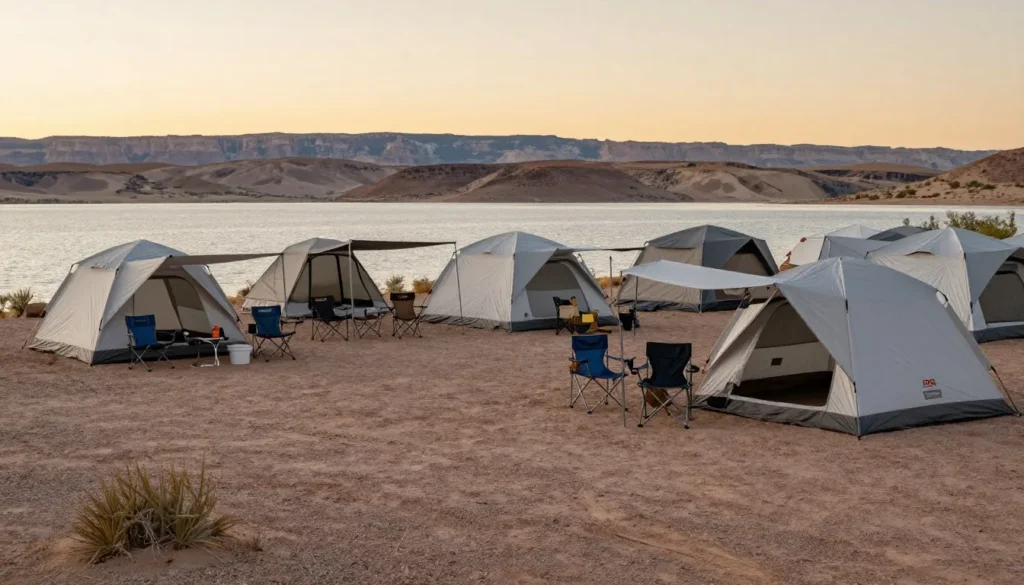
The national recreation area maintains several developed campgrounds. Boulder Beach Campground provides the most accessible option with 150 sites near the water.
Sites include picnic tables, fire rings, and nearby restroom facilities. Some sites offer electrical hookups for RVs. Reservations are strongly recommended from March through October.
Primitive camping is allowed in designated backcountry areas. These remote sites require permits available at visitor centers. Campers must practice Leave No Trace principles.
Vacation Rentals
Boulder City and Henderson offer vacation rental homes. These properties work well for larger groups or families wanting kitchen facilities and extra space.
Rentals often include garages, outdoor spaces, and full amenities. They provide a home base for multi-day Lake Mead explorations.
Dining and Local Cuisine
While Lake Mead itself has limited dining facilities, nearby Boulder City offers excellent restaurants. Visitors should plan meals before or after park visits.
Boulder City Dining
Downtown Boulder City features diverse restaurants within walking distance. The Coffee Cup Diner serves classic American breakfast and lunch in a vintage setting since 1930.
Southwest Diner specializes in New Mexican cuisine with excellent green chile dishes. Their portions satisfy hungry hikers returning from the recreation area.
Milo’s Cellar combines a wine shop with bistro dining. Their menu focuses on fresh ingredients with Italian influences. The shaded patio provides pleasant evening dining.
Marina Dining
Lake Mead Marina Restaurant operates at the marina complex. This casual spot serves burgers, sandwiches, and cold drinks. The outdoor deck overlooks boat docks and water.
Menu options remain simple but satisfying after water activities. Operating hours vary seasonally, so call ahead during winter months.
Pack Your Own
Many visitors bring coolers with food and drinks. Picnic areas dot the shoreline with tables and grills. This option saves money and time while maximizing outdoor enjoyment.
Boulder City has several grocery stores for stocking supplies. Purchase ice at marina stores to keep food fresh in the desert heat.
Remember to pack out all trash. The recreation area maintains strict policies about litter to protect desert wildlife and water quality.
Attractions, Sightseeing and Activities
Lake Mead National Recreation Area offers activities for every interest level. Water sports dominate warm months, while hiking and sightseeing remain popular year-round.
Hoover Dam Tours
Hoover Dam stands as the area’s most famous attraction. Located at the lake’s western end, this engineering marvel created Lake Mead in the 1930s.
Dam tours run daily and showcase the massive turbine generators producing hydroelectric power. The visitor center explains construction history through exhibits and films.
PowerPlant Tours take visitors deep inside the dam structure. These guided experiences last about one hour and require moderate walking.
The dam bridge offers stunning views from 270 meters (900 feet) above the Colorado River. A pedestrian walkway allows photos from this dramatic vantage point.
Boating and Water Sports
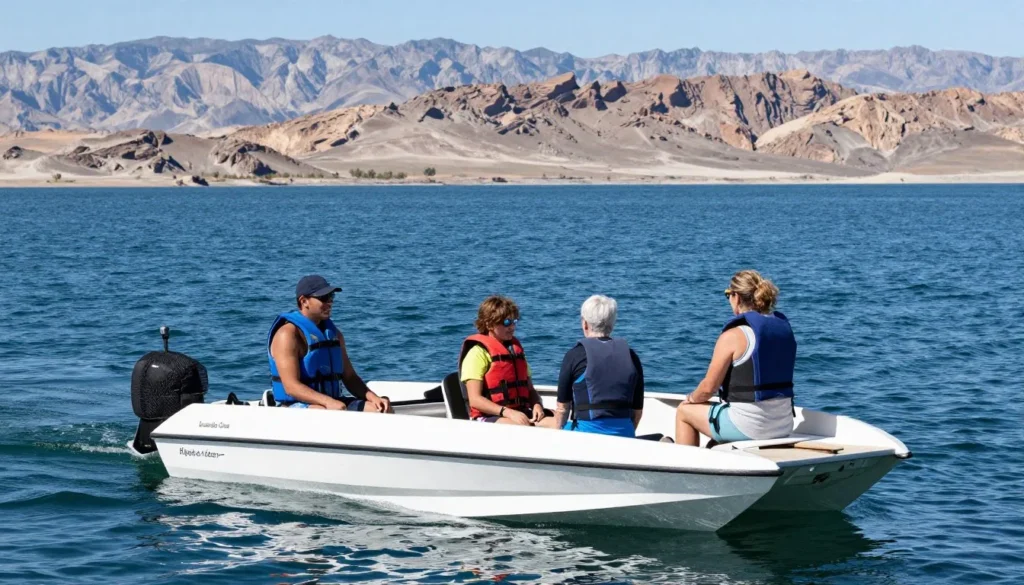
Boating represents the quintessential Lake Mead experience. Multiple marinas rent powerboats, personal watercraft, and sailboats by the hour or day.
Las Vegas Boat Harbor serves as the closest full-service marina to Las Vegas. They offer boat rentals, fuel, and supplies. Launch ramps accommodate private boat trailers.
Water skiing and wakeboarding thrive on the calm morning waters. Many coves provide protected areas perfect for beginners learning these sports.
Fishing remains popular throughout the year. Lake Mead holds striped bass, largemouth bass, catfish, and rainbow trout. A Nevada fishing license is required for anyone over 12 years old.
Kayaking and Paddleboarding
Kayakers and paddleboarders explore narrow canyons and quiet coves inaccessible to larger boats. These human-powered craft offer intimate lake experiences.
Black Canyon below Hoover Dam provides exceptional paddling. This Colorado River section features hot springs and historic sites. Several outfitters lead guided tours through this area.
Beginners should stick to main lake coves where calm water and easy shore access provide safety. Wind picks up by afternoon, so morning paddles work best.
Swimming and Beaches
Boulder Beach ranks as the most popular swimming area. This developed beach offers sandy shores, picnic facilities, and lifeguards during summer months.
The water stays refreshingly cool even during hot summer days. Lake temperatures range from 12°C (53°F) in winter to 26°C (80°F) in late summer.
Numerous undeveloped beaches dot the shoreline. These natural areas provide solitude but lack facilities or lifeguard supervision.
Museums, Cultural Spots and Festivals
The Lake Mead area preserves fascinating history spanning thousands of years. Several sites and museums interpret this rich cultural heritage.
Boulder City Hoover Dam Museum
This downtown museum chronicles Hoover Dam construction and Boulder City’s creation. Exhibits feature photographs, artifacts, and personal stories from the 1930s building era.
Interactive displays explain the engineering challenges overcome during construction. Video presentations show the massive scale of this Depression-era project.
The museum operates Monday through Saturday from 10:00 AM to 5:00 PM. Admission fees support ongoing preservation and education programs.
Lost City Museum
Located in Overton, about 64 kilometers (40 miles) northeast of Boulder City, this museum showcases Ancestral Puebloan artifacts. The site sits near ancient settlements submerged when Lake Mead filled.
Reconstructed pueblos demonstrate how these indigenous people lived over 1,000 years ago. Pottery, tools, and jewelry recovered from excavations fill exhibit cases.
The museum helps visitors understand the human history predating modern recreation. These cultures thrived in this harsh environment through sophisticated water management.
Historic Railroad Trail
This 6 kilometer (3.7 mile) trail follows the abandoned railroad bed used during Hoover Dam construction. Workers rode trains along this route to reach the dam site.
Five massive tunnels punctuate the trail, each blasted through solid rock. Walking through these cool passages provides relief on hot days.
The trail ends with dramatic dam views from above. Interpretive signs explain the railroad’s role in one of America’s greatest engineering projects.
This mostly flat trail welcomes cyclists and hikers. The gravel surface remains suitable for most fitness levels. Allow two to three hours for a round trip walk.
Nature and Outdoor Experiences
Beyond water activities, Lake Mead National Recreation Area offers exceptional desert wilderness experiences. The landscape combines dramatic geology with surprising biodiversity.
Hiking Trails
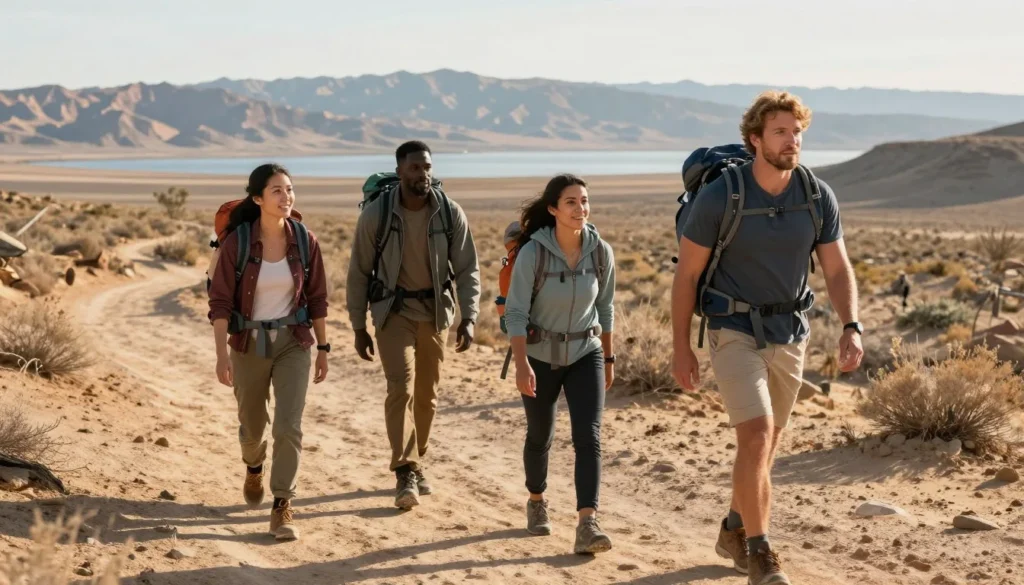
The River Mountains Loop Trail creates a 56 kilometer (35 mile) paved loop around the mountains behind Boulder City. This shared-use trail accommodates hikers, cyclists, and equestrians.
Most people tackle shorter sections rather than the full loop. The trail offers panoramic views of Lake Mead, the Las Vegas Valley, and surrounding mountains.
For shorter hikes, the Gold Strike Hot Springs Trail descends into a Colorado River canyon. This challenging 9.6 kilometer (6 mile) round trip requires scrambling over boulders.
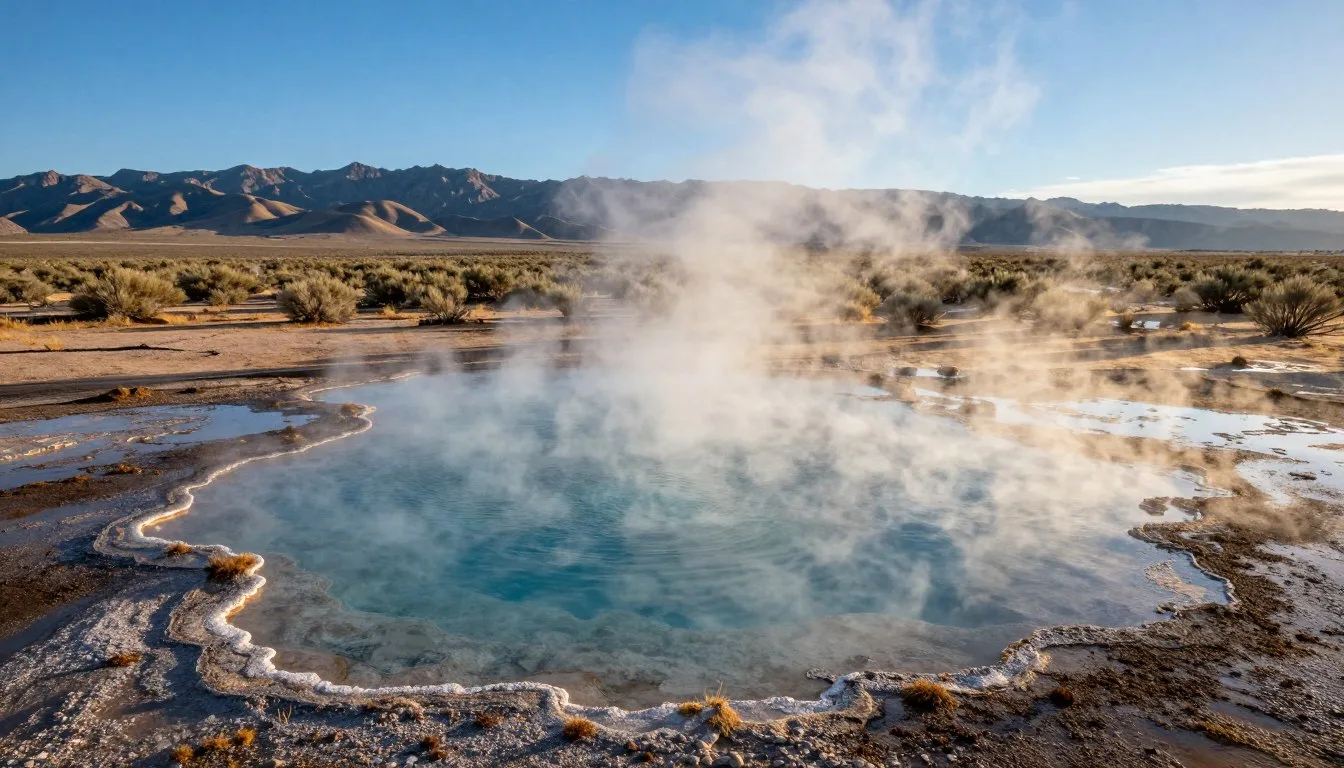
The reward includes natural hot springs pools where warm water meets the cool river. Hikers can soak tired muscles while surrounded by towering canyon walls.
Wildlife Viewing
Desert bighorn sheep inhabit the steep terrain around Lake Mead. These remarkable animals climb impossible-looking cliffs with ease. Early morning and late afternoon provide the best viewing chances.
Over 300 bird species visit or reside in the recreation area. Bald eagles winter along the shoreline from November through February. Great blue herons and various duck species stay year-round.
Desert wildlife includes roadrunners, coyotes, kit foxes, and numerous lizard species. Rattlesnakes inhabit rocky areas, so watch where you step on trails.
Photography Opportunities
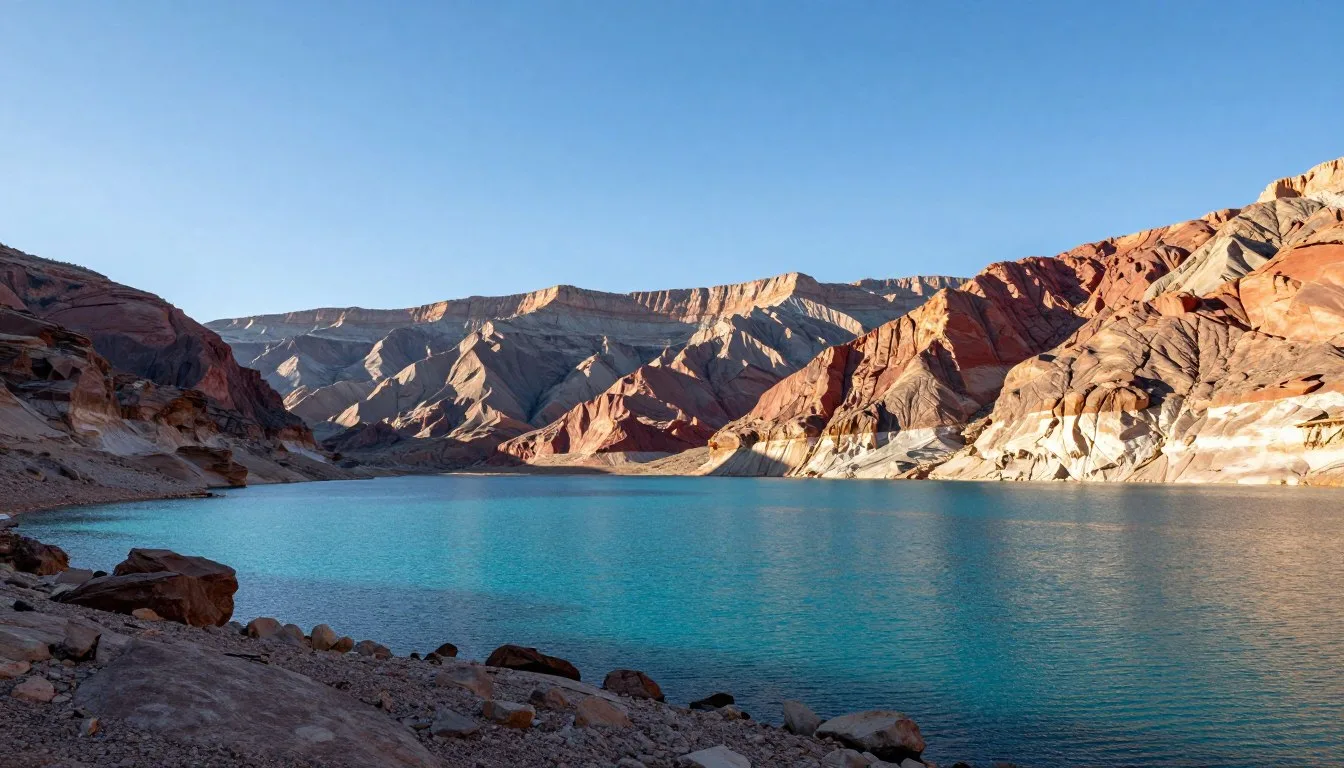
The dramatic contrast between blue water and red desert rocks creates spectacular photos. Sunrise and sunset paint the landscape in vivid colors.
Boulder Islands near Boulder Beach provide interesting foreground elements. These rocky outcrops emerge from the turquoise water like desert sculptures.
The changing lake levels expose unique geological formations. White “bathtub rings” mark former water levels on canyon walls, creating abstract patterns.
Stargazing
The dark skies away from Las Vegas lights offer incredible stargazing. Minimal light pollution reveals the Milky Way stretching across the night sky.
New moon periods provide the darkest conditions. Bring blankets and lie back on beaches to watch meteor showers during peak periods like August’s Perseids.
Winter’s clear, cool nights offer the steadiest atmospheres for viewing. Constellations appear brilliantly sharp in the dry desert air.
Safety, Etiquette and Local Customs
Desert recreation requires specific safety awareness. Understanding potential hazards ensures enjoyable, incident-free visits to Lake Mead.
Water Safety
Always wear life jackets when boating, regardless of swimming ability. Lake Mead’s size creates conditions that surprise inexperienced boaters. Wind can generate waves quickly in open areas.
Cold water poses dangers even during hot weather. The lake’s depth keeps water temperatures cool. Hypothermia can occur faster than most people expect.
Never boat or swim alone. Always tell someone your plans and expected return time. Cell phone coverage remains spotty in remote areas.
Carbon monoxide from boat motors accumulates in enclosed areas. Never swim near running motors or under swim platforms while engines run.
Desert Hazards
Heat exhaustion and heatstroke kill visitors every year. Drink water constantly, even when not thirsty. Carry at least one gallon per person per day when hiking.
Symptoms of heat illness include dizziness, nausea, confusion, and stopped sweating. Seek shade immediately and cool the body with wet clothing.
Flash floods can occur during summer monsoon season from July through September. Never camp in dry washes. If thunderstorms threaten, move to higher ground immediately.
Rattlesnakes become active in warmer months. Watch where you place hands and feet on trails. Most bites occur when people accidentally step on or near snakes.
Leave No Trace Principles
Pack out everything you pack in. The desert ecosystem struggles to decompose trash. Even organic waste like orange peels take years to break down in the dry climate.
Stay on designated trails to prevent erosion. Desert soils compact easily and plants grow slowly. Damaged areas take decades to recover.
Human waste must be buried at least 15 centimeters (6 inches) deep and 61 meters (200 feet) from water. Pack out toilet paper in sealed bags.
Respect Wildlife
Never feed wildlife. Animals that learn to associate humans with food become dangerous. Feeding wildlife is illegal and carries substantial fines.
Observe animals from distance. Approaching too closely stresses wildlife and can provoke defensive behavior. Use binoculars or zoom lenses for closer views.
Local Etiquette
Boulder City maintains a small-town atmosphere despite proximity to Las Vegas. Residents appreciate visitors who respect the quiet community character.
The town prohibits gambling, making it unique in Nevada. This intentional choice preserves the family-friendly environment established in the 1930s.
At boat launches, be prepared before your turn. Have boats ready to launch quickly so others don’t wait unnecessarily during busy periods.
Visitor Comments About Lake Mead
Real travelers share their Lake Mead experiences:
“Lake Mead exceeded every expectation. We rented kayaks and explored hidden coves you cannot reach by car. The turquoise water against red cliffs created scenes straight from postcards. Our family spent three days and still wanted more time. The recreation area offers so much more than we imagined.”
“We visited during October and found perfect weather for hiking. The Historic Railroad Trail through those massive tunnels was fascinating. Standing above Hoover Dam at the trail’s end gave us such appreciation for that engineering achievement. Boulder City made a charming base with great local restaurants.”
“Do not skip the Gold Strike Hot Springs hike if you can handle moderate difficulty. Soaking in natural hot springs while the Colorado River flows past creates an unforgettable experience. The desert landscape looks harsh but holds incredible beauty. We saw bighorn sheep on the cliffs above us. Truly magical place.”
Additional Nearby Destinations
Lake Mead’s location makes it an excellent hub for exploring other Southwest attractions. Several remarkable places sit within easy driving distance.
Valley of Fire State Park
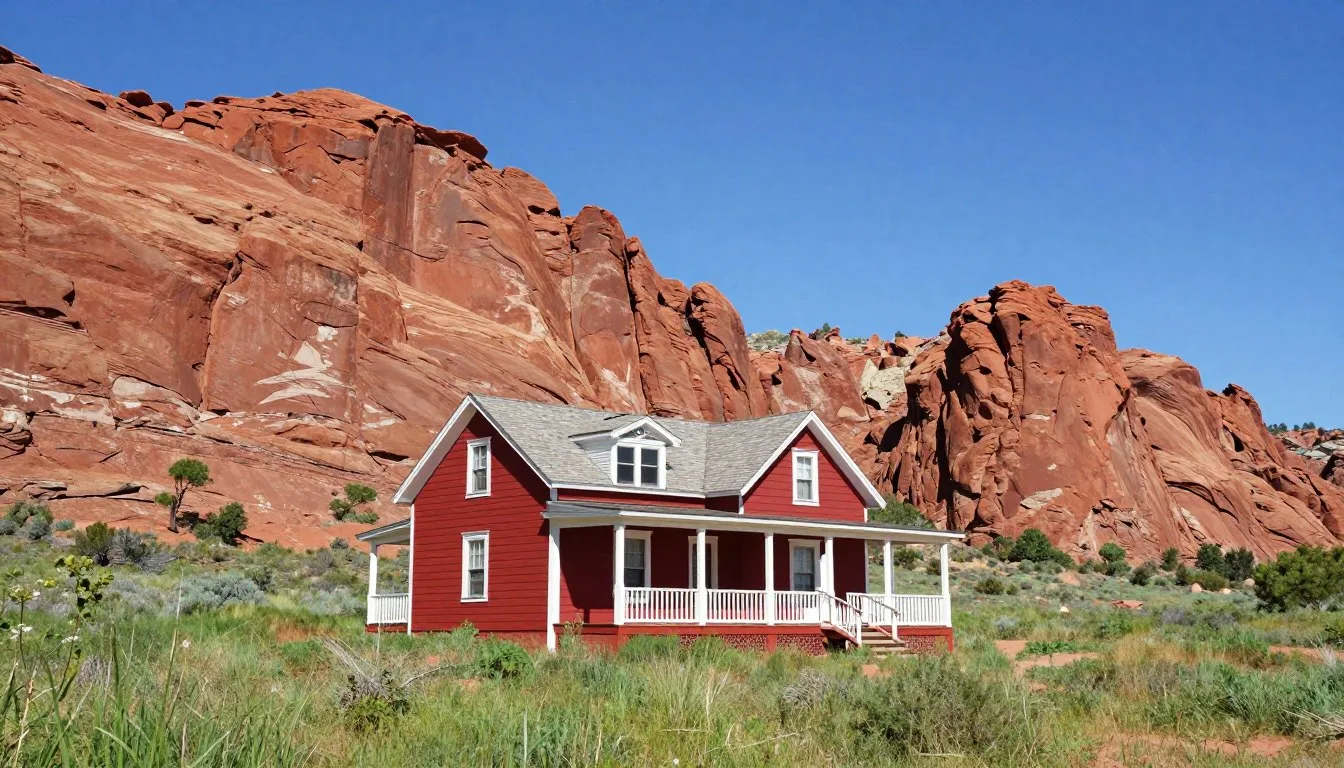
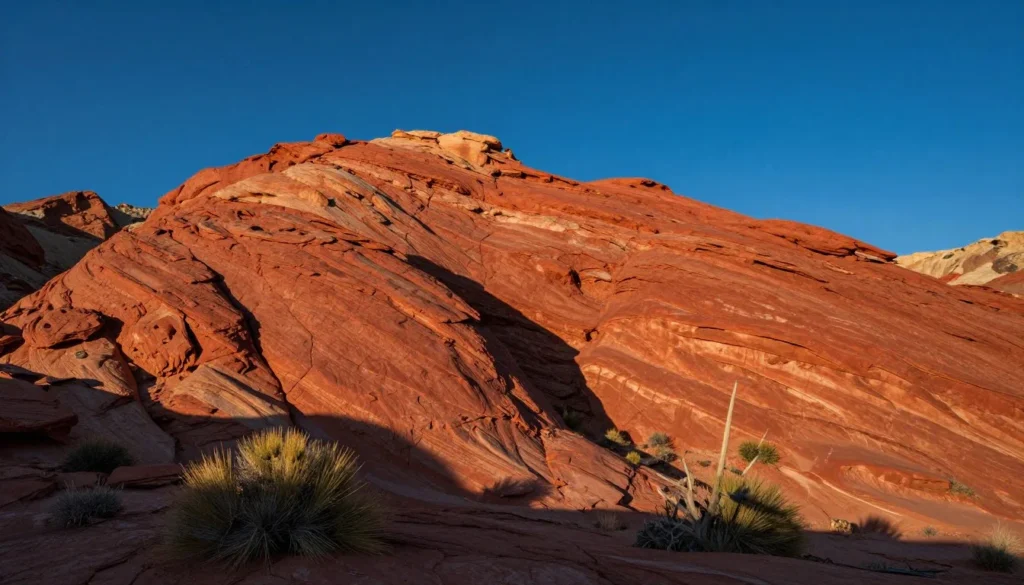
Just 56 kilometers (35 miles) northeast of Lake Mead, Valley of Fire showcases stunning red sandstone formations. Wind and water carved the rocks into fantastic shapes over millions of years.
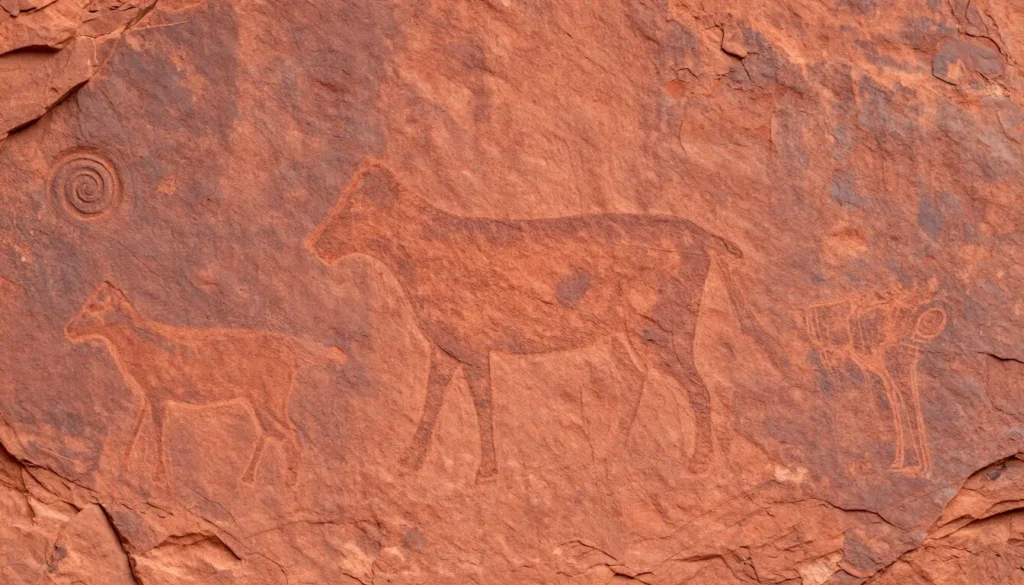
Ancient petroglyphs cover many rock faces. Native peoples carved these symbols thousands of years ago. The park’s scenic drive accesses major formations easily.
Several short trails lead to arches, balanced rocks, and slot canyons. The Fire Wave Trail displays rocks striped in pink, red, and white layers.
Red Rock Canyon National Conservation Area
Located 64 kilometers (40 miles) west of Lake Mead, Red Rock Canyon offers world-class rock climbing and hiking. The 21 kilometer (13 mile) scenic drive loops through stunning desert landscapes.
Dramatic red cliffs rise 900 meters (3,000 feet) above the valley floor. These Aztec sandstone formations glow brilliant red during sunrise and sunset hours.
Over 30 hiking trails range from easy walks to challenging scrambles. The Calico Tanks Trail rewards hikers with views over Las Vegas from natural water-catching depressions.
Las Vegas Strip
The famous Las Vegas Strip provides complete contrast to Lake Mead’s natural beauty. This entertainment corridor offers shows, restaurants, casinos, and nightlife.
Many visitors combine outdoor Lake Mead days with evening entertainment in Las Vegas. The short distance makes this combination practical and enjoyable.
Grand Canyon West Rim
The Grand Canyon’s West Rim sits 193 kilometers (120 miles) southeast of Lake Mead. This section features the famous Skywalk, a glass bridge extending over the canyon.
The Hualapai Nation manages this area. Helicopter tours descend to the Colorado River far below the rim. The dramatic views rival the more famous South Rim.
Practical Travel Tips
These practical suggestions help maximize your Lake Mead National Recreation Area visit while avoiding common mistakes.
Plan Ahead
Reserve campsites and boat rentals well in advance during peak season. March through October sees heavy visitation, especially on weekends. Spring break and summer holidays fill up fastest.
Download offline maps before arriving. Cell phone service remains unreliable throughout much of the recreation area. Having navigation information stored prevents getting lost.
Check the National Park Service website for current conditions. Wildfires, extreme weather, or maintenance work sometimes close roads or facilities. Knowing conditions prevents disappointment.
Lake Mead General Information:
Money and Services
Boulder City has ATMs and gas stations. Fill fuel tanks there, as marina gas costs significantly more. The price difference often exceeds one dollar per gallon.
Credit cards work at developed facilities, but cash helps at smaller vendors. Marina stores stock basic supplies but charge premium prices.
No entrance fee payment options exist once inside the park. Purchase passes at entrance stations or visitor centers before exploring.
Sun Protection
The desert sun burns skin quickly, even on cloudy days. Apply broad-spectrum SPF 50 sunscreen every two hours. Water reflection intensifies UV exposure.
Long-sleeve shirts and pants provide better protection than sunscreen alone. Light-colored clothing reflects heat while covering skin.
Start activities early. Sunrise until 10:00 AM offers the most pleasant conditions. Heat builds rapidly after late morning.
Photography Tips
Golden hour light transforms the landscape. The hour after sunrise and before sunset creates warm, dramatic illumination perfect for photography.
A polarizing filter reduces water glare and deepens blue sky colors. This simple addition dramatically improves outdoor photos.
Protect camera equipment from sand and dust. The fine desert particles infiltrate everywhere. Keep gear sealed when not actively shooting.
Accessibility Information
The Alan Bible Visitor Center is fully wheelchair accessible. Paved paths lead to overlooks with lake views near the center.
Boulder Beach features an accessible ramp to the water. Reserved parking sits close to beach facilities.
The Historic Railroad Trail accommodates wheelchairs on its smooth gravel surface. The gentle grade makes this trail accessible to many visitors with mobility limitations.
Pets Policy
Pets are allowed but must remain on leashes no longer than 1.8 meters (6 feet). They cannot enter buildings or swim at designated beaches.
Hot pavement burns pet paws. Walk dogs only during cool morning or evening hours. Always carry water for pets.
Many trails allow leashed dogs. However, the intense heat makes hiking with pets dangerous during warm months. Consider leaving pets in air-conditioned accommodations.
Your Lake Mead Adventure Awaits
Lake Mead National Recreation Area reveals itself as far more than a simple desert reservoir. This magnificent place combines water recreation with hiking, history, and stunning natural beauty.
Whether you spend one day or one week, Lake Mead offers experiences that create lasting memories. The turquoise water contrasts dramatically with red desert rocks under brilliant Nevada skies.
Plan your visit during spring or fall for ideal weather conditions. Bring plenty of water, sun protection, and a sense of adventure. The recreation area rewards those who venture beyond the obvious to discover hidden coves, ancient trails, and desert wonders.
Start planning your Lake Mead journey today. This Nevada treasure deserves its place on every outdoor enthusiast’s travel list.